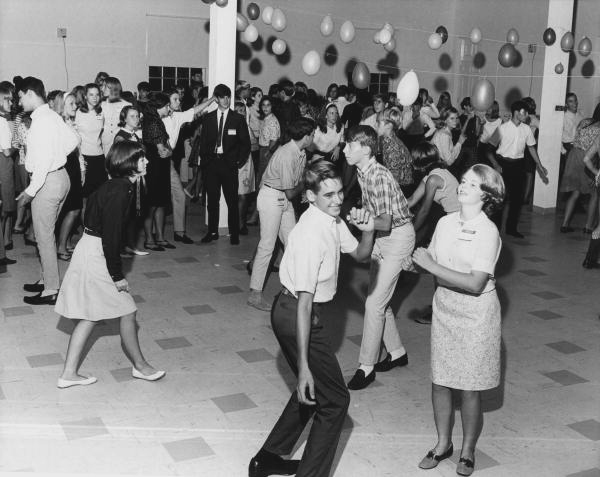
In 1974 an American prom happened in the school gymnasium, which a committee of students had spent a week of evenings converting with crepe paper, cardboard, chicken wire and spray paint.
You asked somebody in person, in a corridor, with no way to back out. He ordered a corsage at a florist by colour, which meant she had to tell him what colour her dress was. Her shoes were dyed to match it permanently. And the car was somebody’s father’s, washed that afternoon, with a curfew attached.
Here are sixteen things every American teenager did for prom in 1974, and what replaced each of them.
1. You Asked in Person and There Was Nowhere to Hide
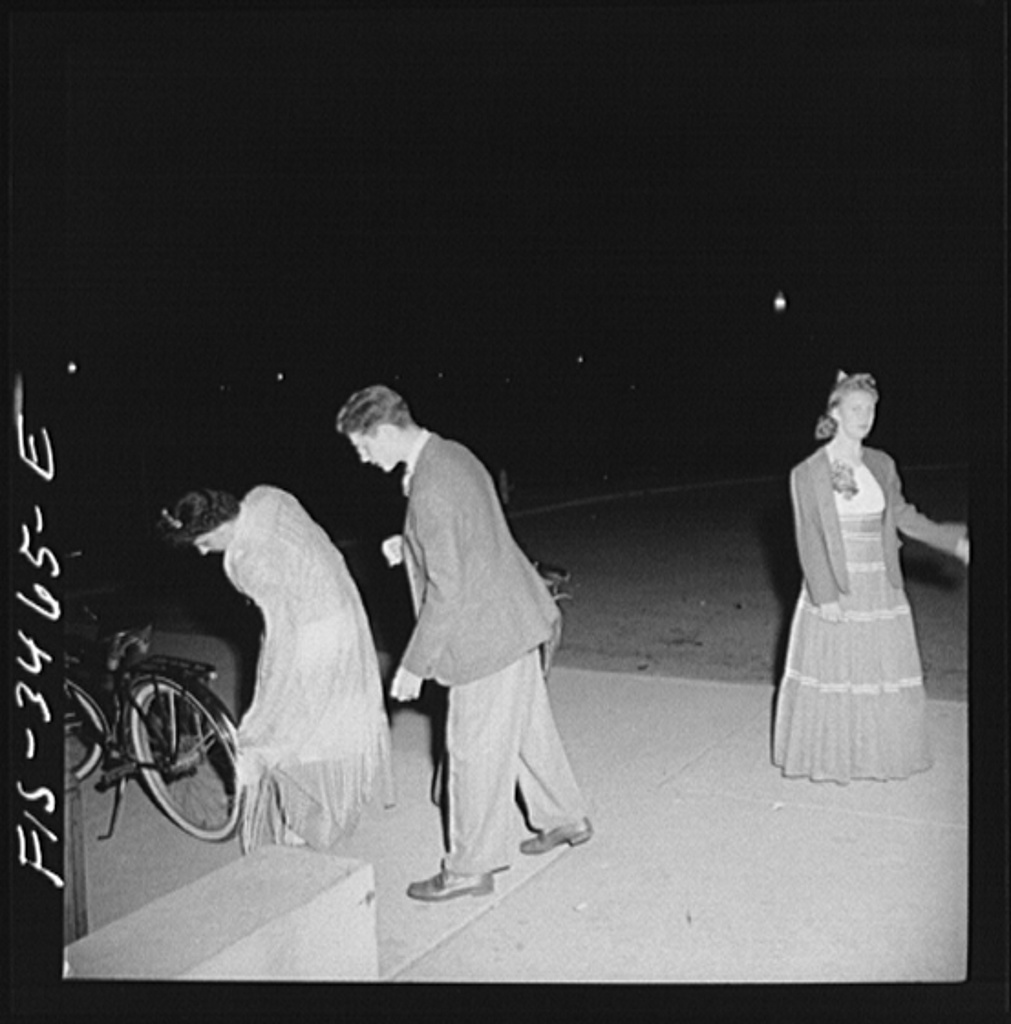
Invitations were issued face to face – in a corridor, at a locker, on a telephone with the whole household within earshot – and the answer came immediately, in front of whoever was standing there.
Elaborate staged invitations with props, signs and an audience, documented and posted, and a great deal of advance negotiation through messaging so that the public asking is a formality with a known answer.
The directness is the thing people describe with a wince fifty years later. No preparation, no backing out, no plausible way to pretend it had not happened, and a refusal delivered in a corridor was known to the whole year group by lunchtime.
Like our content? Follow us for more.
2. The Flowers Were Ordered at a Florist, by Colour, in Advance
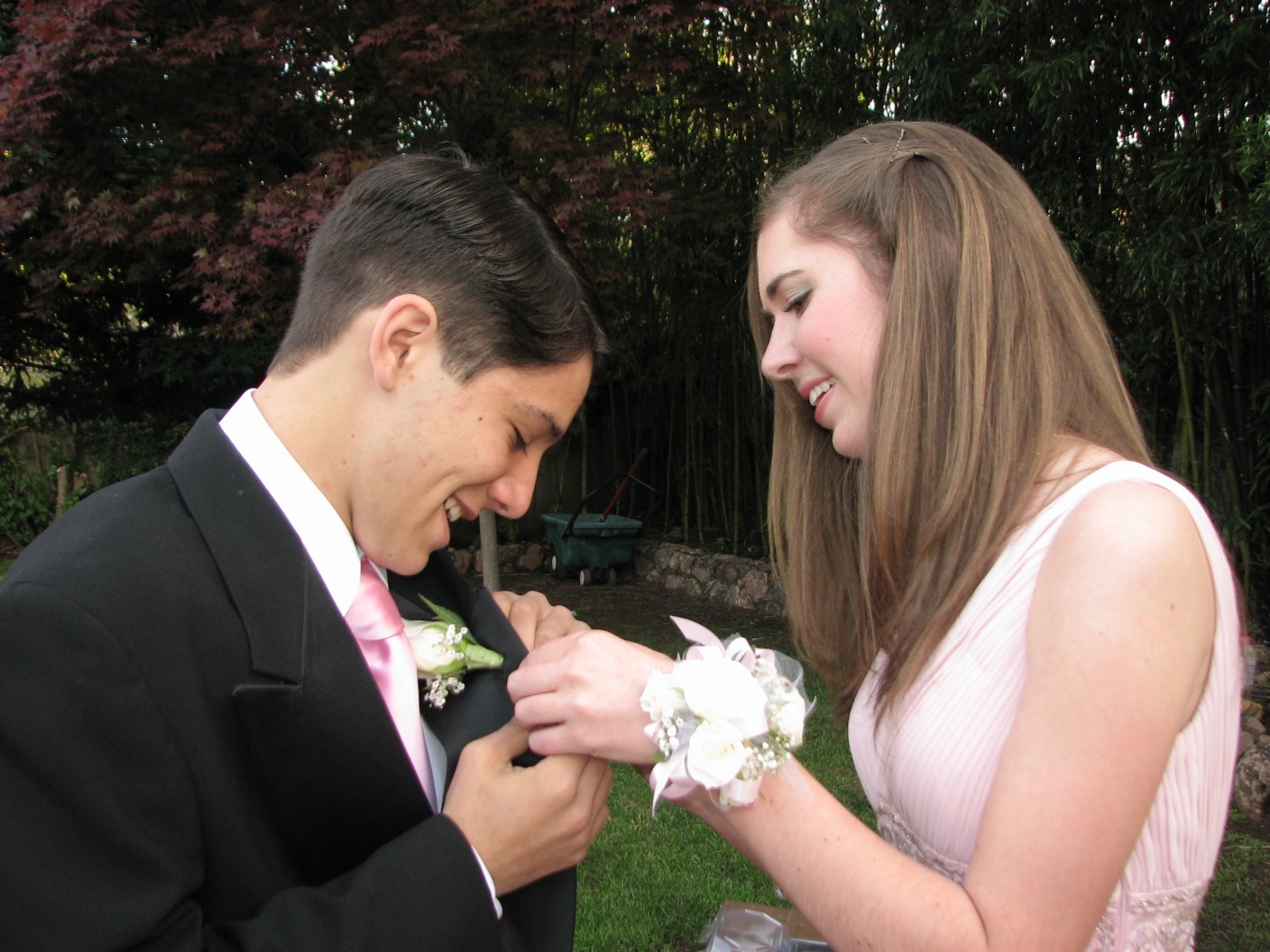
He went to a florist, in person, and ordered a wrist or pin corsage – specifying the flower and the colour – and she ordered a boutonniere for his lapel, and both were collected on the day from a refrigerated case.
The same items, frequently ordered online, alongside a substantial market in artificial and keepsake alternatives – and a fair number of couples who skip flowers entirely.
The pin version is remembered mainly for the difficulty. Attaching a corsage to a dress with a straight pin, in a living room, in front of a girl’s parents, with a camera pointed at you, is a fine motor task performed under the worst possible conditions by somebody who has never done it before.
3. She Had to Tell Him What Colour Her Dress Was
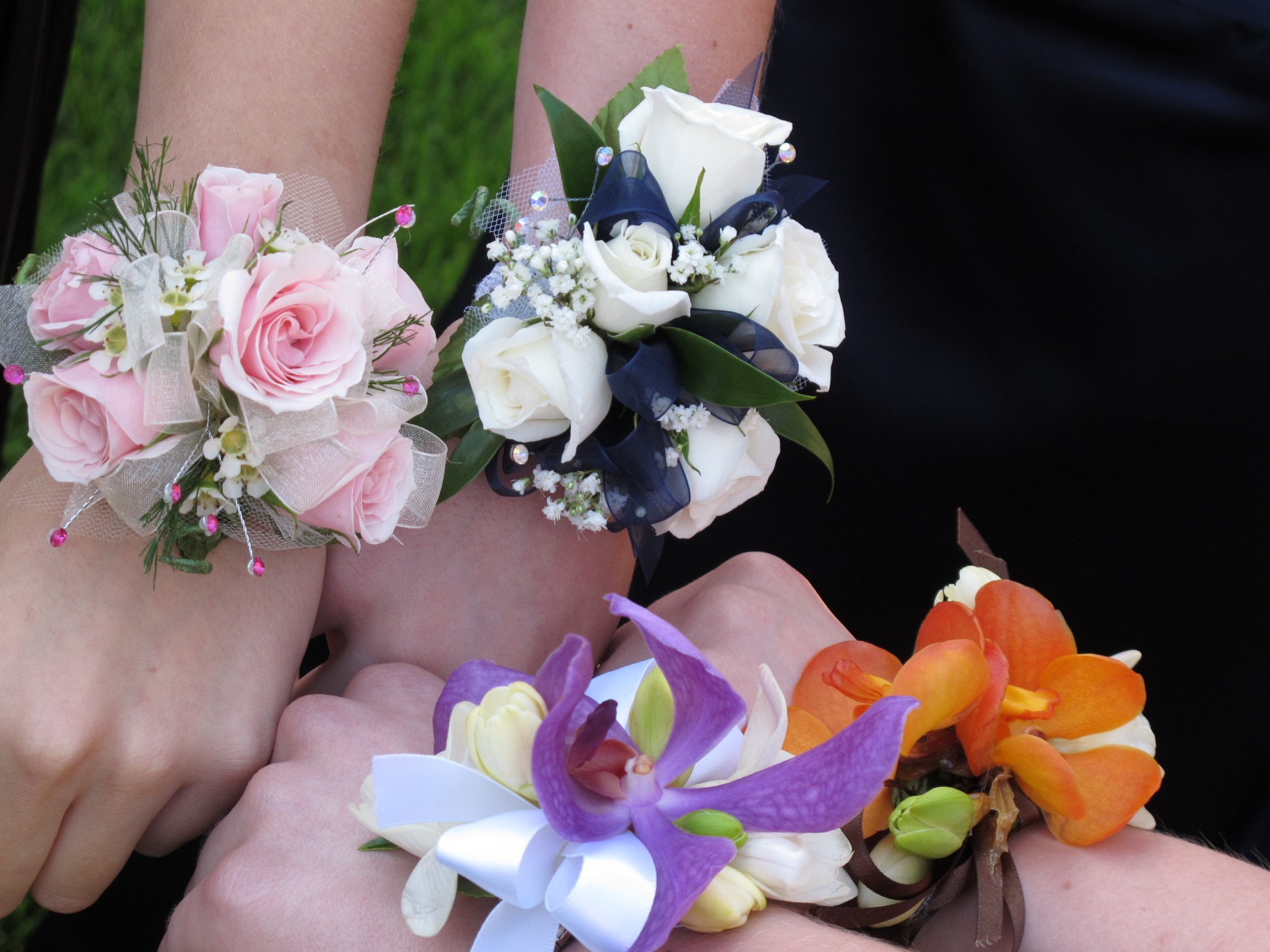
Because the flowers and frequently his jacket or shirt were matched to the dress, the colour had to be communicated in advance – which meant a conversation between two teenagers about a garment neither was comfortable discussing.
The same coordination, handled instantly by sending a photograph of the dress, which removes both the awkwardness and the possibility of getting it wrong.
Describing a colour in words is also genuinely unreliable, which produced a standing category of prom disaster. A dress described as blue and a cummerbund bought as blue were frequently two different blues, discovered at the moment of arrival, with nothing to be done.
4. The Dress Was Decided Months Ahead and Frequently Made
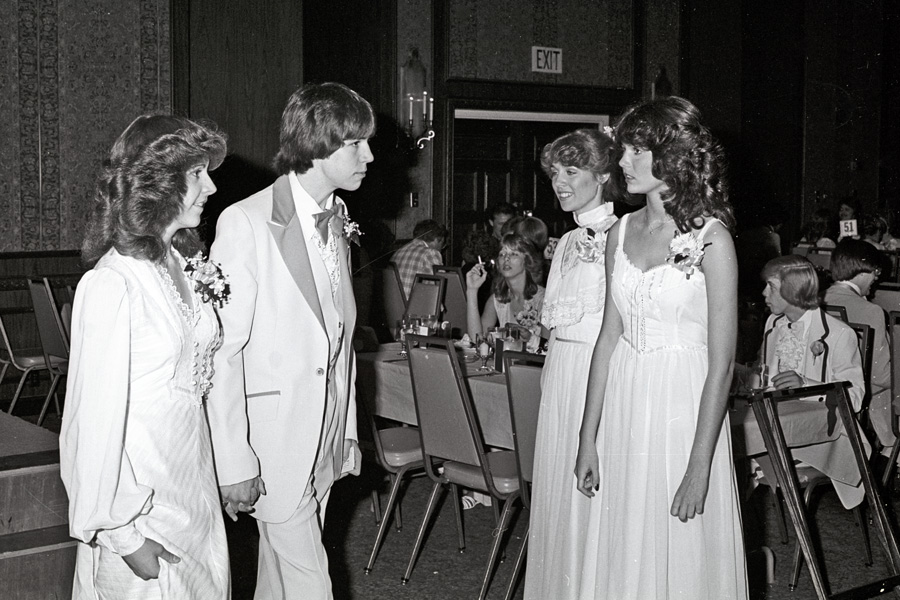
Dresses were chosen or made well in advance – from a pattern, by a mother, an aunt or the girl herself, or bought from a department store’s formal department after several visits.
An enormous retail and online market in formal wear at every price, with fast shipping, which has largely ended both the making and the long lead time.
The home-made dress is the part that has gone most completely, and it was common. A pattern, a length of good fabric and several weeks of evenings produced a garment nobody else had, fitted to the person wearing it – which is a thing money now struggles to buy.
5. He Rented a Tuxedo and the Styles Were Extraordinary
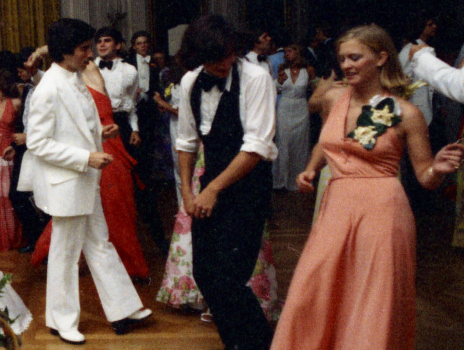
Formal wear was hired from a shop, measured and collected, and the available styles of that specific moment included coloured jackets, wide satin lapels, ruffled shirt fronts, large bow ties, velvet trim and cummerbunds in the dress colour.
Rental is still standard, in considerably more conservative styling – black, slim, plain-fronted – with the period’s colour and ruffles surviving only as deliberate retro.
Those photographs are the reason prom is such a reliable source of comedy, and it is worth being fair about it. Everybody in that gymnasium was dressed in the current formal fashion, correctly, at some expense – and the styles of one five-year window happened to age worse than almost anything else in the century.
6. Her Shoes Were Dyed to Match

Plain fabric shoes were bought and then dyed – at a shoe shop, or at home from a bottle – to match the dress exactly, which was the only way to get shoes in an unusual colour.
Shoes bought in any colour from an enormous range, or deliberately contrasting, or trainers under a long dress with nobody objecting.
The dyeing was a one-way operation and it limited what the shoes could ever be again. A pair dyed lilac for one evening in May was lilac permanently, which is why so many of them were worn once and kept in a box – and the box is frequently still in a closet.
7. The Photographs Were Taken in the Living Room by a Parent
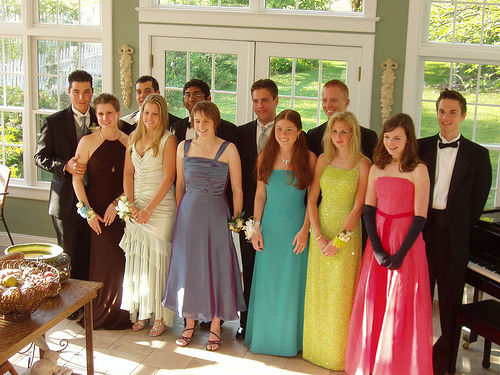
Before leaving, the couple stood in front of a fireplace, a staircase or a patterned wall while parents photographed them with a household camera, repeatedly, from several angles, for some time.
Professional photography at the venue, a photographer hired by a parent group, and an unlimited number of phone photographs taken by everybody – plus the living room session, which survives.
The living room photograph is the one that ends up framed, and it is why the backgrounds of American prom pictures from this period are so consistent. Panelling, a lamp, a doorway into a kitchen, and two teenagers standing very straight in front of them.
8. Somebody’s Father’s Car Was Borrowed and Cleaned
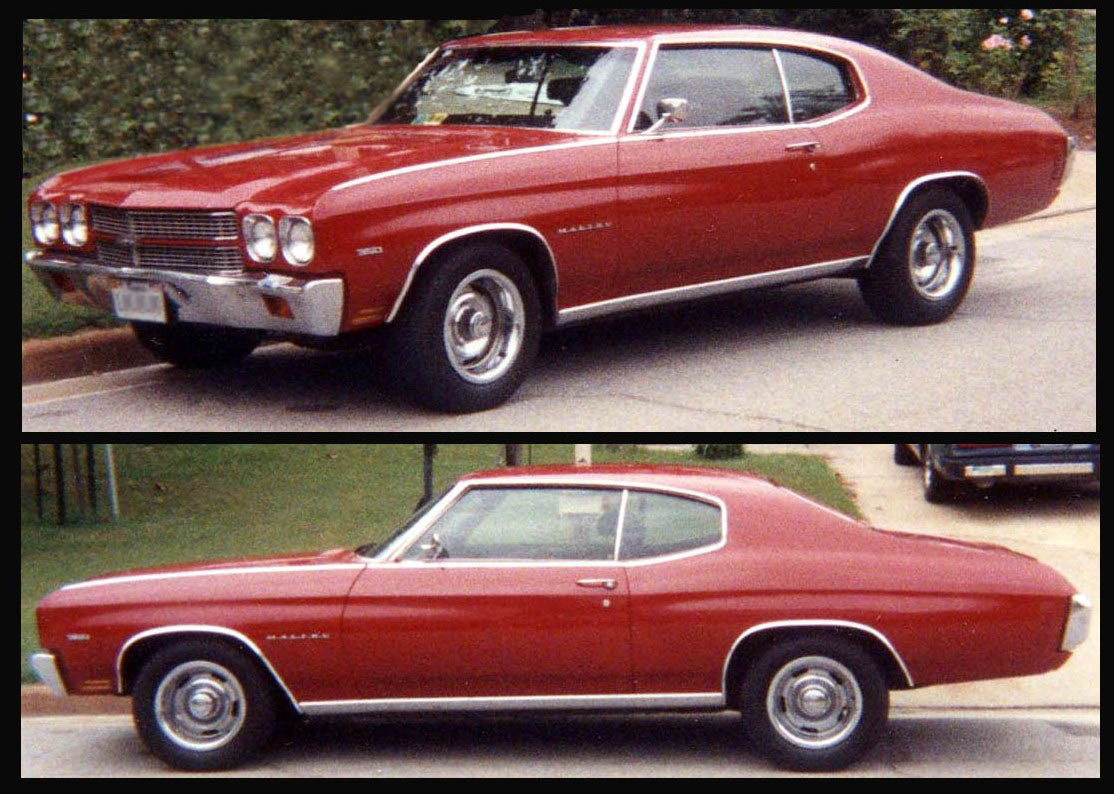
Transport was a family car, lent for the evening, washed and vacuumed that afternoon, with instructions about where it could and could not go and what time it was to be back.
Hired limousines, party buses and ride services, frequently shared between several couples and booked weeks ahead at substantial cost.
The borrowed car came with the evening’s actual boundaries attached, which is the part the hired vehicle removed. A parent lending a car sets the curfew, the destination and the mileage, and a teenager driving their father’s car is being supervised at a distance all evening.
9. Dinner Was at an Actual Restaurant and It Was a First
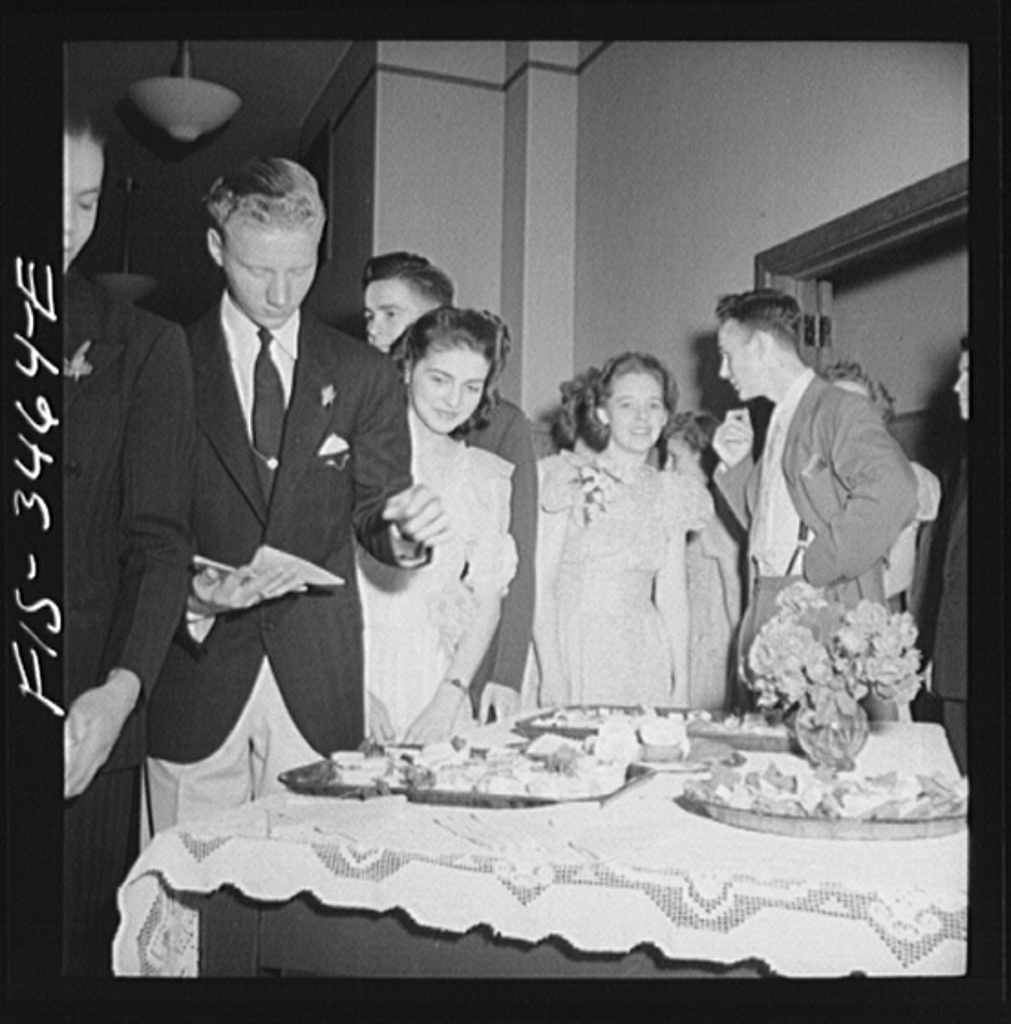
Couples or small groups ate beforehand at a proper restaurant – a steakhouse, a hotel dining room, somewhere with tablecloths – frequently the first time either of them had been to one without their parents.
The same practice, with far more restaurant experience behind it, alongside catered dinners included in a ticket and group gatherings at somebody’s house.
The novelty was the point and it was slightly terrifying. Ordering for yourself, handling a wine list you were not using, working out a tip and paying with money you had earned, at seventeen, in a jacket, is a rite of passage that the evening delivered incidentally.
10. The Gymnasium Was Decorated by Hand Over a Week
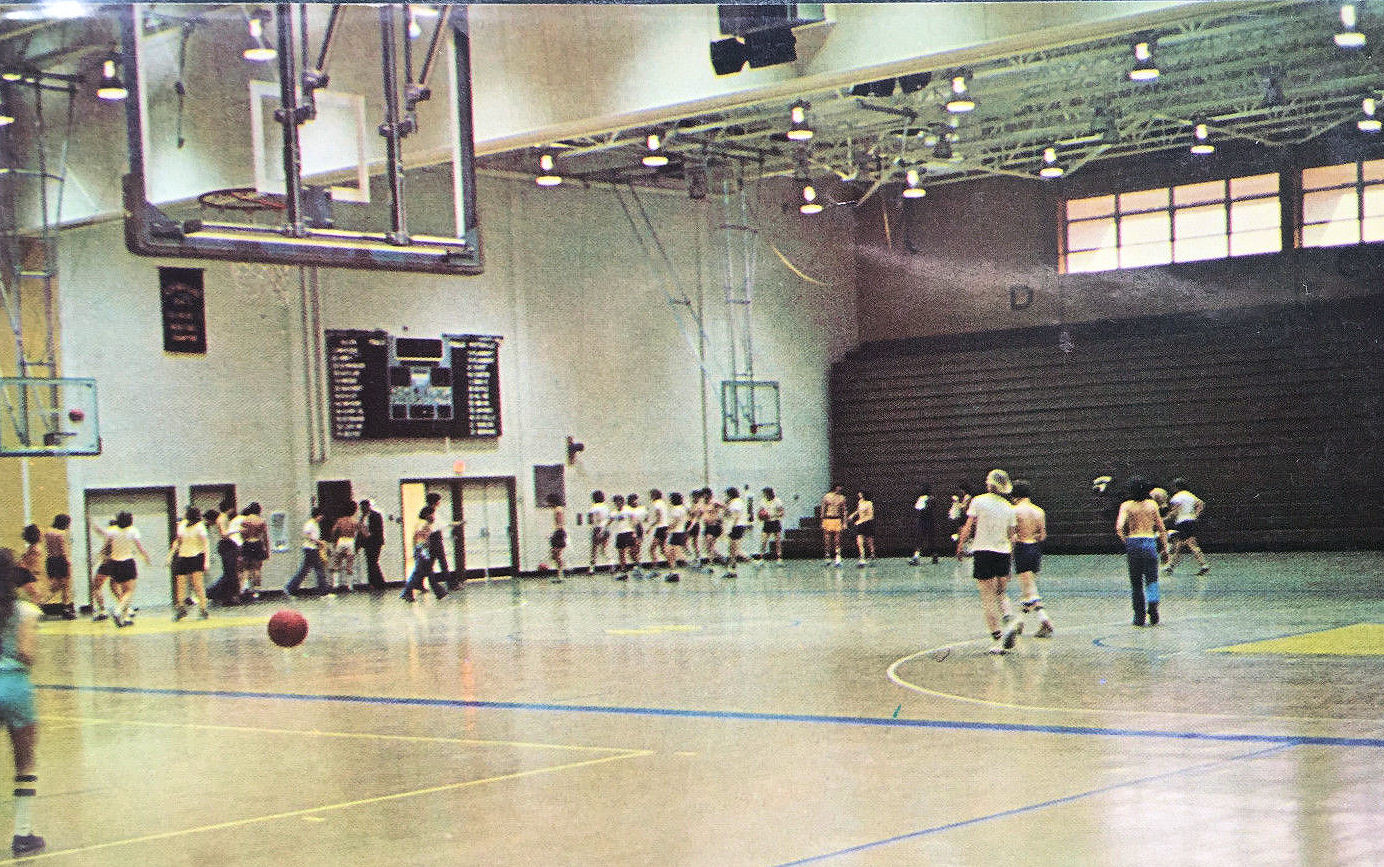
The venue was the school gymnasium, transformed by a student committee working evenings for a week – crepe paper, cardboard, chicken wire, spray paint, Christmas lights, a painted backdrop and an arch to be photographed under.
Hired venues – hotel ballrooms, country clubs, convention spaces, museums – with professional decoration or a package, and in a great many schools no decorating by students at all.
And the week was the event, which is the thing that has actually been lost. A committee of teenagers building something large and temporary in their own school, late, with a radio on, is a shared project with a deadline – and the people who did the decorating remember that week far better than they remember the dance.
11. There Was a Theme and It Was Taken Seriously
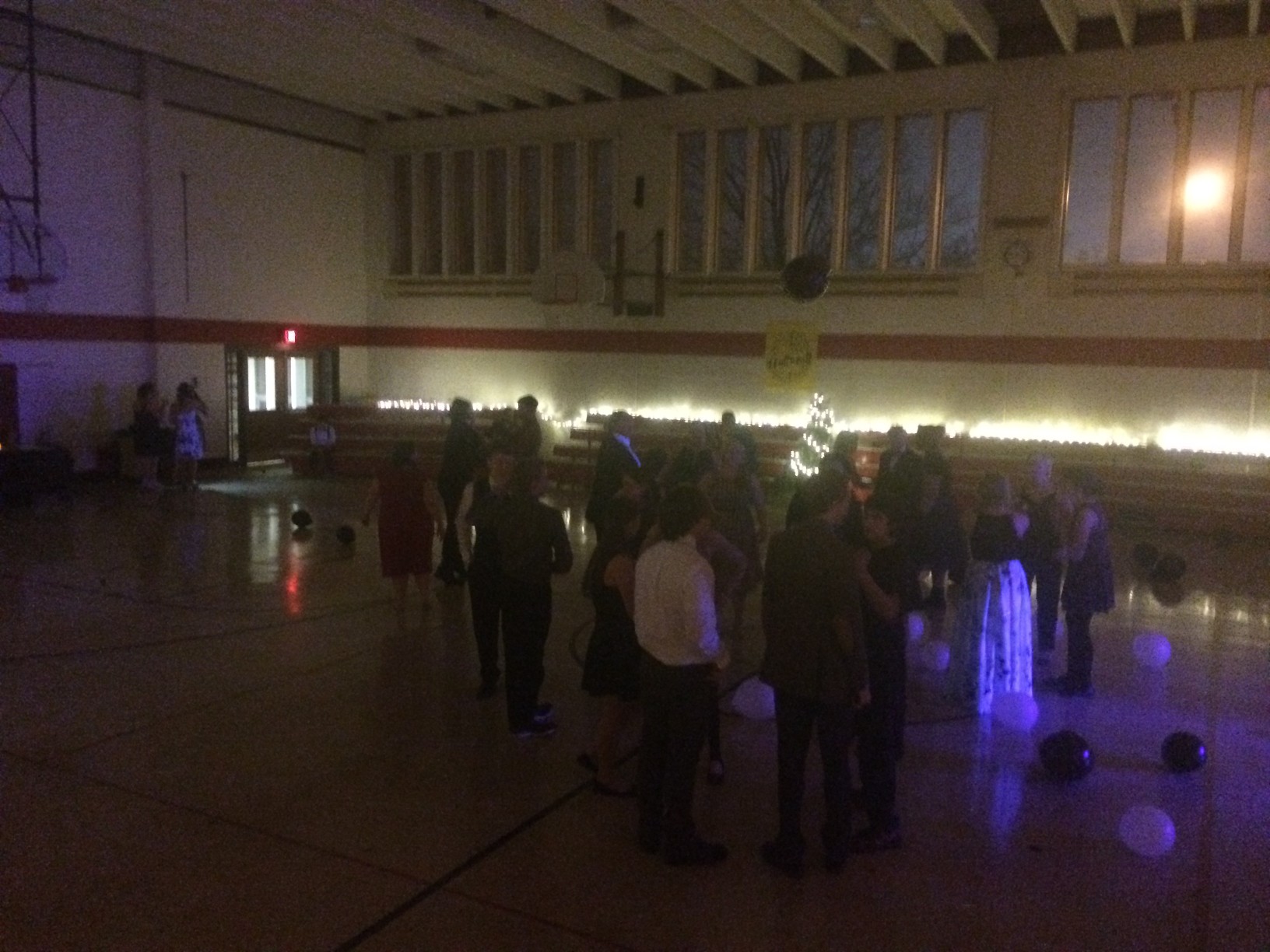
Each year had a theme, voted on or chosen by the committee, with a title drawn from a popular song or a phrase – and the decoration, the programme and the photographs were built around it.
Themes persist and are frequently more elaborately executed by professionals, with the title appearing on tickets, backdrops and merchandise.
The themes of that particular period have not aged well and were entirely sincere. A gymnasium converted into an underwater scene or a Paris street out of crepe paper and cardboard, by seventeen-year-olds, with a title lifted from a ballad, was an earnest attempt at glamour by people who had never seen any.
12. The Music Was a Live Band From Somewhere Nearby
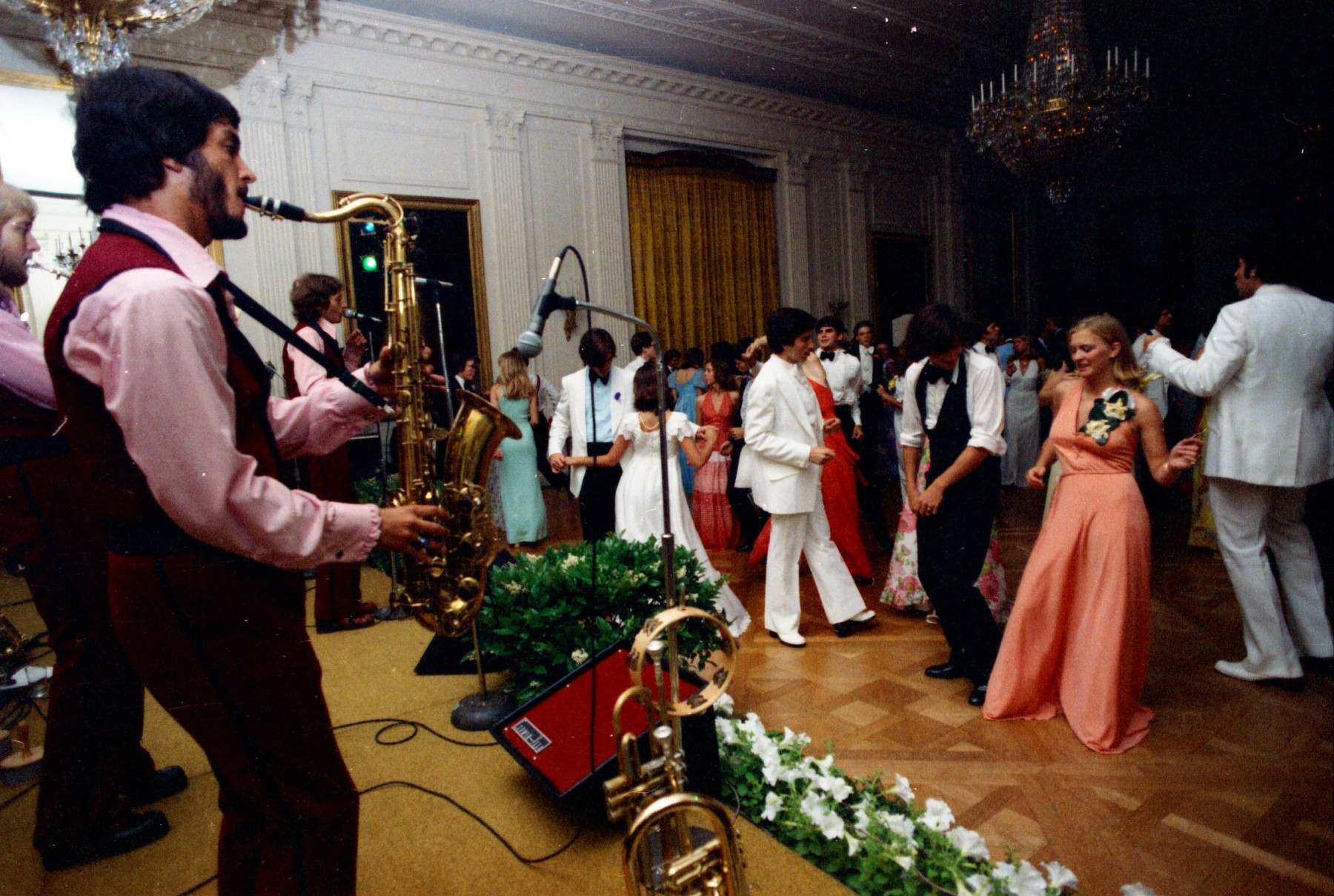
Many proms were played by a working band – a local group, a college band, somebody’s cousin’s outfit – performing covers of current hits, with a drum riser and real amplifiers in a gymnasium.
Disc jockeys almost universally, with professional sound and lighting, a requested playlist and the ability to play the actual recording of any song.
Live covers are worse and were better. A band playing a current hit approximately, loudly, in a room with a hard floor, is not the record – but it is four people visibly working, who can be watched, who take requests badly, and who stop between songs so everybody has to talk.
13. The Slow Dances Were Chaperoned and There Were Rules
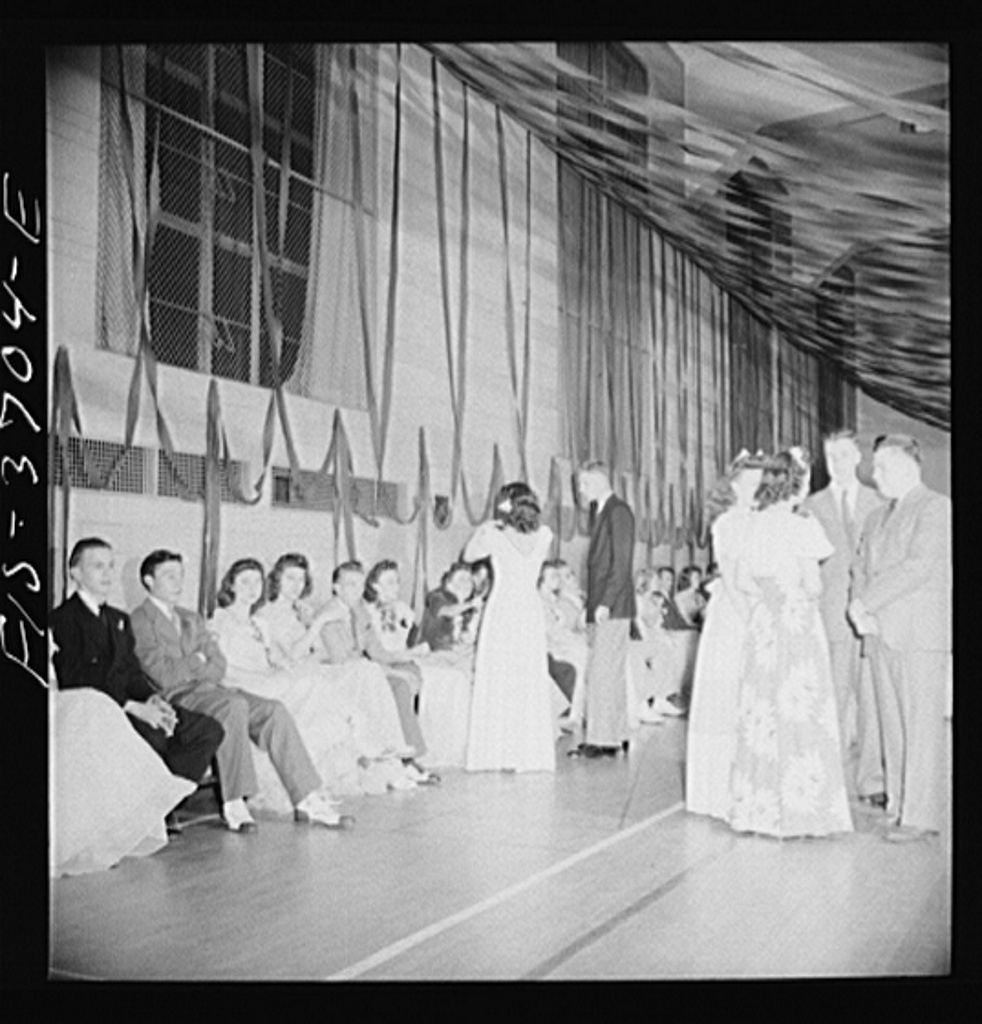
Teachers and parents stood around the edges of the floor, and the rules about proximity during slow dances were explicit, enforced and occasionally applied by somebody walking over.
Supervision by staff with documented safeguarding responsibilities and conduct policies – a considerably more professionalised arrangement, and one that is rather less about physical distance.
The enforcement was performed by adults who taught those students every day, which is what made it work and what made it excruciating. Being separated on a dance floor by your own geometry teacher, in front of everybody, is a specific and vivid humiliation.
14. It Ended at a Fixed Hour and Then Everybody Went Somewhere Else
The dance finished at a stated time, after which the evening continued elsewhere – a diner for breakfast, somebody’s basement, a lake, a park, a drive – frequently until dawn and frequently unsupervised.
Organised after-prom events run by parent committees, held at the school or a hired venue, specifically designed to occupy the hours after the dance in a supervised setting.
Those organised events exist for documented reasons and are not fussiness. The hours after a prom, with teenagers in cars at night, produced enough serious harm over enough decades that parent groups built an alternative – and the alternative is one of the more effective pieces of community organisation of the last forty years.
15. The Whole Thing Was Paid For by the Students, for Themselves
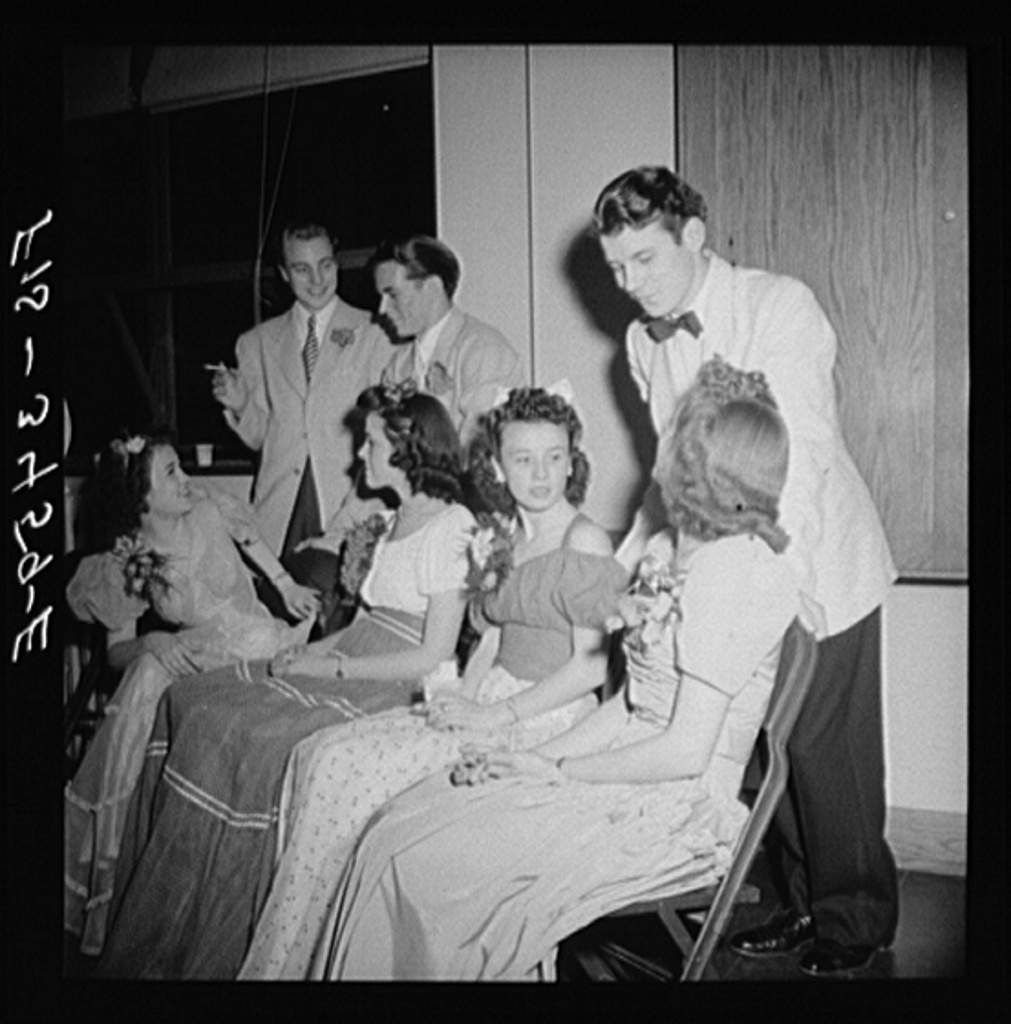
The event was funded by ticket sales and by the class’s own fundraising across the year, run by an elected committee, with a budget, in a building the school already owned.
A cost structure involving venue hire, catering, professional decoration, photography, transport, formal wear, hair and nails, running to hundreds or thousands of dollars per couple, much of it paid by parents to outside vendors.
Which is the real change, and it is a change in who is doing the work. In 1974 the students organised, decorated, budgeted and staffed their own party in their own gymnasium, and the money stayed inside the school. Almost every part of that has since been bought from somebody.
16. Then It Became Something You Purchased Rather Than Something You Built
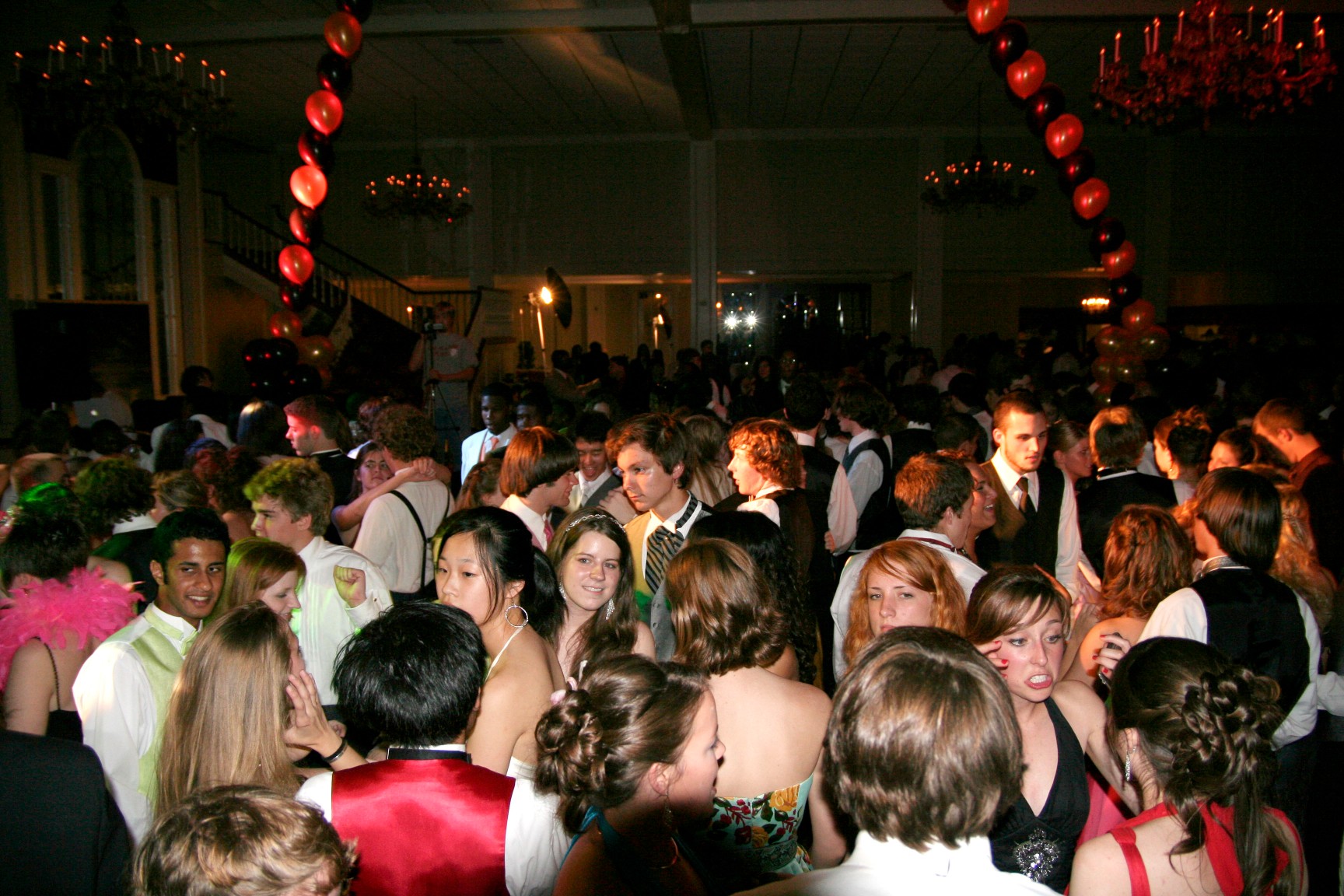
All of it rested on a student committee with a budget, a gymnasium, a week of evenings with crepe paper, a local band, a borrowed car and a corsage ordered at a counter.
A professionally supplied evening: a hired venue, a disc jockey with lighting, catered food, a photography package, transport booked in advance, salon appointments and formal wear – coordinated by adults and vendors, and considerably better than anything a committee of teenagers could produce.
The output genuinely improved and the cost is the obvious objection, but it is not the most interesting one. What a purchased evening cannot supply is the week beforehand. The decorating committee, arguing about an arch at nine o’clock on a Wednesday in an empty gymnasium with a radio on, was doing the thing that people actually remember – and it was available to any student who turned up, required no money, and produced something several hundred people walked through. A hired ballroom is a nicer room. Nobody built it, nobody can, and there is nothing in the modern evening that a seventeen-year-old can be in charge of.
Nobody Can Build the Ballroom
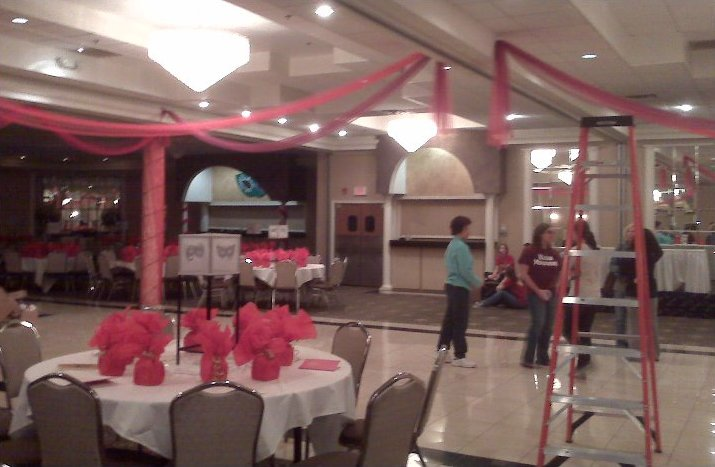
A modern American prom is better than a 1974 one by almost any measure you can name.
The venue is a hotel ballroom or a country club rather than a gymnasium that smells of a gymnasium. The sound system is professional. The photography is professional. The food is catered. The lighting works. The transport is booked. Nobody is dressed in a powder-blue jacket with a ruffled shirt, and nobody’s shoes have been dyed in a kitchen.
The standard objection to all of that is the cost, and the cost is real – a professionally supplied evening runs to hundreds or thousands of dollars per couple, most of it paid by parents to outside vendors, where in 1974 the money came from ticket sales and the class’s own fundraising and stayed inside the school.
But the cost is not the most interesting loss, and focusing on it misses what actually went.
What went is the week.
The gymnasium was decorated by a student committee, working evenings, for about a week – crepe paper, cardboard, chicken wire, spray paint, Christmas lights, a painted backdrop, and an arch built specifically so that several hundred people would be photographed standing under it.
That week was the event. Ask anybody who was on a decorating committee and they will describe the Wednesday evening in an empty gymnasium, arguing about whether the arch was straight, with a radio on, better than they describe the dance. The dance was four hours. The building of it was five evenings, with a deadline, in a space they had been told they could use, producing something their whole school would walk through.
And it was open to anybody. No money, no invitation, no particular social standing – just turning up on Monday evening and being handed a staple gun.
A hired ballroom cannot supply that, and the problem is not money. A professional decorator produces a better room precisely by not needing the students, and once the room is bought, there is no Wednesday evening and nothing for a seventeen-year-old to be in charge of.
So the honest summary is that prom became considerably better as an evening and stopped being a thing anybody made. The students used to organise, budget, decorate and staff their own party in their own building.
Now they attend it.
If you went to one of these, somebody’s mother photographed you in a living room in front of panelling, twice, from different angles.
And if you were on the committee, you remember the Wednesday better than the Saturday.
Like our content? Follow us for more.