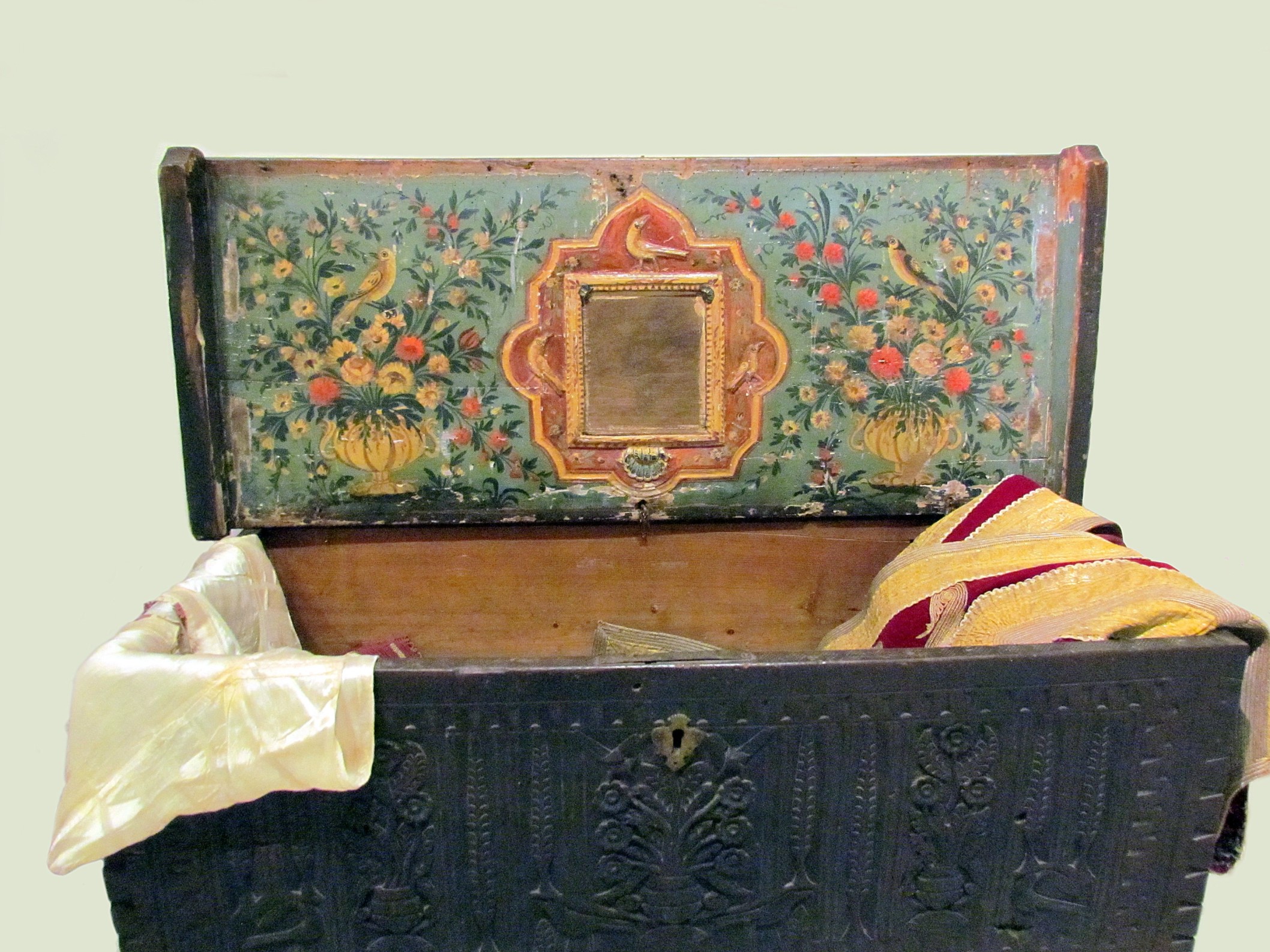
In 1964 an American girl of thirteen or fourteen might be given a wooden chest, and everybody in the room understood what it meant. From that day she would be putting things in it, for years, for a household she had not started and a marriage to somebody she had possibly not met.
Sheets, pillowcases, towels, tablecloths, napkins – in sets of six and twelve, many of them embroidered by hand with her own monogram. Aunts and grandmothers added to it at every birthday. Relatives asked to see it, and the contents came out and were inspected.
And the reason was not romance. Here are fourteen things every girl put in her hope chest, and why the practice ended.
1. It Started in Girlhood, Not at an Engagement
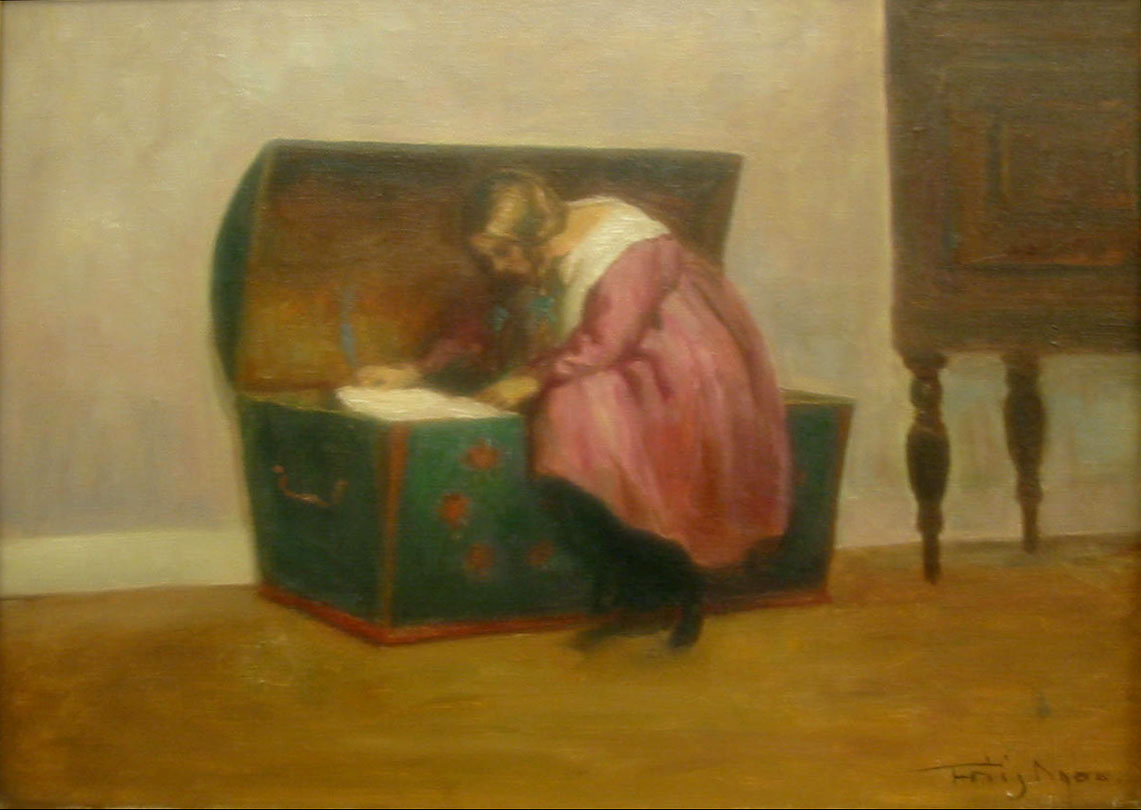
Collecting began years before there was anybody to marry – frequently from early adolescence, sometimes earlier – on the general assumption that a household would eventually be needed and that it would take a long time to assemble.
Nothing comparable. Household goods are now bought in the weeks around moving in with somebody, in quantity, from a list, by two people who already have incomes.
The timescale is the detail that reframes the whole practice. This was not wedding preparation. It was a decade-long accumulation undertaken by somebody with no fiance, no job and no money, on the understanding that the alternative was arriving at adulthood with nothing at all.
Like our content? Follow us for more.
2. The Chest Itself Was a Milestone Gift
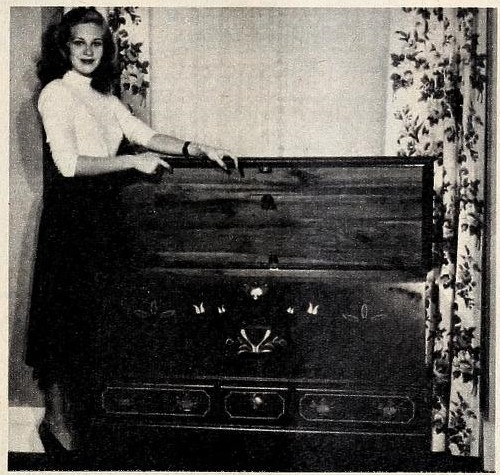
The container was a substantial wooden box, lidded, often decorative, given as a marked present at a birthday or graduation – the handing over of which was itself the formal start of the collecting.
Wooden chests still sold as furniture, bought for storage or style, with the ceremonial function and the collecting practice entirely detached from the object.
Giving somebody the box was a statement, and everybody present understood it. It said that the recipient was now old enough to be preparing for a household of her own, and it put a physical object in her bedroom that would visibly fill up over the following years.
3. Household Linens Were the Core of It
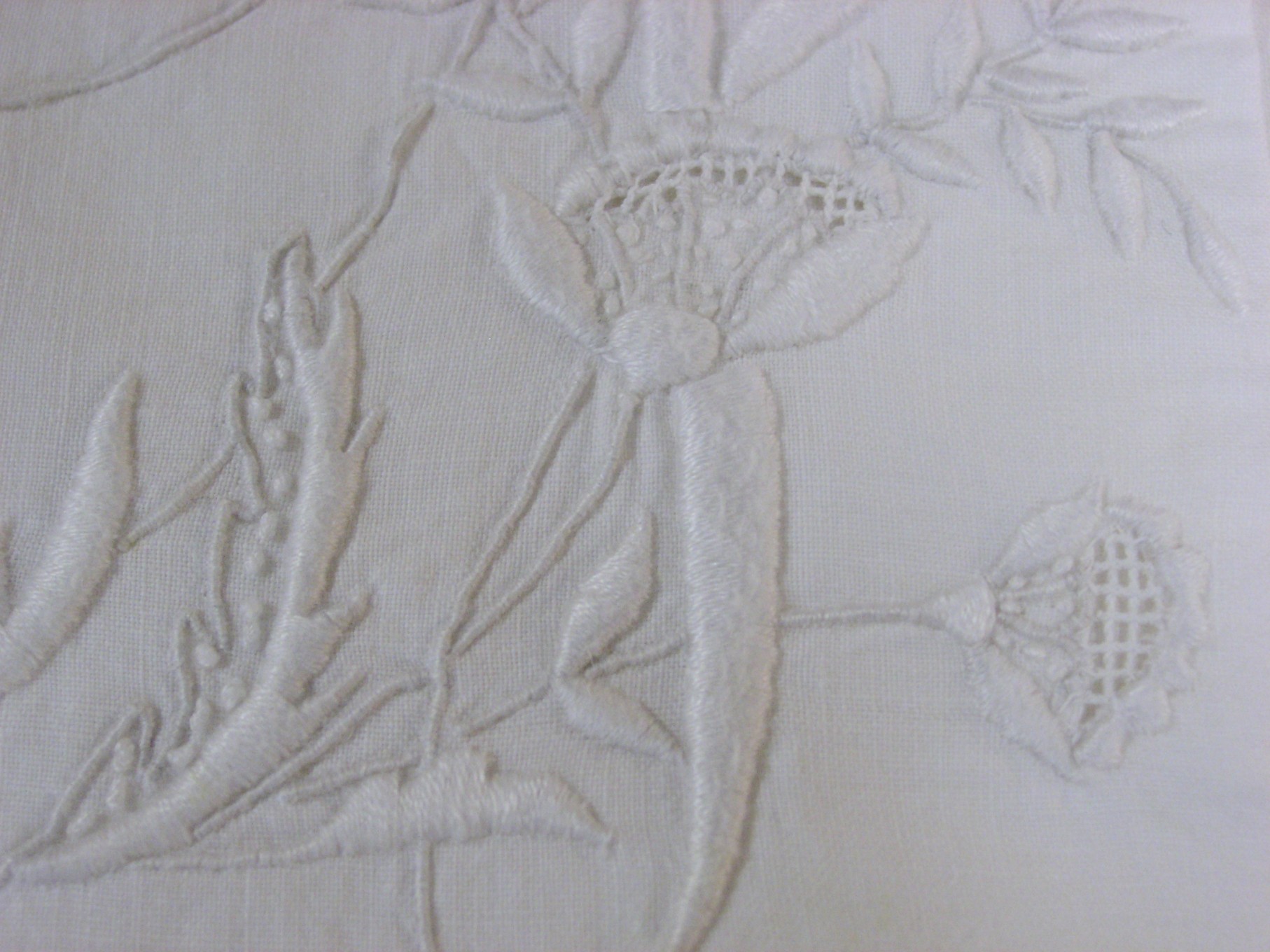
The bulk of the contents was cloth for a home: sheets, pillowcases, towels, tablecloths, napkins, dishcloths, runners and bedspreads – the things a household needs in quantity and cannot improvise.
The same goods, bought in a single trip for a fraction of a week’s wages, in sets, in quantities that would have represented years of accumulation.
Linens dominated because they were expensive relative to income and because they are consumed. A household goes through sheets and towels continuously, which means starting with none is a genuine problem and starting with a dozen of each is a real material advantage.
4. The Embroidery Was the Point as Much as the Cloth
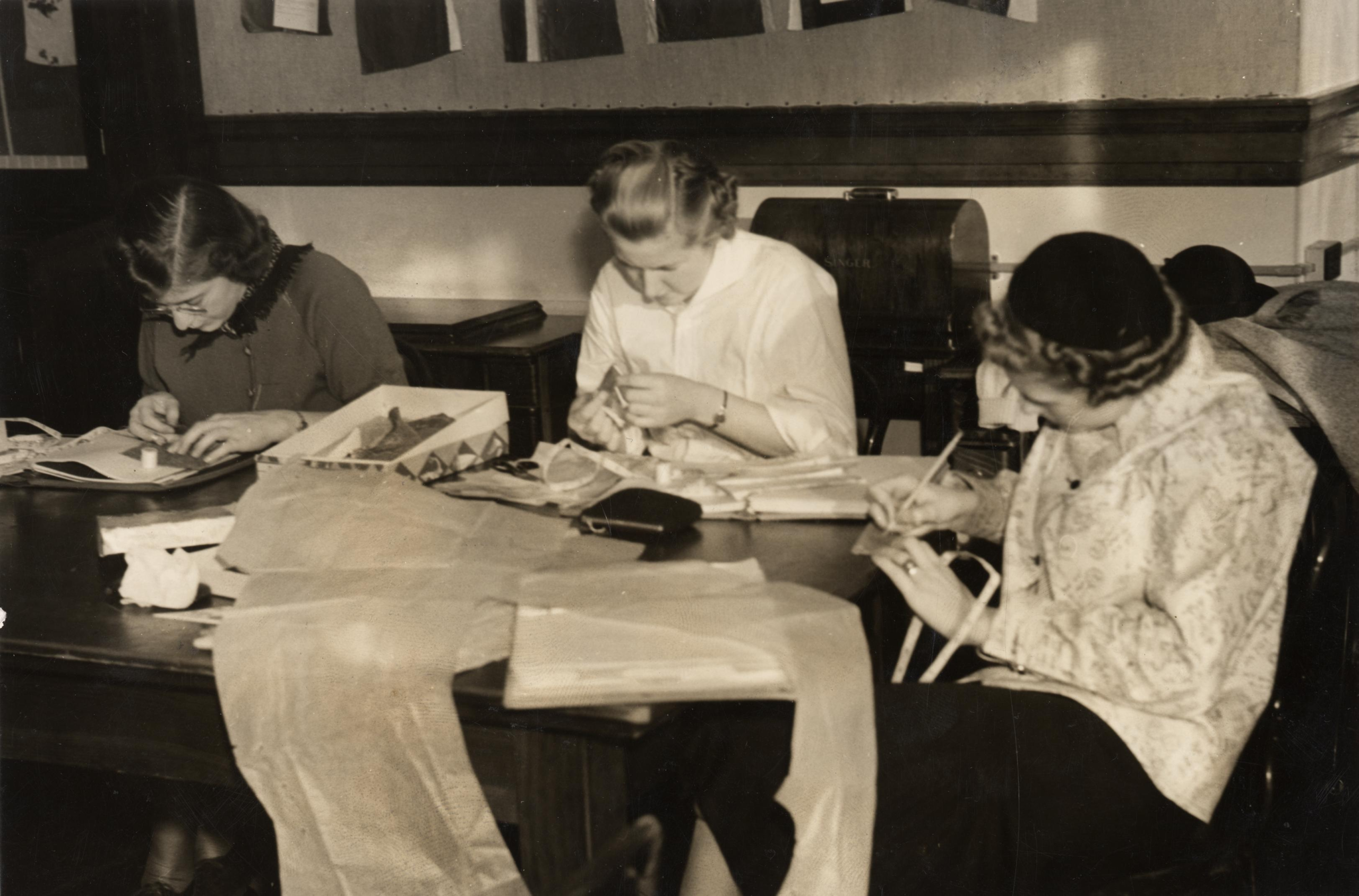
A great deal of what went in was decorated by hand – monograms, edging, drawn-thread work, embroidered corners on pillowcases, crocheted trim on runners – done by the girl herself over years.
Decorative household textiles bought finished, with hand embroidery surviving as a craft pursued by choice rather than as an expected accomplishment acquired in adolescence.
Which made the chest a record of skill as well as of property. The needlework demonstrated that its owner could do the things a household would require, and the standard of it was something other women noticed and commented on when they looked.
5. Things Went In as Sets, Not as Single Items
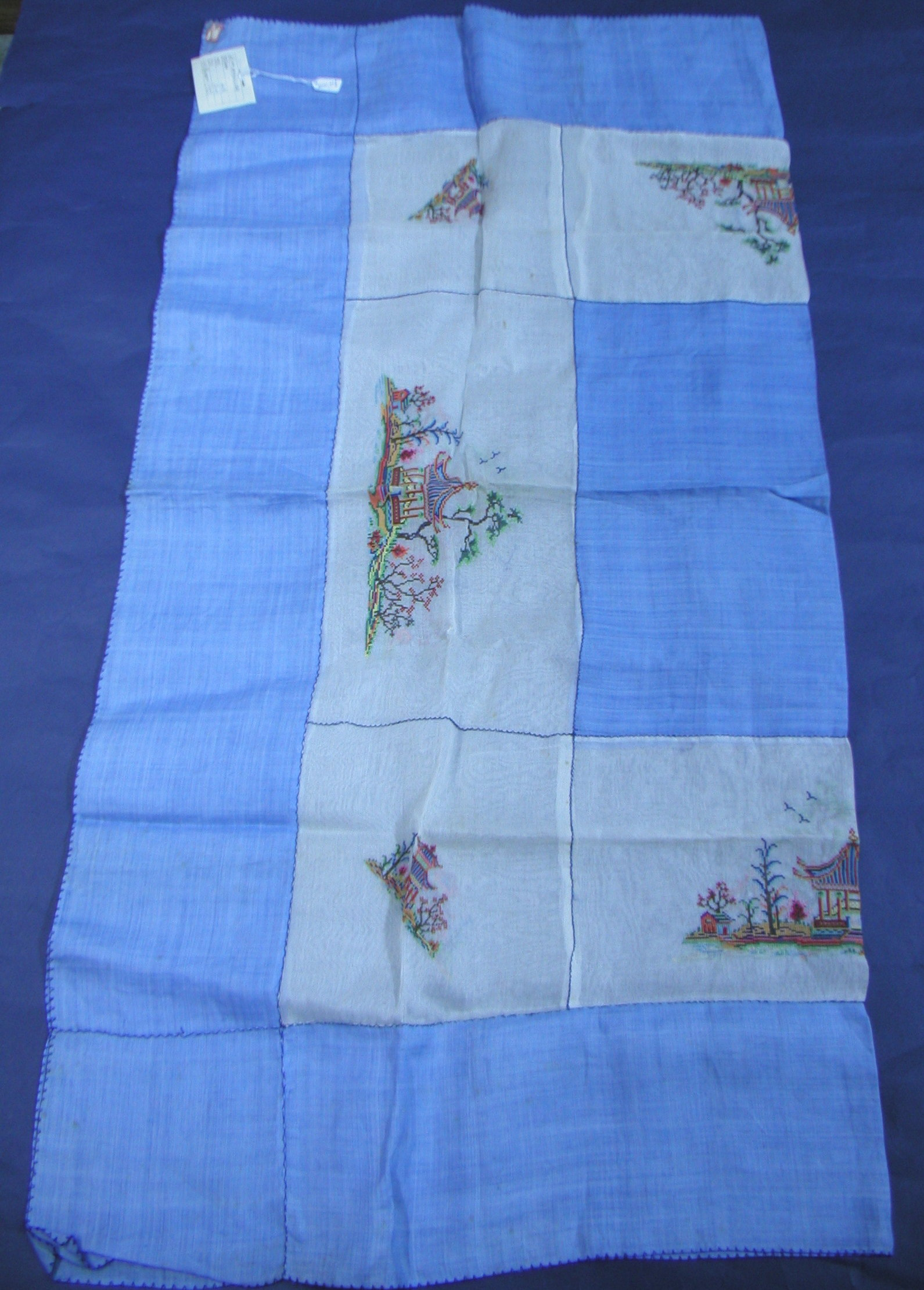
The unit of collection was the set – a dozen napkins, six place settings, a pair of pillowcases, four towels – because a household needs matching multiples and a single item of anything is close to useless.
Buying in sets remains standard, and the difference is that a set is now a single purchase rather than something assembled over several years by waiting for occasions.
Completing a set was the recurring small drama of the whole enterprise. A girl with eleven of something waited, sometimes for a year, for the twelfth – and relatives knew what was outstanding and used it to decide what to give.
6. Kitchen Goods Accumulated Alongside
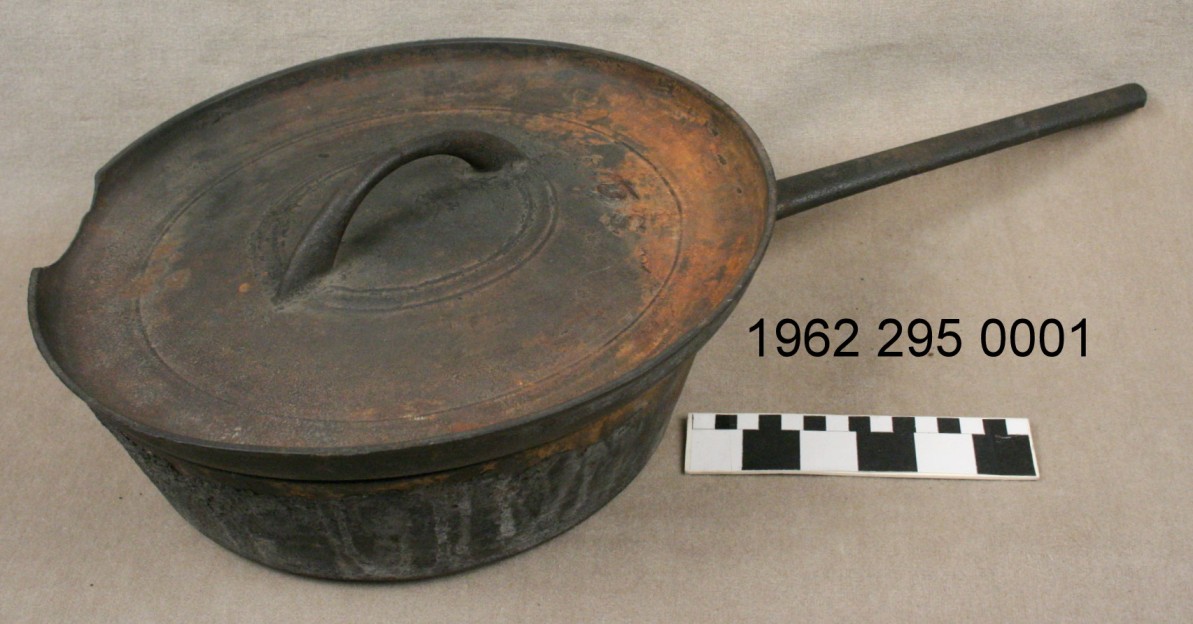
Beyond cloth there were the durable items: a mixing bowl set, a roasting pan, a cast-iron skillet, a set of flatware, glasses, a serving dish, a coffee pot, a dish towel set and whatever had been handed down.
The same categories, bought new, in a weekend, at a cost that no longer represents a meaningful share of anybody’s income.
The handed-down items are the ones with weight. A grandmother’s serving dish or a mother’s skillet entering the chest was a transfer of actual property between generations of women, conducted outside any will, any record and any discussion of money.
7. Other Women Supplied a Great Deal of It
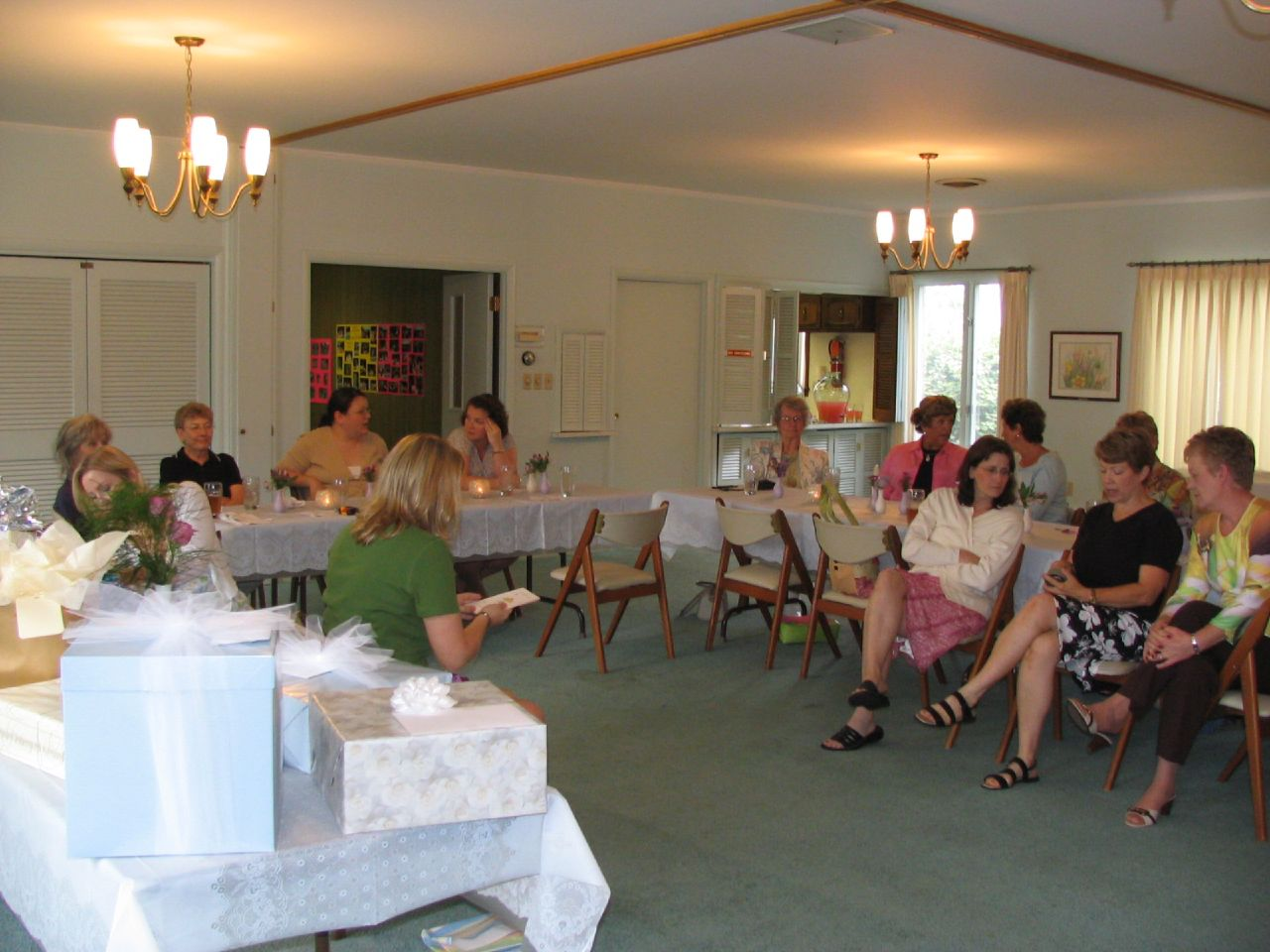
Aunts, grandmothers, neighbours, church women and family friends gave into the chest at birthdays and holidays for years, and then in concentrated form at a shower held before the wedding.
The shower survives in strong form and the decade of preceding gifts does not – so the same social function now happens in one afternoon rather than across ten years.
The long version did something the short version cannot. A girl’s chest was filled by a network of older women who each contributed repeatedly over years, which meant the household she eventually set up was materially built by a dozen people who had done the same thing themselves.
8. There Was a List, and It Was Nearly Standard
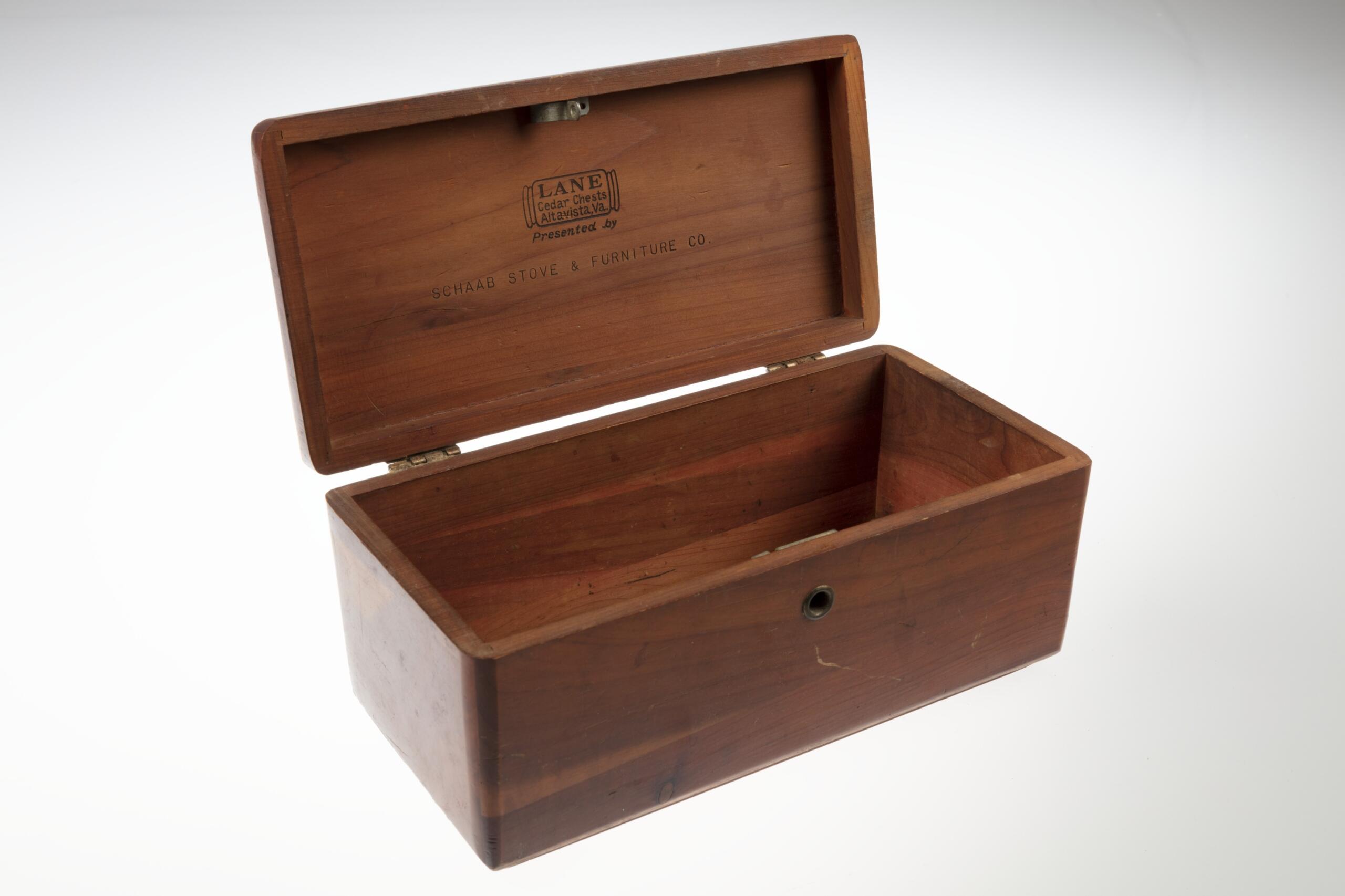
Magazines, pamphlets, store leaflets and home economics classes published what a hope chest should contain and in what quantities, and the lists were specific, numerous and broadly consistent with each other.
Registry lists, which serve the same function from the other direction – published by retailers, aimed at the givers rather than the collector, and consulted for weeks rather than years.
The standardisation is worth noticing because it made the project tractable. A girl could know how far along she was, what was missing and what to ask for, against a published benchmark – which turned a vague expectation into a countable task with a finish line.
9. It Lived at Your Parents’ House Until You Left
The chest stayed in a bedroom in the family home, filling slowly, through school and work and whatever came between – and it moved with its owner when she finally set up a household of her own.
Nothing, since the accumulation and the move now happen close together. There is no object that sits in a young person’s childhood bedroom representing a future household.
Which gave it a peculiar emotional weight that people who had one still describe. It was a box in your room that was not for now. Everything in it was for a life you had not started yet, with somebody you had possibly not met, and you added to it anyway.
10. People Looked at It
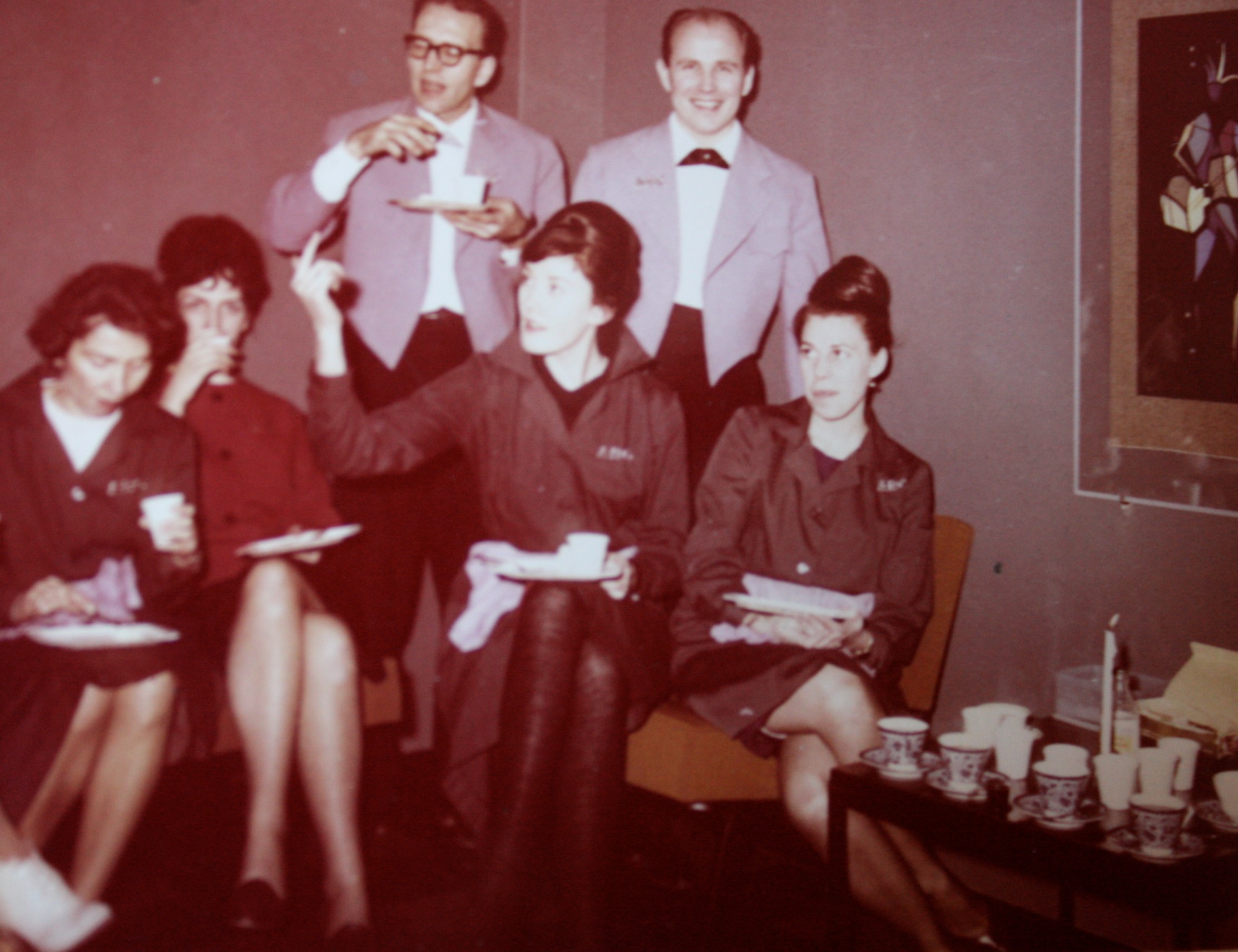
The chest was shown. Visiting relatives asked to see it, the contents were lifted out and admired, the needlework was examined, and progress was discussed – which made it semi-public rather than private.
Nothing. There is no equivalent occasion on which a young woman’s accumulated property and handiwork is brought out and inspected by visiting family.
The showing had a real function and a real cost. It generated the gifts, since people who had seen the gaps filled them, and it also meant the standard of the work and the rate of progress were subject to comment by everybody who passed through the house.
11. It Was a Way of Saving Without Money
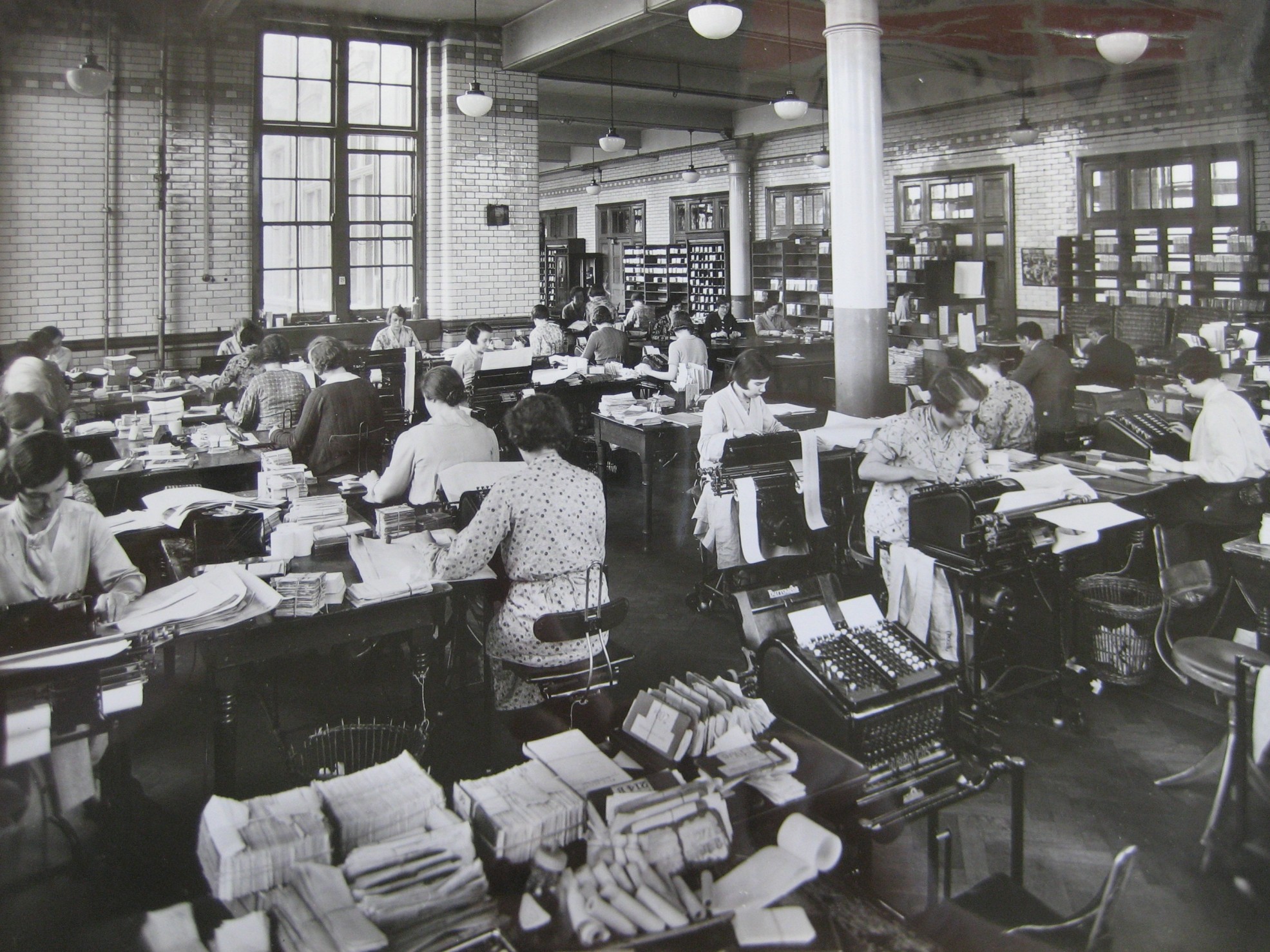
A girl in this period had, in most cases, no wage of her own, no bank account in her own name and no access to credit – so accumulating physical goods was the only form of saving genuinely available to her.
Earnings, accounts, credit and savings held in a young woman’s own name as a matter of course – which makes accumulating sheets over a decade an entirely unnecessary way to prepare for anything.
This is the most important thing on the list and it is almost never said. The hope chest looks sentimental and functioned as capital formation. Labour and gifts went in at one end over ten years and a furnished household came out at the other, because there was no financial instrument through which the same thing could be done.
12. It Assumed One Specific Future
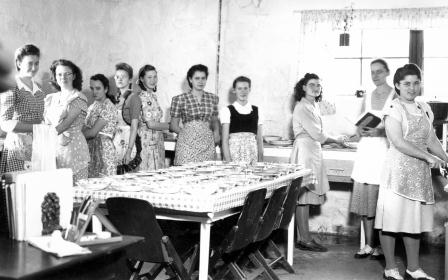
The whole arrangement was predicated on a single outcome: marriage, a household, and a domestic role within it – and the contents were chosen accordingly, with nothing in the chest that served any other life.
A set of expectations with multiple acknowledged paths, in which setting up a household is not assumed to require a marriage and not assumed to arrive at a particular age.
And the assumption was not hidden or implied. It was the stated purpose of the object, discussed openly in front of the girl collecting, which means a decade of her adolescence was organised around an outcome that she had no part in choosing and could not be sure of.
13. The Contents Presumed You Could Do Things
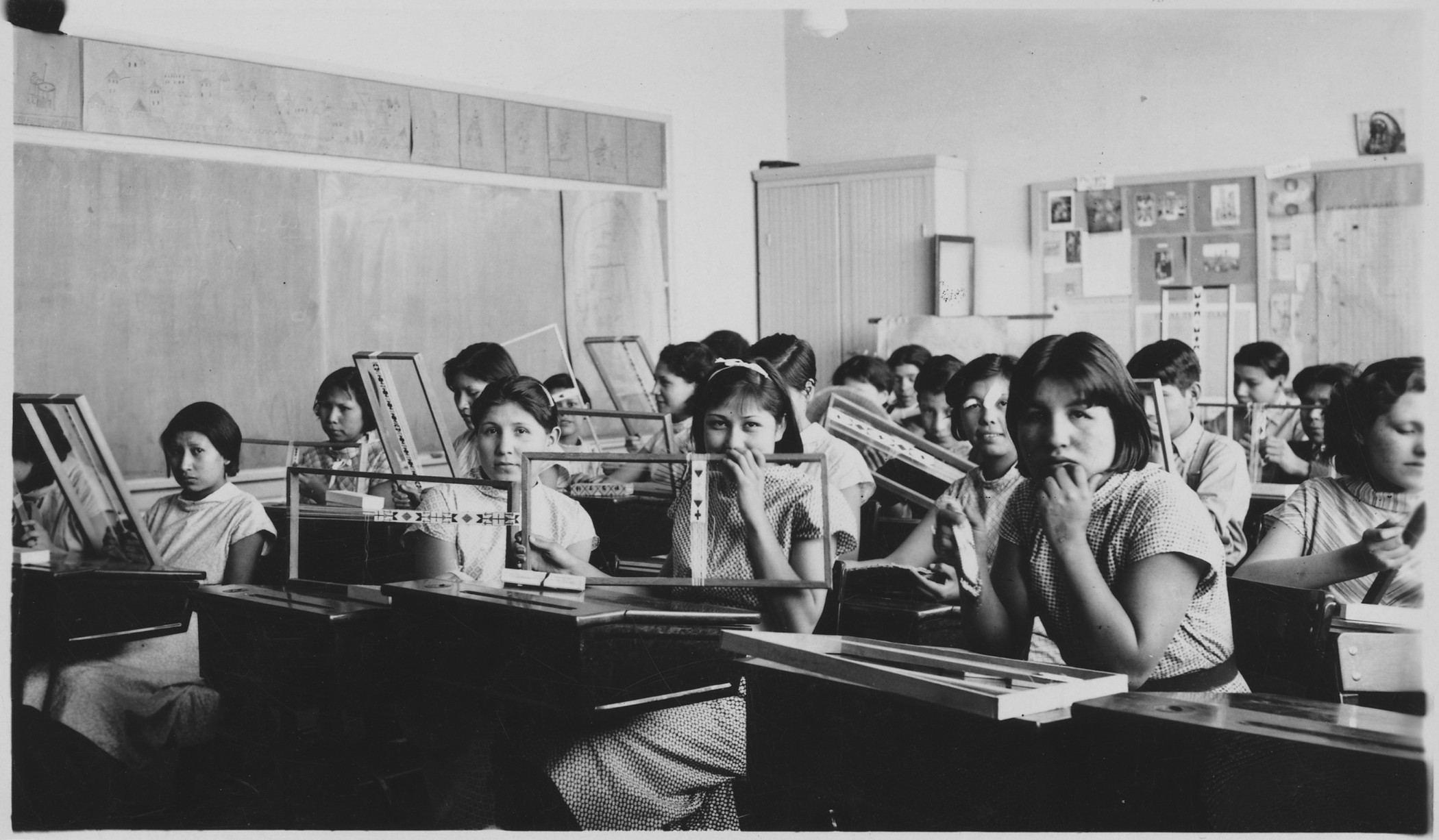
A chest full of table linen, serving dishes and flatware for twelve assumes somebody who can cook for twelve, launder and press linen, set a table properly and keep a house – and those skills were taught alongside the collecting.
Household goods bought by people who may do none of those things, which is not a decline in capability so much as a change in what a household is expected to produce at home.
The skills and the objects arrived together, deliberately. Home economics instruction, mothers, aunts and published guidance all taught the use of what was going into the chest – so the box and its owner’s competence were assembled on the same schedule.
14. Then Women Got Access to Money
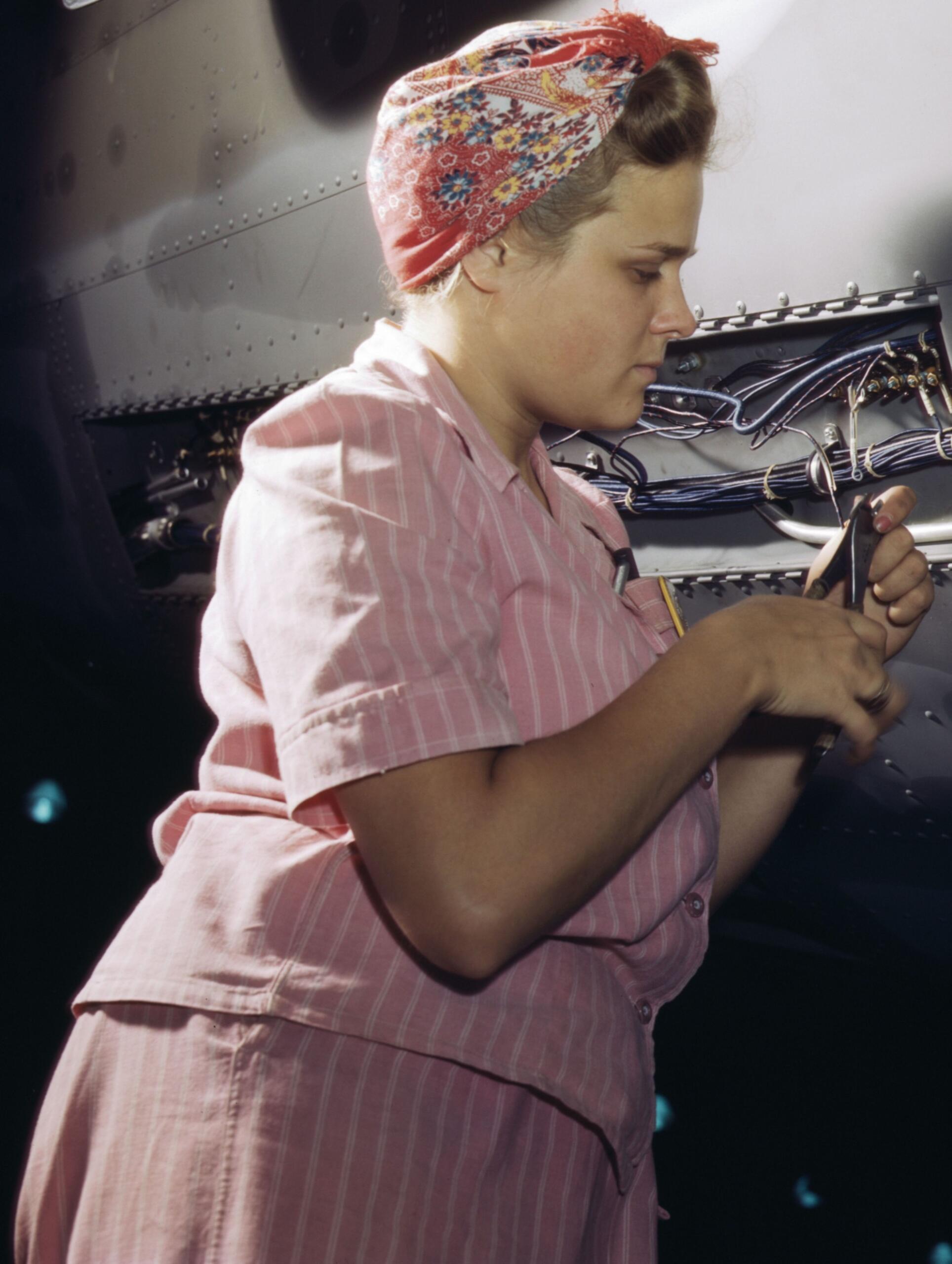
The practice rested on one condition: that a young woman had labour and time but no earnings, no account and no credit, so goods accumulated slowly from gifts and handiwork were the only household capital she could build.
Nothing resembling it, because the condition is gone. A woman with a wage, an account and credit in her own name can furnish a household in a weekend, which makes a ten-year collection of linens a solution to a problem she does not have.
And that is what ended it – not a change in attitudes to marriage, which came later and mattered less. Through the 1960s and 1970s American women moved into paid work in large numbers, and the rules governing accounts and credit were changed so that a woman could hold both in her own name without a husband’s or father’s signature. The moment that happened, the hope chest was obsolete, because its entire purpose had been to convert the one resource a young woman definitely had – a decade of unpaid time – into the one thing she definitely could not buy. Once she could buy it, there was nothing left for the box to do. It was abolished by access to money, which is the least sentimental explanation available and almost certainly the right one.
It Was a Savings Account Made of Cloth
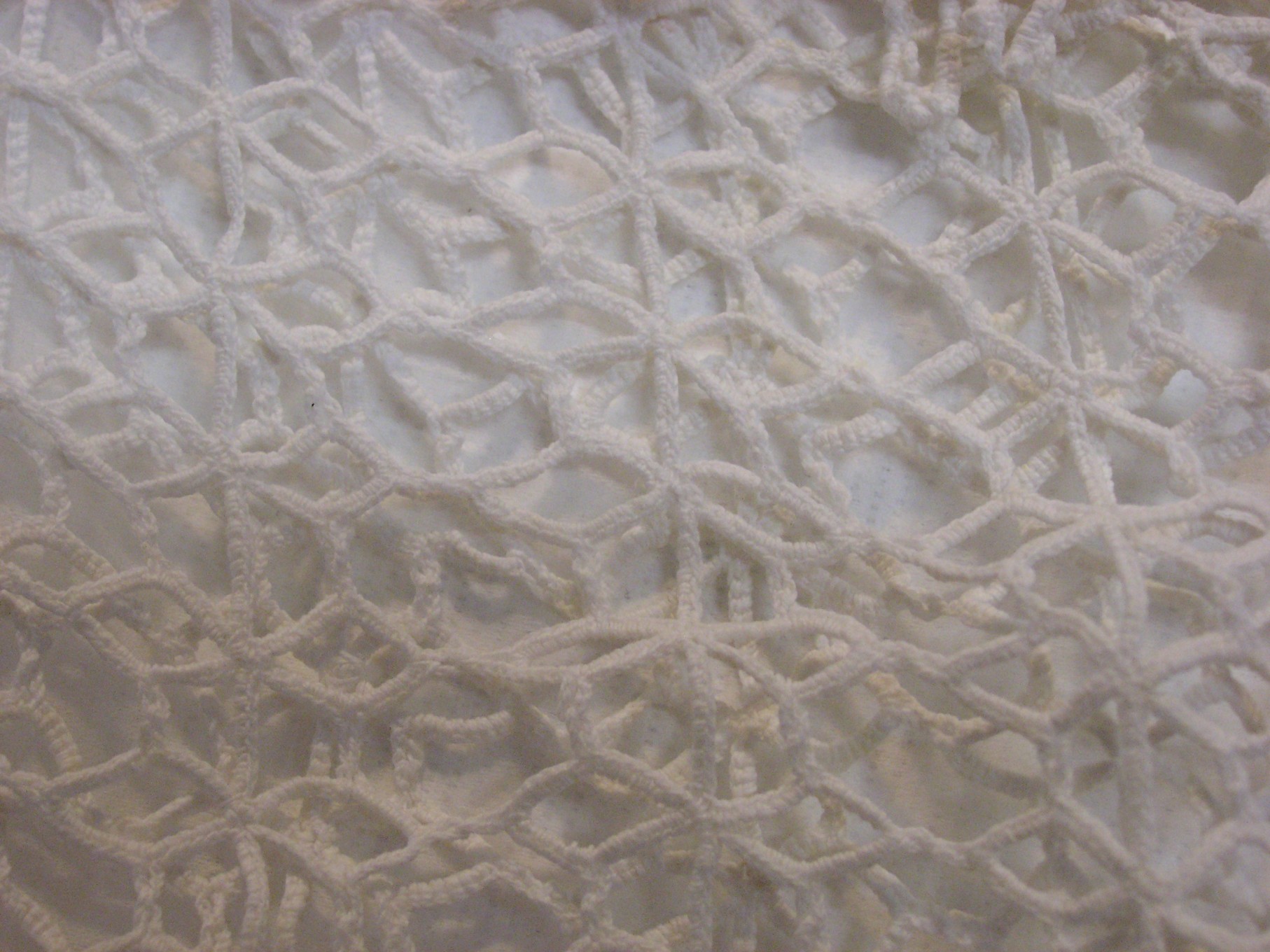
The hope chest reads as the most sentimental object of the twentieth century. A girl, a wooden box, a decade of embroidery, a wedding.
It was a financial instrument, and once you see it that way everything about it becomes clear.
Consider the position of a fifteen-year-old American girl in 1964. She has no wage, or a small one from part-time work. She almost certainly has no bank account in her own name, and if she does, it exists on sufferance. She has no credit and no prospect of any, because credit is extended against earnings and against a male signature, neither of which she has. She will need, at some point in the next ten or fifteen years, to furnish an entire household from nothing.
What she does have is time, and hands, and a network of older women who have all been in exactly her situation.
So she converts the one resource she possesses into the one asset she needs. Ten years of evenings become monogrammed pillowcases. Birthdays and holidays become a dozen napkins at a time, contributed by eight women who each give repeatedly. Published lists tell her what a household requires and in what quantity, so she can measure her progress against a benchmark. And a hand-me-down skillet or a grandmother’s serving dish transfers real property between generations of women outside any will, any record and any conversation about money.
At the end of it there is a furnished household in a box, built entirely out of unpaid labour and gifts, by somebody who never had the money to buy any of it.
That is capital formation. It is slow, it is illiquid, it is restricted to one narrow category of goods, and it is the only version available.
Which tells you exactly what ended it, and the usual explanation is wrong. People say the hope chest died because attitudes to marriage changed – later weddings, different expectations, women not organising their adolescence around a husband. All of that is true and all of it came afterwards.
What killed it was access to money.
Through the 1960s and 1970s American women entered paid employment in very large numbers, and the rules governing bank accounts and consumer credit were changed so that a woman could hold both in her own name without a man signing for her. Those two things together did it. A woman with a wage and a line of credit can furnish a household in a weekend, with a car, from a store. The ten-year accumulation does not become unfashionable – it becomes pointless, in the way that any workaround becomes pointless once the thing it was working around is removed.
The chests are still out there, in enormous numbers, in bedrooms and attics and antique shops. Most of them are now used for blankets.
Which is the right ending, more or less. The box outlasted the problem it solved.
If your mother or grandmother had one, there is probably still a pillowcase somewhere with her initials on it, worked by hand when she was fifteen.
And she almost certainly knew exactly how many of the dozen she was still short.
Like our content? Follow us for more.