In 1974 an American woman’s hair was set, which is a different thing from styled. It was wetted, wound onto brush rollers held against the scalp with long plastic pins, dried in that position, and brushed out into a shape.
Then it was preserved for a week. No washing, a scarf at night, a shower cap in the bath, a pleated rain bonnet in the handbag, and enough aerosol hairspray to leave a film on the mirror. The drying was done under a plastic bag connected to a box by a hose, for forty-five minutes, or at a salon in a row of women under hoods.
Here are fifteen things every woman did to her hair in 1974, and what replaced each of them.
1. Hair Was Set, Not Styled, and That Is a Different Thing Entirely
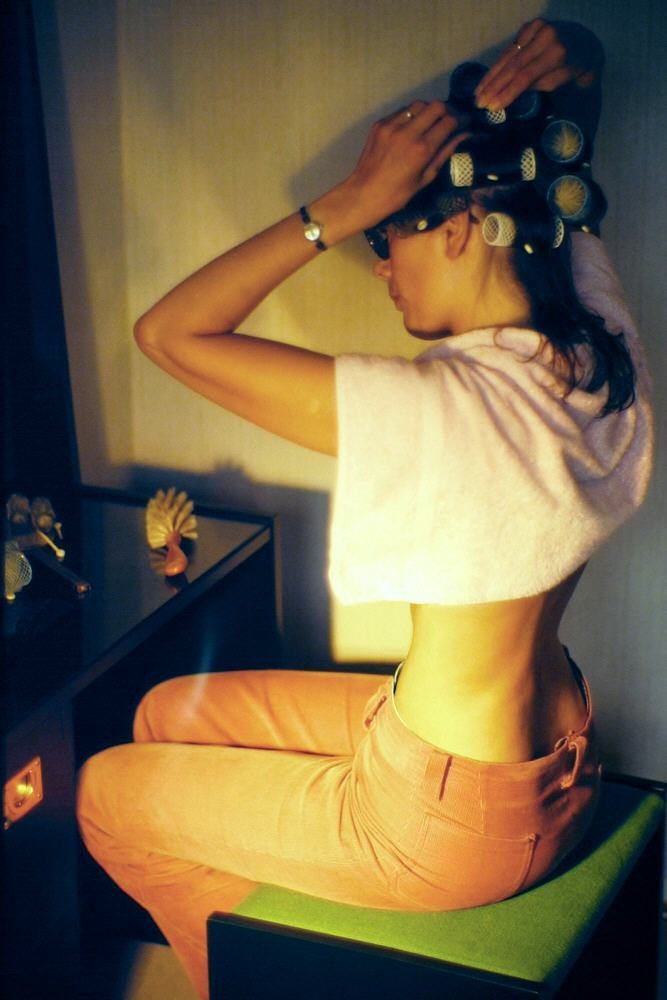
The governing method was the set: hair was wetted, wound onto rollers in a planned arrangement, dried in that position until it held the roller’s shape, and then brushed out into a style.
Cutting and daily styling, in which the shape comes from how the hair is cut and is reproduced each morning with heat and a brush.
That distinction explains everything else on this list. A set puts the shape into the hair mechanically and then preserves it for as long as possible. A cut puts the shape into the hair structurally and then relies on the wearer to bring it out again every day – which are opposite strategies requiring opposite routines.
Like our content? Follow us for more.
2. The Rollers Were Brush-Lined and They Hurt
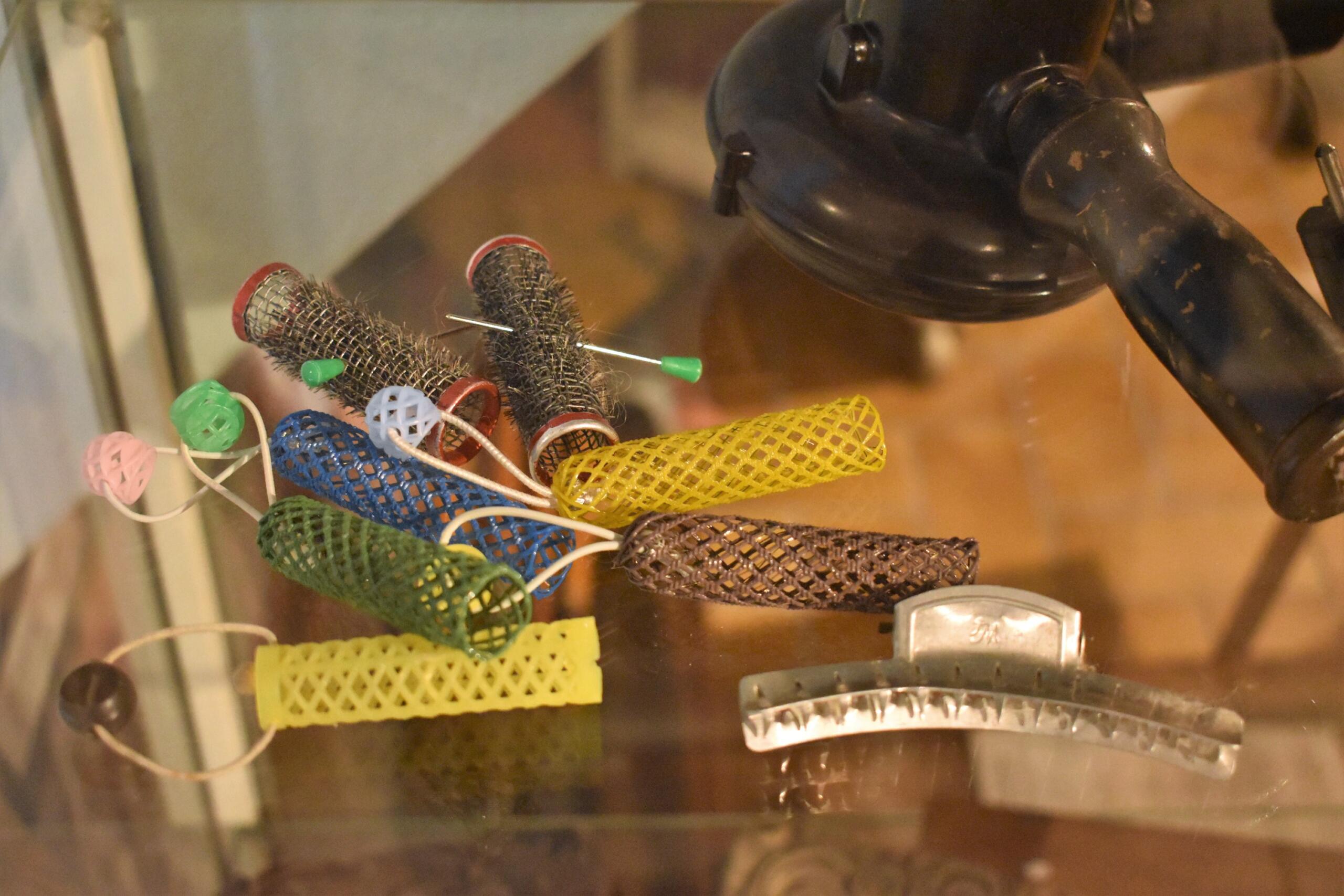
The common type was a plastic mesh cylinder with a brush insert, wound in with tension and secured through the roller with a long plastic pin pushed against the scalp.
Heated rollers, curling tongs, wands, flat irons and a general reduction in roller use to specific styling needs. The brush insert gripped the hair without clips, which is why it was used and why it caught.
The pins are what people remember and they were genuinely painful. A plastic pin pushed through a roller and against the scalp holds it securely, which is the point, and there were twenty or thirty of them around a head – and the removal in the morning routinely took hair with it.
3. You Slept in Them
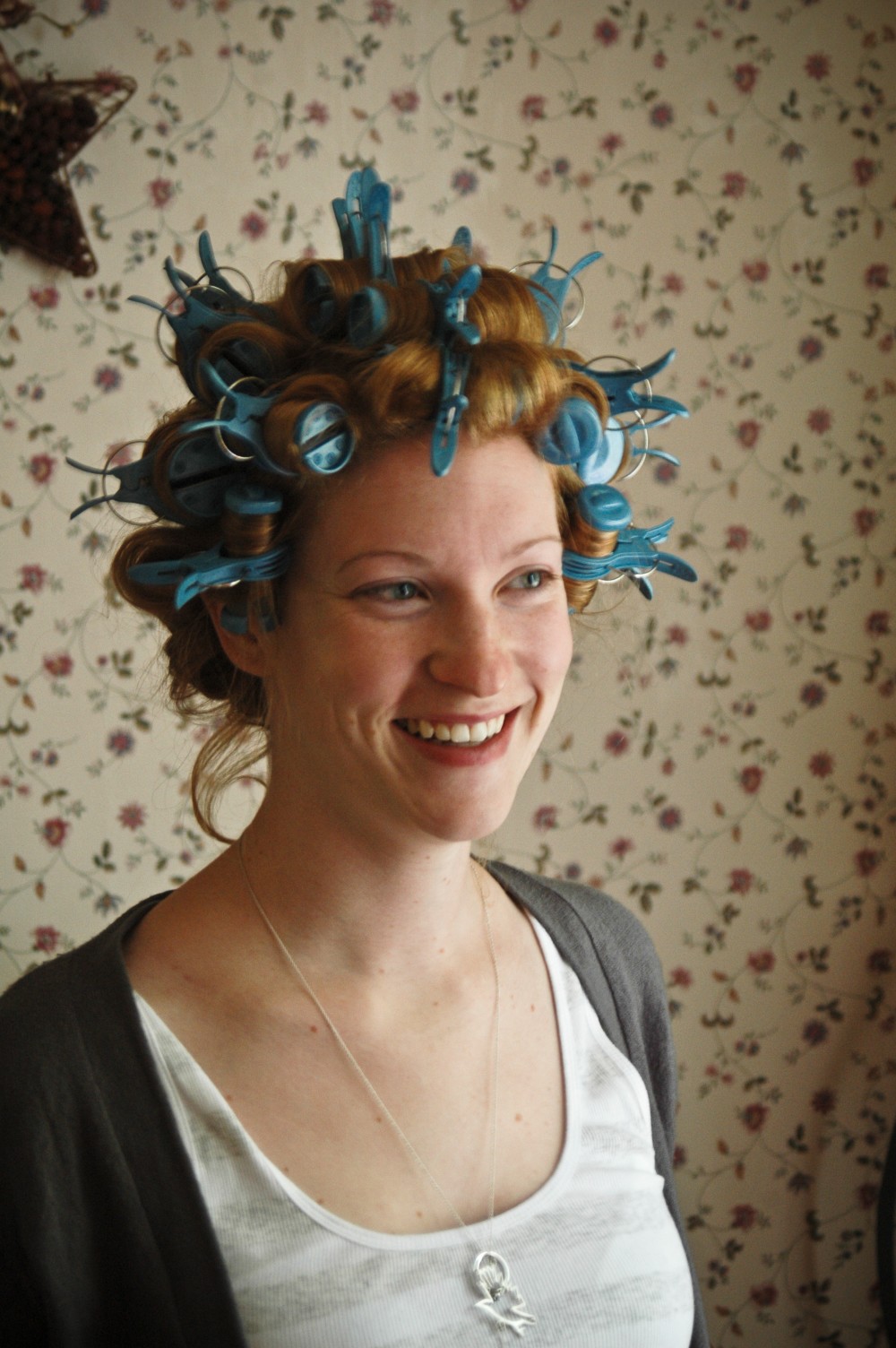
A set was wound in the evening and slept on, so that the hair dried overnight in position and was brushed out the following morning.
Nothing comparable. Sleeping on hard plastic cylinders held against the scalp by pins is remembered by essentially every woman who did it, and is universally described as uncomfortable.
The reason was simply time. A wet head takes hours to dry without heat, and the only hours available were the ones spent asleep – so the discomfort was accepted as the price of having the hair ready at seven in the morning rather than at eleven.
4. There Was Setting Lotion and It Set Hard
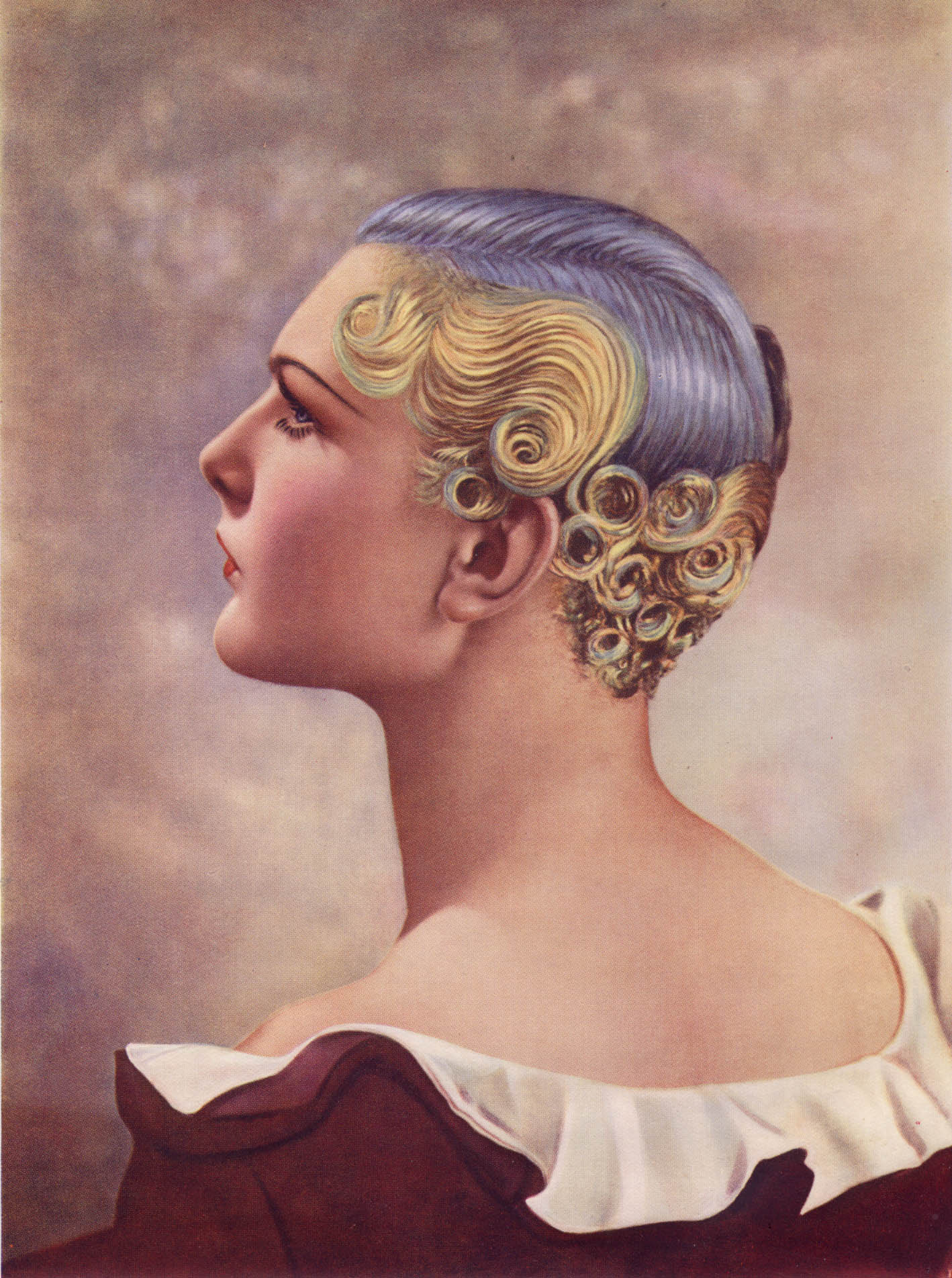
Wet hair was treated with a setting lotion or gel before winding – a product that dried stiff and held the curl’s shape far more reliably than water alone.
Mousses, creams, sprays and heat protectants designed to add hold without rigidity, because the modern style is meant to move.
The old product was supposed to be rigid, which is the part that sounds wrong now. A set is a mechanical structure and a structure needs stiffness, so a good setting lotion produced hair that was hard to the touch before brushing – and brushing it out was the step that converted a shell into a shape.
5. The Bonnet Dryer Was a Bag on Your Head With a Hose
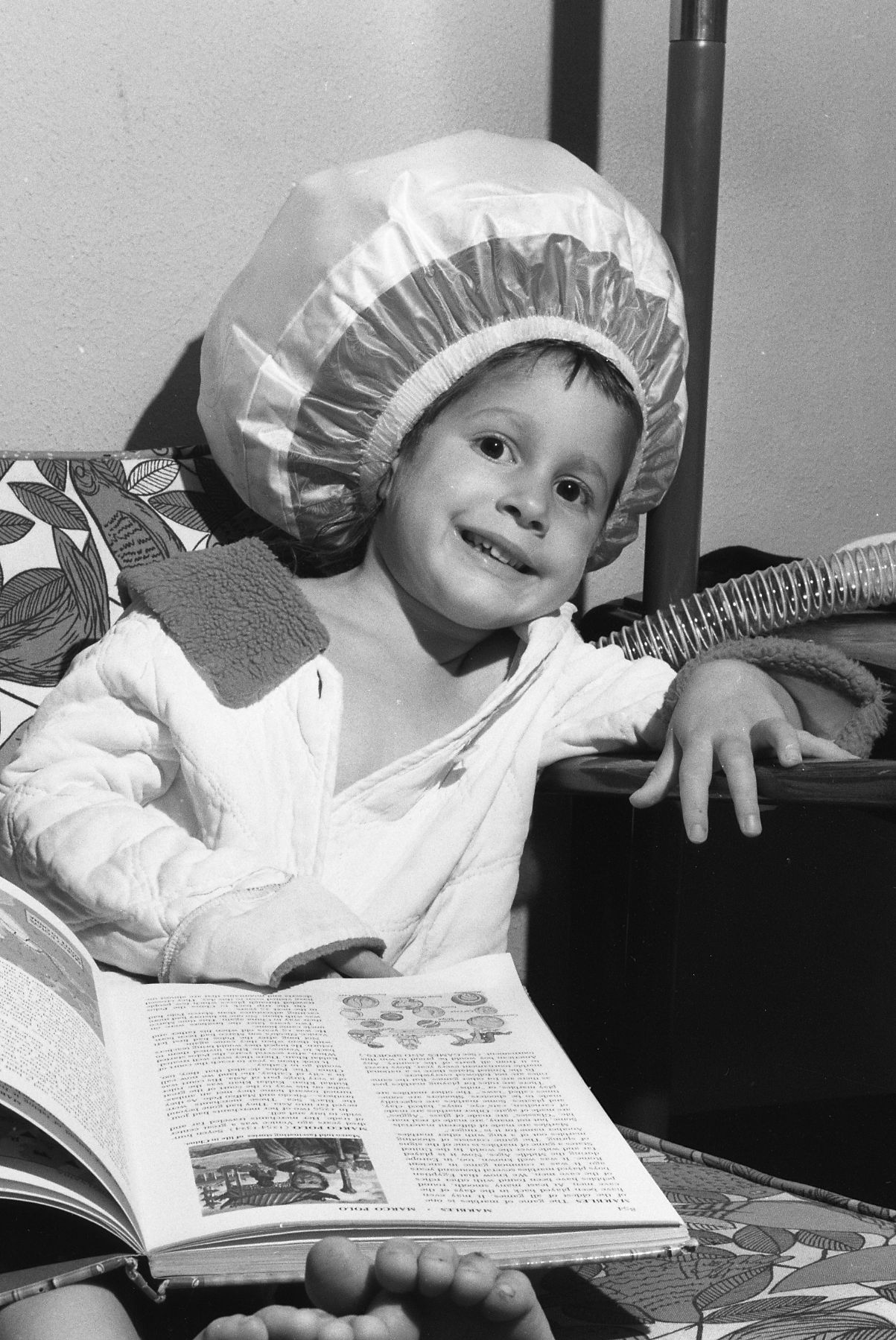
The domestic drying machine was a soft plastic bonnet, elasticated at the edge, connected by a flexible hose to a box with a fan and a heating element that sat in your lap or on a table.
Handheld dryers, and hooded dryers in salons. The bonnet was a domestic solution to the problem of drying a full set at home without going anywhere.
It took a very long time and it was loud, and what people describe is the enforced stillness. Forty-five minutes trapped under an inflated plastic bag with a roaring hose, unable to hear anybody, doing nothing – which is why so many accounts involve a magazine, a cigarette and a kitchen chair.
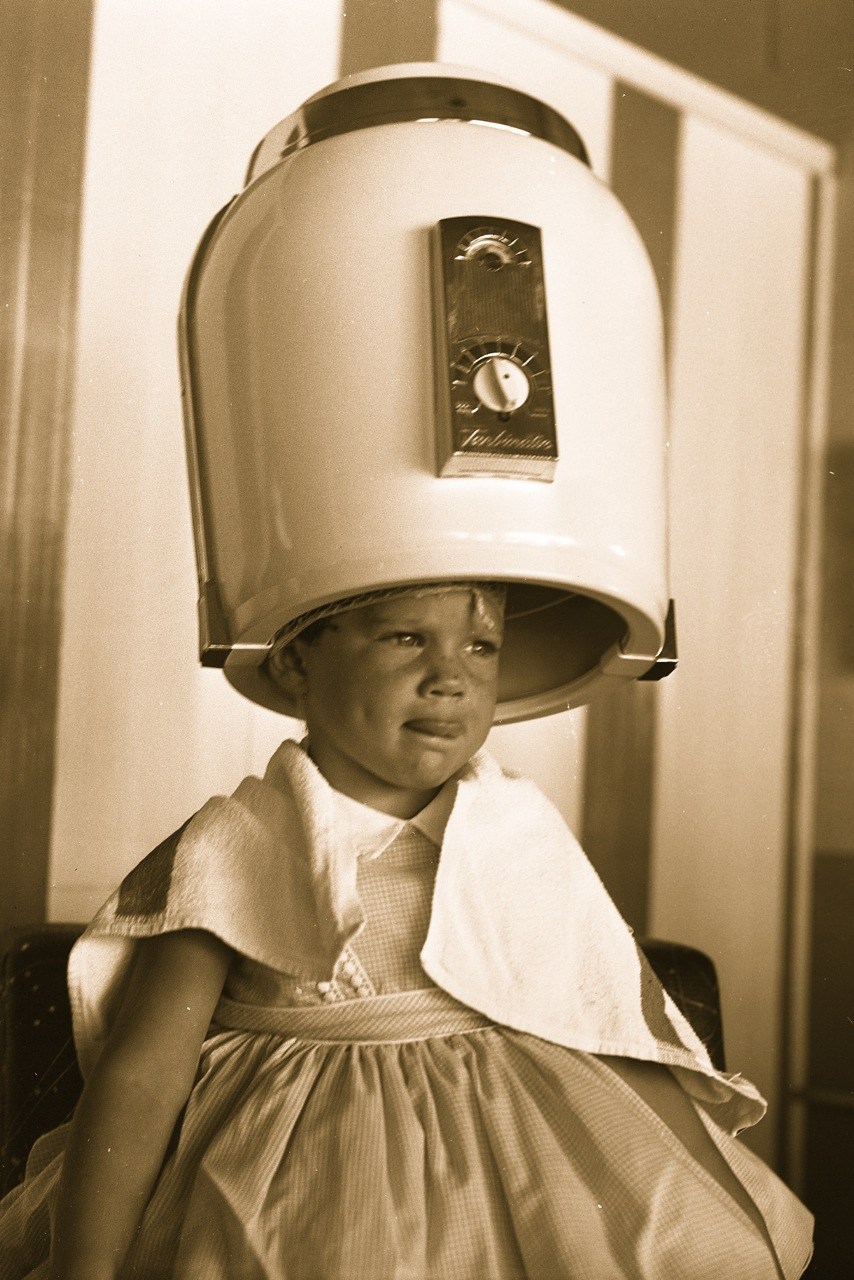
6. The Salon Version Was a Row of Women Under Hoods
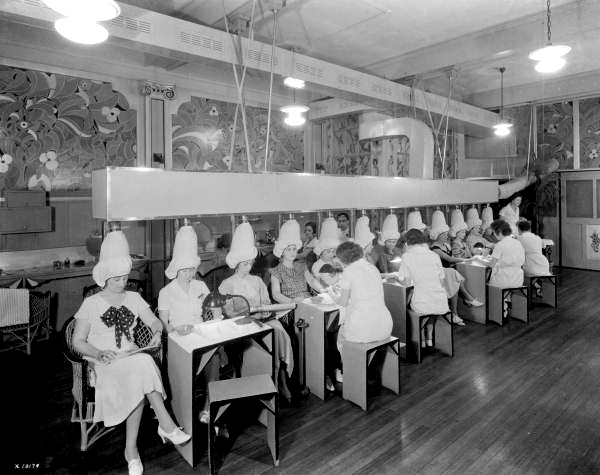
A commercial salon had a line of rigid hood dryers on stands, and after setting, clients sat under them in a row for the drying period with magazines and coffee.
Blow-drying at the chair, individually, by a stylist, in minutes – so the row of hoods has disappeared and with it the shape of the whole appointment.
The row was a social institution and it is what the weekly appointment was actually for. Six women under hoods for forty minutes, unable to hear properly, shouting at each other, is a scheduled weekly conversation among people who otherwise would not have met – and a great many friendships ran entirely through it.
7. The Set Was Weekly and You Did Not Wash It in Between
A woman had her hair set once a week, at a salon or at home, and the set was then preserved for six or seven days – which meant not washing the hair for a week.
Washing frequently or daily, with products and cutting designed around that. The weekly cycle was the standard American routine and the entire product category was built for it.
Everything else follows from that cycle. The hard setting lotion, the hairspray, the protective measures at night, the shower cap, the dry shampoo – all of it exists to extend one set across seven days, and none of it has a purpose once hair is washed on Tuesday.
8. Hairspray Was Applied in Quantities That Are Hard to Convey
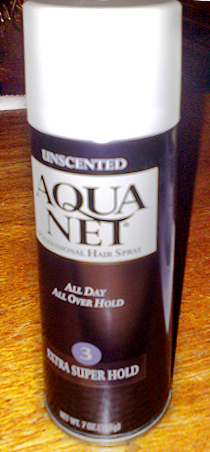
After brushing out, the style was fixed with aerosol hairspray applied heavily – round the head, underneath, and again before leaving the house, producing a surface that was noticeably solid.
Lighter sprays used sparingly, flexible-hold products and a general preference for movement – with heavy-hold spray confined to specific styles and occasions.
The quantity was proportional to the job. A set that must survive a week of sleeping, weather and wind needs a shell, and the shell was aerosol – which is why bathrooms of that period had a film on the mirror and why the smell is the single most reported sensory memory of the era’s grooming.
9. You Wrapped Your Head Up to Sleep and Protected It From Everything
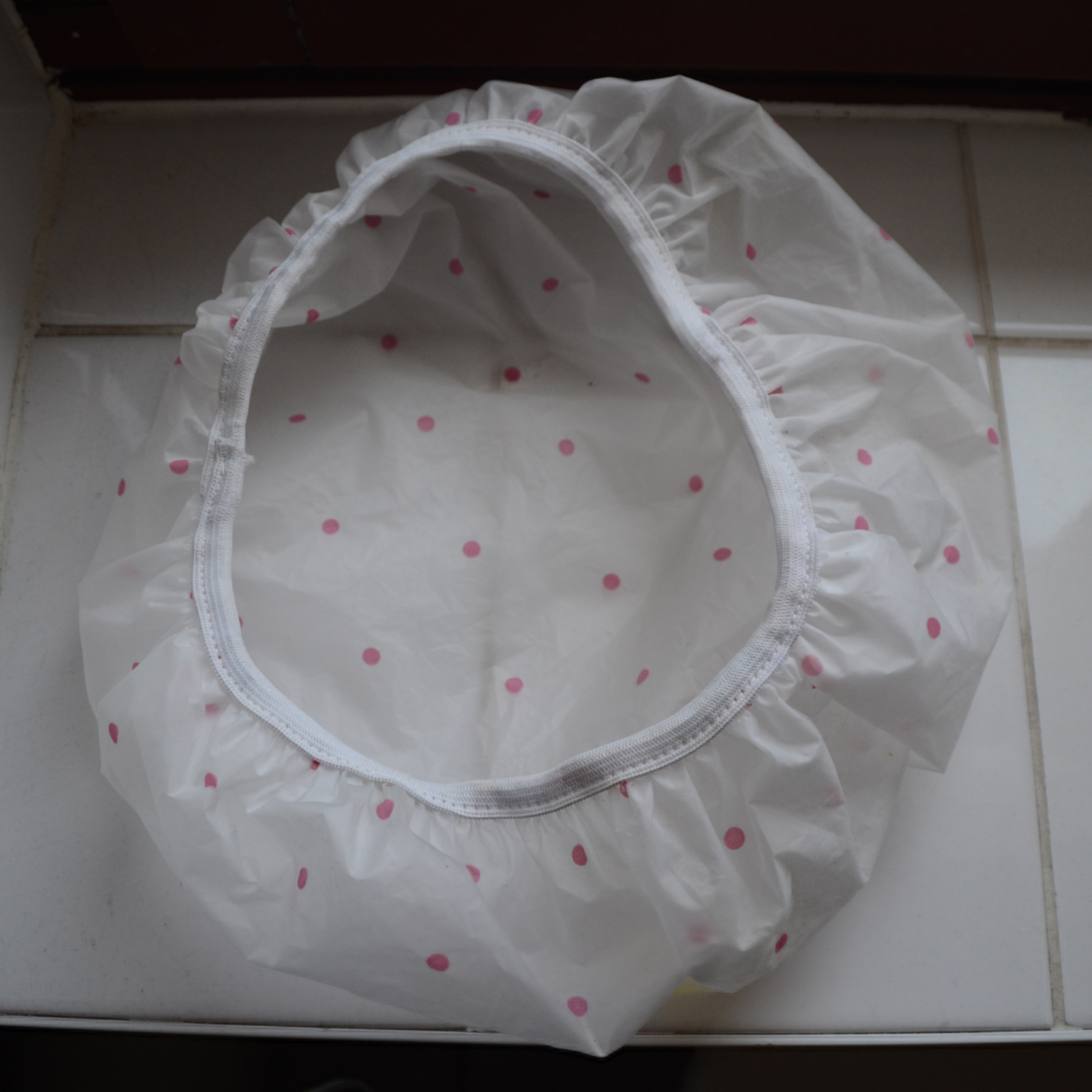
Between sets, the style was defended: a scarf or net at night, a shower cap in the bath, a rain bonnet in a handbag, and a pillow arranged so the back of the head did not flatten.
Silk pillowcases, bonnets and wraps used largely for hair health rather than to preserve a set, and a general absence of the problem since hair is restyled daily anyway.
The rain bonnet is the item that has gone most completely – a pleated plastic hood folded into a small flat packet that lived in every handbag, deployed at the first drop of rain, and worn with total unselfconsciousness by women who would not otherwise have been seen in it.
10. Teasing and Backcombing Built the Shape From Underneath
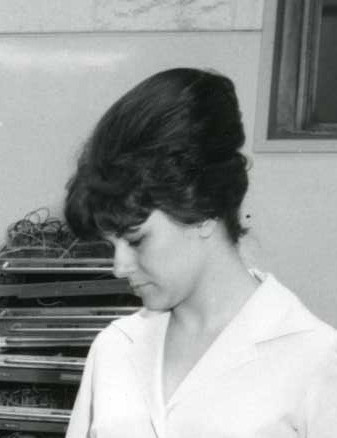
Volume was created by backcombing – combing hair repeatedly towards the scalp with a fine comb to tangle it into a supporting mass, then smoothing the surface layer over the top.
Volumising products, root lifting with heat, layering in the cut and a general tolerance of flatter hair – with backcombing surviving for specific styles.
It is a genuine structural technique and it does damage. Deliberately tangling hair against its direction, then brushing it out, then doing it again weekly, breaks hair – which was understood at the time and accepted, because the alternative was not having the shape.
11. Every Handbag Contained a Comb and the Comb Had a Tail
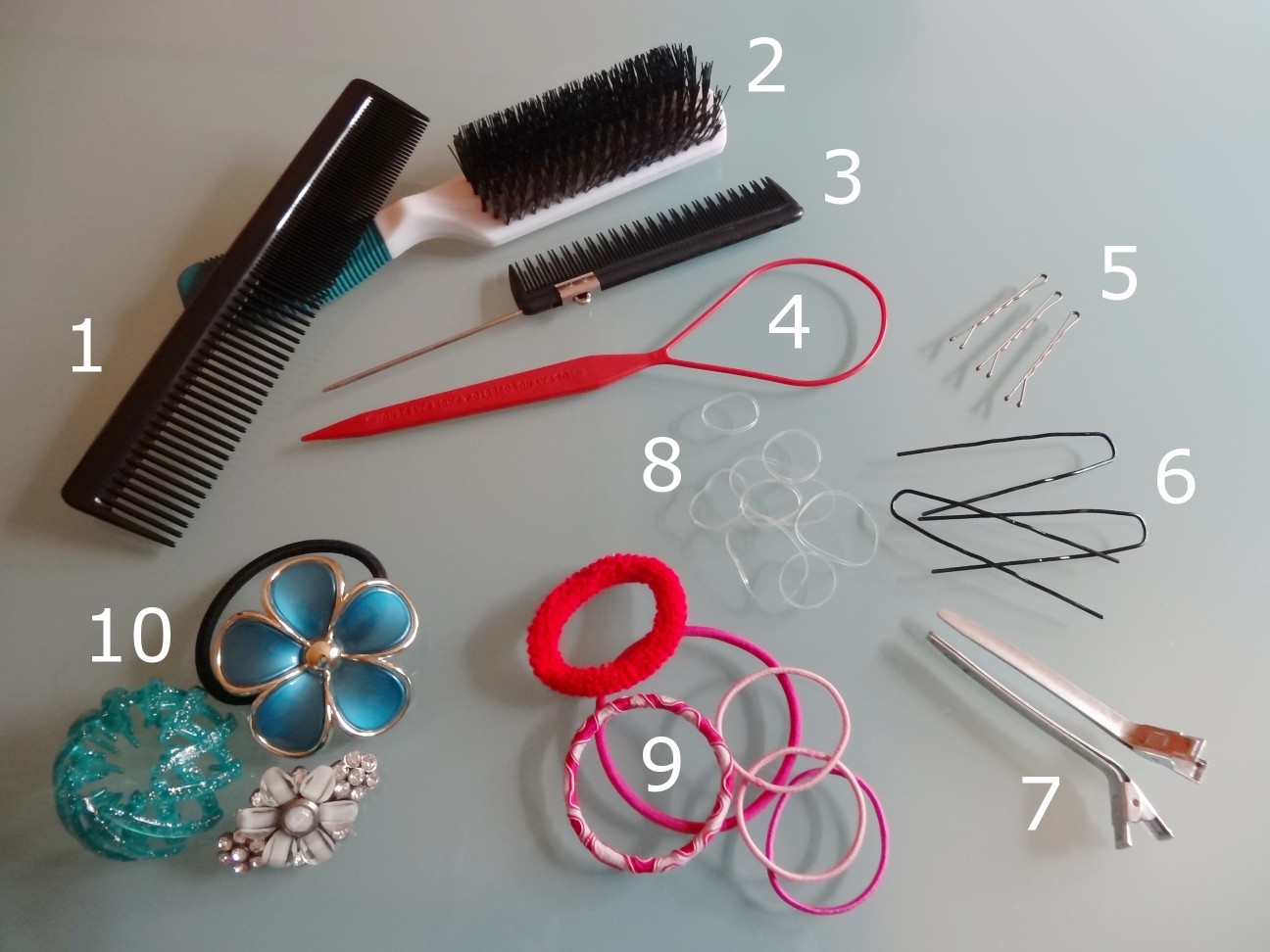
The standard tool was a rat-tail comb: fine teeth at one end and a long thin point at the other, used for sectioning, for lifting, for making a parting and for repairing a style in a restroom mirror.
Brushes, wide-tooth combs and fingers, with the rat-tail surviving as a professional sectioning tool rather than a handbag item.
The tail is what made it a repair kit. A long point lets you lift and separate a collapsed section without disturbing the rest, which is exactly what is needed to fix a four-day-old set in a mirror at lunchtime with nothing else available.
12. Heated Rollers Arrived and Seemed Like the Future
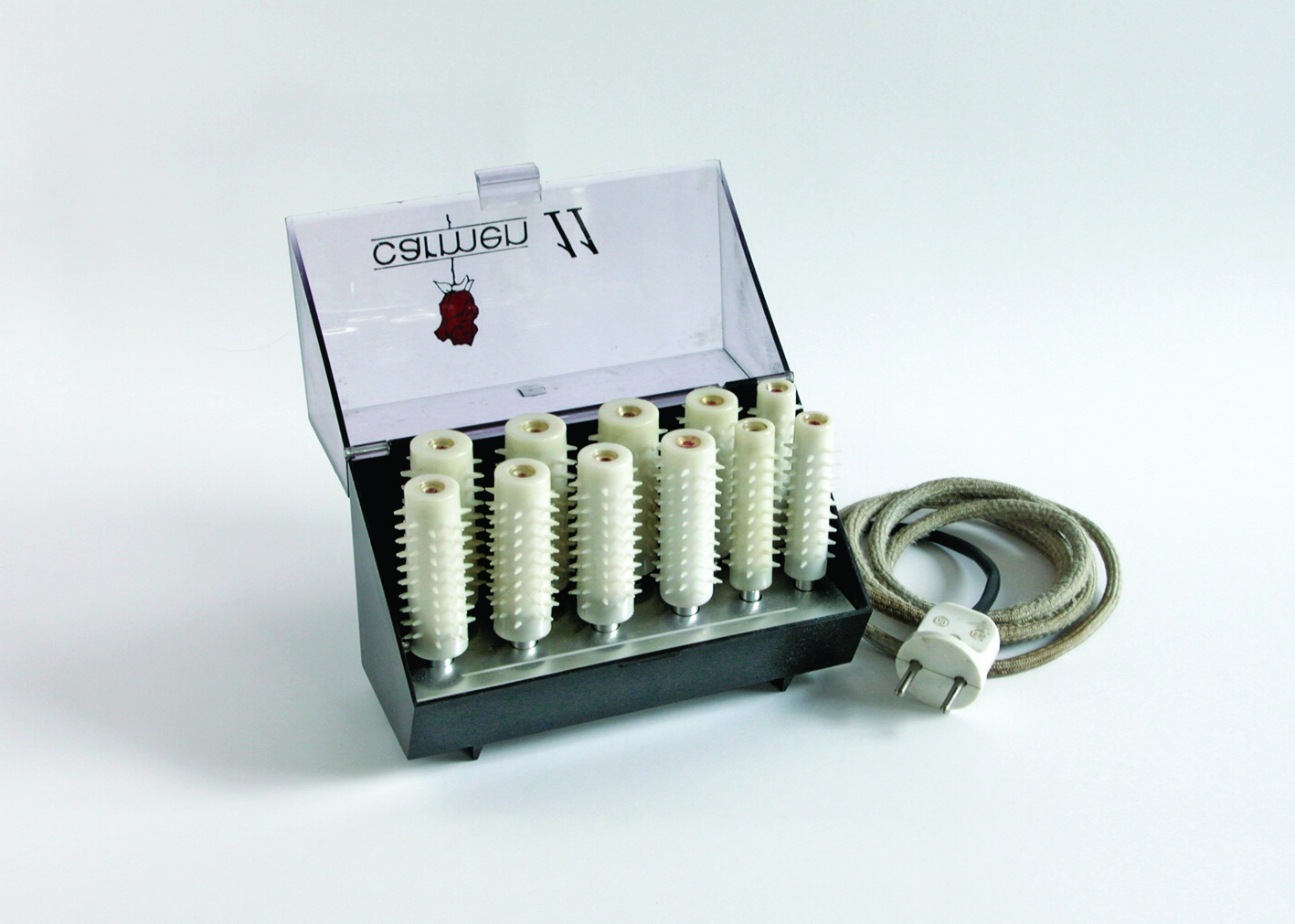
Electric roller sets appeared in a case that heated the rollers on metal posts, so that hair could be curled dry, in twenty minutes, with no wetting and no overnight wait.
Curling tongs, wands and flat irons, which do the same job one section at a time with more control – and heated rollers, still sold, for the same reason as always.
They were a genuine improvement and they were a bridge rather than a destination. Dry setting removed the overnight stage and the bonnet dryer, which is most of the inconvenience, but the hair was still being set rather than styled – and the method that actually replaced setting was coming from a different direction.
13. The Colour Was Done at Home From a Box
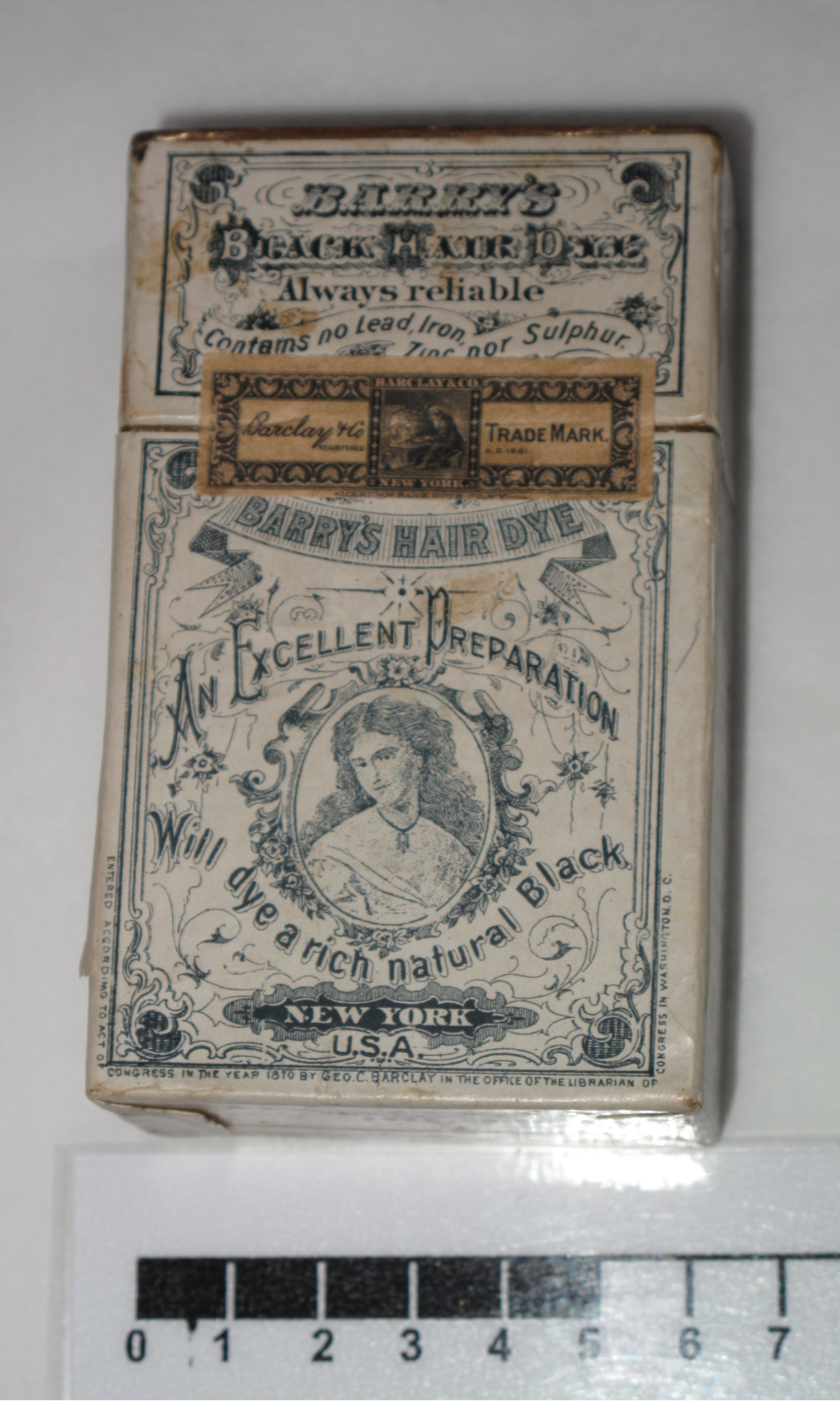
Home colouring was widespread, done in a bathroom from a kit with mixing bottles, gloves and a timed application, with a patch test recommended and generally skipped.
The same products, considerably improved, alongside a professional colouring industry of a scale that did not exist in 1974 – and a great deal more understanding of what repeated processing does.
The accumulation was the problem nobody tracked. Hair that is set weekly with a stiff lotion, backcombed, heavily sprayed, brushed out, permed periodically and coloured at home is being mechanically and chemically processed on a continuous basis – and the condition of it was simply the normal state of American hair.
14. A Weekly Appointment Was a Fixed Part of the Household Week
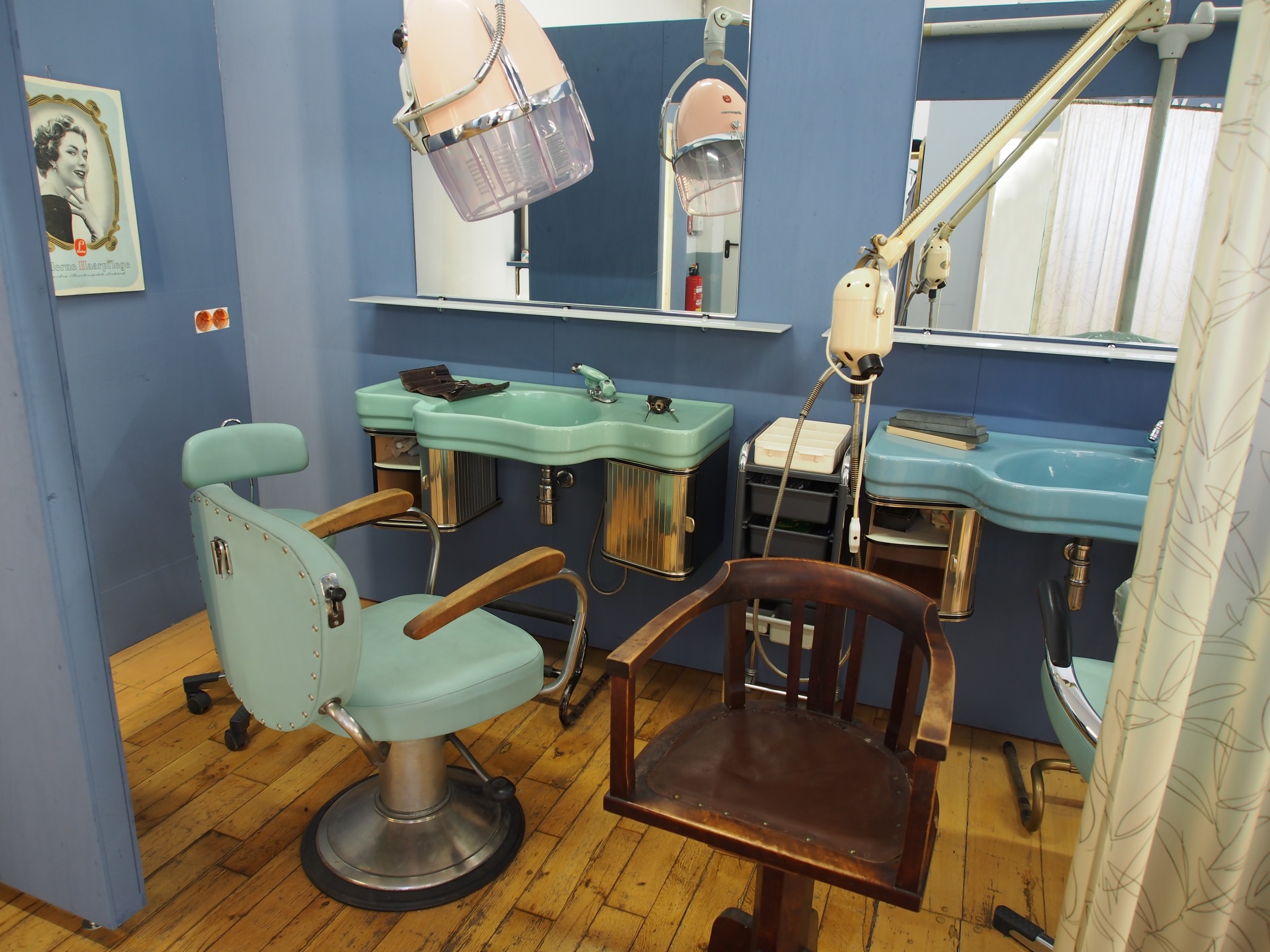
The salon visit was recurring and scheduled – Friday afternoon, Saturday morning – at the same time with the same operator, booked permanently rather than made each time.
Appointments made as needed, at intervals of weeks or months, for cutting and colouring rather than for setting.
The standing appointment is what made the salon a social institution rather than a service. The same six women at the same hour every week for fifteen years, with the same operator who knew all of their business, is a club with a membership – and it dissolved the moment the weekly set stopped being necessary.
15. Then the Handheld Dryer and the Precision Cut Ended All of It
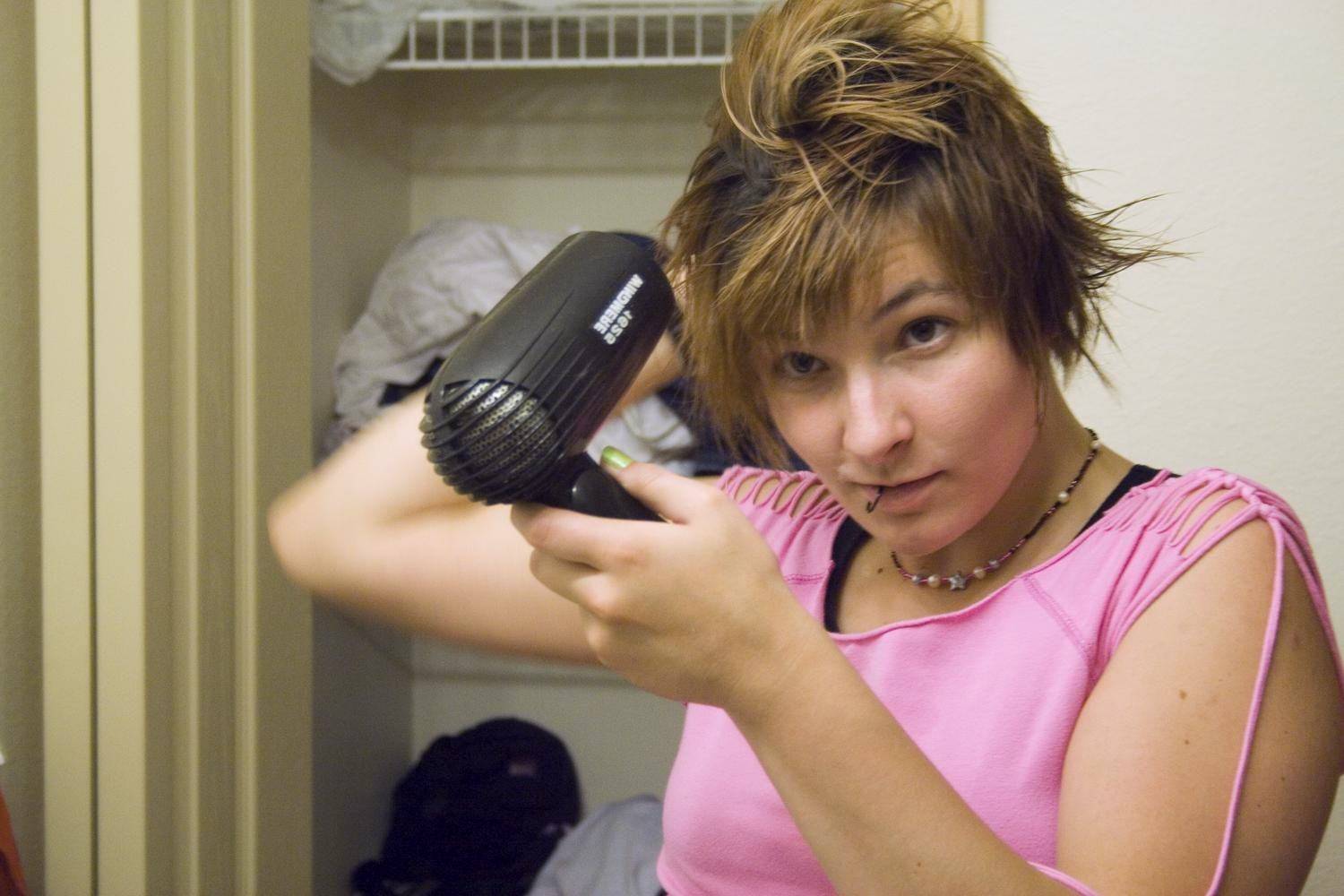
The whole apparatus rested on shape being imposed mechanically on wet hair and then preserved for a week, which required rollers, pins, lotion, a dryer, spray, protection at night and a salon appointment.
A powerful handheld dryer, a round brush and a cut engineered so the shape is in the hair itself – which lets a person wash their hair in the morning, dry it in ten minutes and produce the same result daily, at home, alone.
That is not a new product so much as a transfer of where the shape lives, and it is the single change that made everything above obsolete at once. Once the cut carries the shape, there is nothing to preserve – so no set, no overnight rollers, no bonnet, no hard lotion, no shell of spray, no scarf at night, no rain bonnet in the handbag, no weekly appointment and no row of hoods. It also moved the money. The thing a woman now pays a professional for is the cut, performed once every several weeks, because that is where the style is built – and the weekly set, which was the salon’s entire business, became something nobody needs at all.
The Shape Moved From the Set to the Cut

Every item on this list is a consequence of one decision about where a hairstyle’s shape comes from, and that decision reversed.
In 1974 the shape was imposed mechanically. Hair was wetted, wound onto rollers in a planned arrangement, held there by pins against the scalp, dried in position until it took the roller’s form, and then brushed out. The shape existed because the hair had been forced into it and had dried that way.
Which creates an obvious and expensive problem: a shape produced that way is temporary, and reproducing it takes hours. So the entire apparatus that follows is about preservation rather than creation.
That is what the hard setting lotion is for. And the heavy aerosol shell. And not washing the hair for a week. And the scarf at night, the shower cap in the bath, the pleated rain bonnet in every handbag, the arranged pillow, the rat-tail comb for mid-week repairs, the dry shampoo. And the weekly salon appointment, which was the whole business model of a mid-century American salon – a standing booking, at the same hour, with the same operator, forever.
Then the shape moved into the cut.
A powerful handheld dryer, a round brush and, above all, a cut engineered so that the hair falls into its shape when dried. Not a set that has to survive, but a structure built into the hair by where it was cut shorter and longer. Wash it in the morning, dry it in ten minutes, and the shape comes back because the shape is the cut.
Everything above becomes unnecessary in the same instant. There is nothing to preserve, so there is nothing to protect. No rollers, no pins, no sleeping in them, no bonnet dryer, no stiff lotion, no shell of spray, no scarf, no rain bonnet, no weekly set, no row of women under hoods shouting at each other for forty minutes.
And the money moved with it. What a woman pays a professional for now is the cut, every several weeks, because that is where the style is manufactured. The weekly set – which filled those salons, employed those operators and constituted the industry – is something nobody requires at all.
Which is also what killed the row of hoods, and that is the part worth being sentimental about. The forty minutes under a dryer, six women in a line, unable to hear properly, shouting, every week for fifteen years, was not a service anybody was buying. It was simply where it happened.
If you did this, you slept in them, and you remember exactly how the pins felt against your scalp.
And somebody in your family had a pleated plastic rain bonnet folded flat in her handbag, permanently, for twenty years.
Like our content? Follow us for more.