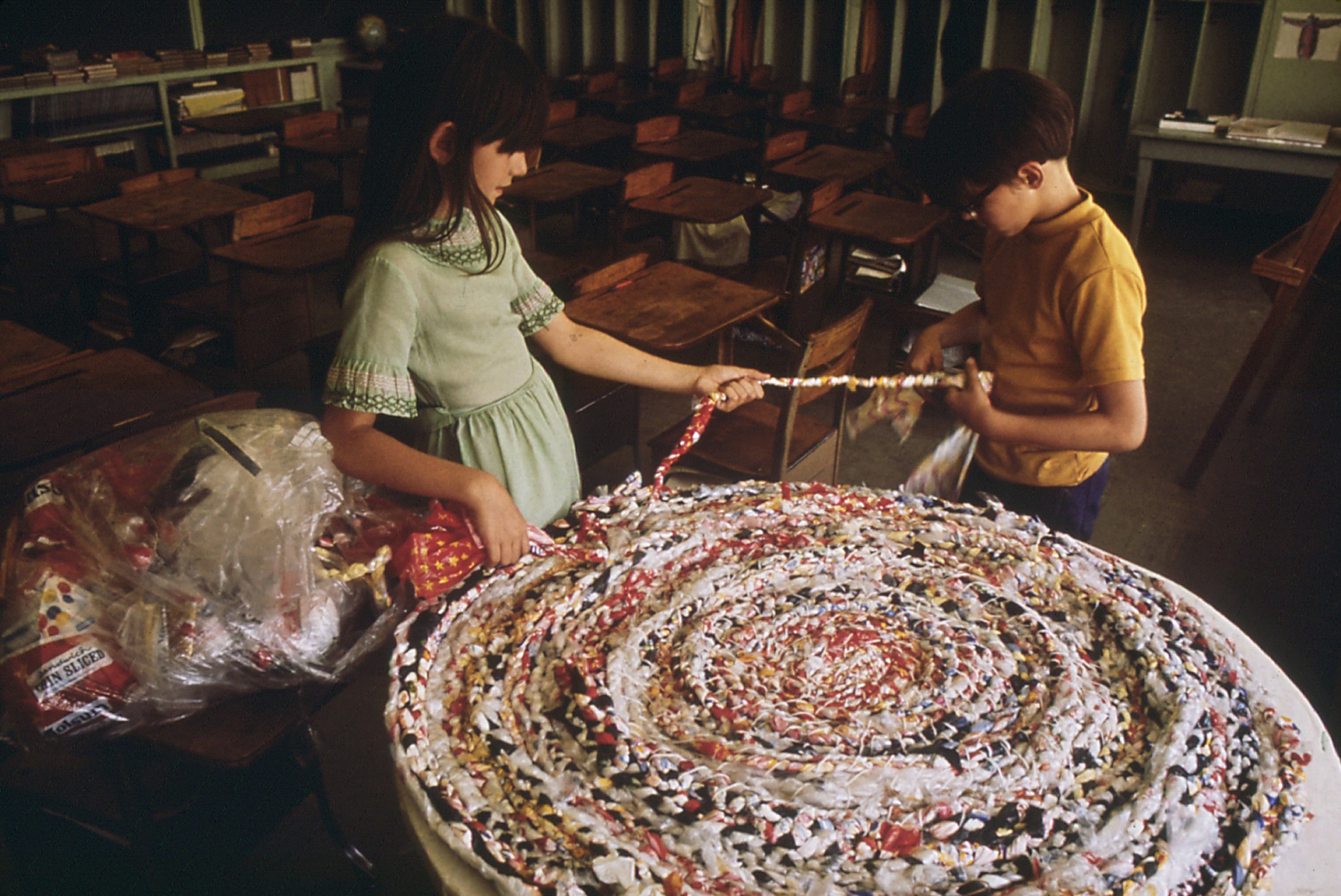
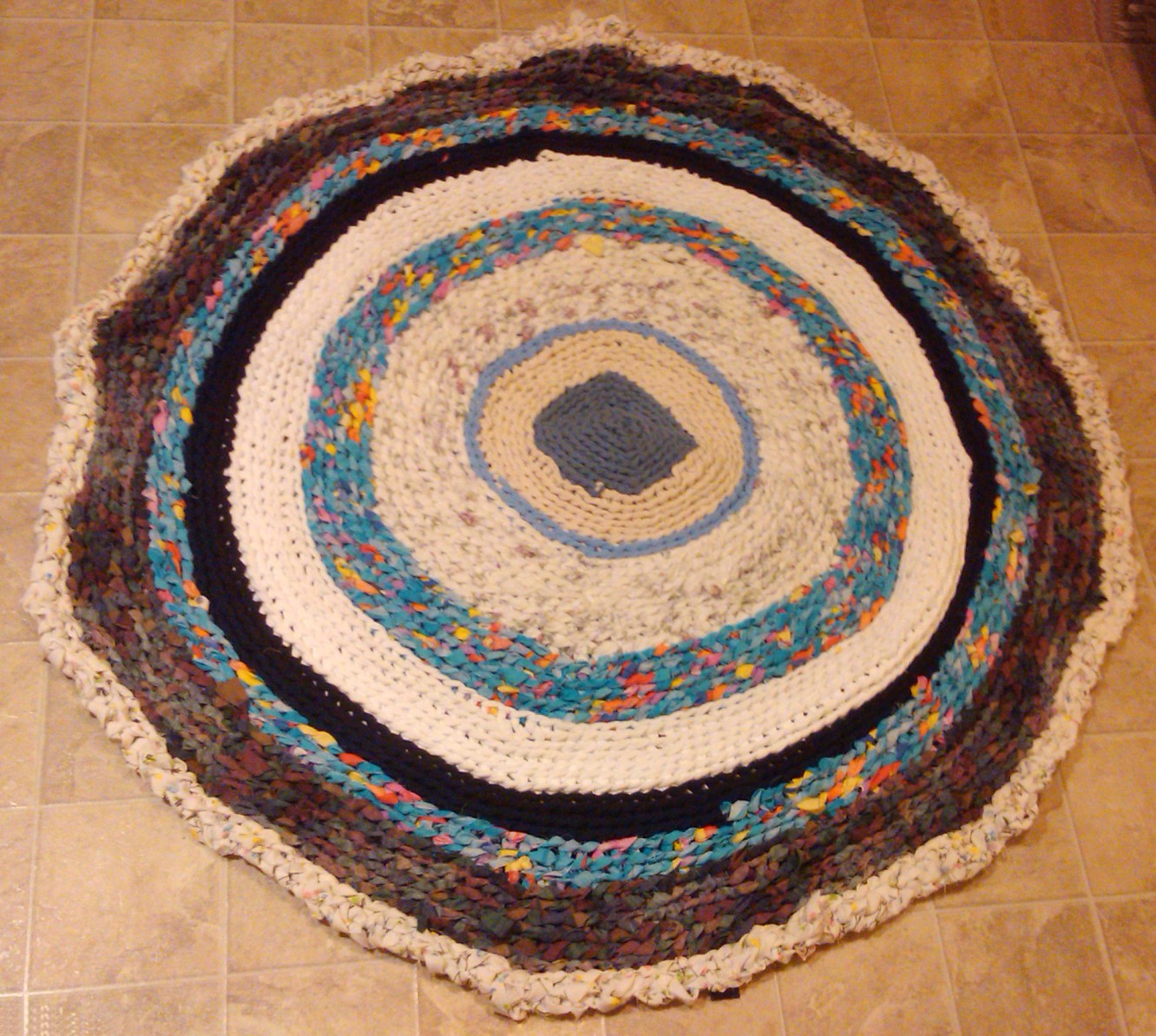
In 1974 a great many American houses still had one in front of the sink, inside the back door and beside the bed: a thick oval mat braided from strips of clothing that had finished being clothing.
It was reversible, so you turned it. It was washable, so you beat it on a line and then put it through water. When the outer round wore through you took that braid off and sewed on a new one, which made the rug slightly smaller each time, and nobody minded.
And nobody chose its colours. They were whatever the family had worn out. Here are fifteen things every household knew about it.
1. It Was Made Out of Clothing That Had Finished Being Clothing
The raw material was worn-out garments, sheets and blankets – cut into strips once the cloth was too far gone to wear, patch or pass on – which means the rug was the last useful thing a piece of fabric became.
Rugs made from new material produced for the purpose, including ones sold as rag rugs, which are woven from purpose-made cotton strips rather than from anything that was ever worn.
The sequence is the part worth holding on to. Nothing went straight from a closet to a rug. A garment was worn out, handed down, worn out again, cut up for patches, used as cleaning cloth, and only then went into strips – and the rug sat at the bottom of that whole descent.
Like our content? Follow us for more.
2. There Were Three Different Crafts and People Did Not Confuse Them
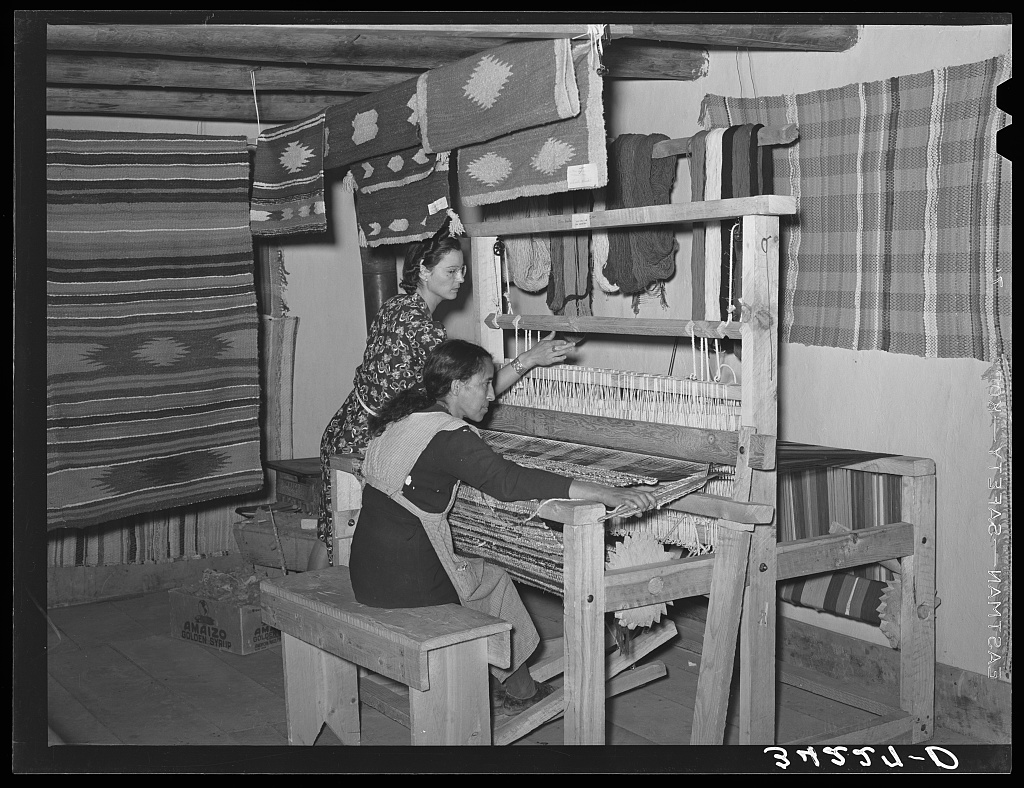
Braiding produced a thick oval mat from three plaited tubes of cloth. Rag weaving produced a flat striped rectangle on a loom with cloth as weft. Hooking pulled loops of strip up through a backing to make a pile, frequently a picture.
All three survive as hobbies, with hooking having the strongest following – and with the three now generally lumped together under one name by people who have not made any of them.
They are genuinely different disciplines with different tools, different skills and different results. A braider needed no equipment at all beyond scissors and a needle. A rag weaver needed a loom. A hooker needed a frame, a backing and a hook – and a household typically did one of the three, not all of them.
3. The Braided Rug Was Oval Because of How It Was Built
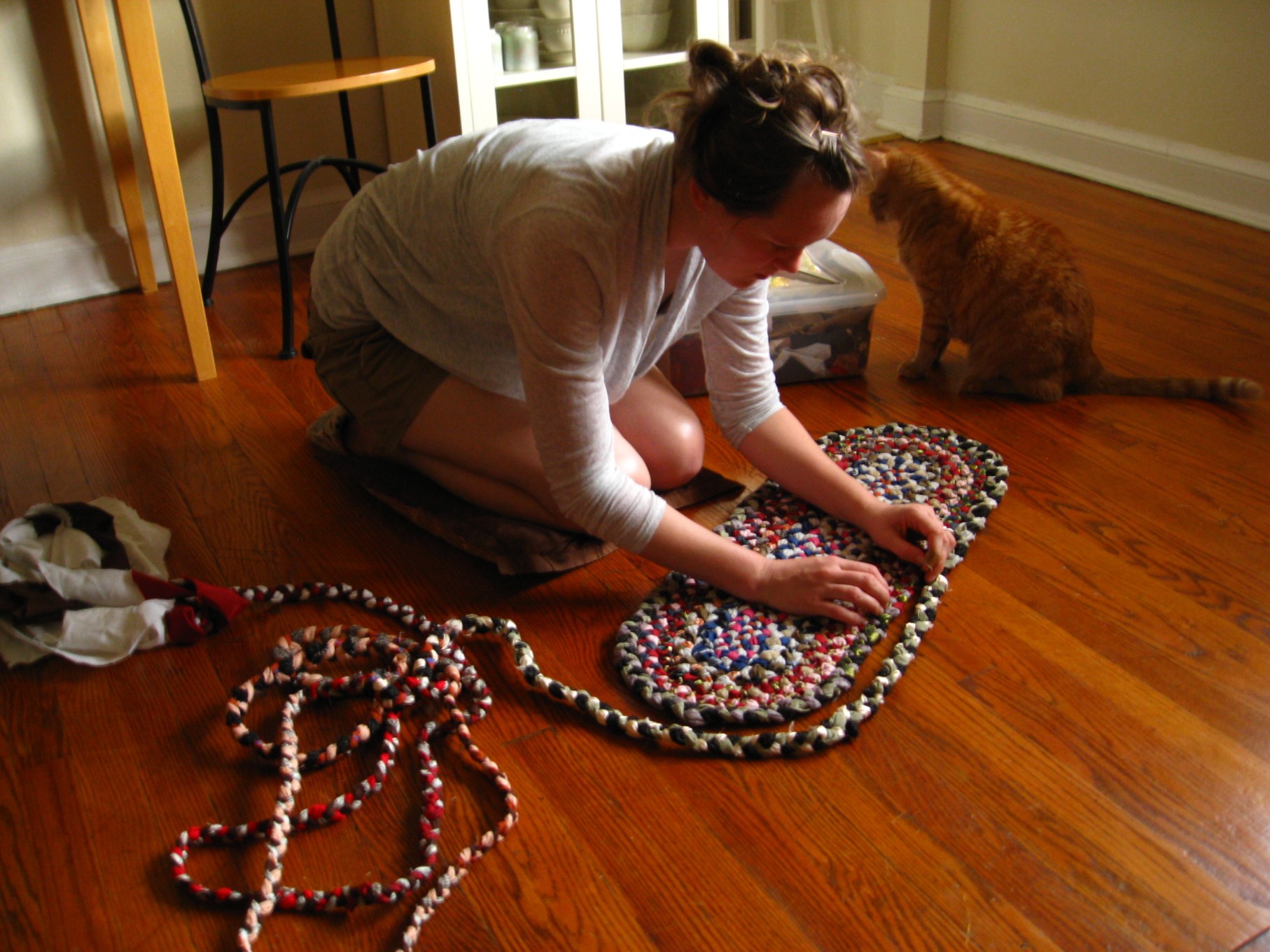
A braided rug started with a straight length of plait, folded back on itself, and was sewn round and round in a spiral – which produces an oval, and can only produce an oval unless you work much harder.
Rugs in any shape, since the shape is now a design choice made before manufacture rather than a consequence of a construction method.
This is the clearest case on the list of a form coming out of a process. Nobody decided that American floors wanted oval rugs. A spiral of braid starting from a straight centre section is an oval, and every oval braided rug in the country is that shape because of the first six inches of its own construction.
4. The Strips Were Cut to a Width, and the Width Mattered
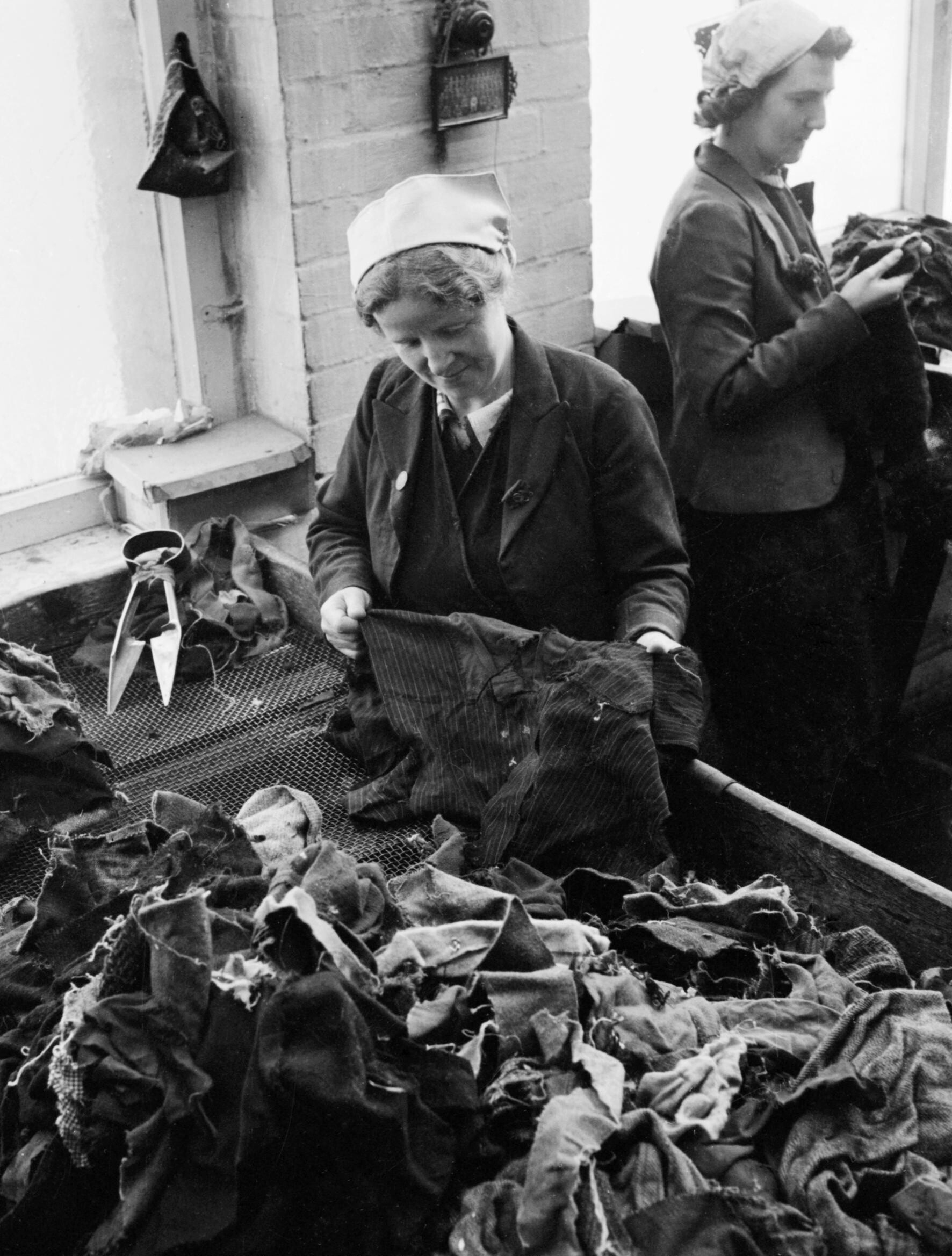
Cloth was cut in strips of a fairly consistent width, with the raw edges folded in so none showed, and the width was chosen to suit the weight of the fabric and the thickness of rug you wanted.
Pre-cut strips sold in bags by weight for the craft market, in standard widths, in colours chosen from a chart.
Folding the edges in is the detail that separated good work from quick work. An unfolded strip frays along both edges forever and the rug sheds; a folded one does not, and folding every strip by hand as you braid is most of what makes the job slow.
5. It Got Made in Company
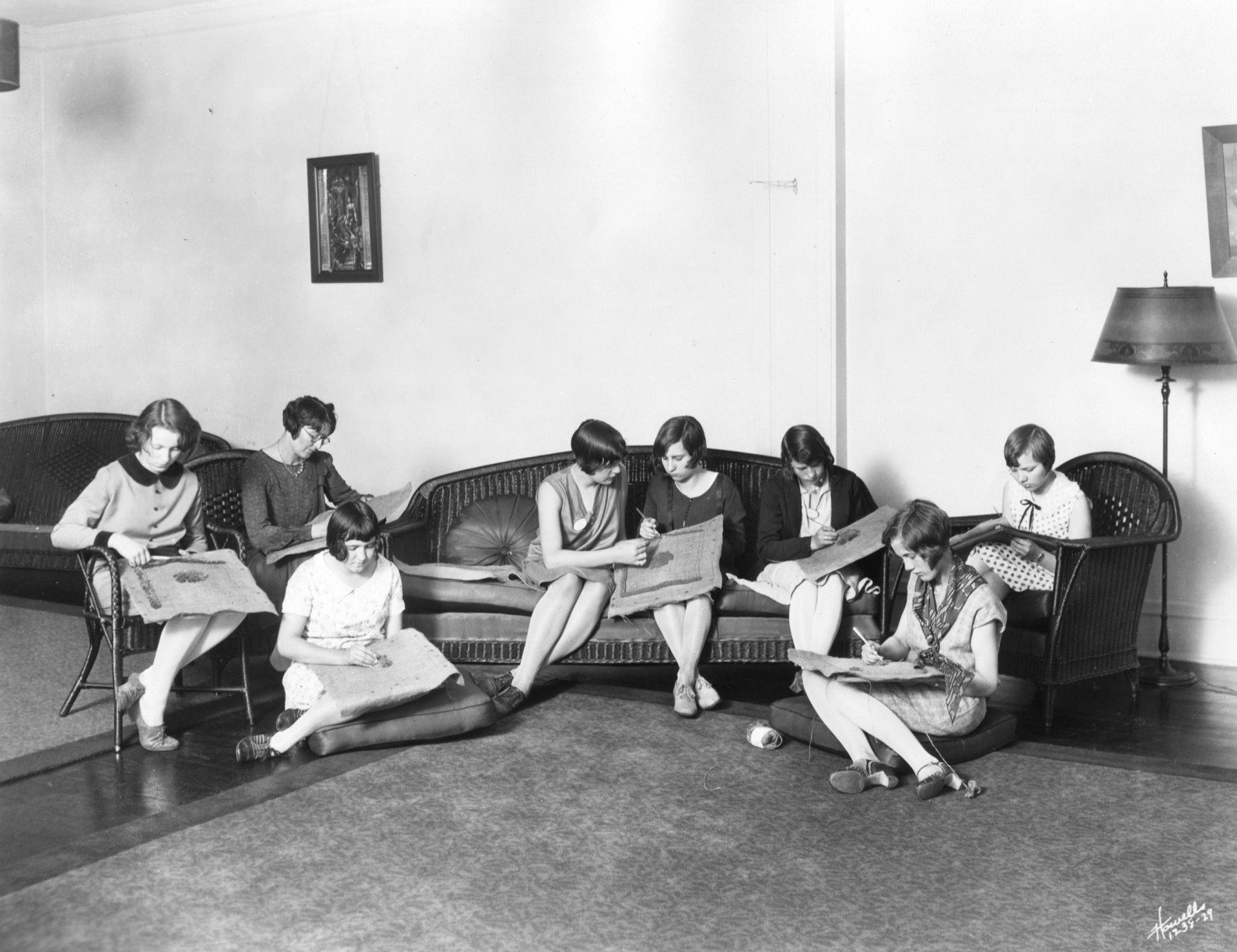
Strip-cutting and braiding are undemanding on attention and endless in volume, which made them work for a group – a sewing circle, a church group, two or three women at a kitchen table, a winter evening.
Craft practised individually, mostly, with its social dimension online rather than in a room – which is a real substitution and not an equivalent one.
The social arrangement was not incidental to the object. A rug needs an enormous quantity of prepared strip, and preparing it alone is tedious in a way that stops people finishing. In company it is conversation with your hands busy, and the rug gets made as a by-product.
6. The Rag Weaver Was a Separate Person in Town
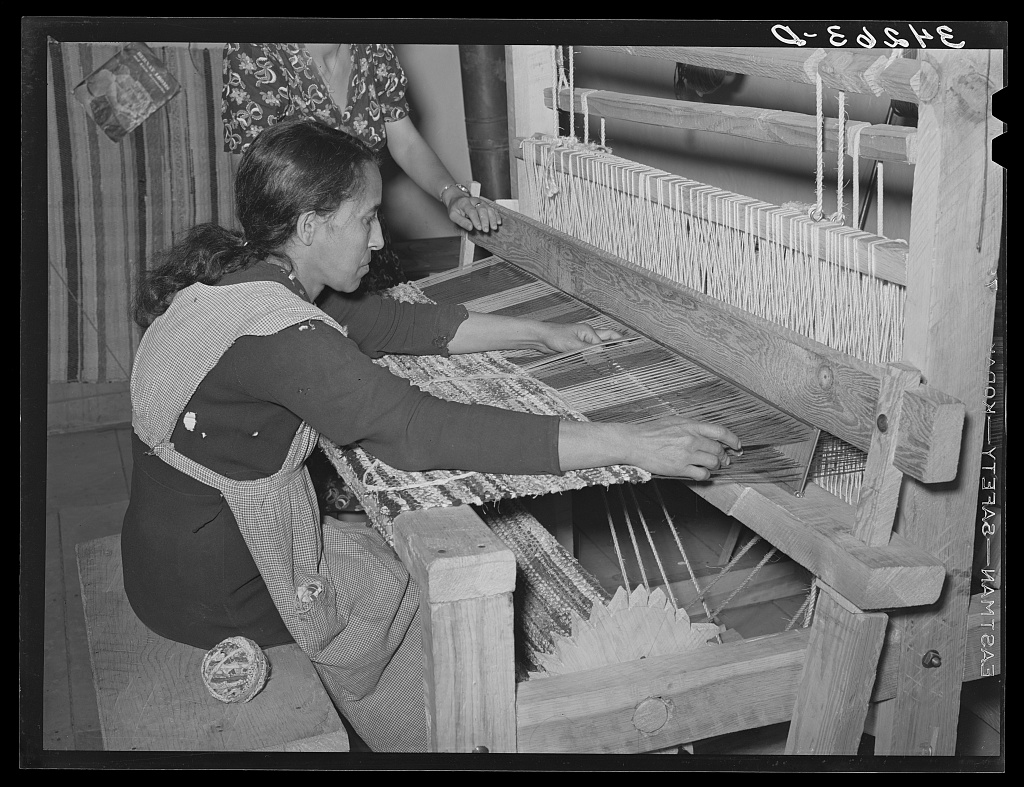
Households that did not own a loom saved rags, cut them into strips, wound them into balls and took them to somebody locally who wove them into rag carpet by the yard for a fee.
Nothing at ordinary scale. A small number of weavers still do this, usually as a craft service at craft prices rather than as the practical neighbourhood arrangement it was.
That arrangement is a good example of how household economies actually worked. The household supplied the material and the labour-intensive preparation; the specialist supplied the one piece of expensive equipment and the skill to use it – and the division made both halves affordable.
7. It Went in Front of Things, Not in the Middle of Rooms
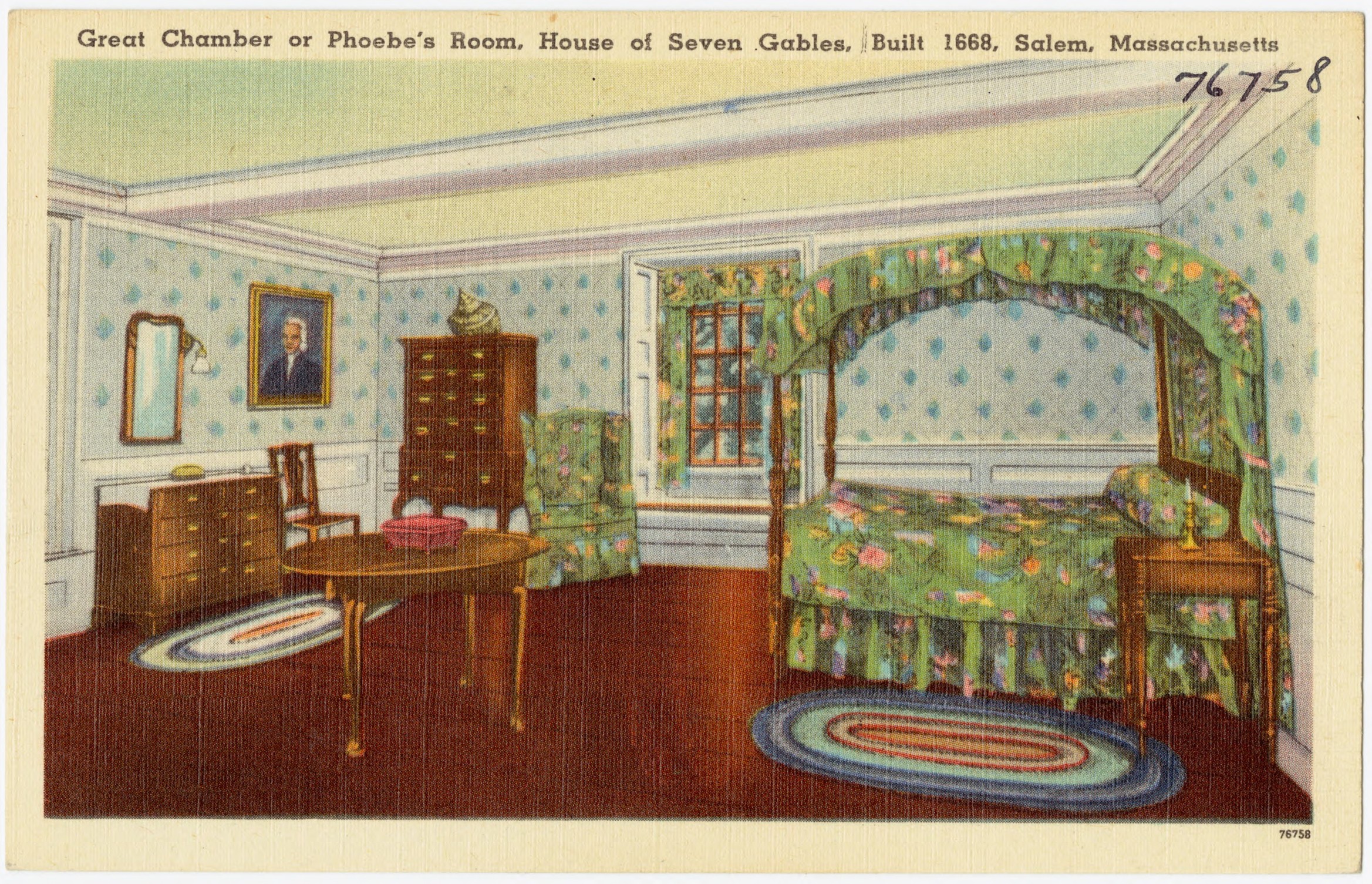
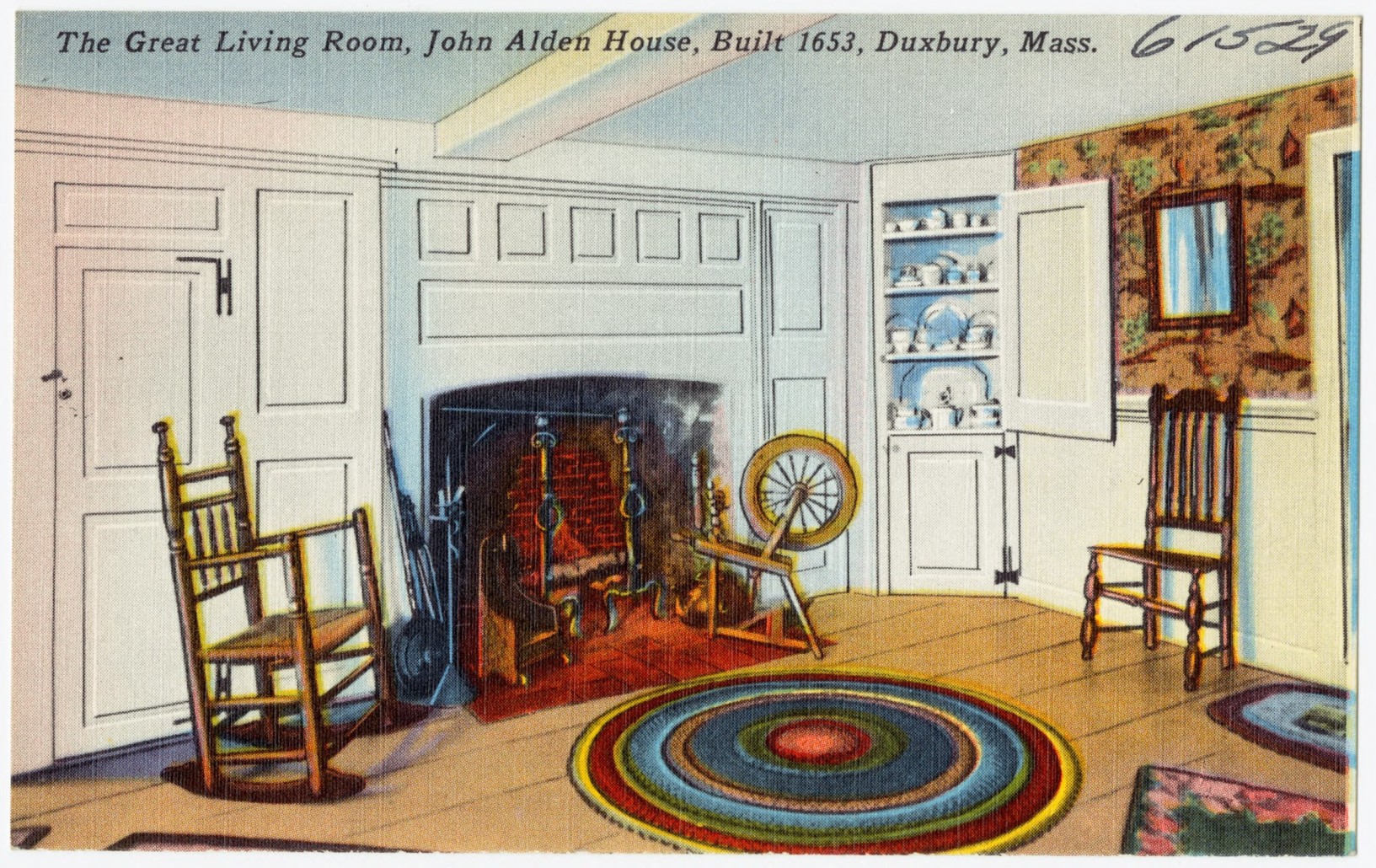
Rag rugs lived at the sink, inside the back door, beside the bed, at the bottom of the stairs and in front of the stove – small, specific, high-traffic places – rather than as a floor covering for a room.
Mostly the same positions, filled by mats bought for the purpose, and with whole-room floor covering handled by wall-to-wall carpet or large manufactured rugs.
The placement follows from what the thing was for. A rag rug is small, washable and replaceable, which makes it ideal for the spots where feet are wet, where somebody stands for an hour, and where a floor is cold – and useless as a way of covering a hundred square feet.
8. You Picked It Up, Took It Outside and Beat It
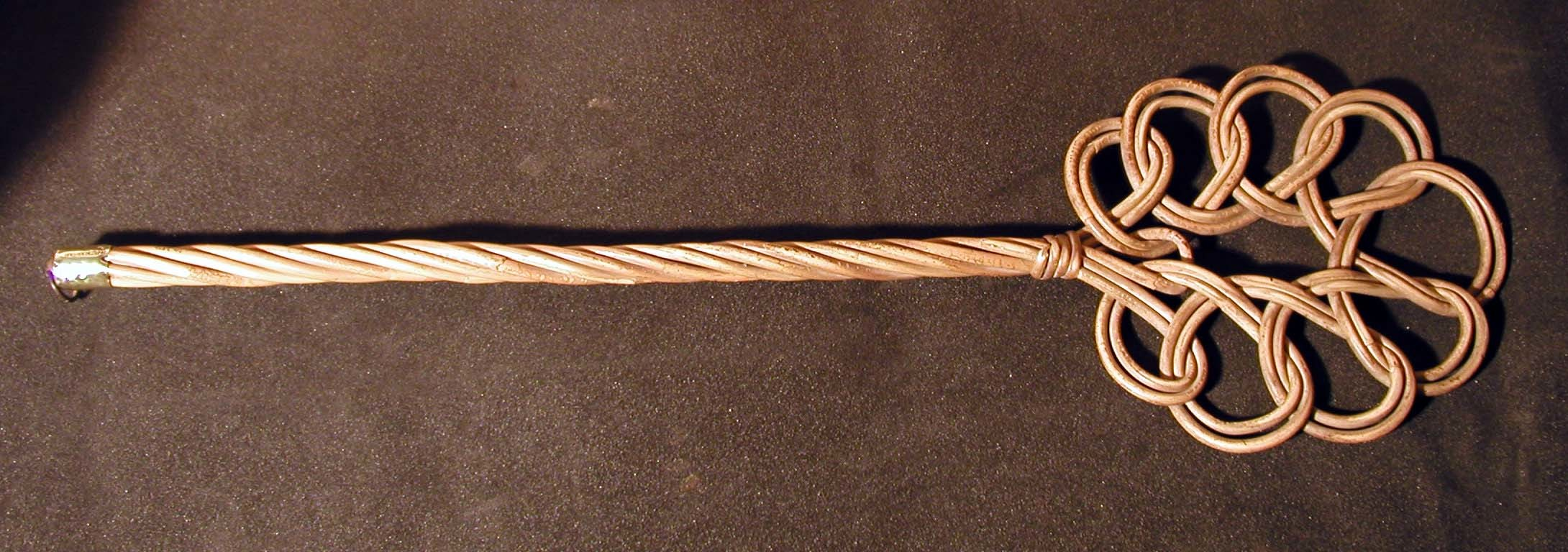
Cleaning meant carrying the rug out, hanging it over a line or a rail, and hitting it until the dust stopped coming out – and then, for a rag rug, washing it, which is something most floor coverings cannot survive.
Vacuuming in place and, for washable mats, a machine wash – with the carrying out, hanging and beating gone along with the clothesline it needed.
Washability was the rug’s single greatest practical advantage and the reason it belonged where it belonged. A mat at a back door in March is going to get filthy, and a thing you can put through water repeatedly is worth more in that spot than anything finer.
9. It Was Reversible and You Turned It
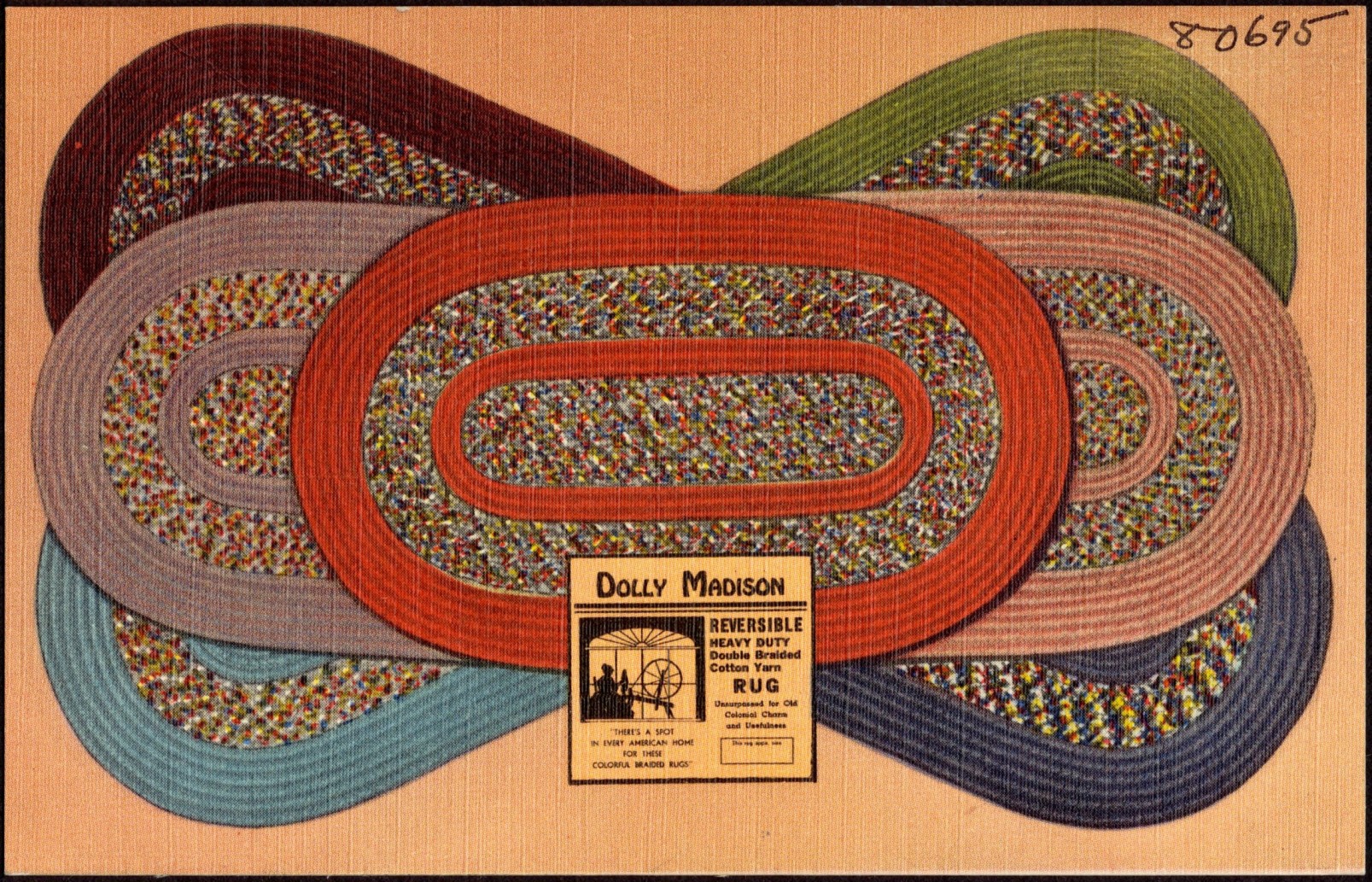
A braided or woven rag rug has no front. Both faces are the same construction, so a rug that had worn or faded on one side was simply flipped over and used from the other.
Rugs with a defined pile side and a backing, which cannot be reversed – so wear accumulates on one surface and the rug reaches the end of its life sooner.
Turning it doubled the working life for no effort at all, and households turned rugs on a schedule. It is the same logic as turning a mattress, applied to something that cost nothing to begin with, and it is the kind of small routine that disappears without anybody noticing.
10. The Colours Were Decided for You
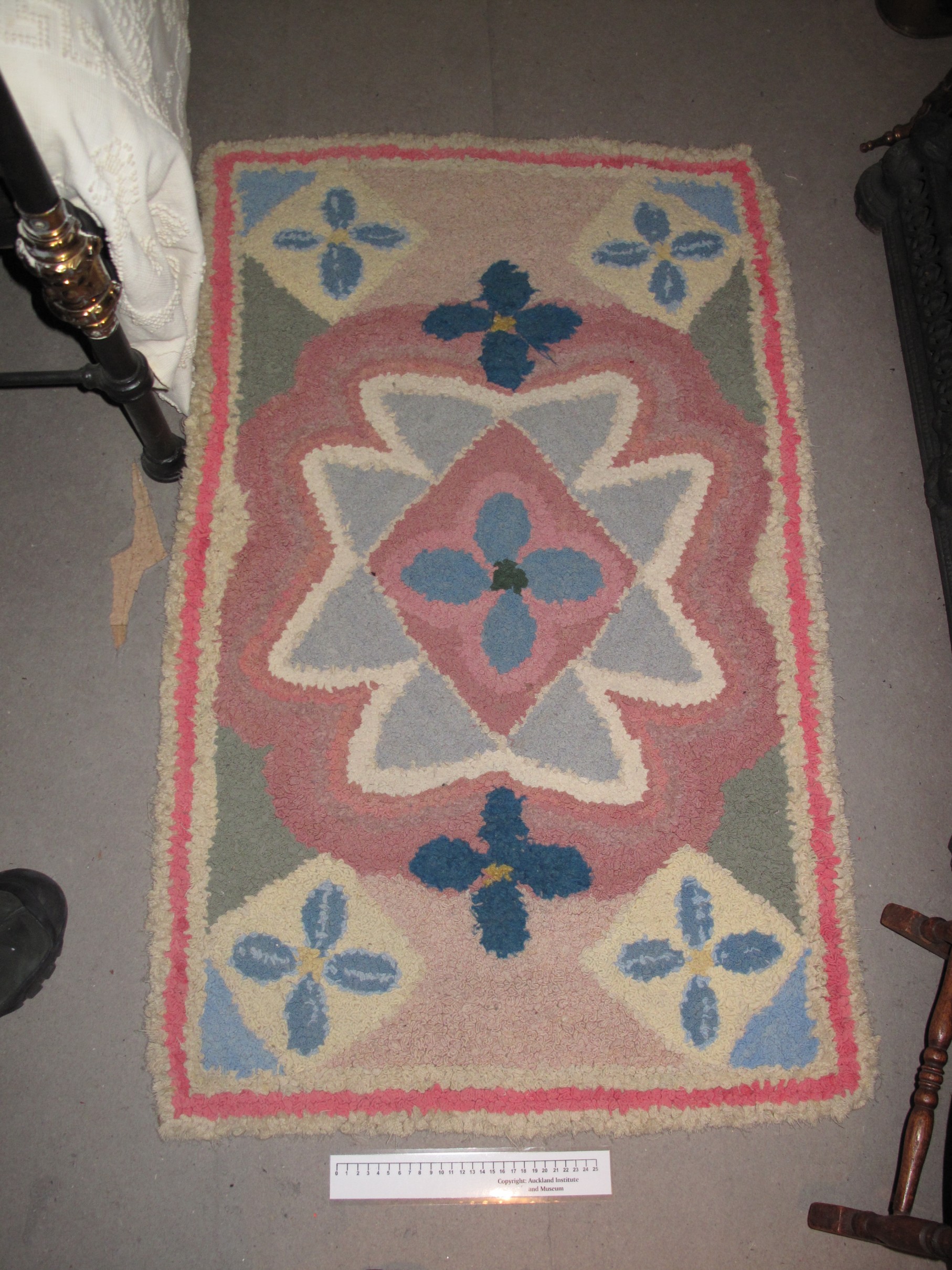
A rug’s palette was whatever the household had worn out: a grey work shirt, a faded blue dress, a brown coat lining, a red flannel. Nobody chose the colours, and nobody could get more of any of them.
A chosen palette, from a chart, in any quantity – which produces a tidier result and removes the one thing that made every old rug different from every other old rug.
Which is why the old ones look the way they do, and why the look is so hard to reproduce deliberately. The colour distribution in a genuine rag rug is a record of one family’s clothing over several years, in the proportions that family actually wore things – and that is not a design anybody can sit down and invent.
11. The Edges Went First, and You Bound Them Again
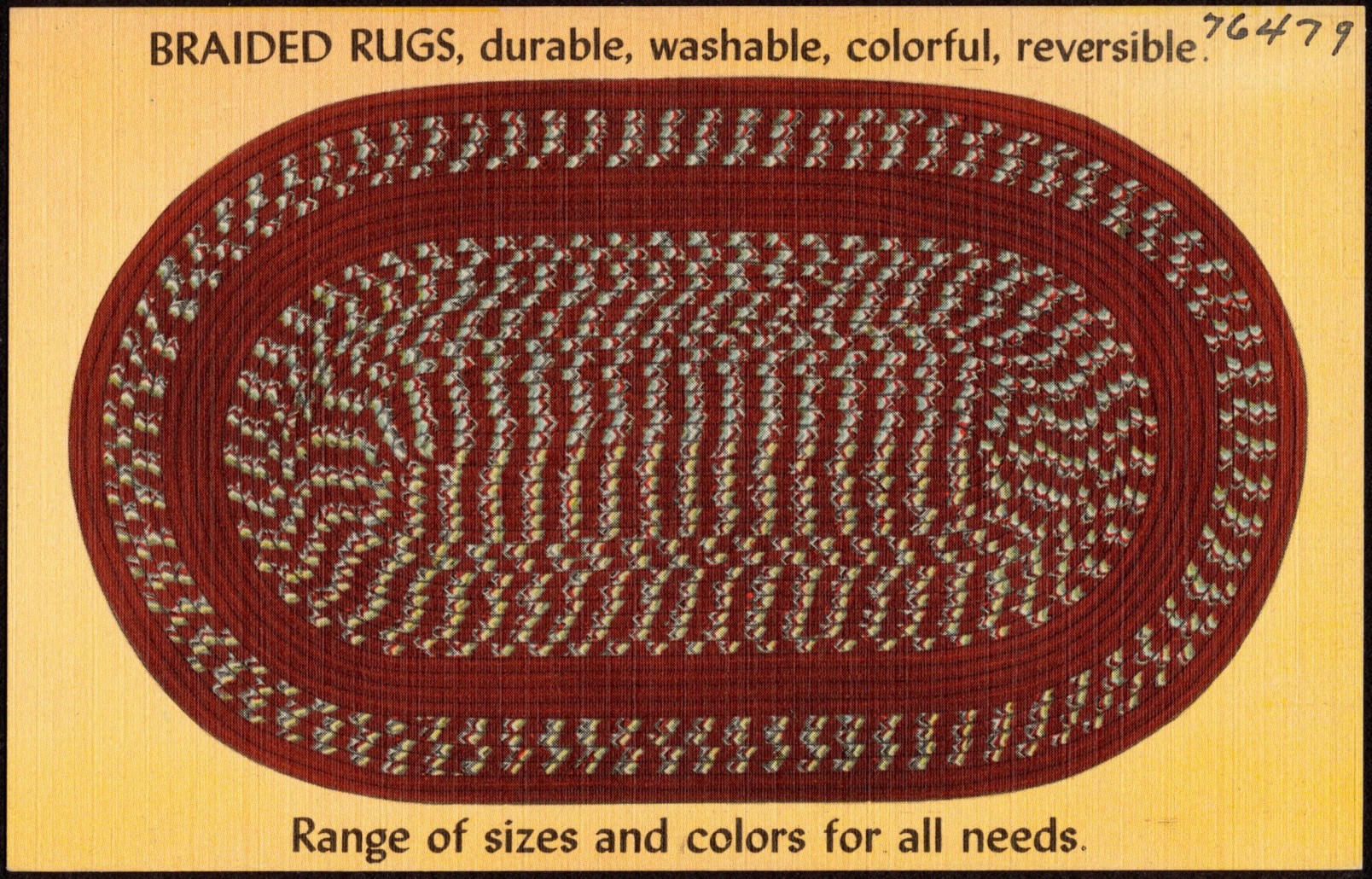
Wear concentrated on the outer round of a braided rug and the ends of a woven one, and the repair was to take off the damaged outer braid and sew on a new one, or to re-bind the ends – which made the rug slightly smaller each time.
Replacement, generally, since the construction of a manufactured rug does not allow an outer course to be removed and renewed by anybody at home.
The shrinking is a lovely detail and it was completely normal. A rug that had been repaired three times was noticeably smaller than when it was made, and nobody minded, because the alternative was no rug – and the rug had been free in the first place.
12. The Hooked Rug Was Trying to Be a Picture
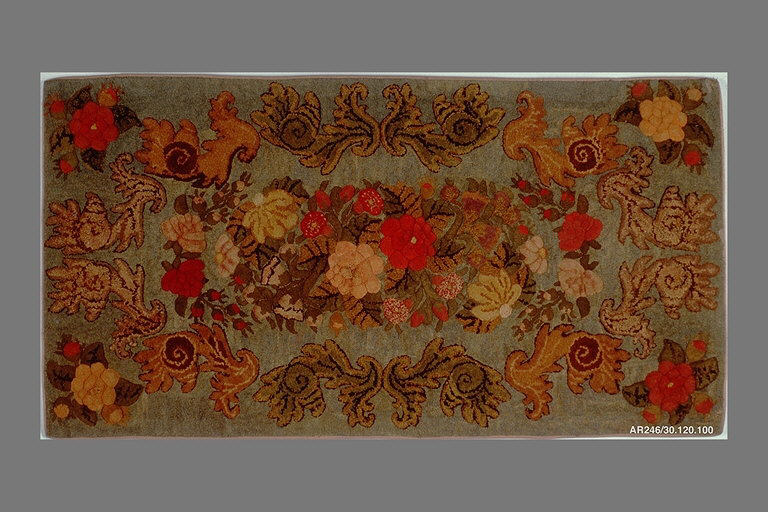
Hooking was the ambitious one. Loops of cloth pulled through a backing can make any image, and hooked rugs carried flowers, houses, animals, ships, initials and dates – designed, drawn out and worked over months.
The strongest surviving branch of the three, practised as fine craft and exhibited, with original period pieces collected and studied as folk art.
It had a completely different ambition from the other two. A braided rug is a solution to a problem; a hooked rug is somebody making a picture out of worn-out clothes, on purpose, for a floor – and the best of them are the reason this whole family of objects is taken seriously as American folk art.
13. It Was Given Rather Than Sold
Rugs were made for other people – a marriage, a new house, a baby, a neighbour who had lost something – and handed over as a substantial gift that had cost no money and a great deal of time.
Craft objects sold at markets and online, where the time is priced – and gift-giving between households that almost never involves anything the giver made.
The economics of that gift are worth stating plainly. A braided rug represented many weeks of evenings and an input that was literally refuse, which made it a present that a household with no money could give that was still unmistakably valuable – and both sides understood exactly what it had cost.
14. It Proved a Whole System Existed
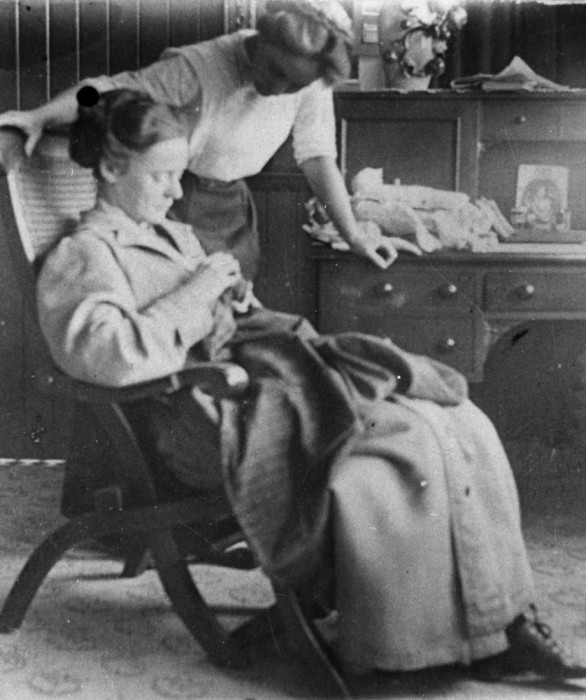
Behind every rag rug was an entire household practice of textile reuse: mending, patching, turning collars, cutting down adult clothing for children, saving scraps for quilts, keeping a rag bag and finally cutting strips.
Essentially nothing, at household level. Clothing now leaves a house in a bag, and what happens to it afterwards is somebody else’s industrial problem rather than a series of domestic stages with names.
The rug was the visible evidence at the end of a long chain. You could not have one without the mending, the patching, the handing down and the rag bag that came before it – which is why the object disappeared along with the practice rather than merely going out of fashion.
15. Then Cloth Got Cheaper Than the Work
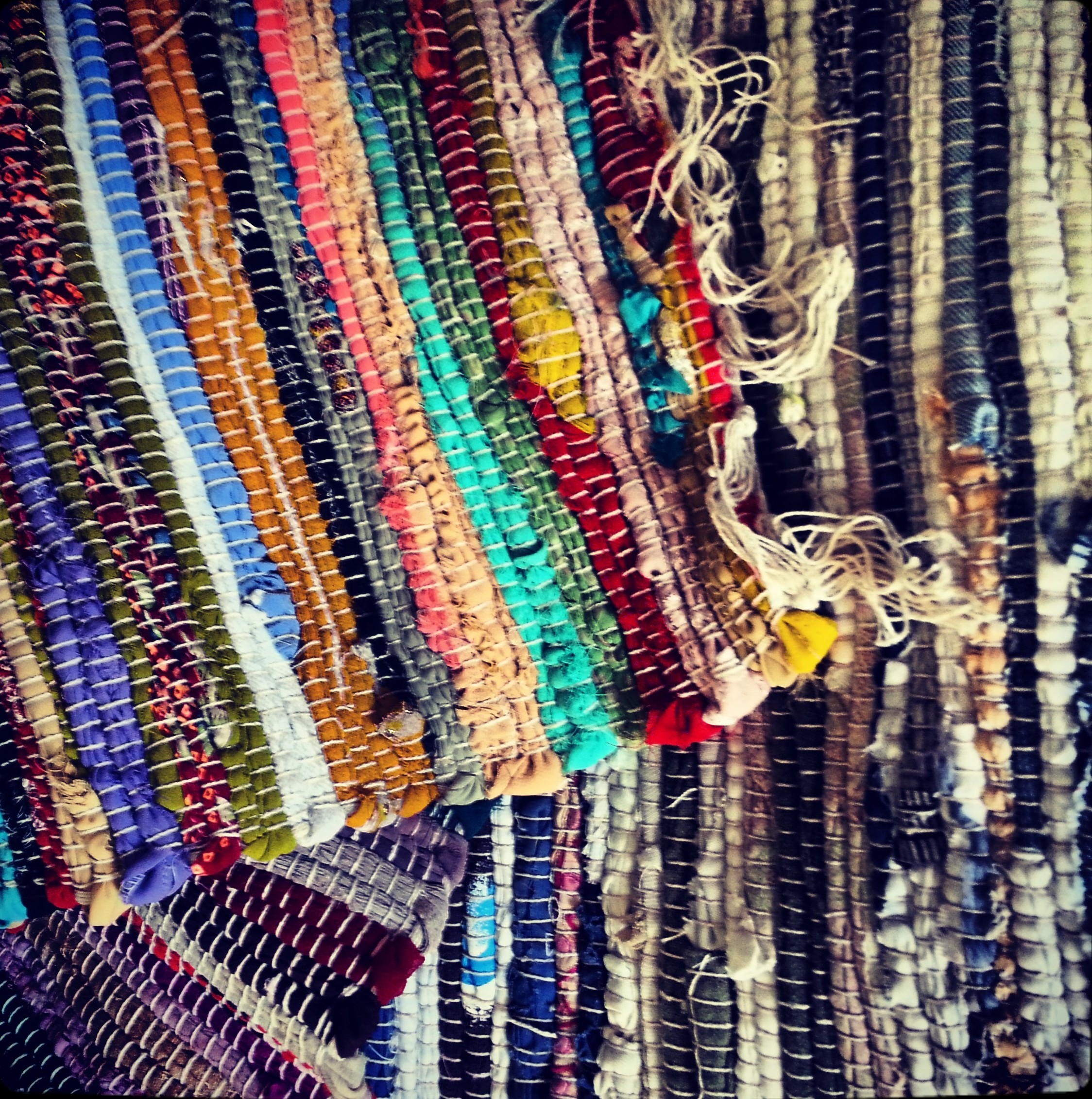
The rug was free material plus an enormous amount of unhurried hand labour: cutting, folding, braiding or weaving strips made from clothing a household had already worn to destruction.
A manufactured mat costing a few dollars, and a volume of discarded clothing per household perhaps a hundred times greater than in 1974 – none of which goes through any domestic stage at all before it leaves the house.
And the thing that ended it was arithmetic, not taste. A rag rug makes sense only when cloth is scarce and valuable and an evening’s labour is free. Clothing got dramatically cheaper relative to income, which destroyed the first condition, and household time acquired a wage, which destroyed the second – so the input stopped being precious at roughly the moment the labour started being expensive. What is striking is which end of the chain went first. Mending, patching and handing down survived a good while longer, because they take minutes. The rug took months, and it was the most labour-intensive stage relative to the value of what went into it, so it went first – and the whole cascade of domestic textile reuse was dismantled from the bottom up, starting with the floor.
The Cascade Was Dismantled From the Bottom Up
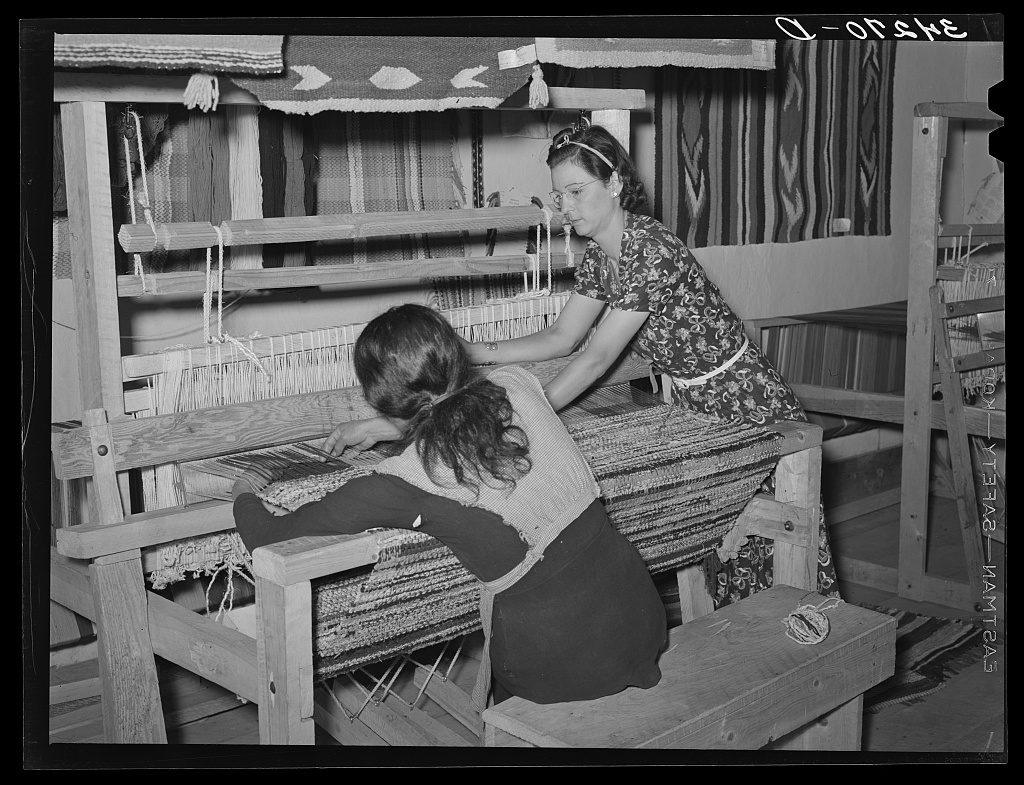
A rag rug looks like thrift, and it is usually filed that way – evidence that people used to waste nothing.
What it actually was is the final stage of a long, well-organised process, and each stage had a name.
A garment was bought or made. It was worn until it needed mending, and it was mended. Collars were turned when they frayed. When it could no longer be worn by its owner, it was handed down and worn by somebody smaller. When it failed again, the sound parts were cut out for patches, or set aside for quilt pieces. What was left became cleaning cloth, kept in a rag bag. And when a piece of cloth was too far gone even for that, it was cut into strips, folded along both edges, and braided or woven into a rug.
The rug was the floor of that system, in both senses. It was the last thing cloth could usefully become.
So when people say the rug disappeared, what disappeared was the system, and the rug was only the most visible part of it. You cannot have the rug without the mending, the handing down and the rag bag that fed it.
Which raises the question of why it went, and the answer is arithmetic rather than taste.
A rag rug requires two conditions at once. Cloth has to be scarce and valuable, so that the input is worth saving. And an evening’s labour has to be free, so that weeks of cutting, folding and braiding cost nothing. Both conditions held for a very long time, and then both failed within about one generation. Clothing got dramatically cheaper relative to income, which meant worn-out cloth stopped being worth anything. And household time acquired a wage, which meant an evening stopped being free.
The input became worthless at almost exactly the moment the labour became expensive.
Now look at the order in which the stages went, because that is the part that is genuinely informative. Mending survived longest – it takes minutes and saves something whole. Handing down survived too, for the same reason. Patching faded, quilting became a hobby rather than a necessity, and the rag bag held on in a reduced form as the cloth under the sink.
The rug went first. It was the most labour-intensive stage in the entire chain relative to the value of what it consumed, so it was the first thing that stopped making sense.
Which means the whole cascade of household textile reuse was taken apart from the bottom up, beginning with the thing on the floor – and it happened so gradually, one stage at a time, that no household could have told you the year it stopped.
American houses now discard many times the weight of clothing they did in 1974, and none of it passes through a single domestic stage before it leaves. The rug was the bottom of a ladder that no longer has any rungs.
If your grandmother had one, you can probably still find a shirt you recognise in it.
And you know it got smaller over the years, and that nobody thought that was a problem.
Like our content? Follow us for more.