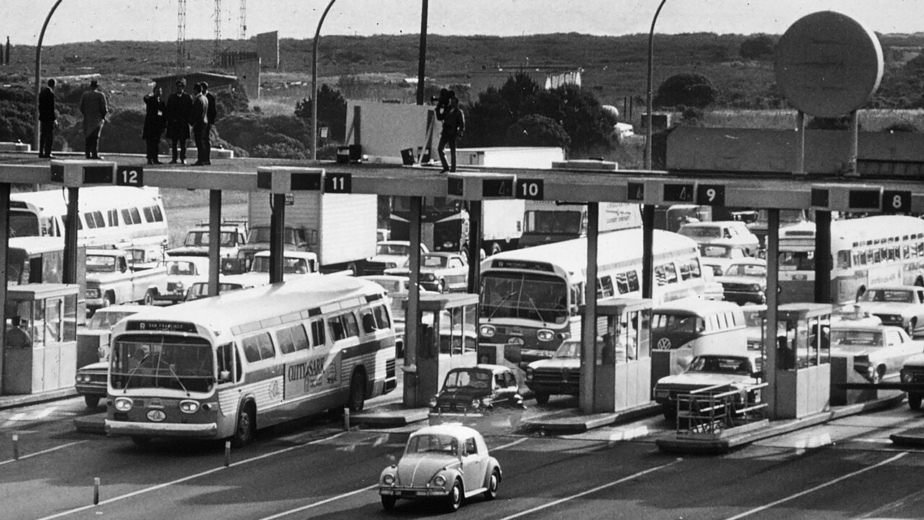
Everybody Got in the Car and Nobody Asked Where
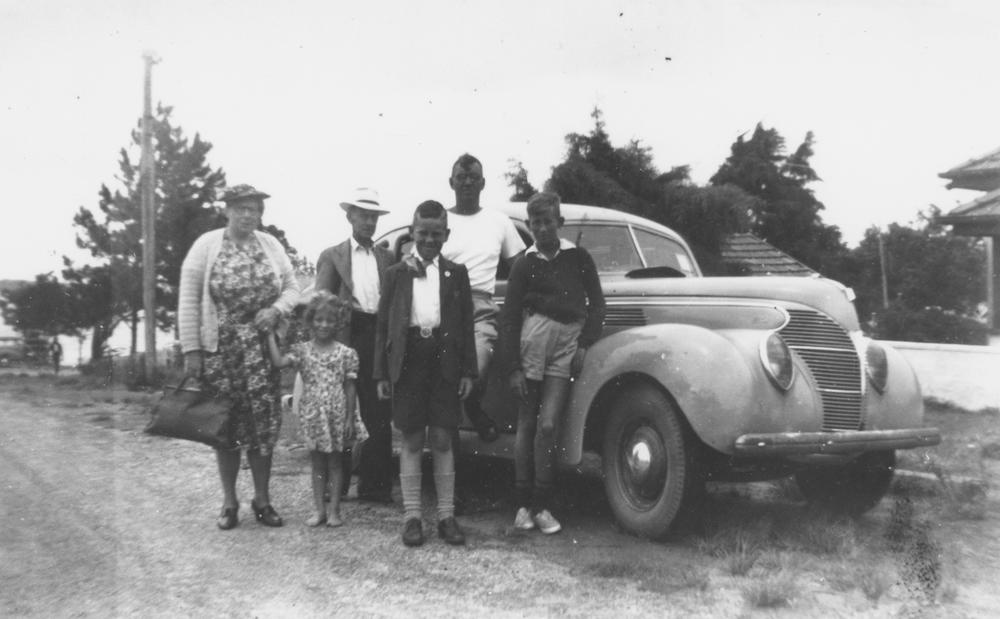
On a Sunday afternoon, after dinner, somebody said let’s go for a drive, and the household got in the car.
There was no destination. Nobody packed anything. Nobody looked at a map. It was not a trip to see relatives, or a journey to a lake, or an errand – those were separate things with their own names.
It lasted an hour, or two, or three. It went out of town on a two-lane road, turned at some point by general agreement, and came back a different way. And then everybody went home and that was the afternoon.
Like our content? Follow us for more.
What They Were Actually Doing Was Looking
The activity, stated plainly, was looking at things – and that sounds thin until you set out what there was to look at.
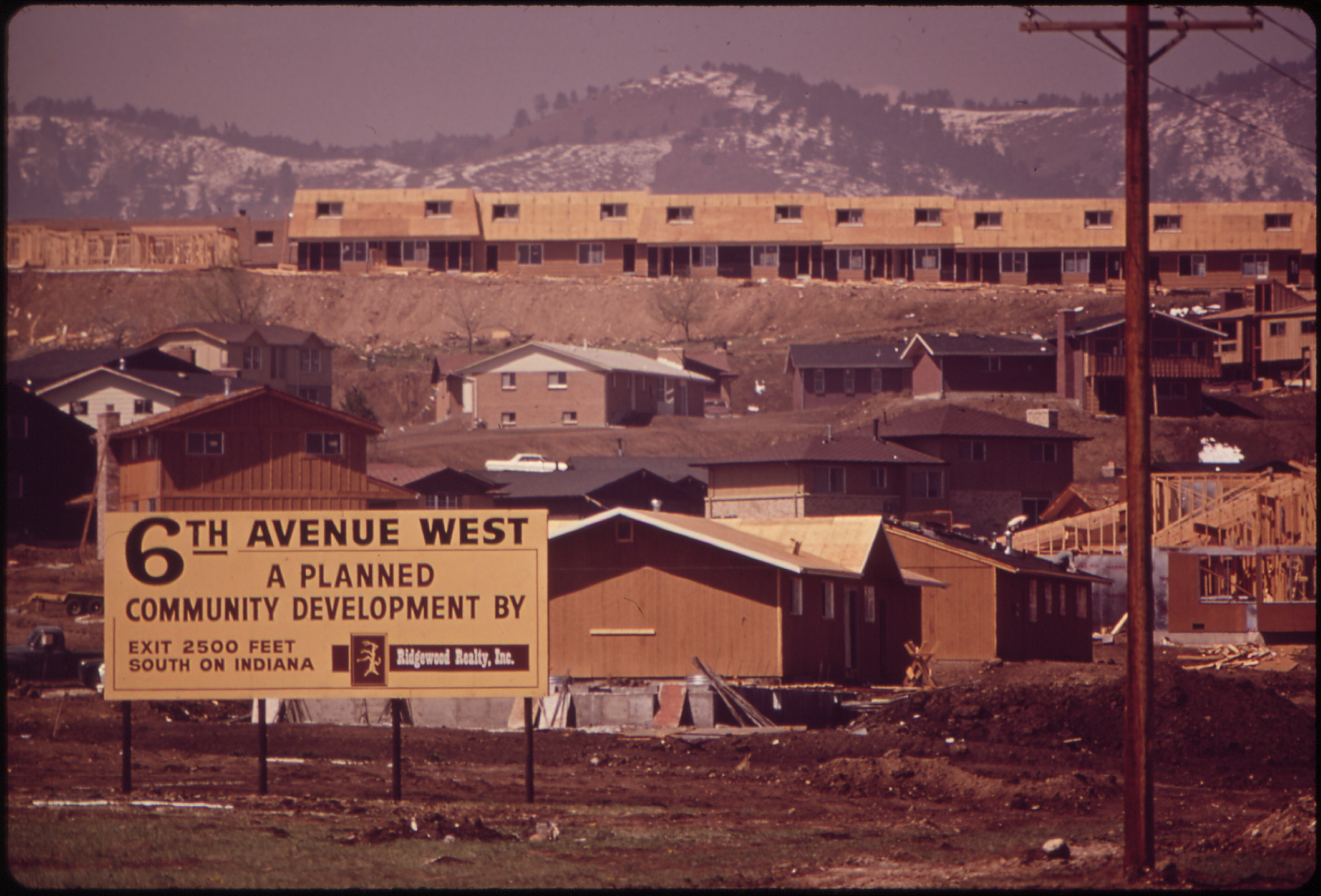
New construction, which in the 1960s and 1970s was constant. A subdivision going up on what had been a field the previous spring, a new school, a shopping centre with the parking lot poured and nothing built on it yet, a highway interchange half finished. Families drove out specifically to see these, and talked about them.
Other people’s houses, which is the part nobody admits and everybody did. You drove slowly through a better neighbourhood than yours and looked, and the children looked, and somebody said what they thought of it.
The countryside, in whatever form the region offered – crops at whatever stage they were at, cattle, orchards in blossom, water, hills, the leaves if it was October.
And the simple geography of where you lived. Which road goes to which town. What is at the end of that one. How the next county over looks compared to this one. A household on a Sunday drive was building a mental map of its own region, slowly, over years, as recreation.
Fuel Was Close Enough to Free to Make It Thinkable
The whole institution rested on one economic fact, and it is the fact that most changes the picture.
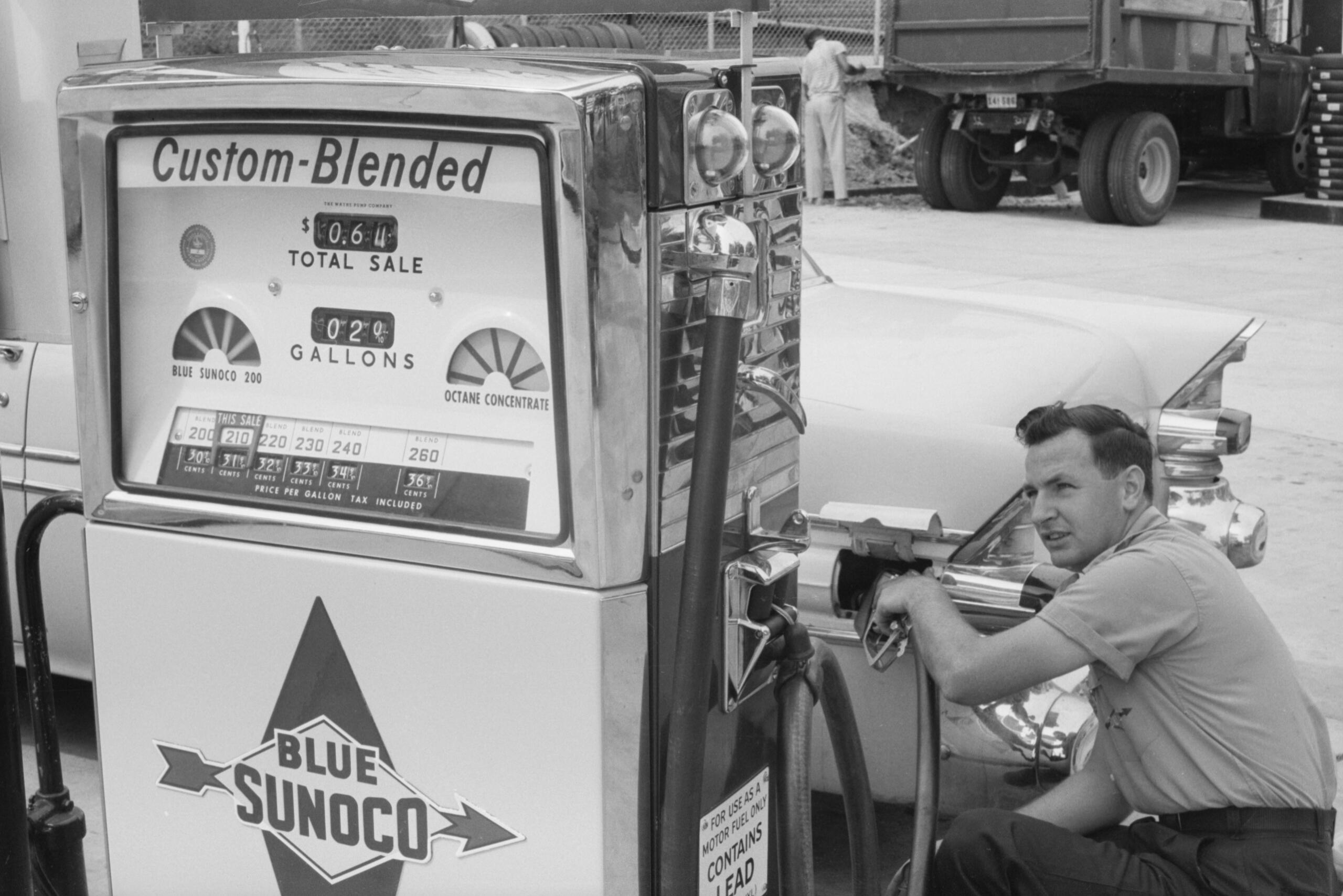
Through the 1950s and 1960s, gasoline in the United States was extraordinarily cheap relative to household income – cheap enough that the fuel burned in a two-hour aimless drive was a trivial line in a weekly budget, comparable to a couple of soft drinks.
Which means a family with a car had access to several hours of entertainment, outdoors, together, that cost effectively nothing. Set against the alternatives available to a household in 1964 – the radio, one television, a newspaper, a yard – that was an extremely good deal, and it explains why the practice was universal rather than occasional.
It also explains why the car itself was so central to American family life in a way that is sometimes read purely as cultural. The car was not only transport. For a great many households it was the single largest piece of leisure equipment they owned, and the Sunday drive was the cheapest thing it did.
It Was Also the Only Comfortable Private Room the Family Had
There is a second reason that gets overlooked, and it is physical.
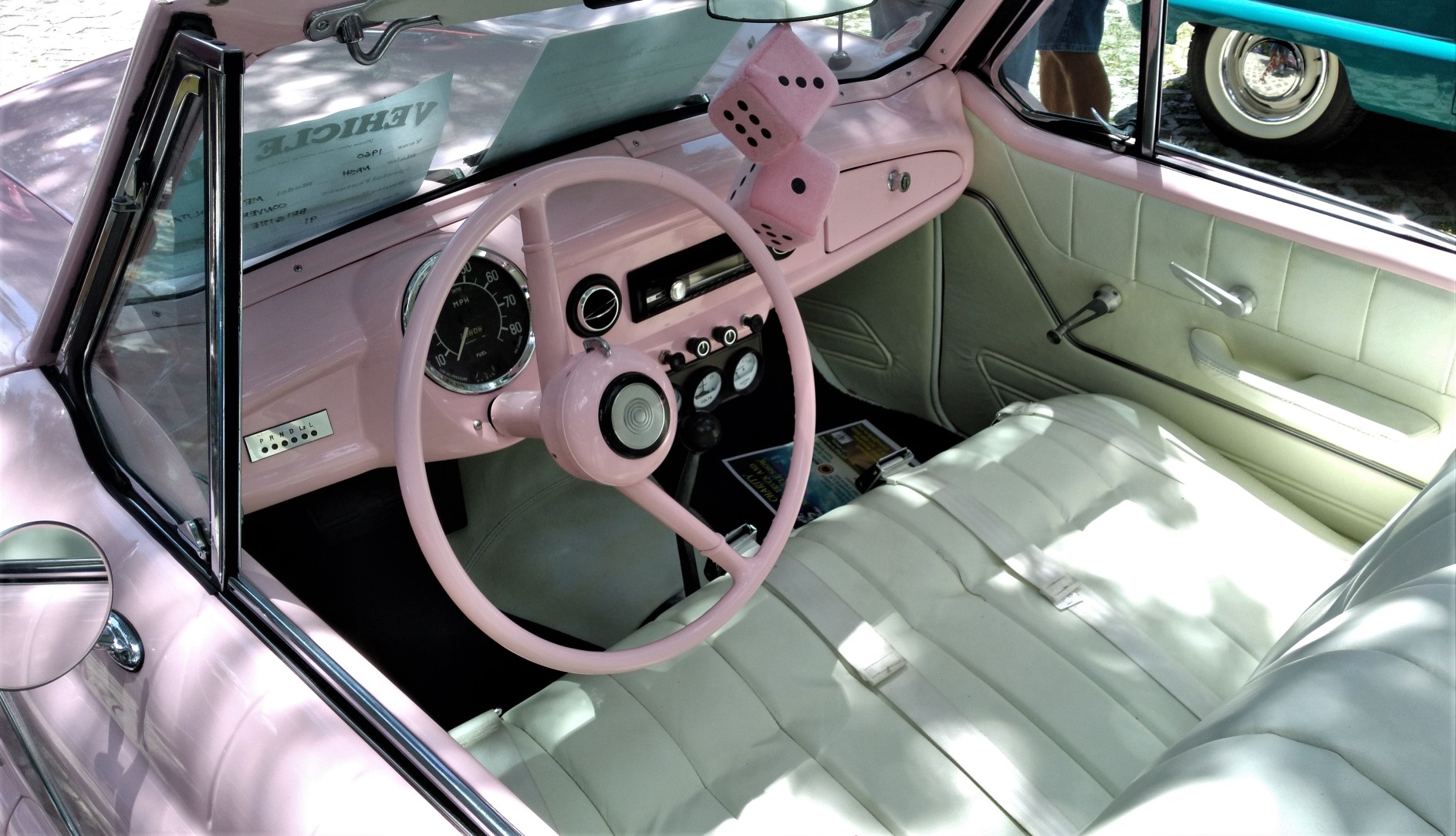
A 1964 house in much of the country had no air conditioning, bedrooms shared between siblings, thin interior doors and one television with everybody around it. On a hot Sunday afternoon it was uncomfortable, and there was nowhere in it to be alone or to be together quietly.
A car moving at forty miles an hour with the windows down is ventilated, cooler than the house, and – this is the part that mattered – it contains the entire family in fixed positions, facing forward, with nothing else to do.
Which is a peculiar and quite effective social arrangement. Nobody can leave. Nobody is doing anything else. Conversation happens, or does not, and either is acceptable. A great many people of that generation report that the most substantial conversations they ever had with a parent happened in a moving car on a Sunday, and the reason is structural rather than sentimental.
The Stops Were a Short and Standard List
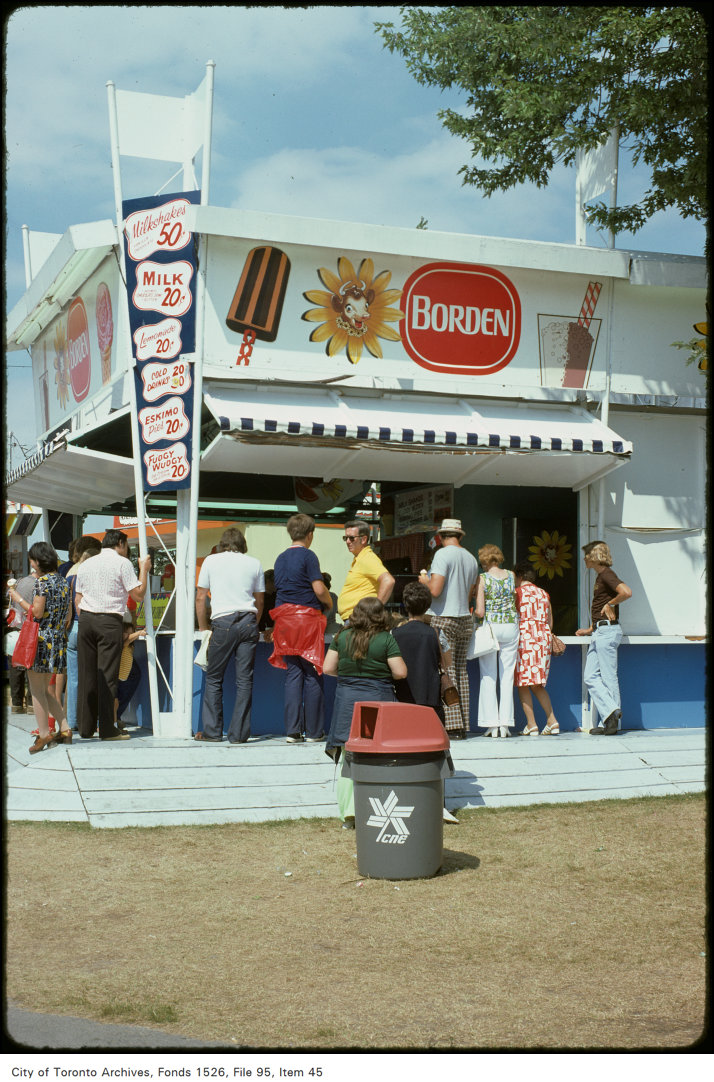
A drive with no destination still had a repertoire, and it was consistent enough across the country to be recognisable.
A stand selling ice cream or soft drinks, usually on the way back rather than the way out, and usually the only money spent on the whole outing.
A scenic turnout, a bridge, a dam, a high point with a view, or a place where you could see a long way – looked at from inside the car as often as not.
A cemetery, which modern readers find surprising and was entirely ordinary. A Sunday drive frequently included a stop to visit family graves, tidy them, and stand about for ten minutes, and it was not a sombre event but a routine piece of maintenance.
And somebody’s place. A drive past a relative’s farm, or a slow pass by a friend’s new house, with a wave if anybody was out and no intention of stopping if they were not.
One Person Drove and That Was Settled
The social arrangement inside the car was fixed and it is one of the clearest period details.
The father drove. In a very large majority of households he drove the entire time, both directions, every Sunday, as a matter of course – and in a substantial number of families the mother either did not drive at all or drove only locally and reluctantly, because driving had been coded as his domain and the car was understood as his to operate.
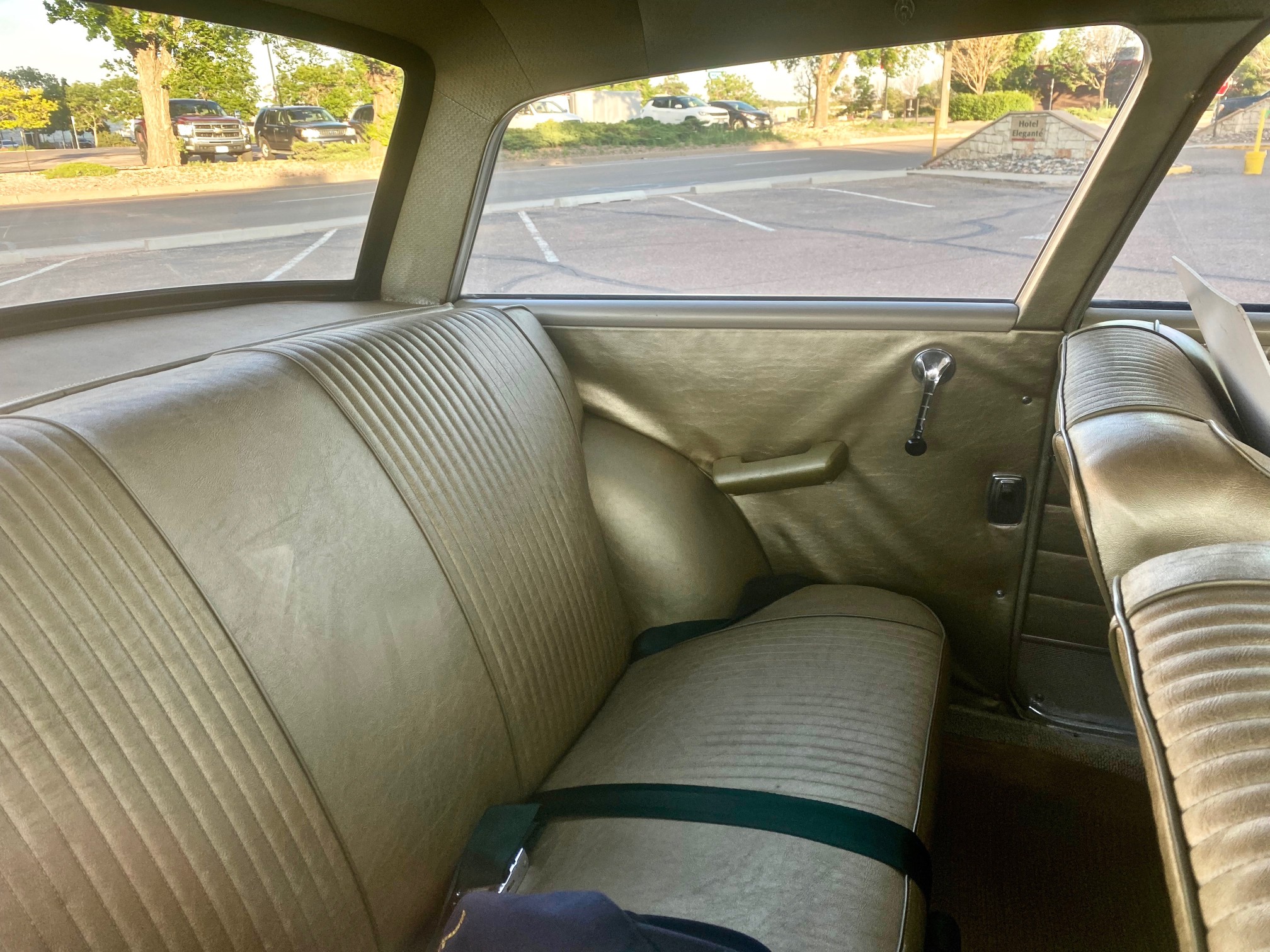
Children were in the back, unrestrained, in whatever configuration they had negotiated. Rear seat belts were not fitted to older cars, were not routinely used in cars that had them, and were not required for children by law in most places until much later. A child lying on the rear shelf or standing up behind the front seat to look out was an ordinary sight.
That is stated here as the documented practice of the period and not as anything anybody should reproduce. The change in child passenger safety since then is one of the larger and better-evidenced public health improvements of the century, and the Sunday drive as it was actually conducted would be illegal now in every state.
Four Things Took It Away
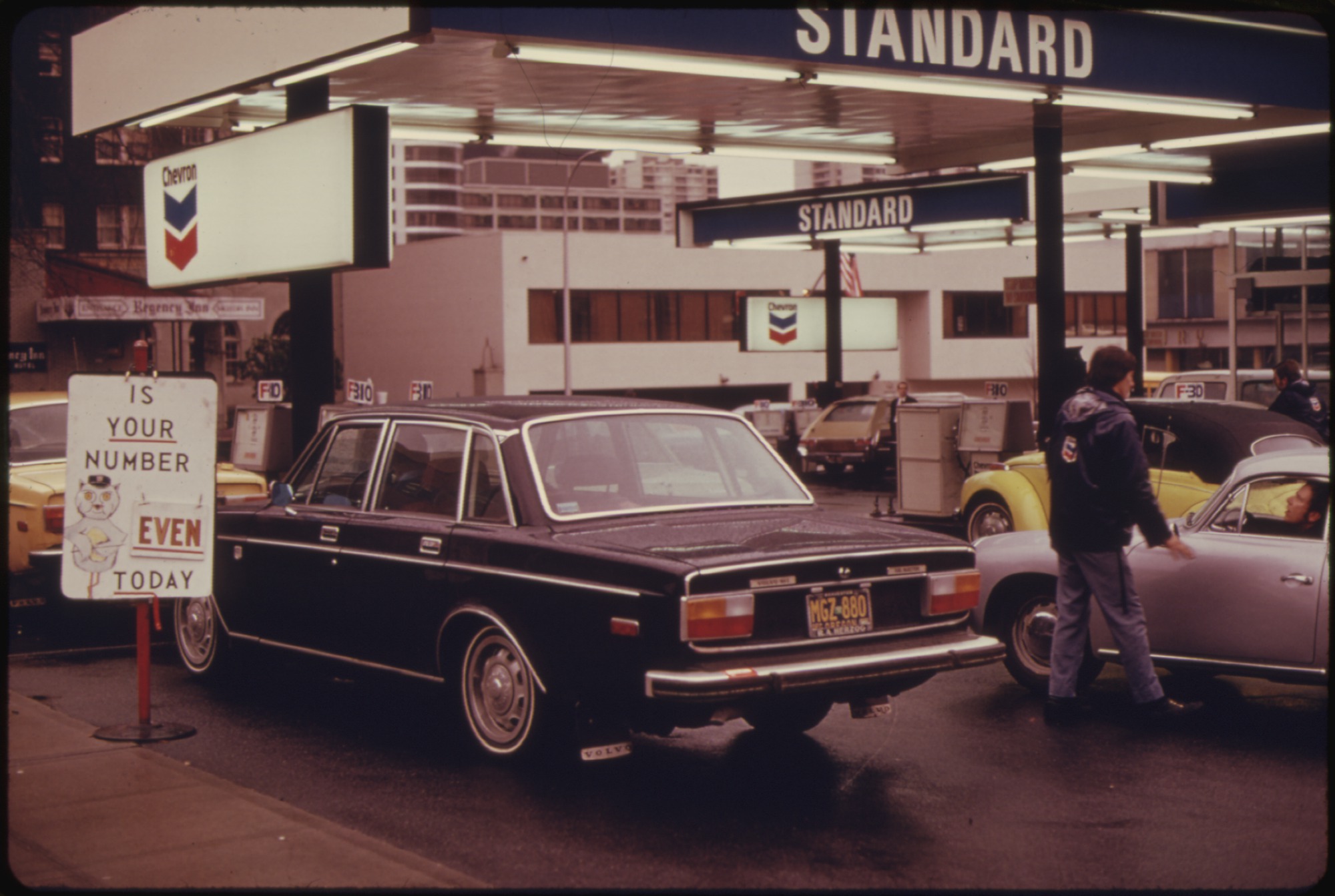
The first was the price of fuel, which rose sharply in the mid-1970s and then again at the end of the decade, and did not go back to where it had been in real terms for a long time. The moment a two-hour drive had a noticeable cost, an activity whose entire appeal was that it was free stopped being free.
The second was the road network. A Sunday drive is an activity for two-lane roads at thirty-five miles an hour, where there is something to see and you are going slowly enough to see it. The interstate system – genuinely one of the great public works of the century – is designed for the opposite: limited access, no frontage, constant speed, nothing to look at by design. You cannot take a Sunday drive on a freeway, and as traffic moved onto freeways the old roads emptied of exactly the traffic that had been there for pleasure.
The third was the weekend itself filling up. Two-earner households turned Saturday and Sunday into the days when the household’s work got done – the shopping, the laundry, the yard, the repairs. And children’s organised activities expanded to occupy both days with scheduled commitments that have to be driven to, which is driving of an entirely different kind.
The fourth was everything else arriving. Colour television, then more channels, then screens in every room and finally in every hand. An afternoon with nothing to do stopped being a condition that households regularly found themselves in.
The Twist: The Thing It Did Has No Replacement at All
It is easy to read the Sunday drive as a quaint consequence of cheap gasoline, which it partly was, and to conclude that nothing much was lost when it ended.
But look carefully at what the activity consisted of, because the combination is genuinely unusual.
A whole family, together, for two or three hours, with no screen, no task, no destination, no cost and no scheduled end – looking out of a window at the place where they actually lived, at a speed slow enough to see it, and talking or not talking as it suited them.
Now try to name the modern equivalent. There is not one. Every element has a successor and none of them combine. Family time is scheduled and goes to an activity somebody has to be driven to. Looking at where you live has been replaced by images of places you do not. Being together with nothing to do has been replaced by being together in a room with four screens on. And curiosity about your own region is now satisfied, if at all, by a satellite view you can scroll through alone in ninety seconds.
The particular thing that has disappeared is not driving. Americans drive enormously more now than they did in 1964. What has disappeared is driving as an end in itself, and with it the category of unscheduled, unproductive, unphotographed family time spent looking at ordinary surroundings.
Which also means that generation knew their own counties in a way that is now rare. Ask somebody who grew up with the Sunday drive what is on the road fifteen miles north of their home town and they will tell you, because they went and looked, repeatedly, for no reason.
Ask anybody younger and they will check their phone.
Like our content? Follow us for more.