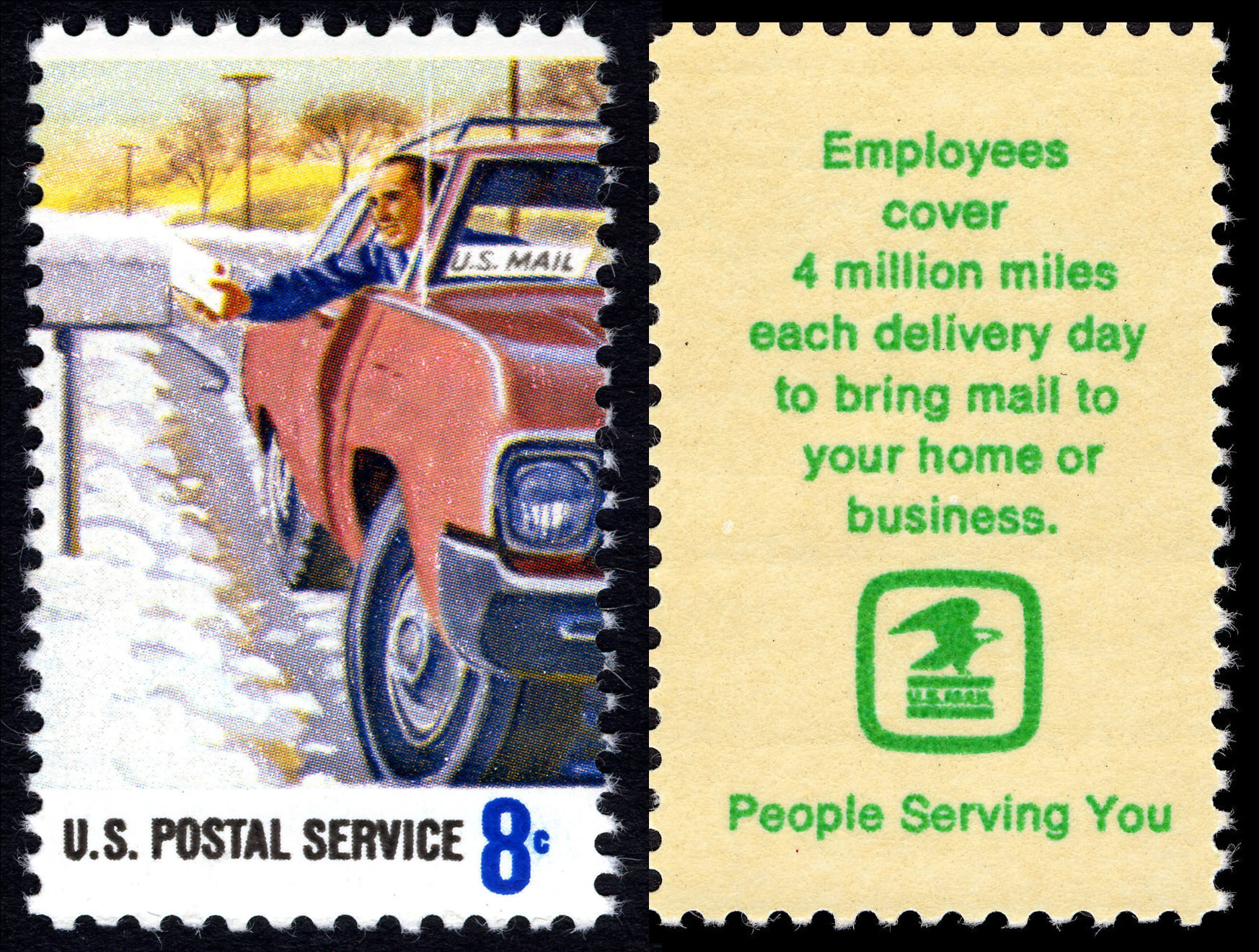
In 1974 the rural mail carrier drove his own car, bought his own gas, and was paid by the measured mile and the counted box rather than by the hour.
He reached the boxes from the passenger side – sitting in the middle of the bench seat working the pedals with a stretched left leg, or in a car with the steering moved over. He took outgoing mail when the flag was up. He sold stamps and postal money orders out of the vehicle, which for a household with no bank account was a banking service. He delivered day-old chicks and packages of bees.
And he knew the name at every box on ninety miles of road. Here are sixteen things every American farm knew about him.
1. He Drove His Own Car and Bought His Own Gas
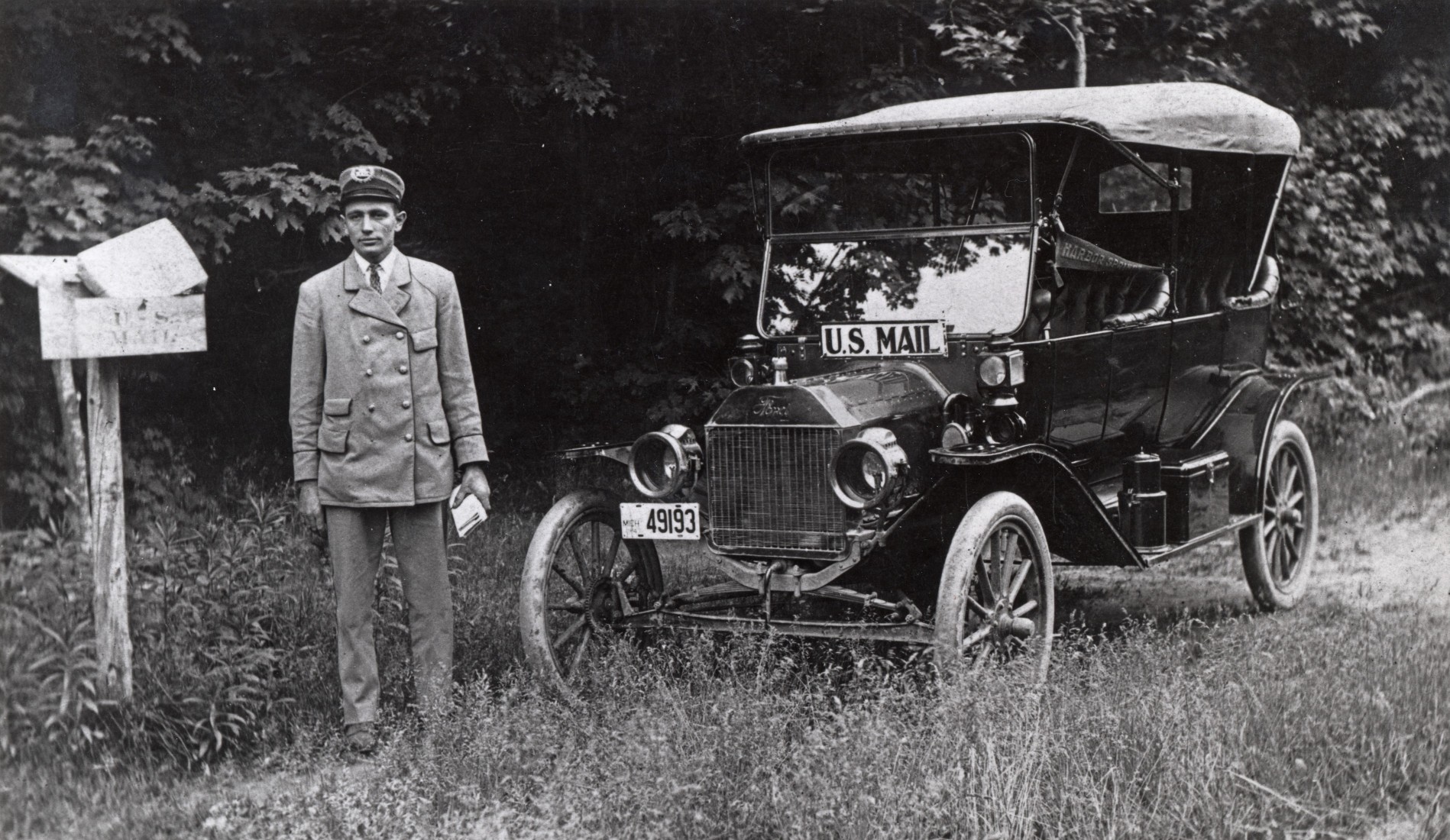
The rural carrier supplied the vehicle. He bought it, insured it, fuelled it, maintained it and replaced it – and the Post Office owned nothing except the mail inside it.
A substantial fleet of purpose-built right-hand-drive postal vehicles alongside carriers who still supply their own, with an allowance paid toward the cost.
Owner-provided equipment was the arrangement from the beginning and it produced a specific kind of employee. A man whose own car was the instrument of his livelihood chose it carefully, knew it intimately, and nursed it – which is why rural carriers were famous for buying a particular model and then buying the same one again for thirty years.
Like our content? Follow us for more.
2. He Was Paid by the Route, Not by the Hour
Compensation was built on the route’s measured length and the number of boxes on it, with allowances for the vehicle – so a carrier who worked faster finished earlier at the same pay.
A considerably more complex evaluated-route system with its own formulas, still fundamentally based on the route rather than on hours clocked.
That structure explains almost everything about how the job was performed. A carrier had an enormous personal incentive to know his route perfectly – every turn, every box, every dog, every muddy spot – because efficiency was his own gain rather than his employer’s, and a man who had driven the same ninety miles for twenty years had optimised it to a degree no supervisor could have specified.
3. The Route Was Measured and the Measurement Was Official
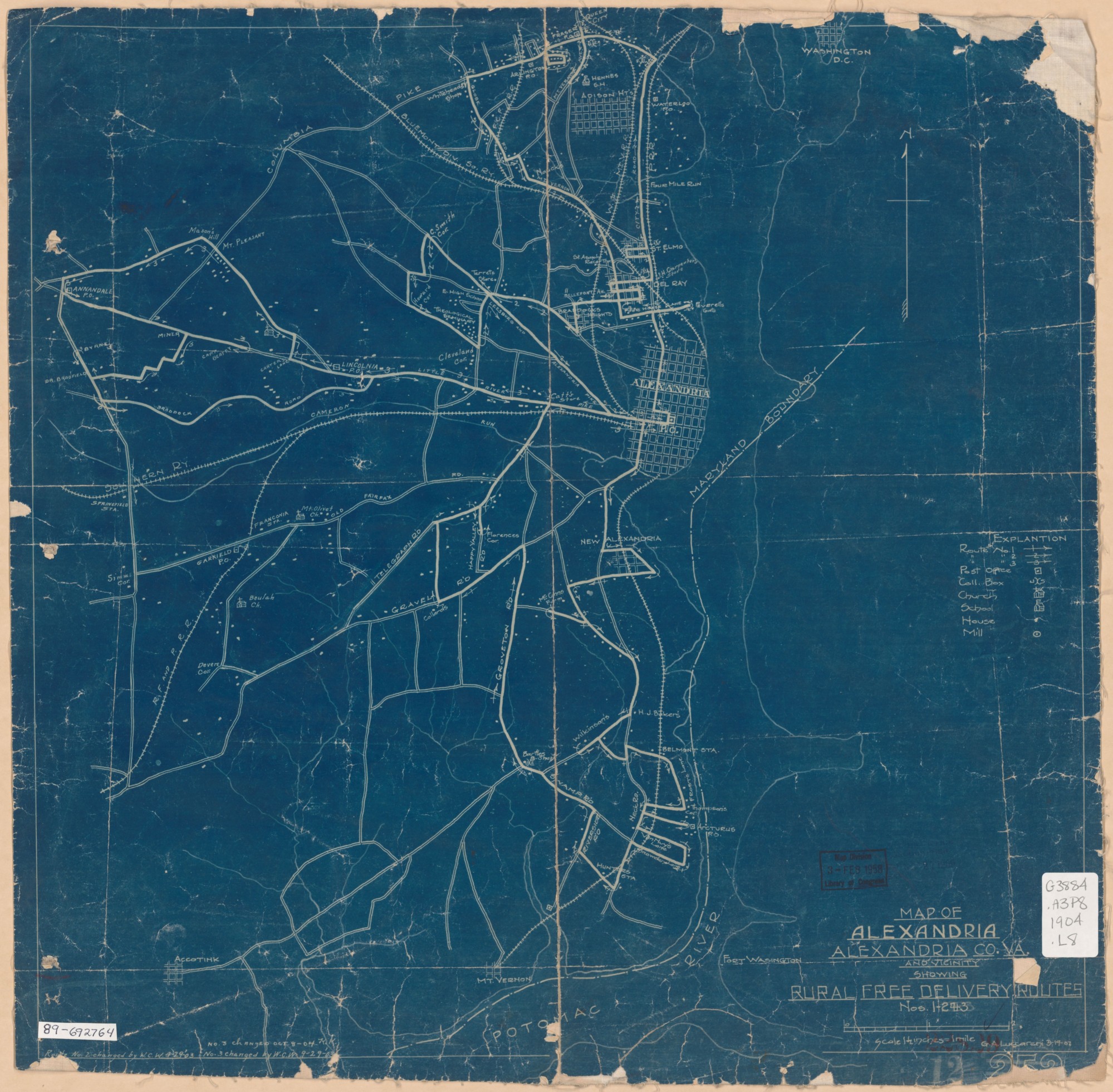
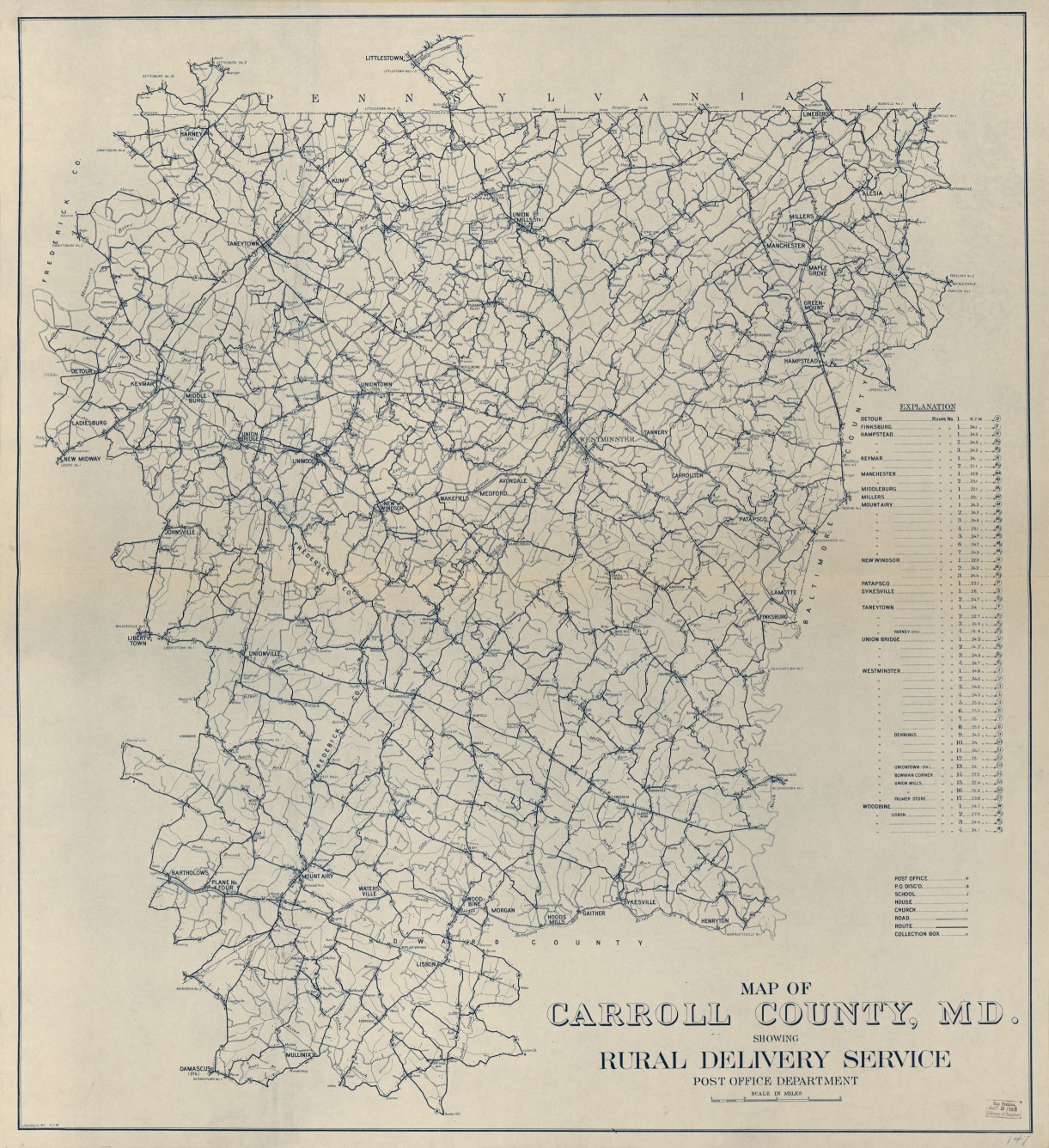
Routes were surveyed and recorded to the tenth of a mile, with the mileage, the box count and the stops documented – and a change to any of it was a formal matter affecting the carrier’s pay.
The same principle, administered with route inspections, counts and reviews, and with mapping and sequencing now done by computer.
Which made the route a kind of property. A carrier held a specific numbered route, knew its official figures, and had a direct financial interest in those figures being right – so the addition of a new box or the extension of a road was something he noticed immediately and reported.
4. He Drove From the Wrong Side of the Car
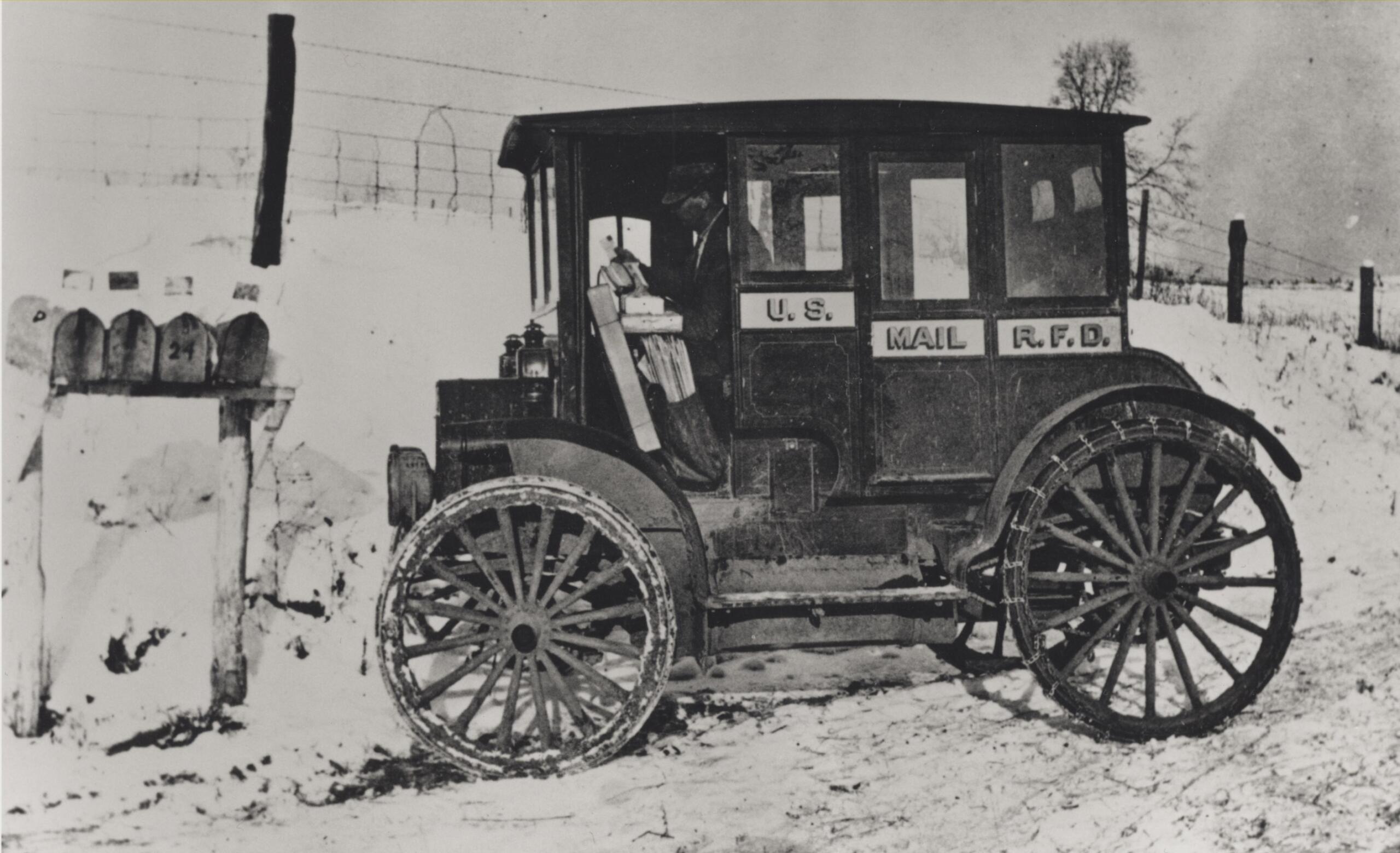
Because every box is on the right, carriers reached the boxes from the passenger side – by sitting in the middle of the bench seat and working the pedals with a stretched left leg, by having the steering moved, or later by buying a vehicle built right-hand drive for the purpose.
Purpose-built right-hand-drive vehicles as the standard solution, with the improvisations gone.
The middle-seat method is the one people remember and it is as awkward as it sounds. A man driving ninety miles a day from the centre of a bench seat, leaning right to reach a box, is doing something that no vehicle was designed for – and the carriers who did it for decades had the physical consequences to show for it.
5. He Took Outgoing Mail as Well, and the Flag Said So
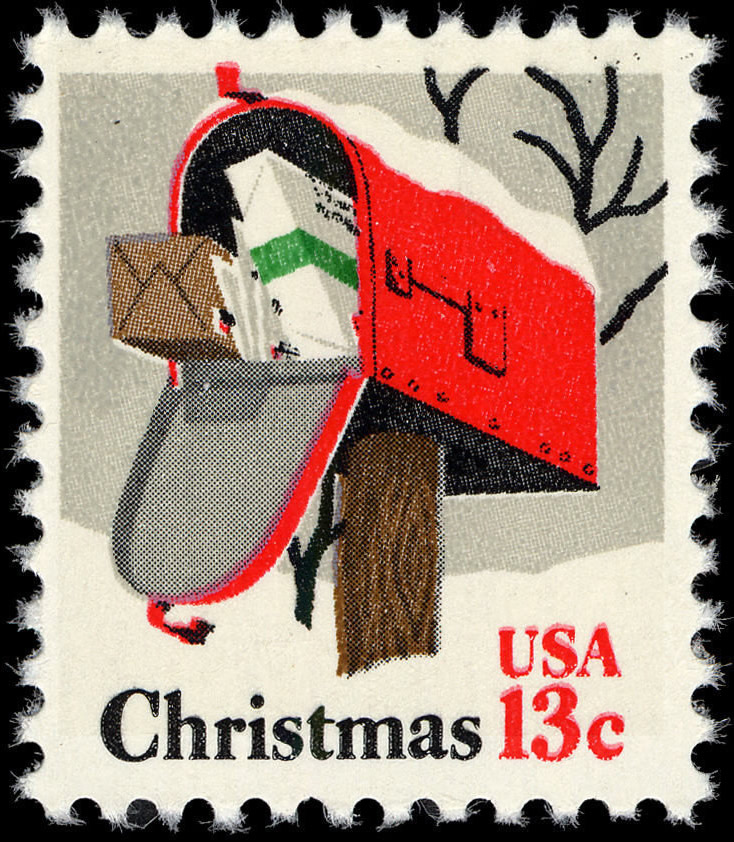
The box worked in both directions. A household put a letter in, raised the flag on the side, and the carrier stopped, took the outgoing mail, left the incoming and lowered the flag.
The identical system, unchanged, and one of the very few elements of this entire subject that operates today exactly as it did.
The two-way arrangement is what made the box a connection rather than a delivery point. A farm four miles from town could post a letter, send a payment, mail an order or return a parcel without going anywhere – and that is the whole of what rural free delivery actually gave people.
6. He Sold Stamps and Money Orders Out of the Car
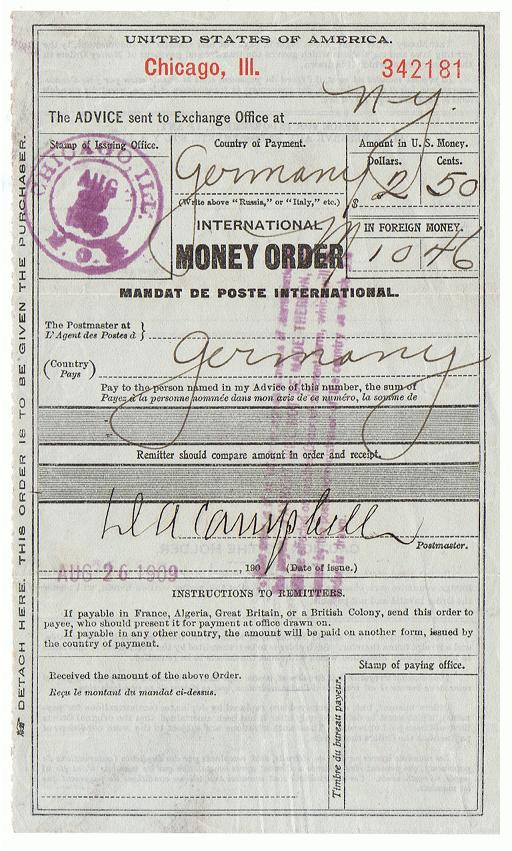
The carrier carried a stock of stamps, stamped envelopes and postal money order forms, and conducted those transactions at the roadside – taking cash, issuing the order and accounting for it at the office.
Stamps still available from carriers in a limited way, with money orders and most postal services requiring a visit to an office or an online transaction.
A money order sold from a car is a genuinely significant service and it is easy to underestimate. For a household with no bank account, no cheque book and no way to send money safely, a man who arrives at your gate daily and can convert cash into a negotiable instrument is performing a banking function – which is exactly what it was.
7. He Handled Parcels in Both Directions
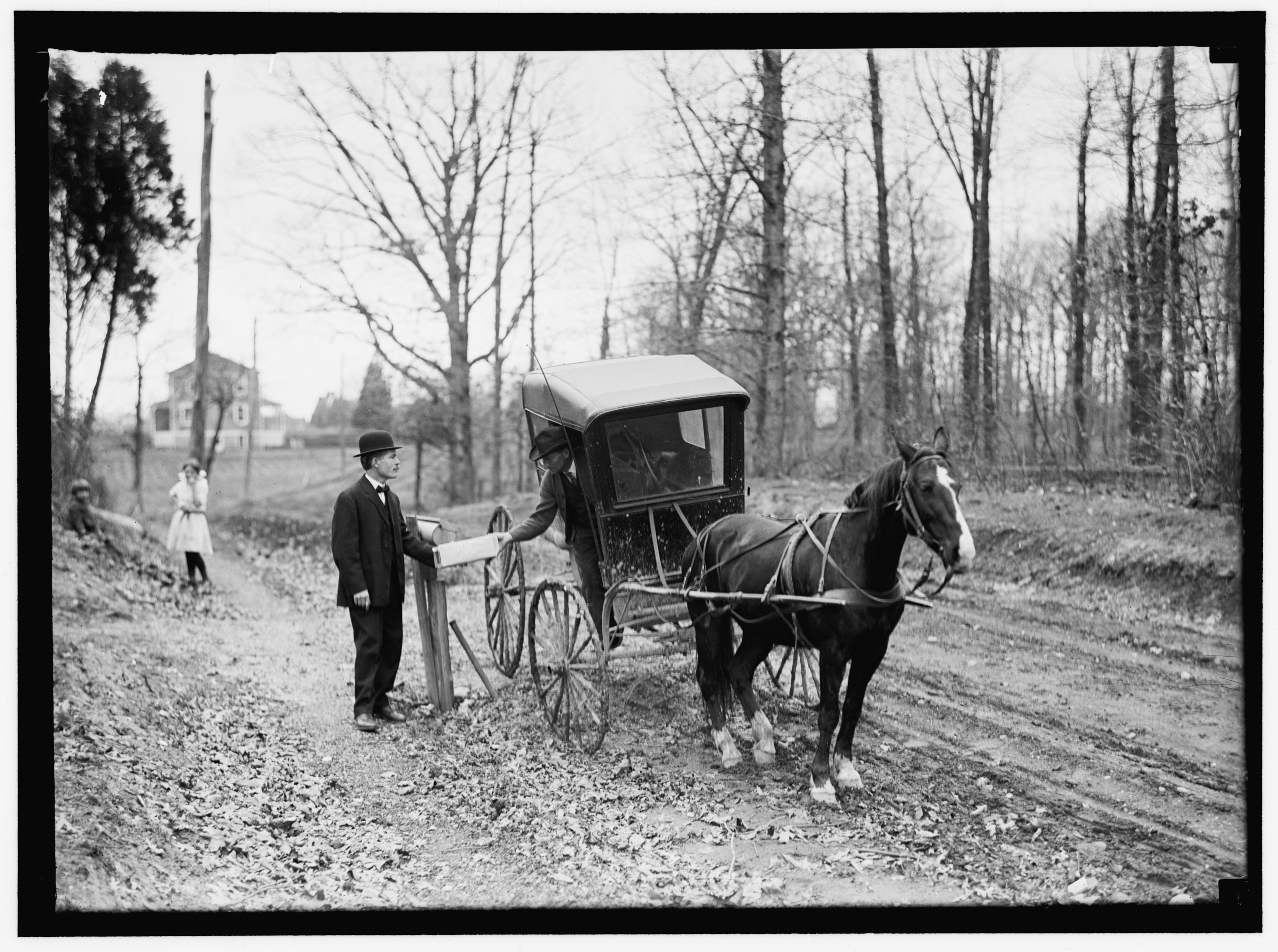
Parcel post went out to farms and came back from them – orders arriving, returns going, produce and goods shipped, with the carrier weighing, rating and accepting packages at the box.
An enormous parcel operation in both directions with scanning, tracking and scheduled pickup, which is the same function at a scale nobody in 1974 could have imagined.
The outbound half is the part that has changed least in principle and most in volume. A rural household in 1974 could ship a parcel from its own gate, and a rural household today can do the same thing – which is one of the few services that got better rather than merely different.
8. He Knew Every Box and Every Family on It
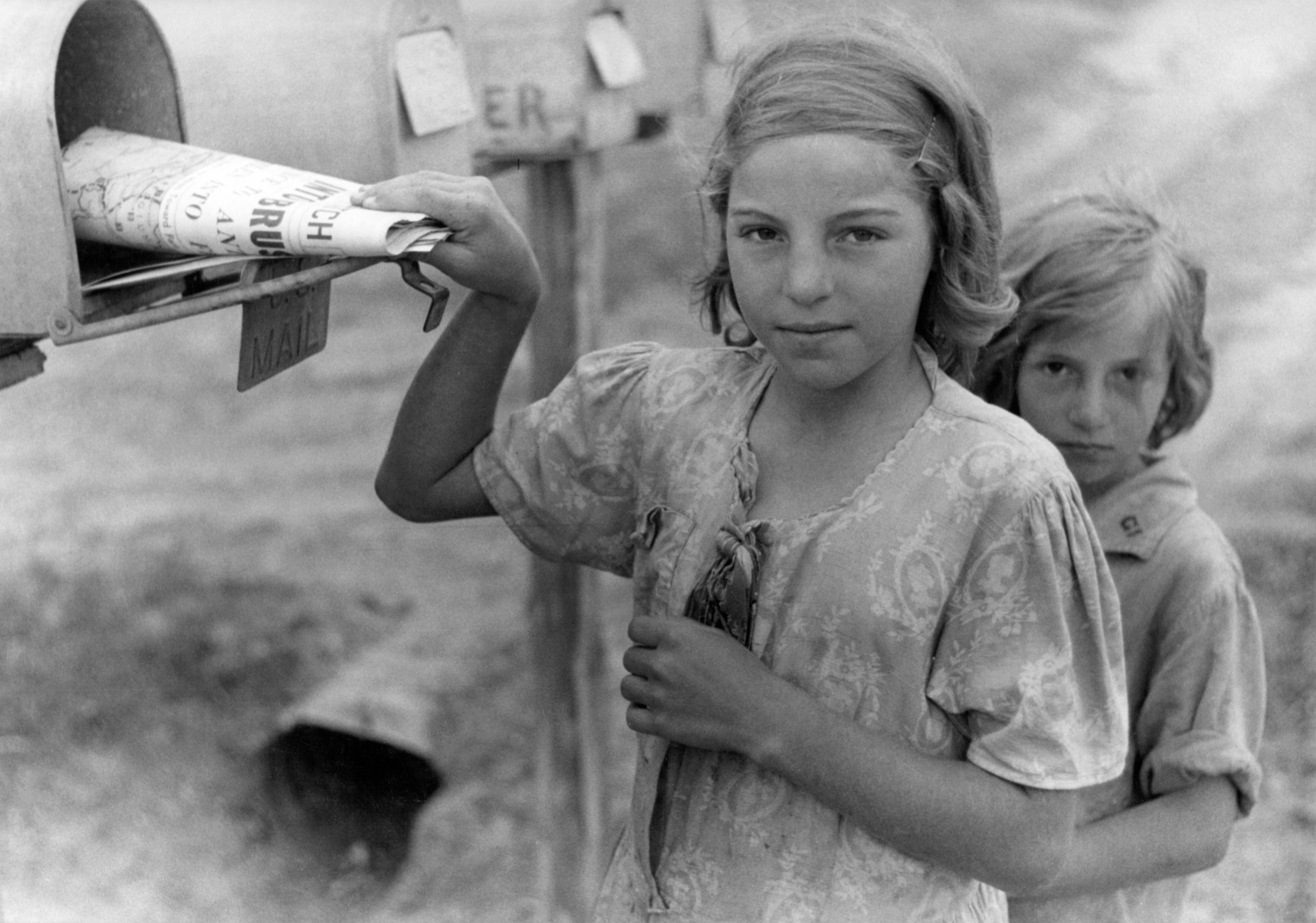
A carrier on a settled route knew the name at every box, who lived there, who had moved, who was expecting something, who was away, whose children had left and whose had come back.
Routes covered by carriers who may rotate, on larger rounds, with the relationship considerably thinner in most places and entirely absent in some.
The knowledge was operationally useful rather than sentimental. A carrier who knows that a box belongs to a family whose name has changed, or that mail addressed to a long-dead relative should go to the daughter two farms down, is resolving problems that no address-matching system can resolve – and doing it a dozen times a day without reporting any of it.
9. He Noticed When Something Was Wrong
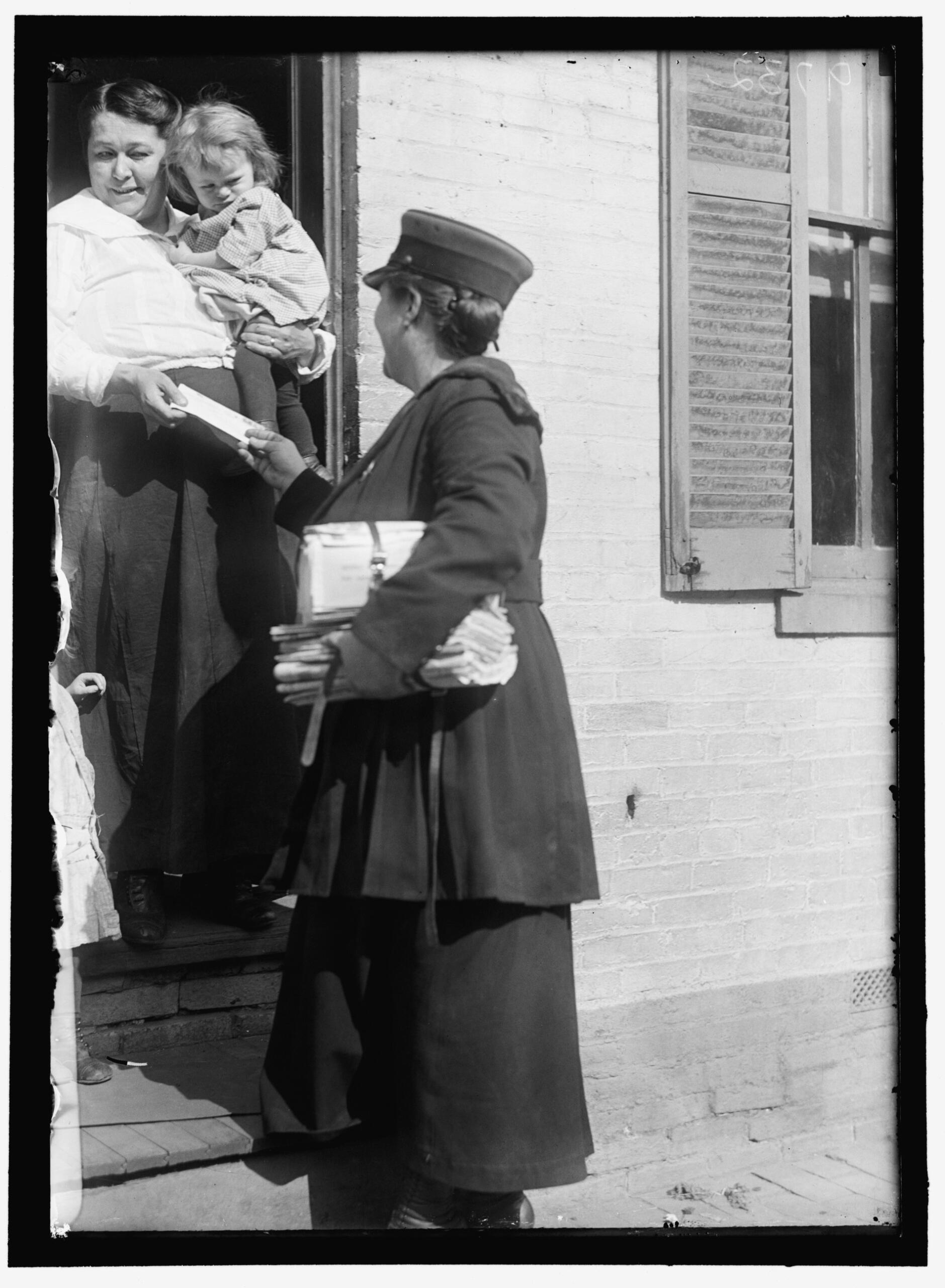
A carrier passing the same hundred boxes every day observed things: mail uncollected for three days, a door standing open, livestock out, a vehicle in the wrong place, an elderly person who had not appeared.
The same awareness where routes are stable and carriers are regular, now supported in many places by formal programmes asking carriers to report concerns about older residents.
This was never in the job description and it saved lives. A man who knows that a particular widow collects her mail every single morning, and finds three days of it in the box, is in possession of information that nobody else in the county has – and the number of times that produced a knock on a door, a telephone call to a relative or a visit from a neighbour is not recorded anywhere.
10. He Carried Things That Were Not Mail
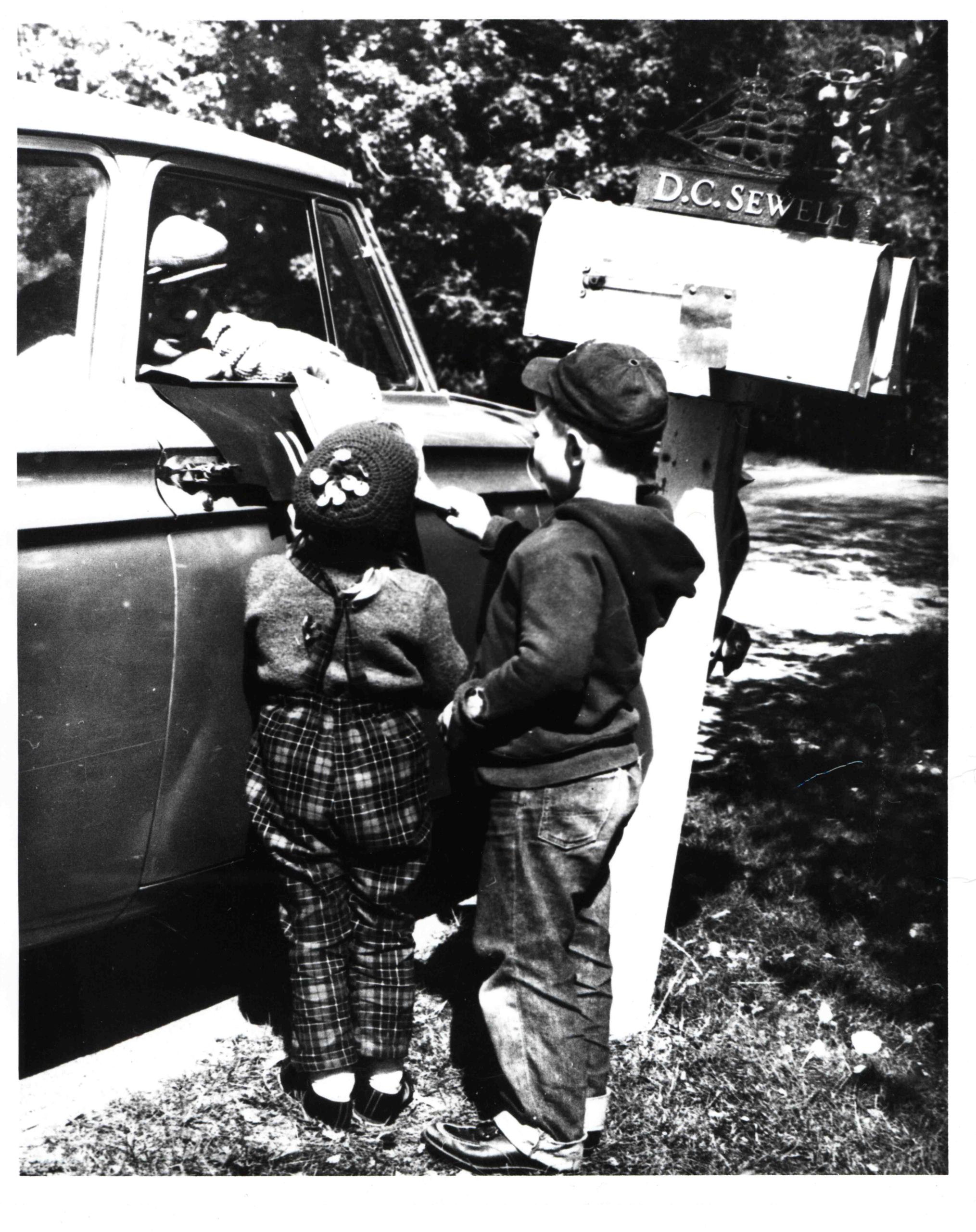
Carriers routinely did favours: took a message, picked up a prescription, dropped something at a neighbour’s, carried a parcel to the depot, brought change, posted something from the office, and in bad weather checked on people.
Formally outside the job and much less common, with carriers properly restricted to postal duties and liability considerations discouraging the rest.
None of it was authorised and all of it was understood. The favours worked because the carrier was coming anyway, knew everybody, and had a vehicle – and because a rural community with one daily visitor will use that visitor for whatever it needs.
11. He Delivered Live Animals
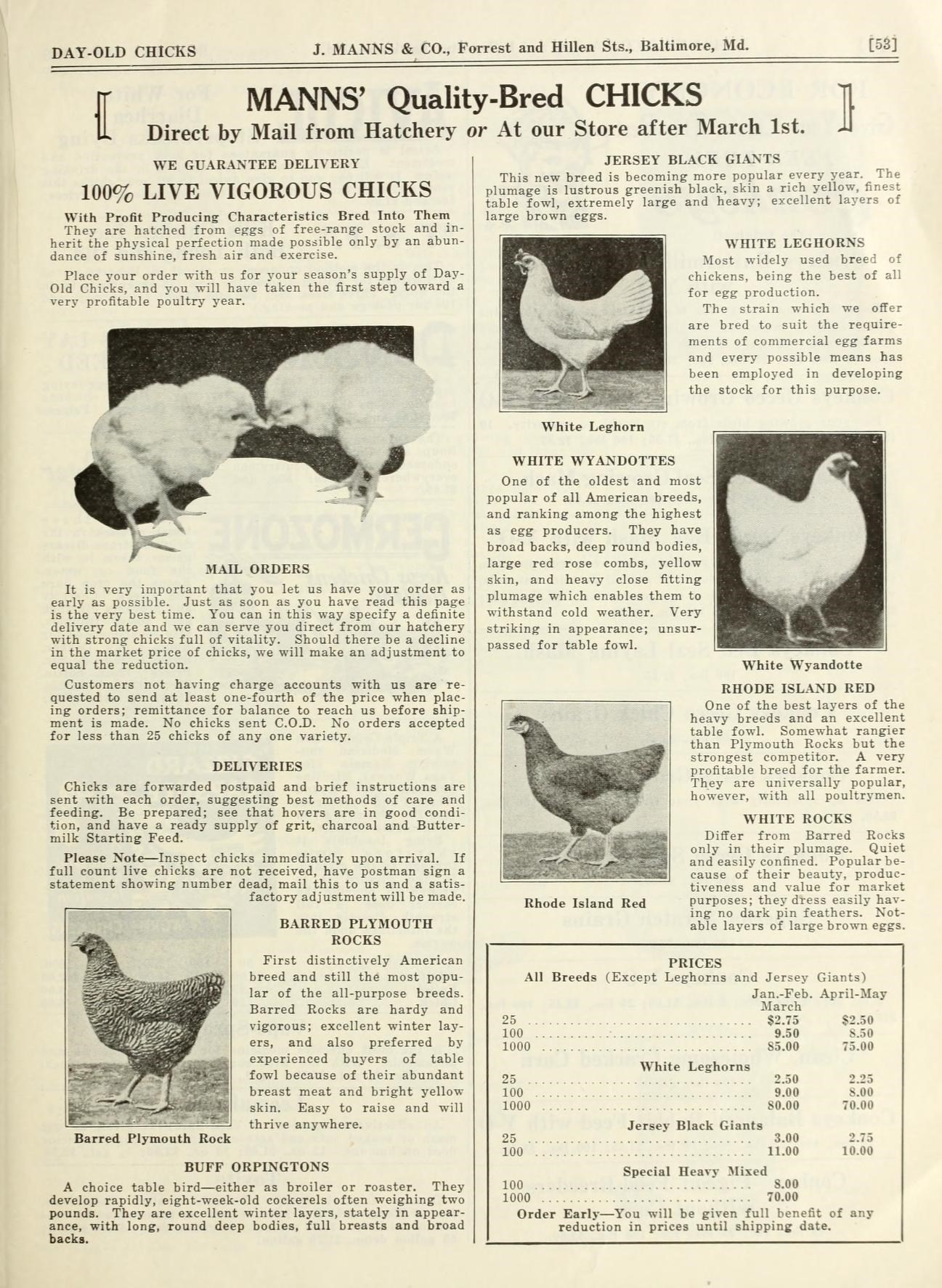
Day-old poultry travelled by mail in ventilated boxes, as did bees in screened packages, and both arrived with the ordinary mail – chirping or humming in the back of the car, to be handed over at the box or taken to the door.
Live day-old poultry and bees still move through the mail under specific rules, which is one of the more surprising continuities in American postal service.
The system worked because of speed and because of biology. Newly hatched poultry can survive a short period without feeding, and bees in a screened package with a food supply travel adequately – so a service that moves a box across several states in two or three days can carry both, and has done for well over a century.
12. The Box Had to Be at a Particular Height and Distance
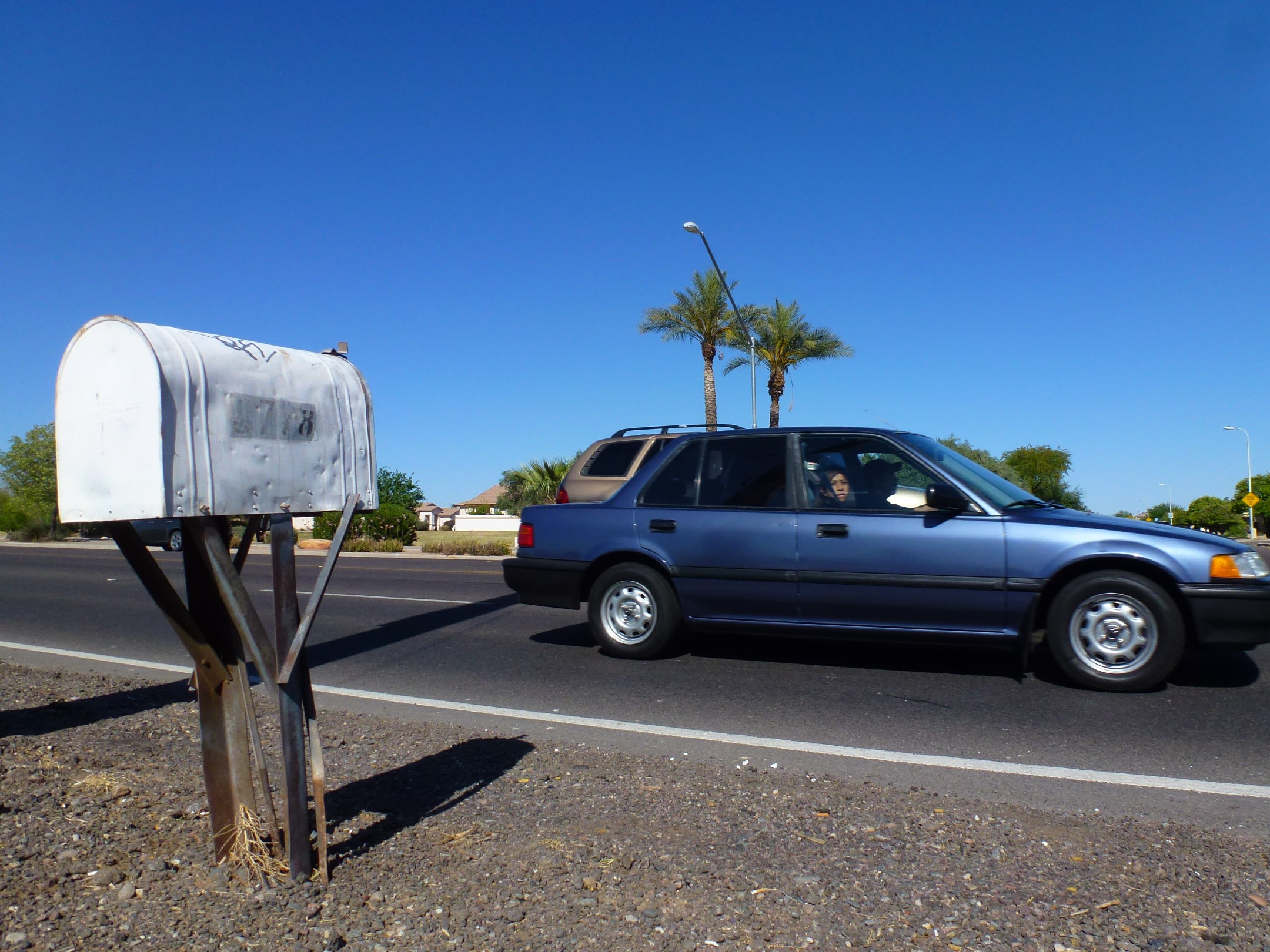
Mailbox placement was specified: a set height above the road surface, a set setback from the travelled edge, mounted on a post of adequate strength, with the name or number on it, positioned so a carrier could reach it from the vehicle without leaving the seat.
Exactly the same specifications, still published, still enforced, and still the subject of correspondence between the Post Office and householders who have mounted one wrongly.
The specification exists entirely because of the seated reach. If a carrier has to stop, get out and walk to a box, the route takes several times as long – so the geometry of a hundred boxes determines whether a route is drivable, and the rules are not fussiness but arithmetic.
13. The Weather Was His Problem
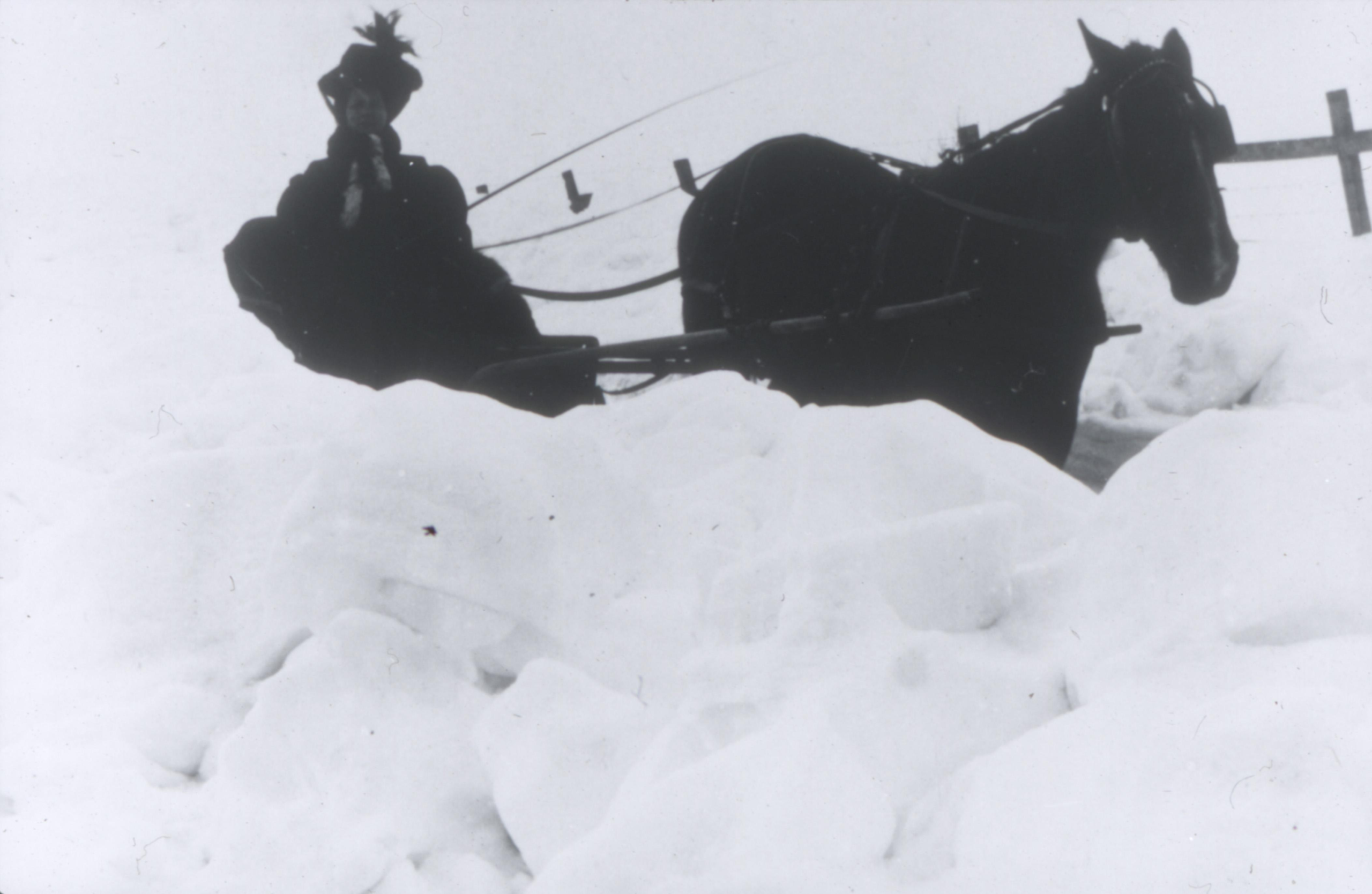
Snow, mud, ice, flood and washed-out roads were handled by the carrier, in his own vehicle, at his own cost – with chains, a shovel, a tow rope, boards for soft ground and a willingness to walk the last part.
Routes curtailed or suspended for genuine safety reasons, with far better roads, better vehicles and no expectation that a carrier should risk himself or his property.
The old arrangement was unreasonable and it was simply accepted. A man whose pay depended on completing a route, in a car he had bought himself, on a road nobody had cleared, had every incentive to attempt things that should not have been attempted – and the stories rural communities tell about their carriers are overwhelmingly about weather.
14. Rural Free Delivery Was Fought For and Won
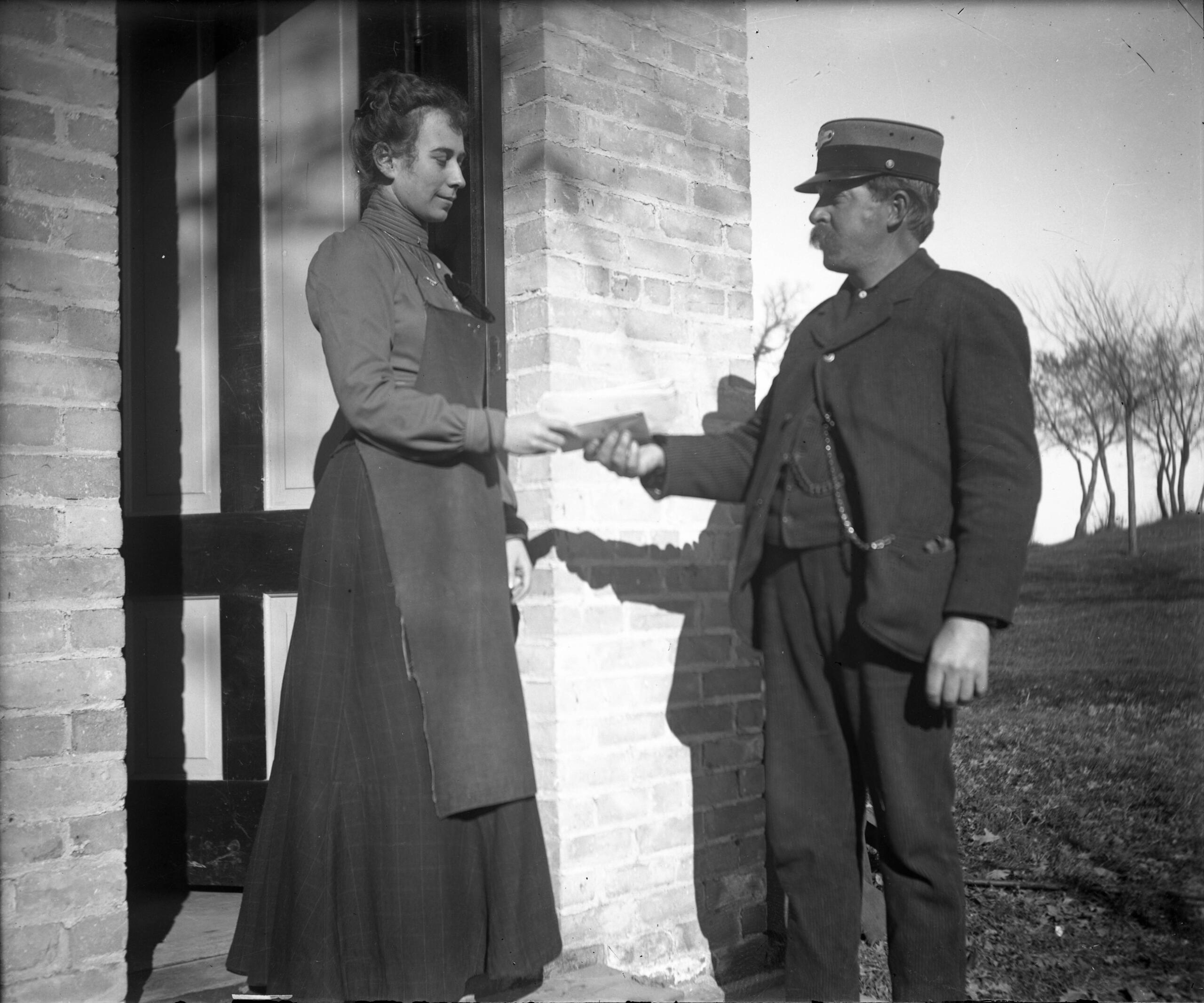
Delivery to the farm gate was not inevitable. For most of the nineteenth century rural Americans collected their own mail from a post office in town, and free delivery to the countryside was established only after a long political campaign.
A universal service obligation covering every address in the country, now so completely assumed that its absence is difficult to imagine.
The opposition was partly cost and partly interest. Delivering to scattered farms is expensive per household, and the small-town merchants and postmasters whose businesses depended on farmers coming to town for their mail had a direct stake in the arrangement continuing – which is a detail worth holding on to for the ending of this list.
15. He Was a Known Public Figure
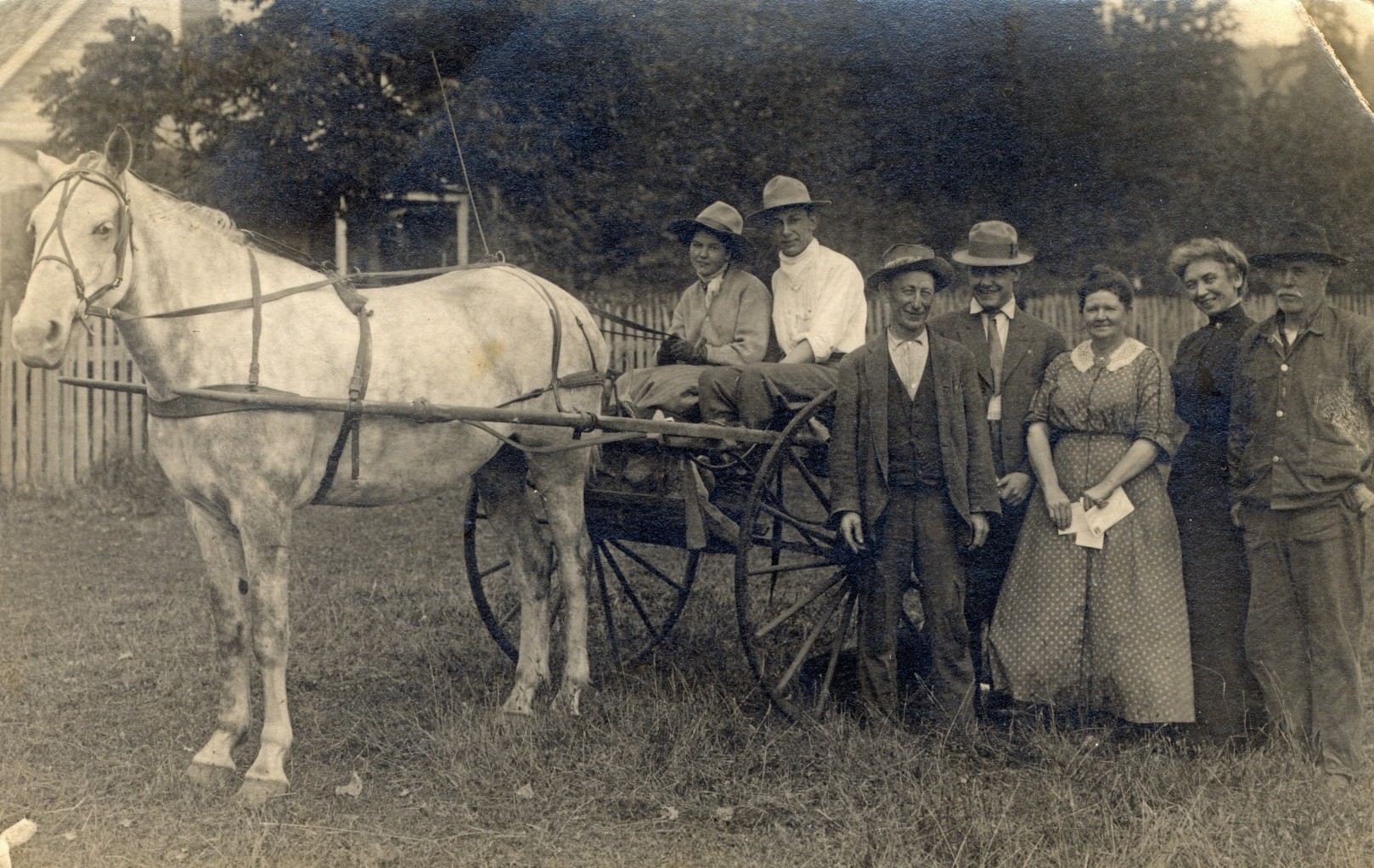
The carrier was one of a small number of people whom an entire rural community saw regularly, by name, every day – alongside the teacher, the minister and the storekeeper.
A service relationship with somebody most households could not name, in which the delivery is noticed and the person generally is not.
Which gave the position a standing that is hard to convey. A rural carrier was a federal employee with a secure wage in a cash-poor community, he knew everybody’s business and discussed none of it, and he was the single most reliable thing in the week – and when one retired after thirty years on the same route, the county turned out for it.
16. Then the Route Built the Road That Ended the World It Served
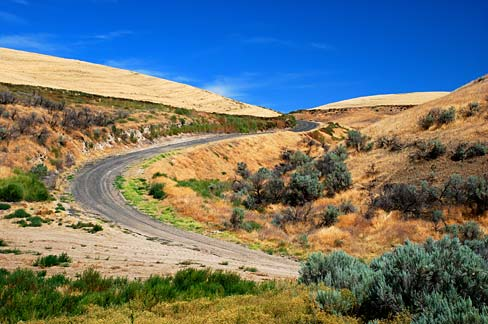
Rural free delivery put a daily two-way connection at the end of every farm lane – letters, newspapers, catalogues, orders, parcels, money orders and live animals – carried by a man in his own car who knew every family on ninety miles of road.
A universal service that still reaches every address, with far better vehicles, enormous parcel volumes, tracking and scanning – serving a countryside whose stores, schools, post offices and small towns have largely gone.
And here is the mechanism nobody designed, which is the most consequential thing in this entire subject. Rural delivery was conditional on the roads. The Post Office would establish a route only where a vehicle could actually get through, which meant that a community wanting daily mail had to make its own roads passable – and that gave every rural neighbourhood in America a concrete, immediate, locally felt reason to grade, gravel and eventually pave. The campaigners for better roads used precisely that lever, and it worked: the promise of mail delivery is one of the principal reasons American country roads were improved when they were. Then the improved road did what improved roads do. It let the farm family drive to town, and then past town to a larger one. It let the supermarket out-compete the country store, the consolidated school replace the one-room school, and the regional hospital replace the local doctor. It made the rolling store pointless and emptied the small-town main street that the merchants opposing rural delivery had been trying to protect – which means they were right about the threat and wrong about where it would come from. The mail carrier’s need for a passable road is the reason the road got built, and the road is the reason almost everything else on his route is gone. He is still coming, every day, to boxes standing at the ends of lanes that no longer lead to a working farm.
The Mail Is Why the Roads Got Paved
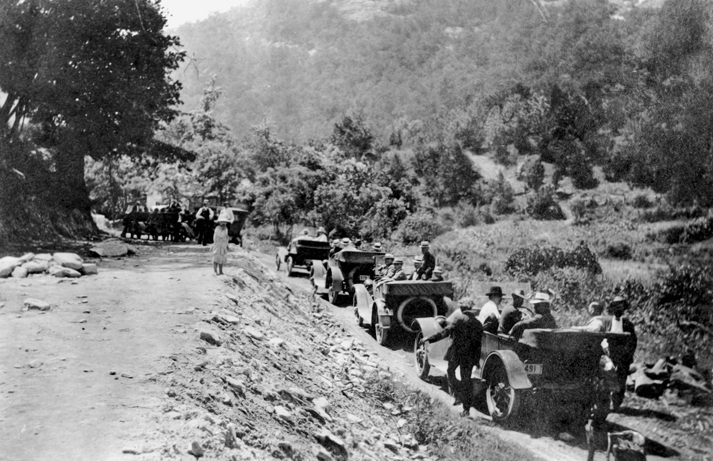
Ask why American country roads were improved and the answers come back as the automobile, the farm truck, and eventually federal highway money. All of that is real and all of it is later.
The first and most effective argument for grading and gravelling a country road was that it would get you the mail.
Rural free delivery was not a right and it was not automatic. Through most of the nineteenth century, a farm family went to town to collect its own mail, which meant that letters, newspapers, catalogues and news arrived only as often as somebody made the trip. Establishing delivery to the farm gate took a long political campaign, and it was opposed on grounds of cost and – this is the part worth holding on to – by the small-town merchants and postmasters whose trade depended on farmers coming into town for their mail.
And when it was established, it came with a condition that turned out to be the lever that moved everything.
The Post Office would only put a route where a vehicle could actually get through. A community whose roads were impassable mud for two months of the year did not get daily delivery, and a community that fixed its roads did. Which handed every rural neighbourhood in the country a direct, immediate, locally felt reason to do something that is otherwise very hard to organise: tax itself, or turn out and work, to improve a road.
The campaigners for better roads understood this precisely and used it as their principal argument, because it was the one that worked. Abstract benefits do not move a township meeting. Daily mail does.
So the roads got built. Graded, gravelled, drained, and eventually surfaced – across an enormous area, over decades, with mail delivery as one of the main things being traded for.
Then the road did what roads do, and this is where it turns.
A passable road lets the mail carrier in, and it lets the farm family out. It let them drive to town, and then past town to a bigger one. Which meant the country store could not compete with the supermarket thirty miles away, the one-room school was consolidated into a district school a bus ride off, the local doctor was replaced by a regional hospital, the small depot closed, and the rolling store that had brought goods to the gate became pointless because the gate now opened onto a road to everything.
The main streets of several thousand American small towns emptied out, over about forty years, for exactly that reason.
Which means the merchants who opposed rural delivery were right about the threat and wrong about its direction. They thought the danger was that farmers would stop coming to town for the mail. The actual danger was that the roads built to bring the mail would let farmers drive straight through town to somewhere larger.
The carrier is still coming. The route is longer than it was, the vehicle is better, the parcel volume is many times what it used to be, and the service still reaches every address in the country, which is a genuine achievement.
He is delivering to boxes at the ends of a great many lanes that do not lead to a working farm any more, down roads that were paved so he could get there.
If you grew up on a route, you knew roughly what time he came, and you knew what the flag meant.
And somebody in your family once got a box of chicks out of the back of his car.
Like our content? Follow us for more.