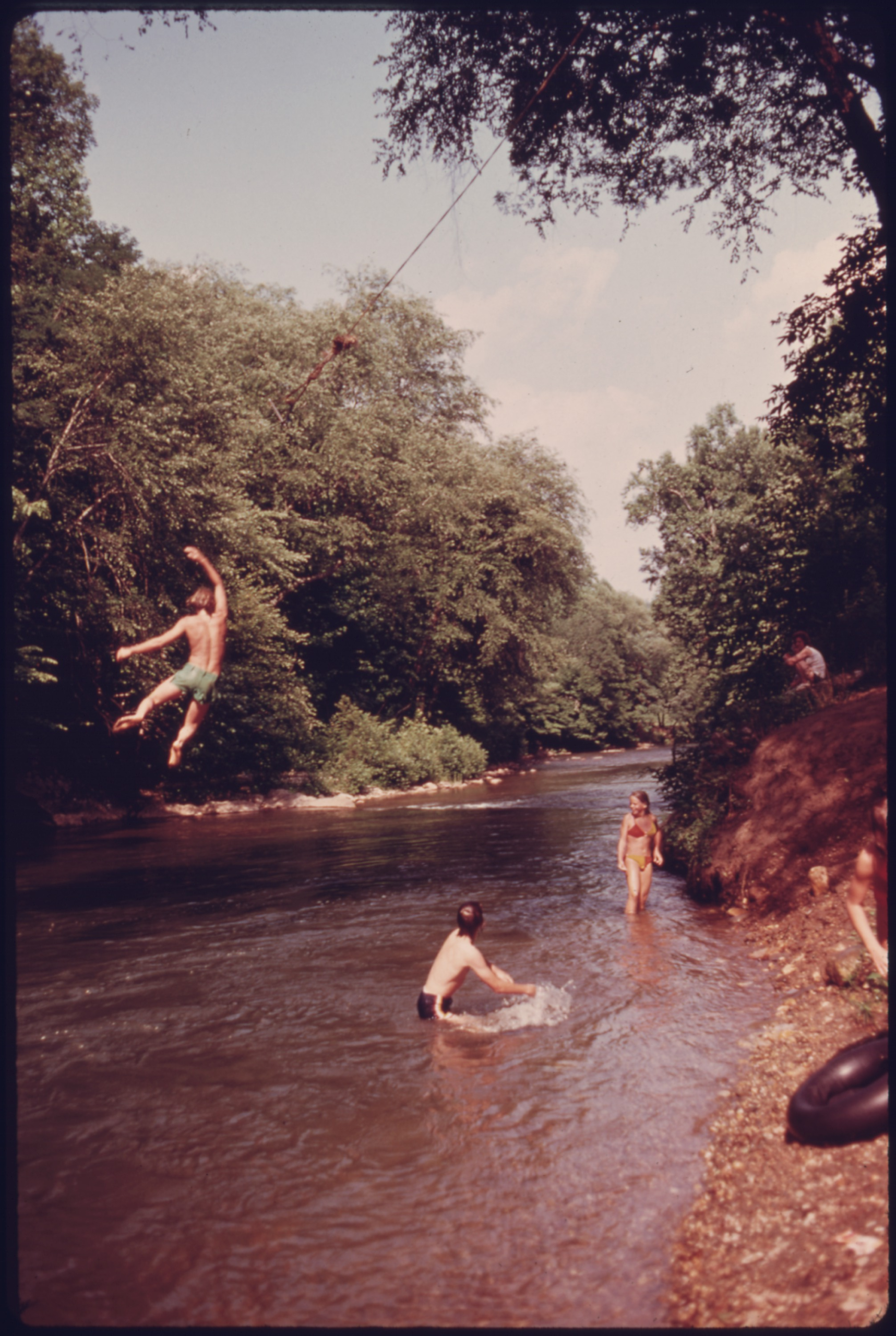
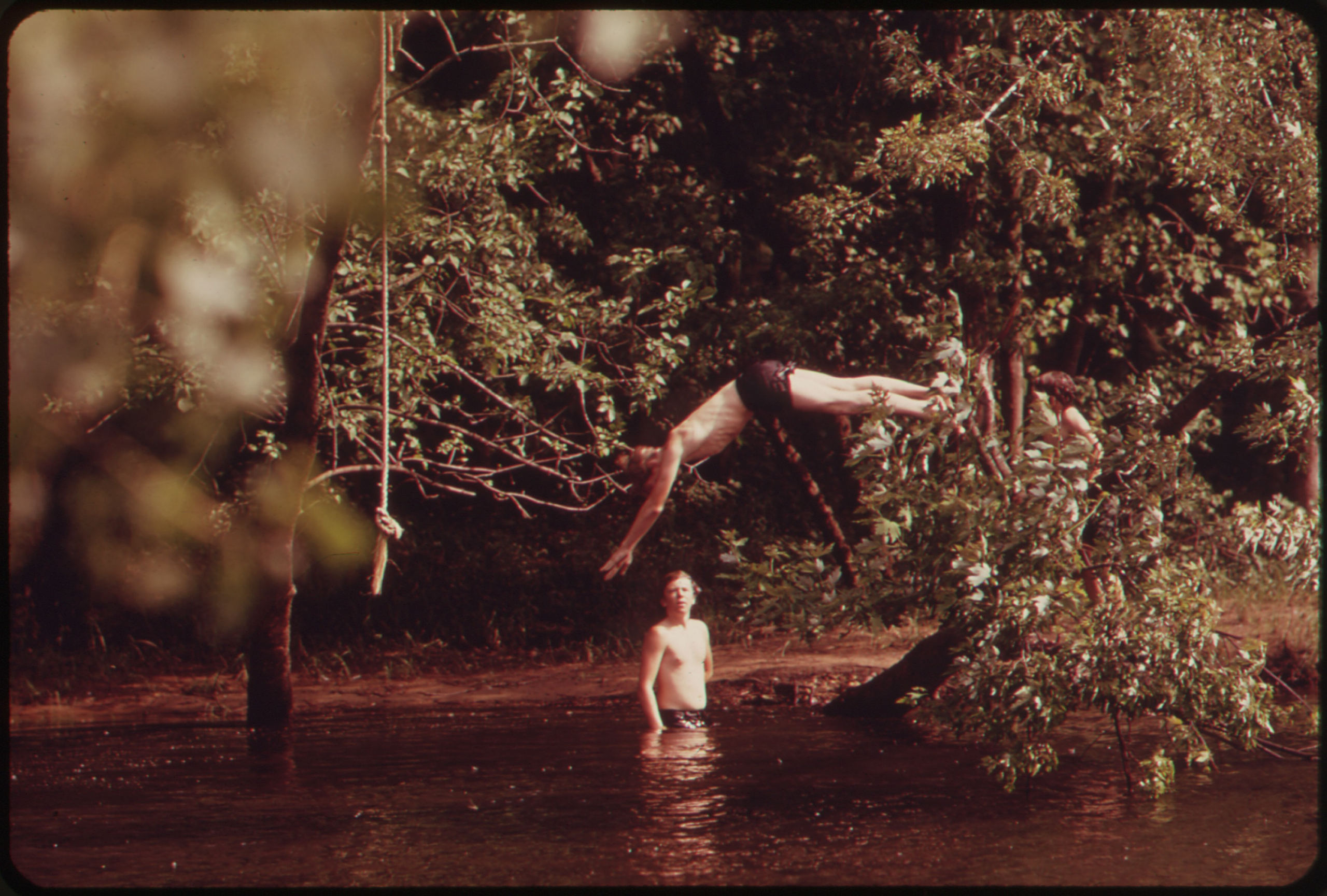
In 1964 every American community had a swimming hole with a name that appeared on no map, reached by a path through a pasture that no vehicle could take.
Nobody owned it in any way anybody could prove. There was a rope in a tree put up by somebody years earlier and maintained by whoever noticed it fraying. You could see a foot into the water and no further, so the bottom was known by feel and by things older children told you. There was a cold spot where the spring came in.
Nobody was watching. Children taught each other to swim. And everybody went every single afternoon for three months. Here are sixteen things every kid knew about it.
1. It Was a Specific Place and It Had a Name
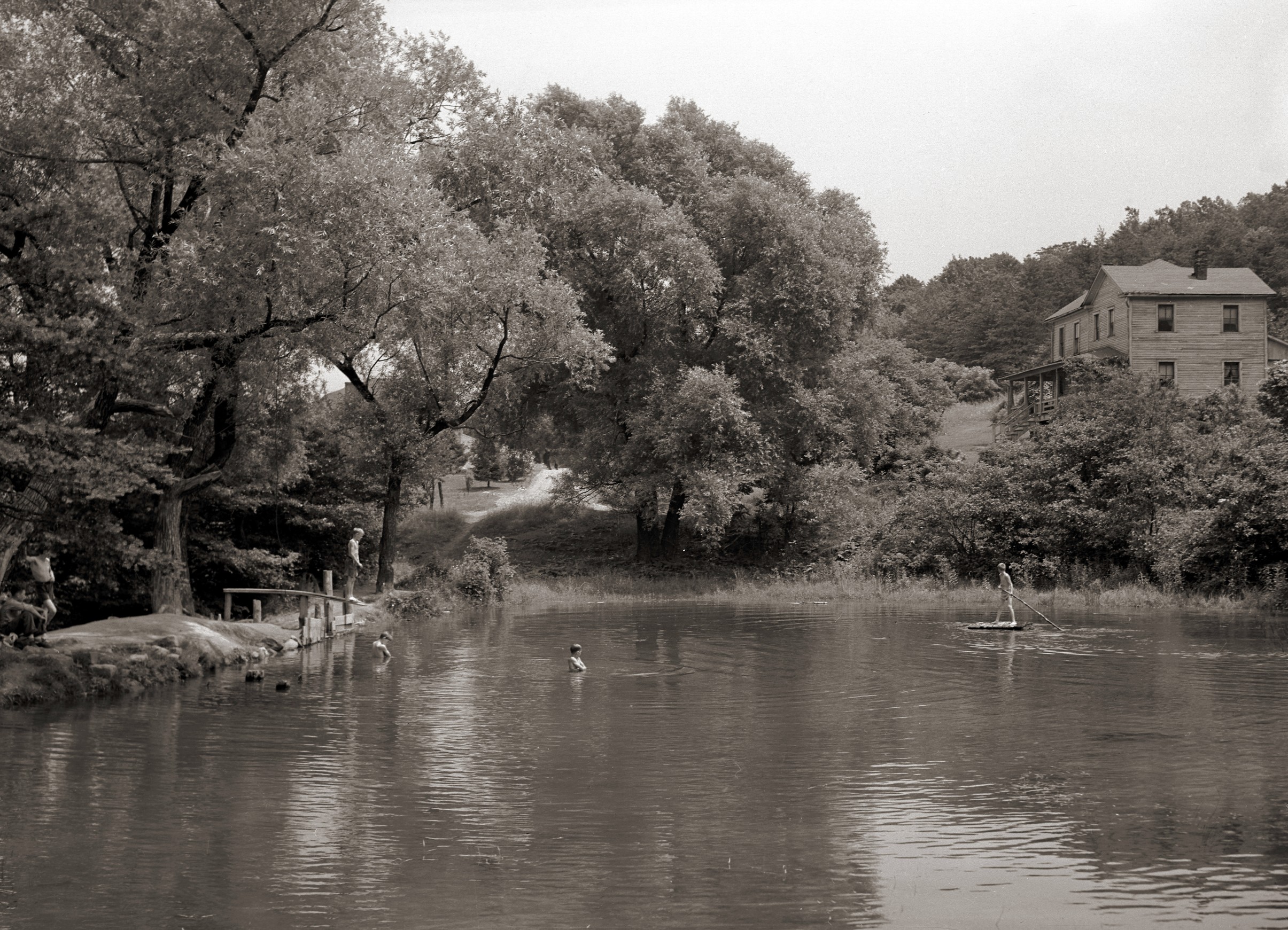
Every community had one: a bend in a creek, a bend below a bridge, a quarry pool, a spring-fed pond, a stretch of river where the current slowed – and it had a name everybody used that appeared on no map.
Municipal and school pools, backyard pools and supervised beaches, all of them built, maintained, marked and in the great majority of cases staffed.
Naming it is the thing that made it an institution rather than a location. A place with a name that three generations have used, that is found by directions rather than by an address, and that nobody owns in any way anybody could prove, is a piece of common property maintained entirely by habit.
Like our content? Follow us for more.
2. Nobody Owned It and Everybody Used It
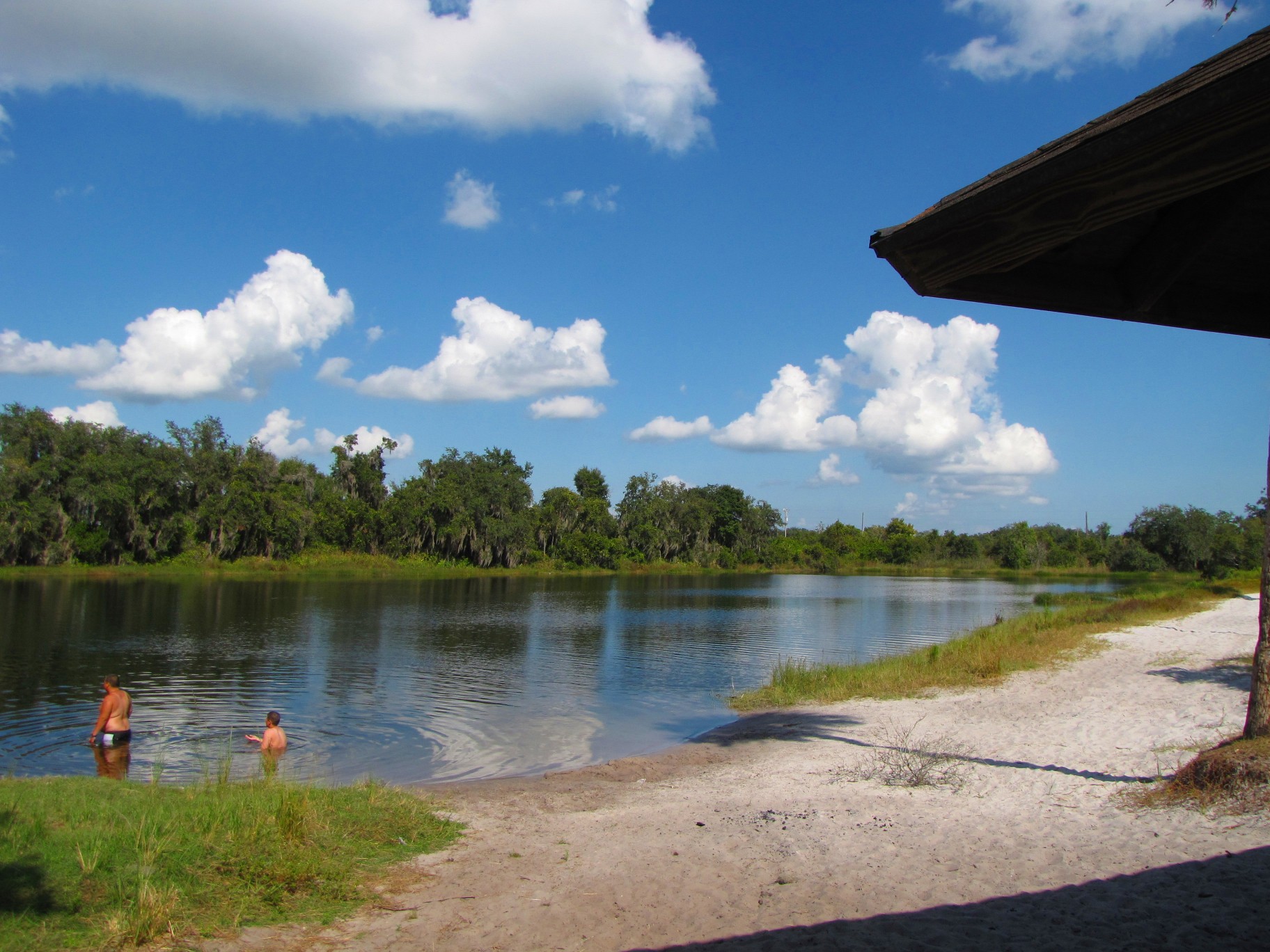
The land around it belonged to somebody – a farmer, a company, the county – and the use of it was a matter of long-standing tolerance rather than any permission anybody had asked for or been given.
Clearly owned, posted and insured facilities, with access controlled, liability allocated and trespass a real legal matter rather than a theoretical one.
The tolerance was the whole arrangement and it was fragile in a way nobody thought about. It depended on the owner not minding, which depended on nothing going wrong, and the entire institution rested on an informal understanding that could be withdrawn at any time by one person’s decision.
3. You Got There on Foot or on a Bicycle
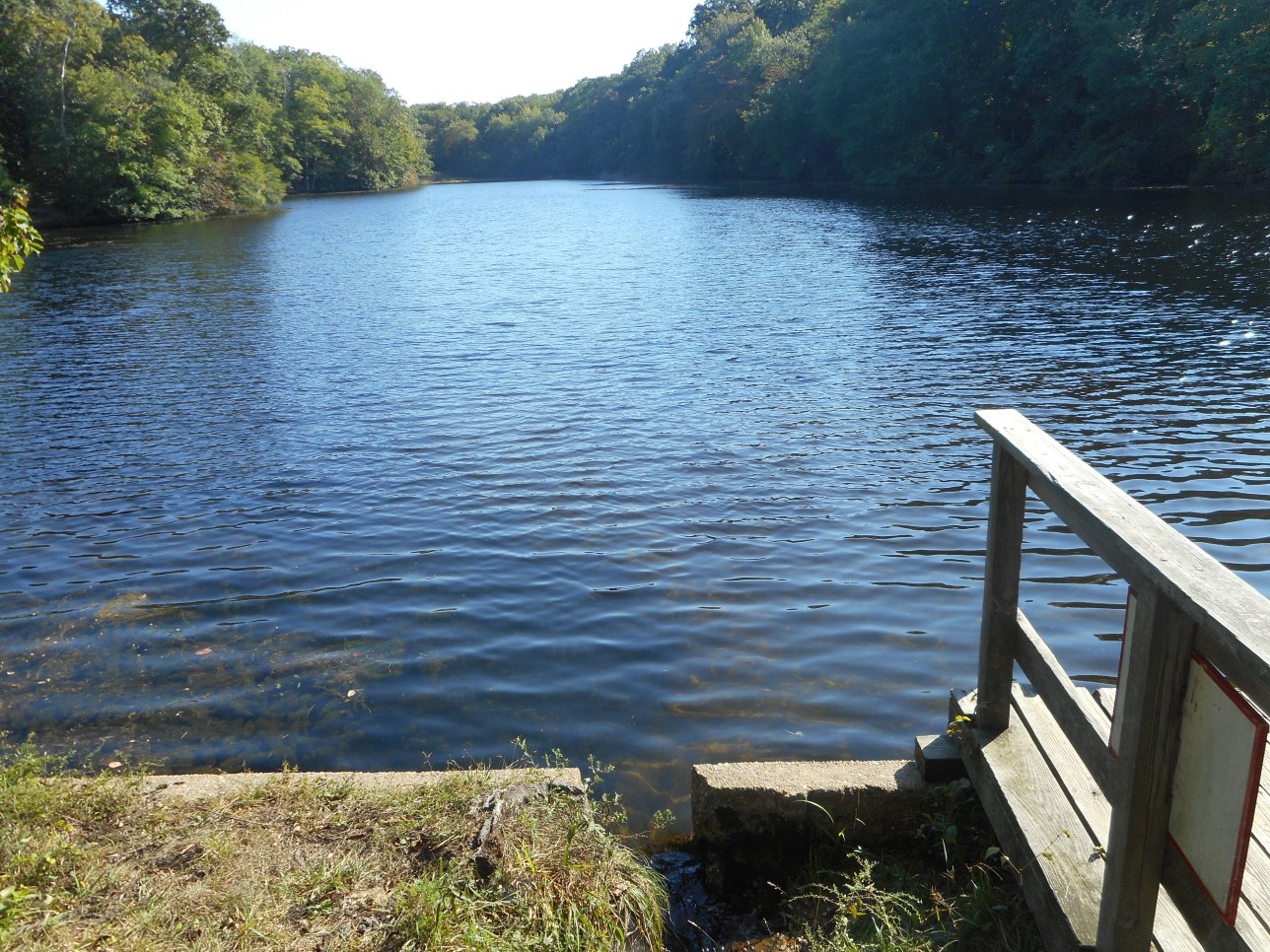
Access was along a path worn through brush and across a field, down a bank, over a fence at a particular low spot, through a gap everybody knew – a route that no vehicle could take and that nobody had built.
Parking lots, paths, gates, changing rooms and marked entrances, reached by car in most cases.
The walk was a filter and it mattered. A place reachable only by a half-mile track through a pasture is used by the people who live within walking distance of it, which meant a swimming hole served a specific neighbourhood and was populated by the same thirty children all summer.
4. There Was a Rope in a Tree
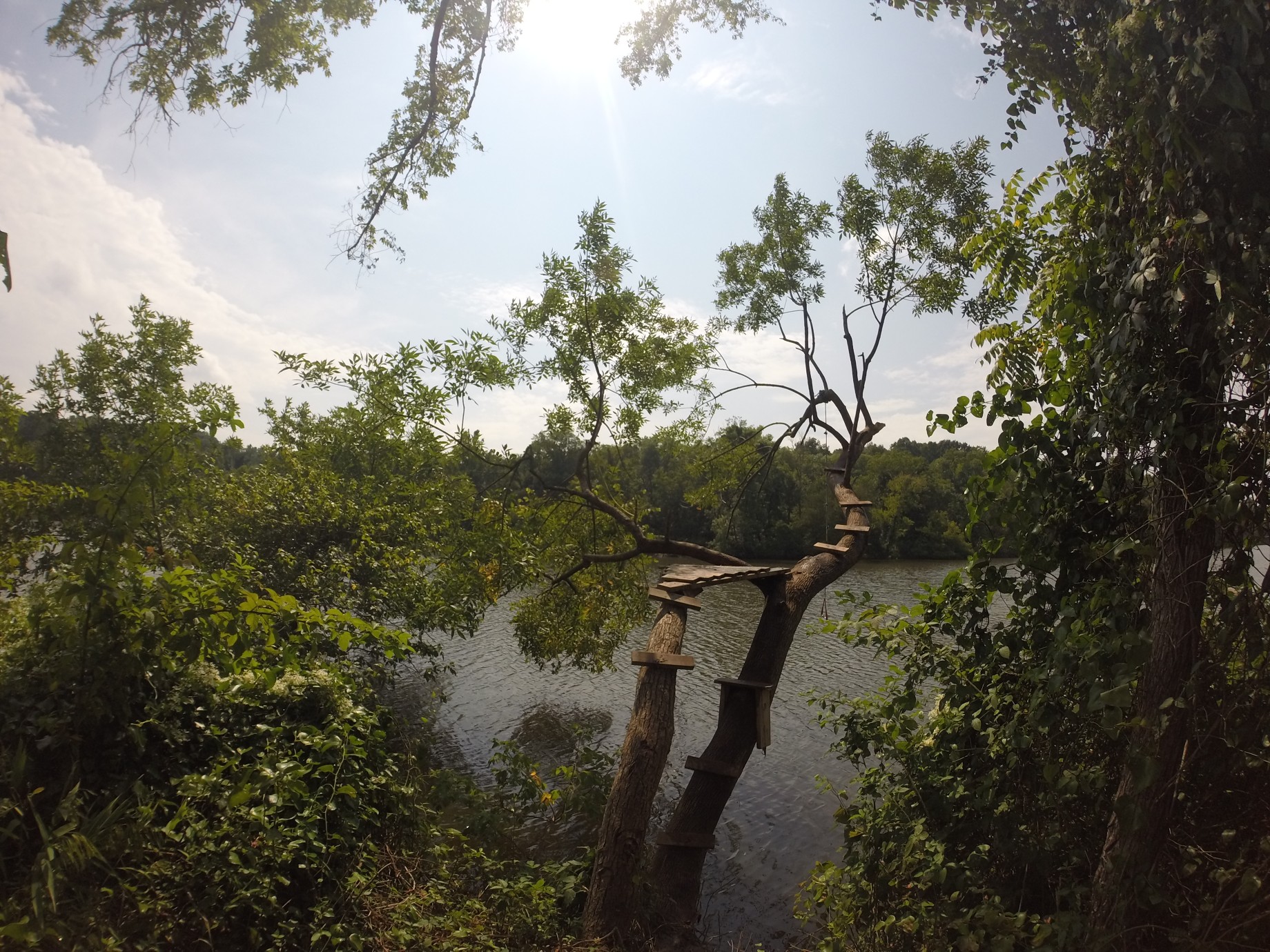
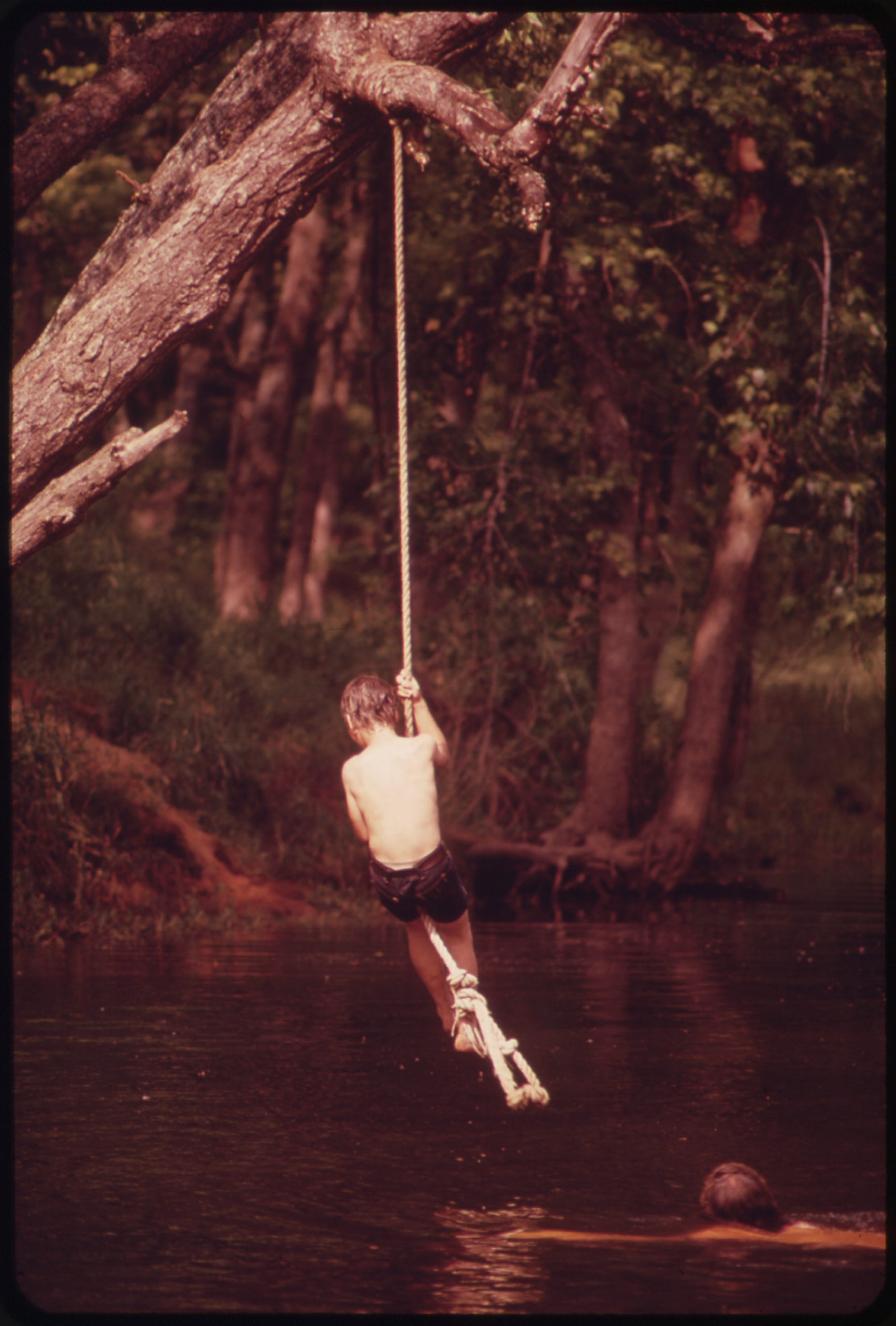
A rope hung from a limb over the water, knotted at the bottom or tied to a stick, put up by somebody a few years before and maintained by whoever noticed it fraying.
Nothing comparable at any supervised facility, with the equivalent surviving at a small number of private and commercial sites with engineered structures and inspection.
The rope’s condition was everybody’s business and nobody’s responsibility, which is exactly the problem. It was examined, argued about, replaced when somebody’s father brought a new one, and used continuously in between by children assessing a load-bearing structure with no means of assessing anything.
5. You Learned to Swim There, From Other Children
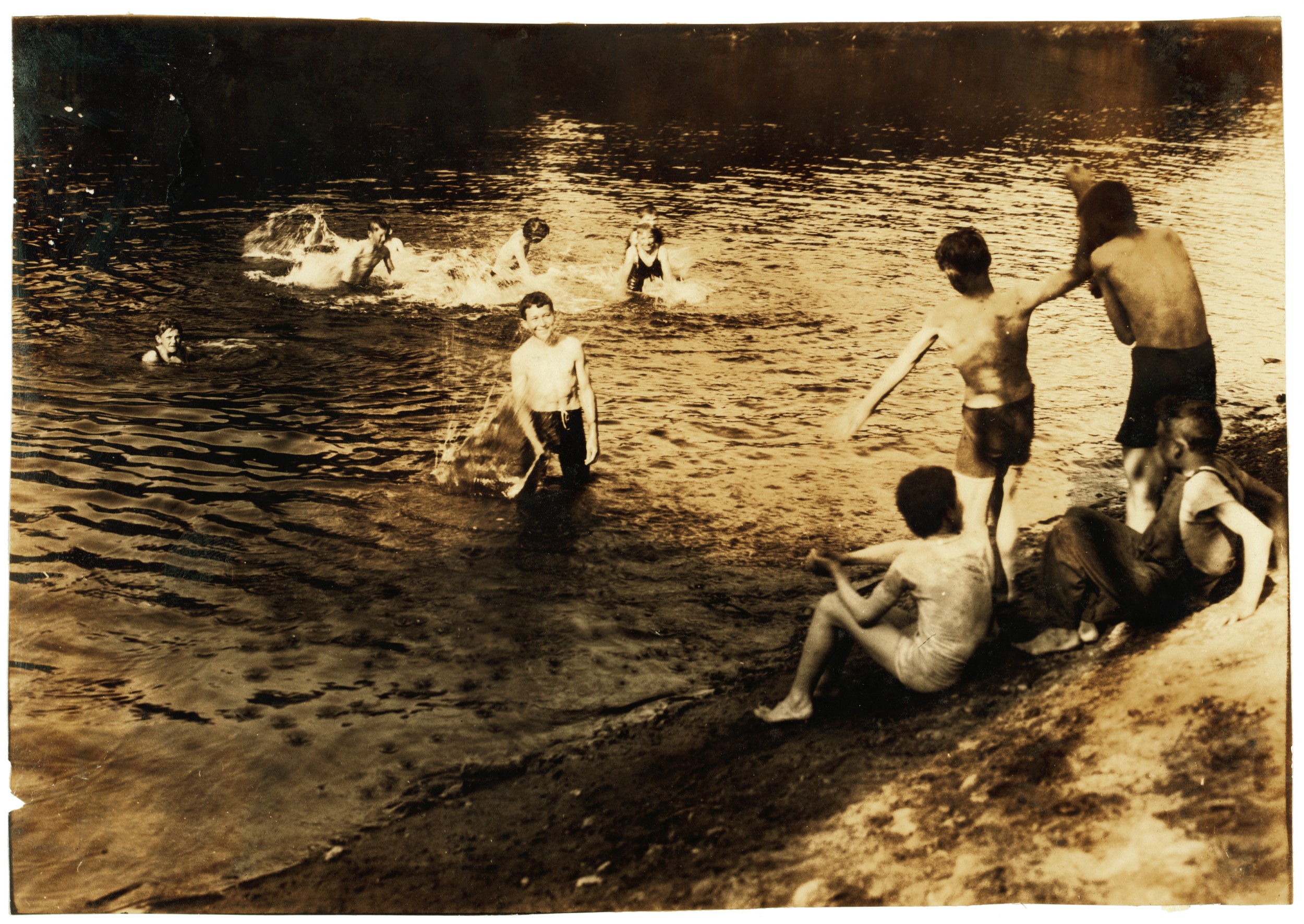
Swimming was taught informally and almost entirely by slightly older children – by demonstration, by instruction shouted from the bank, by being held up, and in a certain number of cases by being thrown in.
Formal lessons at a pool, taught by trained instructors on a progressive syllabus, with learn-to-swim programmes in schools and communities.
The formal replacement is better in every measurable way and nobody should want the old method back. It is worth recording honestly what the old one produced: a very large number of people who could swim adequately, taught at no cost, with no schedule and no parent involved – and a number of people who could not, with no way for anybody to tell the difference until it mattered.
6. You Could Not See the Bottom
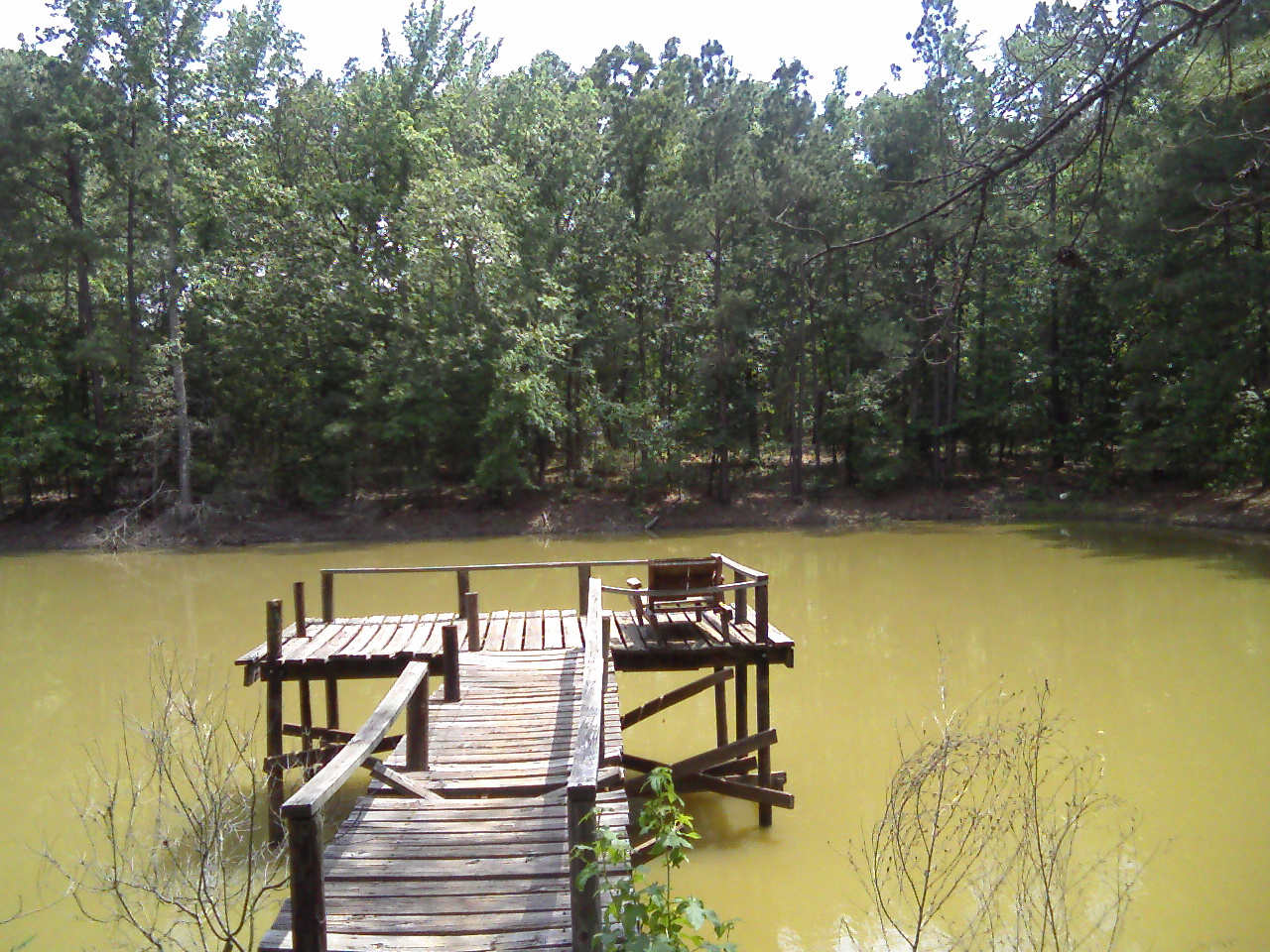
The water was not clear. Silt, tannin, algae and depth meant you could see a foot or two and no further – so the bottom was known by feel and by memory rather than by sight.
Clear treated water with a visible marked bottom, graded depths and painted lines, in which the entire floor of the facility can be seen from the side.
Not being able to see is the difference that governs everything about the hazard. A submerged branch, a drop-off, a rock, a car body, a change in the bottom from one year to the next – all of it invisible, all of it discovered by somebody, and the local knowledge of where not to jump was passed down verbally and was the most important thing anybody there knew.
7. There Was a Cold Spot Where the Spring Came In
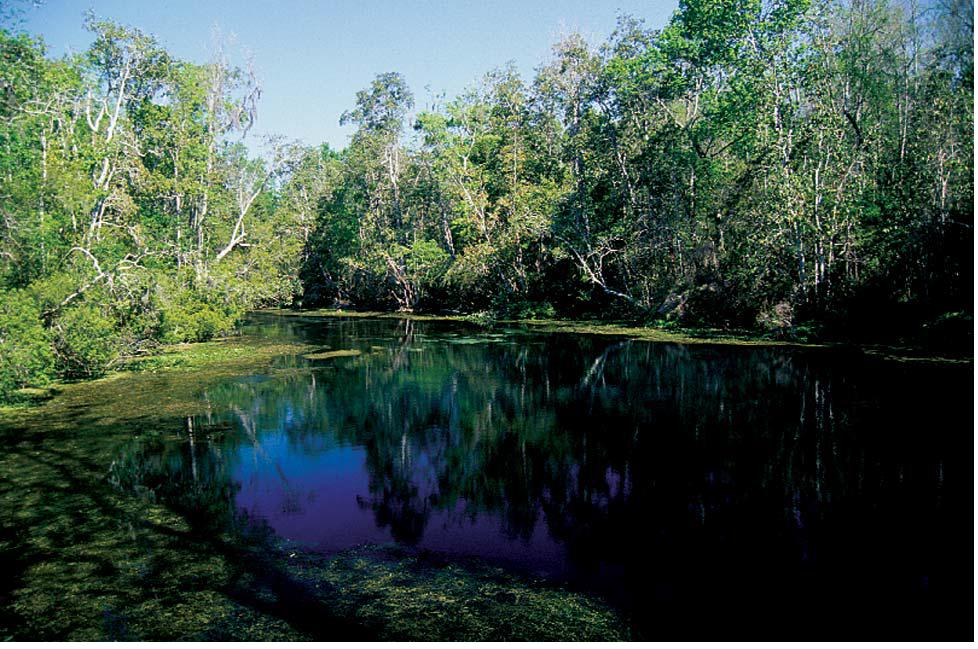
Most of these places were fed by groundwater at some point, and swimming across one meant passing through a layer or a patch of genuinely cold water at a known location.
Uniformly heated or at least uniformly tempered water, with no thermal variation anywhere in a facility.
The cold spot is one of the most universally reported sensations of an American childhood and it has a straightforward explanation. Groundwater emerges at close to the annual mean temperature of the place, which in July is far colder than sun-warmed surface water – so a spring-fed hole had a cold layer at the bottom and a cold current at the inflow, and children swam into it deliberately.
8. The Bank Was Mud and Everybody Was Filthy
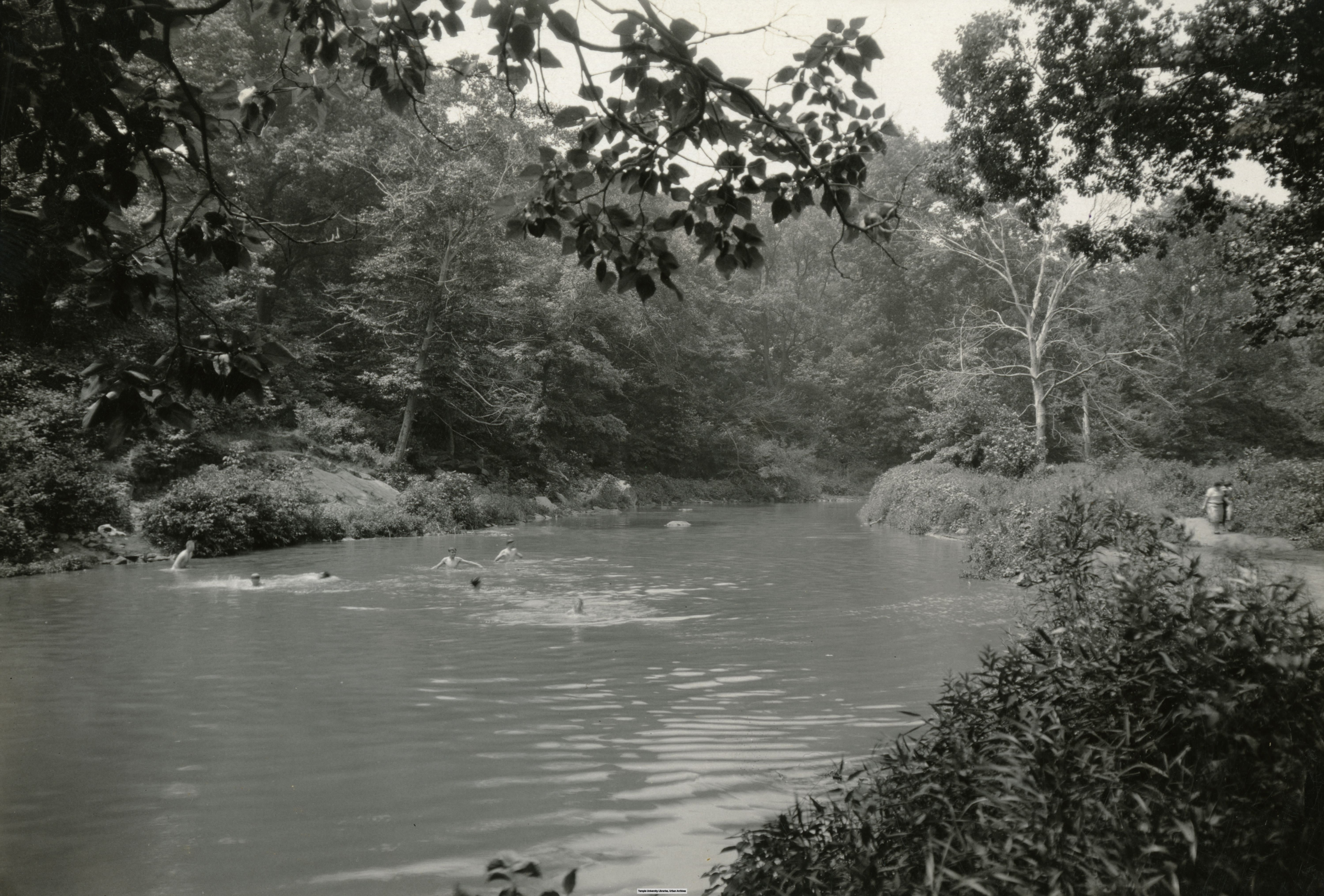
Entry and exit were over a bank of mud, clay or gravel, and the combination of mud, silt and vegetation meant that everybody came out of the water dirtier in some respects than they went in.
Paved decks, ladders, steps, handrails and a shower, with a facility designed so that nobody touches soil at any point.
The mud was also a toy. Clay banks were used for sliding, for throwing, for building, and for covering yourself in – which is a substantial part of what children remember, and which no engineered facility has any equivalent of.
9. The Clothes Situation Varied and Was Understood
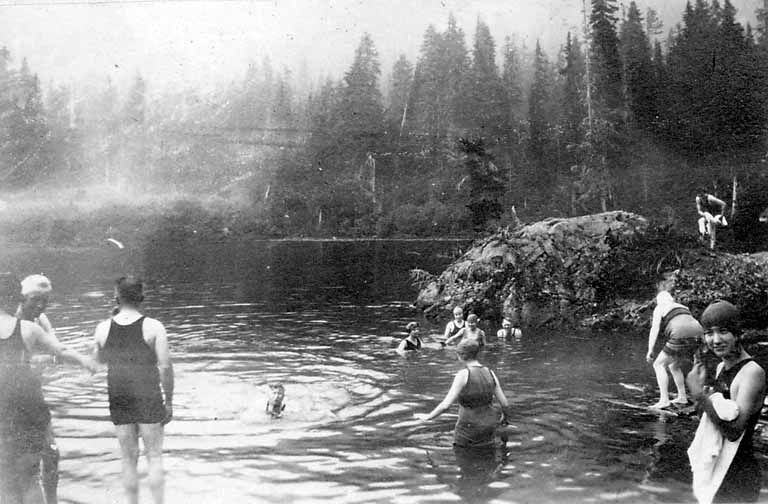
Swimming costume ranged from actual swimsuits to cut-off trousers to underwear to nothing, depending on the era, the community, the hole, the time of day and who was present – and the conventions were local, unwritten and strictly observed.
Swimwear required everywhere, with facilities having explicit dress rules and changing provision.
The conventions governed who swam when. A hole used by boys in the early afternoon and by families later, or by one group on one day, operated on an understanding that everybody knew and nobody had written down – and the arrangements worked because the community was small enough to coordinate without discussing anything.
10. Nobody Was Watching
There was no lifeguard, no attendant, no adult on the bank in most cases, and no means of summoning help beyond sending the fastest child to the nearest house.
Trained lifeguards on duty, posted depths, rescue equipment, telephones, emergency services reachable in minutes and defined supervision ratios.
This has to be stated plainly rather than wrapped in nostalgia, because it is the reason the rest of this list reads the way it does. Drowning was a leading cause of death among American children through this entire period, swimming holes were where a great deal of it happened, and the change to supervised swimming with trained lifeguards and formal instruction has saved an enormous number of lives. Nobody should wish any part of that undone.
11. There Was a Rule About Waiting After Eating
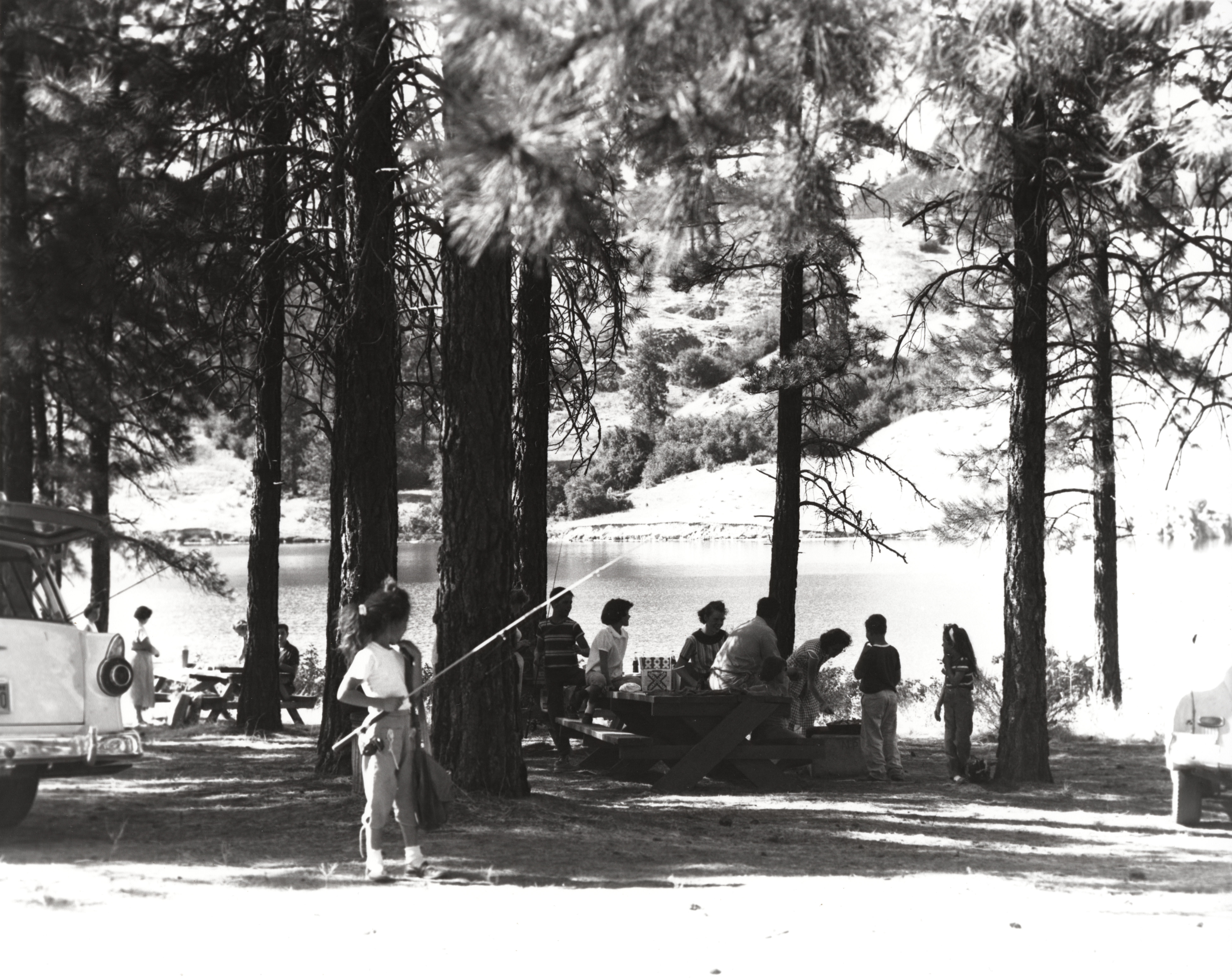
Children were told, universally and with complete confidence, that swimming within an hour of a meal would cause cramps and drowning – and the rule was enforced by every adult in the country.
Essentially no such rule, because the claim does not hold up: there is no good evidence that eating before swimming causes dangerous cramping.
It is worth noticing what the rule actually did, since it was not true. It produced a compulsory hour of sitting on a bank in the sun, which kept children out of the water during the hottest and most crowded part of the afternoon and gave the adults a predictable period of calm – which may be why it was defended so vigorously by people who had no idea why they believed it.
12. The First Swim of the Year Was a Date
The season opened on a particular day decided by the water rather than the calendar, and the first swim – in water still genuinely cold – was an event with a known set of participants and a competitive element.
A pool season set by a published opening date, by staffing and by school terms, with heated water removing the question entirely.
Opening by water temperature rather than by schedule is a small thing that changes the character completely. A season that starts when somebody declares the water warm enough belongs to the children who use it, and a season that starts on the Saturday before a holiday belongs to whoever set the schedule.
13. The Water Quality Was Not Good and Got Worse
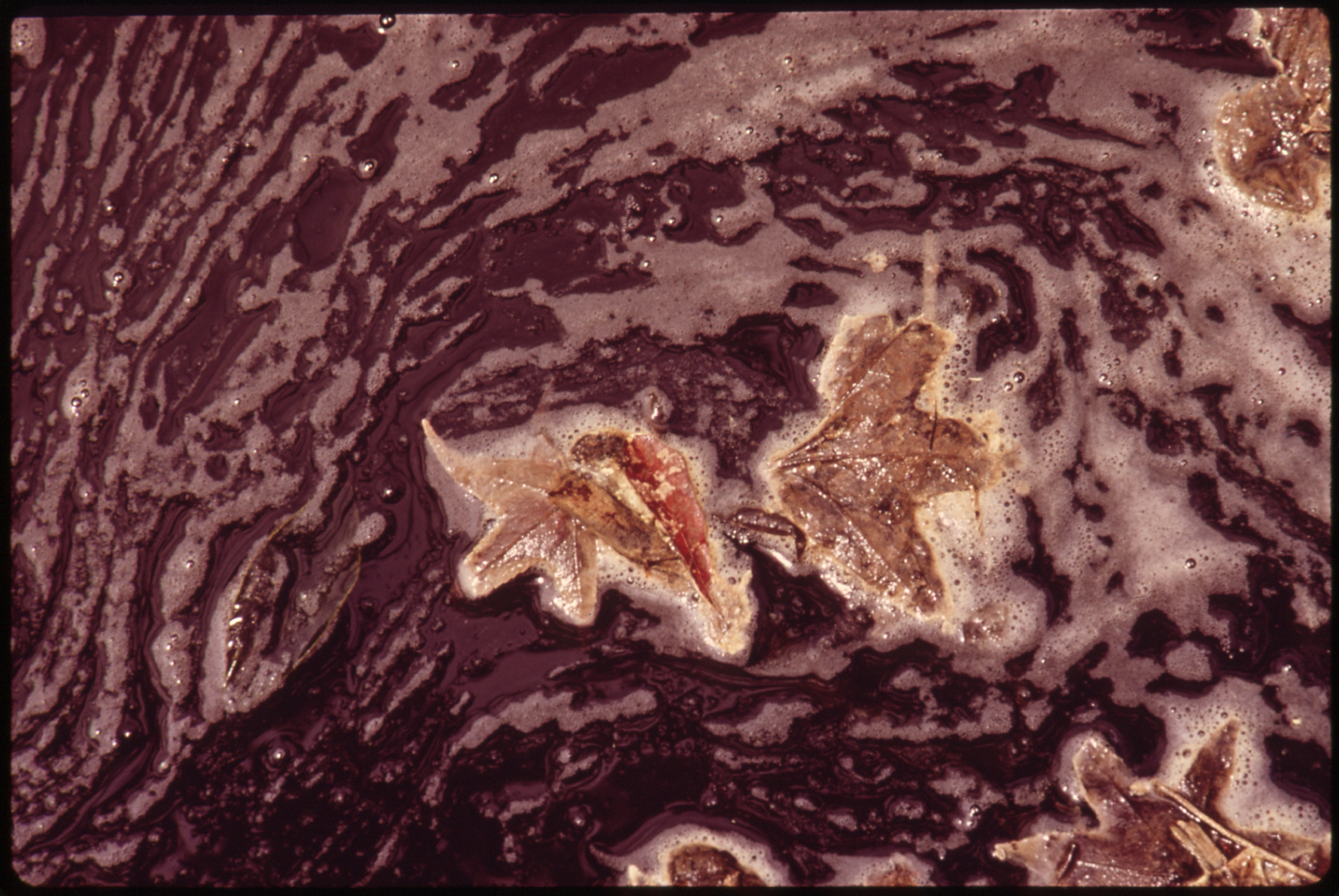
These were open natural waters downstream of farms, feedlots, septic systems, small-town outfalls and in some cases industry – and through the middle of the century a great many of them became genuinely unfit for swimming.
Treated, filtered, tested and continuously monitored water, with natural swimming areas now subject to regular testing and closure when results require it.
The decline in water quality is one of the two real reasons these places were abandoned, and it is a straightforward public health matter rather than a change in taste. A creek that was acceptable in 1930 was frequently not acceptable by 1965, communities knew it, and the subsequent cleaning up of American rivers is one of the clearer environmental successes of the century.
14. Somebody Always Had a Story About Something in the Water
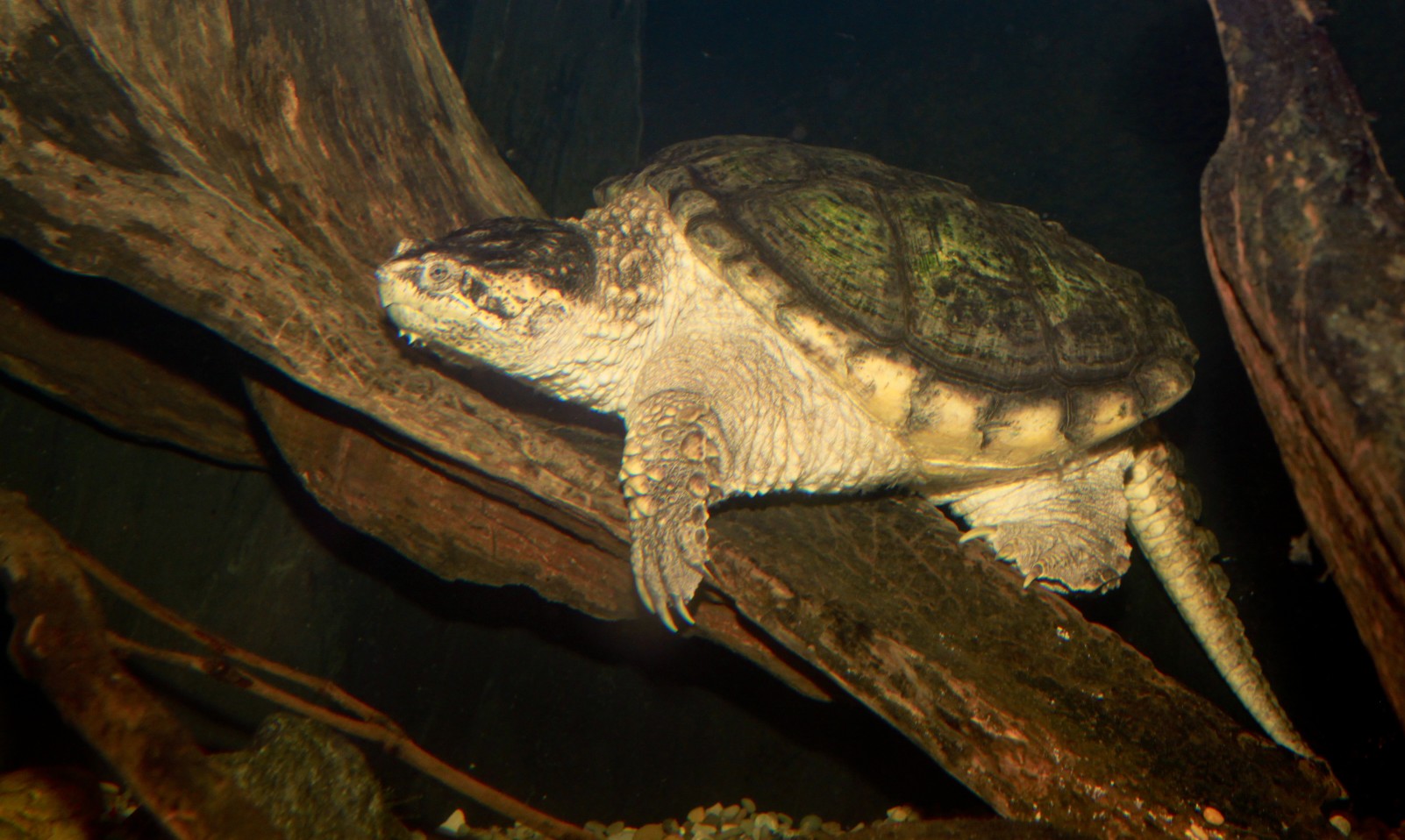
Every hole had its folklore: a snapping turtle of impossible size, a catfish that could take a hand, a submerged car with something in it, a bottomless place, a drowning from before anybody present was born.
Nothing, because a facility with a visible tiled bottom and treated water cannot support a legend of any kind.
The stories did real work. They marked the places not to go, they carried the memory of actual accidents in a form children would repeat, and they supplied the hole with a history – which is a reasonable description of how an oral culture transmits a safety rule when nobody is going to post a sign.
15. You Went Every Single Day for Three Months
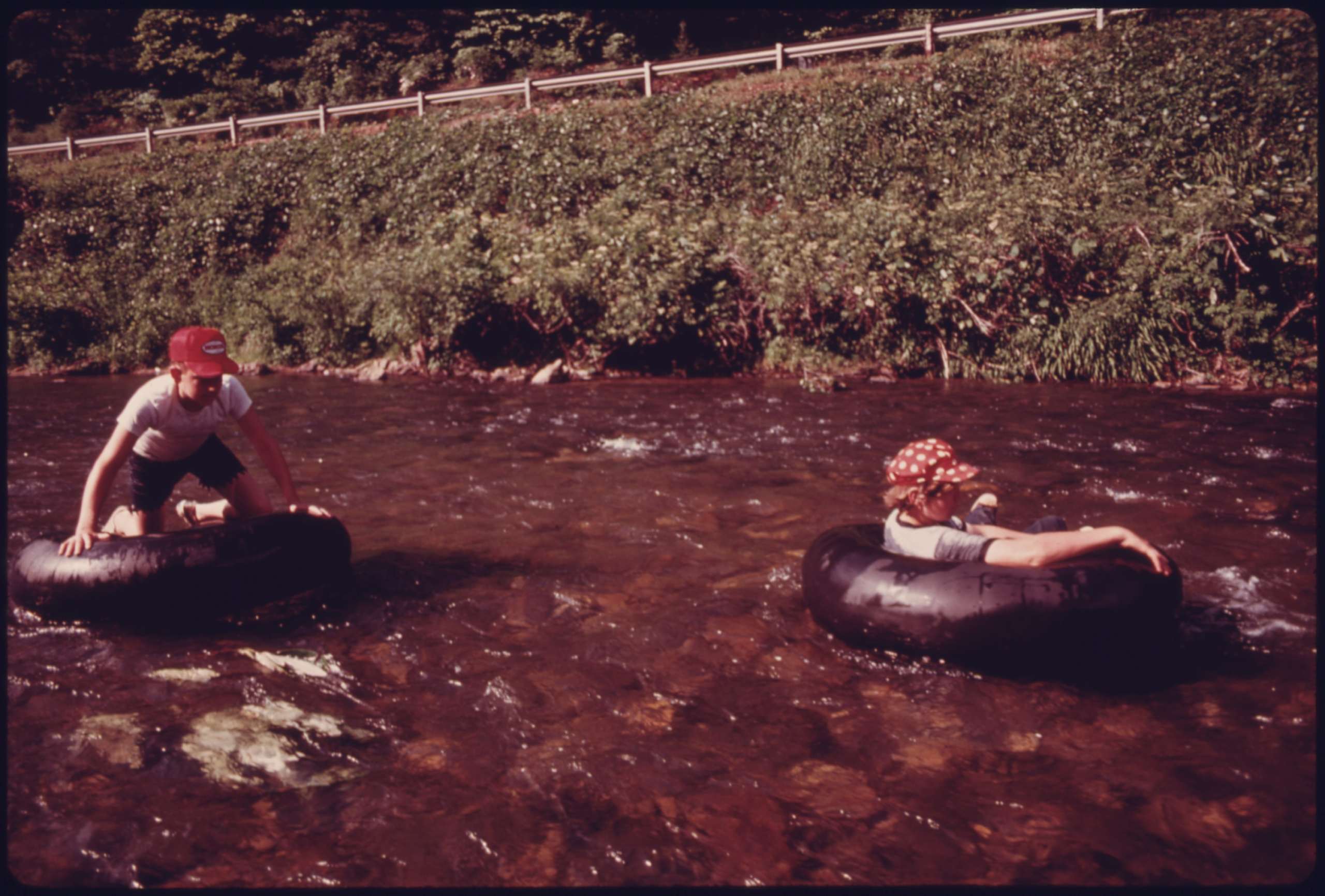
Attendance was not an outing. It was the default activity of a summer afternoon, undertaken daily, without arrangement, by whoever turned up – for the whole season, every season, for the years between learning to swim and getting a job.
Scheduled pool visits, lessons, swim team practice and family outings, arranged in advance and requiring a journey, a fee or both.
The daily repetition is what made it the central fact of a childhood summer rather than a thing that happened sometimes. Three months of going to the same place every afternoon with the same thirty children produces the kind of memory that a dozen supervised visits cannot, and that is why these places are remembered with an intensity out of all proportion to what was actually there.
16. Then Supervision Arrived and It Was Worth It
The swimming hole was unowned, unsupervised, unmarked and unclear, reached on foot, equipped with a rope somebody had hung, used daily all summer by children who had taught each other to swim in water whose bottom nobody could see.
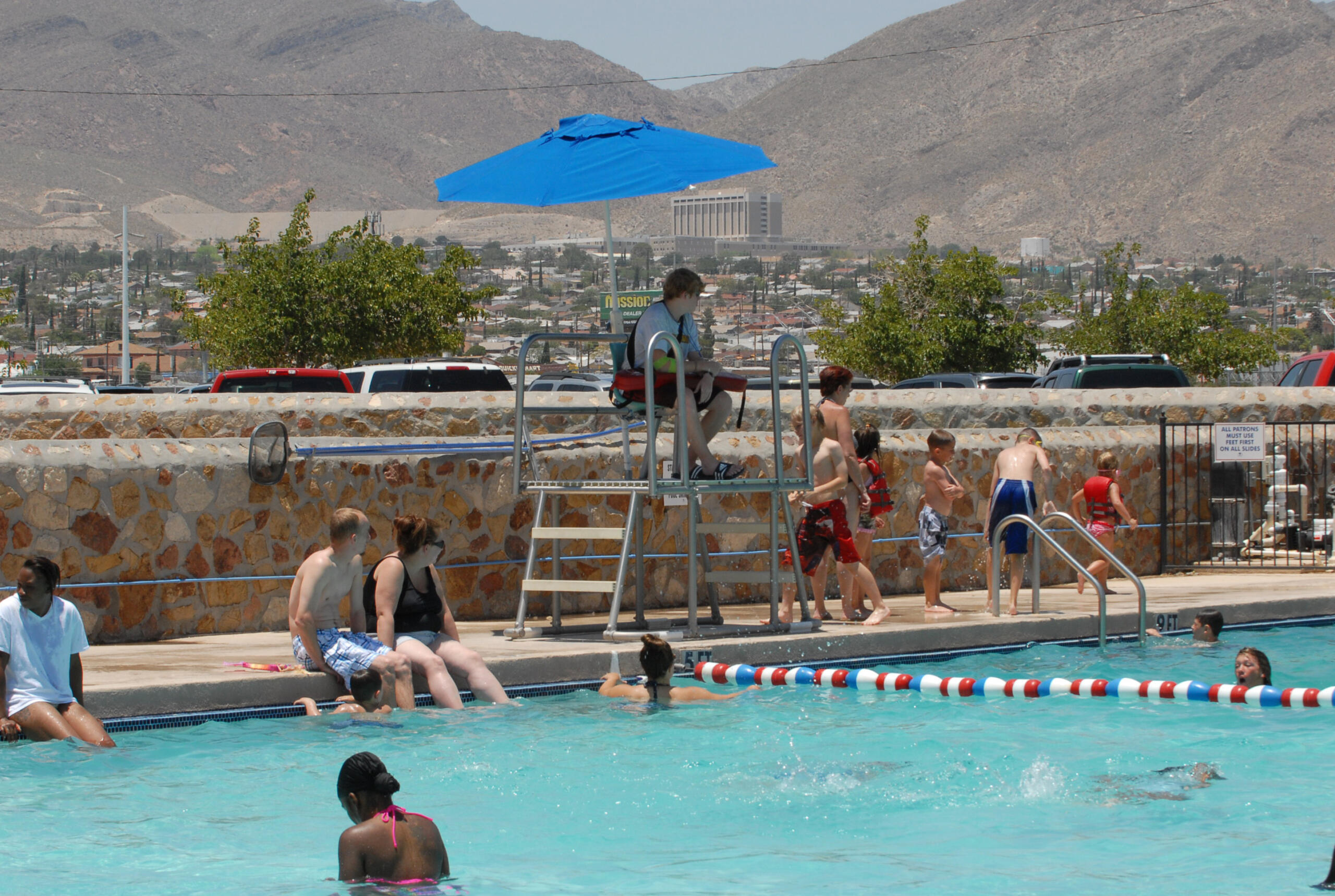
Municipal and school pools with trained lifeguards, posted depths, clear tested water, formal instruction and genuine accountability – and a drowning rate among American children that has fallen very substantially since.
And the honest conclusion is that this one is not a loss to be mourned, which makes it unusual in this series. The two things that ended the swimming hole were water that had become unfit to swim in and a society that decided children should not swim unsupervised – and both of those judgements were correct. The pools are safer, the instruction is better, the water is clean and the deaths have fallen enormously. What is worth recording is only the shape of what the substitute cannot do. A pool is a facility: it has hours, a fee in many cases, a season set by a schedule, a journey that usually needs a vehicle, and an adult in charge. A swimming hole was common property reached on foot, available every day from the moment the water warmed until the moment it cooled, free, unscheduled, and belonging entirely to the children who used it. Nothing has replaced that, and nothing is going to, because the thing that made it theirs was precisely the absence of anybody responsible for it.
This One Is Not a Loss
Almost everything in this series ends with something worth regretting. This one does not, and it is important to say so plainly.
Two things ended the American swimming hole, and both of those judgements were correct.
The first was the water. These were open natural waters sitting downstream of farms, feedlots, septic fields, small-town outfalls and in places industry, and across the middle of the century a great many of them became genuinely unfit for swimming. Communities knew it. A creek that had been acceptable in 1930 was frequently not acceptable by 1965, and the subsequent cleaning up of American rivers and streams is one of the clearer environmental achievements of the century.
The second was supervision. Drowning was a leading cause of death among American children throughout this entire period, and a large share of it happened in exactly these places – unmarked water with an invisible bottom, no lifeguard, no rescue equipment, no telephone, and no way to summon help except sending the fastest child to the nearest house. The move to supervised swimming in treated water with trained lifeguards and formal progressive instruction has saved an enormous number of lives, and the drowning rate among American children has fallen very substantially since.
So the pools are safer, the instruction is better, the water is clean, and far fewer children die. Anybody who weighs that against a rope in a tree and concludes the rope was better is not weighing it seriously.
What is worth recording is only the shape of what the replacement cannot do, and it is not about safety at all.
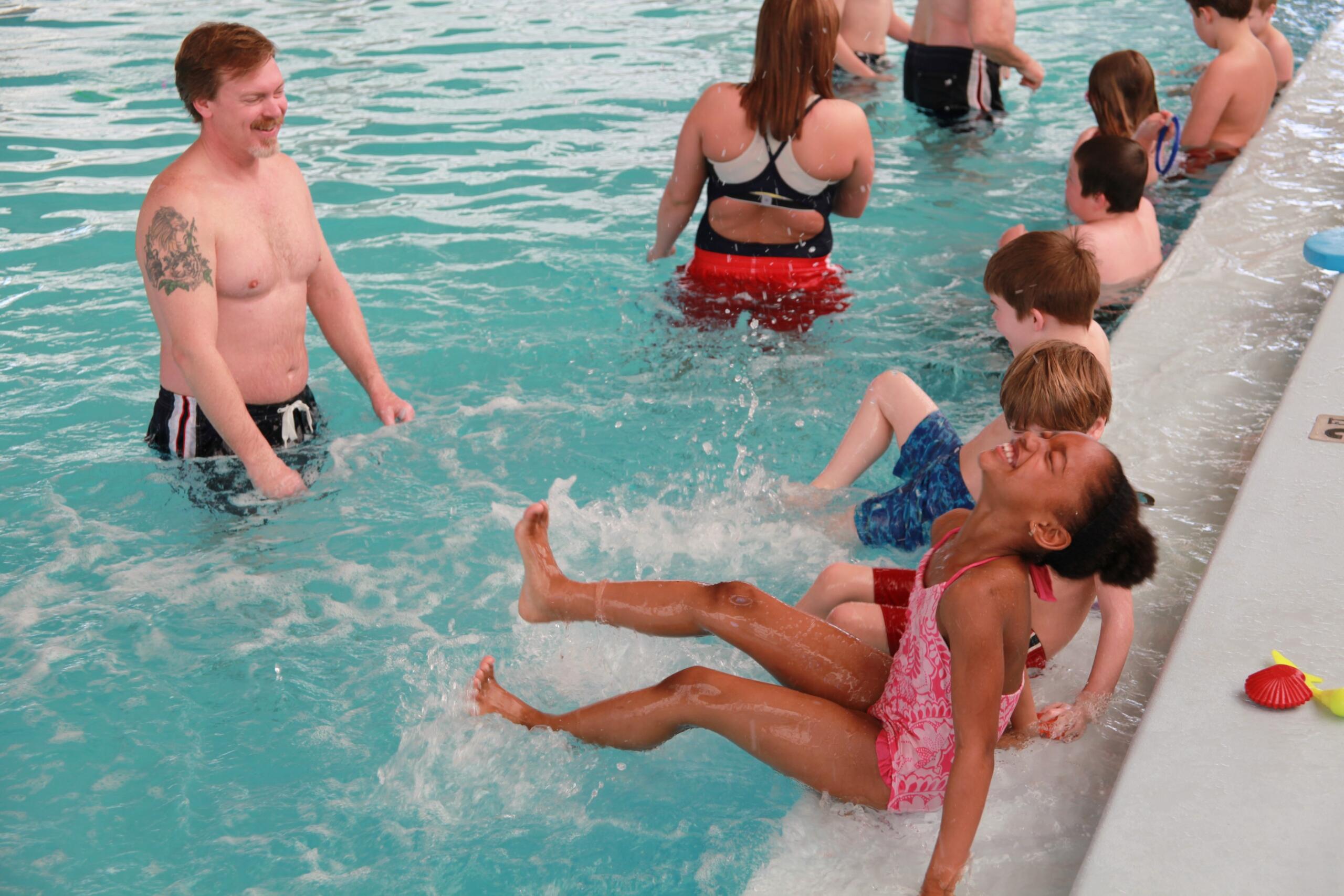
A pool is a facility. It has opening hours, set by staffing. It has a season, set by a schedule rather than by the water. It has a fee in a great many places. It requires a journey that usually needs a vehicle and therefore an adult. And it has somebody in charge, which is precisely the point of it.
The swimming hole had none of those, and the consequence was that it belonged to the children. It was reachable on foot, available from the day somebody declared the water warm enough until the day it went cold, cost nothing, required no arrangement, and was populated by whoever turned up. Which is why it was used every single afternoon for three months rather than visited a dozen times a season – and why three generations of Americans remember one specific bend in a creek with an intensity that is out of all proportion to what was physically there.
That daily unarranged availability is the thing with no modern equivalent, and the reason is structural rather than fixable. What made the place theirs was the absence of anybody responsible for it, and you cannot build a supervised facility that also has nobody in charge.
So the correct summary is that American children traded a piece of common property for a very large reduction in the number of them who died, which is an excellent trade and was not really a choice.
The holes are mostly still there. The ropes are gone, the paths have grown over, and in a fair number of cases the water is cleaner now than it has been in seventy years – with nobody in it.
If you had one, you remember its name, and you remember exactly where you were not allowed to jump.
And somebody older than you taught you to swim there, badly, and it worked.
Like our content? Follow us for more.