In 1964 the music in an ordinary American house was still, to a surprising degree, music that somebody in the house made.
There was a harmonica in a drawer, bought on impulse, learned by ear from somebody who could not read a note. A washboard played with thimbles and a pair of spoons played against a knee, by people who were not joking. A fiddle in a case in the closet, inherited and badly repaired. A cheap guitar that had come by mail order. And a child who got stood up in front of visitors and made to play.
Then recorded music got good, and the whole arrangement collapsed – for a reason that has nothing to do with people becoming lazy. Here are fourteen things every family knew.
1. The Harmonica Cost Almost Nothing and Was in Every House
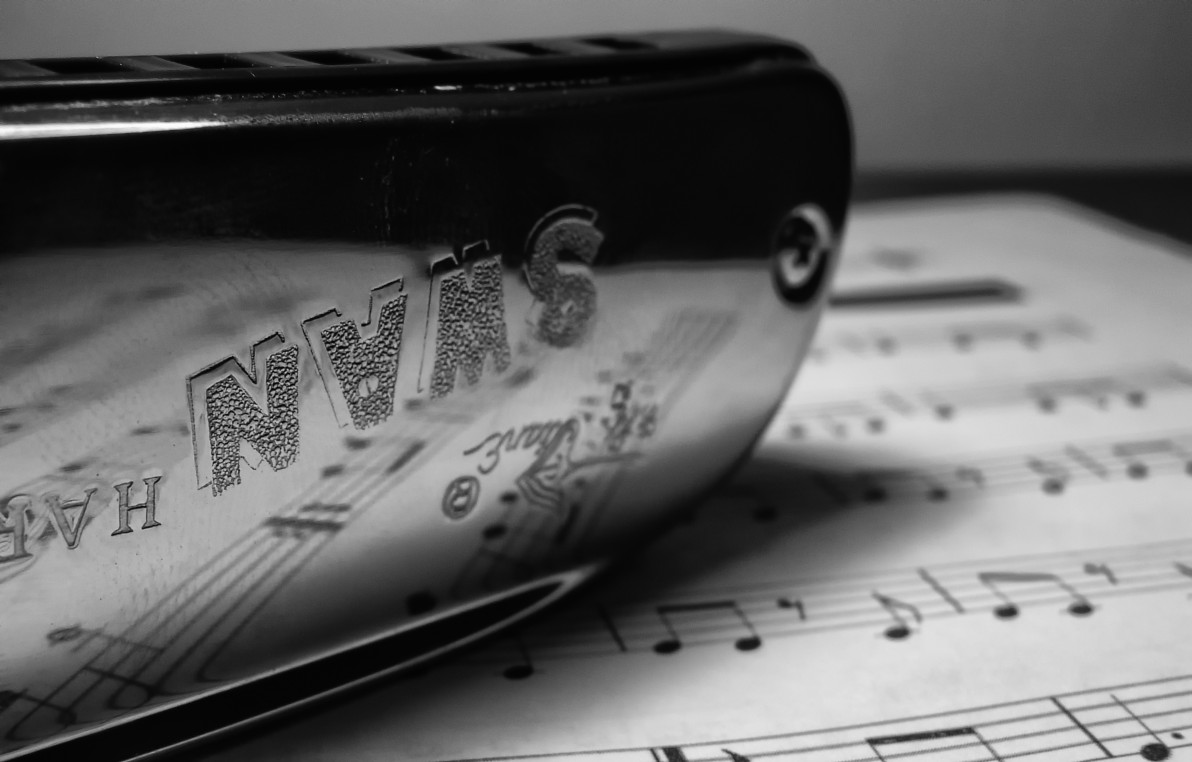
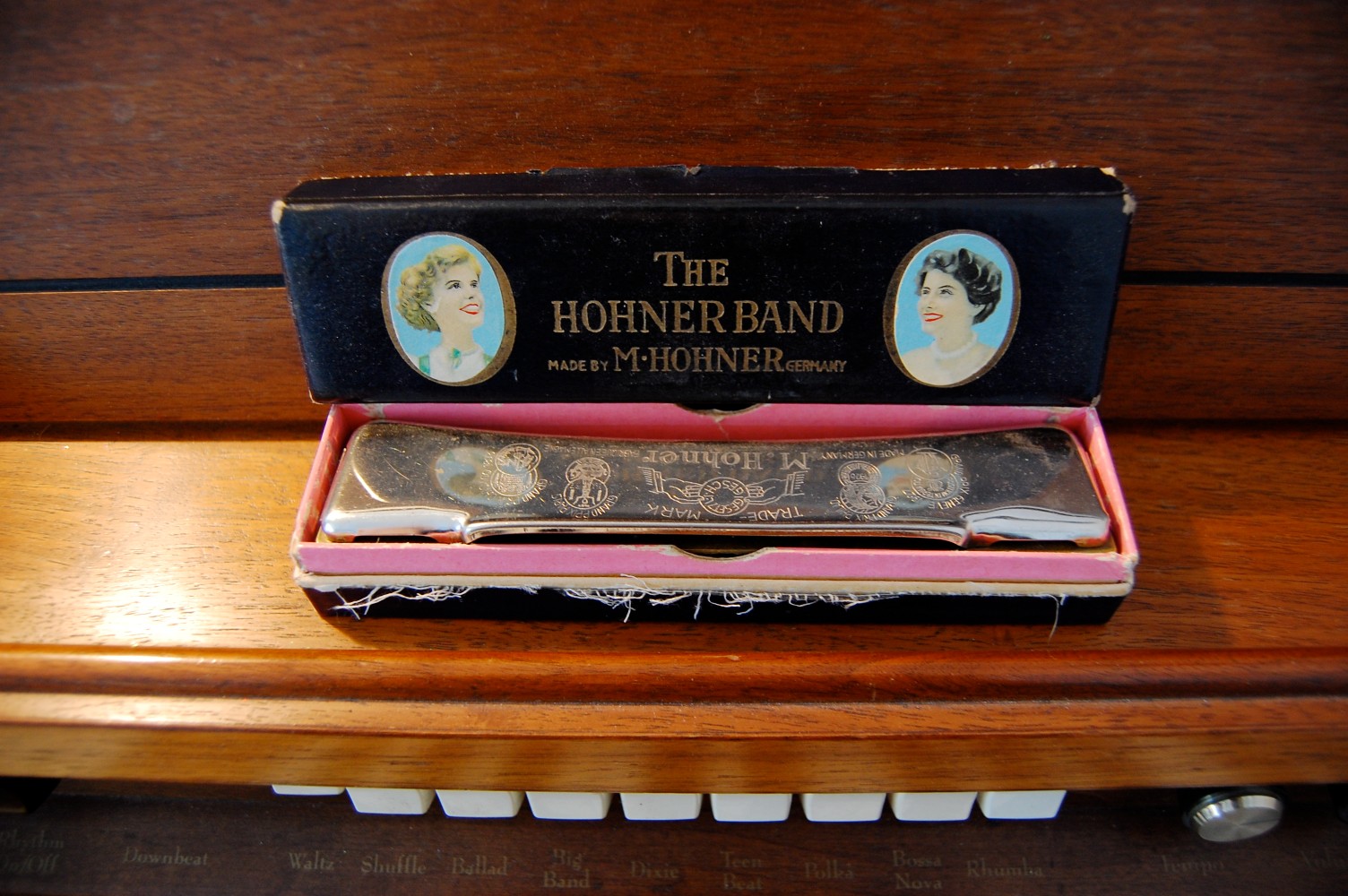
A small metal and wood harmonica was cheap enough to buy on impulse, small enough to carry in a shirt pocket, and present in a huge proportion of American households – in a drawer, on a shelf, or in somebody’s coat.
Still inexpensive and still widely sold, with ownership concentrated among people who have deliberately decided to learn an instrument.
Price is the whole explanation for its spread and it is worth stating plainly. It was the only real instrument an ordinary household could acquire without a decision – no delivery, no lessons, no space, no tuning, nothing to maintain – which is why it ended up in more American houses than any other instrument ever has.
Like our content? Follow us for more.
2. You Owned Several Because Each One Played in One Key
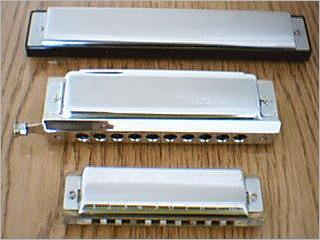
A standard diatonic harmonica plays one key, so anybody who played with other people accumulated a handful of them in different keys and knew which to pull out for which tune.
Exactly the same, and still the first thing that surprises a beginner who assumed one instrument would cover everything.
The one-key limitation shaped how the thing was used. It makes the harmonica excellent for playing along with whatever is happening and awkward for playing anything that changes key – which pushed it toward the tunes and the settings where it worked and kept it out of the rest.
3. Nobody Learned It From Anybody Who Could Read Music
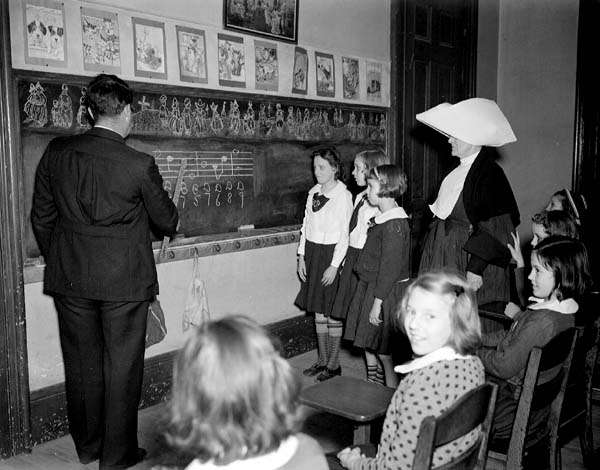
The instrument was learned by ear, from another player, by copying – with no notation, no method book in most cases, and no teacher.
Taught extensively through video, written method and online instruction, which reaches far more people and transmits something different.
Learning entirely by ear produced a specific result: players who could not explain anything they did, could not play from a page, and could play with anybody. The knowledge was in the hands and the ear rather than in any system – which is the oldest way music has ever been transmitted and the way most of the world’s music still moves.
4. The Washboard and the Spoons Were Taken Seriously
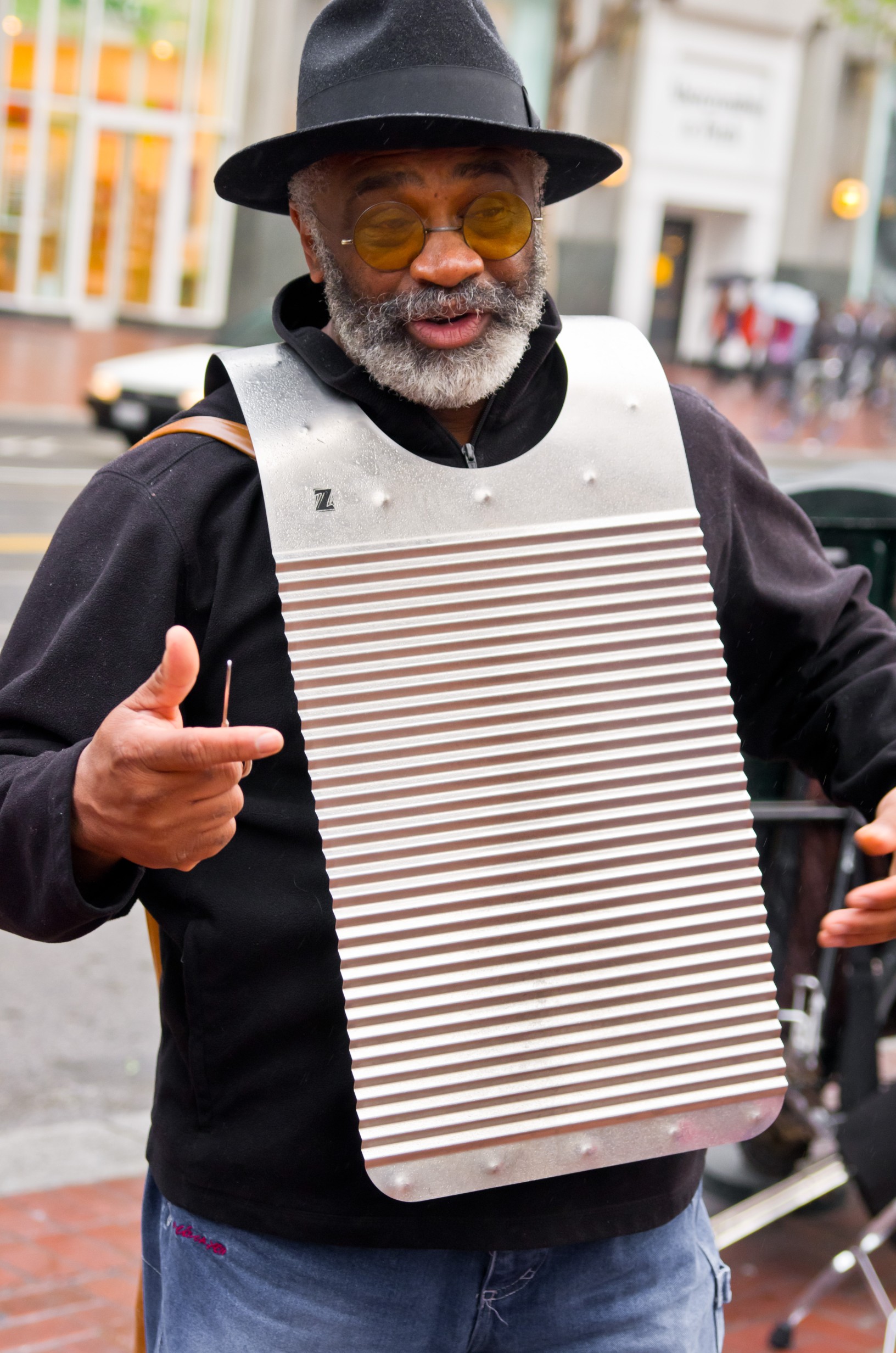
A washboard played with thimbles, a pair of spoons played against a knee, a jug blown across the top – real rhythm instruments, played competently, by people who were not joking.
Preserved deliberately within specific revival traditions, and generally treated elsewhere as a novelty.
The condescension toward these is modern and it is misplaced. A good spoons player is doing something genuinely difficult with precise timing, the washboard supplies a full percussion part, and in a house with no drum kit and no money these were the rhythm section rather than a gag.
5. A Comb and a Piece of Paper Was an Instrument
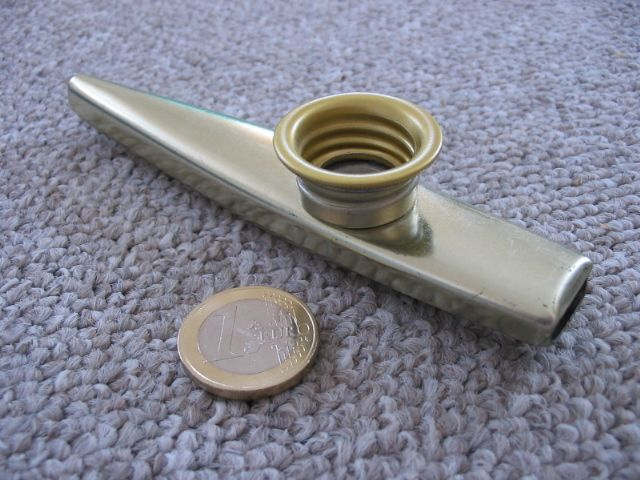
Tissue or waxed paper folded over a comb, hummed through, producing a buzzing reed sound that a child could learn in a minute and that would carry a melody.
Entirely absent, including as a thing children are shown.
The comb matters as evidence rather than as music. It demonstrates that making a sound was understood as something available to anybody at any moment with household objects – an attitude toward music as a thing you do rather than a thing you consume, and that attitude is the actual subject of this list.
6. There Was Usually a Fiddle in the House and Somebody Who Could Play It
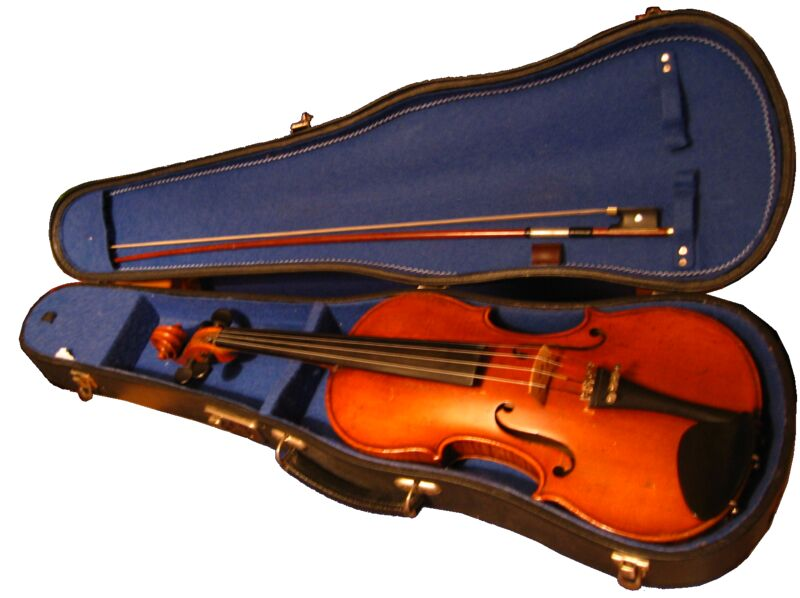
An old violin, frequently inherited and in poor repair, lived in a case in a closet – and in a great many families one person could play it well enough for a room to dance.
Violins played overwhelmingly by trained students within a formal teaching structure, with the untrained family fiddler now rare.
The inherited fiddle is one of the most reliable objects in American family history and most people have one somewhere in their past. It travelled with families, got repaired badly, held a tuning nobody checked against anything, and was played by somebody who had learned by watching an uncle.
7. Cheap Guitars Arrived by Mail and Changed Everything
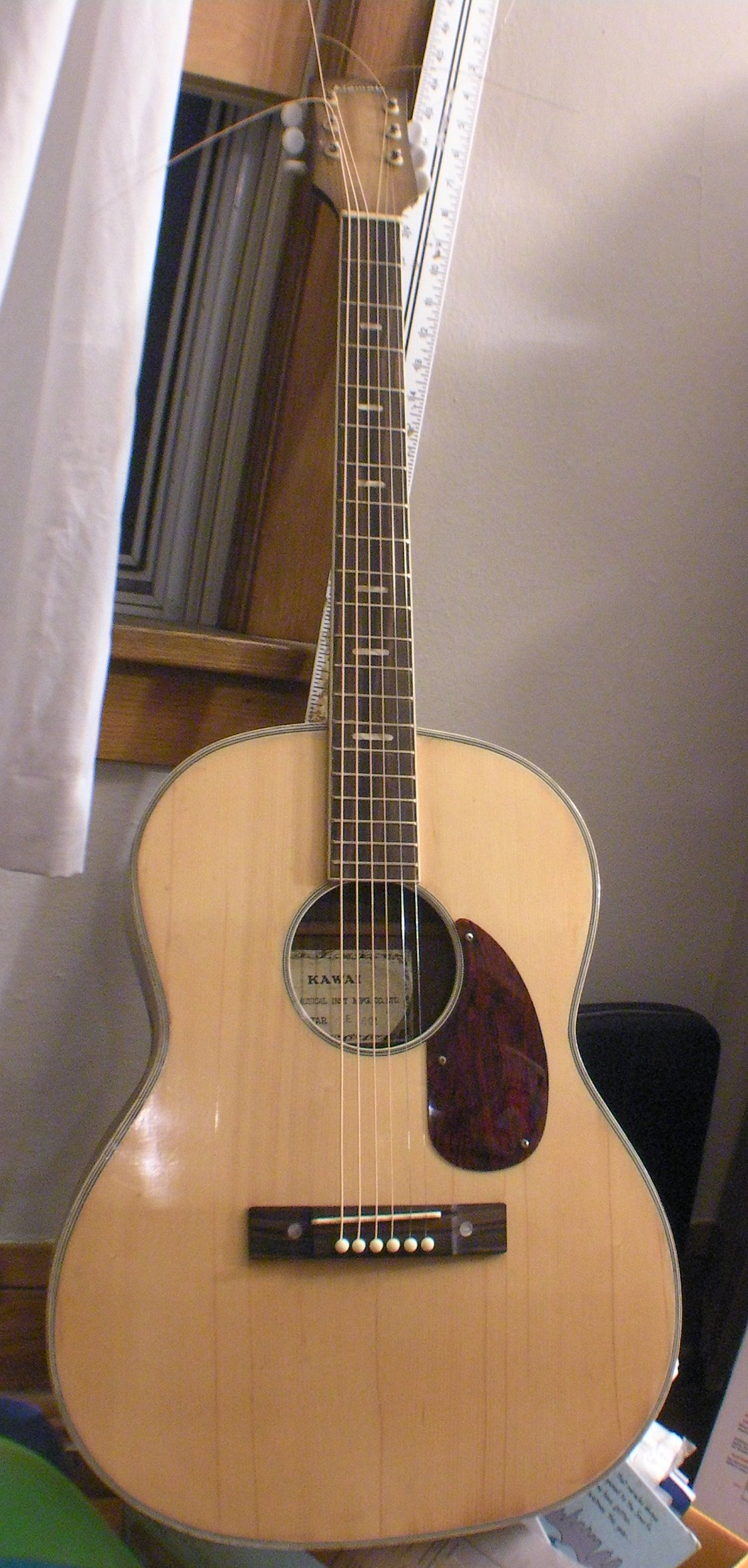
Through the 1950s and 1960s a usable guitar became purchasable by mail order or at a small-town store for a sum an ordinary household could manage, which it had not been before.
Instruments at every price point, of a quality at the low end that would have been unimaginable, available everywhere.
The cheap guitar is the quiet revolution in American domestic music. It is loud enough to accompany singing, portable, needs no tuning knowledge beyond matching itself, and can be played badly to acceptable effect within weeks – which is why it displaced almost everything else in the house.
8. Everybody Knew the Same Songs
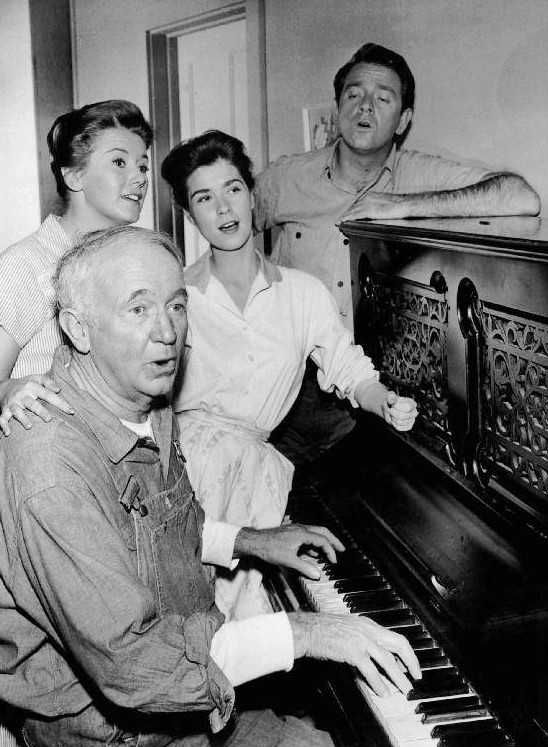
A group of Americans who had never met could sing a substantial list of songs together without anybody fetching anything – hymns, old popular numbers, wartime songs, children’s songs, regional standards – because the repertoire everybody had absorbed was limited and shared.
An effectively infinite catalogue, individually assembled, with almost no overlap between any two people’s listening – and consequently almost no songs a random group can sing together.
This is the change that has the biggest practical consequence and the one people notice without diagnosing. The reason nobody sings together now is not embarrassment; it is that there is no shared repertoire to sing from, because the shared repertoire was a product of scarcity in the supply of music.
9. Children Were Made to Perform for Visitors
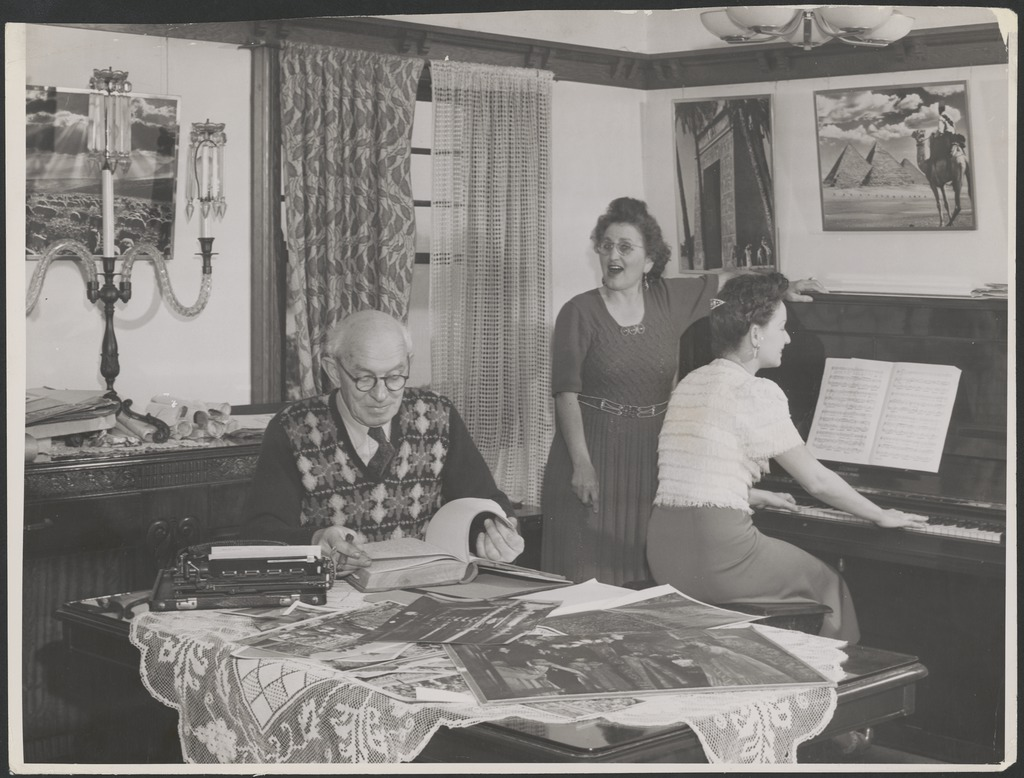
A child who had any musical skill was produced when company came – stood in front of the room, made to play or sing the piece, and applauded whether it deserved it or not.
Essentially gone, with performance confined to recitals, lessons and school events organised for the purpose.
The custom was frequently excruciating for the child and it did something useful anyway. Being required to perform badly in front of adults who were obliged to be kind is a low-stakes introduction to doing a difficult thing in public – and whatever else it was, it was practice.
10. The Radio Supplied Everybody’s Material
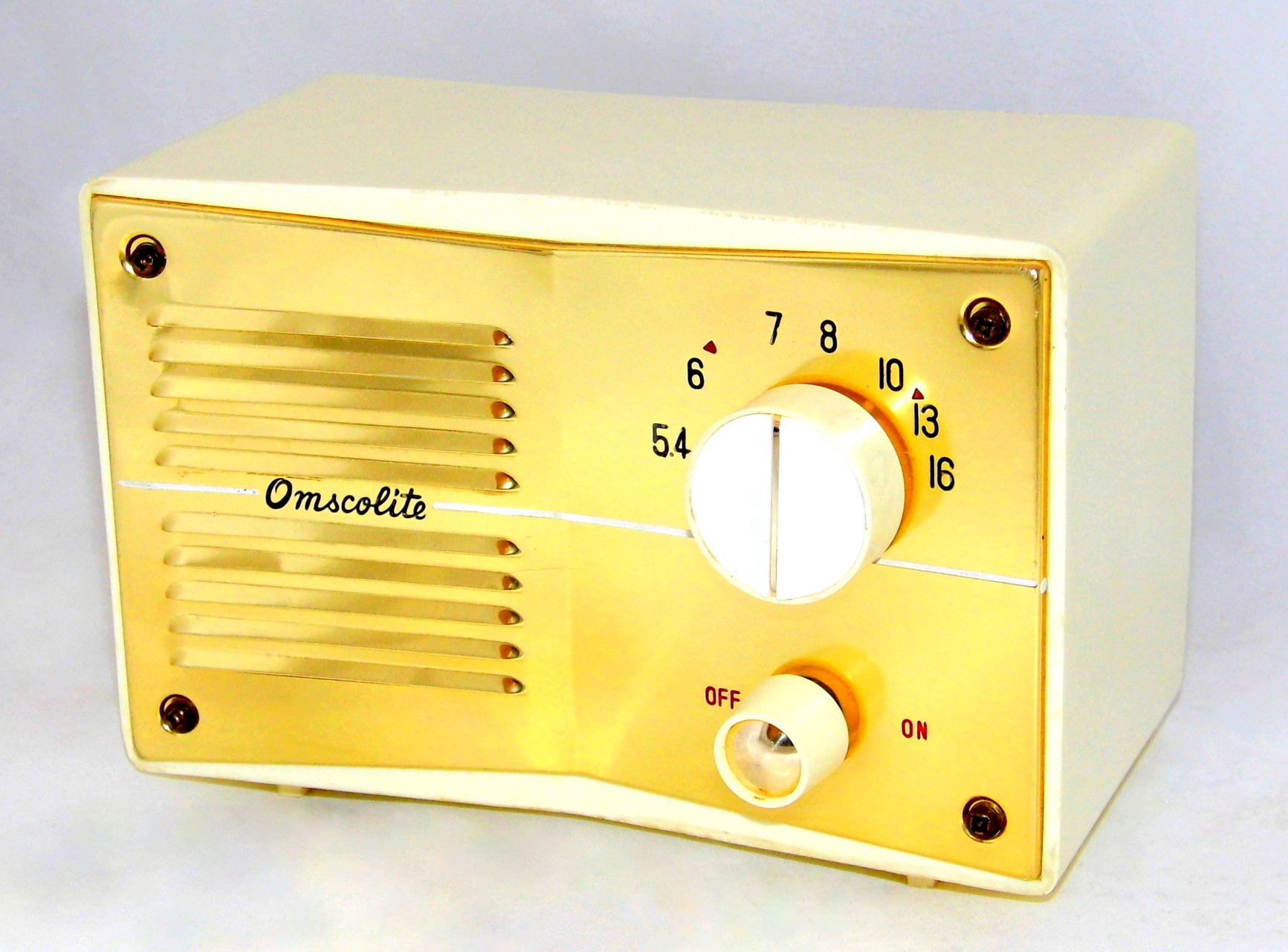
What the household played and sang came overwhelmingly from the radio – a limited number of stations playing a limited number of songs to an entire region at once.
Streaming, with unlimited choice and no shared regional listening of any kind.
The narrowness of the supply was what created the common ground. When a whole county hears the same forty songs in a month, those forty songs become the material everybody can play, sing, request and recognise – so the limitation that looks like deprivation was actually the mechanism that made collective music possible.
11. Records Were Expensive and Therefore Played to Death
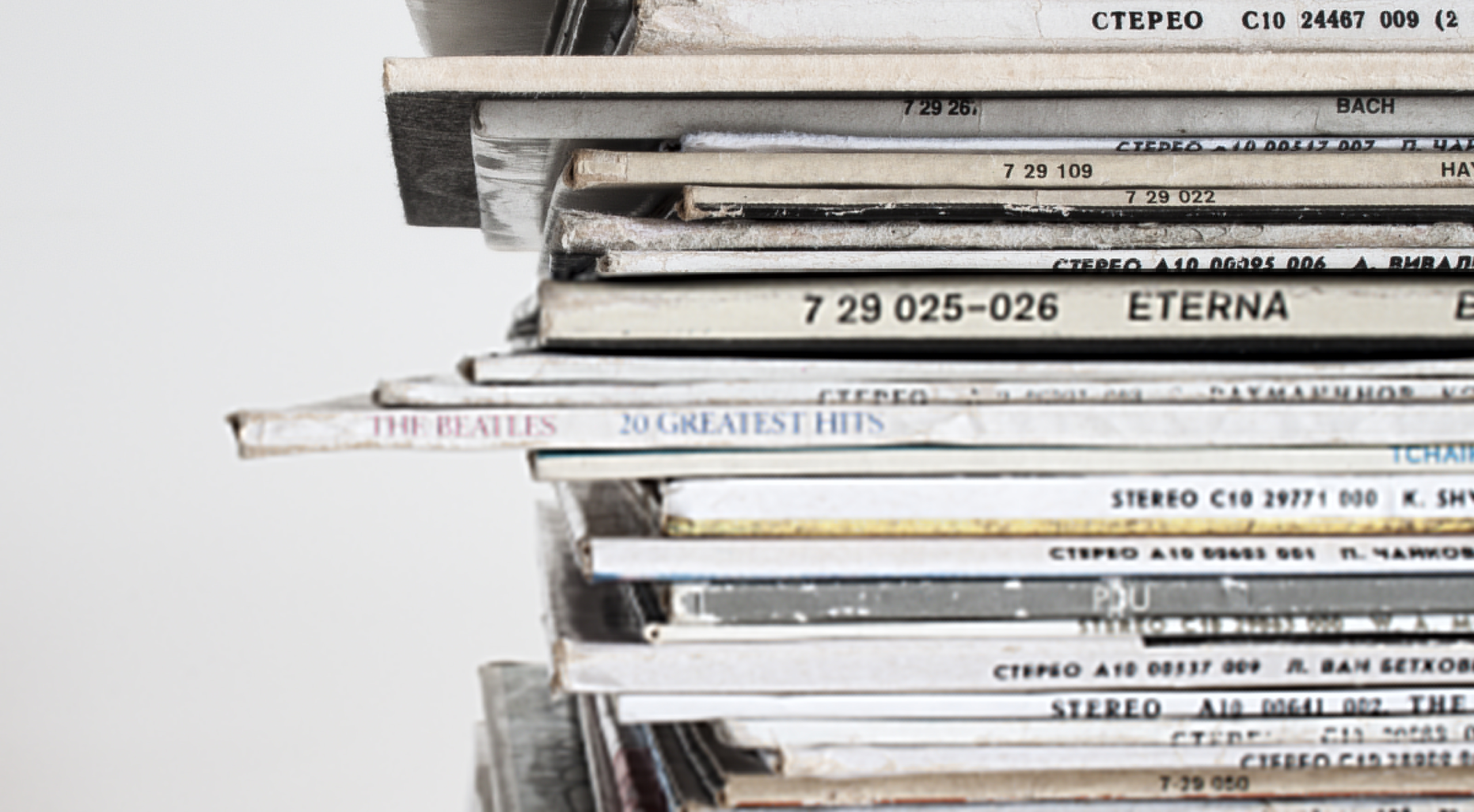
A household might own a few dozen records, played repeatedly over years, learned completely, with every note and every scratch known by everybody in the house.
Unlimited access, with most listening consisting of one or two plays and very little repetition of anything.
Owning little and knowing it thoroughly produces a different relationship with music than owning everything and knowing it slightly. A family who had played one record two hundred times could sing all of it, including the parts nobody sings – which is a form of musical knowledge that abundance makes very unlikely.
12. Playing Was a Social Position Rather Than a Skill
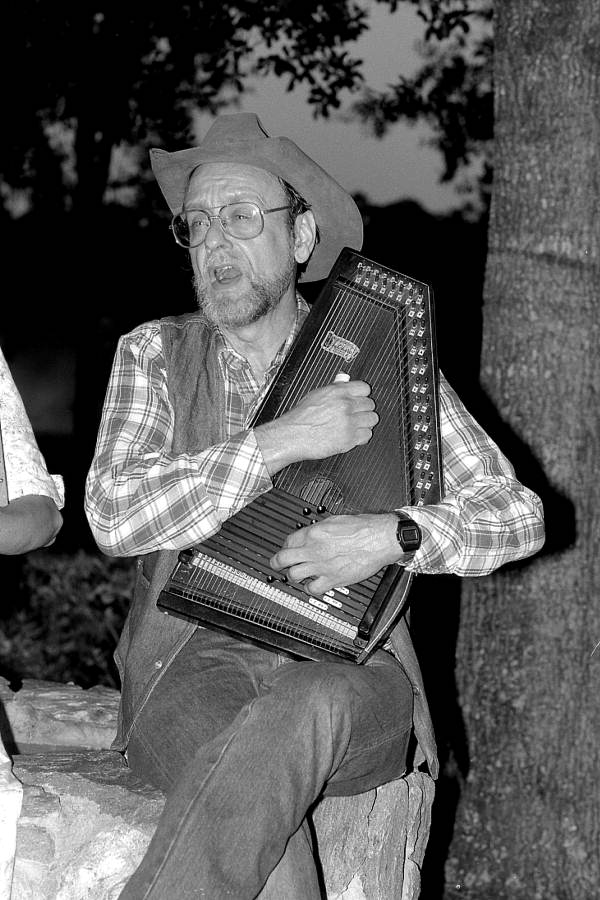
The person in a family or a neighbourhood who could play was identified as such, asked for, relied on at gatherings, and held a definite standing because of it.
Musical skill as a private accomplishment or a profession, with no social role attached to being the person in a group who plays.
That standing is the thing that actually disappeared and it explains the whole collapse. The value of a mediocre harmonica player was never the quality of the playing – it was that without them there was no music at all, and the moment that stopped being true the position stopped existing.
13. The Instruments Went Into Closets Rather Than Being Thrown Out
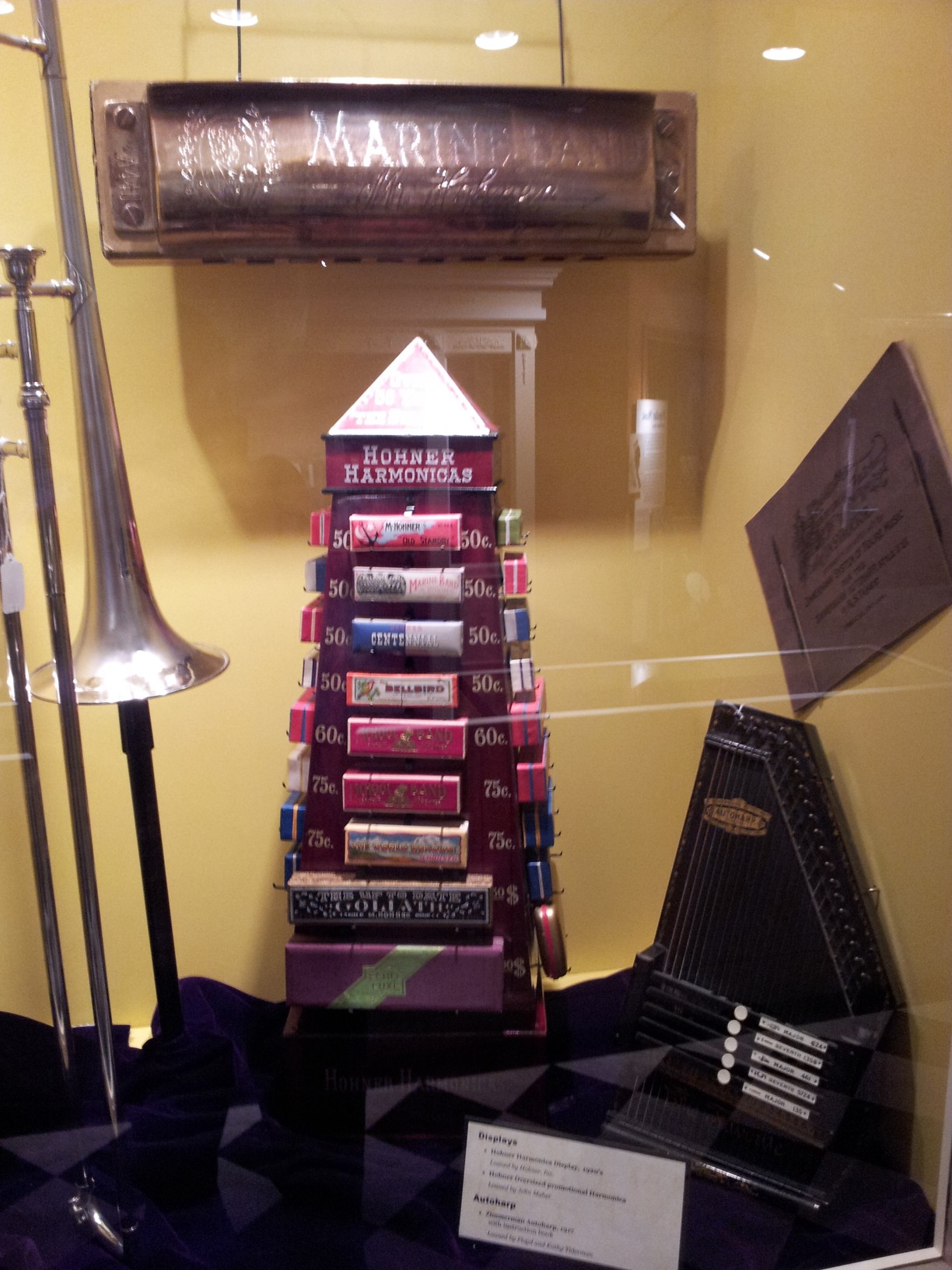
Harmonicas, fiddles, guitars, mandolins, autoharps and accordions were kept long after anybody played them – stored, moved from house to house, inherited, and never disposed of.
The same objects, now in enormous numbers, sitting unplayed in American closets and attics, with a thriving market in old instruments as a direct result.
Nobody throws out an instrument and that fact has preserved the physical evidence of all of this. The houses are full of the equipment of a musical culture that stopped operating – which is why you can still open a case in your parents’ house and find a fiddle nobody has tuned since before you were born.
14. Then Recorded Music Got Good
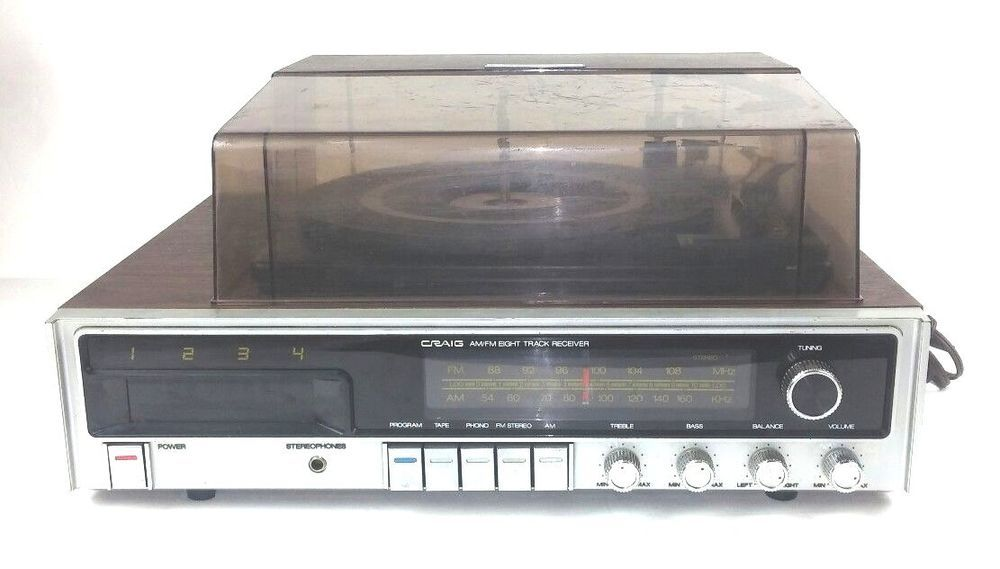
In 1964 the music in an ordinary house was still substantially music somebody in the house made – imperfectly, on cheap instruments, learned by ear, from a shared repertoire, for an audience of relatives.
Domestic music-making as a minority hobby pursued deliberately, against a background of continuously available professional recording of effectively unlimited range and quality.
And the reason for the change is not that people became lazy or lost interest, which is the usual explanation and is wrong. It is that the amateur’s competition changed. When the only music available in your house was the music made in your house, a person who could get through a tune on a harmonica was supplying something genuinely valuable, and their standing reflected that. Once a radio and then a record player and then everything after could produce, instantly and on demand, a performance by the best musicians in the world, the family harmonica player was no longer providing music – they were providing worse music than the alternative sitting on the shelf. That is a brutal comparison and almost nobody survives it. Two things followed. The first is that the social position vanished: there is no role in a modern gathering for the person who plays, because nobody needs them. The second, and the stranger one, is that the shared repertoire went with it. A group of people in 1964 could sing twenty songs together because the supply of music was narrow enough that everybody had absorbed the same ones from the same few sources – and the thing that destroyed that was not a decline in singing but an explosion in choice. With an effectively infinite catalogue, individually selected, the overlap between any two people’s listening approaches zero, and there is simply nothing left for a room to sing. Which is why the instruments are still in the closets. Nobody threw them away, because nobody decided to stop. The ground just moved underneath them.
The Amateur Lost a Competition Nobody Entered
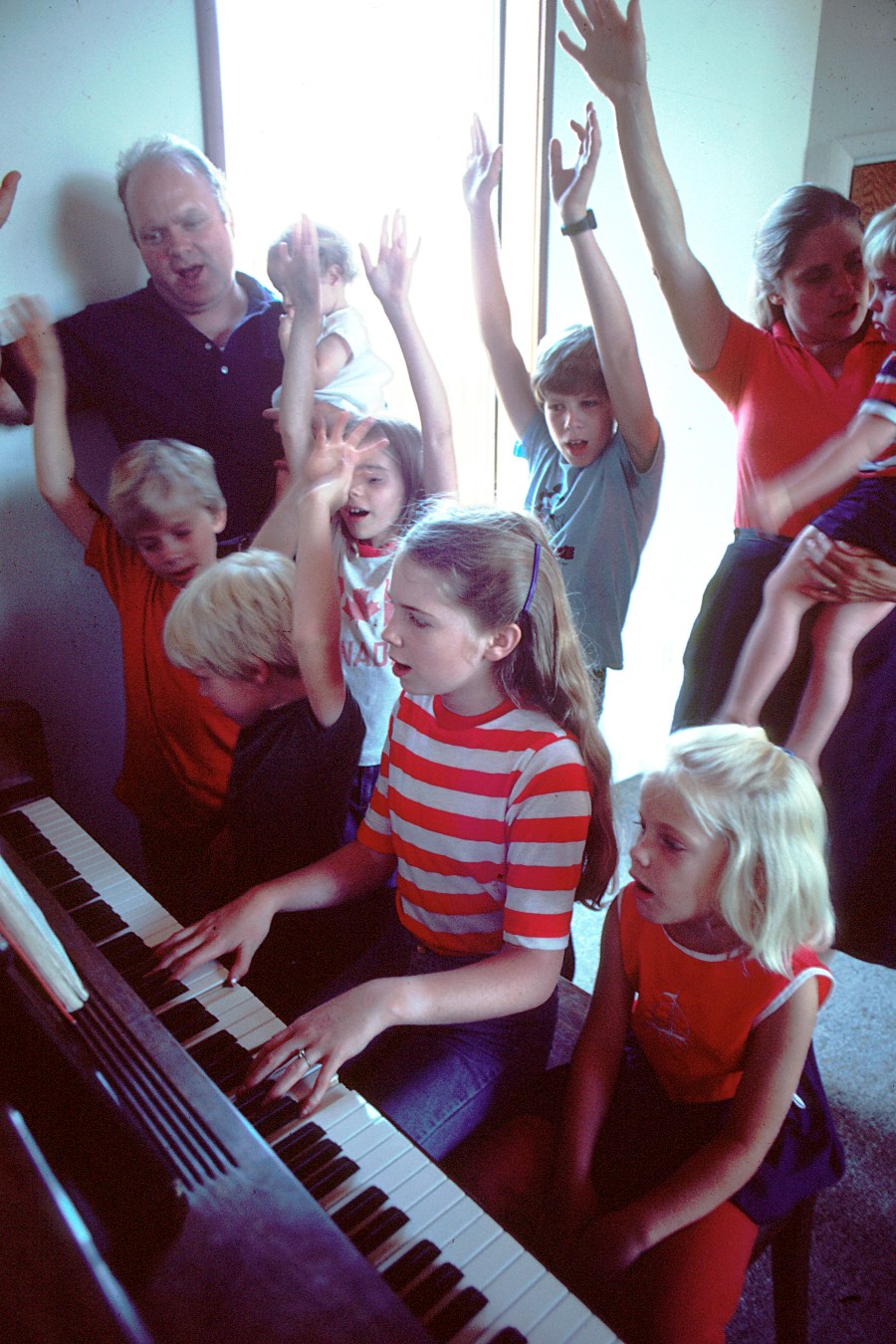
The standard explanation for the end of household music-making is that people got passive – that television and records turned a nation of participants into a nation of consumers.
That is not quite what happened, and the real version is more interesting.
Start with what the family harmonica player was actually providing. In a house in 1930 or 1950 or even 1964, if you wanted to hear music in your front room, somebody had to make it. The radio helped enormously, but it played what it played when it played it. A record player was a real investment and the records cost money. So for a great deal of the time, the music available in a household was the music the household could produce – which meant that a person who could get reliably through a dozen tunes on a cheap instrument was supplying something nobody else in the room could supply.
That is why the position existed. In every extended family and most neighbourhoods there was somebody identified as the one who plays. They got asked. They got relied on at gatherings. They had standing, and the standing had nothing to do with whether they were any good by any external measure – because there was no external measure in the room.
Then an external measure arrived and sat on the shelf.
Once a household could, at any moment, produce a performance by the best musicians in the world, the comparison became unanswerable. The uncle with the harmonica was no longer the source of music; he was a worse option than the thing already in the house. And there is no version of that comparison the amateur wins. A person who plays badly for love will keep playing, but the social role – the being asked, the being relied upon, the standing – evaporates completely, because the group no longer needs them for anything.
Notice that nobody decided this. No one gave up. The ground moved, which is why the instruments are all still in the closets. Harmonicas, fiddles, guitars, mandolins, autoharps, accordions – American houses are absolutely full of them, kept and moved and inherited and never thrown out, because at no point did any family hold a meeting and resolve to stop playing.
The second consequence is stranger and it is the one with the bigger effect on ordinary life.
In 1964 a random group of Americans who had never met could sing a long list of songs together, immediately, with nobody fetching anything. Hymns, old popular numbers, wartime songs, children’s songs, regional standards. This was completely unremarkable and it happened constantly – at gatherings, in cars, at work, around pianos, on buses.
It is now close to impossible, and the reason is not that people have become self-conscious. It is that there is nothing to sing.
The shared repertoire was a product of scarcity. When a whole county hears the same limited rotation of songs from a handful of stations, and when a household owns thirty records and plays them two hundred times each, everybody ends up holding the same material. That common stock is what collective singing runs on. It was never a cultural virtue; it was a side effect of a narrow supply.
The supply then became effectively infinite, and individually selected. Which is an enormous gain by almost every measure – more music, better music, more kinds of music, available to everybody, including all the music that the narrow rotation of 1964 was systematically excluding. Nobody should want the old supply back.
But the overlap between any two people’s listening now approaches zero, and a room full of people with no overlap cannot sing. So the thing that ended communal singing was not a loss of confidence or community. It was abundance, working exactly as abundance does.
If there is a fiddle or a harmonica in your parents’ house, somebody in your family played it and probably nobody alive remembers hearing them.
And if you were ever made to perform for visitors, you remember the exact spot on the carpet where you had to stand.
Like our content? Follow us for more.