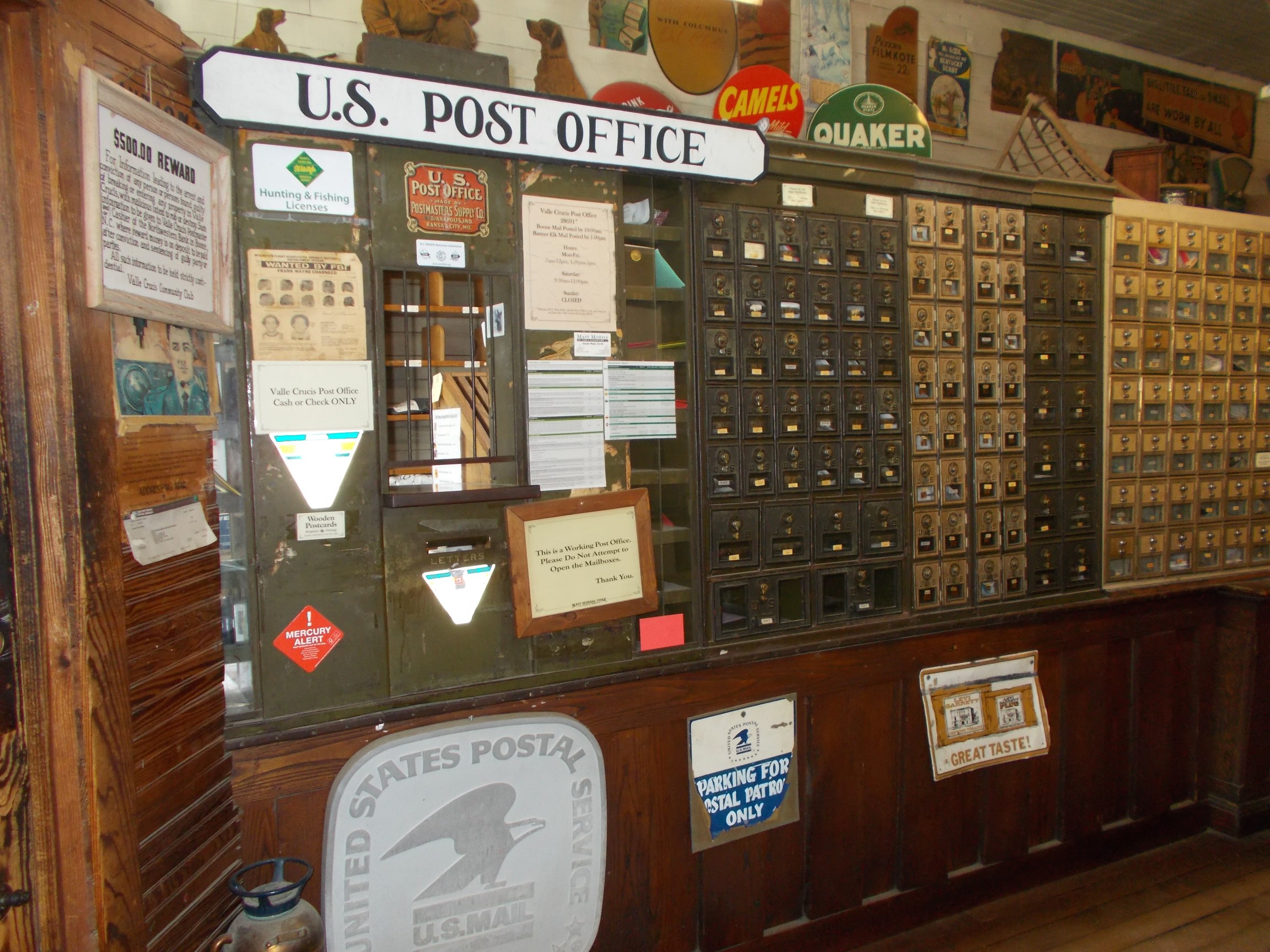
In 1964 the post office in a small American town might be one room inside somebody’s store – a caged window, a wall of brass boxes with glass panes and combination dials, a scale, a wanted poster board and a flag on a pole outside.
The postmaster was a political appointment. The lobby was unlocked all night. You could buy a money order if you had no bank account. You could get mail addressed to general delivery if you had no address at all. And in a county with no other federal building, this was the federal government.
Then in 1970 the whole department was reorganised into a self-supporting business, and everything changed. Here are fifteen things every town knew.
1. It Was Often One Room Inside Somebody Else’s Store
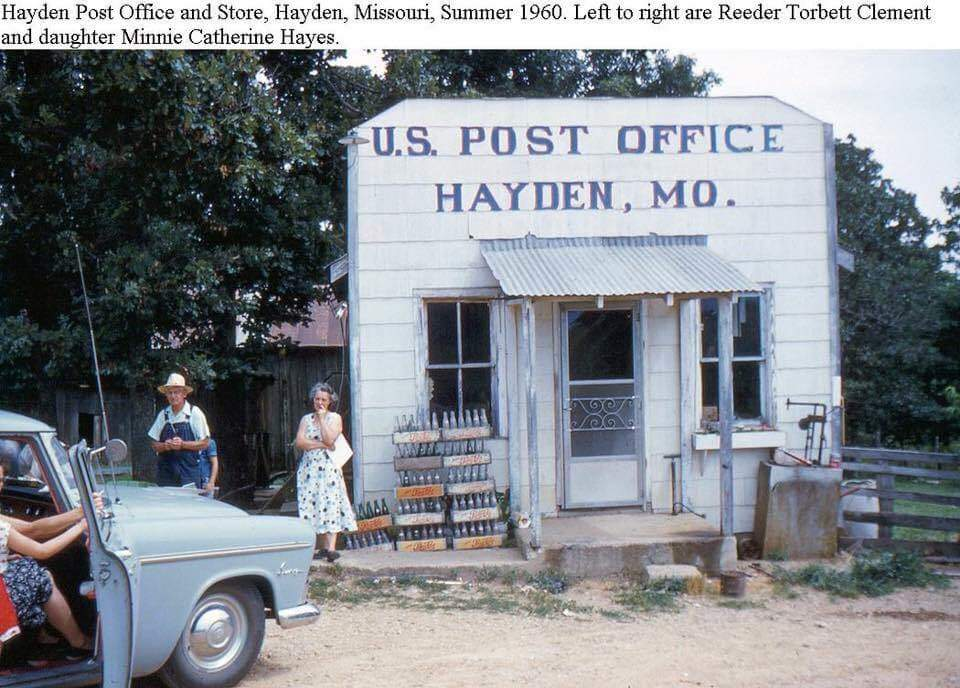
The smallest offices were a caged window, a wall of boxes and a scale occupying a corner of a general store, a feed store or a front room – with the storekeeper serving as postmaster and the two businesses sharing the same door.
Contract postal units inside retail businesses still exist, in far smaller numbers, as a formal arrangement rather than as the ordinary way a small community got an office.
Putting the office inside a store was deliberate and extremely effective. It gave the community federal postal service at almost no capital cost, it guaranteed the storekeeper a stream of customers who had to come in anyway, and it meant the postal counter and the commercial counter were six feet apart – which is why the two institutions are so tangled in everybody’s memory of them.
Like our content? Follow us for more.
2. The Postmastership Was the Most Tangible Piece of Federal Patronage in the Country
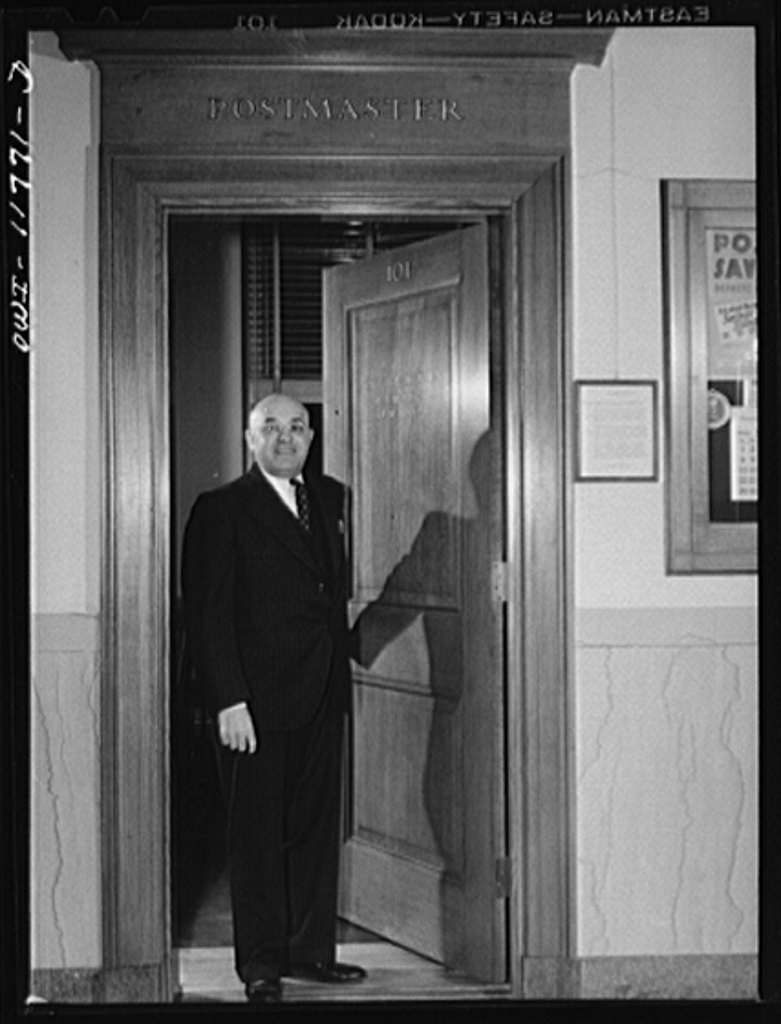
Appointment as postmaster of even the smallest office was a political act, routed through the party in power and the local congressional office, and it mattered enormously to the person who got it.
A competitive civil service position within an independent establishment, entirely removed from party politics.
This is the thing about the old Post Office Department that has been most thoroughly forgotten. There were tens of thousands of these offices, each one an appointment, which made the postal service the single largest body of distributable federal jobs in the United States – and that fact shaped American politics at the county level for well over a century.
3. General Delivery Meant You Could Be Found Without an Address
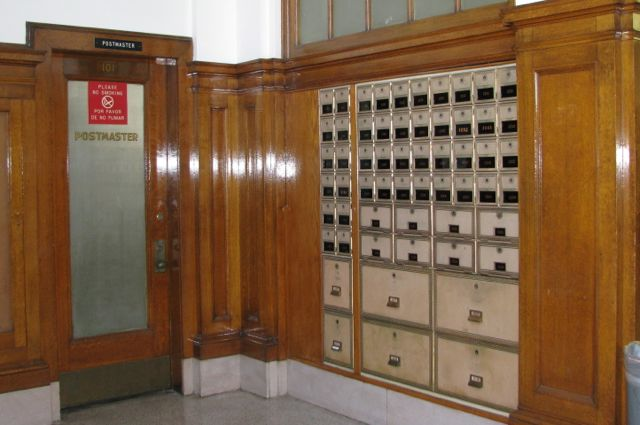
Mail addressed care of general delivery was held at the window for anybody who came and asked for it by name – used by people between houses, people passing through, workers on a season’s job, and anybody with no fixed address at all.
Still formally available at designated offices, with restrictions, time limits and identification requirements, and used by a tiny fraction of the people it once served.
General delivery is the service that reveals what a post office actually was. It meant that a person with no house, no box and no settled situation could still be reached by name through a public institution – which is a remarkable thing for a government to offer and almost nobody now knows it exists.
4. The Lobby Was Open When the Window Was Not
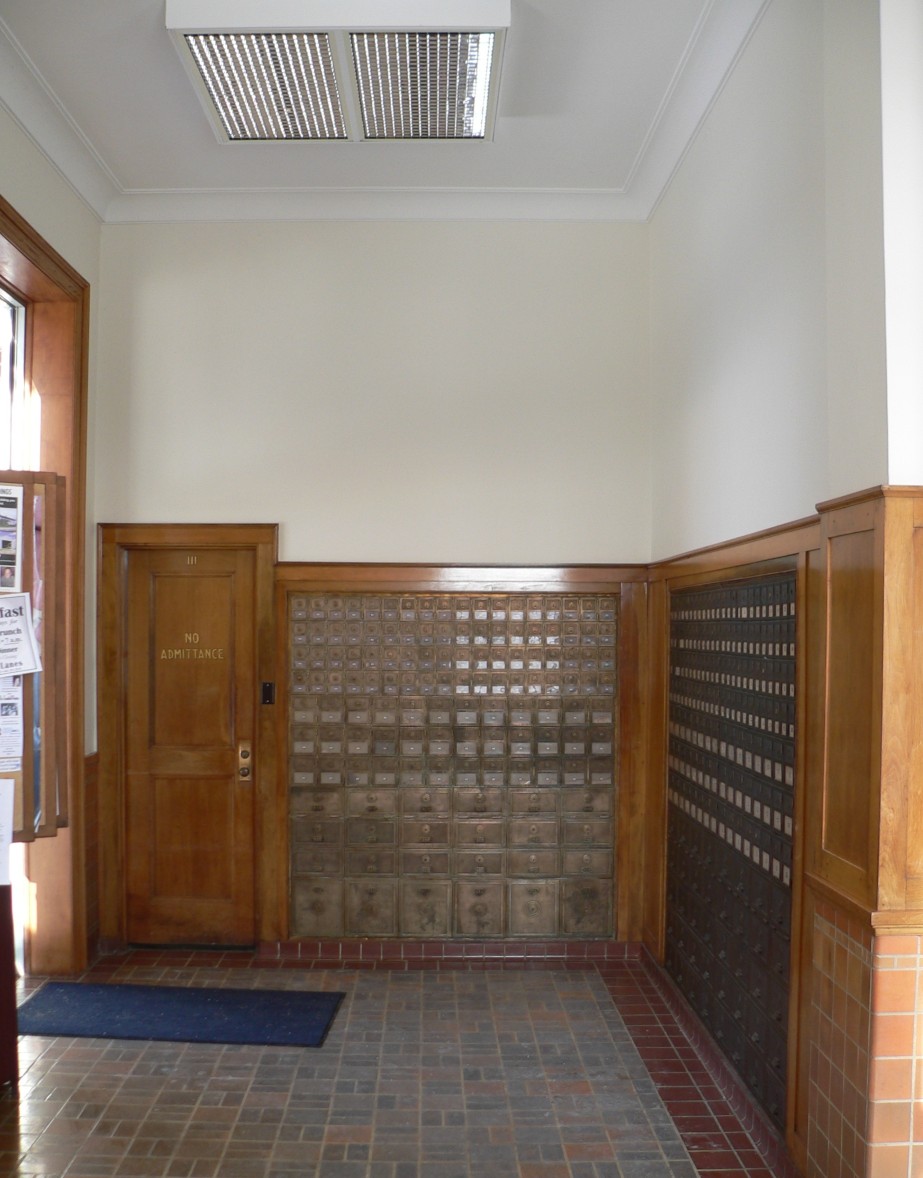
The box lobby stayed unlocked around the clock in a great many offices, so boxholders could collect mail at any hour – which made it, in a lot of small towns, the only heated public indoor space available at night.
Lobby hours restricted or eliminated in most places, for security and cost reasons.
The all-night lobby had consequences nobody planned. It was where you waited for a ride, where you read your mail standing up, where a notice got pinned because everybody would see it, and in cold country it was where somebody with nowhere else to be could stand inside for a while – and closing it removed a genuinely useful piece of public space.
5. The Boxes Had Combination Dials and Brass Doors
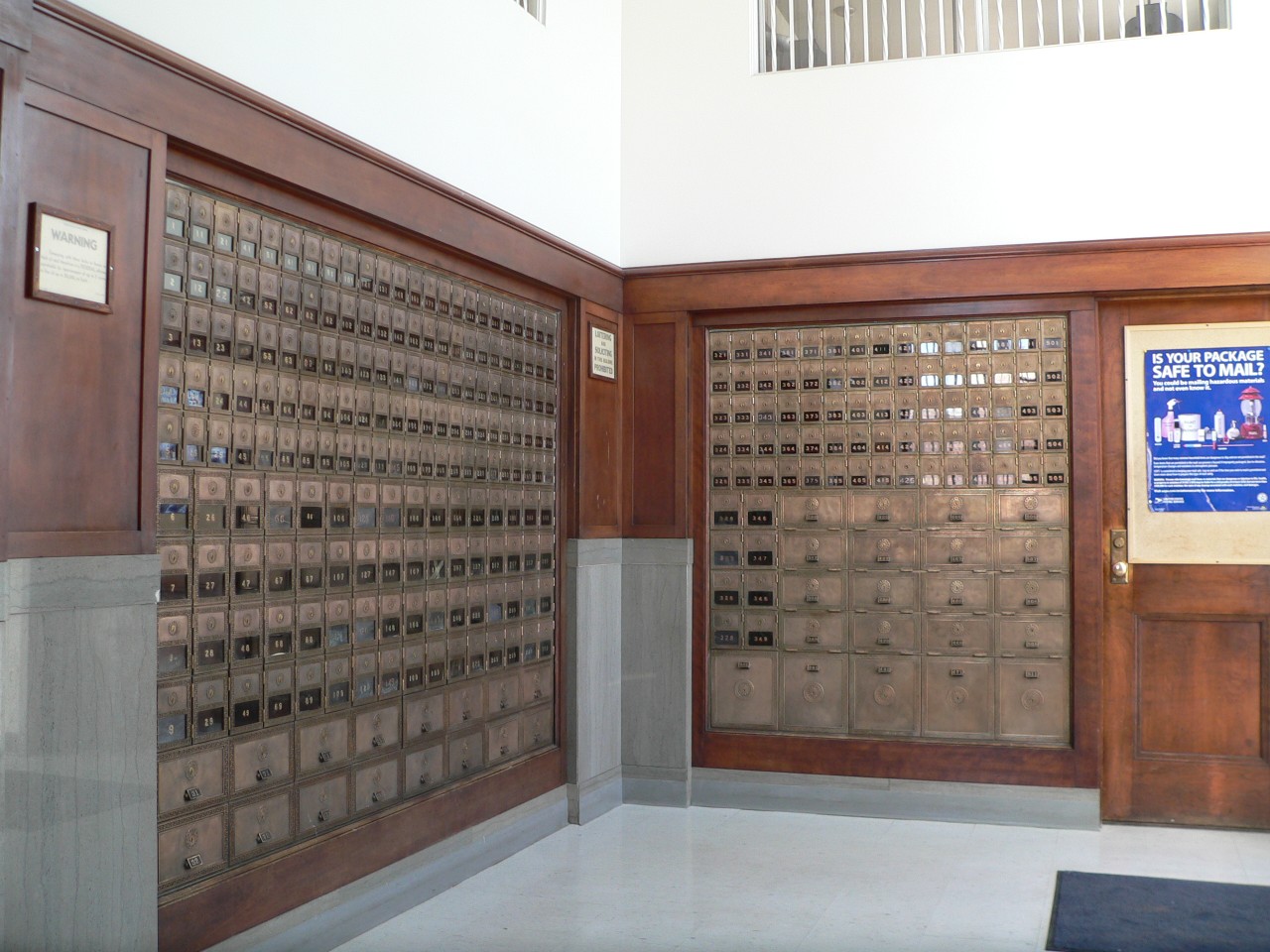
A wall of small brass-fronted boxes with glass panes and combination dials, rented annually, with the number functioning as a permanent address that people memorised about each other.
The same equipment, still in use, still rented, with antique box fronts now a collectible item in their own right.
The glass pane is the detail worth noticing. You could see whether you had mail before you worked the dial, which meant the lobby filled after the mail was put up with people checking rather than collecting – and that converted mail distribution into a daily social event at a fixed hour.
6. The Wanted Posters Were Real and Everybody Read Them
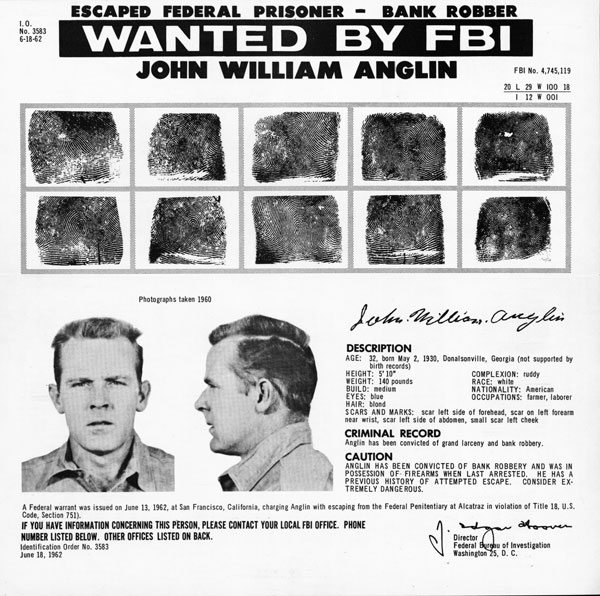
A board or frame held federal wanted notices, postal inspection bulletins and official circulars, posted for public view, refreshed by mail from Washington.
Largely digital, with physical posting much reduced and almost never examined by the public.
The wanted board was free entertainment in a town with little of it and that is mostly how it functioned. It was also, incidentally, a functioning distributed law enforcement system – a photograph on a wall in thirty thousand communities, read by people who had nothing else to look at while they waited.
7. Parcel Post Was Weighed, Rated and Argued About at the Window
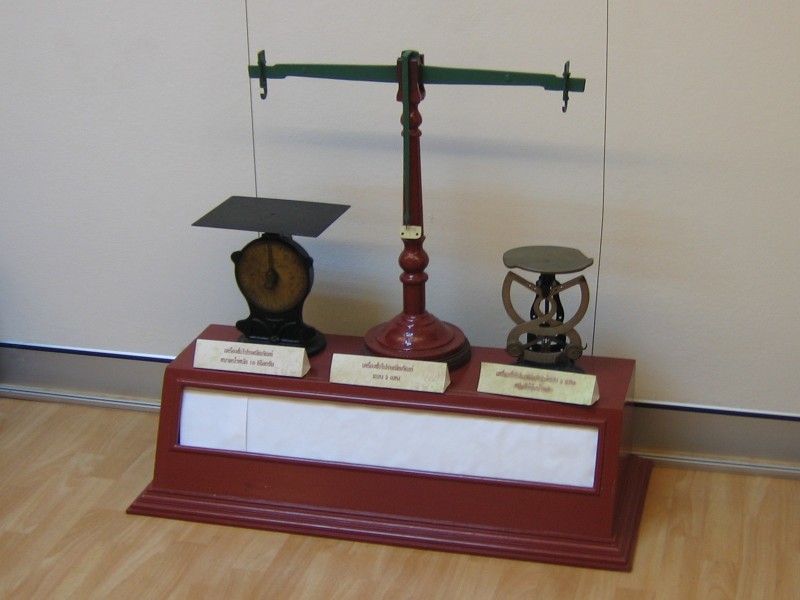
Packages were put on a scale, measured, rated by weight and zone from a printed table, and the charge worked out at the counter – with the clerk advising on how to get it cheaper.
Automated rating at a terminal or online, with the zone system still underneath and the arithmetic invisible.
Working out the rate in front of the customer was a service and it was taken seriously. A clerk who knew the tables could tell you to repack a parcel, split it, send it a different class or wait a day – advice that saved real money, delivered by somebody who had no commercial interest in the answer.
8. Money Orders Were the Window’s Most Serious Transaction
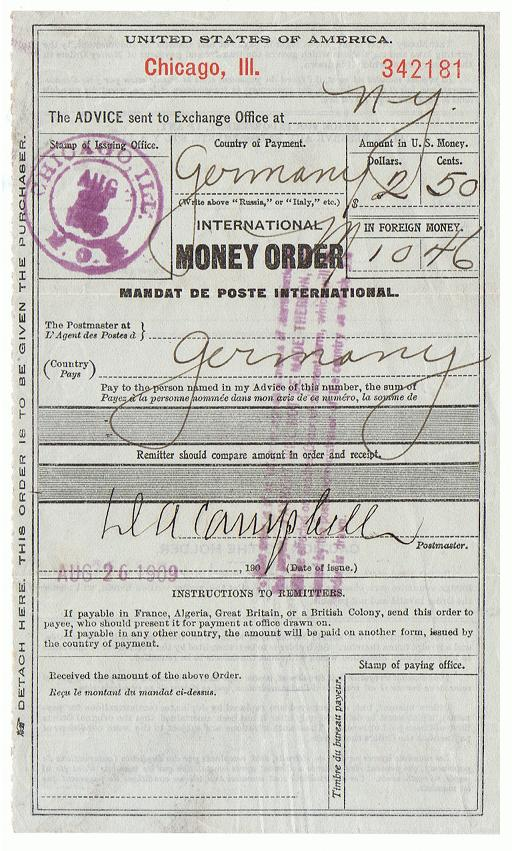
A postal money order bought at the window sent money safely to anywhere the mail reached, used by people without bank accounts, for mail-order purchases and for sending money home.
Still sold, still used, now one option among many electronic transfers, with the customer base much reduced and much more specific.
The postal money order was financial infrastructure for people the banks did not serve, and it was enormous. A government instrument, available at every office in the country, that converted cash into something mailable and traceable – which for a great many households was the only reliable way to move money at a distance.
9. The Postmark Was a Hand-Struck Record of Where and When
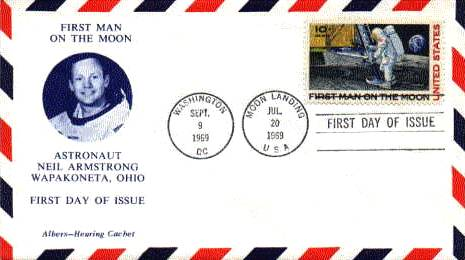
A hand stamp with the office name and the date, struck on every outgoing piece, which made the envelope itself a dated document and the town’s name a thing that travelled.
Mostly machine-applied at regional processing facilities, so a letter mailed in a small town is postmarked somewhere else entirely.
Losing the local postmark is a small change with a real effect. The office name on the cancellation was a community’s name going out on every piece of paper it mailed, and processing consolidation means that name now appears nowhere – which is why collectors chase hand cancellations and why towns ask for them.
10. The Window Hours Were Short and Absolutely Fixed
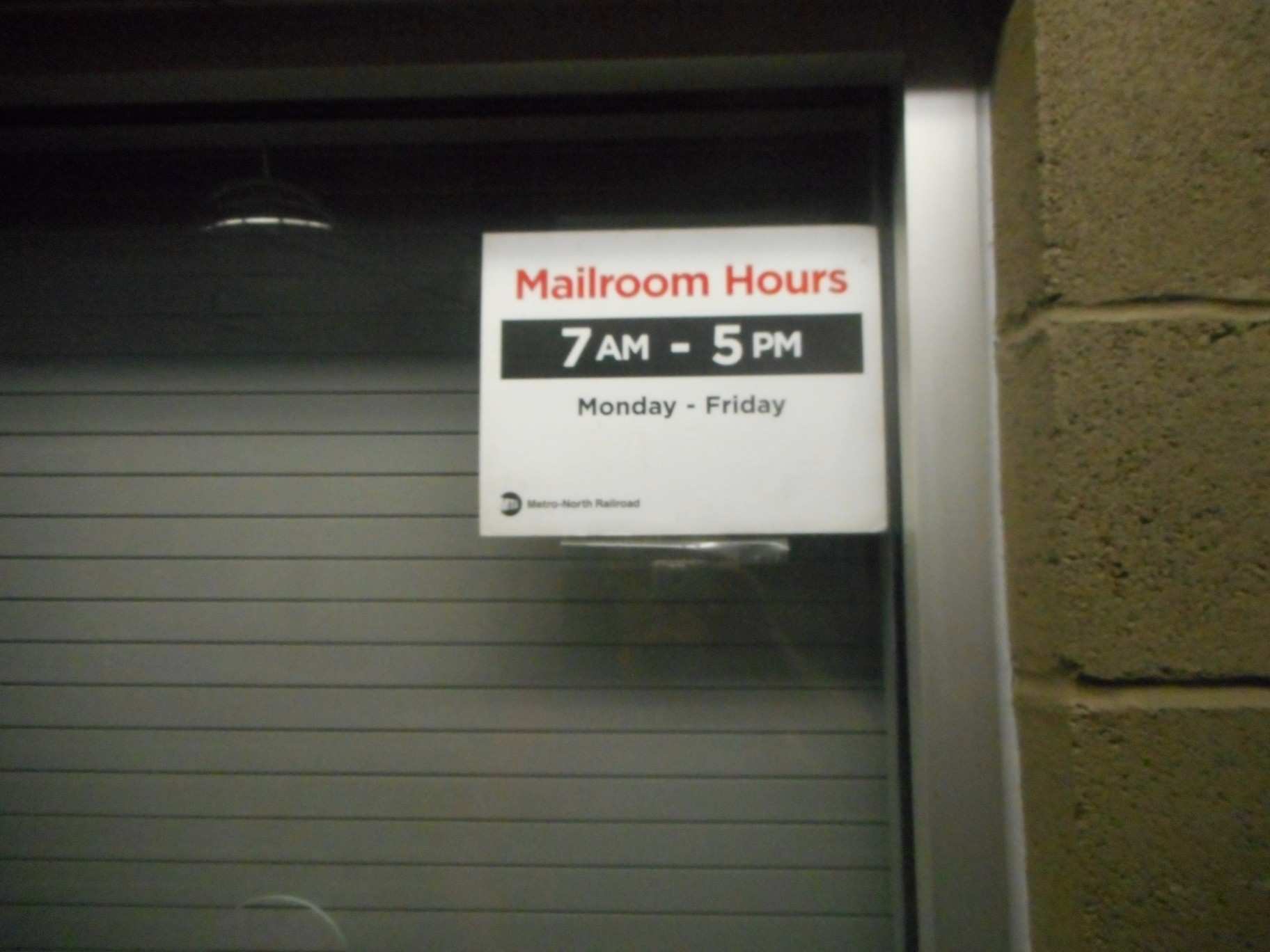
A small office might be open a few hours in the morning and a couple in the afternoon, closed over the middle of the day, with the schedule painted on the glass and known by everybody.
Reduced hours at small offices as a formal cost measure, with the schedule set administratively and subject to review.
Short hours worked because the hours were known. Everybody in the community arranged around them, the office was busy for its whole open period, and the fact that it closed at eleven-thirty was simply a fact about the day rather than an inconvenience anybody complained about.
11. The Flag Went Up and Came Down by Hand
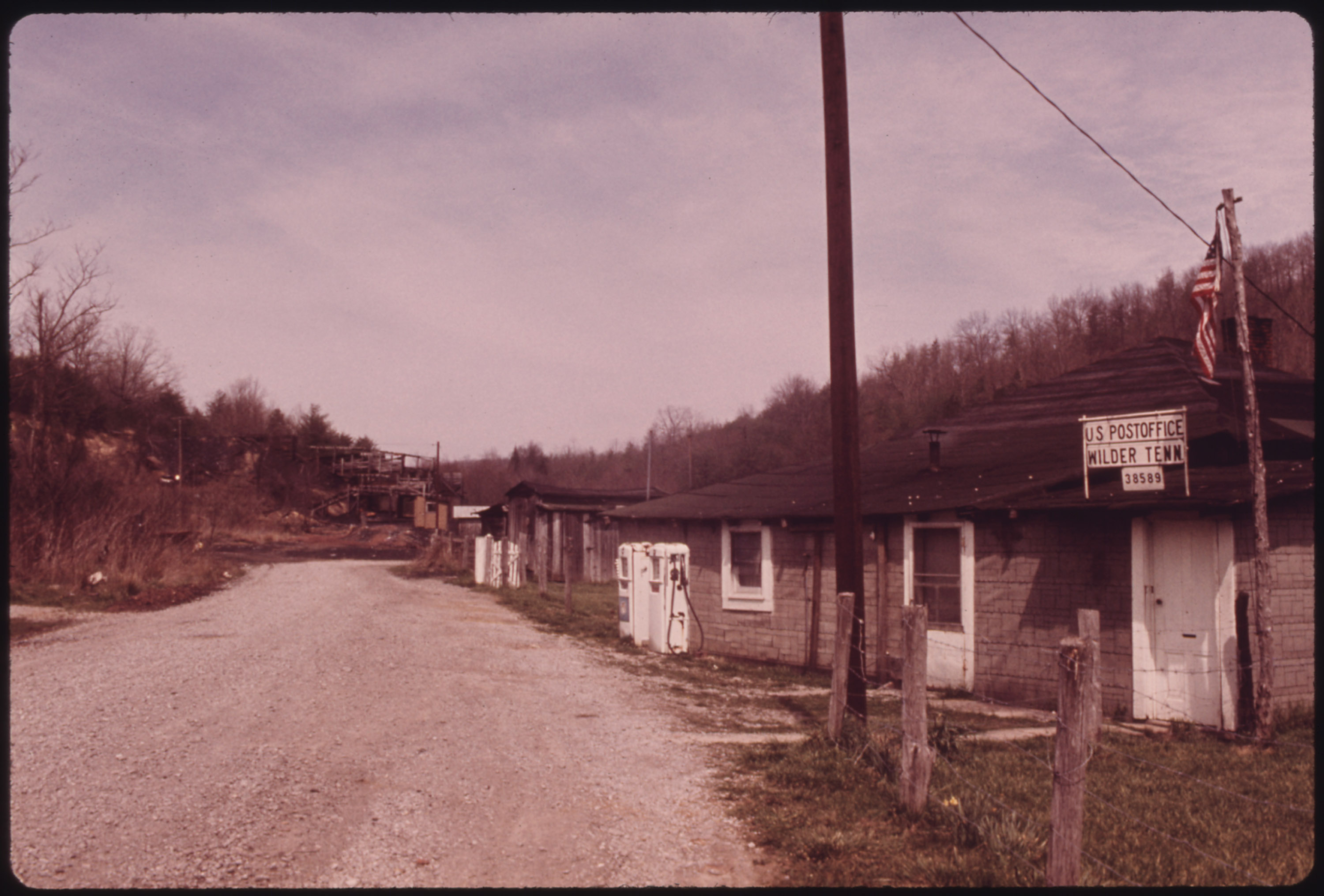
A pole outside, with the flag raised when the office opened and lowered when it closed, done by the postmaster as part of the daily routine.
Still done at staffed facilities, with the ritual far less visible because the buildings are fewer and less central.
The flag is how a town knew the office was open from the other end of the street, and it was also the clearest signal of what the building was. In a community with no other federal building, no federal employee and no federal presence of any kind, the post office flag was the federal government, standing on the main street.
12. ZIP Codes Arrived and Nobody Could See the Point
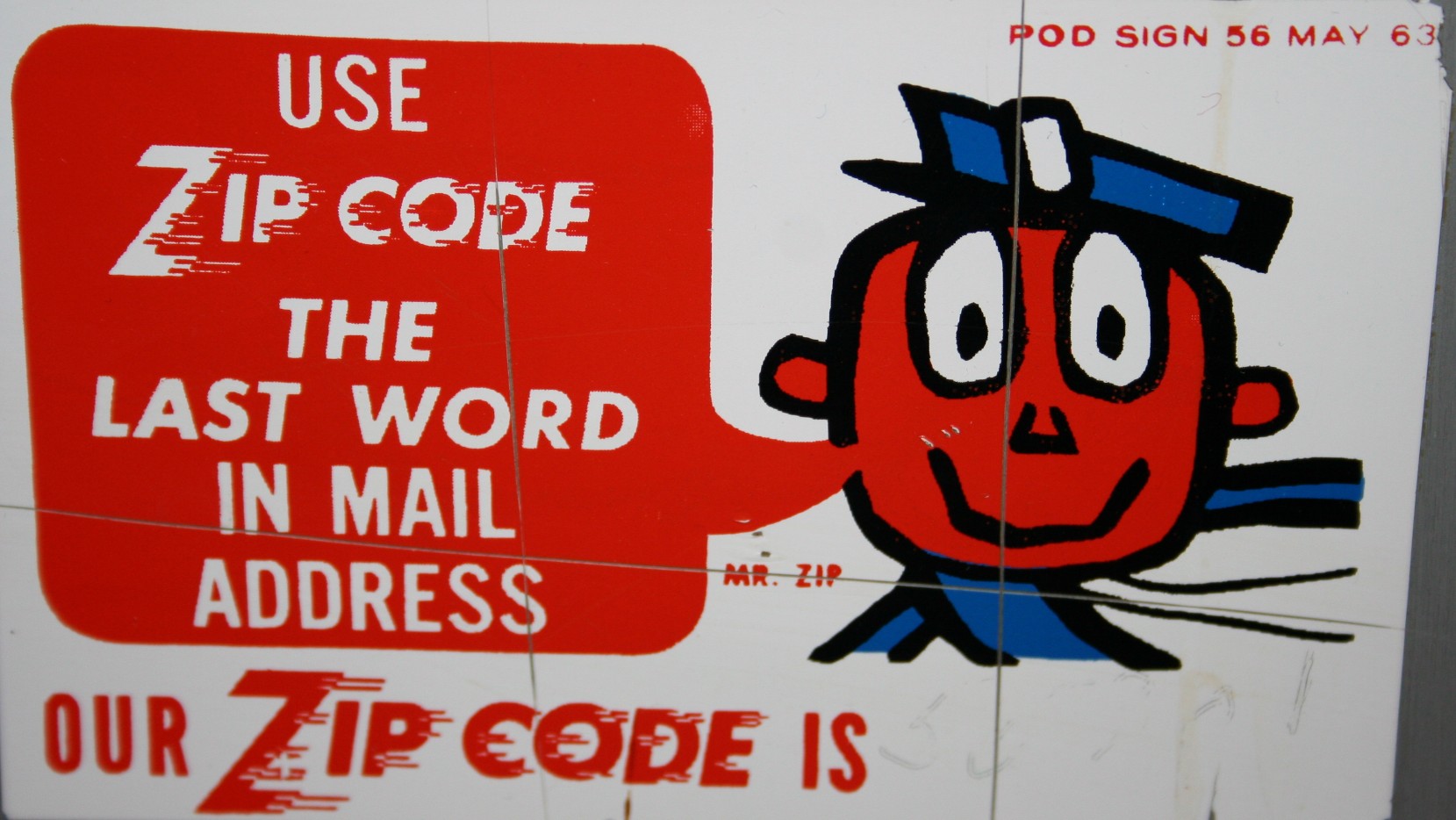
The five-digit code was introduced in 1963 and pushed hard through the following years, with a sustained public campaign to get people to use it on every piece of mail.
Absolutely universal, extended with four more digits, embedded in every address database, insurance rating table and marketing system in the country.
The resistance was real and the reason for the code was not obvious to the public. It was introduced to make mechanical sorting possible, which is a logistics argument nobody outside the system cared about – and the campaign to get adoption took years of effort against people who felt the town’s name had been working fine.
13. Then the Department Became a Business
Through 1970 the Post Office Department – a cabinet department, run on appropriations, with a postmaster general in the president’s cabinet and a patronage system reaching every village – was reorganised into an independent, self-supporting establishment.
An independent establishment expected to cover its costs from its revenues, with rates set by a separate process and every facility assessed on what it costs against what it brings in.
That single change explains almost everything that followed. Once the organisation had to fund itself, a one-room office serving ninety families became a line item that somebody had to justify – which is the origin of every discontinuance study, every consolidation proposal and every town meeting about saving the post office in the following half century.
14. The Discontinuance Fight Became Permanent
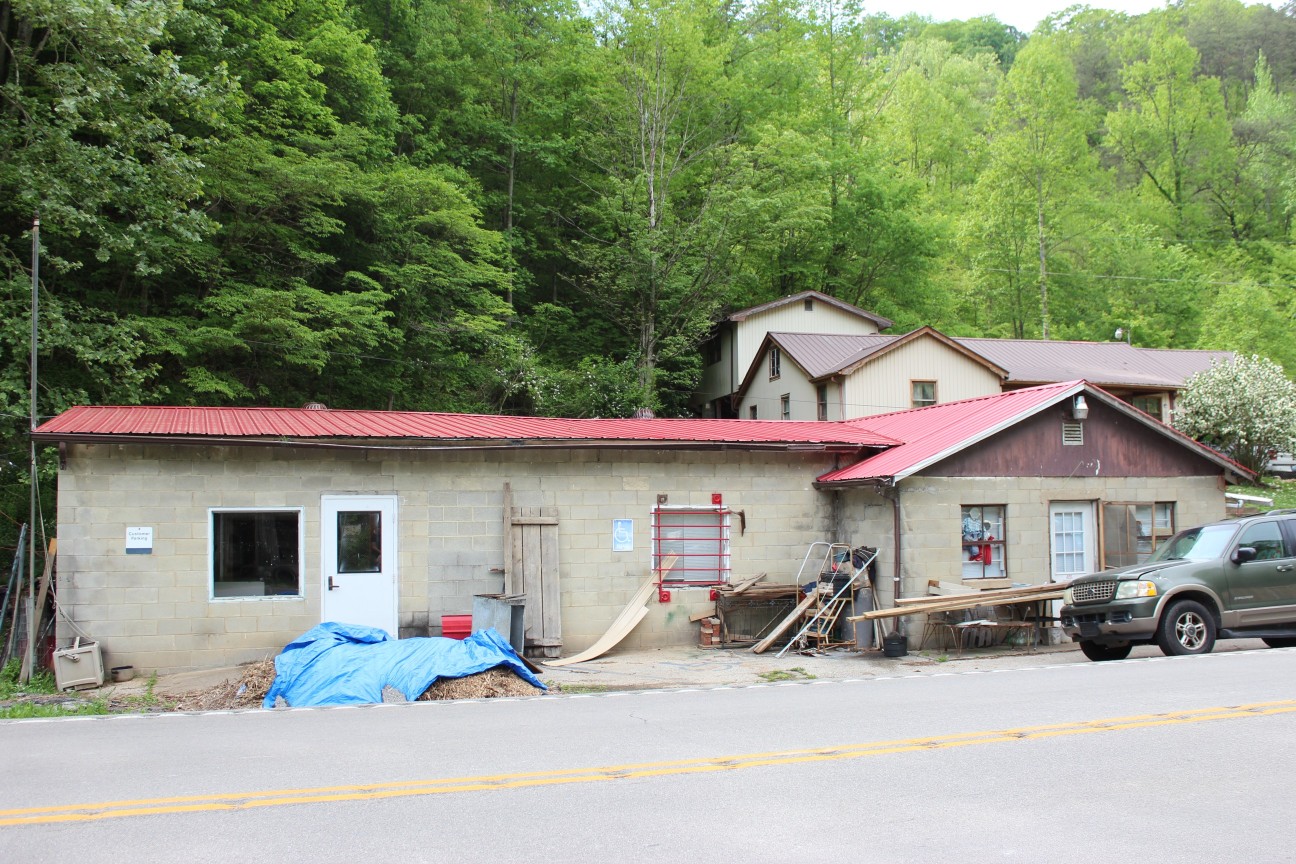
Small offices had always closed when a community dwindled, but in 1964 it happened quietly and locally, with no formal process anybody outside the town engaged with.
A defined review procedure with notices, community input, appeal rights and political attention – producing recurring national arguments about rural postal service.
The formal process is better than what came before and it is also why the fight never ends. Giving communities a documented right to object converted thousands of quiet local decisions into thousands of contested public ones – and since the underlying economics have not changed, the same argument recurs indefinitely.
15. What It Actually Provided Was Not the Mail
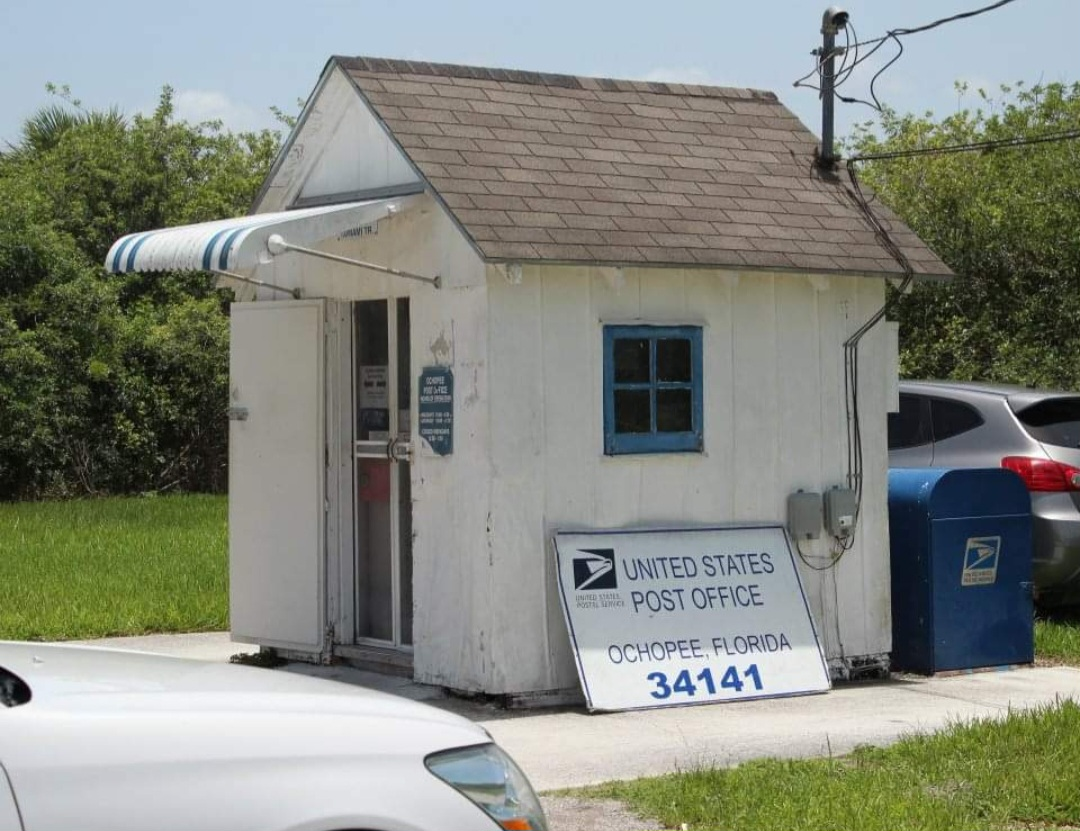
The carrier brought the mail to the house. The office was where you bought a money order, got a parcel rated, collected general delivery, rented a box, read the notices and found the only federal employee in the county.
The functions dispersed. Package rating is online, money moves electronically, general delivery is nearly unused, notices are digital, and the carrier still comes to the house.
Which is the honest answer to why these offices were so hard to defend and so painful to lose, and both halves of that are true at once. Strictly as a mail facility, a one-room office in a village of two hundred people was never necessary – the rural carrier brought the mail to the box at the end of the lane whether the office existed or not, and the office’s actual postal work could be done from twelve miles away without any household noticing a difference in their delivery. That is why the cost arguments were always so strong and so hard to answer. But the office was not functioning as a mail facility. It was functioning as the federal government’s only physical presence in the community – a building with a flag, a public lobby that was open when everything else was shut, a wall of boxes whose numbers people knew about each other, a counter where a person with no bank account could convert cash into something mailable, a service by which somebody with no address at all could still be reached by name, and one employee who was a federal officer and also somebody’s neighbour. None of that was mail. All of it was infrastructure, and most of it had no replacement at any price because the replacement for a place is not a service. When the organisation became self-funding, those functions had no line in the accounts – they were not what the institution was being measured on – so they went, community by community, and the thing that was lost was never quite the thing being argued about in the hearings.
It Was Never Really About the Mail
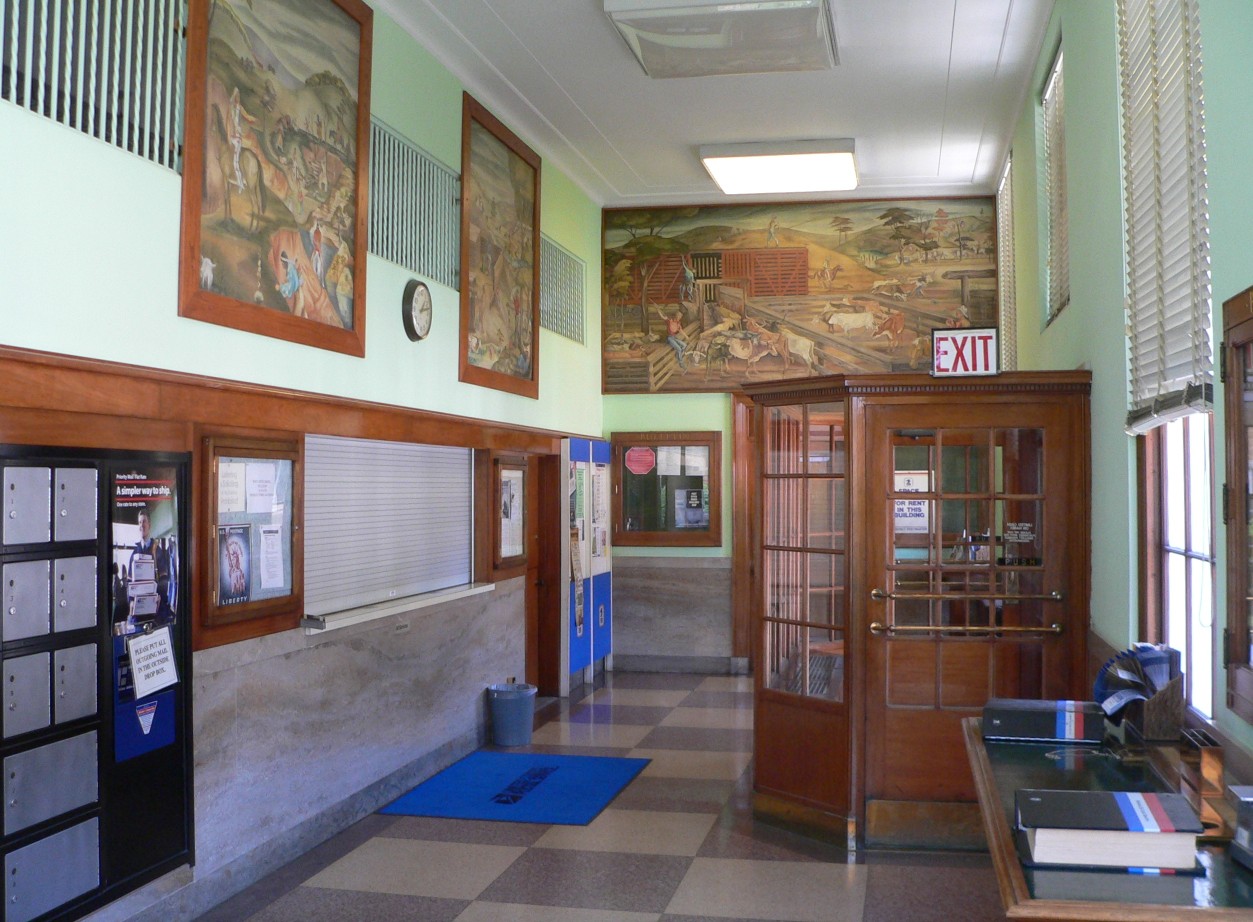
The thing worth understanding about the small post office is that the cost argument against it was always correct.
A one-room office in a village of two hundred people was not necessary as a mail facility. It never had been. The rural carrier brought the mail out to the box at the end of the lane whether that office existed or not, and the postal work the office actually performed – sorting a few hundred pieces, selling some stamps, rating some parcels – could be done from a larger office twelve miles away without a single household noticing any difference in what arrived at their mailbox or when.
Everybody who has ever run a discontinuance study has known that, and everybody who has ever fought one has known it too. Which is why the arguments at those meetings are always slightly at cross purposes.
Because the office was not functioning as a mail facility. It was functioning as something the accounts had no column for.
It was a building with a flag on it, in a community that had no other federal building, no other federal employee and no other evidence that the national government existed. It was a public lobby that stayed unlocked around the clock, which in a town with no other indoor public space meant somewhere to stand out of the weather at ten at night. It was a wall of numbered boxes, and those numbers were a form of address that people learned about each other. It was a counter where a household with no bank account could turn cash into a government instrument that could be safely mailed – which was, for a great many people, the only reliable way to move money at a distance. It was a service by which a person with no house and no fixed address could be reached by name, which is a genuinely remarkable thing for a state to offer and which almost nobody now knows is still on the books. It was a board of official notices that people actually read. And it was one employee who was simultaneously a federal officer and somebody’s cousin.
None of that is mail. All of it is infrastructure, and the particular problem with it is that most of it has no replacement at any price, because the replacement for a place is not a service.
The 1970 reorganisation is the hinge, and it is worth being precise about what it did. Before it, the Post Office Department was a cabinet department. The postmaster general sat in the president’s cabinet. It ran on appropriations, which is to say it was funded because it was a government function rather than because it broke even. And tens of thousands of postmasterships were political appointments routed through the party in power – which made the postal service the largest single body of distributable federal jobs in the country and shaped county-level American politics for well over a century.
After it, the organisation was an independent establishment expected to cover its costs from its revenues, with rates set through a separate process, appointments on merit, and politics formally removed.
Almost every part of that was an improvement. Patronage appointment of postmasters is not a system anybody should want back. A professional workforce is better. Rates set by a documented process are better than rates set by congressional bargaining.
But the moment the organisation had to pay for itself, a one-room office serving ninety families stopped being a government function and became a line item, and somebody had to justify it against what it brought in. That is the origin of every consolidation proposal, every reduced-hours decision, every discontinuance study and every town meeting about saving the post office across the following half century. The formal review process that now exists – with notices, community comment and appeal rights – is genuinely better than the quiet unilateral closures of the old days, and it also guarantees that the fight never ends, because the underlying economics have not changed and will not.
So the offices went, one at a time, and are still going. And the thing that was actually lost each time was never quite the thing being argued about in the hearing, because the hearing was about mail and the loss was about a place.
If you grew up in a small town, you knew your box number before you knew your telephone number.
And you can still see the glass pane, and whether there was anything behind it.
Like our content? Follow us for more.