The only springhouse I have been inside was being used to store flowerpots, and it was so cold that I went back out for a jacket in August. Nobody had done anything to it. There was water running through a stone channel in the floor, and that was the entire mechanism. I have thought about that building a great deal since, because it is the most elegant piece of engineering I have ever seen on a farm and it has no moving parts at all.
Why Groundwater Is Cold
Here is the fact the whole building rests on.
Soil and rock are poor conductors of heat and enormous in volume. A few feet down, the daily swing between day and night is already gone. A few feet further and the difference between summer and winter is largely gone too. Water that has moved through that ground and emerges at a spring comes out at something close to the average annual temperature of the place, and it comes out at that temperature in January and in July alike.
In much of the United States that average is somewhere in the fifties. Which means a spring delivers, continuously and for nothing, water at a temperature that is useless for freezing and extremely good for keeping.
That is the resource. The springhouse is simply a way of using it.
Like our content? Follow us for more.
What the Building Had to Do
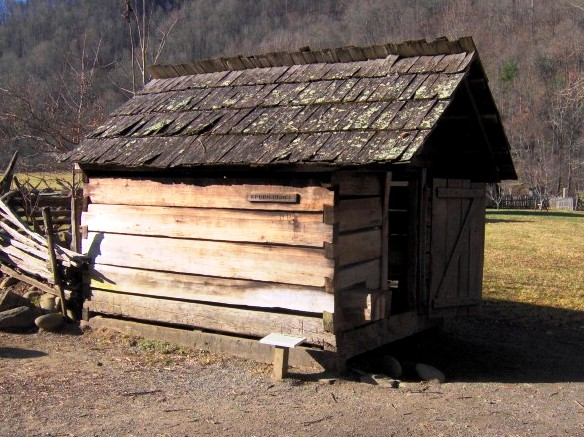
The design problem is narrower than it looks.
The cold is in the water, so the food has to be in contact with the water or with air that the water has chilled. And the chilled air has to stay put, because cold air is heavy and will sit in a low enclosed space but will be flushed straight out of an open one by any breeze.
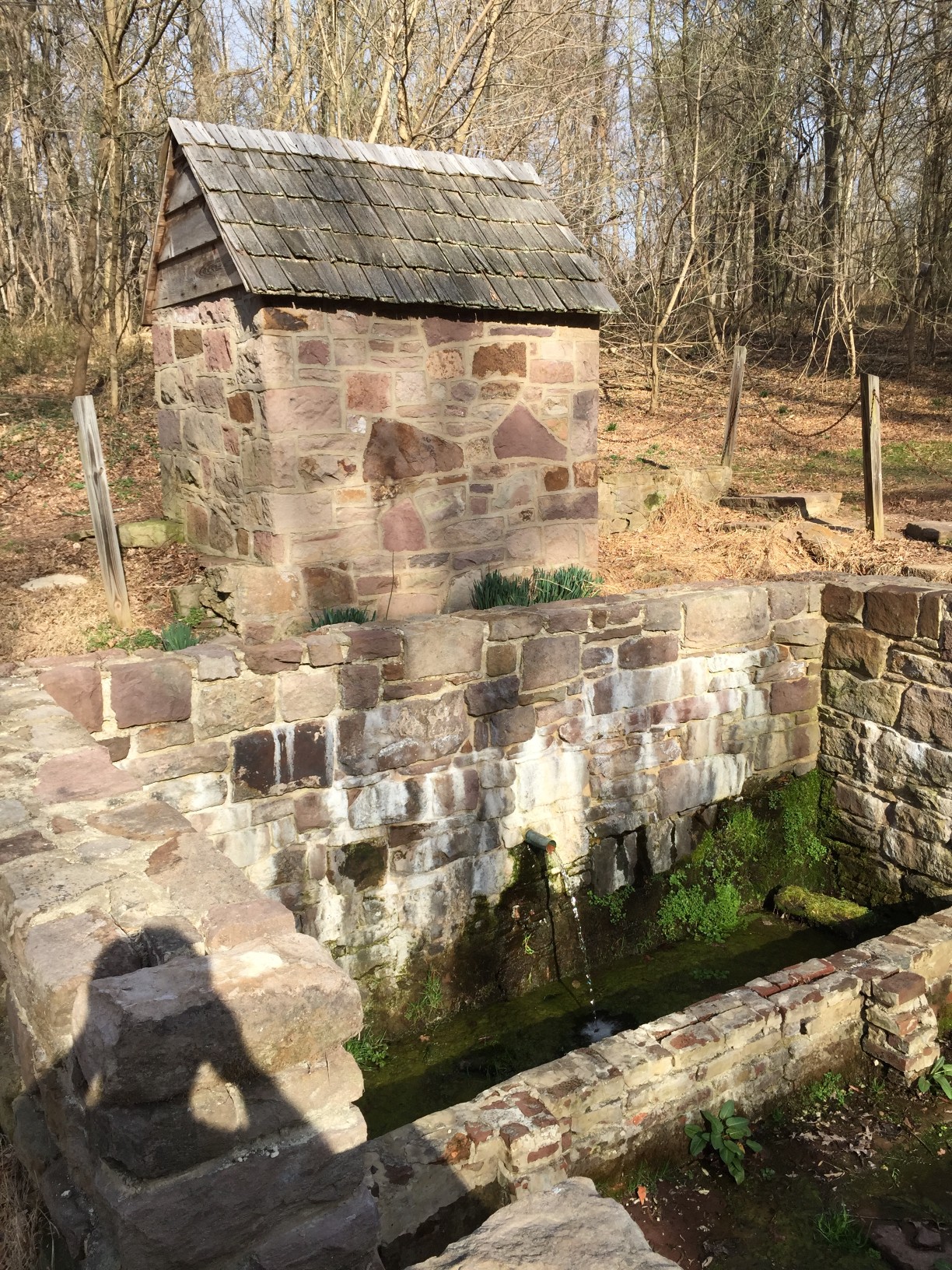
So the building is low, it is set down into the ground or into a bank, it has thick walls of stone or logs, it has a heavy door and very small openings, and the water runs through the inside of it rather than past the outside. Every one of those features is doing the same job: keeping a pool of cold air and cold water in one place and keeping the summer out.
The Channel in the Floor Was the Refrigerator
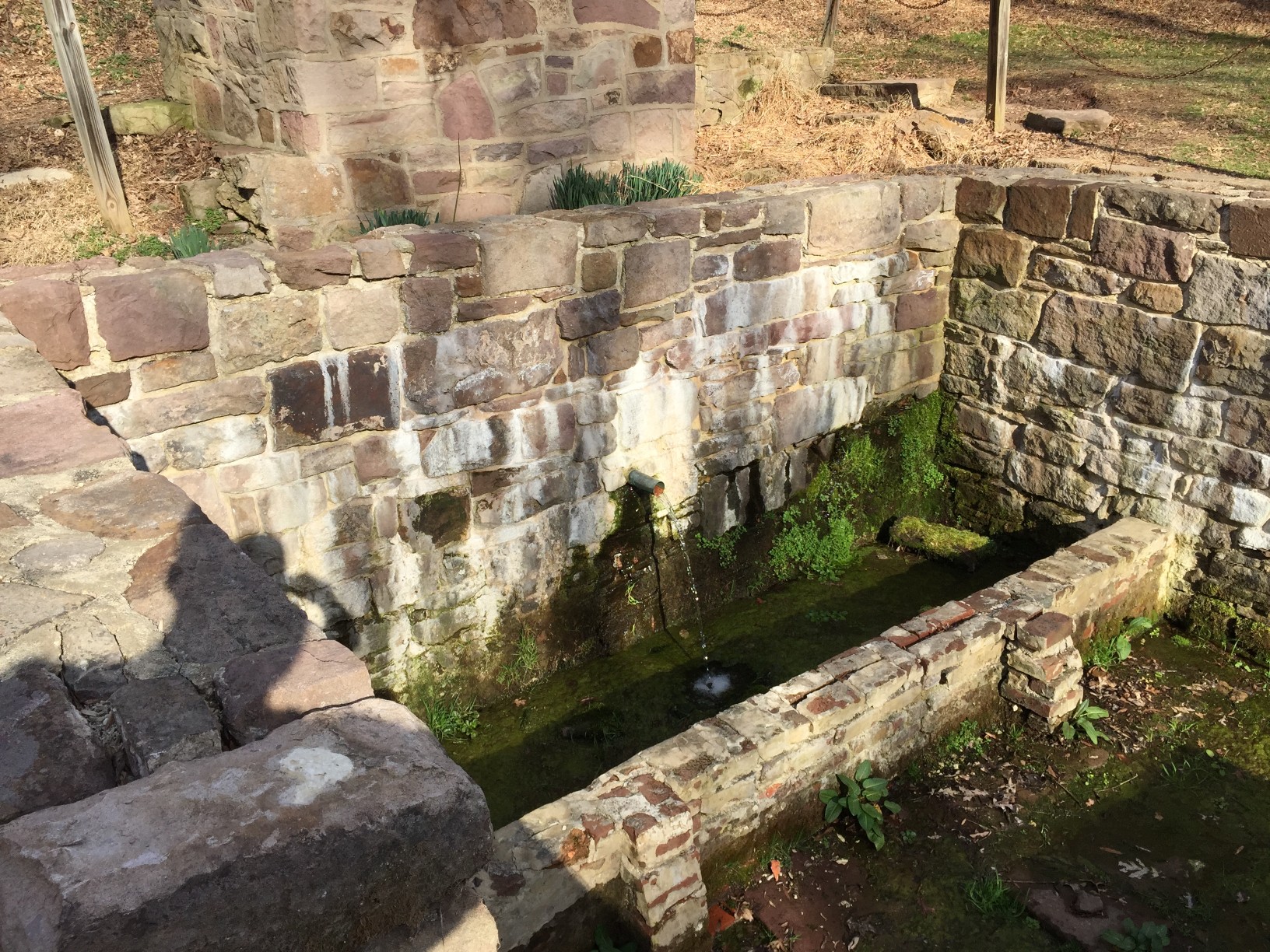
The part that surprised me is how direct it was.
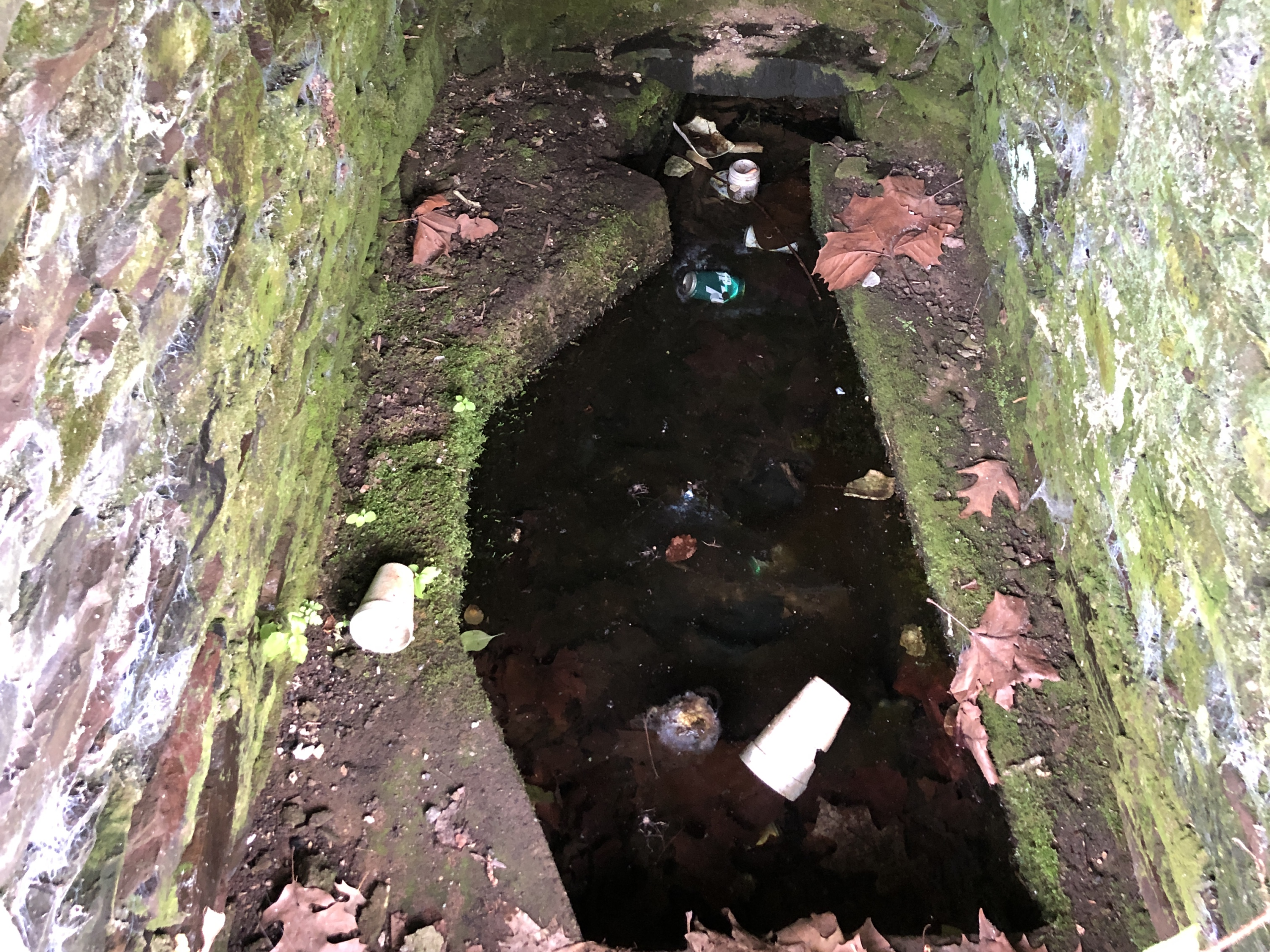
The spring was led into a shallow stone or concrete trough running across the floor, a few inches deep, with the water entering at one end and leaving at the other. Crocks, jars, pans and pails stood in that trough with the water moving around them.
A container standing in flowing water loses heat to it far faster than it would to air, because water carries heat away hundreds of times more effectively than air does and because the flow keeps replacing the water that has warmed up. So a crock in the channel is not merely in a cold room – it is being actively cooled, continuously, by a supply that never runs out.
Shelves and ledges above the water took things that did not need to be quite so cold. The arrangement was a hierarchy of temperature within one small room.
Depth and Flow Were the Only Settings
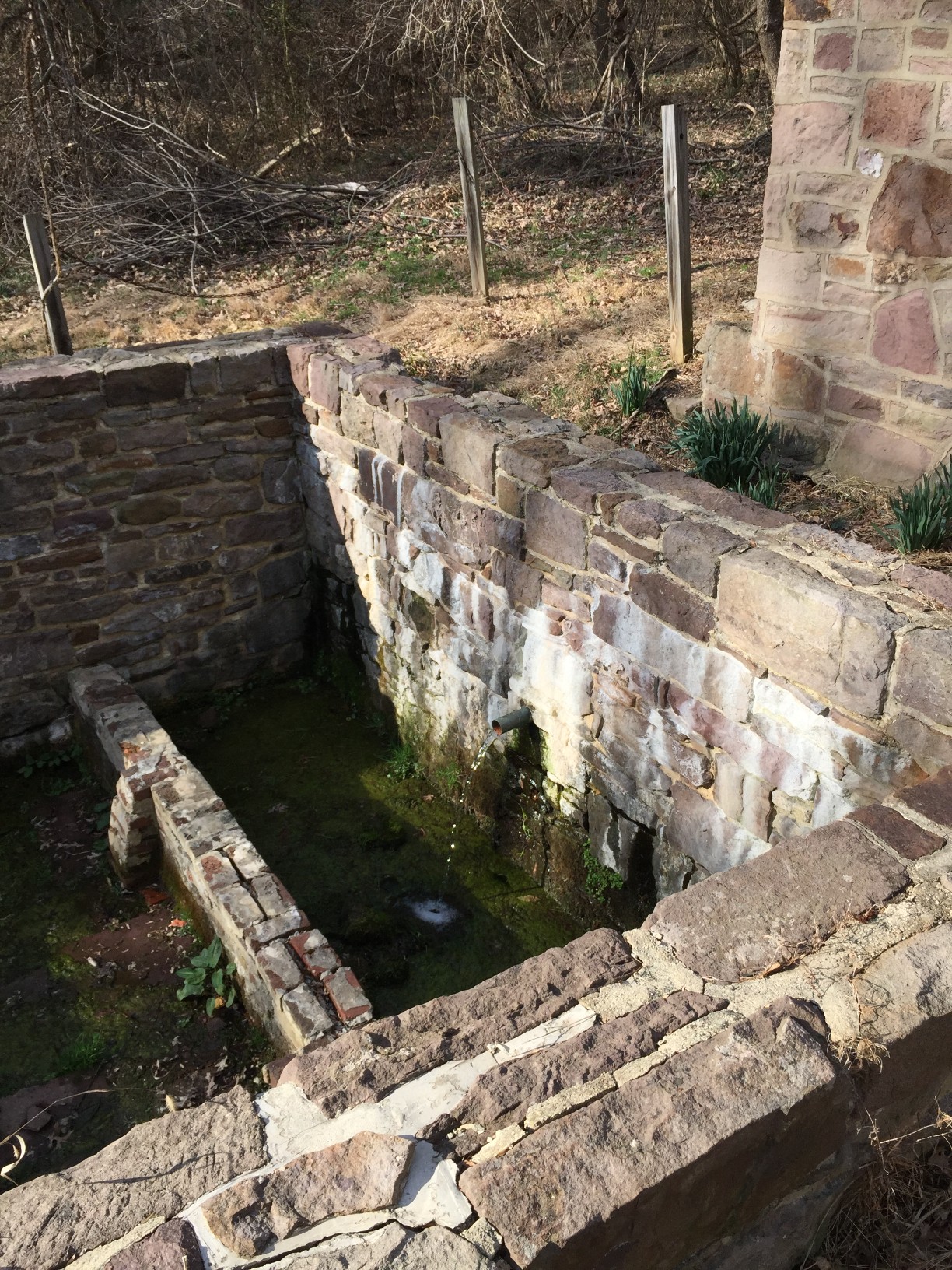
There was no control on the building, but there was a degree of adjustment.
A container pushed down into a deeper part of the trough is colder than one standing where the water is shallow. Something set on a stone in the middle of the flow is colder than something at the edge where the water is slack. And a container with a weight on its lid sits lower and loses more heat than one that floats.
So a woman using a springhouse was doing something more skilled than putting things in a cold room. She knew which positions in her own trough were coldest, which things needed those positions, and how the whole arrangement had to change when the flow dropped in a dry August.
That is the kind of knowledge nobody wrote down, because it was specific to one building.
It Also Had to Keep Animals Out
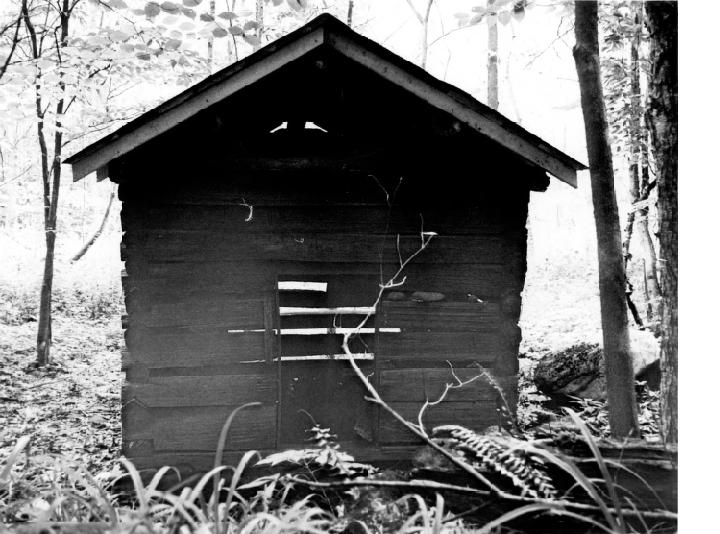
A stone box full of food standing in water is attractive to a great many things.
Hence the heavy door, the tight fit, the raised sill, the stone or concrete floor rather than earth, and the small openings covered with a grate or a screen. Snakes, rodents, insects and the farm’s own cats and dogs all had to be excluded, and so did anything that would get into the water upstream.
The upstream question was the serious one. Everything that happened above the spring arrived in the springhouse, which meant the ground above it had to be kept clear of anything that would wash down. On a working farm, with animals and a yard and a privy somewhere, that was a real constraint on where things could be put, and it was not always respected.
The Water Had to Keep Moving
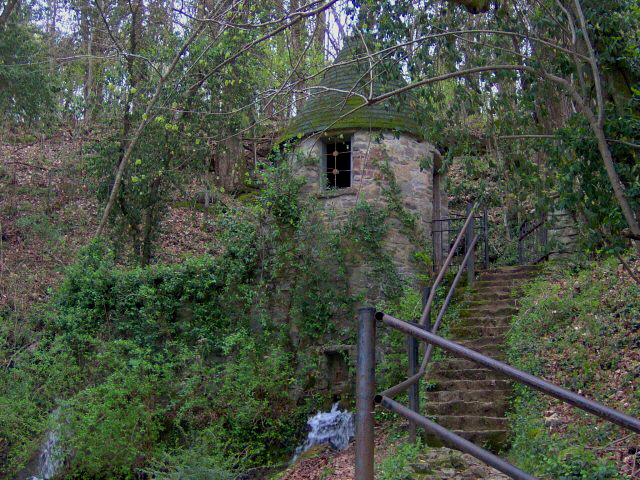
A still pool is a different thing from a running channel, and the difference mattered.
Moving water stays cold because it is constantly arriving from the ground. A pool with a slow turnover warms toward the air temperature of the room, grows things, and becomes a liability rather than an asset. So the trough was built with a fall through it and an outlet that could not block, and keeping the inlet and outlet clear was a routine job.
Silt, leaves and watercress all had to be cleaned out. A springhouse that had not been seen to for a season was not a cold store; it was a stagnant tank in a dark building.
Where the Building Sat Was a Decision About the Farm
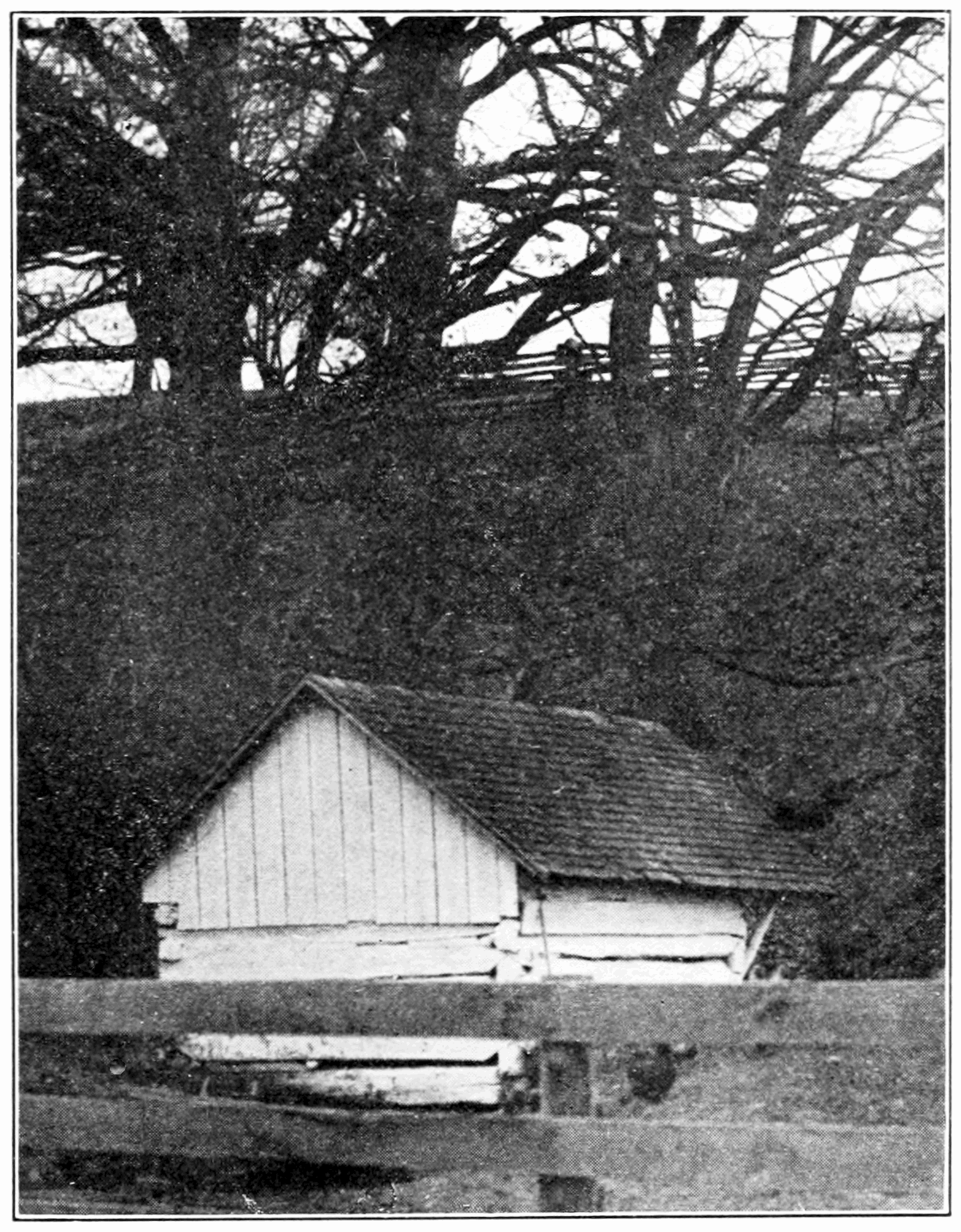
A springhouse has to be at the spring, and the spring is wherever the geology put it.
Which means the spring frequently decided where the house, the barn and the yard went, because a household wants its cold store close to its kitchen and its stock wants water close to the barn. On a great many farms the oldest structure on the place is the springhouse, and everything else is arranged around it.
I find that order of events worth sitting with. We are used to choosing a site and then arranging for water. For a very long time it worked the other way round: you found the water and then built a farm around it.
It Did Other Jobs Too
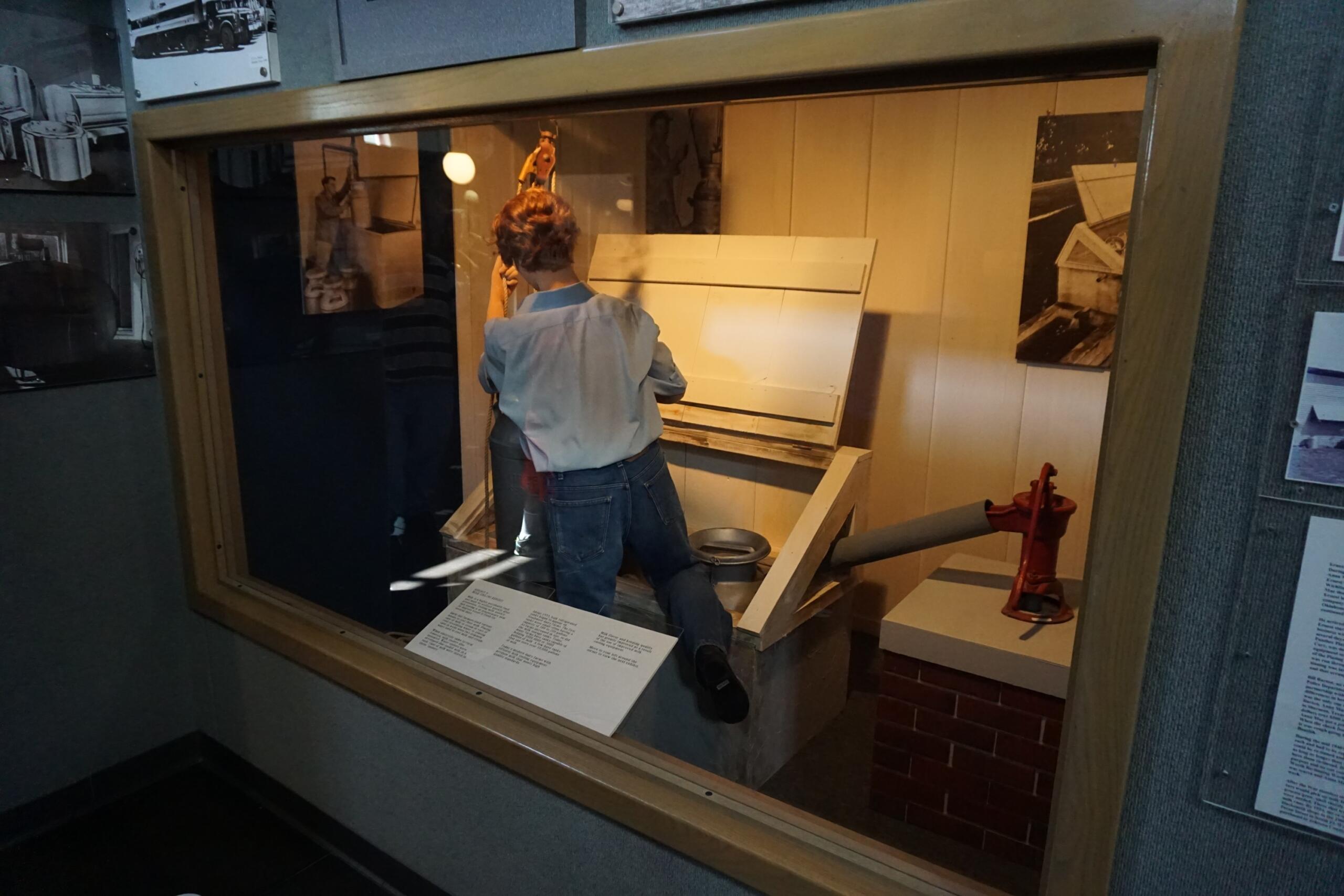
The cold room was useful for more than keeping food.
Crocks of milk stood in the trough to cool. Butter was worked and kept there in summer because it was the only place cool enough to handle it without it going soft. Eggs kept there, and so did anything else that would spoil in a kitchen.
The building was also the coolest place on the property, which made it the place to go on the worst afternoon in July – and the place where a child was sent to fetch something and lingered. Every account I have read mentions that, and the one I stood in explained why without anybody saying anything.
Winter Was the Opposite Problem
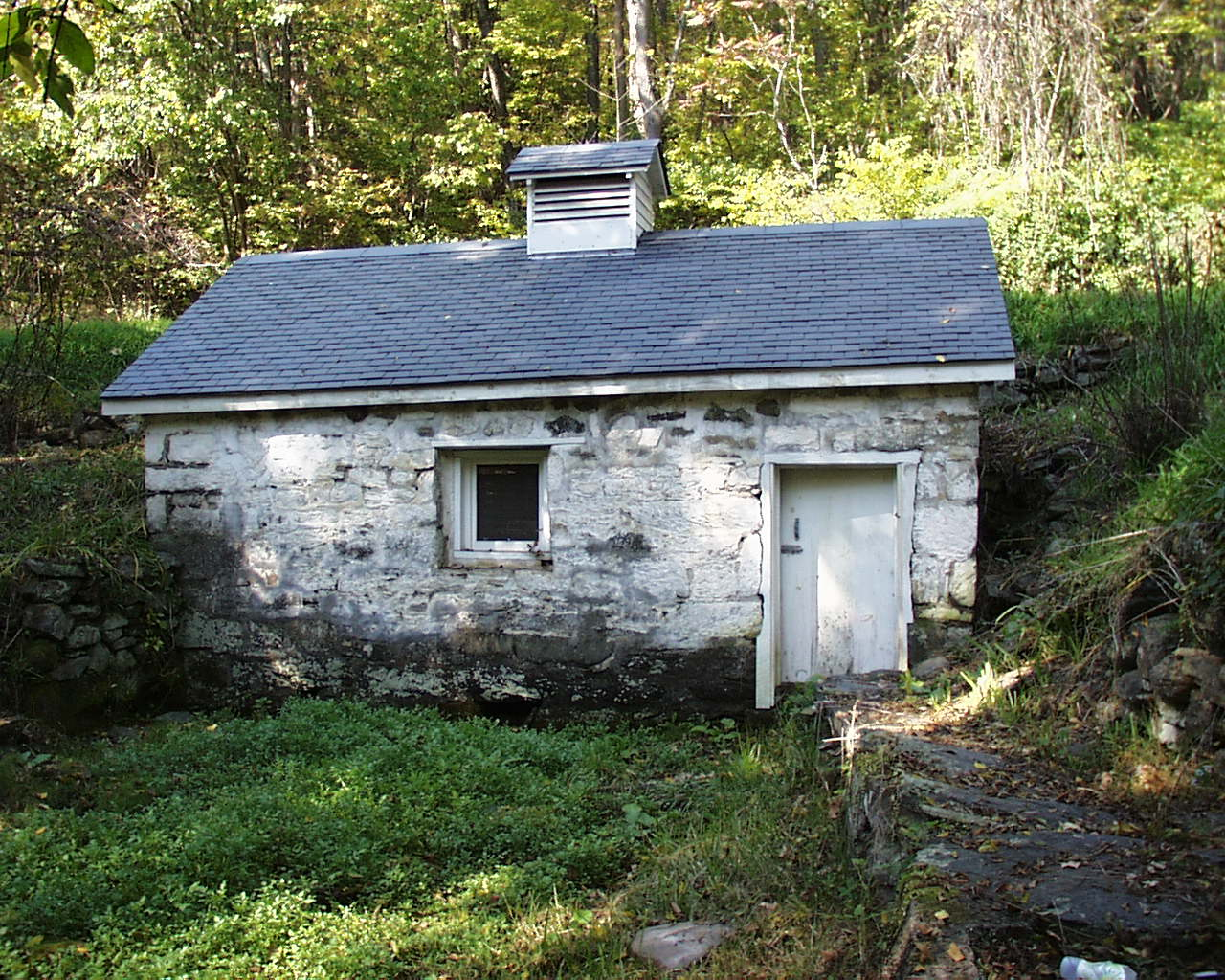
The thing that finally made the design make sense to me is what it does in January.
Groundwater at fifty-odd degrees entering an enclosed stone building is now a heat source. The same structure that holds cold in during summer holds that warmth in during winter, which means a springhouse does not freeze while everything around it does.
So the building is not a cold store. It is a temperature-stable room, and the stability is the point in both directions. Food that must not freeze went there in winter for exactly the same reason that food that must not warm went there in summer.
Then the Electric Refrigerator Arrived
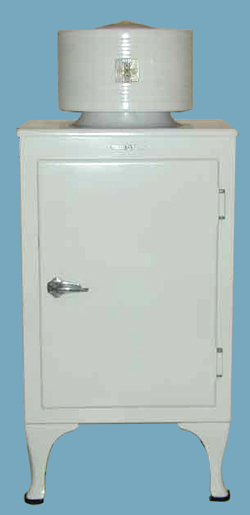
What ended it was not a better cold room but a cold box in the kitchen.
A refrigerator is colder than a springhouse, it is adjustable, it is twenty feet from the stove instead of a hundred yards down a hill, and it does not require anybody to carry crocks through weather. Against those four things the springhouse has no argument at all, and it lost immediately.
Rural electrification is therefore the date that matters, and it varied enormously from place to place. In some districts the springhouse was obsolete decades before it was in others, which is why accounts of using one run so much later than people expect.
The buildings themselves mostly survived, because a small stone structure is useful for something. They became pump houses, tool sheds, storage for anything that did not mind being damp, and in one case I know of, a place to keep flowerpots.
What It Was
I want to be clear about why I think this building is remarkable.
It maintained a useful temperature, year round, in both directions, with no fuel, no power, no mechanism, no maintenance beyond keeping a channel clear, and no cost after it was built. It did this by exploiting a fact about the ground that nobody had to discover in any sophisticated way – you only had to notice that spring water is cold in summer and does not freeze in winter, and then build a room around it.
Everything that replaced it needs electricity. That is an enormous improvement in capability and convenience and nobody should pretend otherwise. But it is worth knowing that for a couple of centuries, a very large number of American households solved the single hardest problem in domestic food keeping with a pile of stones over a hole where water came out of a hill.
Like our content? Follow us for more.