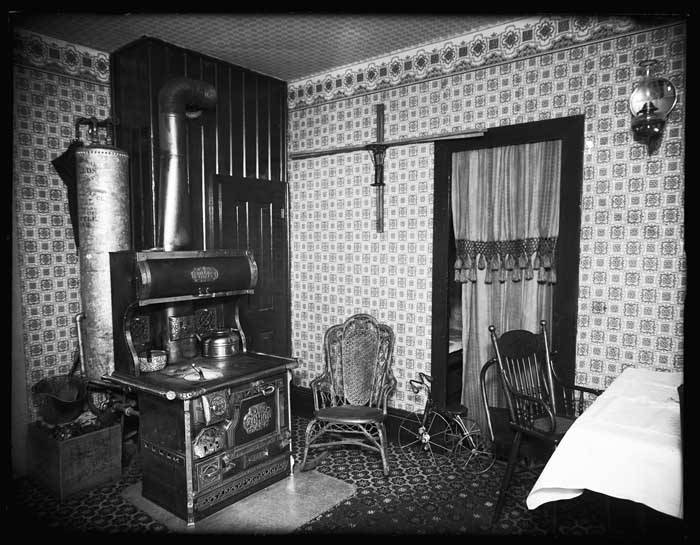
There is a hole high up on the wall of my grandparents’ old kitchen with a round metal collar in it, plastered over badly and painted the same colour as everything else. I asked what it was once and got the answer that there used to be a stove there, which explained nothing. The collar is a thimble, the stove connected to it through a sheet-metal pipe, and the whole arrangement had to be dismantled, carried outside and knocked out once a year.
The Pipe Is Not the Chimney
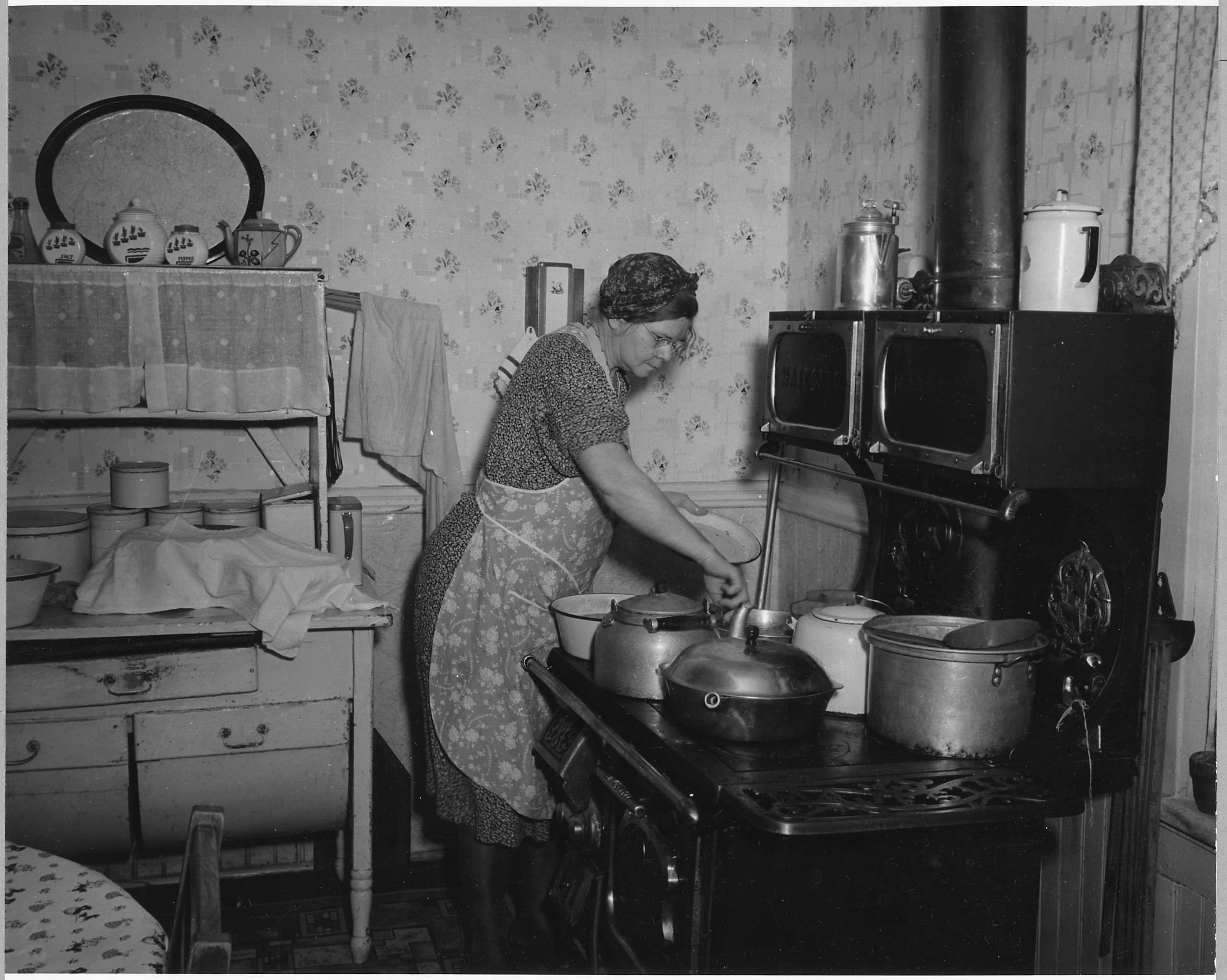
Start with the distinction, because the two get confused constantly.
A chimney is masonry. It is part of the building, it runs the full height, and it is permanent. A stovepipe is a sheet-metal tube that connects an appliance to that chimney – a short removable link between the stove’s flue collar and a hole in the wall.
Which means the pipe is the only part of the system that was ever meant to come apart. And it is also the part that gave the most trouble, because thin metal in hot acidic smoke does not last.
Like our content? Follow us for more.
The Thimble in the Wall Was a Safety Component
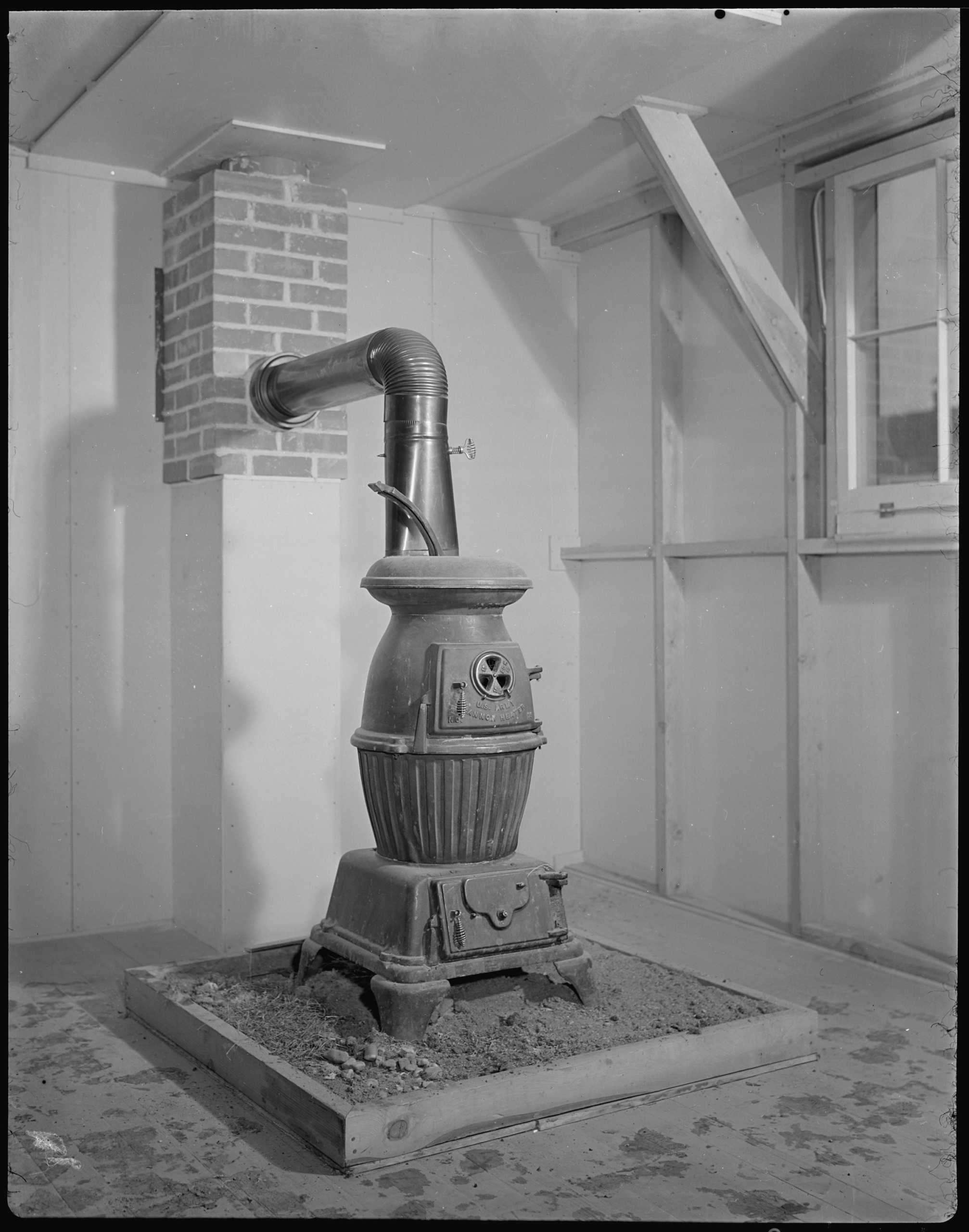
That metal collar in the plaster is doing something important.
A stovepipe gets hot enough to char wood over time, and a hole punched through a wall puts hot metal directly against framing and lath. The thimble is a sleeve that lines the hole, holds the pipe away from the combustible material around it and provides an air gap.
So a properly built installation has a masonry chimney, a lined hole and a pipe that enters the sleeve without touching the wall itself. A badly built one has a pipe shoved through a hole in the plaster, and that is the arrangement that burned houses down.
The Pipe Had to Rise to Work
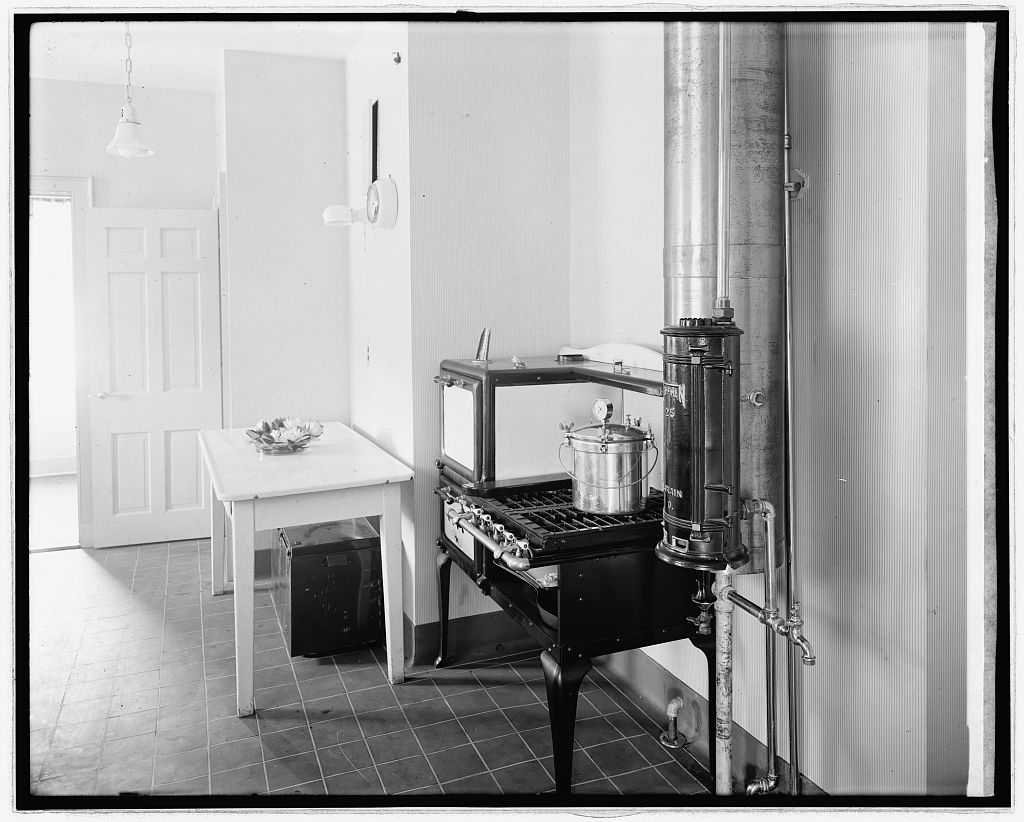
Here is the physics the whole installation depends on.
Hot gas is less dense than cold air, so it rises, and that rising is what pulls combustion air through the stove. The strength of that pull – the draught – depends on the height of the hot column and on how much friction it meets on the way.
So every length of pipe had to rise, even slightly, from the stove toward the wall. A level run slows the gas and a downhill run stops it. And every elbow costs draught, because turning a moving gas stream wastes its energy – which is why installations with two or three bends in them never drew properly and smoked back into the room on a windless day.
The Joints Went Together One Way Only
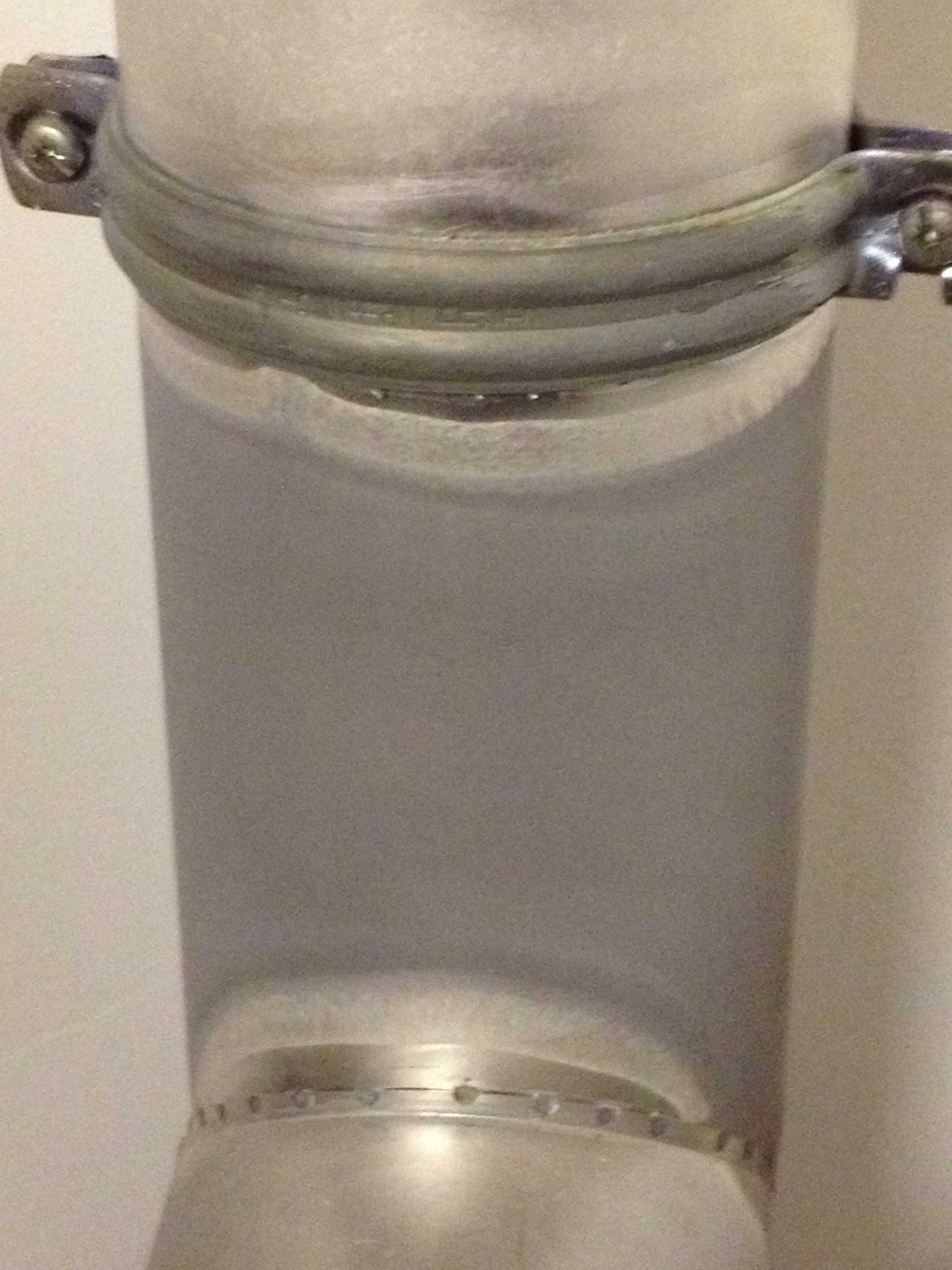
There is a rule about assembly that catches everybody.
Each length of pipe has a crimped end that fits inside the next, and the crimped end must point down toward the stove rather than up toward the chimney. The reason is liquid: moisture and tar condense inside a pipe and run downhill, and if the joints are assembled the other way round that liquid runs out of the seam and down the outside.
A pipe put together the wrong way marks its own course down the wall in black streaks within a season. Which is how anybody who had done it before could tell at a glance that somebody else had not.
The Soot Was Not the Dangerous Part
Worth separating, because people use the words interchangeably.
Soot is loose black powder. It reduces the pipe’s diameter, which cuts the draught, and it has to be removed – but it is a performance problem.
The dangerous deposit is the hard, shiny, tarry layer that forms when smoke cools before it leaves the system. That material is combustible, and when it catches, it burns inside the flue at a temperature the pipe was never designed for. Everything about how these installations were run – burning dry wood, keeping the pipe short, keeping it rising, cleaning it annually – is aimed at that one problem.
This article gives no method for any of it, and nobody should take a nostalgia piece as guidance on a solid-fuel appliance.
Taking It Down Was an Annual Event
Which brings us to the job.
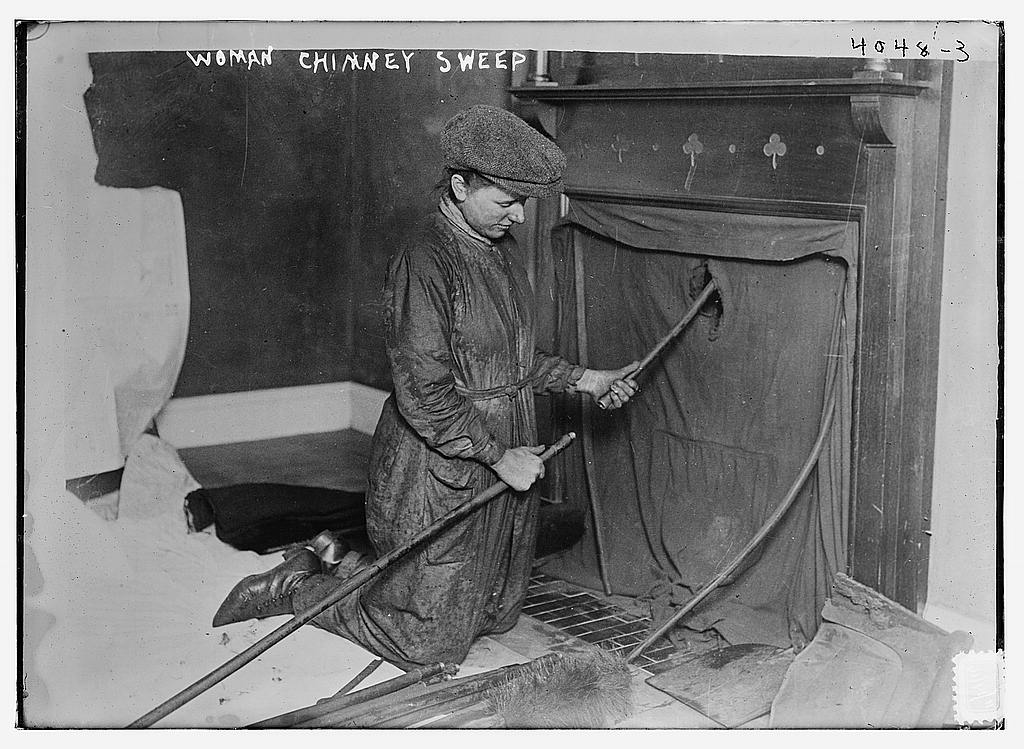
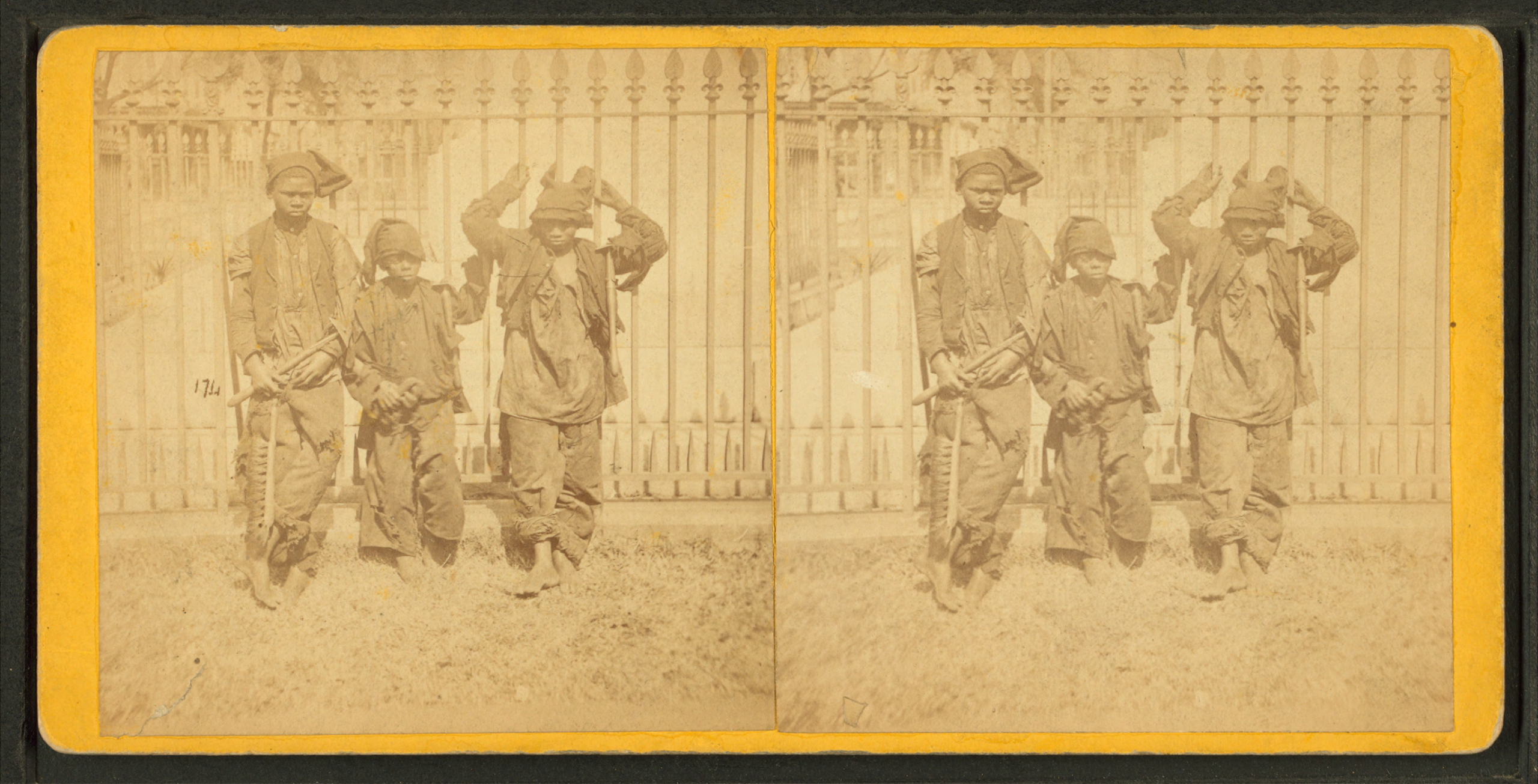
Once a year, usually at the end of the heating season or the start of it, the pipe came apart. Each section was carried outside, knocked on the ground or tapped with a stick to shake the loose deposit out, brushed through, inspected, and carried back in.
It was filthy. Black powder goes everywhere, it gets into the air and onto everything, and the room had to be covered with sheets first. It was also the job where anybody who had been putting it off found out that a section had rusted through.
Sections Were Replaced Rather Than Repaired
And this is why the pipe was always a consumable.
Thin sheet metal in an atmosphere of hot acidic condensate corrodes from the inside out. A section looks sound and then a thumb goes through it – frequently at the bottom of a run, where the liquid collects.
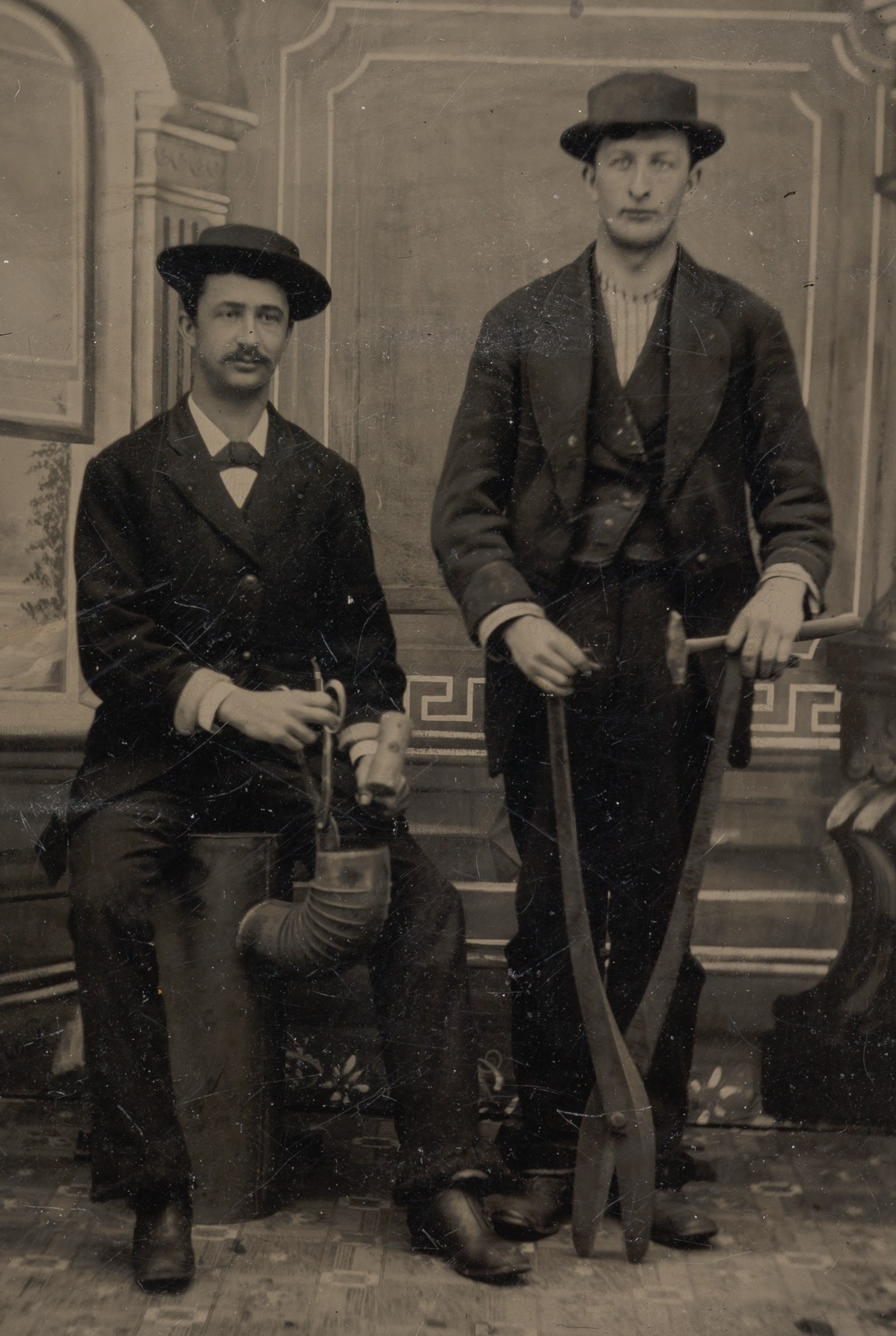
So the pipe was bought in standard lengths and elbows from a hardware store or a tinner, and a household kept a spare section. Replacing one piece of a run is a five-minute job, which means the system was designed around its own failure: standard parts, no fixings, and friction joints that pull apart by hand.
The Damper Was a Control and a Hazard
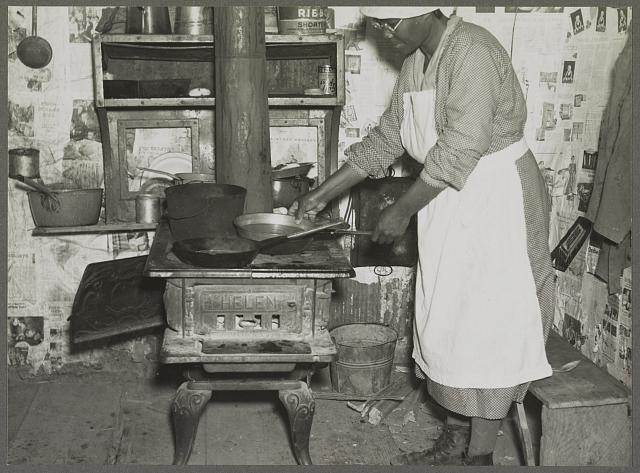
Many runs had a plate in the pipe that could be turned to restrict the flow.
Closing it down slows the draught, which makes a fire burn longer on less fuel and holds heat in the room instead of sending it up the chimney. That is a genuinely useful control and it is why dampers existed.
It is also how smoke ends up in a room and how incompletely burned gas ends up in a flue. A restricted draught means a cooler flue, and a cooler flue is where the dangerous deposit forms fastest – so the control that saved fuel was also the one that created the problem the annual cleaning existed to manage.
Some Houses Ran the Pipe the Long Way on Purpose
There is a practice worth mentioning because it looks mad and was deliberate.
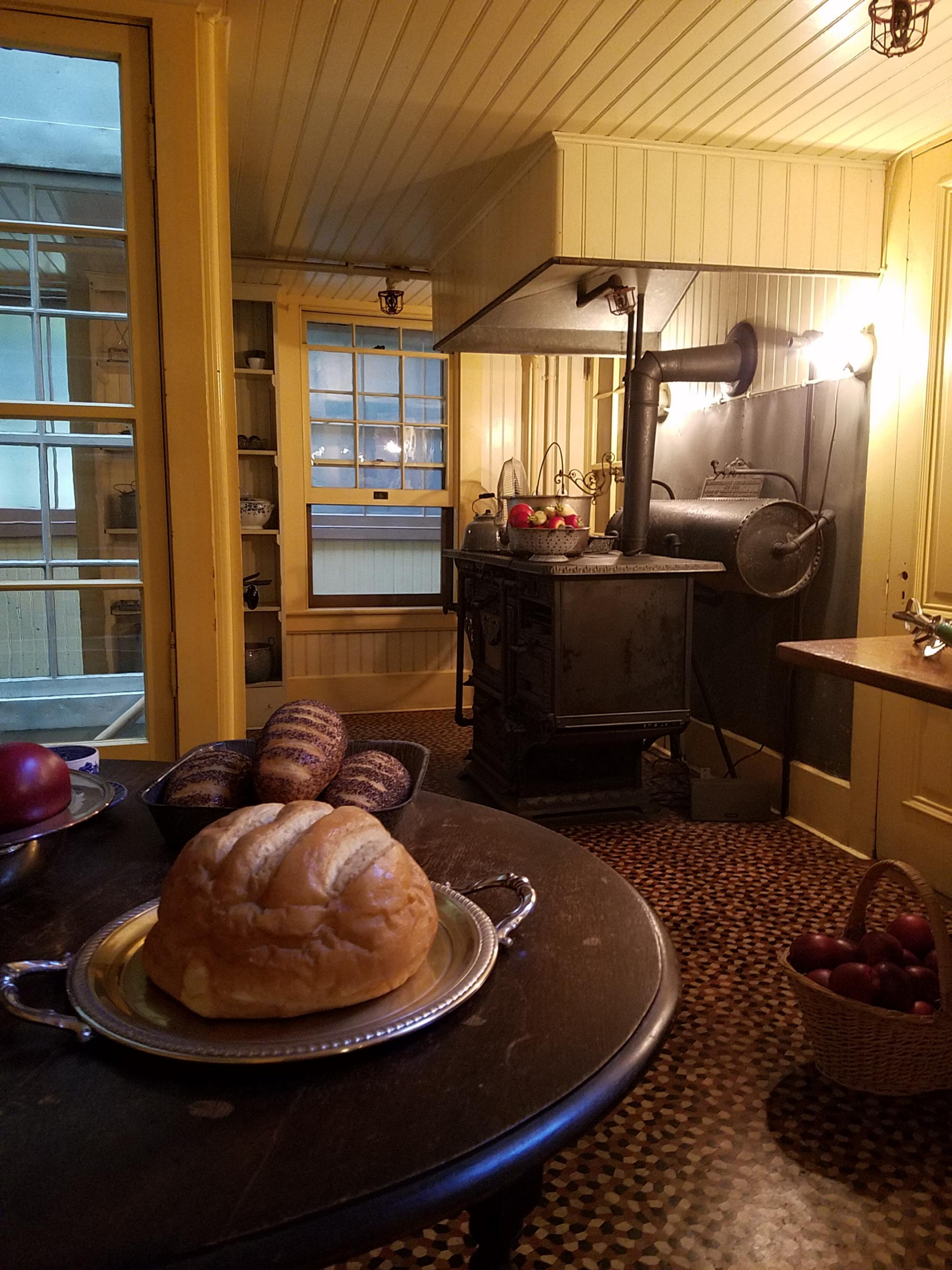
A pipe is hot, and heat going up a chimney is heat the household paid for and did not get. So some installations ran the pipe a considerable distance across a room, or up through the floor above, specifically to radiate more of that heat indoors before the gas left.
It works, and it is a bad idea. A long run has more friction, which weakens the draught, and it lets the gas cool before it exits – which is precisely the condition that produces the dangerous deposit. The households doing it were trading a known fuel saving against a risk they understood imperfectly.
The Wire Was How You Knew Somebody Had Been Worried
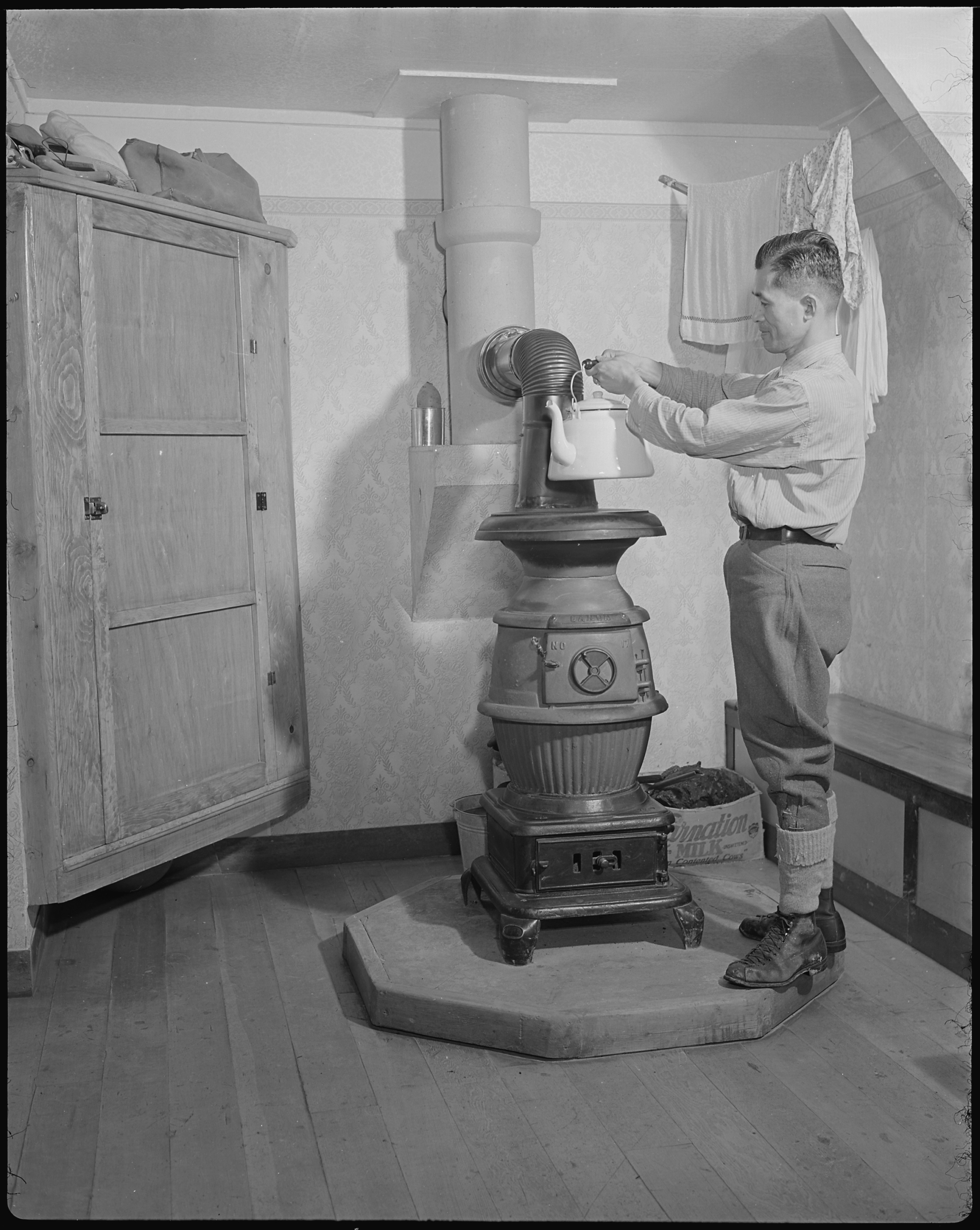
There is a detail in old installations that reads as untidiness and is actually anxiety made visible.
Stovepipe joints are friction fits. Nothing holds them together except the grip of one crimped end inside another, which is sufficient when the pipe is new, straight and properly supported – and is not sufficient once the metal has softened, the run has sagged, or somebody has knocked it.
So a great many runs have wire twisted round the joints, or sheet-metal screws through them, or both. Sometimes there is a length of wire from the pipe to a nail in a ceiling joist, taking the weight off the joints entirely.
Every one of those is somebody looking at a hot pipe running through their kitchen and deciding they did not trust it. The wire is not sloppy work. It is a record of a householder who understood exactly what would happen if a section came down while the stove was going, and who had no better answer available than a twist of baling wire.
The Pipe Was Also the Clock
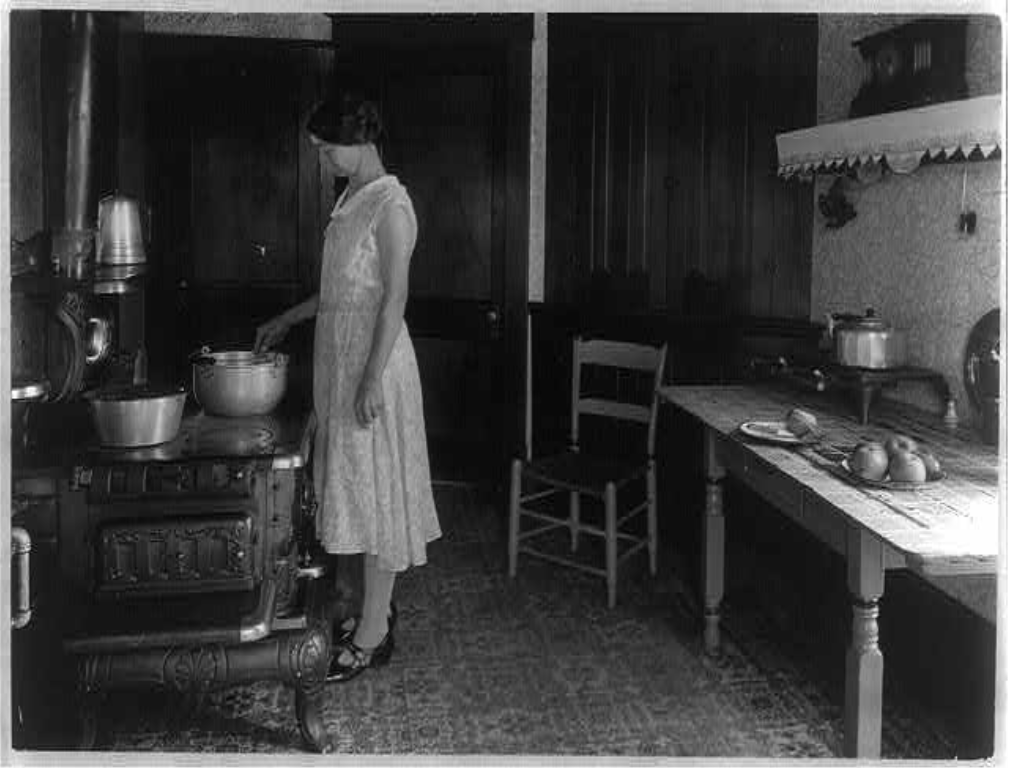
One more thing, which is the part people who grew up with these remember rather than any of the above.
A stovepipe tells you about the fire without you having to look at it. It ticks and pings as it expands when the fire is building and again as it contracts when the fire dies down, it changes colour at the bottom when the stove is being driven hard, and the sound of the draught through it changes with the weather outside.
Which means a household could hear the state of its own heating from another room. Somebody lying in bed upstairs knew from the ticking whether the fire had just been made up or was going out, and that is a piece of information nobody gets from a thermostat.
Then the Furnace Moved the Fire Out of the Room
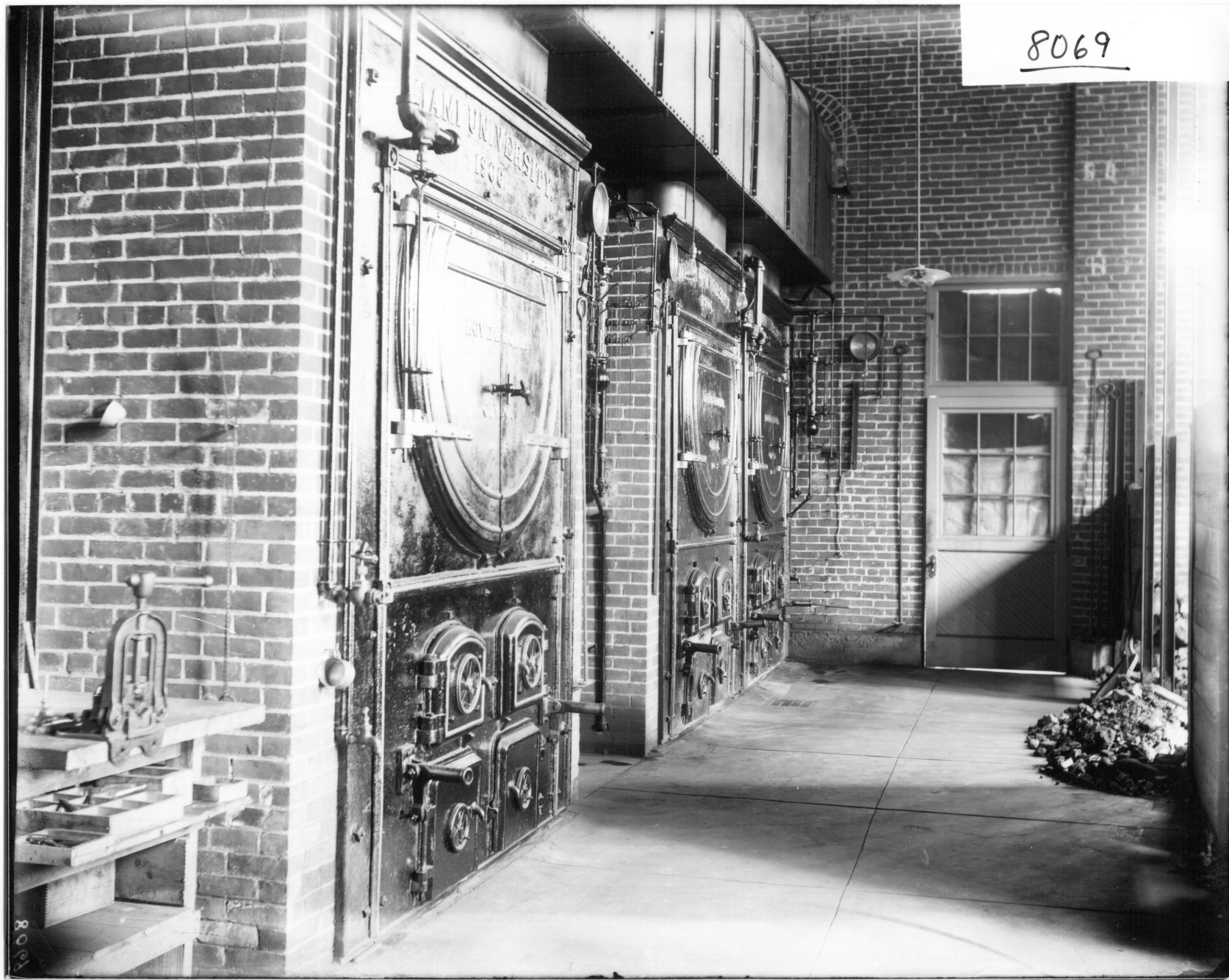
Central heating changed the geometry entirely.
A furnace in a cellar has a short flue connection straight into a chimney, which means no long pipe through a living space, no elbows, no annual dismantling in the kitchen and no black powder over the furniture.
Then oil and gas changed the chemistry. Burning a clean fuel produces far less solid deposit, so the whole annual ritual became unnecessary – and modern appliances use insulated double-wall flue systems that stay hot, which is the real solution to the cooling problem that caused most of the trouble.
What the Hole in the Wall Is
So that collar in my grandparents’ plaster is a specific thing.
It is the lined penetration where a sheet-metal pipe entered a masonry chimney, set at a height that let the pipe rise from the stove without a bend, with an air gap round it because the pipe got hot enough to char the framing. Somebody installed it, somebody checked every autumn that the pipe was rising and that the crimped ends pointed the right way, and somebody took the whole thing down once a year and carried it out into the yard to knock the soot out of it.
Then the stove went and the hole got plastered over, badly, and painted the same colour as the rest of the wall. Which is why you can still see it, and why nobody in that house could tell me what it was.
Like our content? Follow us for more.