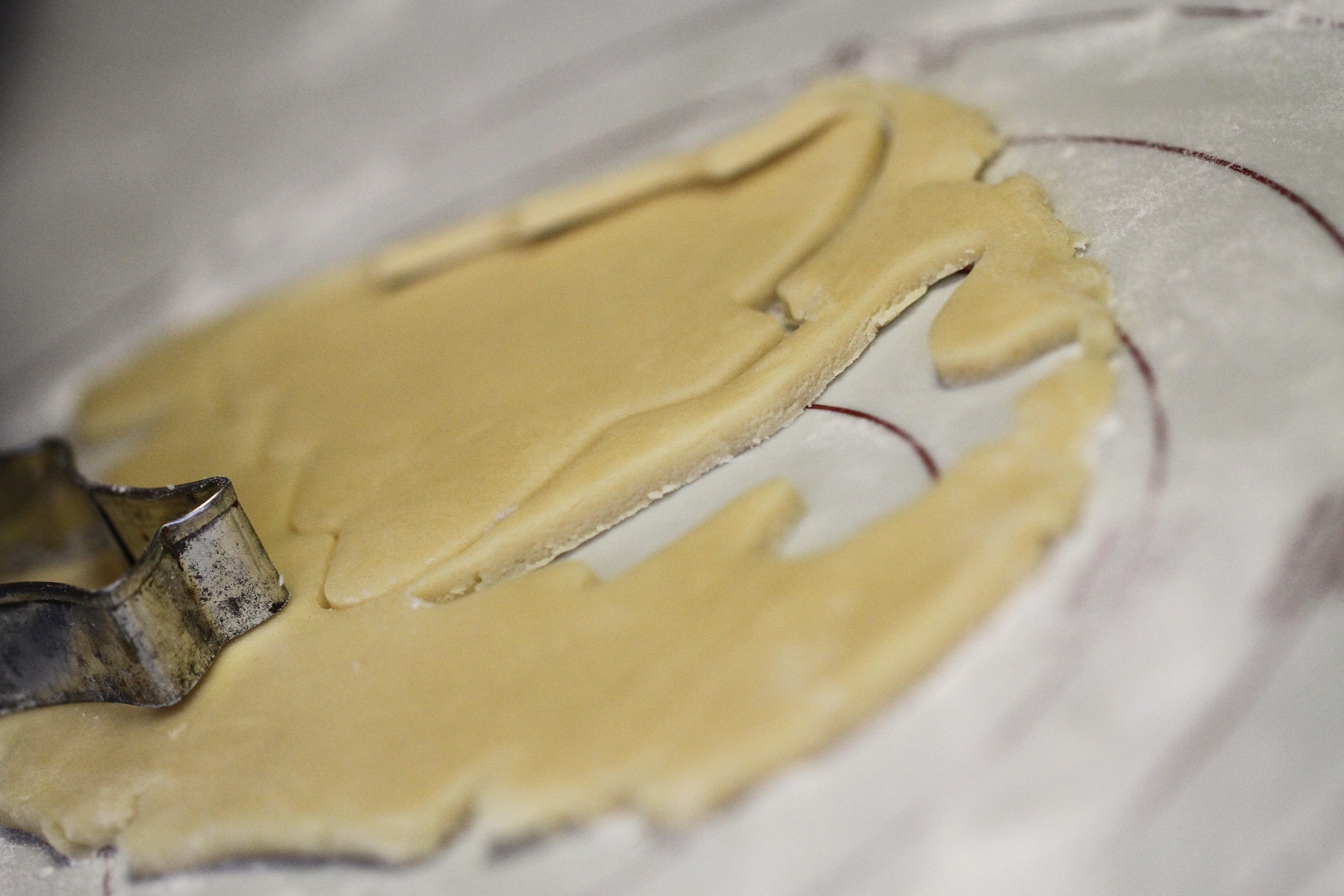
A cookie cutter is a blade bent into a closed loop.
That is the entire object – a strip of thin metal formed into a shape and joined, with one edge left sharp enough to shear dough. And it cuts by shearing rather than pressing, which is the distinction that explains everything about how these things behave: a thin sharp edge parts the dough with almost no sideways displacement, while a thick blunt one pushes material aside as it goes down, and that pushed material is the distorted edge on a finished cookie.
The part nobody looks at is the top. A plain strip of thin metal would fold flat the moment a hand pressed on it, so the upper edge was rolled, folded or capped to make a beam – which is a structural solution hiding inside a kitchen utensil. Here are sixteen things every woman knew.
1. A Cookie Cutter Is a Blade Bent Into a Closed Loop
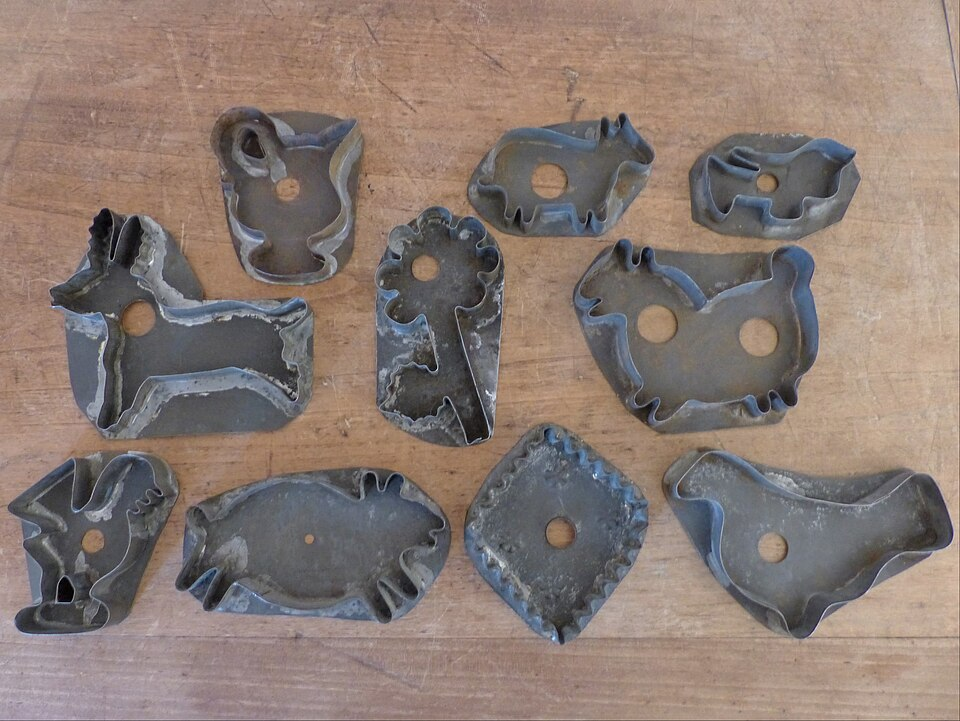
The whole object is a strip of thin metal formed into a shape and joined, with one edge left sharp enough to shear dough.
Plastic, with a dull edge and a thicker wall.
Start with what the thing actually is, because its simplicity is the reason it survived unchanged for so long. A closed loop of sheet metal with a cutting edge does one job perfectly and has no part that can go wrong – which is why the design never needed improving.
Like our content? Follow us for more.
2. It Cuts by Shearing, Not by Pressing
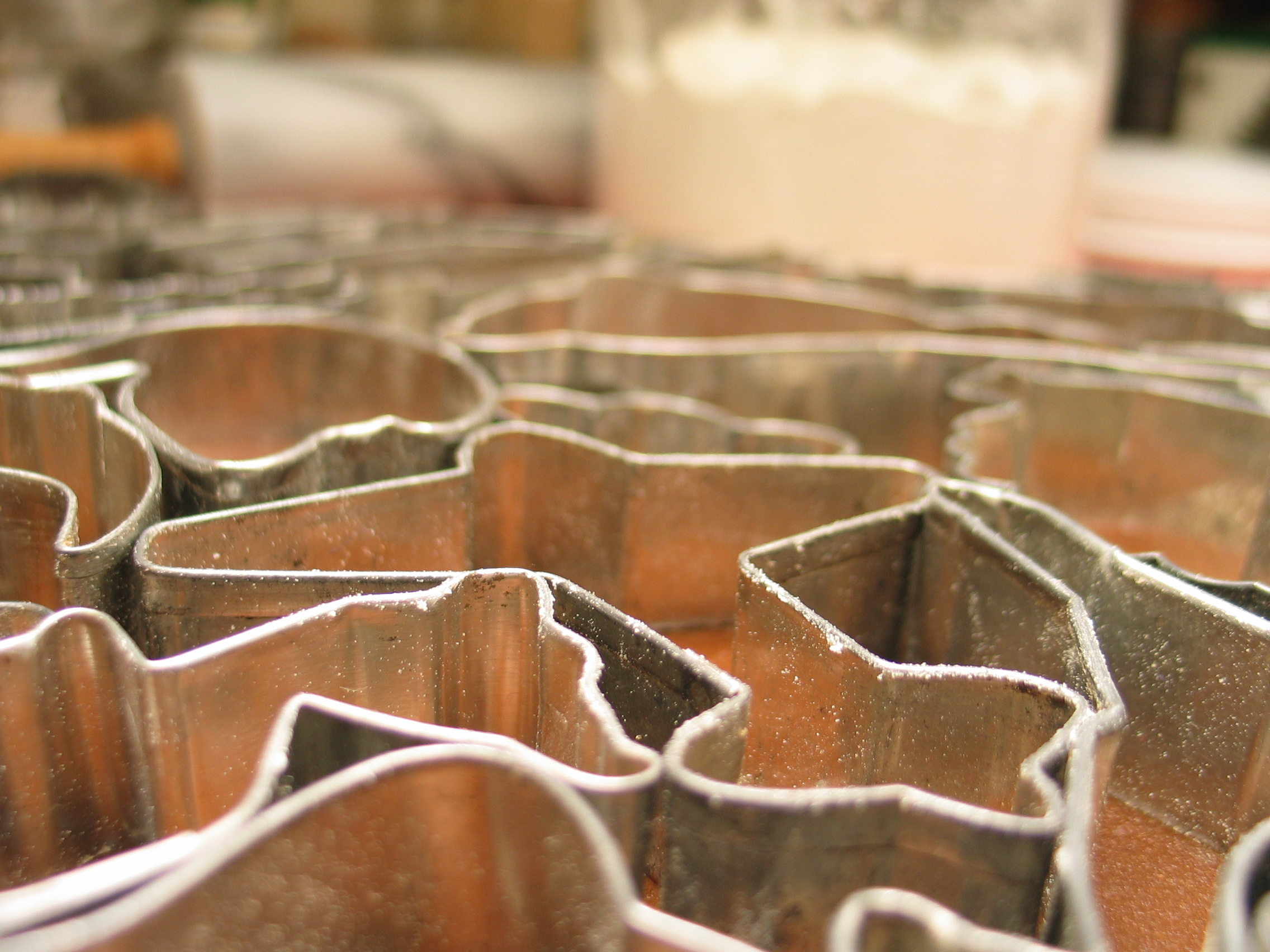
The edge severs the dough against the board rather than squeezing it apart, which is why a sharp cutter leaves a clean wall and a dull one leaves a ragged one.
Not applicable.
The distinction between shearing and crushing explains everything about how these behave. A thin sharp edge parts the dough with almost no sideways displacement, while a thick blunt one pushes material aside as it goes down – and that pushed material is the distorted edge on a finished cookie.
3. The Back Had to Be Stiff or the Shape Collapsed
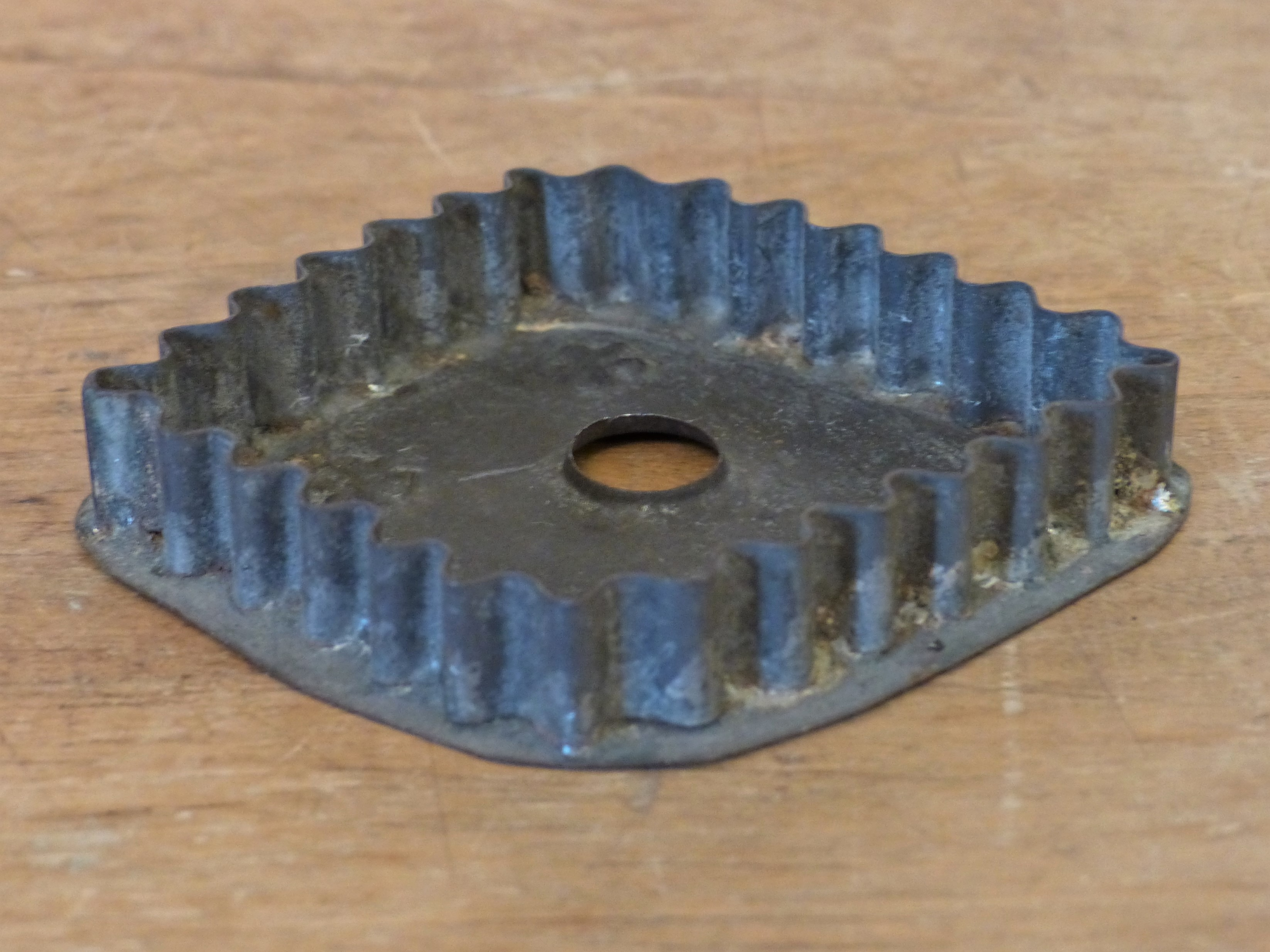
The top edge was rolled, folded or capped so the loop would hold its outline under the pressure of a hand.
Moulded in one piece.
The stiffening is the part nobody looks at and it is what makes the object usable. A plain strip of thin metal would fold the moment it was pressed, so the top edge is doubled over to make a beam – which is a structural solution hiding in a kitchen utensil.
4. The Dough Had to Be Cold or Nothing Worked
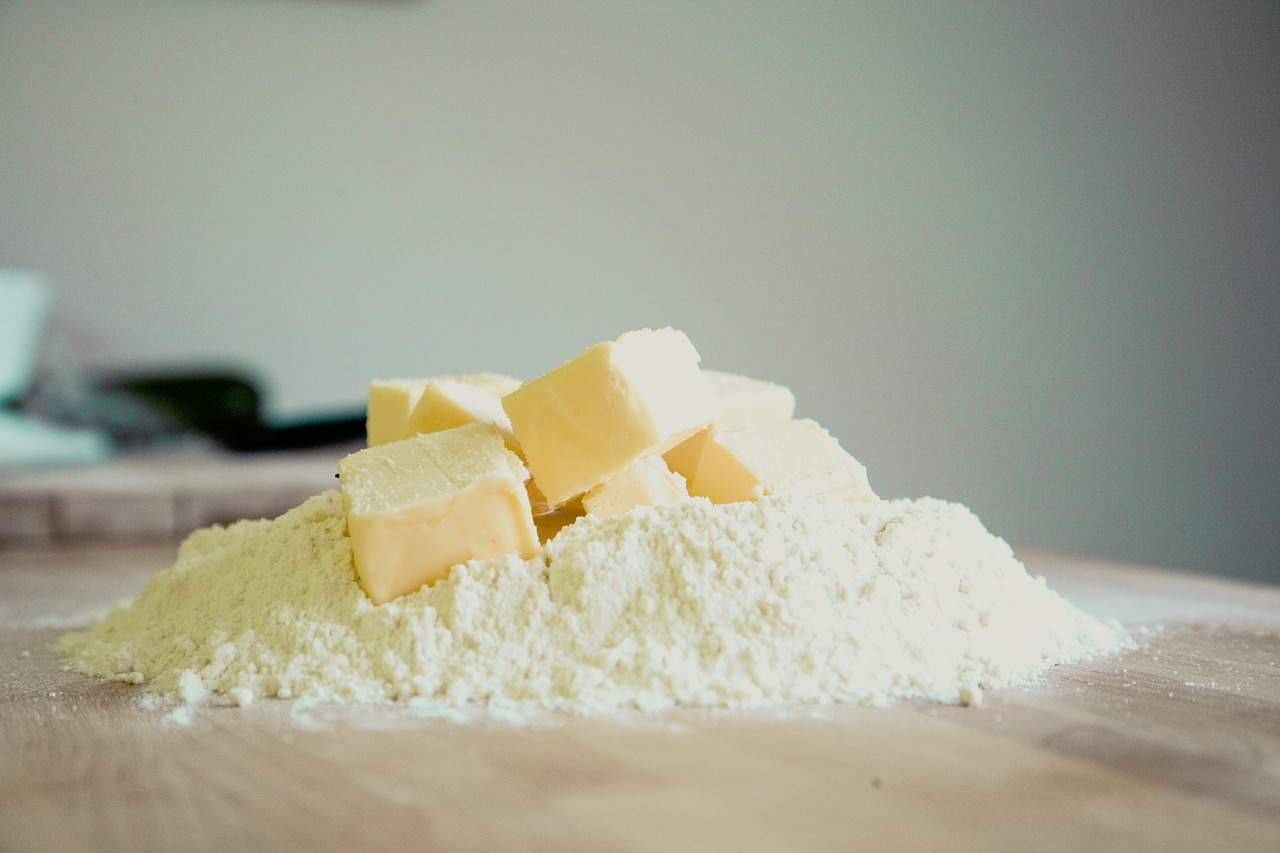
Warm dough stuck to the cutter, stretched as it lifted and lost the outline immediately.
The same requirement.
This is the single thing that separates a good result from a bad one and it is a matter of physics rather than skill. Cold fat is firm and holds a shape; warm fat is soft and lets the dough deform under its own weight, so the whole operation depends on temperature.
5. Flouring the Cutter Was the Universal Trick
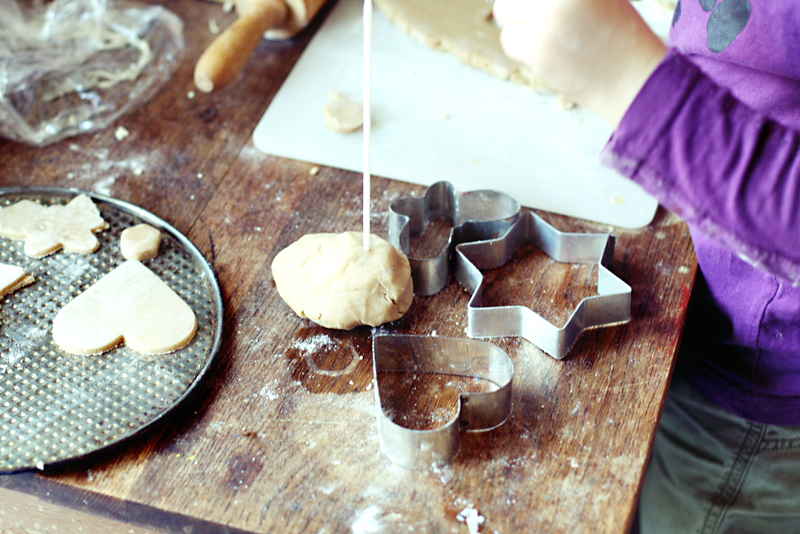
Dipping the edge in flour between cuts prevented the dough from adhering to the inside of the loop.
Still done.
The flour barrier is a simple answer to a real problem and the mechanism is straightforward. A dry powder between two sticky surfaces stops them bonding, so a dusted cutter releases cleanly – which means the trick is not about the cutter at all but about what is between it and the dough.
6. Rolling Thickness Decided Everything Downstream
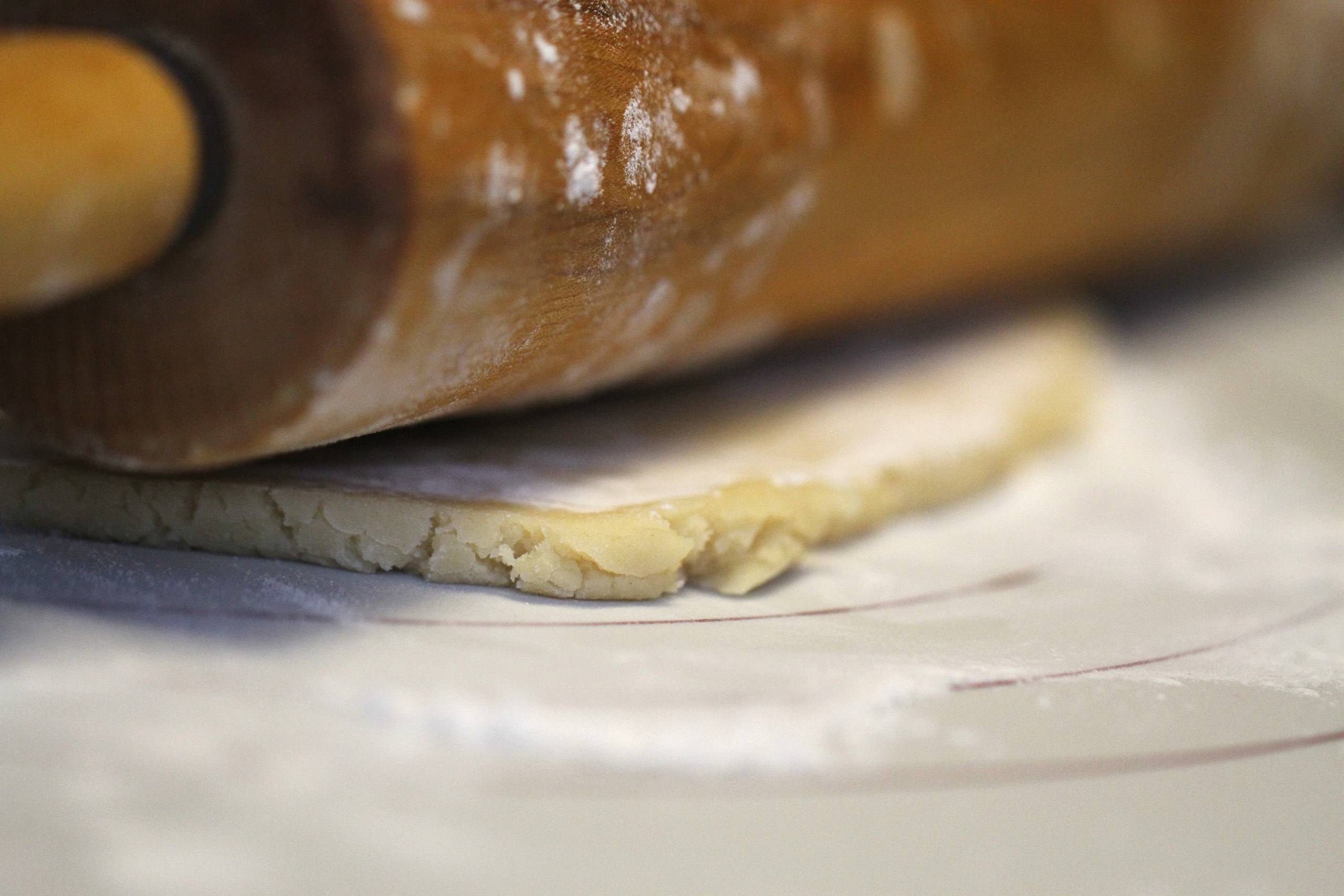
Dough rolled unevenly produced cookies that baked at different rates, so some burned while others were underdone.
Guided rolling pins and mats.
Uniform thickness is the other half of a good result and it was pure judgement. Heat enters a thin cookie faster than a thick one, so an uneven sheet guarantees an uneven bake no matter how carefully the oven is managed.
7. The Scraps Were Rolled Again and Got Tougher
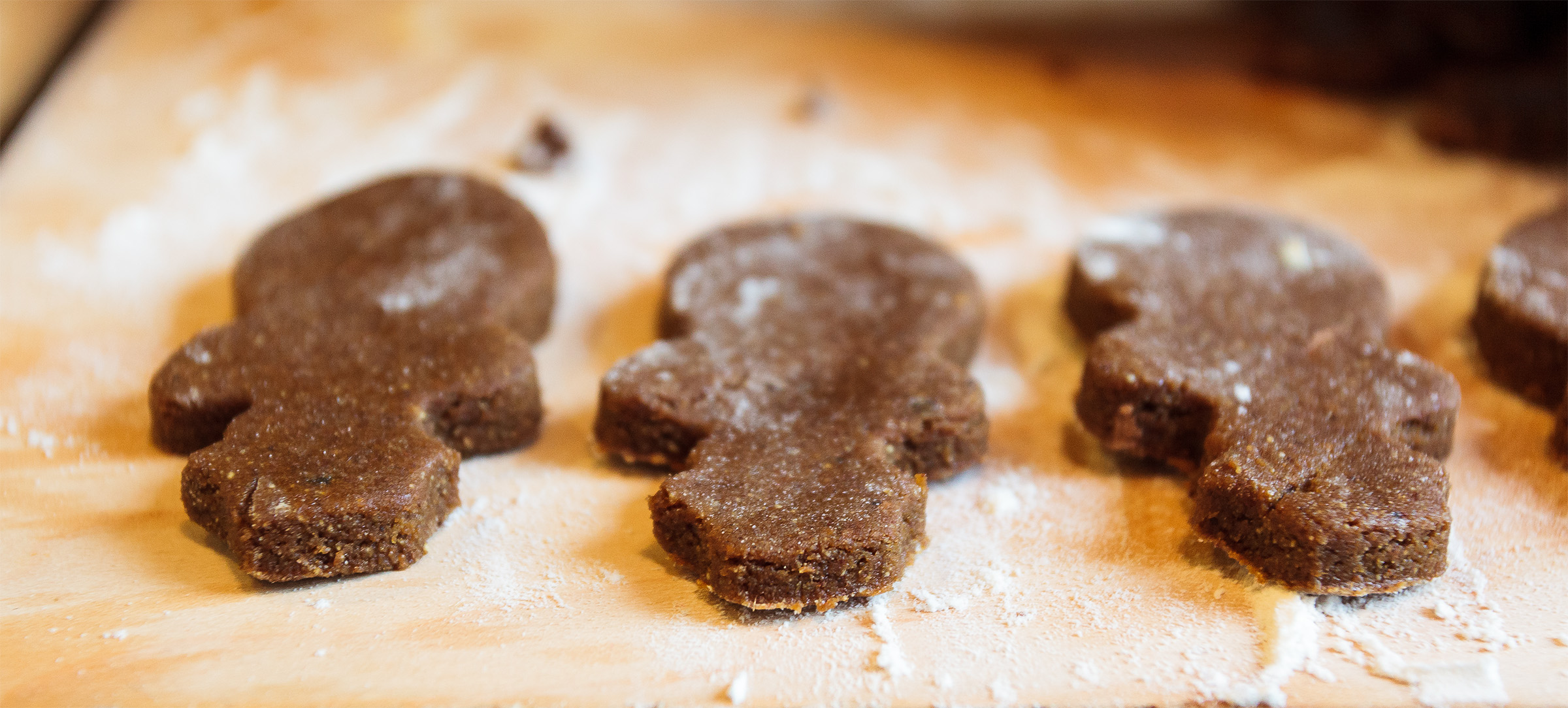
Re-rolling the dough between the cut shapes worked it further, which changed its texture, so the last batch was never as good as the first.
The same problem.
The degradation of re-rolled dough is the quiet frustration of the whole job and it has a cause. Working the dough develops structure in it, which is desirable in bread and undesirable here – so every re-roll moves the dough further from what it should be.
8. Tin Cutters Rusted and Were Dried at Once
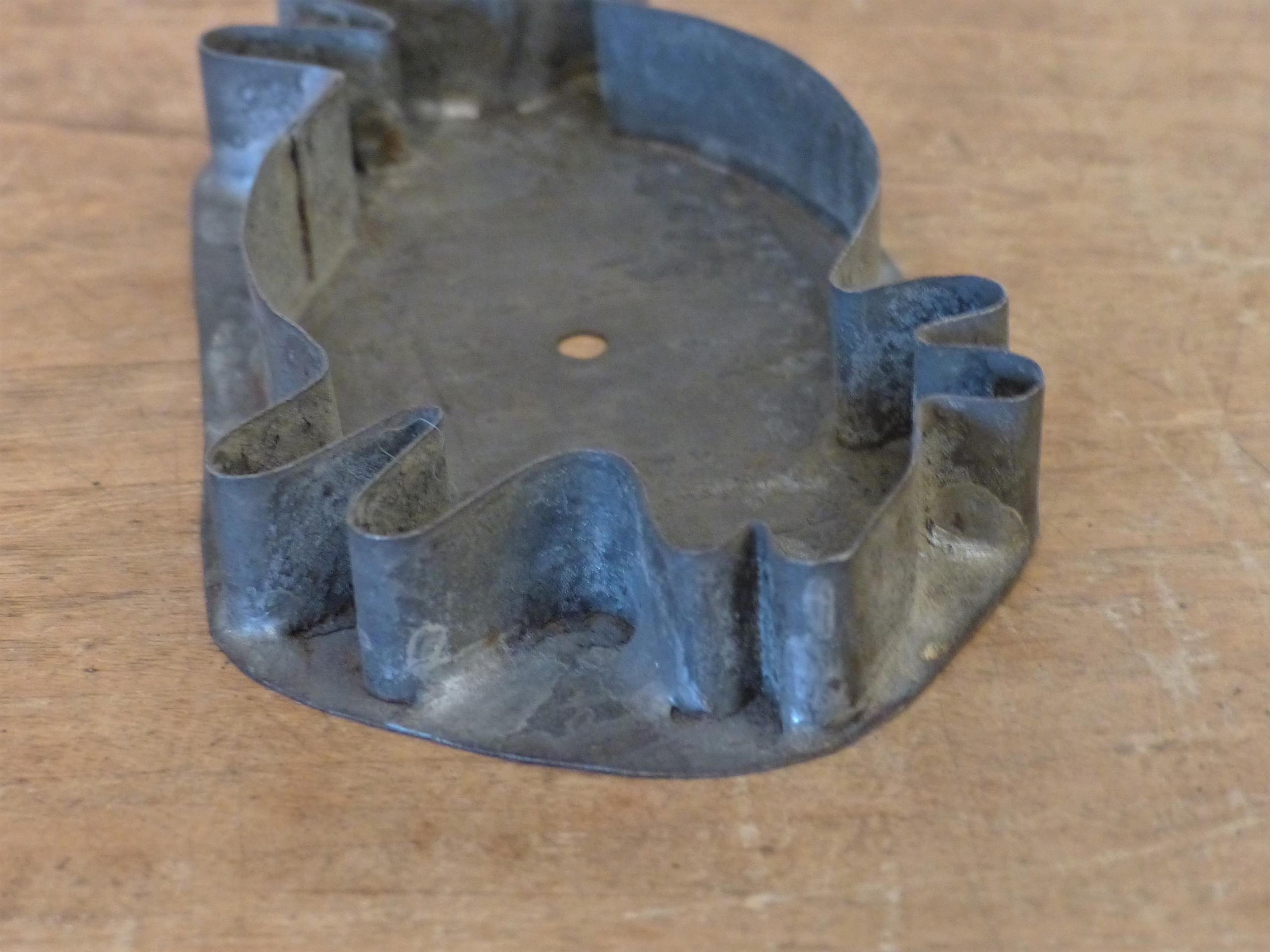
Thin plated steel left wet corroded quickly, especially inside the rolled edge where water sat.
Not applicable.
Maintenance was trivial but not optional and the vulnerable spot is predictable. Water trapped in a folded seam cannot evaporate, so that is exactly where a cutter fails first – which is why they were wiped and set near the warm stove rather than left in the water.
9. Many of Them Were Made by the Local Tinsmith
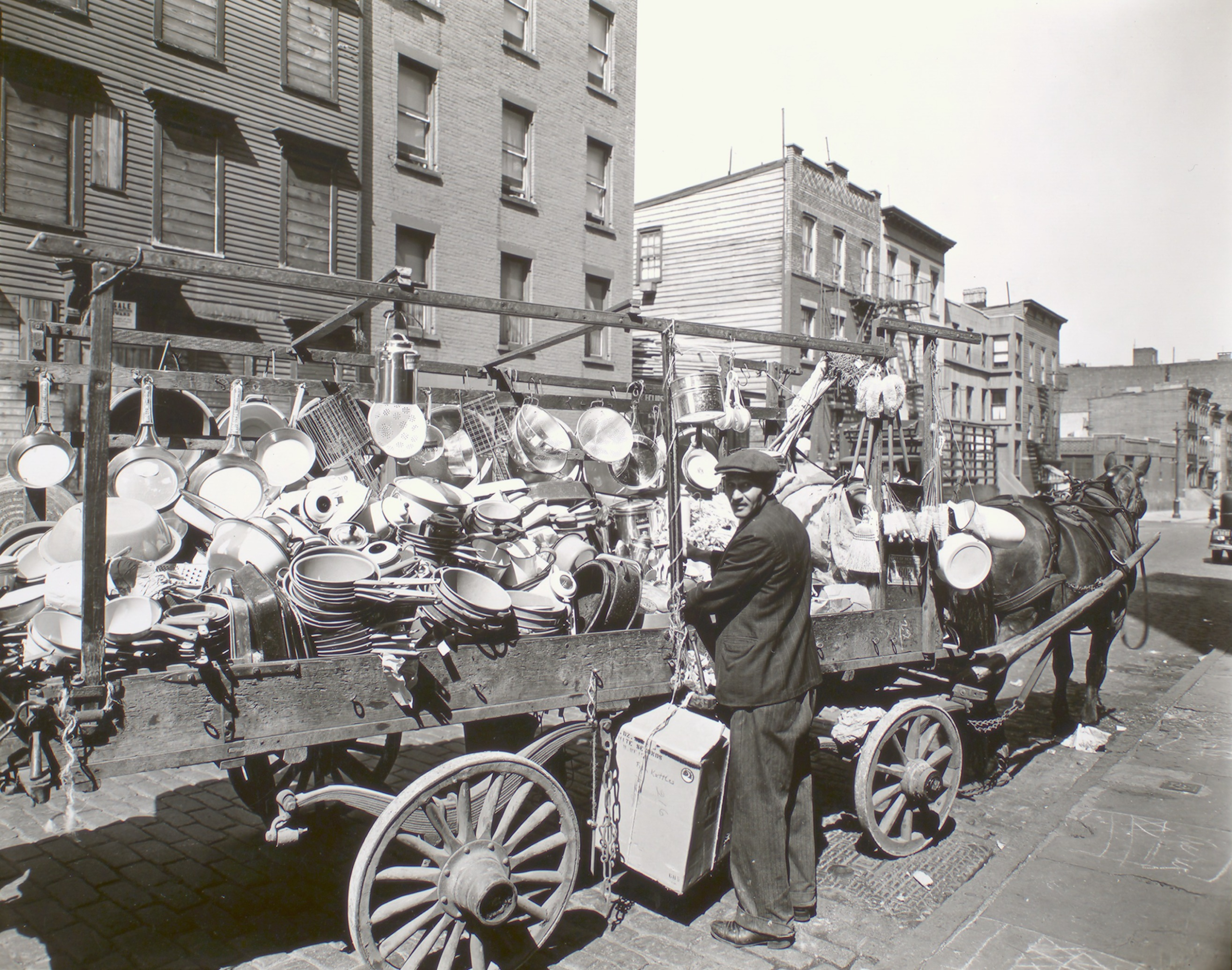
Before they were widely sold, cutters were cut and soldered to order from sheet metal, which is why old ones are irregular and individual.
Mass produced.
The made-to-order origin accounts for the character of surviving examples. A shape formed by hand from a strip has slight asymmetries and a visible joint, so no two are identical – and a household might own a shape that exists nowhere else.
10. Shapes Were Cut From Cardboard When Nothing Fitted
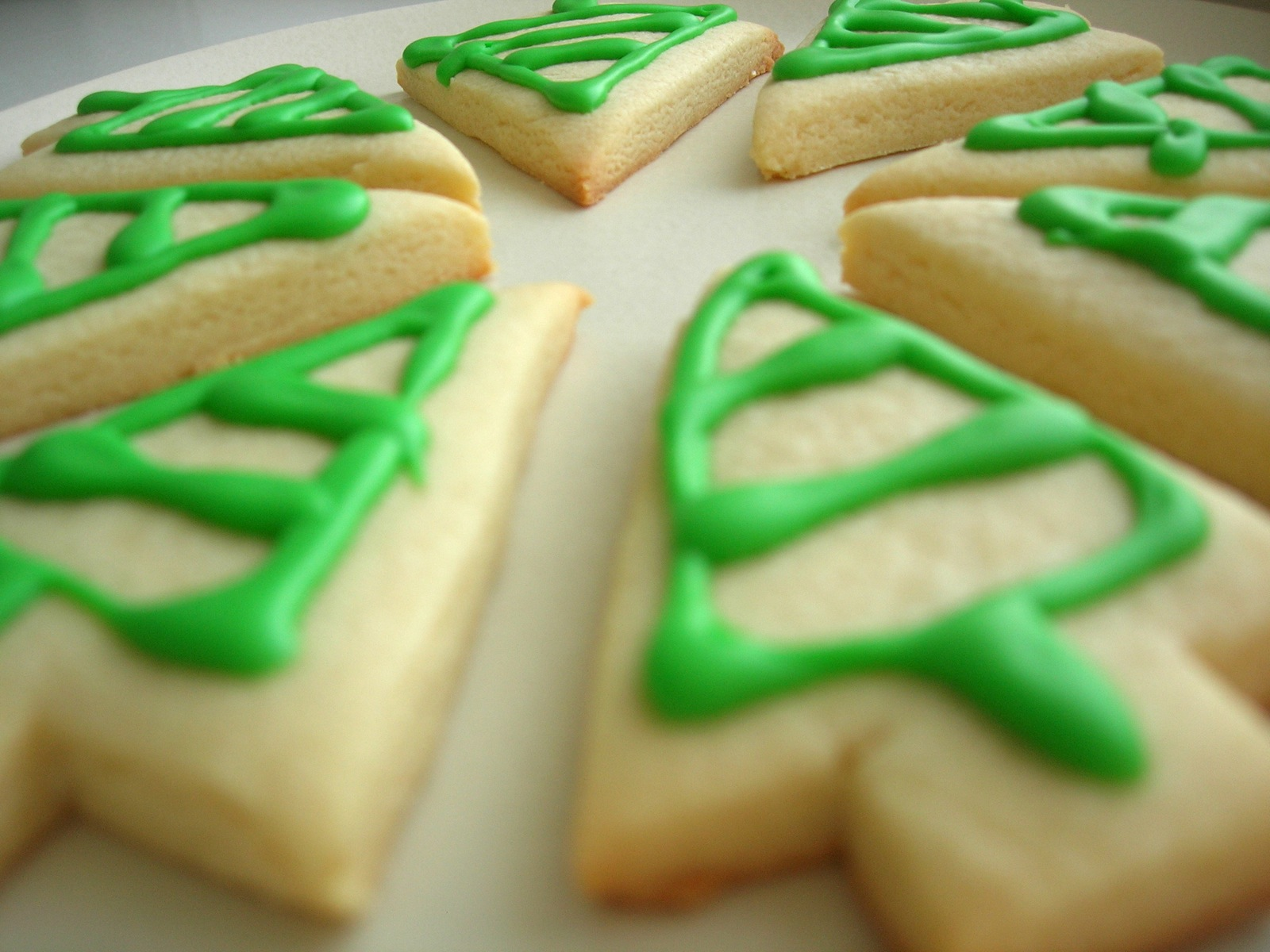
A paper or card template laid on the dough and cut round with a knife produced any outline a household wanted.
Not applicable.
The template is the fallback that made the whole practice open-ended and it cost nothing. Anything that can be drawn can be cut around, which means the available shapes were never limited to what anybody sold – only by what somebody could draw.
11. The Shapes Themselves Carried the Season
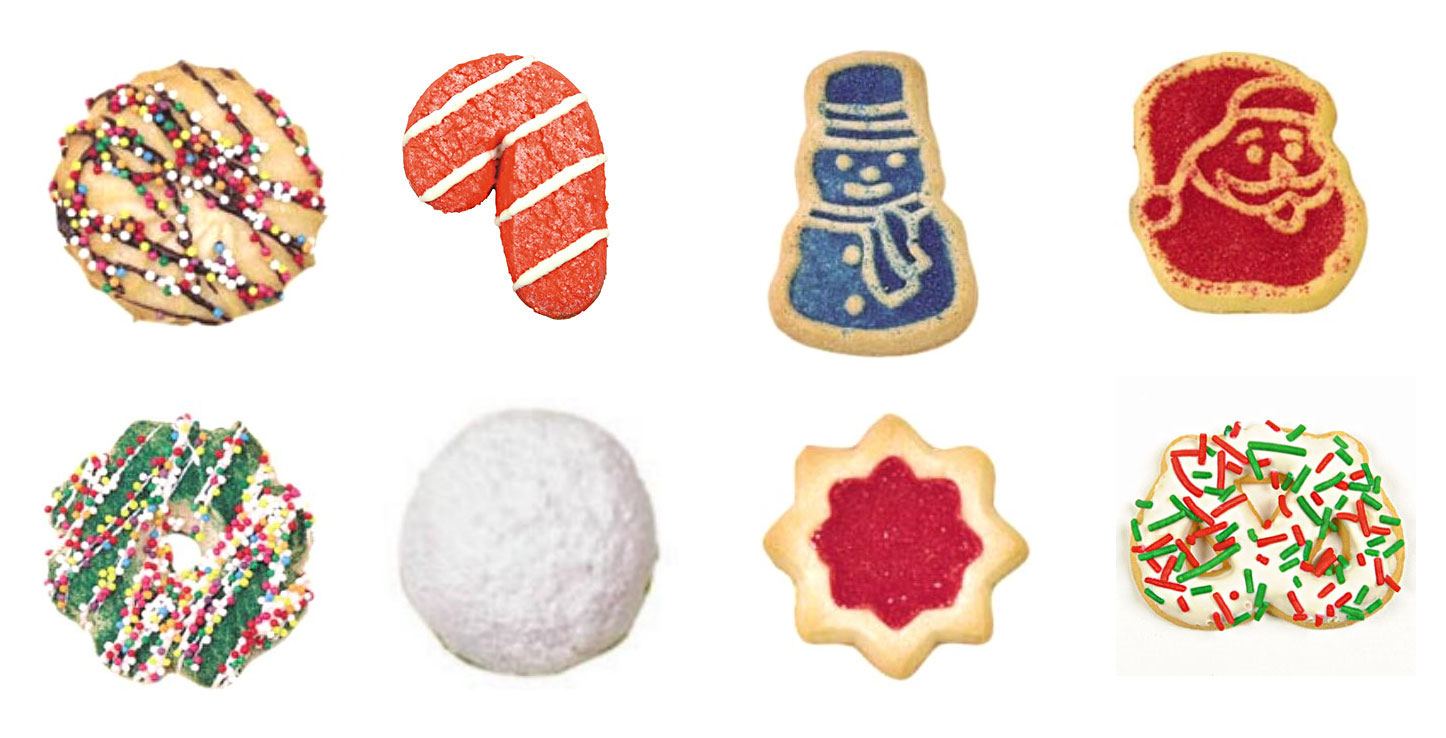
Particular outlines belonged to particular times of year, and bringing out a shape was part of marking the calendar.
Year-round availability.
Tying shapes to seasons is what turned a utensil into a tradition and the logic is social rather than practical. A shape used once a year becomes associated with that time, so taking it out of the drawer is itself the signal that the season has started.
12. Children Were Put to Work at the Cutting Stage
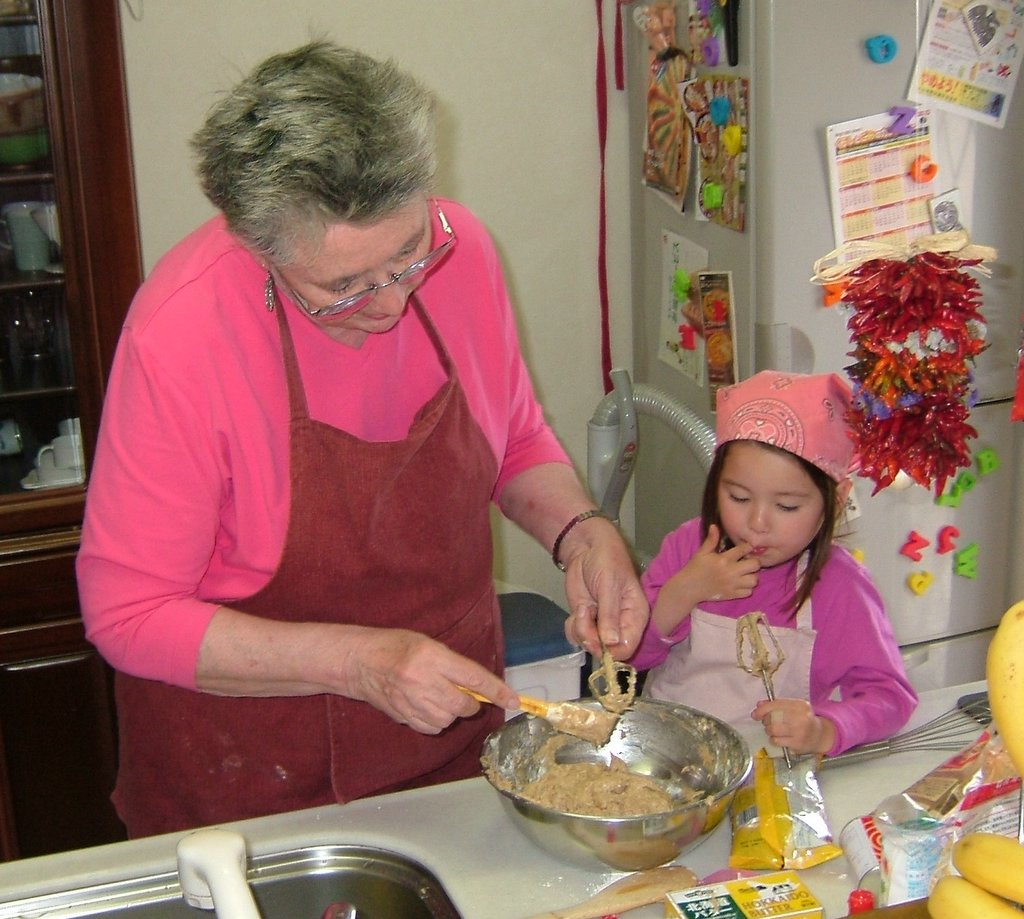
Pressing out shapes needs no judgement about ingredients, which made it the obvious job to hand to the youngest people in the kitchen.
Not applicable.
Allocating the cutting to children is the same skill-based division as everywhere else in this work, with one difference. The task is genuinely enjoyable, so it functioned as an invitation into the kitchen rather than as a chore handed down.
13. Decorating Was a Separate Operation Entirely
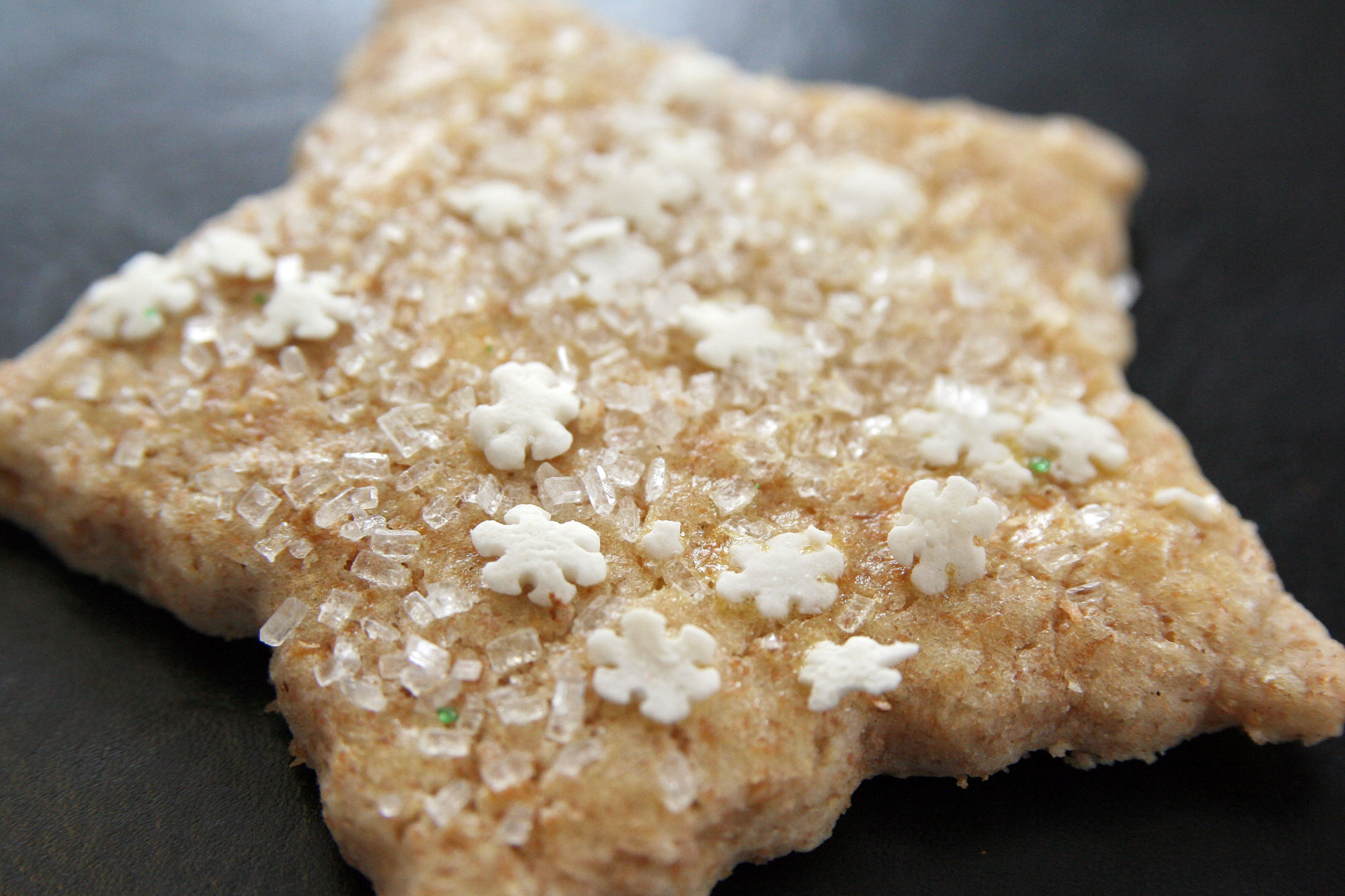
Once baked, the shapes were iced, sprinkled or left plain, which is a different job with its own materials and its own mess.
The same.
Separating cutting from decorating matters because they are usually remembered together. Cutting is a cold-dough operation done before baking and decorating happens after everything has cooled, with hours between them – which means the day had two distinct stages.
14. Aluminum and Then Plastic Replaced the Tin
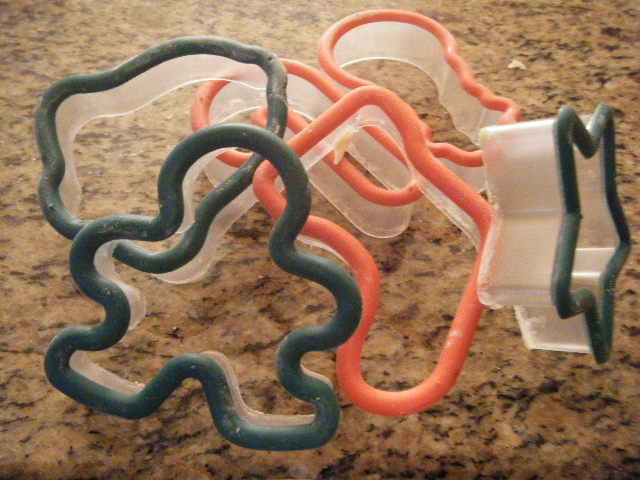
Lighter metal and then moulded plastic took over, which ended the rust problem and also ended the sharp edge.
Plastic, overwhelmingly.
The material change is a straightforward trade and it is worth being honest about. Plastic does not corrode and will not cut anybody, but a moulded wall cannot be thin and sharp – so the cut is a crush rather than a shear, and the edge of the finished cookie shows it.
15. The Old Ones Were Kept Long After They Stopped Being Used
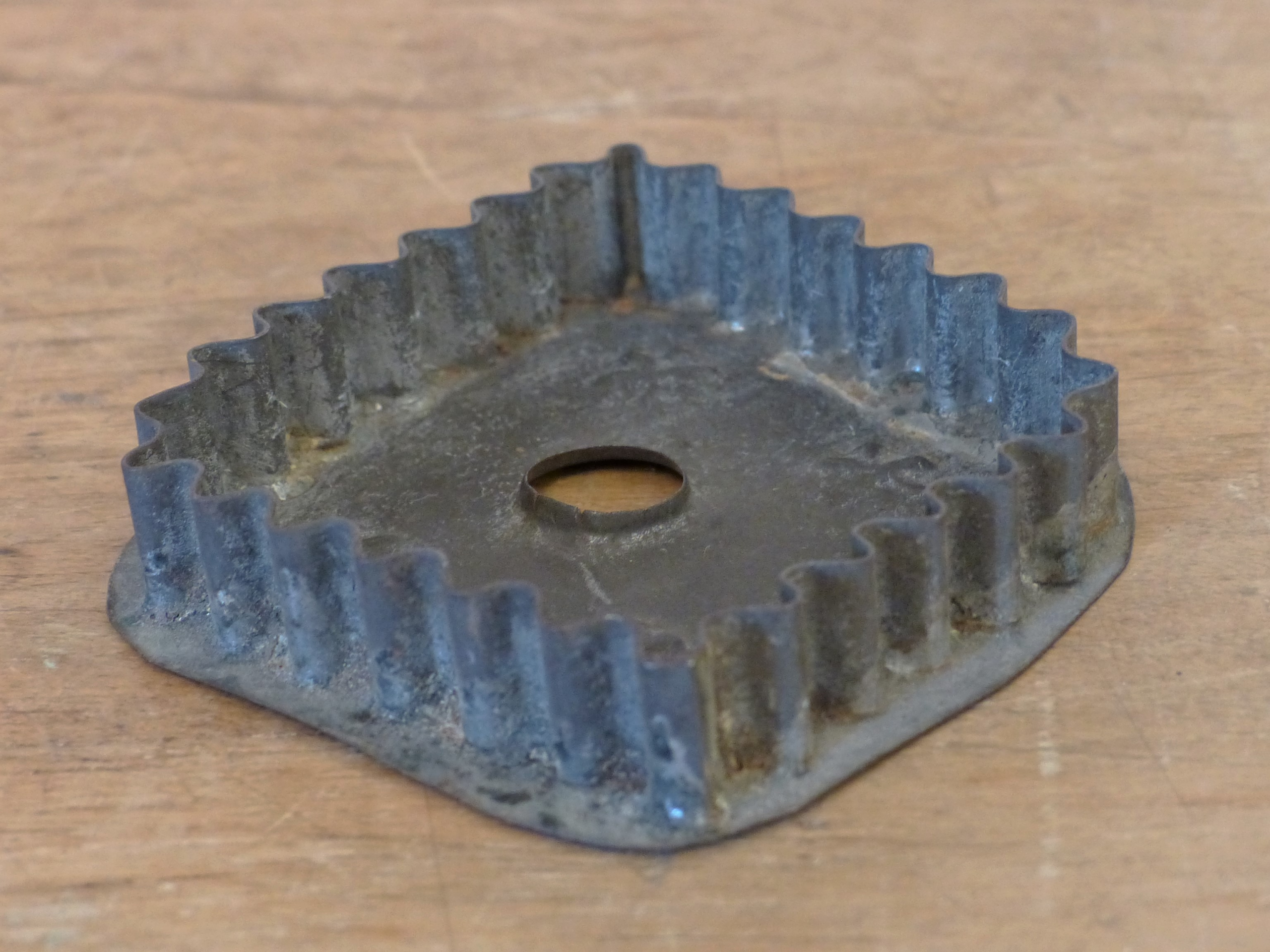
Tin cutters stayed in drawers and tins for decades, kept because of what had been made with them rather than for their usefulness.
Not applicable.
Retention of the old ones is the giveaway about what these objects actually became. Nobody keeps a worn utensil for its function, so a drawer of rusted tin shapes is a record of occasions rather than a collection of tools.
16. And by 1964 a Drawer of Them Was a Family Archive
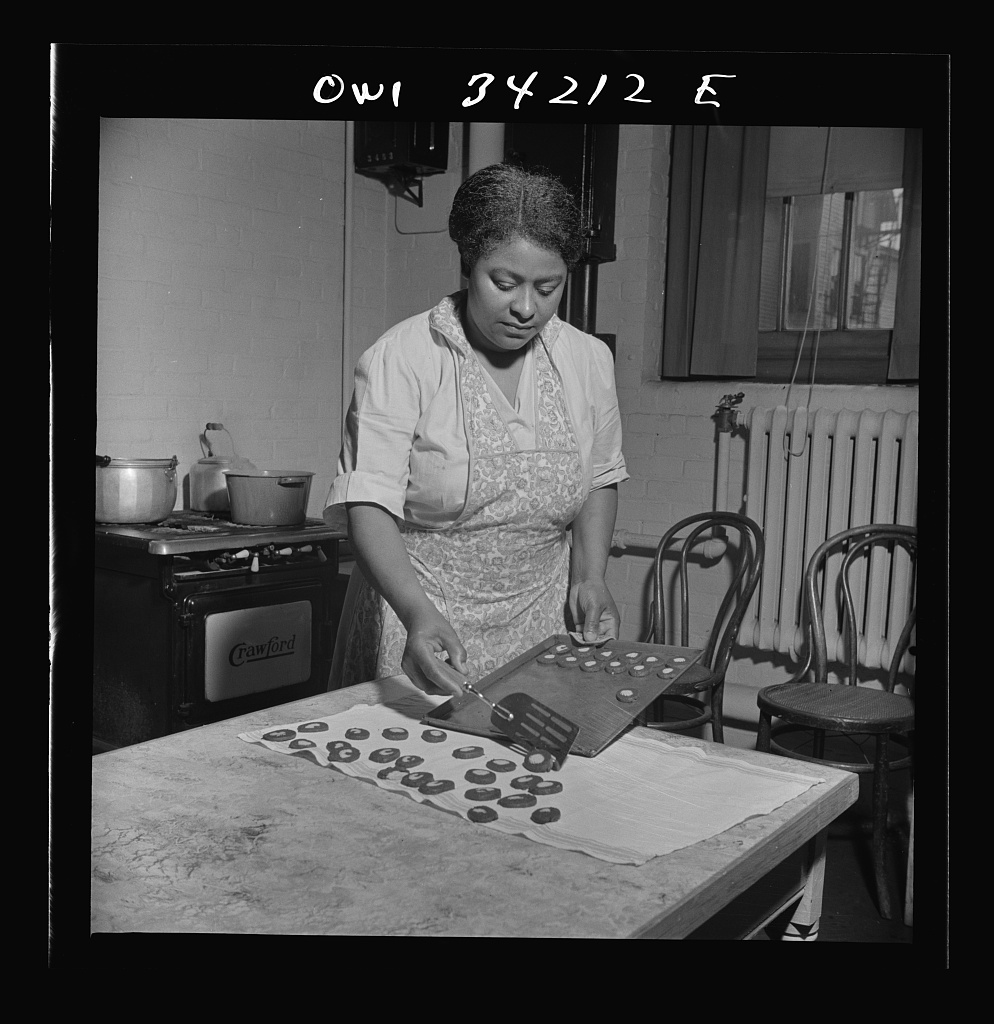
The cutters that survived were the ones associated with particular people and particular years, and their condition was irrelevant.
Inherited or collected.
And what deserves the last word is how much engineering is hidden in something this trivial. It is a blade bent into a closed loop, with its top edge doubled over to make a beam so a hand can press it without folding it flat, and it works by shearing rather than crushing, which is why a thin sharp wall leaves a clean outline and a thick moulded one leaves a distorted one. Everything that determines the result is outside the cutter: the dough has to be cold because cold fat holds a shape, the edge has to be floured because a dry powder stops two sticky surfaces bonding, and the sheet has to be rolled evenly because heat enters a thin cookie faster than a thick one. The scraps get worse every time they are re-rolled, which has a real cause. And the shapes outlived every bit of that, because they stopped being tools and turned into a record of who was in the kitchen.
There Is More Engineering in This Than Anybody Notices
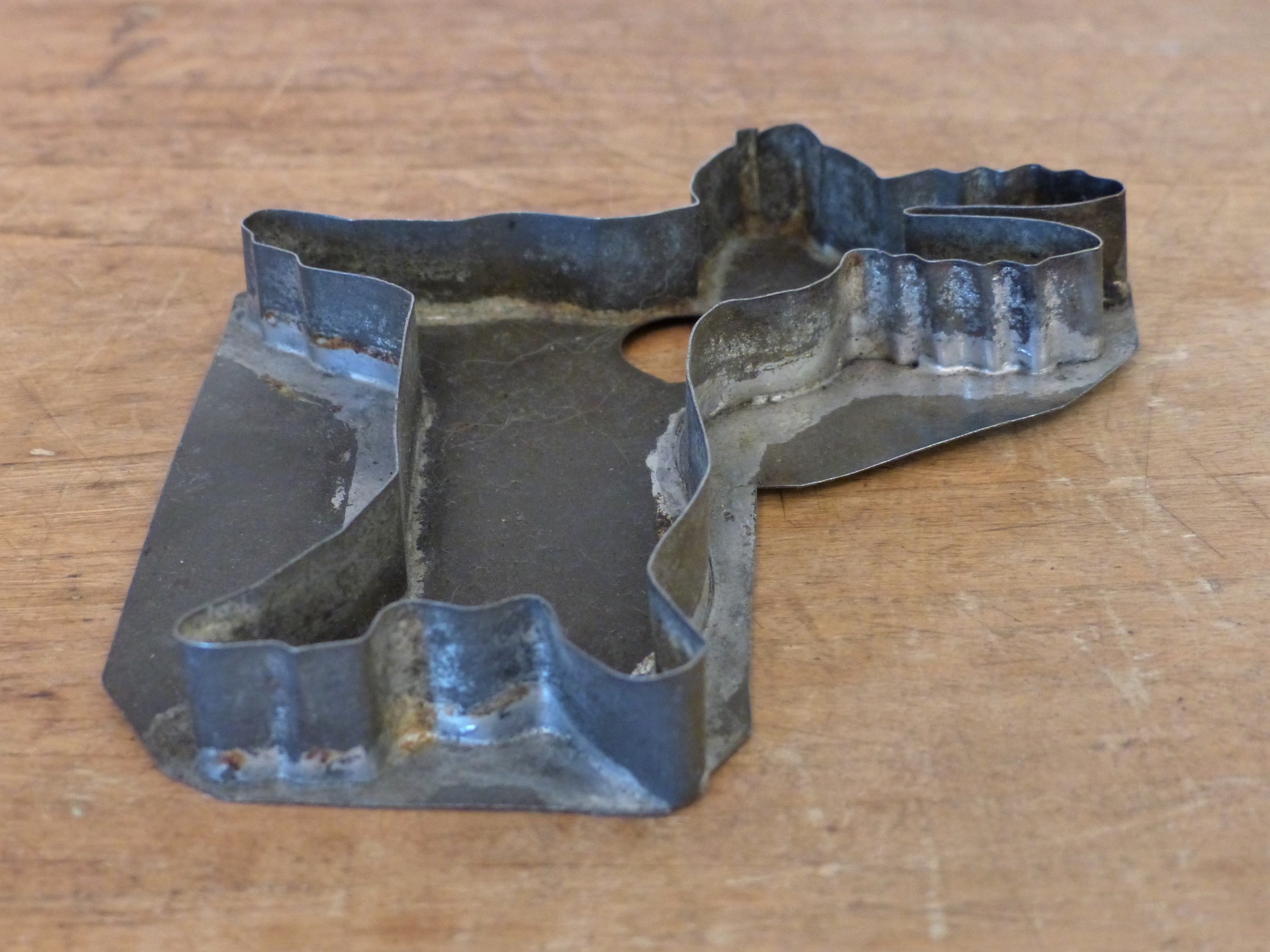
A cookie cutter is about as trivial an object as a kitchen contains, and it is worth taking apart properly, because almost everything about it is better designed than it looks.
Begin with what it is: a blade bent into a closed loop. A strip of thin metal formed to a shape and joined, with one edge left sharp. That is all, and the simplicity is why the design survived unchanged for generations – there is no part of it that can go wrong.
It cuts by shearing rather than pressing, and that distinction explains how these behave. A thin sharp edge parts the dough with almost no sideways displacement; a thick blunt one pushes material aside as it descends, and the pushed material becomes the distorted edge on the finished cookie.
The stiffening at the top is the part nobody examines, and it is what makes the thing usable at all. A plain strip of thin metal folds flat under a hand, so the upper edge was rolled, folded or capped to turn it into a beam. That is a structural solution, hiding in a utensil.
Now the important point: everything that determines the result happens outside the cutter.
The dough has to be cold, and this is physics rather than skill. Cold fat is firm and holds a shape; warm fat is soft and lets the dough deform under its own weight, stick to the metal and stretch as it lifts. The outline is lost immediately.
The edge has to be floured. A dry powder between two sticky surfaces stops them bonding, so a dusted cutter releases cleanly – which means the universal trick is not about the cutter at all, but about what sits between it and the dough.
And the sheet has to be rolled evenly, which was pure judgement. Heat enters a thin cookie faster than a thick one, so an uneven sheet guarantees an uneven bake no matter how well the oven is managed.
There is one frustration with a real cause. Re-rolling the scraps between the cut shapes works the dough further, and working dough develops structure in it – desirable in bread, undesirable here. Which is why the last tray was never as good as the first, and why everybody knew it without necessarily knowing the reason.
Maintenance was trivial and not optional. Thin plated steel left wet corrodes, and it corrodes first inside the rolled edge where water sits and cannot evaporate – so they were wiped and set near the warm stove rather than left in the washing-up.
The origins of the shapes themselves are worth knowing. Before cutters were widely sold they were cut and soldered to order from sheet metal, which is why surviving ones are irregular, visibly jointed and individual – a household might own a shape that exists nowhere else. And when nothing fitted, a card template laid on the dough and cut round with a knife produced any outline at all, at no cost. The available shapes were never limited by what anybody sold, only by what somebody could draw.
Then the social part, which is how these objects outlived their usefulness.
Particular outlines belonged to particular times of year, so bringing a shape out of the drawer was itself the signal that a season had begun. That is what turns a utensil into a tradition, and the logic is entirely social.
The cutting stage was handed to children, because pressing out shapes requires no judgement about ingredients. Same skill-based division as everywhere else in this household work, with one difference worth noting: the task is enjoyable, so it functioned as an invitation into the kitchen rather than a chore passed down.
And decorating was a separate operation, hours later, with its own materials and its own mess – which is worth separating out, because the two stages are usually remembered as one thing.
The material change at the end was a straightforward trade. Aluminum and then moulded plastic ended the rust problem and ended the sharp edge at the same time. Plastic cannot corrode and will not cut anybody, but a moulded wall cannot be thin and sharp, so the cut becomes a crush rather than a shear – and the edge of the finished cookie shows it.
The last thing is the giveaway. Tin cutters stayed in drawers for decades after they stopped being the best tool available, kept for what had been made with them. Nobody keeps a worn utensil for its function, so a drawer of rusted tin shapes is not a collection of tools. It is a record of occasions, and of who was standing at the table.
If you have a drawer of old tin ones, look at the rolled top edge.
Somebody folded that over so a hand could press it without crushing it flat.
Like our content? Follow us for more.