

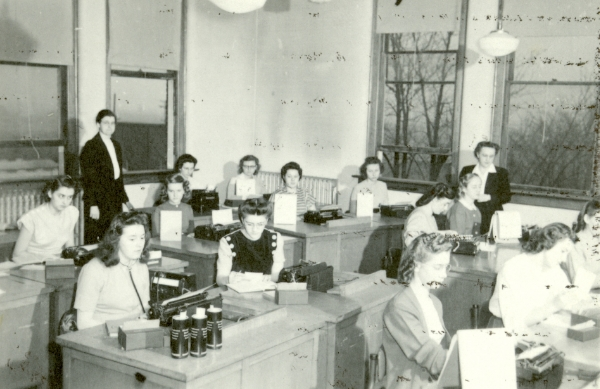
Typing class in 1972 was conducted like drill. Thirty machines, thirty students, a teacher calling letters out loud, and a shield over the keys so nobody could look down. The whole room went at the same speed and everybody hit the same key at the same instant, which sounded like applause. It was the most useful hour in the school day and almost nobody taking it understood that at the time.
The Point Was Not Typing, It Was Not Looking
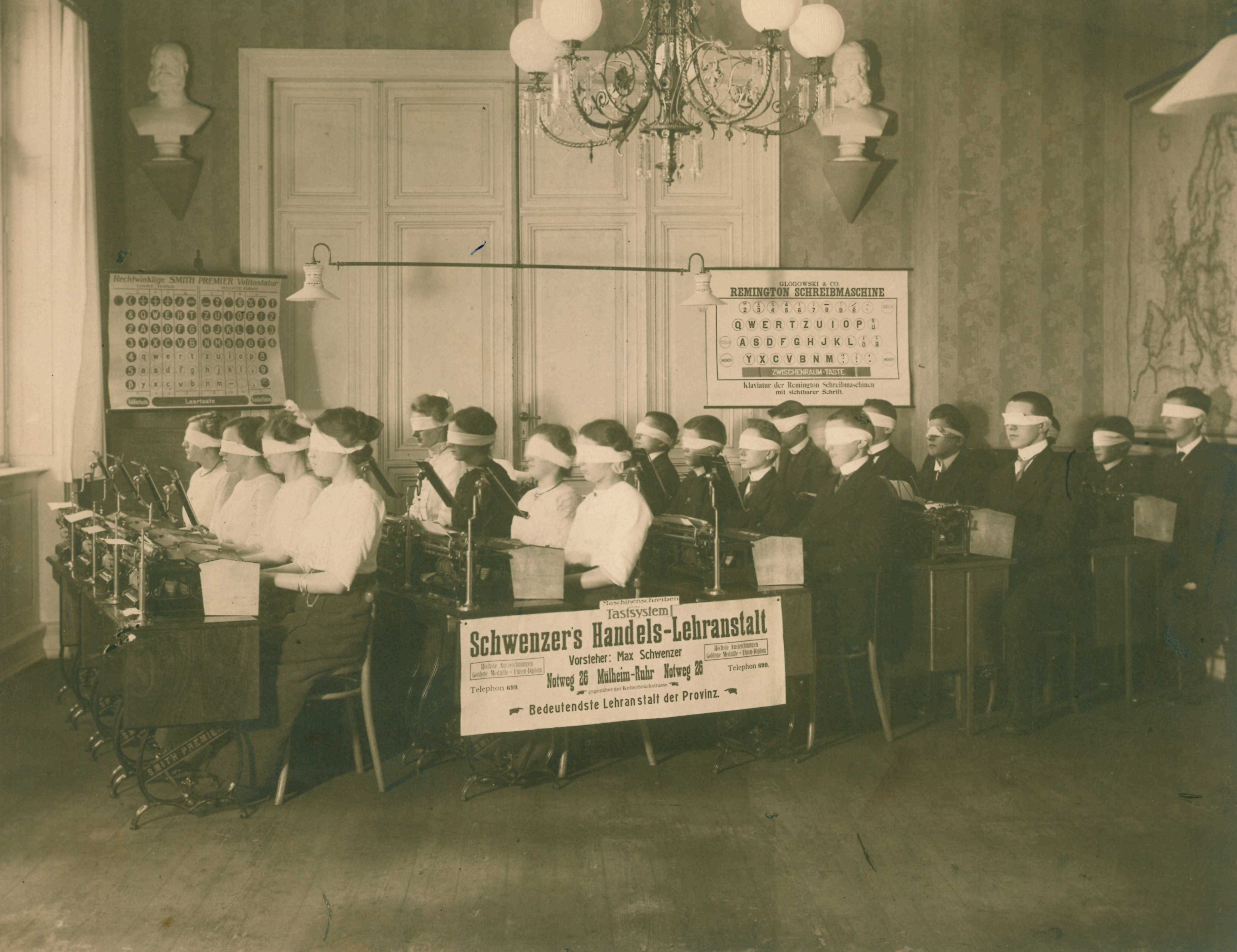
Start with what was actually being taught, because the name of the class disguises it. Anybody can press keys with one finger while watching their hands. The skill being installed was operating the keyboard without looking at it at all.
That distinction is everything. Looking down costs a glance away from the page and a glance back, and the eye has to find its place again each time – so a typist who looks at the keys is limited by their neck rather than by their fingers. Removing the glance is what unlocks speed.
Like our content? Follow us for more.
Home Position Was the Whole Method
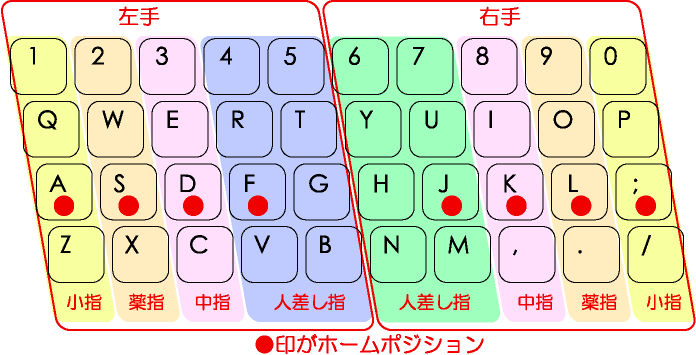
Eight fingers rest on eight specific keys and return to them after every stroke, which gives the hand a known starting point it can find without sight.
Everything else is built on that. If the fingers always come back to the same eight keys, then every other key has a fixed relationship to a finger – up and left, down and right – and the hand can reach it by muscle memory. Home position is not a posture rule, it is the coordinate origin for the entire layout.
Each Finger Owned a Territory
The keyboard was divided into columns, and each finger was responsible for its own, which is why the drills were organised the way they were.
That assignment removes decisions. A typist who could use any finger for any key has to choose, and choosing takes time; a typist whose index finger owns four keys has no choice to make. The apparent rigidity is the thing that makes the action automatic.
The Keys Were Covered on Purpose
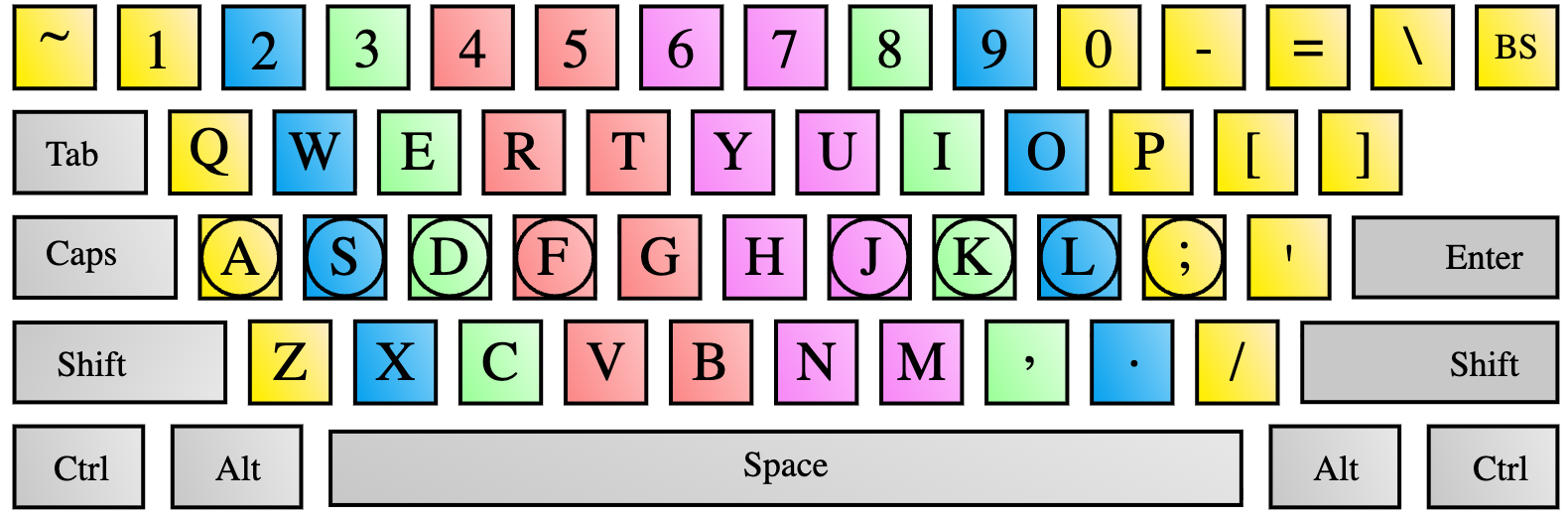
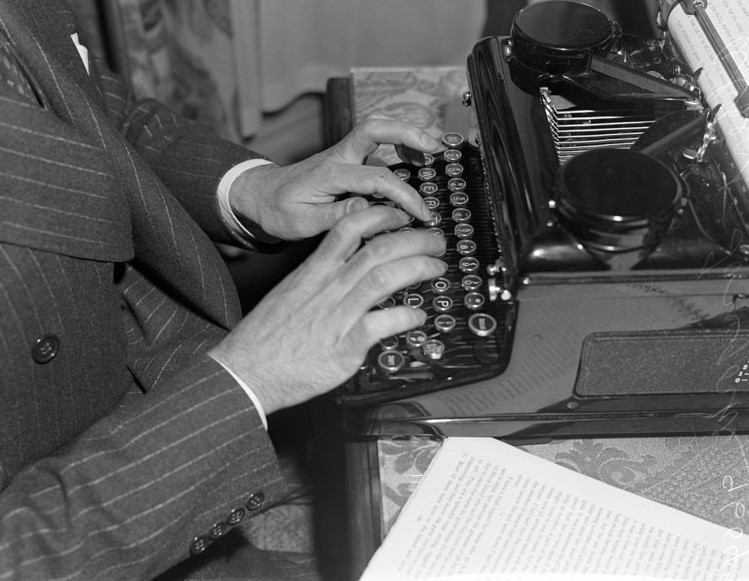
A shield over the keyboard, or blank key caps, or a sheet of paper taped across the top – every typing room had some device for making it impossible to cheat.
It looks punitive and it is sound teaching. A student allowed to glance down will glance down, and every glance reinforces the wrong habit, so the only reliable way to build a sightless skill is to remove sight entirely from the start. The shield was not a test. It was the method.
Rhythm Was Taught Before Speed
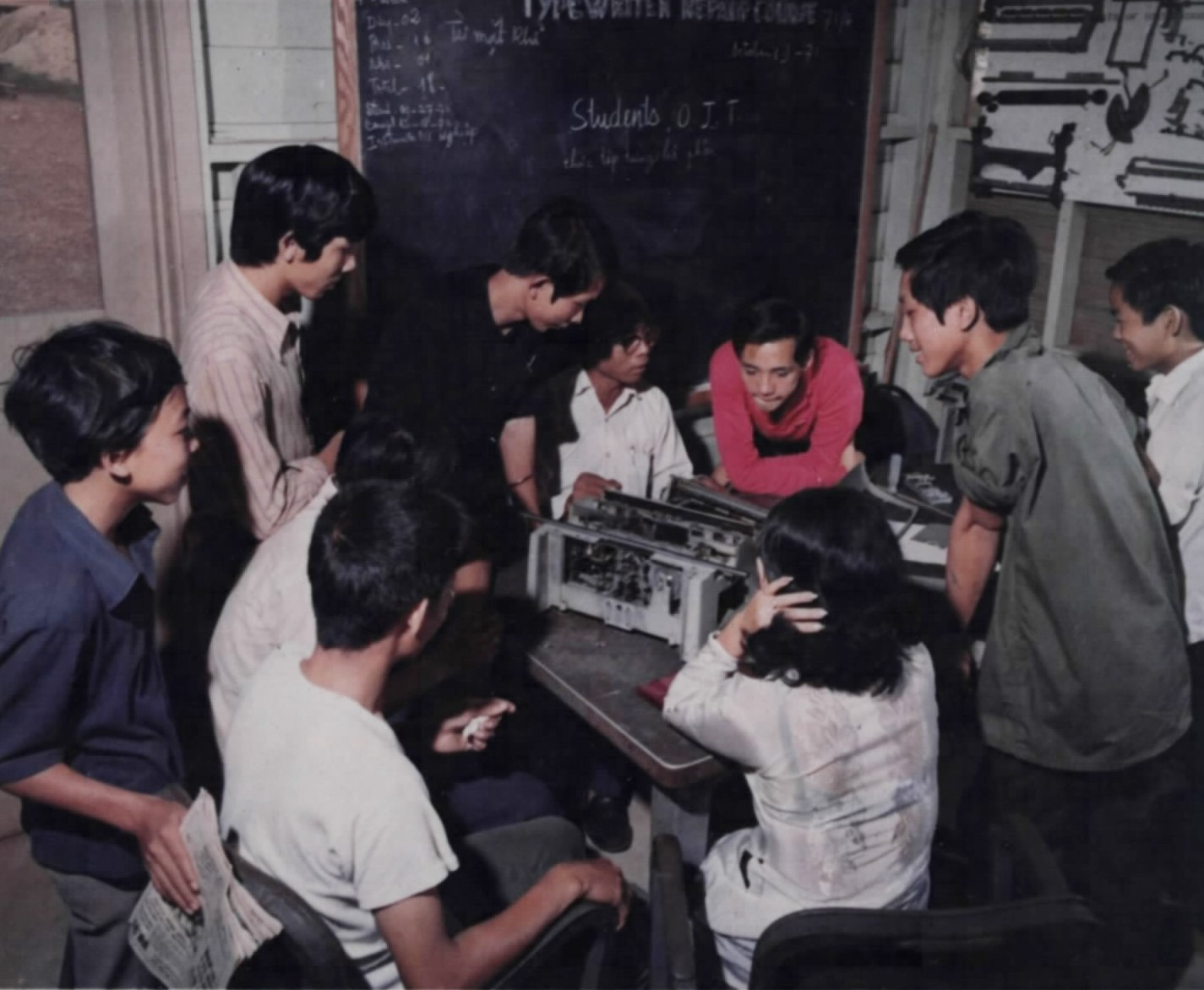
The class worked to a beat – called out, tapped, or set by a metronome or a record – and everybody struck on the beat together.
The reason is mechanical. An even rhythm on a manual machine produces even impressions on the page, while a burst of fast strokes followed by a hesitation produces dark letters, light letters and jams. So evenness came first and speed was allowed to rise out of it, which is the opposite of how anybody learns on their own.
The Machine Punished Hesitation Physically
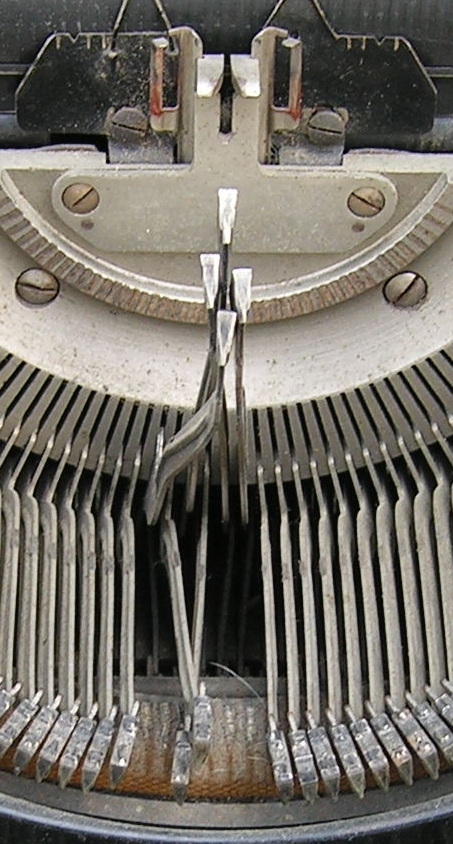
A manual typewriter has a mechanical linkage from key to type bar, and two keys struck in quick succession can collide and lock.
Which means a hesitant typist did not merely type slowly – they jammed the machine, had to stop, separate the bars and often got inked fingers for it. The equipment was giving immediate physical feedback about technique, in a way no electronic keyboard has ever done.
Striking Force Was Part of the Skill
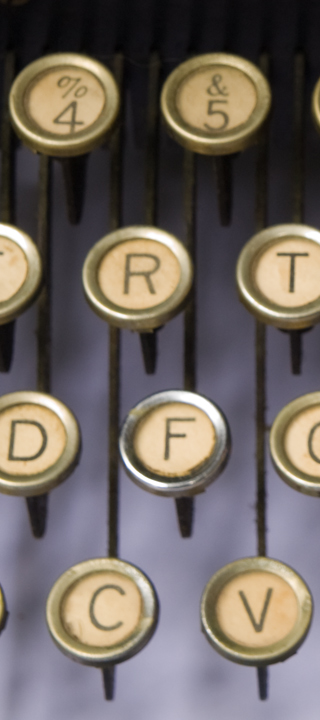
Every letter on a manual machine is printed by the force of a finger, transmitted through levers to a type bar that hits a ribbon.
So the pressure had to be firm, consistent across all fingers, and the same on the little finger as on the index – which is not natural, because fingers are not equally strong. A great deal of early drill is simply about the weak fingers learning to hit as hard as the strong ones, or the page comes out with pale letters in predictable places.
The Carriage Return Was a Whole-Arm Movement
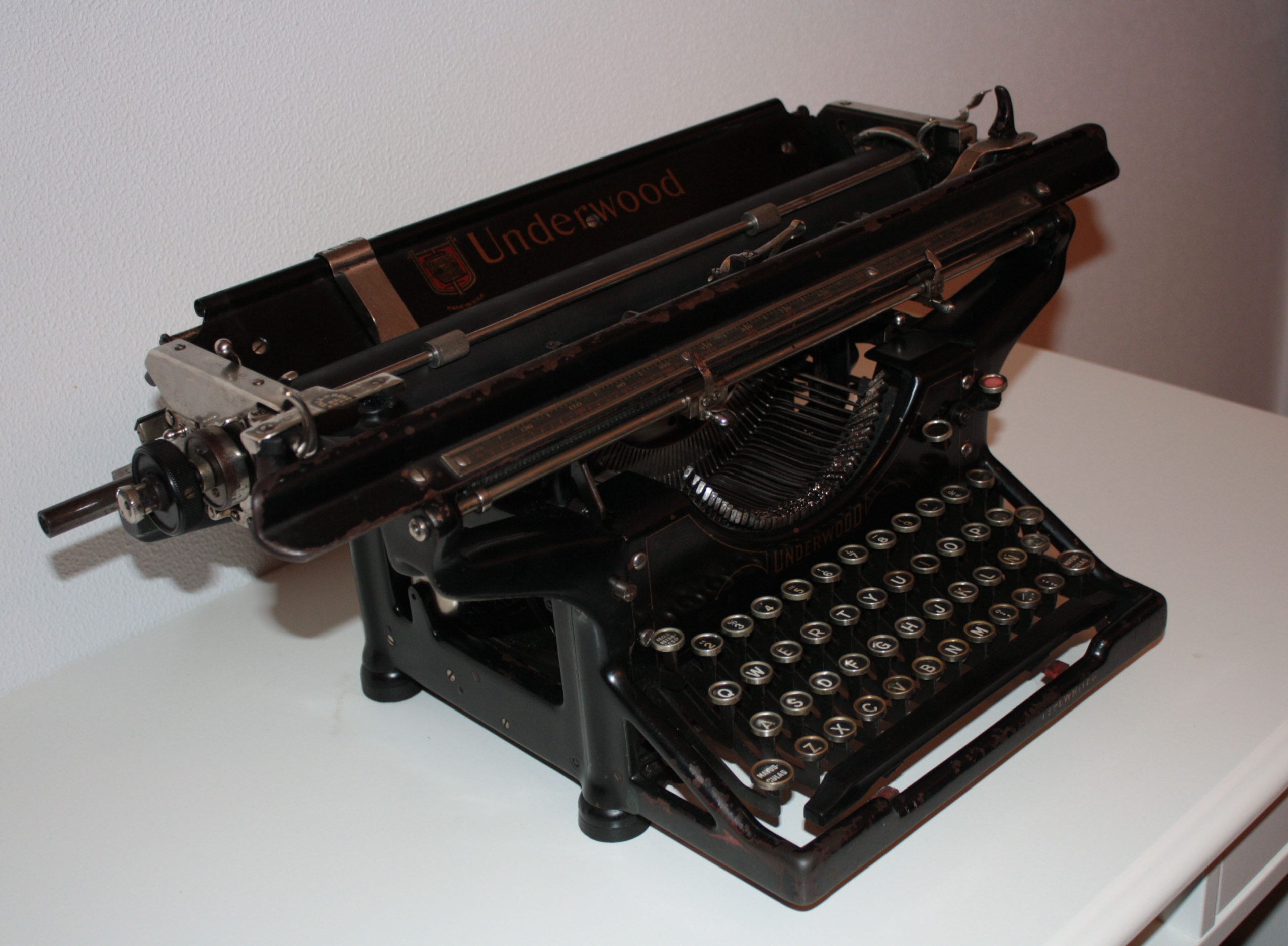
At the end of every line a lever had to be swung to advance the paper and throw the carriage back, which is a gross motor action in the middle of a fine motor task.
That is a genuinely awkward combination, and it had to become automatic too. A typist’s left hand left home position, struck the lever, and returned – and the rhythm of a page included that swing, which is why the sound of a typing room came in bursts with a mechanical clack between them.
Mistakes Were Permanent, So Accuracy Mattered More Than Speed
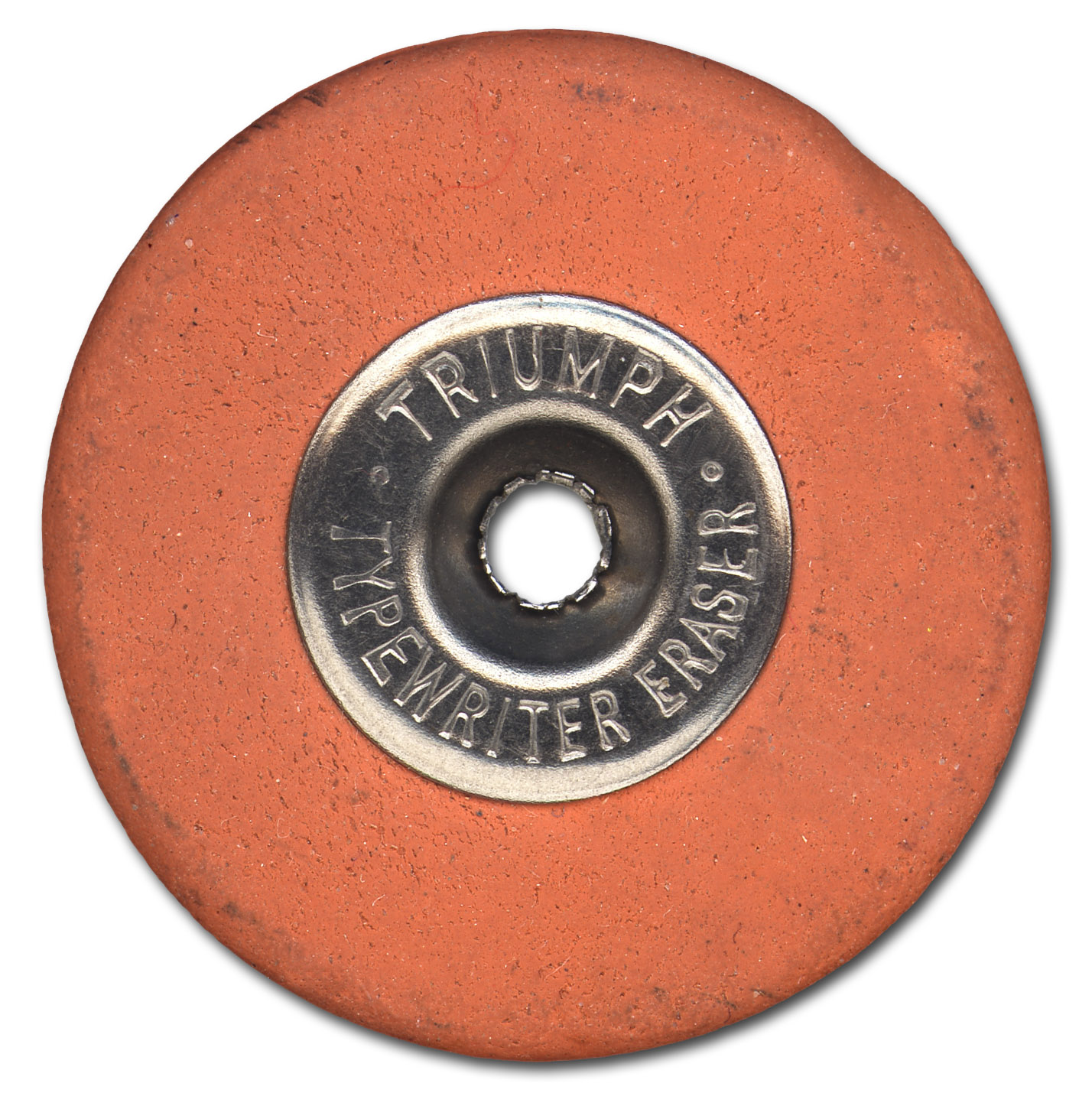
A wrong letter on a manual machine is printed. There is no deleting it, and correcting it meant an eraser, a chalky correction paper or retyping the page.
Everything about the pedagogy follows from that. Grading weighted accuracy heavily, drills aimed at error-free lines rather than fast ones, and students learned to stop cleanly rather than plough on – because on paper, one wrong keystroke can cost the whole sheet.
Carbon Paper Made Every Error Multiply
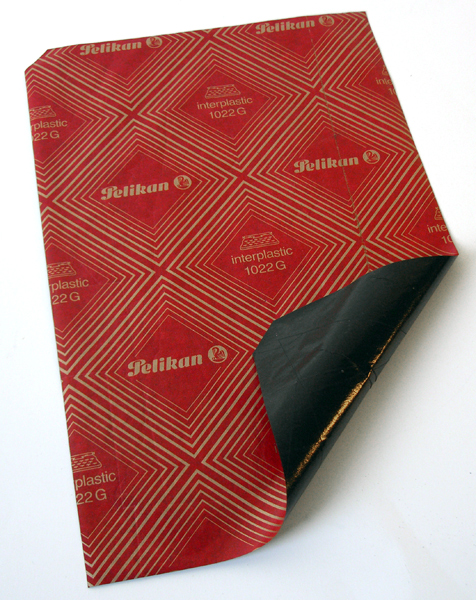
Copies were made by typing through carbon sheets, so a document with three carbons meant four identical pages and four identical mistakes.
Correcting that is a serious job: every layer has to be fixed separately, in exactly the same place, with the pages held in register. Which is why the real skill being graded was not speed at all – it was producing clean work first time, because the cost of not doing so rose with every copy.
The Class Was Overwhelmingly Girls, and Everybody Knew Why
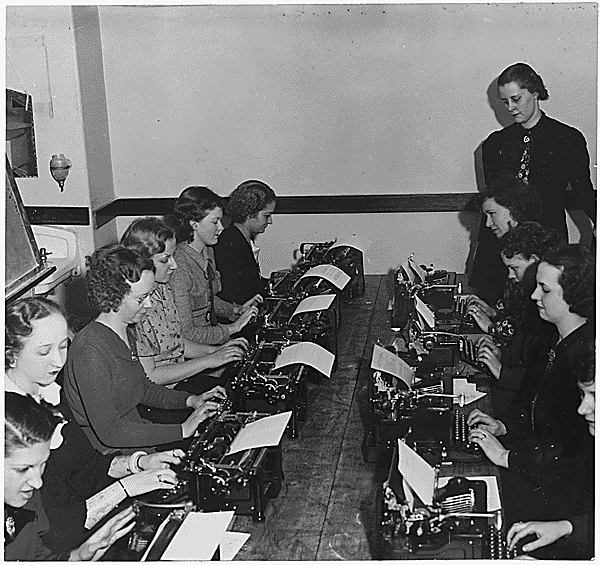
Typing was taught as a vocational subject, and the vocation it led to was office work that was, at that time, overwhelmingly done by women.
That is the social fact sitting underneath the whole room, and it cut two ways. It was a genuine, portable, immediately employable skill that got a great many women into paid work – and it was also a track, directed at one half of a school and pointed at a defined set of jobs. Both of those things were true at once, and students were aware of it.
Boys Were Told They Did Not Need It
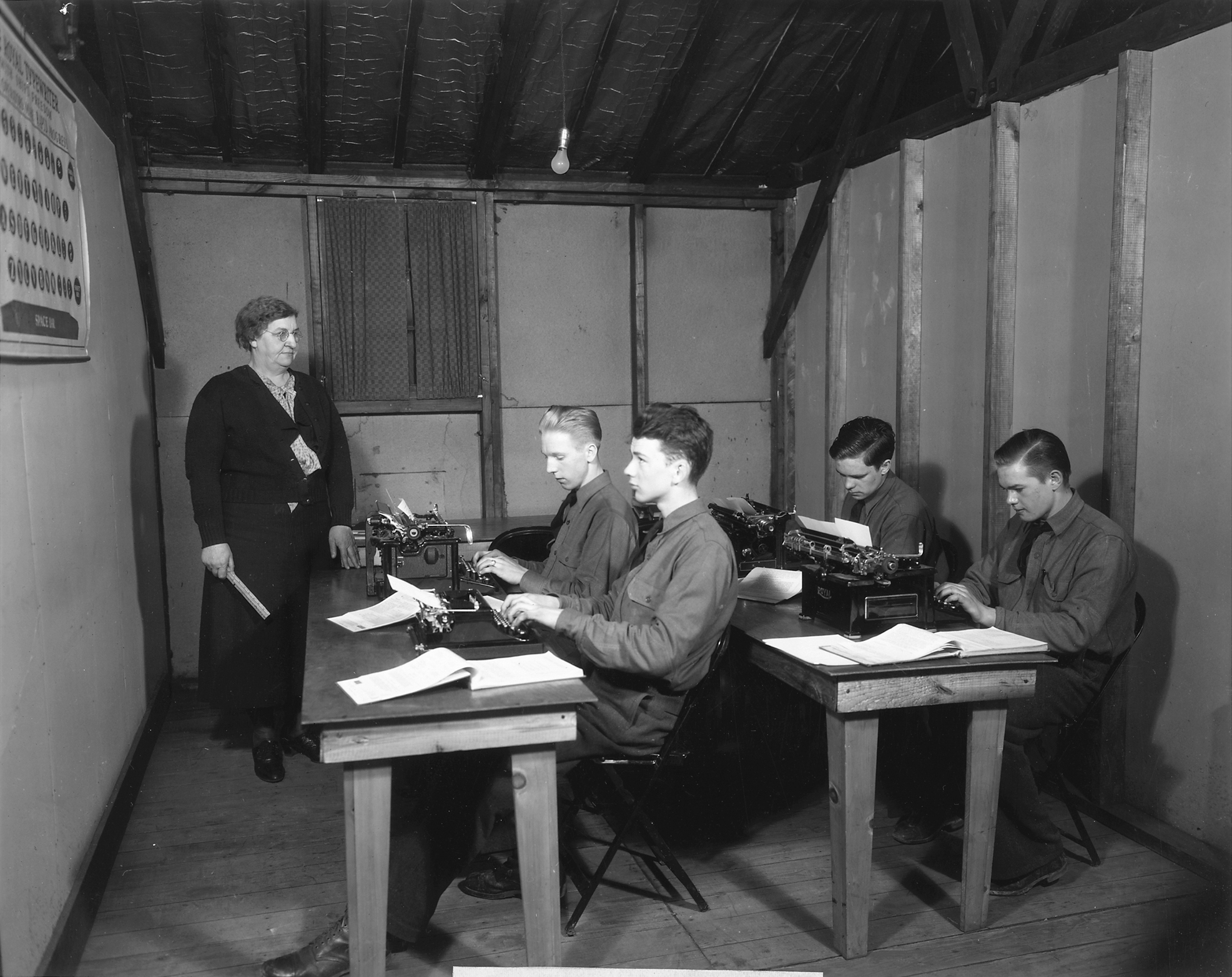
The corollary is the part that aged worst. A boy taking typing in 1972 was doing something slightly unusual, and was sometimes discouraged from it.
Within a generation, every one of those boys was sitting at a keyboard for a living. The skill turned out to be universal rather than vocational, and the people who had been steered away from it spent decades typing badly – which is as clean an example as exists of a curriculum decision that aged into a liability.
Speed Was Measured and Posted
Timed tests produced a number in words per minute, with errors deducted, and that number was recorded, compared and sometimes displayed.
Quantification changed the character of the class. A student could see progress in a figure, which is motivating in a way most schoolwork is not, and could also see exactly where they stood against the room – so typing had more in common with athletics than with an academic subject.
The Certificate Was Worth Real Money
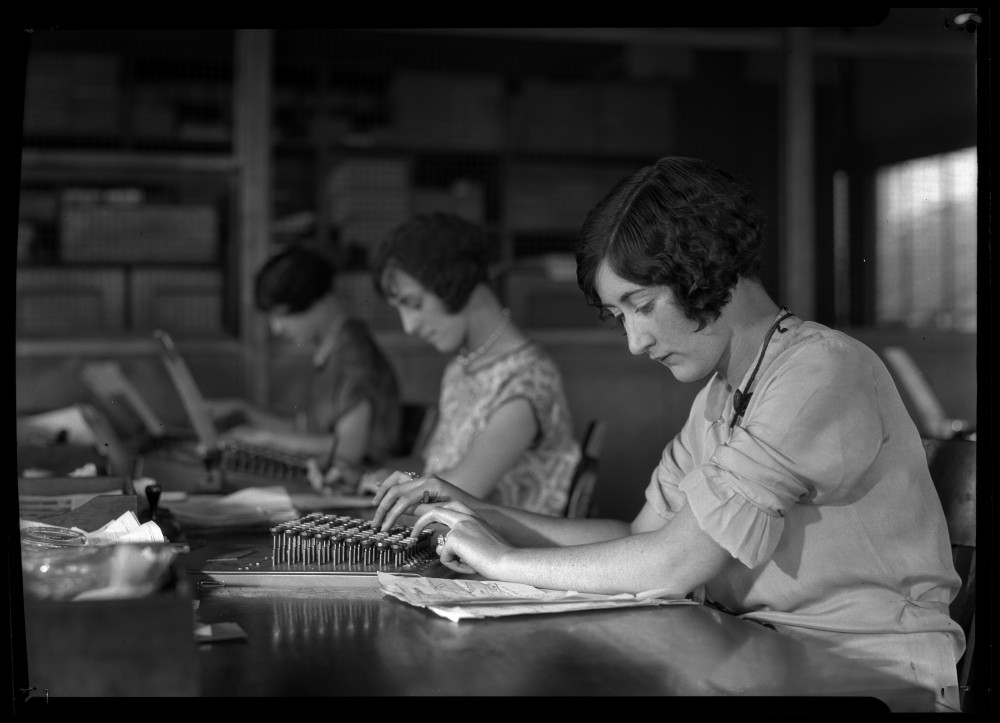
A documented typing speed was a hiring credential. Employers asked for a number, tested applicants, and paid differently according to the result.
That is unusual for anything learned in a secondary school. Most of what a student is taught cannot be converted into a wage on the strength of a measured number, and typing could – which is why it was taken seriously by students who were indifferent to everything else on their timetable.
Shorthand Was the Other Half and It Did Not Survive
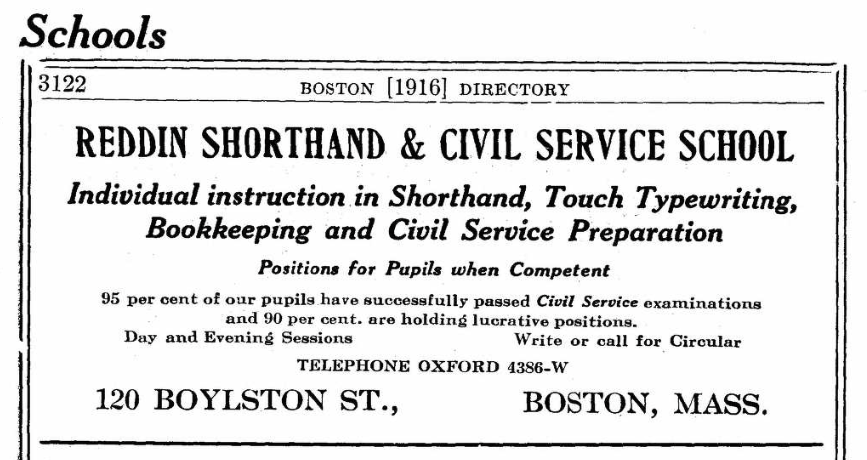
Typing was usually paired with a system of rapid handwritten abbreviation, taught with the same drill methods and the same timed tests.
Shorthand is a far more impressive skill and it vanished almost completely, for a simple reason: its purpose was capturing speech in real time, and recording devices did that better. Typing survived because its purpose – getting language onto a page – never went away.
The Electric Machine Removed the Force and Kept the Method
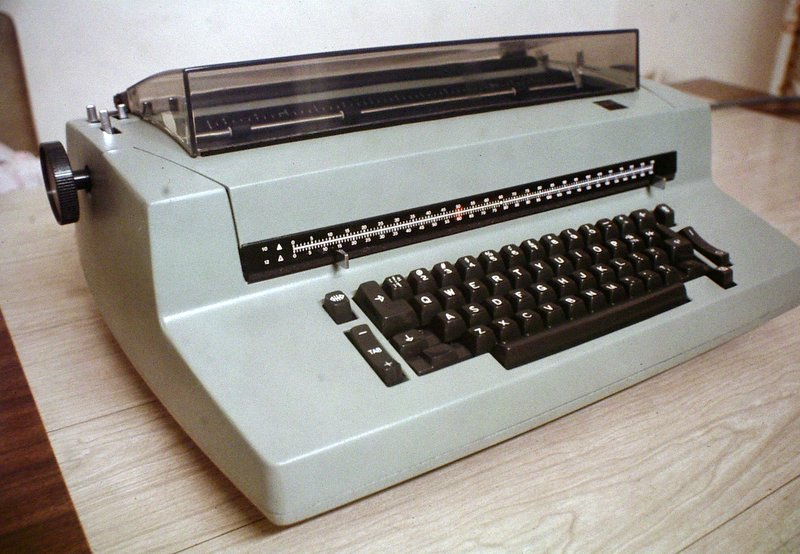
An electric typewriter strikes with a motor rather than a finger, which eliminated uneven pressure, pale letters and most jams at a stroke.
But the layout, home position, the finger territories and the sightless technique all carried straight over, which is why the teaching survived the technology. The method was never about the mechanism – it was about the geometry of the keyboard, and that did not change.
The Keyboard Itself Is the Part That Never Changed
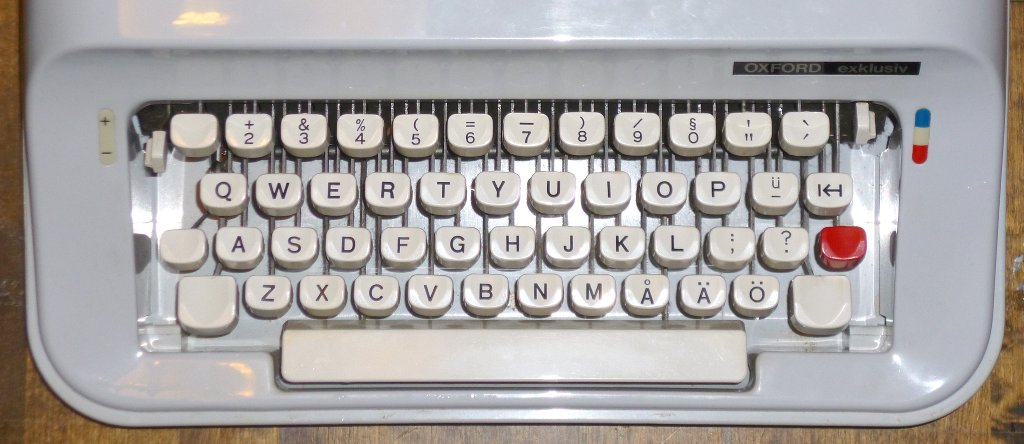
The layout learned in that room is the layout on every device now, after the machine, the paper, the ribbon, the carriage and the entire industry behind them disappeared.
Which is remarkable. A standard arrived at for mechanical reasons in the nineteenth century outlived its own justification and became the universal interface for text, so the muscle memory drilled into students in 1972 transferred perfectly to equipment nobody had imagined.
Then the Skill Became Universal and the Teaching Stopped
The final turn is the odd one. Everybody now types, all day, from childhood – and almost nobody is taught how.
The skill became so ubiquitous that it stopped being treated as a skill, so it is acquired informally, by people who look at their hands, using two to six fingers, with no home position and no rhythm. Which means the generation that was drilled in a room with a shield over the keys is, on average, measurably better at the thing everybody does than the generations that grew up doing it constantly. The class disappeared not because it stopped being useful, but because its subject became so normal that nobody noticed it was a technique at all.
Like our content? Follow us for more.
