

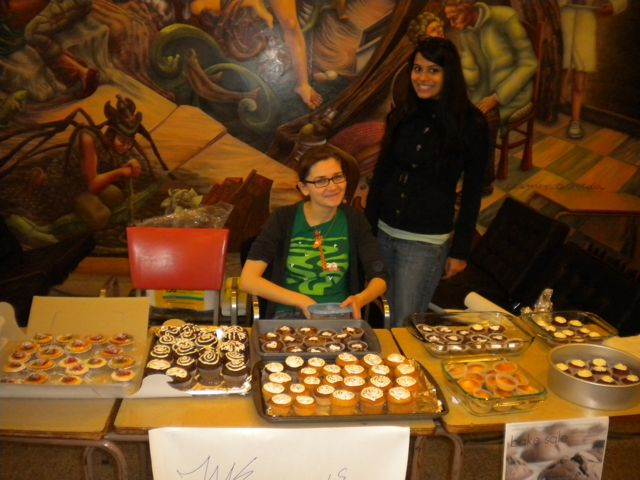
The request arrived with almost no notice, and that is the fact that tells you what was being assumed.
A note came home on a Tuesday asking for baked goods on Thursday. Two days. Which presumes a household with ingredients already in the cupboard, an oven, the skill to use it and a free evening – and nobody at the time thought that presumptuous, which says a great deal about the period.
It also went to everybody equally, with no alternative offered. A woman working a shift, or with no money for ingredients, or who simply could not bake, got the same note as everybody else and had to manage the gap herself. Here are fourteen things every mother knew.
1. The Request Arrived With Almost No Notice
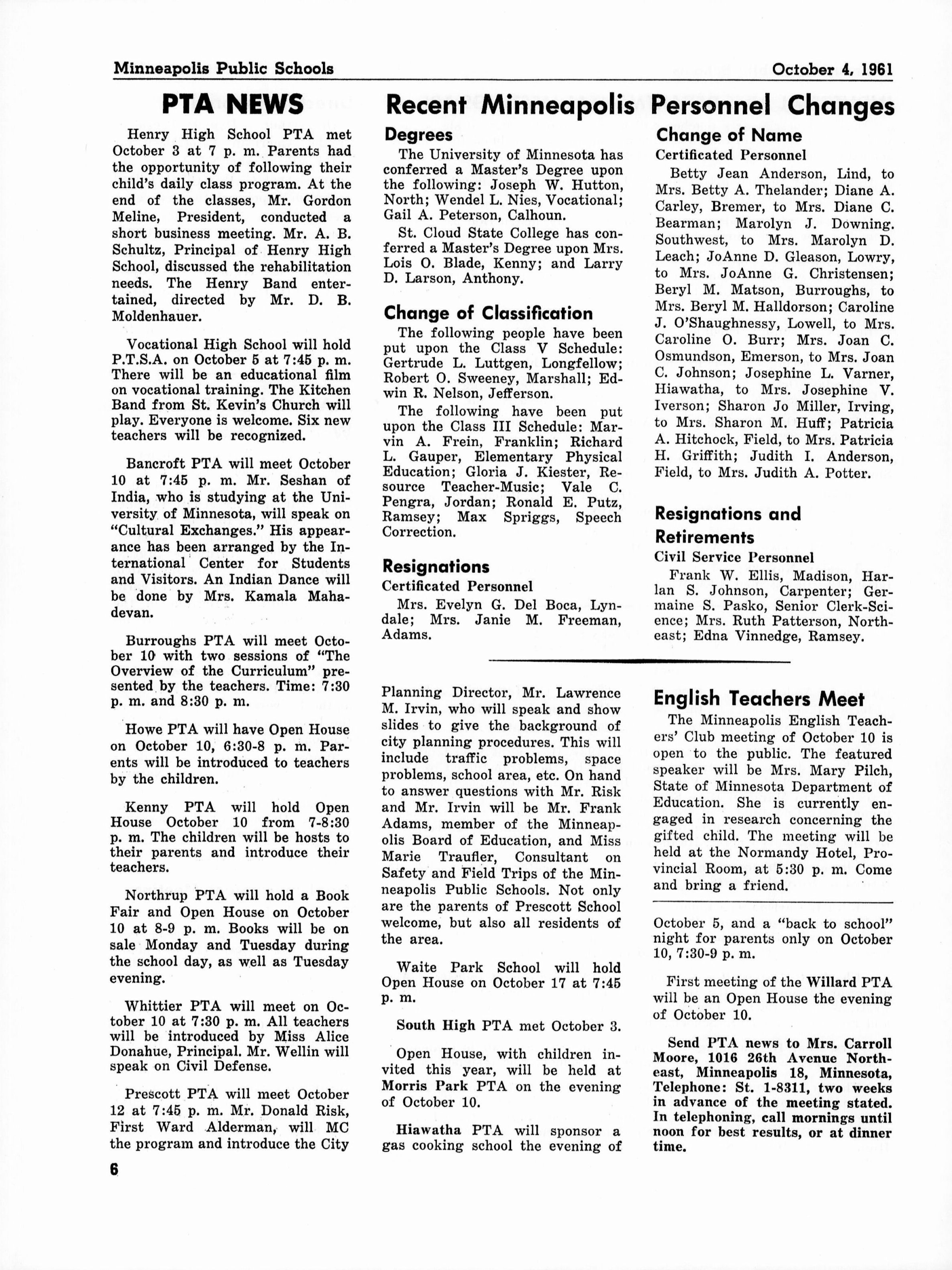
A note came home on a Tuesday asking for baked goods on Thursday, and the assumption was that this was perfectly manageable.
Organised weeks ahead, often with sign-up sheets.
Start with the notice period, because it tells you what was being assumed. A two-day request for home baking presumes a household with ingredients in the cupboard, an oven, the skill and the time – and the fact that nobody thought this presumptuous says a great deal about the period.
Like our content? Follow us for more.
2. It Was Assumed Every Mother Could Bake and Would
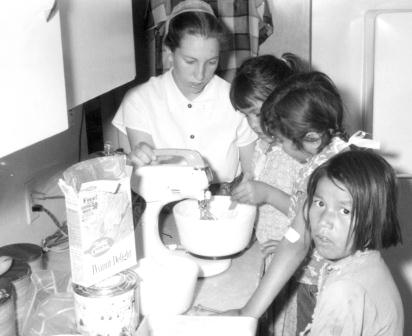
The request went to all households equally, with no alternative offered and no acknowledgement that some could not or would not comply.
Alternatives offered as standard.
The universal assumption is the uncomfortable part and it should be named. A woman working a shift, or with no money for ingredients, or who simply could not bake, received the same note as everybody else – and had to manage the gap herself without anybody offering a way out.
3. What You Sent Was Judged, Quietly and Thoroughly
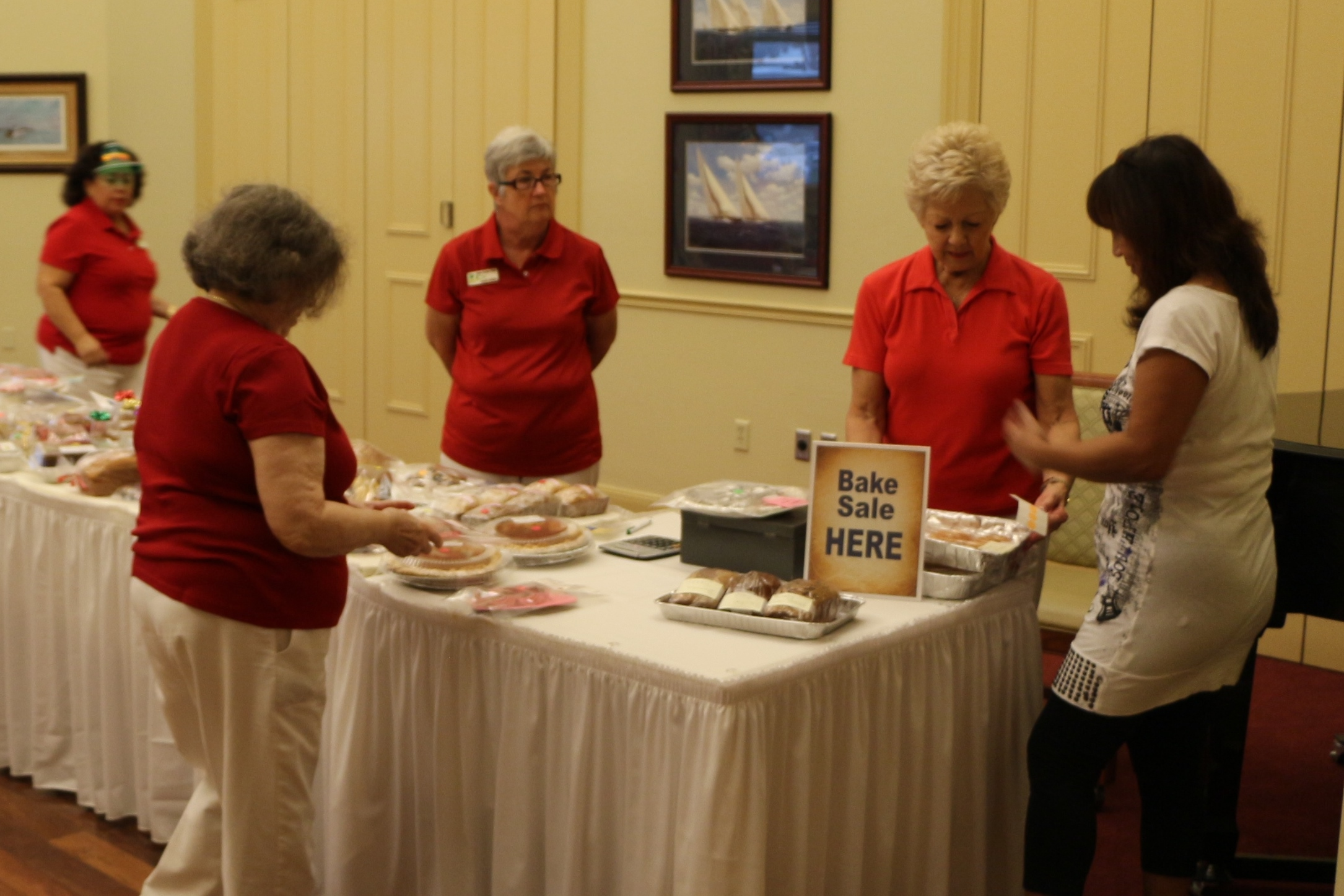
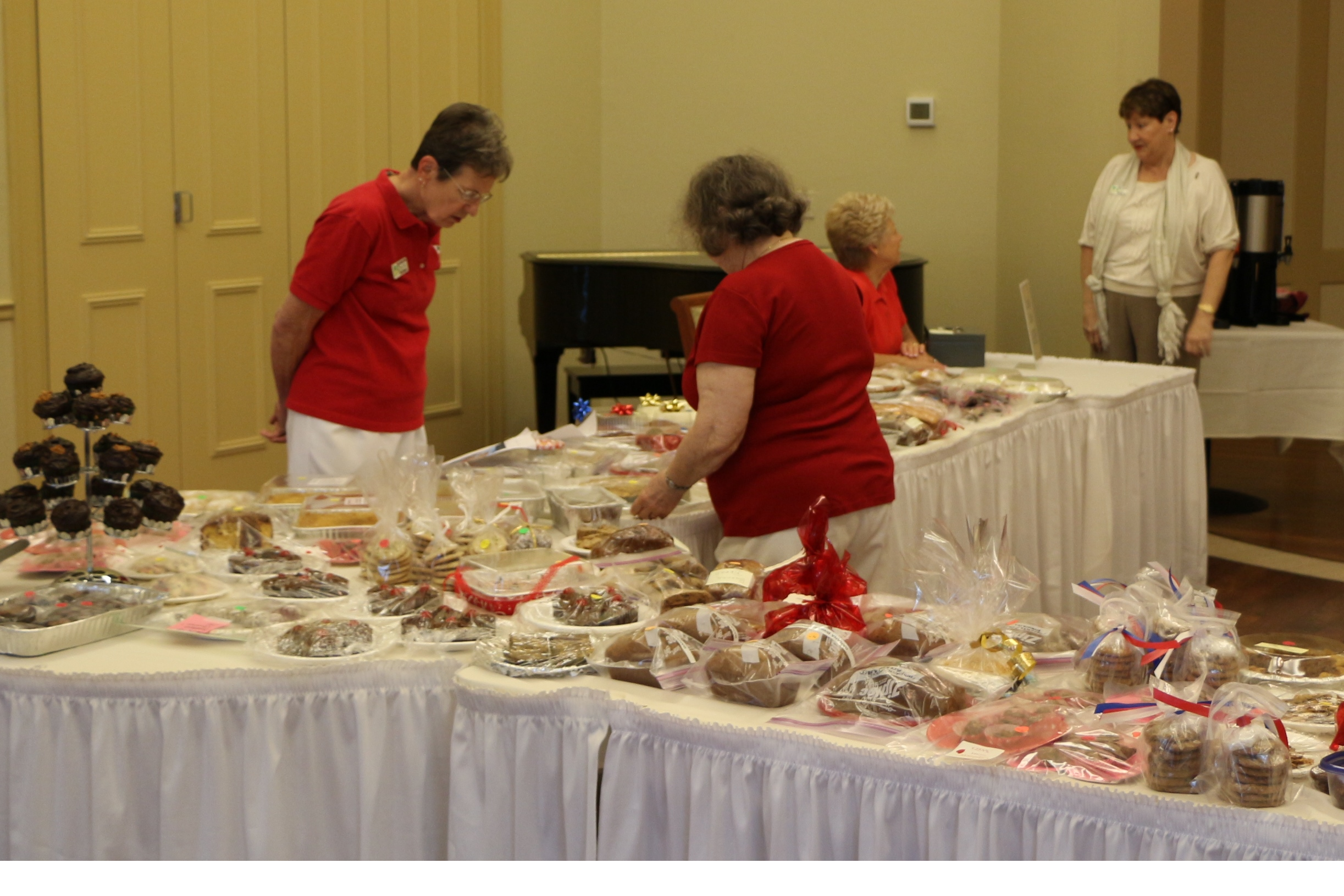
The table displayed everybody’s contribution side by side, labelled or recognisable, in front of the whole school community.
Less visible.
Side-by-side display is a comparison nobody asked for and everybody participated in. A plate of something is a public exhibit of competence, and it sat all afternoon next to thirty other exhibits with the whole neighbourhood walking past.
4. Pricing Was Set by Somebody Who Had No Idea What Anything Cost
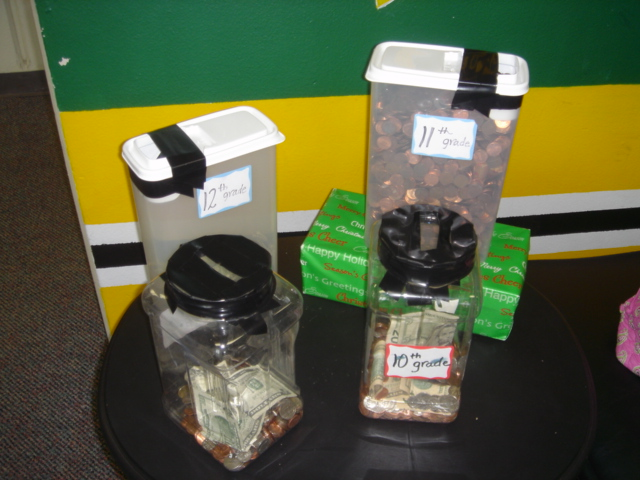
Items were priced at pennies by whoever was running the table, with no relationship to the ingredients or the hours that had gone in.
Priced to cover costs.
The pricing mismatch is the central absurdity of the whole institution. Something that took two hours and real money in ingredients sold for small change – which means the sale was converting donated labour into cash at a catastrophic exchange rate.
5. The Money Raised Was Small and the Labour Was Enormous
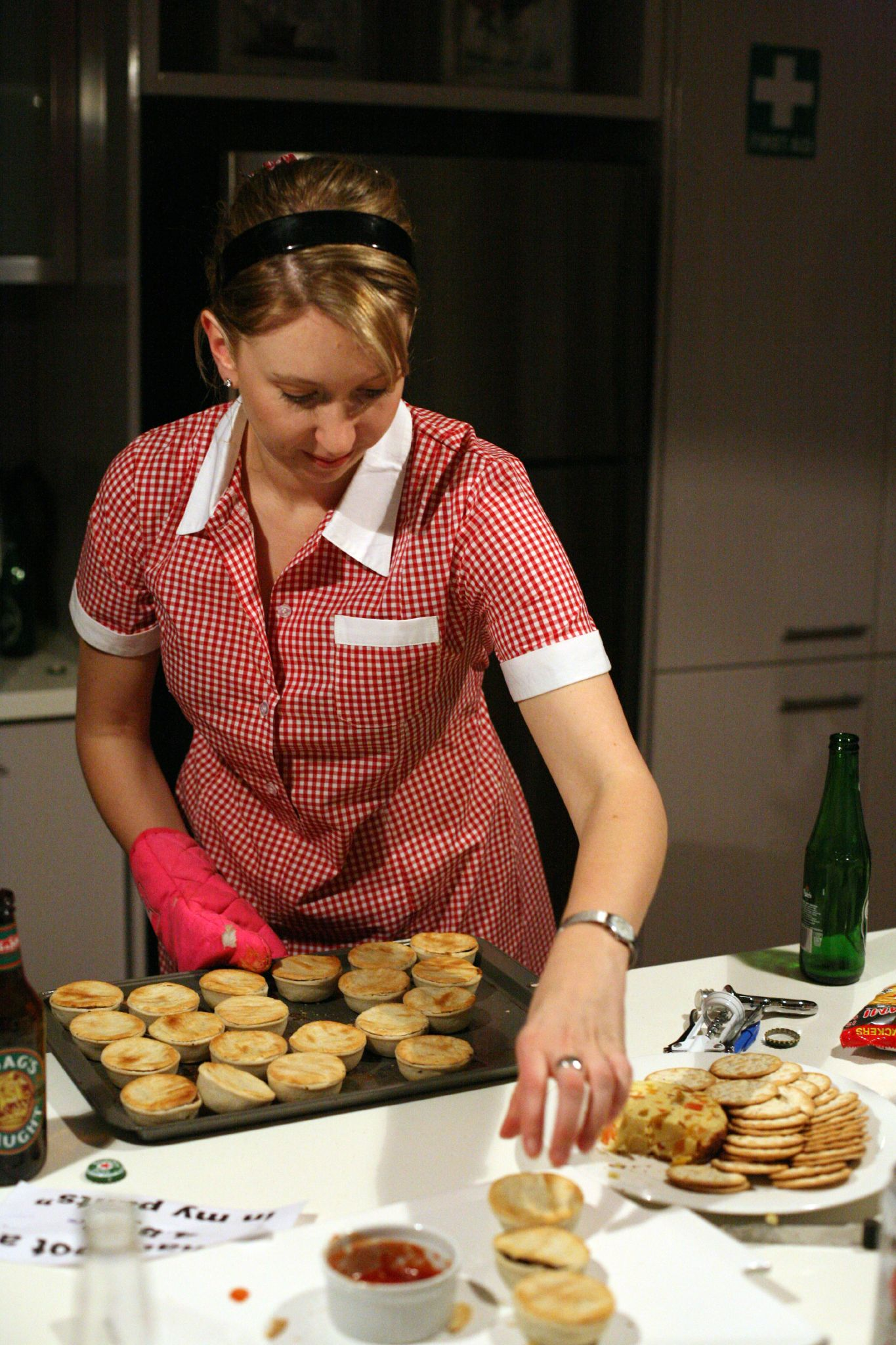
A sale might raise a modest sum, produced by dozens of people each giving an evening and the cost of their materials.
The same, and often acknowledged.
Doing the arithmetic honestly makes this a strange way to raise money. If the goal is a sum, asking forty households for the cash value of their ingredients would raise more and cost nobody an evening – so the sale was clearly doing something other than fundraising.
6. What It Actually Did Was Make the Fundraising Visible
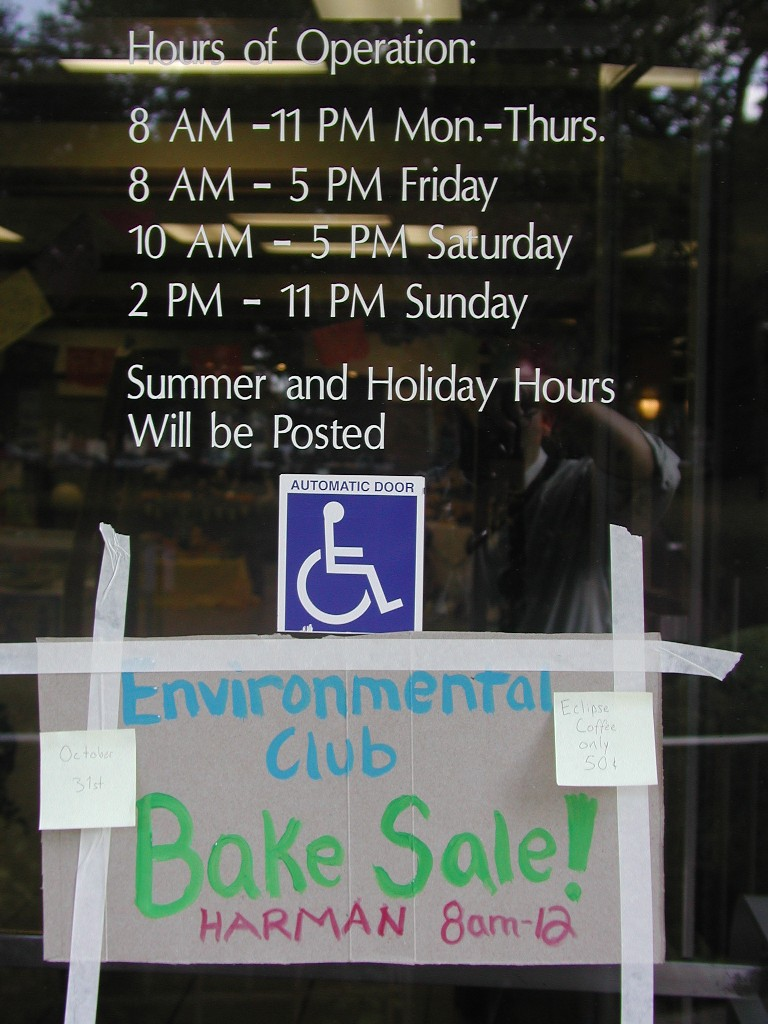
A table of food in a public place announces that the school needs something, who is supporting it and how much is being gathered.
Replaced by direct appeals.
The visibility is the real product, and that is why the inefficiency persisted. A quiet collection raises money without telling anybody anything, while a table in a hallway makes the need, the effort and the participation visible to the entire community at once.
There is a quieter cost in the display that is worth drawing out, because it fell on the children rather than on the bakers. A child standing near the table knows which plate came from their house, and watches people pick things up, put them down and choose something else. That is a strange thing to experience at eight years old – your mother’s work being evaluated in public by people you will see at church on Sunday – and a fair number of people remember exactly where their family’s plate sat and how fast it went.
7. Children Ran the Table and Handled the Money
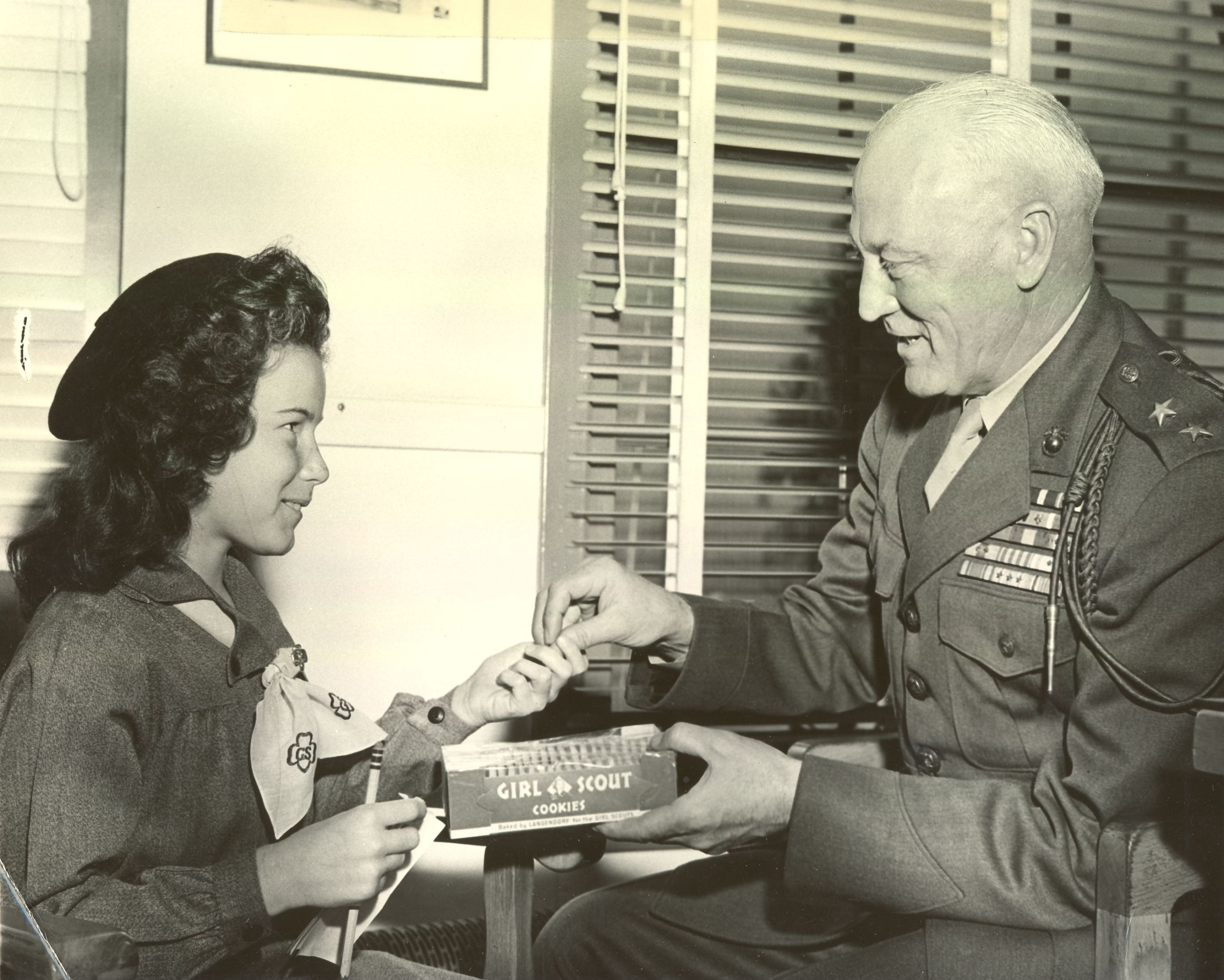
Older pupils took the cash, made change, kept a float and dealt with customers, usually with an adult somewhere nearby.
Usually adults.
Putting children on the till is the most useful thing in the whole exercise. Making change under pressure, keeping a float straight and talking to adults you do not know are real skills, practised here in a low-stakes setting with somebody watching.
8. The Good Stuff Went in the First Ten Minutes
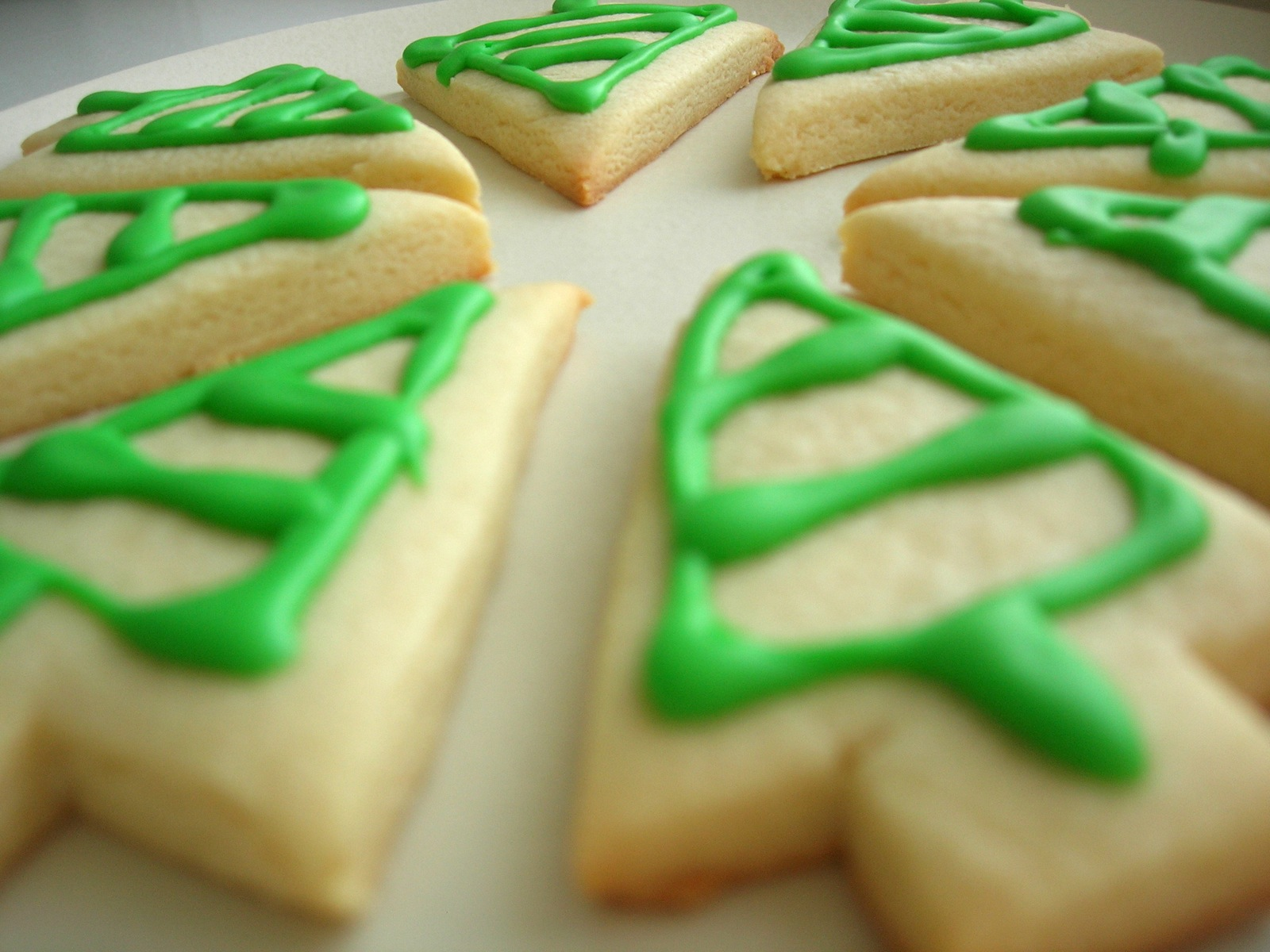
Anything recognisably excellent was gone immediately, which left the back half of the sale working through what nobody had chosen.
Still true.
The clearing rate was a public verdict delivered in real time. Whoever had sent the thing that disappeared first knew it, and so did everybody else – which is a sharper piece of feedback than any compliment.
9. Nothing Was Labelled and Nobody Asked
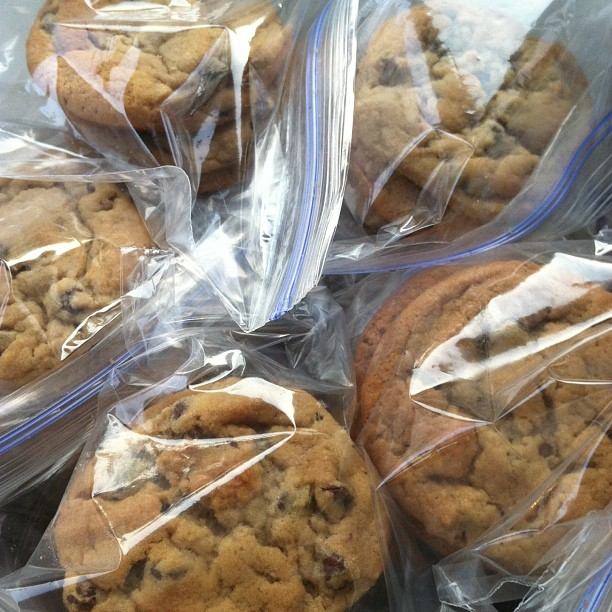
Contents, ingredients and who had made something were generally unrecorded, and buyers simply bought.
Labelling is now standard or required.
The absence of information is the thing that could not survive, and that is a straightforwardly good change. Buying unlabelled homemade food from a table is a risk that lands on the person eating it, and anybody with an allergy or a dietary requirement had no way to find out anything.
10. Leftovers Went Home With Whoever Was Left
Unsold items were taken by the people clearing up, bought cheaply at the end or given away rather than wasted.
The same.
Clearing the table had its own economy, and the discount at the end was understood. Nobody wanted to carry things home, so the last twenty minutes operated on different prices entirely – which is the first exposure a lot of children had to a closing-down sale.
The other thing nobody costed was the transport. Baked goods are fragile, they do not stack, and getting a loaded plate from a kitchen to a school hallway intact requires a vehicle or a careful walk and somebody to carry it. So every contribution involved a delivery as well as an evening’s work, usually made at the start of a working day, by somebody who then had to collect the empty plate again afterwards.
11. The Cause Was Always Specific
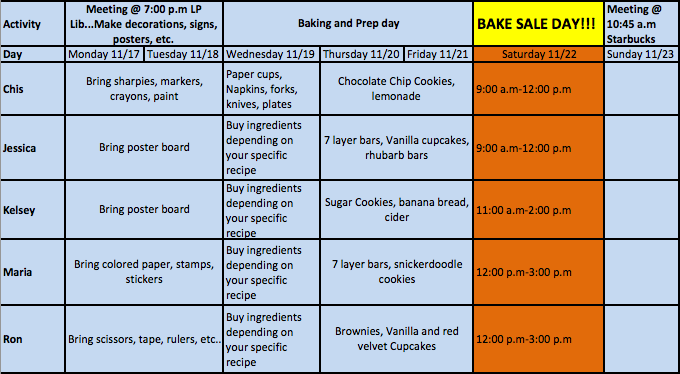
The sale was for a trip, a piece of equipment, a uniform or a team – never for general funds, because nobody bakes for a budget line.
Still true.
A nameable target is the recurring requirement in every fundraising mechanism of the period, exactly as it was for the paper drive and the trading stamp catalogue. The thing being bought had to be describable in one sentence or the effort would not materialise.
12. It Ran on the Same Dozen Women Every Time
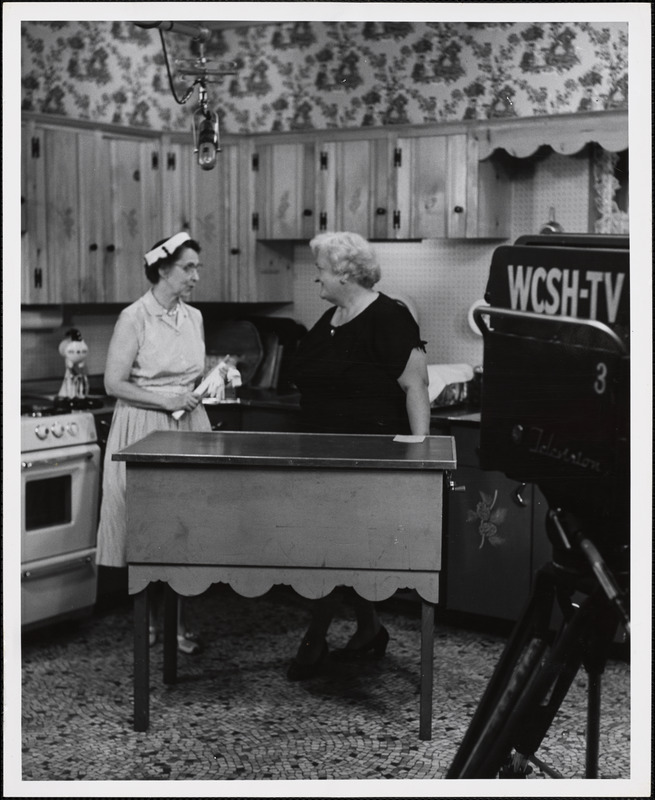
In practice a small number of households supplied most of what appeared, repeatedly, across years and across causes.
The same.
The concentration of effort is the honest reality behind every volunteer institution. A general appeal produces a response from the same reliable minority, which means the burden fell heavily on a few people who were thanked collectively and rarely individually.
13. Then Food Rules Ended the Homemade Part
Restrictions on unlabelled homemade food at school events, driven by allergy and safety concerns, removed the actual baking from the bake sale.
Universal.
This change was necessary and it hollowed out the institution. Pre-packaged items are safe, traceable and labelled, and they are also bought rather than made – which removes the donated labour that was the entire point of the exercise.
14. And by 1968 the Sale Was Already Competing With Easier Options
Direct appeals, selling pre-made goods on commission and simply asking for cash were all spreading, and all raised more for less work.
Universal.
And what deserves the last word is that the bake sale was never really about money, which is why the arithmetic looks so bad. Converting an evening’s labour and a pound of ingredients into small change is a dreadful exchange rate, and asking forty households for cash would have raised more and cost nobody anything. What the table actually produced was visibility: the need, the effort and the participation all displayed in a public place at once, with a specific nameable cause attached. It also produced a continuous quiet comparison of thirty households’ competence, a two-day notice period that assumed every woman had ingredients, an oven, the skill and the evening, and an unlabelled food supply that put all the risk on whoever ate it. The children on the till were getting the most out of it. And the rules that ended the homemade part were right – they simply removed the one thing that had made it worth doing.
It Was Never Really About the Money
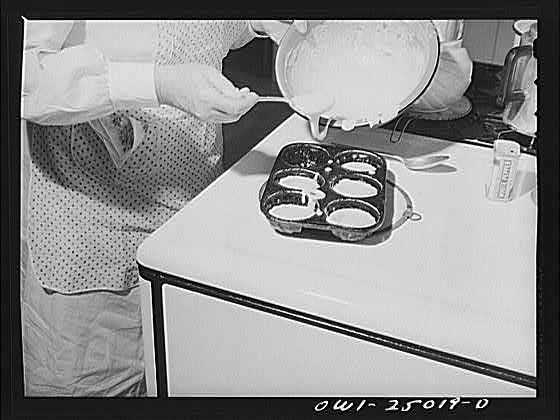
The school bake sale is worth doing the arithmetic on, because the arithmetic is terrible and the institution ran for decades anyway – which means it was producing something other than money.
Start with the exchange rate. Something that took two hours and real money in ingredients was priced at pennies by whoever was running the table, with no relationship to either input. A sale might raise a modest sum from dozens of people who each gave an evening and the cost of their materials.
If the goal were simply a sum, asking forty households for the cash value of their ingredients would raise more and cost nobody an evening. So the sale was clearly doing something else.
What it produced was visibility. A table of food in a public place announces three things at once: that the school needs something, who is supporting it, and how much is being gathered. A quiet collection raises money and tells nobody anything, which is precisely why the inefficient version persisted.
And the cause was always specific – a trip, a piece of equipment, a uniform, a team, never general funds. That is the same requirement as the paper drive and the trading stamp catalogue: the target has to be describable in one sentence or the effort does not materialise.
Now the costs, which fell unevenly and were not acknowledged.
The notice was two days, which assumed ingredients, an oven, skill and time in every household. The request went out universally with no alternative offered, so anybody who could not comply had to solve that themselves.
The contributions were displayed side by side, labelled or recognisable, in front of the whole community – a comparison nobody asked for and everybody took part in. And the clearing rate delivered a public verdict in real time: anything recognisably excellent vanished in the first ten minutes, which both its maker and everybody else noticed.
And in practice the same dozen households supplied most of what appeared, year after year, across every cause. That is the honest reality of every volunteer institution – a general appeal produces a response from the same reliable minority, thanked collectively and almost never individually.
Two things about it were genuinely good.
Children ran the table and handled the money: taking cash, making change under pressure, keeping a float straight and talking to adults they did not know, with somebody nearby. Those are real skills, practised in a low-stakes setting, and the children on the till were getting more out of the afternoon than anybody.
And the end of the sale had its own economy. Nobody wanted to carry things home, so the last twenty minutes ran on different prices entirely – which was a lot of children’s first encounter with a closing-down sale.
The thing that could not survive was the absence of information. Contents, ingredients and makers were generally unrecorded and buyers simply bought, which puts the entire risk on whoever eats it and leaves anybody with an allergy or a dietary requirement no way to find anything out.
So restrictions on unlabelled homemade food at school events arrived, and they were necessary. Pre-packaged items are safe, traceable and labelled – and they are bought rather than made, which removes the donated labour that was the whole point.
Which is the honest ending. The rules that hollowed out the bake sale were right. They simply took away the one thing that made it worth doing.
If you baked for these, the pricing was never meant to reflect your evening.
The table was there so everybody could see the school needed something.
Like our content? Follow us for more.
