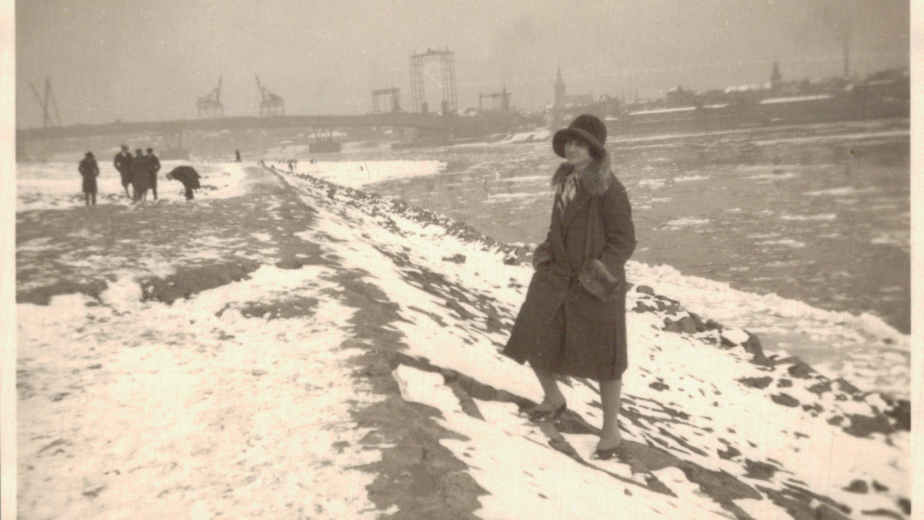
Asking a girl out in 1965 meant asking her father first.
The invitation did not go to the girl. It went to the household – a boy came to the house, met her parents, was looked over and was approved or not, and only then was anything arranged. That is the gatekeeping, and it set the terms for everything that followed.
And the house kept supervising after that, without anybody having to try. There was one telephone, in the hall, on a short cord, which means no teenager in America had a private conversation – so they developed an entire code of oblique phrasing and learned to say the important thing in as few words as possible. Here are sixteen rules every teenager lived under.
1. Asking a Girl Out Meant Asking Her Father First

A boy who wanted to take a girl somewhere was expected to come to the house, meet her parents and be approved before anything was arranged.
Arranged privately between the two people involved.
Start with the gatekeeping, because it set the terms for everything else. The invitation did not go to the girl first – it went to the household, which meant a boy had to present himself, be looked over and be found acceptable before a single plan was made.
Like our content? Follow us for more.
2. The Telephone Was in the Hall, Where Everybody Could Hear

Households had one telephone, in a public part of the house, on a short cord – so every call a teenager made was audible to the whole family.
A private device in a pocket.
The architecture did the supervising, and it worked without anybody intending it. A single instrument in a hallway means there is no such thing as a private conversation, so teenagers developed an entire code of oblique phrasing and learned to say important things in as few words as possible.
3. Going Steady Was a Formal Status With a Visible Token

Agreeing to see only each other was an announced arrangement, marked by an exchanged object – a ring worn on a chain, a class ring, a jacket.
Undefined and unannounced.
The declaration is the part that has vanished completely. Going steady was not a private understanding but a public one, with a physical marker anybody could see, which meant the whole school knew the status of every relationship without a word being spoken.
4. A Curfew Was a Specific Time and It Was Enforced

Parents named an hour, and coming home after it had consequences – because somebody was awake and waiting.
Negotiated, and often unmonitored.
The enforcement mechanism was simply a person sitting up, which is more effective than it sounds. There was no way to be vague about arrival time when a parent was in the front room with the light on, so the deadline was absolute in a way a message cannot make it.
5. Where You Were Going Had to Be Named in Advance

Permission depended on a specific destination, a specific plan and often a specific group – vagueness was treated as suspicious in itself.
Rarely specified.
Requiring a named plan is a sensible piece of parental practice, and it had a side effect nobody intended. A teenager who had to produce a destination learned to plan an evening properly, because improvisation was not an available option.
6. Double Dating Was the Standard Compromise
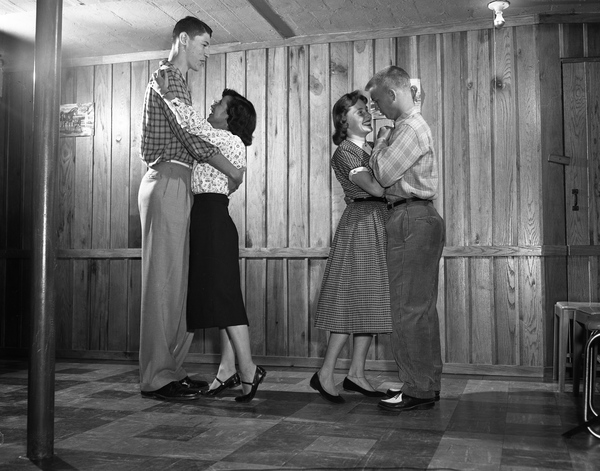
Two couples going out together satisfied parents who would not allow a single couple to go alone, and it was by far the most common arrangement.
Not applicable.
The double date is a genuinely clever solution to a negotiation, and both sides got something. The parents got supervision without having to supply it, the teenagers got an evening out, and the other couple provided cover, transport and conversation.
7. Chaperones Were a Real Institution at Dances
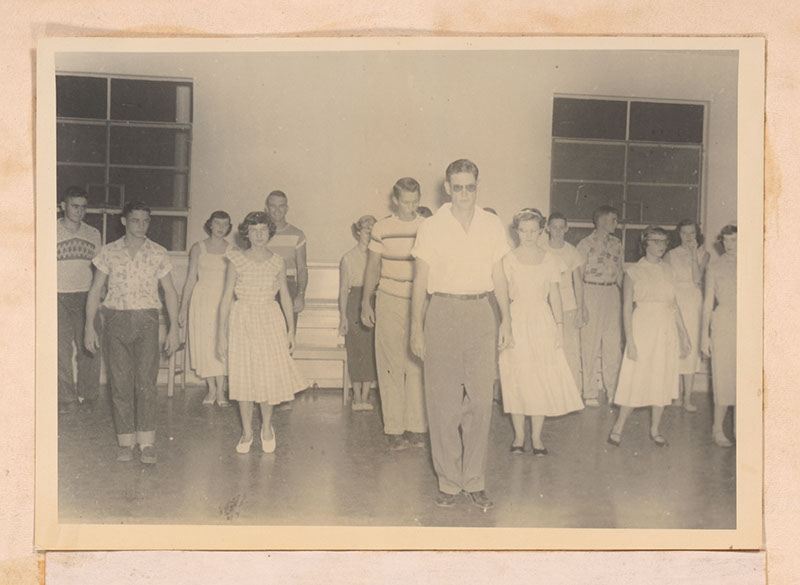
School and church dances had adults present whose explicit job was watching, including enforcing how close couples danced.
Not applicable in the same form.
Supervision at the event itself was the other half of the system. A dance with teachers around the edge of the floor is a managed environment, and the rules were specific enough to be enforced – which is why so many accounts of these evenings involve being told to separate.
8. The Car Changed Everything and Everybody Knew It

A boy with access to a car could take a girl out of sight of every adult who knew either of them, which is precisely why cars were the central anxiety of the period.
Universal and unremarkable.
This is the structural fact underneath all the rules. Every other arrangement – the chaperone, the curfew, the named destination, the double date – is an attempt to put supervision back into a situation the car had removed it from.
9. Who Paid Was Not a Question

The boy paid, for everything, and the expectation was universal enough that it shaped which boys could ask at all.
Varied and discussed.
The economics are worth noting because they cut in an unexpected direction. A fixed obligation to pay meant a boy with no money could not participate, which made the custom a genuine barrier rather than merely a courtesy.
10. Dating Began Much Earlier Than Anybody Expects
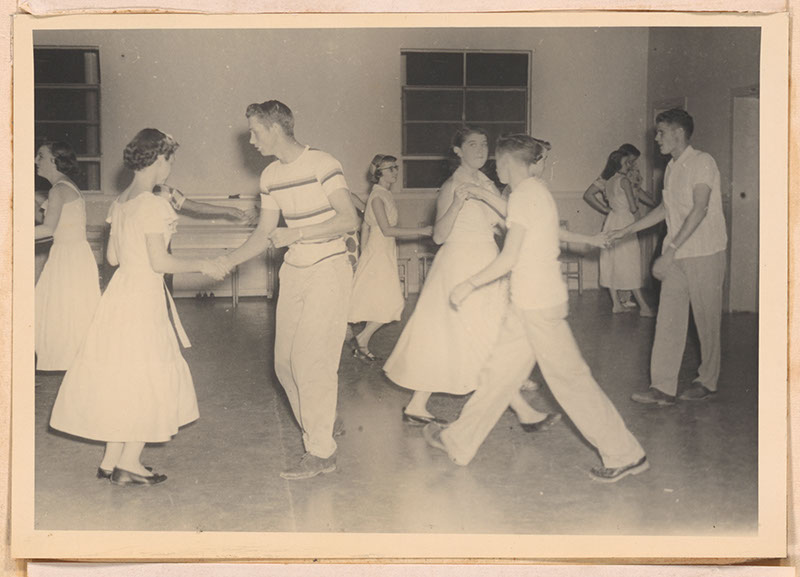
Formal pairing off started young by modern standards, and parents and schools treated it as the normal developmental timetable rather than as precocious.
Started later, with less formality.
The timeline is the thing that surprises people most. Social life was organised around couples from early in high school, with an apparatus of dances, rings and announcements built to support it, which is a very different structure from one where pairing off is assumed to begin later.
11. Breaking Up Was a Public Event

Because going steady was announced and marked, ending it meant returning the token and the news travelling through a school within a day.
Private, usually.
The visibility of the ending is the cost of the visibility of the arrangement. A status everybody could see is a status everybody watches change, which made what is now a private difficulty into something conducted in front of an audience.
12. Written Notes Did the Work Messages Do Now
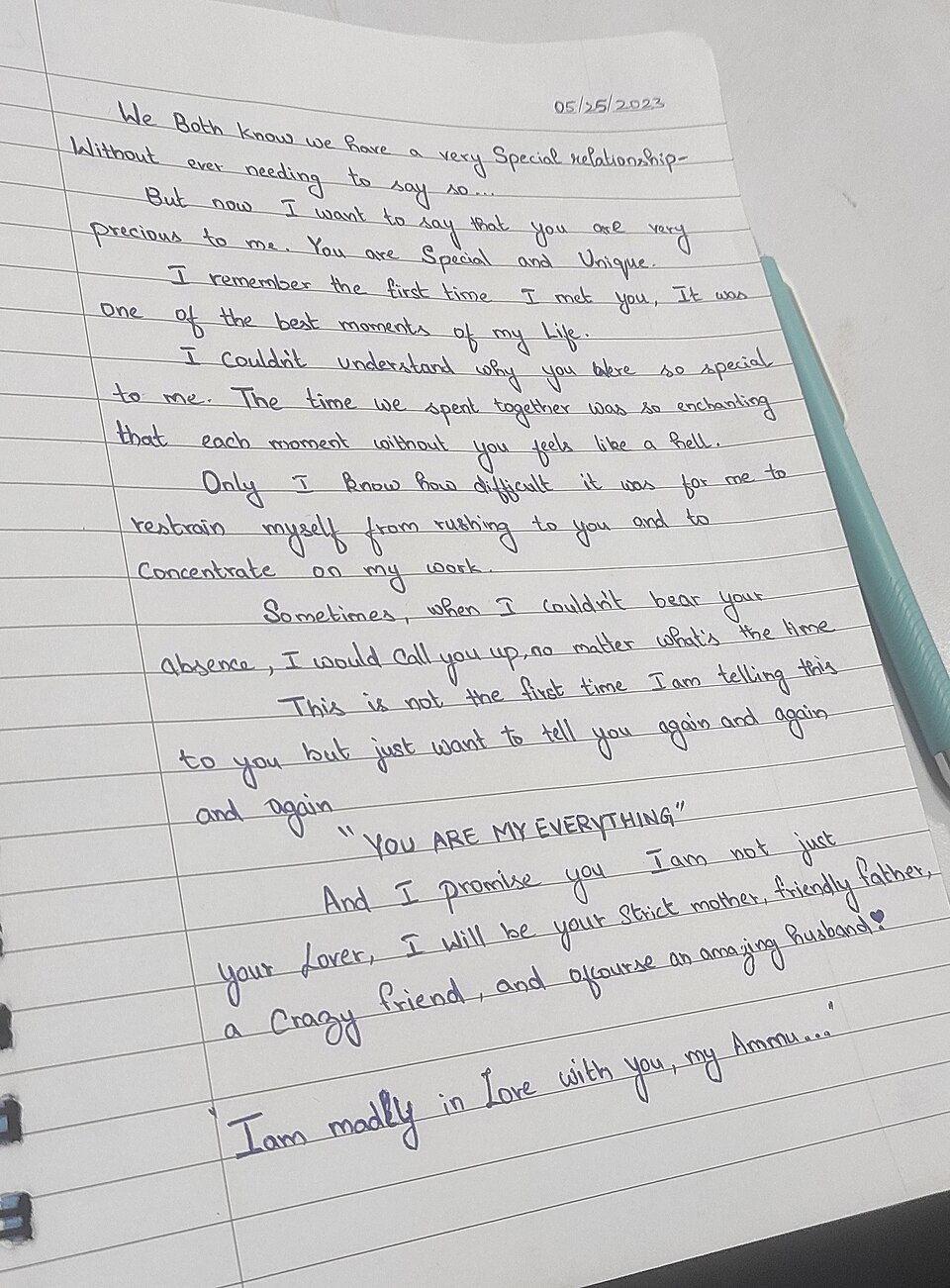
With no private telephone, communication between classes ran on folded paper passed hand to hand through a building.
Instant and electronic.
The note system had properties worth noticing. It was slow, it was physical, it could be intercepted and read aloud, and it produced a durable object – which is why so many of these survive in boxes and why nothing equivalent survives from now.
13. Parents Met Each Other, and That Was the Point
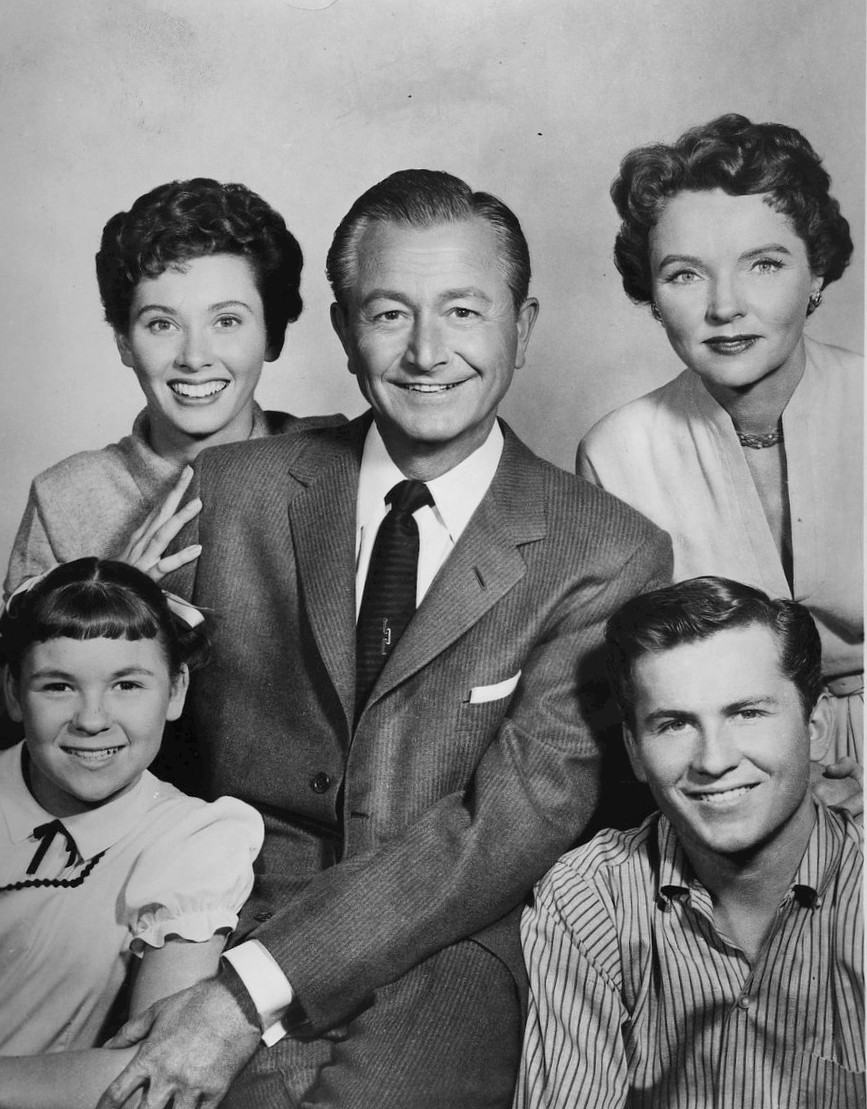
Families of a steady couple were expected to know one another, which placed the relationship inside a network of adults rather than outside it.
Rarely, and late.
Embedding the couple in two households is the quiet mechanism that made everything else workable. Two sets of parents who spoke to each other could compare accounts, which removed most of the room a teenager had to manoeuvre in.
14. The Rules Were Different for Girls, Explicitly
Curfews were earlier, permissions were narrower and reputational consequences were far heavier for girls than for boys, and this was stated rather than implied.
Not applicable in the same form.
It should be said plainly that the system was not symmetrical. The same evening carried different risks and different penalties depending on which of the two people it was, and the asymmetry was openly acknowledged at the time rather than being a thing anybody had to uncover.
15. Then the Car, the Telephone and the Dormitory Took the Supervision Away

Teenagers with vehicles, extension telephones in bedrooms and, later, campuses without curfews were progressively outside the reach of the old apparatus.
Universal.
The dismantling was technological before it was cultural, which is the honest sequence. Each change removed one specific point at which an adult had previously been present, and the rules did not so much get relaxed as become unenforceable.
16. And by 1965 the Whole Apparatus Was Already Creaking
The forms survived – the rings, the dances, the stated curfews – while the actual supervision they depended on had largely gone.
Gone.
And what deserves the last word is that this was a supervision system, not a set of manners. Every element had a job: the invitation went to the household so the family could vet the boy, the telephone sat in the hall so no conversation was private, the destination had to be named so the evening could not drift, two couples went together so they could watch each other, adults stood at the edge of the dance floor, and a parent sat up with the light on because that is more absolute than any agreed hour. The token worn on a chain made the arrangement public, which meant the community could see it and could see it end. All of it was a response to the car, which had removed the one thing the whole structure assumed – that a young couple was always within sight of somebody who knew them. And it collapsed in the order the technology arrived, not in the order anybody argued about it.
It Was a Supervision System, Not a Set of Manners
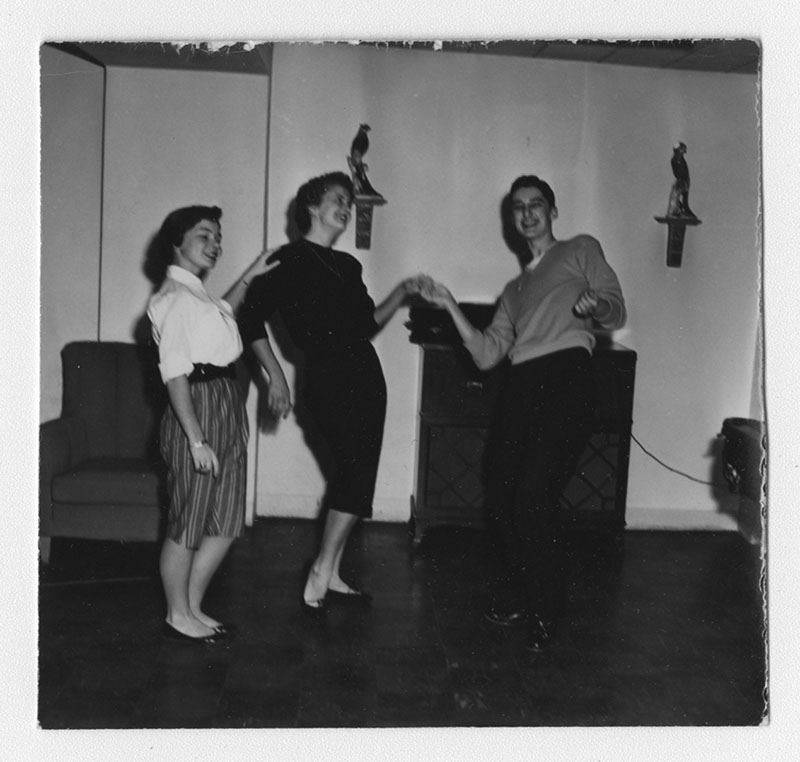
Teenage dating in the early 1960s gets remembered as a code of etiquette, and it is far better understood as a surveillance apparatus with a specific target.
Start with the entry point. The invitation went to the household rather than to the girl, which meant a boy presented himself, was inspected and was approved before a plan existed. The family was the first filter.
Then the house itself did the work. One telephone, in a hall, on a short cord – so every call was audible to everybody. Teenagers responded by developing oblique phrasing and extreme economy, and by moving the real communication onto folded paper passed hand to hand between classes, which was slow, interceptable and produced a durable object. That is why so many of those notes survive in boxes and nothing equivalent survives from now.
The status itself was public. Going steady was announced and marked with something anybody could see – a ring on a chain, a class ring, a jacket – so an entire school knew the state of every relationship without being told. Which also made the ending public: the token came back and the news crossed the building in a day.
Four rules put an adult back into the evening.
The destination had to be named, because vagueness was treated as suspicious in itself – and a teenager who had to produce a plan learned to plan an evening properly, since improvisation was not available.
Two couples went together, which is a genuinely clever negotiated settlement: the parents got supervision without supplying it, the teenagers got the evening, and the other couple supplied cover, transport and conversation.
Dances had chaperones with an explicit job, including how close couples danced – a managed environment with rules specific enough to enforce.
And a curfew was an hour, enforced by a person sitting up with the light on. That is more absolute than any agreed time, because there is no way to be vague about when you came in when somebody was in the front room waiting.
Underneath all of it sits one fact: the car. A boy with a vehicle could take a girl out of sight of every adult who knew either of them, and every rule above is an attempt to restore supervision to a situation the car had removed it from. That is the structural explanation for the whole system, and everybody at the time understood it.
Two things about the arrangement deserve saying plainly.
The money ran one way. The boy paid for everything, universally enough that a boy with no money could not participate at all – which makes the custom a barrier rather than a courtesy.
And the rules were not symmetrical. Curfews were earlier for girls, permissions narrower, and the reputational consequences of the same evening far heavier. That asymmetry was stated openly at the time rather than being something anybody had to uncover.
The families were linked on purpose. Parents of a steady couple were expected to know one another, which put the relationship inside a network of adults who could compare accounts – and that removed most of the room a teenager had to manoeuvre in.
The timeline surprises people. Formal pairing off started young, and schools and parents treated it as the normal developmental schedule, with an entire apparatus of dances, rings and announcements built to support it.
Then it came apart, technologically rather than culturally, in that order. Cars, then extension telephones in bedrooms, then campuses without curfews – each change removed one specific place an adult had previously been standing. The rules were not relaxed. They became unenforceable.
Which is why the forms outlasted the function. By the middle of the decade the rings, the dances and the stated hours were all still there, and the thing they had been built to deliver was mostly gone.
If you lived through it, think about where the telephone was in your house.
That location was not an accident, and it was doing more supervising than any rule.
Like our content? Follow us for more.