The Pacific Northwest often looks peaceful at first glance, yet locals know how quickly a calm moment can shift into something more serious. Cliffs give way without notice, tides climb higher than expected, and mountain weather rolls in with a confidence that leaves no room for hesitation. These places are beautiful, but they reward careful steps and patient judgment. Listening to people who grew up around these landscapes can make the difference between a memorable visit and a close call no one wants to experience.
Thor’s Well, Oregon
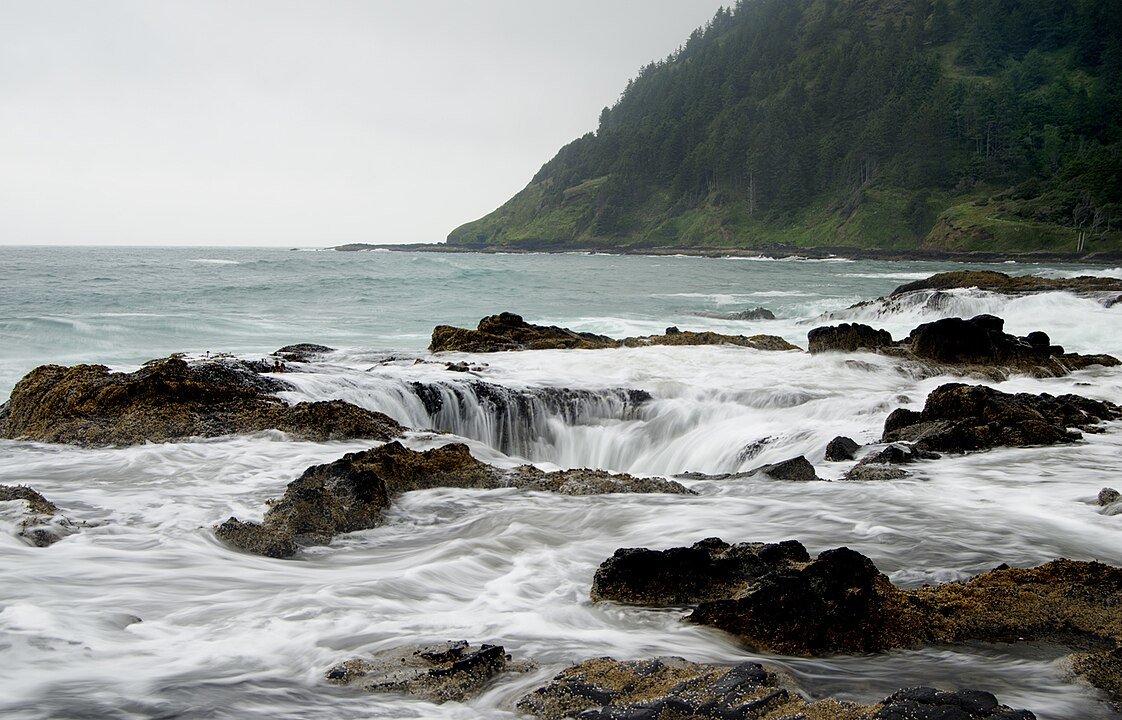
Thor’s Well sits on a rocky shelf near Cape Perpetua, where swirling water creates the illusion of an endless drain. The rocks leading toward it are slick, and the ocean’s rhythm hides occasional surges that jump far beyond the last wave line. Locals often watch newcomers inch too close, unaware that a single larger swell can knock someone off balance. People who know the area usually stay on higher, drier ground, letting the telephoto lens do the work. It’s a place that rewards distance more than bravado, offering its best views from solid footing.
Devil’s Churn, Oregon
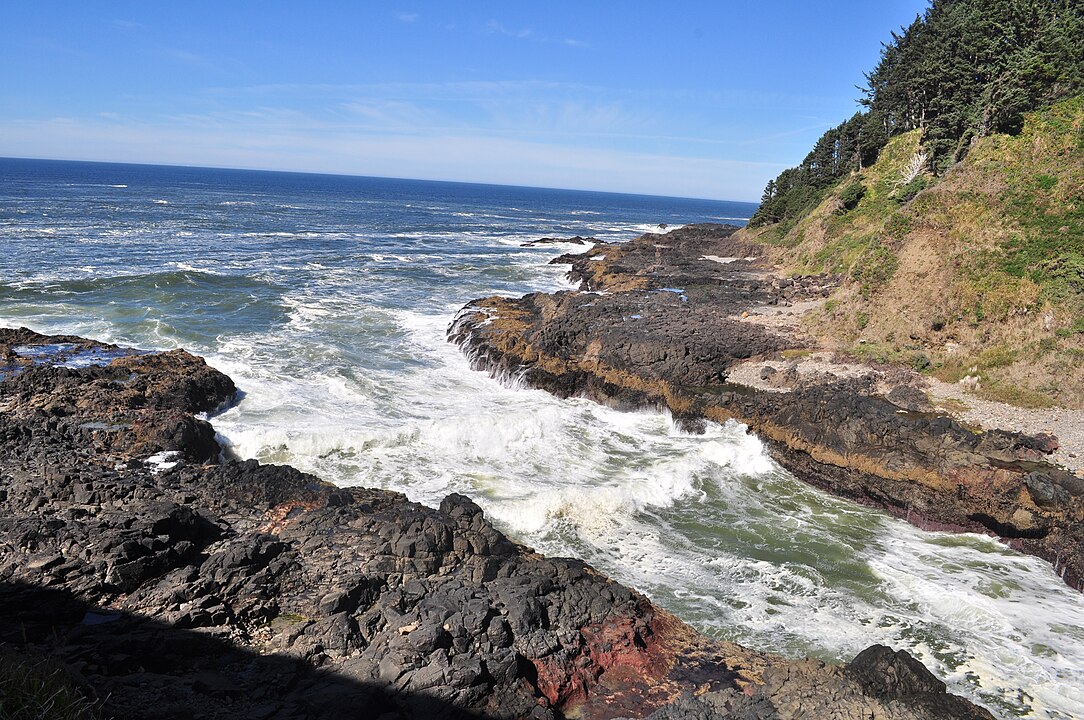
Devil’s Churn looks like a simple crack in the coastline, but the narrow funnel magnifies wave energy in a way that’s easy to underestimate. Even mild surf can explode upward when forced through the slot, soaking the surrounding ledges and turning every step into a problem worth considering twice. Visitors walking lower paths often misjudge how far the spray travels, especially during high tide. Locals avoid the temptation to creep forward and prefer the slightly elevated viewpoints, where the churn’s sound and power feel immersive without putting anyone in a risky position.
Oneonta Gorge, Oregon
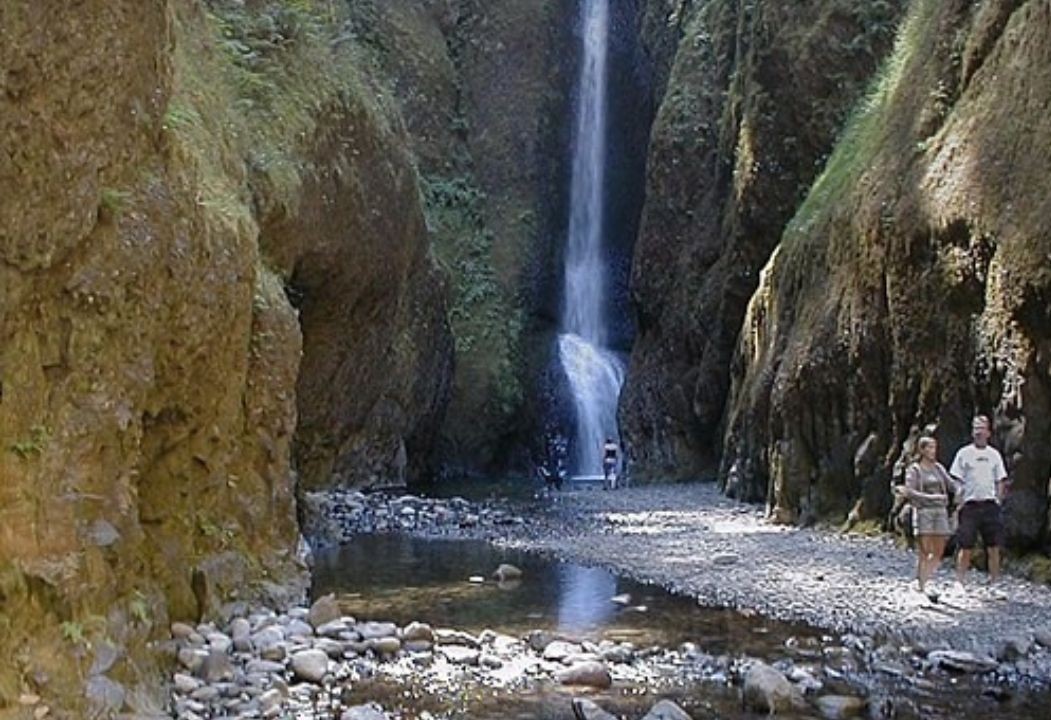
Oneonta Gorge once welcomed curious hikers into a narrow canyon carved from volcanic rock, but its beauty hides hazards that return every season. Logjams shift unpredictably, water levels rise without warning, and cold flow from the creek numbs legs faster than expected. Rescue reports show how quickly small mistakes compound in such a tight space. Locals now encourage visitors to admire the canyon from maintained trails rather than pushing into the old scramble route. The gorge stays just as dramatic from a safe distance, letting the mossy walls speak for themselves.
Crater Lake Rim, Oregon
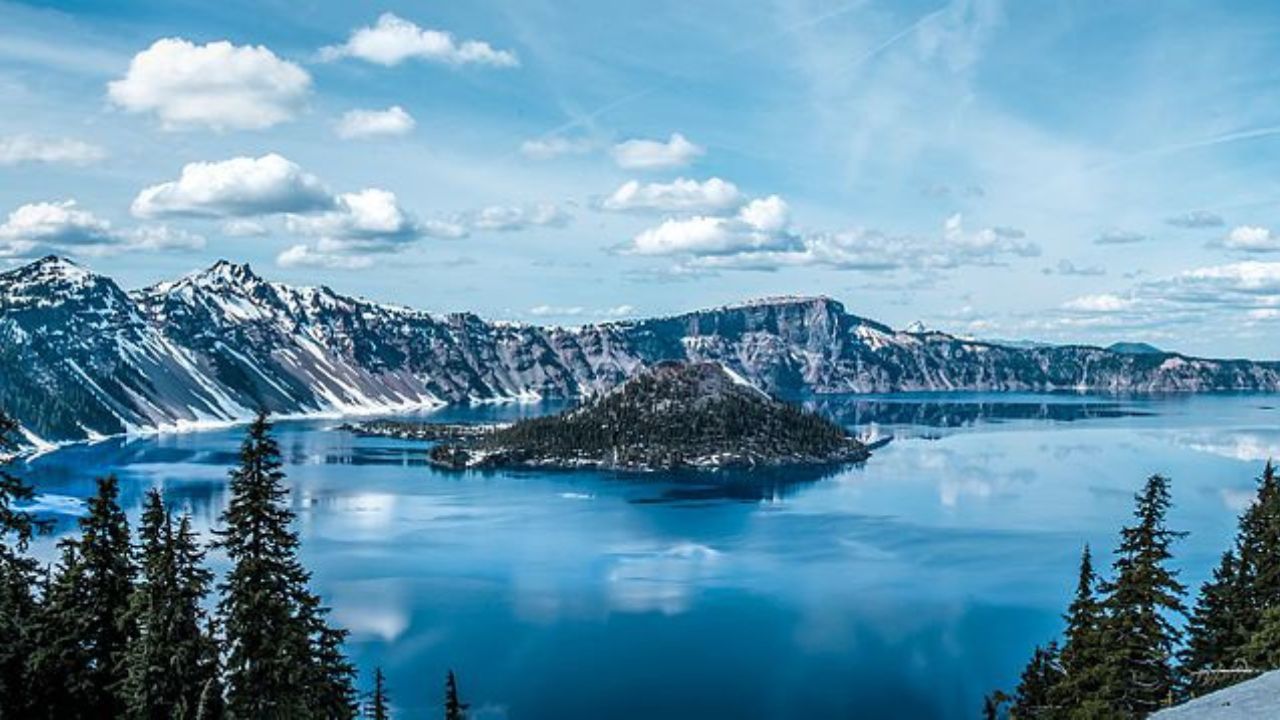
Crater Lake’s rim appears wide and sturdy, yet it’s made of loose pumice that crumbles under careless footing. Snow drifts linger well into summer, forming cornices that disguise the true edge and collapse at the wrong moment. People leaning out for a better angle sometimes forget how unpredictable the ground can be. Rangers encourage visitors to stay behind railings and trust the designated viewpoints, which offer sweeping scenes without the stress of edging closer. The lake’s calm surface and deep blue feel more comforting when viewed with steady, intentional caution.
Mount Rainier, Washington
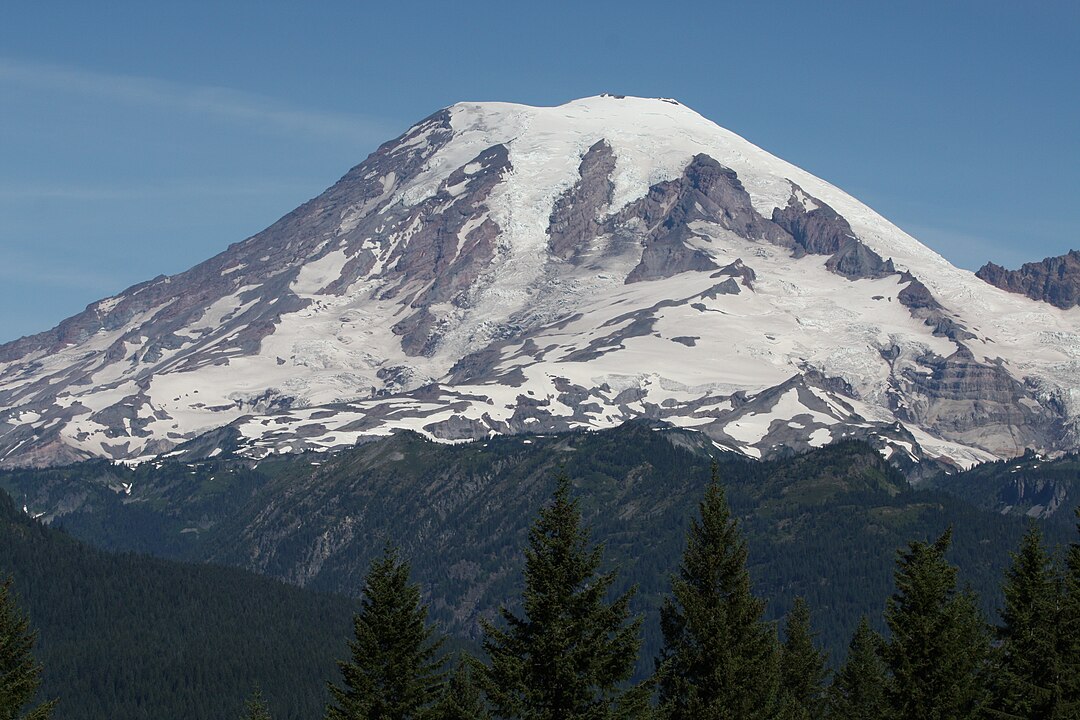
Mount Rainier dominates the skyline, but those who climb it know how fragile timing becomes once they step onto its glaciers. Weather forms quickly, turning a clear route into a white blur. Crevasses open after warm spells, shifting the path overnight, and strong winds create conditions that test even skilled teams. Locals treat any summit attempt as a commitment that requires training, honest pacing, and a readiness to retreat early. Respecting the mountain is not fear; it’s understanding that its scale leaves little room for improvisation.
Mount Hood, Oregon
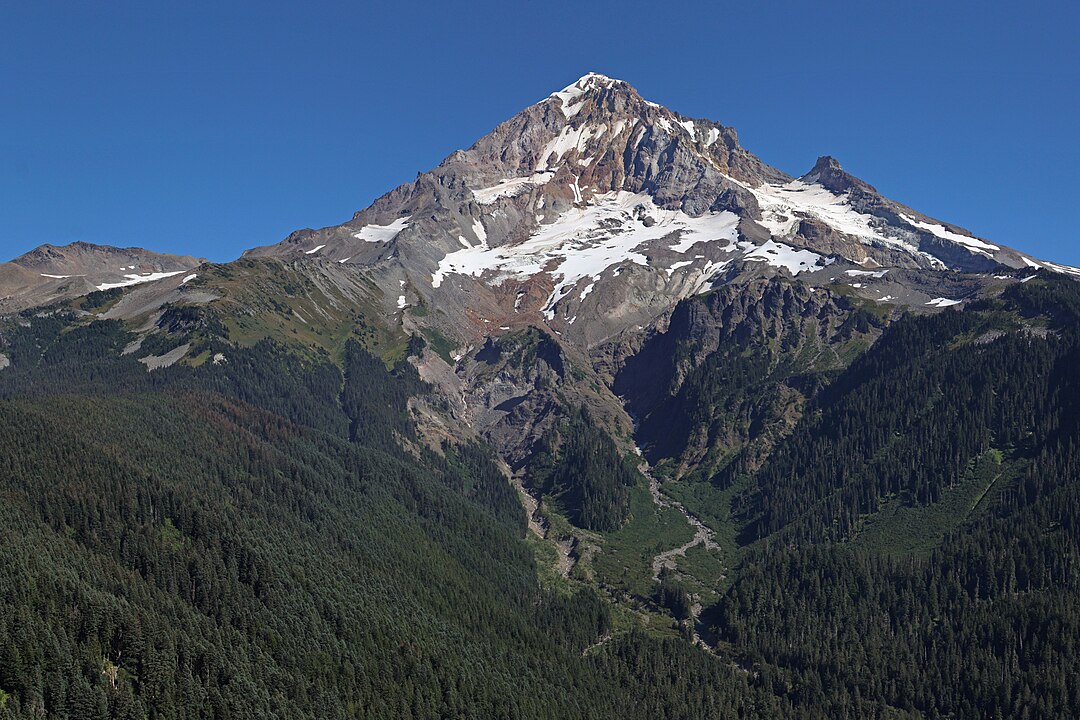
Mount Hood feels approachable because it stands close to Portland, yet its upper slopes demand careful decisions. Snow hardens into ice at dawn, creating conditions where a single slip can accelerate faster than anyone expects. Clouds often slide in from the west, flattening shadows and hiding crevices that were obvious minutes earlier. Rescue volunteers repeat the same advice each season: know your limits and turn around when something feels off. That mindset keeps climbers safe and preserves the mountain as a place people return to with confidence rather than regret.
North Cascades, Washington
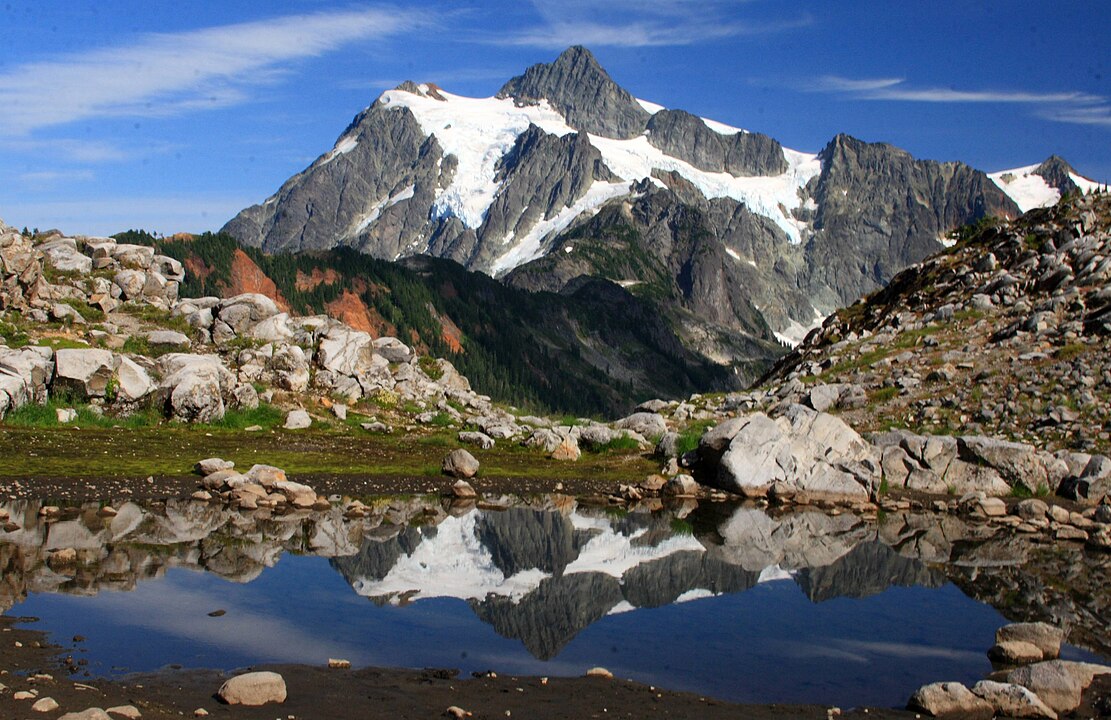
The North Cascades are often called the American Alps, a title earned not through marketing but through terrain that refuses shortcuts. Peaks rise sharply, valleys run deep, and loose rock makes even routine scrambles feel uncertain. Distances between trailheads and help can stretch longer than anticipated, adding weight to every decision. Locals approach this range with a blend of curiosity and caution, planning conservative routes and practicing skills before committing. The reward is a landscape that feels untouched, offered only to those who move with patience.
Snoqualmie Pass, Washington
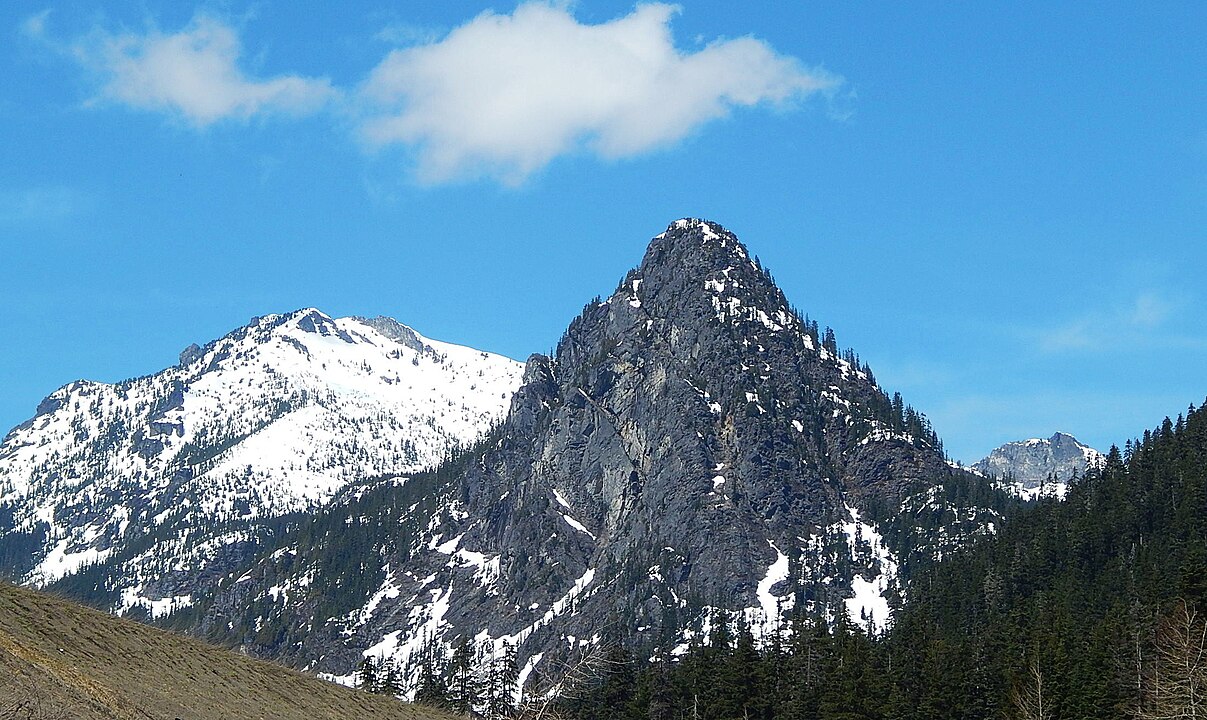
Snoqualmie Pass serves as one of Washington’s busiest corridors, yet weather transforms it rapidly during winter. Snow can arrive in thick bursts, covering fresh pavement with ice in minutes. Drivers unused to mountain travel often find themselves overwhelmed by the mix of semitruck spray, reduced visibility, and sharp elevation changes. Residents treat the pass with steady respect, checking forecasts and carrying warm gear even on short trips. A bit of preparation turns the crossing from a tense drive into a manageable winter ritual.
Cape Kiwanda, Oregon
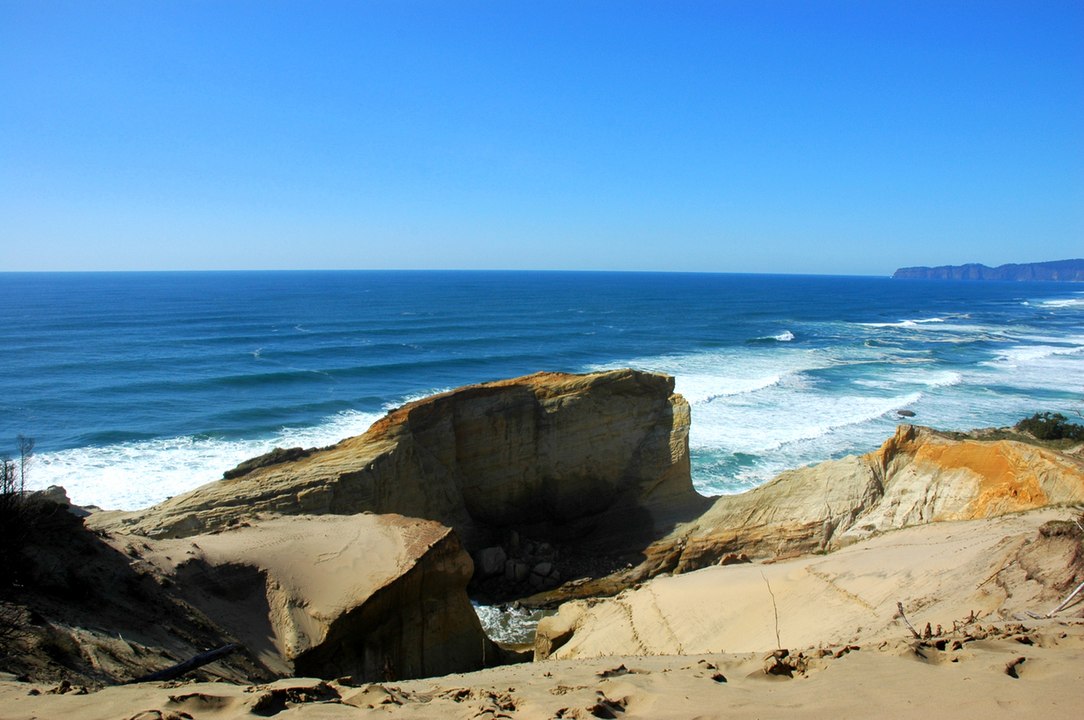
Cape Kiwanda’s sandstone cliffs glow warmly under sun, but the edges crumble faster than visitors realize. Wind shapes new overhangs daily, and soft sand disguises weak spots that sit inches from steep drops. Many accidents happen when people climb over fences to stand on unstable ridges while chasing a better photo. Locals know that the cape’s charm lies in its shifting nature, not in stepping out onto risky ledges. The safest viewpoints often provide the best light, letting the sea and rock contrast naturally without forcing a dangerous approach.