Long drives require steady focus, stable energy, and a comfortable stomach, yet many holiday foods work against exactly that. Festive meals are often richer, greasier, or sweeter than our everyday diet, and even a single serving can affect alertness for hours. Eating too heavily before getting behind the wheel may seem harmless, but it can slow your reactions, cause unexpected fatigue, or create digestive discomfort that distracts you on the road. Choosing lighter options helps ensure a safer, smoother, and more enjoyable trip.
1. Creamy Pasta Dishes
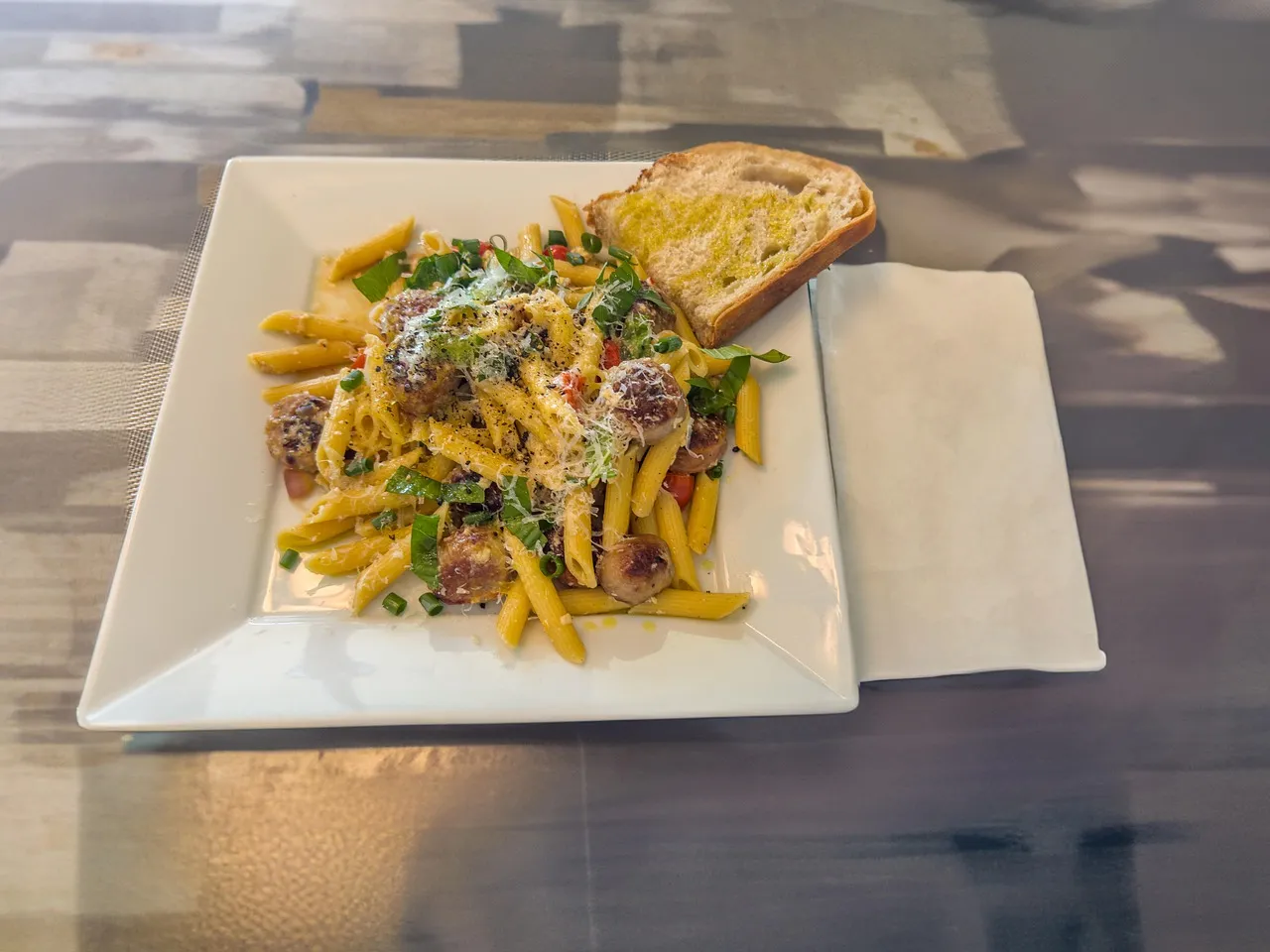
Cream-based holiday pasta dishes can contain up to 40–60 grams of fat per serving, which slows digestion and often leads to post-meal tiredness. The mix of cheese, butter, and thick sauces increases the body’s workload, leaving you feeling sleepy within 30–45 minutes of eating. Because these meals sit heavily in the stomach, they can also cause bloating or mild indigestion once you settle into the driver’s seat, making long stretches of driving feel uncomfortable and distracting.
2. Rich Desserts

Holiday desserts like cheesecake, pecan pie, or layered cakes can contain more than 45 grams of sugar in one slice, leading to sharp blood-sugar spikes followed by sudden drops. This crash often appears within 60–90 minutes and can leave you feeling fatigued or mentally dulled. Large portions also slow reaction times and may leave you craving more snacks while driving. Combined with their high-calorie load, these treats weigh you down right when you need alertness the most.
3. Fried Holiday Appetizers

Fried seasonal appetizers such as cheese bites, battered shrimp, or festive fritters can hold 20–30% of their weight in absorbed oil. This excess grease lingers in the stomach and often triggers indigestion or mild nausea after 20–30 minutes. Because fried foods demand extra digestive energy, they commonly lead to drowsiness on long drives. Their salty, oily nature can also increase thirst, forcing you to stop more often while still feeling sluggish behind the wheel.
4. Heavy Meat Roasts
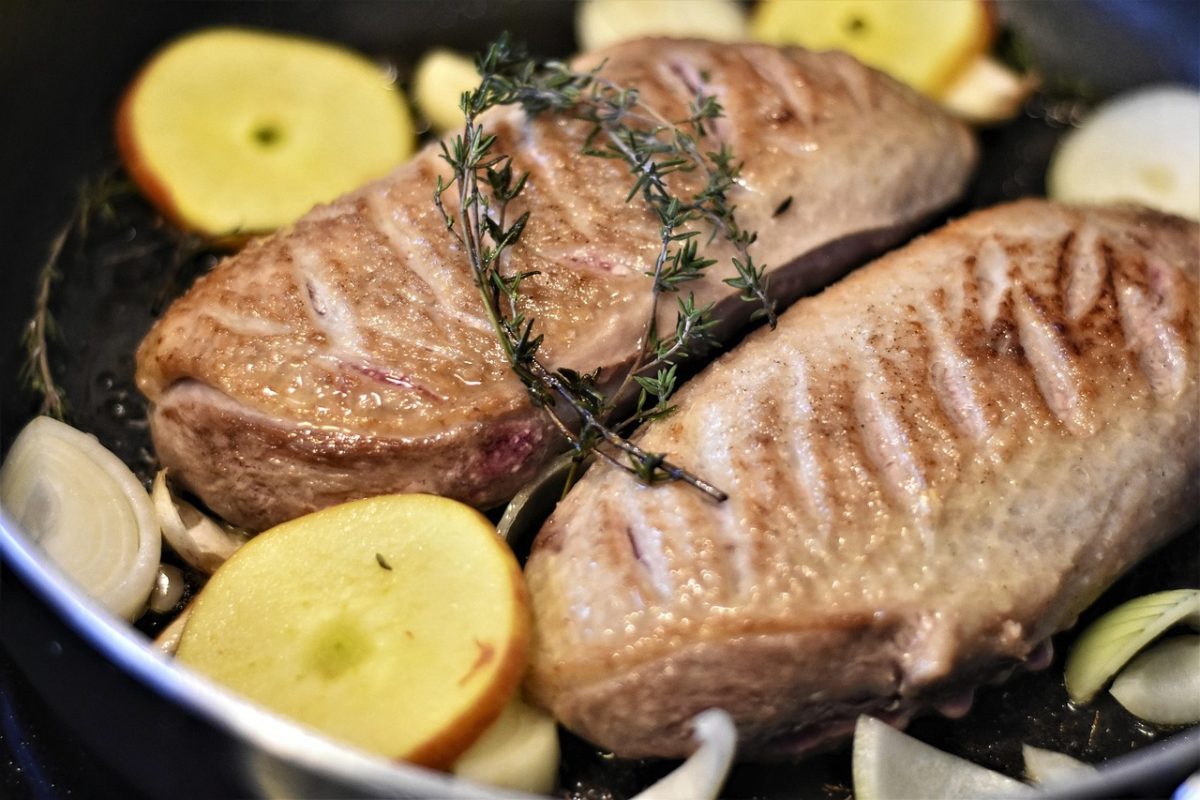
Holiday roasts like beef, ham, or lamb easily exceed 35–45 grams of protein and 20–25 grams of fat per serving, making them slower to digest compared to lighter meals. This prolonged digestion can cause a wave of tiredness within 45 minutes to 2 hours, especially after a large portion. The richness of roasted meats may also trigger heartburn when sitting for long periods. Combined with post-feast sluggishness, they can noticeably reduce overall alertness on the road.
5. Stuffing and Gravy
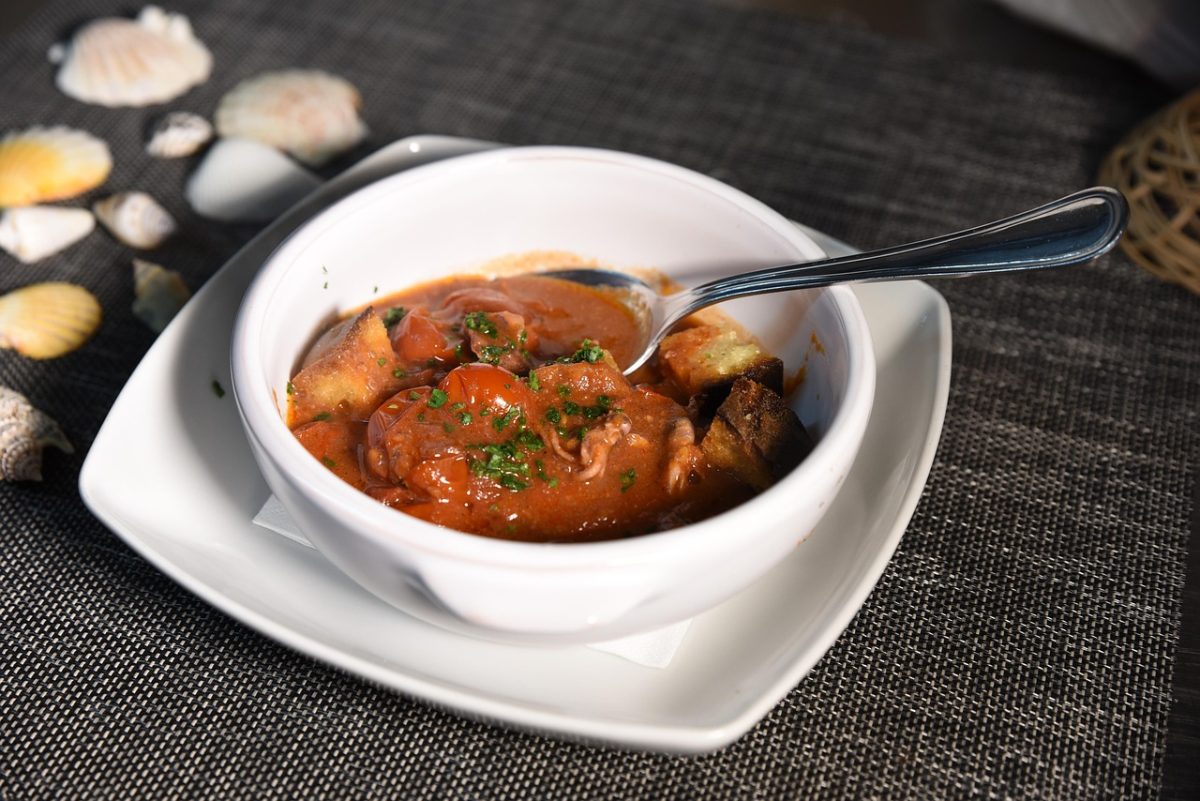
A single serving of stuffing with gravy can pack 500–700 milligrams of sodium along with heavy amounts of butter and broth. This combination contributes to bloating and mild dehydration, both of which make long drives uncomfortable. The dense bread mixture can cause heaviness in the stomach within 30–60 minutes, while the gravy’s fat content slows digestion. These effects often leave drivers feeling tired, thirsty, and less focused during the early hours of travel.
6. Holiday Breads and Rolls

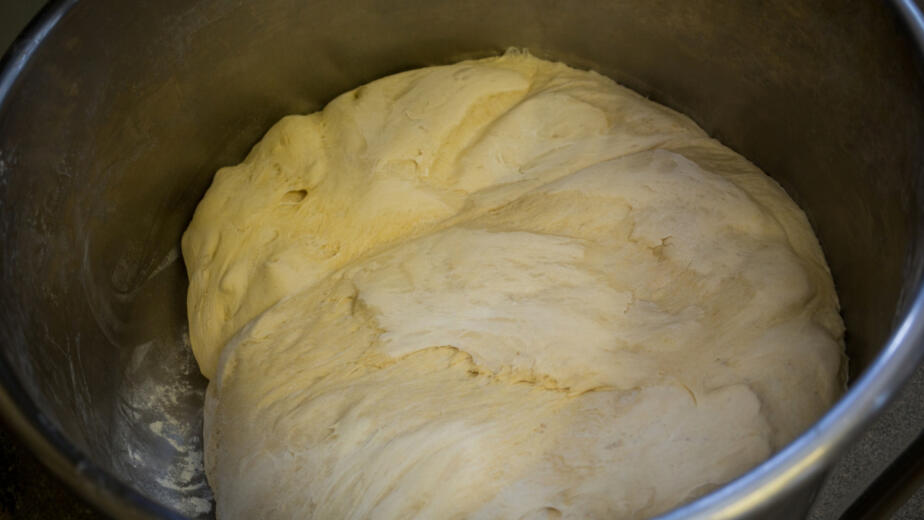
Festive breads and rolls, especially those dusted with butter or honey, typically contain 25–40 grams of refined carbs per piece. These quick-digesting carbs create an initial burst of energy followed by a noticeable dip within 45–75 minutes. Because they’re soft and easy to overeat, many people consume more than intended, intensifying the energy crash. Sitting still soon after eating can also amplify bloating, making the first leg of the journey feel heavier and more tiring.
7. Eggnog and Creamy Drinks

A standard glass of eggnog can hold 200–350 calories, along with 10–12 grams of fat and significant amounts of lactose. This creates a thick, heavy feeling in the stomach and may lead to gas or discomfort within 20–40 minutes of drinking. The sugar content can also cause an energy spike followed by mild drowsiness. When combined with cold weather and holiday fatigue, these drinks make staying alert behind the wheel much more challenging.
8. Spicy Holiday Foods
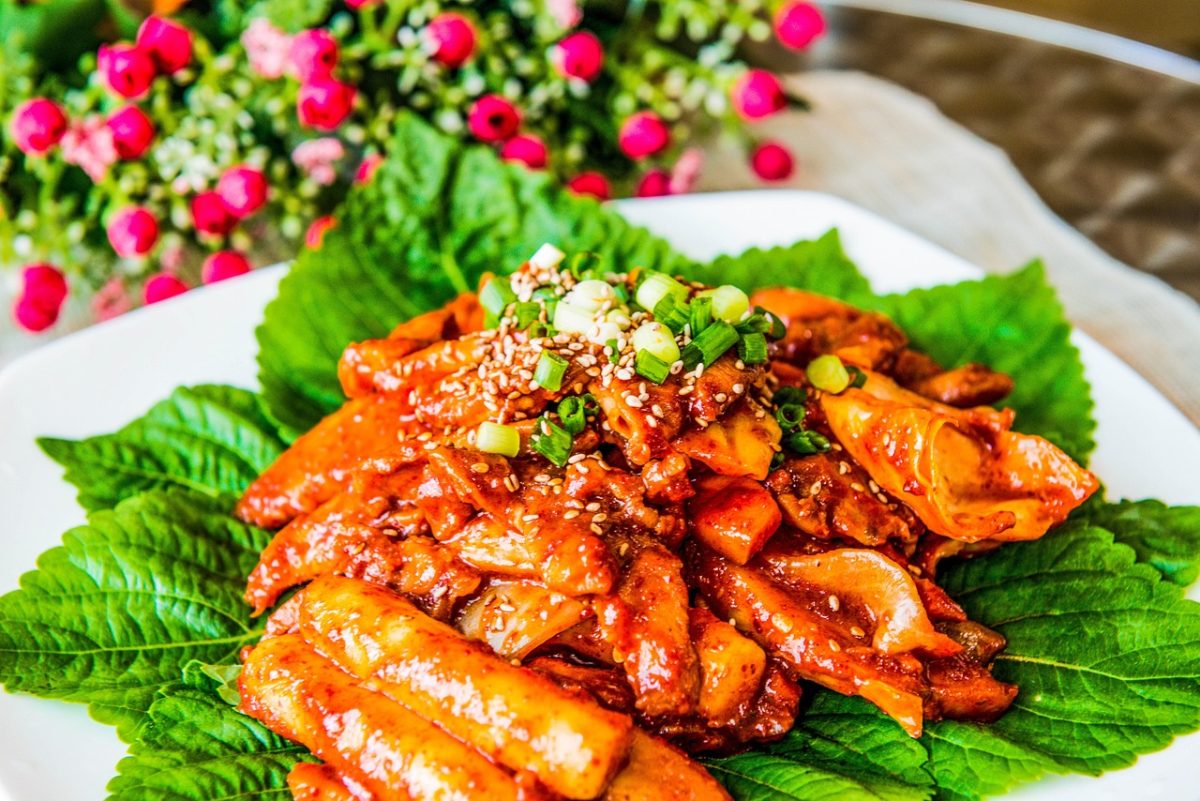
Heavily seasoned dishes often include 3–6 types of spices, which can irritate the stomach and increase acid production. This irritation may cause heartburn or a burning sensation within 15–30 minutes, especially when sitting upright for long periods. Even those who tolerate spice well can experience discomfort during a long drive, as the lack of movement intensifies the feeling. These symptoms distract from the road and make extended highway stretches noticeably harder.
9. Carbonated Holiday Beverages
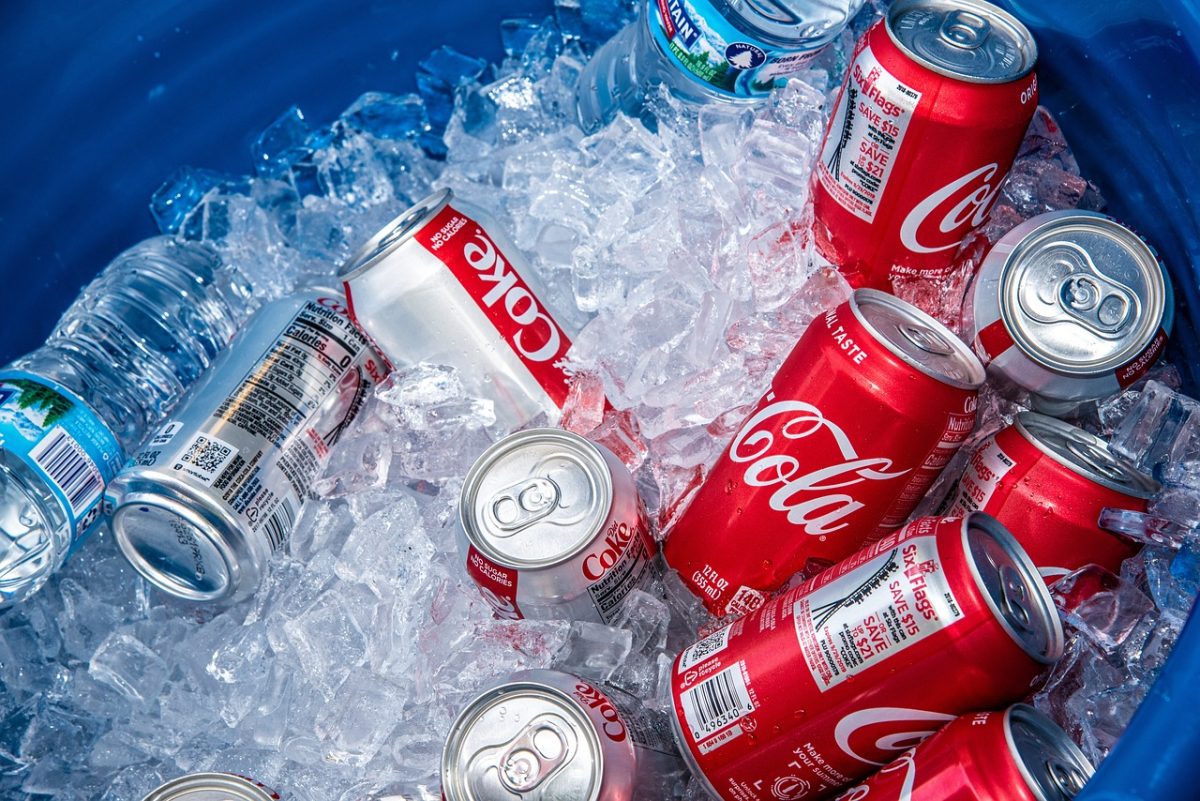
Sparkling punches and sodas contain 1–3 volumes of dissolved CO₂, which expands in the stomach and promotes bloating within 10–20 minutes. The gas buildup can make your abdomen feel tight or uncomfortable, especially when seated for long periods. These drinks also offer minimal hydration despite containing 20–40 grams of sugar, which can contribute to fatigue. The combination of bloating and mild dehydration leaves drivers feeling restless and less focused.
10. Sugary Festive Candies

Candy canes, chocolates, and toffees often carry 15–25 grams of sugar per piece or serving, delivering a quick hit of energy that fades rapidly. Within 30–60 minutes, the resulting sugar crash can cause sleepiness, irritability, or mental fog. Excess sugar can also dehydrate you slightly, leading to headaches during long drives. Because candies are easy to overeat without noticing, their effects accumulate quickly and can noticeably reduce sustained alertness.