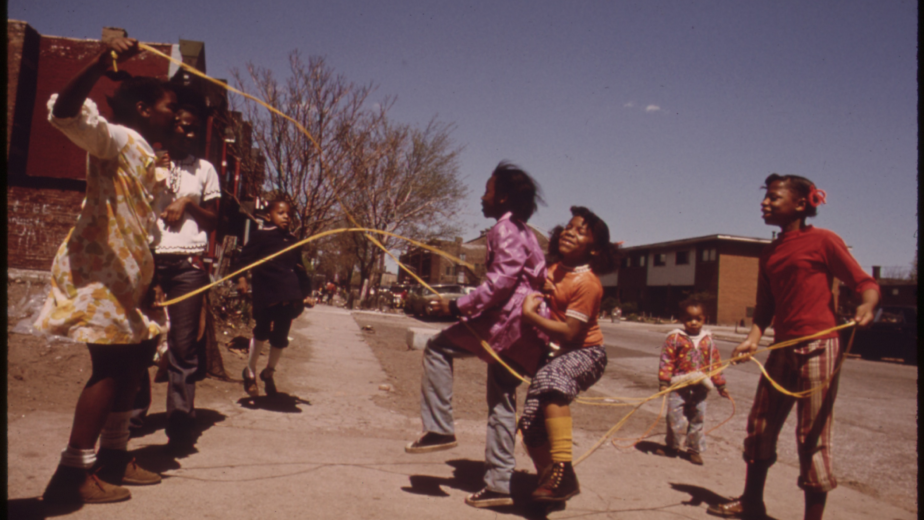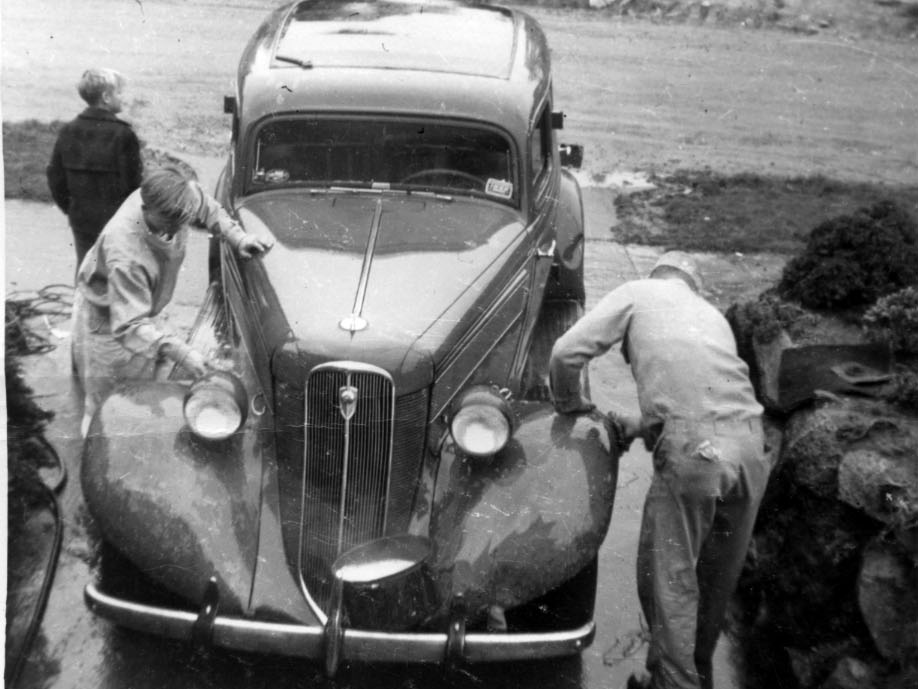
The hose came out of the garage, two buckets were filled at the outside tap, and by ten on a Saturday morning half the driveways on the street had somebody standing in them with a sponge. In 1968 washing the car at home was not a chore anybody was forced into. It was closer to a weekly appointment the whole street kept at the same time.
The Car Was the Second Most Expensive Thing a Family Owned
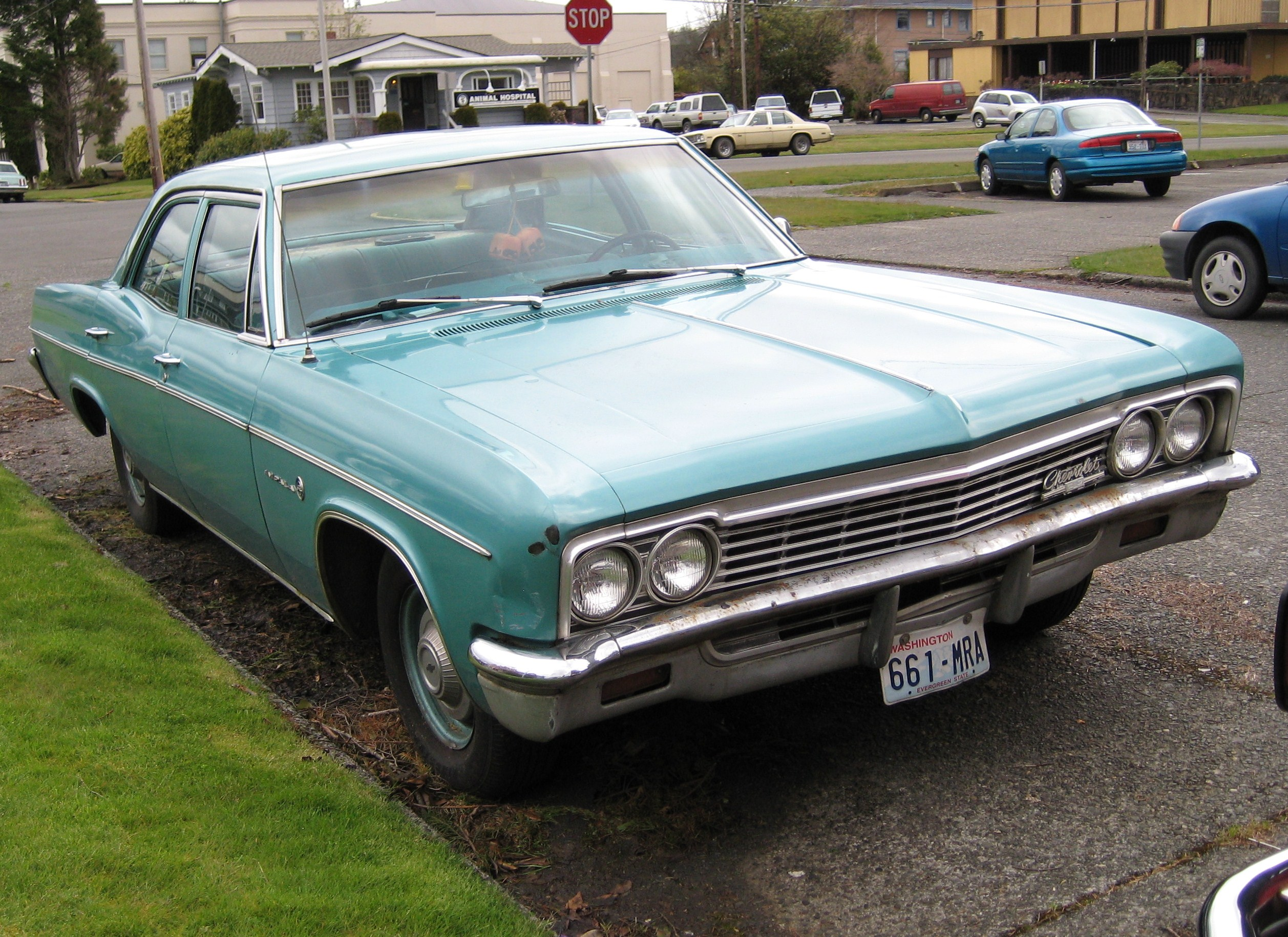
After the house, nothing a household owned came close, and that single fact explains the amount of attention it received.
Everything else follows from the ranking. People do not spend an hour a week on a cheap object, and the care given to a car was proportionate to what replacing it would have meant – which was, for most families, something that could not simply be done when it became necessary.
Like our content? Follow us for more.
Paint Was Genuinely More Vulnerable Then
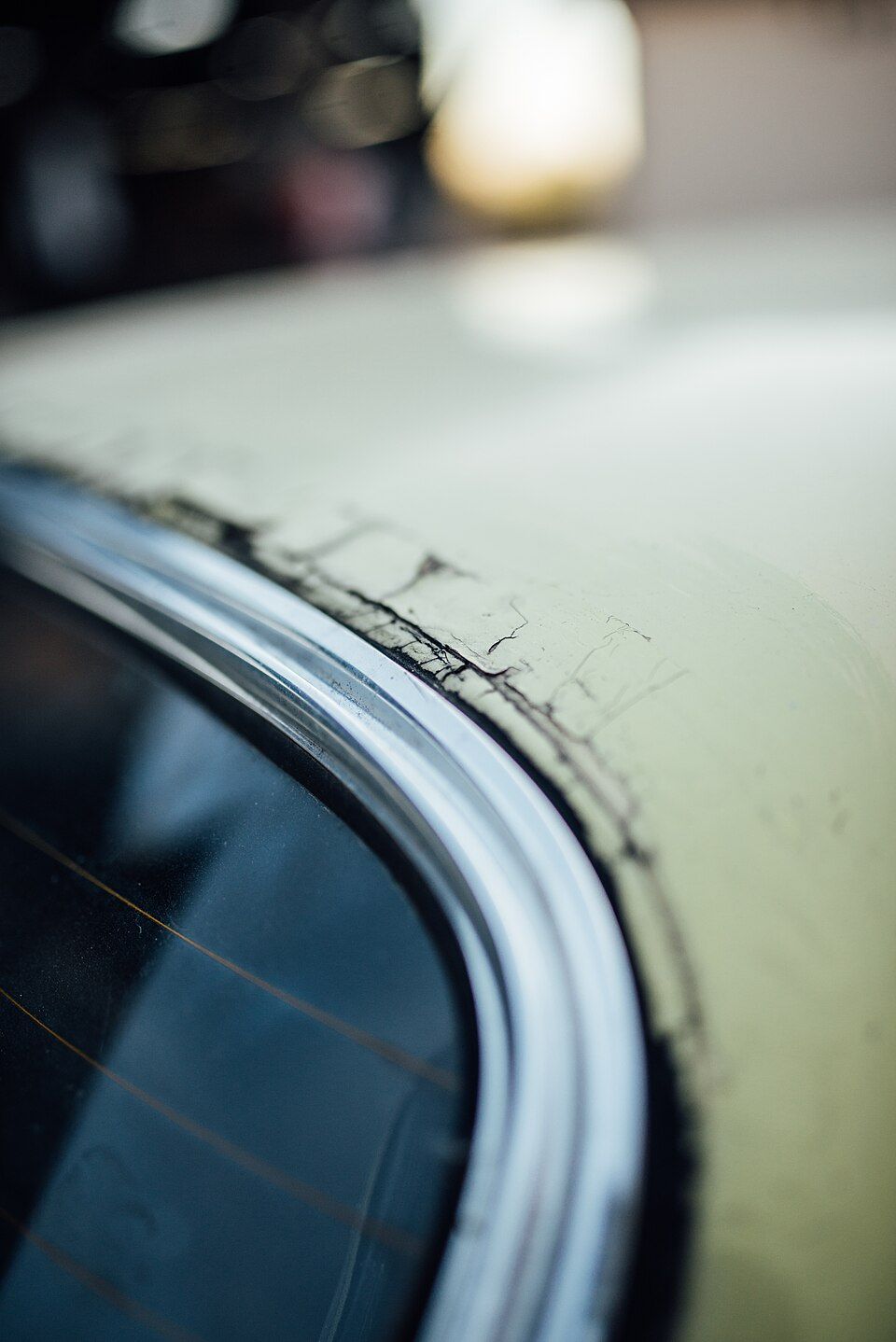
Finishes of the period were softer, thinner and far more easily dulled than what came later, and they responded visibly to being neglected.
That is the technical reason the ritual had a point. A weekly wash and an occasional wax were not fussiness; they were the difference between a car that looked respectable at five years old and one that visibly did not, and everybody could see which was which.
The Driveway Was the Only Place to Do It
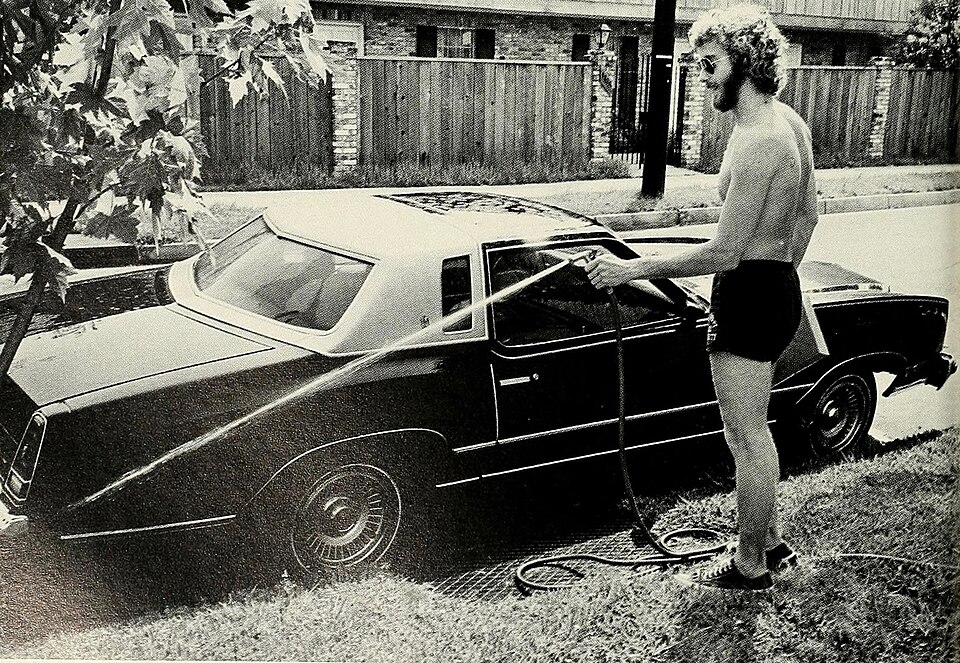
There was no alternative on most streets, which meant the activity happened in full view of everybody who walked or drove past.
The visibility is what turned maintenance into something else. A chore done in a garage is private; a chore done at the front of the house, on a Saturday, in a street where everybody else is doing the same thing, is a social occasion with a task attached.
Two Buckets Was the Method and Everybody Knew Why
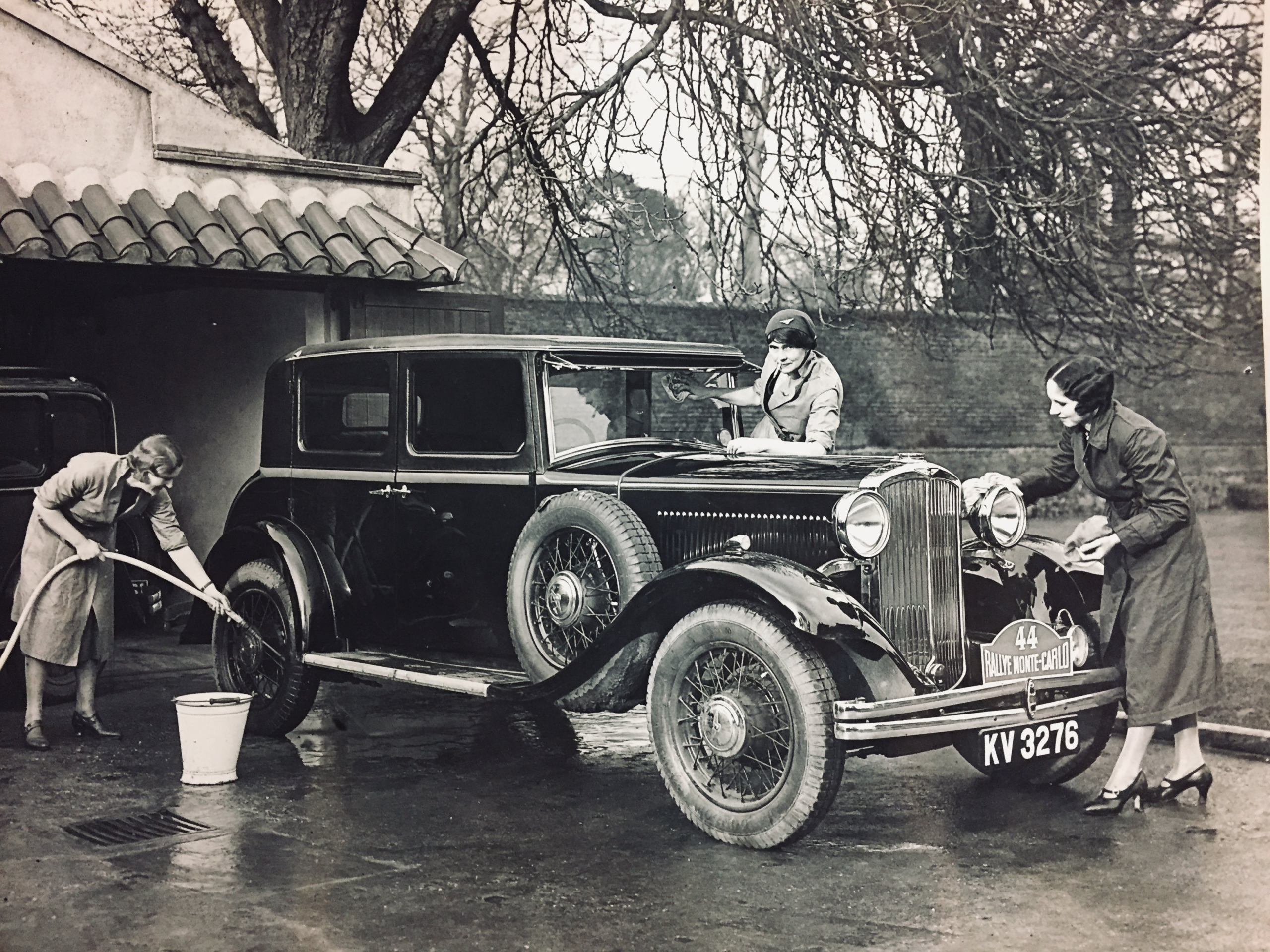
One bucket held the soapy water and one held clean rinse water for the sponge, and the point was to keep grit out of the wash.
The principle is the only piece of real technique in the whole business. Dirt lifted off the paint and carried back into the soap bucket goes straight back onto the car on the next pass, and a single bucket turns a wash into something closer to the opposite.
Working Top to Bottom Was the Other Rule
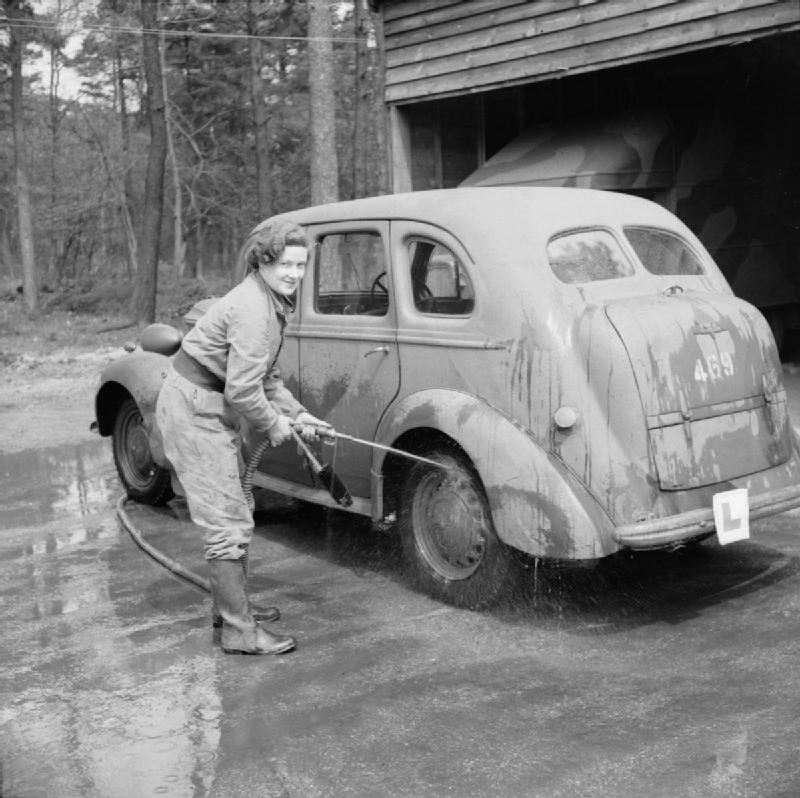
The roof first, then the glass and upper panels, then the doors, and the lowest sections last.
The logic is gravity and dirt in combination. Water runs down, so anything washed above re-dirties anything already cleaned below, and the filthiest part of a car – the bottom few inches – is left to the end so the sponge that touches it touches nothing afterwards.
Dish Soap Was a Running Argument

Some households used washing-up liquid from the kitchen and some insisted on a product made for cars, and both sides held their position firmly.
The disagreement was not trivial and is still live. A degreasing detergent built to strip fat off plates is extremely effective at stripping wax off paint, which is either a problem or the entire point depending on whether you intended to wax it again afterwards.
Chrome Was the Reason the Job Took So Long
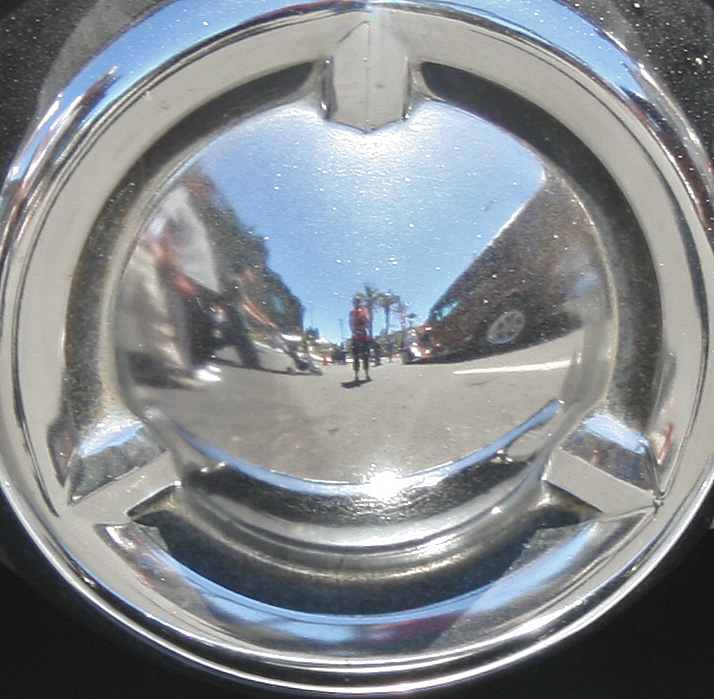
Bumpers, trim, mirrors, grilles and window surrounds were brightwork, and brightwork is the part that shows every mark.
The quantity of it on a car of this period is the practical explanation for the time involved. Washing painted panels is quick; bringing a bumper back to a clean shine is slow, fiddly work done by hand, and there was a great deal more of it to do than a modern car presents.
Drying Was Not Optional
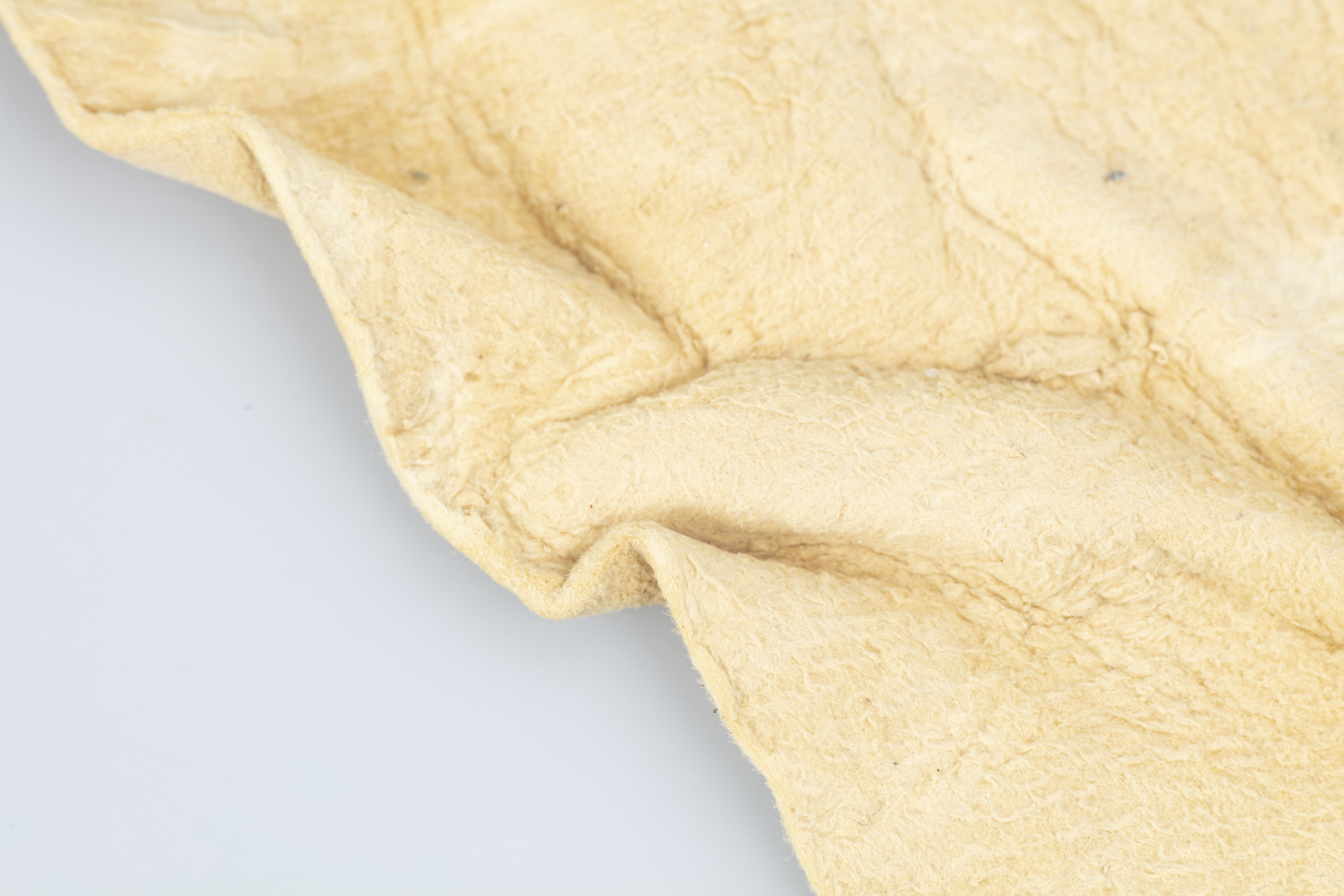
A car left to air-dry came out covered in spots, which meant the last stage was as much work as the first.
This is the part that surprises people who have not done it. The water itself leaves marks when it evaporates, so the job is not finished when the car is clean – it is finished when it is dry, and the chamois was doing real work rather than ceremonial work.
The Hose Was Also the Point for Anybody Under Twelve
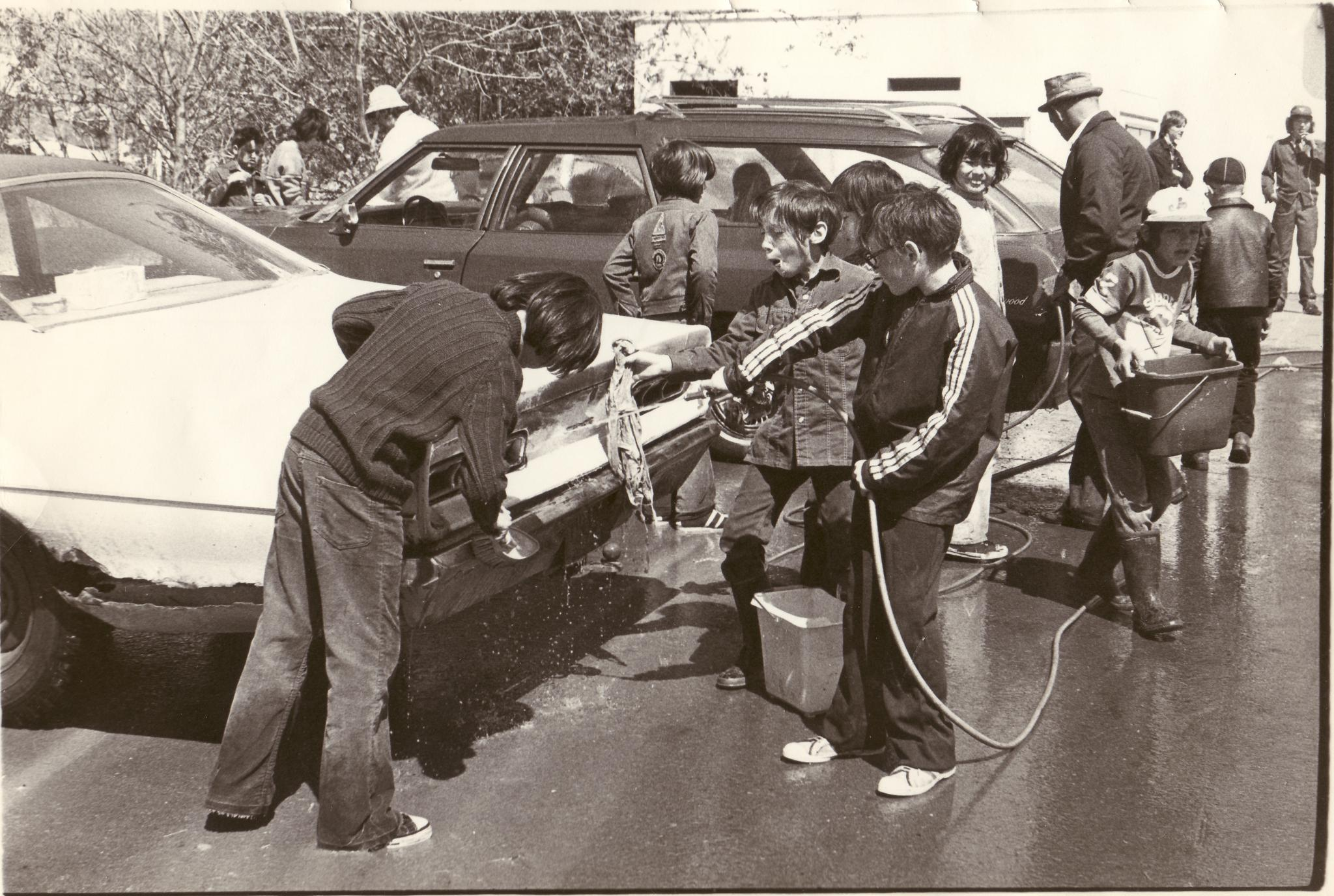
Children were drawn to the job because of the water, and a great deal of the washing done by children was incidental to being allowed to hold the hose.
Nobody involved was under any illusions about this. The labour contributed was modest, the supervision required was considerable, and the arrangement persisted anyway because it was the only chore on the list that was also, for a nine-year-old, the best thing available on a Saturday morning.
The Wheels Were Given to the Child
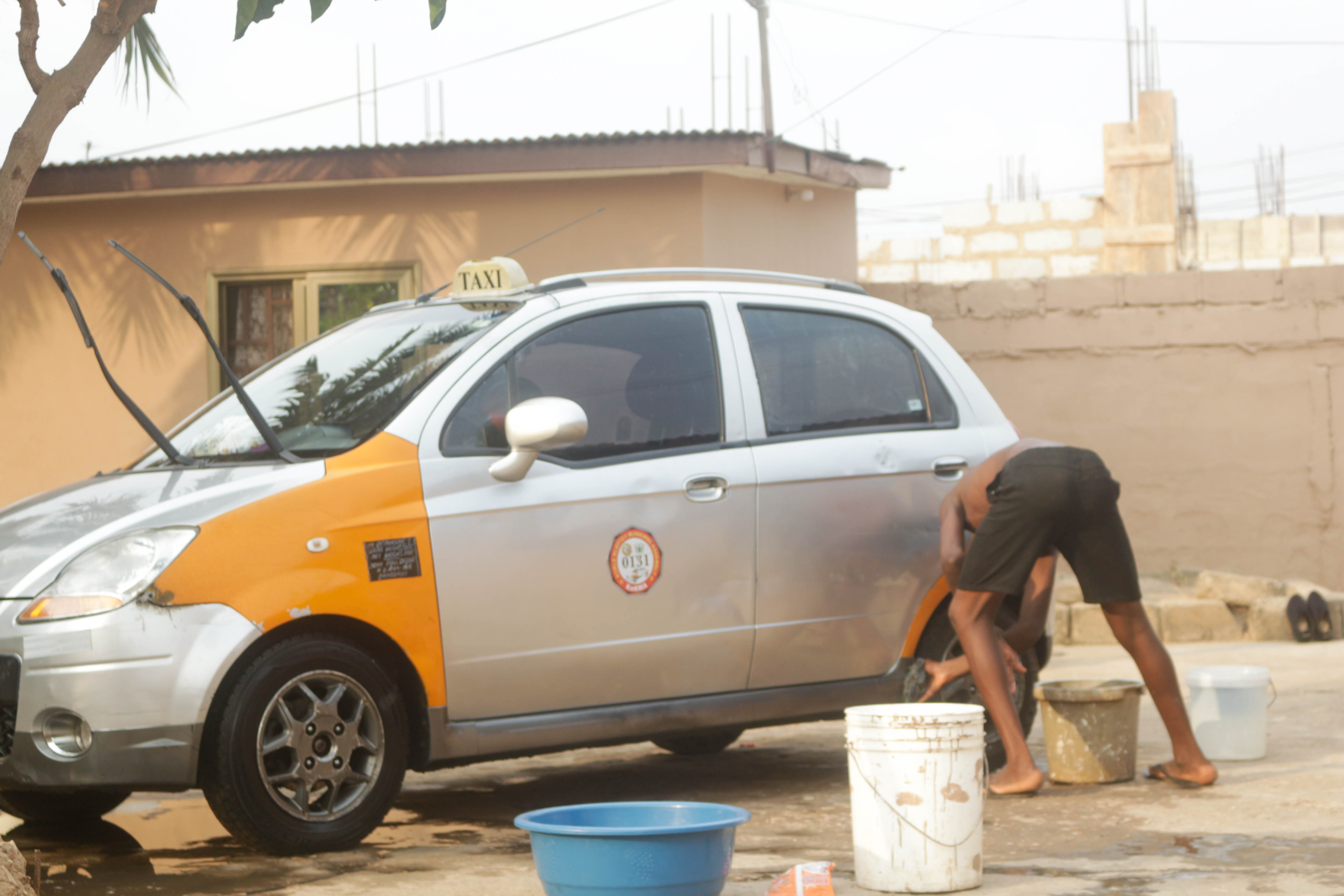
The lowest, dirtiest and least damage-prone part of the car was the task delegated downwards, and it was delegated downwards everywhere.
The allocation is more sensible than it looks. A wheel cannot be scratched in a way anybody will notice from the pavement, it requires no reach, and it is the one area where enthusiasm matters more than care – so it is exactly where an inexperienced helper belongs.
Waxing Was a Separate and Much Rarer Event

A wash happened weekly; waxing happened a few times a year and took an afternoon rather than an hour.
The distinction mattered because the two jobs had different purposes. Washing removes what is on the paint; waxing puts something on top of it, and the second is the one that determined how the car looked in two years rather than how it looked that afternoon.
The Inside Was a Different Job Entirely
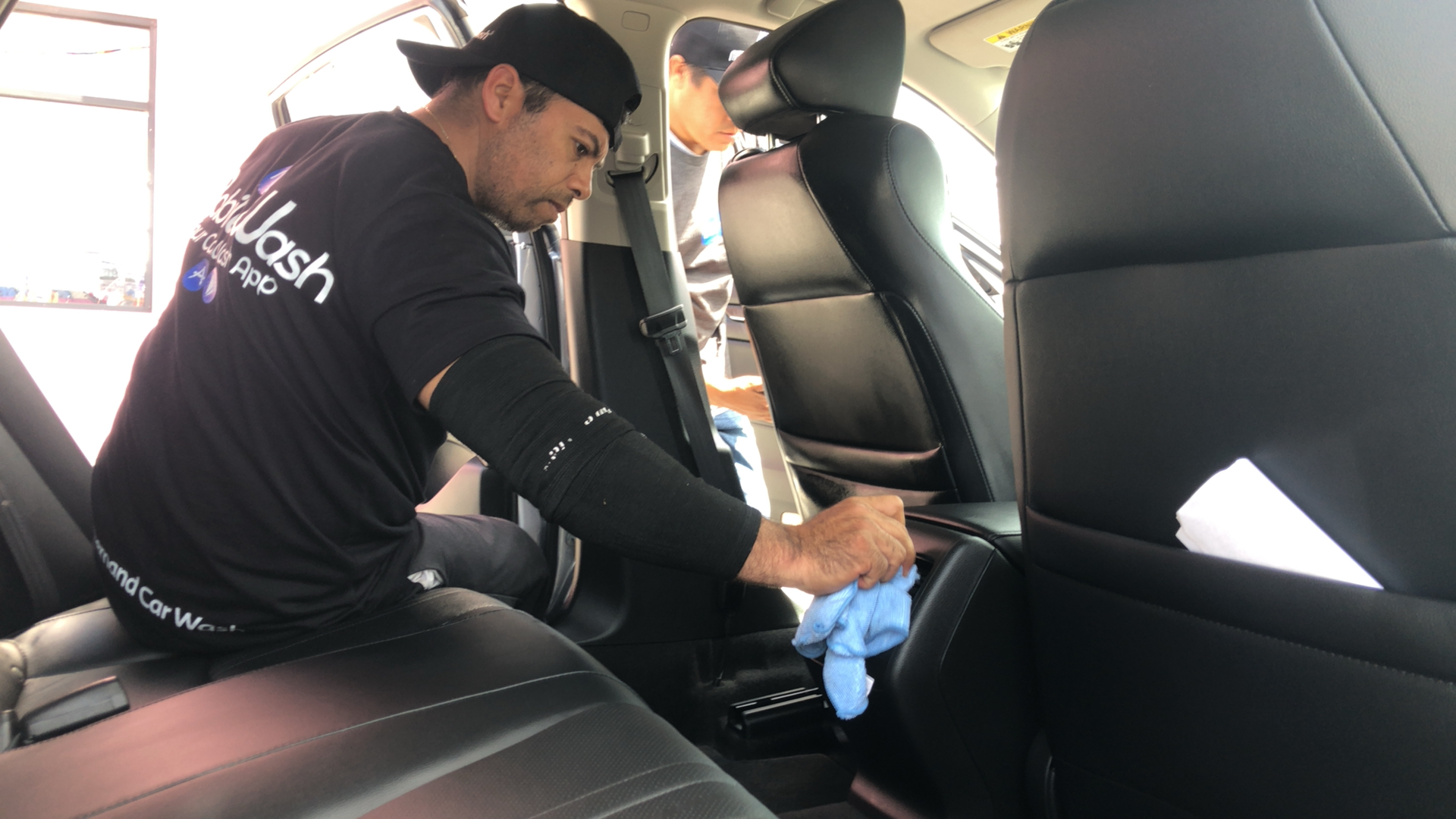
Mats out, seats brushed down, windows done from inside, and everything that had accumulated in the footwells removed.
Which is why it was often skipped. The exterior is visible to the street and the interior is visible only to the family, and a job done partly for the benefit of passers-by naturally concentrates on the part passers-by can see.
Everybody on the Street Did It at the Same Time
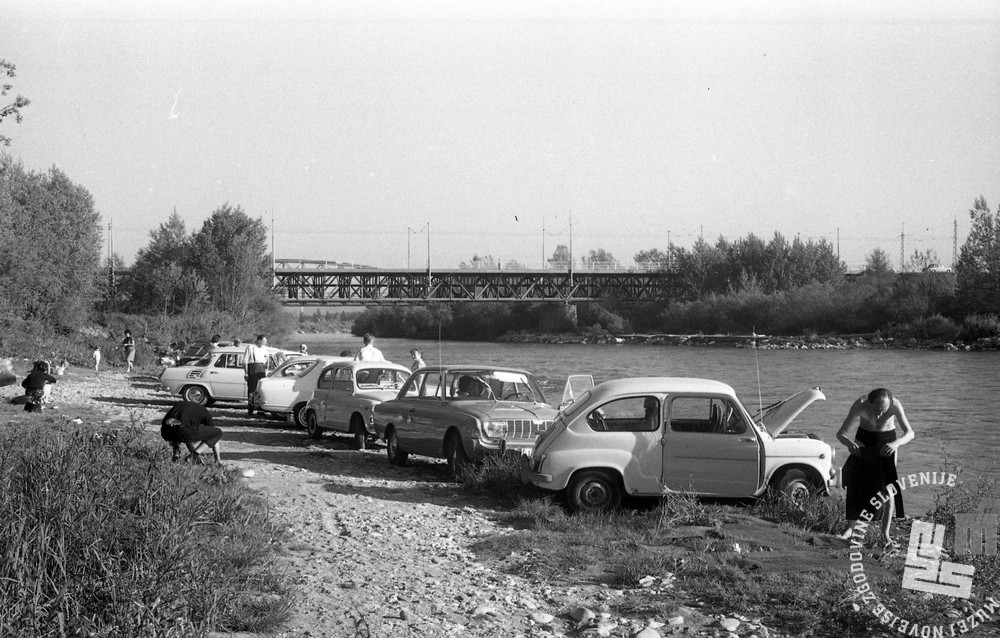
Saturday morning was when cars were washed, and the synchronisation was not coordinated by anybody.
It emerged from the working week. The car was in use five days, Sunday had other commitments, and the weather was best judged in the morning – so a whole street converged on the same two hours without ever discussing it, which is how most neighbourhood rhythms are actually formed.
It Was the Main Way Neighbours Spoke to Each Other
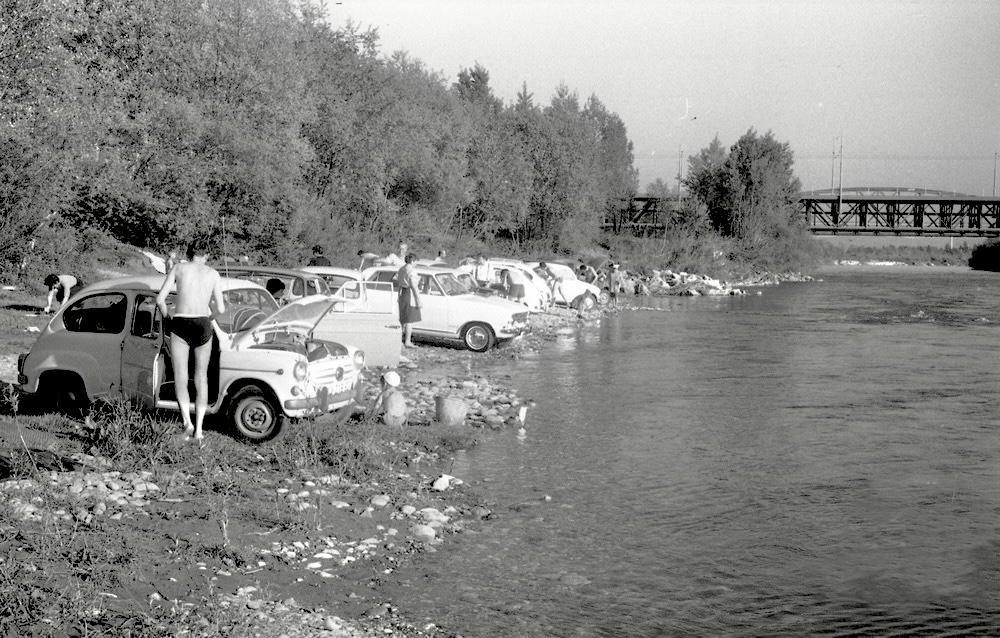
Two people in adjacent driveways doing the same thing for an hour will talk, and a great many street relationships were conducted entirely in that window.
This is the social function hiding inside the chore. The activity put adults outside, at the front of their houses, at the same time, with their hands busy and their attention free – which is a nearly perfect set of conditions for conversation between people who would not otherwise seek each other out.
Borrowing Was Constant and Expected
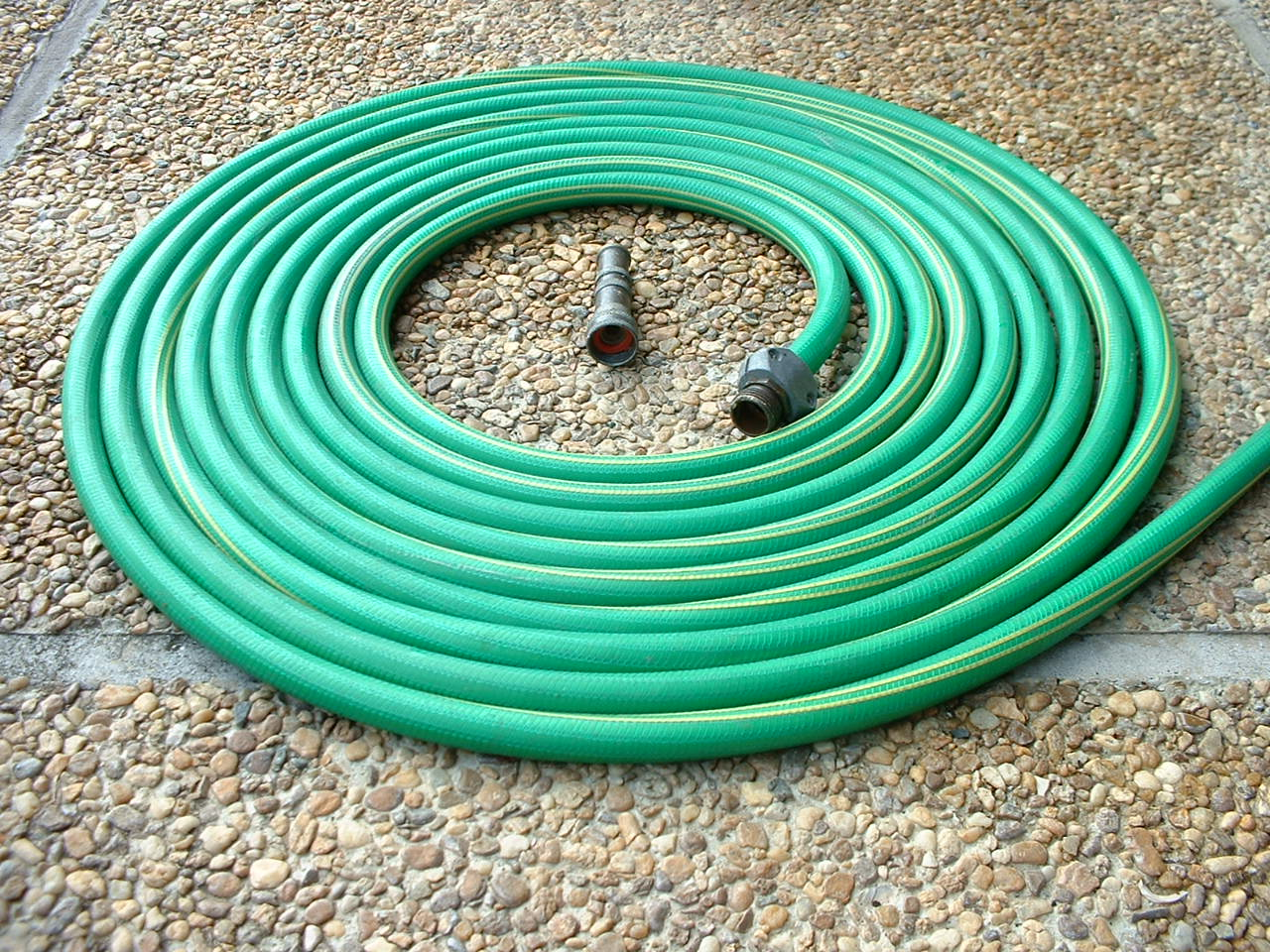
A missing chamois, a shortage of wax or a hose that would not reach was solved by asking the house next door.
The borrowing is the detail that shows how established the practice was. A street in which everybody owns the same small kit at the same time is a street in which lending is frictionless, and the asking itself was part of the point.
Teenagers Washed Cars for Money
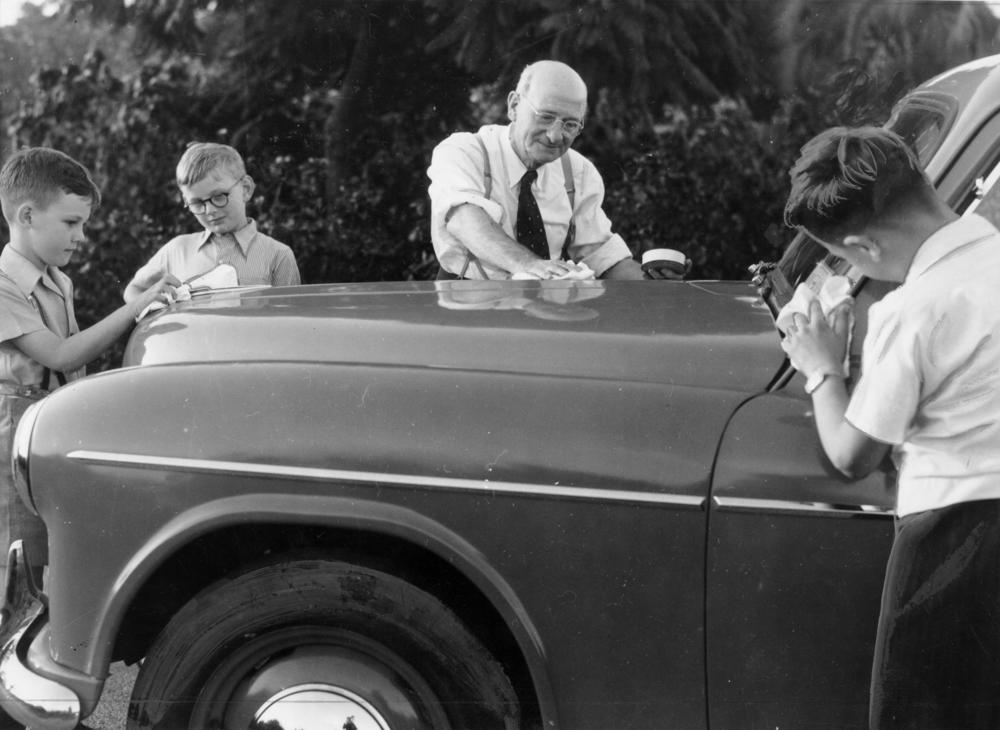
A boy with a bucket could get through several cars on a Saturday, and it was one of very few paid jobs available before a working age.
The economics worked because the customer was buying time rather than skill. Everybody knew how to wash a car; what a household was paying for was not having to spend an hour doing it, which is the same transaction that later built an entire industry.
The Finished Car Was Meant to Be Looked At
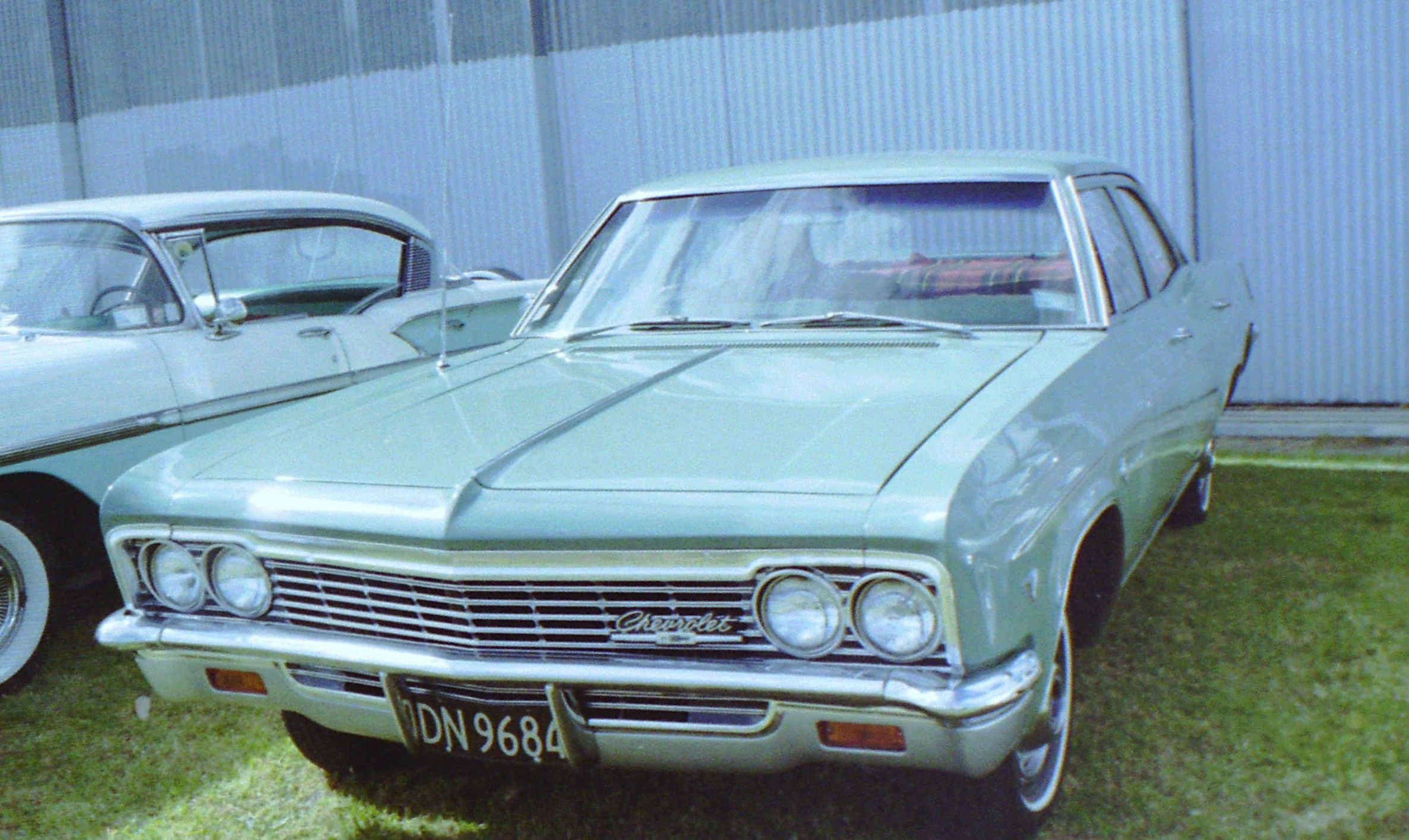
It was parked facing the street, and the person who had washed it found reasons to be in the front garden for the rest of the morning.
The small vanity is the human part of the whole subject. An hour of visible work produces a visible result, and a result that is visible from the pavement is going to be admired by somebody – which is a satisfaction that very few household tasks offer at all.
Then the Automatic Wash Became Ordinary
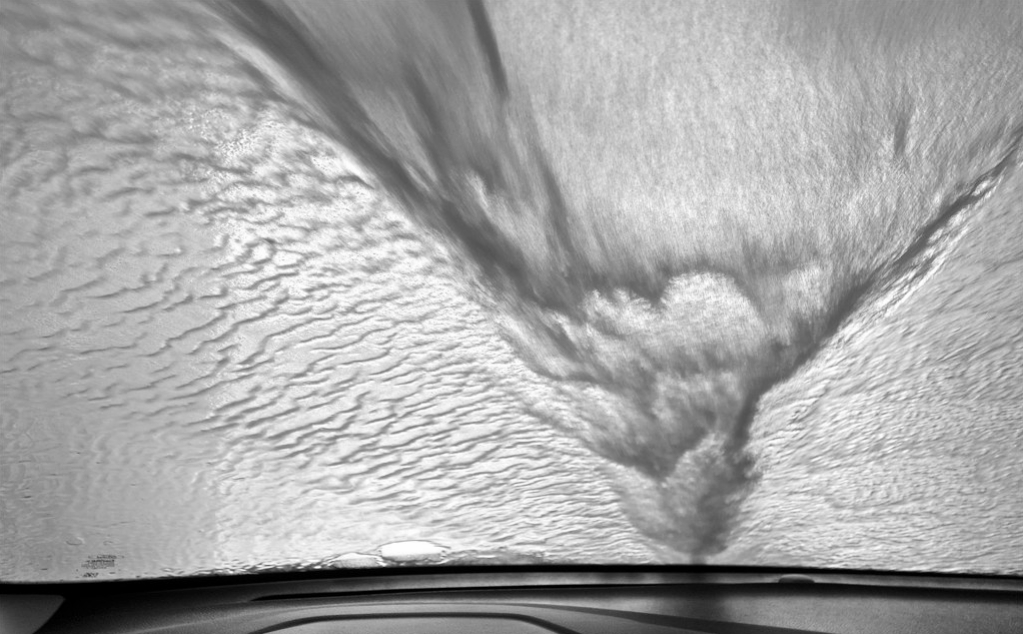
Machine washing got faster, cheaper and far more widely available, and it did in four minutes what a driveway took an hour to do.
The competition was never really about quality. A machine that is good enough and takes four minutes beats an hour of your Saturday for almost everybody, and the hour only survives where somebody actively wants to spend it.
Then Paint Stopped Punishing Neglect
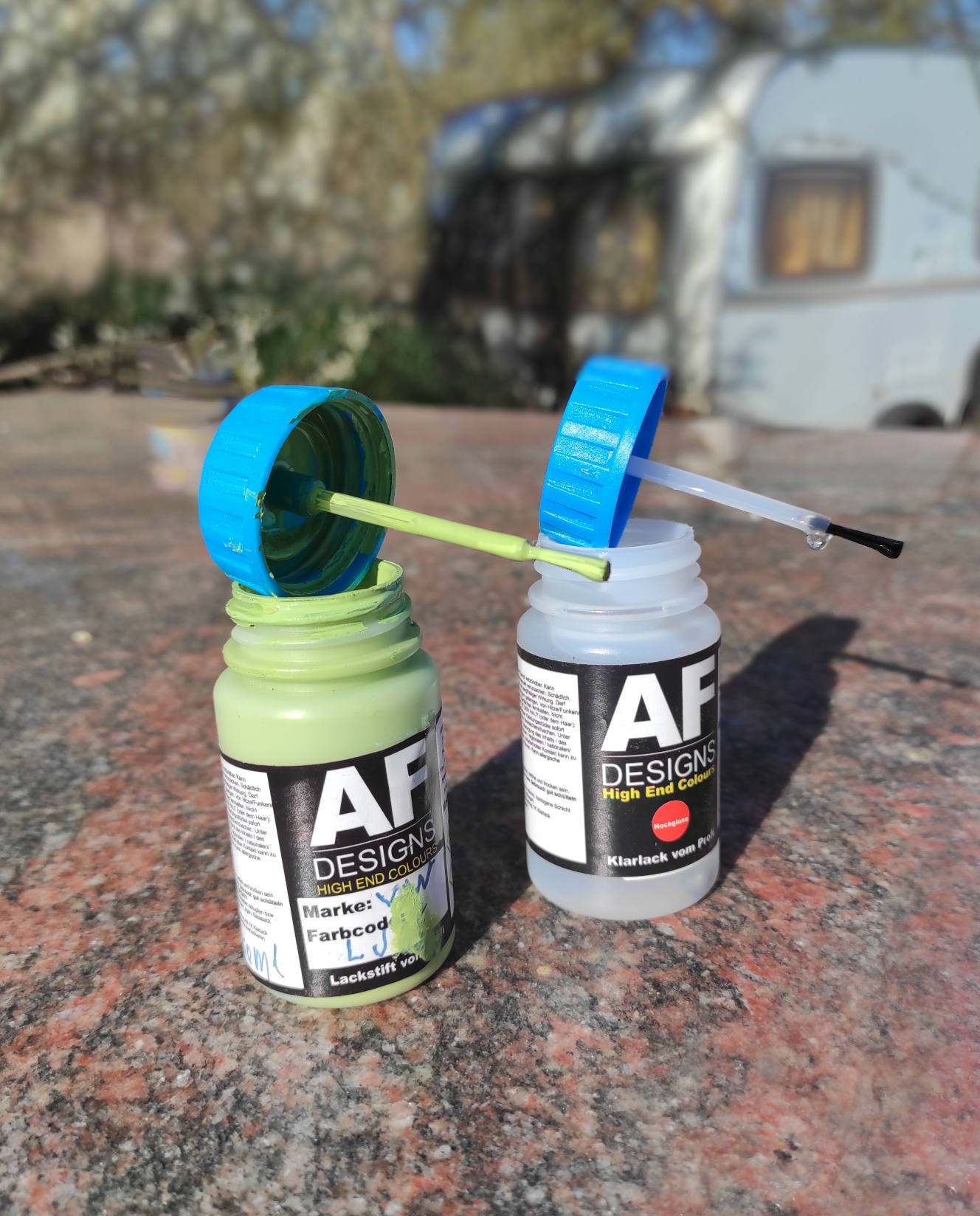
Clear-coat finishes were far more durable and far less sensitive to being left alone for a month.
This is the quiet structural change and it removed the necessity rather than the pleasure. Once a car looks much the same whether it is washed weekly or occasionally, the weekly wash becomes a preference instead of an obligation, and most preferences lose to a Saturday morning.
And Restrictions Made the Driveway Harder
Water-use rules and run-off concerns made washing a car on a residential driveway something that was, in a growing number of places, actively discouraged.
Which closed off the venue rather than the activity. A ritual that depends entirely on being allowed to use a hose at the front of your own house does not survive the hose becoming a problem – and once it moved indoors to a machine, every part that was not about the car went with it: the street doing the same thing at the same time, the conversation across the hedge, the borrowed chamois, the nine-year-old on the wheels, and the finished car parked facing the pavement for the rest of the morning.
Like our content? Follow us for more.