

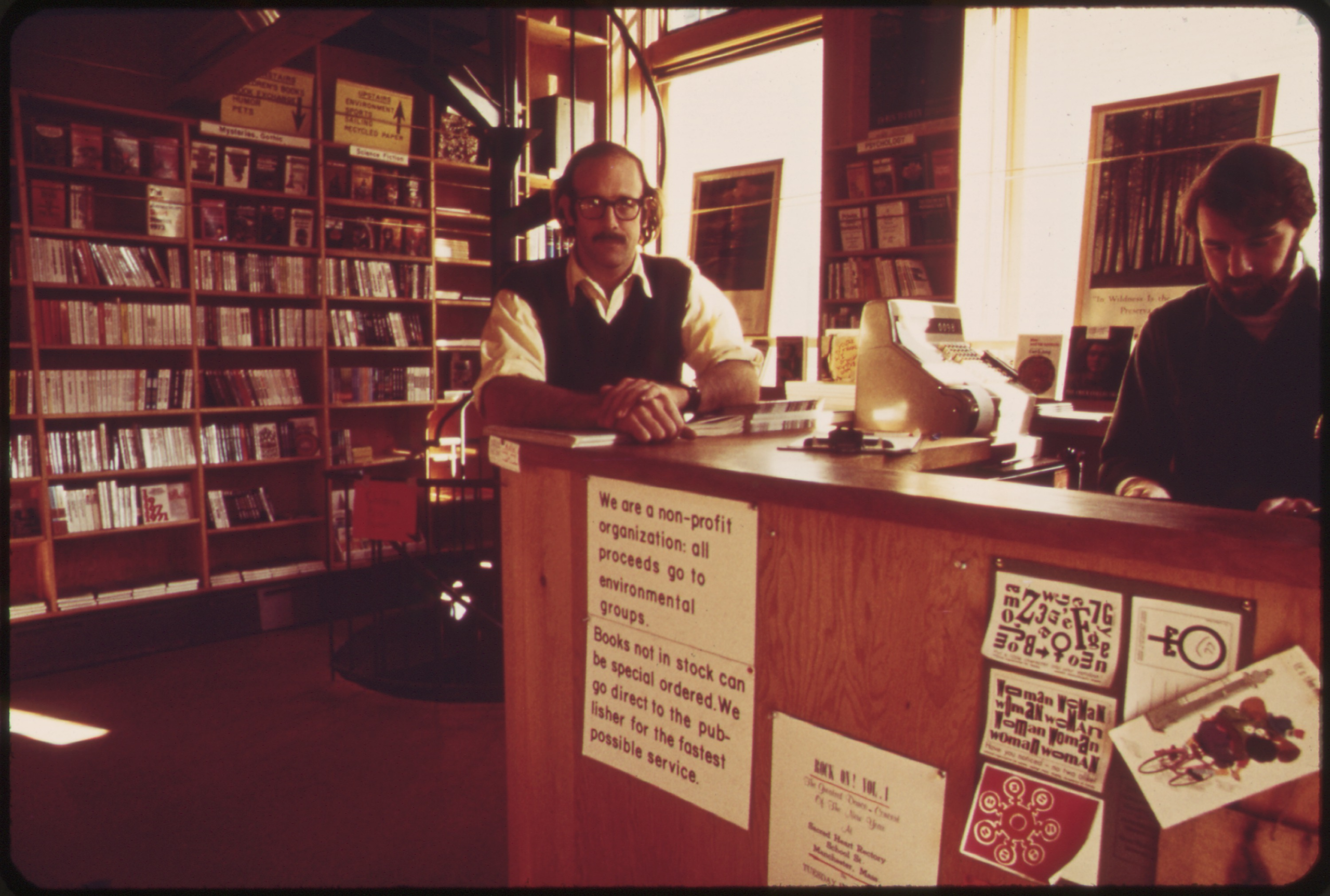
You put on a clean shirt, you walked into the place and you asked whoever looked in charge whether they needed anybody. In 1968 that was not an unusually bold way for a sixteen-year-old to look for work. For most first jobs it was the only way, because there was nowhere else the question could be asked.
There Was No Place to Apply From a Distance
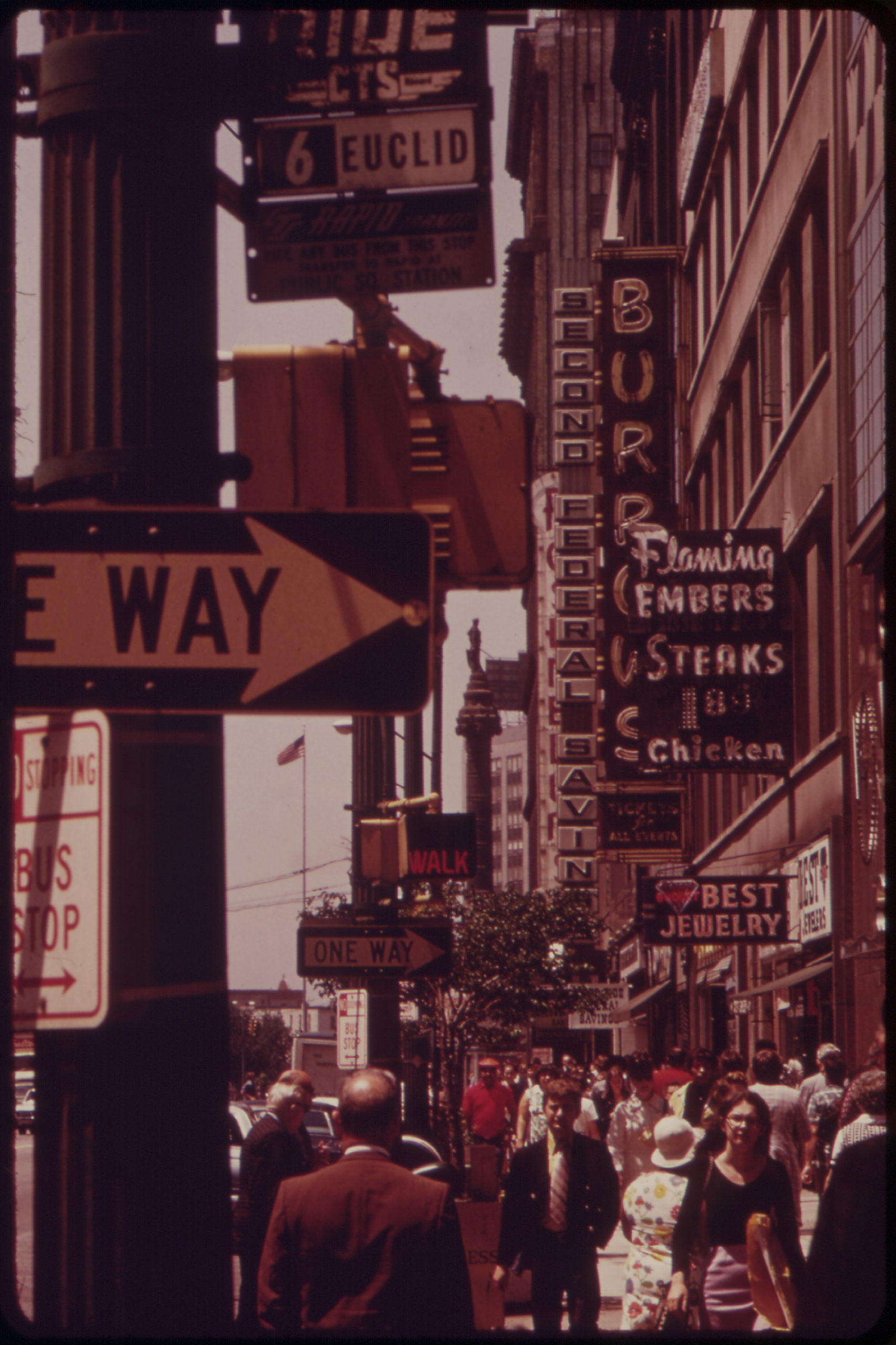
A job that existed in a shop, a yard or a kitchen was known about by the people in that building and essentially nobody else.
That single limitation shapes everything. Without a central place where openings were listed and a way to reach them without going there, the only reliable method of finding out whether somebody needed help was to stand in front of them and ask.
Like our content? Follow us for more.
Walking In Was the Application
There was no form to complete first, no document to send and nothing to wait for; the approach and the application were the same event.
Which compresses the entire process into about ninety seconds. You either caught somebody at a moment when they needed a pair of hands, or you did not, and the difference between those two outcomes was very often nothing more than the day you chose to walk in.
Timing Was Most of It
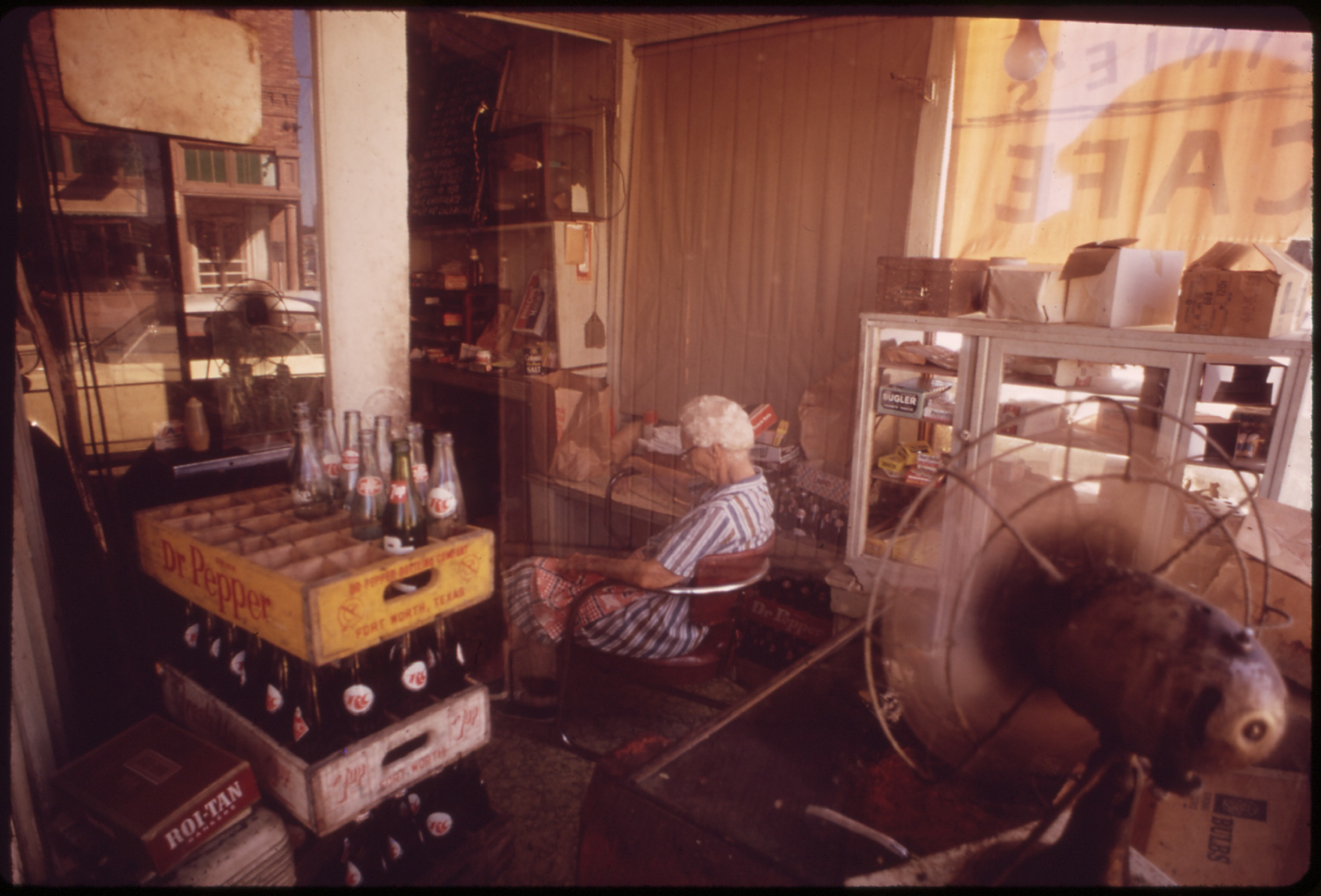
Arriving the week somebody left, the month before a busy season or the morning after a resignation was worth more than anything a candidate could say.
The randomness is worth being honest about. A great many first jobs were obtained by people who were simply standing in the right doorway on the right afternoon, and a great many perfectly capable people walked into the same doorway a fortnight too late.
Being Seen Mattered More Than Anything Written
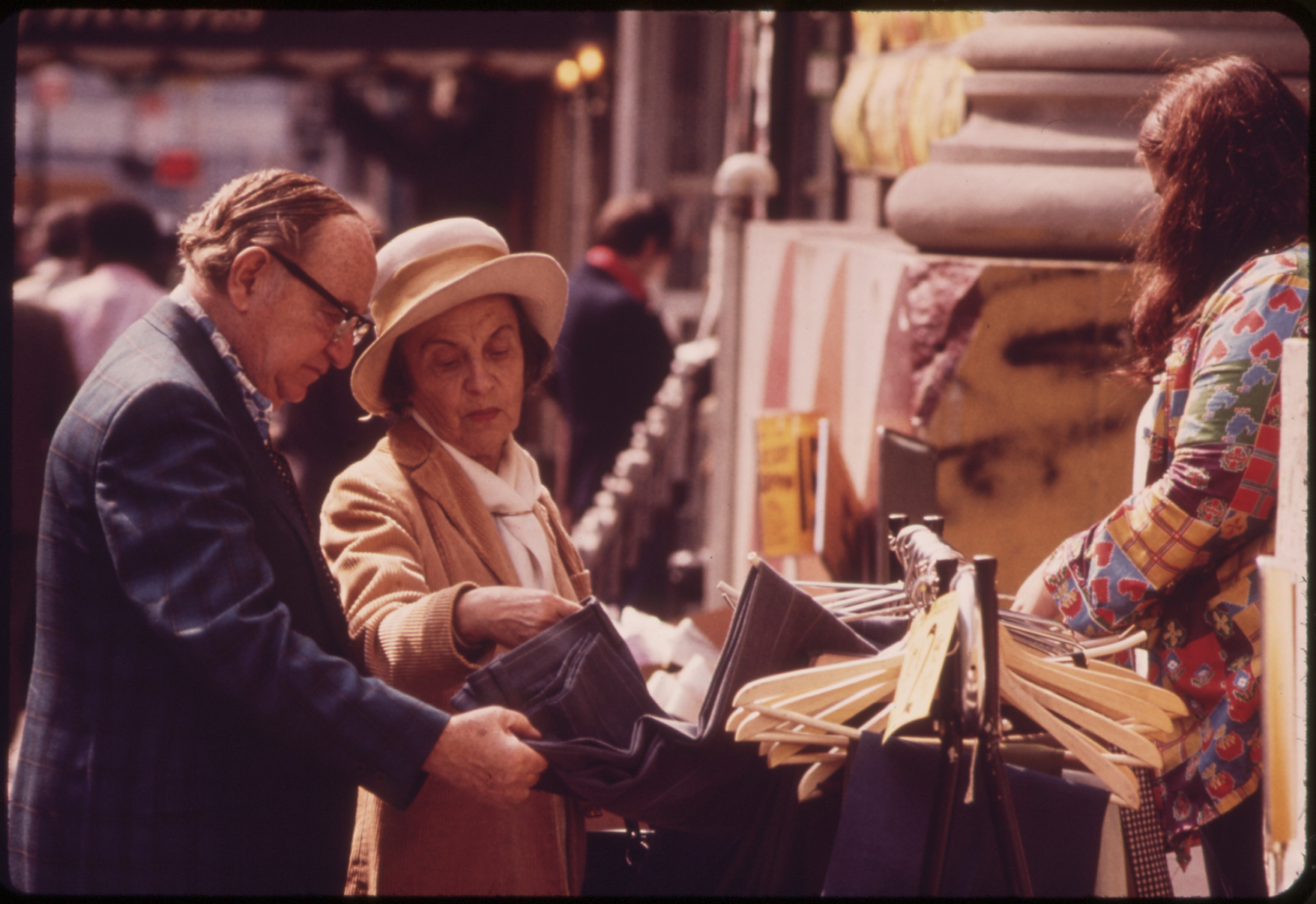
An employer deciding whether to take on a sixteen-year-old was making a judgement about reliability, and the only evidence available was the person in front of them.
That is why presentation carried so much weight. With no record, no references worth the name and no work history to examine, the decision rested almost entirely on how somebody looked, spoke and stood for the duration of a short conversation.
The Clean Shirt Was Doing Real Work
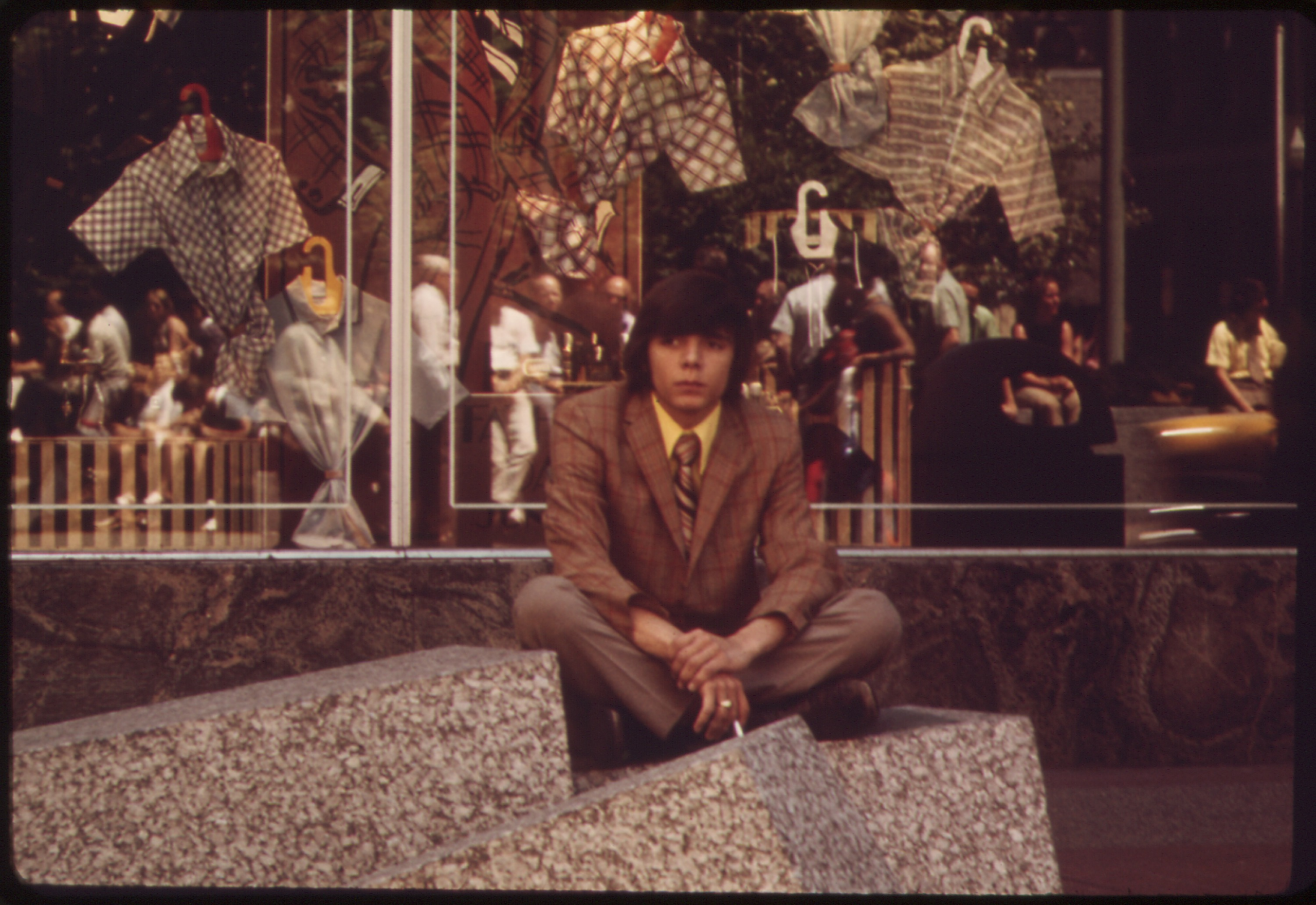
Dressing deliberately to ask for a job signalled that the request was being taken seriously, and everybody on both sides understood the signal.
The effort was the message rather than the clothes. An employer cannot assess whether a teenager will turn up on time for six months, but they can observe whether that teenager thought the question was worth ironing a shirt for, and in the absence of better information that observation did a lot of work.
Who You Knew Did the Rest
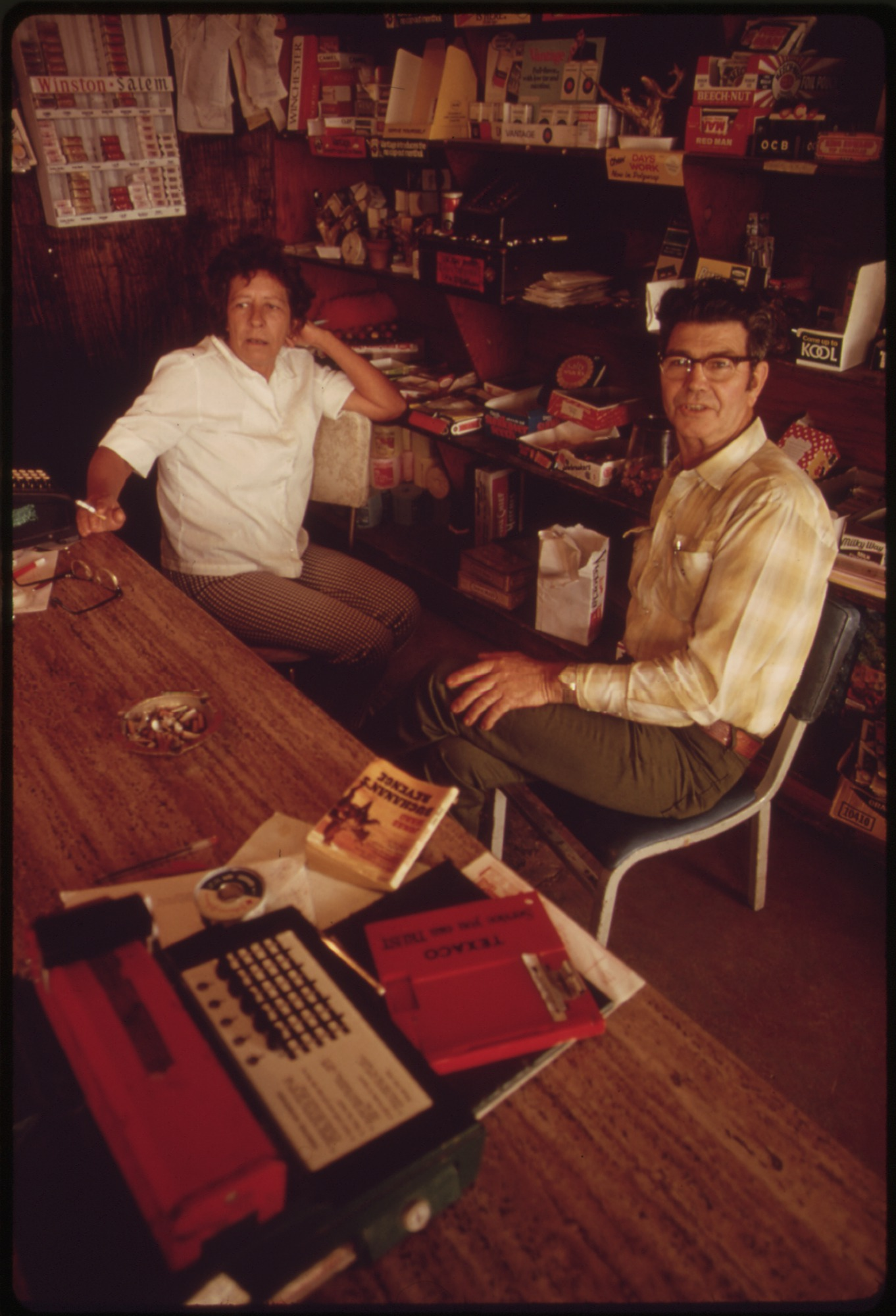
A word from somebody already working there, a parent’s acquaintance or a neighbour’s recommendation moved a candidate to the front immediately.
The networks were not corruption; they were the only verification mechanism available. An employer with no way to check a stranger’s reliability will reasonably prefer a stranger somebody they trust is prepared to vouch for, and in a town where everybody was two steps from everybody, that was most candidates.
The Card in the Window Was the Only Advertising
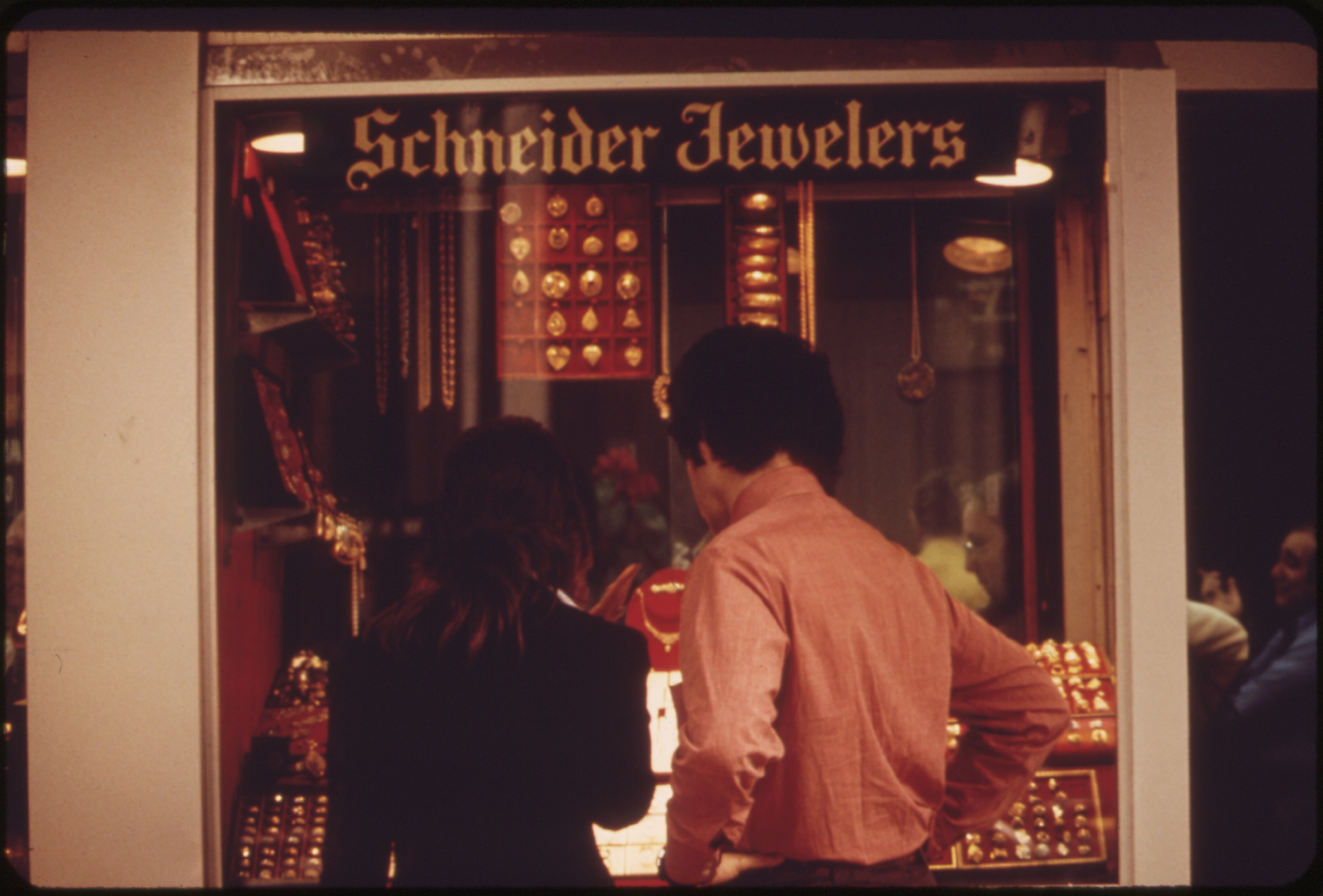
A handwritten notice in the glass was how a vacancy was announced, and it was visible only to people who happened to walk past.
Which made the daily walk through a shopping street a form of job searching. People who wanted work developed routes, checked windows and knew which places turned over staff, and the information travelled no faster than a person on foot.
Word of Mouth Was Faster Than the Card
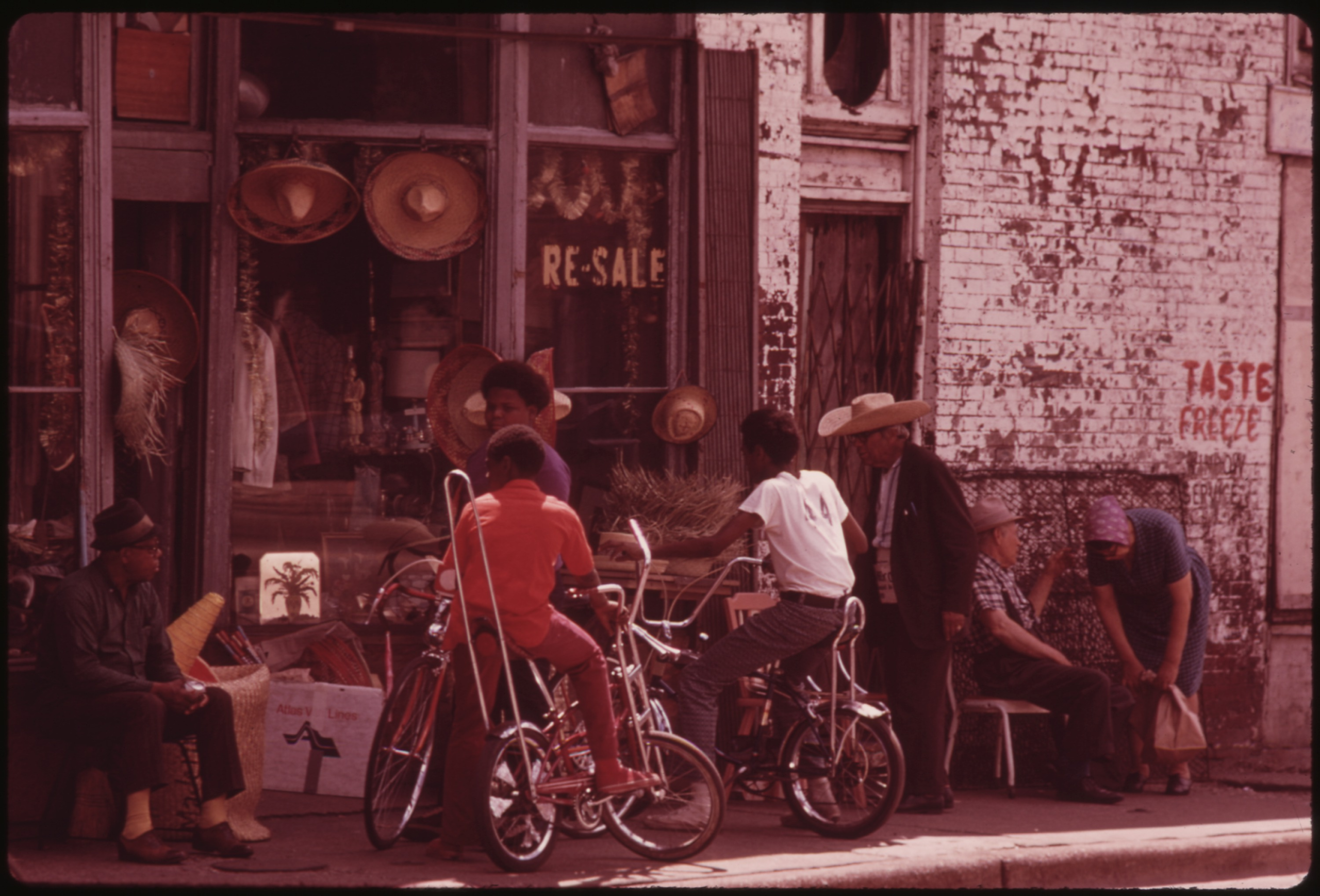
The best openings were filled before any notice went up, because somebody mentioned it to somebody who mentioned it to a cousin.
That is the real labour market and the card was the overflow. A notice in a window generally meant the informal channels had already been exhausted, which is an uncomfortable thing to realise while standing in front of one.
Age Was Checked Loosely and Everybody Knew It
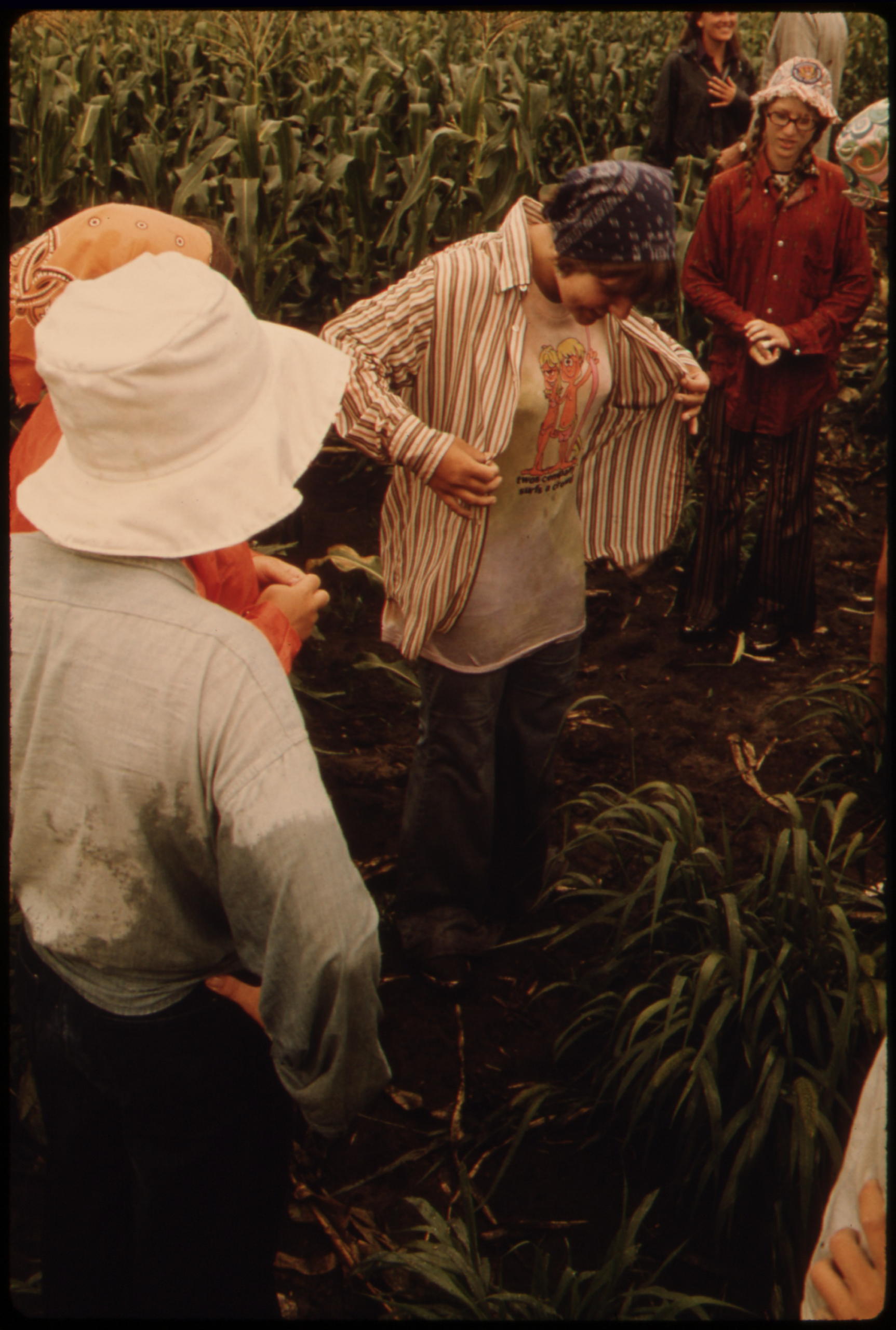
The rules about how young somebody could work and for how many hours existed, and the enforcement of them in small establishments varied considerably.
This is stated plainly rather than celebrated. A system that depended on an employer’s own account of a worker’s age and hours is a system with obvious gaps in it, and the fact that the arrangement often suited both parties does not make the gaps less real.
The First Interview Was Rarely Called an Interview
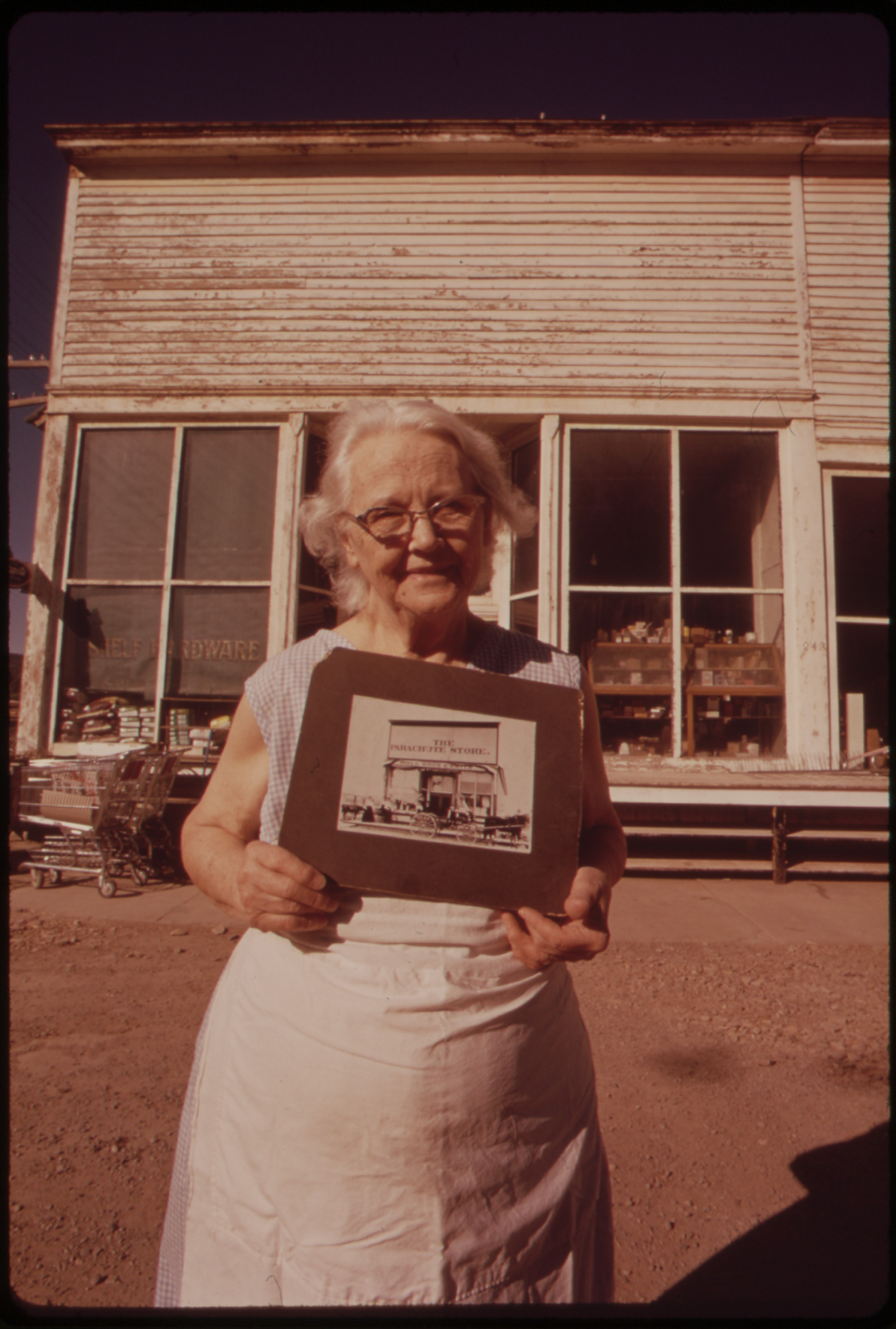
It was a conversation standing up, in the middle of a working day, interrupted by whatever the employer was actually doing.
The informality is the detail people forget. Nobody sat down, nobody had set questions and nobody had prepared, and the whole exchange was conducted while the other person kept half an eye on the shop.
The Questions Were About Availability, Not Ability
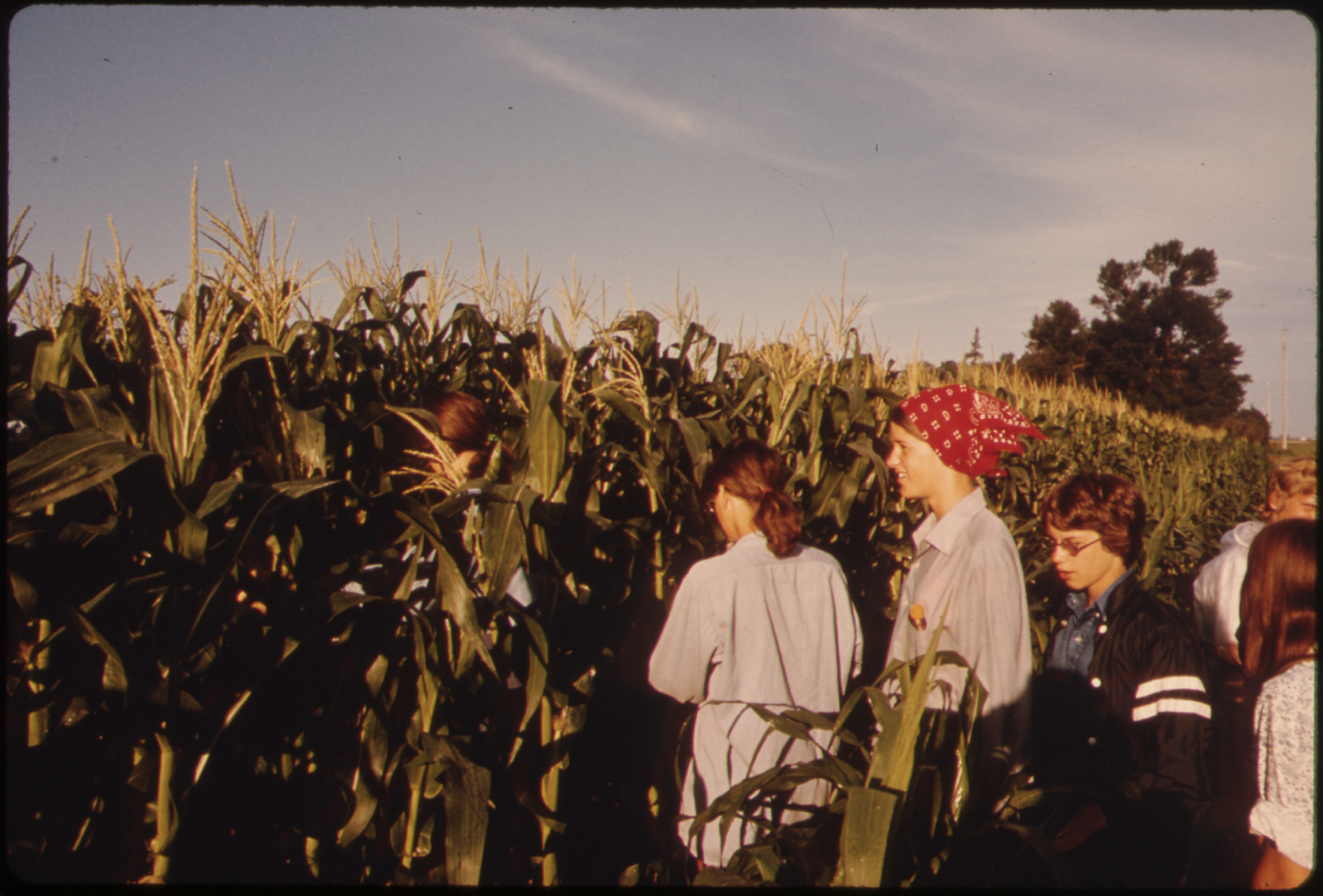
When could you start, which afternoons could you do, could you work Saturdays – and very little about what you could already do.
Which is entirely rational for the work involved. A first job required almost no skill and a great deal of showing up, so the only genuinely useful information an employer could extract was when the candidate would actually be there.
A Trial Shift Settled It

Rather than deciding in advance, a great many employers simply told a candidate to come in and see how it went.
The try-it-and-see approach is the natural answer to having no information. Three hours of watching somebody work tells an employer more than any conversation could, and it costs very little to find out – which is why so many first jobs began before anybody had agreed they had started.
The Terms Were Spoken and That Was All
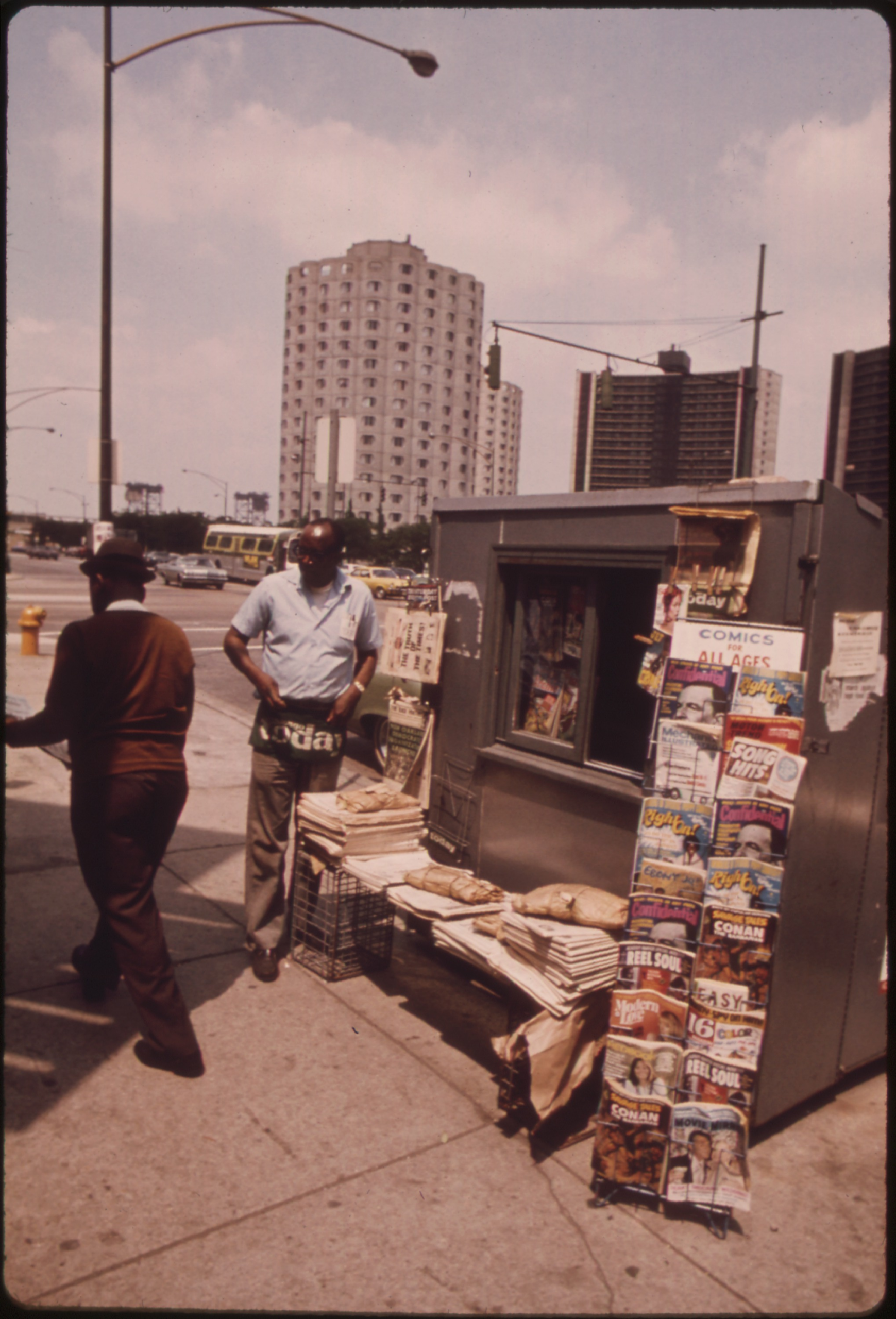
Hours, pay and duties were stated out loud and remembered, and very often nothing was written down at all.
The informality cut in both directions and it is worth saying so. It allowed arrangements to be made in two minutes with no process; it also meant a disagreement about what had been agreed came down to two people’s recollection, with no document to consult.
You Learned the Job by Doing It Badly First

There was no training beyond somebody showing you once and then leaving you to it.
The method was effective because it was the only one available. A small employer cannot spare a person to teach, so the new worker was shown the task, watched for a few minutes and then corrected whenever they got it wrong in front of a customer.
Being Sacked Was Immediate and Not Especially Remarkable

A first job could end the same afternoon it went wrong, and a great many did.
The absence of process is the point. Without a procedure, a notice period or a written agreement, the end of the arrangement was as informal as the beginning – which made the work easy to get and equally easy to lose.
The Money Was the Point and It Was Yours
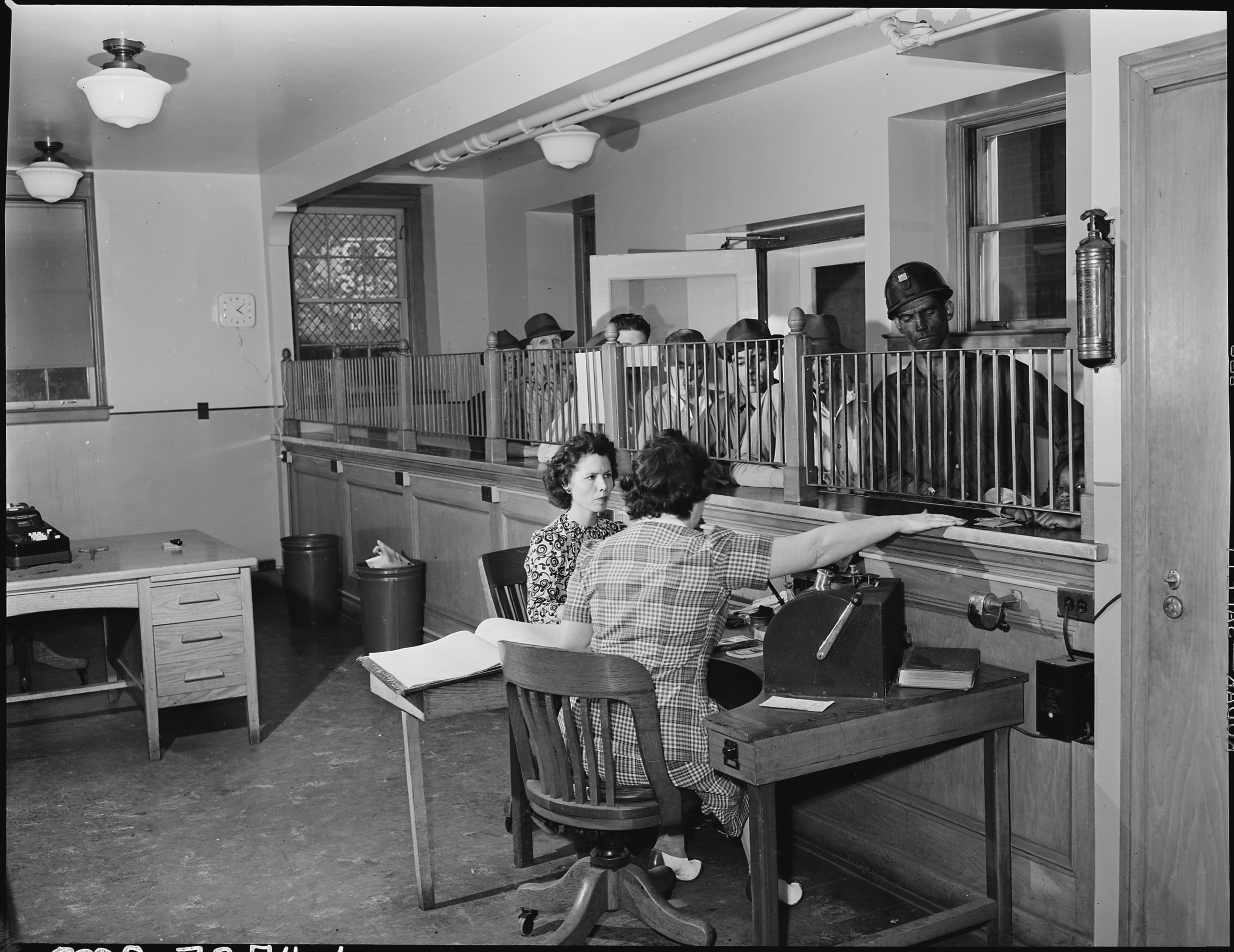
A first wage was almost entirely discretionary, with no rent, no bills and no obligations attached to it.
That is what made the work worth having out of all proportion to what it paid. The sum was small, but it was the first money that arrived because of something the person had done rather than something they had been given, and the difference between those two things is not financial.
Nearly Everybody’s First Job Was in a Building They Could Walk To
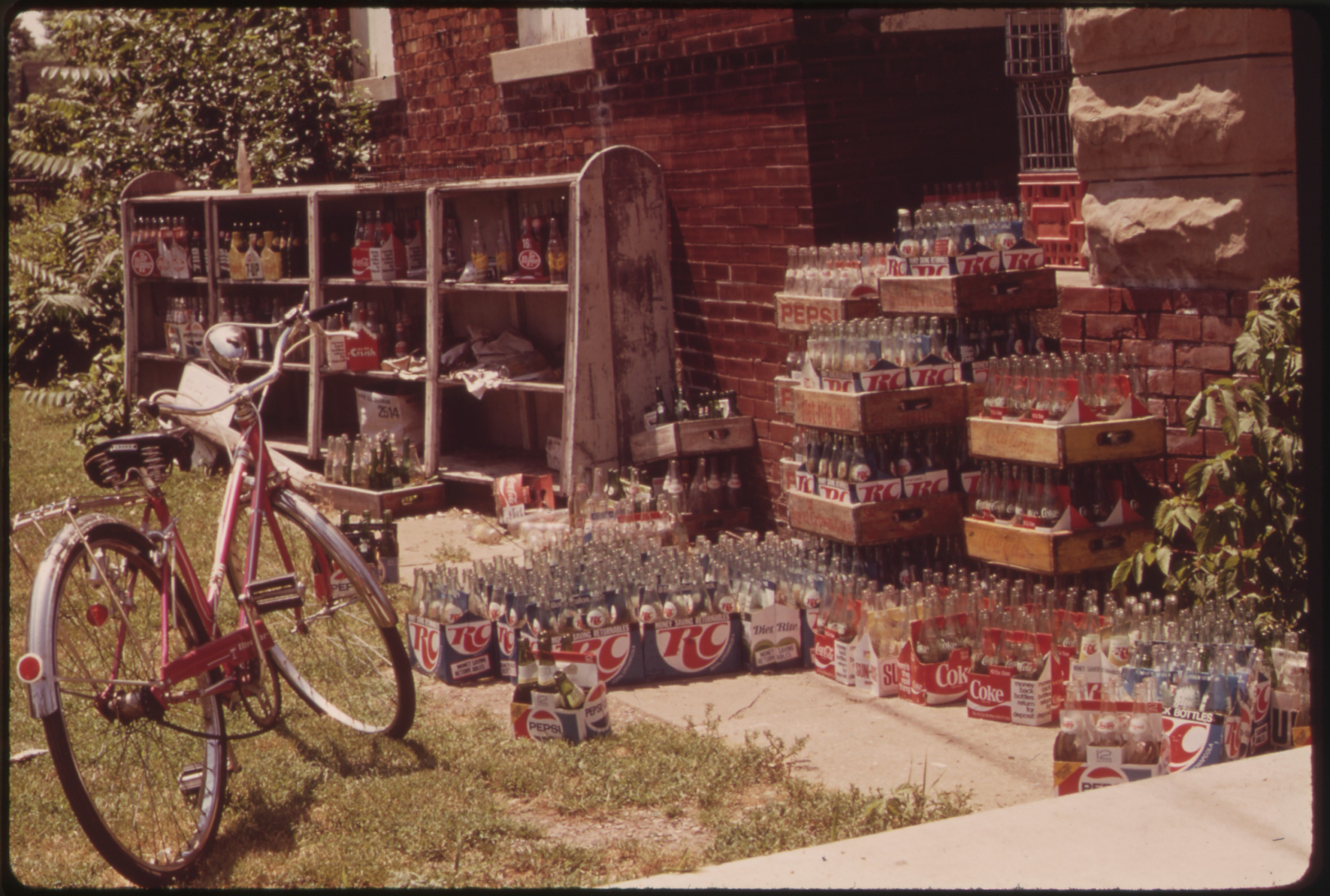
Without a car or a licence, the available work was whatever existed within a reasonable distance on foot or by bicycle.
The geography set the options entirely. A teenager’s job market was a circle of a mile or two around their house, which meant two children in the same town could face completely different possibilities for reasons that had nothing to do with either of them.
The Reference Was the Real Asset
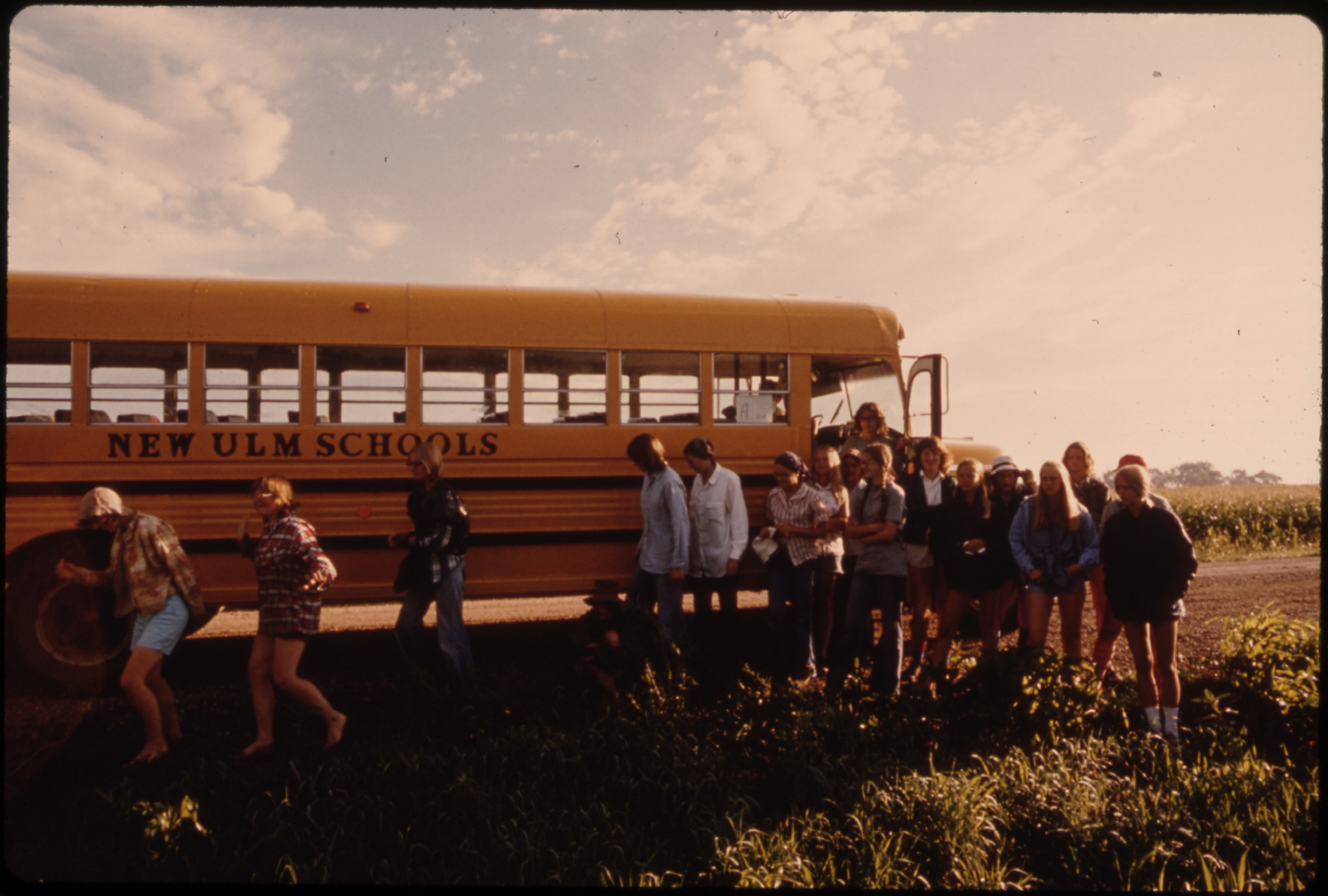
What the first job produced, beyond money, was somebody prepared to say you turned up and did the work.
That is the compounding part of the whole system. A person with no record cannot get started, and the only way to acquire one is for somebody to take a chance on the clean shirt – after which every subsequent approach is a different conversation entirely.
Then the Process Formalised
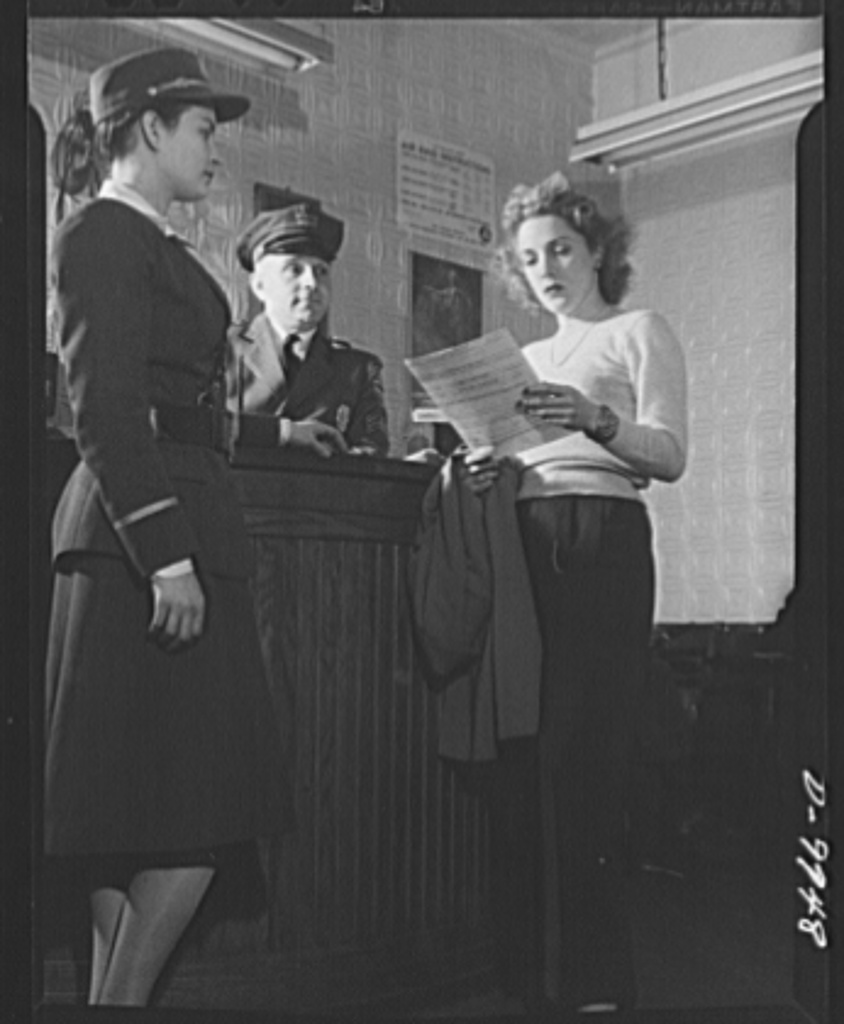
Written applications, standard forms, set questions and scheduled interviews reached even the smallest employers over time.
The formalisation brought real gains and a real cost. A written process treats candidates consistently and leaves a record, and it also removes the possibility of walking in at the right moment and being told to start on Thursday.
And Then It Moved Online
Openings are listed where anybody can see them, which is the opposite of a card in a window and solves the original problem completely.
Which is the honest resolution: the thing that ended the walk-in was not employers becoming colder but information becoming available. A sixteen-year-old can now see every opening in a city without leaving a chair, and the price of that is that the other several hundred applicants can see them too – so the clean shirt arrives at the end of the process rather than at the start of it, and the afternoon when simply being in the doorway was the whole of the qualification is gone.
Like our content? Follow us for more.
