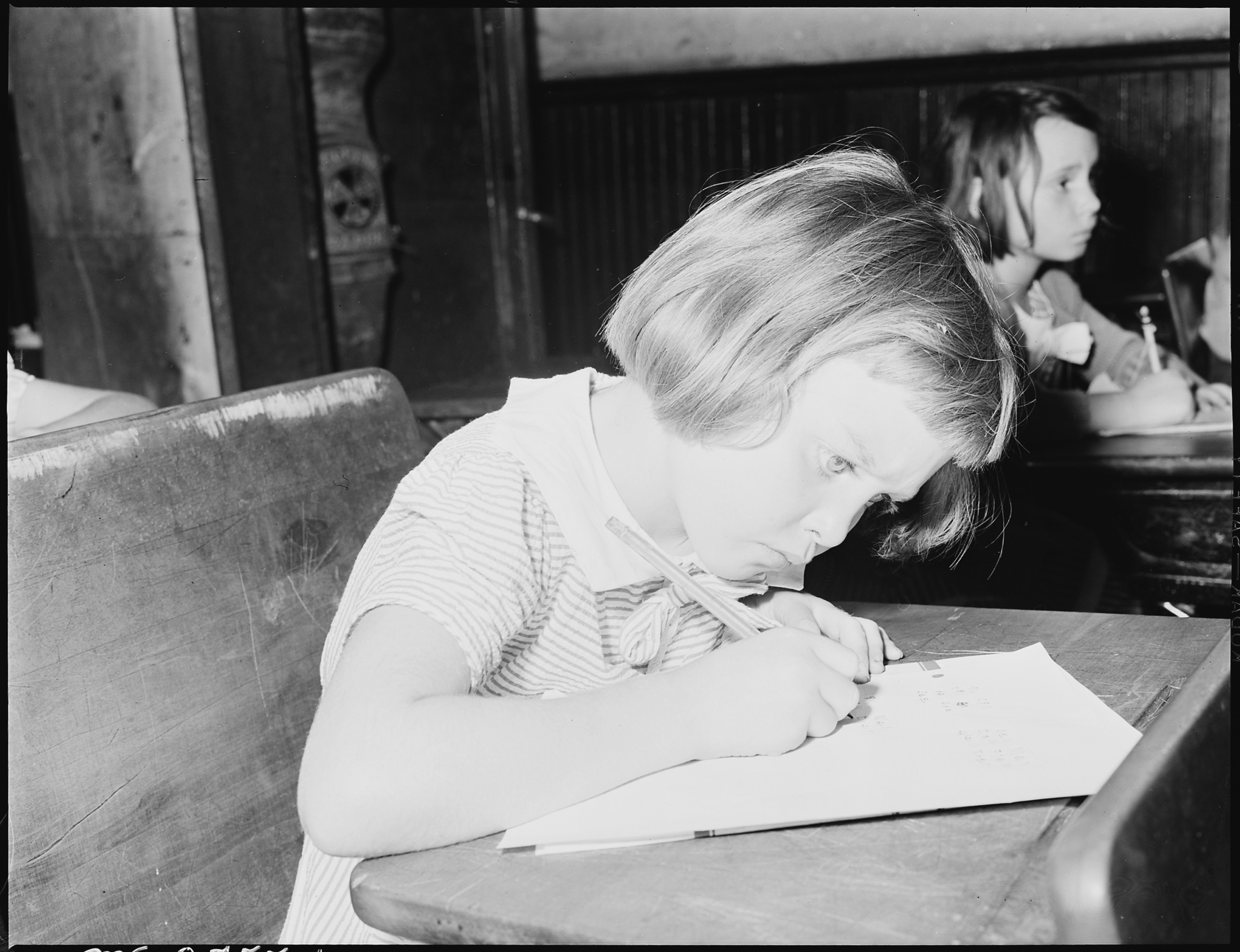
A folded sheet arrived in the post addressed to you, in handwriting you half recognised, telling you to copy it out a certain number of times and send it on. In 1966 a great many children received one of these, and a great many of them sat down at the kitchen table that evening and did exactly what it said.
A Letter Addressed to a Child Was an Event
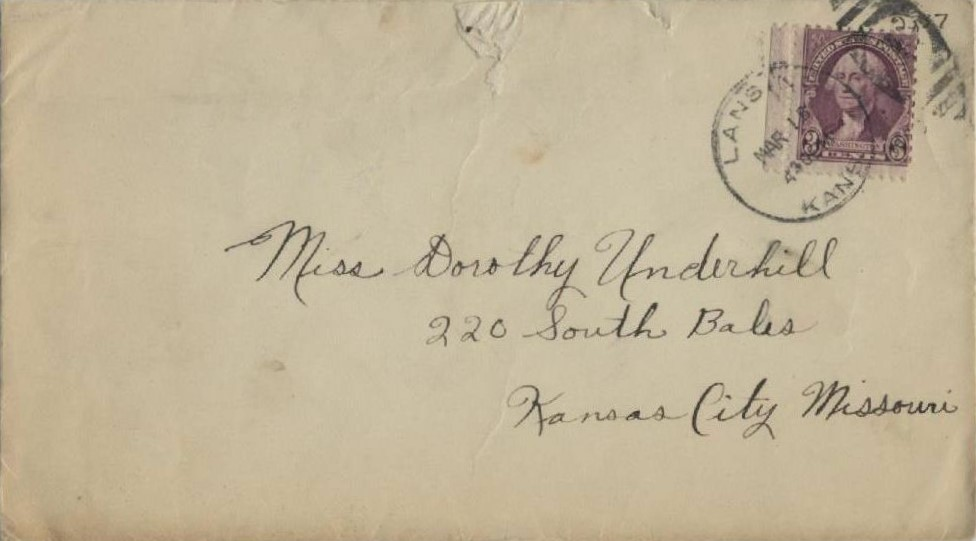
Post arrived for adults. A child who was handed an envelope with their own name on it had received something genuinely unusual.
That is the first thing the whole phenomenon exploited. The novelty of being written to did most of the persuading before the contents were read, and a child who had never had post before was in no position to be sceptical about the first thing that arrived.
Like our content? Follow us for more.
The Instruction Was the Entire Content
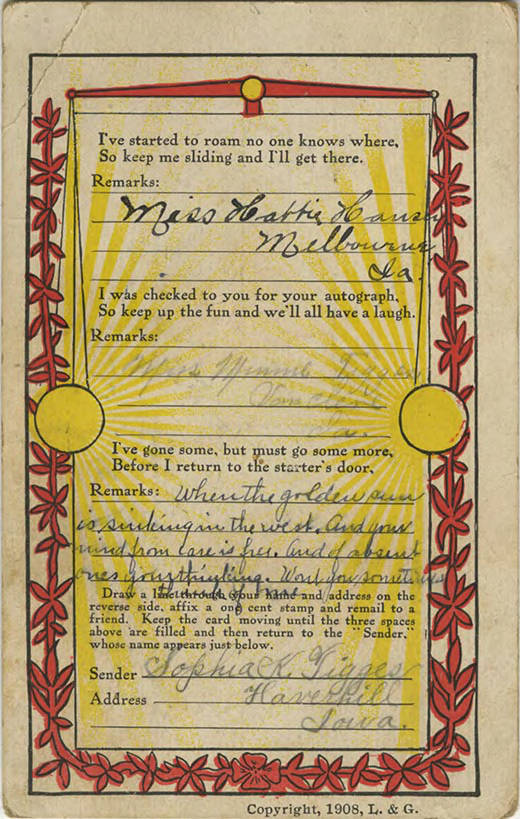
Unlike an ordinary letter, there was almost no news in it – the text existed to describe what the recipient was to do next.
The form is worth noticing because it is unusual. A document whose only purpose is to procure its own reproduction is a strange object to receive in the post, and it works precisely because it arrives wearing the clothes of something familiar.
Copying It Out by Hand Was the Cost
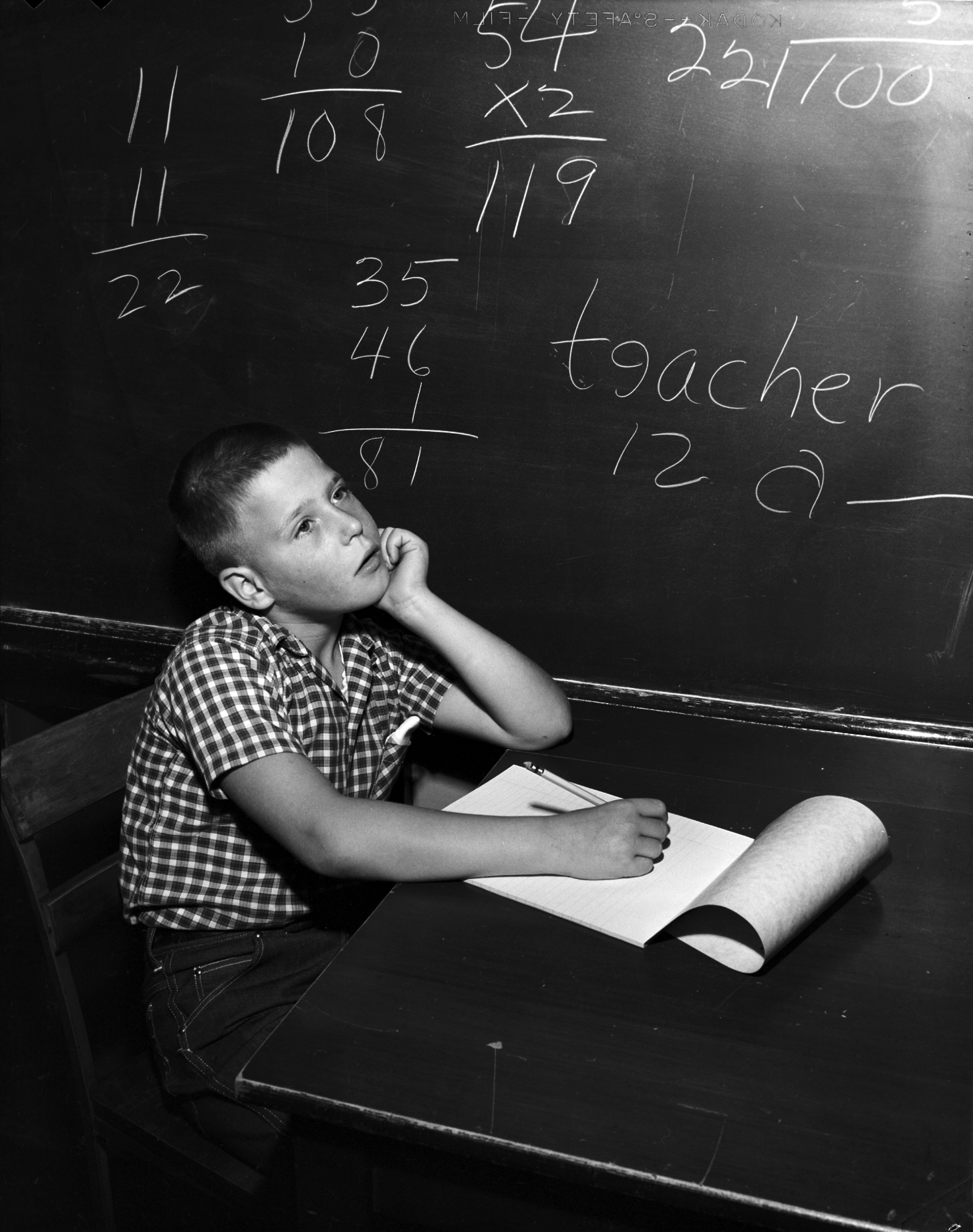
Before photocopying was available in any ordinary household, continuing the chain meant writing the whole thing out several times.
The effort is the thing that made it a real decision rather than a reflex. An hour of handwriting, several envelopes and the price of stamps is a genuine investment, and the fact that children made it anyway says a great deal about how seriously the instruction was taken.
The Mathematics Guaranteed Collapse
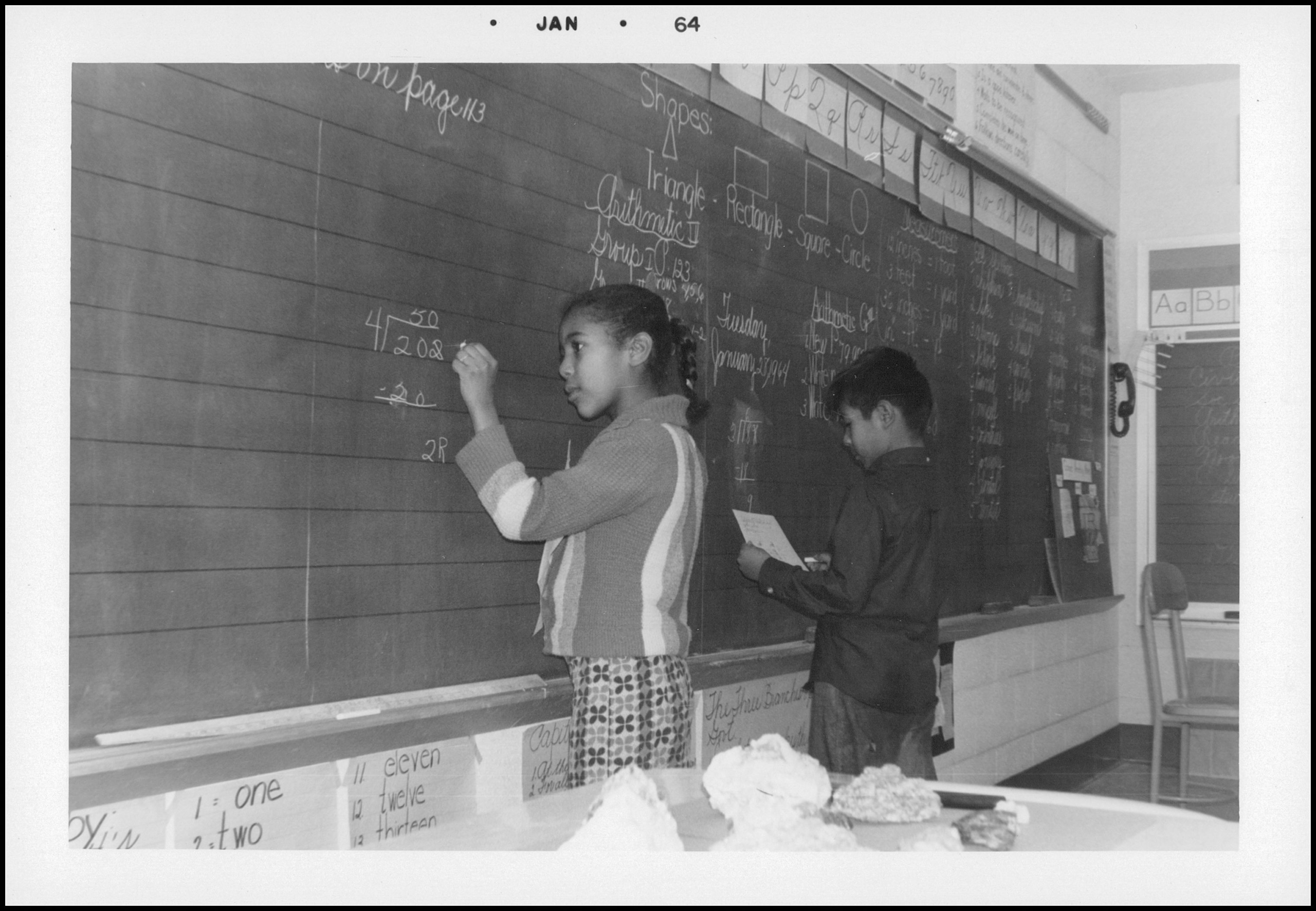
Each participant was told to send several copies onward, which means the number required doubles and redoubles within a very few rounds.
This is the fact that settles everything about chain letters and almost nobody at the kitchen table worked it out. A sequence that multiplies at every step exhausts a town in a handful of rounds and the entire country shortly after, which means the chain cannot continue and was never going to.
Breaking the Chain Carried a Threat
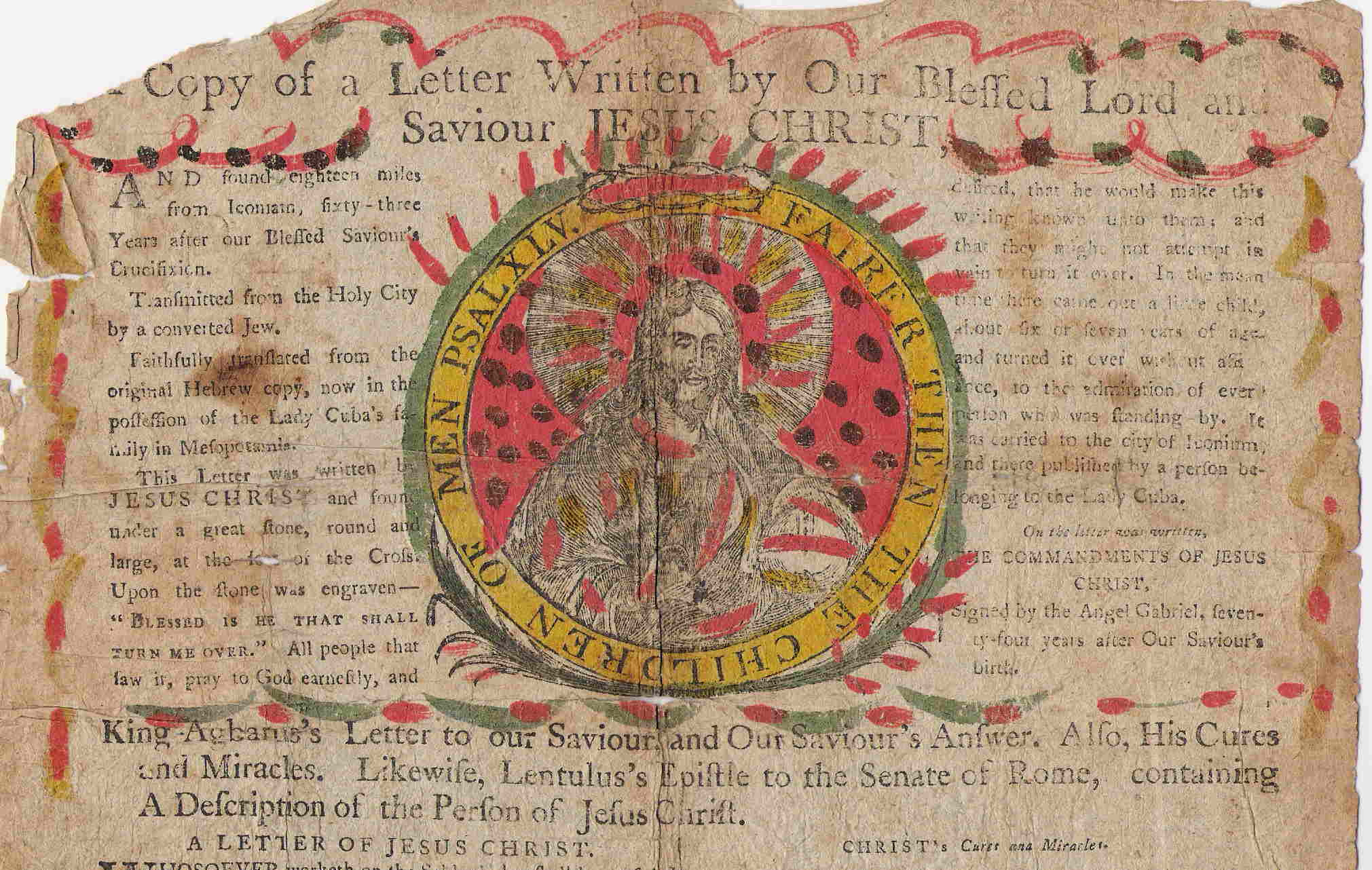
The text almost always stated that something bad would follow if the recipient failed to pass it on.
The threat is the engine and it is the least pleasant part of the subject. A document that cannot compel anybody has to persuade, and the cheapest available persuasion for an eleven-year-old is a vague statement of consequences attached to doing nothing – which is why it appeared in nearly every version.
The Reward Was Equally Vague
Those who complied were promised good fortune of some unspecified kind within an unspecified period.
The vagueness was doing deliberate work. A specific promise can be checked and found false, while an unspecific one can be matched against anything pleasant that happens in the following fortnight, which means the letter is confirmed by ordinary life and disproved by nothing.
Running Out of Addresses Was the Real Limit
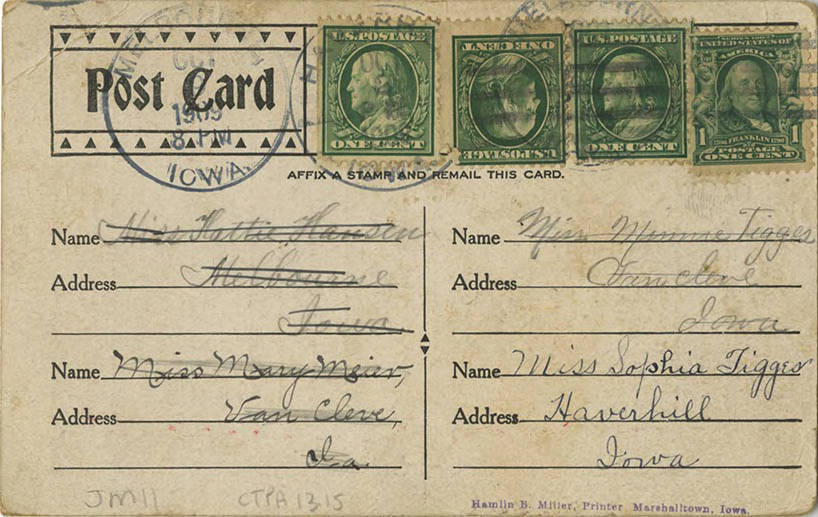
A child knew the addresses of perhaps five or six people, and several of those had already received the same letter.
The practical constraint is more interesting than the arithmetic. Chains died not because somebody refused but because the next participant simply could not think of anybody else to send it to, which is a far more common way for these things to end than defiance.
Getting One From Somebody You Knew Was the Persuasion
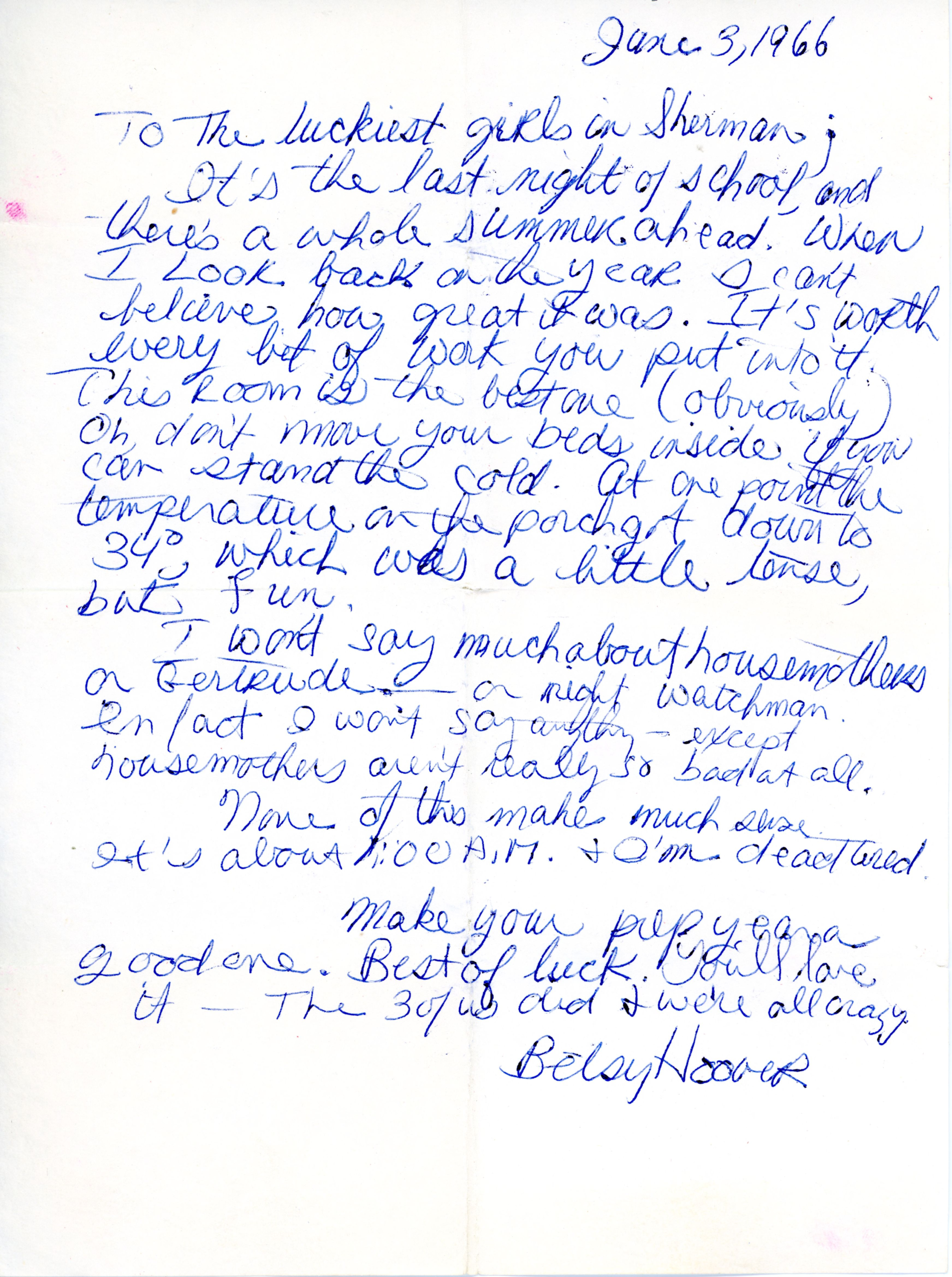
The letter arrived in the handwriting of a classmate or cousin, which made ignoring it a decision about a person rather than about a piece of paper.
That is the social mechanism and it is the whole reason these things travelled. Discarding an anonymous document is easy; discarding something somebody you see every day spent an hour copying out for you is a different proposition entirely.
Receiving the Same One Twice Was the Giveaway
When a letter arrived from two different people, the recipient could see for the first time that it was circulating rather than being sent.
The duplicate is the moment of clarity for most children who had one. A letter is addressed to you; a thing that arrives twice from different directions is obviously not about you at all, and a great many chains ended at exactly that realisation.
Some Versions Asked for Objects
Variants circulated in which participants were to send a small item – a postcard, a recipe, a handkerchief – to the name at the top of a list.
These were a different proposition and were more durable because the mathematics is hidden behind a plausible promise. The participant imagines a quantity of pleasant things arriving later, which disguises the fact that the structure depends entirely on people further down who do not exist yet.
Anything Involving Money Was a Different Matter Entirely
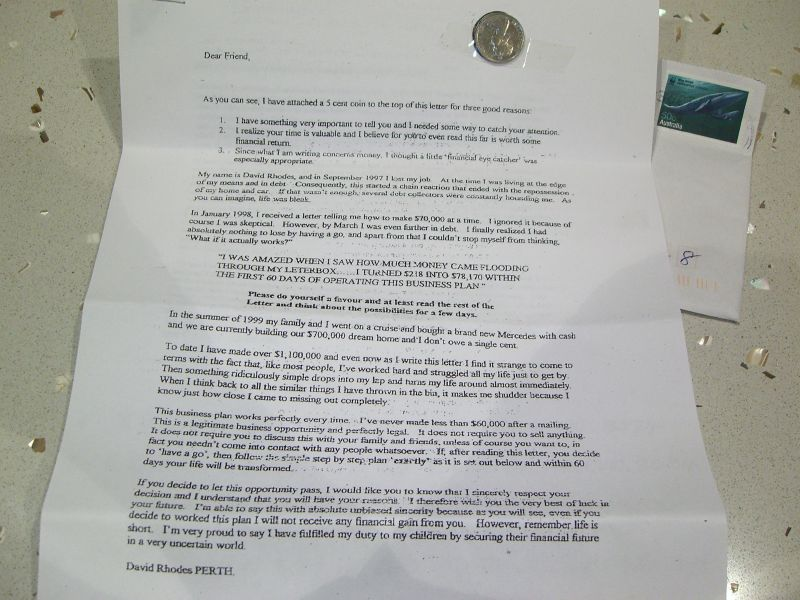
Versions asking participants to send money to the name at the top were not a children’s amusement and were treated by authorities as a serious matter rather than a novelty.
This is the line that has to be drawn clearly and was always there. A chain that moves money from later participants to earlier ones is a scheme with victims and was unlawful to circulate through the post, which is why the postal authorities issued warnings about it and why it has no place in a piece about what children did with paper.
Schools Disapproved and Said So
Teachers who discovered a chain circulating generally stopped it, and the reasons given were about the threat rather than the postage.
The objection was well founded even when it was expressed badly. An adult looking at a document that tells a nine-year-old something bad will happen to them is looking at something unkind, whatever its other properties, and that is a perfectly reasonable thing for a school to want out of its corridors.
The Postal System Carried the Whole Thing
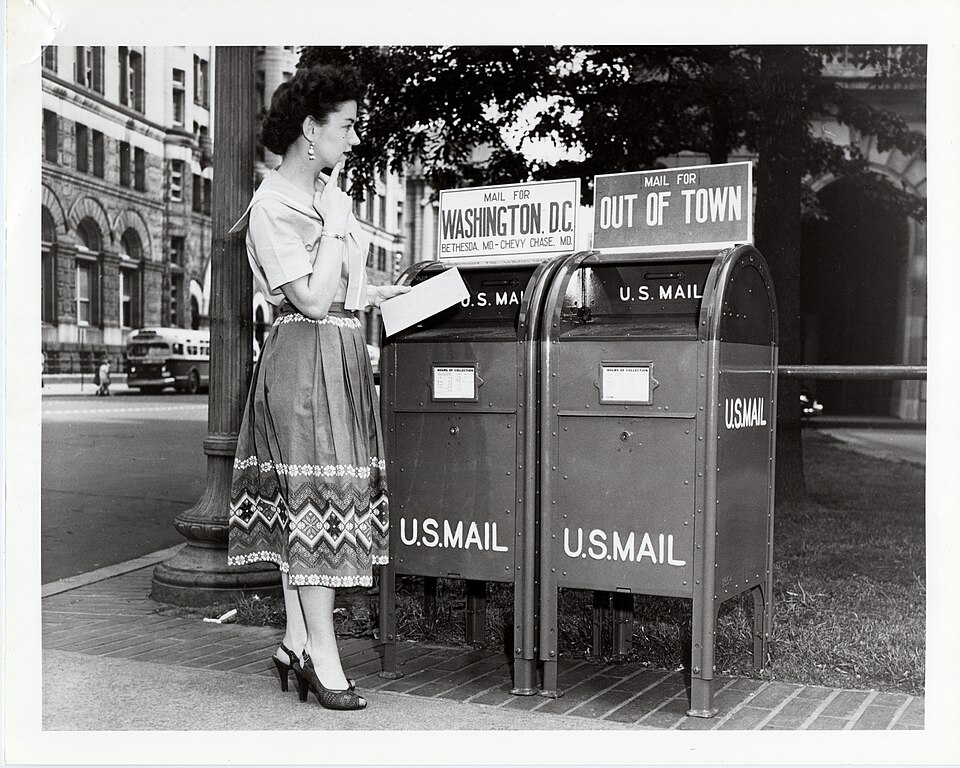
Cheap, reliable, universal delivery to a named person at a known address is the infrastructure the phenomenon ran on.
Which is easy to overlook because the post was simply there. None of this works without a system that will carry a handwritten sheet across a country for a small fixed cost and put it into the hands of one specific child, and the chain letter is essentially a parasite on that achievement.
Handwriting Made Every Copy Slightly Different
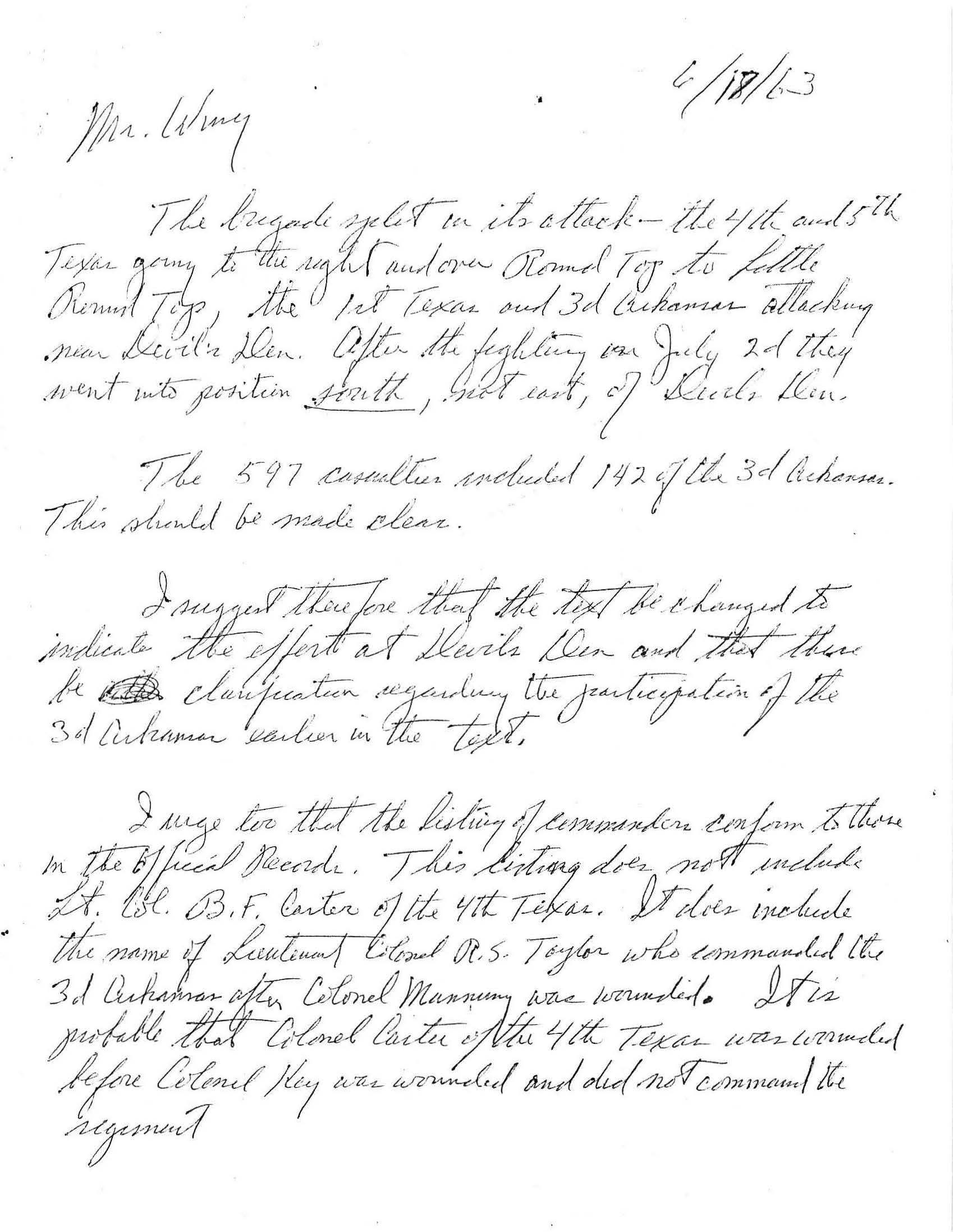
Transcription errors, omissions and small improvements accumulated with each round, so the letter changed as it travelled.
That is the genuinely fascinating property and it has been studied seriously. A text reproduced by hand by people who are not trying to be faithful will drift, and versions collected years apart from different places show exactly the kind of variation you would expect from something copied rather than printed.
The Numbers in Them Were Always Impressive and Always Wrong
Letters frequently claimed to have circulated for a specific number of years or to have passed through a stated number of hands.
The claim is doing the same job as the threat. An assertion of long unbroken history makes the document feel like something larger than the person who sent it, and there was never any way to check it and never anybody who tried.
It Was Most Children’s First Encounter With a Thing That Spreads
The letter behaves like something that reproduces, competes for attention and mutates, and children were observing that at first hand.
The observation is worth making because the pattern did not go away. Anybody who understood at eleven why the chain letter had to collapse, and why it was persuasive anyway, had been handed a fairly complete education in something they would meet repeatedly for the rest of their life.
Keeping It Was Common Too
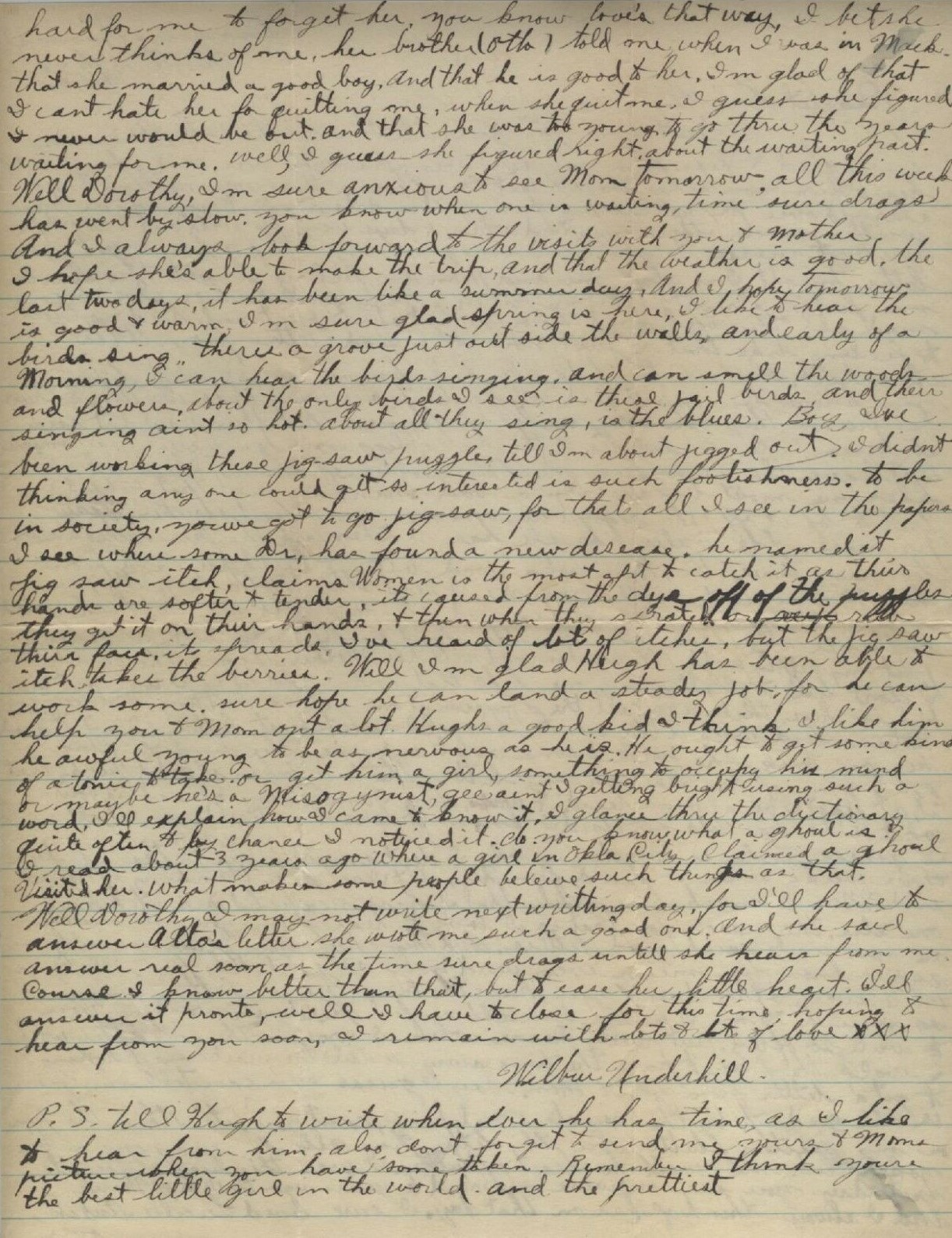
A great many children neither continued the chain nor threw the letter away, and kept it in a drawer for years.
The ambivalence is very human and rarely recorded. Not doing what the letter said while also not disposing of it is the behaviour of somebody who does not believe the threat but would rather not test it, which is approximately where most people land on most superstitions.
Then the Photocopier Removed the Cost
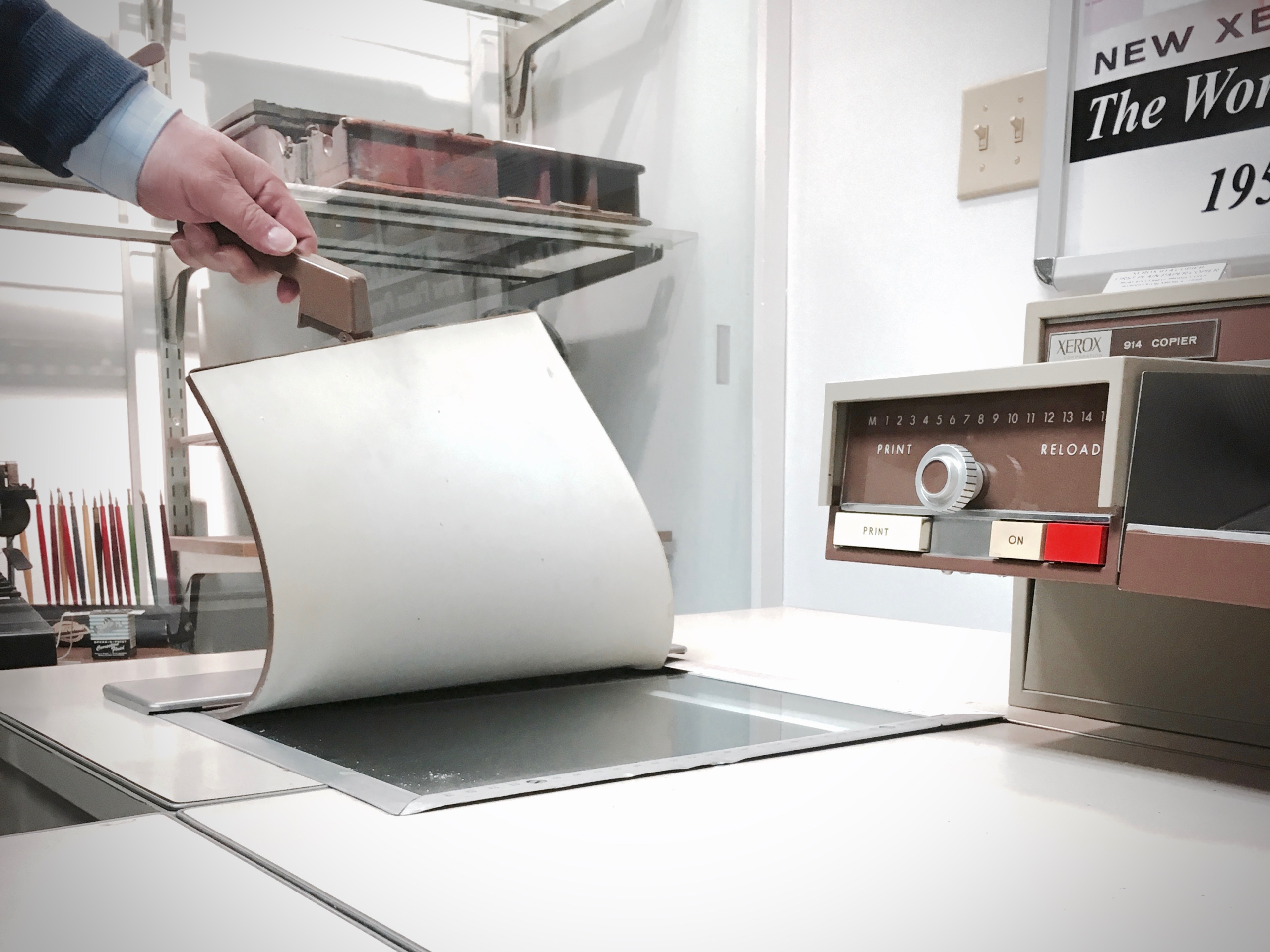
Once a copy could be produced in seconds, the effort that had limited the chain disappeared and the letters got longer and stranger.
Removing the cost removed the filter. When continuing a chain requires an hour of handwriting, only the convinced continue it; when it requires pressing a button, the only remaining constraint is addresses, and the character of what circulated changed accordingly.
Then It Moved to the Screen and Lost the Stamp
Forwarded messages did the same thing at no cost, to any number of recipients, instantly.
The structure survived perfectly and only the medium changed, which is the best evidence that the medium was never the point. Every component is still recognisable – the threat, the vague reward, the claim of long history, the instruction to send it to a set number of people.
And the Handwriting Was the Only Thing That Did Not Survive
What vanished was the envelope with a child’s name on it, written out by somebody they knew.
That is the honest summary and it is not a lament for chain letters, which were at best a nuisance and at worst something considerably less innocent. What is actually gone is the circumstance that made one worth receiving: a world in which a child almost never got post, in which a letter meant an hour of somebody’s evening, and in which the handwriting on the front told you exactly whose hour it had been before you opened it.
Like our content? Follow us for more.