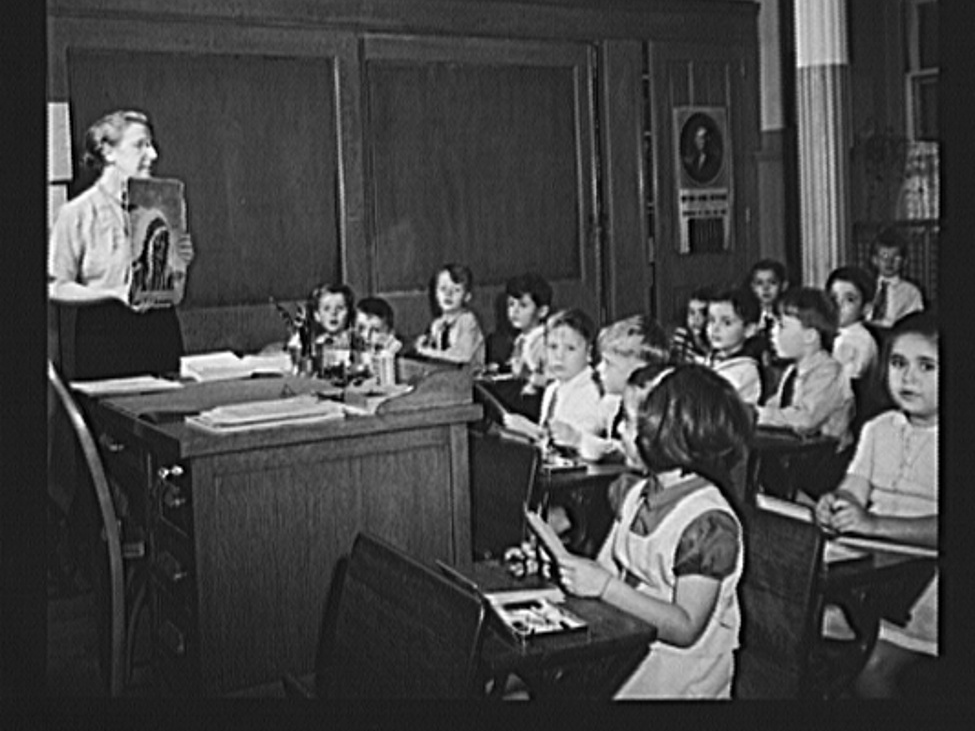
In 1966 a regular slot in the week was given over to children bringing something from home and talking about it. Nothing was supplied, nothing was prepared by the teacher and nothing could be predicted. For ten minutes the content of the lesson was decided by a seven-year-old at a kitchen table the night before, and the adult at the front found out what the morning was going to be at the same moment as everybody else. Here are sixteen things every class did at show and tell in 1966, and what the exercise was really teaching.
1. The Object Had to Come From Home and That Was the Whole Design
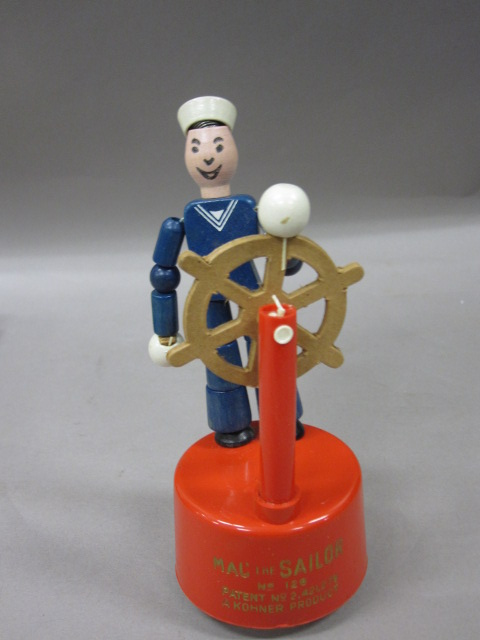
Nothing supplied by the school counted. The item had to be brought in from a house, which meant the activity reached into thirty separate households every week.
That requirement is doing something quite specific. A classroom is a levelling environment where everybody has the same desk and the same book, and show and tell was the one scheduled interruption in which thirty different homes were allowed into the room.
It was also the only part of the week that a teacher could not prepare for. Whatever arrived, arrived, and the adult at the front found out what the lesson was going to be at the same moment everybody else did.
Like our content? Follow us for more.
2. Choosing It Took Longer Than Presenting It
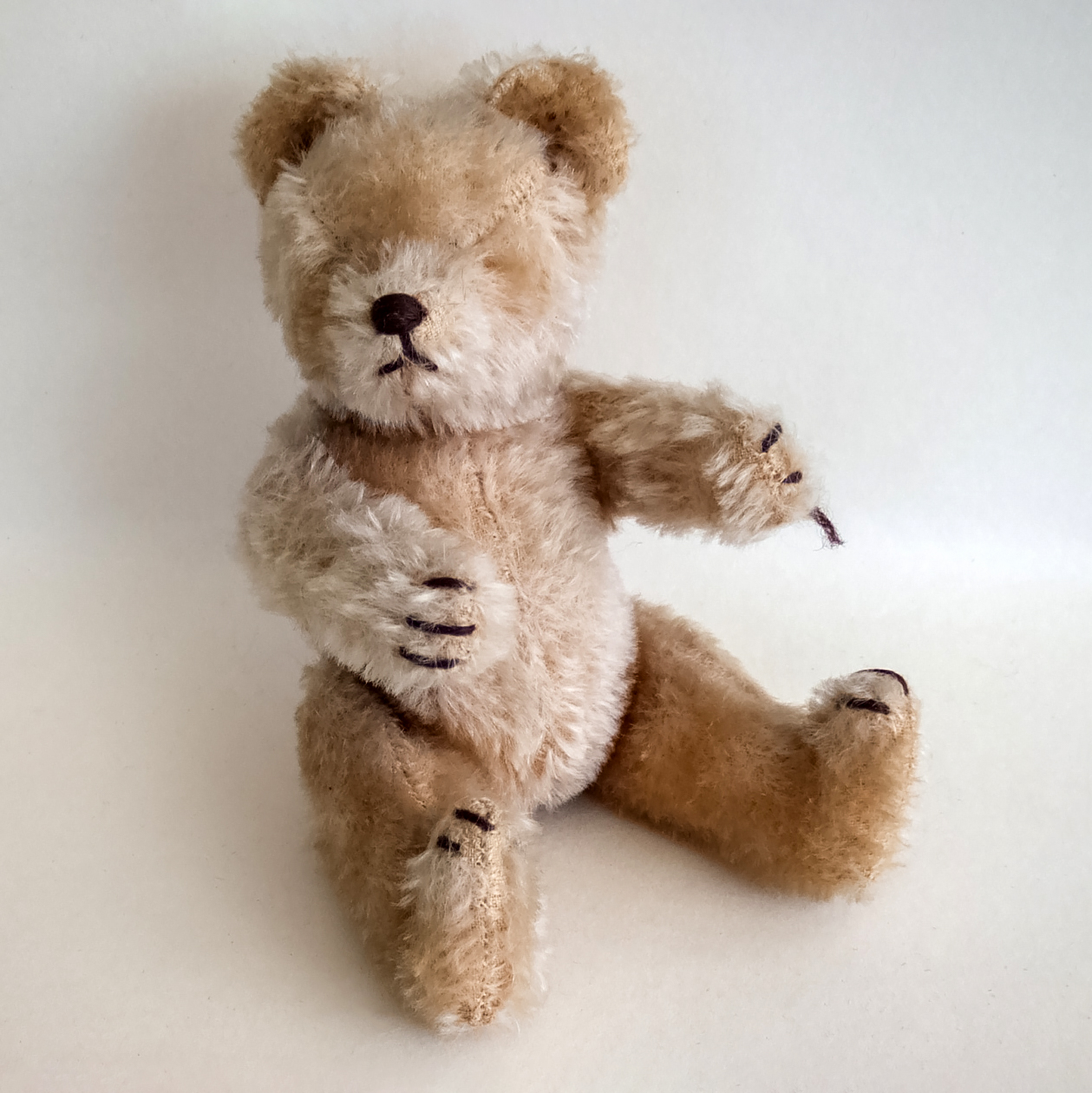
The deliberation happened at home the night before, usually involving at least one adult and frequently a change of mind.
The selection problem was genuinely difficult for a child. The item had to be interesting enough to hold a room, portable enough to carry, and not so precious that bringing it was forbidden – and those three conditions eliminate most of what a child owns.
Parents had opinions and exercised them. A household that said no to the item a child actually wanted to bring was making a decision about risk, and a great many children arrived with their second or third choice and said nothing about it.
3. Standing at the Front Was the Actual Exercise
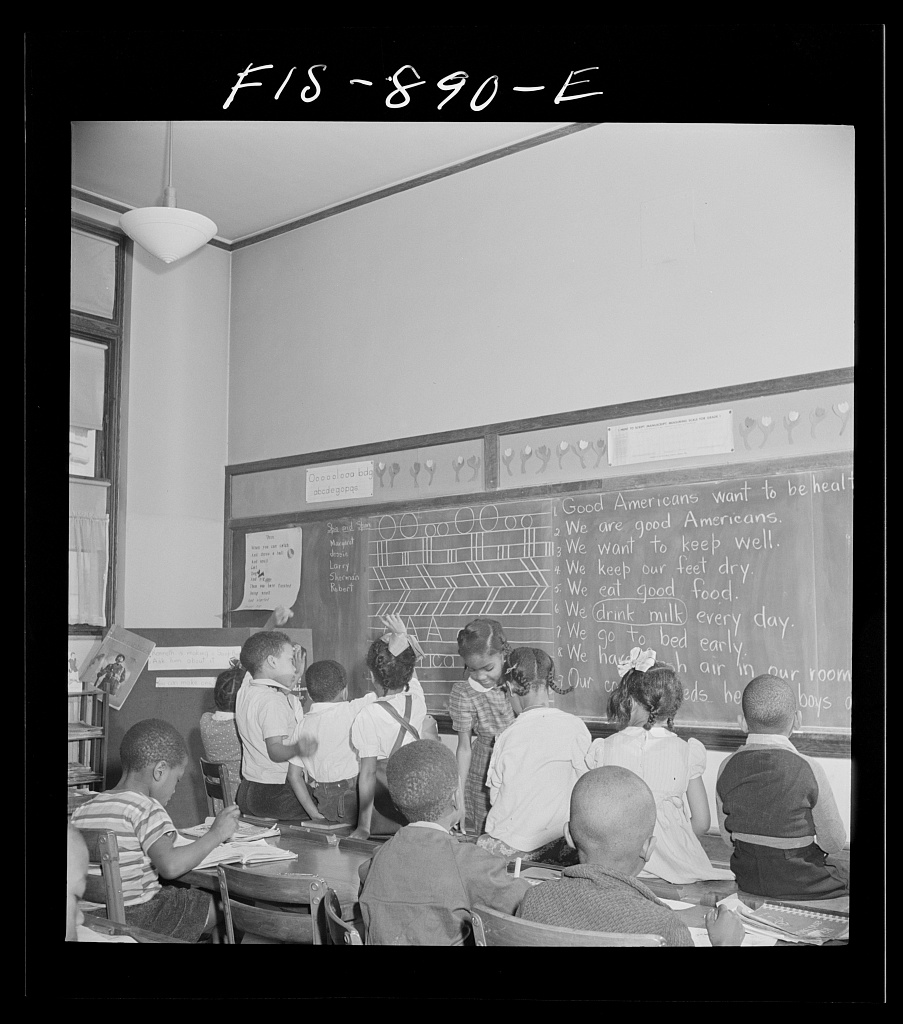
The object was a pretext. What was being practised was speaking to a room of people who were all looking at you.
Nobody framed it that way and that is part of why it worked. A child told they are going to give a presentation is terrified; a child told to bring something interesting is not, and the speaking happens anyway as a side effect of the thing they wanted to show.
The object also solved the hardest problem in public speaking, which is what to do with your hands. Holding something gives a nervous person a job, a place to look and a reason to be standing there, and it removes most of the difficulty that adults still struggle with.
4. The Rules Were Simple and Everybody Knew Them
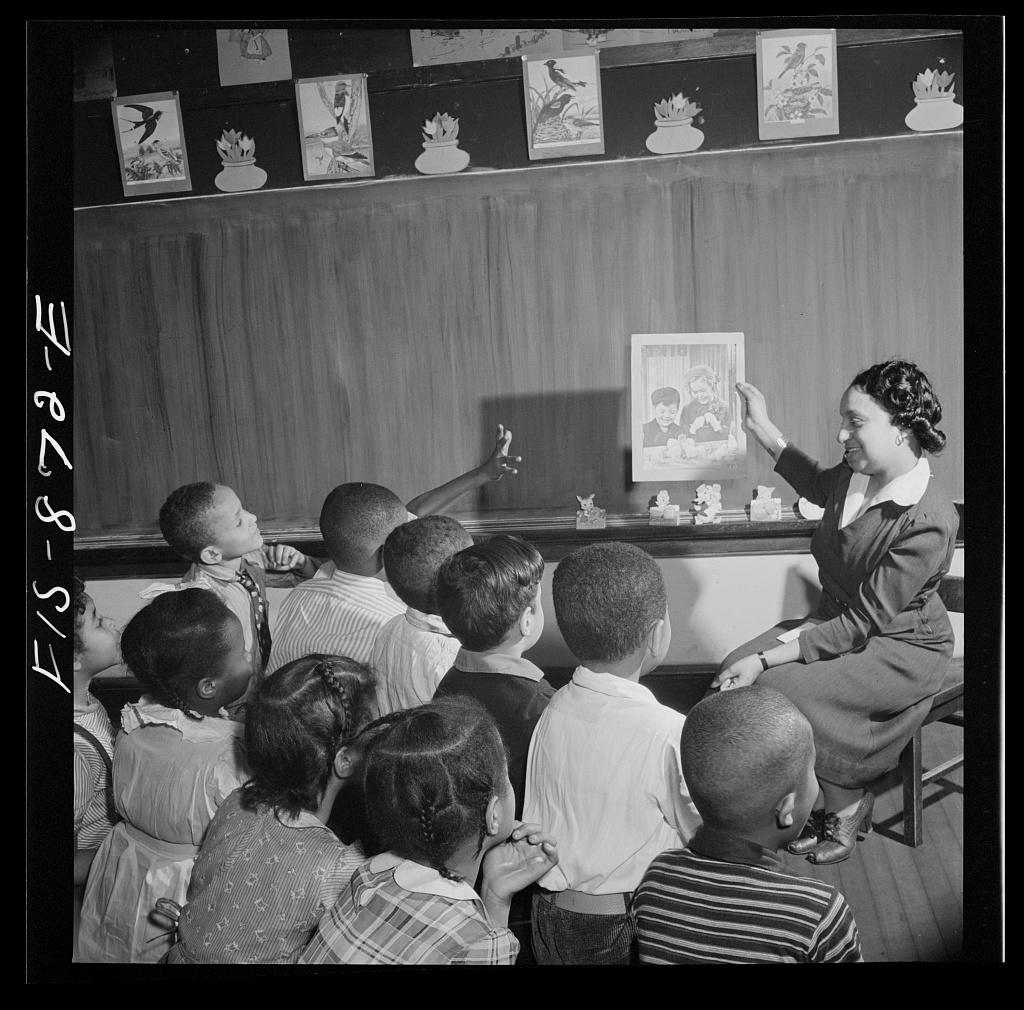
Say what it is, say where it came from, say why it matters to you – and the third one was where the actual content lived.
The structure was rarely written down but it was absolutely consistent, learned by watching the children who had gone before. A format that a six-year-old can absorb by observation is a well-designed format, whoever designed it.
The third part is the one that made the activity worth doing. Describing an object is a reporting exercise; explaining why it matters requires a child to account for their own attachment to something, which is a considerably harder piece of thinking.
5. The Questions Afterwards Were the Hard Part
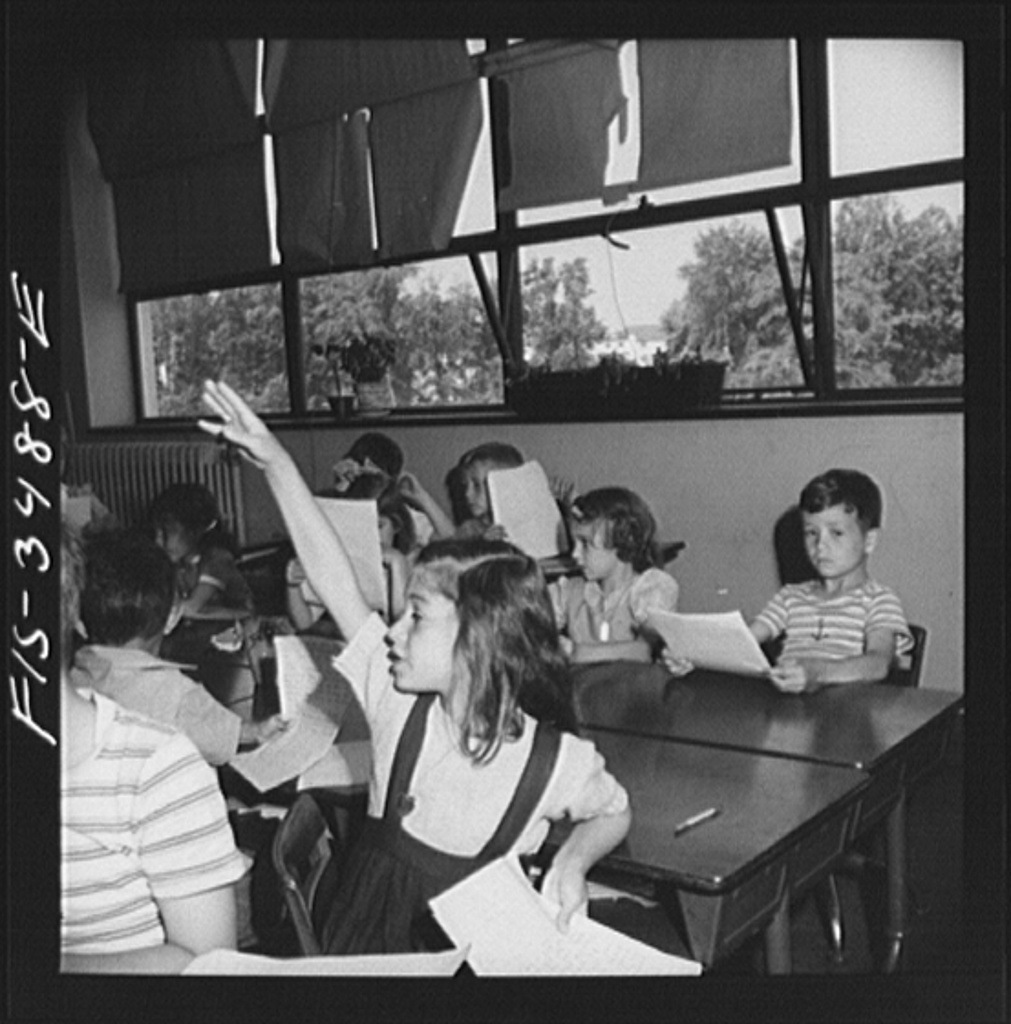
Once the telling was over, the room was permitted to ask, and the questions were unpredictable.
This was the genuinely demanding section and children knew it. A prepared statement can be rehearsed on the way to school, while a question from somebody in the third row cannot, and a child answering one is improvising in front of an audience for the first time.
The questions were also an education in what other people find interesting. A child who had planned to talk about where an object came from and was instead asked three times how much it cost learned something immediate about the gap between what you want to say and what a room wants to know.
6. Somebody Always Brought Something Alive
A creature in a box, a jar or a container turned up regularly, and it reliably produced the most eventful session of the term.
The appeal is obvious and so is the risk. Something that moves commands a room absolutely, which is why children kept bringing them, and it also introduces a variable into a classroom that nobody at the front has any control over.
Containment was the recurring problem. A great many of these sessions are remembered not for the presentation but for the ten minutes afterwards in which thirty children and one adult attempted to recover something from under the furniture.
7. The Holiday Souvenir Was the Standard Item

Something brought back from a trip was the most common single category, and it carried information nobody had asked for.
That is the uncomfortable part of the whole activity, stated plainly. A weekly exercise in which children present objects from home is also a weekly exercise in which the differences between households are displayed, and a souvenir from somewhere distant says something a child did not intend to say.
Most teachers managed this better than the format deserved. The practised response was to ask about the object rather than the journey, which moves the attention from where a family had been to what the thing actually was.
8. The Grandparent’s Object Was the Best Category
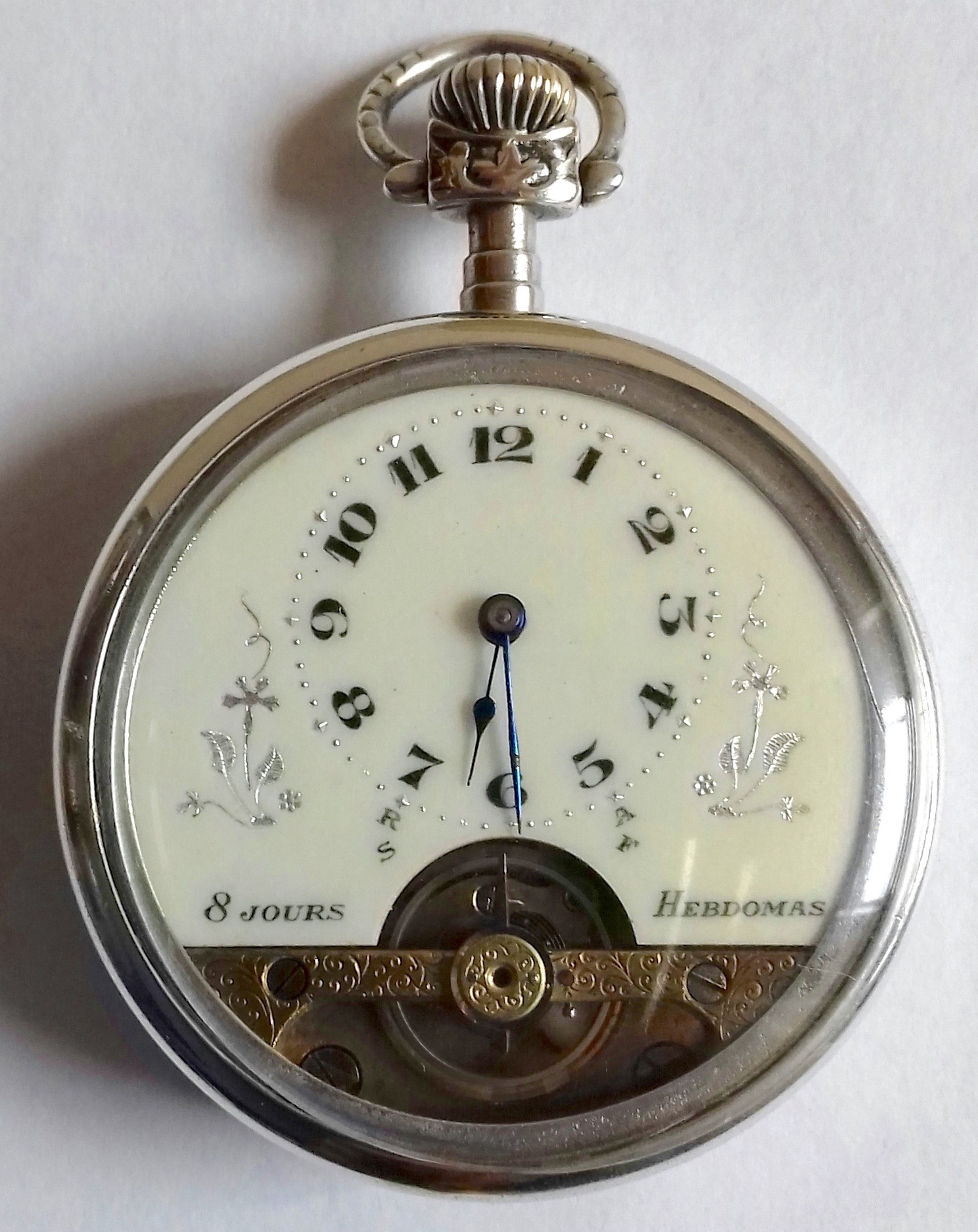
Something old, belonging to somebody not present, with a story attached that the child had been told rather than witnessed.
These were consistently the most interesting and the reason is structural. The child is not the source of the information, which means they are reporting something handed to them, and a six-year-old relaying a story about somebody born sixty years earlier is doing something genuinely unusual.
It was also how a fair amount of family history travelled. A story told once at home to explain an object, then repeated in a classroom, has been rehearsed twice and is far more likely to survive into adulthood than one told only in passing.
9. Nothing Was the Worst Option and Some Children Chose It
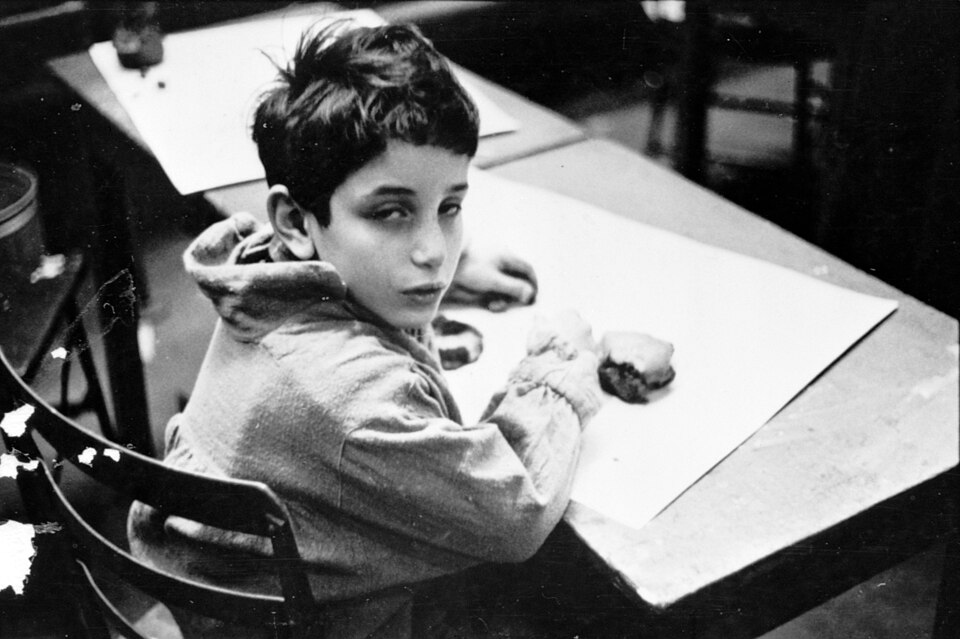
A child who arrived with no object either stood up and said so or sat through the session hoping not to be called.
The reasons varied and were not always what an adult assumed. Forgetting was common, but so was having nothing a household was willing to release, and so was simply not wanting to stand up – which is a perfectly reasonable position that the format made difficult.
Good teachers had a solution ready. A spare item, a story instead of an object, or a quiet pass to the following week removed the problem without making it the subject of the morning, and whether that happened depended entirely on the individual at the front.
10. The Room Was Honest in a Way Adults Are Not
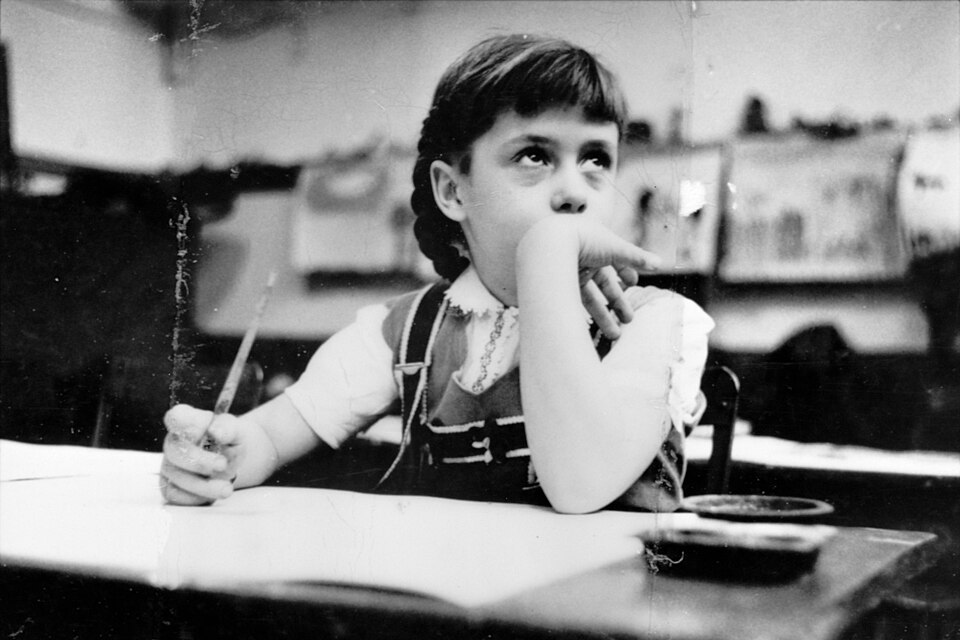
Children listening to a presentation they found dull did not conceal it, and the speaker could see exactly how it was going.
The feedback was brutal and immediate and it taught something nothing else did. An adult audience will sit politely through anything; a room of eight-year-olds will visibly disengage within twenty seconds, and the speaker learns in real time what holds attention.
It also meant success was unambiguous. A child who got the room was in no doubt about it, which is a form of encouragement that no amount of adult praise can replicate.
11. The Collection Was a Reliable Subject

Children who collected things brought a portion of the collection, and the presentation was really about the system rather than the objects.
Collections made good material because they contain an argument. Why these and not others, how they are arranged, which one is the best and why – a child explaining a collection is explaining a set of criteria they invented, which is a more sophisticated thing than it looks.
It also produced trading. A collection shown to a room is a collection advertised to thirty potential sources, and a good deal of playground negotiation in the following week traced directly back to a Tuesday morning.
12. Objects Got Broken and It Was Nobody’s Fault
Passing something around a room of thirty children is a reliable way to damage it, and plenty of households learned this once.
The circulation was where the trouble lived. A child who wanted everybody to see something properly would send it along the rows, at which point it was in the hands of twenty-nine people who had no particular investment in its survival.
Which produced the standing rule in a great many classrooms that items were held up rather than handed round. The restriction was a direct response to experience, and it also removed the only part of the activity the audience actually got to do.
13. The Teacher Learned Things They Could Not Have Asked About
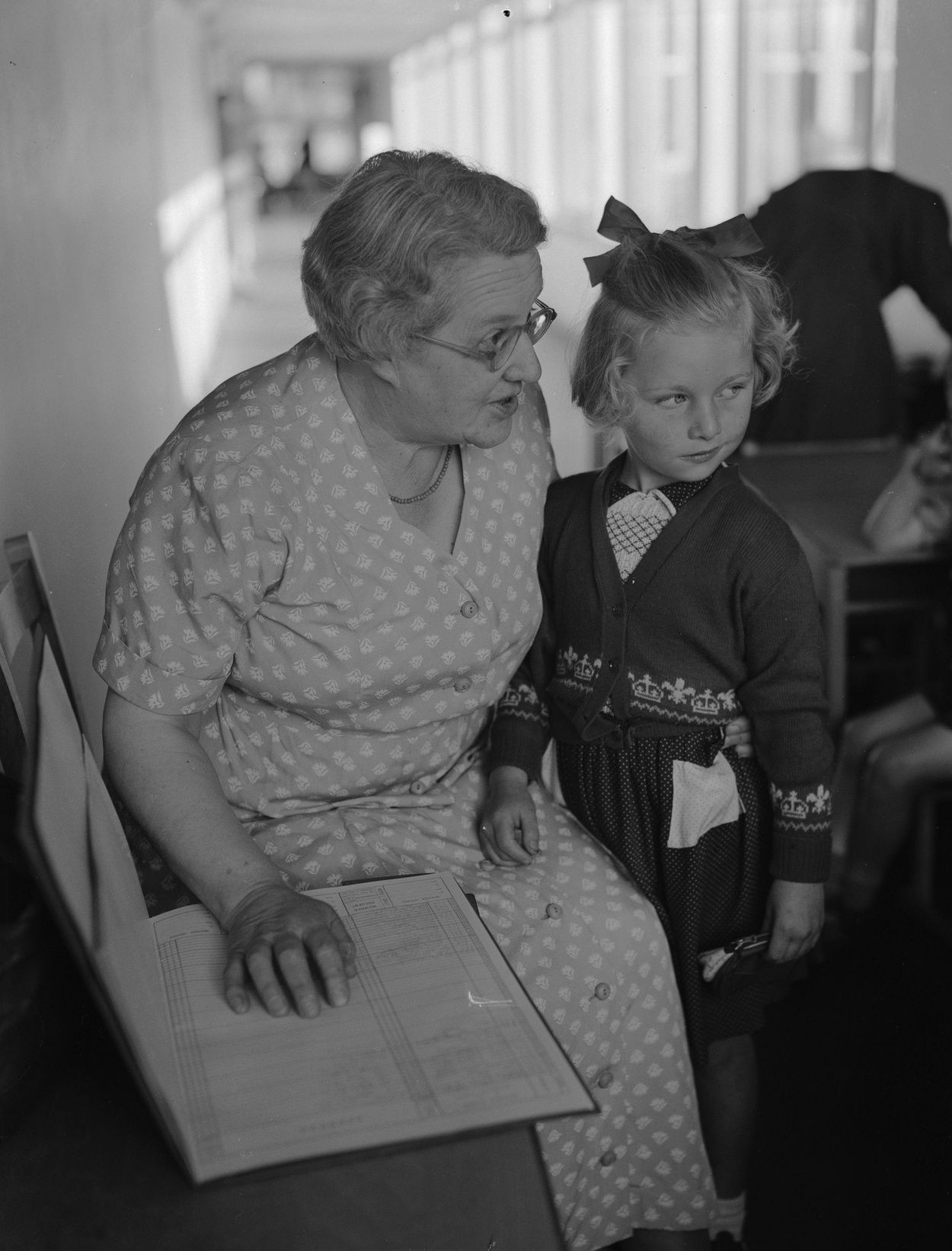
An adult listening to thirty children describe objects from thirty homes is receiving a volume of information no questionnaire could extract.
The intelligence value was real and largely unintentional. What a family does, what they value, what a child is proud of and what they are quiet about all emerge from an object and a short explanation, and none of it would surface in any other part of the week.
It is also why experienced teachers were careful with the activity. Information arriving unasked about a child’s home is information that has to be handled, and the people who ran show and tell well were the ones who understood what they were being told.
14. The Item Nobody Expected Was the Reason It Was Worth Doing
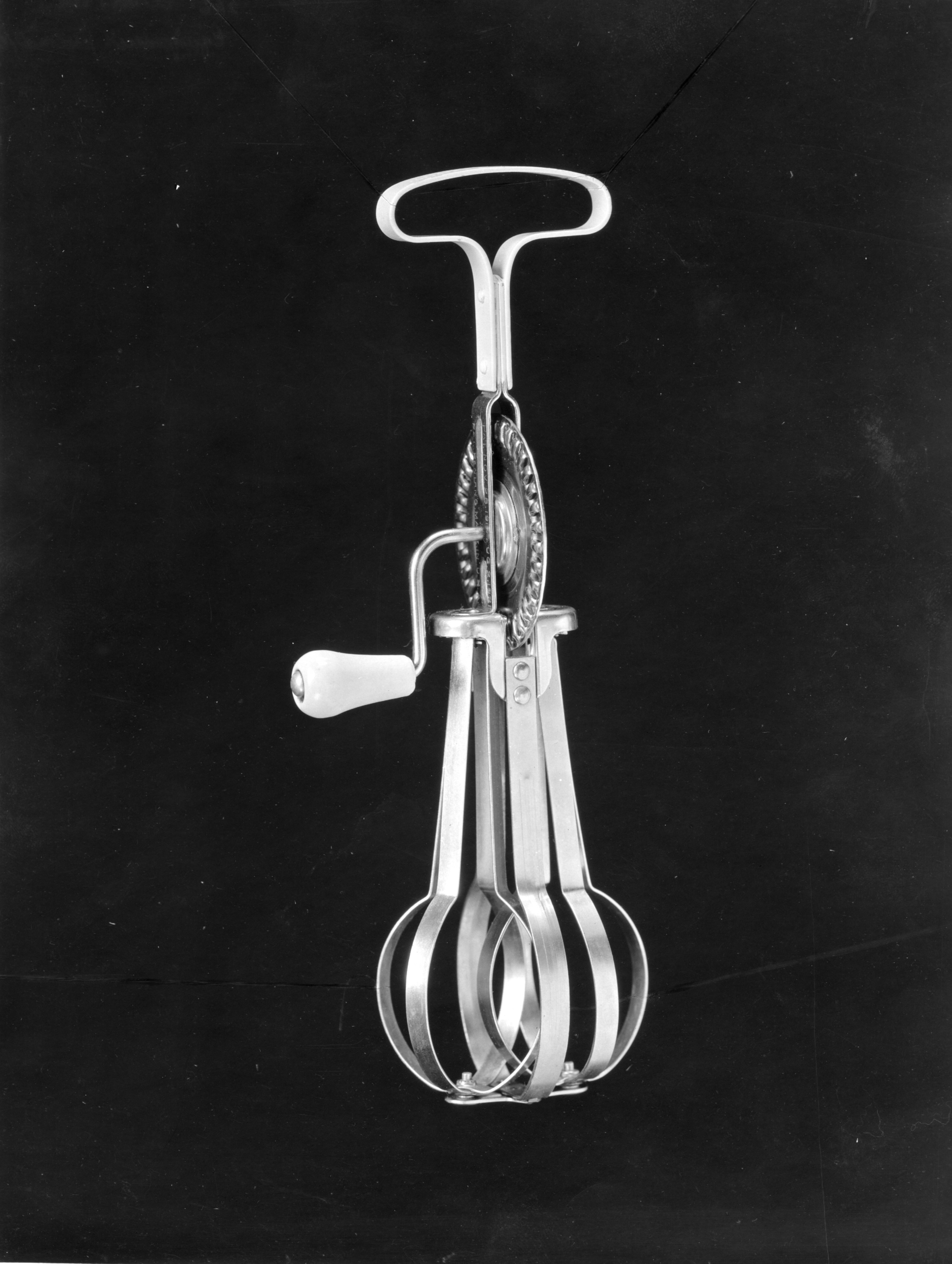
Every term produced one object that stopped the room – a tool nobody recognised, something from another country, something enormous.
These are the sessions that survive in memory decades later and they could not have been planned. A format that lets thirty households contribute at random will, over a year, produce several things no curriculum would ever have thought to include.
The teacher’s response determined whether it counted. An adult who let an unexpected object take over the morning turned one child’s possession into the most interesting lesson of the term, and that decision had to be made on the spot with no warning.
15. It Was the Only Time a Child Chose the Subject
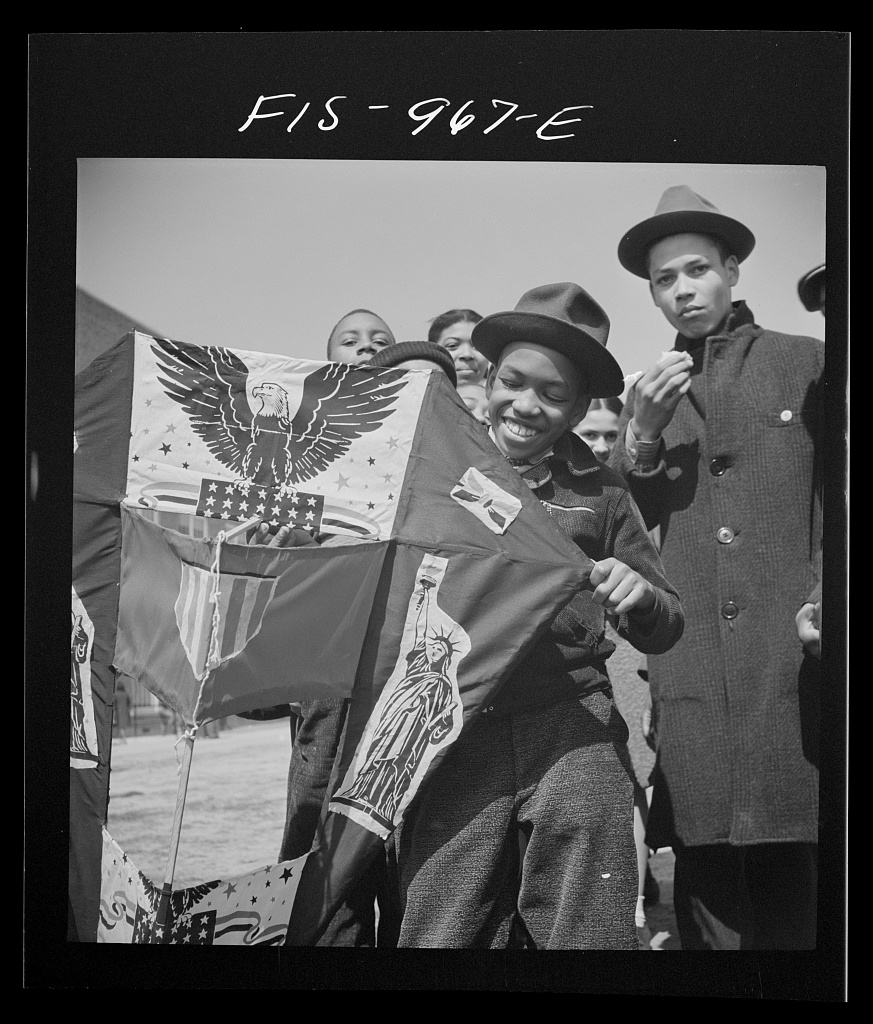
Every other part of the week was selected by somebody else. For ten minutes, the child decided what the room was going to think about.
That inversion is the whole point and children felt it without naming it. Authority over content, even briefly, is a different experience from answering questions about content chosen for you, and it is the reason the activity is remembered fondly by people who remember nothing else.
It is also why the choice mattered so much the night before. A child deciding what to bring was not picking an object; they were deciding what thirty people were going to spend the morning looking at, which is a considerable amount of power to hand a seven-year-old.
16. Then the Timetable Tightened and It Went
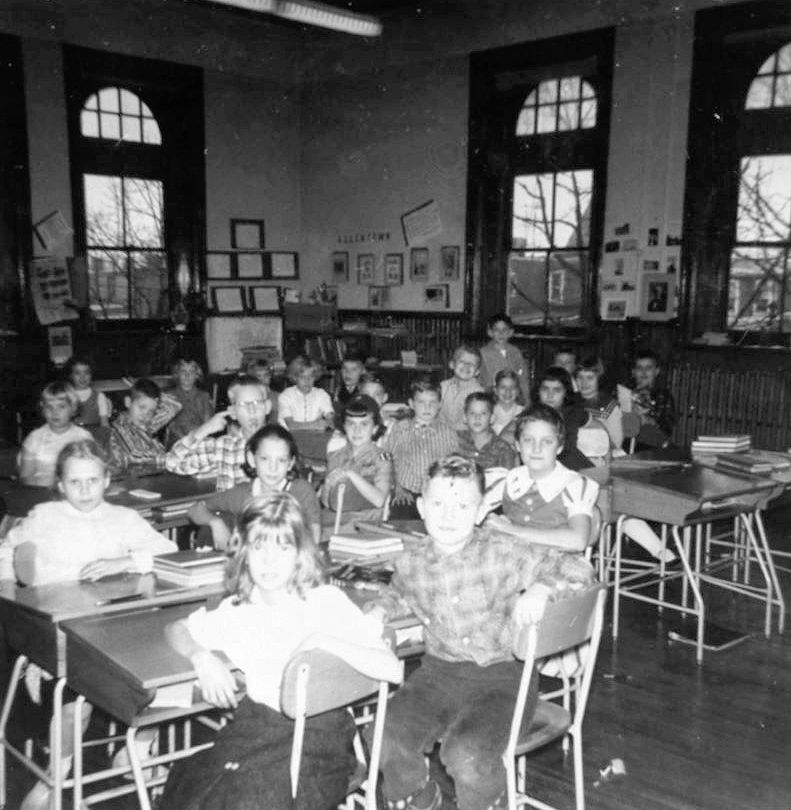
As the school day filled with measured subjects, an unscheduled ten minutes with no defined outcome became difficult to justify.
The pressure was never hostility towards the activity. An exercise whose content cannot be specified in advance and whose result cannot be assessed is simply the easiest thing to remove when time is short, and it went from most timetables without any decision being taken about it.
What went with it was specific and hard to replace. A regular, unpredictable, entirely child-selected interruption in which thirty homes were allowed into a classroom, a nervous speaker was given something to hold, and a room of honest listeners told you immediately whether you had them.
Why It Worked and What Replaced It
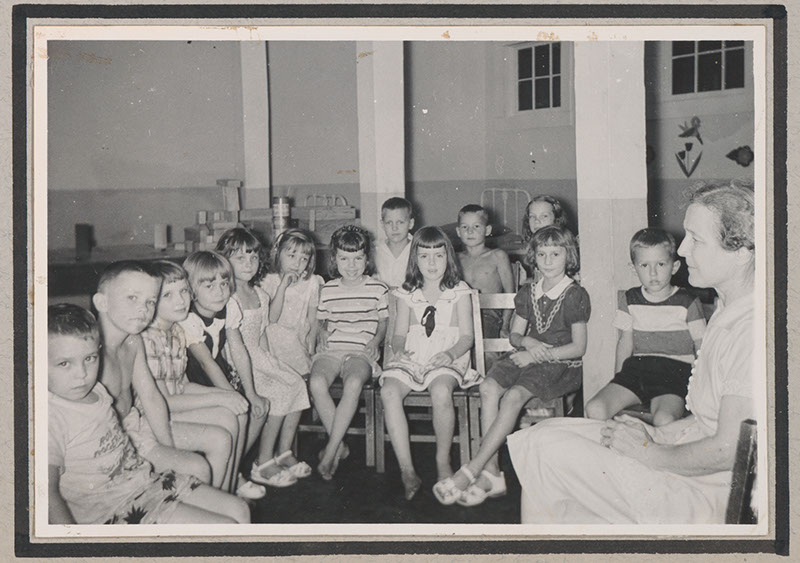
Taken together, the sixteen describe an exercise that was doing several things at once and was never described as doing any of them. It was public speaking practice disguised as a chance to show off a possession. It was a weekly opening between thirty households and one room. It was the only slot in the week where a child chose the subject, and the only one where the audience was honest enough to tell a speaker instantly whether it was working. The object in the child’s hands solved the hardest problem in speaking to a room, which is what to do with your body while you are doing it, and nobody ever had to explain that because it was never presented as a lesson in anything.
It disappeared the way unmeasured things disappear, without an argument. An activity with no stated objective and no assessable outcome is the first thing to be squeezed out when a timetable fills, and show and tell went quietly from most schools without anybody deciding it had stopped being worth doing. What is actually gone is harder to reinstate than a slot on a timetable: thirty families contributing at random, a child holding something they chose, a room that reacted honestly, and the one morning a term when an object nobody expected arrived through the door and became the most interesting thing anybody learned all year.
Like our content? Follow us for more.