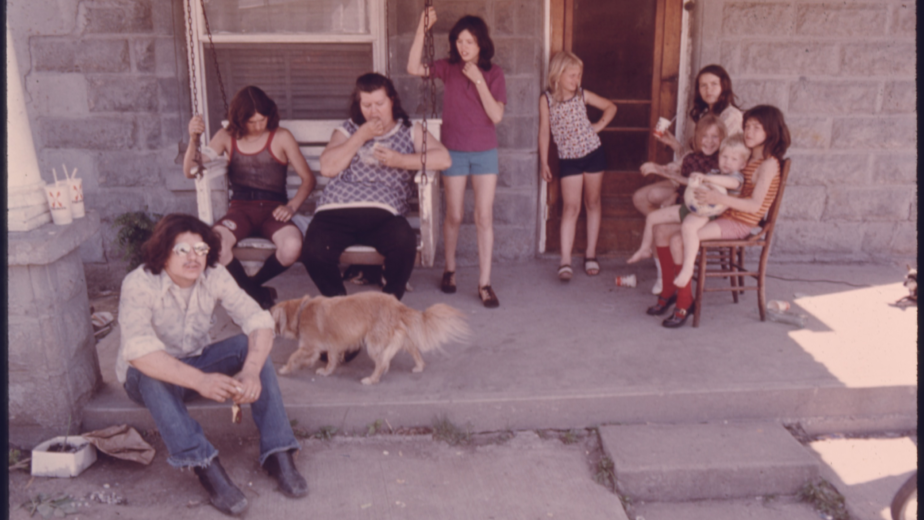
You cut a panel off the packet, put it in a drawer and waited until there were enough, and then you filled in a form, found an envelope and sent the whole lot away to an address you had never heard of. In 1966 this was how a very large number of children acquired a possession entirely through their own effort, and the waiting afterwards was the longest of their lives.
The Offer Was Printed on Something the Household Already Bought
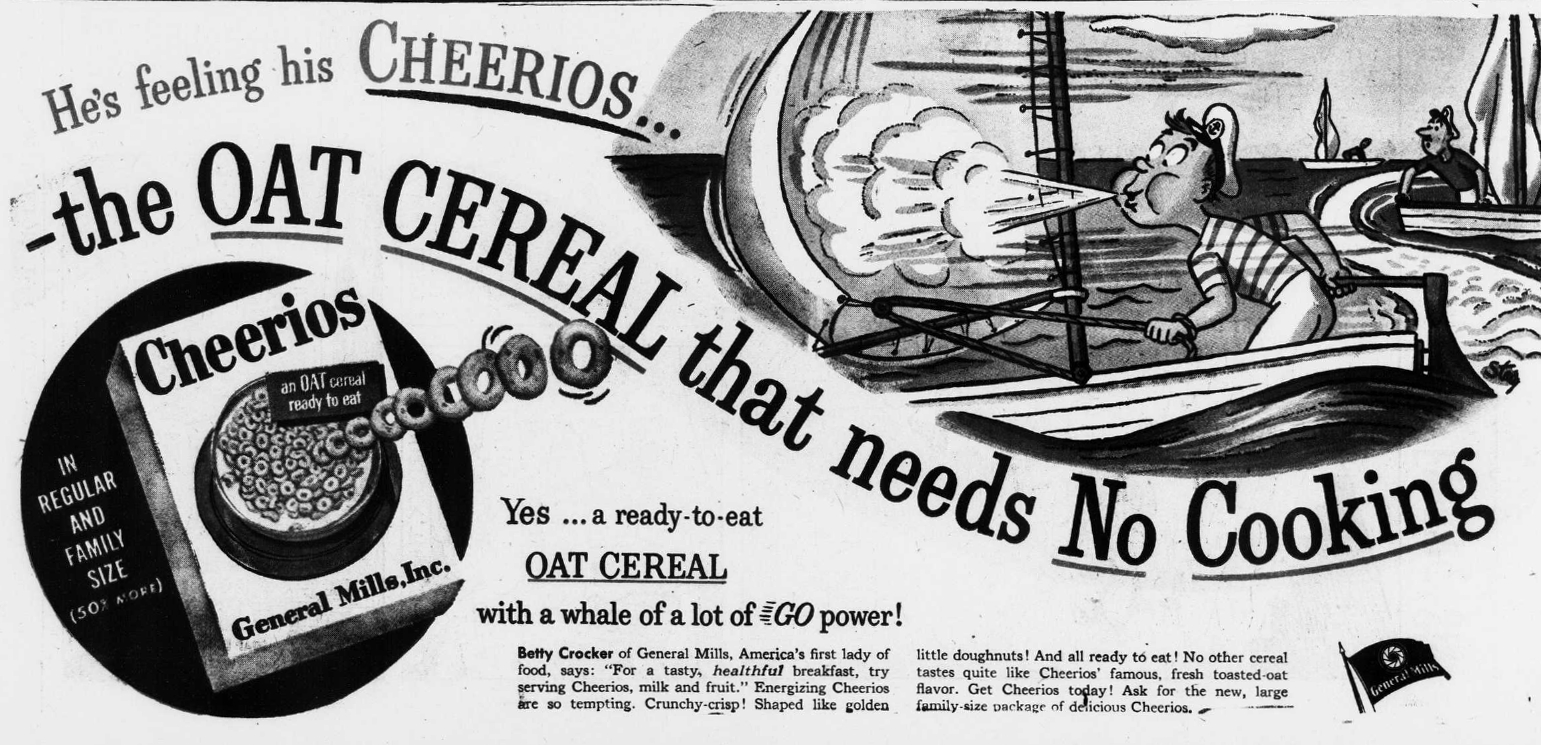
The whole scheme rode on packaging that was coming into the house anyway, which meant participation cost nothing extra at all.
That is the mechanism and it is genuinely elegant. A promotion requiring a purchase that has already been made is a promotion with no barrier to entry, and the only thing a child had to supply was attention and persistence.
Like our content? Follow us for more.
It Required More Than One, Which Was the Entire Design

A single panel was never enough. The requirement was for several, which meant the household had to keep buying the same thing.
The arithmetic is the whole commercial point. A child who needs four of something has a reason to care which brand is bought for several months, and the pressure that produces inside a household is worth considerably more than the item being offered.
The Child Became an Advocate in the Shop
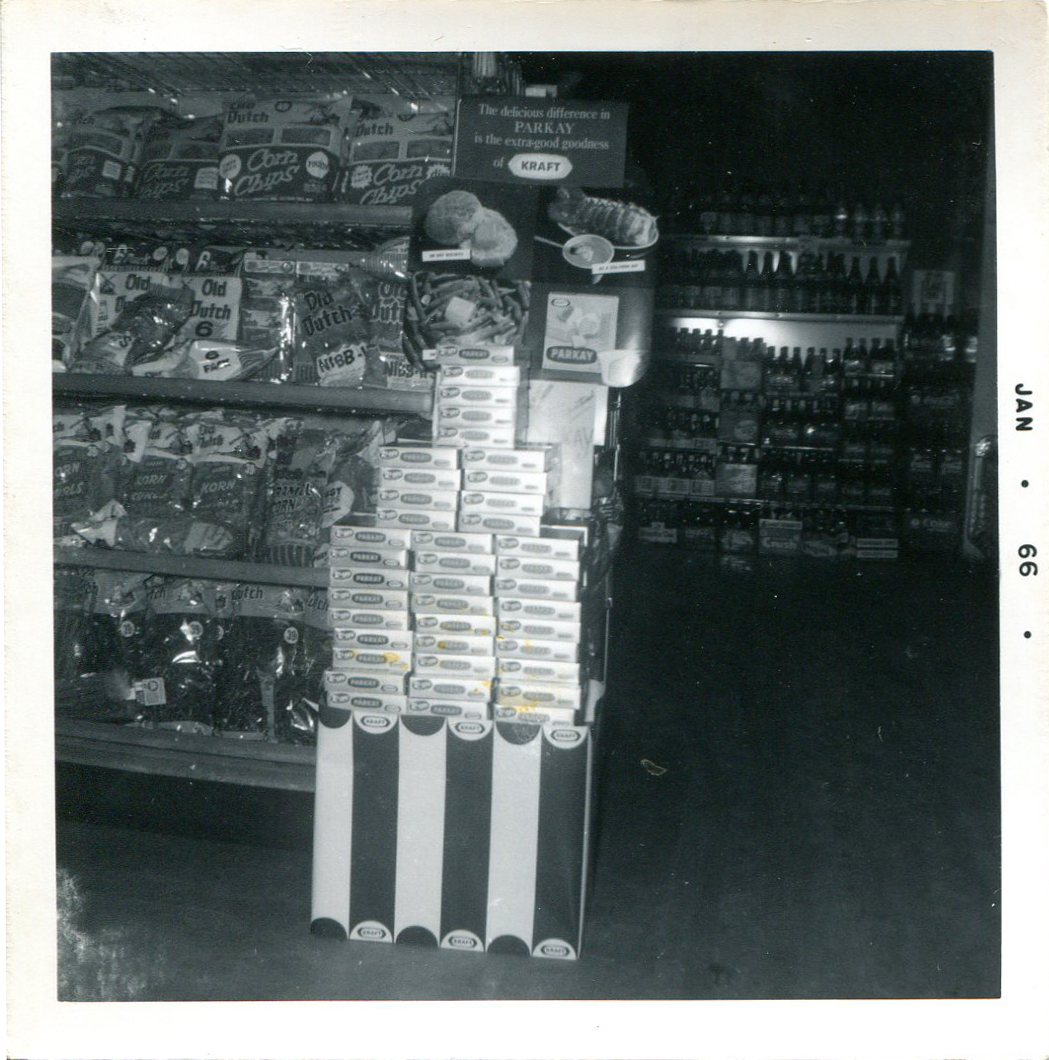
A household’s buying decisions were quietly influenced by somebody who had no money and no authority and an enormous interest in the outcome.
The lobbying was constant and effective. A seven-year-old with four panels collected and two to go is a highly motivated participant in a weekly shopping decision, and plenty of brand choices were settled on exactly that basis.
The Cutting Had to Be Done at the Right Moment

The panel had to come off before the packet was thrown away and after it had been emptied, and missing that window lost you one.
The timing problem produced genuine anxiety. A child who found the packet in the bin with the panel still attached had lost weeks of progress, which is why a great many households had a standing instruction about it.
They Were Kept Somewhere Specific and Counted Constantly

A drawer, a tin or an envelope held the accumulating set, and the count was checked far more often than it changed.
The repeated counting is the most recognisable detail in the whole subject. A collection that grows by one every ten days will be verified daily by its owner, and the verification was about anticipation rather than arithmetic.
Finishing the Packet Faster Was the Obvious Temptation
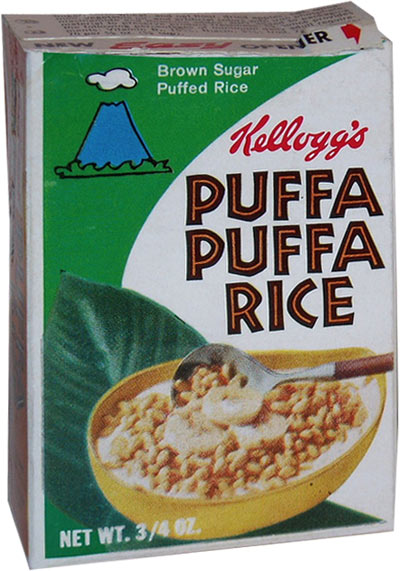
A child who needed one more panel had an immediate interest in the contents being used up, and the household noticed.
The incentive runs in a direction nobody intended and every parent recognised it. An offer that rewards consumption placed in the hands of somebody with no responsibility for the shopping produces exactly the behaviour you would predict, and a great many households found a packet emptying considerably faster than usual.
The Form Was the Difficult Part
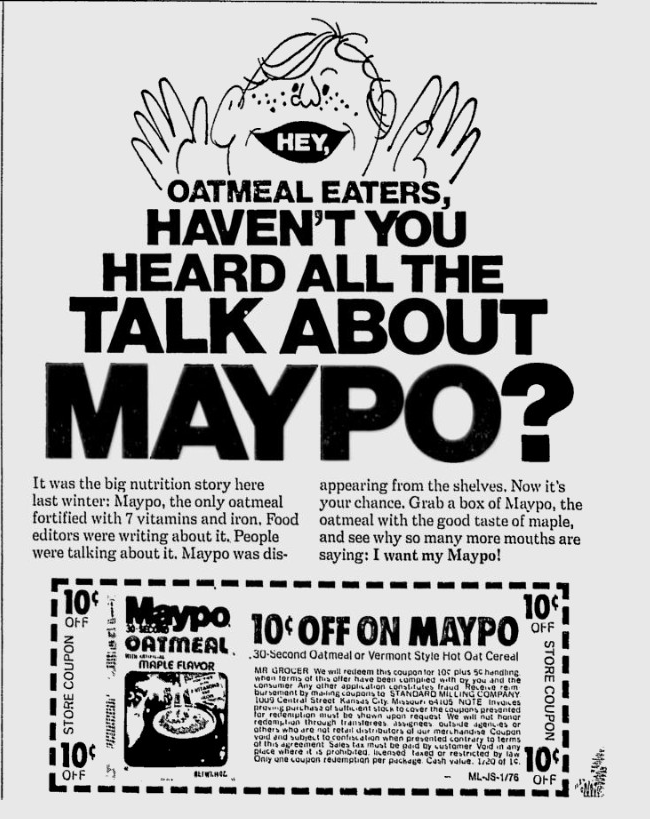
A coupon had to be completed correctly, in a child’s handwriting, with an address, and mistakes meant failure.
The administrative demand was real and mostly unacknowledged. A nine-year-old filling in a form, writing an address accurately and getting the whole thing into an envelope is performing a sequence they have had almost no practice at.
Postage Was the Hidden Cost
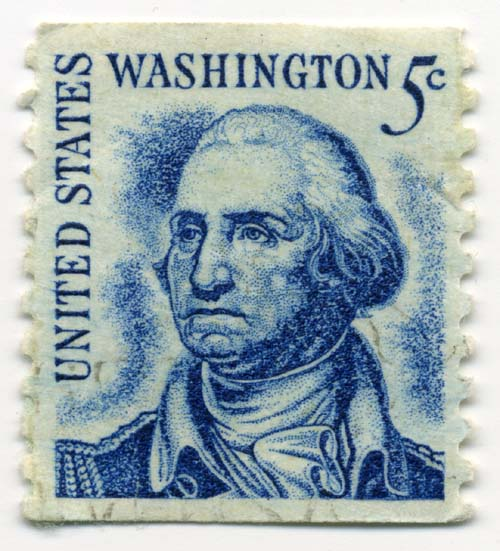
A stamp had to be found, which meant an adult had to be persuaded and the scheme was never quite as free as it appeared.
The gap between free and nearly free is where households made their own decisions. A parent who supplied the stamp was buying into the arrangement, and a parent who did not had ended it without anybody discussing the matter.
Sending It Was the Last Moment of Control
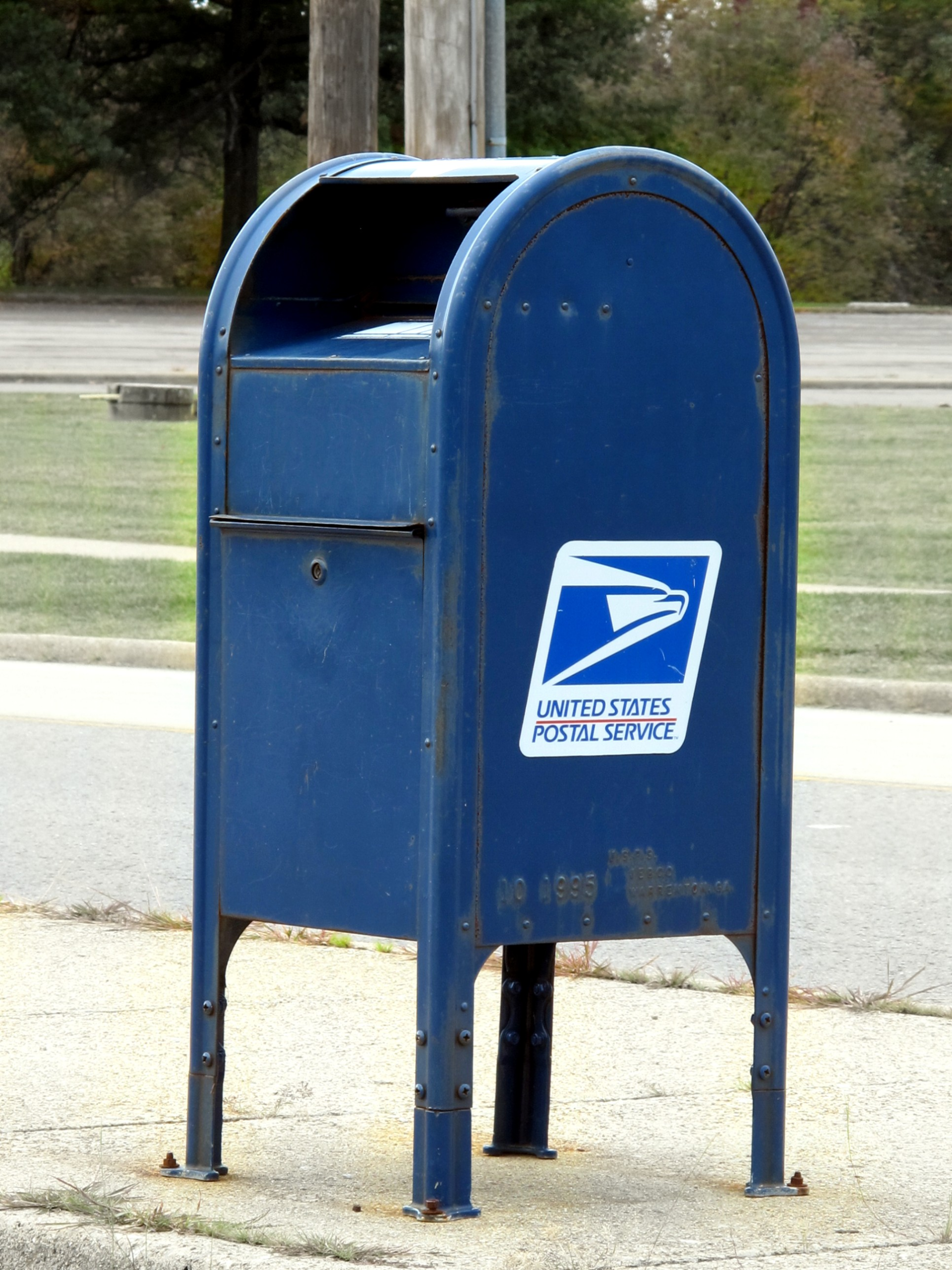
Once the envelope was in the box, there was nothing further any child could do, and everybody understood that.
The finality is what made the posting dramatic. A collection assembled over two months, entrusted to a system with no tracking, no acknowledgement and no way to check, is a considerable act of faith for anybody.
The Wait Was Enormous and Deliberately Vague
The stated period was long, approximate and frequently exceeded, and the vagueness was not an accident.
An undefined waiting period solves a practical problem for whoever is sending the things out and creates an unsolvable one for a child. Nobody could say when it would come, which meant every delivery for two months was a potential arrival.
The Post Became Interesting for the First Time
A child who had never cared what arrived began checking daily, which is a change of behaviour nobody anticipated.
The attention was total and lasted the whole waiting period. A household’s post is of no interest to a nine-year-old until exactly one item in it might be theirs, at which point it becomes the most important thing happening each morning.
It Was the First Thing Addressed to Them
For a great many children, this was the first piece of post that had ever carried their own name.
That is a far larger event than the contents justified. A child who has never received anything, receiving a package with their name on it, has acquired evidence that they exist independently of their household in the eyes of somebody far away.
The Item Was Almost Always Worse Than Expected
Smaller, lighter and more obviously cheap than the illustration had suggested, and the disappointment was universal.
The gap between the picture and the object is the thing everybody remembers. An illustration can show anything; the item had to be made for a fraction of what the promotion was worth, and the two were never going to match.
And It Did Not Matter Very Much

The disappointment lasted about an hour and the object was kept for years regardless.
Which tells you what had actually been acquired. The value was in the collecting, the sending and the waiting, and the object itself was a receipt for a process rather than the point of it.
The Address Was Somewhere Nobody Had Heard Of
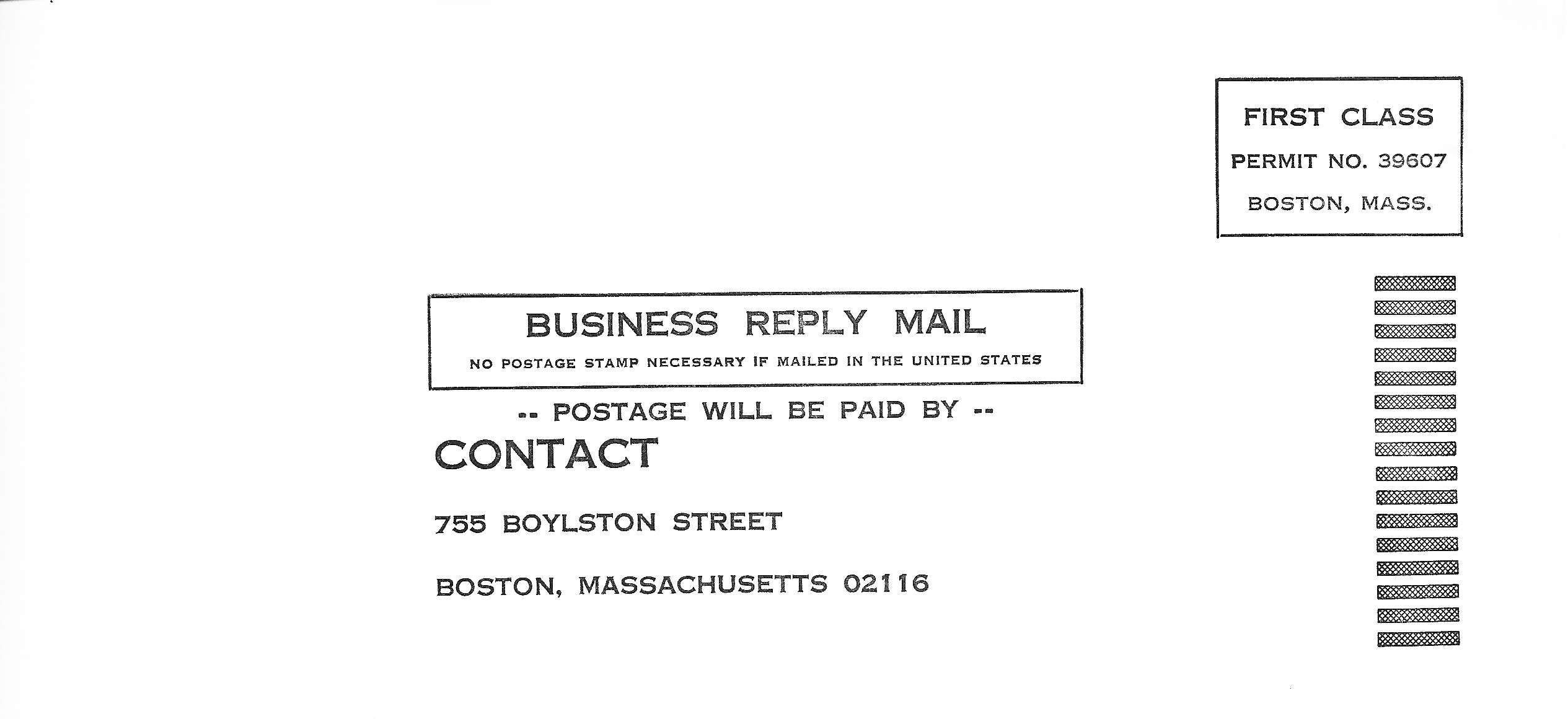
The place things were sent to was a line of text with no reality attached to it, and no child had any idea where it was.
That abstraction was part of the appeal rather than a problem. A package coming from somewhere a child cannot picture, sent by people they will never meet, in response to something they posted into a slot, is as close to a transaction with the wider world as most nine-year-olds ever got.
Some Things Never Came at All
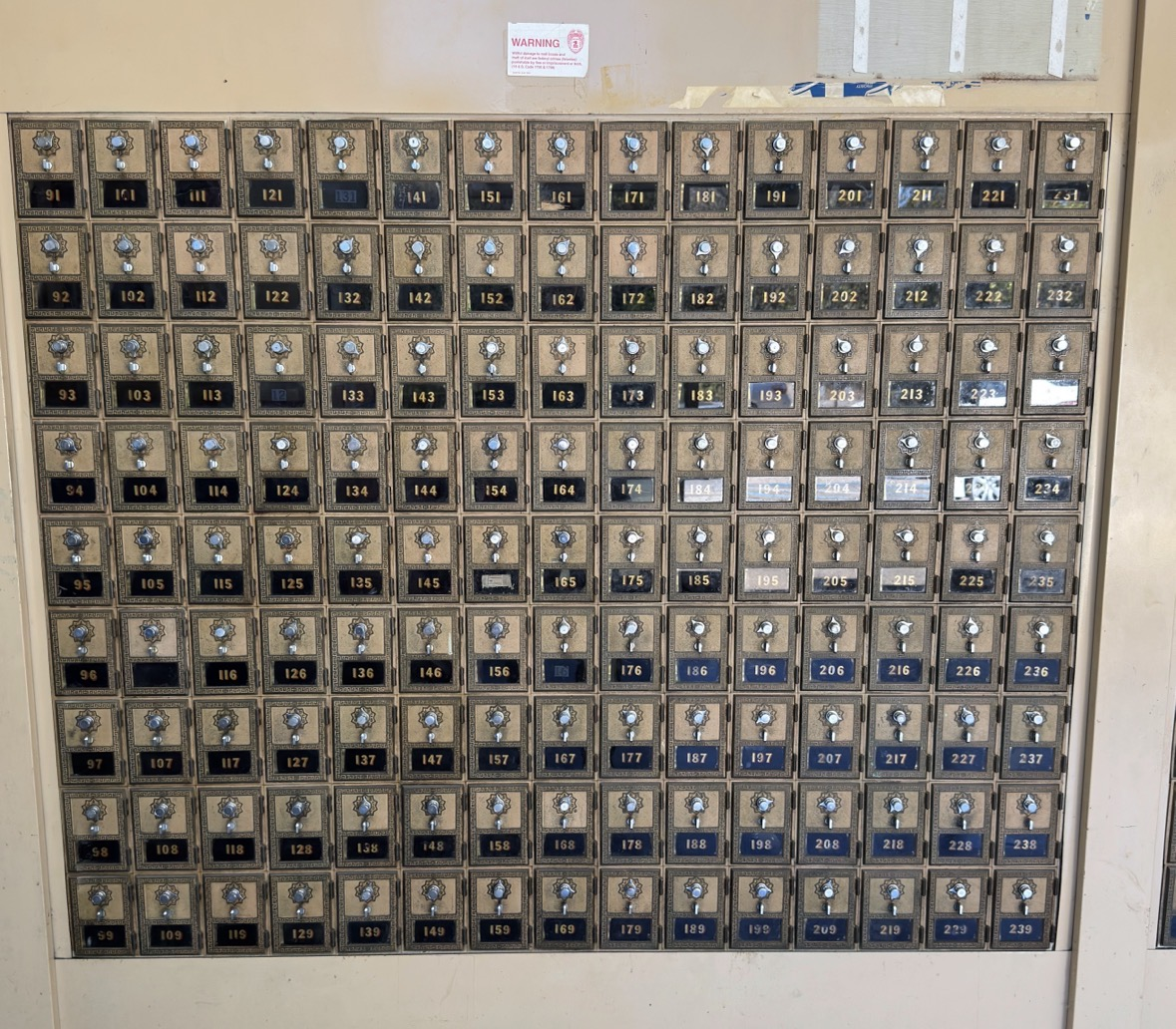
Offers expired, addresses changed, envelopes went astray and a proportion of children simply never received anything.
The failures were real and had no remedy. A child with no way to enquire, no record and no acknowledgement had nothing to do but keep waiting, and a certain number of them waited until they stopped thinking about it.
It Taught Delayed Gratification Without Anybody Intending To
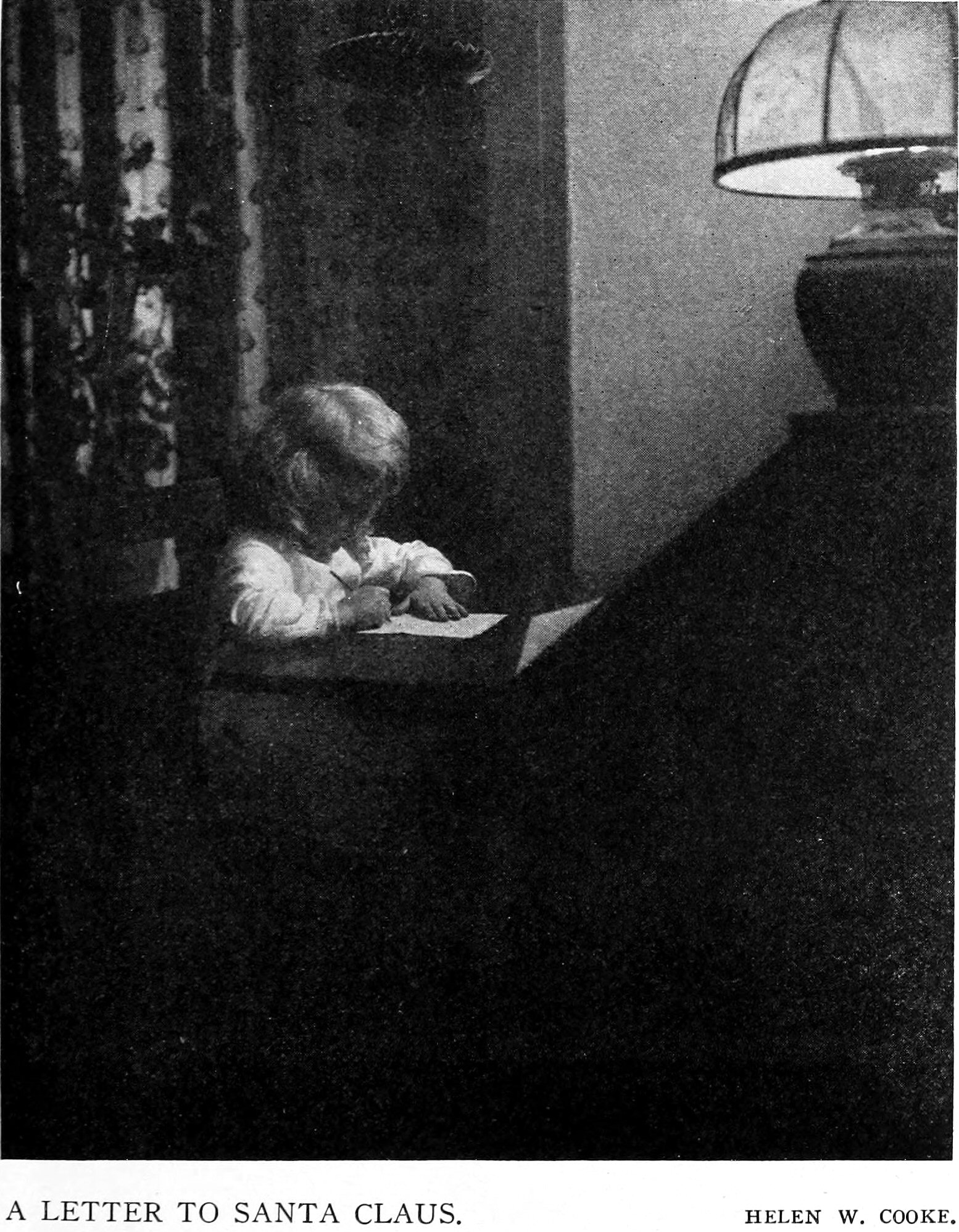
A two-month collection followed by a six-week wait is a lesson in patience that no adult could have constructed deliberately.
The teaching was entirely accidental and completely effective. A child who has maintained an interest in a single outcome for three months has demonstrated something to themselves that no amount of instruction would establish.
It Also Taught Scepticism
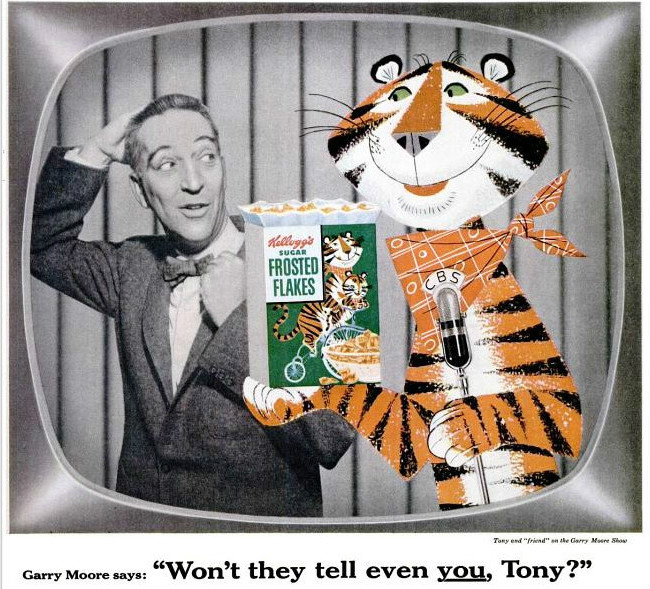
The gap between the illustration and the object was most children’s first encounter with the idea that a picture might be flattering.
That lesson may have been the more durable one. A child who has sent away for something and compared the result with the advertisement has learned something about advertising that they did not forget.
The Scheme Worked for Everybody Involved
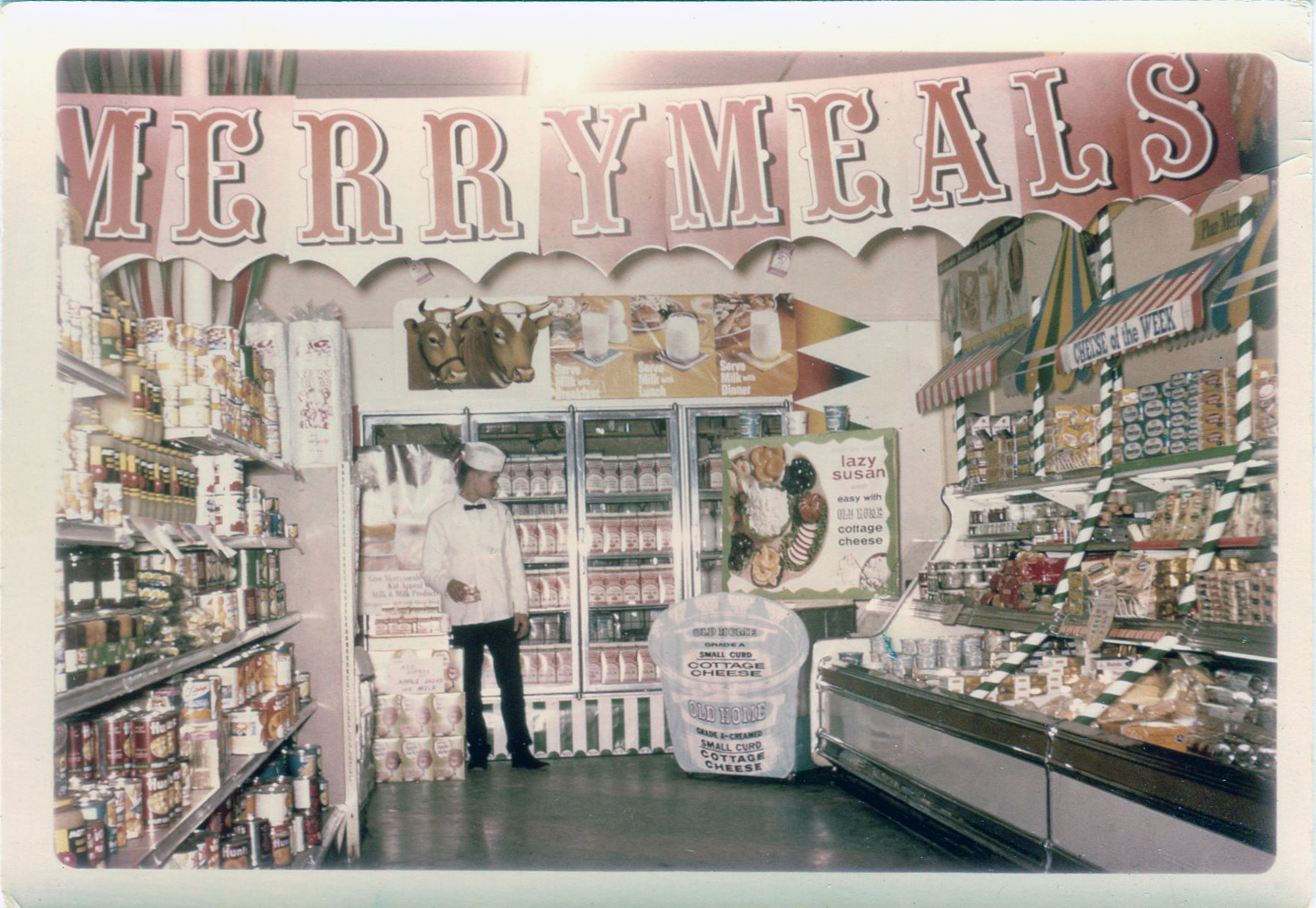
The household bought the same brand for months, the child got an object and a process, and the cost to the promoter was small.
The alignment is what made these so common. A promotion in which every party gets something they want, at a price nobody minds, will be run again and again until the conditions change.
Siblings Pooled and Argued
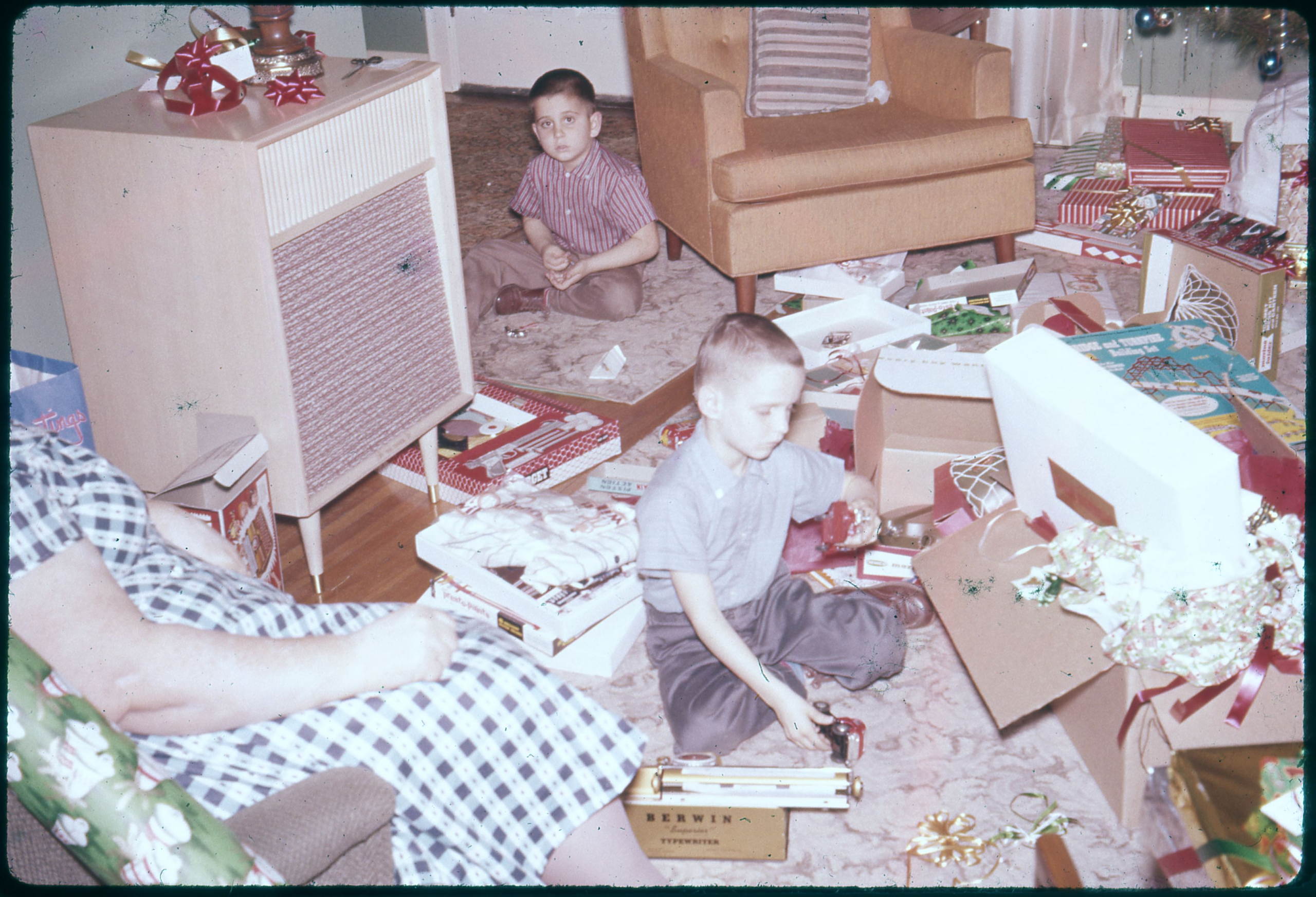
Collections were combined to reach a threshold faster, and the question of who owned the result was never properly settled in advance.
The disputes were entirely predictable and rarely resolved. Two children who have contributed unequally to a single item have a problem that no household rule covered, and the outcome generally depended on who was older.
Everybody at School Had One Within a Fortnight
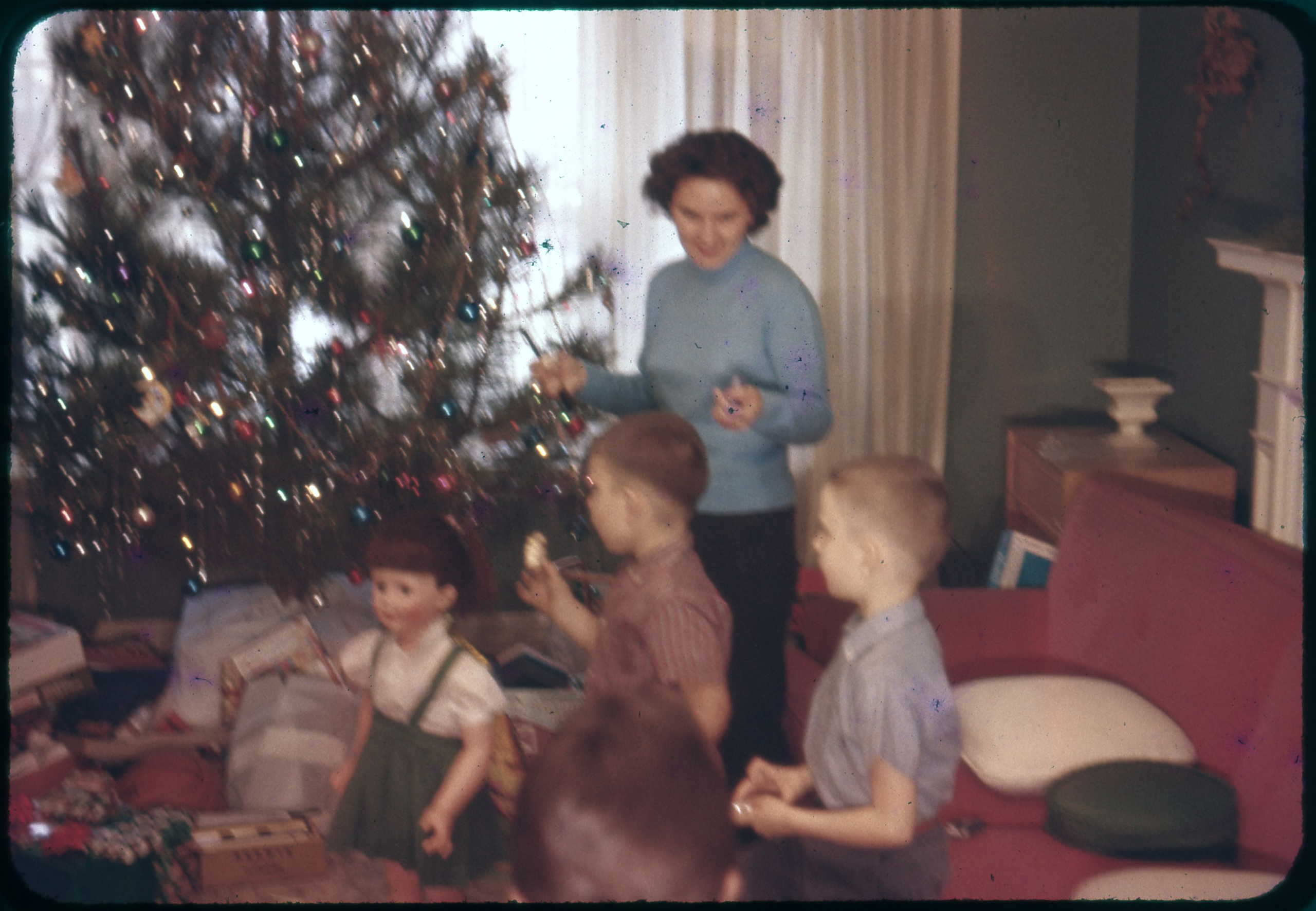
Because the whole class was exposed to the same offer at the same time, the items arrived in a cluster and were compared immediately.
The synchronisation turned a private process into a public one. A child who had been waiting alone for six weeks discovered on arrival that four other people had the identical object, which is deflating and reassuring in roughly equal measure, and it confirmed that the whole thing had been real.
Then the Packaging Stopped Carrying Offers
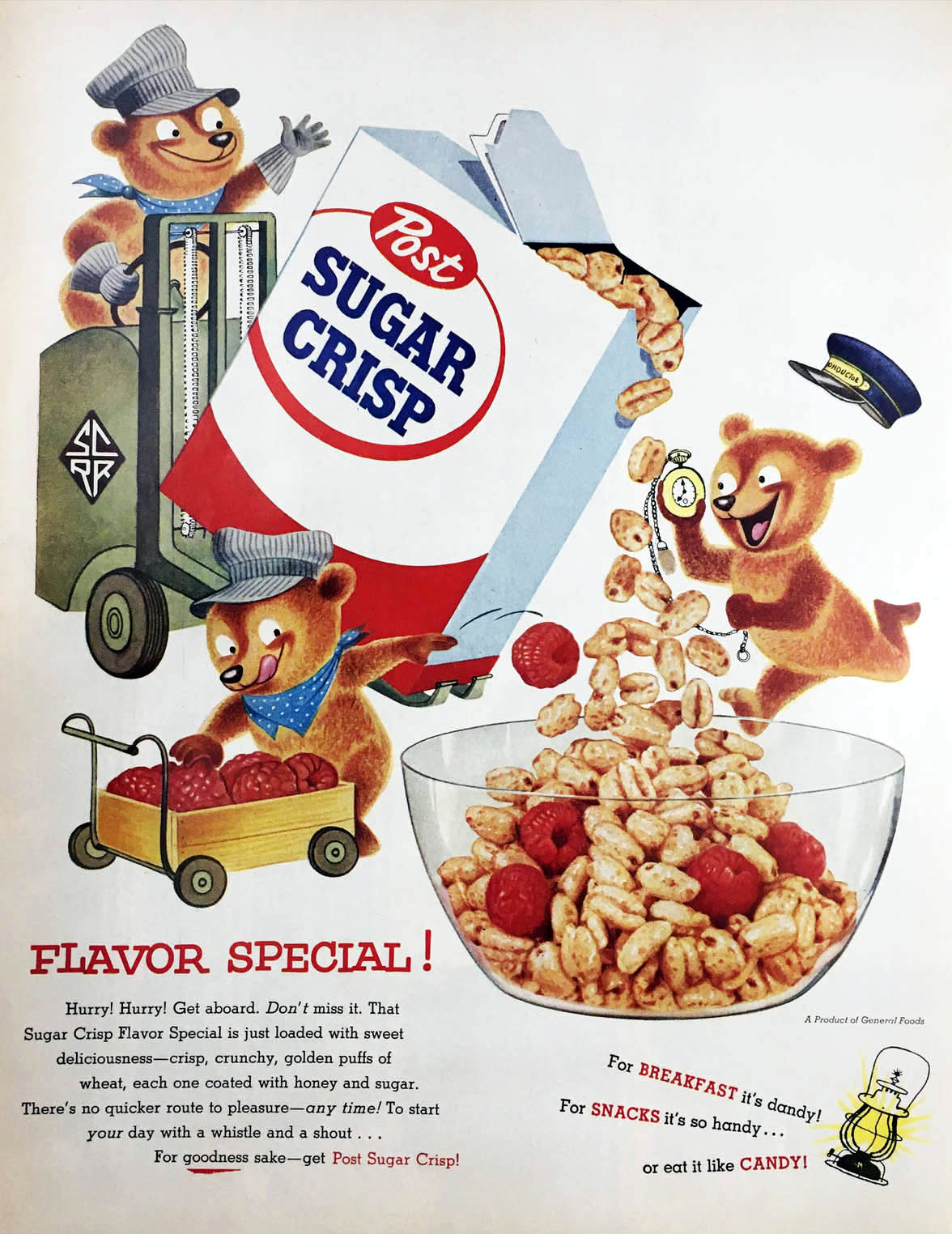
Marketing moved to other channels, promotions became instant, and the panel on the side of a packet stopped being a currency.
The change removed the waiting rather than the promotion. An offer redeemed immediately is a different thing entirely from one assembled over two months, and the instant version cannot produce anything the slow one produced.
And Then Nothing Arrived in the Post Any More
Children receive almost no mail, which removes the one element the whole thing actually ran on.
That is the honest end of it. The scheme was never really about an object; it was a system that converted two months of a child’s persistence into a package with their own name on it, delivered to their door by a stranger, at a moment nobody could predict – and every part of that depended on there being post, on it being slow, and on a child having nothing else arriving in it.
Like our content? Follow us for more.