Moving to a new city always looks good from a distance. Photos show the skyline, influencers show the restaurants, and real estate sites show the one sunny corner of every apartment. But people who actually settle into a place often see a very different picture. High costs, long commutes, safety concerns, weak job markets, or just a mismatch in lifestyle can turn a dream relocation into a fast dose of reality. Here are ten cities Americans repeatedly say they regret moving to, based on resident surveys, migration studies, and the complaints that pop up over and over again.
1. San Francisco, California
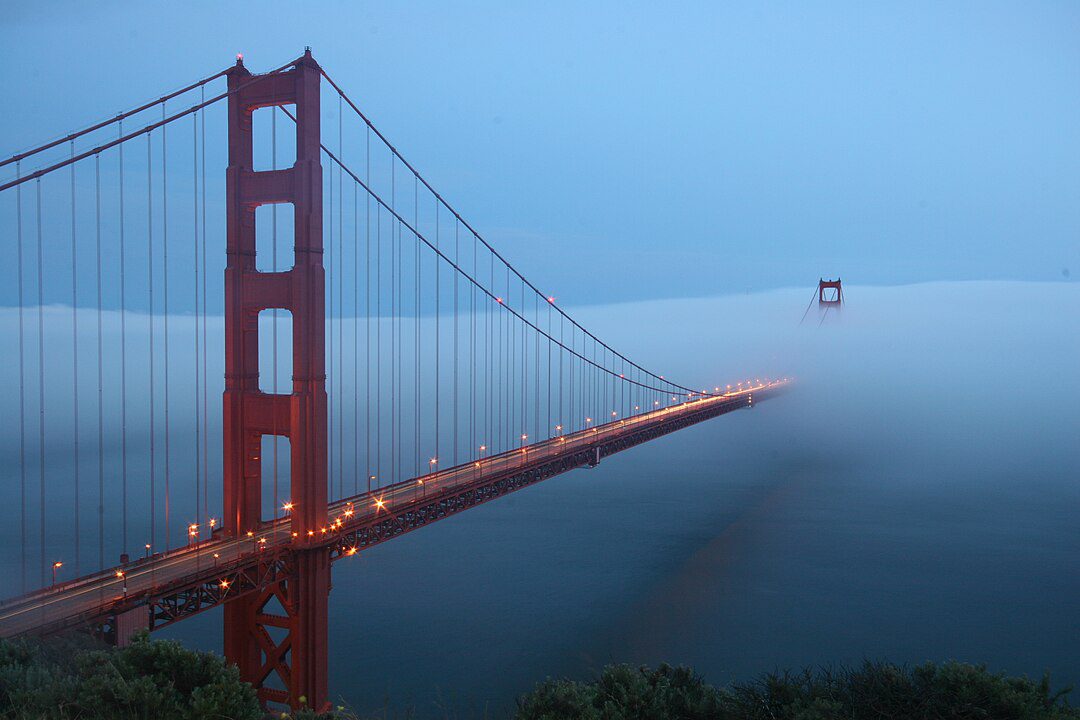
People love the city’s beauty, food, and innovation scene, but the cost of daily life hits harder than most newcomers expect. Rent remains among the highest in the country, and even basic groceries cost more than national averages. Many who arrive for tech jobs quickly feel squeezed by housing scarcity, long waitlists for childcare, and constant competition for space. Add in the visible homelessness crisis and a complicated public transportation system, and a lot of residents end up feeling priced out or emotionally drained far sooner than they imagined.
2. Los Angeles, California
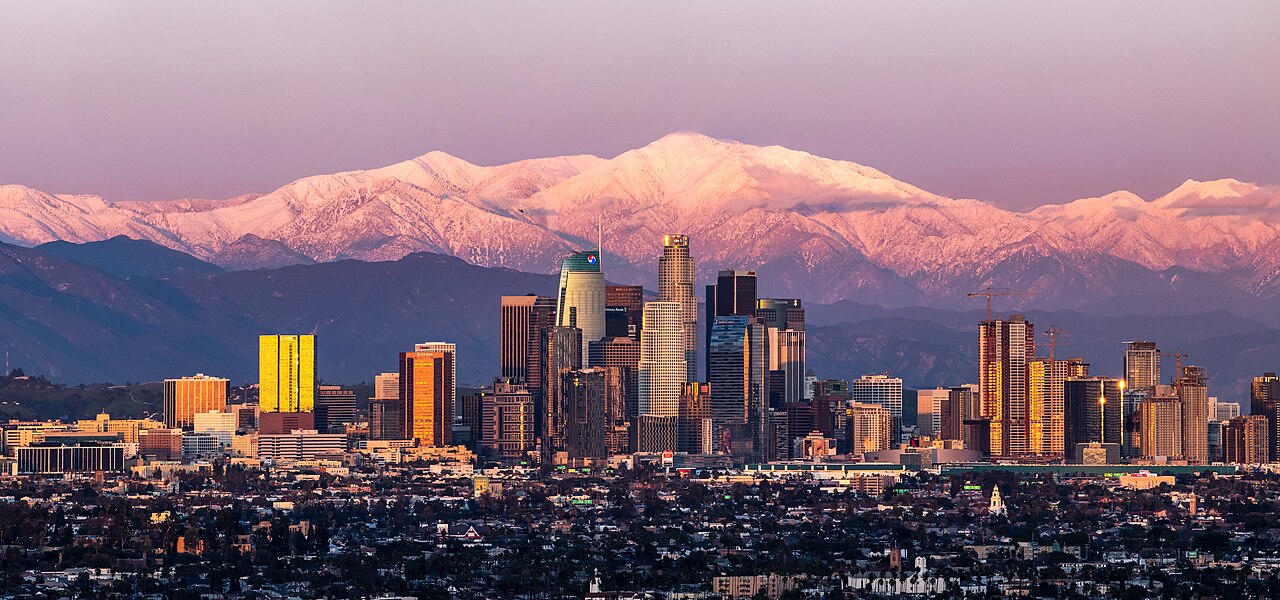
LA promises sunshine and opportunity, yet the reality often revolves around traffic and staggering rent. Commutes can easily stretch past an hour each way, and newcomers often say they underestimate how isolating a car-dependent city feels. While job opportunities exist, they’re heavily concentrated in entertainment, tech, and service roles, which can leave others struggling to find steady careers. Many also mention that LA’s glamour fades once they realize how uneven neighborhoods are in terms of safety, infrastructure, and affordability.
3. Miami, Florida

Miami looks like paradise from the outside, but high living costs, hurricane anxiety, and low wages leave many residents frustrated. People often cite the gap between luxury tourism and everyday life: housing prices rise each year, insurance premiums keep climbing, and traffic congestion worsens as the population grows. The party reputation is fun for visitors but exhausting for full-time residents who want calmer neighborhoods and accessible services. Many newcomers eventually say the lifestyle feels less sustainable than they hoped.
4. New York City, New York
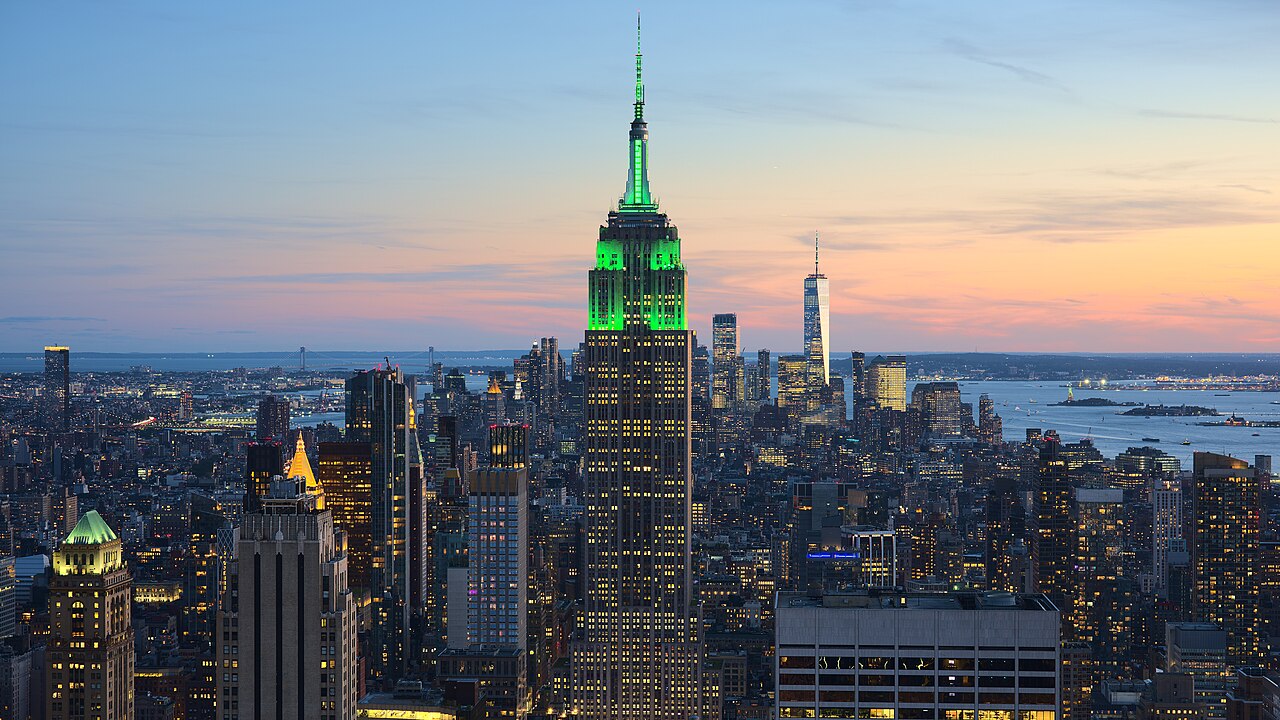
NYC has unmatched energy, but living here requires accepting cramped apartments, relentless noise, and the country’s highest rent per square foot. Many transplants say the city runs on adrenaline until suddenly it doesn’t. Between rising grocery prices, slow subway repairs, constant construction, and the pressure to out-earn your bills every month, burnout is extremely common. The city is magical for a while, but plenty of people leave because the grind never lets up.
5. Chicago, Illinois
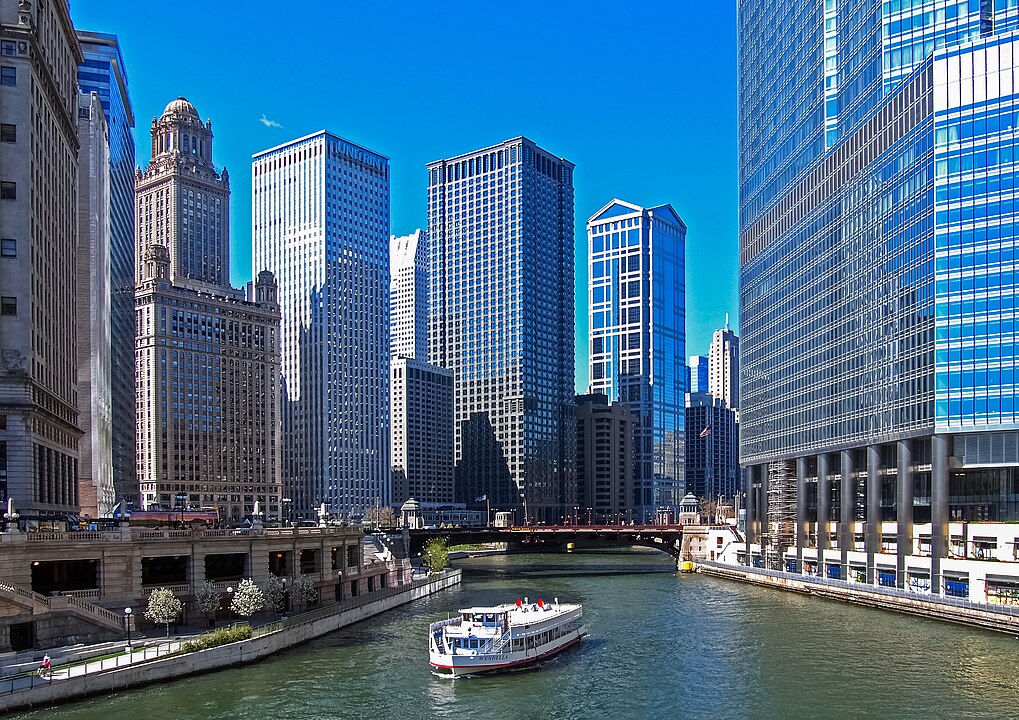
Chicago wins people over with its skyline and culture, but residents often feel stuck between affordability and safety concerns. While rent is cheaper than coastal hubs, property taxes run high, and winter utilities add extra weight to monthly budgets. The bigger issue many regretful movers cite is crime in certain neighborhoods and the feeling that the city is unevenly resourced. Add in long winters that stretch into April, and a lot of newcomers start looking south after a few years.
6. Phoenix, Arizona
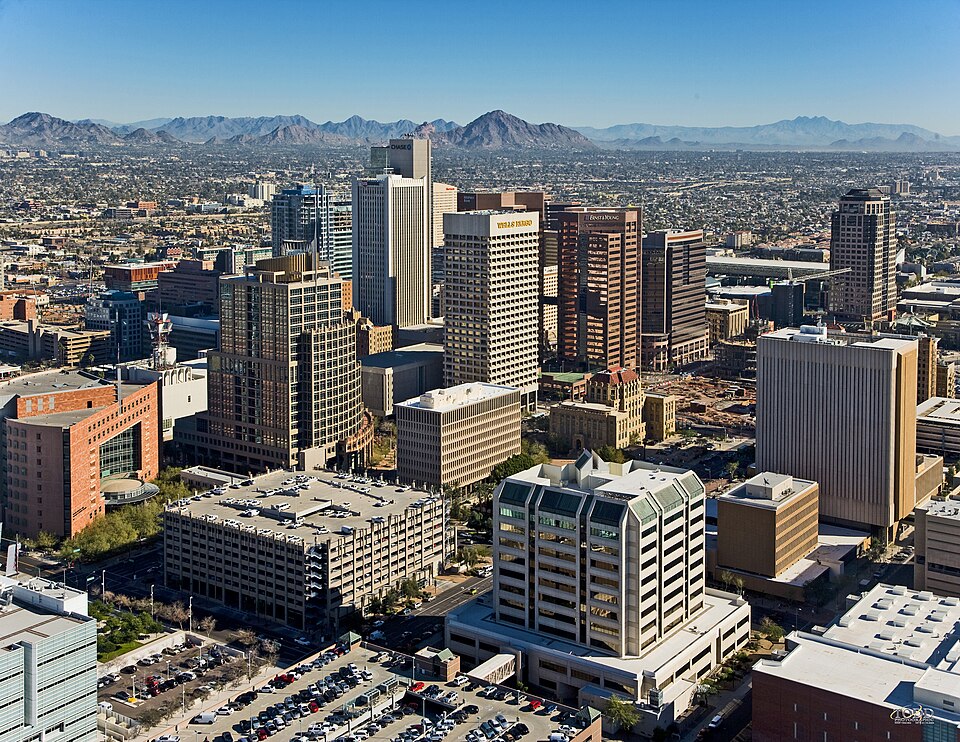
Phoenix sells the idea of affordable desert living, but many who move there say the summers are harder to survive than they expected. Multiple months above 110°F make outdoor life almost impossible, and air-conditioning bills climb fast. As the population grows, traffic and housing prices continue to rise, shrinking the affordability gap that once drew people in. Some also feel the city lacks walkable neighborhoods and cultural depth compared with older metro areas, leading to relocation regret once the novelty wears off.
7. Las Vegas, Nevada
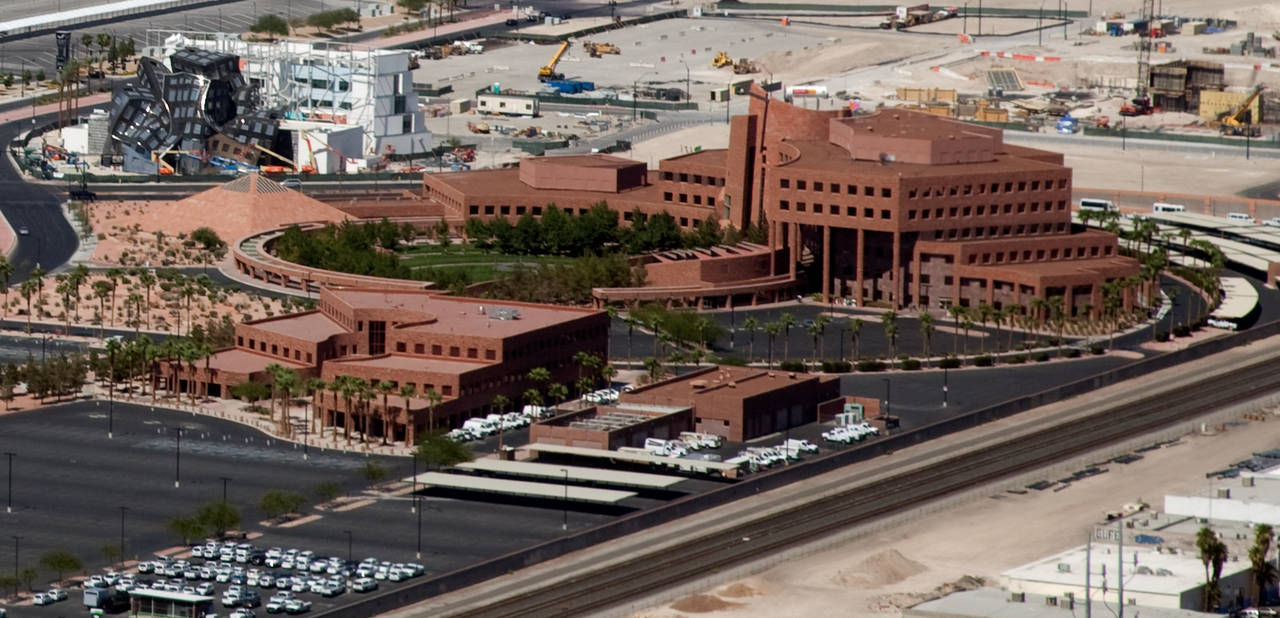
People arrive expecting excitement, low taxes, and sunshine. What they discover is that the Strip is a tourist bubble, not a local lifestyle. Outside that zone, infrastructure sometimes lags behind rapid growth, schools rank below national averages, and extreme heat shapes nearly every part of daily life. Many residents say they regret how transient the city feels, friends move often, jobs shift quickly, and the pace can feel unstable. The cost of living is rising too, weakening Vegas’s old reputation as a budget-friendly home base.
8. Portland, Oregon
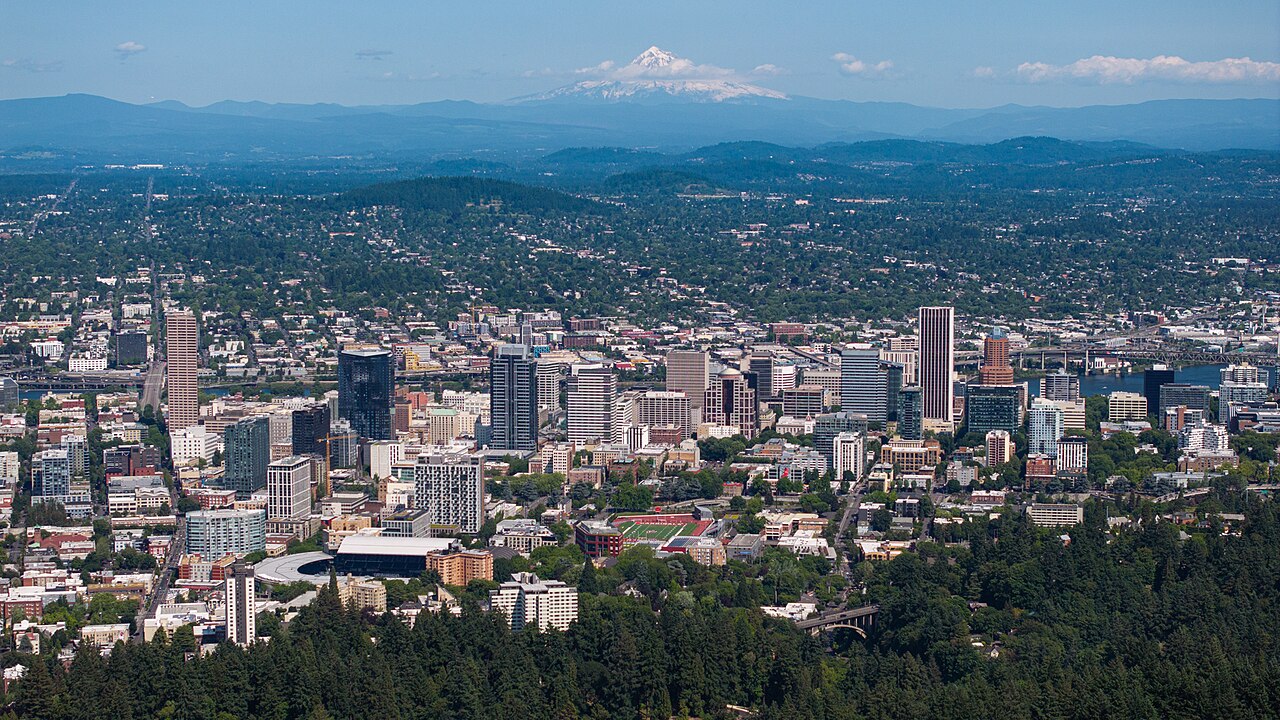
Portland has long been known for creativity and outdoor access, but recent years have brought rising housing costs, rising homelessness, and lingering political tension. Newcomers often say they expected a peaceful, eco-friendly paradise but instead found worsening traffic and neighborhoods with visible decline. Some also mention difficulty finding high-paying jobs outside of tech and healthcare. The rainy, gray season stretches much longer than many people expect, and that weather alone pushes plenty of residents to reconsider staying.
9. Austin, Texas
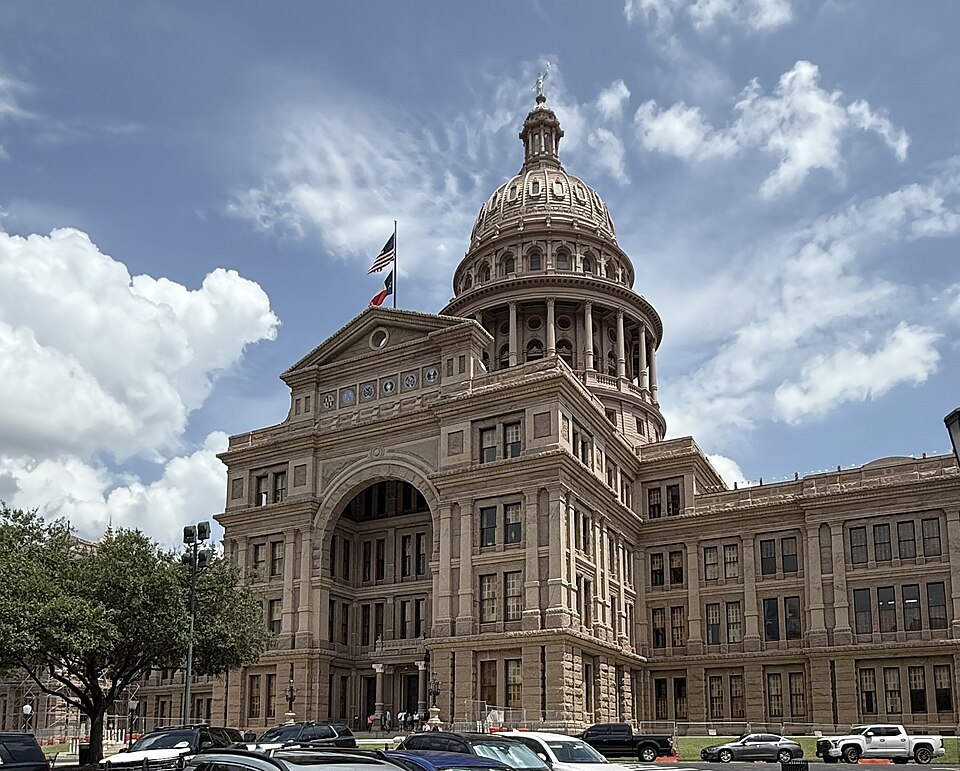
Austin’s boom attracted remote workers, tech companies, and thousands of new arrivals, but the sudden growth created growing pains. Housing prices skyrocketed, traffic gridlock became the norm, and longtime locals say the quirky culture that made Austin special is slowly fading. Many newcomers also find the job market overly concentrated in tech and hospitality, leaving fewer opportunities for other fields. Summer heat rivals Phoenix at times, and utilities strain under demand. A lot of people arrive excited and leave overwhelmed.
10. Seattle, Washington
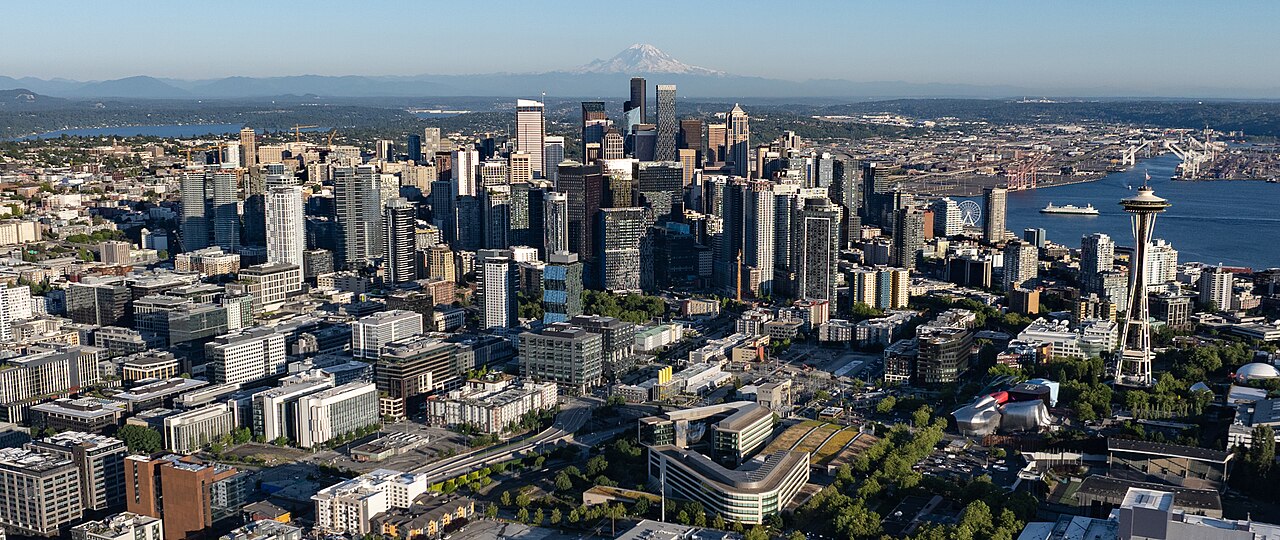
Seattle boasts natural beauty and strong job markets, especially in tech, but the cost of living rises every year. Rent, home prices, and childcare costs deter many newcomers, and the gray, rainy climate affects more people than they expect. Some residents say the “Seattle Freeze”, the perception that people are polite but distant, makes it hard to build community. Add in long commutes and ongoing debates over homelessness and zoning, and many transplants decide the city isn’t the long-term fit they hoped for.