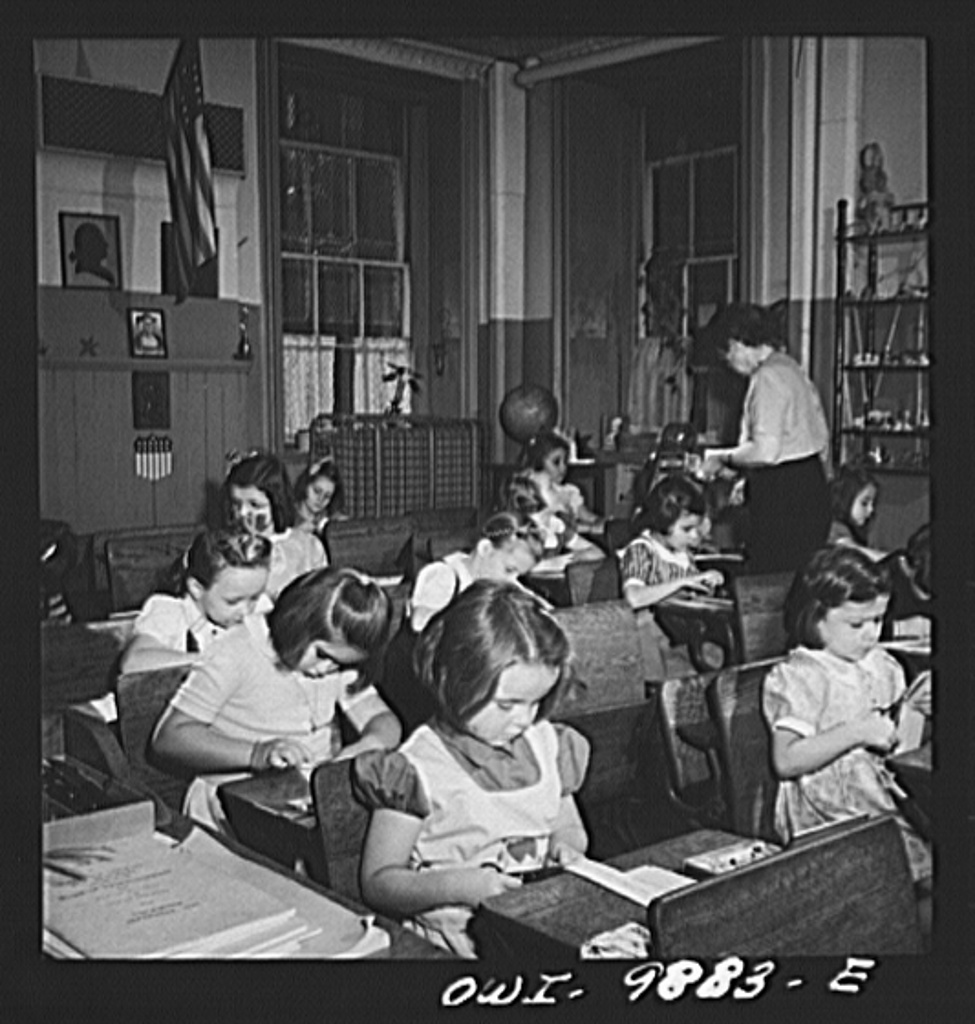
In 1962 the scissors a child was handed at school were deliberately blunt, and that was the correct decision. A blade that cannot easily injure a five-year-old also cannot easily get through paper, which meant children were being taught a skill with an implement barely capable of performing it. That is why so many people remember the frustration far more clearly than they remember learning anything. Here are fourteen things every American kid remembers about learning to use scissors in 1962, and what schools changed about all of it.
1. The Ones You Were Given Barely Cut Anything
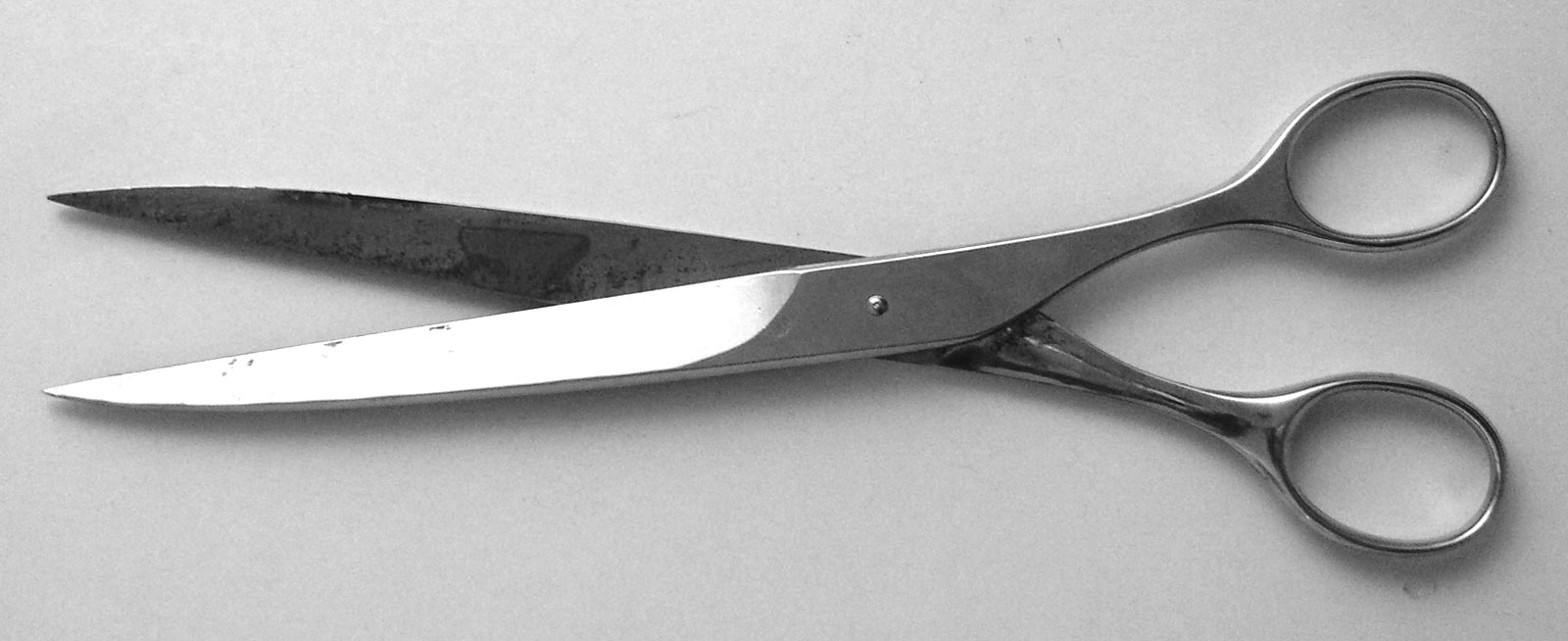
Children’s scissors of the period were deliberately blunt, which made them safe and made them almost useless.
The trade-off was understood and accepted. A blade that cannot easily injure a child also cannot easily get through paper, which meant the tool handed to a five-year-old was designed around the first consideration entirely.
That created a strange situation. Children were being taught a skill with an implement incapable of performing it properly, which is why so many people remember the frustration far more clearly than they remember learning anything.
Like our content? Follow us for more.
2. The Rounded Ends Were the Whole Design and They Were Right
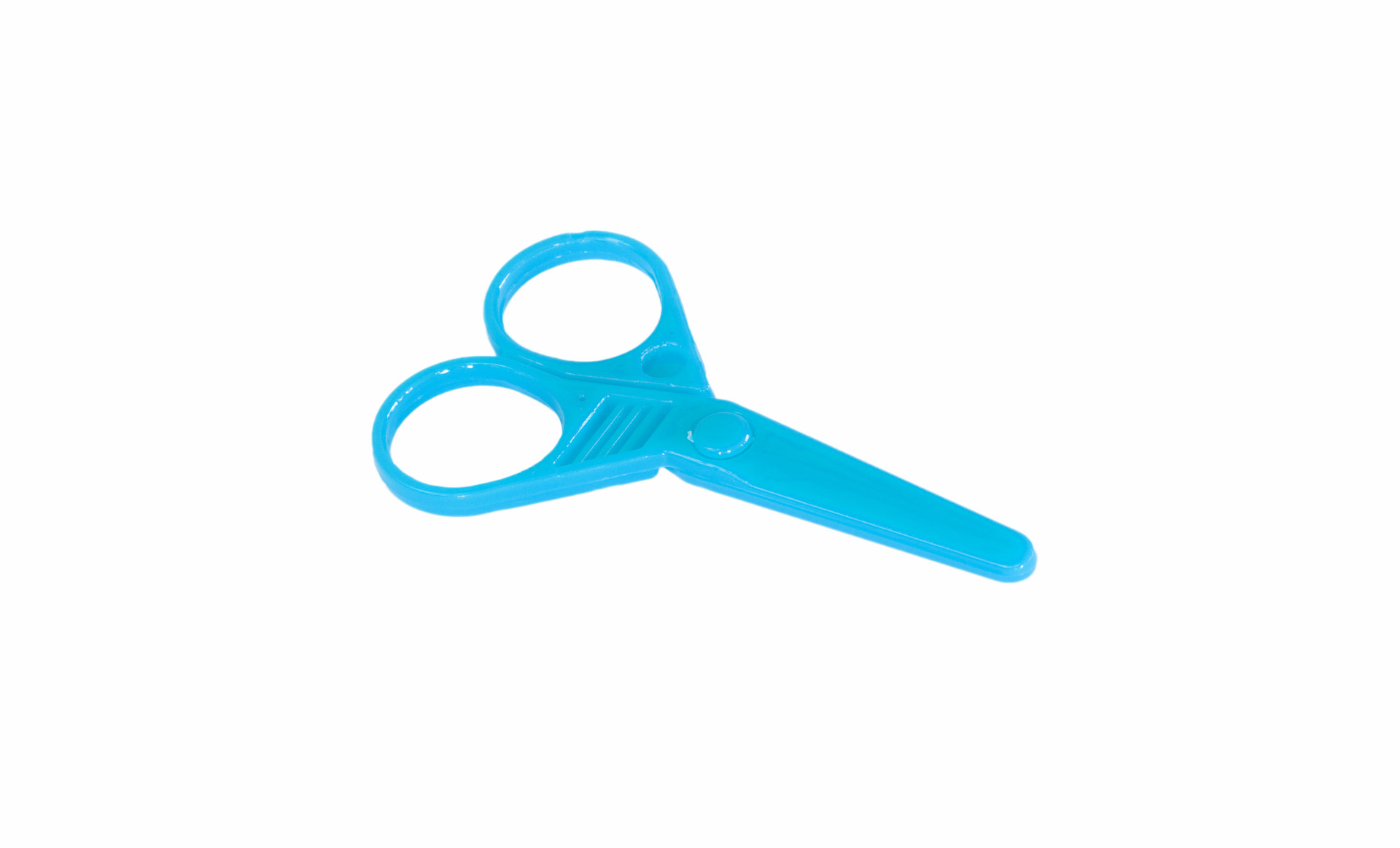
Blunt tips were the one safety feature these tools had, and they were the correct decision.
The reasoning holds up completely. A pointed blade in a child’s hand is a genuine hazard and a rounded one is considerably less so, and that single modification is the reason the tool could be handed out at all.
Modern standards go much further and should. Nothing in this piece should be read as describing how any child ought to be equipped, and present-day thinking about children and cutting tools is better informed in every respect.
3. Holding Them Correctly Had to Be Taught Deliberately
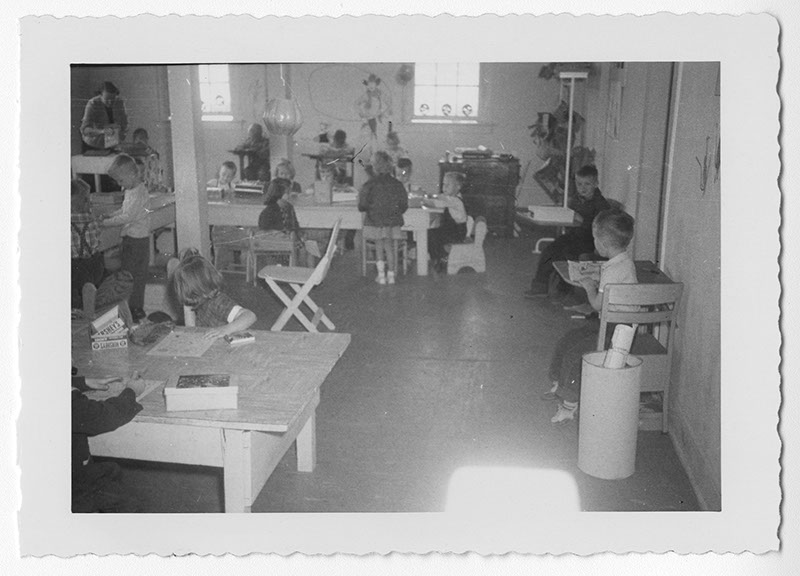
Which fingers went where was not obvious, and almost every child got it wrong at first.
The grip is genuinely counterintuitive. The hand position required to open and close a pair of scissors with control is not the one a child adopts naturally, and the difference between the two produces completely different results.
Teachers therefore demonstrated it individually. This is one of the few school skills that could not be taught to thirty children at once, which meant an adult went round the room adjusting hands one at a time.
The demonstration also had to be repeated. A grip corrected on Tuesday had usually reverted by Thursday, because the natural hand position reasserts itself the moment nobody is watching, which meant the same adjustment was made to the same child several times over a term before it took.
4. Left-Handed Children Had a Genuinely Worse Time
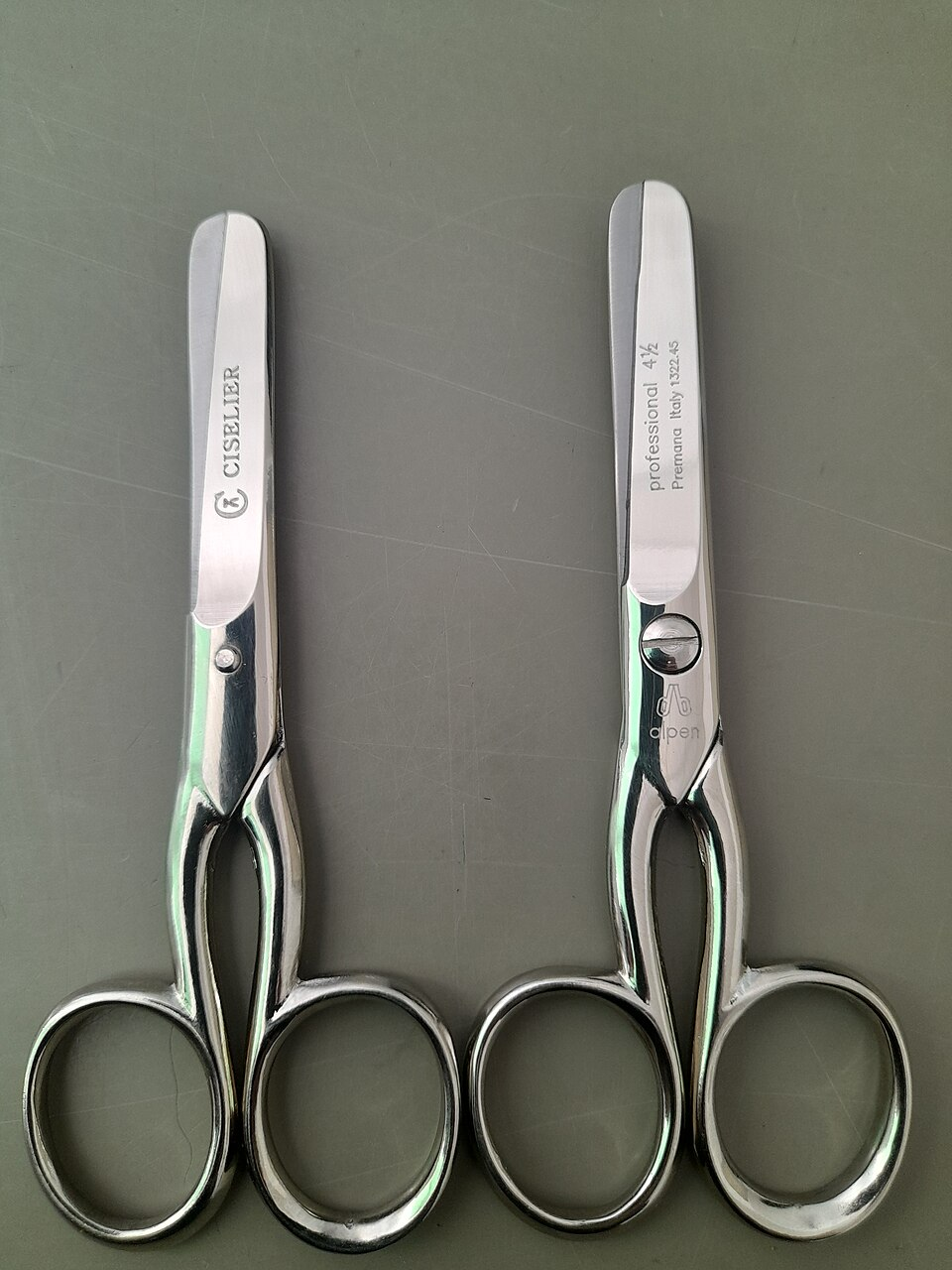
Ordinary scissors are built for one hand, and the children who used the other one were simply expected to manage.
The problem is mechanical rather than a matter of preference. The blades of a standard pair close in a way that works with one hand and obscures the cutting line with the other, which makes an accurate cut considerably harder.
Almost nobody addressed it. A proportion of left-handed children of that period concluded they were bad at this, when in fact they were using equipment that was working against them, and some of them did not find that out for decades.
5. Cutting on the Line Was the Entire Test
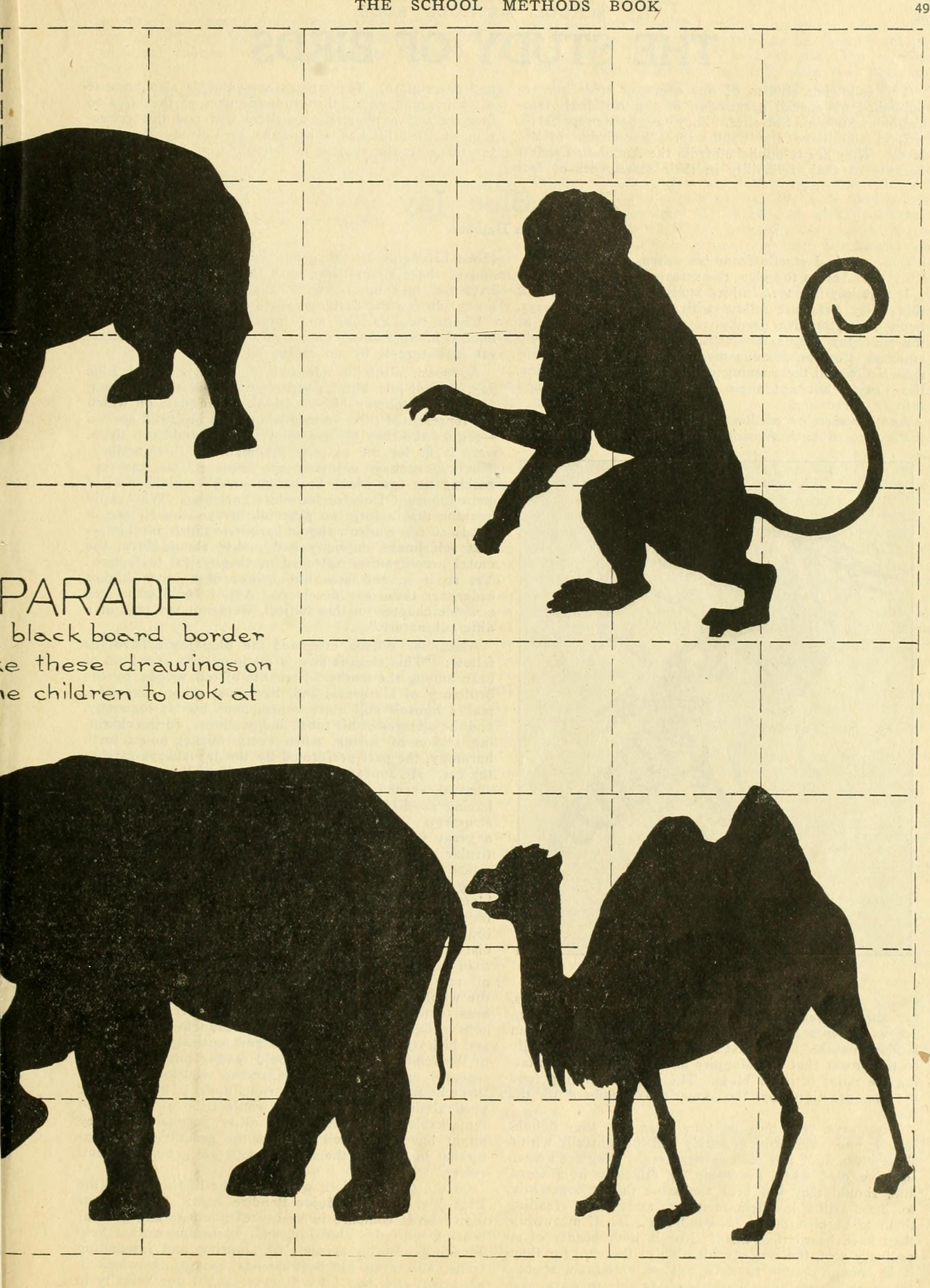
Success was measured by how closely the cut followed a printed line, and nothing else about the work mattered.
The criterion was chosen for being assessable. A line gives an objective standard a teacher can mark quickly across thirty pieces of work, which is why it became the measure rather than anything about what the child had made.
Children knew exactly where they stood. A cut either followed the line or visibly did not, which makes this one of the few early school tasks where self-assessment was immediate and completely honest.
6. You Were Not Allowed to Turn the Paper and Everybody Did
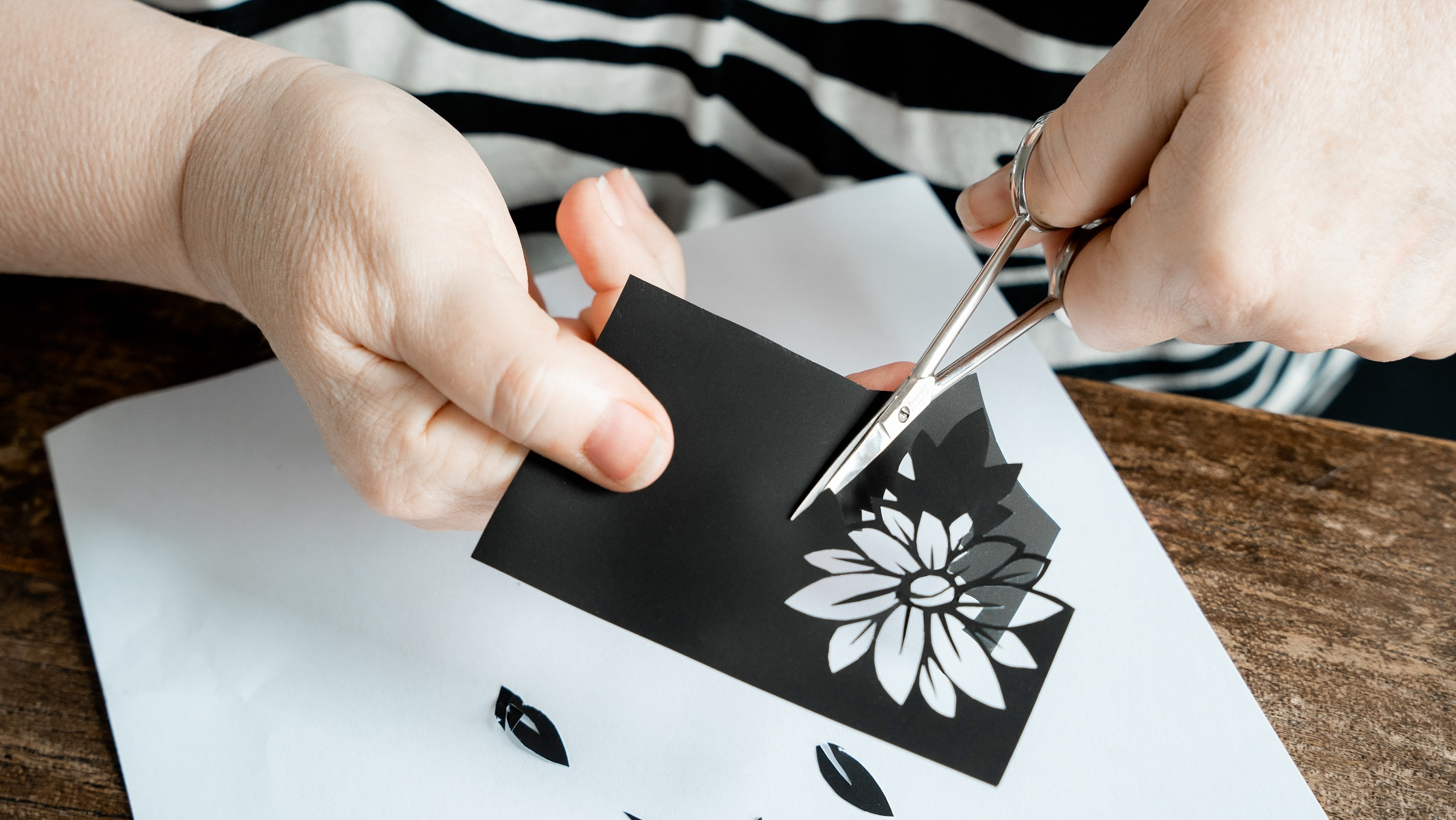
The taught method involved moving the scissors, and the discovered method involved moving the paper.
Both approaches work and one is easier. Rotating the sheet into the blades rather than steering the blades round the sheet produces a better curve with less effort, and children worked that out quickly.
Teachers were divided about it. Some regarded it as a sensible adaptation and some as avoiding the lesson, which meant the same technique was praised in one classroom and corrected in another.
The line also made the task harder than free cutting. A child cutting wherever they liked produces something perfectly acceptable, and a child cutting against a printed standard produces something measurably wrong, which means the assessment criterion had introduced failure into a task that did not previously contain any.
7. The Blister Between Thumb and Finger Was Universal
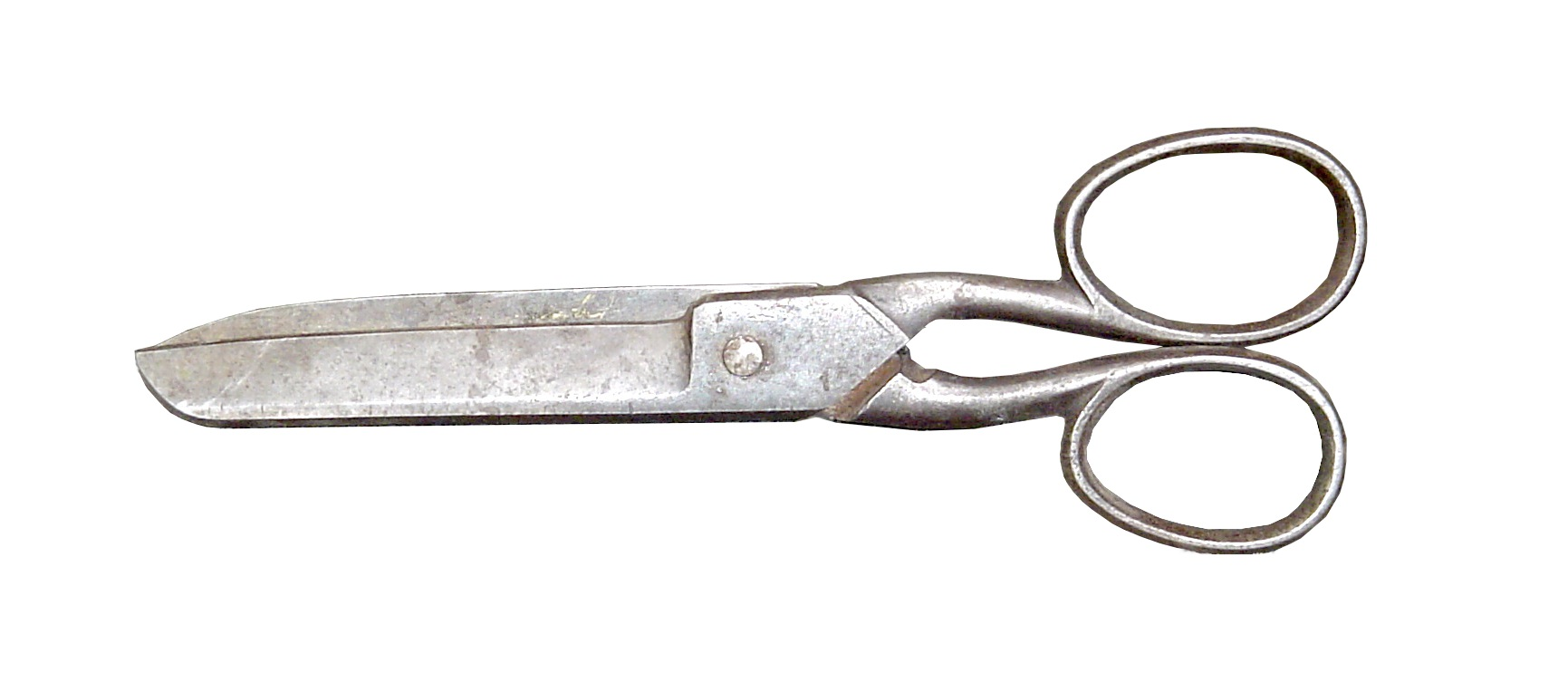
Extended use produced a specific sore spot, and every child who did a long cutting task got one.
The cause was the handles. Thin, hard loops bearing against the same two points for an hour will mark the skin, and the tools of the period had no padding or shaping of any kind.
Nobody treated it as a problem. A child with a sore hand was told to carry on, which is a reasonable description of how most minor physical discomfort at school was handled at the time.
8. Carrying Them Was Governed by an Absolute Rule
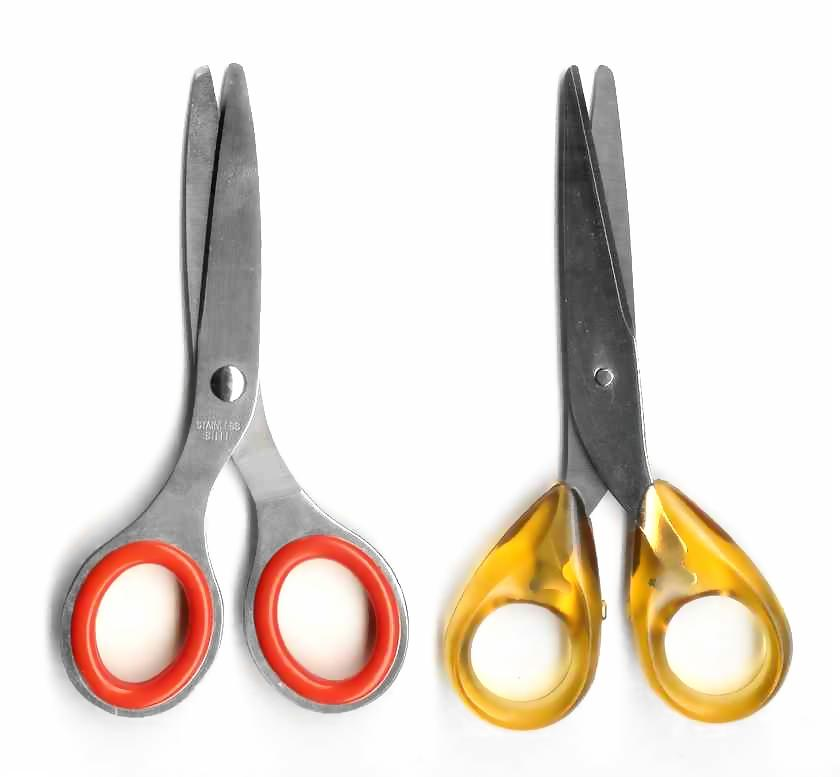
Walking anywhere with scissors required holding them in a specific way, and the rule was enforced without exception.
The instruction was sound and remains so. A child moving through a crowded room with a cutting tool held carelessly is a plainly bad idea, and the convention of carrying them closed and gripped by the blades addresses it directly.
It is the one part that stuck. A great many adults still carry scissors that way without knowing why, which makes this one of the most successful pieces of instruction school of that period ever delivered.
9. The Class Had a Limited Supply and You Did Not Choose Yours
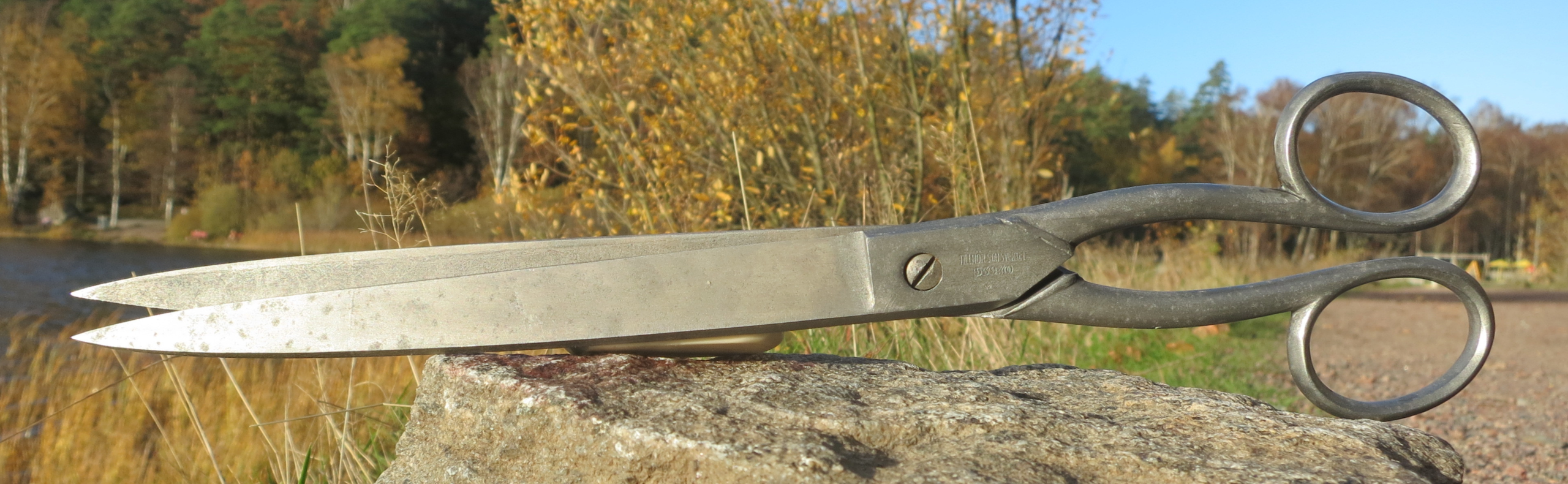
A set of scissors served the whole room, which meant the pair you got was whichever one was left.
The distribution produced real inequality. Some pairs cut tolerably and some did not cut at all, and a child handed a bad pair was going to produce worse work through no fault whatever of their own.
Children learned to compete for the good ones. Knowing which pair was which, and getting to the box early, was a small piece of practical knowledge every class acquired within a fortnight.
The variation also made comparison between children meaningless and nobody acknowledged that. Two pieces of work marked against the same standard had been produced with tools of completely different quality, which is a confounding factor that any assessment of the period simply ignored.
10. Cutting Out Was Most of What Early School Work Actually Was
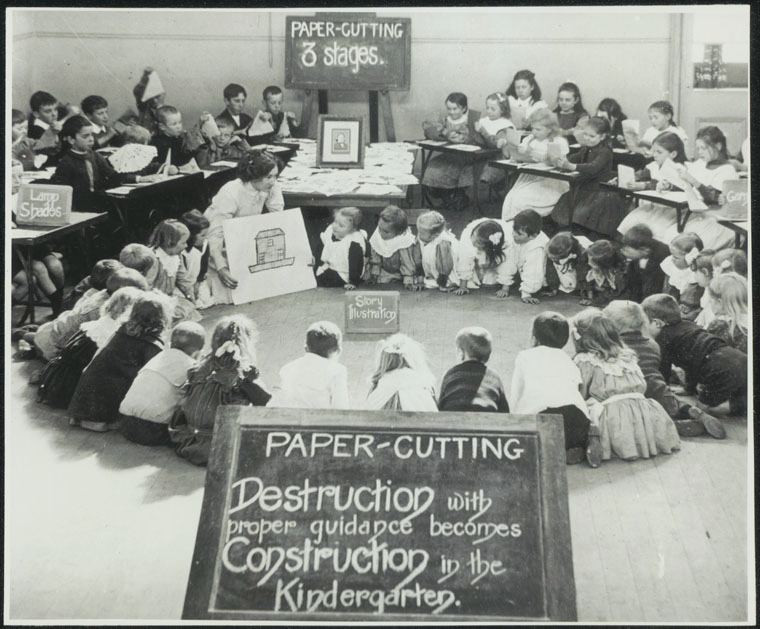
An enormous proportion of a young child’s school output involved separating shapes from sheets.
The prevalence had a practical basis. A task that occupies a room full of young children productively, requires little supervision and produces something to display is extremely useful to a teacher, whatever its educational content.
It produced a vast quantity of paper. The volume of cut shapes generated by a single class in a single year is remarkable, and almost none of it survives anywhere.
11. What You Cut Out Was Almost Always Someone Else’s Drawing
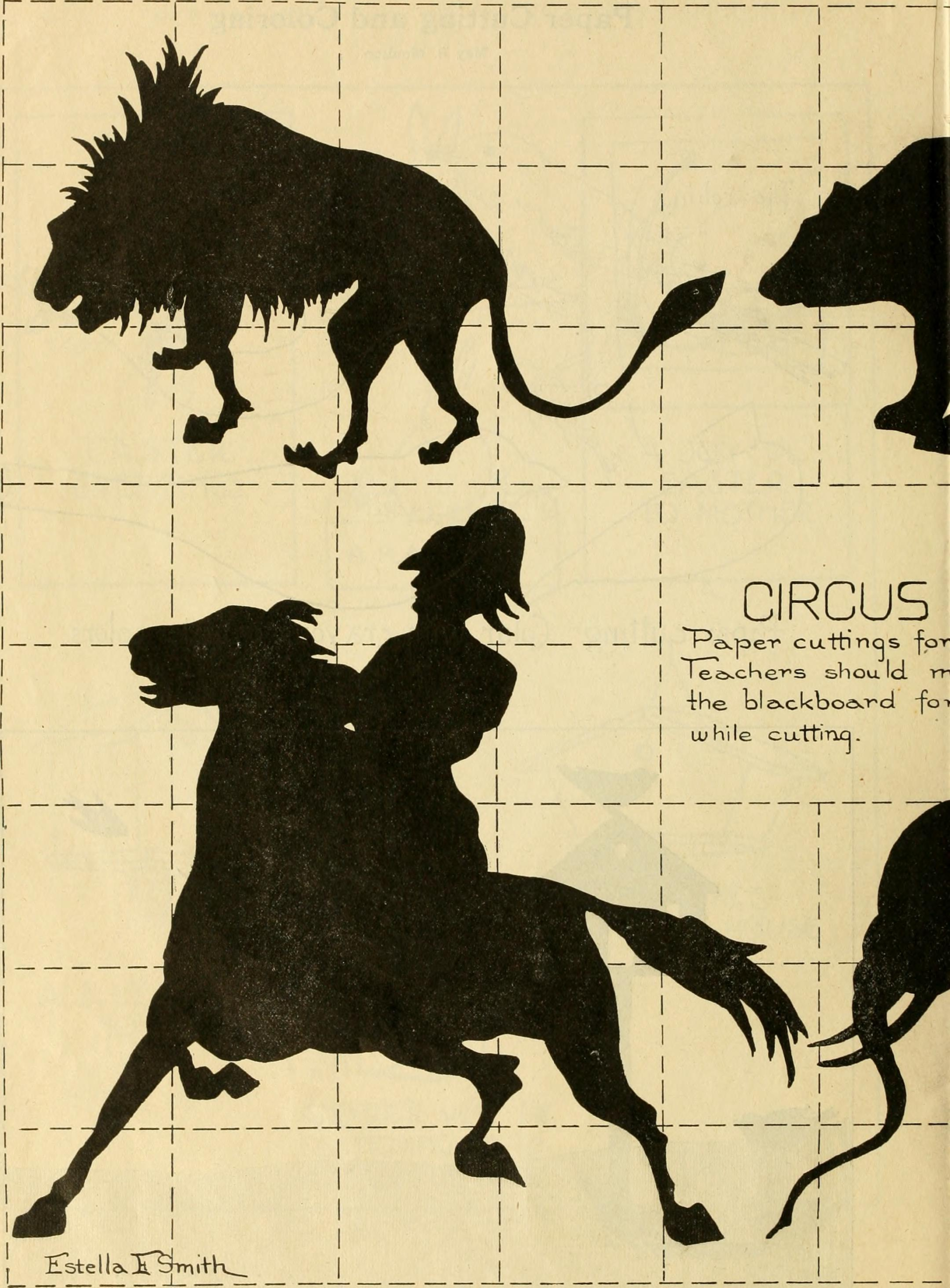
The shapes came printed on sheets, which meant the child’s contribution was the cutting rather than the design.
The arrangement was about reliability. A printed outline produces a recognisable result from any child, and a drawing by the child themselves produces something that may not work at all, which is a risk a lesson could not absorb.
A proportion of children minded. The understanding that you were finishing somebody else’s work rather than making your own arrived early for some children and not at all for others.
12. The Scraps Were the Best Part and You Had to Throw Them Away
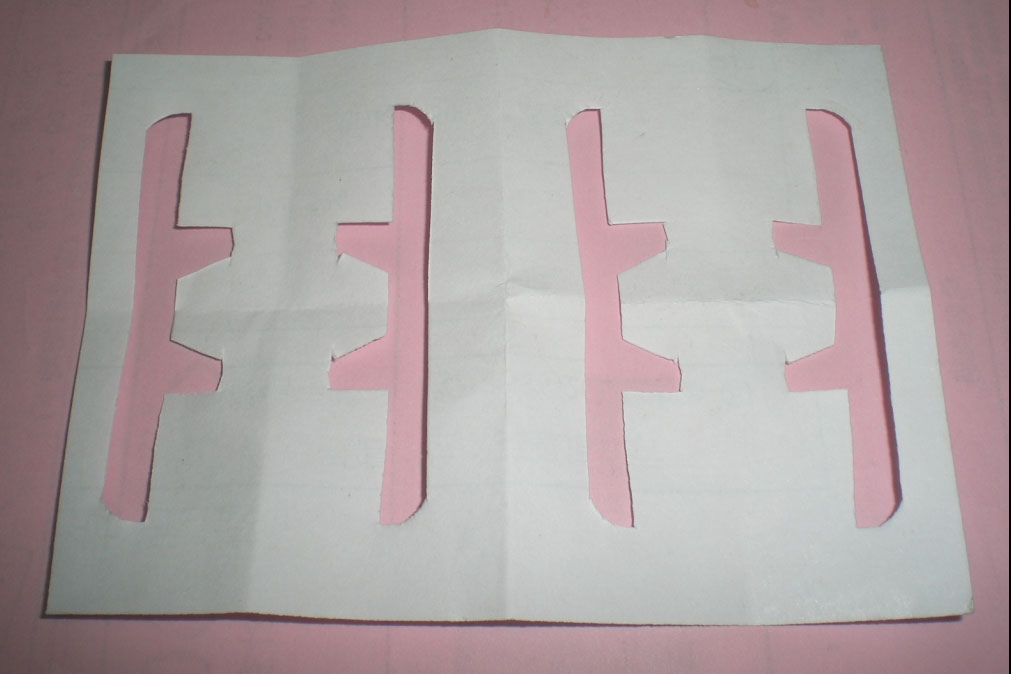
What was left over after the shape came out was more interesting than the shape, and it went in the bin.
The waste was structural. A task defined by producing one specific object treats everything else as rubbish, regardless of what a child might have done with the offcuts given the opportunity.
Children smuggled them out routinely. Pockets full of paper scraps taken home from school, for purposes nobody could articulate, is one of the more universal and least recorded childhood behaviours of the period.
There was also a second economy in the offcuts that adults never saw. Scraps changed hands between children, were saved in desks and were occasionally the basis of whole private projects conducted alongside the official one, none of which appears in any record of what those lessons were for.
13. Somebody Always Cut Something They Should Not Have
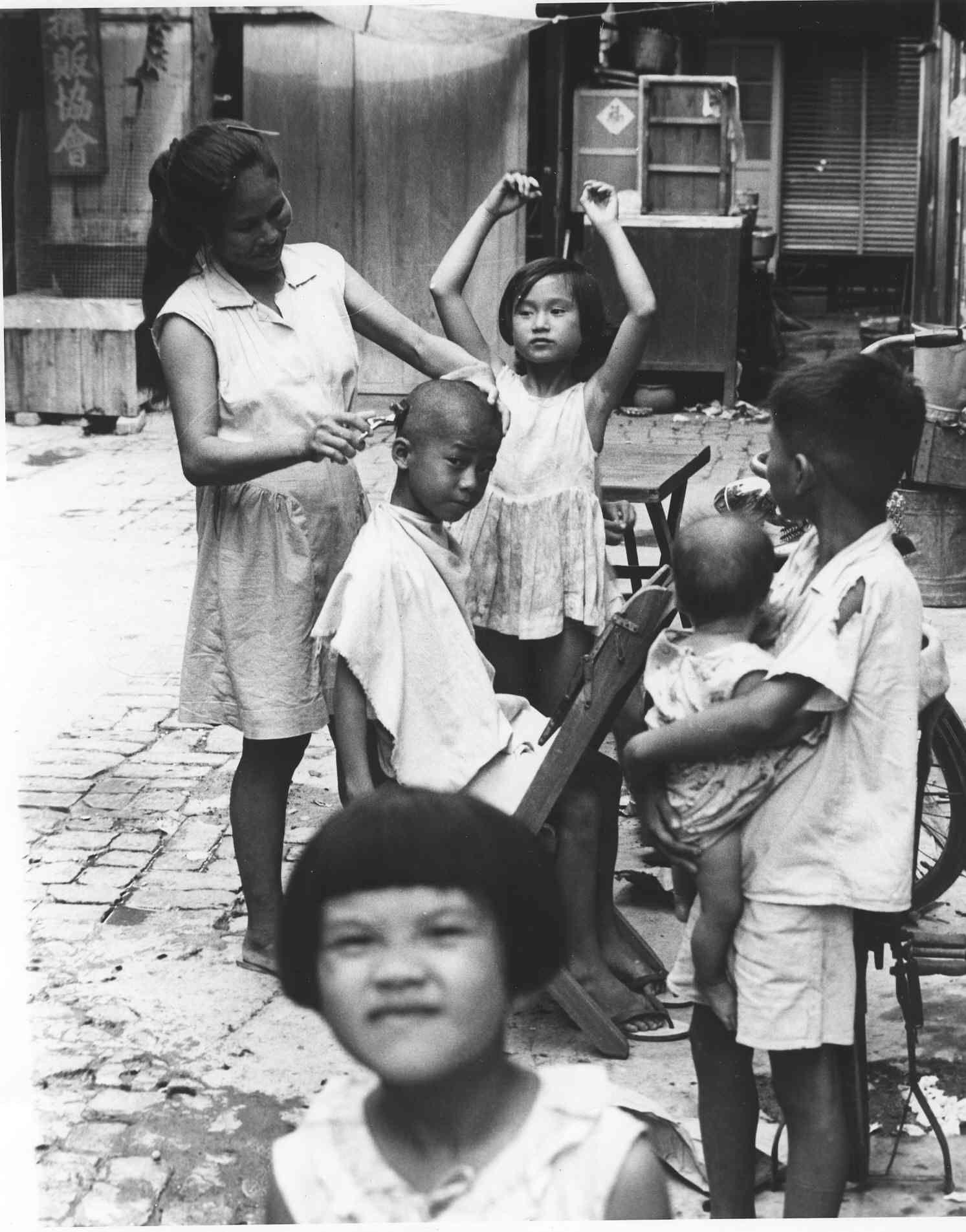
Hair, clothing, a book, a tablecloth or somebody else’s work went under the blades in every class, every year.
The inevitability was a matter of numbers. Give thirty young children a cutting tool for a sustained period and something unintended will be cut, which every teacher of the period understood and planned around.
It was handled as a nuisance rather than an emergency. The incident was dealt with, the item was usually unsalvageable, and the whole thing was treated as an ordinary feature of teaching young children.
The response also varied enormously between teachers. Some treated it as a reason to collect the tools in early, some as something to mention before home time and some as simply the price of the lesson, and the same incident could produce three completely different afternoons depending on whose room it happened in.
14. Then Everything About How Children Are Equipped Changed
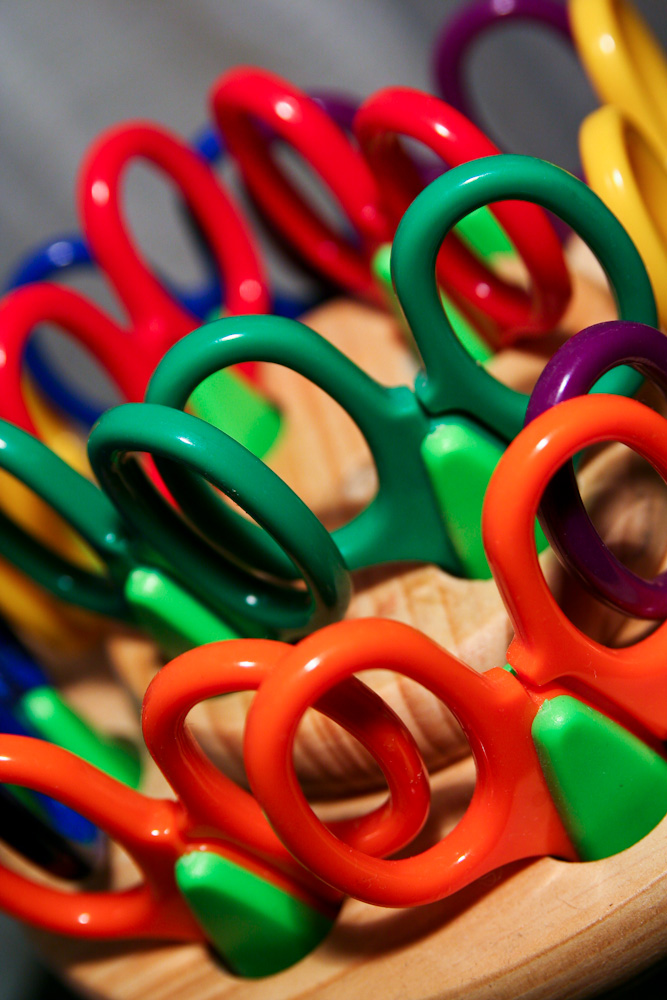
Better designed tools, properly shaped handles, equipment made for left-handed children and far more thought about what young children are given removed almost all of this.
Every part of that change is an improvement. A tool that actually cuts, fits the hand and exists in a version for both hands is better in every respect than a blunt pair that marked the skin and worked against half the class.
What went with it is a specific early frustration. A five-year-old with a tool that would not do the job, a printed line they were being judged against, a sore spot between thumb and finger, a pair chosen for them by whoever reached the box first, and a pocketful of offcuts they were not supposed to have taken.
What Was Actually Being Taught
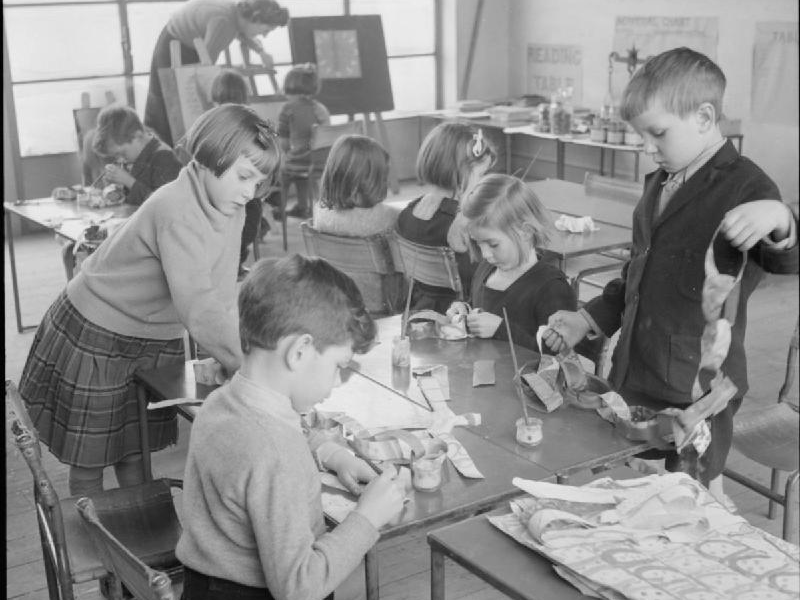
Read in order, the fourteen describe a lesson with two problems built into it. The first was the tool: blunt by design and correctly so, with thin hard handles that marked the hand after an hour, in a shared classroom set where some pairs cut tolerably and some did not cut at all – so a child handed a bad pair produced worse work through no fault of their own, and every class learned within a fortnight which pair was which and to get to the box early.
The second was the measure. Success meant following a printed line, because a line is the one thing a teacher can assess quickly across thirty pieces of work. That decided everything else: the shapes came pre-printed, so the child’s contribution was the cutting rather than the design; the offcuts were defined as rubbish however interesting they were; and children were being judged on accurately finishing somebody else’s drawing.
One group had it measurably worse. Standard scissors close in a way that obscures the cutting line for a left-handed child, which makes accuracy considerably harder – and almost nobody addressed it, so a proportion of those children concluded they were bad at this when in fact the equipment was working against them.
Two things in this piece are stated as endorsements of present-day practice rather than nostalgia. The rounded tips were the right call and modern standards go considerably further, which they should; nothing above should be read as describing how any child ought to be equipped. And the rule about how to carry them was sound then and remains sound now, which is why a great many adults still do it without knowing why.
What went with the old arrangement is a specific early frustration: a five-year-old with a tool that would not do the job, a printed line they were being judged against, a sore spot between thumb and finger, a pair chosen for them by whoever reached the box first, and a pocketful of offcuts they were not supposed to have taken.
Like our content? Follow us for more.