It took two people, it could not be done any other way, and one of them was usually about nine years old and had been called in from another room to do it. In 1964 folding a sheet was a cooperative operation with a fixed sequence, and the reason it required two people has nothing to do with anybody’s preference and everything to do with the size of the thing.
A Sheet Is Larger Than a Person’s Reach
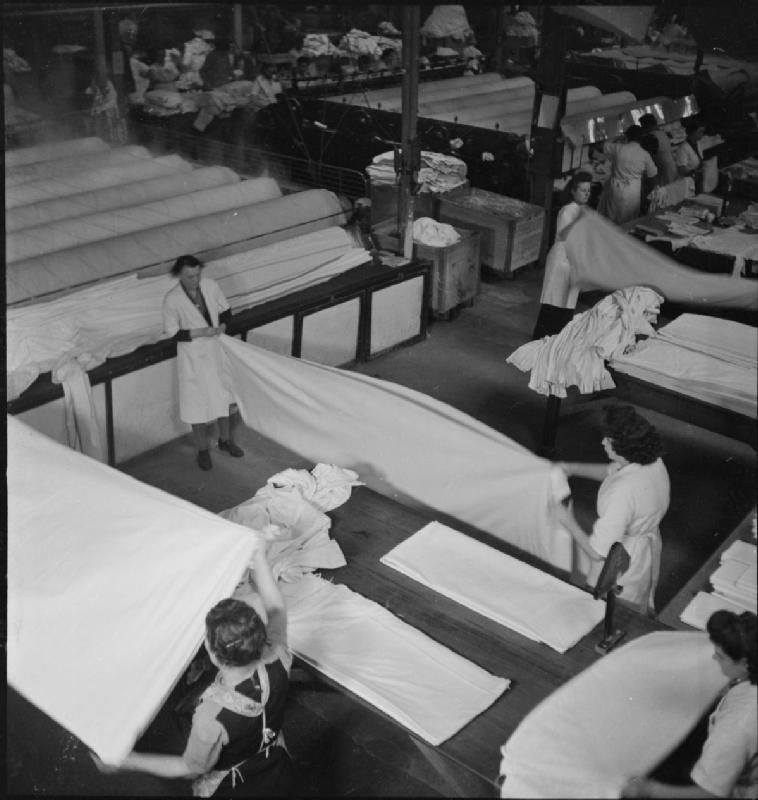
The object is wider than anybody’s arms, which means a single person cannot hold two corners apart and bring them together without the middle touching the floor.
That is the entire explanation for the whole practice. A dimension problem produces a labour problem, and a household with a quantity of large flat items to fold had no option but to recruit a second pair of hands every single time.
Like our content? Follow us for more.
The Second Person Did Not Need Any Skill
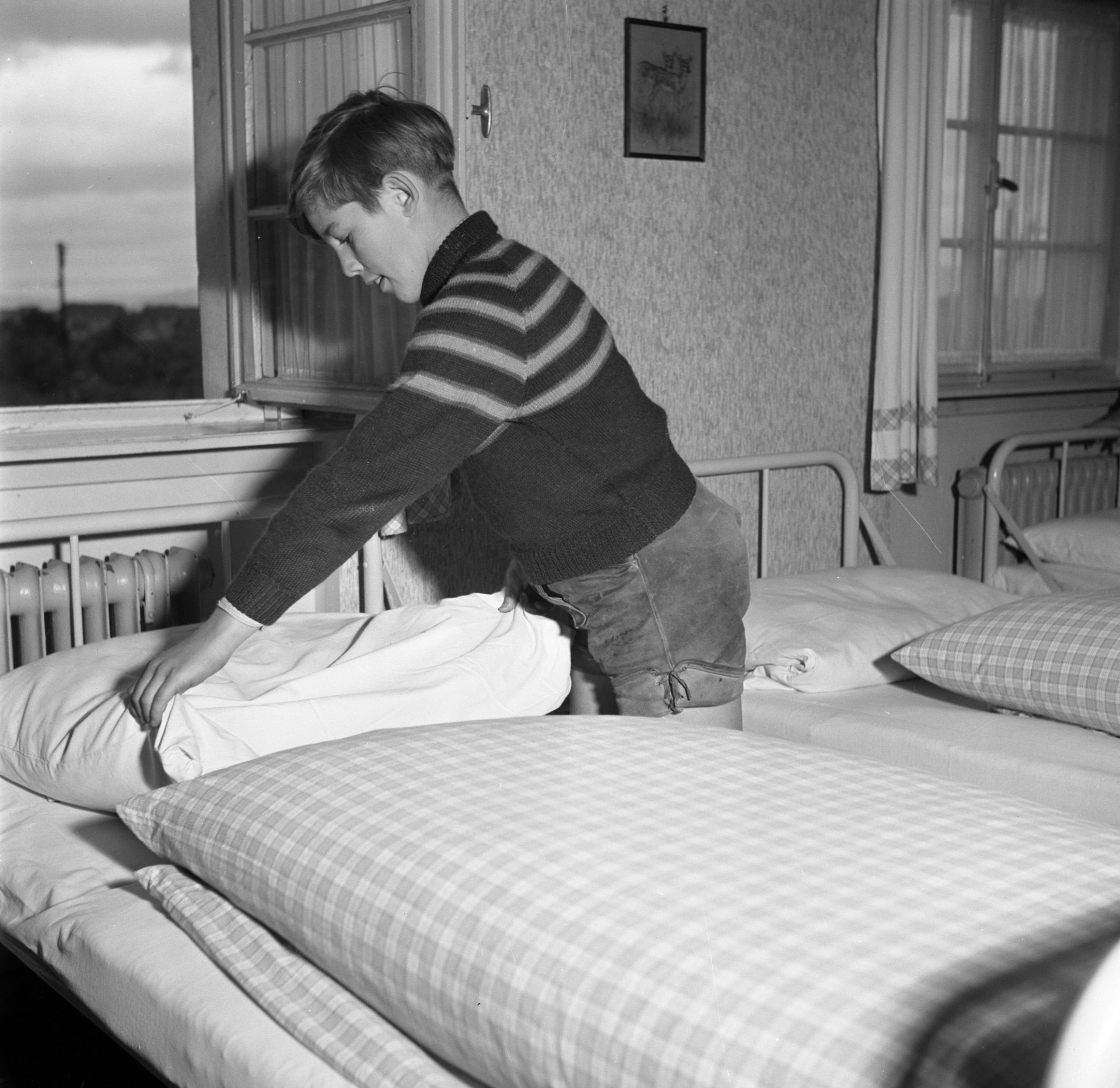
All that was required was to hold two corners, keep them at the same height and step towards the other person when told.
Which is why the job always went to a child. A task requiring height, patience and nothing else is exactly the sort of thing a household delegates downwards, and the delegation happened in every house with a child in it.
The Sequence Was Fixed and Was Never Explained
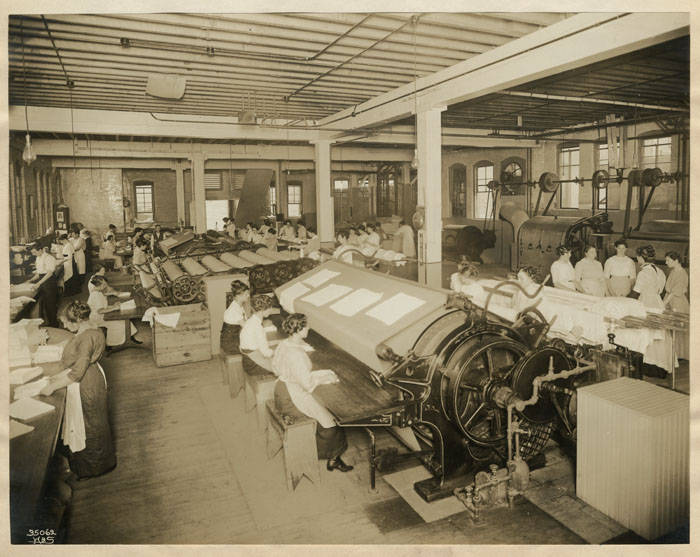
Two corners each, pull taut, walk in, hand over, turn, repeat – and nobody ever stated the order out loud.
The transmission was entirely physical. A child learned it by being positioned, told to hold, told to walk and told to let go, and after twenty repetitions could do it without any instruction at all.
Pulling It Taut Was the Part People Got Wrong
A sheet held loosely cannot be folded squarely, and the single most repeated correction in the whole business was an instruction to pull.
The Floor Was the Enemy and Everybody Watched It
A corner touching the ground meant the whole item was dirty again, which turned a trivial task into one with a real consequence attached.
That is the reason for all the holding and the pulling. An object that has just taken a full day to wash and dry can be ruined in one second by somebody letting go too early, and both participants knew exactly what the cost of carelessness was.
It is also why the job was done standing rather than at a table. No surface in the house was long enough, so the only available method was two people holding the thing in the air, which is a considerably more precarious arrangement than it needed to be.
The Fold Had to Be Square or the Cupboard Would Not Work
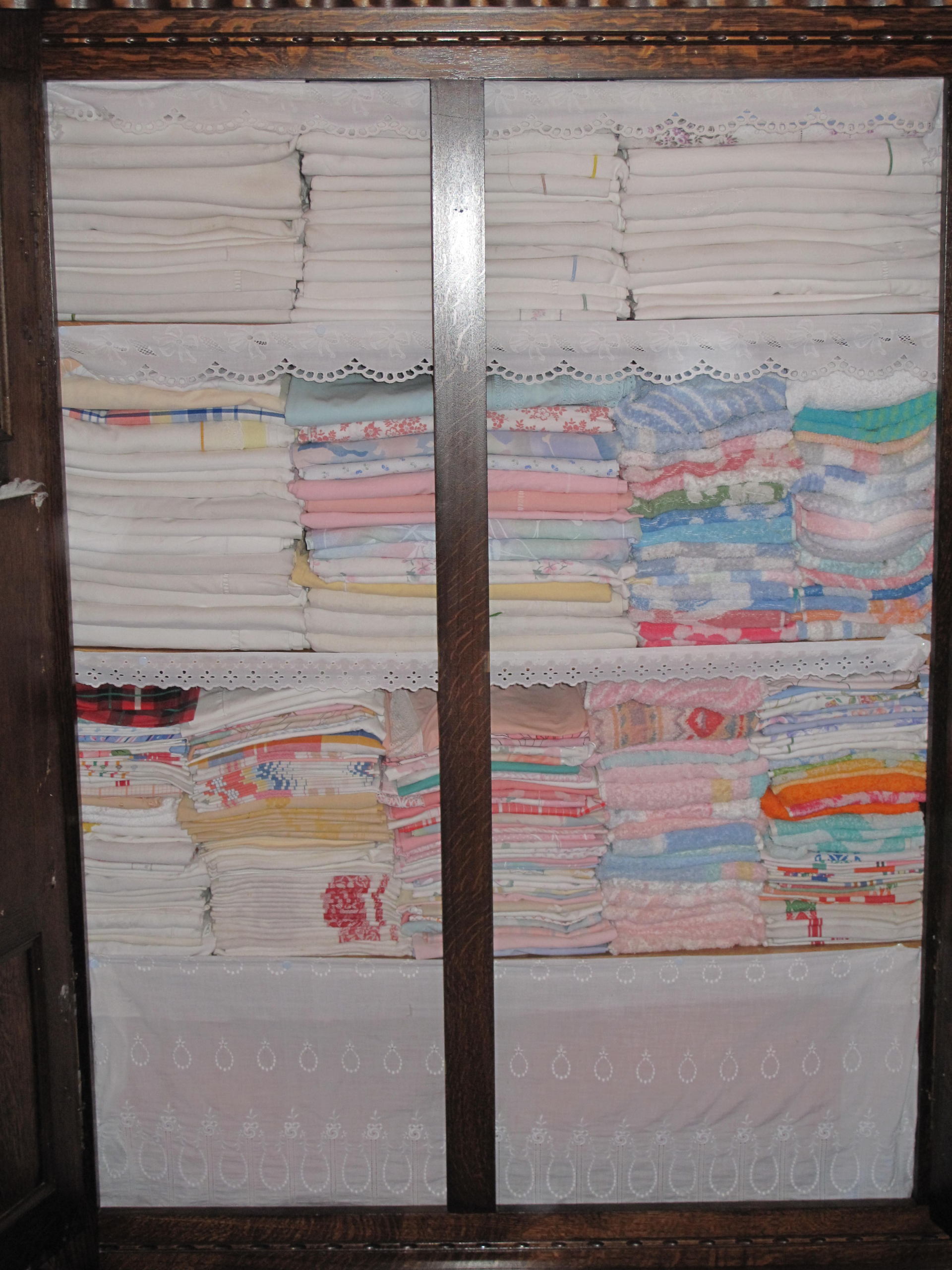
A linen cupboard holds a stack, a stack only stays upright if everything in it is the same shape, and a badly folded sheet destabilises the whole column.
The requirement was structural rather than aesthetic. Nobody cared what an individual item looked like; they cared that forty of them could be stacked in a confined space without the pile collapsing when something was removed from the middle.
The Fitted One Was the Universal Problem
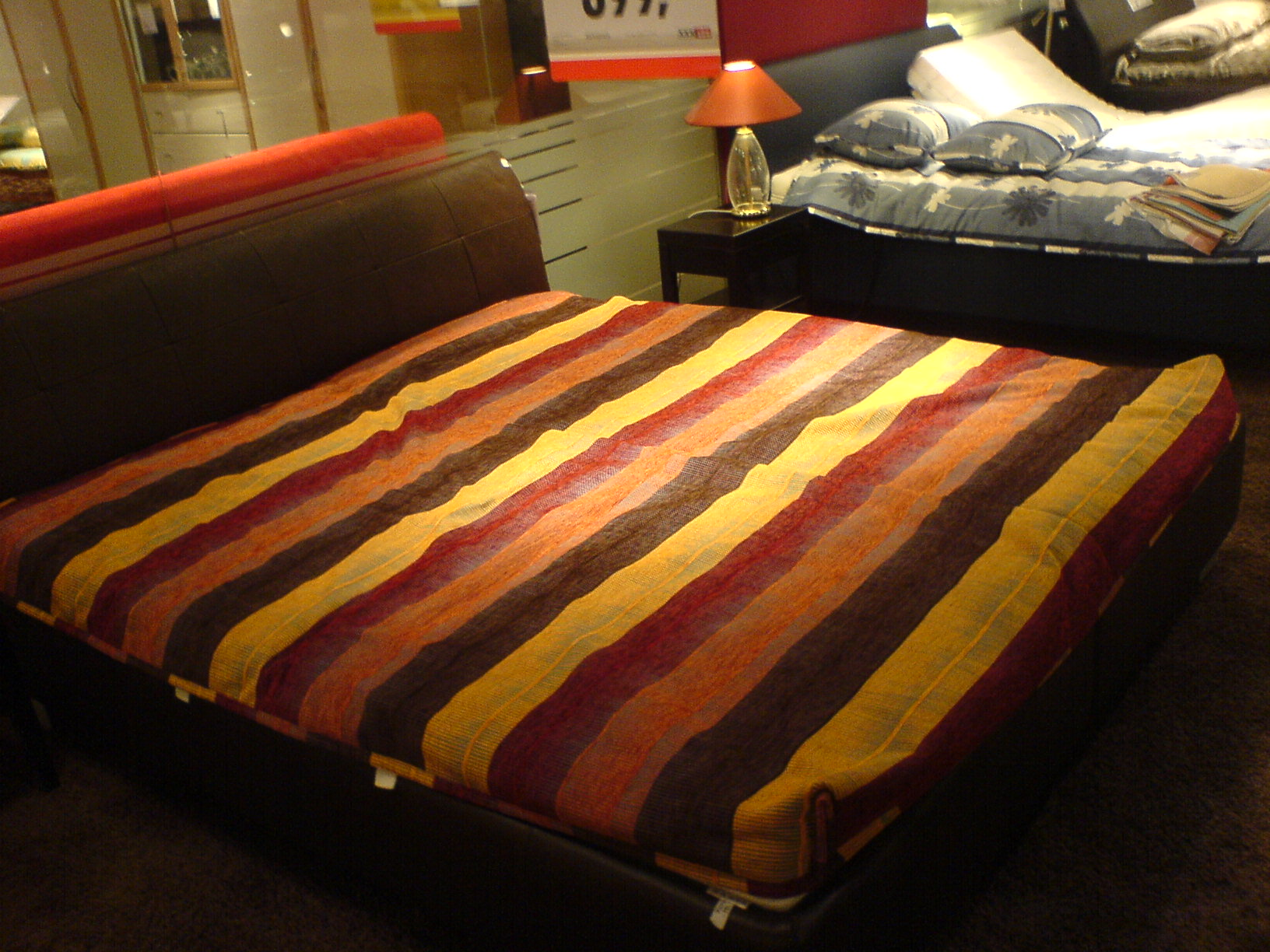
Elasticated corners make the object non-rectangular, which means it cannot be folded by the method that works for everything else.
Every household had its own solution and every solution was different. Some tucked the corners into each other, some folded it loosely and accepted the result, and some simply rolled it, and all three camps regarded the others as doing it wrong.
Nobody Agreed on the Correct Method and Still Does Not
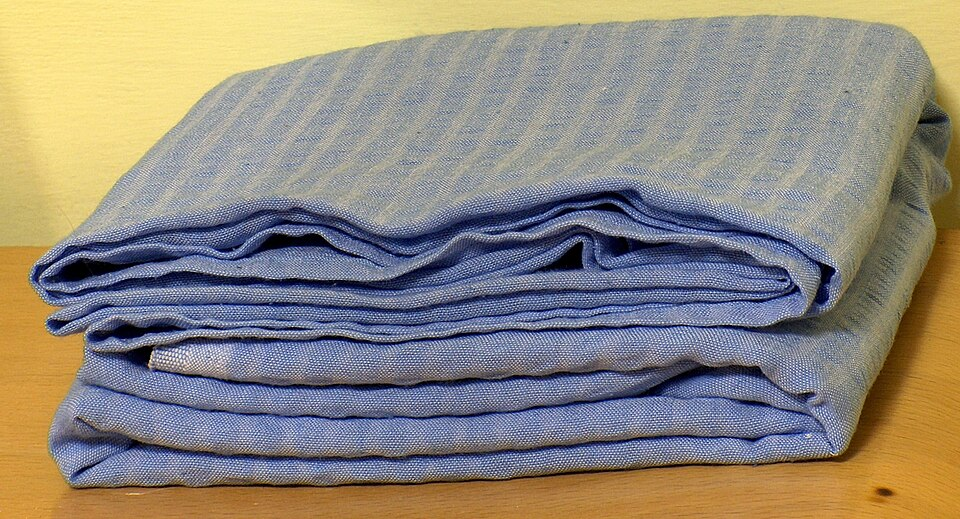
The disagreement about how to fold an elasticated sheet was running in 1964 and has never been settled by anybody.
That is a genuinely remarkable piece of continuity. A domestic problem with no agreed solution, argued about across three generations, is unusual in a world where almost everything else has been standardised.
The Height Difference Was a Permanent Nuisance
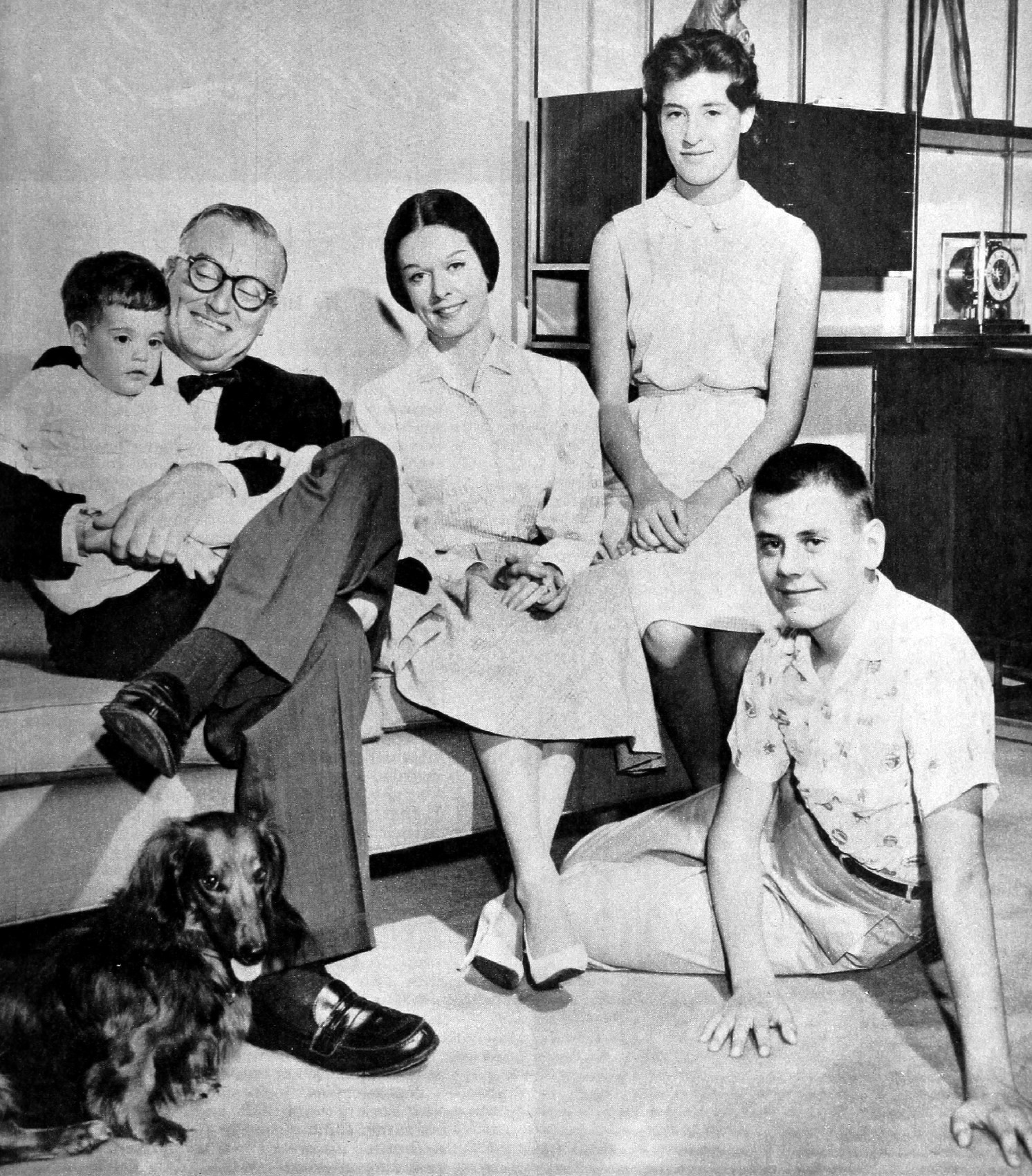
An adult and a child holding opposite ends of a large sheet are holding it at two different heights, and the fold comes out crooked as a result.
The adjustment was always made by the adult. Somebody bending slightly to match a child’s reach is the physical signature of this whole operation, and it is why so many people remember the task as something done with a particular person at a particular stage of their own growth.
Being Tall Enough Was a Milestone
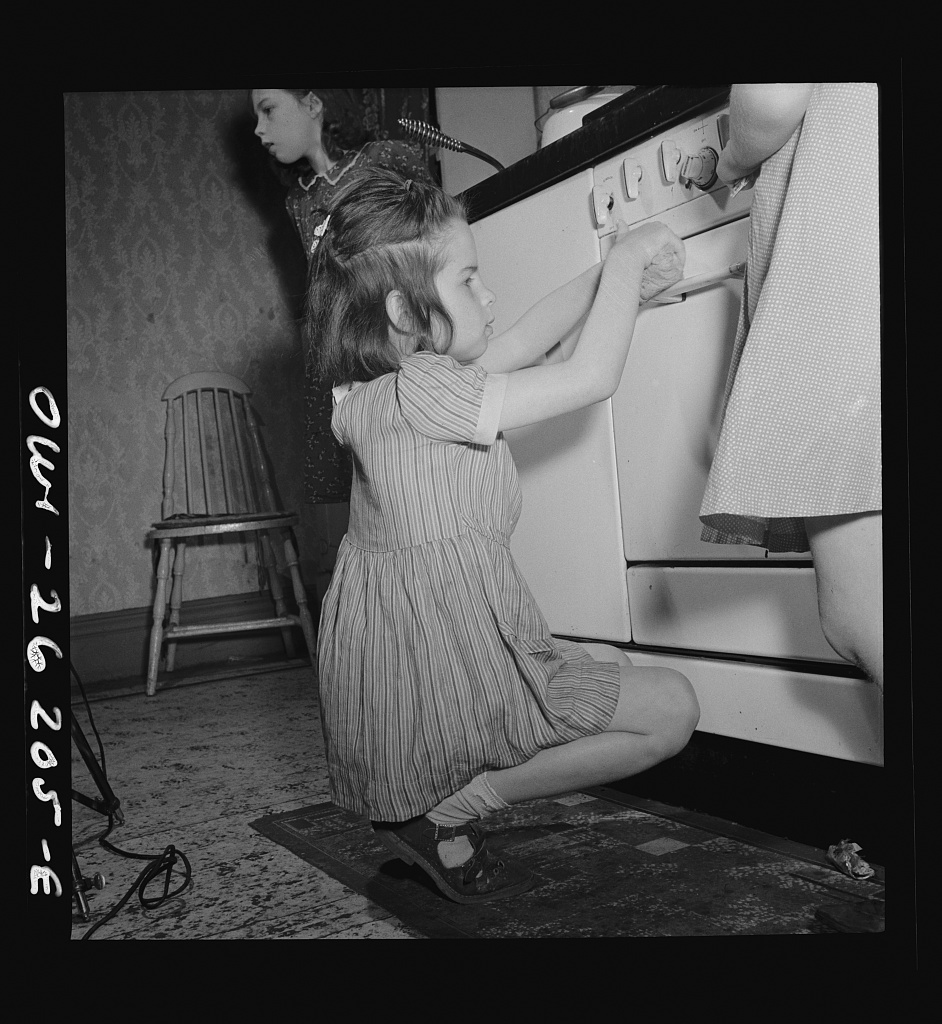
A child who could hold two corners clear of the floor had qualified for the job, and everybody knew when that happened.
The qualification was purely physical and arrived without warning. One week a child was too short and the next they were not, and the promotion to sheet-folding was one of the clearest markers of growth a household had.
It Was Done in a Particular Place Every Time
A hallway, a landing or a space between two rooms – wherever there was floor and nothing in the way – and the location never changed.
The space requirement dictated it. Two people and a fully extended sheet need a clear run of several feet, and most houses had exactly one place that worked, which is why the task is remembered attached to a specific stretch of floor.
The Smell Is What Everybody Remembers
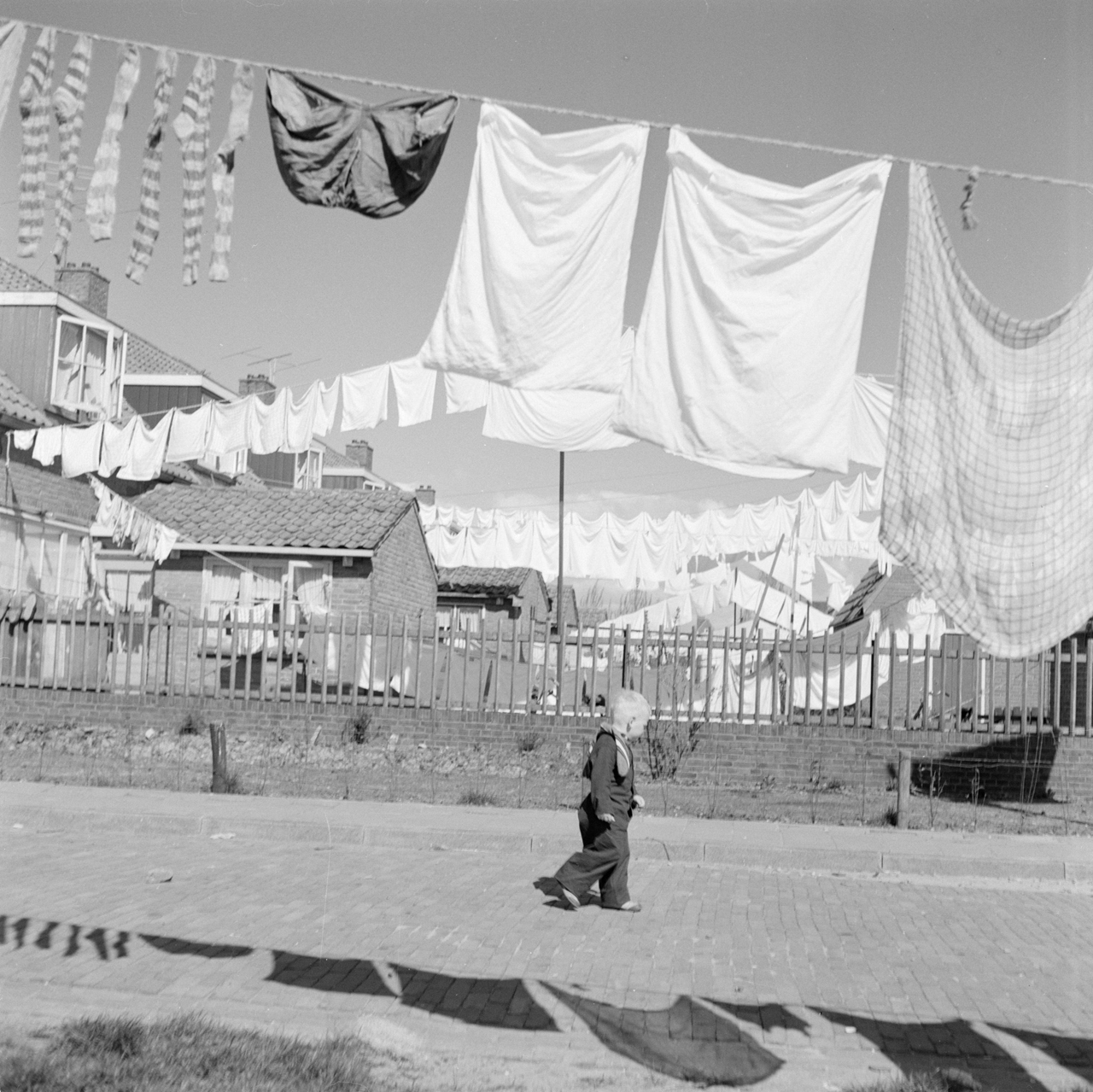
Something dried outdoors and brought in has a particular quality that nothing else produces, and the folding was the moment it was most concentrated.
The sensory detail dominates every account. A large piece of fabric being extended and brought together in front of two faces is effectively a bellows, and the smell of outdoor drying arrives at exactly that point.
The Conversation Was the Real Content
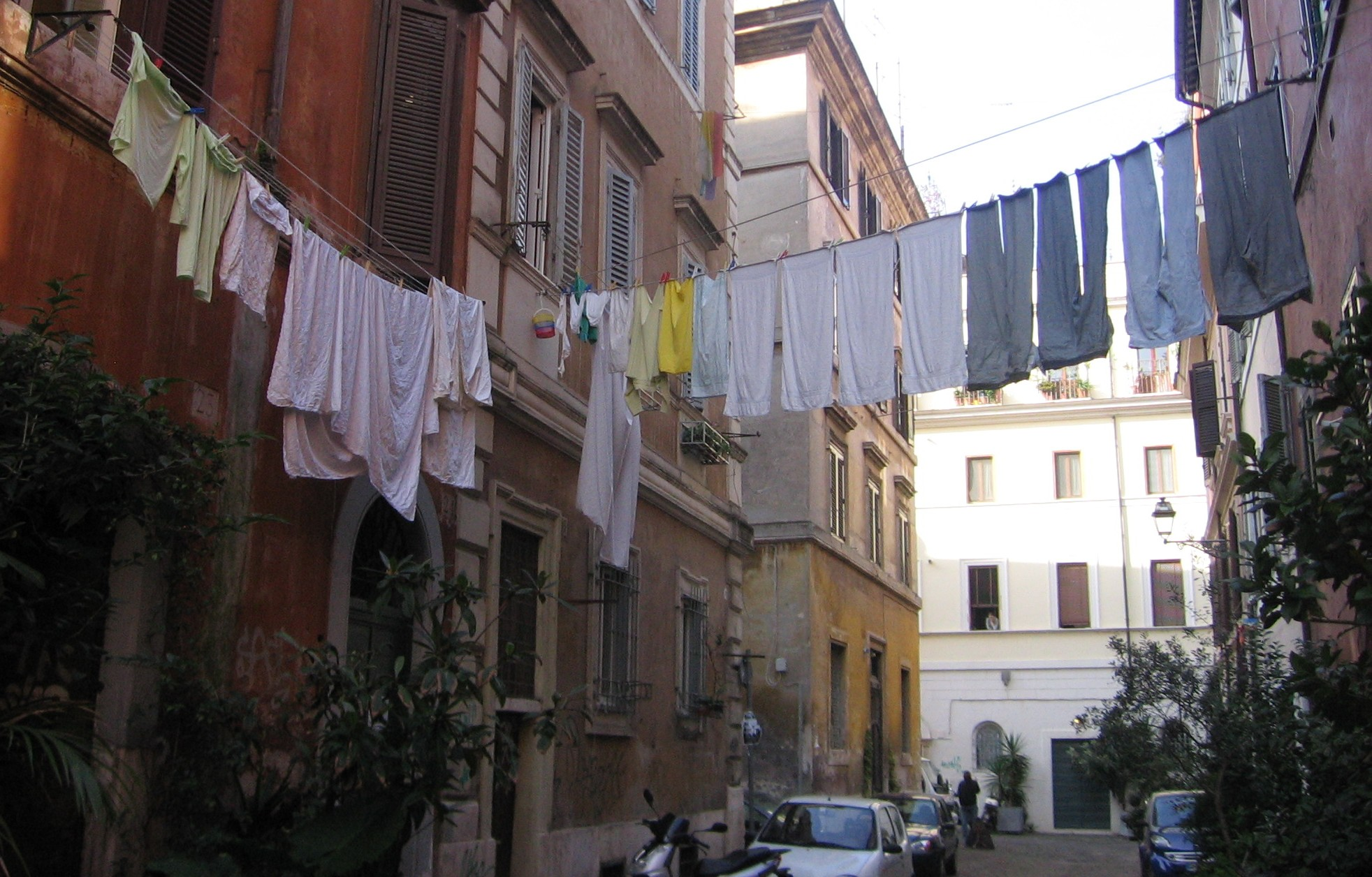
Two people facing each other, with their hands occupied and their eyes on the fabric rather than on each other, talked.
The conditions are almost identical to every other cooperative household task that is remembered fondly. Nobody is looking at anybody, nobody can leave until it is finished and the work requires no attention, which is precisely when things get said.
It Was Over in About Ninety Seconds and Happened Weekly

One sheet takes very little time, and a household’s full quantity took perhaps ten minutes of two people’s lives per week.
The brevity is why nobody resented it. A chore lasting ten minutes with a parent, requiring no effort and producing a visible result, is about as benign as household labour gets, and it is remembered considerably more warmly than anything that took longer.
The Child Was Always Called From Somewhere Else
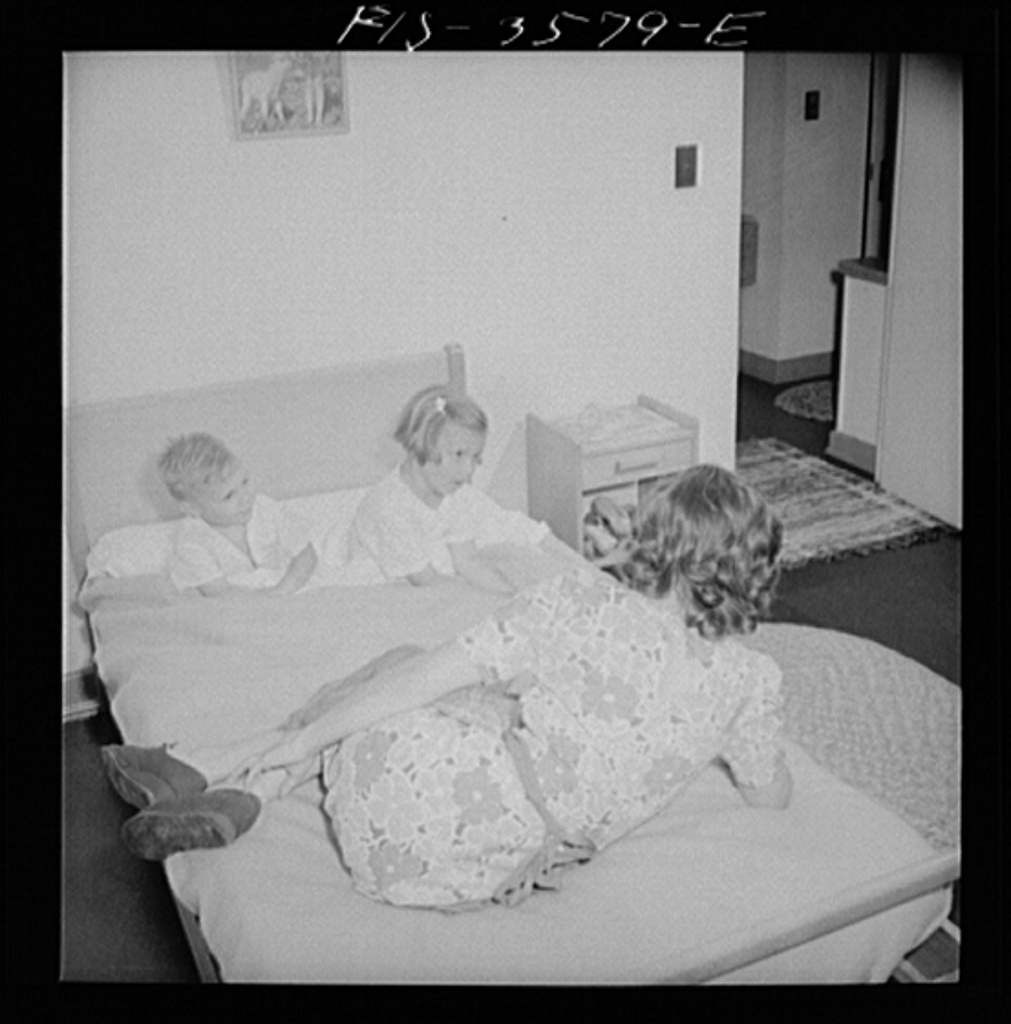
You were doing something, somebody shouted, and you went, and the summons is as much part of the memory as the task.
The interruption is the part that was actually irritating. The folding itself was fine; being called away from whatever you were doing, three times a week, by somebody who needed two hands for ninety seconds, was not.
Refusing Was Not Really Available
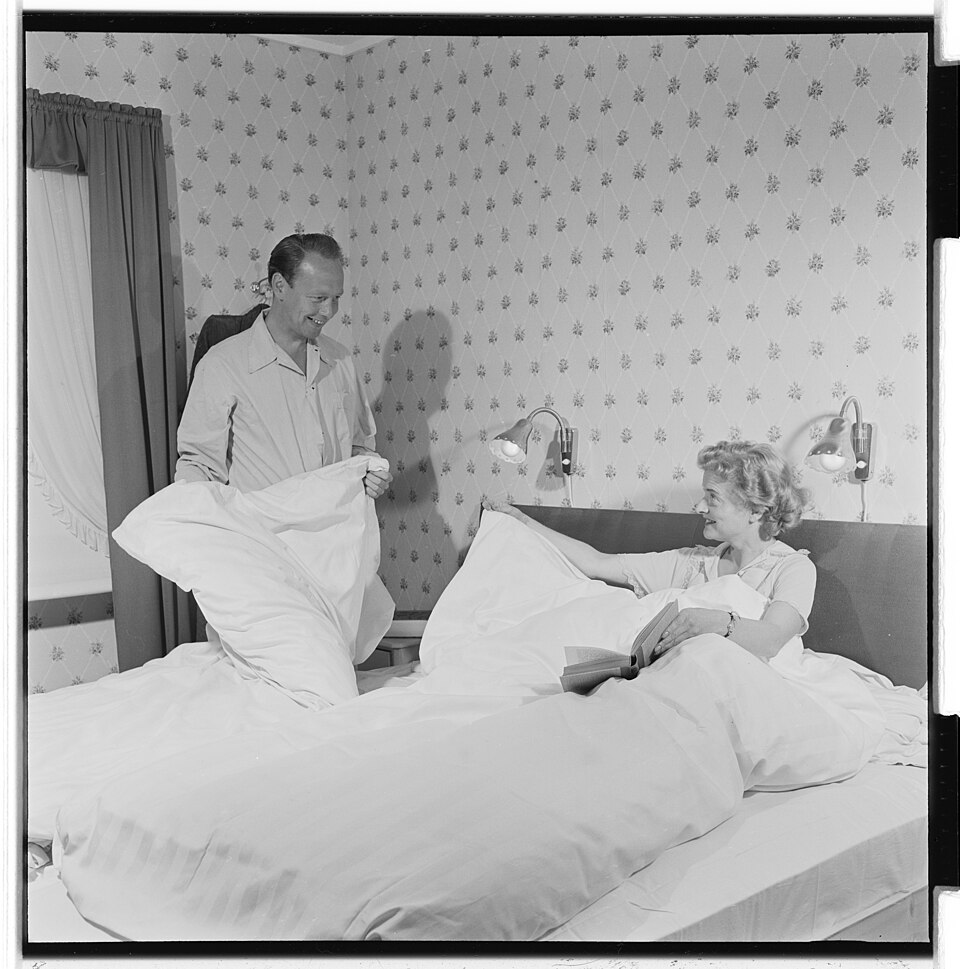
The task was so short, so easy and so obviously necessary that there was no defensible ground on which to object.
The unanswerability of it was the point. A request that takes ninety seconds and requires nothing cannot be argued against without the argument itself taking longer than compliance, and every child worked that out eventually.
Sheets Were Big Because They Had to Be Tucked
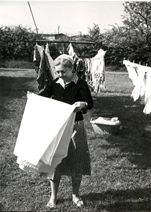
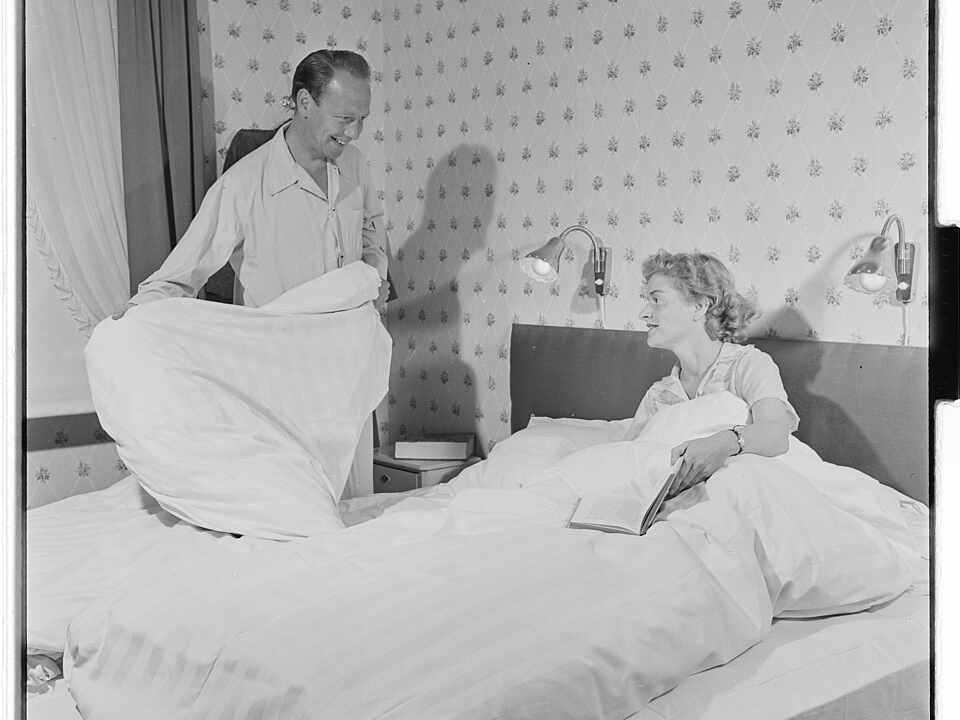
Bedding of the period was made to be folded under a mattress on all sides, which required considerably more material than a modern arrangement.
The size was a consequence of the bed-making method. A sheet that must wrap under a mattress is substantially larger than one that sits on top of it, and the whole two-person problem is downstream of that single design decision.
The Stack in the Cupboard Was Inspected
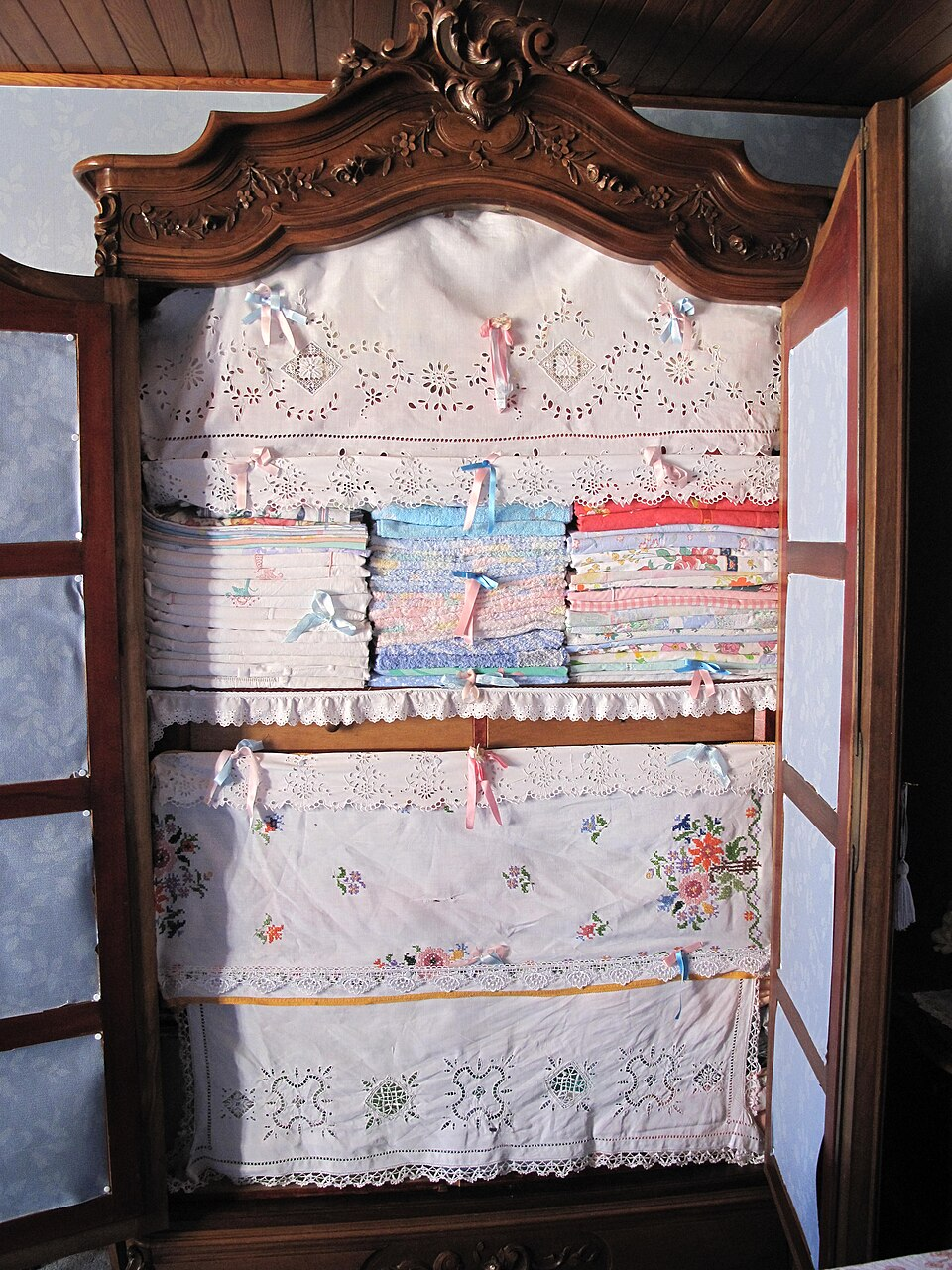
Edges out or folds out, everything the same way round, the stack square and the shelf full – somebody cared about this and said so.
The attention paid to a linen cupboard is out of proportion to its visibility and entirely consistent across households. An orderly stack of identical rectangles was understood to say something about a house, and it was one of very few places that could be made to look that way.
Then the Elasticated Version Took Over Completely
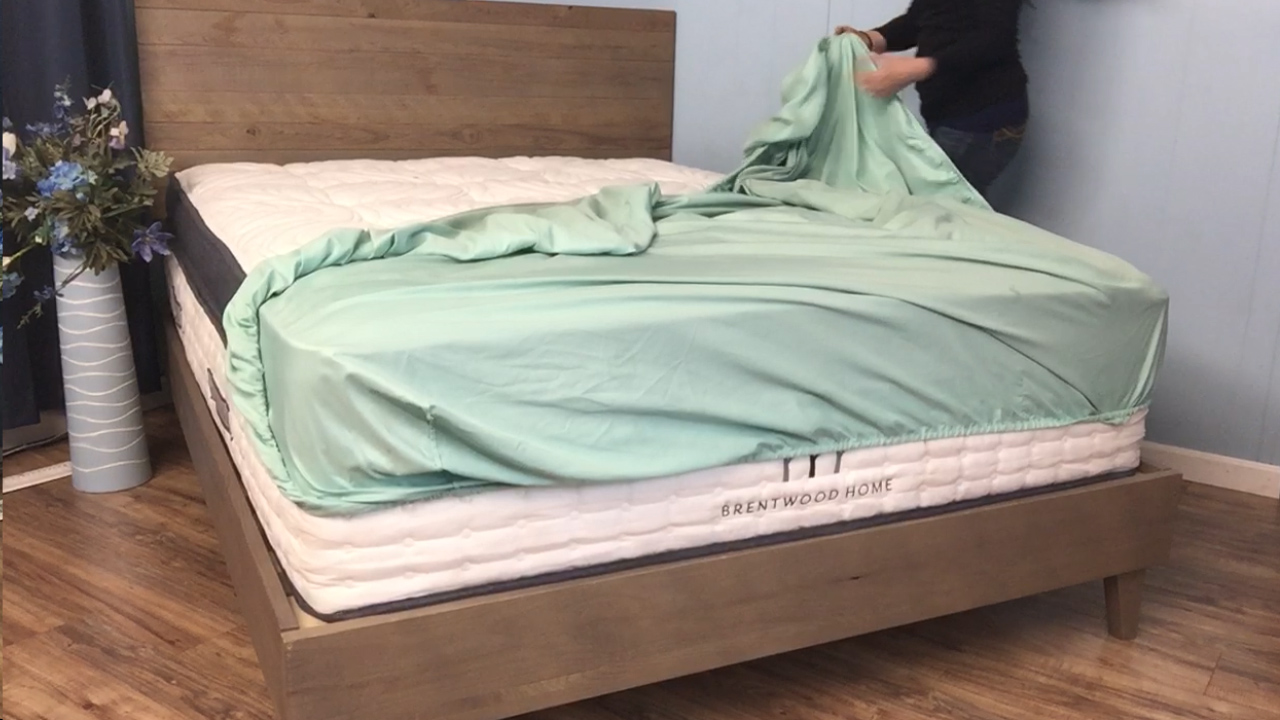
Bedding that stays on a mattress without being tucked removed the reason for the size, and the fitted sheet became the standard rather than the exception.
Which solved the bed-making problem and made the folding problem permanent. A household that now owns nothing but non-rectangular bedding has replaced a task two people could do in ninety seconds with one that nobody can do neatly at all.
Then the Standard Fell and Nobody Minded
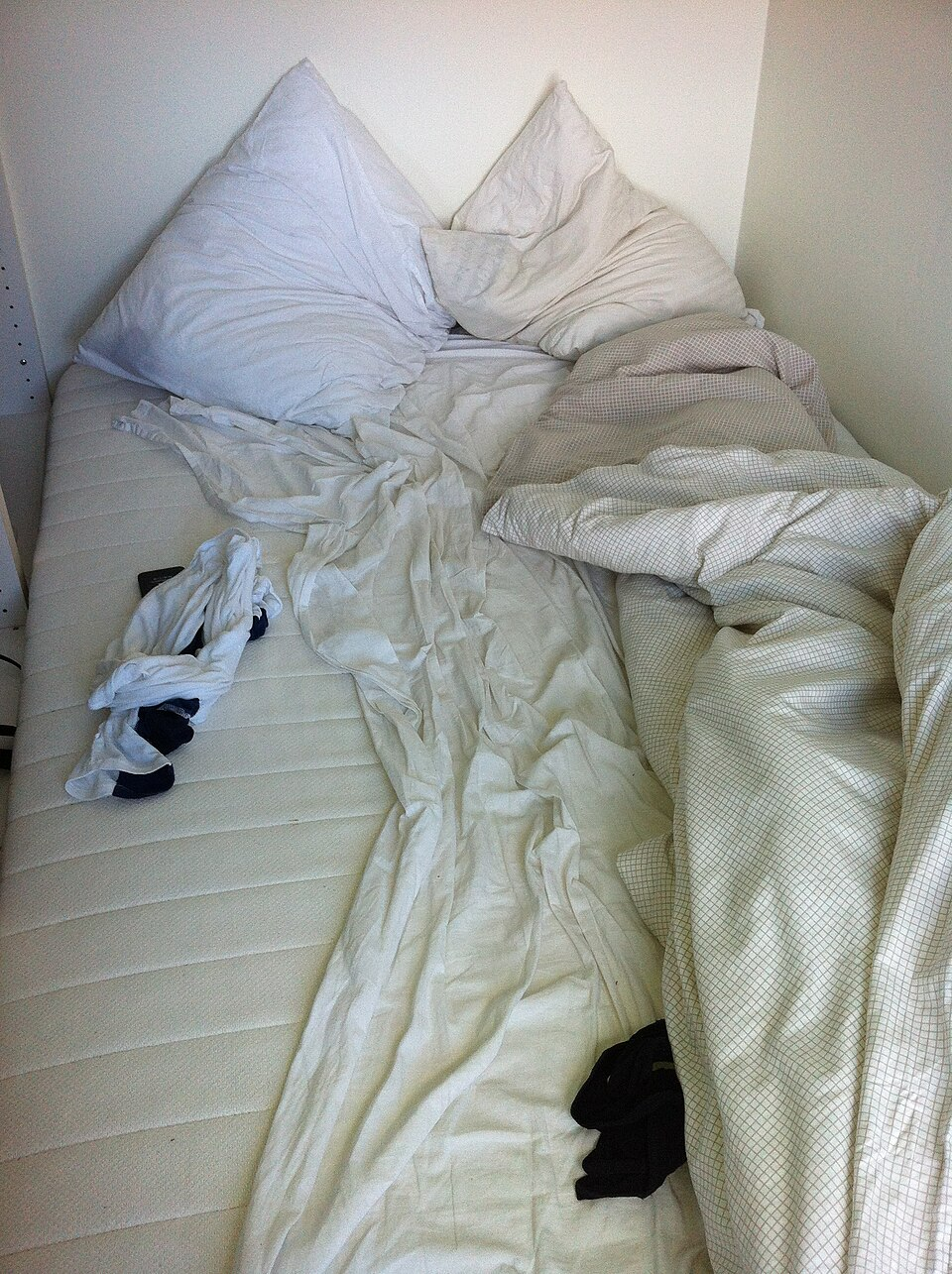
Stacks stopped being square, cupboards stopped being inspected and a folded-enough sheet became entirely acceptable in almost every house.
The relaxation is the real change and it is not a loss worth mourning. Nobody sees a linen cupboard, the stack does not need to be perfect and the hours recovered from maintaining an invisible standard are considerable.
And the Second Person Stopped Being Necessary
Smaller, lighter, elasticated bedding handled alone, in a bedroom, by one person, in about the same amount of time.
Which is where the whole thing quietly ended. The task survived, in a worse and less satisfying form, and the part that disappeared is the part nobody was keeping records of: a hallway, a specific stretch of floor, two people facing each other at different heights, ninety seconds, a smell that only arrives at that moment, and a conversation that only happened because somebody needed a second pair of hands and shouted for whoever was nearest.
Like our content? Follow us for more.