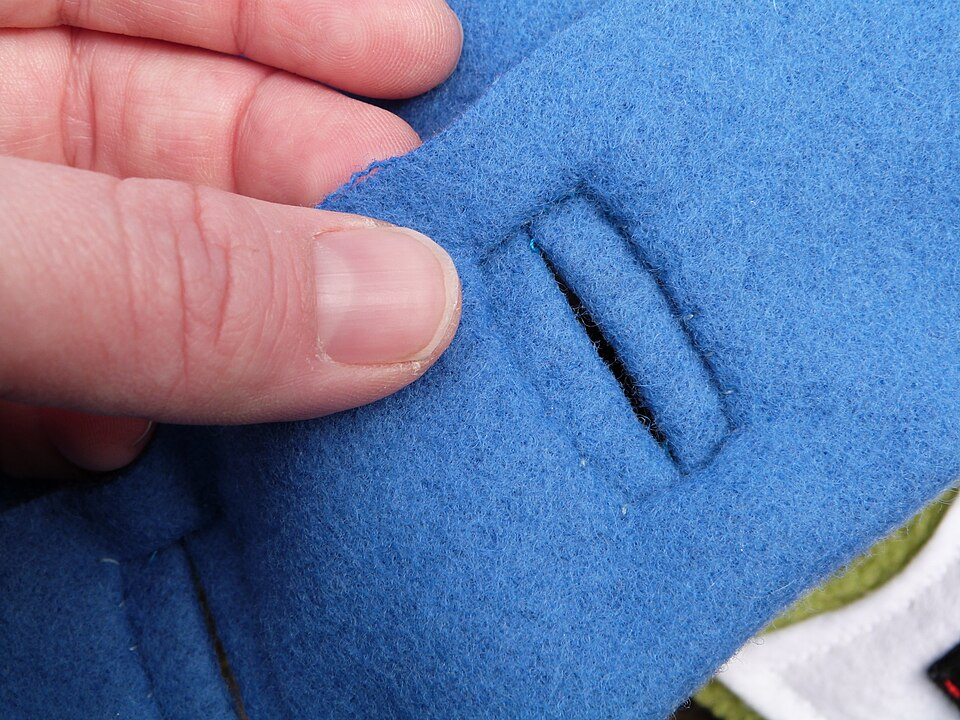
In 1964 a coat was a problem a child had to solve twice a day, in a hallway, with an adult waiting. The buttons were large, the holes were stiff, the fabric was heavy enough to resist being manipulated, and the whole operation had to be completed before anybody could leave the house.
The Garment Was Working Against the Child
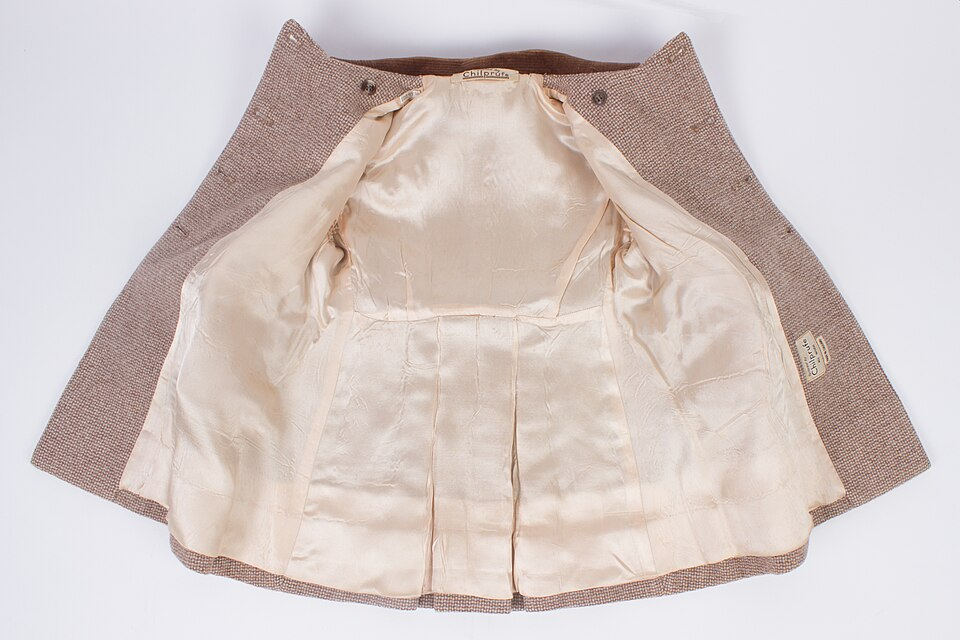
A child’s winter coat of the period was built from material that did not bend easily, with buttonholes cut into several thicknesses of it. Pushing a button through that requires more force than a five-year-old can comfortably apply and more precision than they have at the same time, which is a combination that produces failure rather than slow success.
Like our content? Follow us for more.
Buttons Were Large Because Small Ones Were Impossible
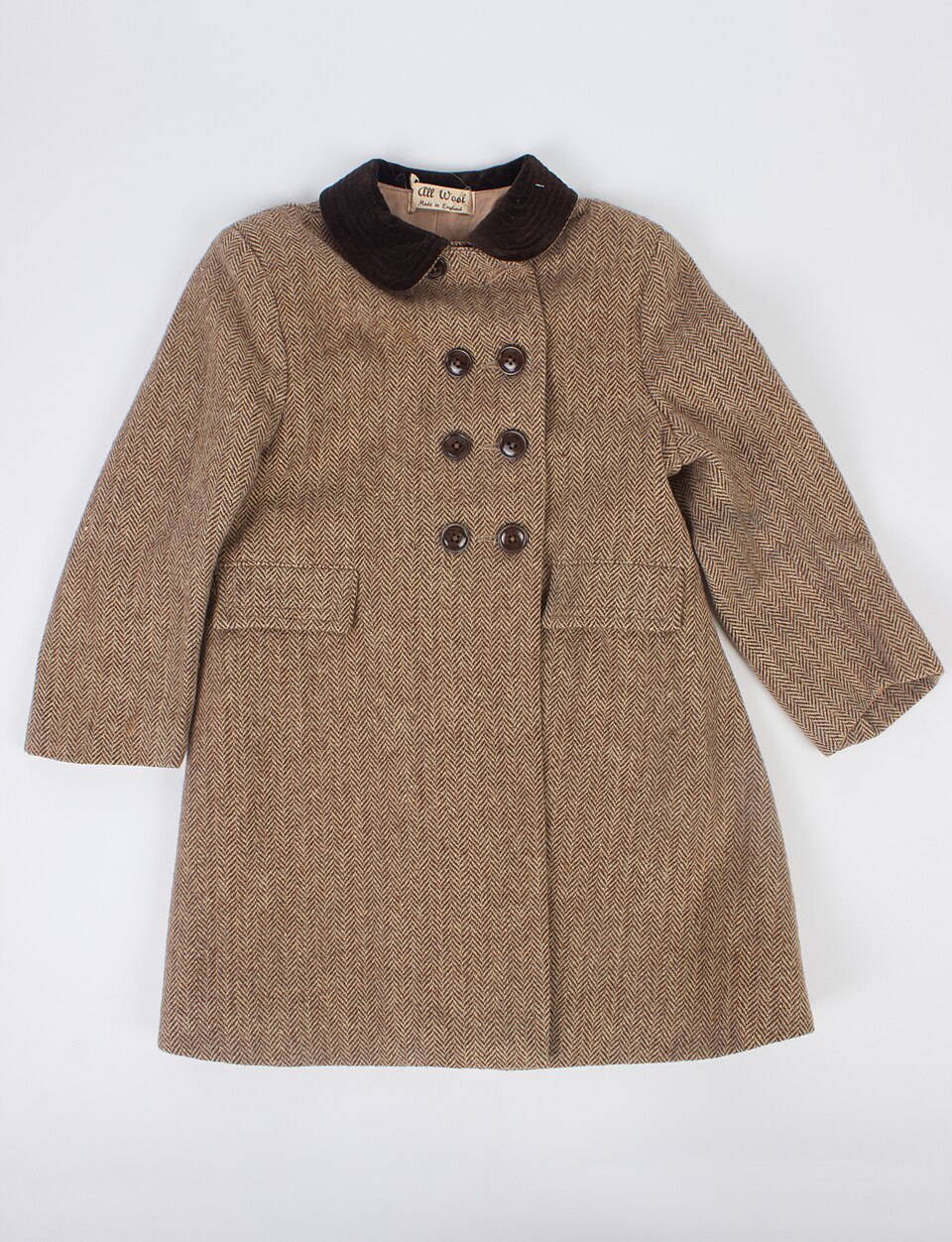
Manufacturers of children’s outer clothing had worked out that a bigger button is easier to grip, which is why they were conspicuously oversized. The adaptation helped and did not solve the problem, because a large button also needs a large hole in stiff fabric, and the hole was the harder half.
Starting at the Bottom Was the Trick Nobody Mentioned
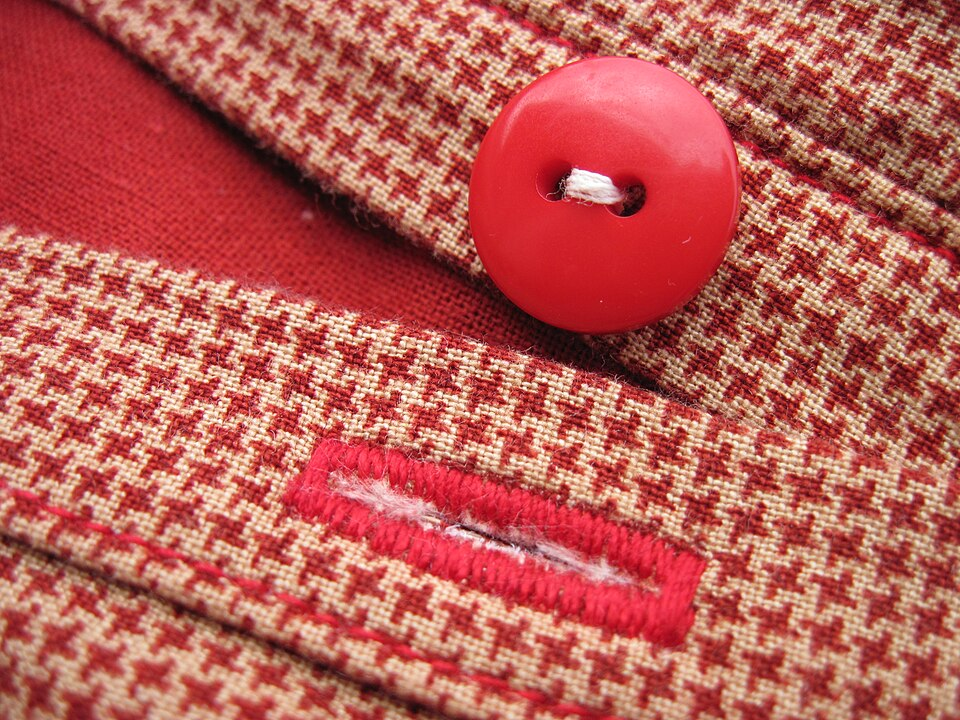
The reliable method is to fasten the lowest button first, because it aligns everything above it. Children who worked this out stopped ending up with a coat one button out of register, and children who did not spent several winters discovering the problem at the top and starting again.
Being One Button Out Was the Standard Failure
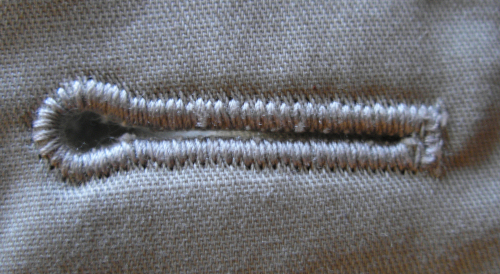
A coat fastened from the top with one button in the wrong hole looks almost correct and hangs wrongly, with one side longer than the other. It was the commonest error, was visible to every adult who saw it, and was pointed out in the street by people who had no other connection to the child.
The Hallway Was the Wrong Place for It
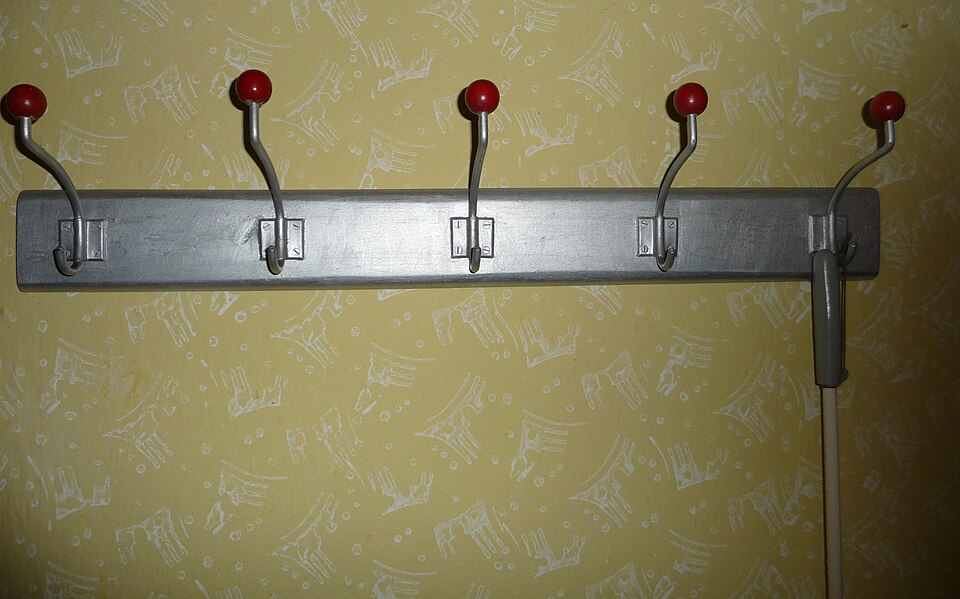
Almost every household conducted this in the narrowest and darkest part of the house, because that is where coats were kept. A child attempting fine manipulation in poor light, in a confined space, with other people trying to get past them, was being asked to do the task under conditions nobody would have chosen.
Moving somewhere better was never considered. The coat lived in the hall, so the operation happened in the hall, and the idea of carrying the garment into a lit room to deal with it appears not to have occurred to anybody in an entire decade.
It Was Always Done Under Time Pressure
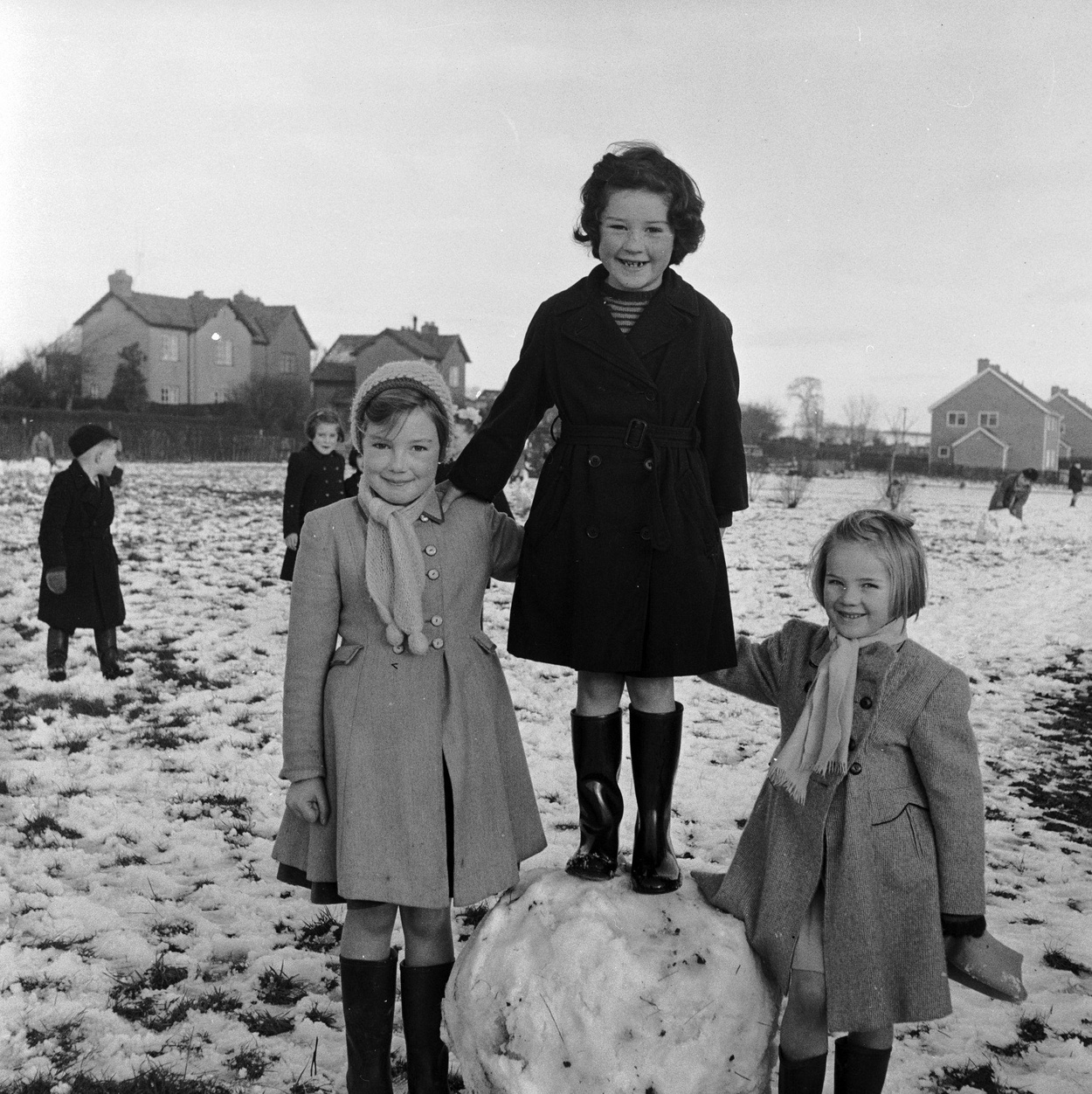
Nobody buttoned a coat at leisure. The operation happened in a hallway, at a door, with somebody holding it open and the cold coming in, which is the worst possible condition for a task requiring fine control from small fingers.
Adults Took Over and That Was the Real Defeat
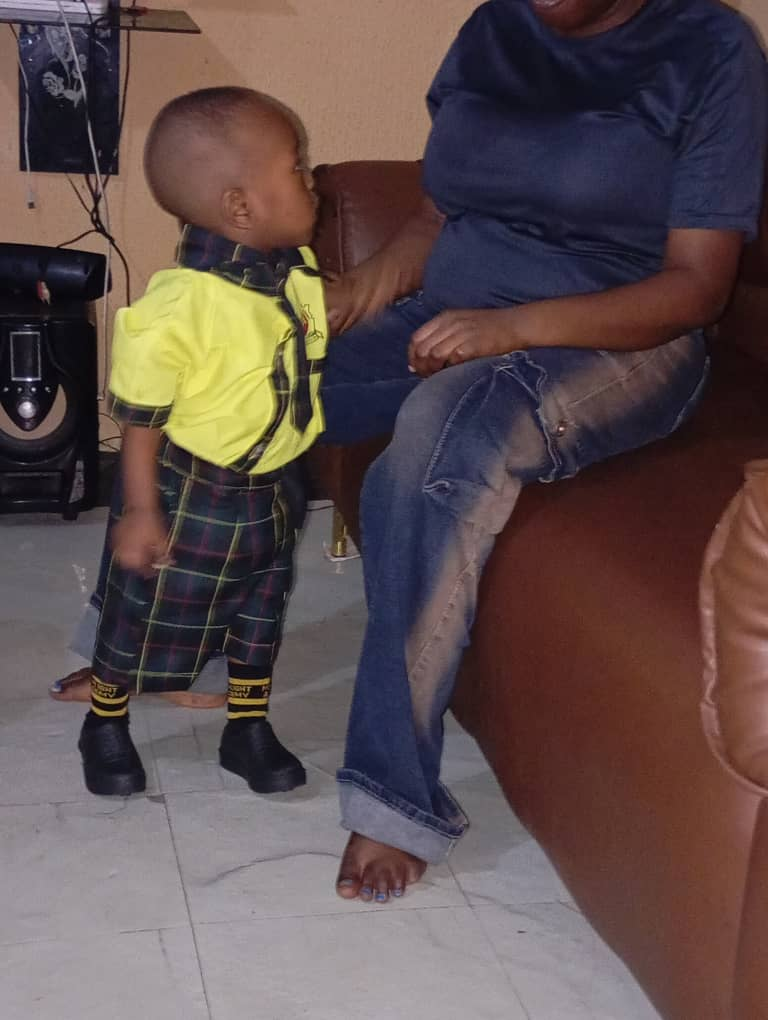
An adult who ran out of patience simply did it, which solved the immediate problem and removed the child’s opportunity to learn. The intervention was the thing children minded most, and a great many of them remember the specific indignity of having their coat done up for them in front of anybody who happened to be there.
The Mirror Made It Worse
A child who tried to do this facing a mirror discovered that everything was reversed, which converted a difficult manual task into a difficult manual task with the instructions inverted. Most children abandoned the mirror quickly and did it by feel instead.
The Order of Operations Mattered More Than the Technique
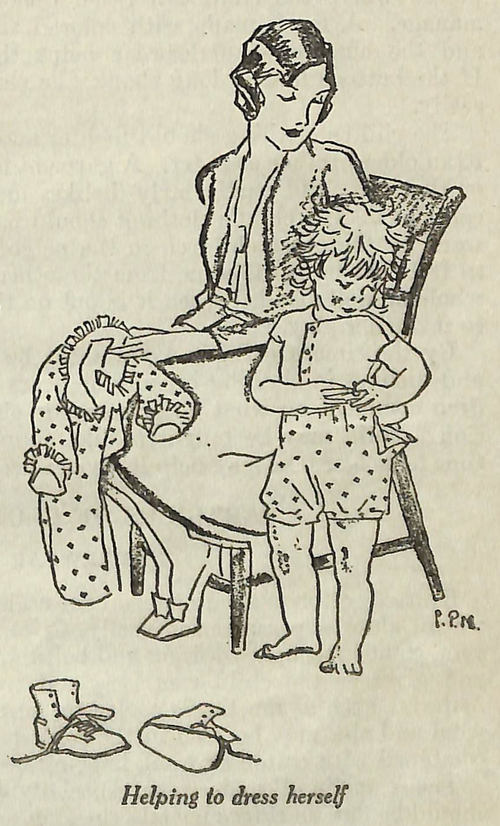
A child who had worked out the sequence – coat down from the hook, arms in, lowest button, upward, hands covered last – could complete the whole thing without thinking. A child who had not was solving four separate problems in whatever order they arose, which is why two children of the same age could differ by several minutes.
Nobody described the sequence out loud. It was arrived at by elimination, held entirely as habit, and most of the people who had it could not have stated it if asked.
Doing It by Feel Was How It Was Eventually Learned
The skill arrived when children stopped looking down at the buttons. Watching your own hands at that distance and angle is actively unhelpful, and a child who had learned to locate the hole by touch could do the whole coat in a quarter of the time.
Gloves Made the Whole Thing Impossible
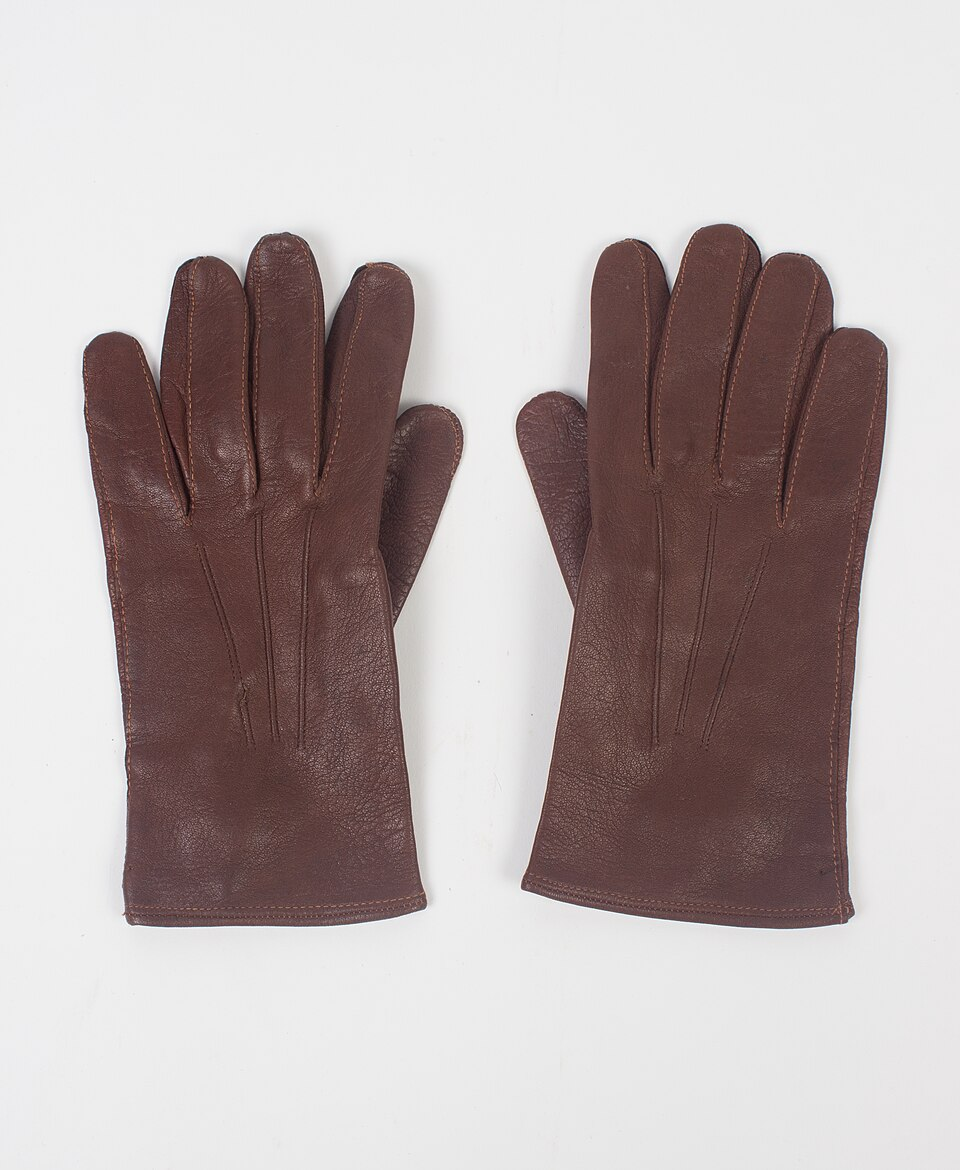
A child who had already put their gloves on could not fasten anything, which created an ordering problem nobody had warned them about. Working out that the coat has to be done before the hands are covered is a piece of sequencing a surprising number of children got wrong repeatedly.
The Top Button Was Negotiated Separately

Whether the highest button had to be done was a matter of dispute in every household. Adults wanted it fastened, children found it uncomfortable against the neck, and the standard outcome was that it was done at the door and undone within fifty yards.
Buttons Came Off and Were Not Always Replaced
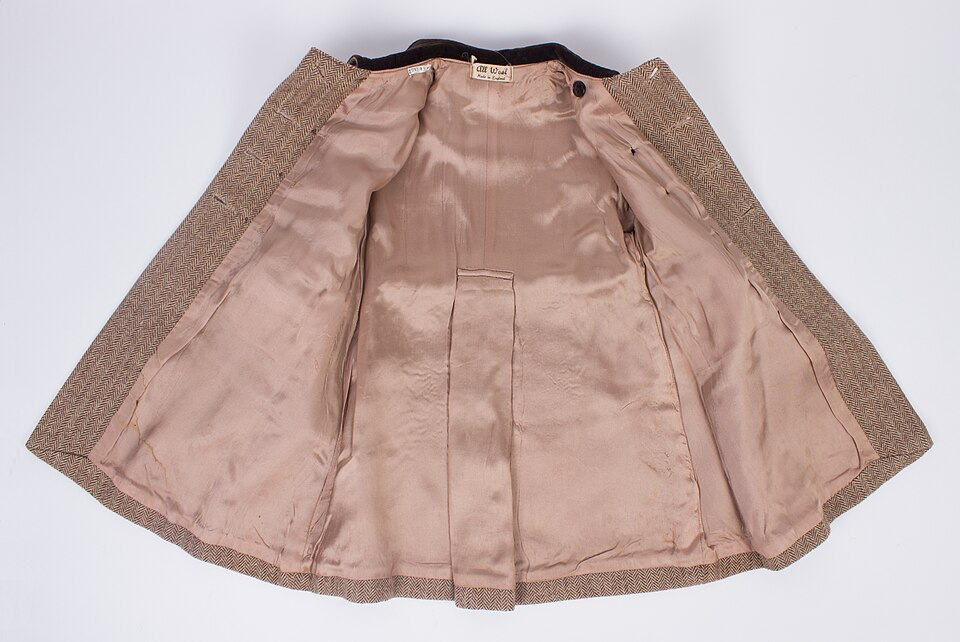
A coat that had lost a button was worn with the gap for weeks, which rearranged the whole task. Children learned to work around a missing fastening by adjusting which hole each remaining button went into, which is an improvisation that only made the alignment problem worse.
The Replacement Never Matched
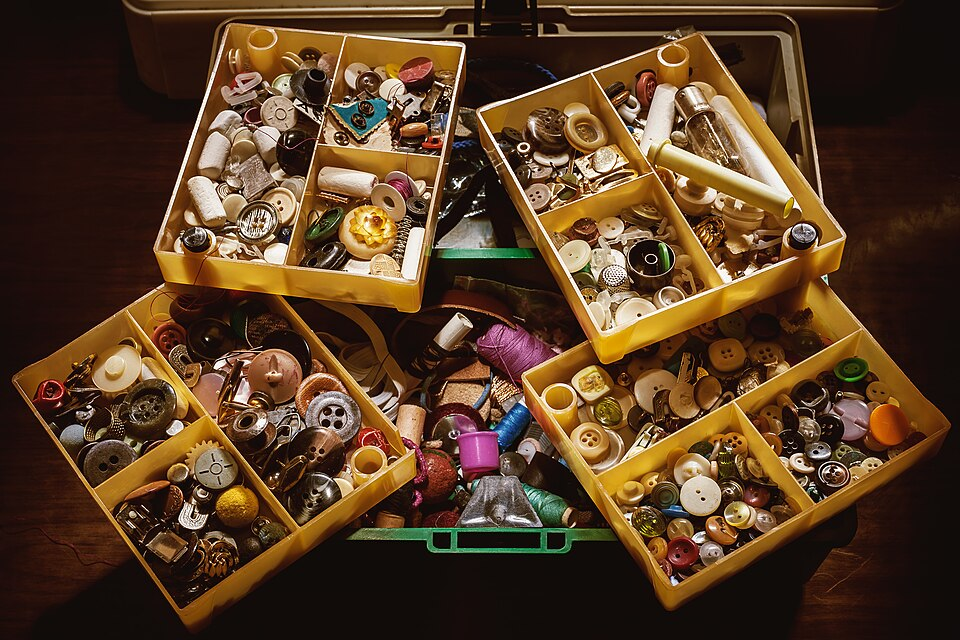
When a button was finally sewn back on it was whatever was in the household’s collection, which meant a great many coats of the period had one fastening that was visibly a different colour or size from the rest. Nobody regarded this as worth correcting.
The Pockets Were Checked Before Anything Else
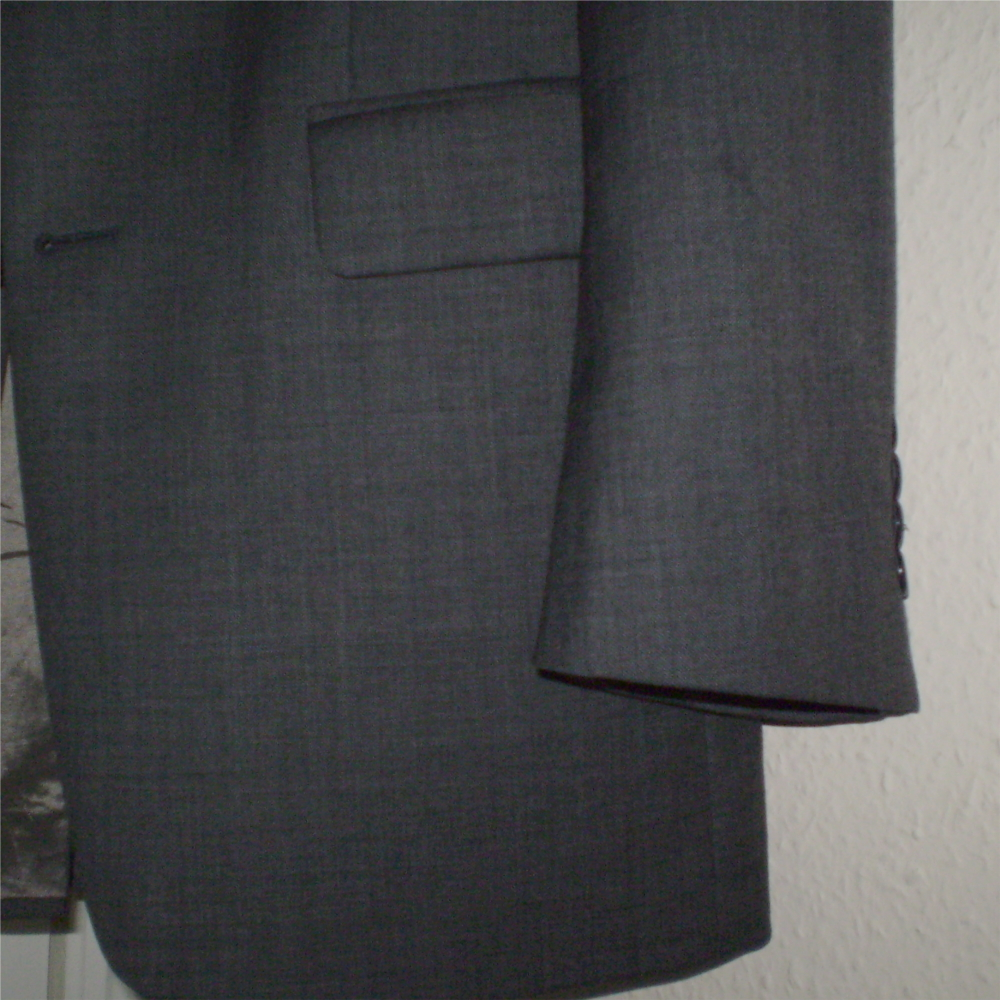
Before the fastening was attempted at all, most children went through the pockets, because a coat that had been hanging unworn since the previous winter held whatever had been in it when it was put away. The contents were frequently more interesting than anything the child currently owned.
That delayed the whole operation further. An adult waiting at a door for a child to fasten a coat was frequently waiting instead for a child who had found something in a pocket and stopped entirely.
Somebody Else’s Coat Was a Trap
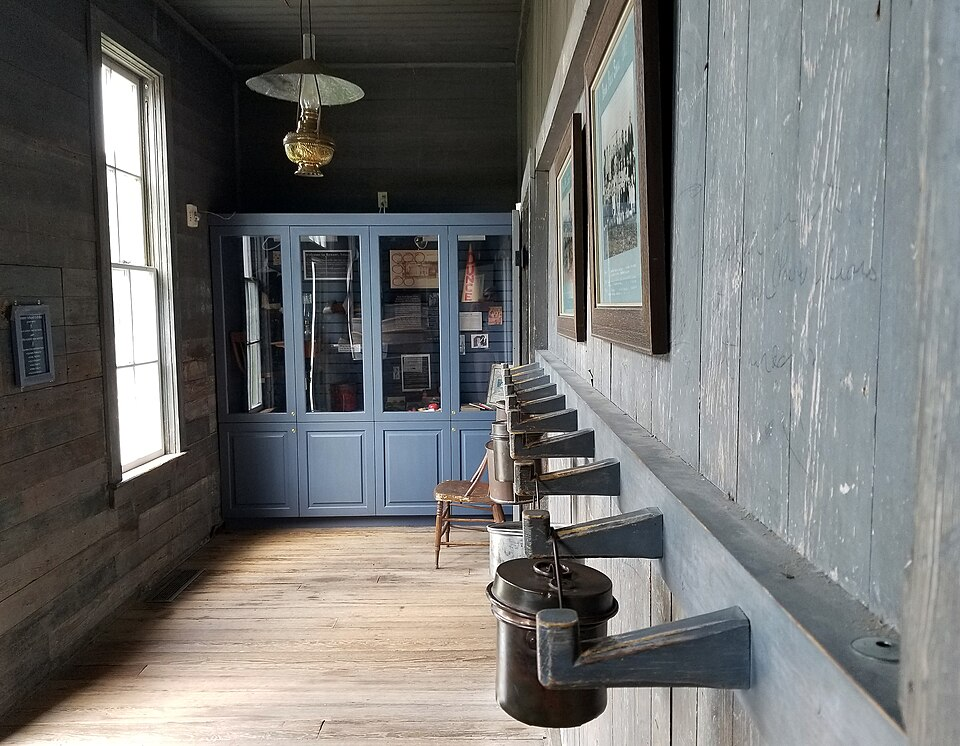
Children at school, in cloakrooms with thirty identical garments, regularly put on the wrong one. The discovery usually came at the buttons, because an unfamiliar coat resists in unfamiliar places, and a child who could not get it fastened had frequently found somebody else’s.
Zips Existed and Were Not an Improvement at First
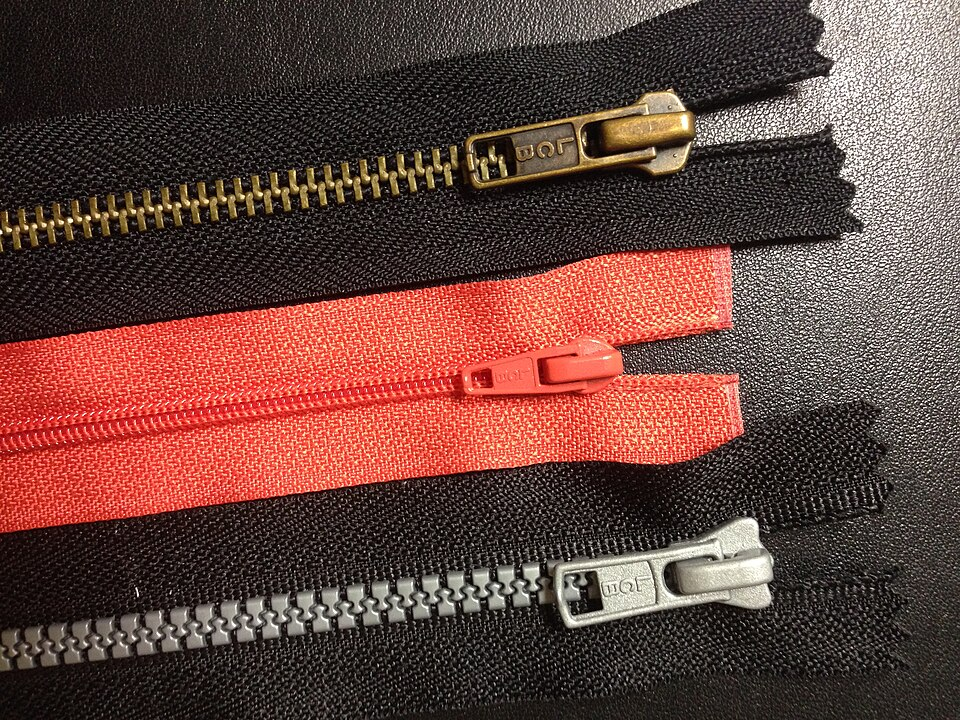
A fastening that required no alignment should have solved everything, and in practice early examples jammed, caught the fabric and came apart at the base. A proportion of children of the period preferred buttons precisely because a button could not fail in a way that ended the whole garment.
Learning It Was a Recognised Milestone
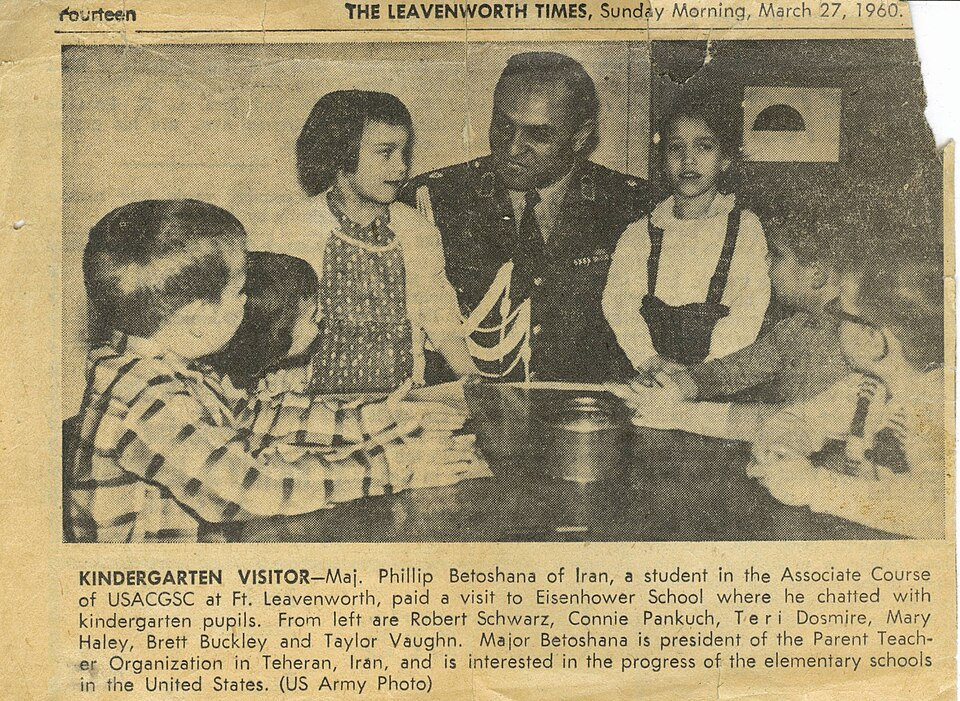
Households marked the point at which a child could dress themselves in winter, because it removed a daily obligation from an adult. It was not celebrated, exactly, but it was noticed, and it is one of the small competences people remember acquiring.
The Younger Sibling Watched the Whole Process
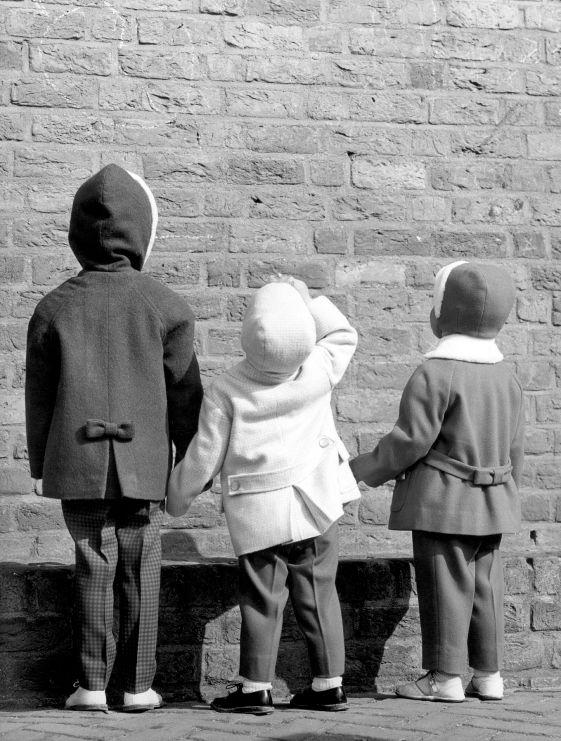
A child who had learned this was immediately observed by whoever came next, and the transmission that followed was faster than anything an adult had managed. The bottom-button trick in particular travelled between children considerably more efficiently than it travelled from adults.
Doing It for a Younger Child Was the First Real Responsibility
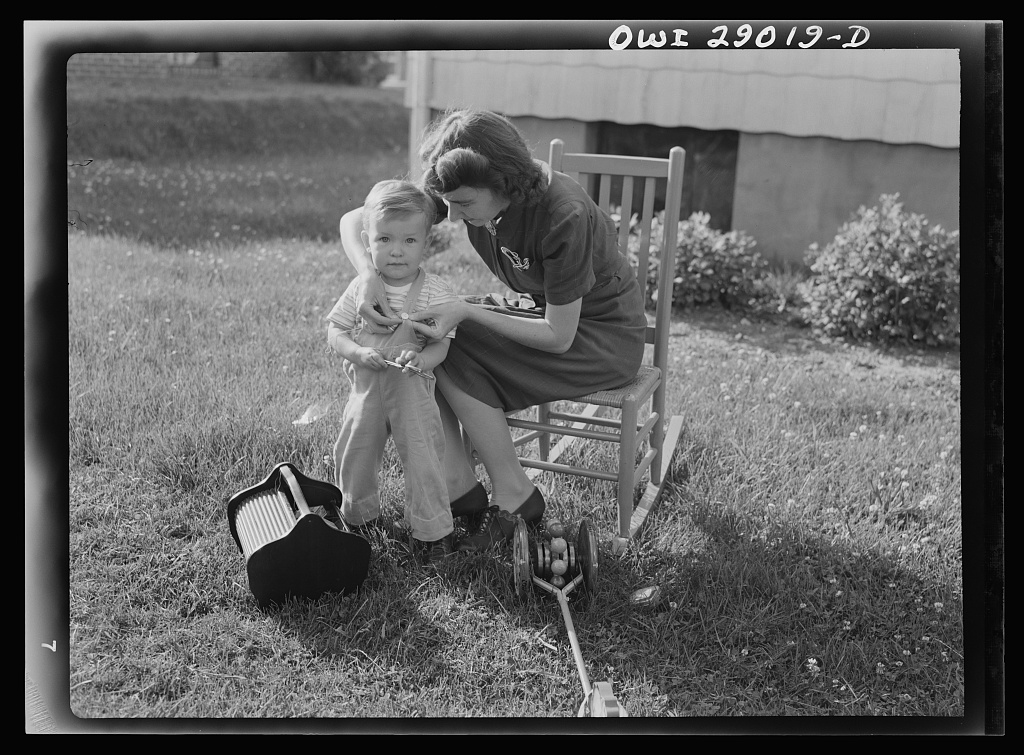
Being asked to fasten somebody else’s coat was, for a great many children, the first task they were given that involved another person’s wellbeing rather than an object. It was also the first time they encountered the frustration from the other side.
The Cloakroom Hook Was Part of the Problem

Coats were hung by a loop, on a hook, at adult height in a great many schools, which meant retrieving the garment was a separate struggle before the buttons were even reached. A child who could not get their coat down could not begin.
Being Watched Made It Worse Every Time
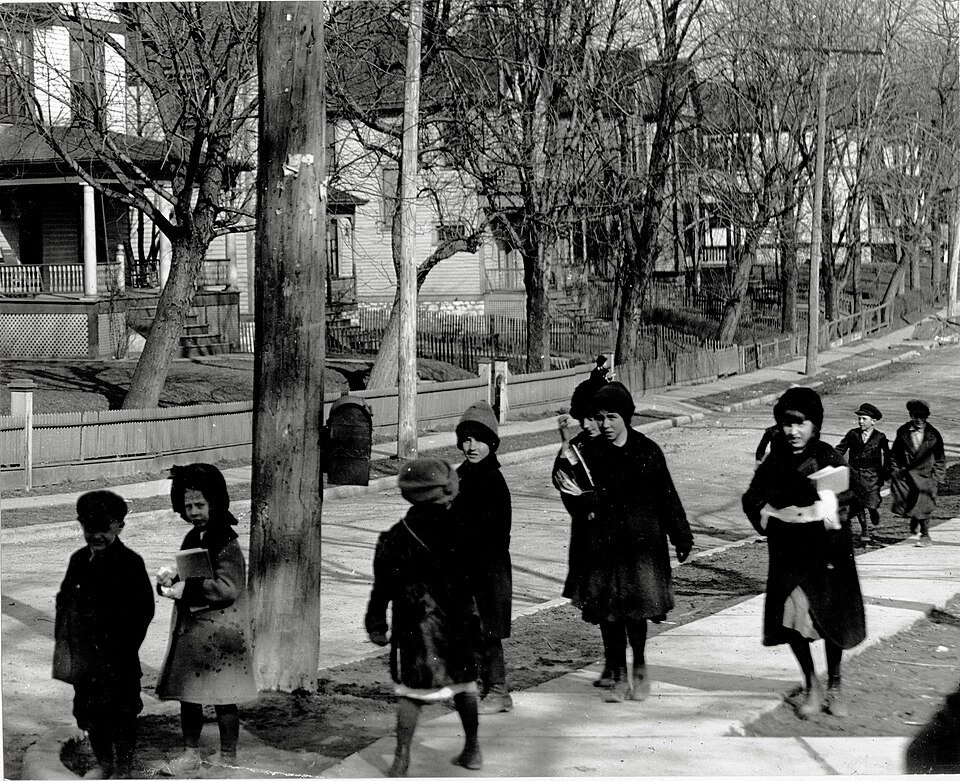
The task was harder with an audience, reliably and in a way children noticed. A child who could manage it alone in thirty seconds took two minutes with somebody standing over them, which is an early and fairly brutal encounter with the fact that performance and ability are not the same thing.
Adults did not appear to understand this. The standard response to a child struggling was to watch more closely, which made it worse, and the standard response to that was to take over.
Nobody Taught It as a Skill
There was no instruction, no demonstration and no stated method. Children were handed a coat and expected to deal with it, and the entire technique – bottom first, by feel, gloves last – was worked out by millions of children independently or passed between them sideways.
It Was the First Thing a Child Was Expected to Do Alone
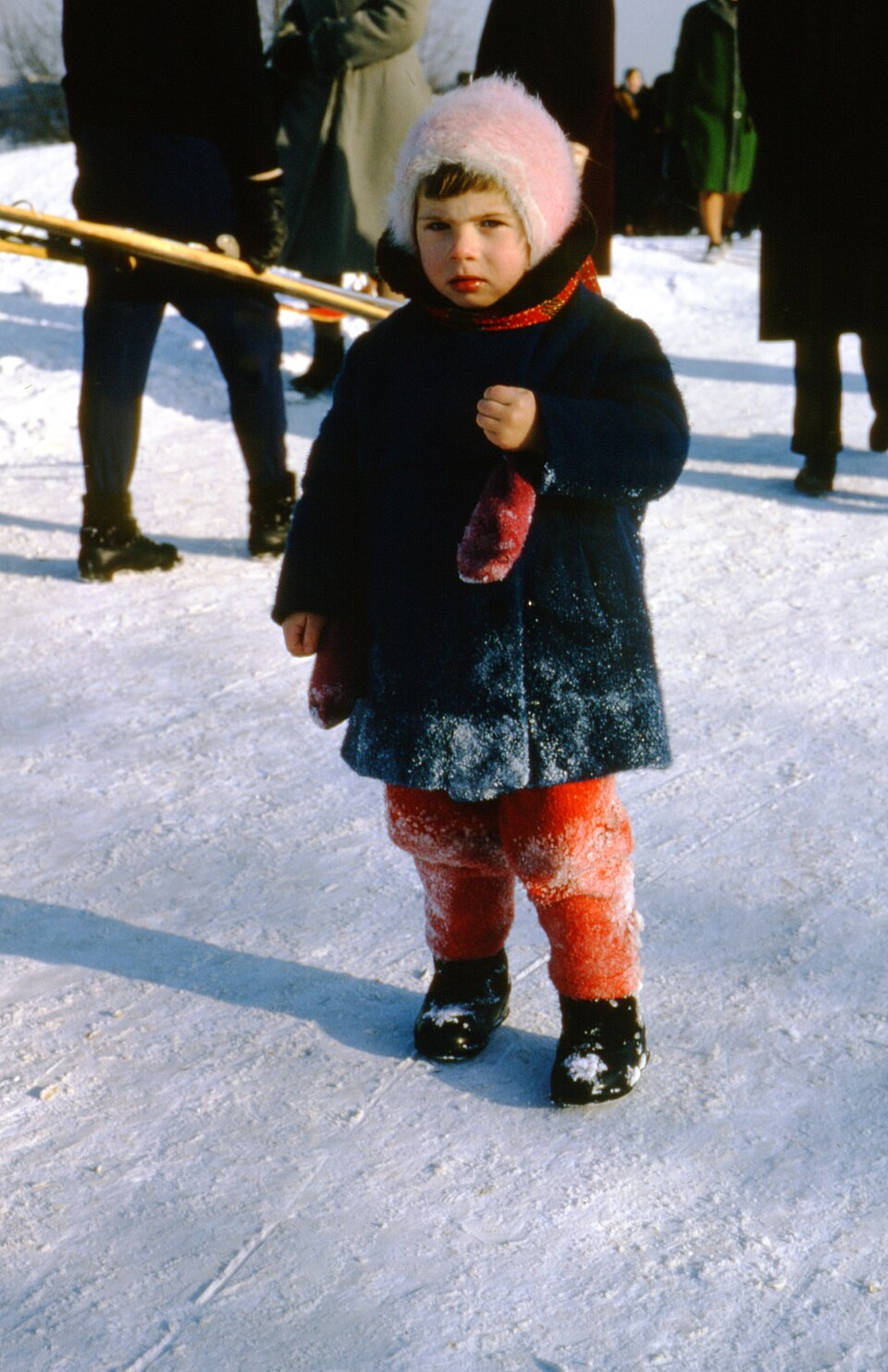
Before reading, before telling the time, before any of the things school took credit for, there was a daily physical task with a clear pass and fail that a child had to complete without help. That is an unusual thing for a garment to be.
The Coat Was Expected to Last Several Years
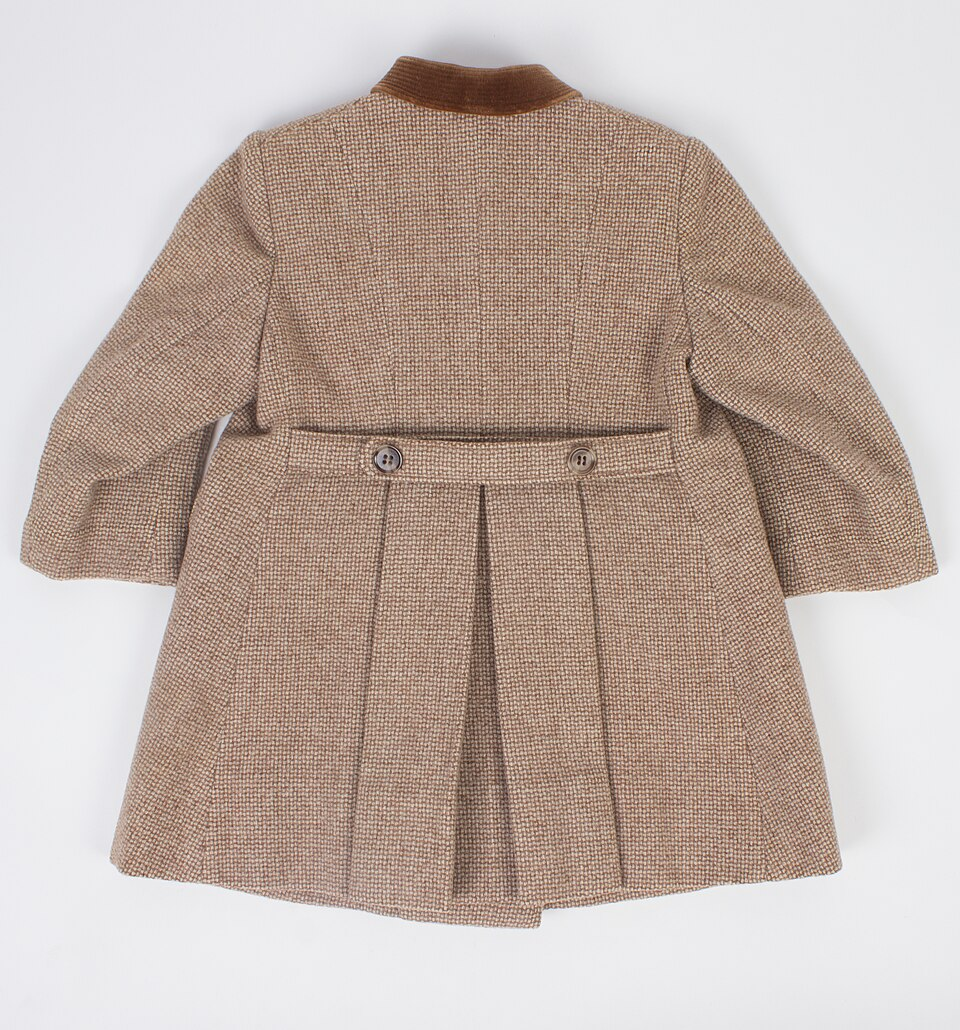
Outer clothing was bought with growth in mind, which meant it was too big at the start and tight at the end, and the buttons were differently difficult at both stages. A child solved the problem once and then had to solve a slightly different version of it the following winter.
Then the Fastening Stopped Being a Problem

Lighter materials, better zips, hook fastenings and outer clothing designed around what a child can actually manage removed the whole difficulty. Nothing about that is a loss, and children now spend the time on something better.
What Actually Went
A daily manual task with a visible pass and fail, performed in a cold hallway with somebody waiting, solved by a method nobody had taught, and remembered chiefly for the moment an adult lost patience and did it for you.
Like our content? Follow us for more.