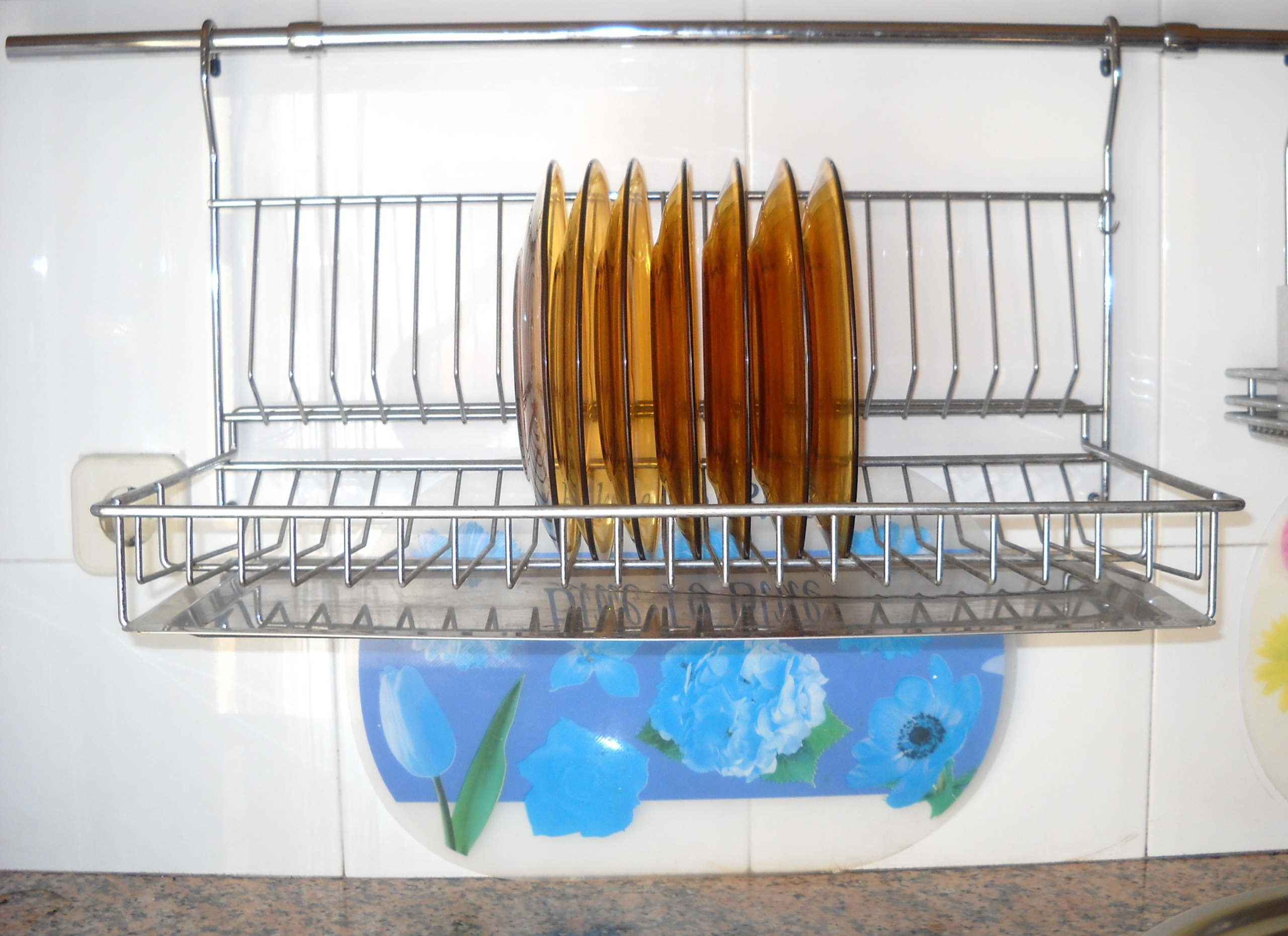
In 1962 the washing was done by one person and the drying was done by another, and the second person was almost always a child. The arrangement was permanent, nobody had negotiated it, and it put an adult and a child side by side at a sink for twenty minutes every evening of their lives.
The Division of Labour Was Fixed and Unexplained
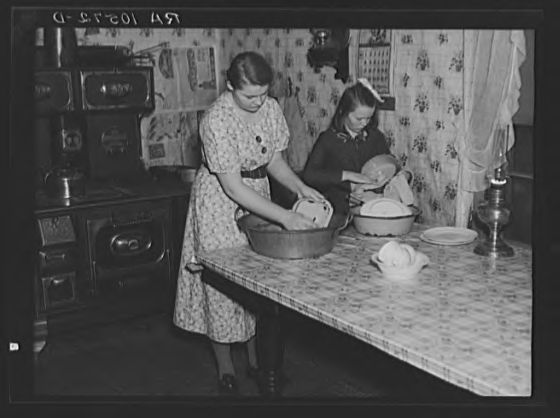
Washing required judgement about what was clean and drying required none, which is why the tasks were split the way they were. The adult kept the part that could be done wrong and handed over the part that could not, and no household ever said that out loud.
Children accepted it as the natural order. The idea that they might wash and an adult might dry did not occur to anybody, and in the households where it was tried it generally did not last a week.
Like our content? Follow us for more.
The Towel Was Always Already Wet
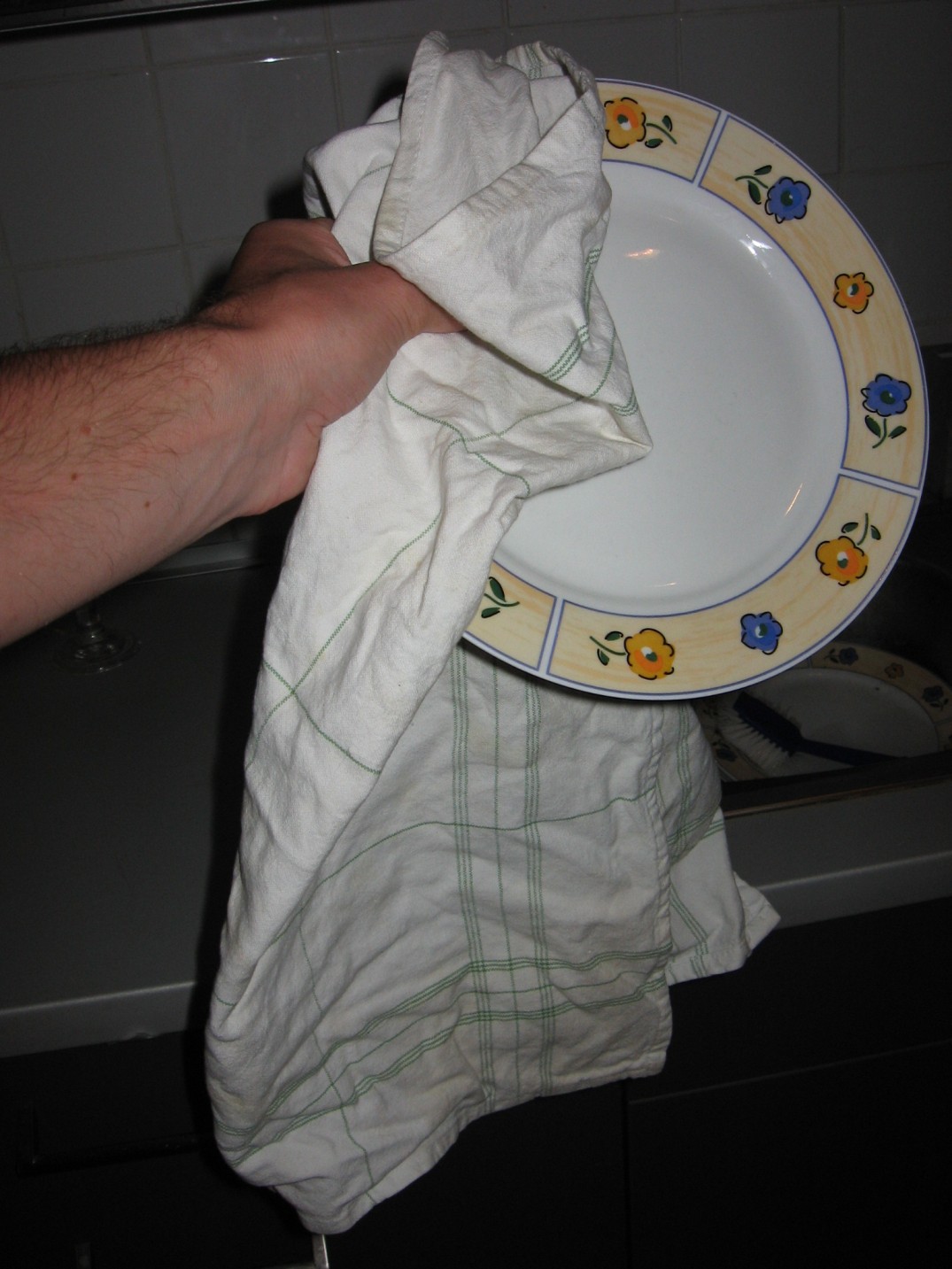
One cloth did the entire load, which meant it was saturated within about six items and useless thereafter. Everything after that point was being moved around rather than dried, and a child who asked for a dry one was told there was not another.
Drying Something With a Wet Towel Is Not Drying
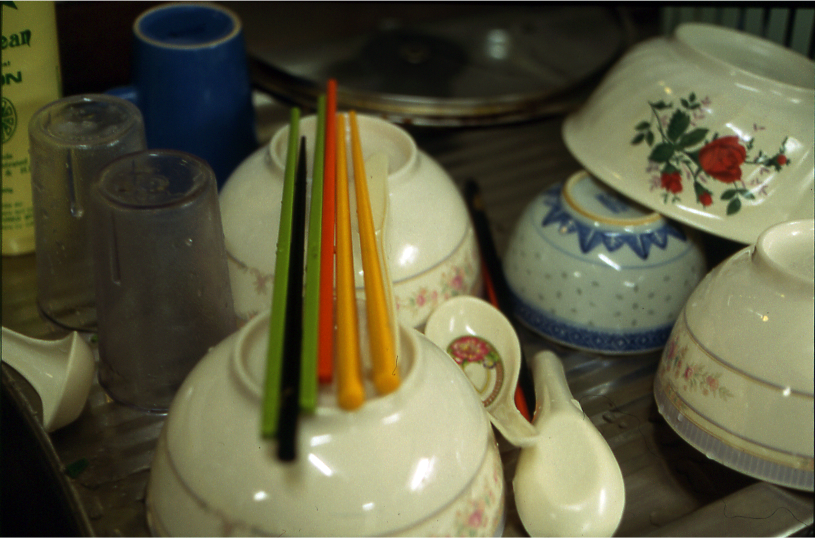
The physics defeated the whole exercise. Past a certain point the cloth was adding water as fast as it removed it, which every child noticed and no adult acknowledged, and the task continued for another ten minutes regardless.
The Stack Beside the Sink Was the Only Progress Indicator
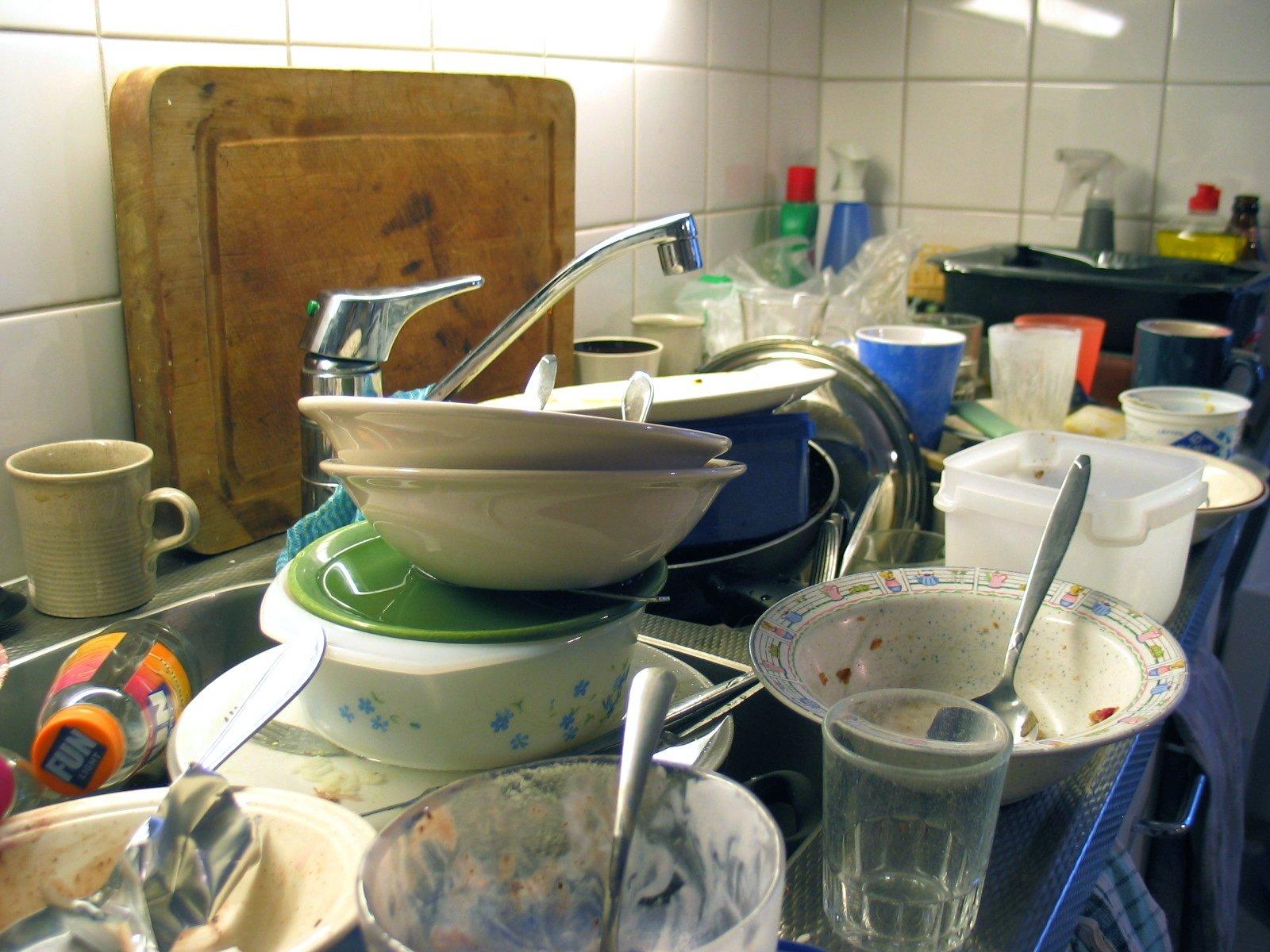
Neither party could see how much was left, because the remaining items were in the water. What a child could see was the pile they had finished, which grew at a rate that bore no relationship to how near the end anybody was.
That produced a specific kind of misjudgement. A child who believed they were nearly done, on the evidence of what they had dried, regularly discovered that the hardest third of the job had not yet surfaced.
The Order Things Came in Was Not Negotiable
Glassware first, then everything else, with the worst items last. The sequence existed because the water got dirtier as it went, and it meant a child’s job got steadily harder while the adult’s got easier.
The Last Items Were the Worst and They Were Always Yours
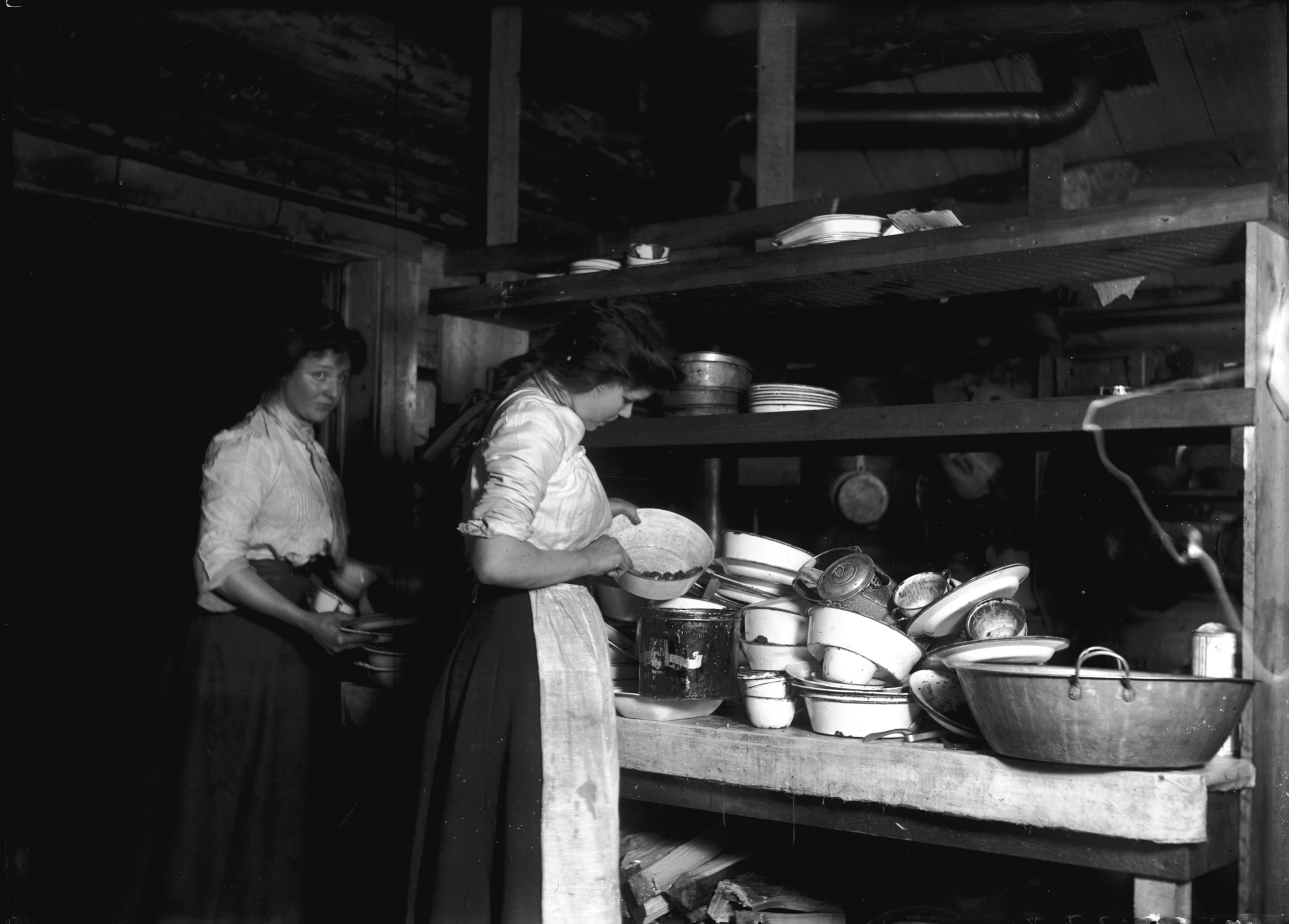
Whatever had been cooked in arrived at the end, by which point the towel had nothing left to give. A child dried those items badly, put them away damp and was occasionally found out days later.
Everything Had an Exact Place and the Places Were Not Obvious
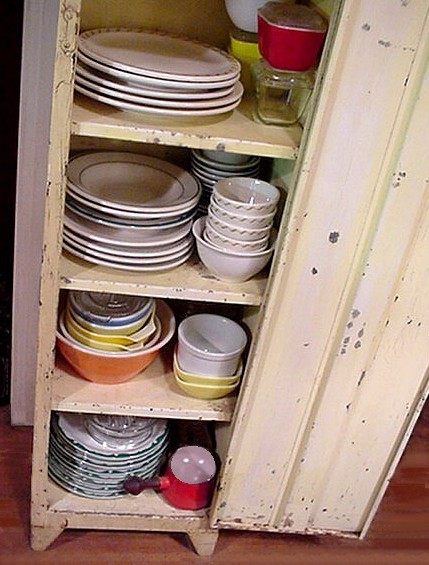
Cupboards of that period were organised by a logic the adult had established and never explained, which meant a child putting things away was following a scheme they had memorised rather than understood. One item in the wrong place was invisible until somebody went looking for it.
Children therefore learned a household’s entire storage arrangement by rote. A great many people can still describe the inside of those cupboards precisely, in an order that made sense to nobody but the person who had set it up.
Putting Away Was the Part Nobody Counted

The job was described as drying and consisted substantially of carrying. Every item had a destination, most of them were above a child’s reach, and a considerable proportion of the twenty minutes was spent moving things across a kitchen and standing on something.
The Chair Was Standard Equipment
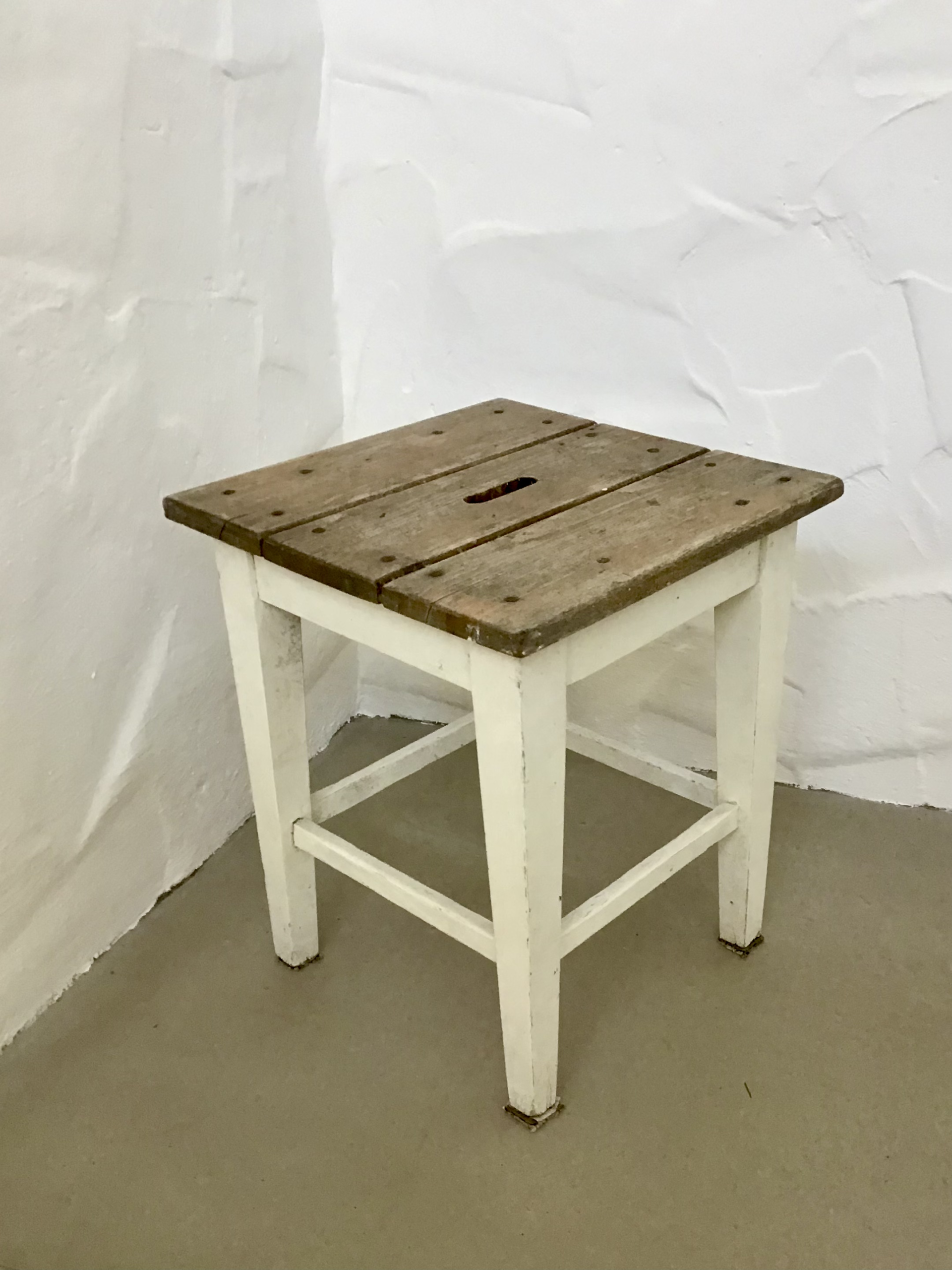
A child who could not reach the shelves brought a chair to the cupboard and worked from it, which added a hazard nobody thought about and a delay everybody did. Modern kitchens and modern thinking about what children should be climbing on have improved this, and nothing here is a recommendation.
Dropping Something Ended the Conversation

A broken item stopped everything, produced a short and specific exchange and was remembered by the child far longer than by anybody else. It happened to everybody, it happened more often at the end when the towel had failed, and nobody ever connected those two facts.
The Towel Had a Smell and It Was Not a Good One
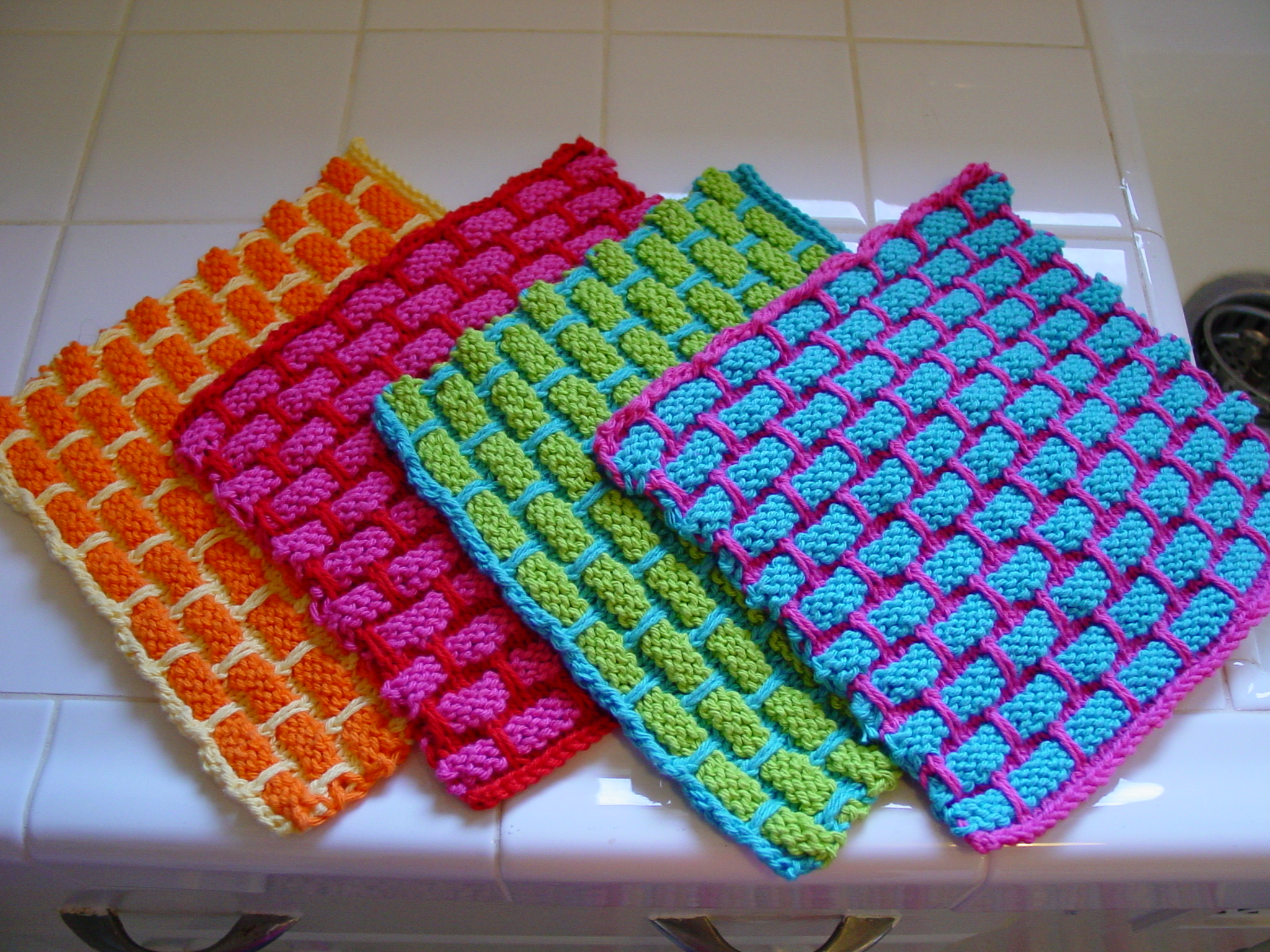
A single cloth used every evening and dried on a rail in a kitchen acquires a character of its own within about three days. Children objected, were ignored, and the cloth was replaced on whatever schedule the household operated rather than on request.
The Conversation Was the Actual Point
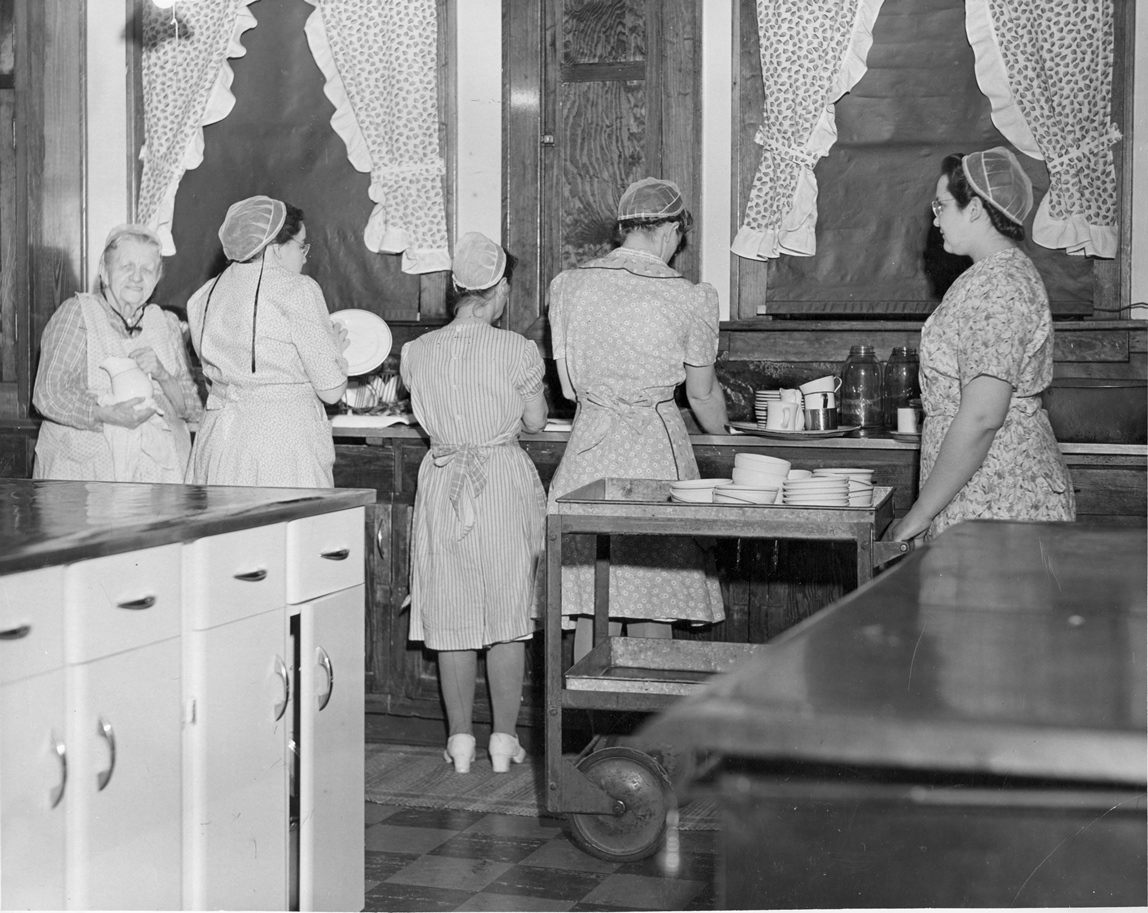
Twenty minutes of two people side by side, both occupied, neither facing the other, is the single best arrangement for talking that a household of that period produced. An adult at a sink with their hands in water is considerably more forthcoming than the same adult sitting in a room.
A great many people describe those twenty minutes as the whole of their relationship with that adult. Not the content of it, which was mostly nothing, but the fact of being reliably alone together every single day.
Being Asked Things Was Easier Sideways
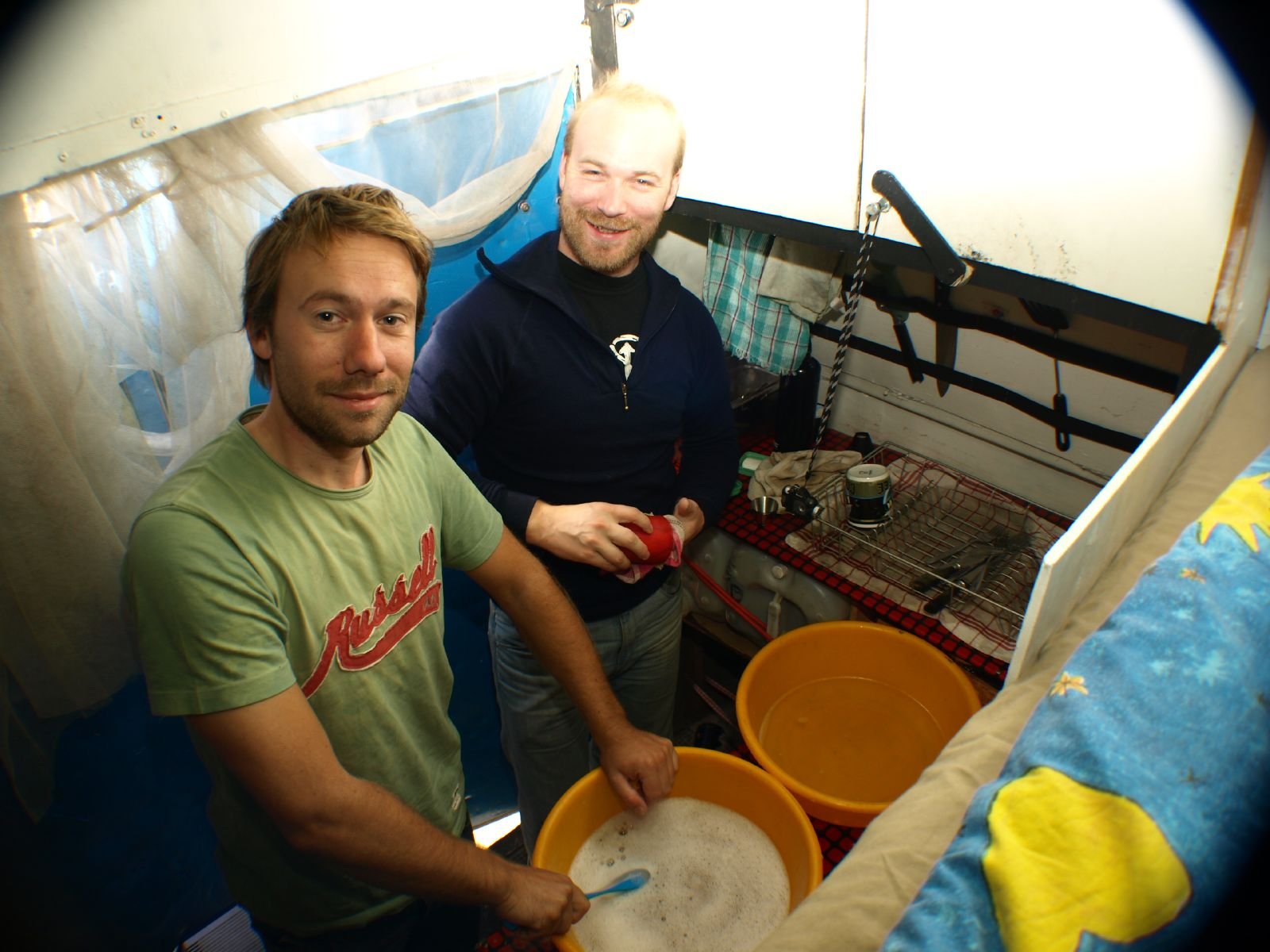
A child who would not answer a direct question across a table answered the same question at a sink without noticing. Neither party was looking at the other, both had something to do with their hands, and the exchange could be abandoned at any point without anybody having to end it.
Siblings Were Rotated and the Rotation Was Resented
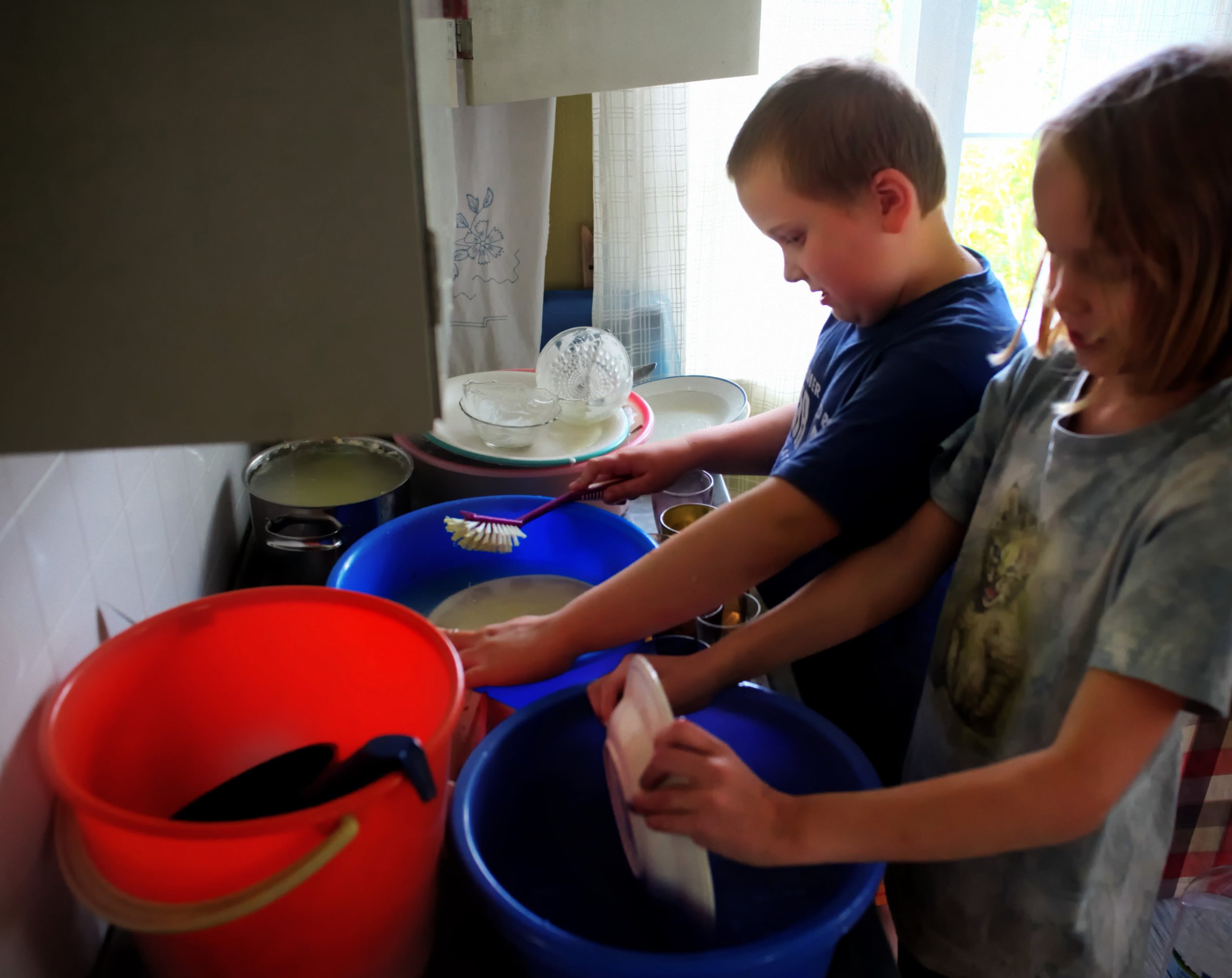
Households with more than one child alternated evenings, and the arrangement was tracked with great precision by everybody except the adult running it. Accusations of having done it twice in a row were constant and occasionally correct.
Doing It Alone Was Worse Than the Work
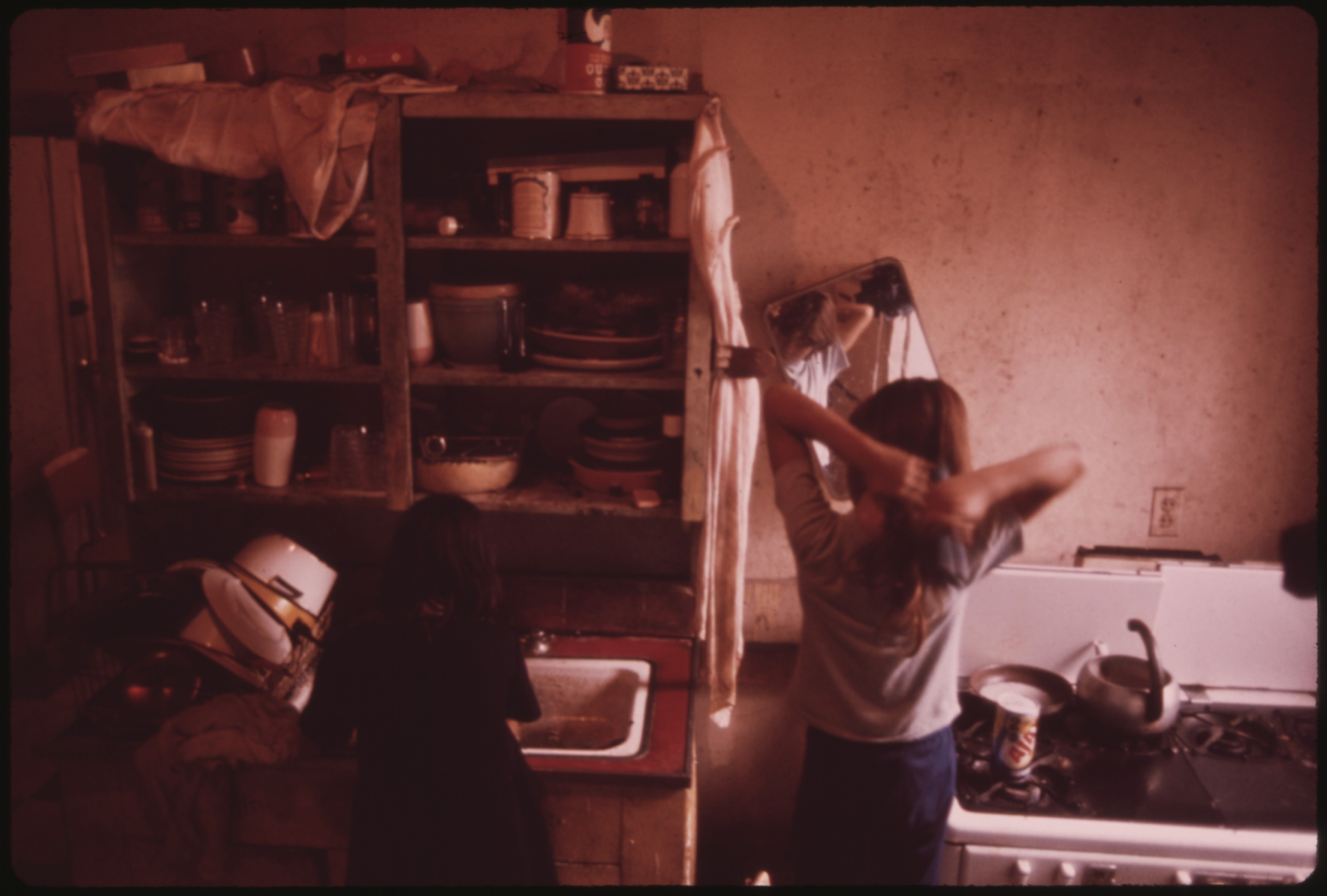
A child sent to dry up by themselves, with the washing already done and stacked, had the task and none of the company. That version is remembered as a chore and the side-by-side version is not, which says something about what the arrangement actually was.
The Radio Was On and Nobody Chose It
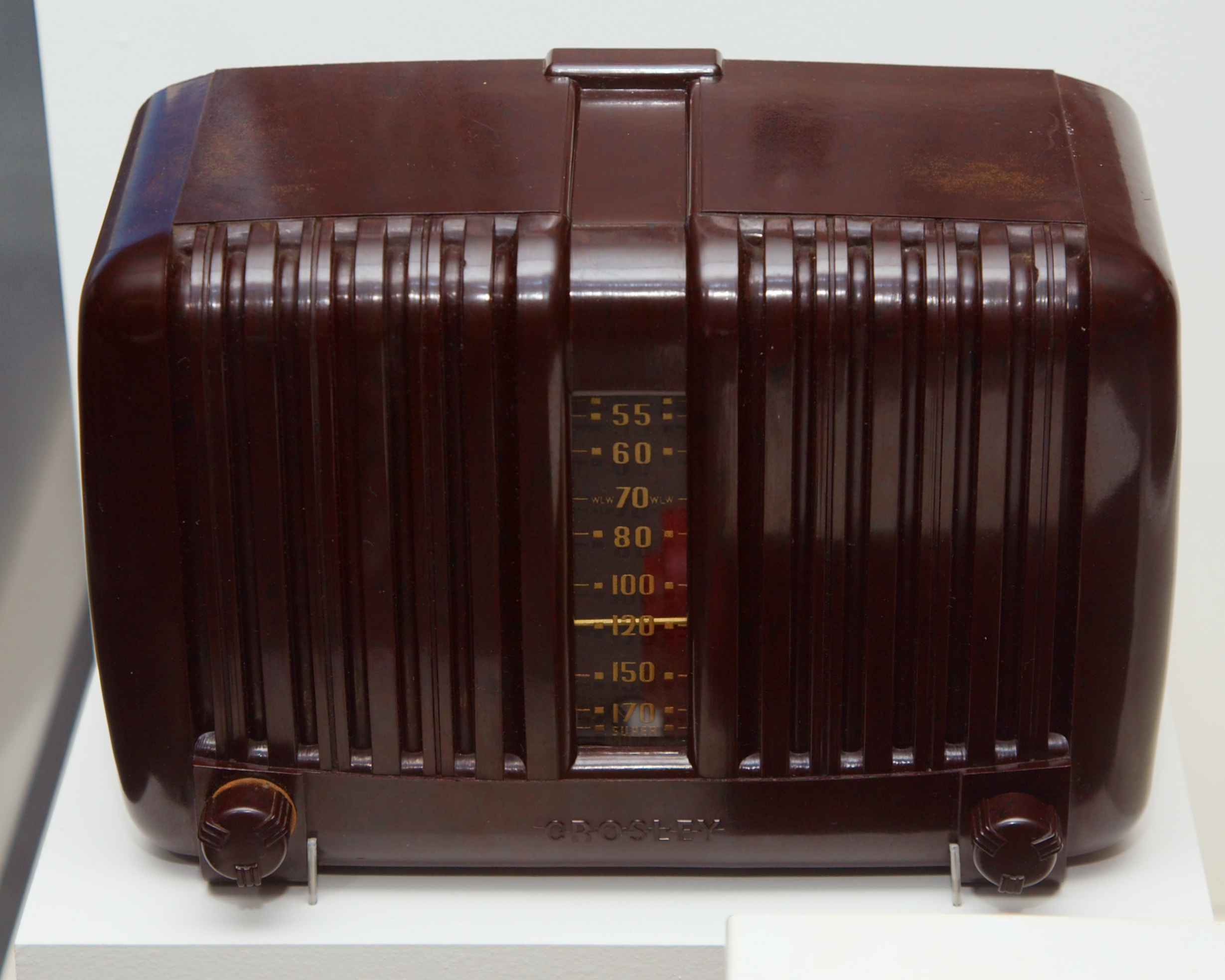
Whatever was playing was the adult’s selection, which meant children absorbed a great deal of material they would never have picked. A surprising number of people can still identify music from that period precisely because they heard it at a sink.
Visitors Suspended the Whole Thing
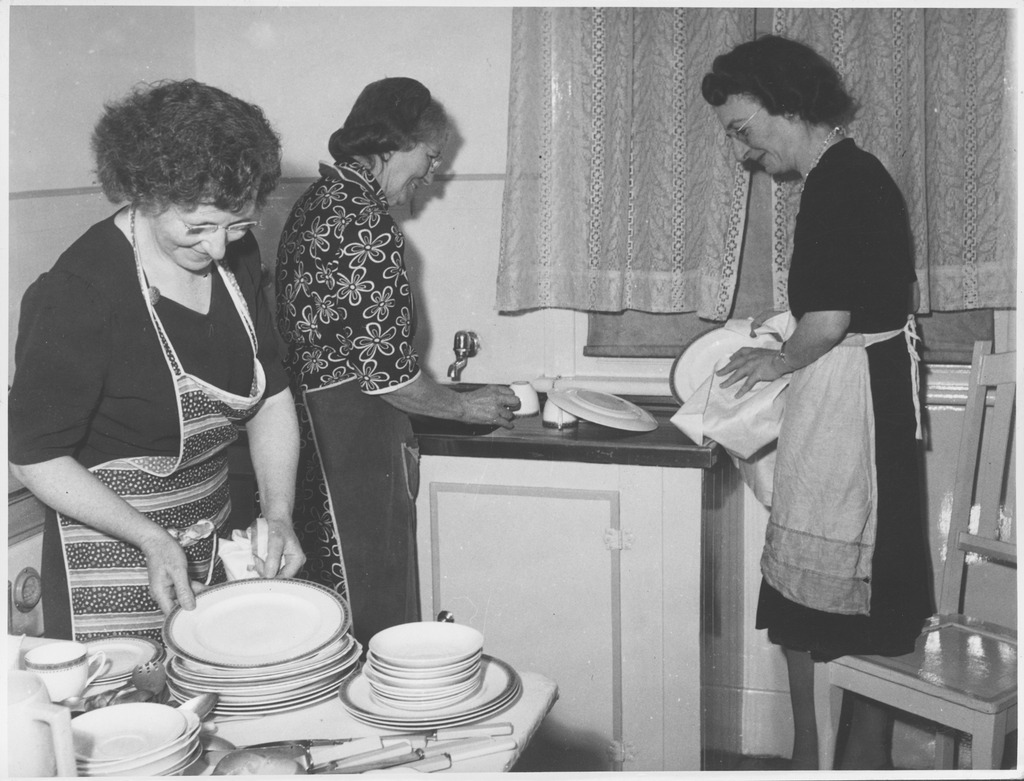
When anybody was in the house the arrangement collapsed – the washing was left, done later or done by an adult alone – and the child was released. The exemption was welcome and also removed the one period of the day they had with that adult.
The Sink Was the Wrong Height for Everybody
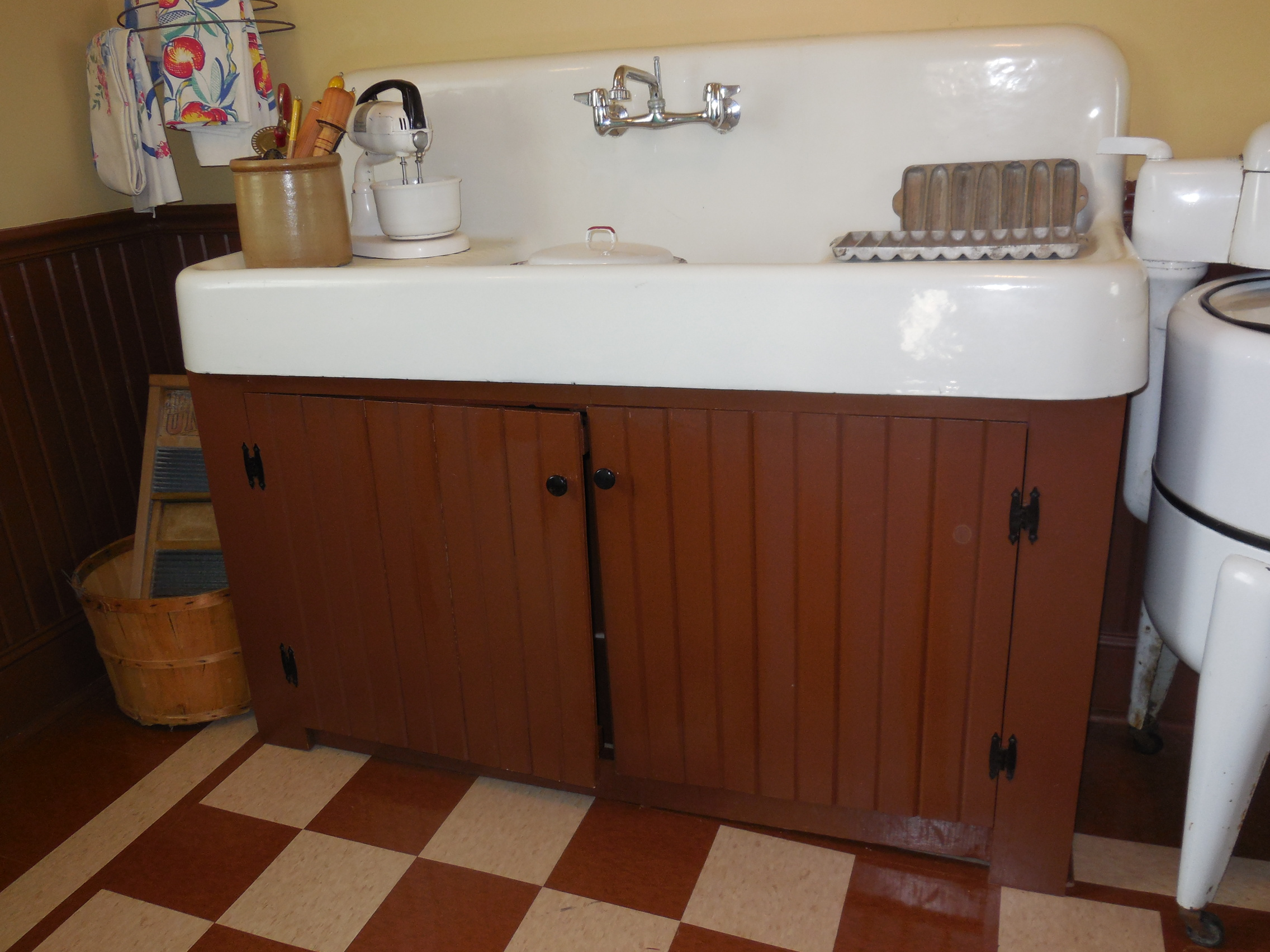
Kitchen fittings of the period were built to one specification, which suited almost nobody in the household. An adult stooped and a child reached up, and both of them did it every evening for years without anybody suggesting it could be otherwise.
Nobody Taught the Technique and There Was One
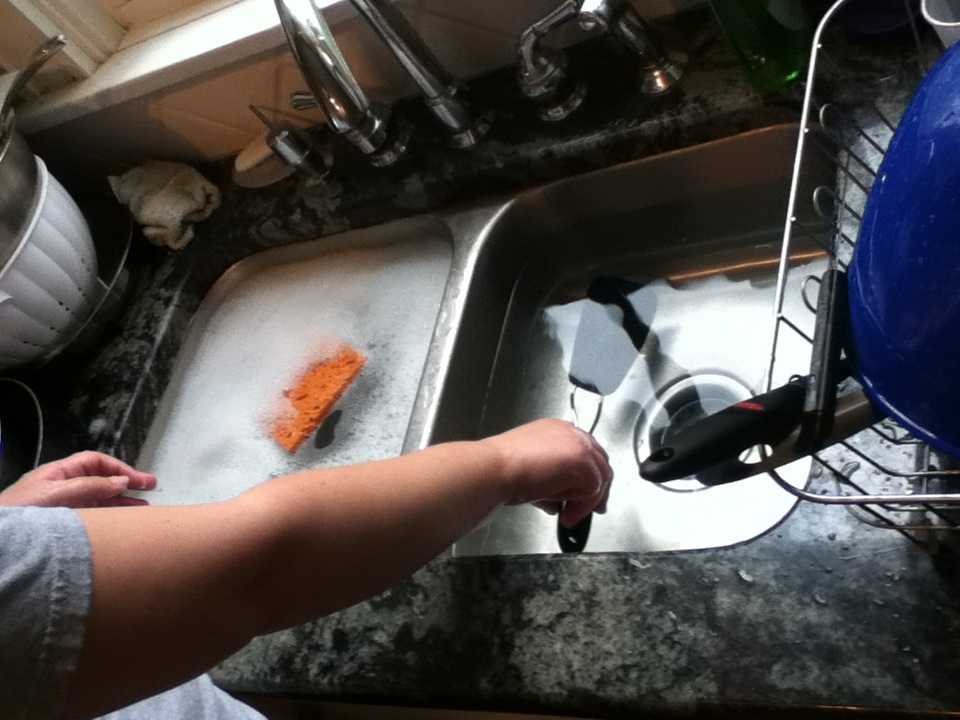
Holding an item by the part already dried, working from the inside out, stacking rather than carrying individually – all of it was arrived at by children independently. Twenty minutes a day for ten years produces a competence nobody ever mentioned.
The Hands Were the Giveaway
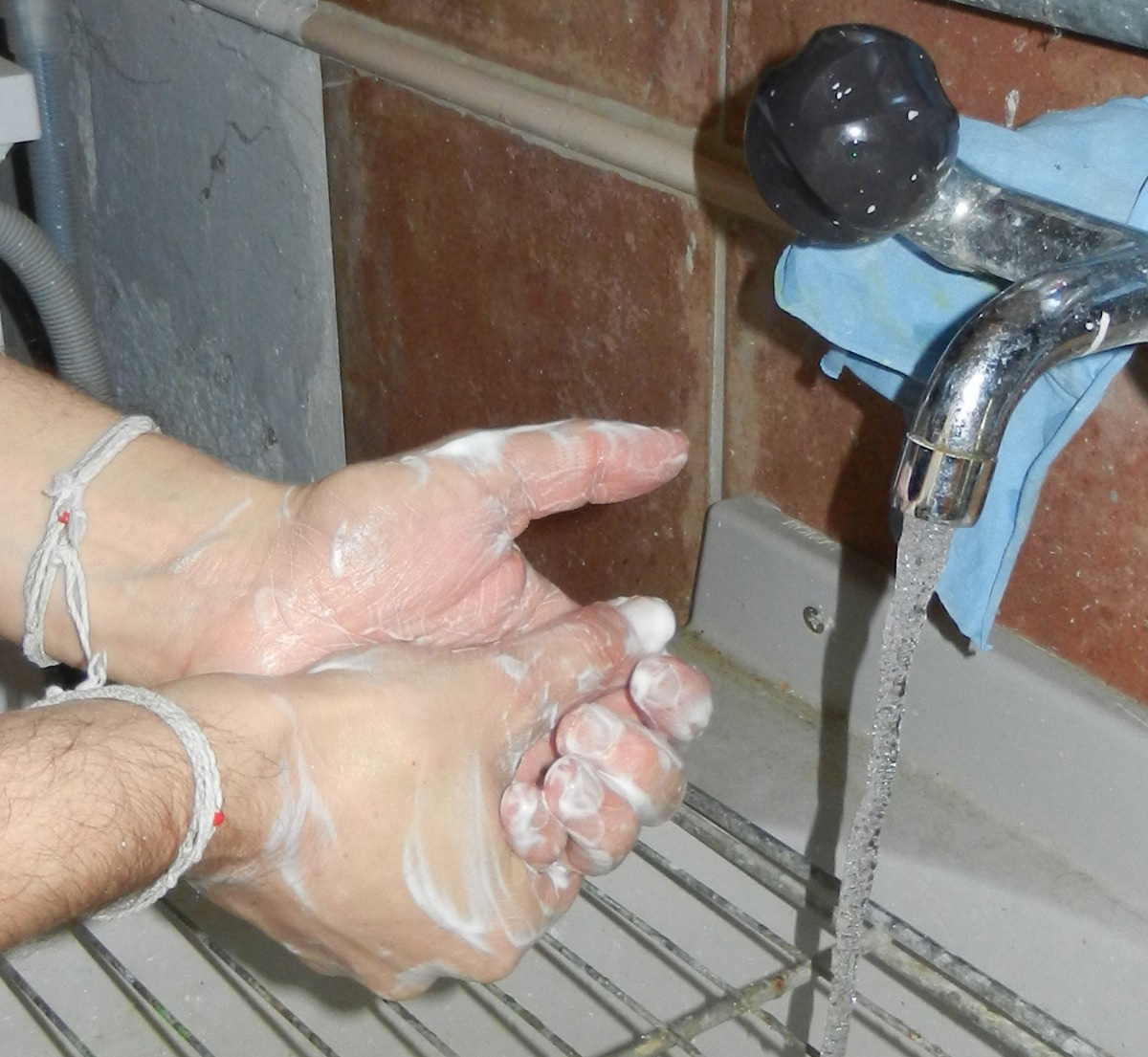
A child who had done this every evening had a specific set of complaints about their hands in winter, and so did the adult. Neither of them did anything about it, and the subject came up about once a season and was dropped.
The Job Ended When the Towel Was Hung Up
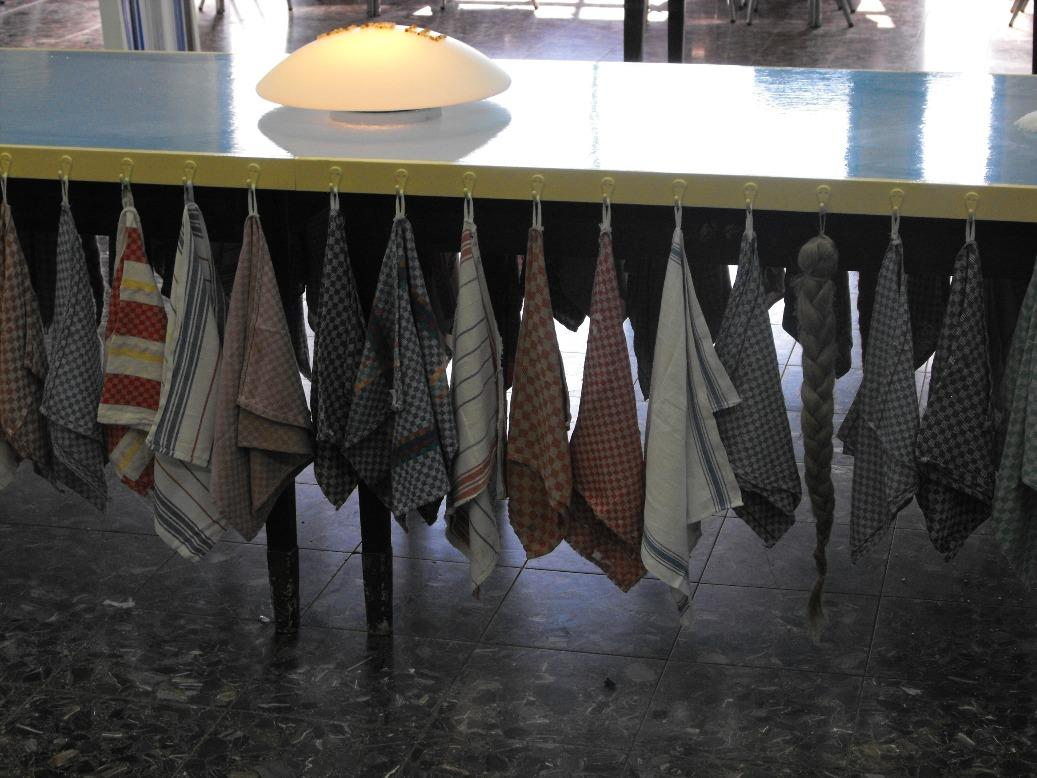
There was a defined finish, which most household tasks did not have. The cloth went back on the rail, the kitchen was done and both parties left, and the clarity of that ending is part of why the task is remembered without much resentment.
It Was the Last Fixed Point of the Day
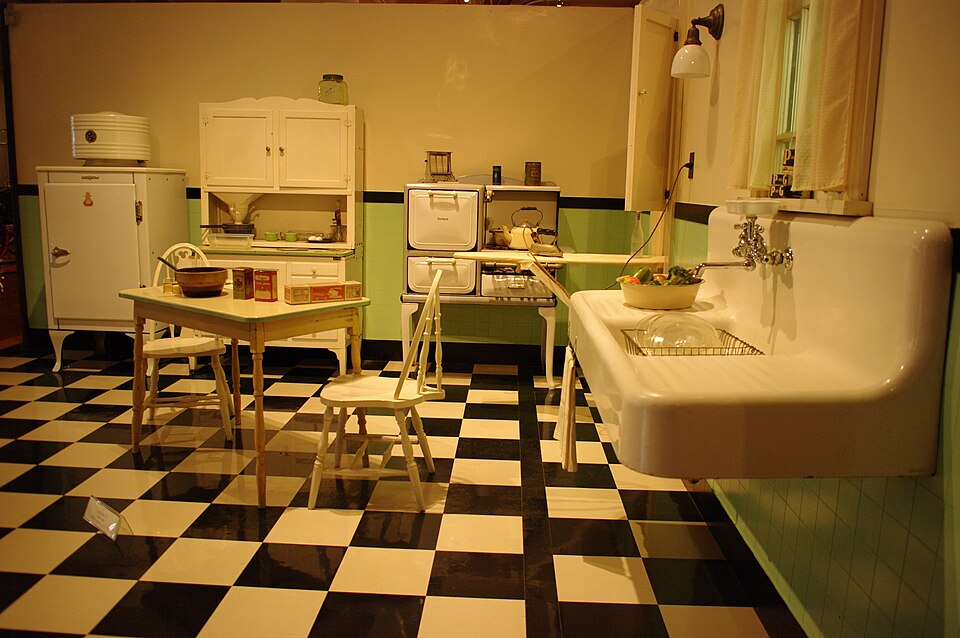
For a great many households this was the final scheduled thing that happened, after which the evening became unstructured. Children therefore associated it with the boundary between obligation and freedom, which gave twenty minutes of drying up a significance it had not earned.
Growing Out of It Was Never Announced
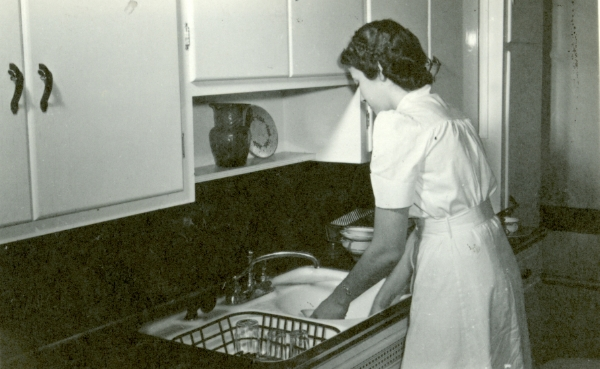
Nobody said a child was finished with the job. It simply stopped happening, as schedules changed and children were elsewhere in the evenings, and neither party registered the last time it occurred.
Then the Machine Arrived and the Twenty Minutes Went
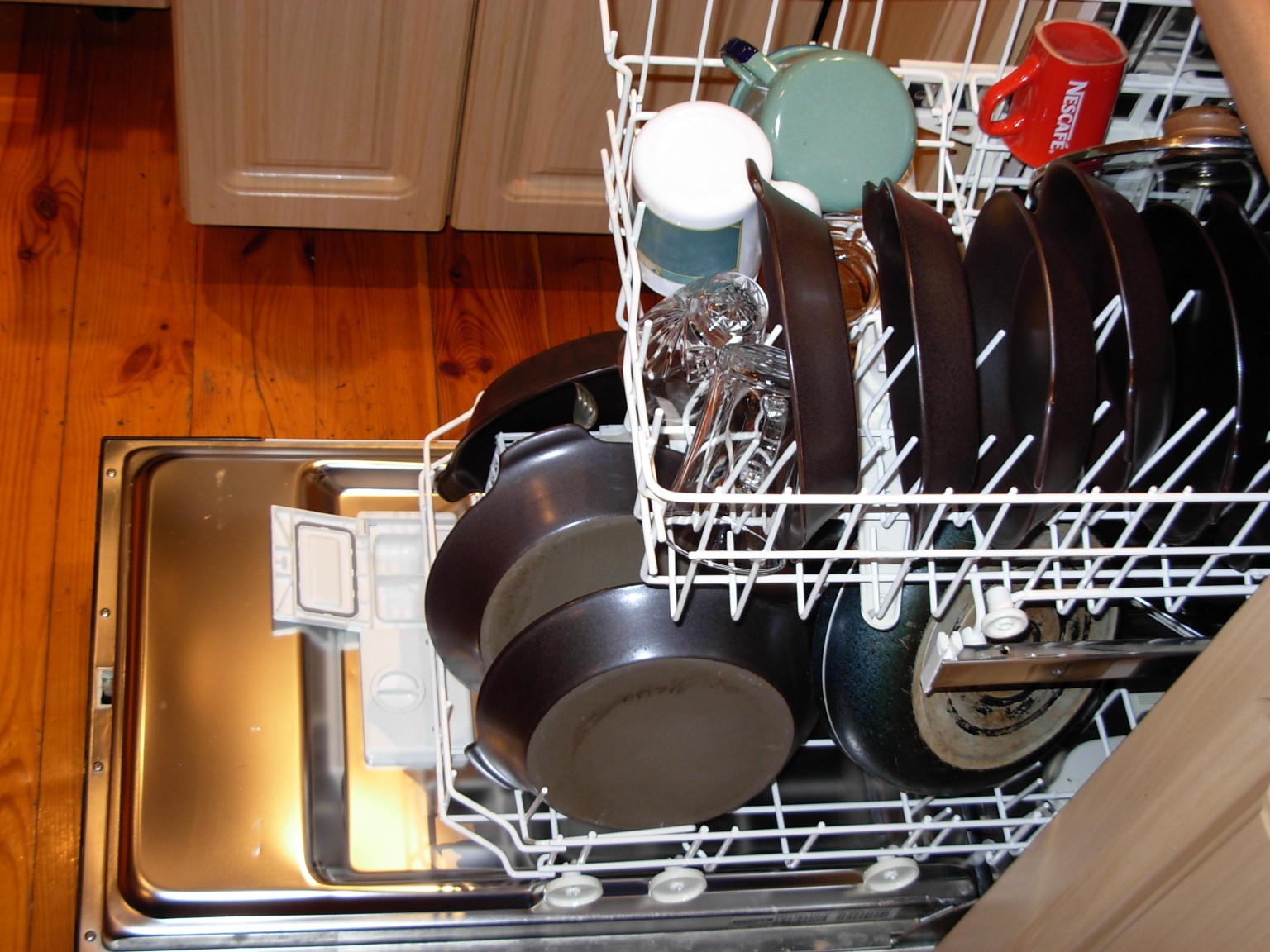
A dishwasher removed the task, and with it the only period of the day in which an adult and a child were reliably alone together, both occupied and neither facing the other. The appliance is better in every practical respect and that is not in question.
The Loss Was Not the Work

Nobody misses a wet cloth or a sink at the wrong height. What went was an accidental arrangement that produced conversation nobody had scheduled, and no household replaced it with anything, because nobody had noticed it was there.
What Actually Went
One saturated towel, a sequence that made a child’s job harder as it went, a chair carried to a cupboard, a radio nobody had chosen, and twenty minutes every evening of two people standing side by side not looking at each other, which a surprising number of people now describe as the most they ever talked.
Like our content? Follow us for more.