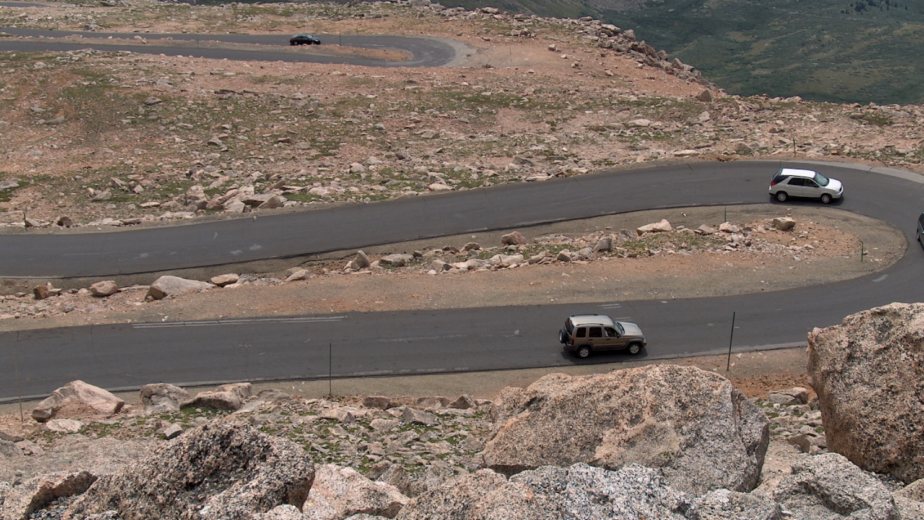
Interstate 80 across Nevada, the “Cowboy Corridor”, is a high-desert gauntlet that stretches nearly 400 miles from the Reno lights to the Utah salt flats. It is a land of extreme isolation where “next gas” signs often predict the next 50 to 80 miles of nothingness. While the exhaustion of a ten-hour drive through the Great Basin is real, seasoned Nevada road-trippers share a grim piece of advice: never pull into a standalone, unbranded motel in the desert dark.
While these independent “mom-and-pop” stops may look like charming, neon-lit relics of a simpler era, they often operate in a regulatory and security vacuum that can turn a budget stay into a dangerous gamble.
1. The “Pipeline” Problem: I-80’s Dark Underbelly

Data from regional law enforcement, including the Truckee and Reno Police Departments, identifies I-80 as a major transit “pipeline” for illicit activity, specifically human trafficking and narcotics. Independent motels, which often lack the strict digital check-in protocols and corporate surveillance of major chains, frequently become unwitting hubs for this activity. In towns like Winnemucca, the crime rate is reportedly 93% higher than other Nevada cities of its size, with property crimes and “transient-related” offenses spiking near unbranded lodging clusters. For a tourist, checking into a “no-questions-asked” motel means sharing a hallway with an unvetted, transient population that major brands specifically filter out.
2. The Physical Security Gap: “Master Keys” and Exterior Doors

The most significant physical risk is the lack of standardized entry systems. Many unbranded I-80 motels still utilize traditional metal keys rather than encrypted RFID cards. Over decades, these keys are easily duplicated by previous guests or unscrupulous staff. Furthermore, these motels almost exclusively feature exterior corridors, where your room door opens directly to the parking lot. This eliminates the “lobby buffer” found in branded hotels. In the vastness of the Nevada desert, this means there is zero oversight of who approaches your door at 3:00 AM, a vulnerability that leads to a higher frequency of “vehicle-to-room” robberies and “push-in” burglaries.
3. The Mining Boom and “Shadow Populations”
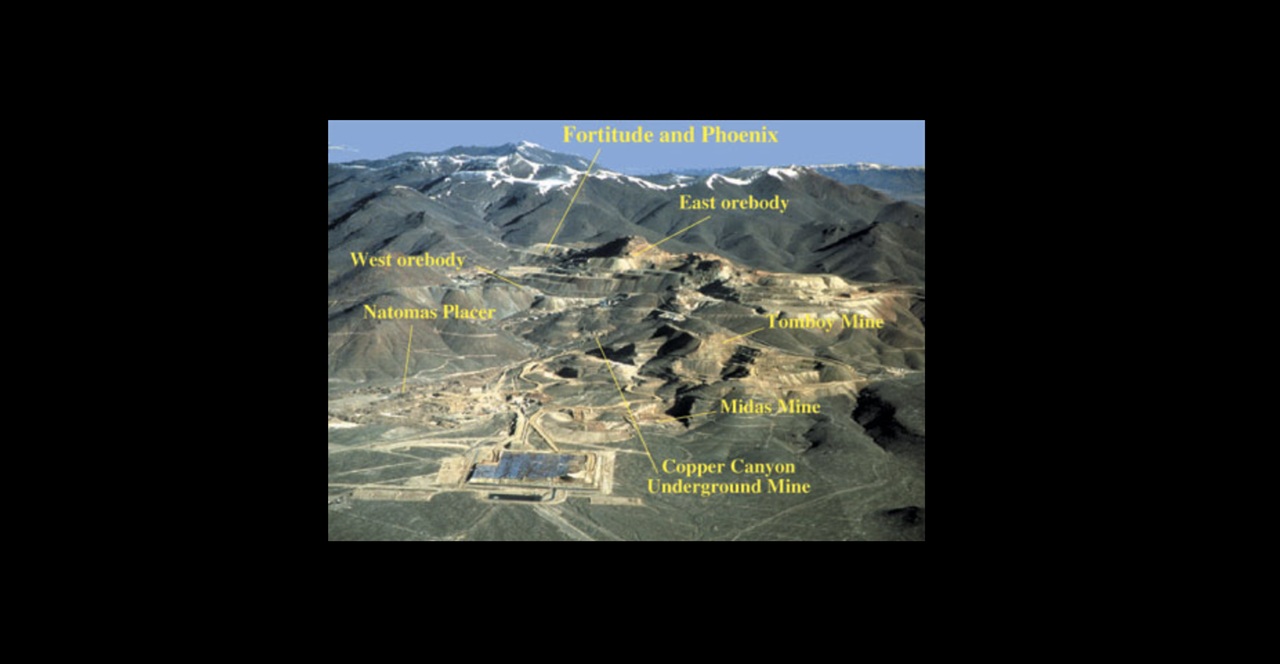
Towns like Elko and Battle Mountain are currently experiencing massive mining booms. While this brings economic growth, it also creates a “shadow population” of short-term workers who saturate local lodging. Unbranded motels often pivot to “weekly/monthly” rentals to accommodate this demand. Consequently, a traveler isn’t just staying at a hotel; they are staying in a high-density, low-income apartment complex where domestic disputes and long-term resident issues are common. This environment is vastly different from the transient, “guest-first” security posture maintained by corporate chains.
4. Health and Survival: The Desert Maintenance Crisis
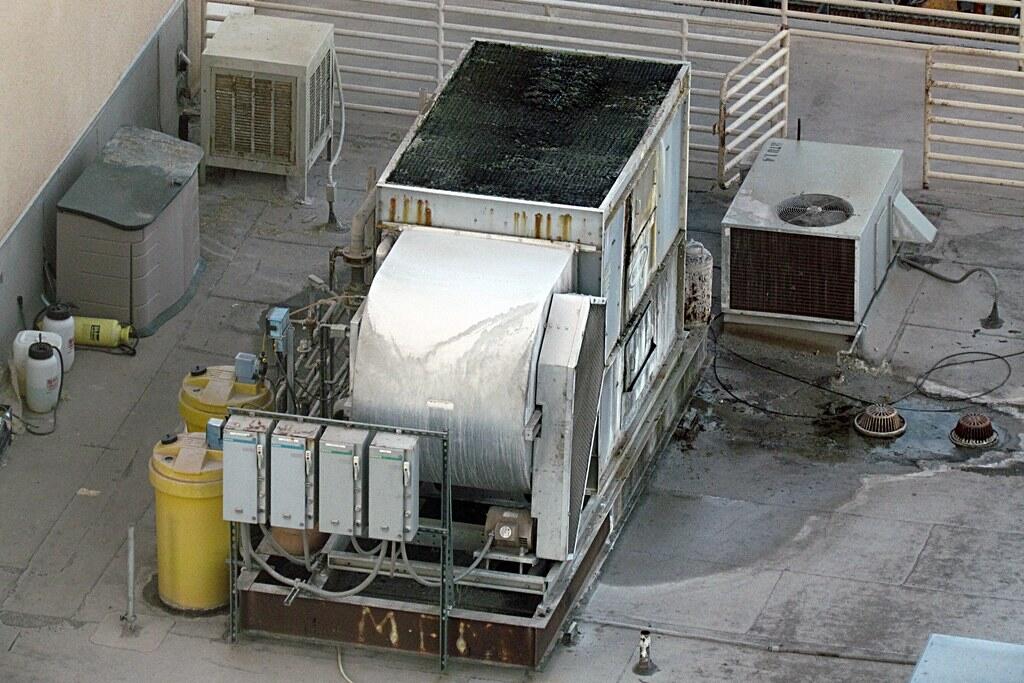
In the Great Basin, climate control isn’t a luxury, it’s survival. Independent motels often struggle with the overhead of maintaining modern HVAC systems in an environment where temperatures swing 50 degrees in a single day. “Swamp coolers” and aging furnaces are common, and unlike national franchises, these motels do not undergo standardized health and safety audits. From documented bedbug infestations to “gray water” issues in aging plumbing, the lack of corporate accountability means that if something fails at midnight in Lovelock, you are truly on your own.