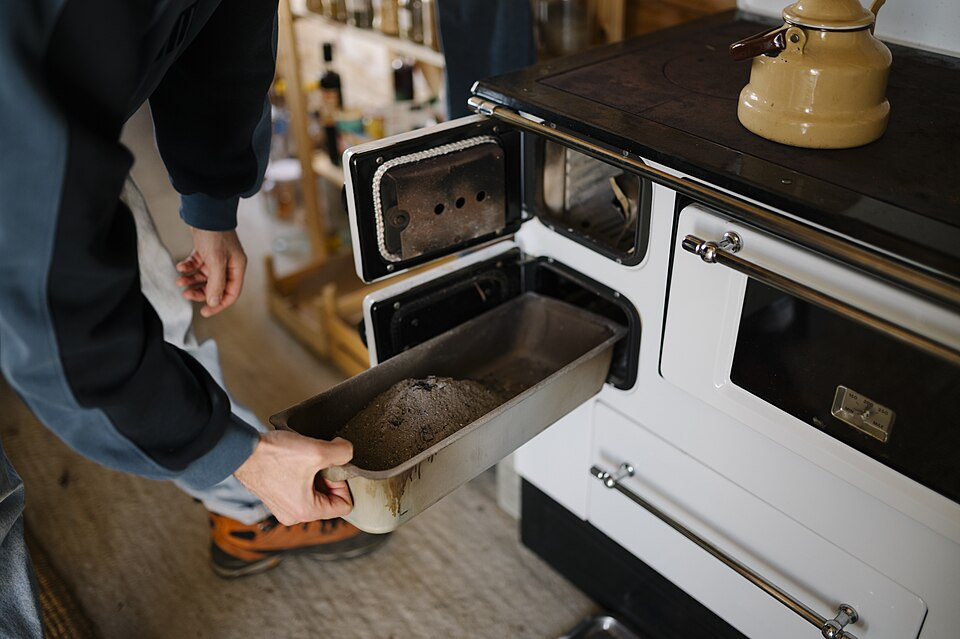
In 1962 a household that burned anything for heat produced a quantity of ash every single day, and somebody had to take it out. In a great many houses that somebody was a child, and the job had to be done before anything else could happen.
It Was the One Chore That Could Not Be Deferred
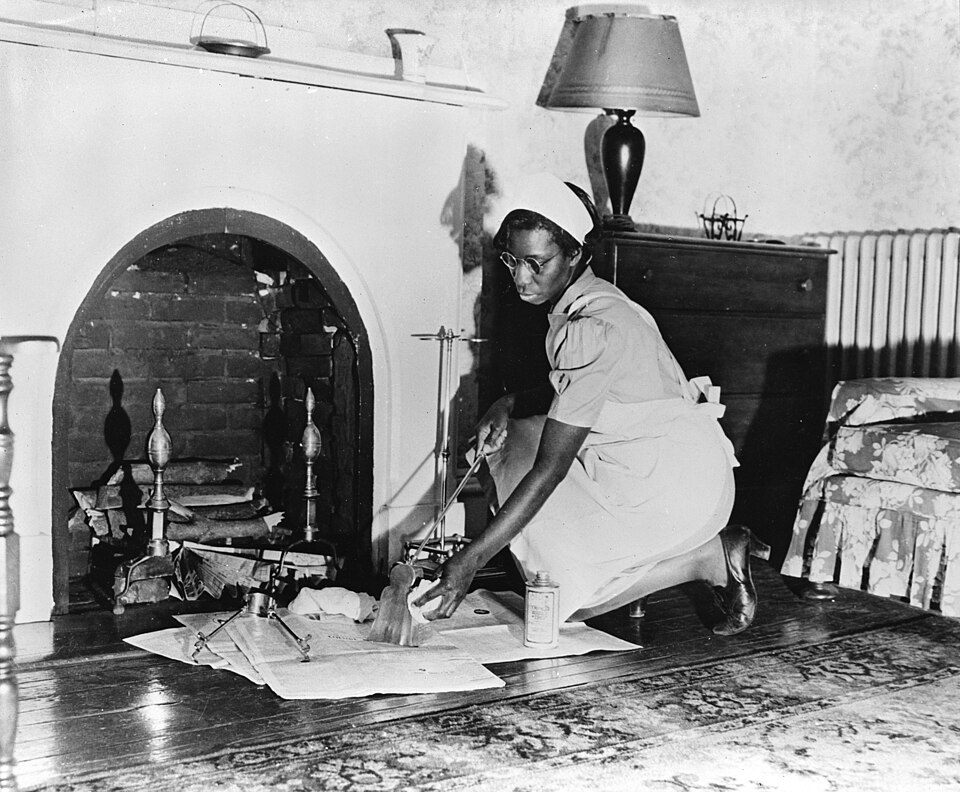
A grate that has not been cleared cannot be lit, which means the whole household’s heat depended on the job being done first. Every other task a child was given could be postponed to a better moment and this one could not.
That gave it a standing nothing else had. A child who had not done it was not being lazy about a chore; they were the reason the house was cold, and the distinction was understood by everybody.
Like our content? Follow us for more.
Present-Day Practice Is Different and Present-Day Practice Is Right
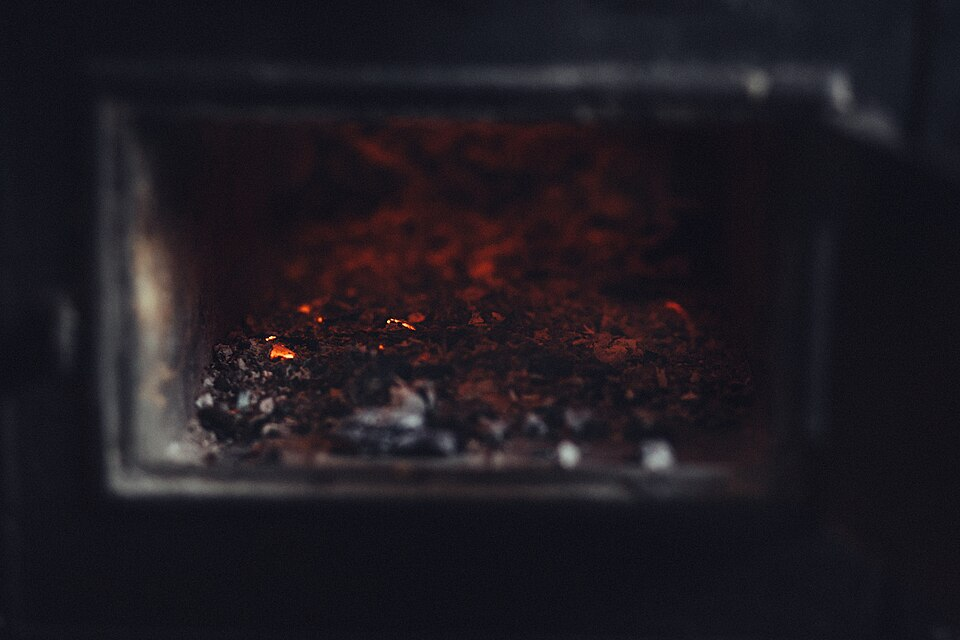
Ash retains heat for far longer than it appears to, and current advice about handling and storing it exists for well-established reasons that are not in dispute. Nothing in this piece should be read as describing how anybody ought to handle anything.
It is worth stating plainly rather than treated as fussiness. The standards of 1962 did not address this adequately, everything about how it is handled now is better informed, and this is an account of what households did before any of that was understood.
The Container Was Never the Right One
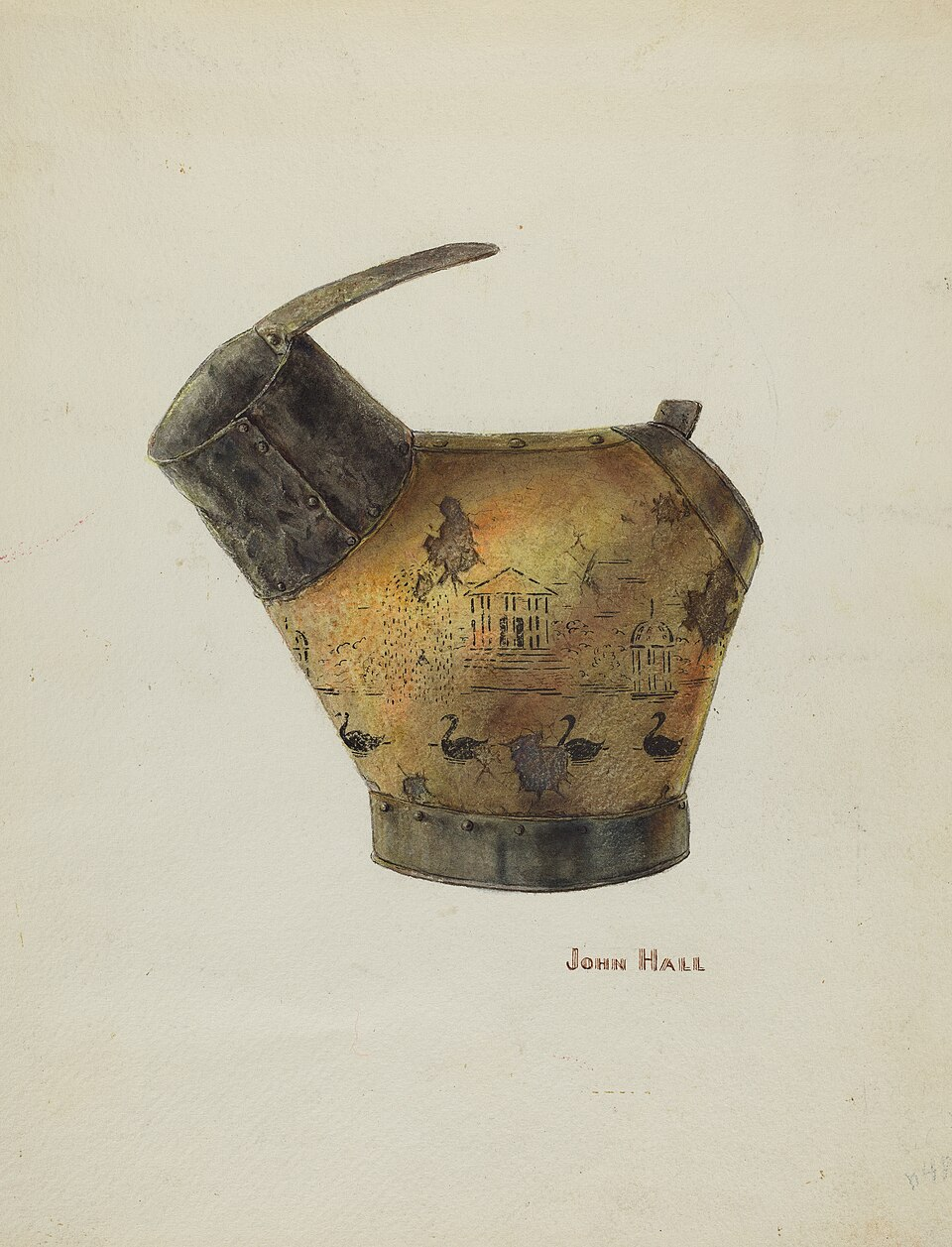
Whatever a household carried ash in was improvised, too small or had no lid, which meant the material travelled through a house in something inadequate.
The improvisation had an obvious consequence. A container without a lid, carried by a child through a hallway, distributes a proportion of its contents along the route, and every household of the period had a visible trail somewhere.
The Quantity Was a Direct Report on the Night Before
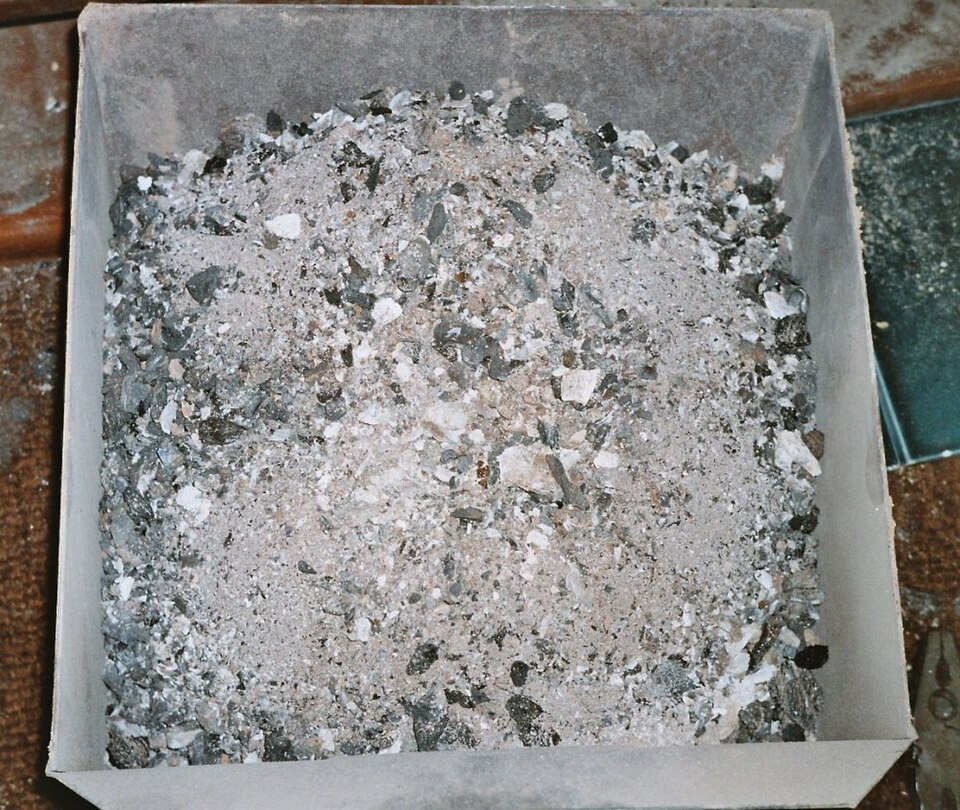
How much there was told you exactly how cold it had been and how late the household had stayed up, which made the morning’s job a measurement as well as a chore. A child could tell before anybody spoke whether the previous evening had run long.
It also varied enormously between households on the same street. A house that was heated properly produced several times what a house that was heated reluctantly did, and the children of both kinds had no idea their own quantity was unusual.
It Got Everywhere and Could Not Be Cleaned Up Properly
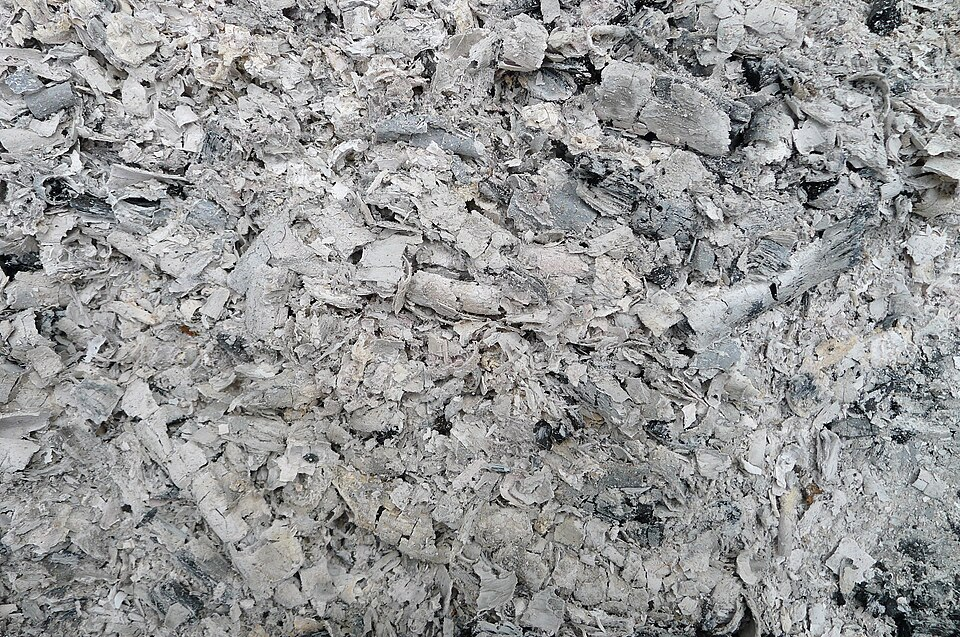
The material is fine enough to become airborne at the slightest disturbance and settles on everything within reach, which meant the job created a second job nobody had allocated.
You Had to Do It Before Anybody Else Was Up
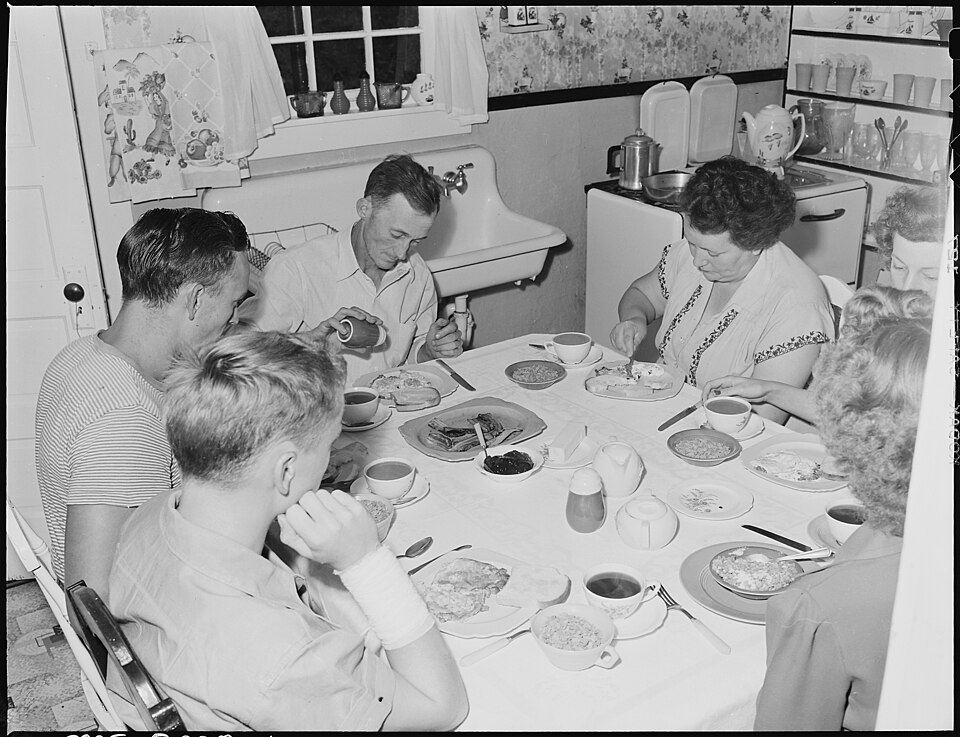
The timing was set by the household’s need for heat, which put the task at an hour nobody would have chosen. A child doing this in winter was doing it in the dark and the cold, before breakfast, in whatever they had slept in.
The Trip Outside Was the Worst Part
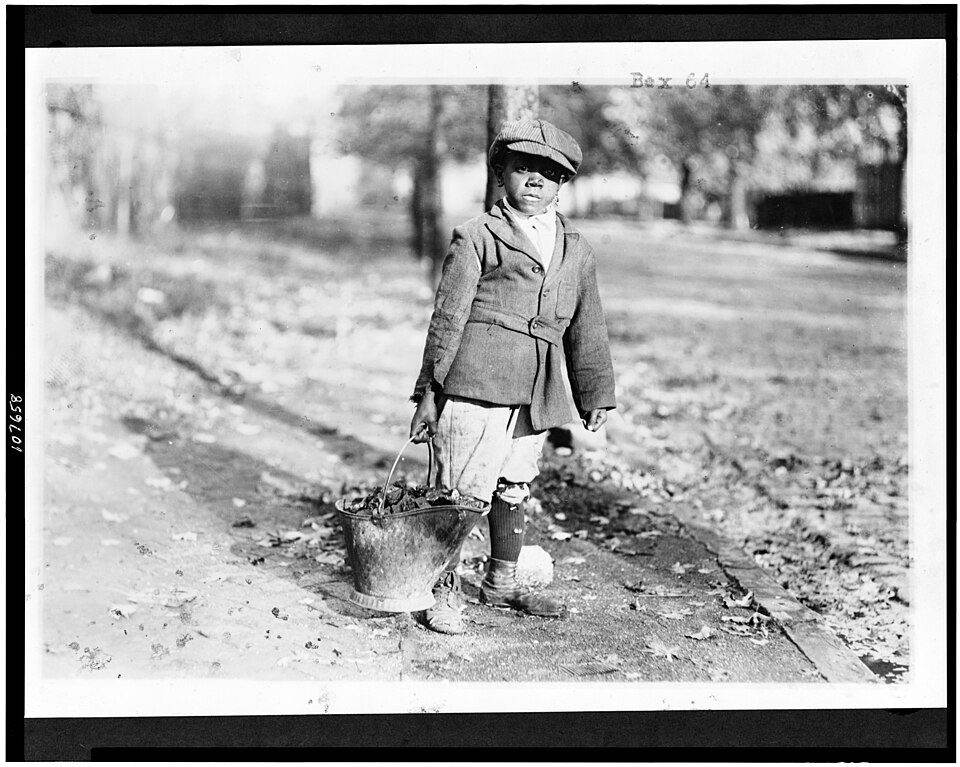
Carrying an open container of warm material across a yard, in bad weather, in the dark, to a specific place, is a short journey that nobody enjoyed.
The destination was always further than it needed to be. Households sited ash disposal away from the house for good reasons, which meant the carry was longer than the child performing it thought reasonable.
Wind Decided How Badly It Went
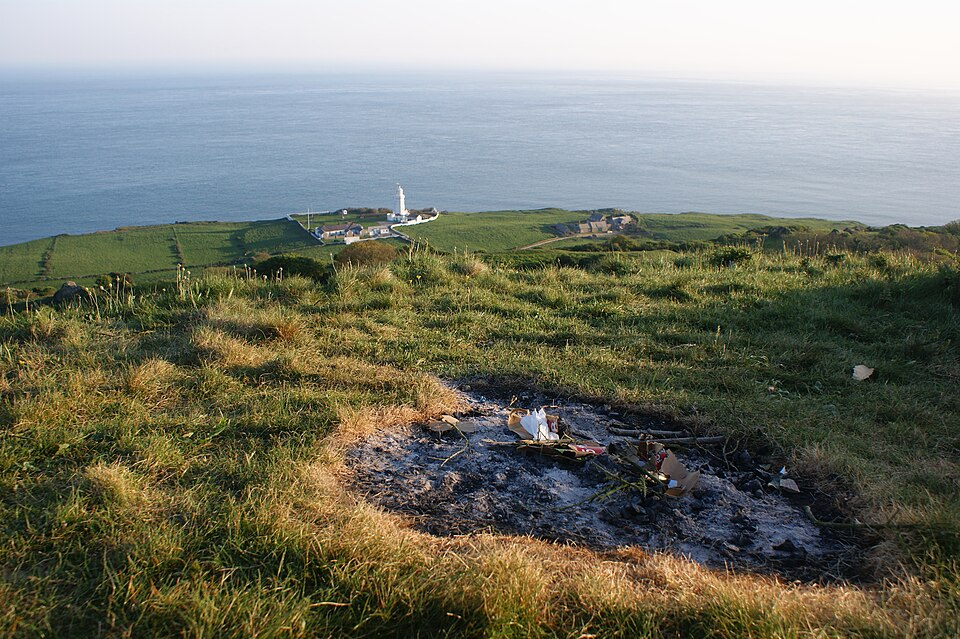
A gust at the wrong moment returned a proportion of the contents to the person carrying it, which happened often enough that children learned to read the weather before setting out.
Carrying It Required a Posture Nobody Could Hold
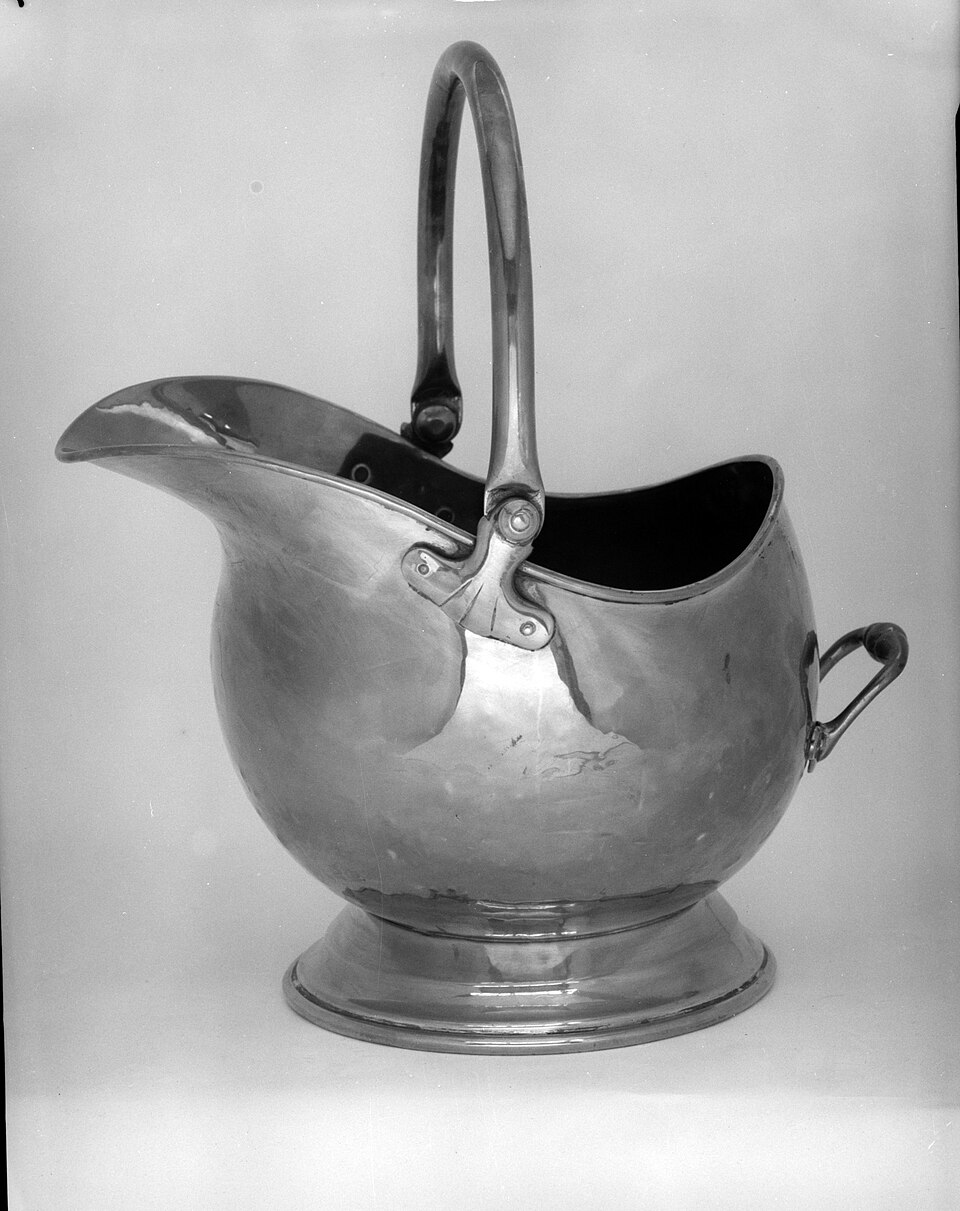
The weight was low down and the container had to be kept level, which meant walking with the arms extended and the back compensating, at whatever pace that allowed. A child could not simply pick it up and go.
That is why it was done in stages. A child who had stopped twice on the way across a yard to rest and reset their grip had worked out the only method available, and nobody had suggested it to them.
It Was Always Heavier Than Expected
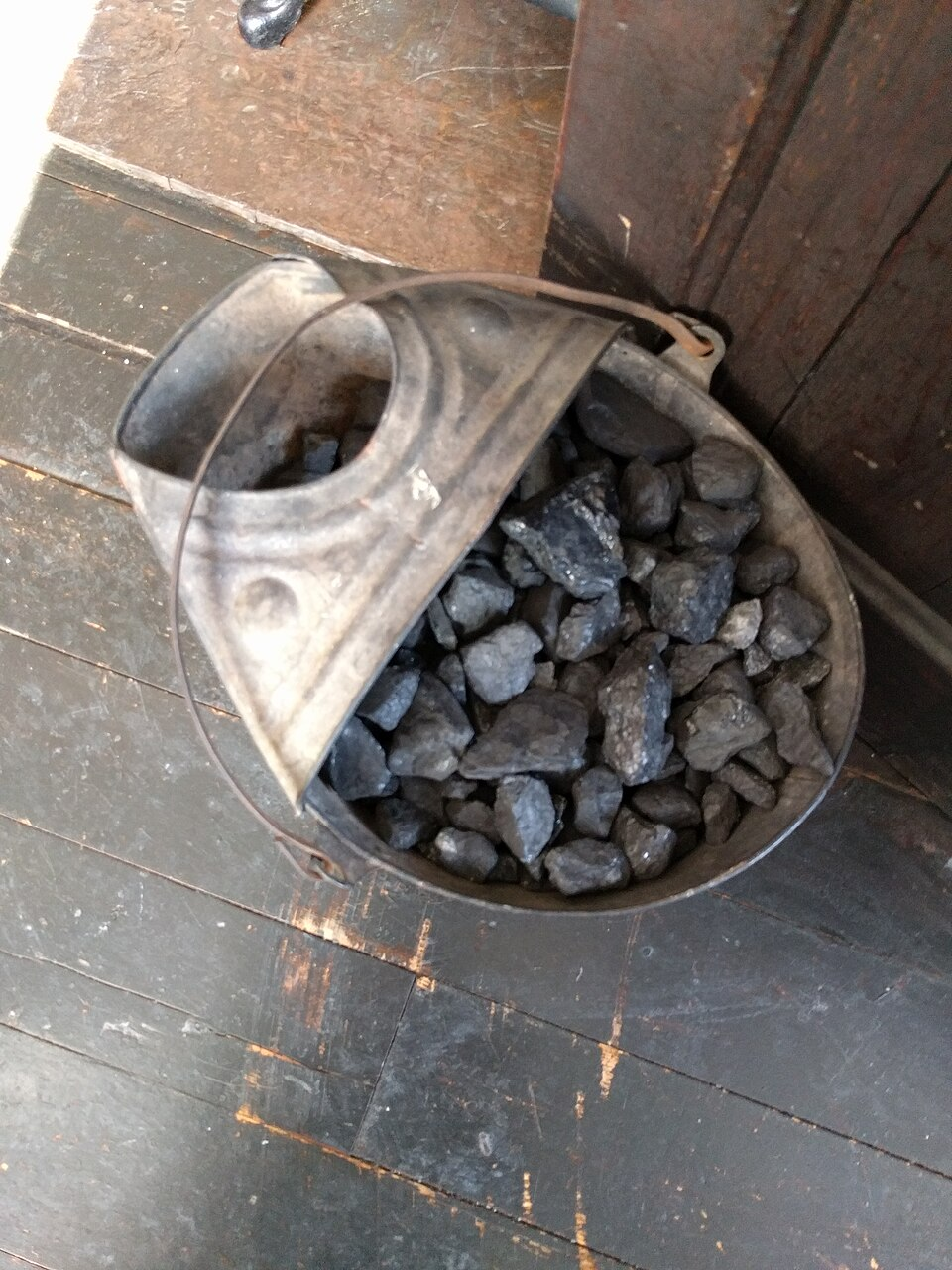
A day’s accumulation looks like nothing and weighs a surprising amount, which caught every child out the first few times and continued to be underestimated afterwards.
Some of It Was Kept Deliberately
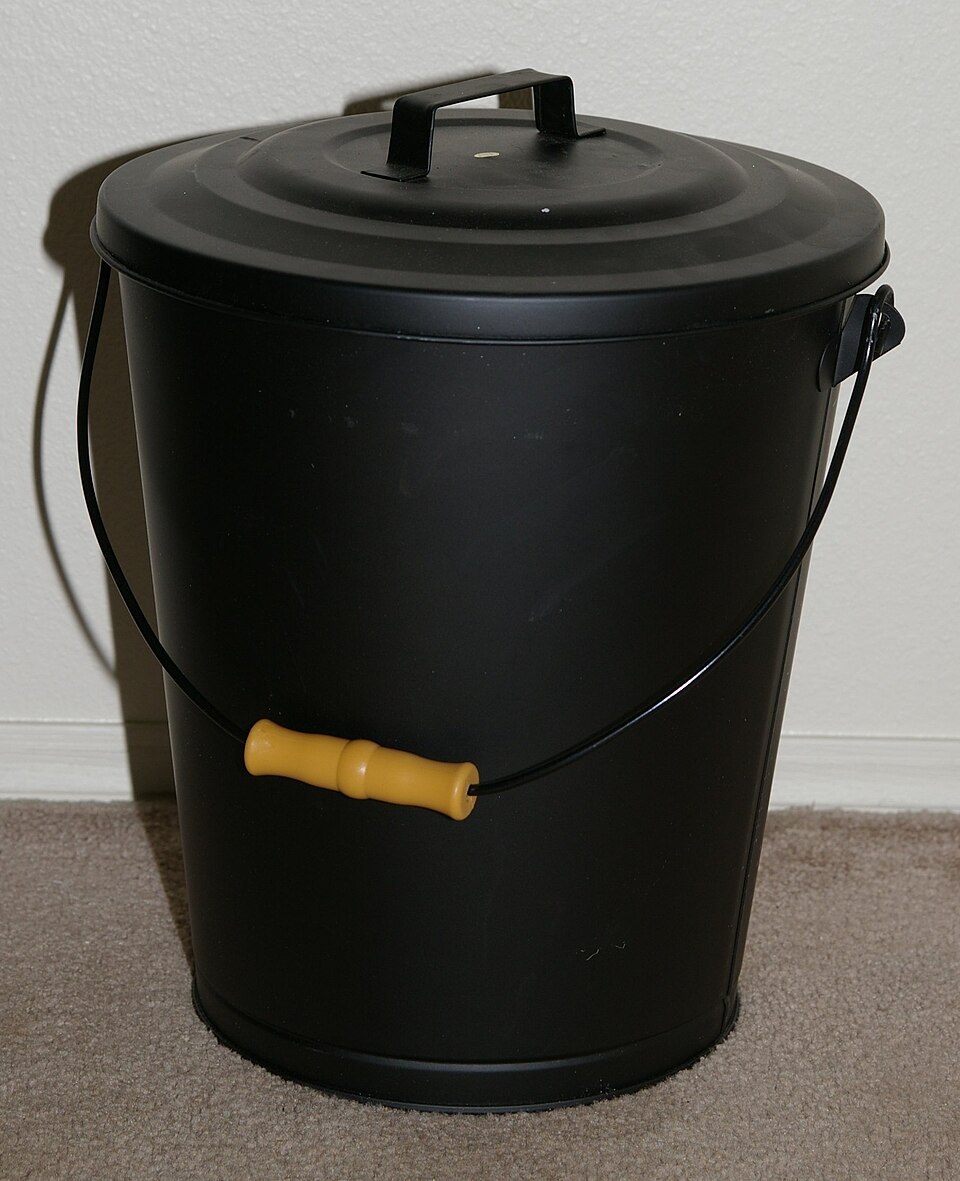
Households did not dispose of all of it. A proportion was retained for specific purposes around a property, which meant the child doing the carrying had to deliver to two places rather than one.
Nobody explained why. A child was told to put some in one place and the rest somewhere else, received no account of the reasoning, and in a great many cases never found out.
The Grate Had to Be Cleared Properly and Nobody Showed You How
Removing the material was only half of it; the surface underneath had to be left in a state where something could be lit on it, and the standard was demonstrated rather than explained.
Doing It Badly Was Discovered Immediately
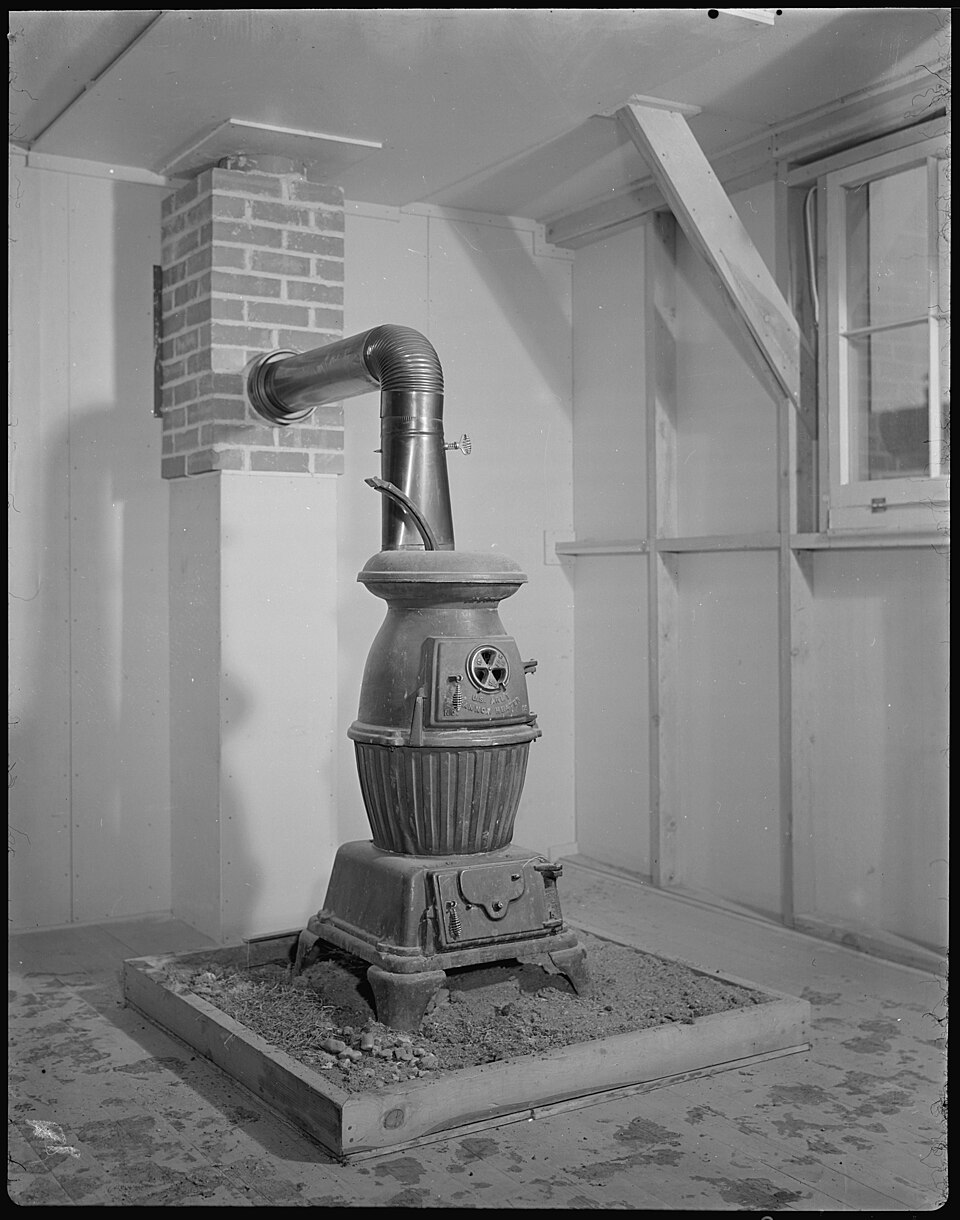
An incomplete job became apparent when somebody tried to light the fire, which is a feedback loop of about ten minutes and the shortest attached to any household chore a child was given.
You Had to Work Out How Deep to Go
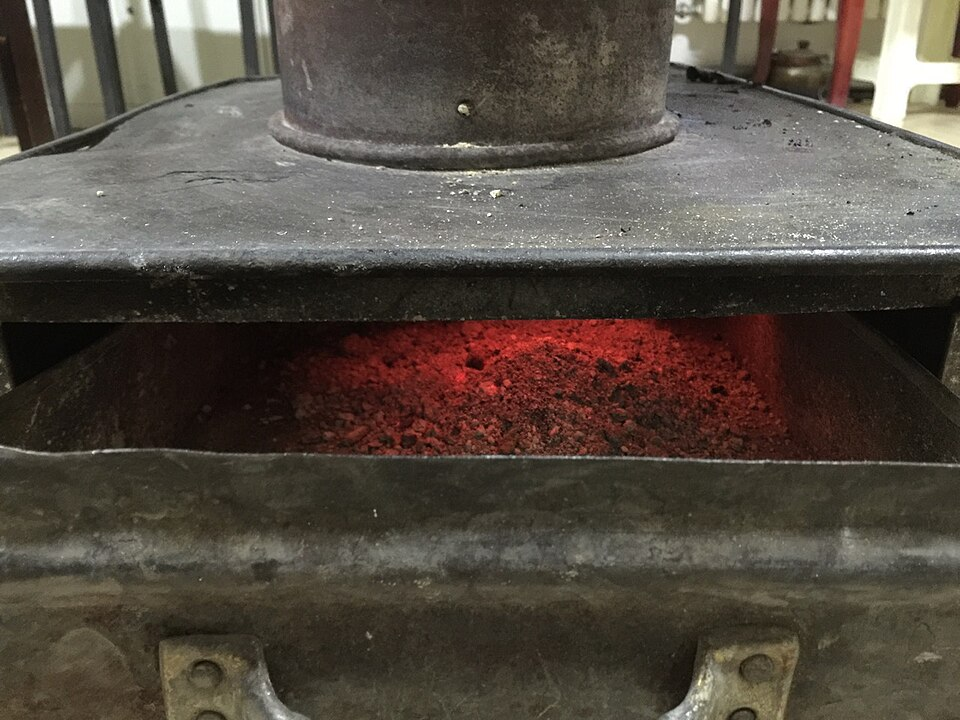
The residue sat in layers, and the question of where the material ended and the surface began was not obvious to anybody who had not done it several times. Going too shallow left the job incomplete and going too deep achieved nothing and took twice as long.
Children arrived at the answer by feel. A child who had learned where to stop had acquired the whole skill of the task, and it was never put into words by anybody at any point.
The Tools Were Adult-Sized and There Was No Alternative
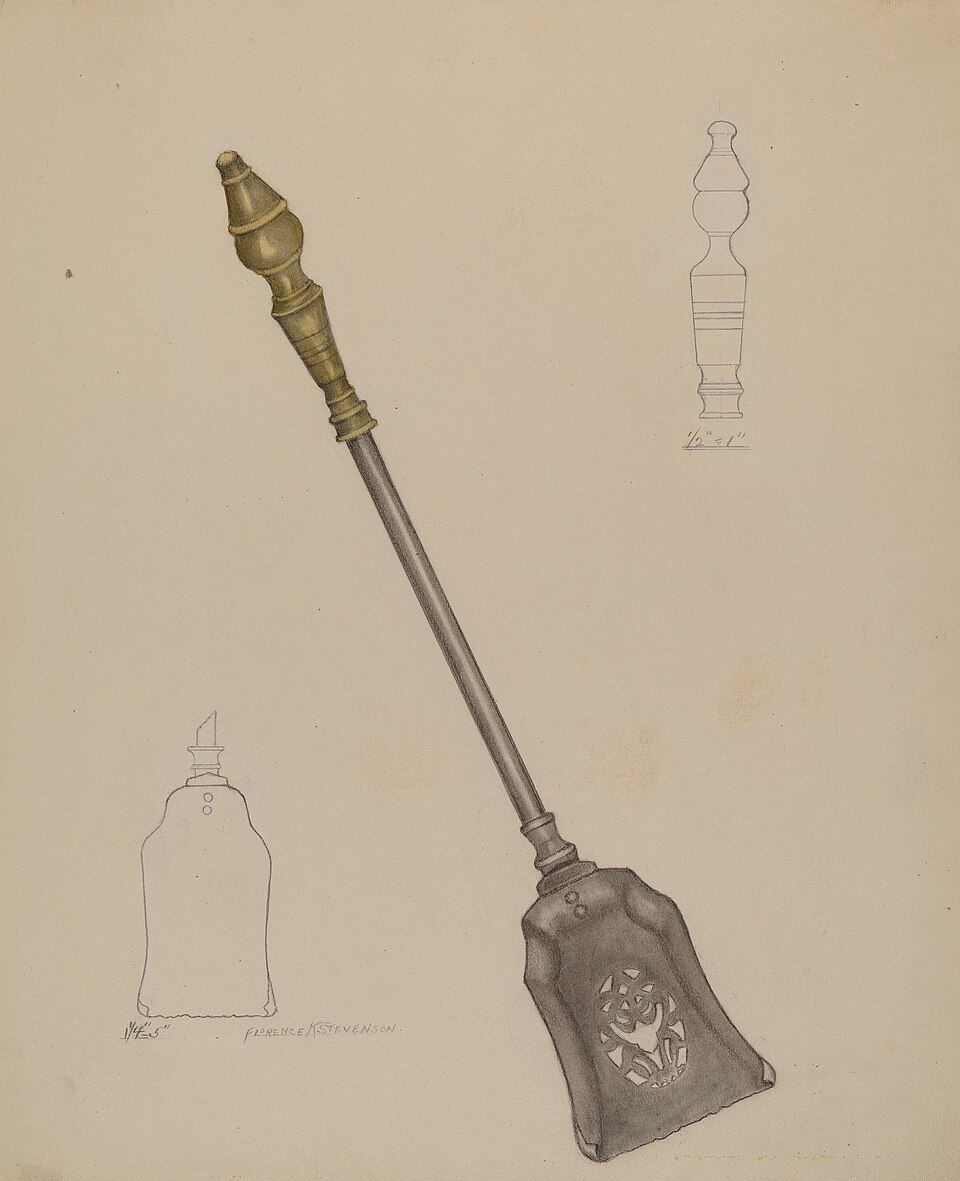
Whatever was used to clear a grate had been made for a grown-up’s hands and reach, which meant a child was performing the task with equipment that did not fit them.
Your Hands and Clothes Were Finished for the Day
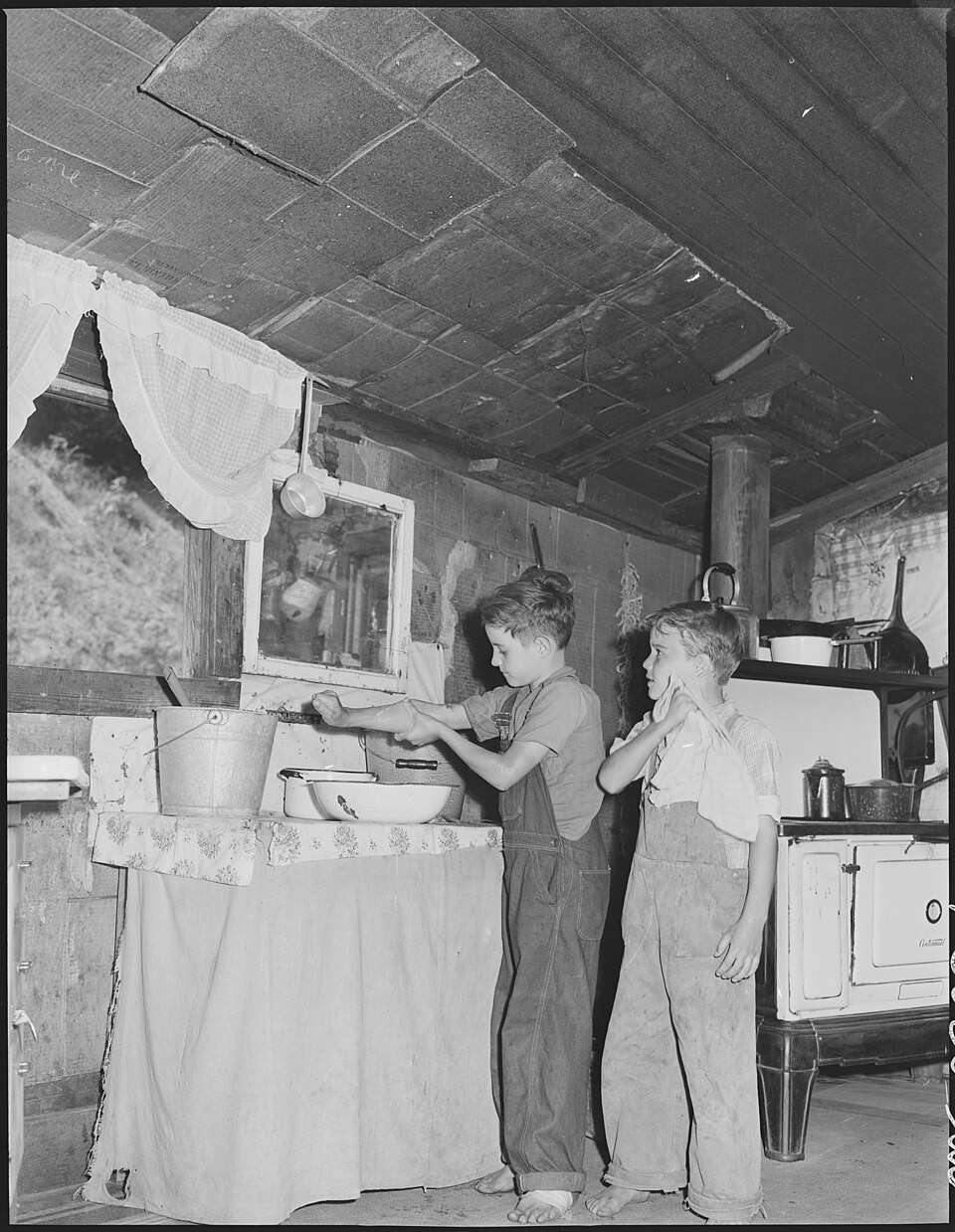
A child who had done this before school arrived at school with evidence of it, which nobody could do anything about.
The visibility was universal and therefore unremarkable. A classroom of children from households that burned things for heat contained a great many people in the same condition, and it was not a subject anybody commented on.
It Was the Chore With the Lowest Standing
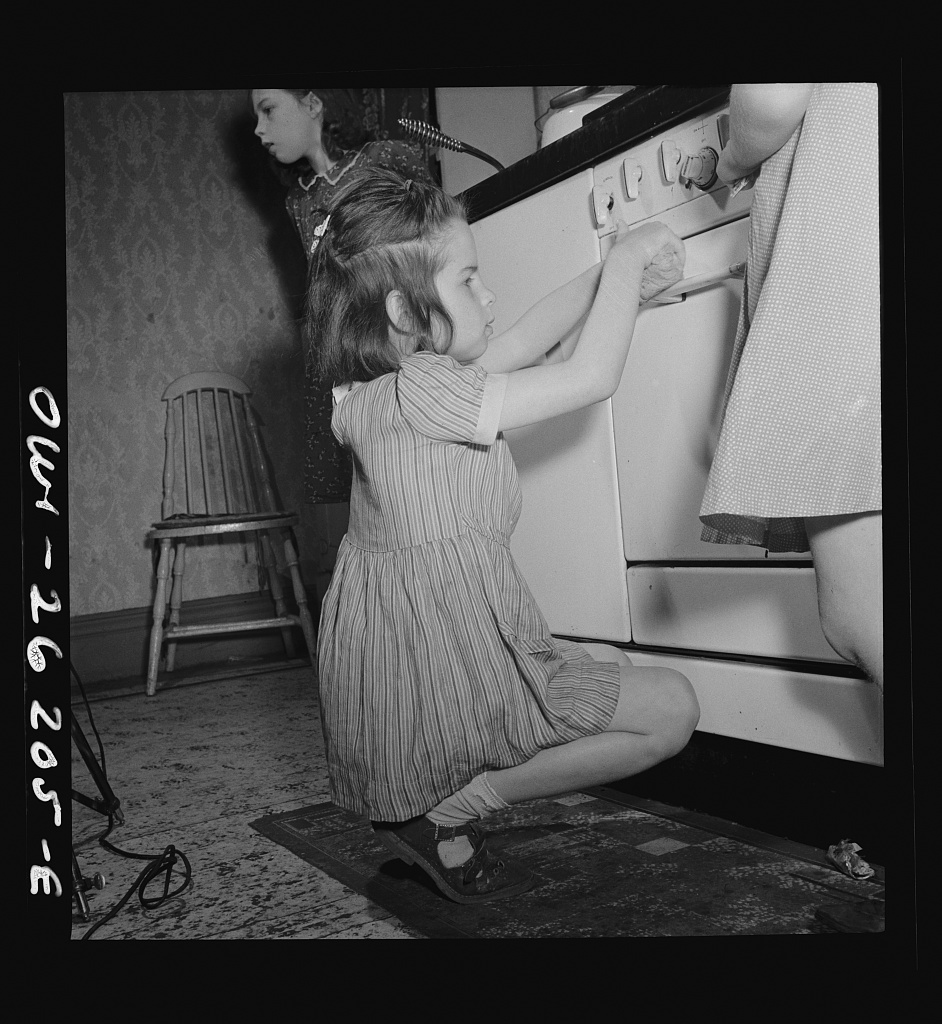
Children ranked the household tasks they were given, and this one came last in every ranking, in every household, without any discussion between them.
Nobody Was Thanked for It
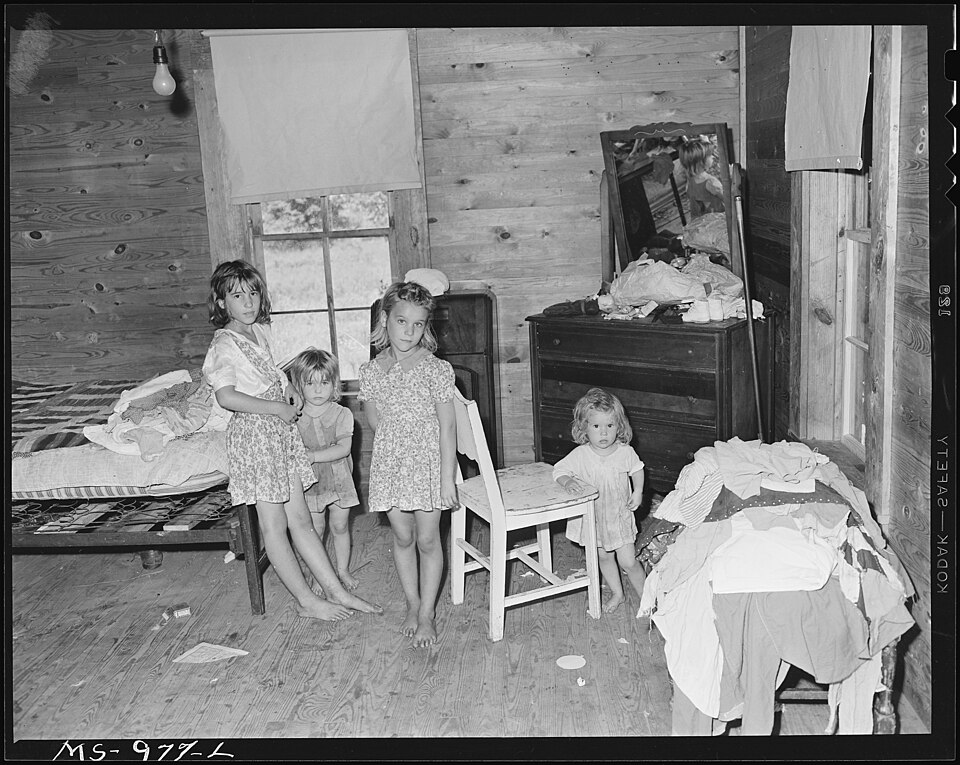
A task that had to be done before the day could start was understood as a precondition rather than as a contribution, which meant it generated no acknowledgement whatever.
Siblings Rotated It and the Rotation Was Watched Closely
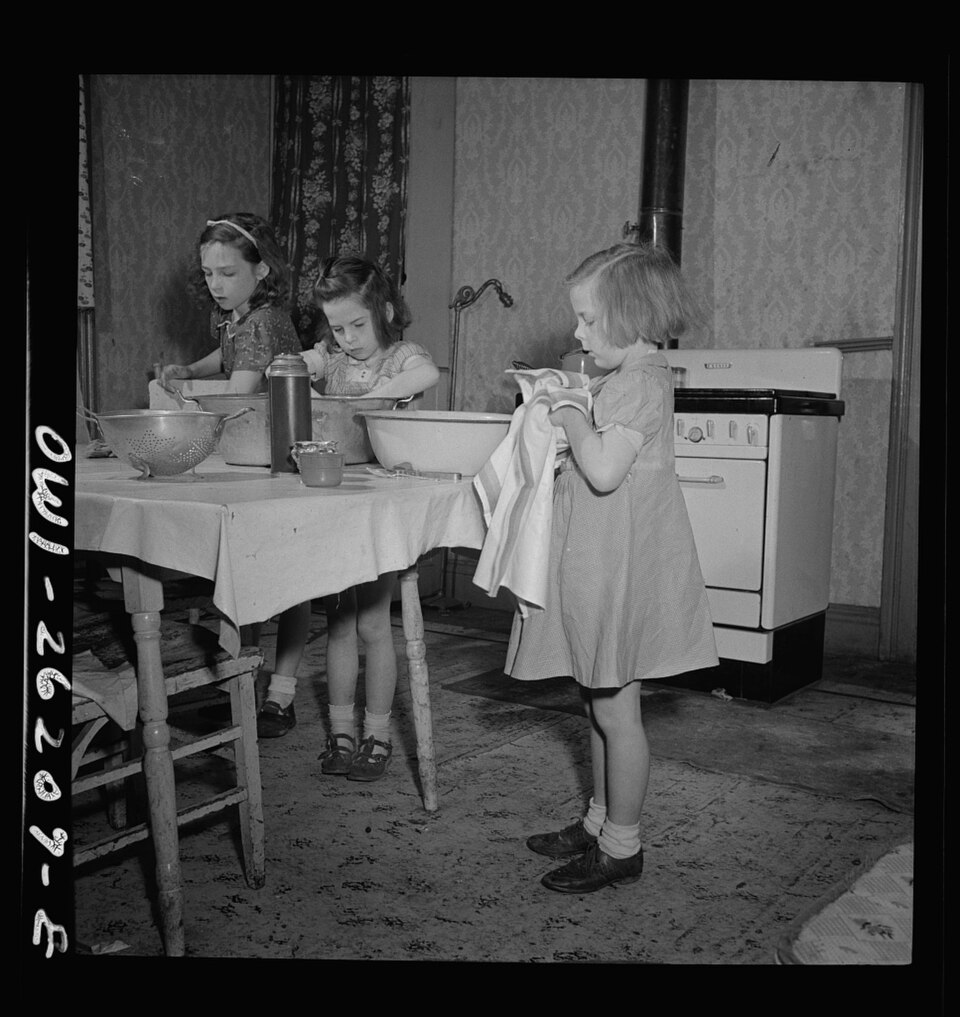
Households with more than one child alternated, and the records kept by the children involved were considerably more accurate than anything the adults were tracking.
Disputes were constant and specific. Accusations of having been skipped, of having done it twice, or of having done a short version were raised continuously and were occasionally correct.
It Made You Understand the Whole Heating Arrangement
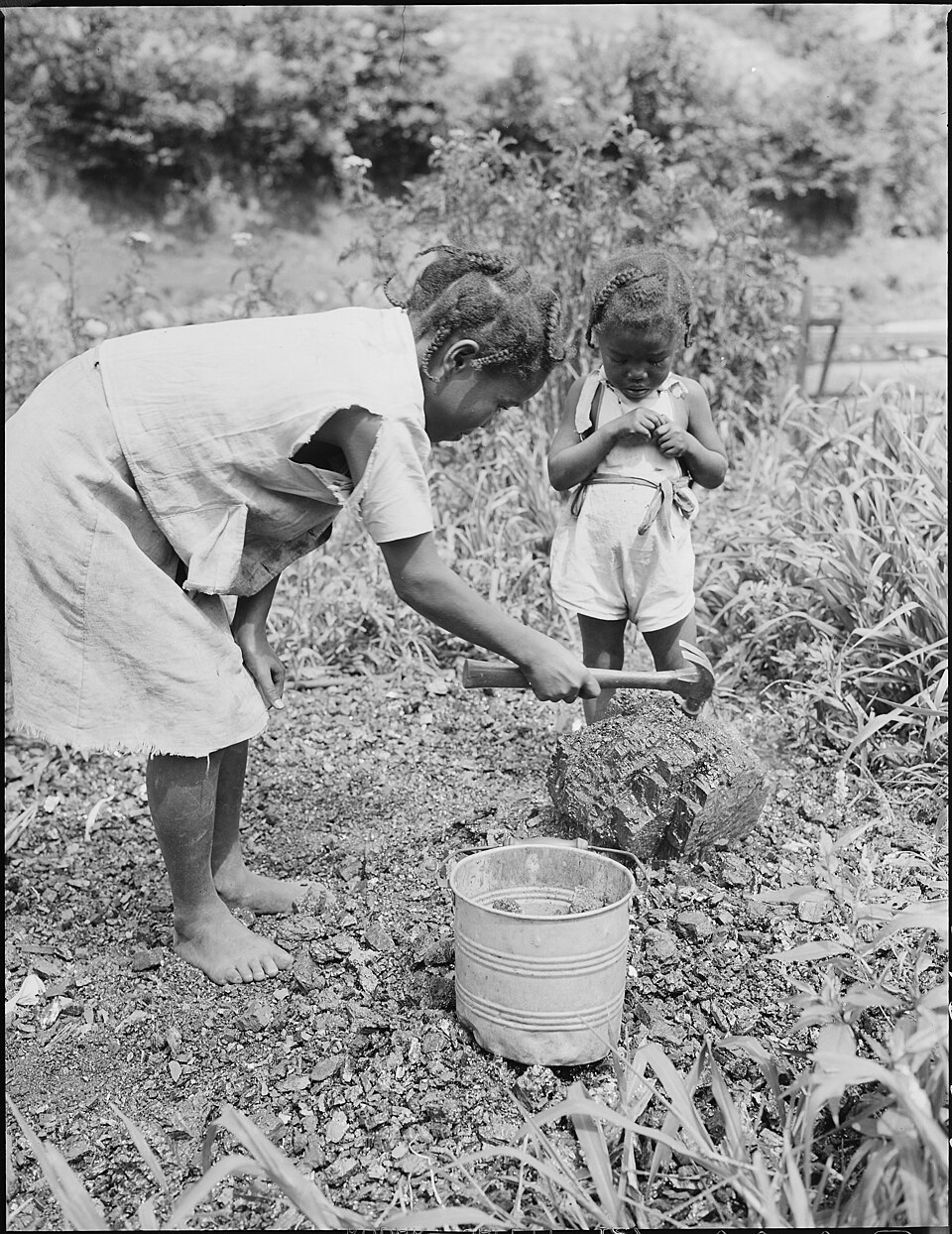
A child who did this daily knew exactly how much fuel the household used, how long it lasted and what state the grate was in, which is a quantity of practical knowledge nobody had set out to teach them.
Summer Removed the Job and Nobody Mentioned It
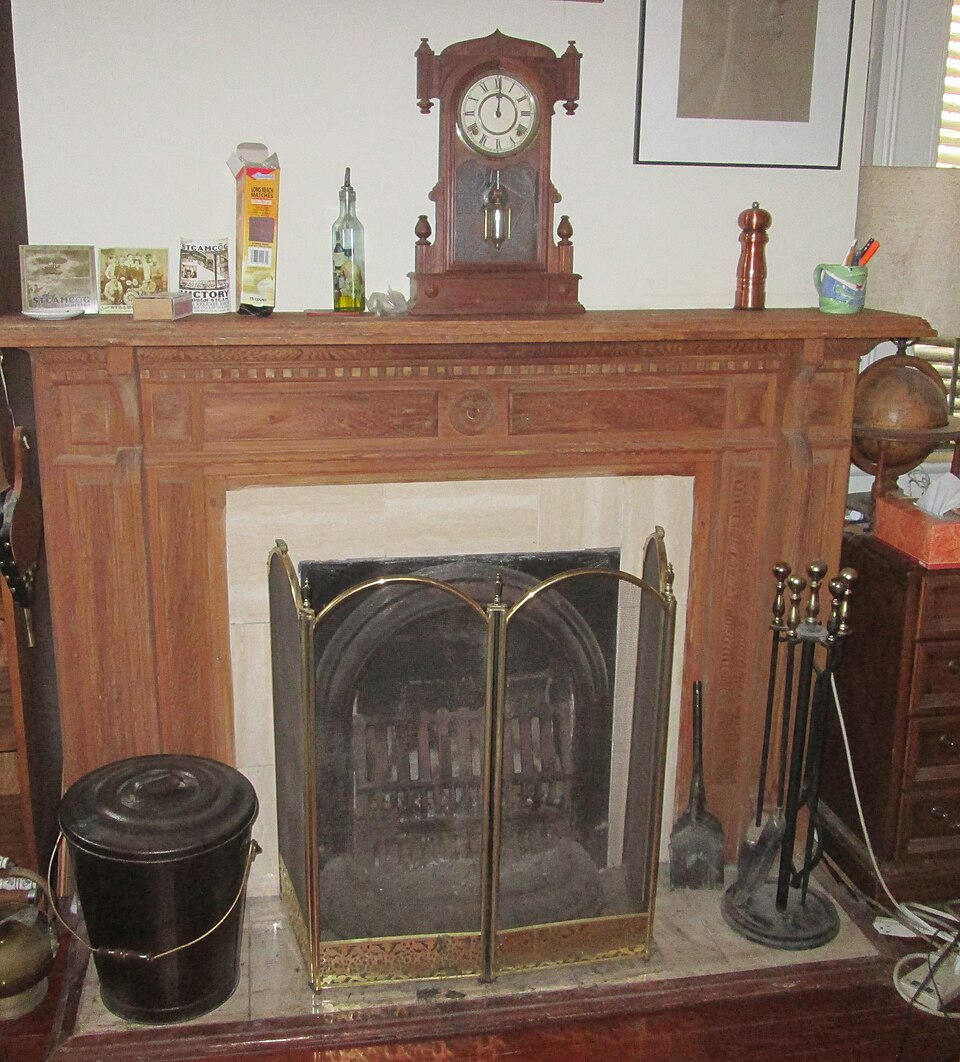
The task simply stopped for several months and resumed without announcement, which meant a child spent half the year free of the worst thing they did and never had that acknowledged.
The Smell Was in the House Permanently
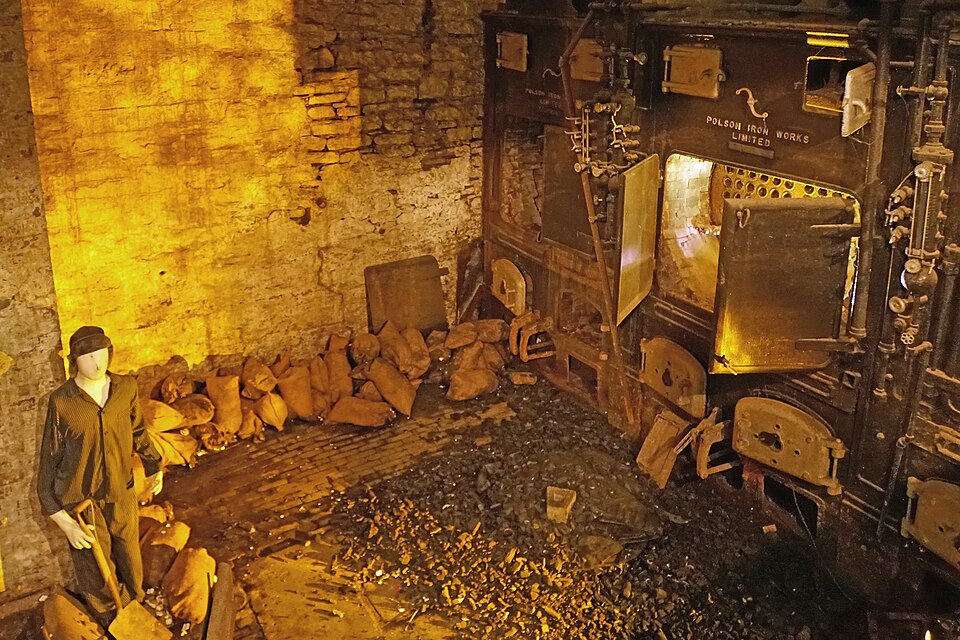
A household that burned things and cleared out the residue daily had an atmosphere that visitors noticed and residents could not detect, which is the standard pattern for any domestic smell.
The Accumulation Outside Was a Household Record
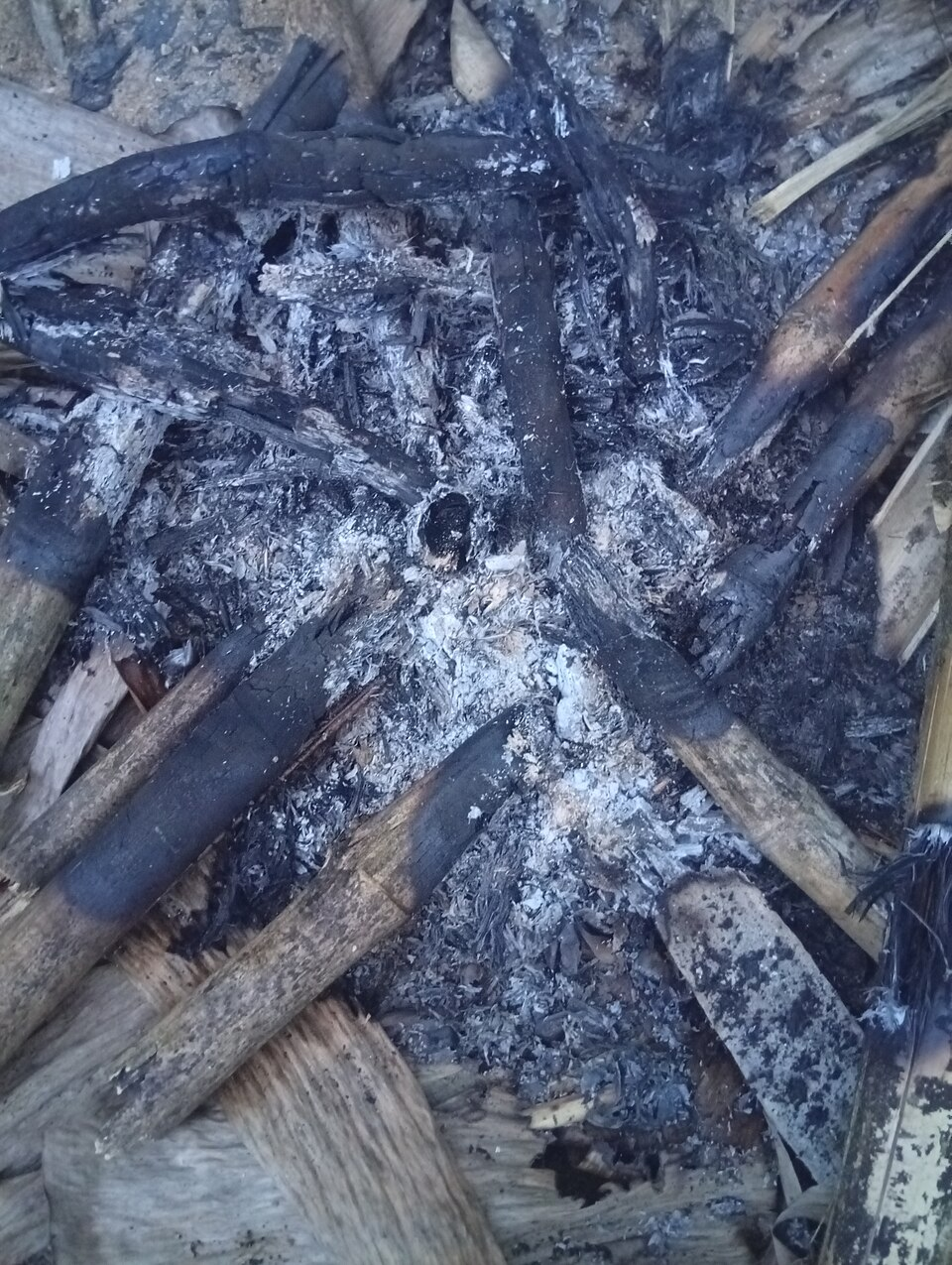
Where the material was put built up over a season into a visible account of how much a household had burned, which anybody could read from a neighbouring garden.
It Was the First Thing Replaced
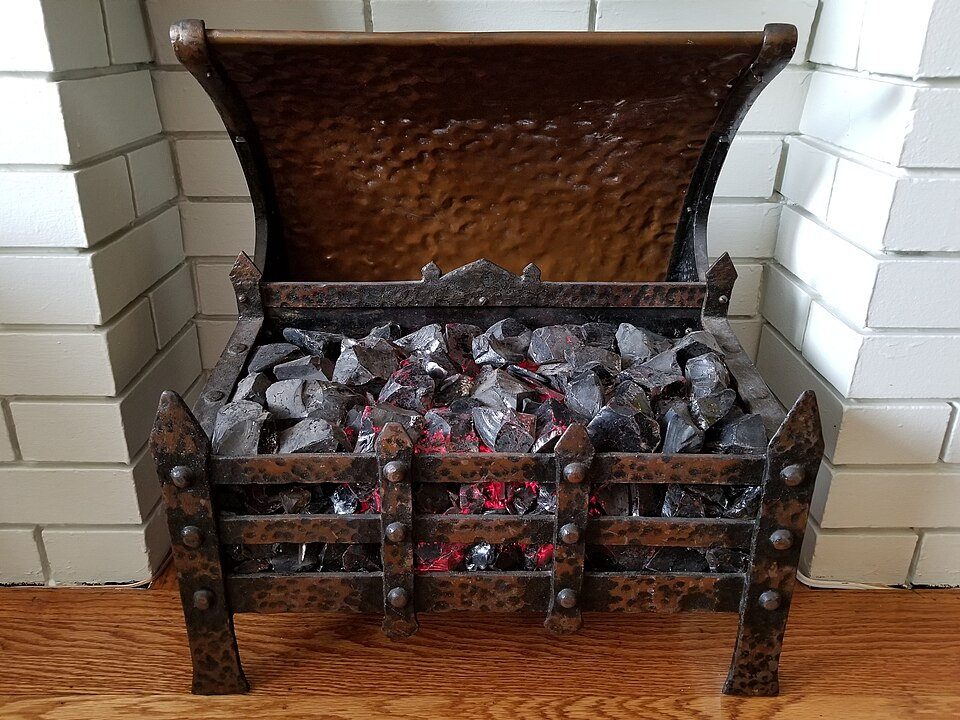
When households changed how they heated themselves, this job disappeared before any other, which tells you something about how it was regarded by the people who had been doing it.
Nobody Remembers the Last Time
The task stopped when the heating changed, and no household marked the final occasion, which means a child who had done this several hundred times cannot say when they stopped.
Then Nothing in the House Produced Any

Different heating, sealed appliances and a complete change in how houses are warmed removed the material, the container, the trip across the yard and the job along with them.
The Change Needs No Defending
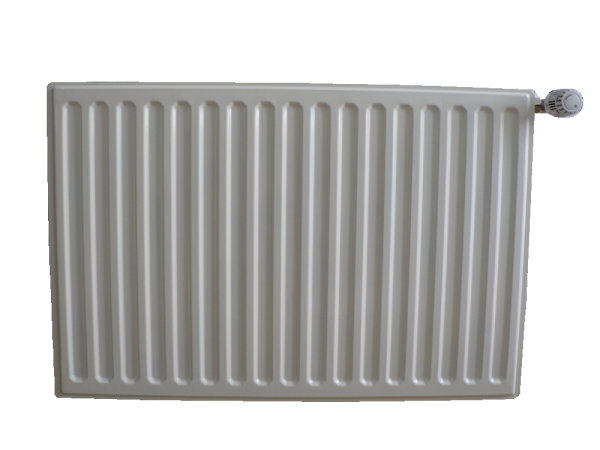
A house that is warm without anybody carrying anything out of it in the dark is better in every respect, and nothing here is an argument for the older arrangement.
What Actually Went
A daily job that had to be done before the day could start, performed in the dark by somebody in whatever they had slept in, with an improvised container that leaked along a hallway, to a destination further away than seemed reasonable, ranked last by every child in the country, and acknowledged by nobody.
Like our content? Follow us for more.