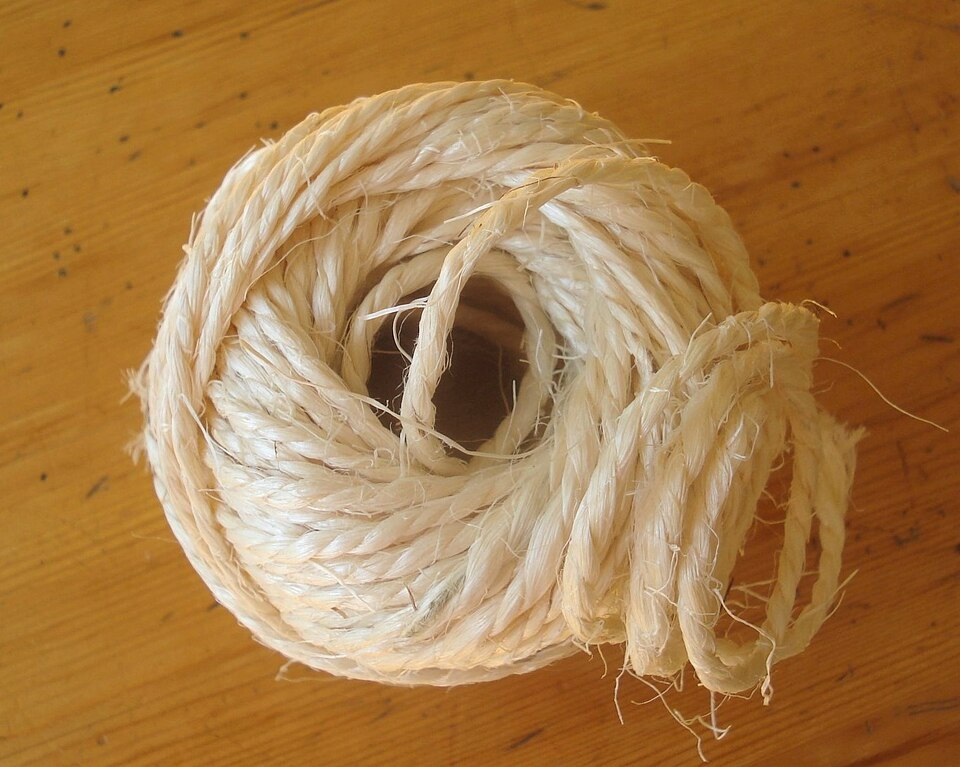
In 1964 the ball existed because nothing was thrown away, and the practice follows from a fact about the period rather than from anybody’s character. Things arrived tied, there was no reliable way to buy a short length when you needed one, and the gap between those two facts was filled by keeping what came in – which is a straightforwardly sensible response rather than an eccentricity. Children were taught this by being handed the job: nobody explained the economics, a child was simply given the length and told where it went. Here are fourteen things every American kid remembers about winding the household ball of string in 1964, and why nobody keeps one now.
1. The Ball Existed Because Nothing Was Thrown Away
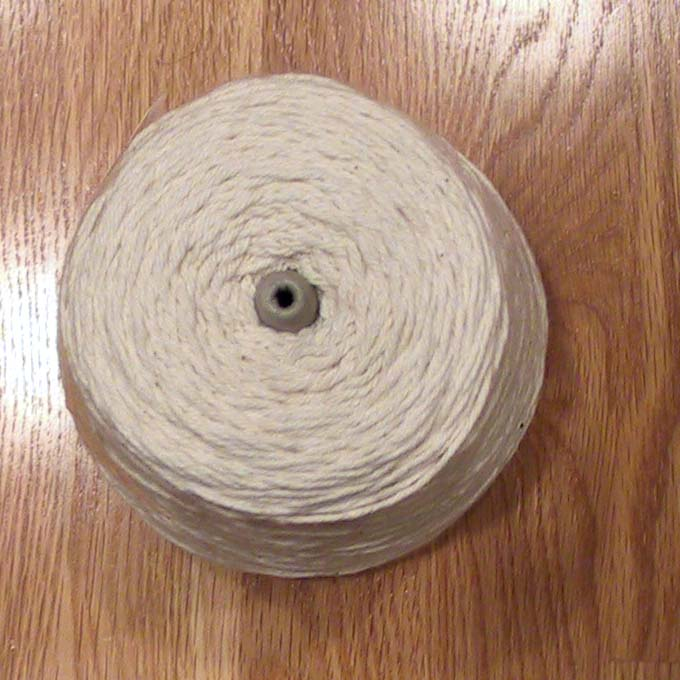
The household kept every length that came into the building, and the ball was where they went.
The practice follows from a fact about the period rather than from anybody’s character. Things arrived tied, there was no reliable way to buy a short length when you needed one, and the gap between those two facts was filled by keeping what came in – which is a straightforwardly sensible response rather than an eccentricity.
Children were taught this by being handed the job. Nobody explained the economics; a child was simply given the length and told where it went, and the reasoning was reconstructed years later by people who had been doing it for a decade.
Like our content? Follow us for more.
2. Winding It Was Given to Children Because It Was Slow
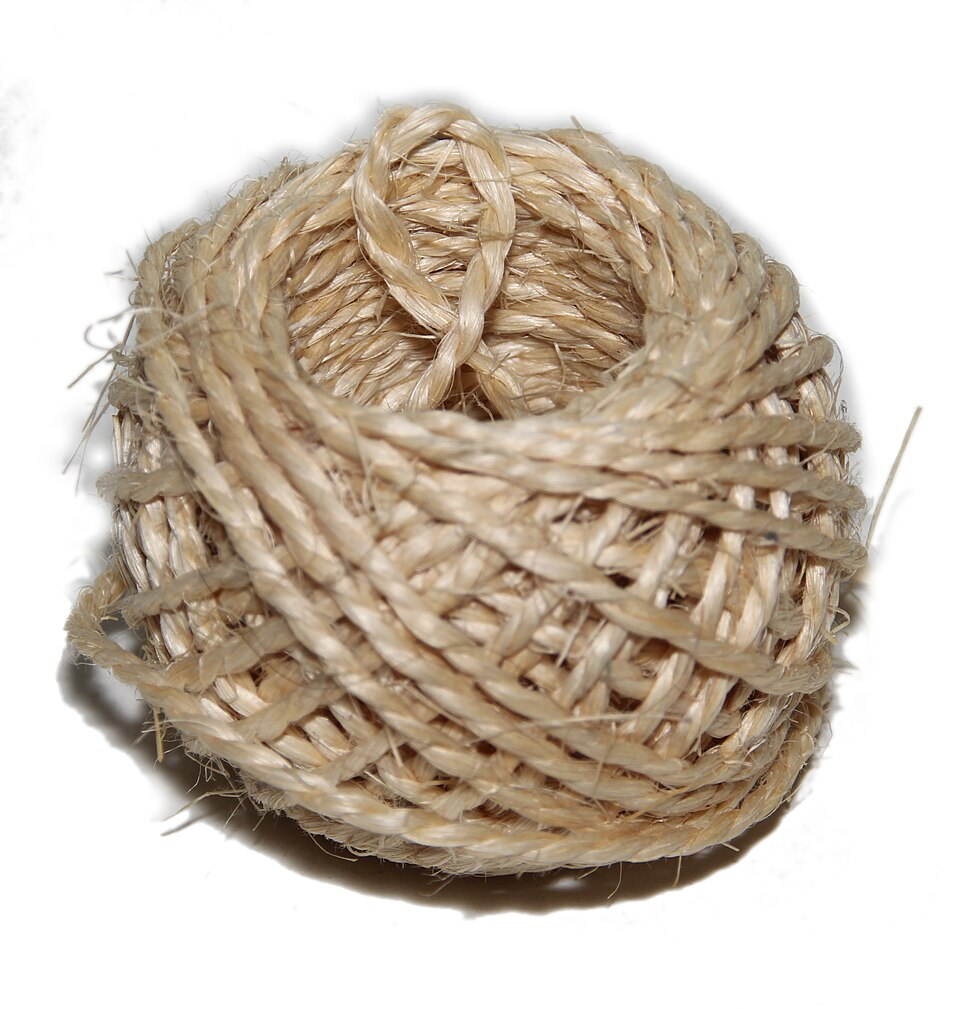
The job took a long time, required no judgement and could not be damaged by inexperience.
That combination is exactly what a household looks for when assigning work to a child. A task where the only input is patience is a task where a child performs identically to an adult, which is rare and was recognised and exploited in every house that had a ball of this kind.
It was also a job that could be interrupted. A child winding could be stopped mid-task and resume later with nothing lost, which made it the thing children were given when there was time to fill rather than work to be done.
3. The Technique Was Not Obvious and Had to Be Shown
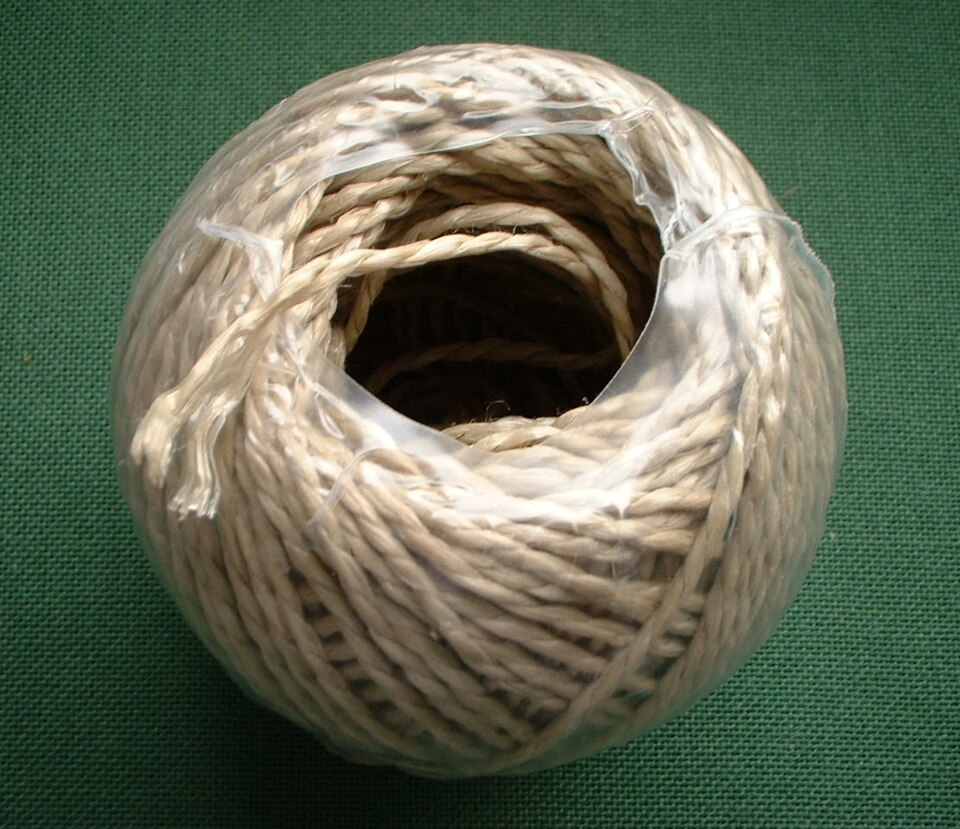
Winding in one direction produces a shape that collapses, and avoiding that requires a method.
The problem is geometry. Laying every turn in the same plane builds a flat coil with no structure, which falls apart the moment it is handled, and the remedy is to rotate the whole thing continuously so that the turns cross each other at changing angles.
The showing took about thirty seconds and the learning took much longer. A child who had been shown the rotation still produced something lopsided for several months, which is the normal course and was not treated as a failure by anybody.
4. Every Length Had a Knot in It Somewhere
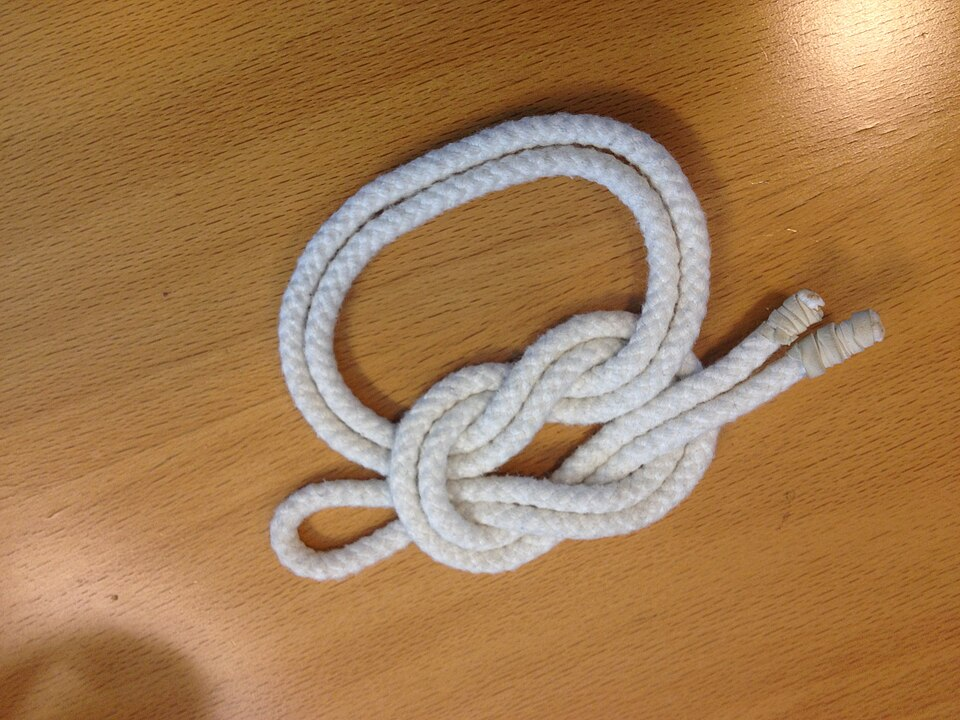
The material arriving at the ball had already been used and carried the evidence.
The knots accumulated because nothing was ever cut out. A length that had been tied and untied several times holds a permanent bend at each point, and some of those were actual knots that could not be undone – which meant the ball contained a record of everything it had ever been used for.
Children could feel them while winding. A knot passing through your fingers interrupts the rhythm of the job, and a child doing this for twenty minutes encountered a dozen of them, each from an occasion nobody could identify.
5. The Short Pieces Were the Problem
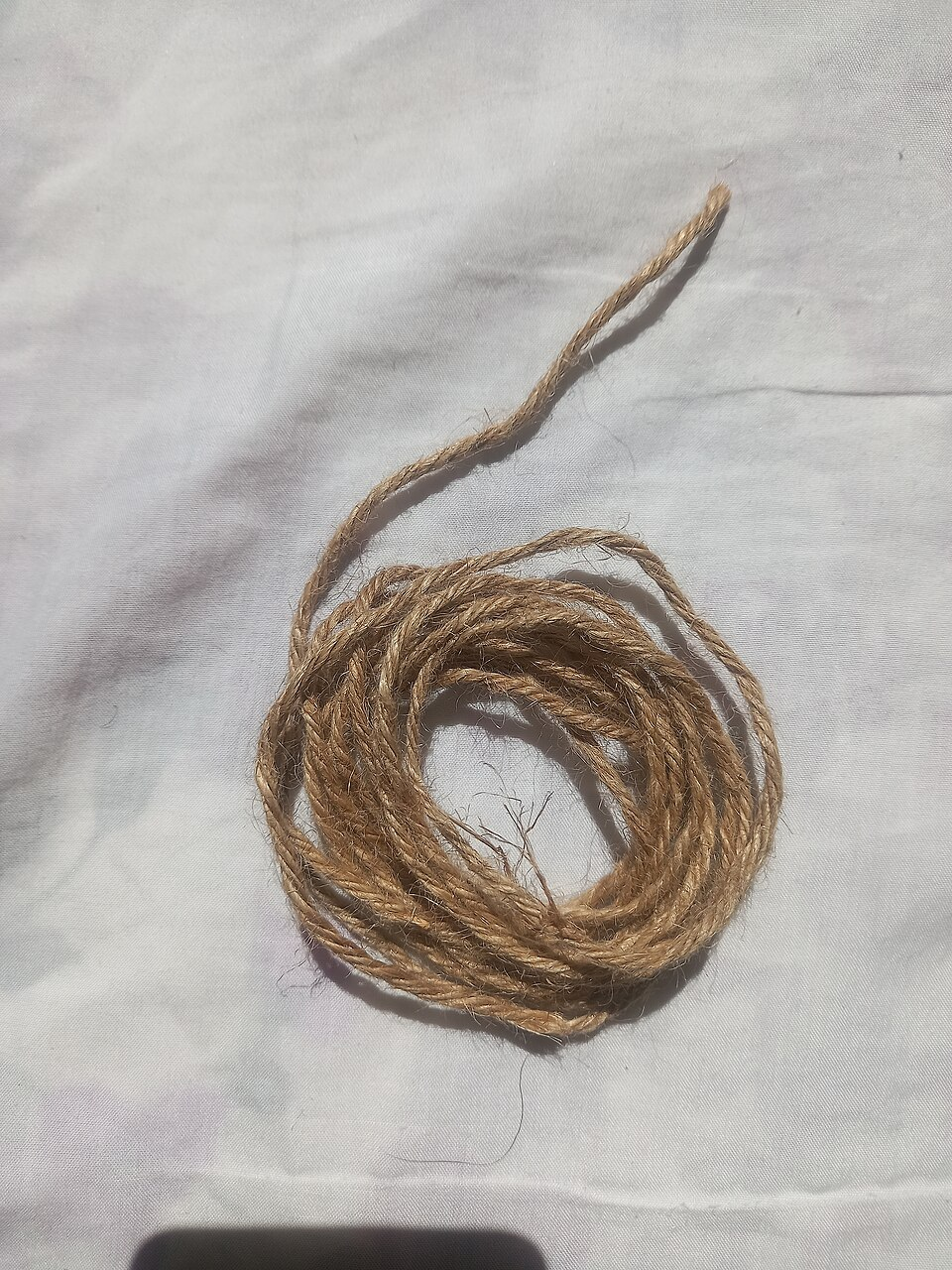
Very short lengths could not usefully be added, which created a decision nobody had made a rule about.
The difficulty was practical. A piece too short to wrap round the ball more than twice will not stay on it, which means the household’s thrift ran into a physical limit and somebody had to decide where that limit was.
Every household drew the line somewhere different. Children were given no guidance and developed their own threshold, which meant the ball’s composition depended slightly on who had been doing the winding.
6. It Was Kept in a Drawer That Did Not Close Properly
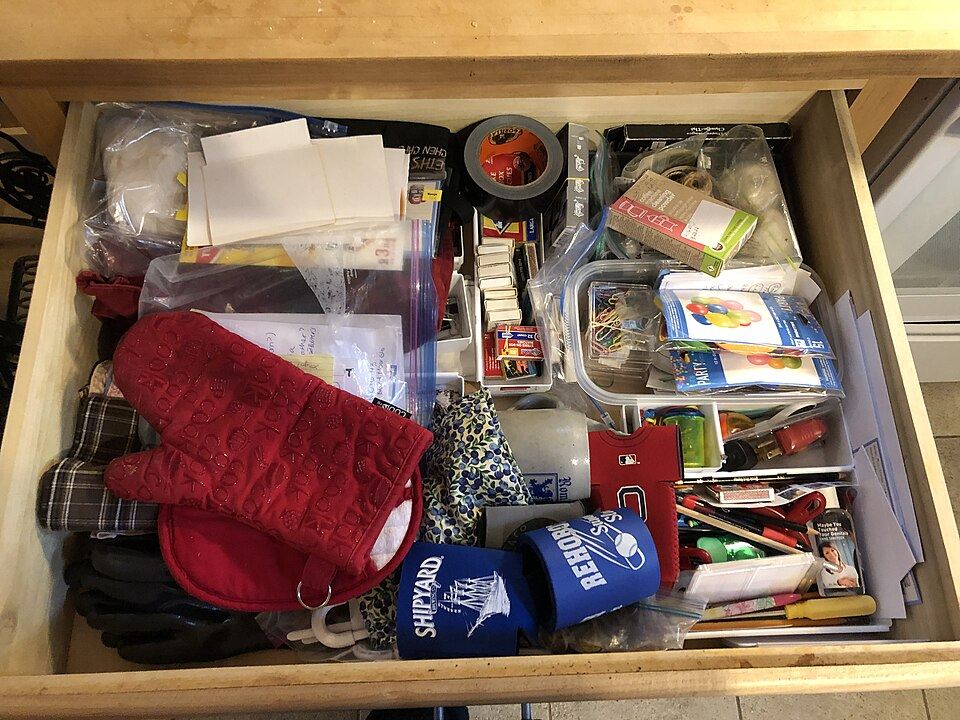
The ball lived somewhere specific, and its location was known to everybody.
The storage was always the same kind of place. A drawer or a tin in the part of the house where practical things lived, which was never tidy and never audited, and the ball was the largest single object in it.
Children knew the whole contents of that drawer. The ball was findable instantly because the space around it had not changed in years, which is a kind of familiarity nobody has with any storage now.
7. Using It Required Permission You Did Not Need to Ask For
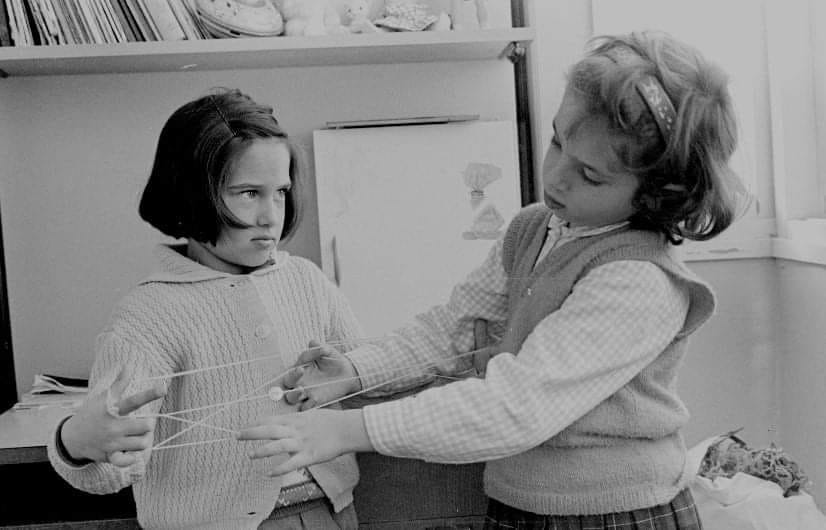
The ball was available to children, which was unusual among a household’s practical possessions.
The openness was a consequence of the material’s status. Something kept specifically because it had already been used once has no value to protect, which made it the one genuinely unrestricted resource in a house of that period.
Children used it for everything. A great many childhood constructions, games and improvised arrangements were made possible by an unrestricted supply of short lengths, which is the actual reason the ball is remembered fondly.
8. You Were Supposed to Put the Remainder Back
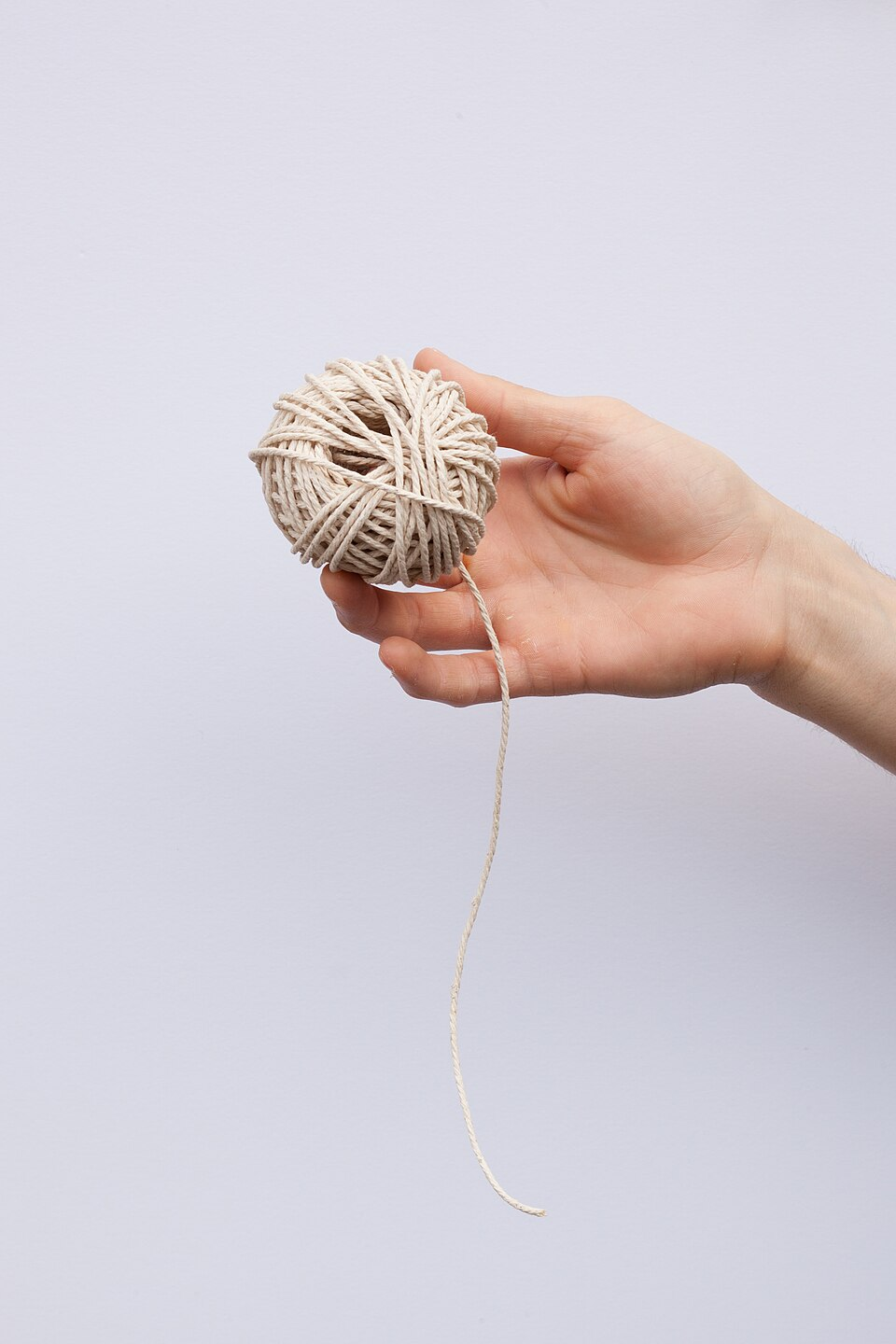
Taking a length meant returning what you had not used, and the rule was enforced by observation.
The rule made sense within the system. The whole point was that nothing left the cycle, and a child who used eighteen inches of a four-foot length and discarded the rest had broken the only principle the arrangement operated on.
Enforcement was mild and effective. A remainder found somewhere it should not be produced a brief comment and nothing else, and children generally complied because the rule was obviously consistent with everything else about the practice.
9. Cutting It Was Not Allowed Without Asking
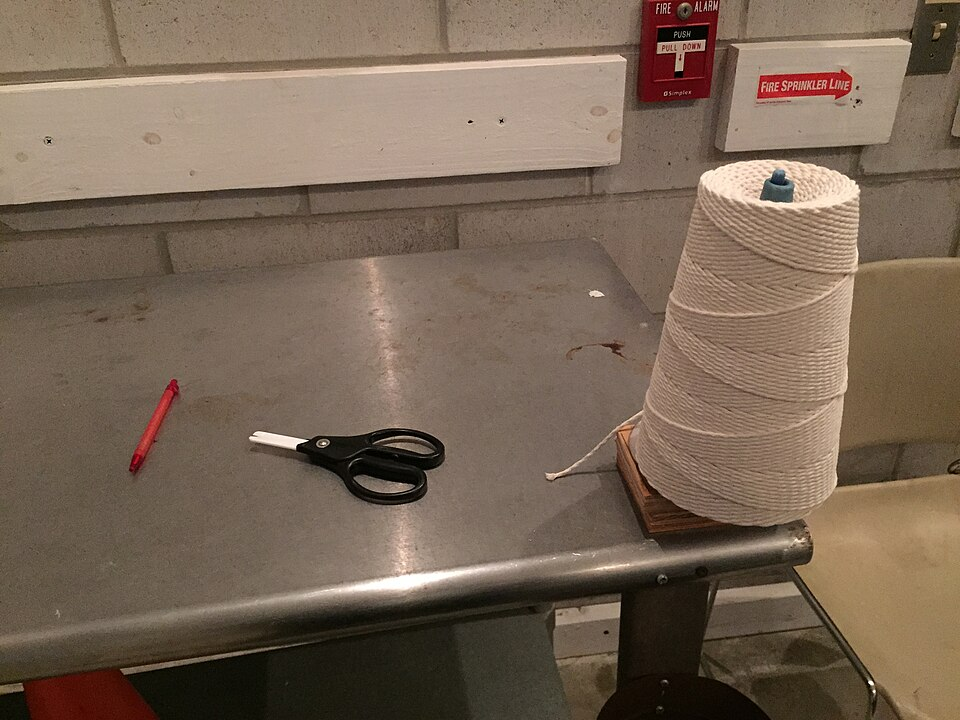
The one restriction on the ball concerned the implement rather than the material.
The reason was the implement and not the string. Anything capable of cutting was kept away from children as a matter of course, which meant the restriction on cutting had nothing to do with the ball itself and children understood this perfectly well.
Everything about current practice is better here. Modern thinking about children and anything sharp is entirely correct, the reasons behind it are not in dispute, and nothing in this piece should be read as describing how any implement ought to be handled or stored.
10. The Ball Was Never Finished and Never Used Up
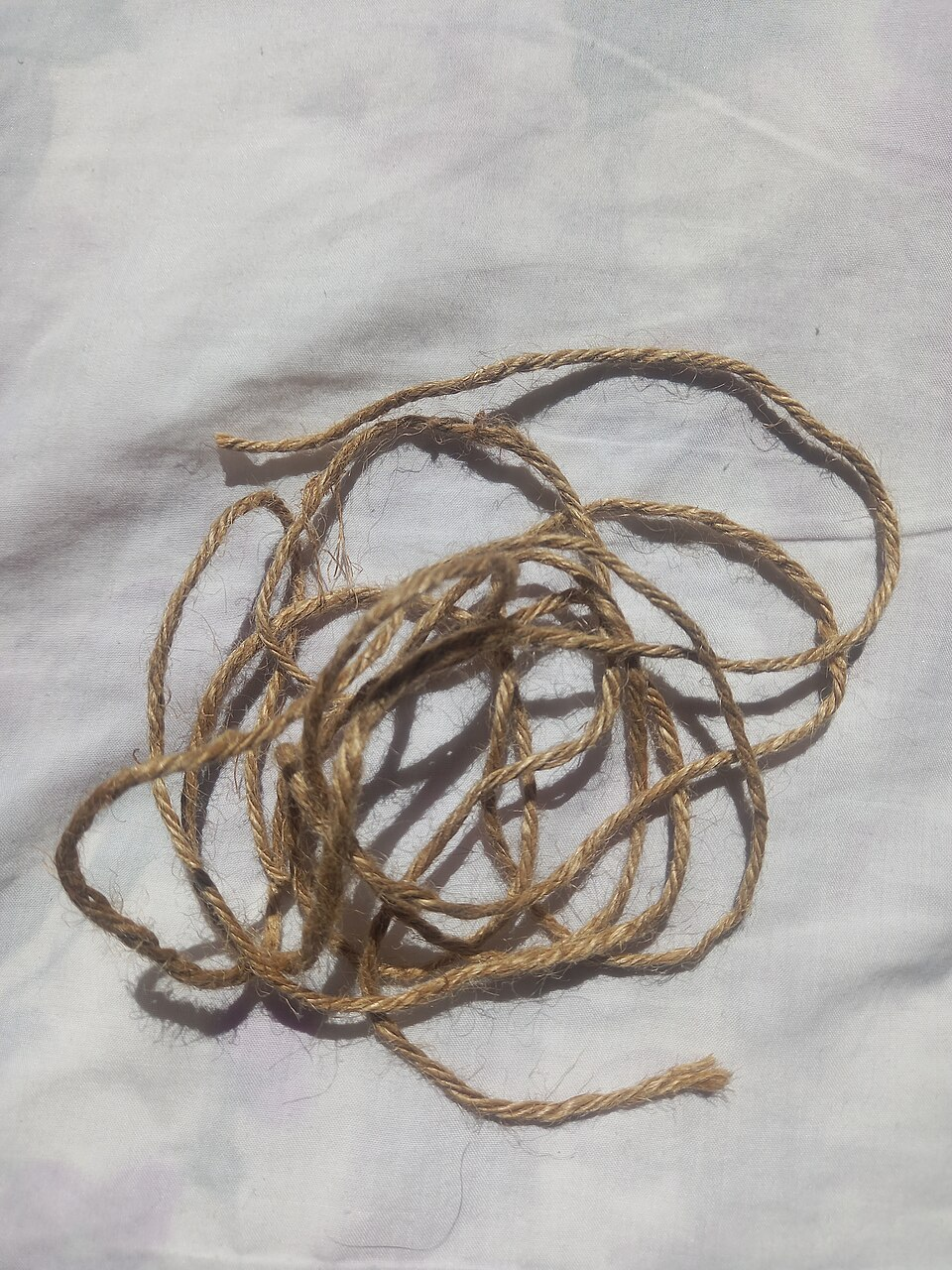
The thing grew indefinitely and was never reduced to nothing, in any household anybody can recall.
The arithmetic favoured growth. Material came in faster than it went out, because most things arriving tied needed untying and most uses took a short piece – which means the ball got larger every year for the entire life of the household.
Nobody ever reached the middle. The oldest material in these objects was never used, which means the centre of a long-established ball held lengths that had arrived decades earlier and were never going to come out.
11. It Became Too Large to Handle at Some Point
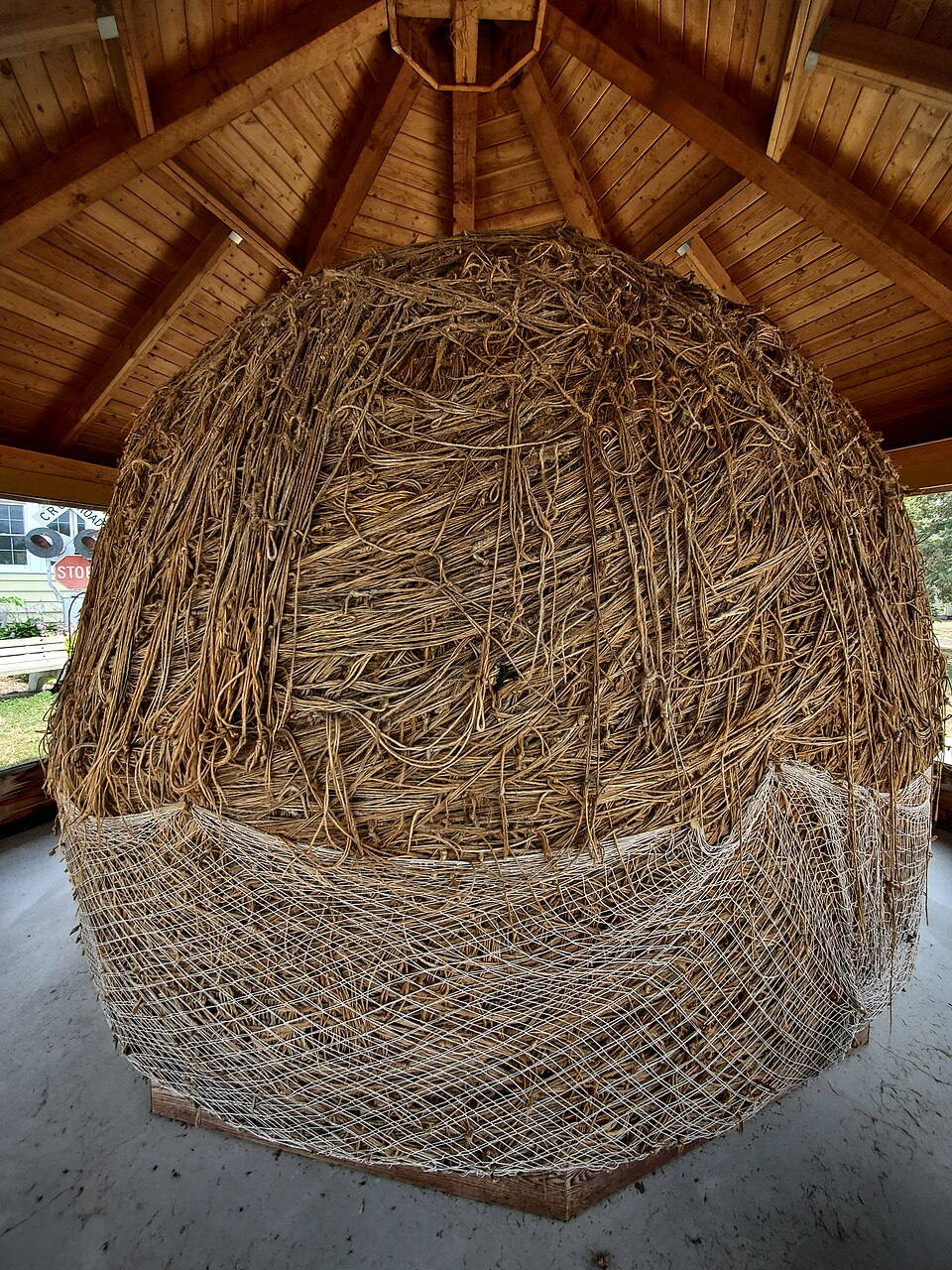
Growth continued past the point of usefulness, which households never addressed.
The failure was one of momentum. A practice with no stopping condition continues, and a ball that had passed the size where it could be comfortably held in one hand simply carried on getting bigger without anybody deciding to let it.
Children noticed before adults did. A child trying to take a length from something they could not hold properly encountered the problem first, and the complaint was registered and nothing was done.
12. Everybody’s House Had One and Nobody Discussed It
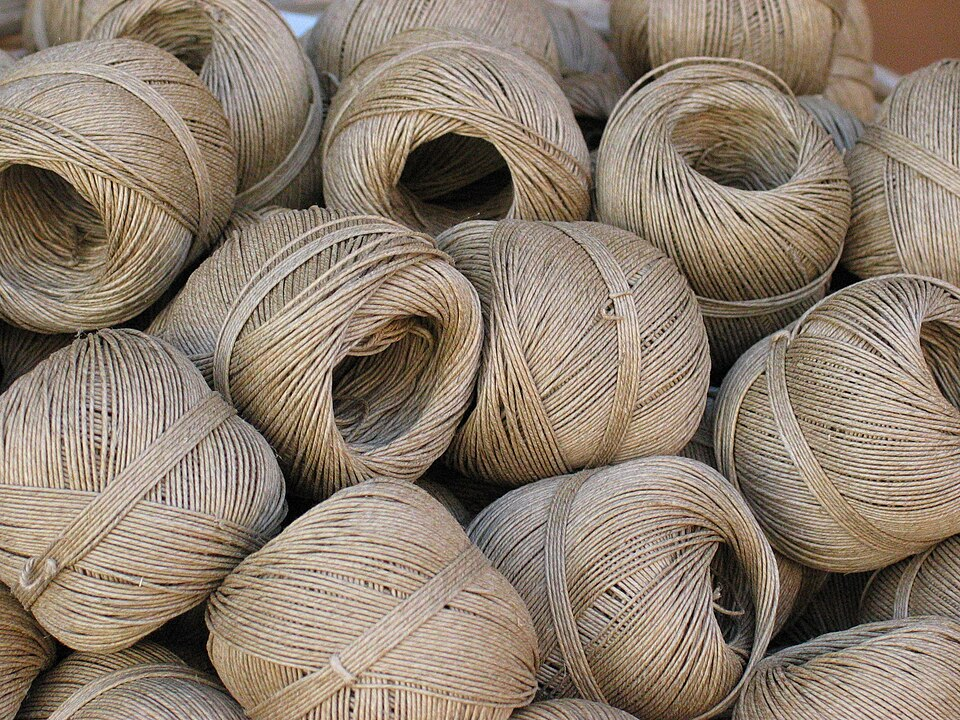
The practice was universal and was never a subject of conversation between households.
The silence is the ordinary silence around anything completely normal. A thing every house does is not remarked on by anybody, which is why the practice has almost no contemporary documentation and survives mainly as something people remember doing.
Children discovered the universality by visiting. A child in another house finding the equivalent drawer and the equivalent ball received confirmation that their own household was not peculiar, which mattered more than it sounds.
13. Finding One Later Was a Specific Experience
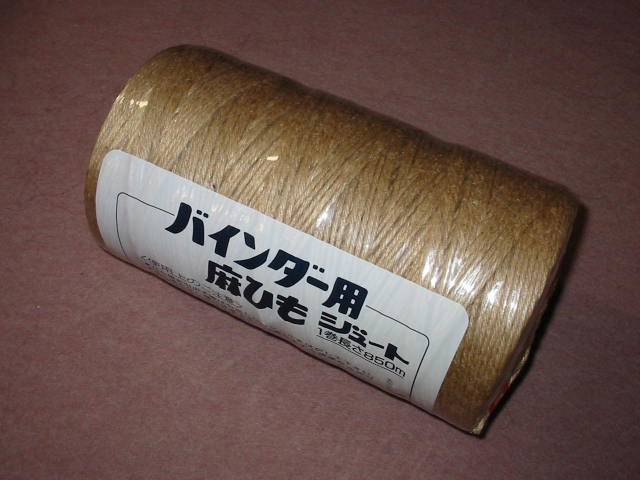
These objects survived in houses long after the practice around them had stopped.
The survival follows from what the object was. Nobody throws away something kept specifically in order not to throw things away, which is a small logical trap that preserved a great many of these for decades past their usefulness.
People describe the discovery consistently. Opening a drawer years later and finding the ball, still there, slightly larger than it had been, with nobody having added to it for twenty years.
14. Then Nobody Kept String Anymore
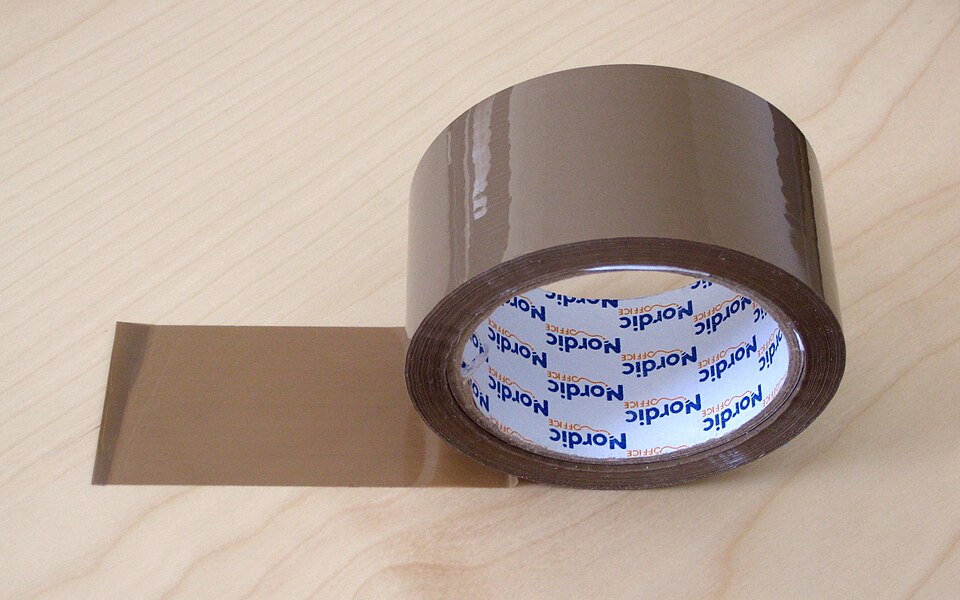
Adhesive tape, plastic packaging, cheap replacement, things arriving sealed rather than tied and a complete change in what comes into a house ended the practice entirely.
Most of that is simply different rather than better or worse. Packaging that does not need untying removed the supply, and cheap availability removed the reason, which means the practice ended because both halves of its logic stopped applying at once.
What went with it is the one unrestricted resource in the house. A supply of short lengths nobody valued, available to children without asking, which made a great many improvised childhood arrangements possible and is the real reason anybody remembers a ball of string at all.
Why the Job Went to Children

Read in order, the fourteen explain an assignment that looks arbitrary and was not. The task took a long time, required no judgement and could not be damaged by inexperience, which is exactly the combination a household looks for – a job where the only input is patience is a job where a child performs identically to an adult. It could also be interrupted and resumed with nothing lost, which made it the thing children were given when there was time to fill rather than work to be done.
The one piece of real skill was not obvious. Laying every turn in the same plane builds a flat coil with no structure that falls apart as soon as it is handled, and the remedy is to rotate the whole thing continuously so the turns cross at changing angles. The showing took thirty seconds and the learning took months, and a lopsided result for a while was treated by nobody as a failure.
The material itself carried a record. Nothing was ever cut out, so a length that had been tied and untied repeatedly held a permanent bend at every point, and some were knots that could not be undone – a child winding for twenty minutes felt a dozen of them pass through their fingers, each from an occasion nobody could identify. The very short pieces created the only real decision in the practice, because a piece too short to wrap round more than twice will not stay on, and every household drew that line somewhere different with no guidance given to anybody.
And the arithmetic only ran one way. Material came in faster than it went out, because most things arriving tied needed untying and most uses took a short piece, which means the ball grew every year for the life of the household and nobody ever reached the middle.
One restriction is worth stating plainly, because it was never about the ball. Cutting required asking, and the reason was the implement: anything capable of cutting was kept away from children as a matter of course, which children understood perfectly well. Modern thinking about children and anything sharp is entirely correct, the reasons behind it are not in dispute, and nothing above should be read as describing how any implement ought to be handled or stored.
What went with the practice is the one genuinely unrestricted resource in a house of that period. Something kept specifically because it had already been used has no value to protect, which made it available to children without asking – and that, rather than any thrift, is the real reason anybody remembers a ball of string at all.
Like our content? Follow us for more.