In 1964 the instruction was three words and carried an entire duty. Watch this – delivered with a gesture at something, by somebody already walking away, with no duration attached and no definition of what watching consisted of. An adult who needed to be somewhere else for a few minutes and had something that could not come with them produced this arrangement automatically, and the instruction was three words because three words were all that appeared necessary. What the child was actually being asked was never specified: watching could mean preventing theft, preventing movement, preventing interference or simply being able to report on what had happened, and no adult ever said which. Here are fourteen things every kid remembers about being told to watch something in 1964.
1. The Instruction Was Three Words and Carried an Entire Duty

Watch this. Delivered with a gesture at something, by somebody already walking away, with no duration and no definition of what watching consisted of.
The brevity is the whole character of it. An adult who needed to be somewhere else for a few minutes and had something that could not come with them produced this arrangement automatically – and the instruction was three words because three words were all that appeared necessary.
What the child was actually being asked was never specified. Watching could mean preventing theft, preventing movement, preventing interference or simply being able to report on what had happened, and no adult ever said which – so children supplied the strictest available interpretation.
Like our content? Follow us for more.
2. You Did Not Know What You Were Protecting It From
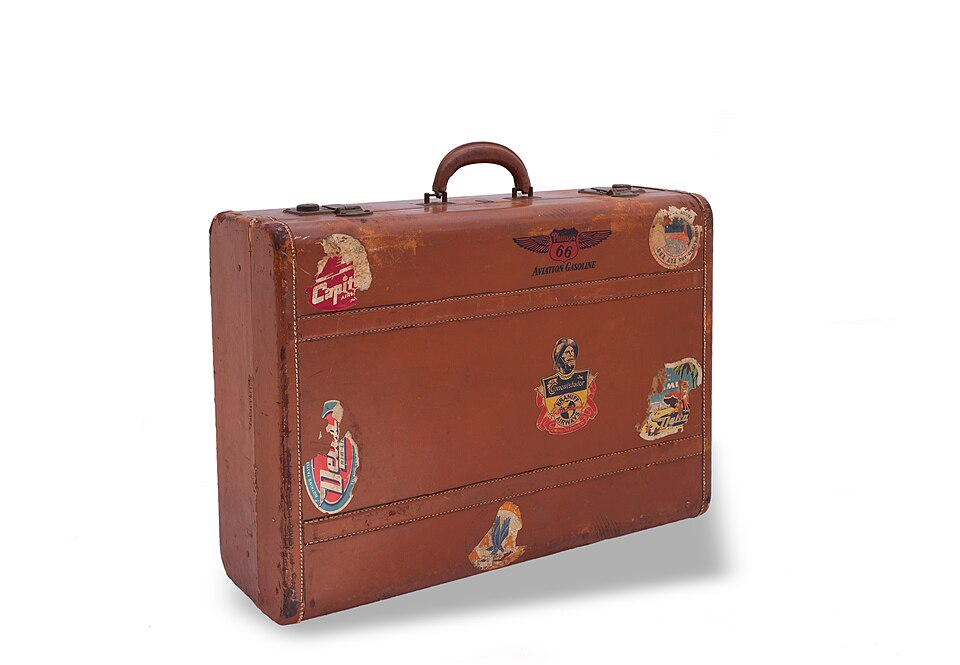
The threat was unstated and was therefore assumed to be comprehensive.
The absence of a specified risk made the task considerably heavier than it needed to be. A child told to watch something, with no account of what might happen to it, had to guard against everything – and in the overwhelming majority of cases nothing whatever was going to happen to it at all.
Nothing ever did. Across a great many accounts of this arrangement nothing is ever taken, moved, damaged or interfered with by anybody, which means the whole duty was performed against a risk that essentially did not exist.
3. The Object Was Never Explained Either
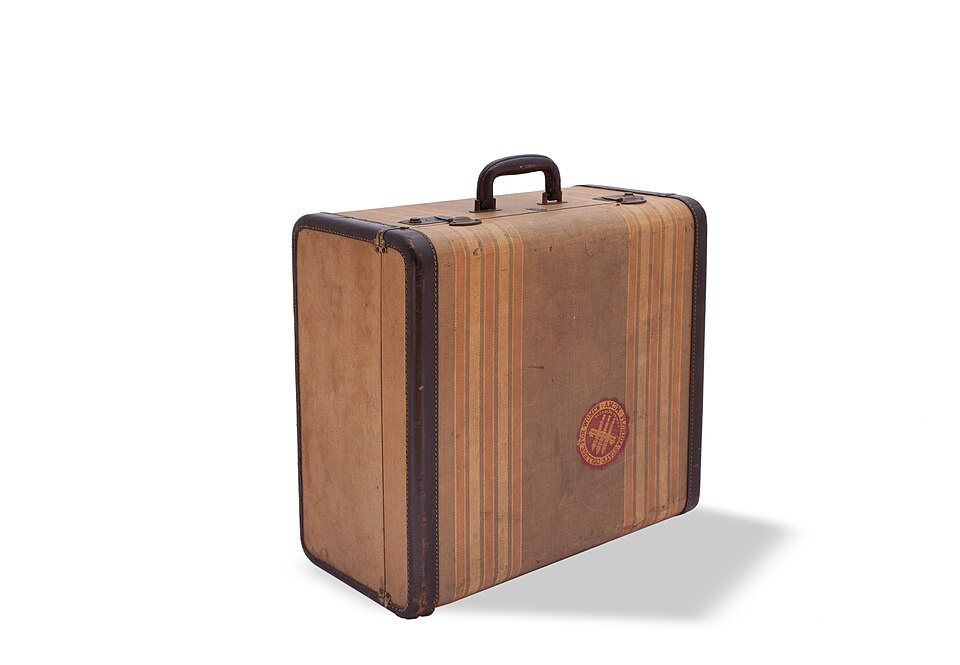
Children frequently had no idea what they were standing next to.
The omission was the usual one. An adult handing over a watching duty had no reason to describe the thing, because the description served no purpose – which meant a child could spend eleven minutes guarding something they could not have identified or valued.
The ignorance made it worse rather than better. A child who did not know what something was could not calibrate how carefully to guard it, which meant everything got the maximum available attention regardless of whether it deserved any.
4. You Stood Closer to It Than Was Necessary
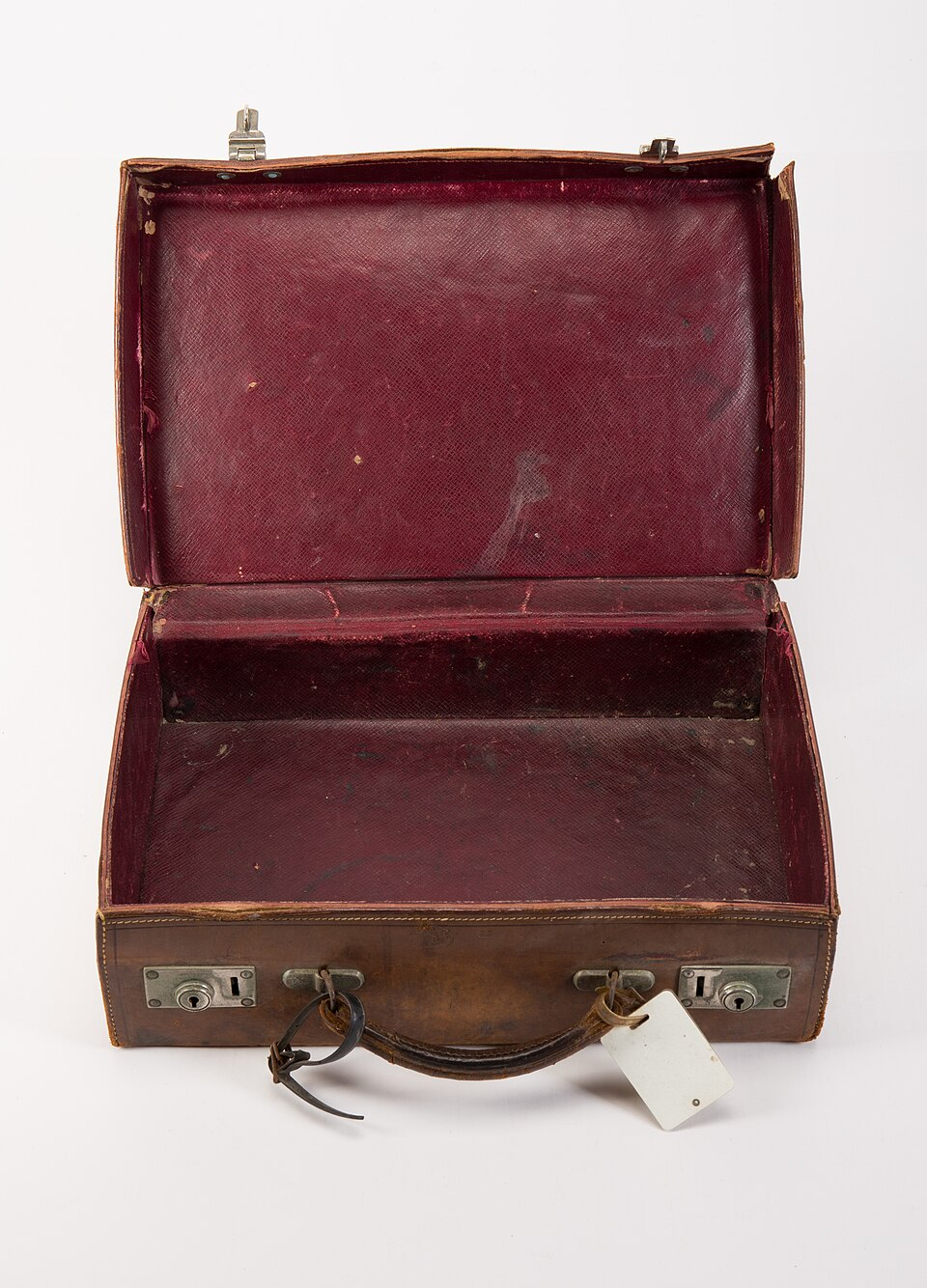
The physical interpretation of watching was proximity rather than observation.
Children consistently positioned themselves within arm’s reach, which is not what the word watch implies and is what everybody did. A child who could see something from eight feet away stood at two feet instead, because touching distance felt like custody in a way that visibility did not.
Nobody had suggested it. The posture was arrived at independently by every child given this task, which suggests it is what the duty actually felt like rather than what it had been described as.
5. Sitting on It or Holding It Was Better Than Watching It
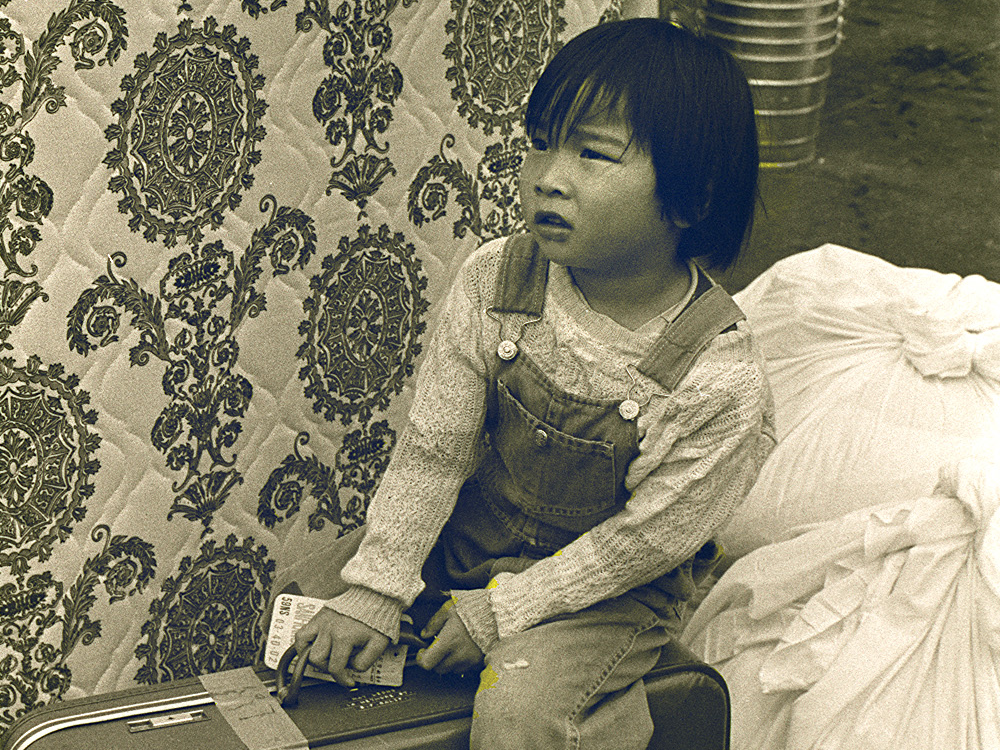
Where the object permitted, children escalated from observation to contact.
The escalation was about certainty. A child in physical contact with something could not fail to notice anything happening to it, which removed the possibility of a lapse – and children preferred that to any amount of careful looking.
It was also easier. Maintaining attention for eleven minutes is harder than maintaining a hand, and children had worked out that the reliable version of the task required less of them than the attentive one did.
6. You Could Not Leave Even When Leaving Was Obviously Fine

The duty held absolutely, past the point of any sense.
The rigidity is the striking feature. A child who needed to move four feet, who could see something interesting, or who had an entirely good reason to step away did not – because the instruction had not included any permission and children did not grant themselves any.
This was never tested by anybody. No adult ever returned to find a child had left, in essentially any account, which means a three-word instruction with no enforcement produced complete compliance across an enormous number of occasions.
7. Being Spoken To Was the Hardest Part
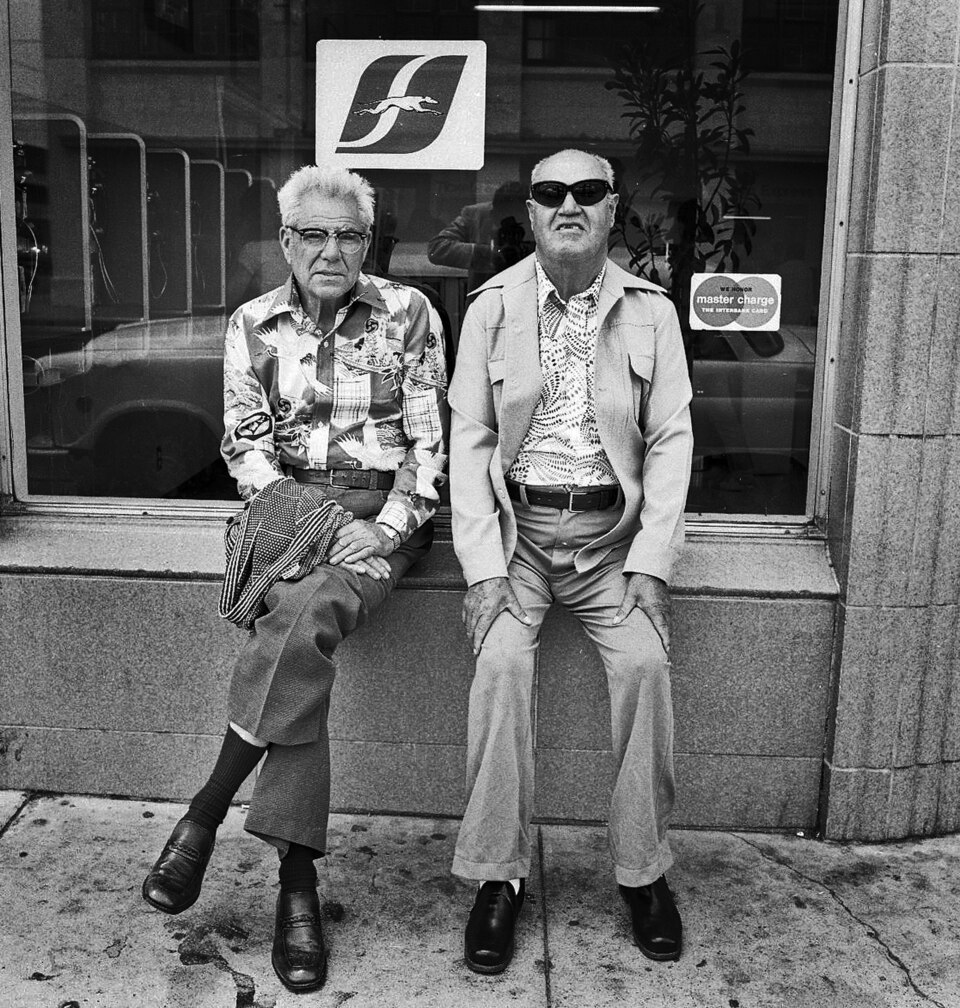
Anybody who approached created a problem the instruction had not covered.
The difficulty was that the child had no authority. Somebody who came up and showed an interest in the object, or asked about it, or simply stood near it, put the child in a position of having to do something with no standing to do anything – and nobody had told them what the something was.
The resolution was always the same. Children said that somebody was coming back, which is true, non-confrontational and sufficient, and which every child in this situation arrived at without instruction.
8. You Had No Idea How Long and Could Not Ask
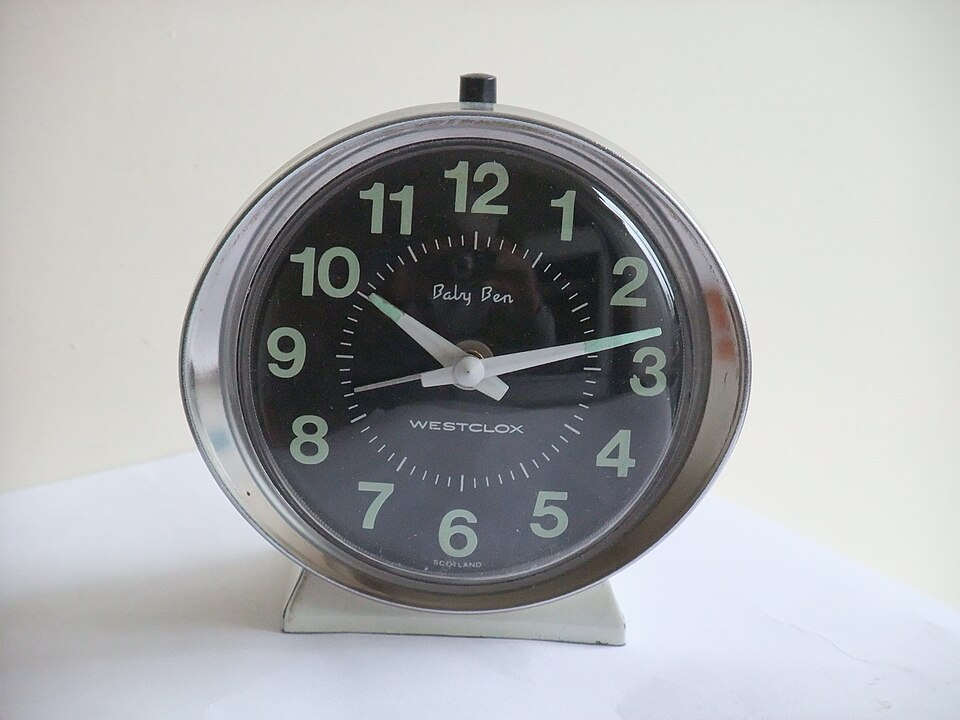
The duration was unspecified and the person who knew it had gone.
The structure was the same as every other waiting task of the period. A few minutes could be four or twenty-five, the child had no means of establishing which, and the whole interval was spent without any sense of how much remained.
The absence of a horizon made it heavier. A child who knew the duty would last twenty minutes could have settled into it; a child who did not had to remain at full attention throughout in case it ended at any moment or continued for an hour.
9. The Adult Came Back and Said Nothing About It

The handover back was as brief as the handover out and carried no acknowledgement.
The silence completed the pattern. An adult returning took the object, or simply resumed custody of it by standing next to it, and the duty ended without anybody marking that it had been discharged – which is how every errand of the period concluded.
Children expected nothing and noticed the absence anyway. A great many people describe having wanted some indication that the watching had been successful, while simultaneously understanding that nothing had happened and that there was therefore nothing to acknowledge.
10. You Were Genuinely Useful and It Was Invisible
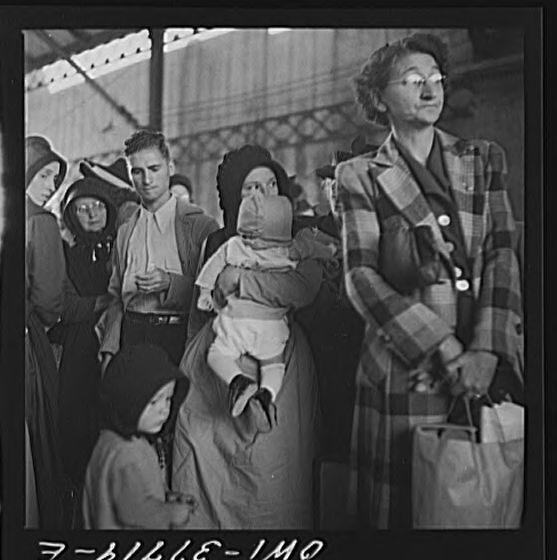
The arrangement was the only reason the adult could go anywhere, and that was never stated.
The dependency was real. An adult with something that could not come with them and nobody to leave it with would have had to stay – which means the child’s presence was the entire mechanism by which the adult’s errand became possible.
The invisibility is a consequence of success. A duty performed perfectly, against a risk that never materialised, produces no evidence that it was ever needed, which is why nobody involved ever thought about it.
11. It Was the Task Children Took Most Seriously
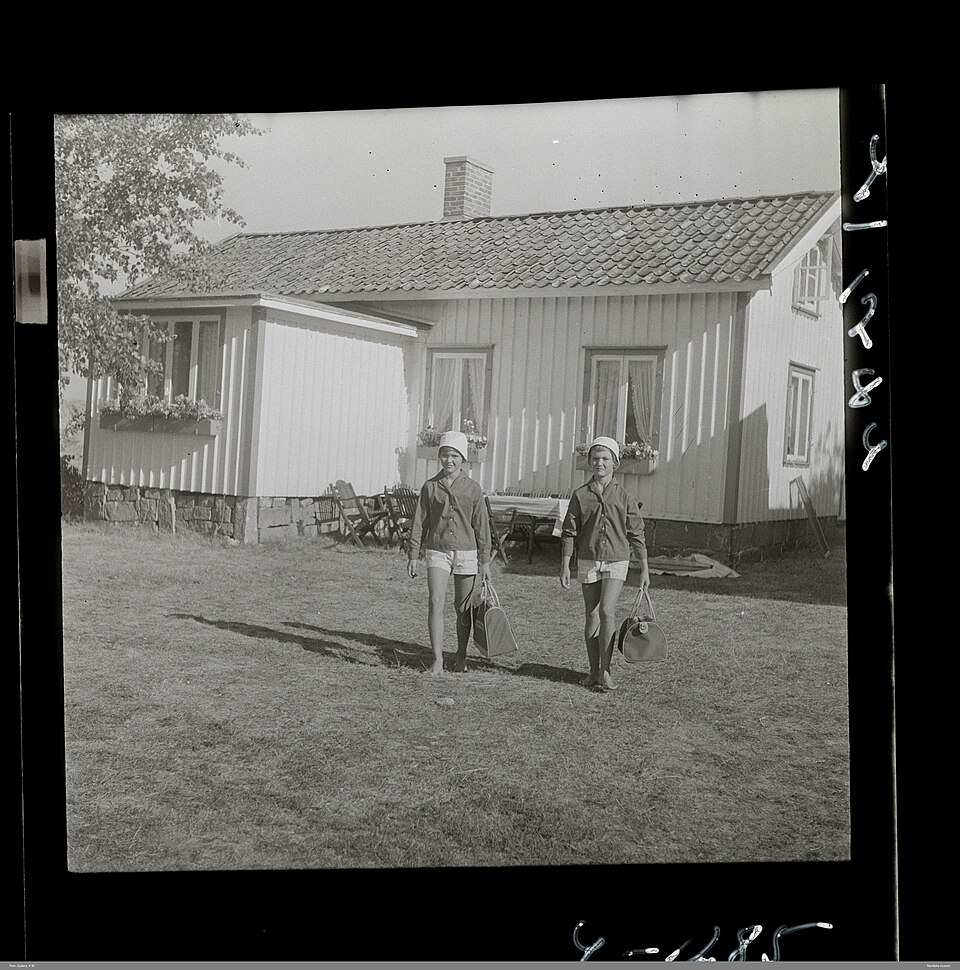
Among everything a child of that period was asked to do, this one produced the most conscientious performance.
The reason is probably the vagueness. A task with clear limits can be done adequately; a task with no stated limits and no stated risk has no adequate level, so children supplied the maximum – and a nine-year-old guarding an unspecified object against an unspecified threat applied considerably more diligence than any specified task received.
Nobody ever noticed. The households that produced this effect had no idea they were producing it, and the children involved did not know they were doing anything unusual.
12. You Still Do It With Anything Anybody Leaves With You
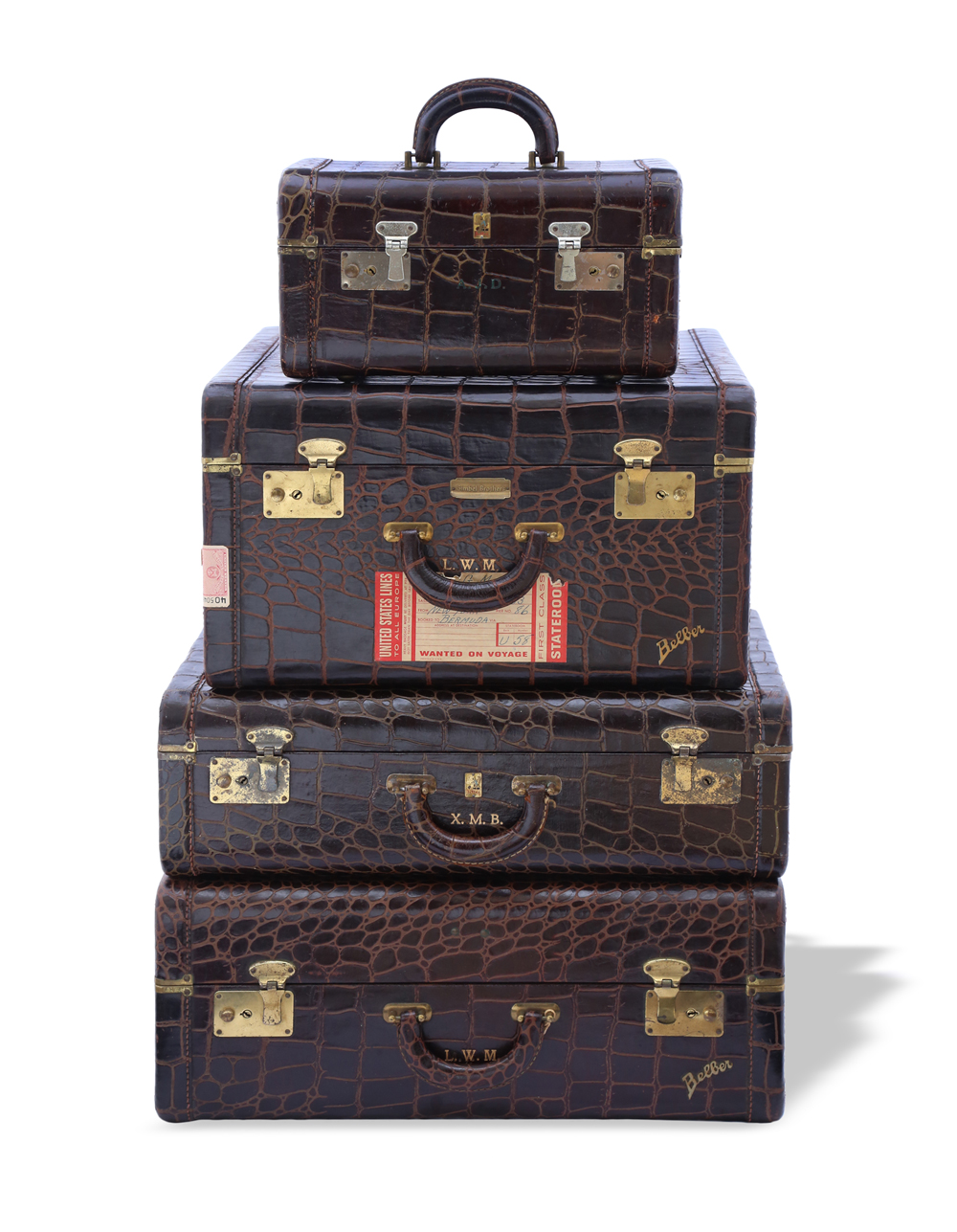
The behaviour survives in people who were given this duty as children.
The persistence is specific and is reported with some amusement. A great many people describe an unusual reluctance to take their eyes off anything somebody has asked them to look after, and attribute it directly to having stood at two feet from unidentified objects for unspecified periods at eight years old.
The vagueness survives with it. People report still not knowing what they are guarding against, still assuming it is comprehensive, and still standing closer than necessary – which is a remarkably complete transmission for three words and no explanation.
13. Nobody Ever Explained Why It Had to Be a Person
The requirement that somebody be physically present was never justified.
The question is worth asking because the answer is not obvious. A great many of these objects could simply have been left, and in a period with the social arrangements of 1964 would almost certainly have been fine – which means the duty may have been about the adult’s peace of mind rather than about any real necessity.
Children never raised it. The instruction was accepted at face value by everybody who received it, which means an entire category of childhood labour may have existed for no reason anybody could have defended.
14. Then Nothing Needed Watching

Different arrangements, different objects, the ability to secure almost anything and a complete change in what anybody carries removed the duty entirely.
Every part of that is an improvement. Not requiring a child to stand next to something for an unspecified period, against an unspecified risk, with no authority to do anything about it, is better in every respect.
What went with it is three words and a gesture. An unidentified object, an unstated threat, an unknown duration and a nine-year-old at two feet applying the maximum available diligence to a task nobody had defined and nobody ever mentioned again.
Why the Vaguest Task Got the Most Effort
Read in order, the fourteen point to a single explanation, and it is the vagueness. A task with clear limits can be done adequately; a task with no stated limits and no stated risk has no adequate level – so children supplied the maximum. A nine-year-old guarding an unspecified object against an unspecified threat applied considerably more diligence than any clearly specified task ever received, and nobody on either side of the arrangement knew that was happening.
The absence of a named risk did most of the work. A child told to watch something with no account of what might happen to it had to guard against everything, and across a great many accounts nothing is ever taken, moved, damaged or interfered with by anybody – which means the whole duty was performed against a risk that essentially did not exist. The object was unexplained too, which made it worse rather than better: a child who could not identify what they were standing next to had no way to calibrate how carefully to guard it, so everything got maximum attention regardless.
The physical interpretation is the most telling detail. Children consistently stood within arm’s reach, which is not what the word watch implies, because touching distance felt like custody in a way that visibility did not – and where the object allowed it they escalated to sitting on it or holding it, because contact removed the possibility of a lapse and was genuinely easier than maintaining attention for eleven minutes.
The rigidity held absolutely. A child who needed to move four feet, or had an entirely good reason to step away, did not – because the instruction had included no permission and children did not grant themselves any. No adult ever returned to find a child had left, in essentially any account, which means three words with no enforcement produced complete compliance across an enormous number of occasions.
Two things are worth separating out. The child was genuinely useful and it was completely invisible: an adult with something that could not come with them and nobody to leave it with would have had to stay, which makes the child’s presence the entire mechanism by which the adult’s errand became possible. The invisibility is a consequence of success – a duty performed perfectly against a risk that never materialised produces no evidence it was ever needed.
And nobody ever explained why it had to be a person at all. A great many of these objects could simply have been left, and in 1964 would almost certainly have been fine – which means the duty may have been about an adult’s peace of mind rather than any real necessity. Children never raised it, so an entire category of childhood labour may have existed for no reason anybody could have defended.
Like our content? Follow us for more.