Owning a home means staying ahead of maintenance before small issues become big, expensive problems. That’s why smart homeowners rely on a monthly checklist to keep things running smoothly, from safety checks to seasonal tune-ups. These 16 monthly tasks might not take long, but they can make a major difference in protecting your investment and preserving your peace of mind all year long.
1. Test Smoke and Carbon Monoxide Detectors

Press the test button on all detectors to ensure they’re working properly. Replace batteries if needed, and check expiration dates, yes, detectors expire! These devices are your first line of defense in an emergency, and regular monthly testing ensures they’re always ready to alert you at the first sign of trouble, potentially saving lives and preventing disaster.
2. Check Fire Extinguishers

Check your fire extinguisher like a pro, ensure the gauge points to green, the nozzle’s clear, and the unit’s ready to grab fast. Give dry chemical types a gentle shake each month to keep the powder loose and functional. It’s a two-minute habit that could mean the difference between a close call and a catastrophe in your kitchen, garage, or workshop.
3. Inspect HVAC Filters and Replace if Needed
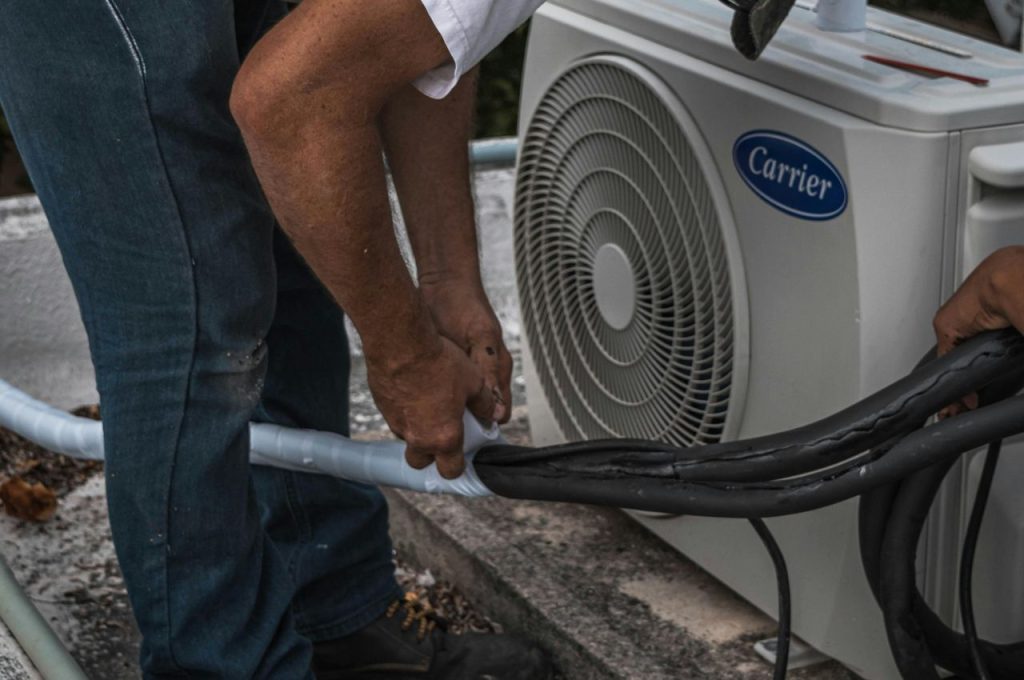
Clogged filters force your system to struggle for airflow, wasting energy and circulating dusty, stale air throughout your home. Hold your air filter up to a light source, if little to no light passes through, it’s clogged with dust and debris and needs replacing. A clean filter ensures better airflow, improves indoor air quality, and keeps your HVAC system from overworking. Monthly checks are especially important during heavy-use seasons like summer and winter.
4. Look for Signs of Water Leaks

Check under sinks, around toilets, behind appliances, and along ceilings for signs of moisture, discoloration, or musty smells. Even a slow, steady drip can quietly carve out costly problems, inviting mold, warping wood, and weakening your home’s bones over time. Monthly leak checks can catch minor plumbing issues before they escalate into major repairs or insurance claims.
5. Examine Bathroom Caulking and Grout
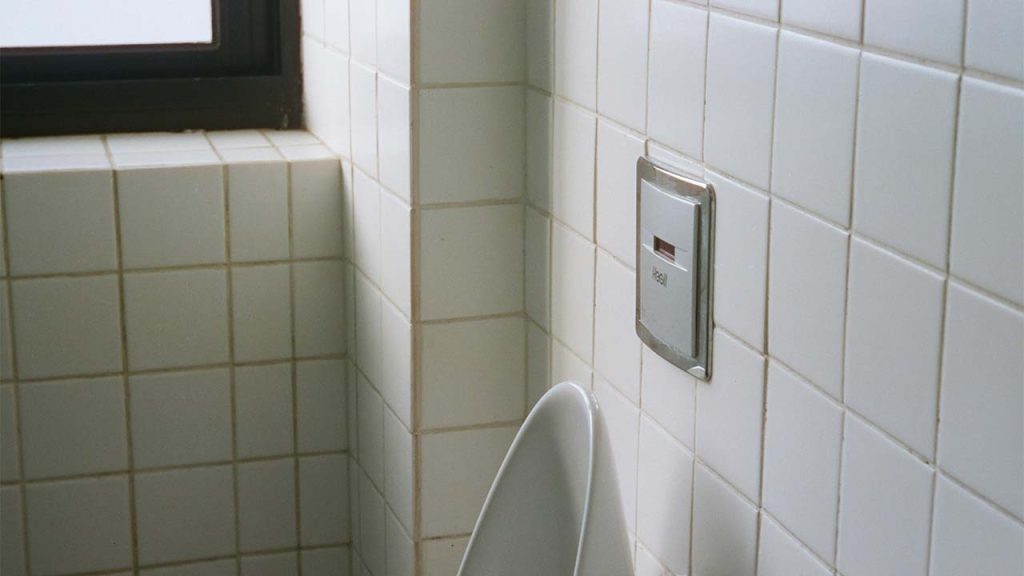
Scan the grout lines in showers and around tubs or sinks for cracks, gaps, or mold. Water sneaking behind tile can lead to hidden damage. Scrape out crumbling caulk and reapply a fresh bead where needed. This small task not only keeps things looking fresh, but also protects against water seepage that can quietly wreak havoc behind walls.
6. Clean Range Hood Filters

Grease and dust build up quickly in range hood filters, reducing their ability to trap smoke and odors. Remove the filters and soak them in hot, soapy water, or run them through the dishwasher if they’re dishwasher-safe. Monthly cleaning keeps your kitchen air fresher, reduces fire risk, and ensures your exhaust system works efficiently every time you cook.
7. Run Water in Unused Drains
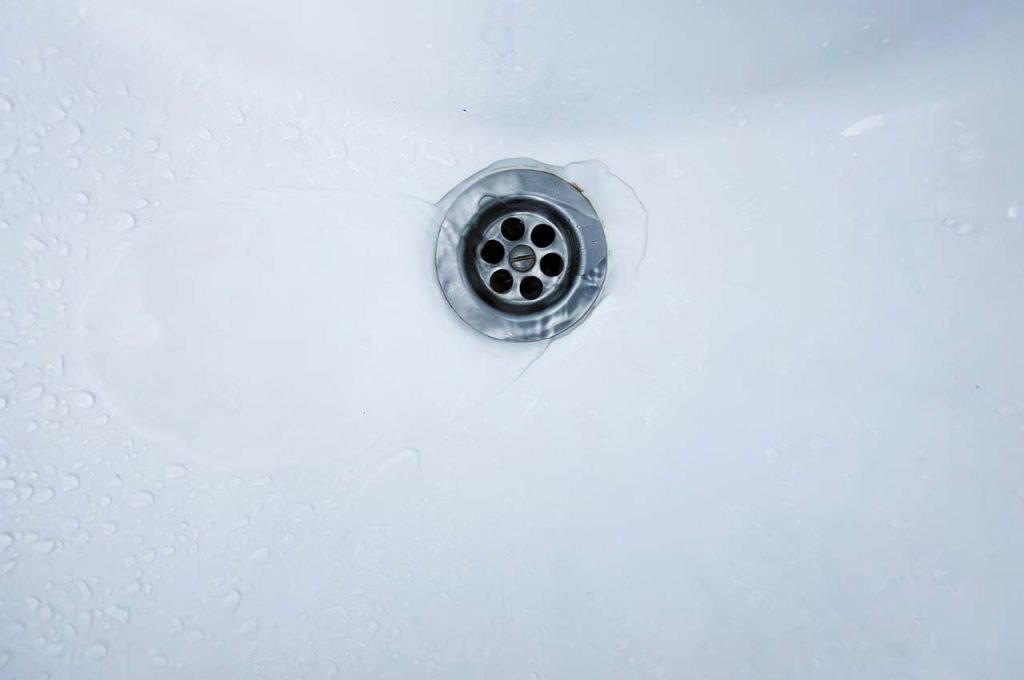
If you have bathrooms or sinks you rarely use, stagnant water can evaporate and let sewer gases seep into your home. Run water through these fixtures once a month and pour a little vegetable oil down the drain to slow evaporation. This simple habit keeps traps full, odors away, and your plumbing system in better condition with almost no effort.
8. Check for Pest Entry Points
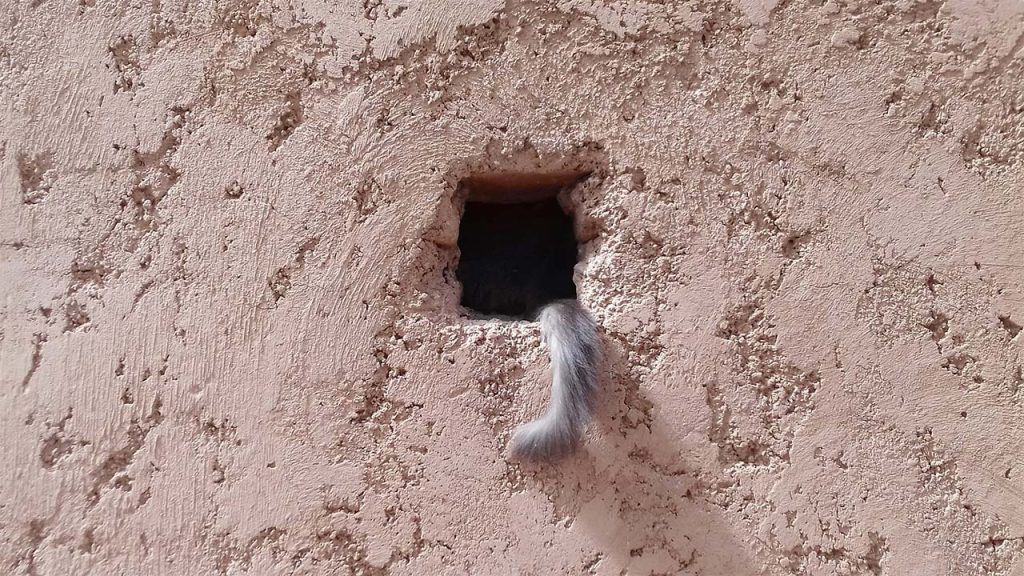
Walk around your home’s exterior and inspect the foundation, vents, doors, and windows for tiny cracks or gaps. Tiny gaps are all it takes for pests to invite themselves in, rodents can squeeze through holes the size of a dime. Inspect your home’s exterior carefully, sealing any cracks or crevices with caulk and using steel wool for tougher gaps. A quick monthly scan helps prevent infestations before they start, saving you hassle, money, and surprises.
9. Clean Garbage Disposal with Ice and Citrus

Toss in a handful of ice cubes and a few citrus peels, then run the disposal with cold water. The ice helps sharpen the blades and dislodge buildup, while the citrus freshens the smell. It’s a quick, eco-friendly trick that freshens your disposal and keeps lingering odors at bay. Doing this monthly helps maintain performance and prevents greasy grime from becoming a bigger problem.
10. Inspect Exterior for Damage or Wear

Walk around your home with a critical eye, spotting loose shingles, sagging gutters, or water pooling near the foundation can help you catch issues before they become expensive repairs. These signs often point to drainage problems or roof damage that, if ignored, can lead to leaks, mold, or structural wear. A few minutes of inspection each season could save you major headaches down the road.
11. Trim Vegetation Near the House

Overgrown shrubs, tree limbs, and vines can trap moisture, damage siding, and create a bridge for pests to enter your home. Keep branches trimmed at least a foot away from your roof and walls. Regular monthly trimming protects your home’s exterior, improves airflow, and reduces fire hazards, especially important in warmer months or dry climates.
12. Test Garage Door Auto-Reverse Feature
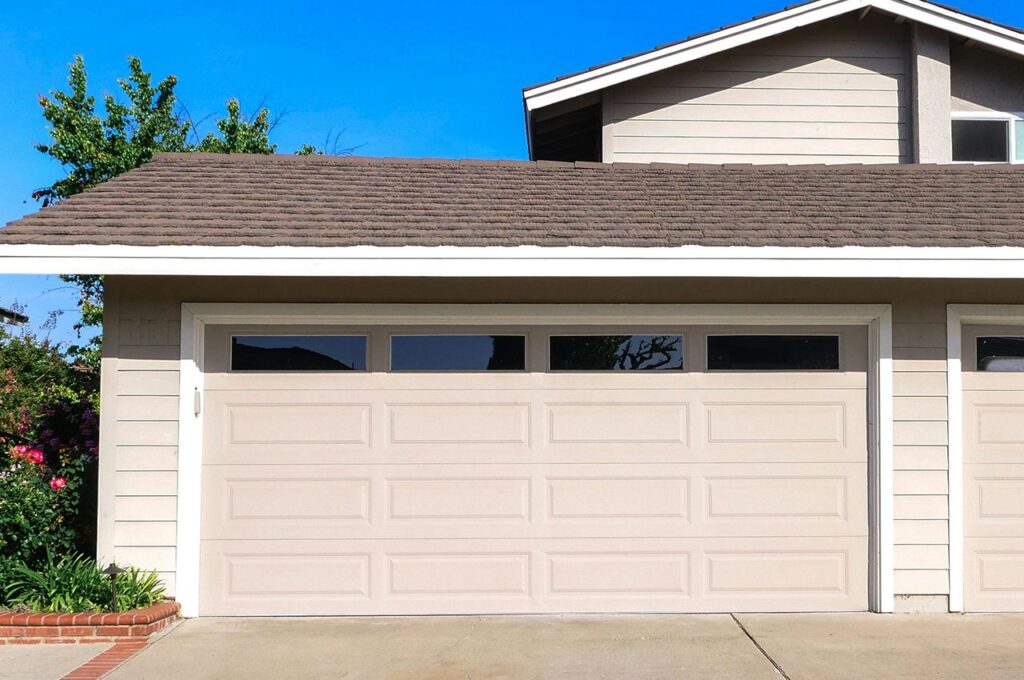
Place a small object like a piece of wood under the garage door and try closing it. The door should automatically reverse when it touches the object. If it doesn’t, the safety sensors may need cleaning or realignment. Test this monthly to prevent accidents and keep your home up to modern safety standards, especially if kids or pets are around.
13. Check Sump Pump Operation
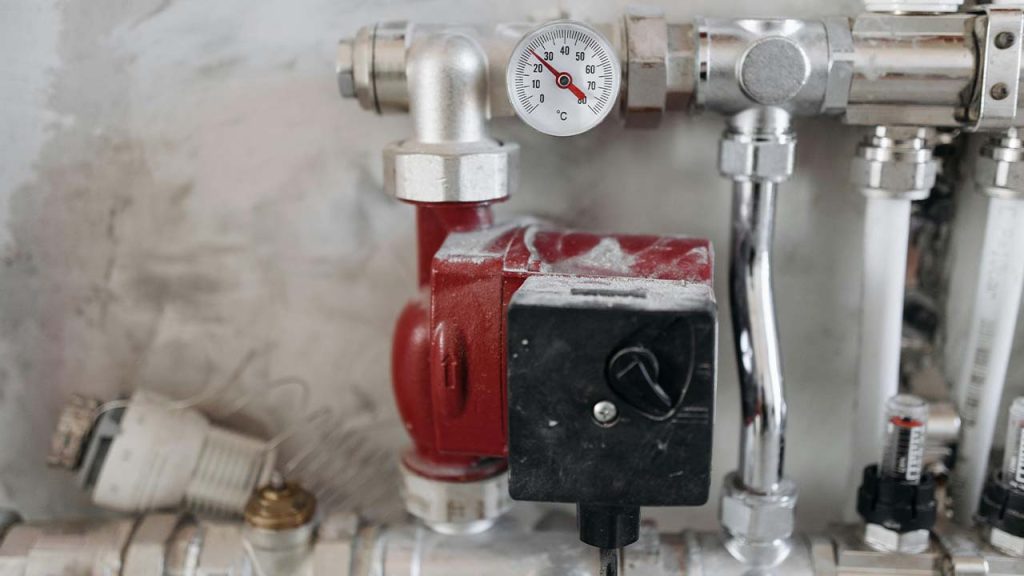
Test your sump pump by pouring a bucket of water into the pit, if it doesn’t kick on and drain smoothly, it’s time for a checkup. Ensure the discharge pipe is unobstructed and channels water well away from your home’s foundation to prevent flooding and damage. A working sump pump is your first defense against basement flooding (especially during heavy rains) so testing it monthly gives you peace of mind.
14. Scan for Mold or Mildew Growth
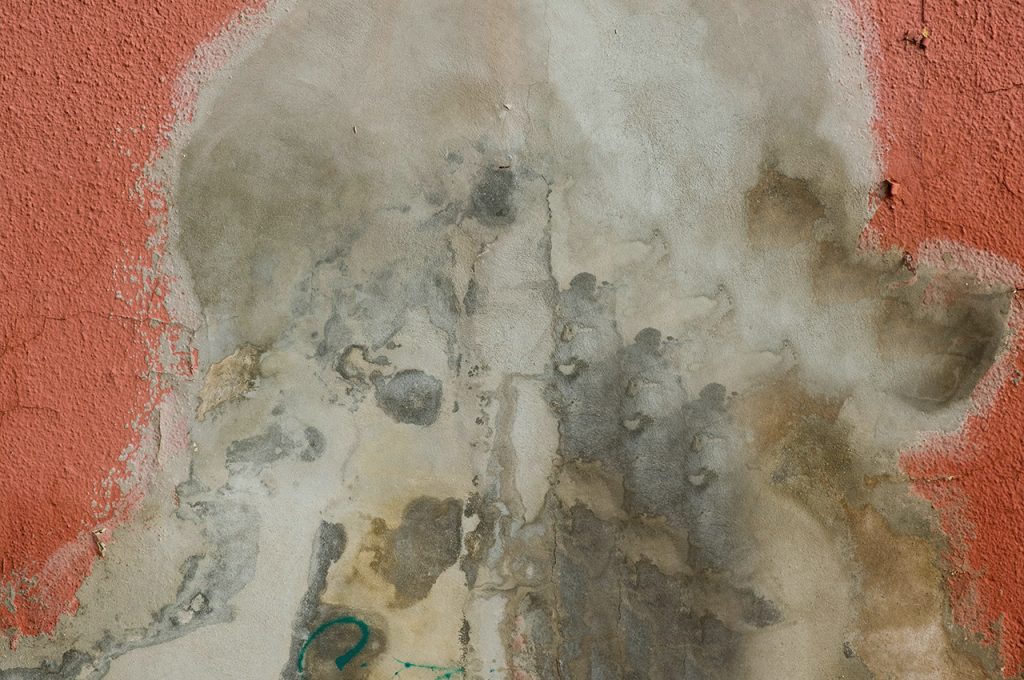
Check bathrooms, basements, around windows, and any damp corners for musty smells or visible spots. Mold can form quickly and silently spread, causing health problems and costly repairs. Early detection lets you clean or address moisture issues before they escalate. Add a monthly scan to your routine and keep your home’s air clean and safe.
15. Review Utility Bills for Unusual Spikes

Unexpected increases in water, gas, or electric bills can point to hidden problems, like leaks, failing appliances, or insulation issues. Set a monthly reminder to review your statements and compare them to past months. Catching these anomalies early can help you troubleshoot inefficiencies and lower your home’s ongoing costs.
16. Walk Through Each Room for Minor Fixes

Take 10–15 minutes to walk through your home with a critical eye, look for loose handles, scuffed paint, flickering lights, or squeaky hinges. Jot down what needs attention before it becomes a bigger problem. A monthly room-by-room check keeps your home running smoothly and helps you stay on top of repairs without getting overwhelmed.