

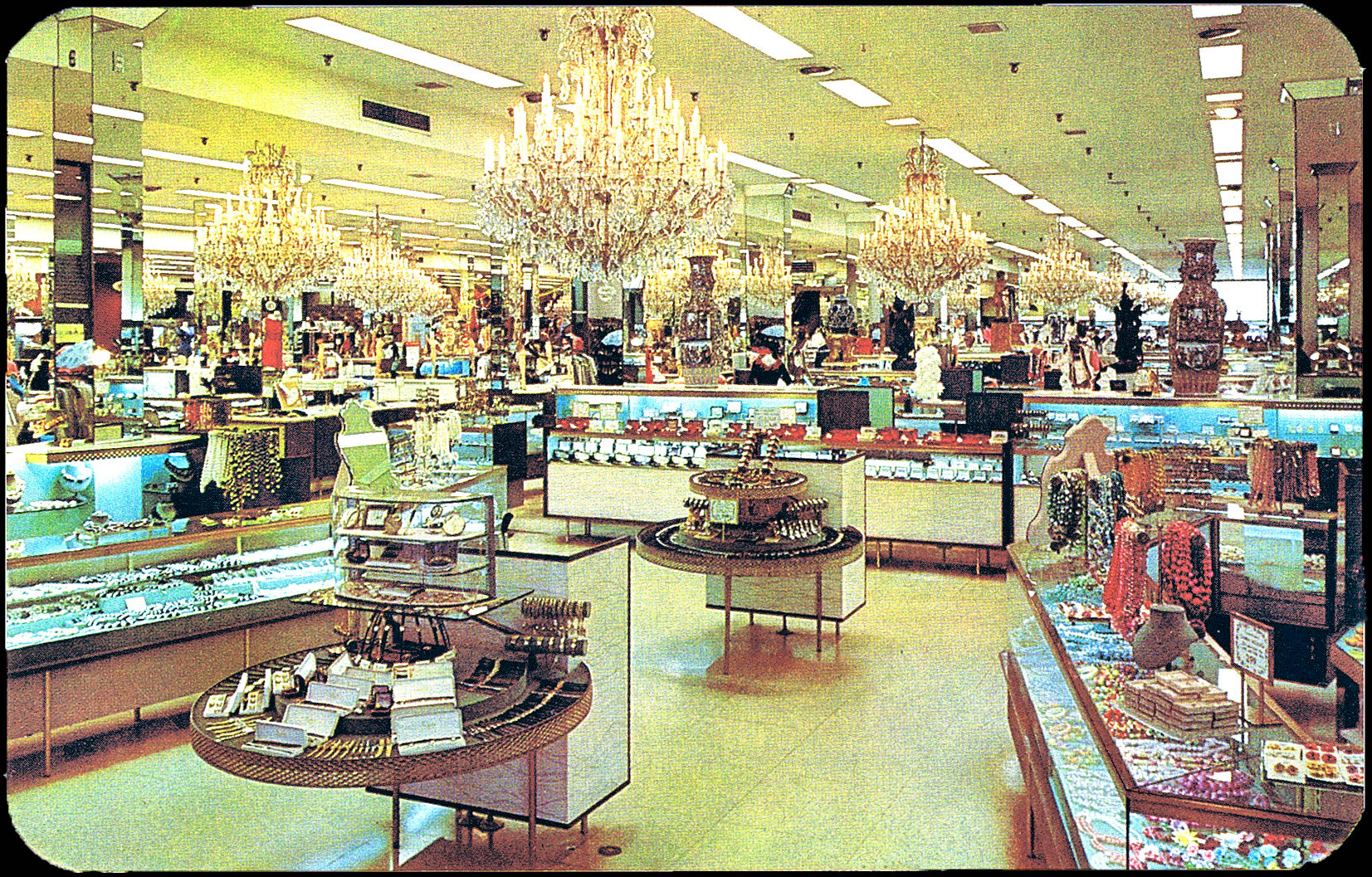
The American department store at its peak was a genuine civic institution: a restaurant, a hairdresser, a nursery, a credit office, a post of social life, and a building people dressed up to enter. The affection it is remembered with is not misplaced.
It was also a workplace and a public accommodation operating before most of the law that now governs both. Several items below concern discrimination, and one of them is of a different order from everything else on the list and is placed first for that reason. The remainder are a mixture of consumer safety, privacy and safeguarding changes, most of which arrived in a twenty-year run between 1964 and 1984 and none of which were in place when these floors were busiest. Here are sixteen things about that floor, beginning with the one that matters most.
1. Segregated facilities, in the parts of the country that had them
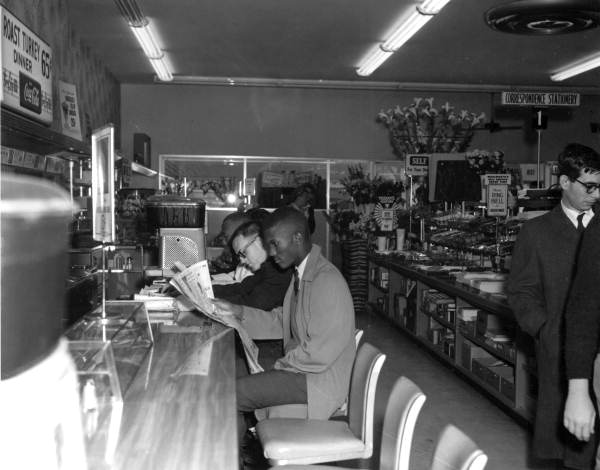
This belongs first and it is not of a kind with anything that follows. In much of the American South, and in places elsewhere, a department store’s eating counter, restrooms, drinking fountains and sometimes its fitting rooms were segregated by race, and some stores refused to let Black customers try on clothing at all.
Title II of the Civil Rights Act of 1964 prohibited discrimination in public accommodations, and the lunch counter sit-ins of the preceding years had been aimed directly at department store counters. Compliance in 1965 was recent, uneven and in places contested through the courts.
It is listed here because a piece about what a 1965 store floor was like cannot leave it out and remain honest. It is not offered as nostalgia, and the rest of this list should not be read as if it sits alongside it.
Like our content? Follow us for more.
2. Advertised and filled jobs by sex, openly
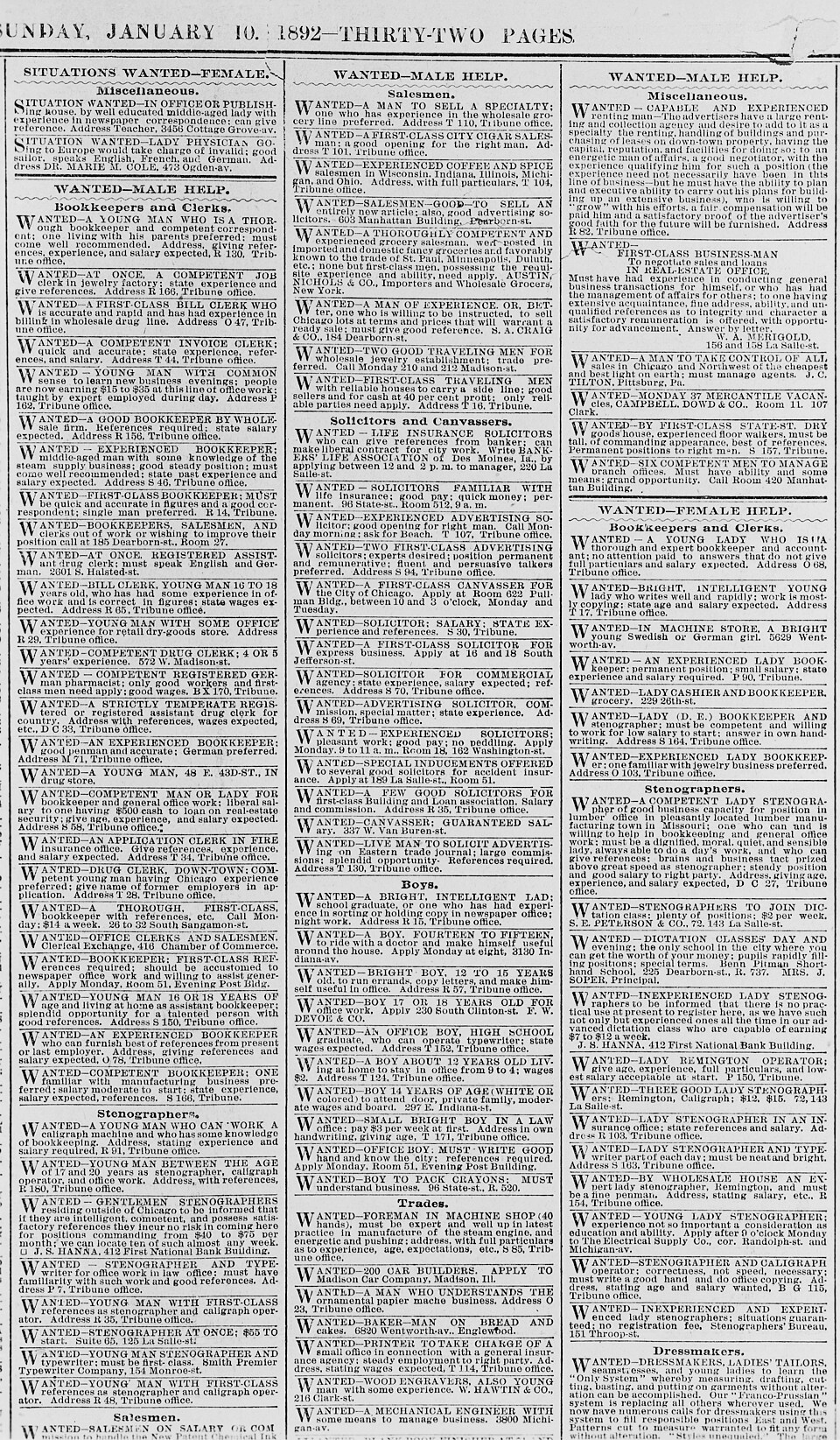
Selling positions were allocated by sex as a matter of course — women in cosmetics, hosiery and children’s wear, men in furniture, appliances and the credit office — and the pay followed the allocation. Newspaper help-wanted columns were printed in separate male and female sections.
Title VII of the Civil Rights Act of 1964 took effect in 1965 and prohibited employment discrimination on the basis of sex. Sex-segregated help-wanted advertising nonetheless continued for years and was finally closed off by litigation reaching the Supreme Court in 1973.
The occupational map inside a 1965 store is legible in the staff photographs, department by department. What a modern chain cannot do is not merely the advertising; it is the allocation itself, which was the substance of the thing.
3. Refused a married woman credit in her own name
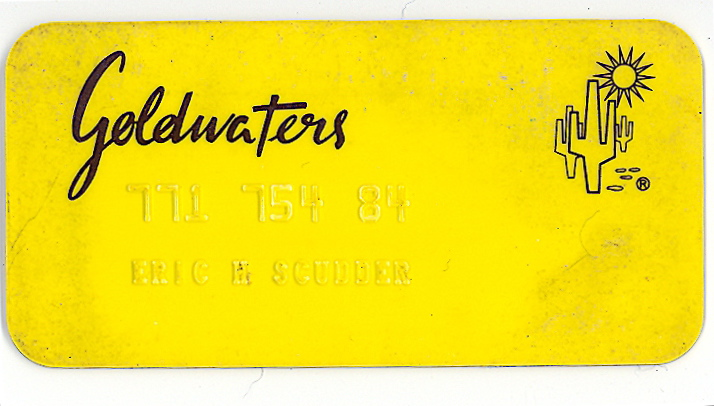
A store charge account was generally opened in a husband’s name. A married woman shopping on it was shopping on his credit, a divorced or widowed woman often found she had no credit history at all, and a single woman could be refused or asked for a male guarantor.
The Equal Credit Opportunity Act of 1974 prohibited discrimination in credit on the basis of sex and marital status, and a 1976 amendment extended the protected grounds. Store cards were a major part of the American credit system and a major part of what the act changed.
The department store charge plate is remembered fondly as an object. It is worth knowing whose name was embossed on it and what happened to a woman who needed one and did not have a husband to put on the form.
4. Sold instalment credit with no disclosure of what it cost
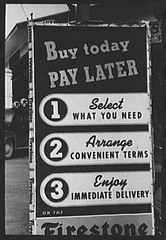
Big-ticket goods were sold on time payments, and the terms were presented as a weekly or monthly figure. The total finance charge and the annual rate were not required to be stated, and in practice were often not calculable from what the customer was shown.
The Truth in Lending Act of 1968 required disclosure of the finance charge and the annual percentage rate in a standard form before the agreement was made. It is the reason every American credit document now opens with a box of numbers.
This was the most profitable counter in many stores and it is the least photographed. The furniture floor and the appliance floor were, in a real sense, lending operations with merchandise attached.
5. Stocked children’s sleepwear that would now fail a flammability test
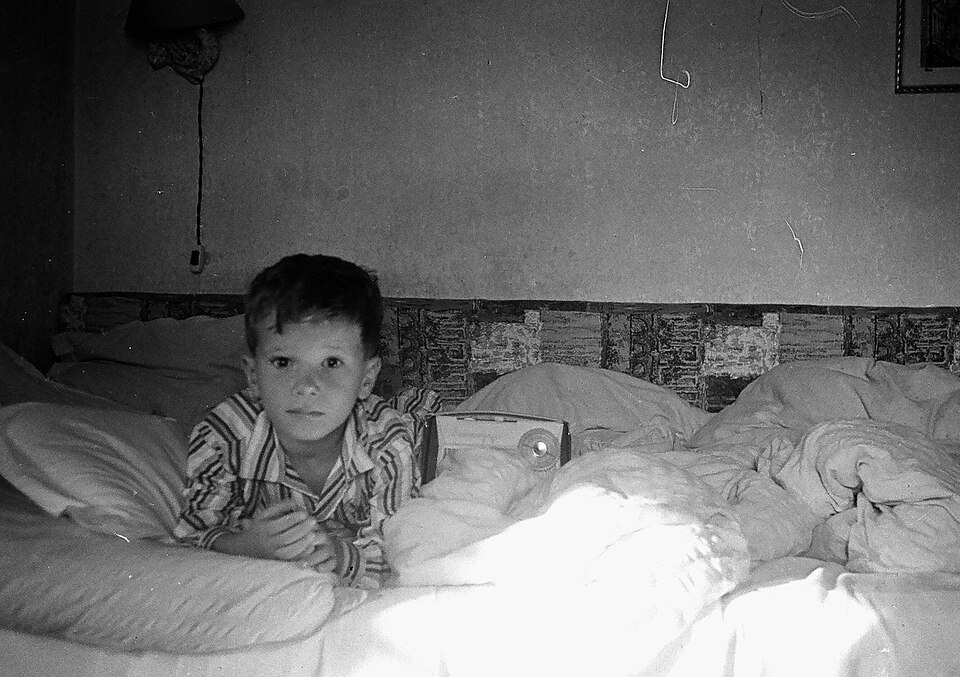
Children’s nightwear was sold in brushed and napped fabrics that ignited readily and burned fast. The Flammable Fabrics Act of 1953 addressed the worst of it, but the standard applied to ordinary clothing rather than to sleepwear specifically.
The act was strengthened in 1967 and specific children’s sleepwear flammability standards followed in the 1970s, which is why American children’s nightwear is now either flame-resistant or snug-fitting and carries a label saying which.
This is a case where the remedy itself later needed remedying. The flame retardant used to meet the new standard on some garments was withdrawn in 1977 after being found mutagenic, which is covered elsewhere in this batch and is a lesson in its own right.
6. Sold toys with no safety standard behind any of them
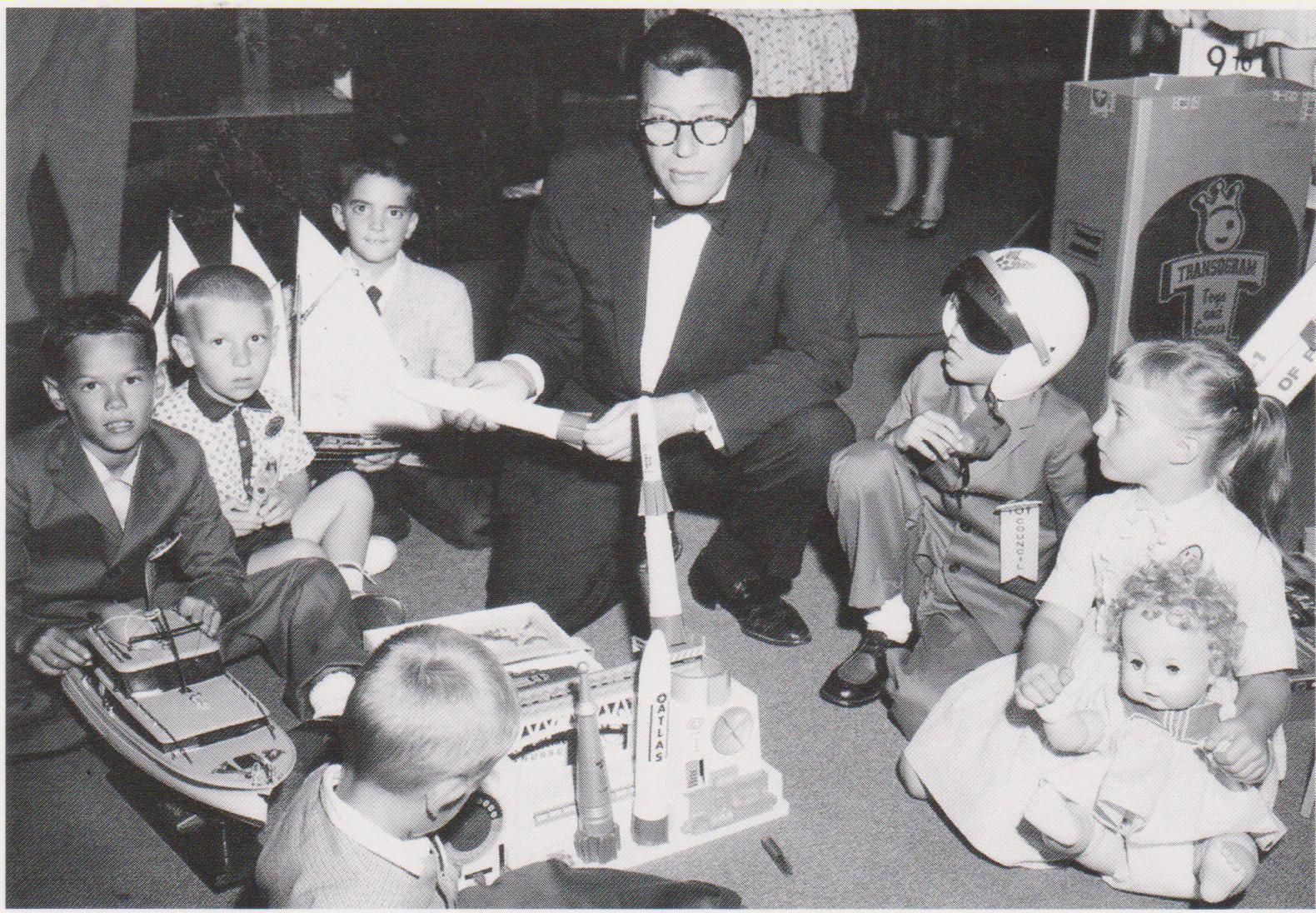
The toy department operated with essentially no product safety regime. There were no requirements on small parts, sharp edges, points, cords, projectiles or the composition of paint, and nothing had to be tested before it went on a shelf.
The Child Protection and Toy Safety Act of 1969 brought toys under federal hazard regulation, the Consumer Product Safety Commission was created in 1972, the small-parts rule arrived in 1979 and lead in paint on children’s products was restricted in 1978.
The 1965 toy floor is the department a modern buyer would find most alarming, and the objects are desirable collectables precisely because nobody is allowed to make them any more.
7. Fitted shoes by standing children in an X-ray machine
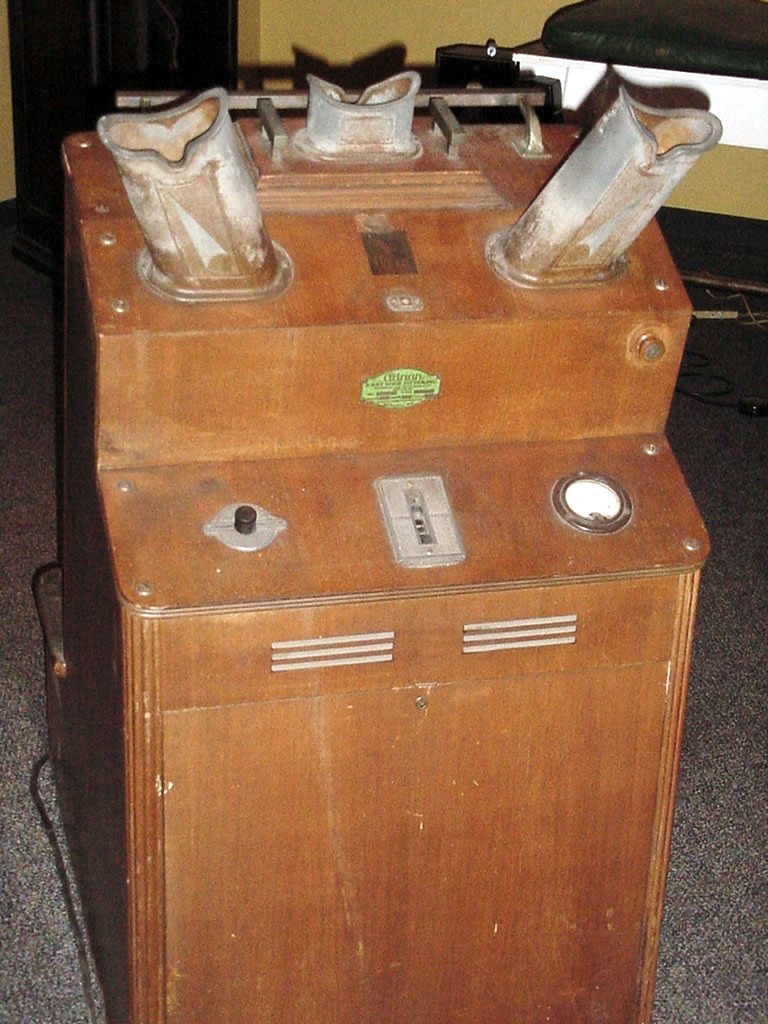
The shoe-fitting fluoroscope let a child, a parent and a salesman look at the bones of the foot inside the shoe. It was a sales instrument rather than a medical one, children queued to use it for fun, and the dose was delivered to whoever was looking.
The machines were prohibited state by state across the United States through the 1950s and 1960s, and by the middle of the decade most were gone, though some lingered. No equivalent device could be placed on a retail floor under any modern radiation rule.
The salesmen operating them stood beside them all day. Measured retrospectively, the occupational exposure to the staff was the larger part of the problem and was not considered at all when the devices were installed.
8. Let every customer use the same lipstick and the same mascara
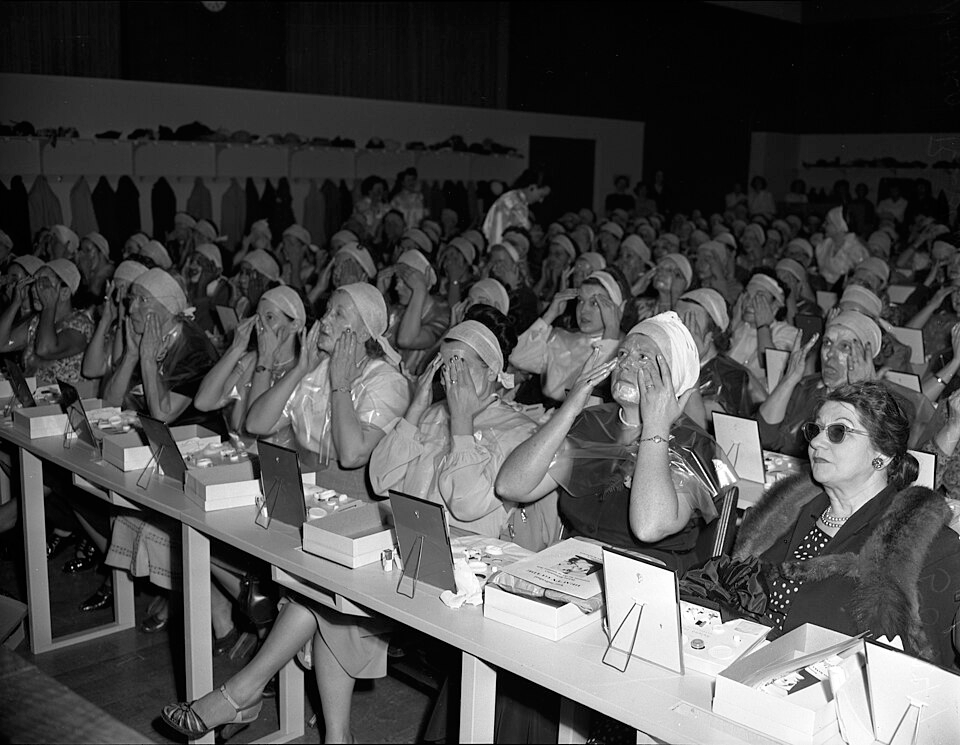
Cosmetics counters worked by trial. Testers sat open on the counter, lipsticks were applied directly from the display unit, mascara wands went back into the shared tube, and powder brushes served everyone who sat down.
This is now barred by sanitation practice rather than by a single statute: single-use applicators, disposable spatulas, sanitising between customers and a prohibition on direct application from a shared unit are standard across American cosmetics retail.
The change came largely in the 1980s as the hygiene argument was made publicly, and it changed the whole economics of the counter, because a tester that must be applied with a disposable is a tester that gets used far less.
9. Measured customers by hand, in the open, for corsetry
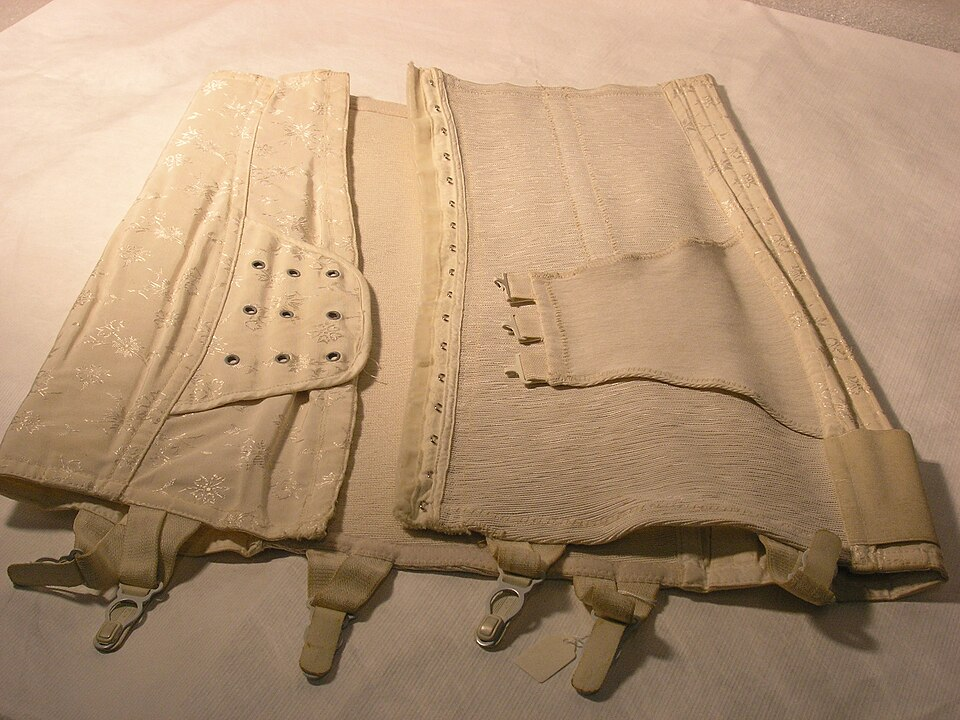
The corsetiere was a specialist and a respected one, and the fitting involved direct hand measurement over or under clothing, frequently conducted in a curtained alcove on the open floor with other customers a few feet away.
The skill was real and the profession has largely gone, replaced by self-selection from a size chart. What a modern chain will not do is the unchaperoned physical fitting of a customer, including a minor, as an ordinary retail transaction on a sales floor.
A good deal of practical expertise went with it, which fitting specialists in the trade still complain about. The reason it went is a set of safeguarding norms that did not exist in 1965 in any form.
10. Ran fitting rooms with a curtain, or nothing
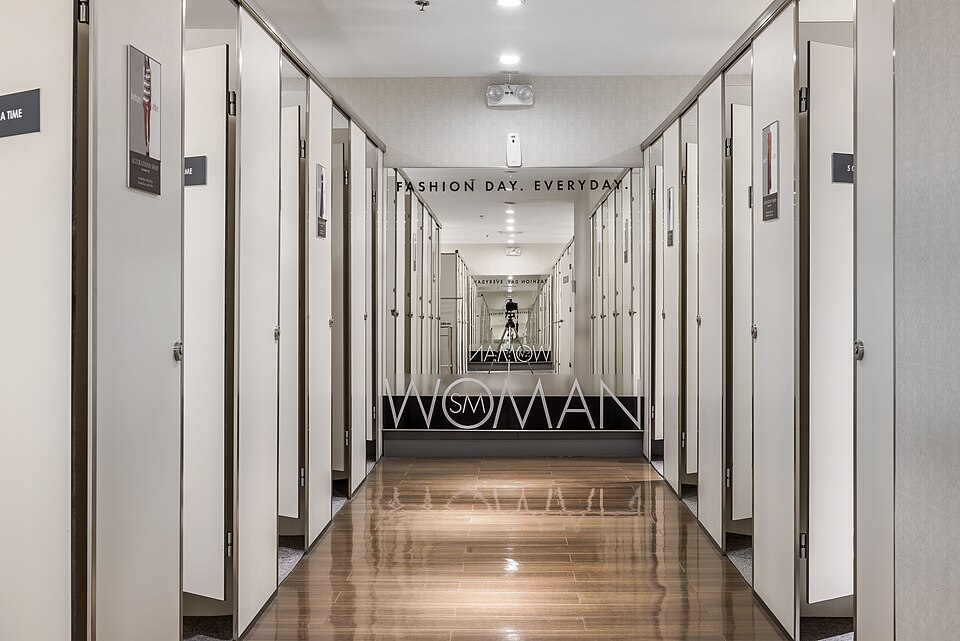
Many fitting rooms were curtained cubicles, some were communal, and in parts of the store customers changed behind a screen on the floor itself. Staff entered without being invited in a way that was understood as service.
Modern American retail practice requires lockable or properly enclosed fitting rooms, controls on who may enter, and policies on observation. Several of the practices that were ordinary in 1965 would now be grounds for action against the store.
The communal fitting room survived longest in bargain operations and is remembered by people who used it with a mixture of horror and amusement. It was not, by the standards of the day, considered an imposition.
11. Let store detectives detain and search customers
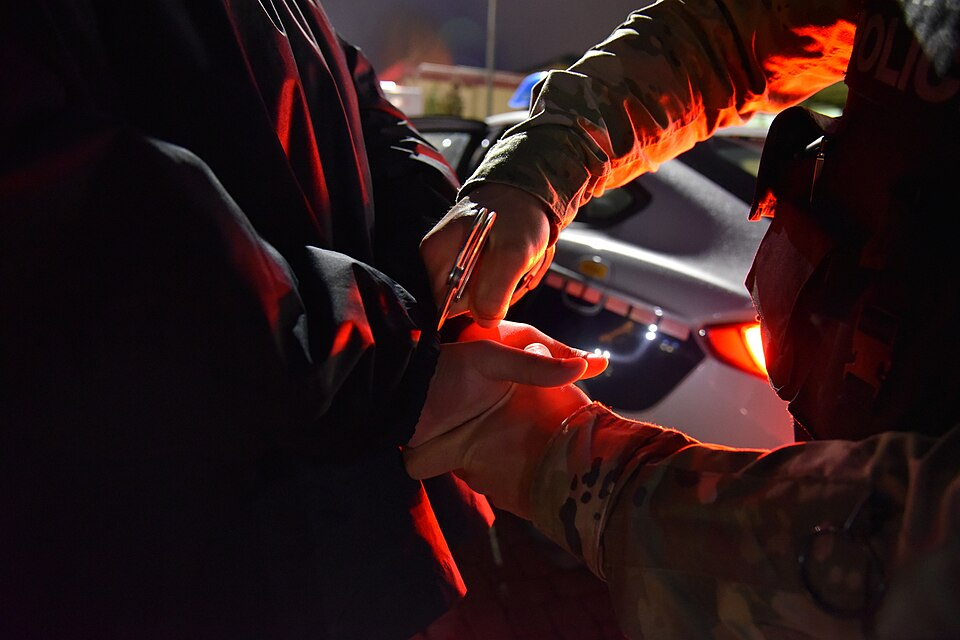
Loss prevention was handled by store detectives who watched the floor in plain clothes and who stopped, questioned, held and in some cases searched suspected shoplifters on their own authority in a back room.
What a retailer may now do is narrowly defined and varies by state, generally limited to a brief detention on reasonable grounds in a reasonable manner pending police attendance. Searching a customer, and detaining one at length, are both outside it.
The constraint arrived largely through civil litigation rather than legislation, case by case, as false imprisonment claims established what the limits were. It is one of the few items on this list that was settled in court rather than in Congress.
12. Provided a nursery where mothers left children for the afternoon
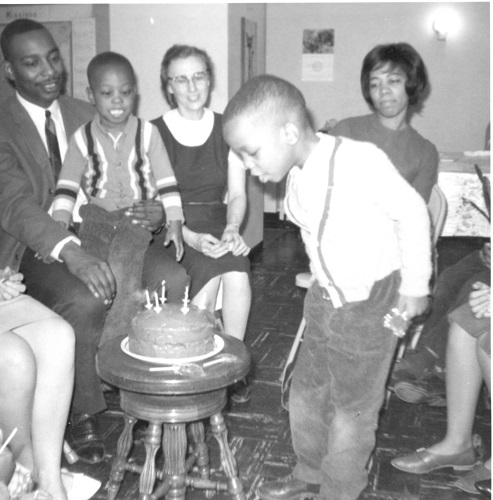
Larger stores ran a supervised playroom and mothers left small children there and went shopping, sometimes for hours. It was free, it was a competitive feature, and the handover involved no identification, no record and no agreed collection time.
No American chain operates anything of the kind now. Supervised childcare is a licensed activity with staff ratios, background checks, registration and release procedures, and the liability alone ends the proposition before the licensing does.
The disappearance of the store nursery is one of the changes that older shoppers mention most often and most wistfully, and it is also the one where the reasons for the change require the least explanation.
13. Put a man in a Santa suit in front of thousands of children with no screening
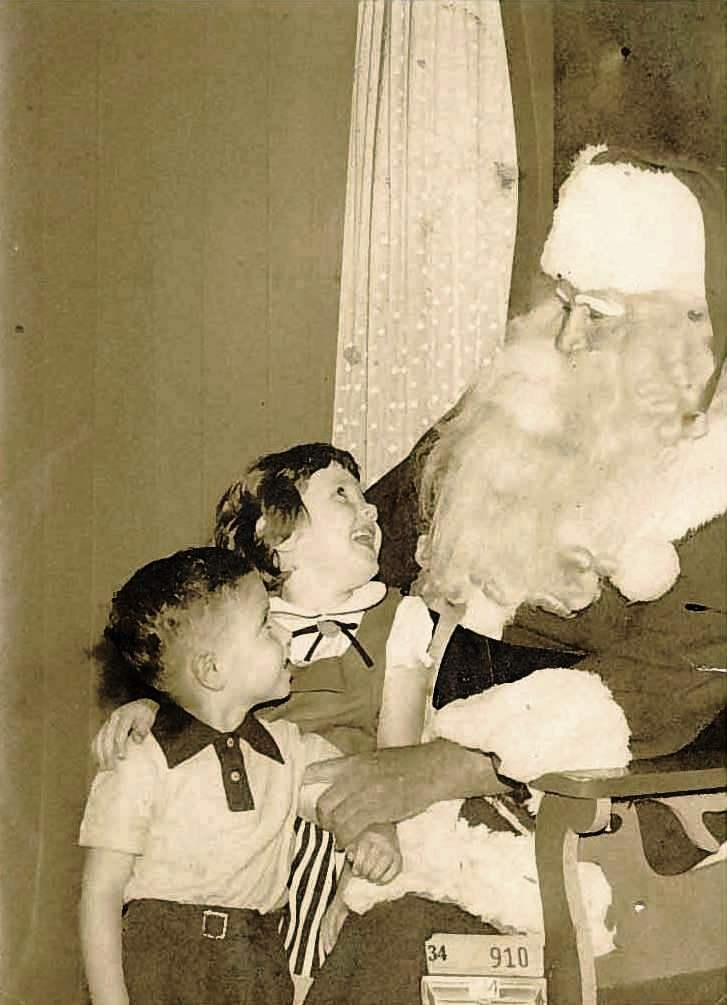
The Christmas grotto was a central commercial event, children sat on the lap of a seasonal hire, photographs were taken, and the hiring process consisted of whether the man was available for six weeks and fitted the suit.
Background checks on seasonal staff who work with children are now standard, along with sight-line requirements, a second adult present, and photography policies. The physical arrangement of a modern American grotto reflects all of it.
The character and the queue and the photograph all survive, which is why the change is easy to miss. What changed is everything around the chair.
14. Kept live animals in the pet department
Stores sold puppies, kittens, monkeys, birds, turtles and fish from the sales floor, housed in display conditions designed to be looked at. Exotic species were sold over the counter to anybody with the money.
Standards for the housing and sale of live animals have tightened substantially, several states and cities now prohibit the retail sale of dogs and cats, trade in many of the species once stocked is restricted or illegal, and the small turtles once sold in enormous numbers were banned from sale in the United States in 1975 on public health grounds.
The department disappeared from American general retail almost entirely, and the specialist pet trade that replaced it operates under rules the 1965 floor manager would not recognise.
15. Carried customers in elevators run by an operator, on wooden escalators
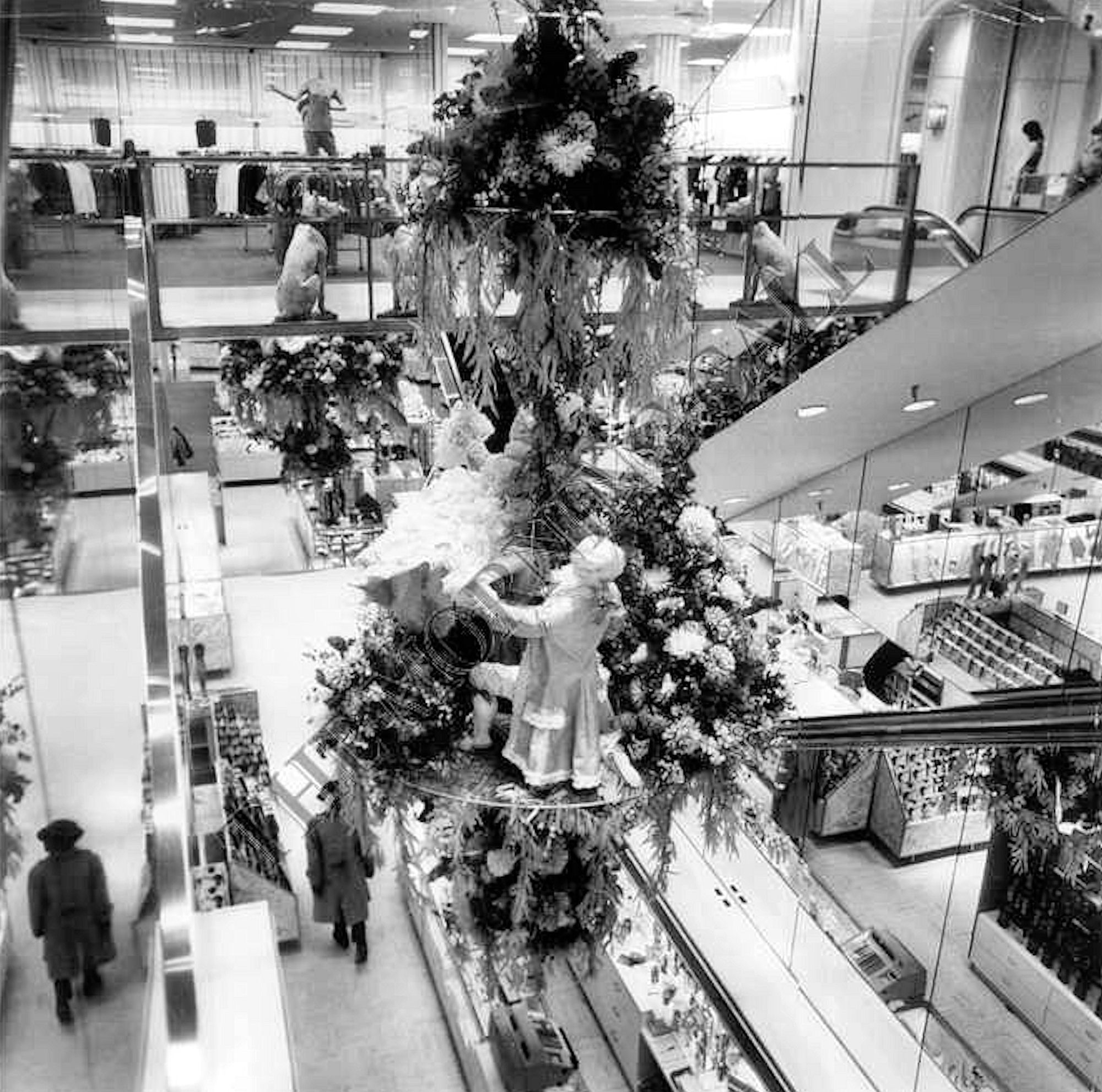
The elevator operator sat on a stool, worked a lever, announced the floors and controlled the gate. The early escalators had wooden treads and combs, and both machines were maintained to standards set by the building rather than by anybody outside it.
Lift and escalator safety codes in the United States were progressively tightened, and the specific hazards of wooden-tread escalators — entrapment at the comb and the fire behaviour of the material — brought their replacement. Attended elevators went for economic reasons rather than safety ones.
The operators are the detail people remember, with the gloves and the announcements and the particular skill of stopping level. It was a real job held by a great many people and it was automated away within about fifteen years.
16. Paged customers by name over the public address system
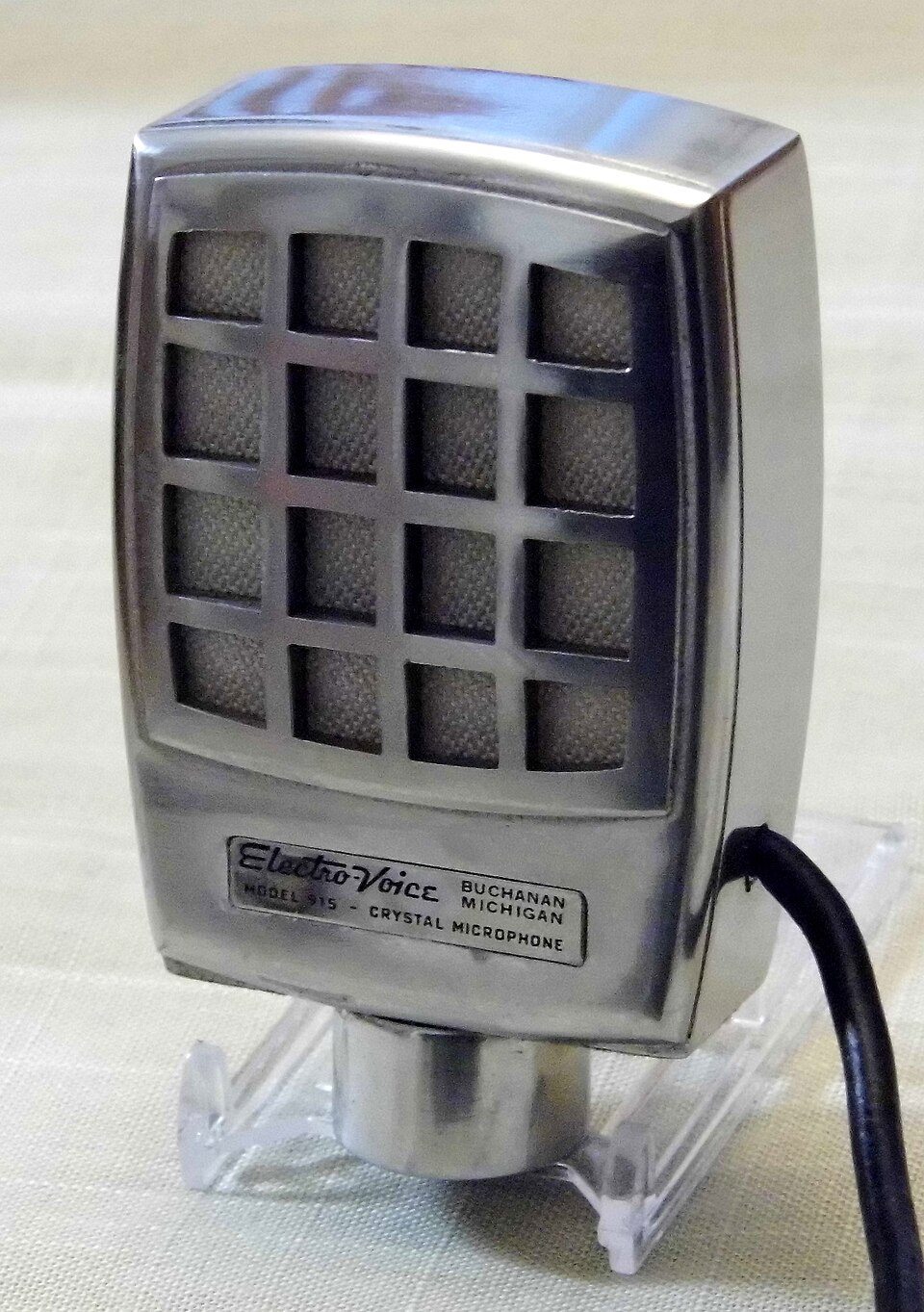
A shopper could be called over the store’s speakers by name, and frequently was: a message from home, a car being towed, a child found in haberdashery. The system was used freely and the names went out over the whole building.
This is a privacy practice rather than a safety one, and no chain does it now. A lost child is handled by a code word and a staff protocol specifically designed not to broadcast anything useful to anybody listening.
That change in particular is worth sitting with. The reason stores stopped announcing a lost child’s name and description over the loudspeakers is that somebody thought carefully about who else was in the building and listening.
The store as an institution before the law caught up
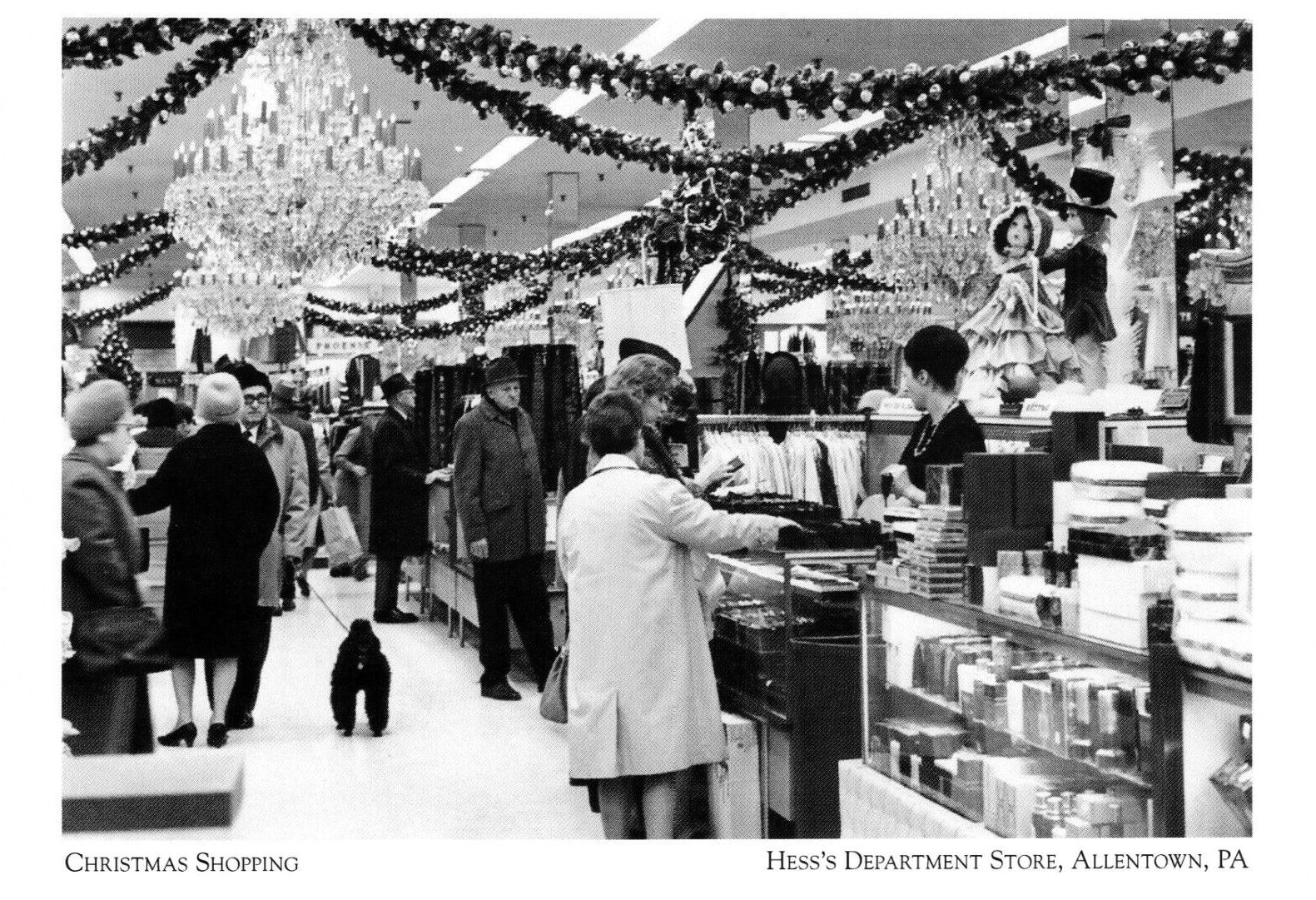
Read in order, the list is really a history of American consumer and civil rights law arriving in one building. Title II and Title VII of the Civil Rights Act in 1964. Truth in Lending in 1968. The toy safety act in 1969. The Consumer Product Safety Commission in 1972. The Equal Credit Opportunity Act in 1974. The small-parts rule and the lead paint restriction at the end of the decade. The sleepwear standards in between, including one that had to be withdrawn itself.
Every one of those lands on a department store floor, because the department store sold everything to everybody on credit and employed hundreds of people to do it. There is no other single retail format where that much regulation converges, which is part of why the format struggled: the discount chains and the specialist retailers that took its business were, among other things, simpler things to run under the new rules.
What people miss about these stores is mostly true: the service, the alterations, the restaurant, the sense that the building was for something more than transactions. Those were real and the business model that paid for them is gone.
What is also true is that the building ran on arrangements about who could try on a coat, whose name went on the account, and what a detective could do to somebody in a back room. Both halves are the same store. The affection does not have to be given up to hold the second half as well.
Like our content? Follow us for more.

