

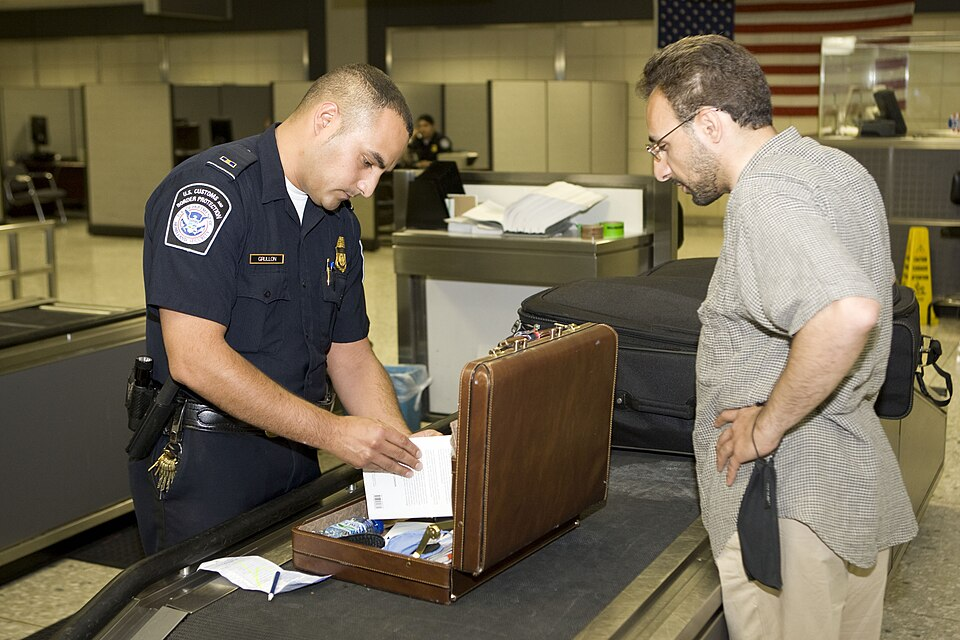
Most people picture customs enforcement as being about smuggling. In practice the overwhelming majority of seizures at American airports are agricultural, and most of them come out of the bags of travellers who had no idea they were carrying anything prohibited.
The list below is ordered roughly by how often it happens rather than by how serious it is, which means the first four items are things a reasonable person would not think twice about. Rules differ by product and by country of origin, several of them change within a season as disease outbreaks come and go, and the Customs and Border Protection and agricultural inspection pages are the current authority on all of it. The single piece of advice that covers nearly everything here is to declare. Here are sixteen categories officers take off travellers, and what to do instead.
1. Fresh fruit, even the apple the airline gave you
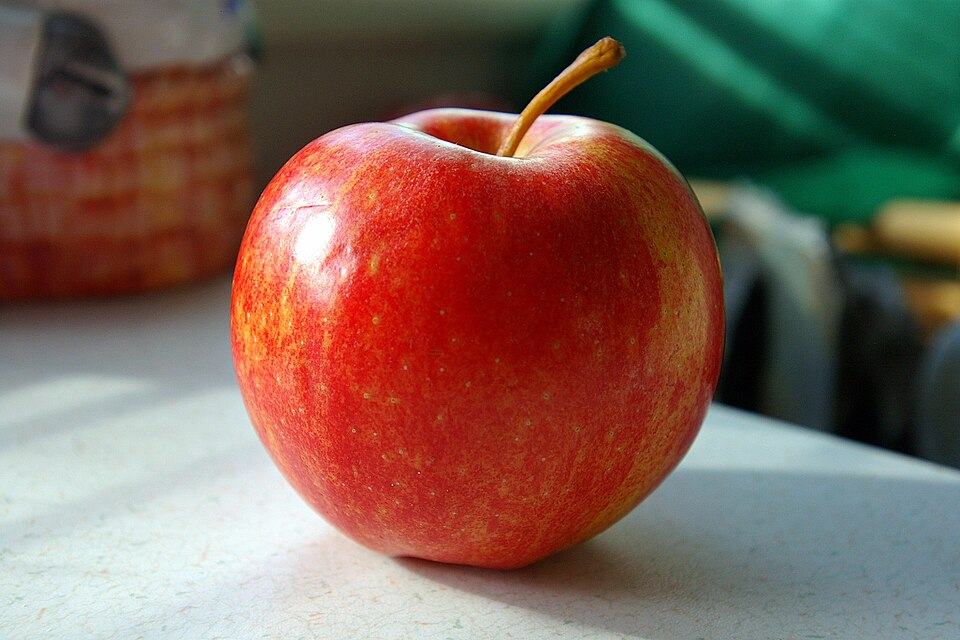
Fresh fruit is the single most seized category at American airports, and the most common version is entirely innocent: a piece of fruit handed out in the cabin, put in a bag, and forgotten. It is still a violation when you reach the hall.
The reason is pest and disease risk rather than the fruit itself. A single piece can carry fruit fly larvae or a plant pathogen, and the agricultural inspection regime exists to keep specific organisms out of American growing regions.
Eat it or bin it before you reach the inspection hall, and declare anything you are unsure about. A declared item that turns out to be prohibited is confiscated; an undeclared one can carry a civil penalty.
Like our content? Follow us for more.
2. Seeds of any kind, including the packet from a garden shop
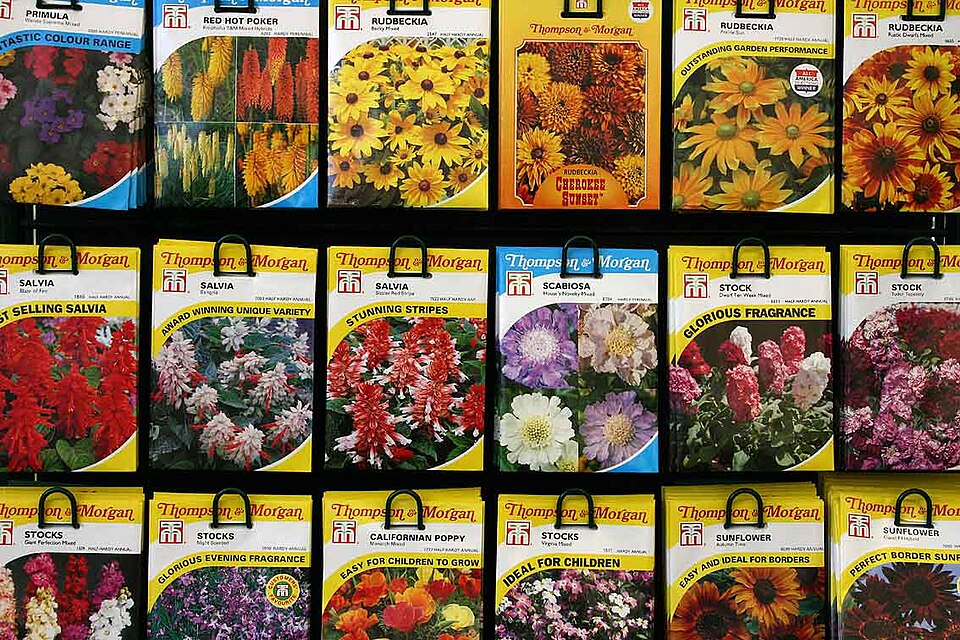
Seeds are restricted tightly and the restriction surprises people, because a paper packet of flower seeds from a European garden centre feels like a souvenir rather than an agricultural import.
Most seeds require a permit and phytosanitary certification to enter the United States, because a seed is the most efficient possible vector for an invasive plant or a seed-borne disease. Unidentified seeds arriving by post have prompted specific national warnings.
Do not bring seeds back. If you genuinely need a cultivar, import it properly through a licensed supplier, which exists precisely so that travellers do not have to try.
3. Plants, cuttings and bulbs
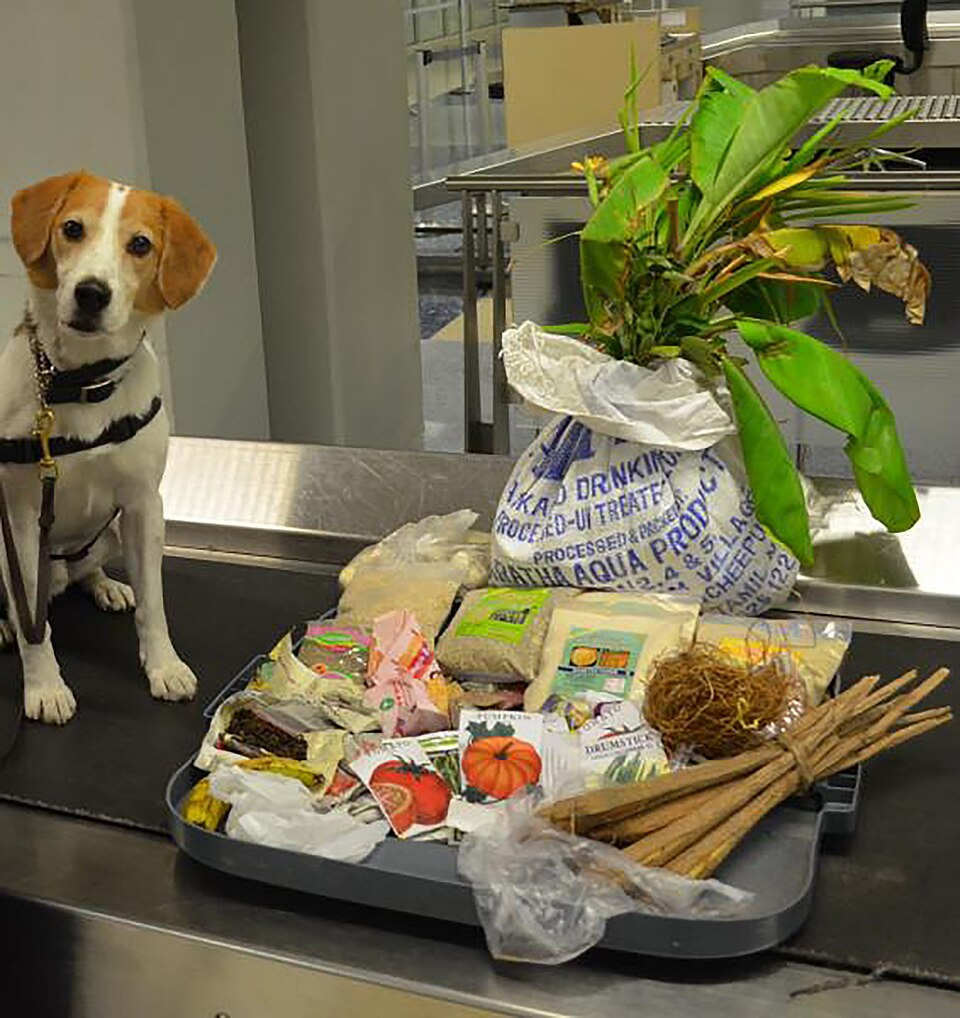
Live plant material faces the same regime as seeds and for the same reasons. A cutting wrapped in damp paper in a suitcase is a classic seizure, and so is a bulb bought at a market with the intention of planting it at home.
Some plant material can be imported with a permit and inspection, and a small number of items are admissible from certain countries, but the default position is that live plant material requires documentation the traveller does not have.
Check the agricultural import rules before buying anything living. Markets in tourist areas sell these items freely and the seller has no obligation to tell you what happens at the other end.
4. Soil, and anything with soil on it
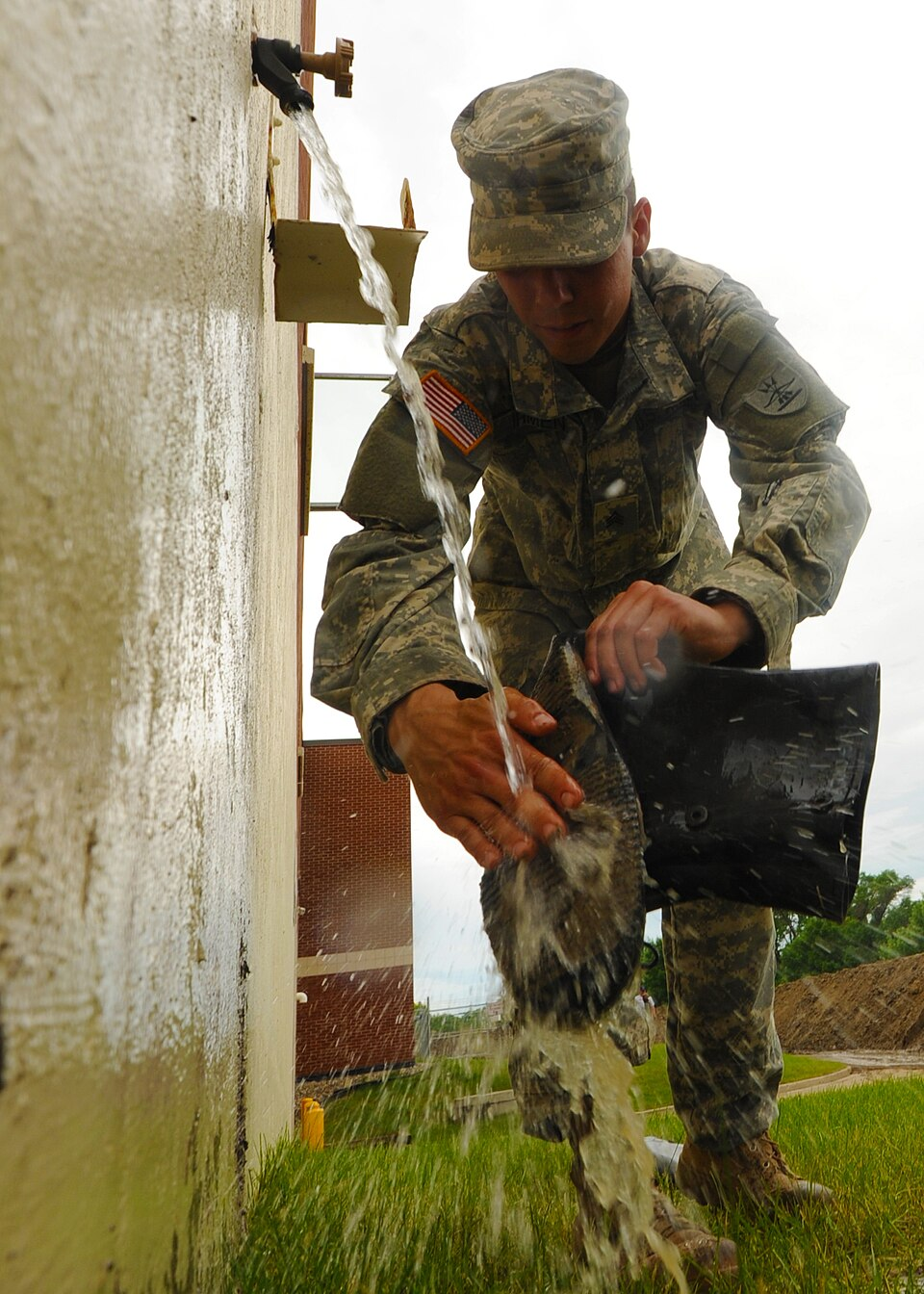
Soil itself is prohibited without a permit, and the rule extends to anything carrying it: hiking boots caked from a trail, garden tools, a potted plant’s root ball, and in some cases sports equipment used on agricultural land.
Soil can carry nematodes, fungi, bacteria and plant viruses in combinations that are difficult to identify and impossible to treat once established. This is among the strictest agricultural prohibitions there is.
Clean your boots properly before you fly home, and declare agricultural or farm visits on the arrival form. Travellers who have been on a farm are routinely asked and an honest answer usually results in a boot wash rather than a problem.
5. Most animal products, in almost any form
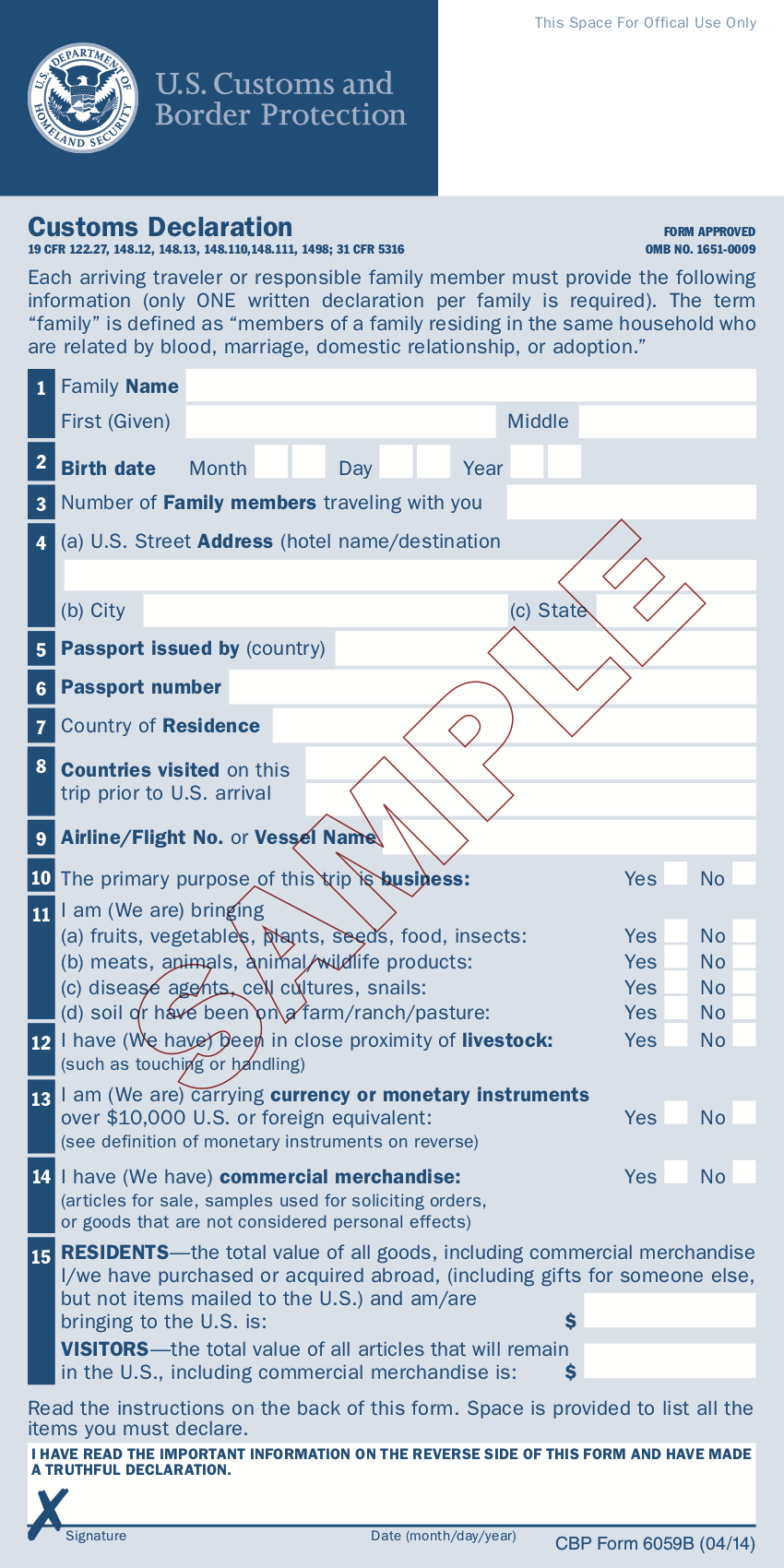
The prohibitions here are extensive and the rules depend on the animal, the processing and the country of origin, with restrictions tied to disease status. A great many products that are ordinary groceries abroad cannot be brought in.
The reasoning is animal disease control, and the restrictions tighten and relax as outbreaks occur and are resolved elsewhere, which is why advice from a previous trip is unreliable.
Assume these items are inadmissible unless you have checked the current rule for that product and that country, and declare anything you are carrying. This is a category where the rules change within a season.
6. Soft cheese made from raw milk and aged under sixty days
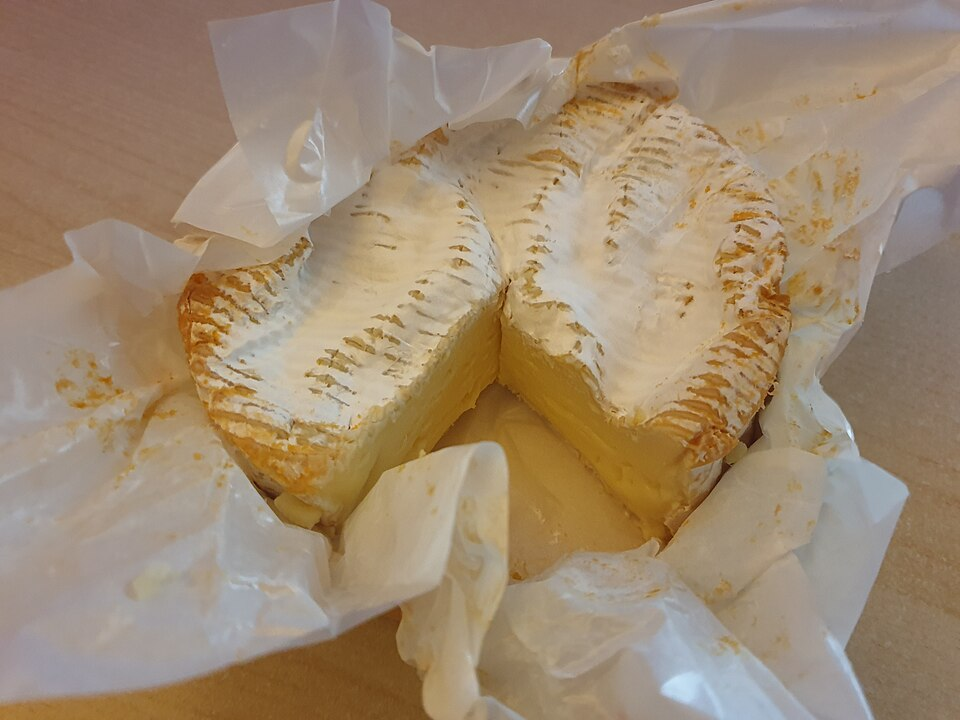
Hard aged cheeses are generally admissible in reasonable quantities. Soft cheeses made from unpasteurised milk and aged for less than sixty days are a different matter and are commonly seized.
The sixty-day threshold is a food safety rule about pathogen survival in a high-moisture unpasteurised product. It is also the reason a number of celebrated European cheeses cannot legally be sold in the United States at all.
If you want to bring cheese home, favour hard aged varieties and keep the quantity modest and declared. The cheese counter at the airport is usually selling products chosen to be admissible, which is a reasonable shortcut.
7. Ivory, coral, shell and anything else from a protected species
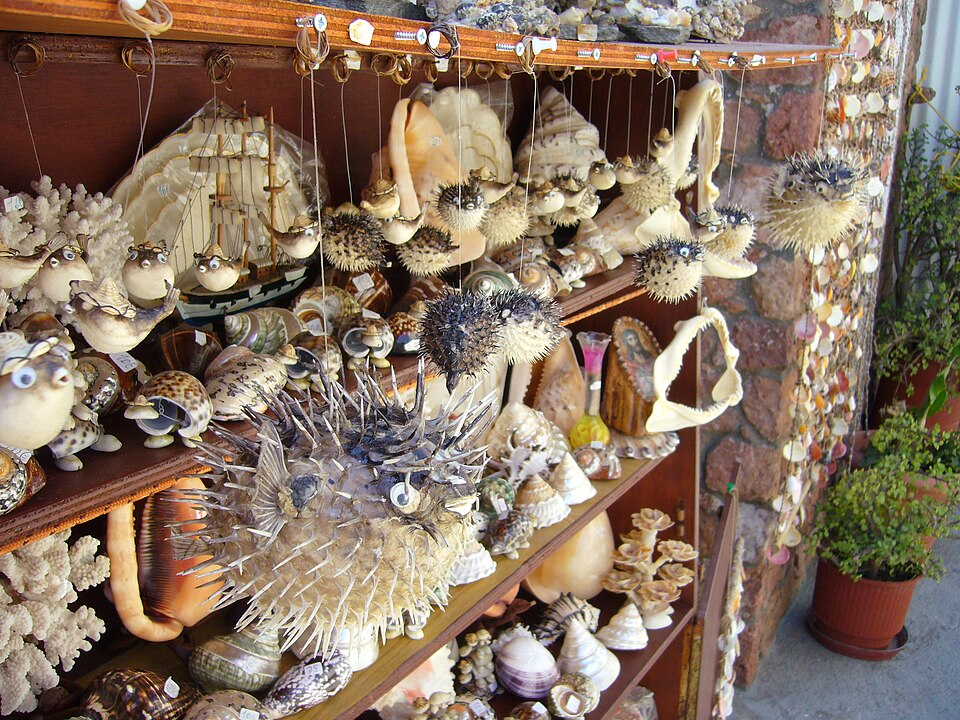
Carved ivory, raw and worked coral, sea turtle shell, certain hardwoods, reptile skin goods, traditional medicines containing animal parts and shells from protected species are all seizable, and some carry serious penalties.
These are controlled under the international convention on trade in endangered species, implemented in American law, and a seizure here is not a matter of discretion. Ignorance of what an item is made of is not a defence.
Be very careful with souvenirs in markets, particularly jewellery, carvings, musical instruments with inlay, and anything described as antique bone or horn. If a seller cannot document the species and the age, do not buy it.
8. Counterfeit branded goods, even one of them
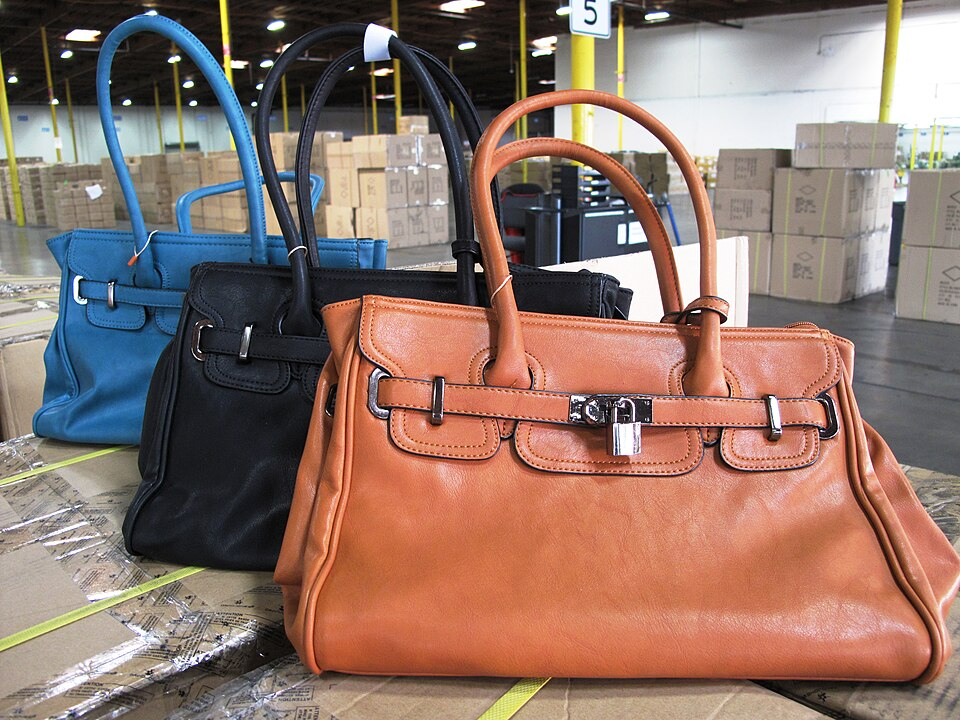
The convincing handbag, the watch, the sunglasses, the shirt with a logo on it. Counterfeit goods infringing a registered trademark are subject to seizure on entry, and the personal-use allowance is extremely narrow.
Customs enforces intellectual property rights at the border on behalf of rights holders, and the enforcement is active rather than theoretical. Goods are seized and in some circumstances penalties follow.
The practical rule is that one obviously fake item for your own use may be let through under a limited allowance and several will not be. Buying them to resell is an entirely different and much more serious matter.
9. Pirated media and software
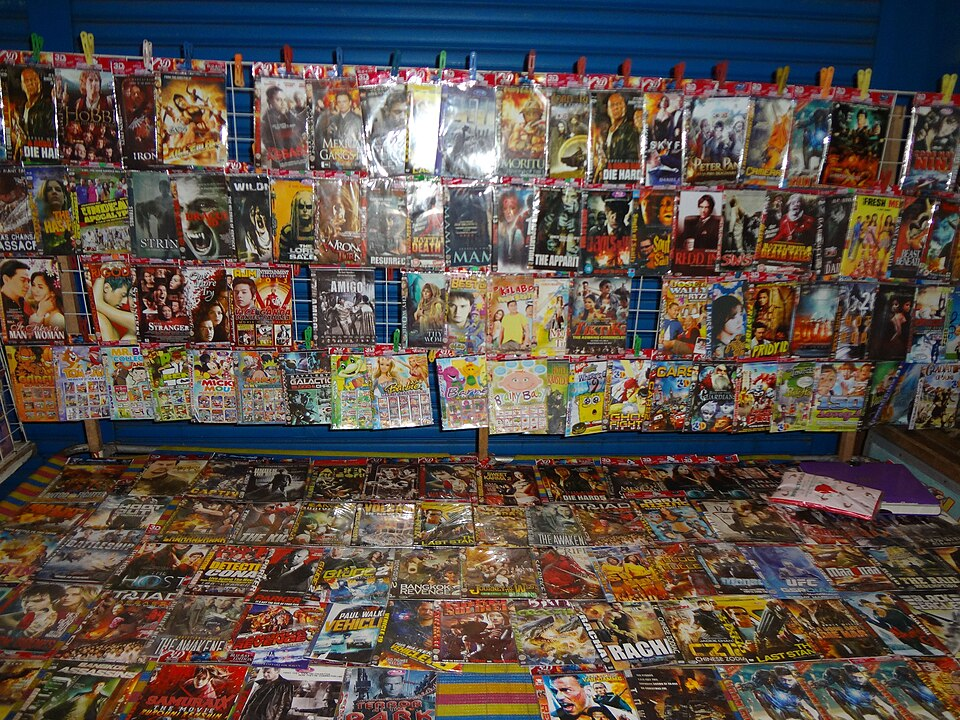
Copied discs, loaded drives and bootleg recordings fall under the same border enforcement of intellectual property as counterfeit goods, and are seizable on the same basis.
The category has shrunk as physical media has, but it has not disappeared, and street markets in a number of destinations still sell exactly this. Loaded devices are also within scope in principle.
There is no reason to carry any of this. The seizure risk is real and nothing in the category is worth the conversation it produces at the inspection desk.
10. Cuban cigars and Cuban rum
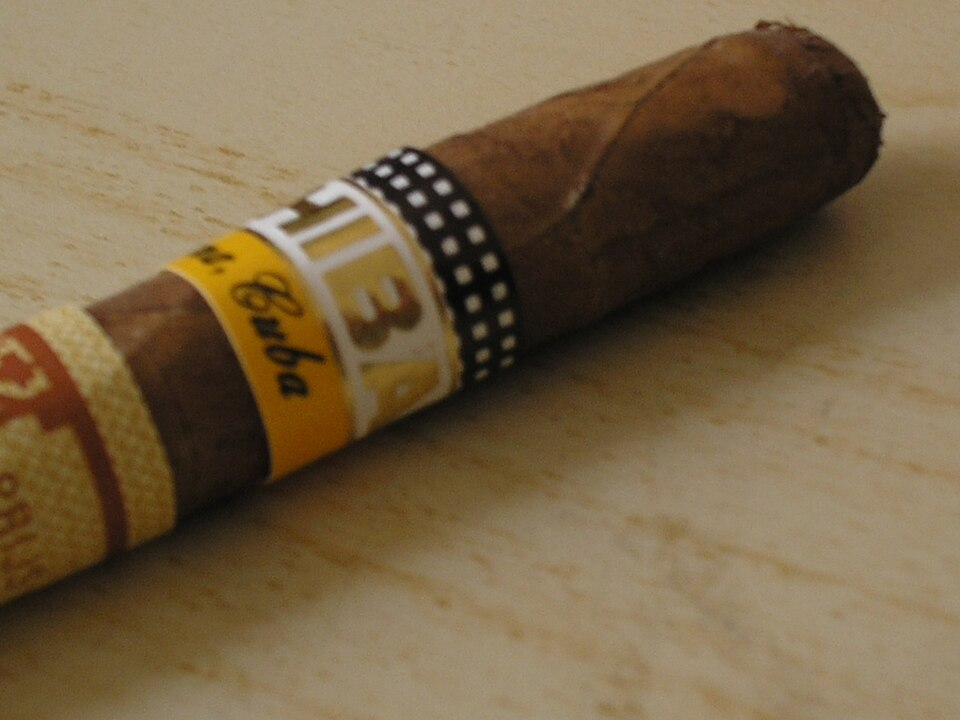
The rules on Cuban-origin goods for American travellers have changed several times in both directions, and the current position is restrictive: personal importation of Cuban tobacco and alcohol products is prohibited.
This catches travellers who bought legally in a third country, and the prohibition follows the origin of the goods rather than where they were purchased. Duty-free shops abroad will sell them to anybody.
Check the current Cuban sanctions position before travelling if this is relevant to you, because it is among the most frequently amended rules on this list and is likely to change again.
11. Cash over the reporting threshold that you did not declare
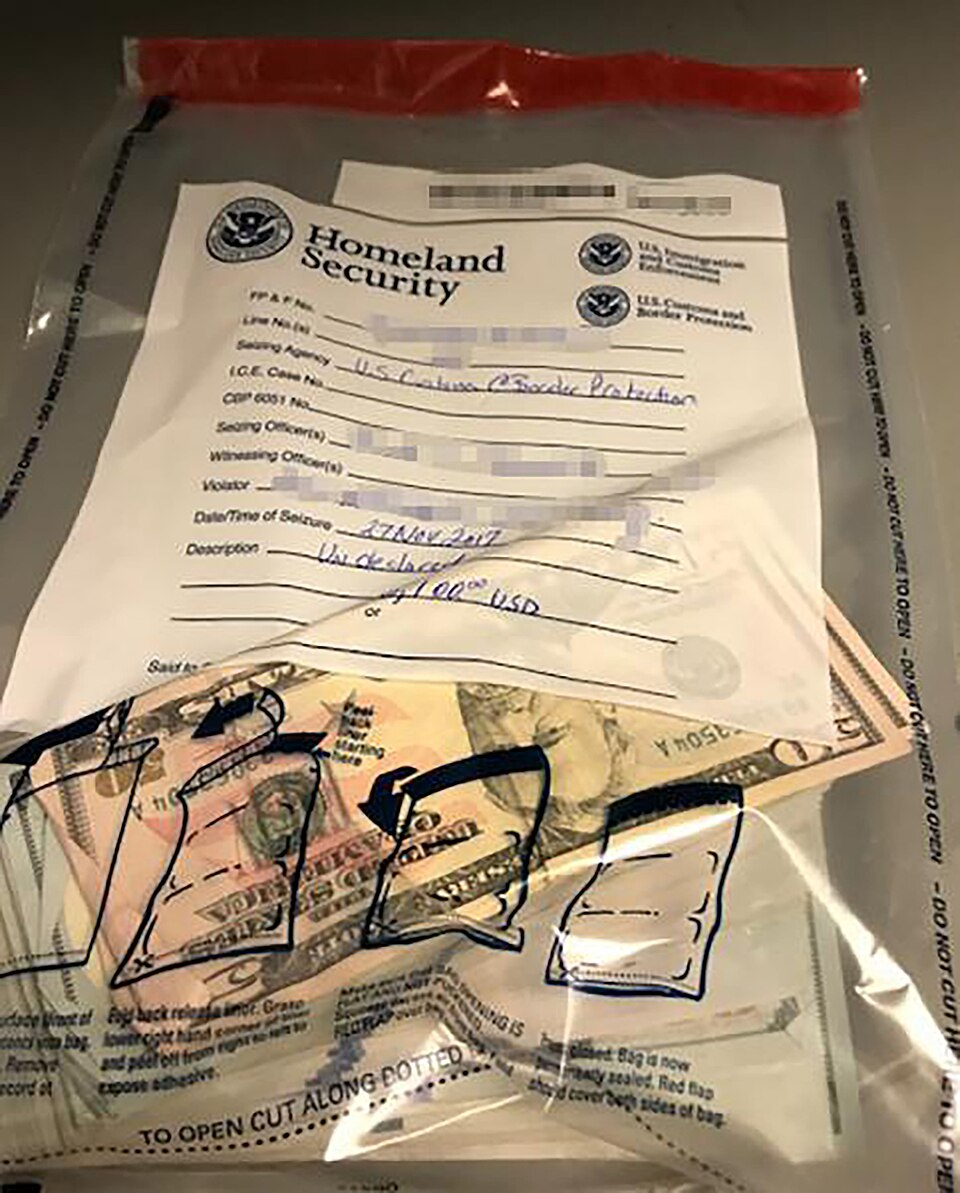
There is no limit on how much currency you may carry into or out of the United States. There is an absolute requirement to report amounts over ten thousand dollars, aggregated across the whole travelling family or group.
Failure to report can result in seizure of the entire amount, not just the excess, along with penalties. The aggregation rule catches families who each carry a portion believing they are individually under the threshold.
If the total is over the threshold, file the report. It takes a few minutes, it is free, there is nothing suspicious about doing it, and it is the only thing standing between a lawful sum of money and its forfeiture.
12. Confectionery with a toy sealed inside it
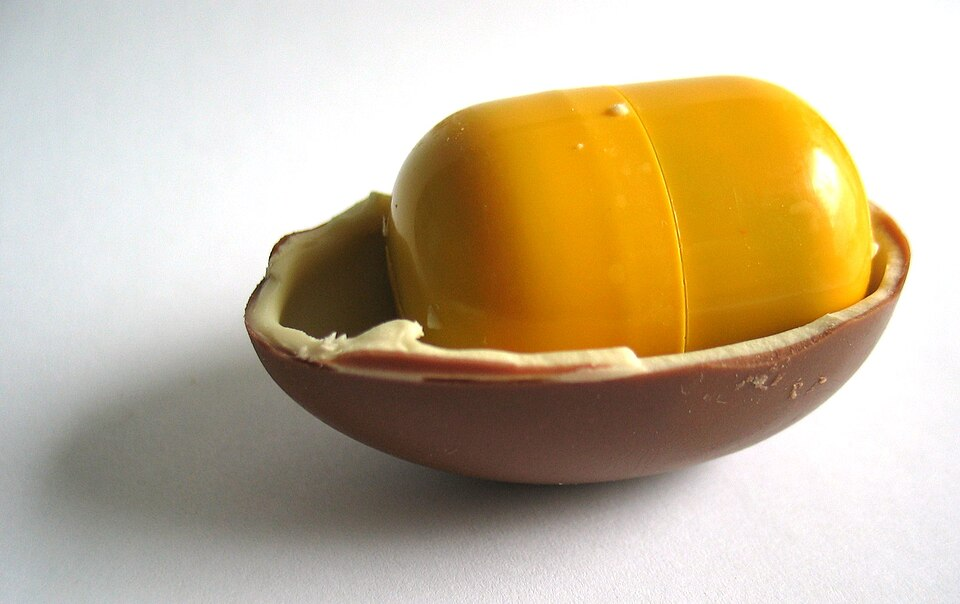
The chocolate egg with a capsule and a small toy inside, sold across Europe and Latin America, is prohibited from import into the United States and is seized in large numbers every year, usually from parents.
The basis is a long-standing American rule against non-nutritive objects embedded in confectionery, which predates the product and applies to the category rather than to the brand. A version sold in a separated package is admissible.
Buy the separated version if you want one, or buy it in the United States where a compliant variant is sold. The original is confiscated even in small quantities for a child.
13. Switchblades and certain other knives
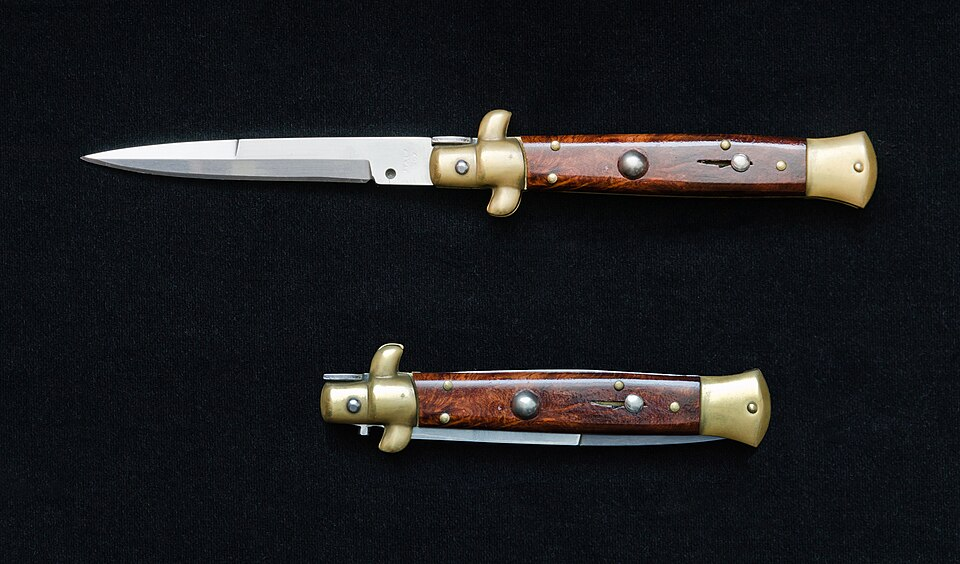
Automatic opening knives are restricted under federal law and importation is prohibited for most travellers. State law adds further restrictions on knives of various descriptions, and a souvenir in a market abroad takes no account of either.
The decorative dagger, the ornamental sword and the folding knife with an assisted mechanism are all common seizures, and a traveller who has bought one legally abroad has no standing to bring it in.
Leave bladed souvenirs behind, or ship them through a freight agent who will tell you whether they can be imported at all. Hand luggage is a separate and worse problem.
14. Prescription medicine without its packaging or a prescription

Medicines should travel in their original labelled containers with the prescription or a physician’s letter available. Loose tablets in a daily organiser, repackaged pills and large quantities without documentation all attract questions.
Travellers may generally bring a personal supply of a medicine lawfully prescribed to them, but unapproved drugs, drugs bought abroad that are not approved in the United States, and quantities beyond personal use are a different matter.
Carry everything in the original pharmacy packaging with the label intact, bring a copy of the prescription, and check before travelling if any of your medicines are unusual. A fuller treatment of medicines across borders appears elsewhere in this batch.
15. Antiquities and cultural property from restricted countries
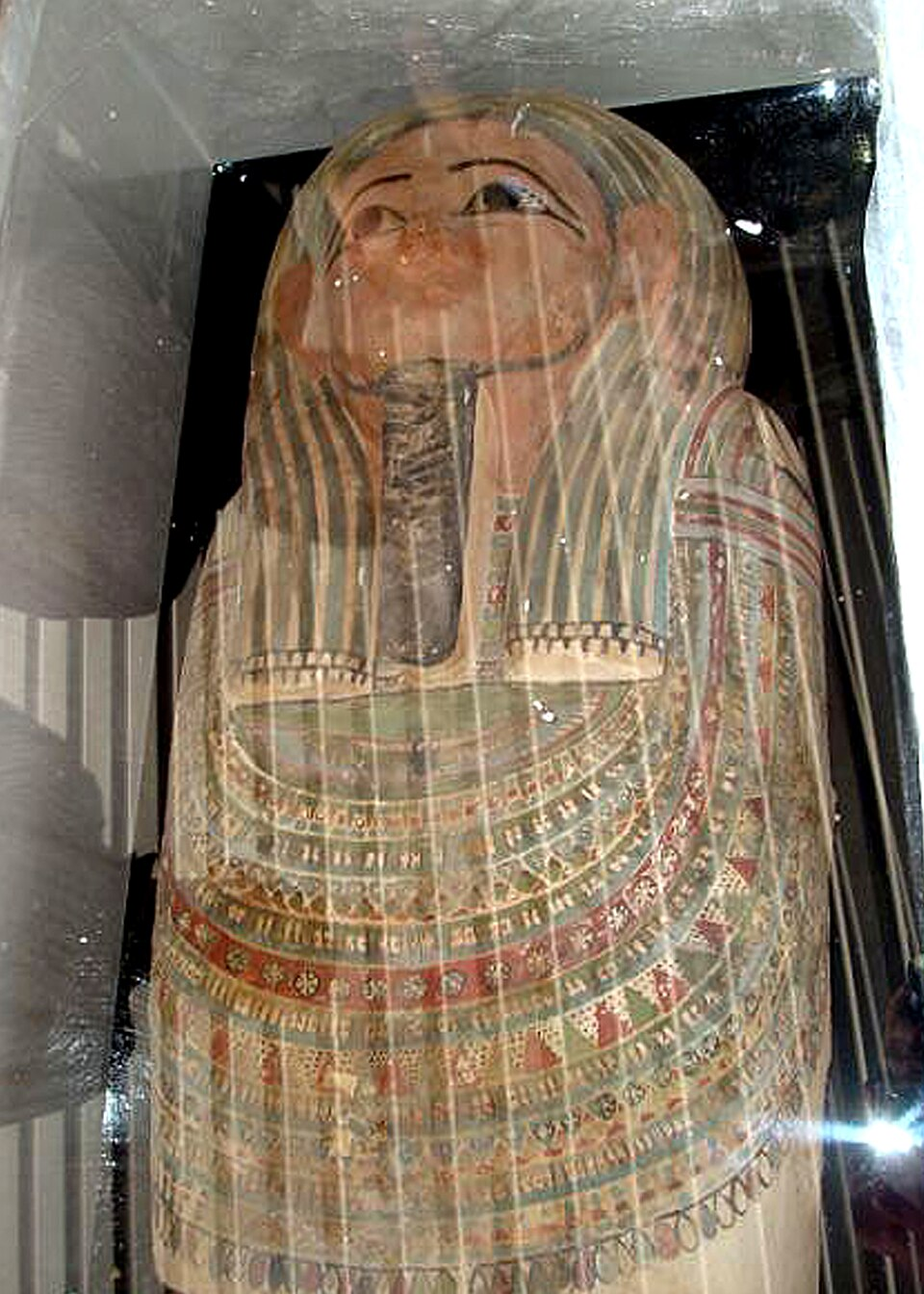
Archaeological material, ecclesiastical objects, manuscripts and ethnological artefacts from a list of countries under bilateral agreement with the United States are subject to import restriction and seizure without export documentation.
The list changes as agreements are signed and renewed, and it covers a great deal of material that a tourist might buy as a decorative antique. The seller’s assurance has no weight at the border.
Do not buy anything that might be archaeological. If you buy a genuine antique of any kind, obtain and keep the export documentation from the country of origin, which is what the inspection is looking for.
16. Fireworks
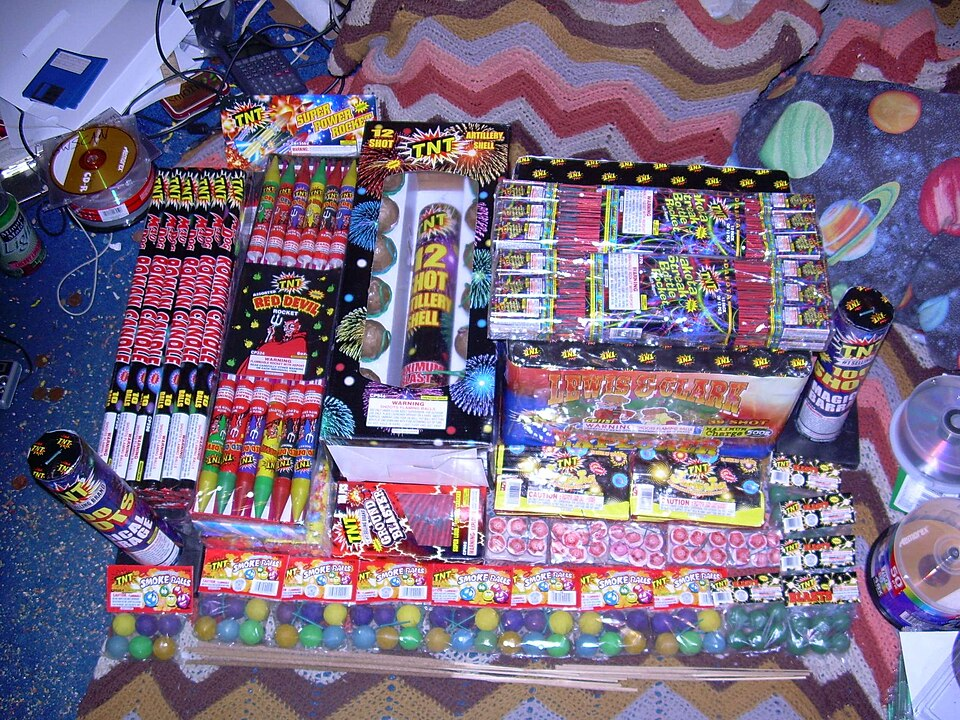
Consumer fireworks are prohibited in air baggage entirely as dangerous goods, and importation is separately restricted. Travellers nonetheless attempt it regularly, usually with items bought in a country where they are freely sold.
This is a hazardous materials issue before it is a customs issue, and the consequences run from seizure to a substantial civil penalty from the aviation authority rather than from customs.
Nothing in this category can travel with you by air in any class of baggage. There is no declaration that makes it permissible.
Why declaring is almost always the right move
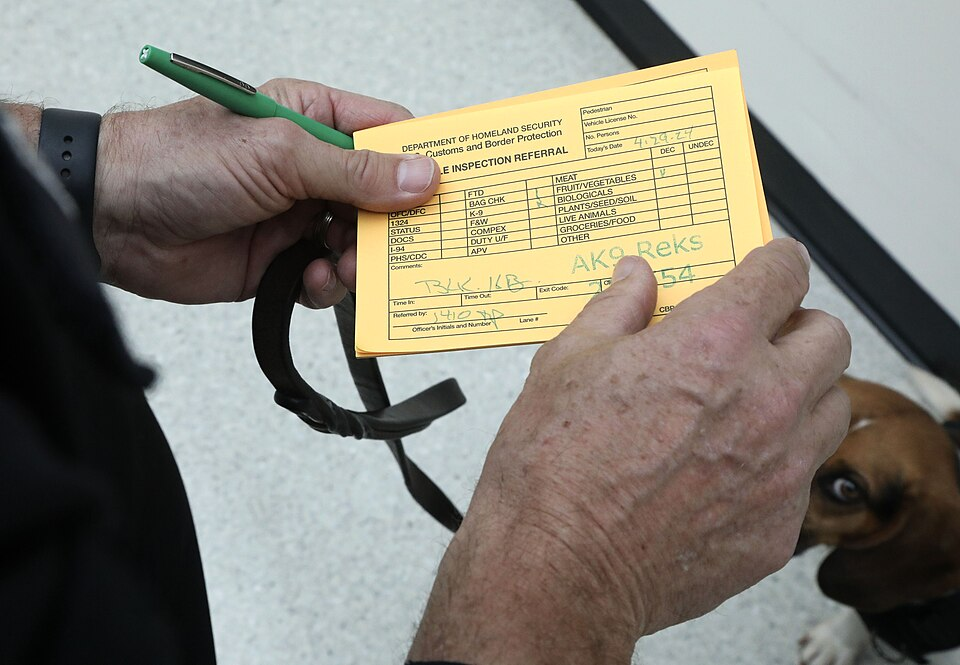
The distinction that matters most in this whole area is between a confiscation and a penalty, and it turns almost entirely on whether you declared. A declared prohibited item is taken away and that is the end of it. An undeclared one is a false statement on a federal form, and the civil penalties for undeclared agricultural items in particular are substantial and are applied to ordinary travellers routinely.
Officers are not looking to catch people out over a mango. The declaration form exists to move the item into the first category, and using it properly costs nothing but a tick in a box and occasionally a few minutes at a secondary inspection. Travellers who get into difficulty here have almost always got there by answering no to a question where the honest answer was yes, and usually over something they would have been happy to surrender.
The two items worth separate attention are the currency reporting threshold and the protected species rules, because both can turn an entirely innocent situation into a serious one. Money is lawful to carry in any amount and catastrophic to carry unreported. A carved souvenir is lawful to own and seizable if the material came from the wrong animal.
Both are solved the same way: find out before you fly, and say so when you land.
Like our content? Follow us for more.
