

Almost everything on this list is the same rule wearing different clothes. Federal regulation requires compliance with crew instructions on American aircraft, the captain has authority over who travels, and the airline carries the liability for anybody it should not have boarded. Most removals are the moment a passenger declines to do something they were told to do.
The rest are documents and deadlines, which is the same pattern as every other travel rules piece, and two are medical arrangements that need to be made in advance. Airline policies differ and several of these areas have moved recently, so each item is a prompt to check your own carrier’s current conditions of carriage rather than a statement of what any particular airline will do on any particular day. Here are sixteen ways a journey ends at the gate, and how to avoid every one.
1. Refusing an instruction from a crew member
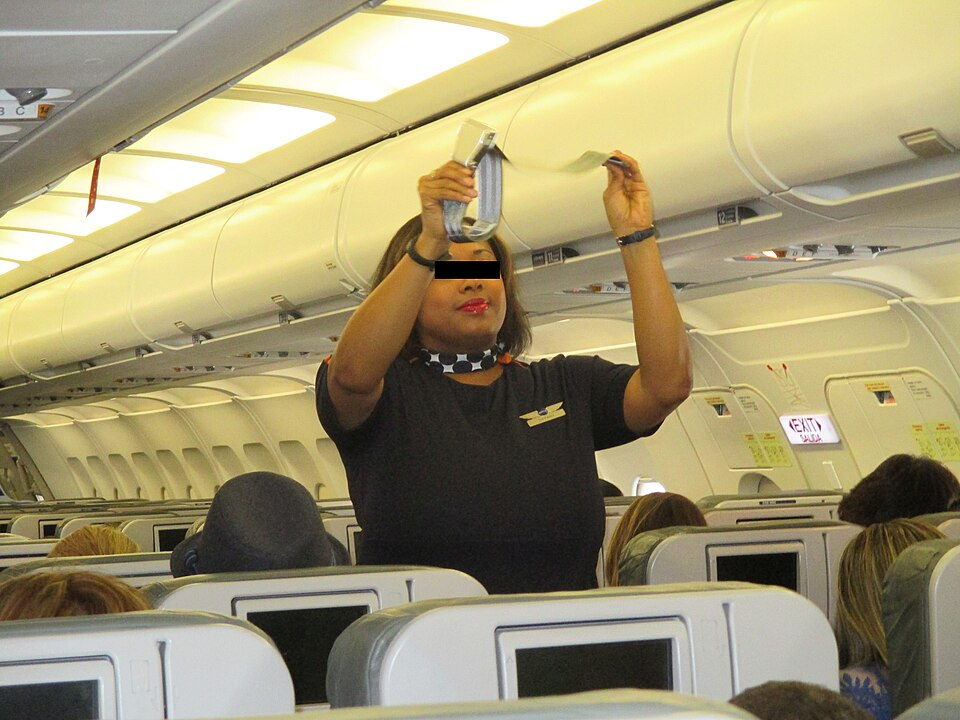
Federal regulation requires passengers on American aircraft to comply with crew instructions, and interference with a crew member’s duties is a federal offence. It is not a matter of airline policy and it is not negotiable at the seat.
The instruction does not have to be one you agree with or one you think is sensible. Stowing a bag, taking a seat, closing a laptop, moving for a seat reassignment: refusal converts an ordinary disagreement into something the captain can act on.
If you think an instruction is wrong, comply and complain afterwards in writing, with the flight number and the time. That route works and is used successfully all the time. Arguing at the door does not.
Like our content? Follow us for more.
2. Being visibly intoxicated at the gate

American carriers are required not to board a passenger who appears intoxicated, and gate staff make that judgement before the jet bridge. It is one of the most common reasons for a denied boarding that has nothing to do with documents.
The airline has no discretion to be generous here, because the requirement falls on the carrier rather than on the passenger. A long delay spent in an airport bar is the ordinary route to this outcome and it is entirely avoidable.
Pace yourself in the terminal, particularly on a delayed departure. There is no appeal, the ticket is usually forfeited, and the next flight may be a day away.
3. Drinking your own alcohol in your seat

Consuming alcohol not served by the crew is prohibited on American flights. Passengers do it routinely from duty-free purchases and from miniatures in a bag, and the rule exists so that the crew can know what a passenger has consumed.
This is also how a quiet flight becomes a diversion. The crew cannot manage what they cannot see, and a passenger who has been drinking their own supply for four hours arrives at a state the crew had no opportunity to prevent.
Duty-free alcohol travels sealed in your bag and stays there. If you want a drink on board, order one, and accept that the crew may decline to serve more.
4. Smoking or vaping anywhere on the aircraft
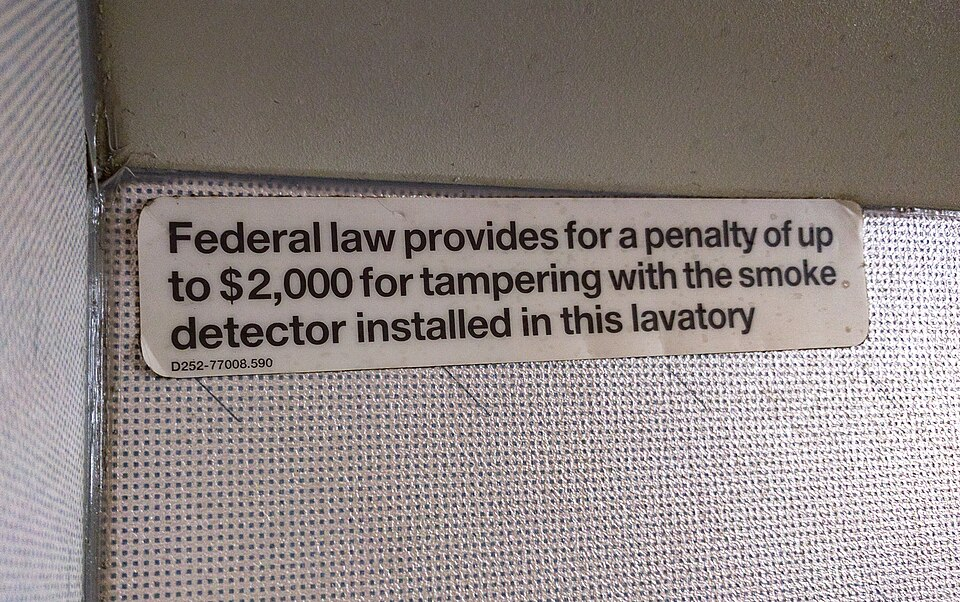
Smoking has been prohibited on American flights for decades and the prohibition covers electronic devices. Tampering with or disabling a lavatory smoke detector is a separate and more serious federal violation carrying substantial civil penalties.
The lavatory is the specific problem, because a fire in an enclosed space with a closed door is among the gravest in-flight hazards there is. That is the reason for the detector and the reason tampering is treated so heavily.
Do not take a device into a lavatory. A passenger removed at the gate over this has had the better outcome; the alternative is a diversion, a penalty and in some cases a prosecution.
5. Abuse or threats toward crew or other passengers
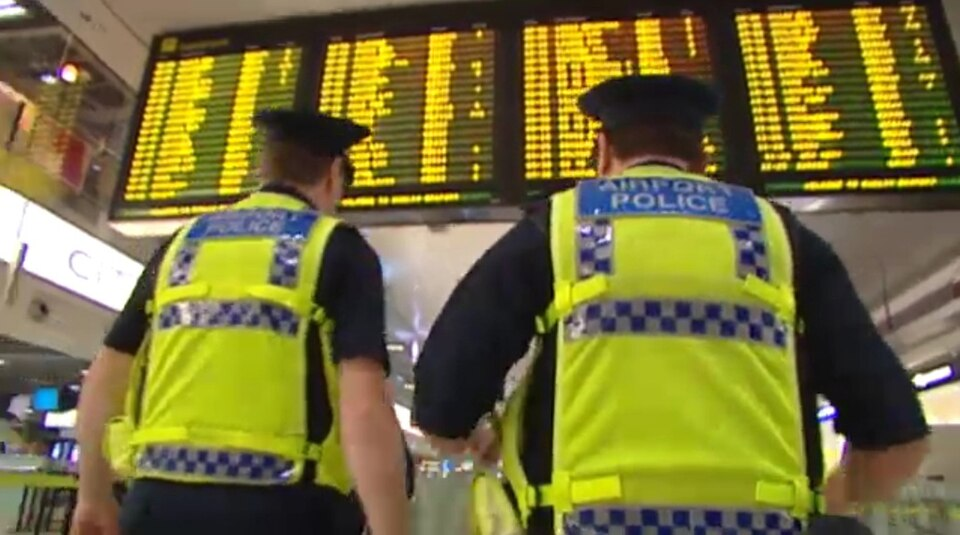
Verbal abuse, threatening language, intimidation and physical contact will end a passenger’s journey, and the authority to remove rests with the captain. Carriers maintain internal lists and a removal can mean a ban across the airline’s network.
The posture of American carriers and the federal regulator hardened considerably in the past few years, with large civil penalties issued for unruly passenger conduct and referrals for criminal prosecution in the worst cases.
This should not need saying and the numbers say otherwise. Treat a disagreement about a seat or a bag as a customer service problem, because that is all it is until somebody raises their voice.
6. Filming or photographing crew after being asked to stop

Recording is permitted in a general sense and American carriers’ conditions of carriage restrict photography and recording of crew and of other passengers, particularly during an incident. A direct instruction to stop is a crew instruction.
Passengers who continue filming a dispute after being told to stop frequently find that the filming itself becomes the reason for the removal, which is a predictable outcome that surprises people every time.
Stop when asked. If you believe something is being handled wrongly, write it down rather than recording it, and raise it afterwards with the airline and, if warranted, the Department of Transportation.
7. Power banks and spare lithium batteries in checked baggage
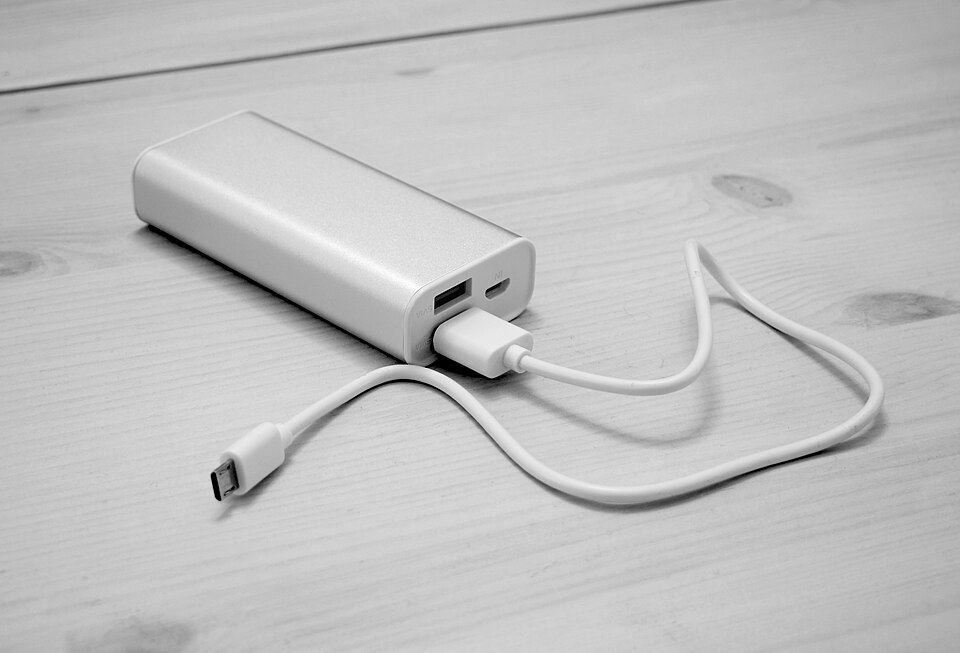
Spare lithium batteries and power banks are prohibited in checked baggage on American flights and must travel in the cabin, where a thermal event can be seen and dealt with. Discovery at the gate means the bag is opened or does not fly.
Several carriers have further tightened the rules recently, including restrictions on using or charging power banks in flight and on where they may be stowed, and the regulatory direction is toward more restriction rather than less.
Keep every battery, power bank, spare camera cell and charging case in your cabin bag with the terminals protected, and check your airline’s current rule, because this is the fastest-moving area of baggage policy there is.
8. Other undeclared dangerous goods in a bag
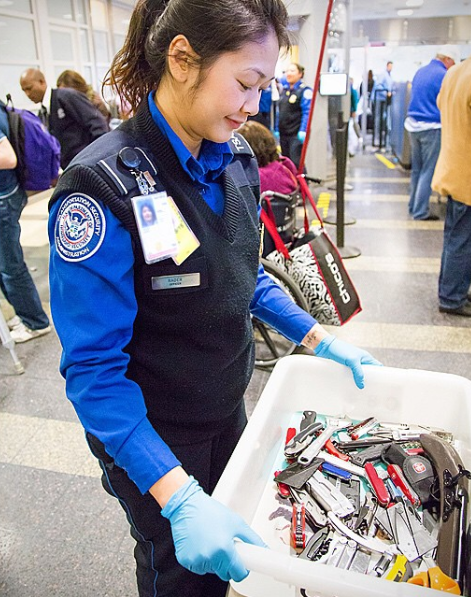
Camping stoves and their fuel, lighter refills, aerosol paint, bleach, pool chemicals, large aerosol cans, wet-cell batteries, certain tools and anything with a compressed gas cartridge are all restricted or prohibited as dangerous goods.
This is a safety regime rather than a security one and it is enforced by the aviation authority, with civil penalties that can be very large even for an inadvertent violation by an ordinary passenger.
Read your airline’s dangerous goods page before packing anything pressurised, flammable, corrosive or chemical. The penalty regime does not require intent, and the fact that you did not know is not a defence.
9. Presenting a pet as a service animal
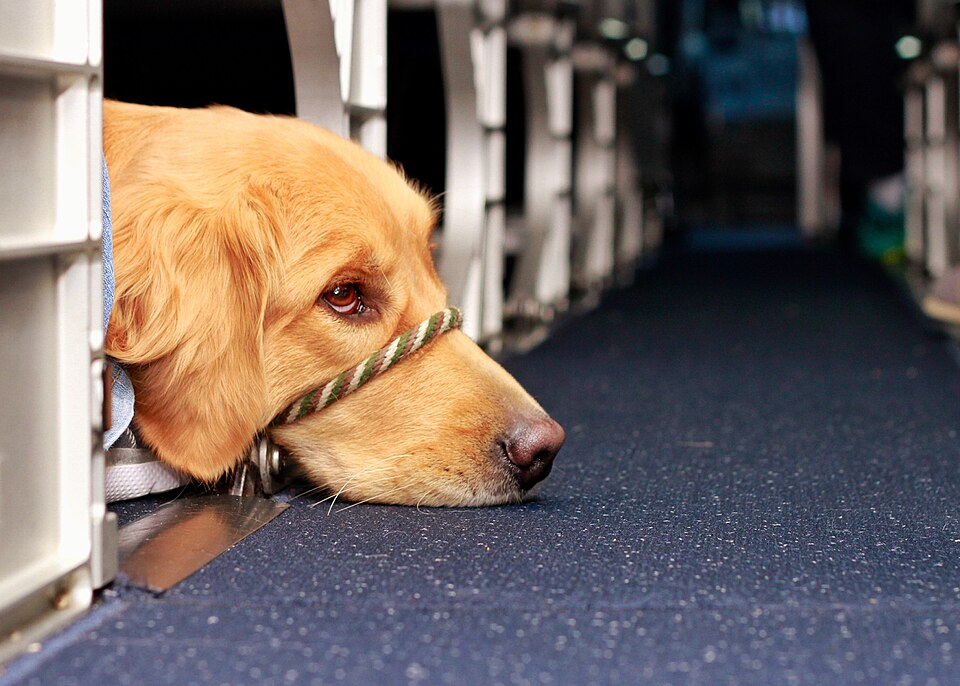
The federal rule on service animals in American aviation was revised in 2021 and now covers trained service dogs only, with required attestation forms submitted in advance. Emotional support animals are no longer treated as service animals.
Submitting a false attestation is a serious matter, and carriers are entitled to refuse travel where the forms are missing, incomplete or inconsistent with the animal’s behaviour at the gate. Travellers caught out are typically those relying on pre-2021 information.
If you are travelling with a trained service dog, complete the airline’s current forms within its deadline. If you are travelling with a pet, book it as a pet, which is straightforward and has clear rules.
10. Identification that no longer meets the federal standard
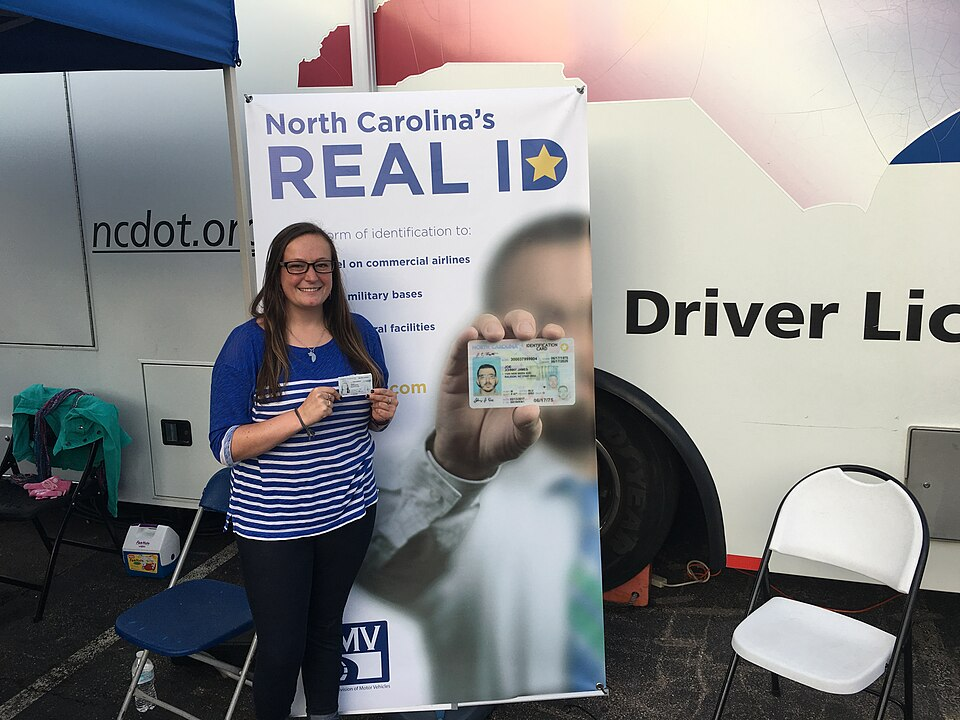
Enforcement of the federal identification standard for domestic American air travel began in May 2025. A state driver’s licence that is not compliant, and that is not accompanied by an acceptable alternative, is no longer sufficient at the checkpoint.
This is a security checkpoint matter rather than an airline one, but the practical result is identical: the passenger does not reach the aircraft. Travellers using an older licence they have had for years are the common case.
Check your licence for the compliance marking, or travel on a passport, which satisfies the requirement and removes the question. A passport is also the only document that works if the licence turns out to be wrong at the desk.
11. No entry authorisation for the destination
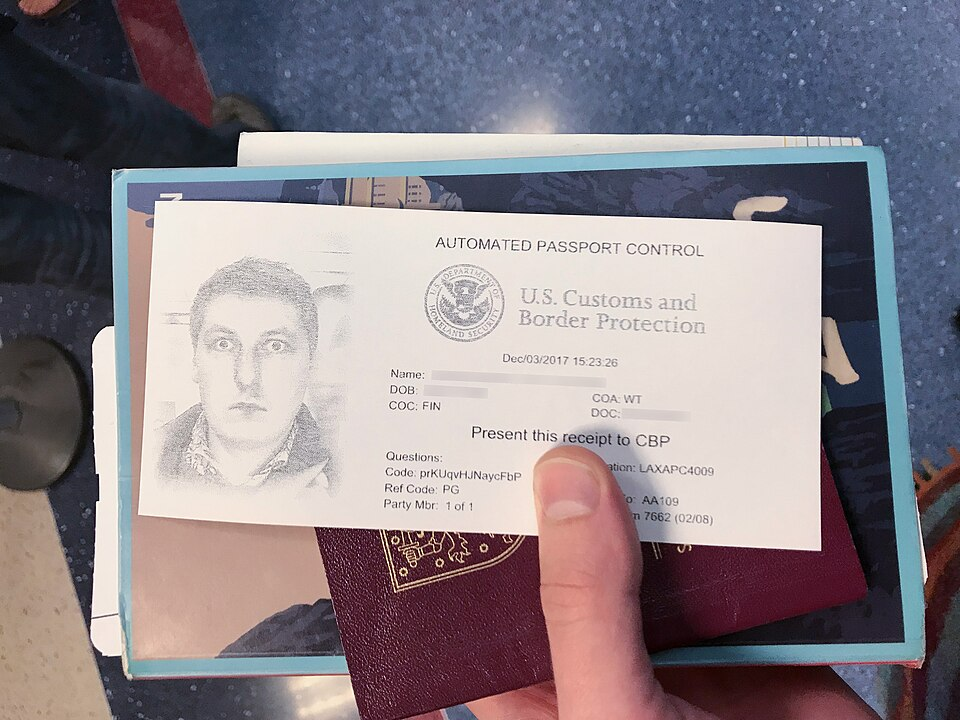
Airlines verify destination entry requirements before boarding because the carrier is liable for a passenger refused entry. A missing visa or advance travel authorisation results in a denied boarding at the gate rather than a problem on arrival.
The systems involved have multiplied, with the United Kingdom and the European Union each introducing advance authorisation for visitors, and start dates and requirements have shifted repeatedly.
Check the destination’s current entry requirements close to departure as well as at booking. The airline will not let you fly without them and will not be persuaded, because the fine lands on the airline.
12. A passport without enough validity left for the destination
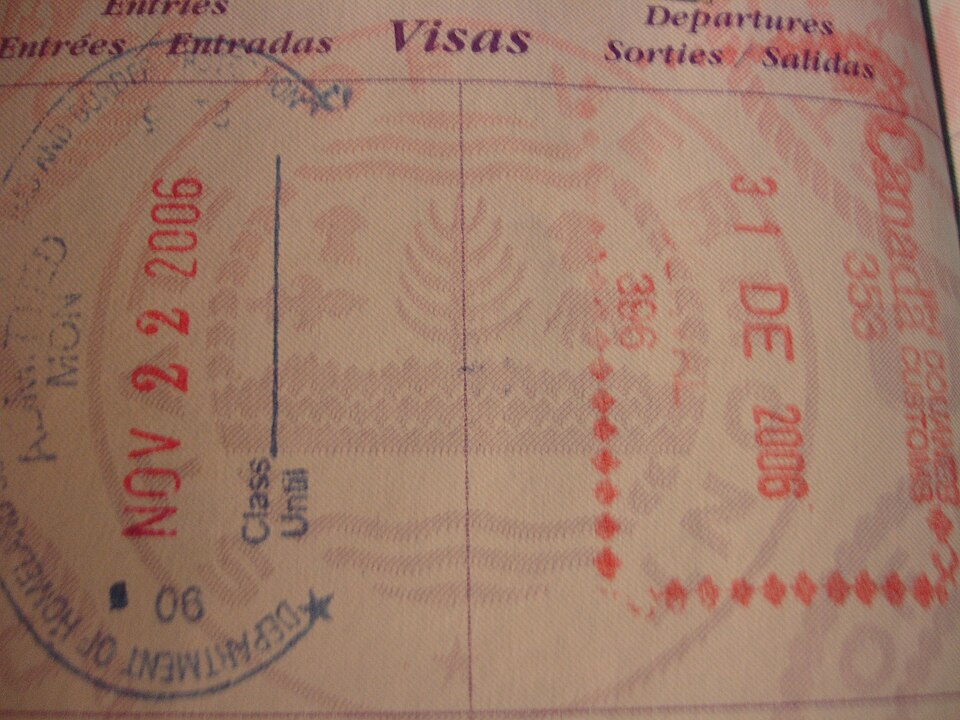
Many countries require six months of passport validity beyond arrival and the airline checks it at the desk for the same carrier-liability reason. A passport valid for four more months can be refused for a trip next week.
Blank page requirements apply in the same way for some destinations, and a full passport can be refused even with years of validity remaining.
Check the expiry and the blank pages against the specific destination’s requirement, and renew with months to spare. The United States no longer adds pages to an existing passport.
13. Being further into a pregnancy than the airline allows

Carriers set limits, commonly requiring a physician’s certificate from around the twenty-eighth week and restricting travel in the final weeks, with the exact thresholds varying between airlines and between domestic and long-haul flights.
The limit is enforced at the gate, and a passenger who appears to be beyond it without documentation may be refused. This is airline policy rather than regulation and it differs enough between carriers to require checking.
Check the specific airline’s policy at the time of booking and carry the certificate it specifies. Where a trip falls near a threshold, get the documentation regardless.
14. Needing oxygen or medical equipment without arranging it first
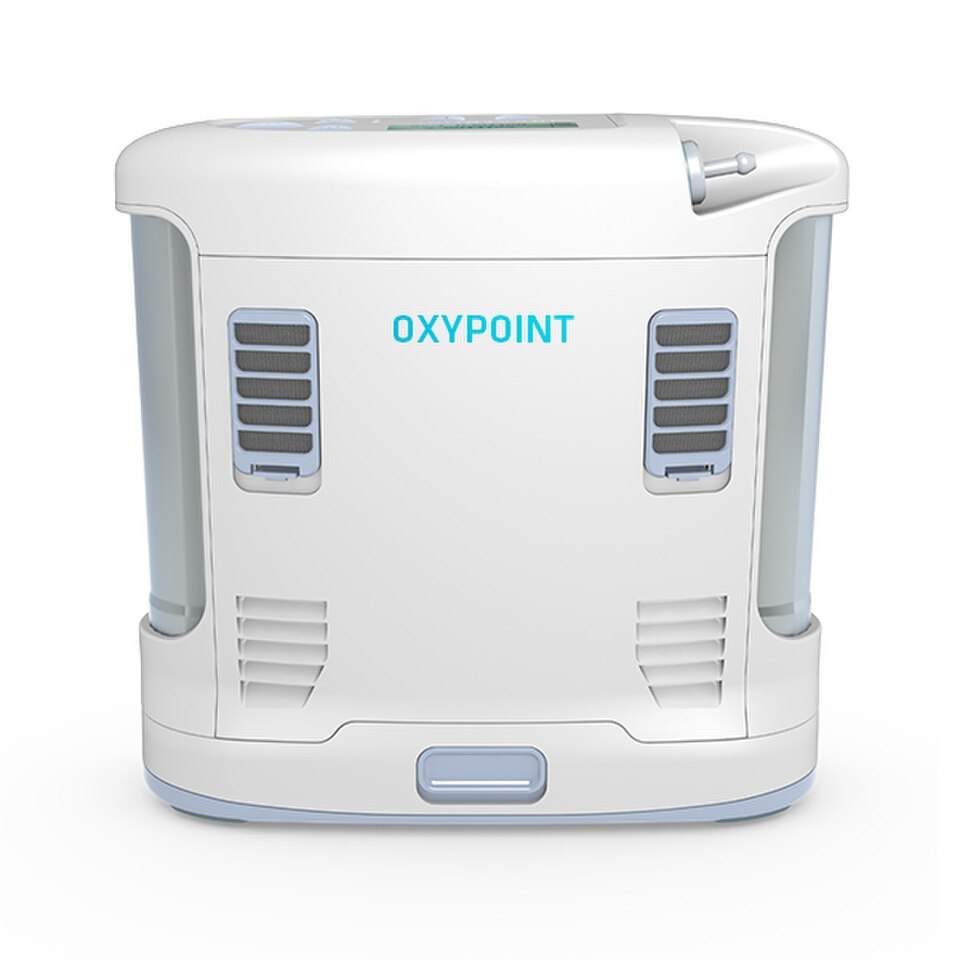
Supplemental oxygen, portable concentrators, certain medical devices and equipment requiring in-flight power all need advance arrangement, and some require a physician’s form. Only approved concentrator models may be used.
A passenger arriving at the gate with an unapproved device, or with no notification on the booking, can be refused because the airline cannot confirm it is safe to operate on that aircraft.
Contact the airline’s special assistance team well in advance, confirm the device model is approved, and get the approval in writing. Battery duration requirements for concentrators are specified and are checked.
15. Refusing to check an oversized carry-on
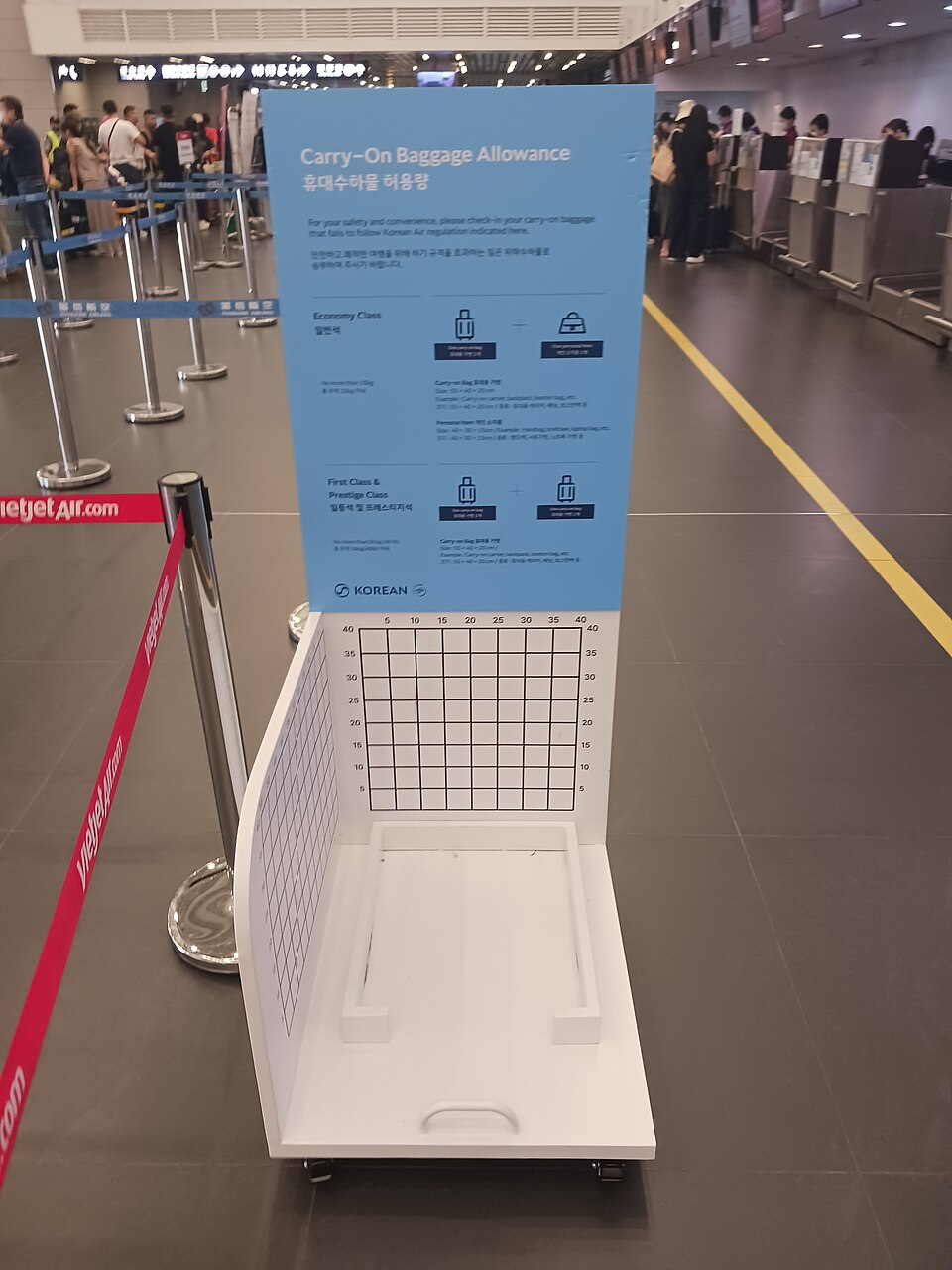
Cabin bag size limits are enforced inconsistently and are enforced. A passenger told at the gate that a bag must be checked, and who declines, has refused a crew instruction, which is where an argument about a suitcase becomes a removal.
Gate checking is usually free when the airline initiates it, so the dispute is generally about inconvenience rather than money. It is nonetheless one of the most common flashpoints in air travel.
Measure your bag against the airline’s stated dimensions once, at home, and keep anything you cannot be without in a personal item that stays with you. Then a gate check costs you nothing.
16. Arriving after the cut-off, even though the aircraft is still there

Check-in and boarding cut-offs are fixed and precede departure by a defined margin — commonly forty-five minutes for a domestic flight and an hour for international, with boarding gates closing earlier than most passengers expect.
The aircraft being visibly at the gate is irrelevant. The load sheet, the fuel figures and the final weight and balance calculation are completed on a schedule, and a late passenger cannot be added to a closed flight.
Build in more time than feels necessary, and watch the boarding time on the pass rather than the departure time. This is the most avoidable item on the list and one of the most frequent.
The one rule underneath all of them
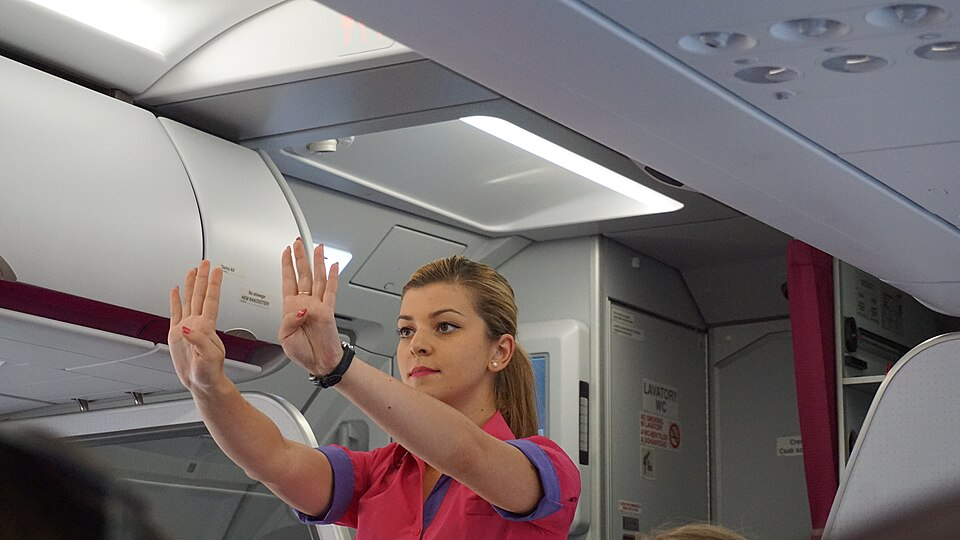
If you take one thing from the list, it is this: comply first and complain afterwards. The great majority of removals that make the news, and a far larger number that do not, begin as a small disagreement about a bag, a seat or a device, and become a removal at the precise moment the passenger decides to hold the line.
The passenger is sometimes right about the underlying question. It makes no difference. The crew instruction is backed by federal regulation, the captain’s authority is not subject to argument at the seat, and there is no version of the disagreement that improves by continuing it. Every airline has a complaints process, the Department of Transportation takes consumer complaints, and both of those routes have produced refunds, apologies and policy changes. Standing in an aisle has never produced any of them.
The second thing, and it is almost as useful: the boarding time on your pass is the real deadline and the departure time is not. Half the people who miss a flight have read the wrong number.
The third is to check the battery rules before every trip now rather than once. That is the single area where American carriers have changed policy most in the past couple of years, and it is changing still.
Like our content? Follow us for more.

