The frozen aisle is the best place in an American supermarket to watch food regulation happen, because frozen food is the most opaque thing in the building. A fresh apple needs no label. A sealed tray of a cooked composite dish, made somewhere else months ago from ingredients the shopper will never see, is knowable only through what is printed on the outside of it.
So the frozen case got the full weight of every disclosure reform of the last sixty years, and it also lost a run of specific additives, one of them as recently as 2024. A couple of the items below were ended by a kitchen appliance and an energy standard rather than by any food rule, which are included because they changed the aisle just as completely. Here are sixteen features of the 1965 frozen case that have since gone.
1. Dinners in an aluminium foil tray, designed for the oven
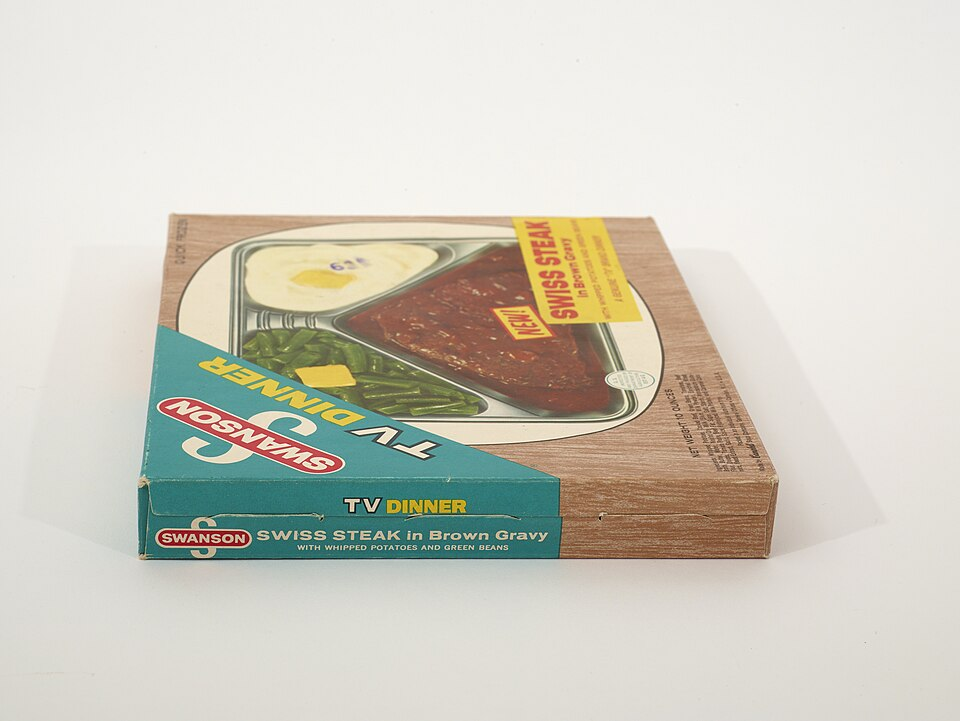
The compartmented foil tray is the single most recognisable object in American convenience food. It went straight from the freezer into a hot oven for most of an hour, and the foil was the cooking vessel, the serving dish and the packaging all at once.
The foil tray was displaced by the microwave, because metal cannot go in one. Manufacturers moved to crystallised polyester and paperboard trays through the 1980s, and the foil tray is now a deliberate retro gesture rather than a standard.
No rule ended it. A different appliance did, and it did so completely inside about ten years. It is the clearest case in the frozen aisle of the kitchen changing the package rather than the regulator.
Like our content? Follow us for more.
2. No nutrition panel on anything in the case
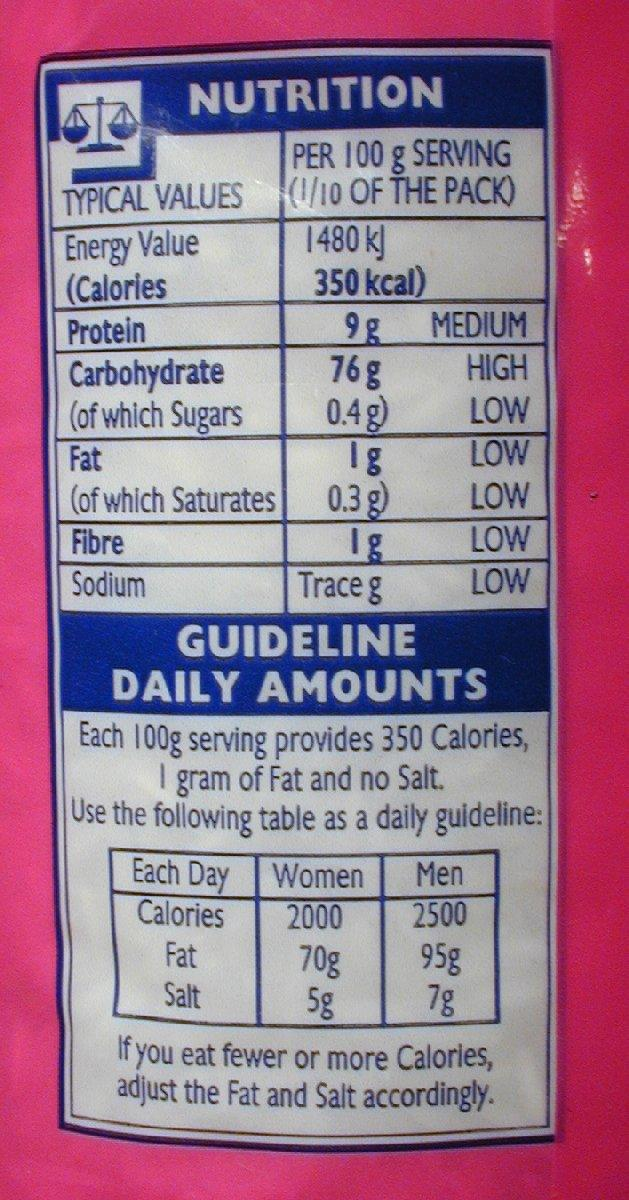
A 1965 frozen package told you the weight, the heating instructions and whatever the manufacturer wanted to claim. There was no standard table of calories, fat, sodium or sugar, because none was required.
Nutrition labelling was voluntary in the United States until the Nutrition Labeling and Education Act of 1990 and the panel became mandatory in 1994. For prepared frozen meals, where the shopper has no visibility of the ingredients at all, this was the most consequential change in the aisle.
The frozen case is where that reform bit hardest. A fresh vegetable needs no panel. A composite prepared dish in a sealed tray is otherwise completely opaque, and the panel is the only way in.
3. No allergen statement, on food made of many things
A frozen prepared dish contains a long list of components, several of which are themselves compounds. In 1965 none of that had to be declared in a form a shopper could act on, and shared-equipment contamination was not mentioned at all.
The Food Allergen Labeling and Consumer Protection Act took effect in 2006 and requires plain-language declaration of the major allergens. The advisory statements about shared lines that now cover frozen packaging are a later industry practice on the same logic.
Of everything on this list, this is the one that would stop a 1965 package at the door of a modern store fastest, and in the frozen aisle specifically it is also the one that changed most lives.
4. Partially hydrogenated oil in the crusts and the toppings
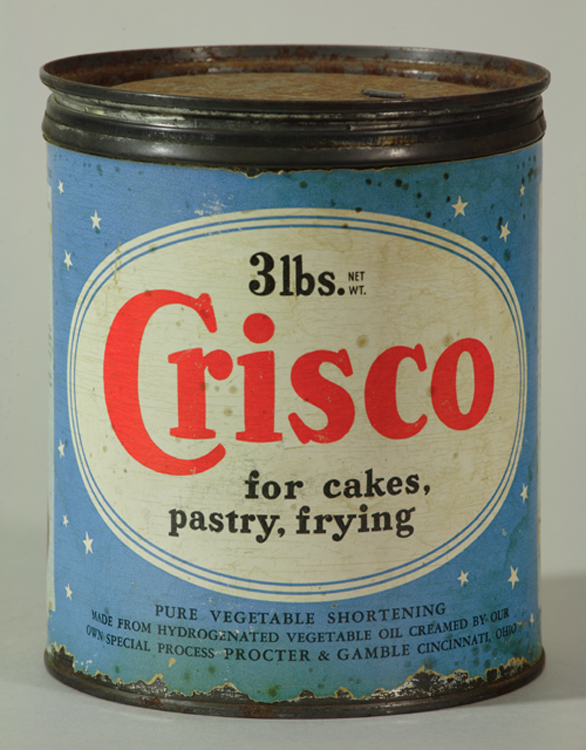
Frozen pastry, pie shells, breaded coatings and the whipped toppings sold alongside them depended on partially hydrogenated vegetable oil, which gave the right texture, the right shelf life and the right mouthfeel at low cost.
The Food and Drug Administration determined in 2015 that partially hydrogenated oils were no longer generally recognised as safe, following the finding that industrial trans fat worsened cardiovascular risk markers, and the ingredient left the American food supply by the end of that decade.
Reformulating around it was hardest in exactly the frozen categories, because the properties being replaced were structural. A 1965 frozen pie crust cannot be made to the same recipe and the modern one is a genuinely different thing.
5. Colour additives that have since been delisted

Frozen desserts, fruit products and prepared dishes used colour additives from a list that American regulators have substantially shortened. The colour was doing real work in a product the shopper could not see until it was cooked.
Red No. 2, in very wide use across American food, was banned by the Food and Drug Administration in 1976, and others permitted in 1965 have been delisted before and since. Several 1965 frozen products would be illegal on colour grounds alone.
There has been a second wave recently, driven by manufacturers removing synthetic dyes voluntarily under consumer pressure rather than by prohibition. The frozen aisle has moved more slowly on this than the cereal aisle has.
6. Frozen desserts sweetened with cyclamate
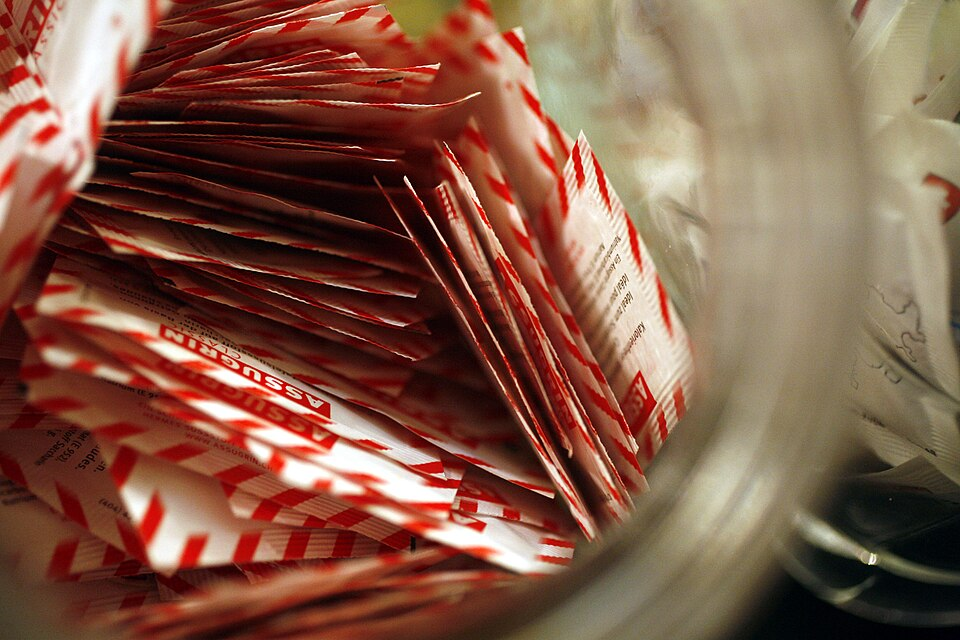
Cyclamate was a major American sweetener and it appeared across the diet frozen dessert category, often blended with saccharin because the combination tasted better than either alone. It was in widespread use through the 1960s.
The Food and Drug Administration banned cyclamate in the United States at the end of the 1960s following animal study findings. The petition to reinstate it has been pending for decades and it remains unapproved here while being permitted in a number of other countries.
This is the only item on the list where the American and international positions still differ sharply, which makes it a useful reminder that a prohibition is a regulatory judgement rather than a settled fact of nature.
7. Saccharin, and then saccharin with a warning label on it
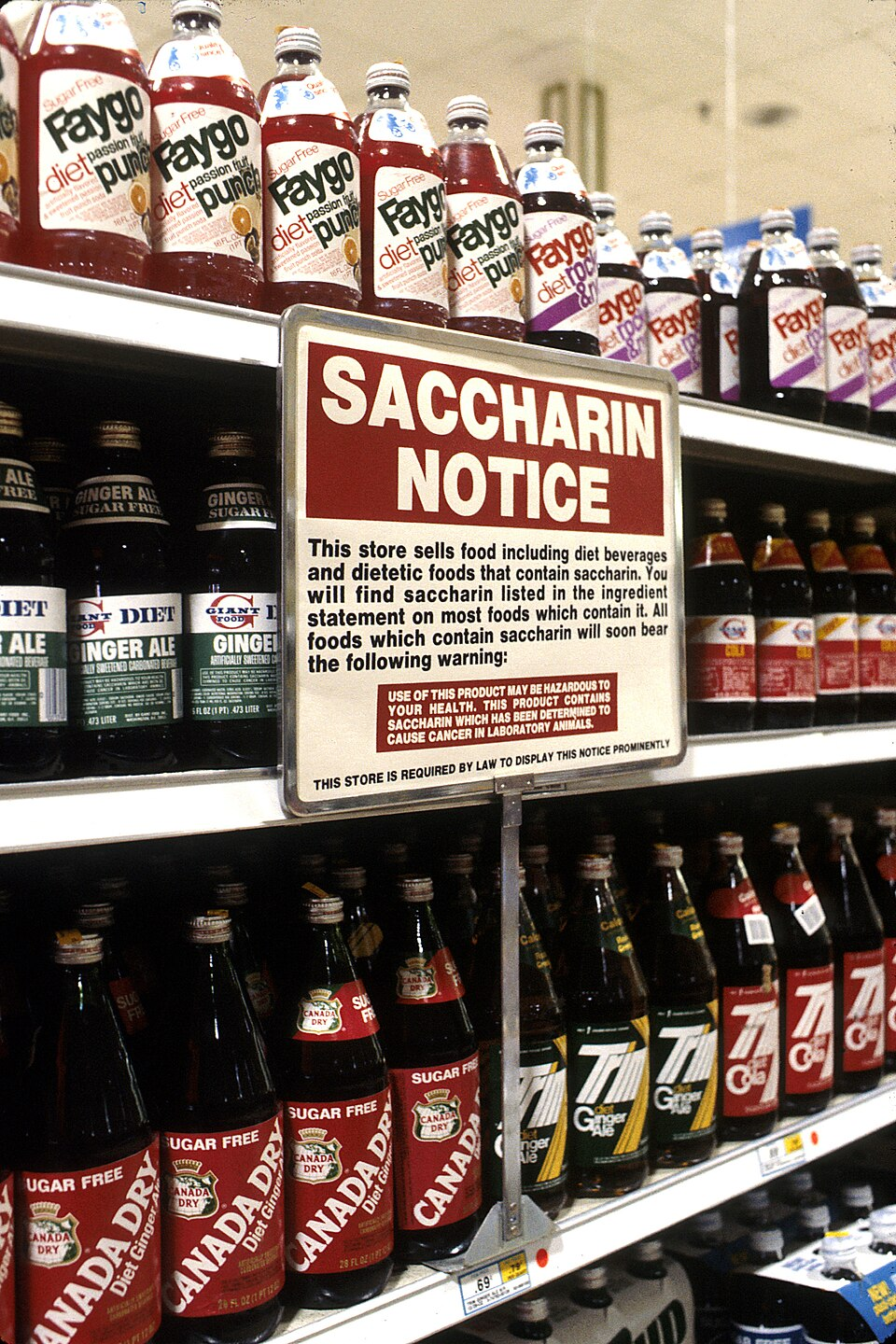
After cyclamate went, saccharin carried the entire diet category. Frozen desserts, toppings and fruit products reformulated around it, and for a period it was the only high-intensity sweetener available in the United States.
The agency proposed banning saccharin in 1977 on the basis of animal findings. Congress intervened with a moratorium and required a warning label instead, which appeared on American products for over twenty years and was removed in 2000 once the human evidence had not borne the finding out.
A diet frozen dessert from the late 1970s therefore carries a federally mandated cancer warning that the federal government later concluded was unwarranted. There is no better single illustration of regulation being provisional.
8. Brominated vegetable oil in the frozen citrus concentrates
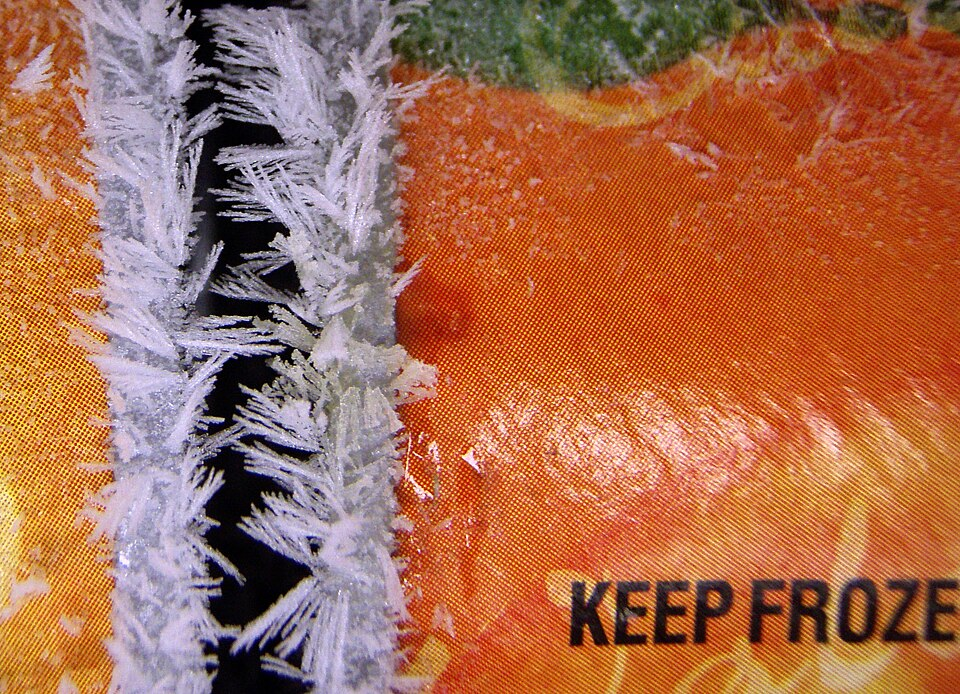
Frozen citrus drink concentrates used brominated vegetable oil as an emulsifier, to keep the citrus oils suspended rather than separating out. It did the job well and had been in American use since the 1930s.
The Food and Drug Administration revoked its authorisation for use in food in 2024, concluding the evidence no longer supported safety. California had moved first. It is the most recent removal of a long-standing additive from the American food supply.
This item is here because of its date. A reader might assume this list closes decades ago. One of these ingredients was legal in the United States until the year before last.
9. Concentrate in cans closed with lead solder
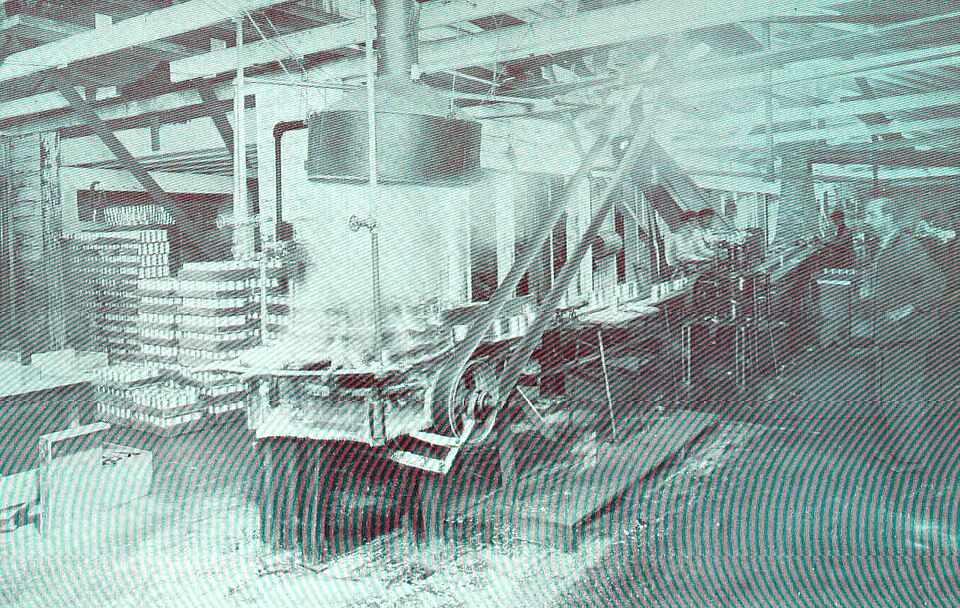
Frozen concentrate came in composite cans with metal ends, and the side seams of food cans in that era were closed with lead solder. Acidic contents, which includes every citrus concentrate, draw lead out of a soldered seam.
The Food and Drug Administration prohibited lead solder in food cans sold in the United States in 1995, having worked the industry away from it over the preceding decade. The measurable drop in dietary lead exposure from food packaging is substantial.
The combination of acid food and a leaded seam is the specific problem, and frozen citrus concentrate was close to the worst case for it. The cans are collectable and should not be used for anything.
10. Imitation dairy products with no clear labelling of what they were
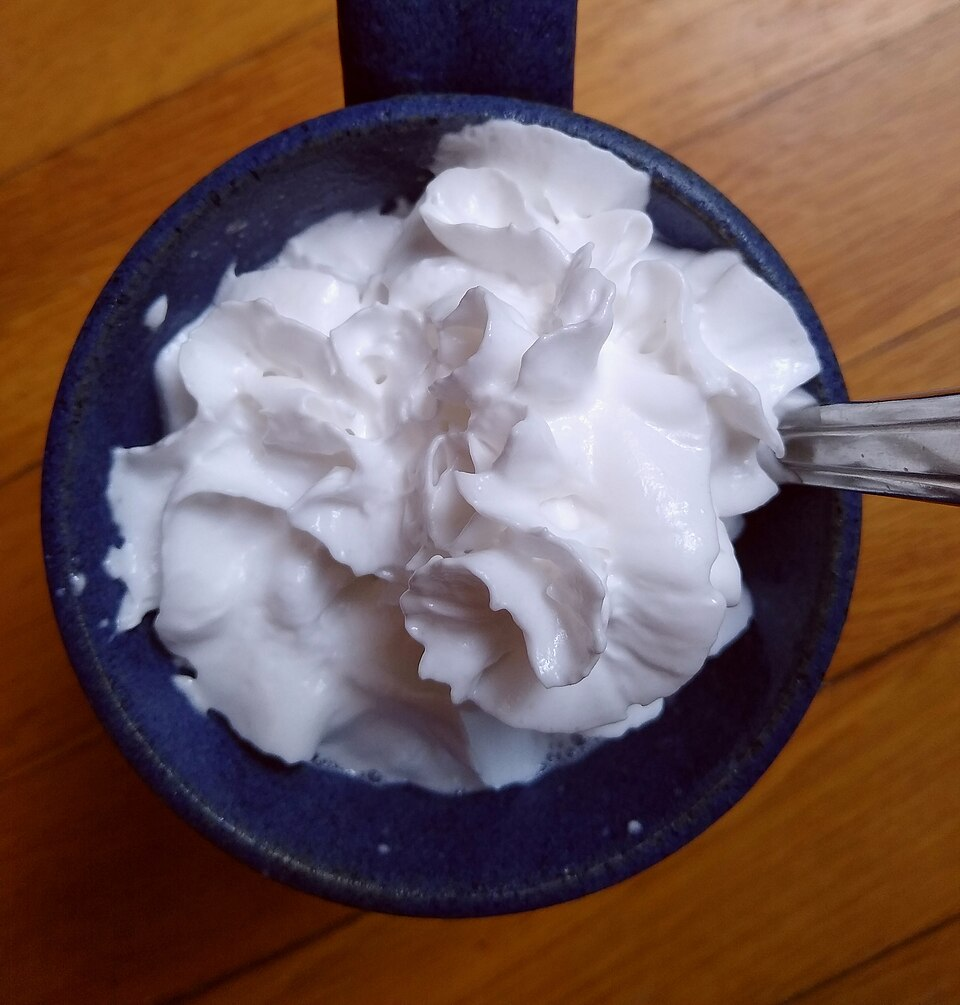
The frozen aisle filled up with non-dairy toppings, coffee whiteners and dessert products built on coconut and palm oil, and what they were called and how they were described was loosely governed. A shopper could not easily tell a cream from a thing resembling cream.
American standards of identity and the rules on imitation and substitute labelling were tightened and enforced, which is why modern packaging has to be explicit about whether a product is dairy and what it is made of instead.
These products were a genuine innovation and some of them are excellent. The issue was never that they existed; it was that in 1965 the package did not have to say so.
11. Health claims printed on the carton
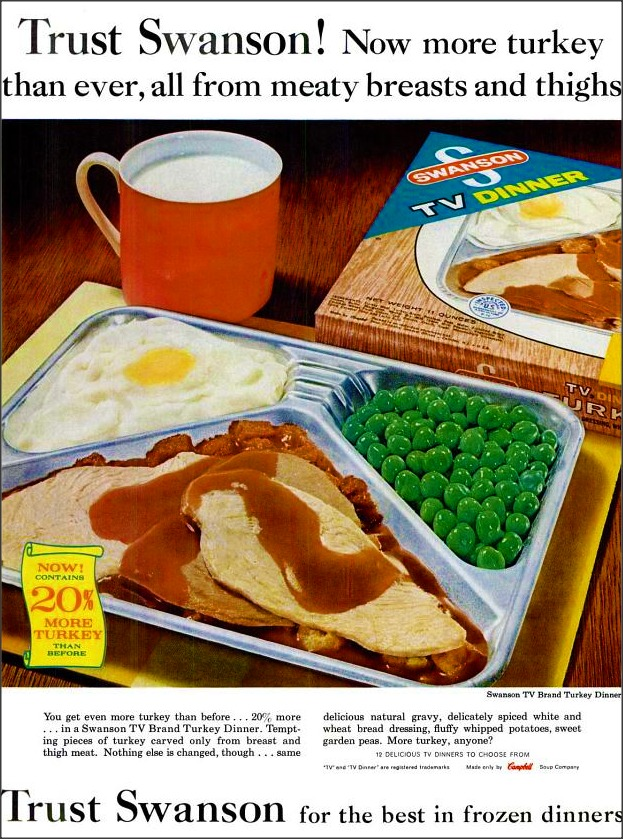
Frozen food was sold on modernity and on health, and the packaging asserted both. Products announced that they were nourishing, balanced, suitable for growing children or good for a slimming regime, in the manufacturer’s own words.
Health claims connecting a food to a disease or health condition now require authorisation in the United States with specified wording, and a manufacturer cannot assert a benefit freehand. Nutrient content claims are the narrower permitted alternative.
The frozen dinner was marketed from the beginning as the modern, rational way to feed a family. Almost none of the specific wording used to do that would survive a label review now.
12. Serving sizes decided by whoever printed the box
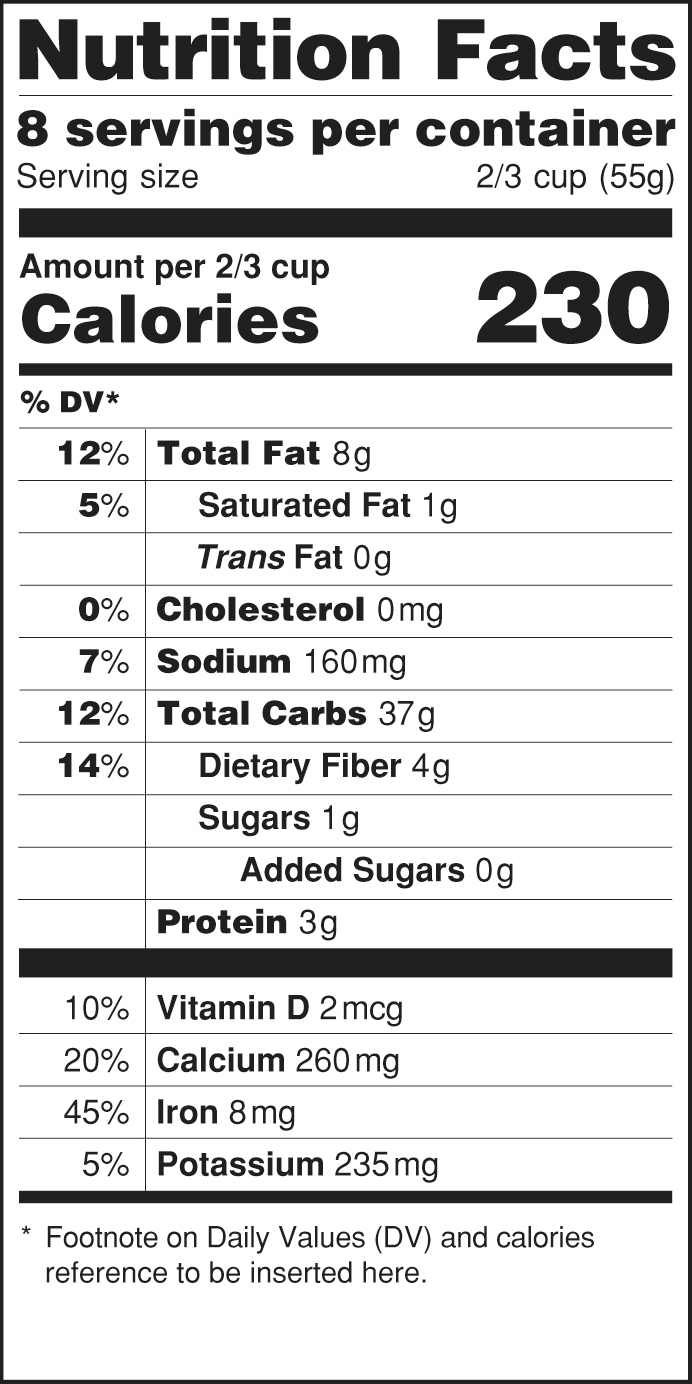
Where a 1965 frozen package did make a nutritional claim, the quantity it applied to was the manufacturer’s own choice. For a prepared meal in a tray, the obvious move was to call the tray more than one serving.
The 1990 act established standardised reference amounts by food category, and a later rulemaking tightened the treatment of single-serving packages specifically, on the basis that a package a person will plainly finish in one sitting should be labelled that way.
That second reform was aimed squarely at this aisle. The frozen meal tray was the product that made the problem obvious, and it took twenty-five years after the panel arrived to close it.
13. No date marking a shopper could read

Packages carried a production code for the distributor. Open dating, in the form a customer can understand, spread across American groceries through the 1970s and is still largely a matter of manufacturer practice rather than federal requirement for most foods.
For frozen food the relevant question was never spoilage in the ordinary sense but quality loss and freezer burn over long storage, and there was no way for a shopper to judge how long a package had been in the case.
This remains the least resolved item on the list. American date labelling is still inconsistent, still voluntary for most products, and still widely misunderstood, and the frozen aisle is where the consequences are least visible.
14. Open-topped cases with nothing between the food and the aisle
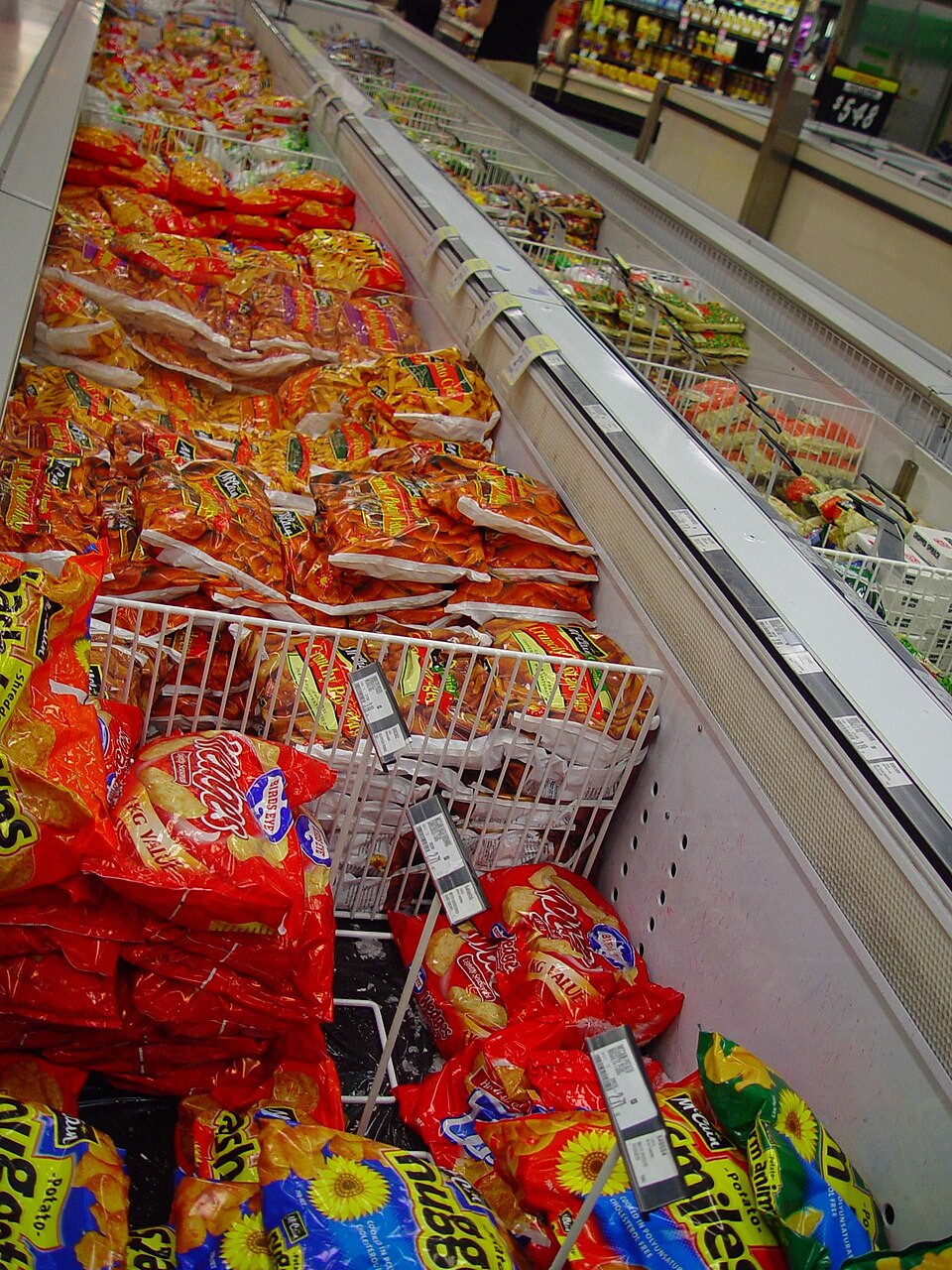
The frozen case of 1965 was an open-topped well that you reached down into, with a cold air curtain doing the work. It was designed to be shoppable, it worked, and it spilled cold air into the store continuously.
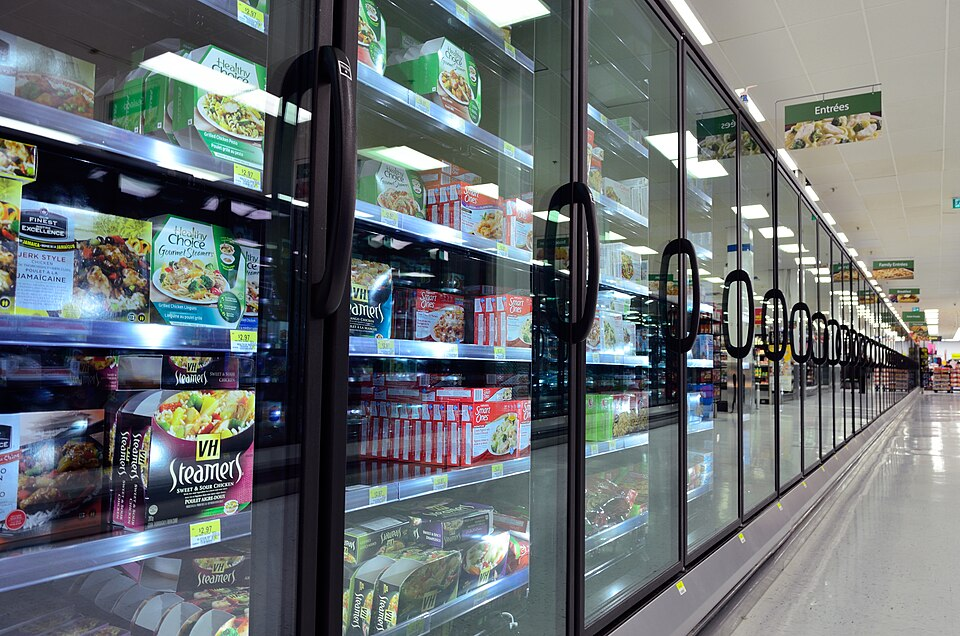
American federal energy conservation standards for commercial refrigeration equipment, tightened repeatedly since the 1990s, have effectively ended the open case for frozen food, which is why the aisle is now a corridor of glass doors.
This is the change shoppers notice most and attribute to the wrong cause. It was not about food safety. It was about the energy going out of the top of the box, and the doors happen to hold temperature better as well.
15. No written food safety plan behind any of it
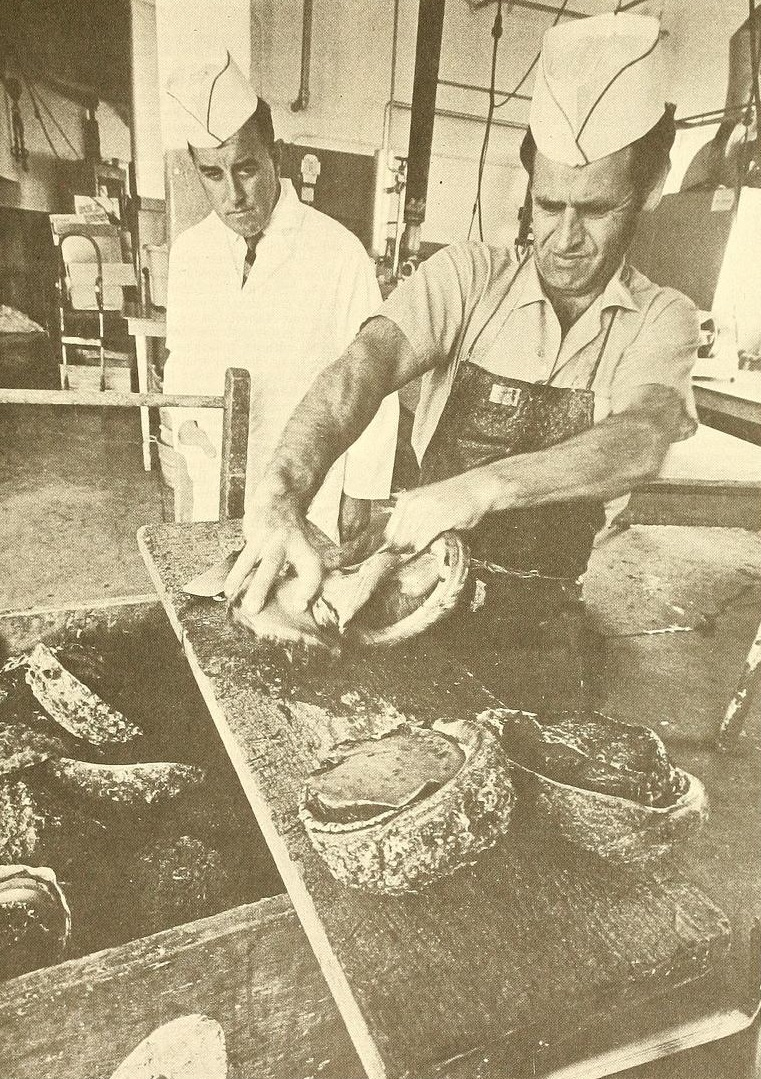
A frozen food processor in 1965 operated on good practice and inspection rather than on a documented system. There was no requirement to identify the points in the process where contamination could enter, or to prove that those points were controlled.
Hazard analysis and preventive control systems were made mandatory for American seafood and juice in the 1990s and extended across most of the food industry by the Food Safety Modernization Act of 2011, which shifted the whole regime from response to prevention.
For frozen prepared food this is the deepest change on the list and the one a shopper can least see. The package looks similar. What stands behind it is a documented system that did not exist in any form.
16. No indication of where any of it came from
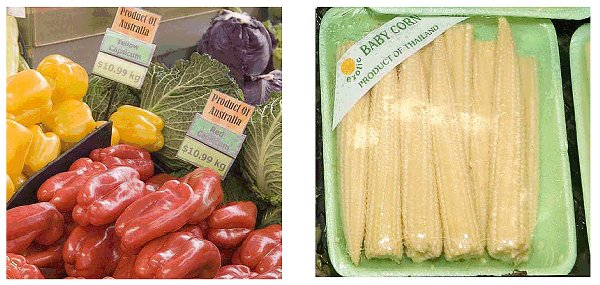
Frozen fruit, vegetables and prepared components were sourced internationally well before 1965, and nothing on the package said so. Origin was commercial information and was not considered the customer’s business.
Country-of-origin labelling requirements were introduced for a defined list of American commodities in legislation of the 2000s, with implementation running to 2009 and subsequent amendment. Coverage is partial rather than universal and frozen prepared foods largely fall outside it.
This is included as the counterexample. Most items here moved decisively in the direction of disclosure. Origin labelling moved a short way, under heavy dispute, and the frozen aisle is where the gap is widest.
The aisle that disclosure built
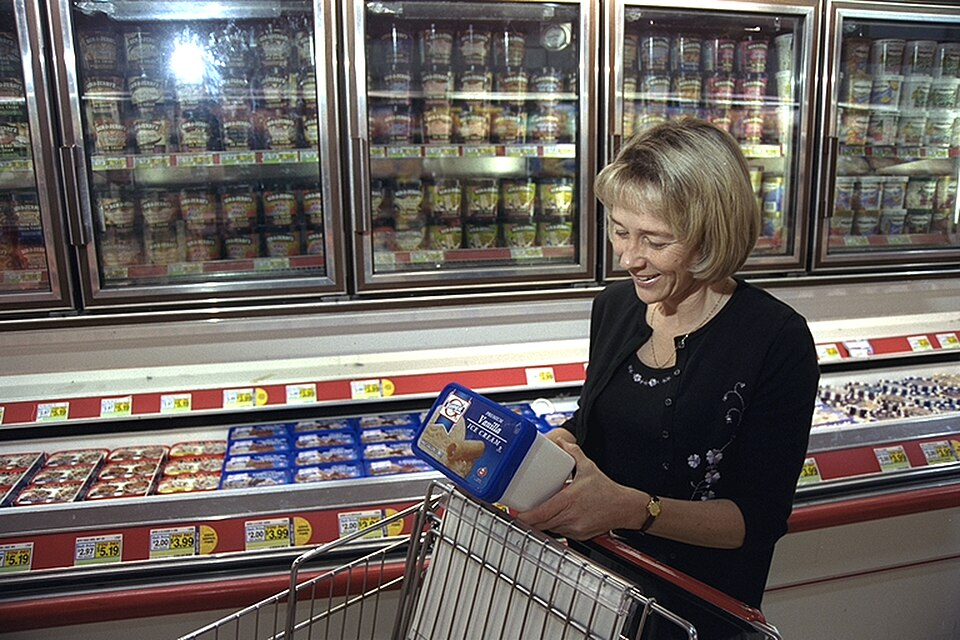
Set the two aisles side by side and the difference is not the food. Frozen vegetables are better now, frozen prepared meals are roughly comparable, and several of the biggest American frozen brands of 1965 are still in the case. The products survived.
What changed is that the package became a document. The panel, the allergens, the ingredient order, the standardised serving, the single-serving rule, the standards of identity, the restriction on what a health claim may say: every one of those turns an opaque sealed tray into something a shopper can interrogate. Added to that is the list of ingredients that simply left — a sweetener, an emulsifier, a solder, a fat, a run of colours — and behind all of it a documented preventive food safety system that did not exist in 1965 in any form at all. The aisle looks colder and duller than it did. It is also the only part of the store a customer can genuinely check.
The thing worth being honest about is the trade. A 1965 frozen package was more attractive, with better illustration, bolder colour and more confident copy, because it was advertising and nothing else. A modern one is cluttered because most of the clutter is legally required.
The foil tray in the oven is a real loss and the people who miss it are right. Everything else on the package is there because somebody asked a question nobody in 1965 was obliged to answer.
Like our content? Follow us for more.