Car hire is the part of a trip where the gap between the price booked and the amount finally charged is widest, and almost all of it comes from four places: the fuel policy, the excess, the damage assessment and the fees that arrive months later.
None of it is hidden exactly. It is in the agreement, and the agreement is handed over at a counter to somebody holding a queue with a flight behind them. Here are fifteen things to settle before you reach that counter.
1. The deposit is a hold on your card, not a payment
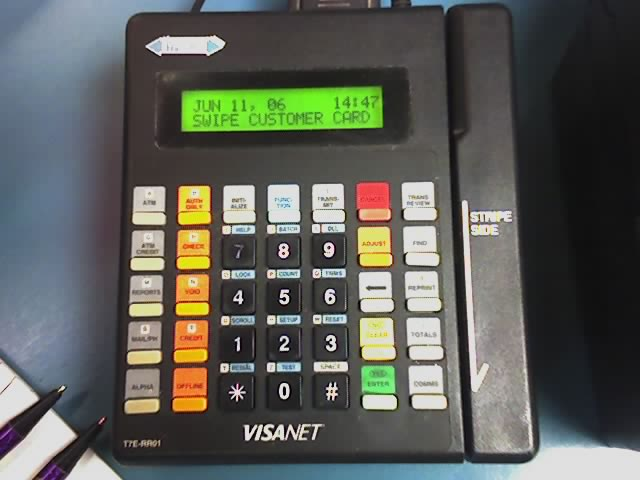
At the counter the rental company places an authorisation on a credit card for a deposit, which may be several hundred units of currency or more for a larger vehicle. It is not charged, but it is unavailable to you for the duration and frequently for some days after the car goes back.
Most companies require a credit card in the main driver’s name for this and either refuse a debit card outright or impose extra conditions and checks on one. A prepaid card is almost universally refused.
Bring a credit card with headroom on it in the name of the person driving. This is the single most common reason a booked rental is refused at the desk.
Like our content? Follow us for more.
2. The fuel policy is where the money is
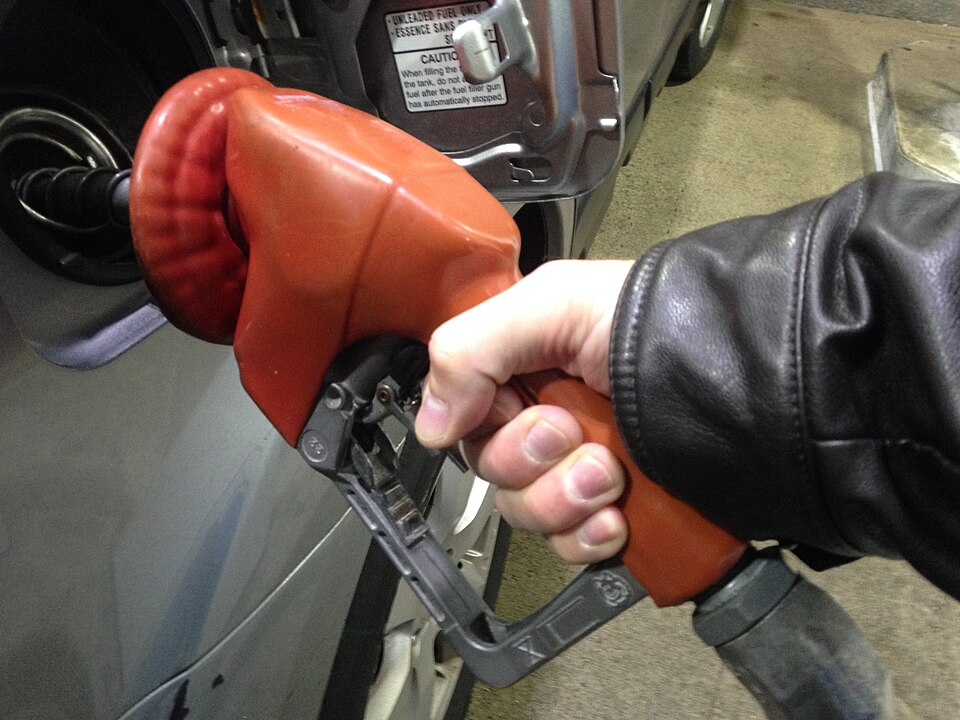
Full-to-full is the policy to look for: you collect the car full, you return it full, and you pay for nothing. The alternative, variously called pre-purchase, full-to-empty or fuel service, charges you for a tank at the counter at a rate above the pump price and refunds nothing for what you do not use.
A pre-purchase policy on a short rental is the most expensive single item on a hire agreement, because a weekend trip that uses a third of a tank has paid for all of it with a service fee on top.
Check the policy before booking, fill the tank yourself at a station near the airport on the way back, and keep the receipt, because the receipt is what settles the argument about whether it was full.
3. The excess is large and the counter will sell you a way out of it
The rental includes insurance with an excess, called a deductible in American terms, which is the amount you pay before the cover starts. It is routinely large, it applies to the car and sometimes separately to theft, and the counter will offer to reduce it to zero for a daily fee.
The desk product is expensive per day and is sold under time pressure to somebody holding a queue. The alternative is a standalone excess reimbursement policy bought in advance from an insurer, which typically costs a fraction of the counter price for a week and works by reimbursing you after you have paid the rental company.
Neither is recommended here and both are real options. The thing to avoid is arriving with no decision made, because the counter is the worst place to make one.
4. Wheels, tyres, glass and the underside are often outside the cover
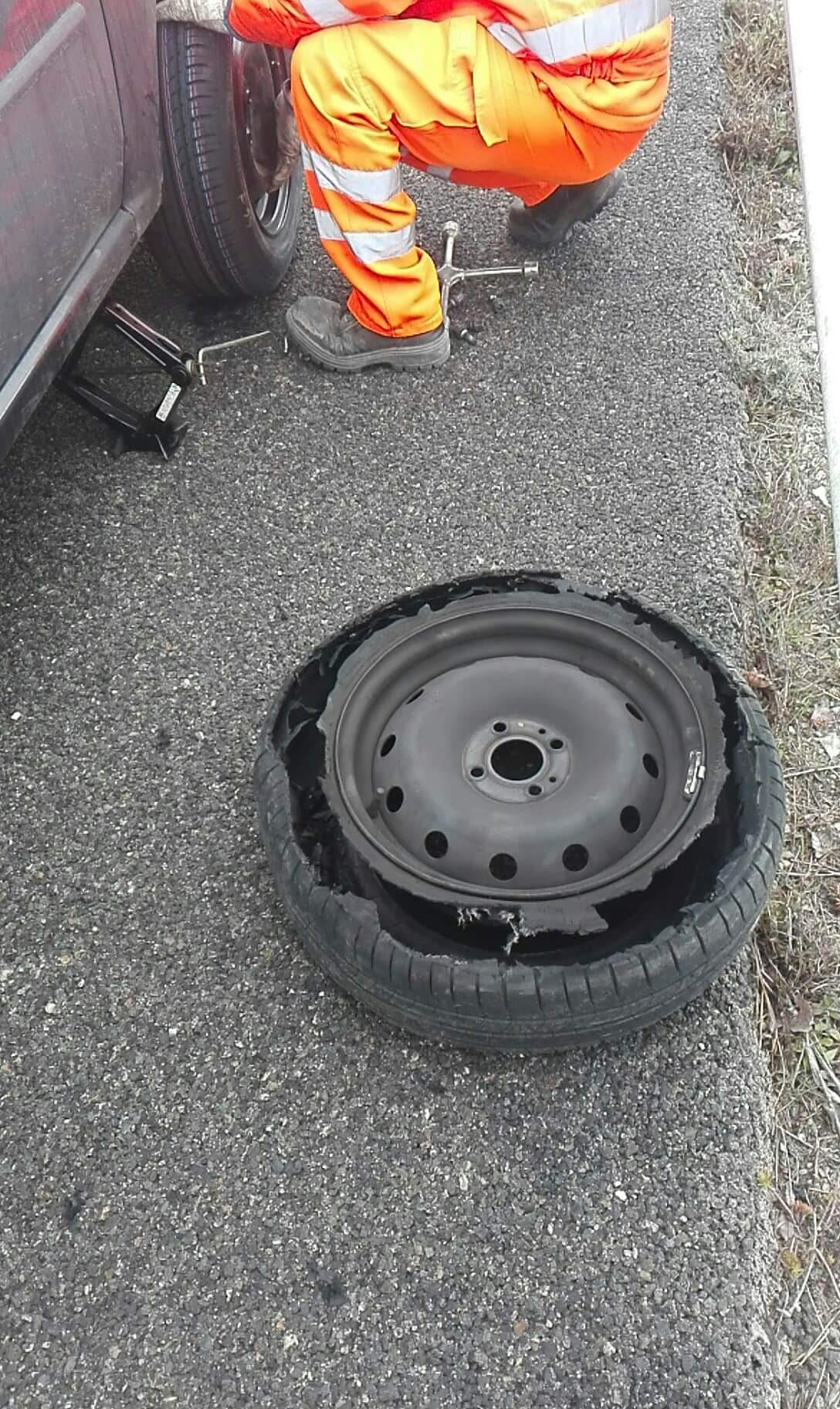
The standard damage waiver in many countries excludes exactly the parts most likely to be damaged: tyres, wheels and hubcaps, windscreen and glass, the roof, the underbody, the interior, lost keys and the cost of recovery. These are the exclusions that turn a minor incident into a large bill.
They are also the exclusions that a standalone excess policy will often cover and that the counter upgrade may or may not, which is the detail worth checking rather than assuming. A kerbed alloy wheel in a city with narrow streets is a realistic outcome of an ordinary week.
Read what is excluded rather than what is included. The list of exclusions is short, specific and the part that actually determines what you pay.
5. The pre-existing damage is your problem unless you prove otherwise
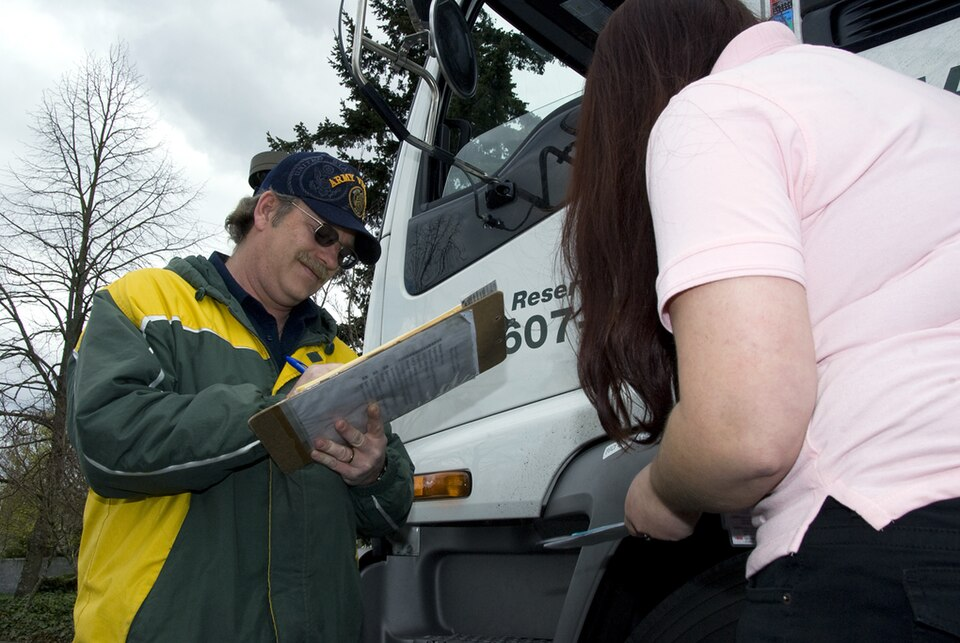
The check-out form lists existing damage and is frequently incomplete, done in a hurry, in a dark garage, by somebody with twelve cars to hand over. Anything not on it is presumed to have happened on your rental.
This is the single most common dispute in car hire and it is resolved almost entirely by evidence. Companies increasingly use detailed damage mapping and some use automated scanning at return, which cuts both ways: it finds more, and it also records the condition at collection.
Walk around the car with your phone recording video before you leave the bay, slowly, including all four wheels, the glass, the roof, the bumpers and the interior, and film the fuel gauge and the odometer. It takes three minutes and it ends the argument before it starts.
6. Cross-border driving may be restricted or charged
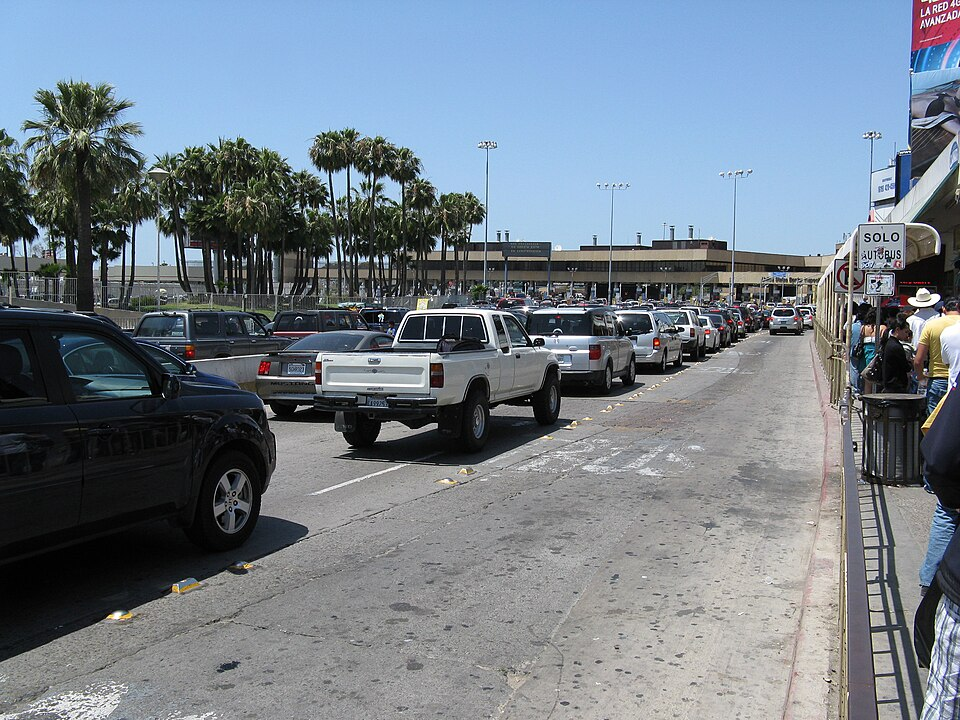
Taking a hire car across a national border is permitted by some companies and in some countries and not others, frequently requires notification in advance, and often carries a fee for the documentation and the insurance extension. Some vehicle classes are excluded entirely and some destination countries are prohibited.
Driving across an unapproved border typically invalidates the insurance, which is the real consequence rather than the fee. The restriction usually reflects the company’s insurance arrangements rather than any law.
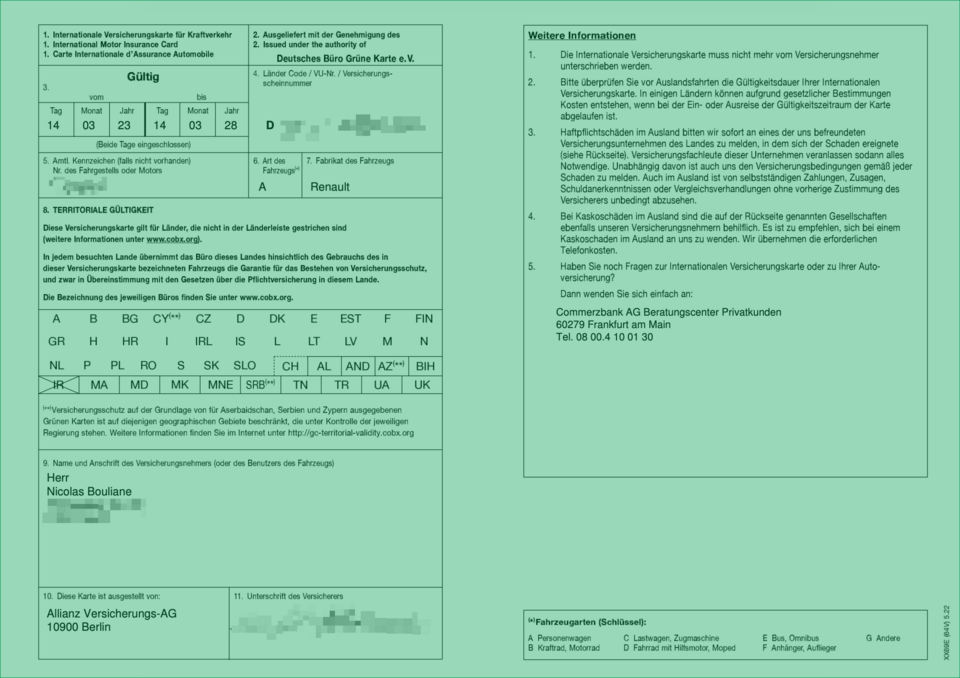
If the trip crosses a border, say so when booking and get it in writing on the agreement. The green card or equivalent documentation and the breakdown cover are the things that matter when something goes wrong on the far side.
7. The one-way fee is not in the headline price
Collecting in one city and returning in another carries a drop-off or one-way fee, which can be substantial, is sometimes larger than the rental, and in some cases crosses into a different country’s pricing. It is rarely shown in an initial comparison.
It exists because the company has to get the car back, and it is highest where the imbalance is worst: a car taken from a city to a resort in the high season is going the way everybody else is going.
Price the one-way option against two separate rentals and a train or a flight between them, because for longer distances the alternative is frequently cheaper.
8. Every additional driver is charged, and an undeclared one is uninsured

A second named driver carries a daily fee at most companies in most countries, and the consequence of not declaring one is not a fine but a gap: an accident while an undeclared person is driving is generally outside the cover entirely.
Some loyalty tiers, some corporate agreements and in some American states a spouse are included free, which varies enough that it is worth asking rather than assuming either way.
Add the driver at the desk. The daily fee is irritating and the alternative is an uninsured car in a country where you do not speak the language.
9. Age surcharges run at both ends

Drivers under a stated age pay a young driver surcharge, are restricted to smaller vehicle classes, and below a lower threshold may not be able to rent at all. A number of countries also apply a surcharge or a restriction above an upper age, which catches people out far more often because nobody expects it.
The thresholds vary by country, by company and by vehicle class, and the upper-age restrictions in particular are not applied consistently across a single brand’s international operations.
Check the age terms for the specific country rather than the brand. A policy that applies in one market frequently does not apply in another.
10. An automatic is a specialist vehicle in much of the world
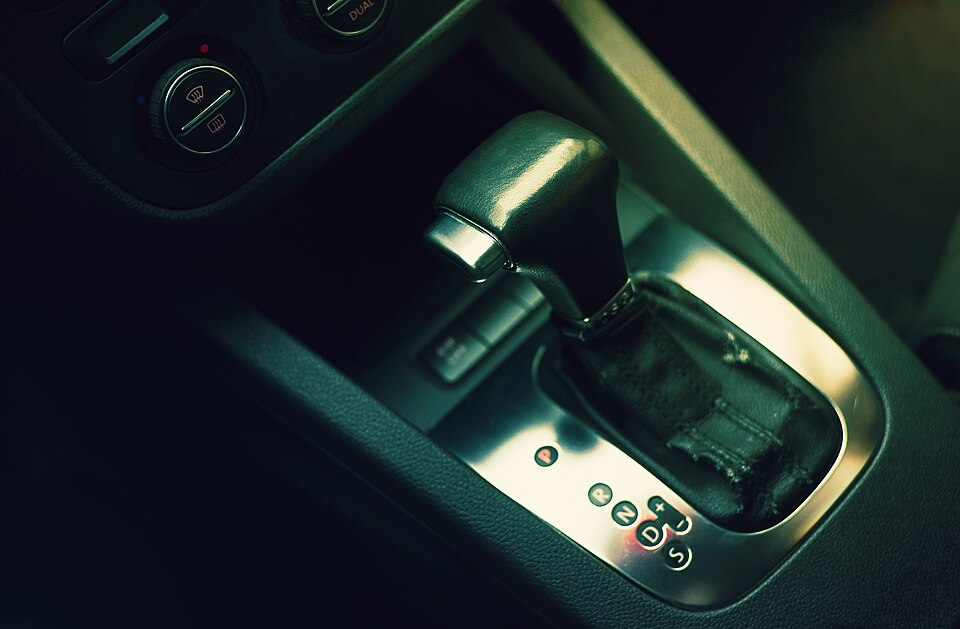
In Europe and in much of Asia, Africa and South America the default hire car is a manual, automatics are a minority of the fleet, they cost significantly more, and in smaller locations and smaller classes they may not be available at all.
Booking a vehicle class rather than a specific car means an automatic can be substituted with a manual on arrival, which is a problem if nobody in the party can drive one. The booking has to specify automatic as a requirement rather than a preference.
Book early and book specifically. An automatic in a small Mediterranean airport in August is the single hardest thing in this list to obtain at short notice.
11. Tolls are charged with an administration fee on top of the toll

Where a country uses electronic tolling, the car carries a transponder or is read by plate, and the rental company passes the charges on with an administration fee applied either per transaction or per rental. On a long motorway trip the fees can exceed the tolls.
The alternative in some countries is to pay cash or card at the booth and decline the transponder, and in others — where the system is entirely electronic — there is no alternative. Some countries also require a vignette, a sticker or a city access registration that is the driver’s responsibility rather than the company’s.
Ask how tolling works in that specific country before you drive off, and find out whether the car already has a vignette on the windscreen, because driving without one where it is required is a fine.
12. A traffic fine arrives months later with a handling charge attached
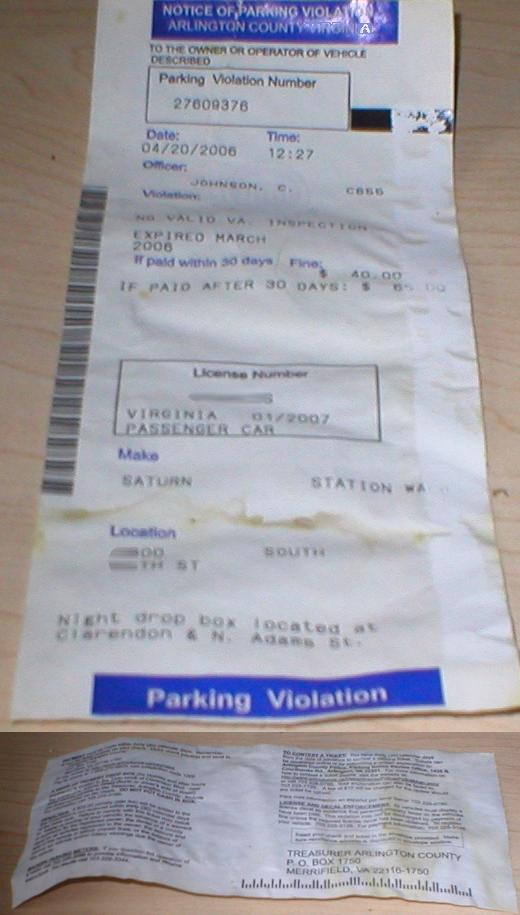
A speeding or parking penalty incurred in a hire car goes to the registered keeper, which is the rental company, which identifies you to the authority and charges you an administration fee for having done so. The fine itself then arrives separately from the issuing country.
The administration fee is charged per notice and is not refundable even if the underlying penalty is successfully challenged, which is a frequent complaint and is usually contractually valid. The charge to your card may appear long after the rental has ended.
Keep the rental agreement and your payment records for at least a year. Notices arriving six to twelve months later are entirely normal and the paperwork is what lets you check that the charge relates to you.
13. Child seats and winter equipment are chargeable and sometimes compulsory

Child seats are hired per day at rates that over two weeks approach the purchase price, and the law on which seat a child of what size must use varies by country. Winter tyres or chains are legally required in a number of European countries during stated periods or when conditions require, and the rental company charges for fitting them.
The compulsory ones are the ones to establish before arrival, because a car supplied without required winter equipment is a problem for the driver rather than for the company, and the fines and the liability in an incident both attach to the person driving.
Check the destination country’s requirement for the dates you are travelling, and confirm in writing that the car will be equipped. Taking your own child seat is frequently cheaper and is permitted as checked baggage by most airlines at no charge.
14. The return inspection may happen after you have left
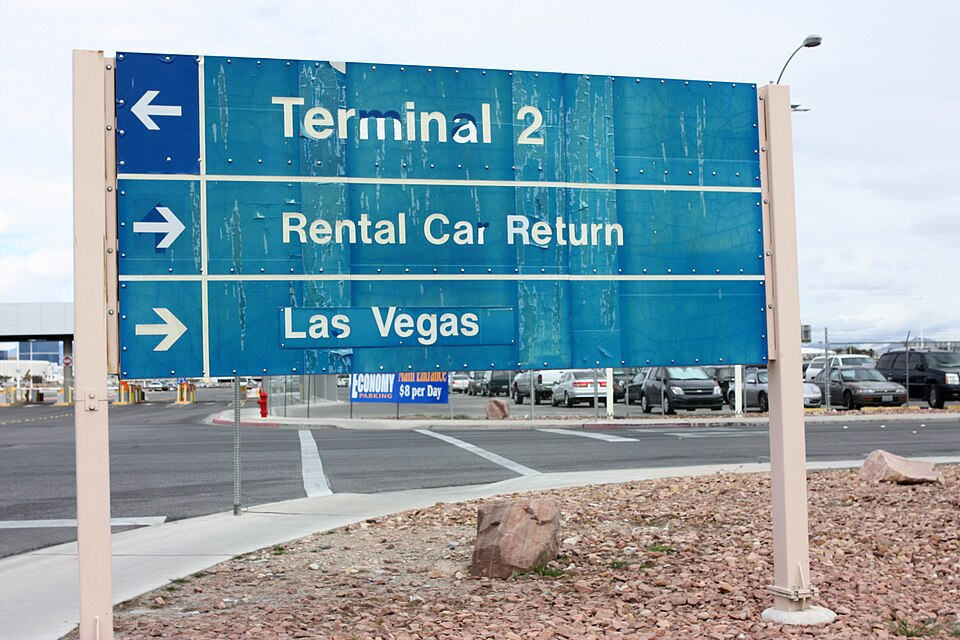
Returning out of hours, to an unstaffed bay, or at a busy airport frequently means nobody inspects the car with you. The inspection then happens later, without you, and a charge appears afterwards.
Where a return is attended, getting a signed condition report before leaving is the strongest position available. Where it is not, the video you took at collection plus a second one at return, timestamped, with the fuel gauge and odometer visible, is the next best thing.
Return in daylight and in staffed hours if the schedule allows it. An unattended drop is the point at which almost every disputed damage charge originates.
15. And the five minutes that prevents most of this
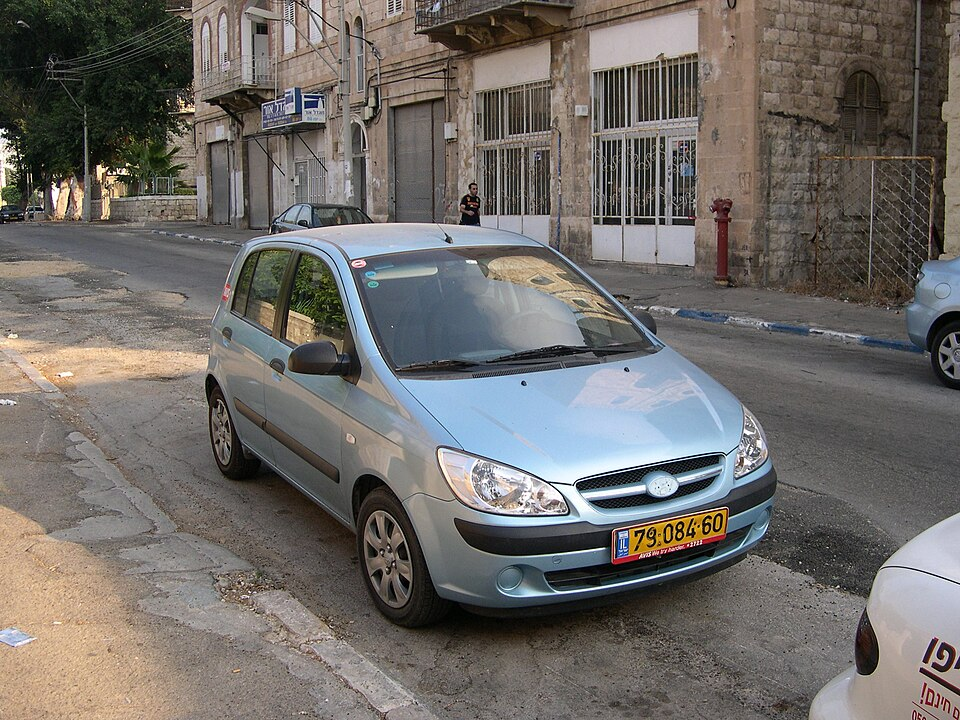
Before driving away: film a slow walkaround including wheels, glass, roof, underside where visible, bumpers and interior, film the fuel gauge and odometer, check the fuel policy on the agreement matches what you booked, confirm any additional driver is named on it, and check the toll and vignette arrangement.
At return: fill the tank and keep the receipt, film the same walkaround, and get a signed condition report if anybody is there to sign one. Keep the agreement and the card statement for a year in case a fine notice arrives.
The summary is five habits: bring a credit card in the driver’s name, insist on full-to-full fuel, decide about excess cover before you reach the counter, film the car at both ends, and declare every driver and every border. Terms vary by country, company and vehicle class and change frequently, so check the agreement in front of you rather than an article.
What to decide before you travel and what to do at the car

Three decisions belong at home rather than at the desk. The first is the fuel policy, which should be full-to-full and which is worth paying slightly more for in the headline rate, because a pre-purchase tank on a short rental is the most expensive line on any hire agreement. The second is excess cover: either accept the counter product knowingly, or buy a standalone excess reimbursement policy in advance, or accept the excess as a risk — but decide which, because the counter is designed for people who have not. The third is the card, because a credit card in the main driver’s name is what makes the deposit possible and its absence is the commonest reason a booked car is refused.
Two things have to be declared rather than assumed. Every driver must be named on the agreement, because an undeclared driver is generally an uninsured one, and any border crossing must be approved in writing, because driving into an unapproved country typically invalidates the cover rather than merely incurring a fee.
Everything else is evidence. The slow video walkaround at collection and again at return, with the fuel gauge and the odometer in shot, is what resolves the damage dispute that is by far the most common complaint in the industry, and it is the difference between an argument and a settled fact.
The five habits at the end of the list are the whole of it: credit card in the driver’s name, full-to-full fuel, an excess decision made in advance, video at both ends, and every driver and border declared on the agreement.
Terms vary enormously by country, by company and by vehicle class, and the age thresholds, winter equipment requirements, tolling arrangements and cross-border rules all change, so the agreement in front of you and the destination country’s current requirements are the authorities rather than anything written here.
Like our content? Follow us for more.