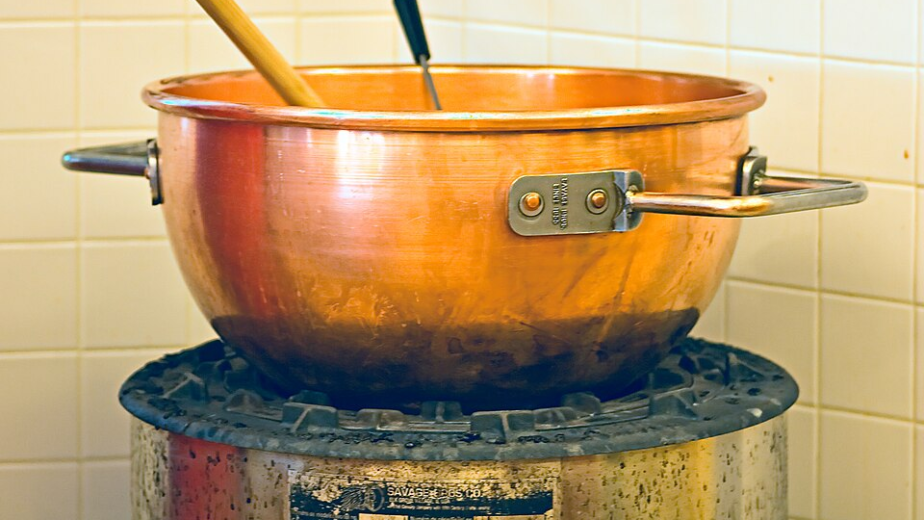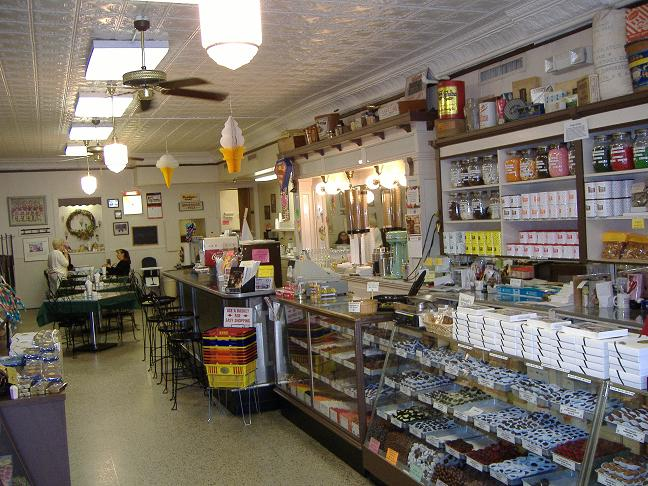
The penny candy counter is remembered more vividly than almost anything else about an American childhood in the early 1960s, and the reason is not the confectionery. It is that a child with a coin was a customer, alone, making decisions, in front of thirty open jars with no adult supervising the transaction.
The counter would not survive contact with modern retail food law, and not for one reason but for about a dozen, running from the open jars and the scoop to the dyes, the wrappers, the embedded toys and the products designed to let a child pretend to smoke. Here are sixteen things about it.
1. The candy sat loose in open jars and was handled
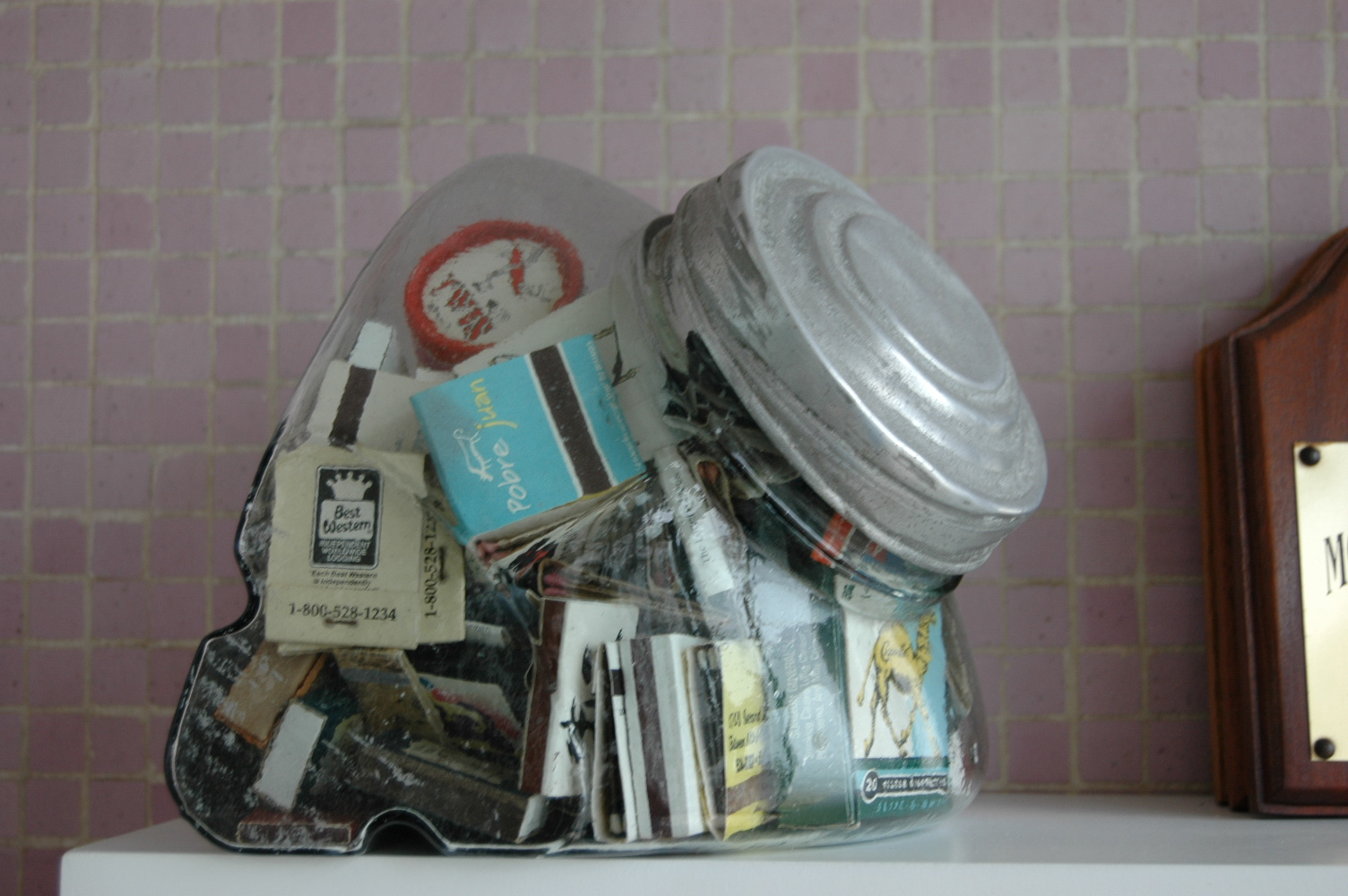
The counter was a row of glass jars with the lids off or loosely on, and the shopkeeper reached in with a hand or a scoop to pick out what a child pointed at. The same hand took the coins. Children leaned over the jars, breathed on them, pointed into them and were occasionally allowed to choose for themselves.
Open bulk confectionery is still sold and is still legal, but under conditions that did not exist in 1962: covered containers with a dispensing mechanism or a utensil kept with the product, a barrier between the customer and the food, and a requirement that staff do not handle unwrapped product and money with the same hand.
The 1962 arrangement had none of those, and the shopkeeper’s hand going from the cash drawer into the lemon drops is the detail that places the whole scene.
Like our content? Follow us for more.
2. The dyes were colours that have since been delisted
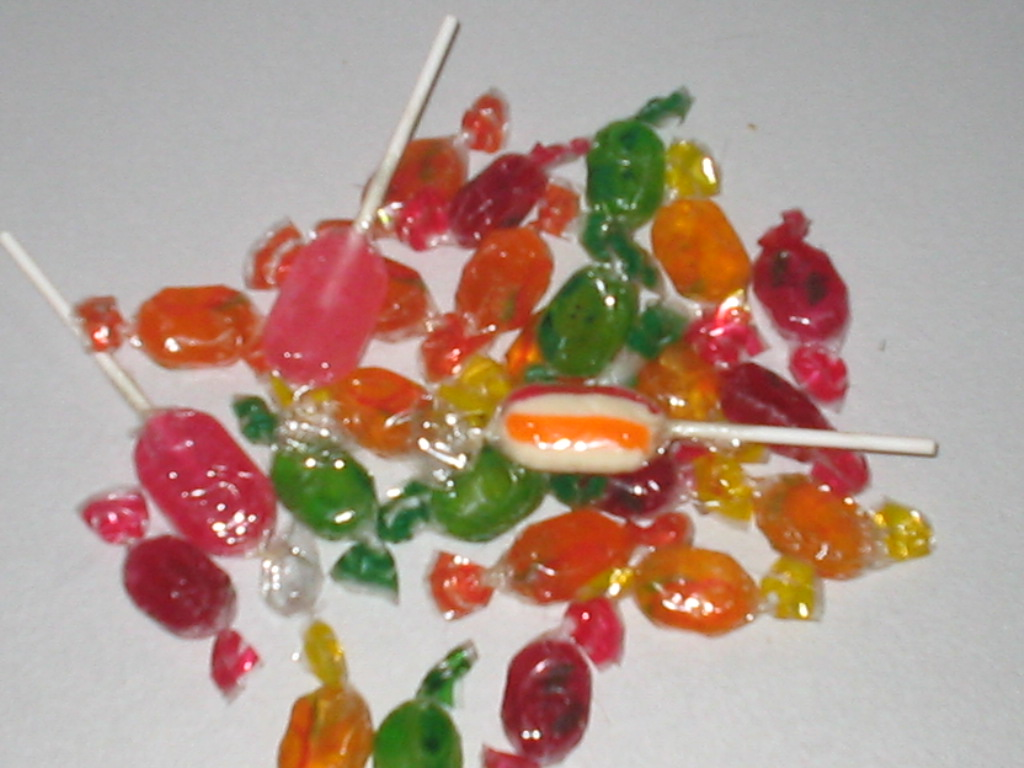
Penny candy was spectacularly coloured and some of the colours are gone. Several American certified food dyes of the mid-century were subsequently withdrawn, including the red that was delisted in 1976 after a long review, and others were removed earlier or restricted to non-food use.
The regulatory framework itself changed in 1960, when American colour additive legislation was amended to require that each dye be specifically listed for use and be supported by safety data, which put the burden on demonstrating safety rather than on demonstrating harm. Several of the colours in those jars did not survive the process.
The current argument about food colour in the United States concerns different compounds and different questions, and it is live rather than settled. What is settled is that the 1962 counter contained colours that are no longer permitted in food at all.
3. Candy cigarettes, sold to children as cigarettes
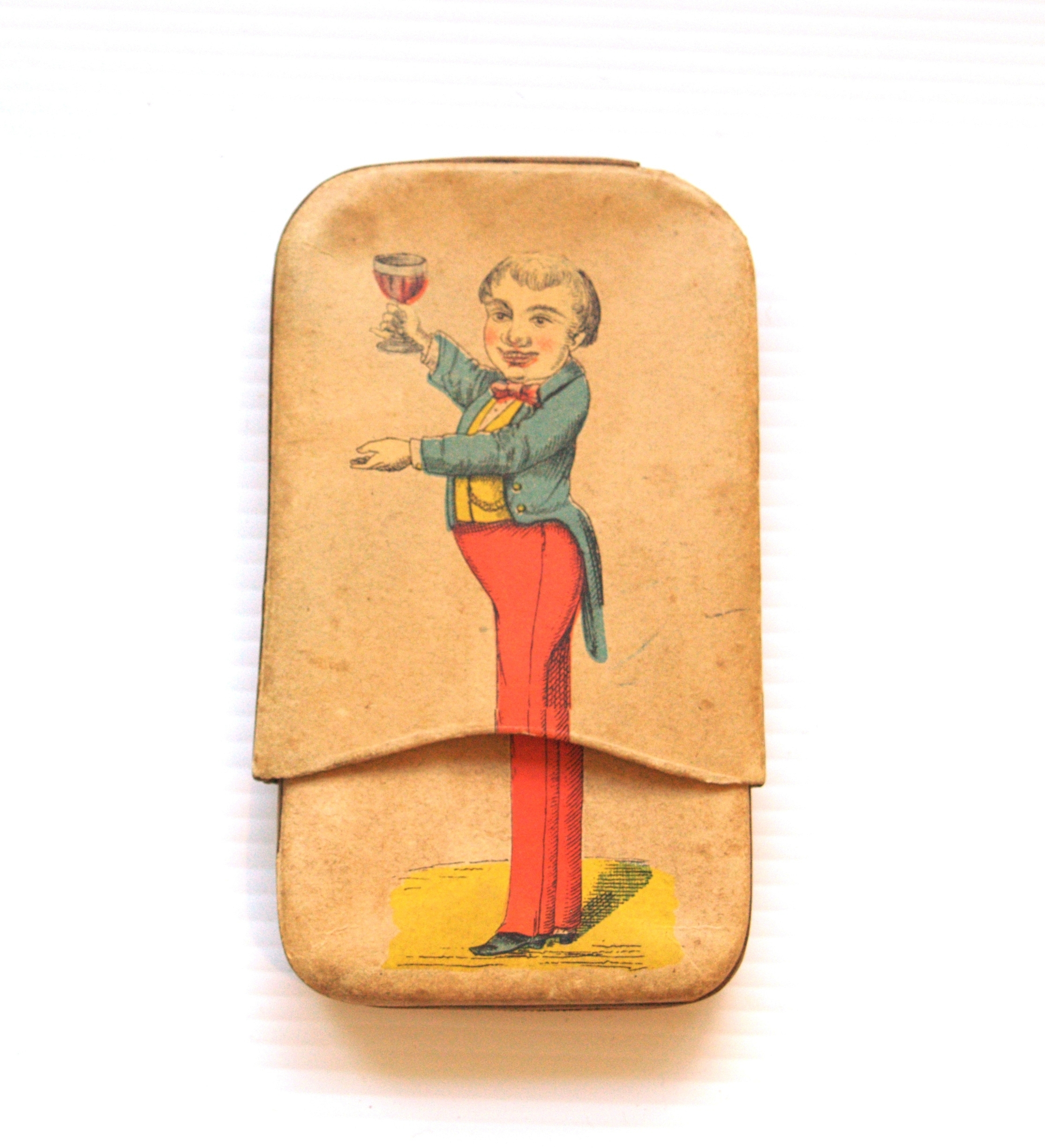
They were sold in packets that imitated real brands, in the same size and shape, with the same lettering style. Children held them between two fingers, tapped them, offered them to each other and in some versions blew powdered sugar out of the end to look like smoke.
They have not vanished — the product survives in various places under other names and with altered packaging — but the brand imitation is what went. A number of countries prohibited confectionery designed to resemble tobacco products outright, and in the United States the manufacturers’ own practice shifted under pressure, with the packaging redesigned and the word cigarette dropped.
The research question behind it was whether confectionery imitation of smoking is associated with later smoking, and the evidence on that is suggestive rather than conclusive. The simpler objection carried the day: the product existed to let a child rehearse a habit.
4. Bubble gum cigars and chocolate pipes completed the set
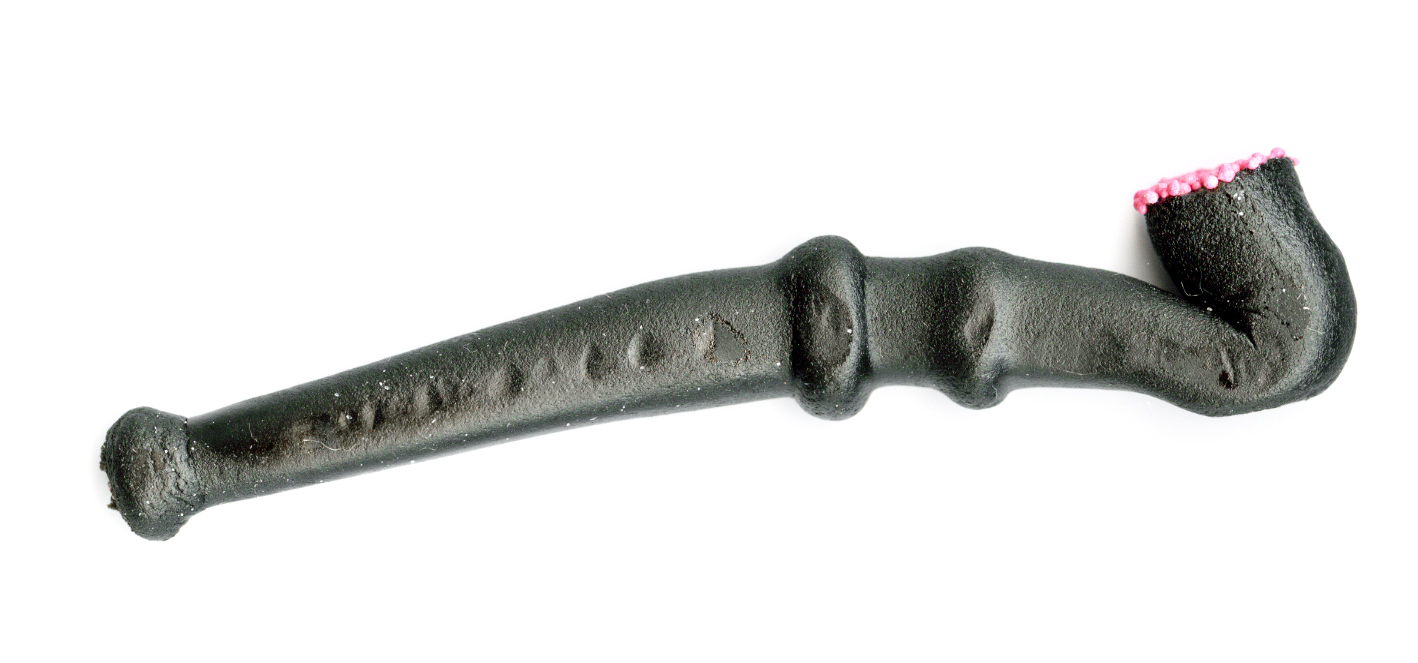
The same logic extended across the counter. There were gum cigars with paper bands, chocolate pipes with a bowl and a stem, and chocolate cigarettes in a foil-lined box. Adults bought them for children as a joke, and children played the joke straight.
The whole category has retreated for the same reason as the cigarettes, and where it survives it does so without the tobacco framing. The novelty confectionery aisle is still full of things shaped like other things, but the things they are shaped like have changed.
It is worth noticing how completely the social frame has reversed. In 1962 a chocolate cigar was a harmless indulgence offered by an uncle, and the hazard nobody mentioned was the real cigar he was smoking while he handed it over.
5. Wax bottles filled with syrup, and the wax was chewed
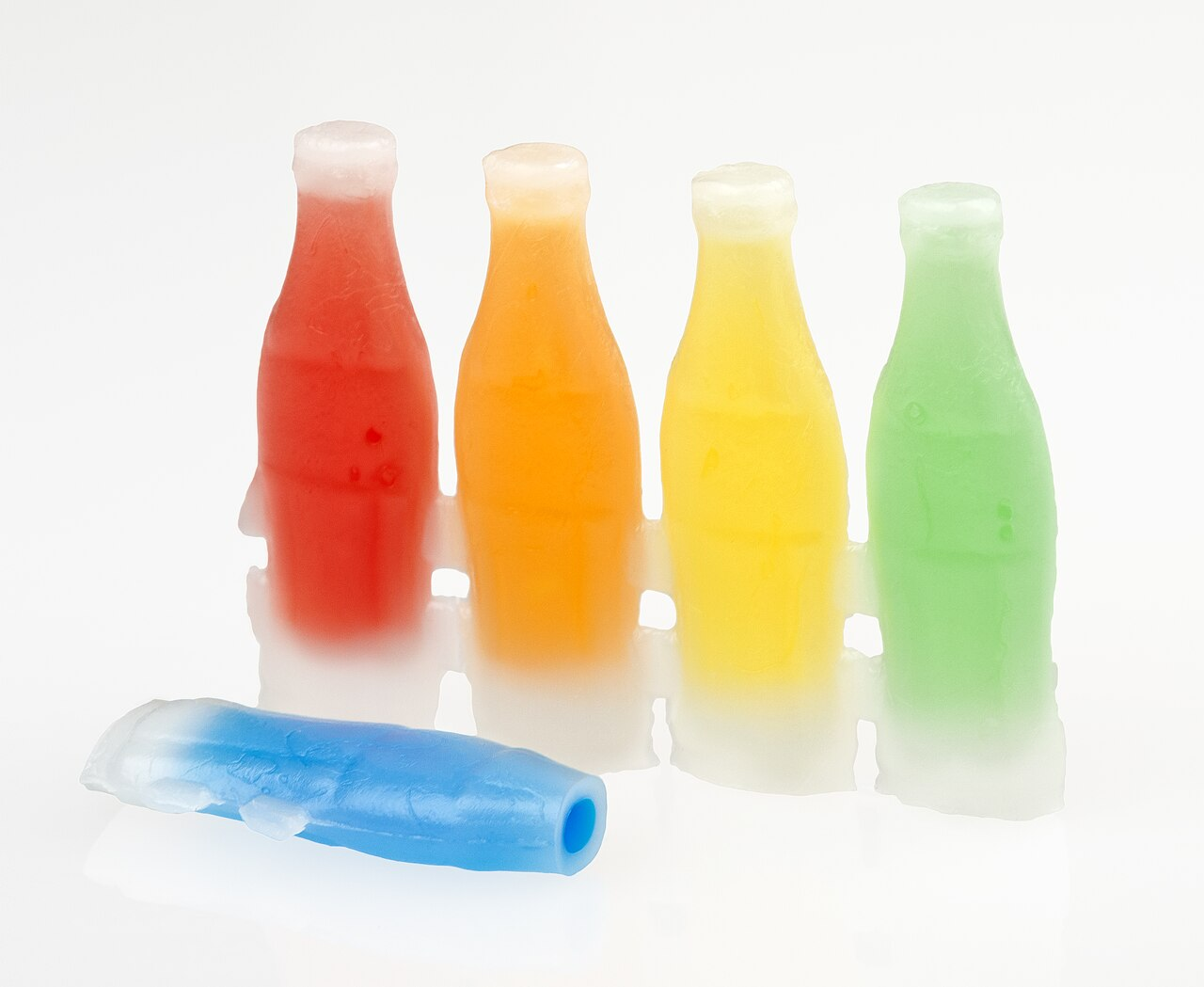
Small coloured wax bottles held a mouthful of brightly flavoured syrup. The method was to bite the top off, drink the contents, and then chew the wax, which was not swallowed but was certainly in the mouth for a long time.
They are still made and sold, which makes them one of the survivors on this list. The wax is a food-grade paraffin and was then too. What has changed is the labelling and the understanding of what the product is: a confectionery item containing a non-food component that children are expected to put in their mouths and spit out.
The reason it survived while so much else went is that the hazard was always minor and the product is honest about what it is. It is included here because the experience of it — the bite, the syrup, the hour of chewing wax — is the single most evocative item on the counter for anybody who was there.
6. Nothing on the counter was assessed for choking
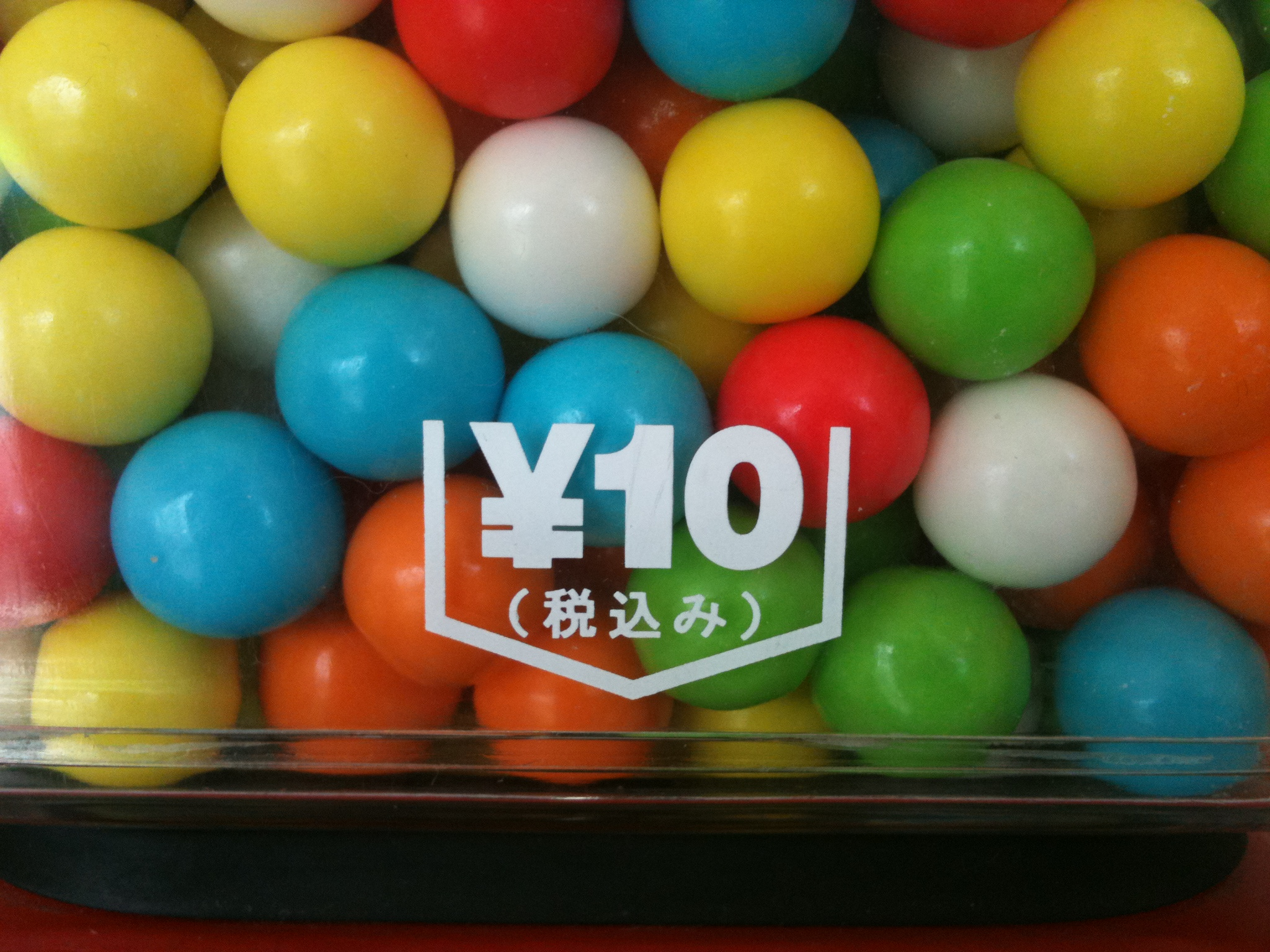
Hard round candy, candy necklaces on elastic, gum balls, jawbreakers the size of a golf ball and small sweets sold loose to very young children were all on open sale, and the question of what size and shape of object is hazardous to a small child had not been systematically asked.
It was asked from the 1970s onward. American regulation of small parts and of objects presenting a choking, aspiration or ingestion hazard to children under three was developed through that decade, with a defined test cylinder for small parts, and labelling requirements for products presenting such hazards followed. Confectionery is treated separately from toys but the same thinking reached it.
The practical change is mostly in labelling and in the design of the riskiest shapes. Round hard candy of a particular size remains among the most commonly reported choking items for young children, which is why it is one of the few confectionery hazards that paediatric advice still names specifically.
7. The wrappers were printed with inks nobody had examined
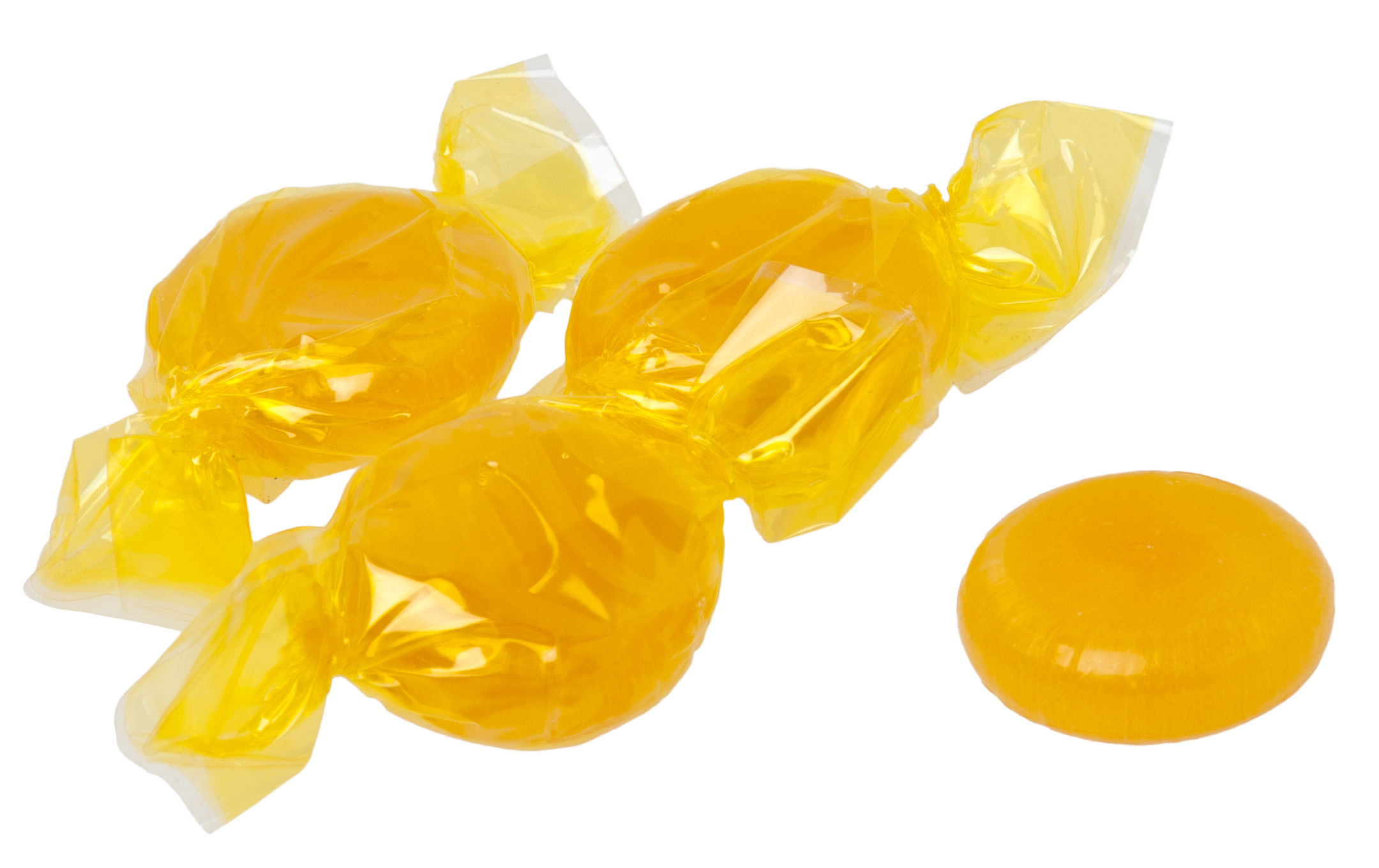
Individually wrapped sweets came in printed paper, foil and cellophane, and the inks, foils and coatings used on food packaging in 1962 were not subject to the migration testing that food contact materials now undergo. Some foils of the period contained lead, and printed wrappers used pigments that would not be permitted in contact with food now.
Food contact material regulation is one of the less visible areas of food law and one of the more consequential. Modern requirements cover what may be used in packaging that touches food, what may migrate into it and in what quantity, with testing and documentation through the supply chain.
The 1962 wrapper was chosen for how it looked and how it folded. Whether anything came off it onto the sweet was not a question the trade was being asked.
8. Imported candy arrived with no meaningful inspection
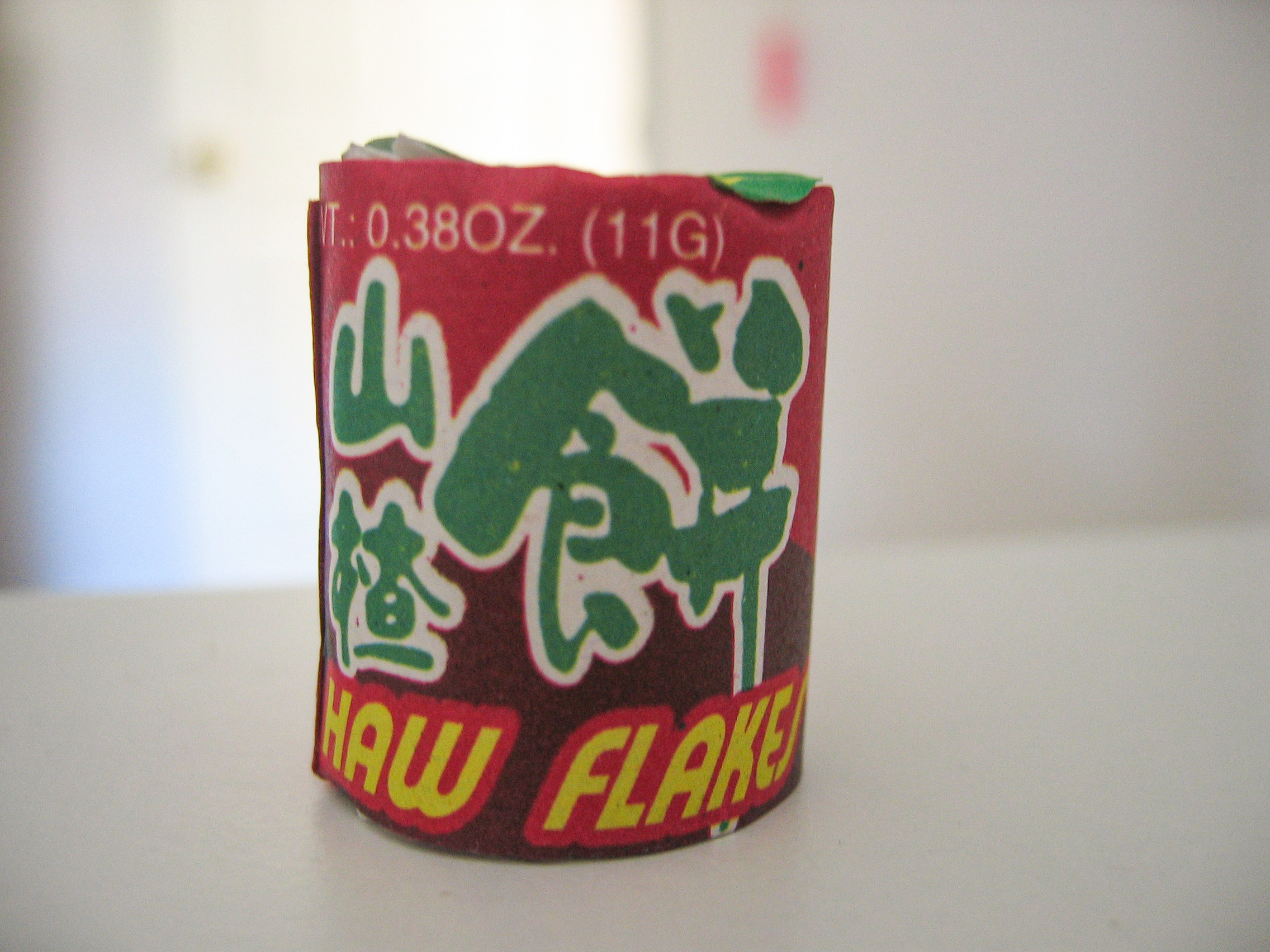
Novelty confectionery came in from abroad through importers who bought on price, and the system for checking what was in it was minimal. A sweet made in a factory in another country with different rules, different permitted additives and different packaging materials went straight onto an American counter.
Import controls on food are now a substantial regulatory apparatus: registration of foreign facilities, import alerts and refusals, sampling at entry and a legal responsibility on the importer for the compliance of what they bring in. Novelty confectionery remains a category that turns up in enforcement notices, usually for undeclared colours, additives or allergens.
The 1962 version of this control was the shopkeeper’s judgement about whether a wholesaler was reputable, which is not a control at all.
9. The customer was six years old and unaccompanied
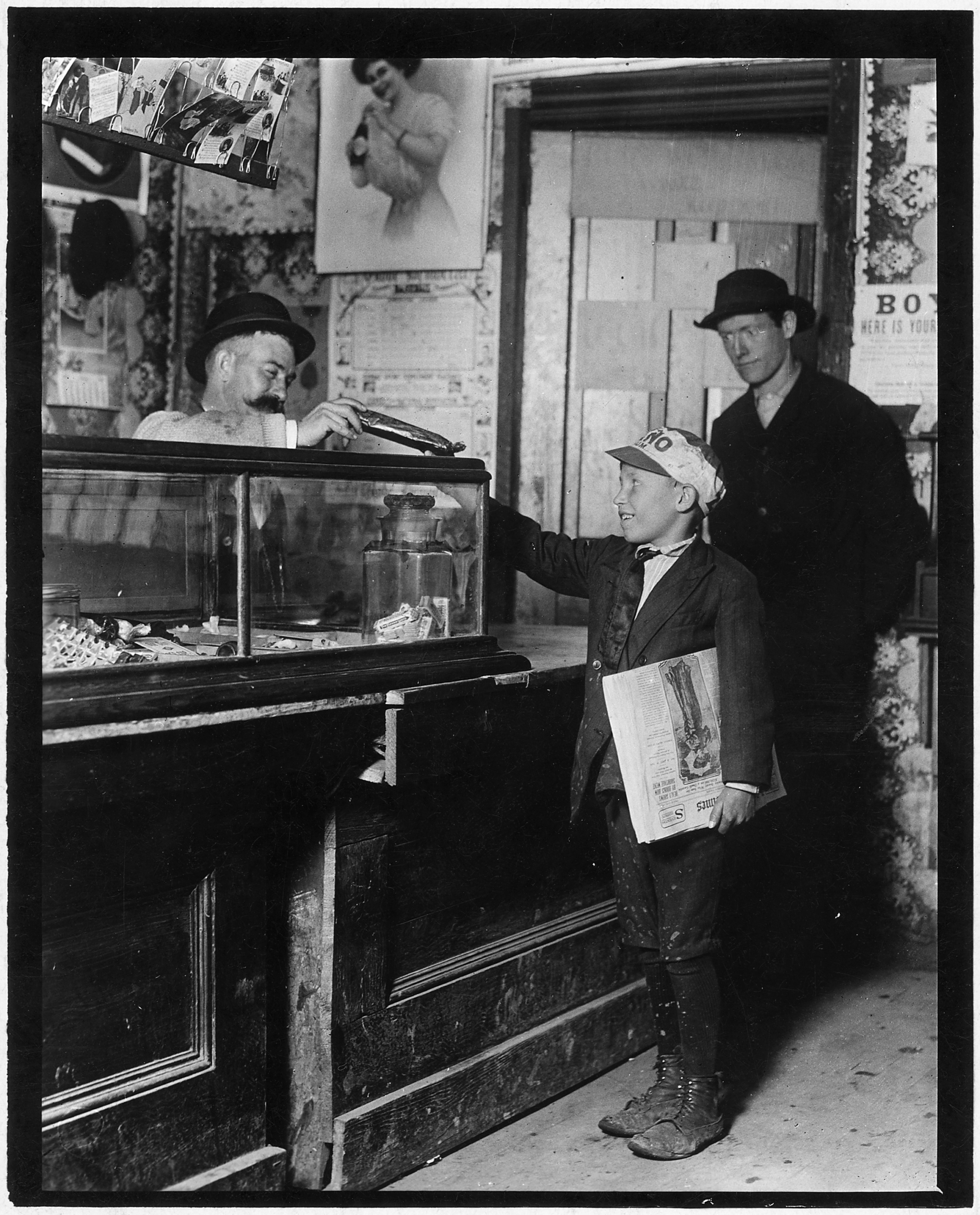
The entire commercial relationship was between a shopkeeper and a small child with a coin, conducted without an adult present. A five- or six-year-old walked to the shop alone, queued, chose, negotiated, paid and walked home, and this was ordinary rather than remarkable.
Nothing about this was regulated and nothing about it needed to be; what changed was not the law but the practice of childhood. The unaccompanied journey to a shop a few streets away has become unusual in much of the United States, for reasons that have more to do with traffic volume, housing patterns and parental norms than with any identifiable hazard at the counter.
This is the item that former children mention first, and what they describe is not the candy. It is being trusted with money and a decision, which was the actual product on sale.
10. Licorice, which now carries an advisory
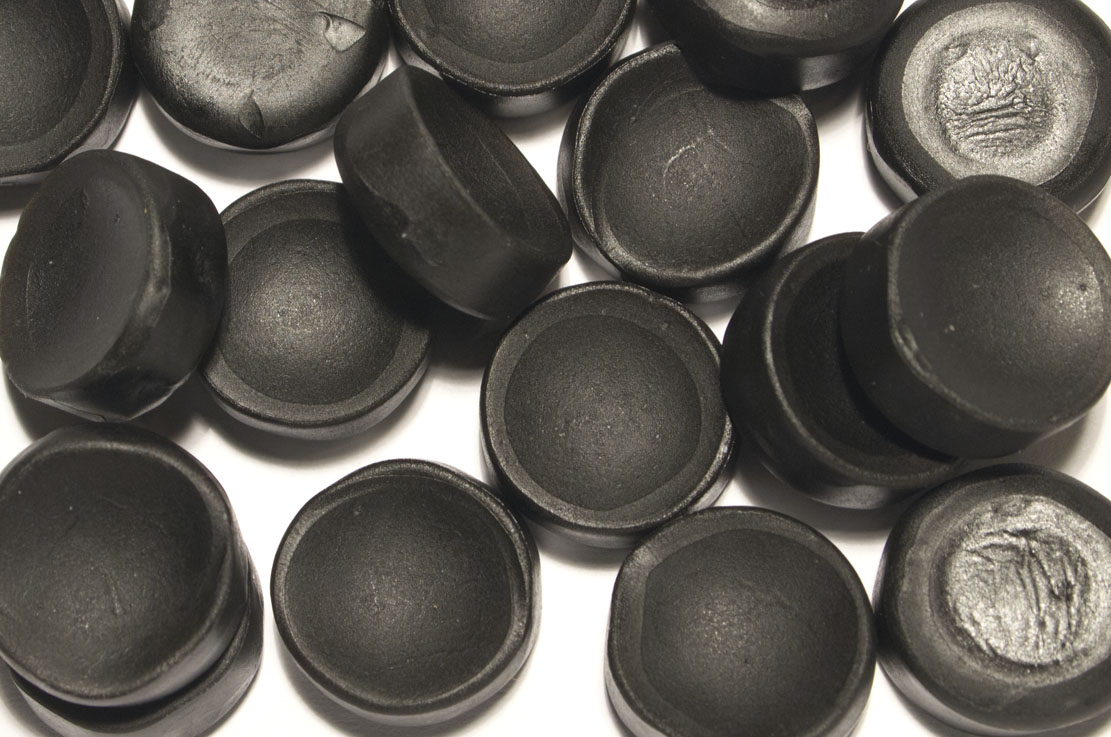
Real licorice — made with licorice root extract rather than anise flavouring — was a staple of the counter in ropes, pipes, coins and laces, and children ate quantities of it.
The compound that makes licorice taste of licorice, glycyrrhizin, affects the body’s handling of potassium and can raise blood pressure when eaten in quantity over a period, and American regulators have issued consumer advisories about black licorice, particularly concerning large amounts eaten by adults over forty and interaction with some medications. It is not a hazard of ordinary occasional eating.
Much of what is sold as licorice confectionery now is flavoured with anise and contains little or no licorice root, which sidesteps the issue entirely. The advisory exists because the real thing is still available and is still eaten in quantity by people who like it.
11. Sweets with a toy inside them
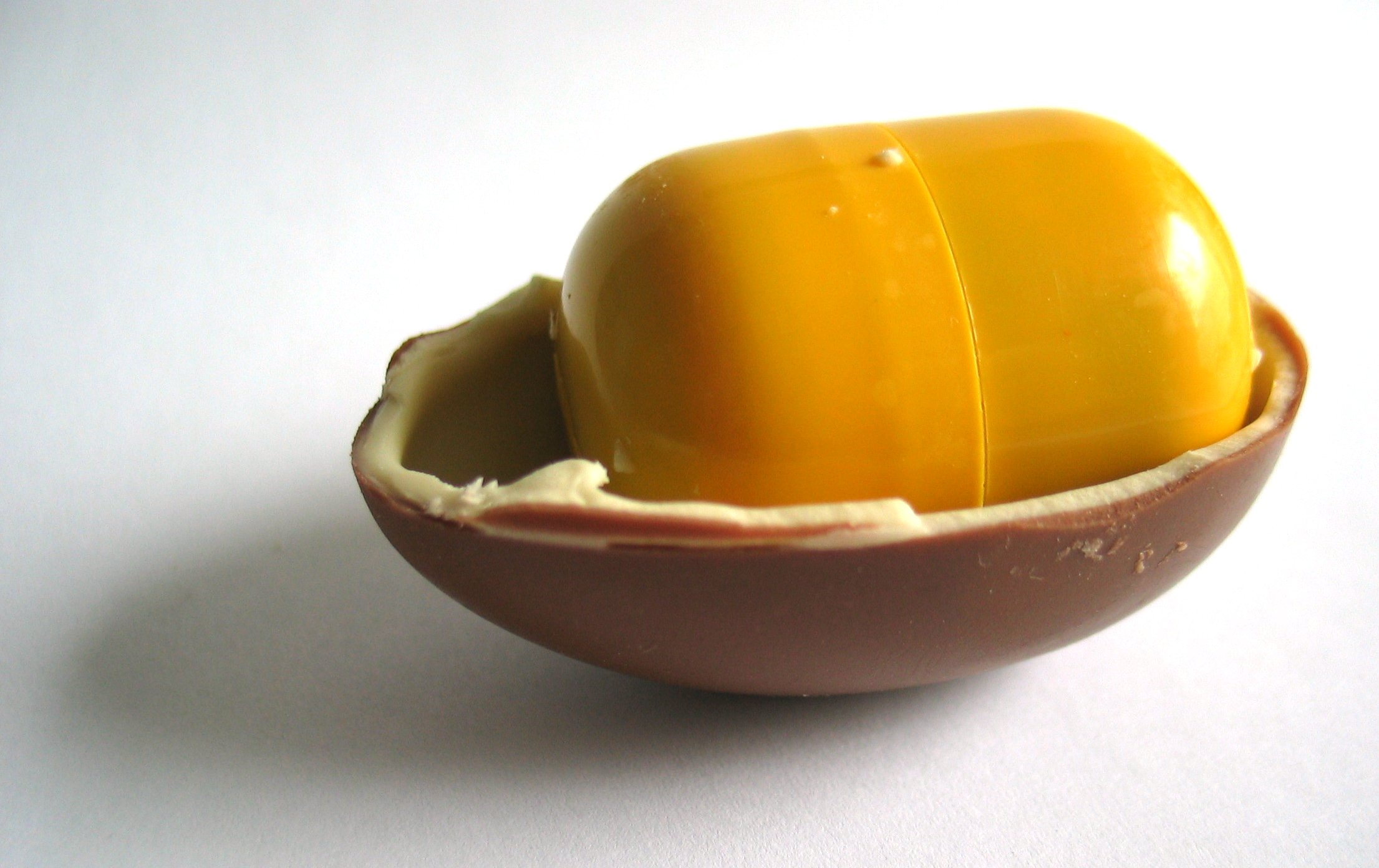
Confectionery with a non-edible object embedded in it, or hidden inside it, was a standard novelty line: a whistle in a lollipop, a charm in a chocolate, a ring in a sugar shell. The appeal was the surprise and the surprise was the point.
American law is unusually firm on this. A confectionery product with a non-nutritive object completely enclosed within it is prohibited, which is the reason a well-known European chocolate egg containing a toy capsule could not be sold in the United States for decades and had to be redesigned into a separate-compartment format to enter the market.
The rule dates from food adulteration legislation and the logic is simple: a child eating a sweet should not encounter something that is not food inside it. The 1962 counter was full of products that would now fall on the wrong side of that line.
12. The root beer and sassafras flavours lost their ingredient
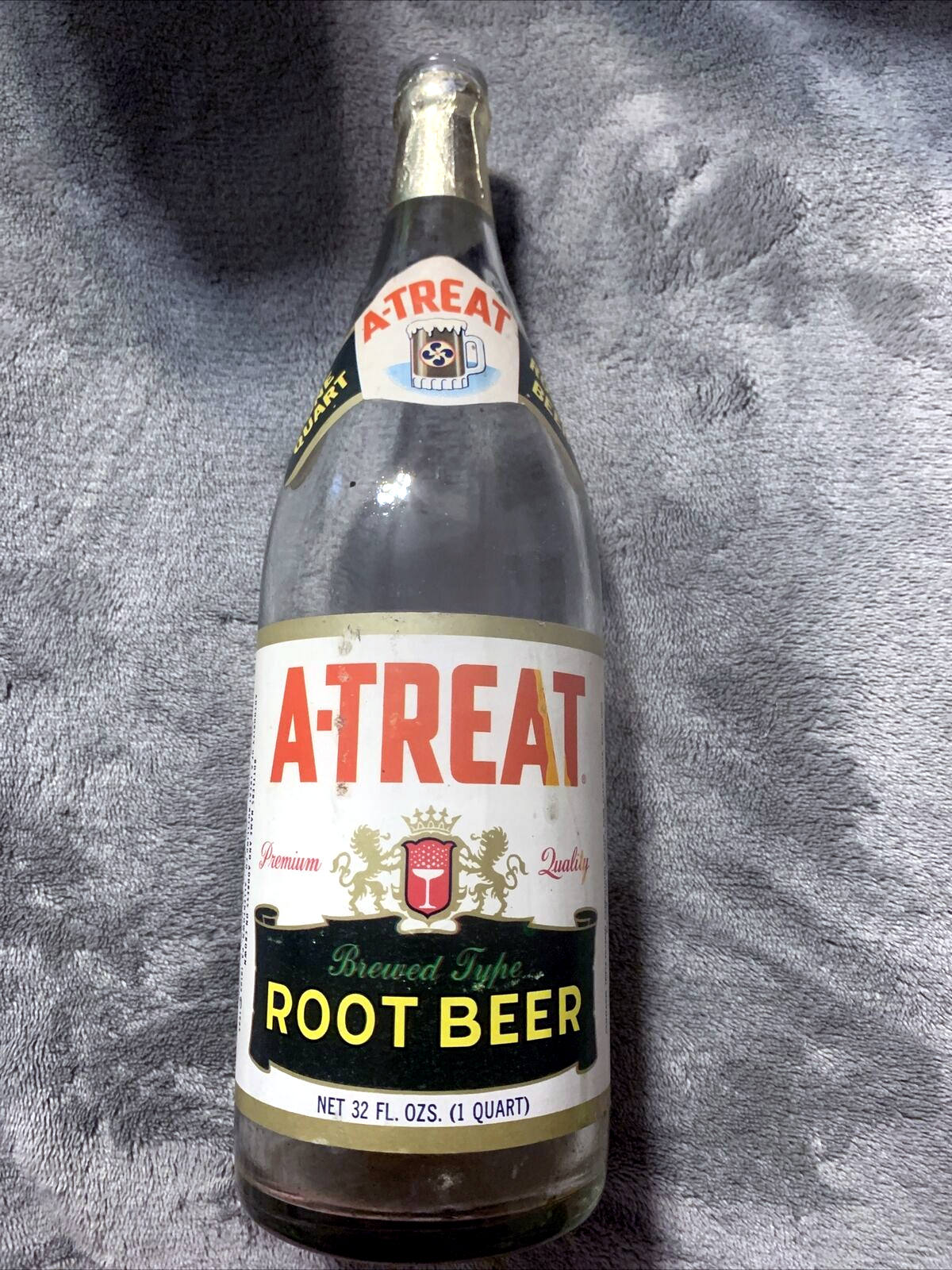
Sassafras was a traditional American flavouring, used in root beer, in candy and in household teas, and it was on the counter in various forms in the 1950s. It tasted of root beer because root beer tasted of it.
Safrole, the principal component of sassafras oil, was banned as a food additive in the United States in 1960 after animal studies found it caused liver tumours, and sassafras root bark for consumption followed. Root beer and the confectionery flavours were reformulated with other aromatics, which is why nothing tastes exactly as it did.
This is the clearest single ingredient withdrawal affecting the taste of American candy, and it happened right at the start of the period this list describes. A 1962 counter was already selling the reformulated version of something children’s parents remembered differently.
13. The jars stood in the window, in the sun
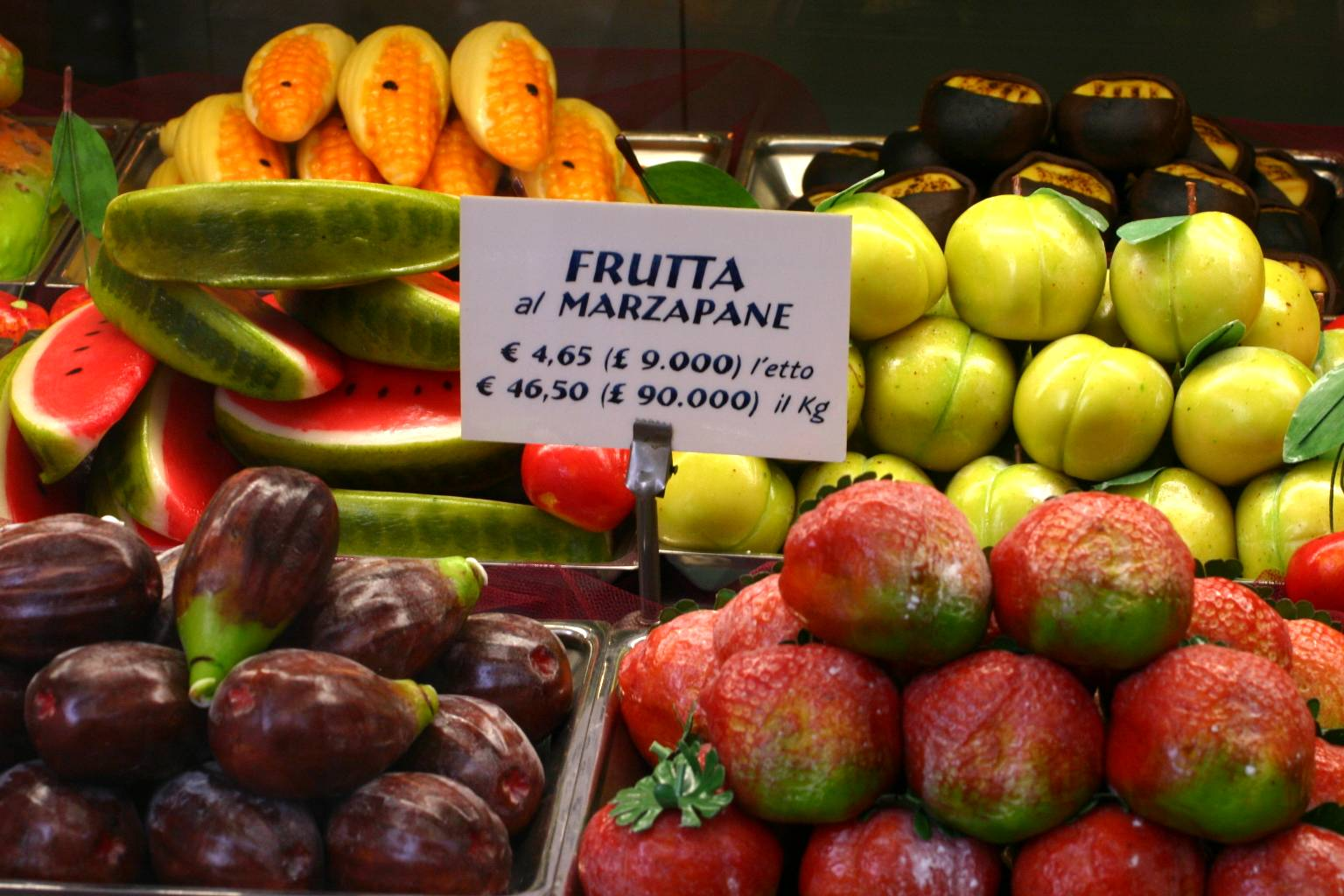
Display was the whole business model, which meant the jars went where the children could see them, which meant the window. Sugar confectionery stands up reasonably well, but chocolate in a window in July was a recurring problem and the sun faded, softened and sweated the stock.
Modern retail practice for confectionery specifies storage away from direct sunlight and heat, both for product quality and because temperature cycling affects chocolate’s structure and shelf life, and chilled display is used for anything that needs it. Any shop would now move the jars.
The faded ribbon of colour down the side of a jar that had been in the window all summer is a detail nobody records, and every one of those shops had it.
14. The scoop lived in the jar
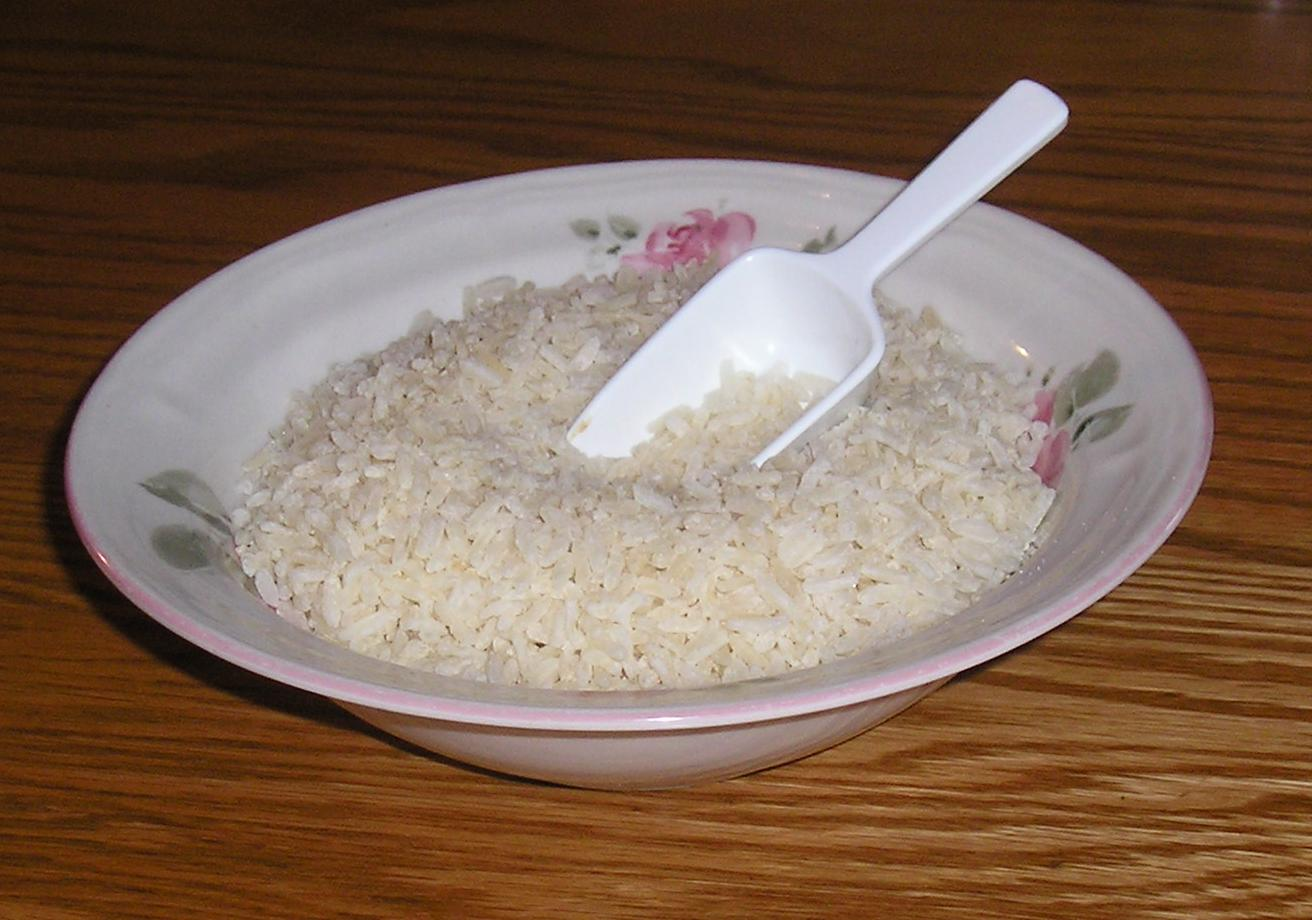
Where there was a scoop rather than a hand, it stayed in the product between customers, resting on the sweets, handled at the end by everybody who used it. In some shops it hung on a nail beside the jars.
Utensils in contact with unwrapped food are now required to be stored so that the handle does not touch the product, cleaned at intervals, and replaced or washed on a schedule. It is a small rule and it addresses exactly this: a handle that twenty hands have touched, lying on the food.
This is the item that best illustrates how modern food hygiene works. It is not dramatic and it is not about contamination from outside; it is about the ordinary traffic of a shop and the small changes that interrupt it.
15. The price, which was genuinely a penny
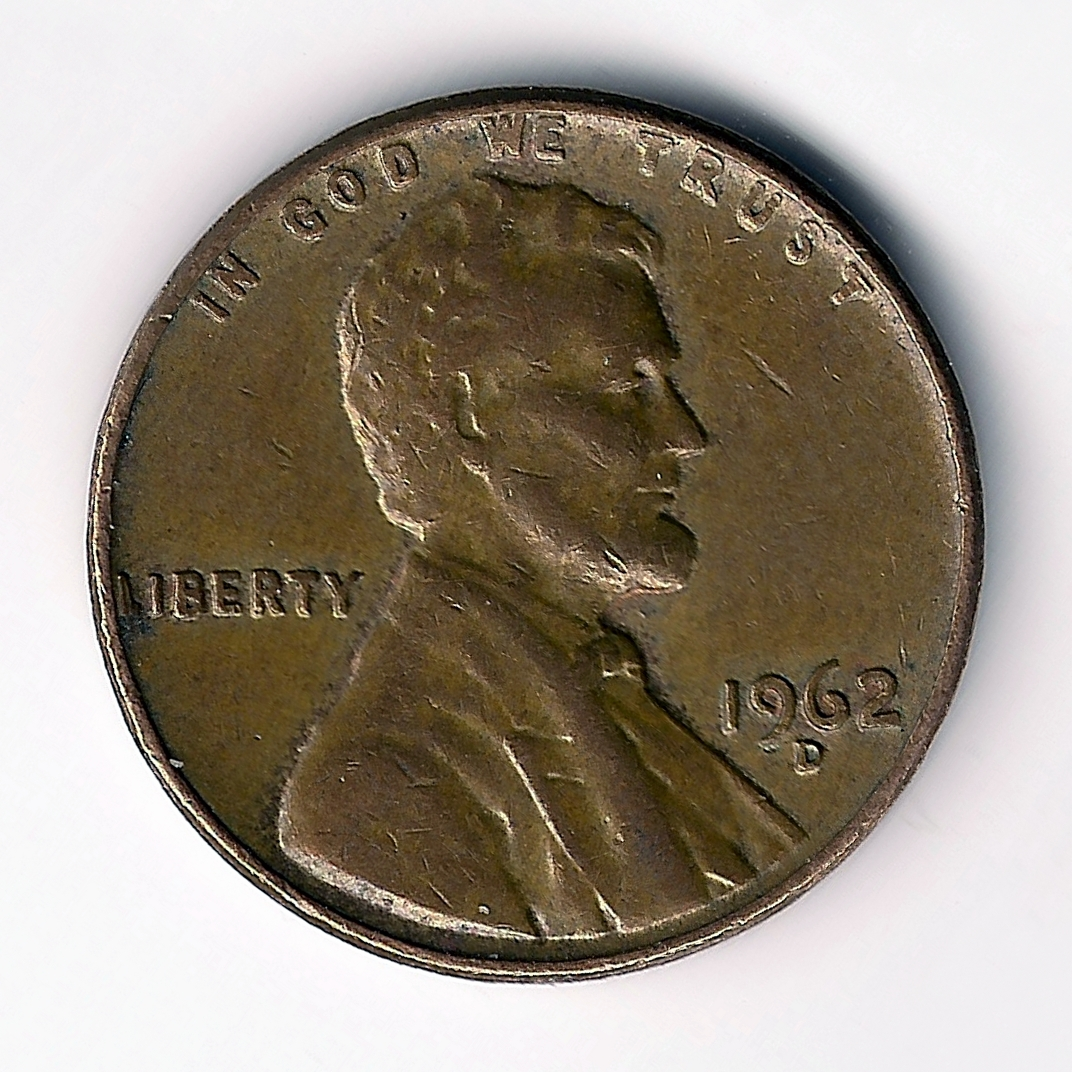
A penny bought something, and it bought a choice between things. Two for a cent, a handful for a nickel, and a child with ten cents conducted a serious transaction. The whole category existed because the smallest coin in circulation had real purchasing power at that scale.
What killed penny candy was not regulation at all. It was inflation, the rising cost of labour-intensive bulk retail, the arrival of pre-packaged branded confectionery with national advertising behind it, and the supermarket, which could not sell loose sweets by the piece to children profitably.
The counter disappeared for commercial reasons and the regulatory changes on this list mostly arrived afterwards, which is worth saying plainly. Nobody banned the penny candy counter. It stopped making money.
16. And what was genuinely better about it
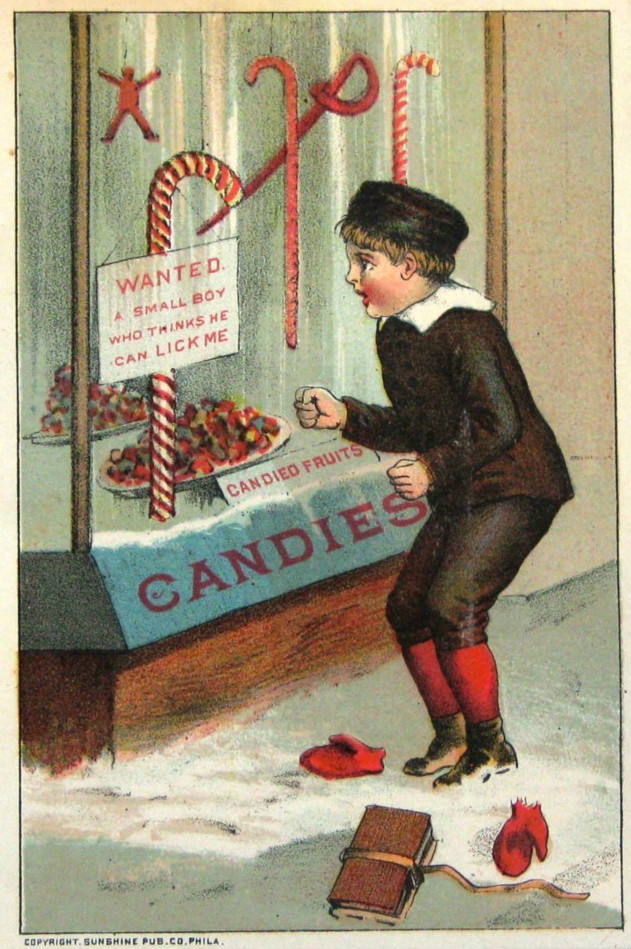
The experience was the product. A child stood in front of thirty open jars with a coin, took as long as they liked, changed their mind, asked questions, and left having made a series of decisions with real consequences for a real budget, in a shop where the owner knew their name.
That is not recoverable by regulation or by retail design, and the modern equivalent — a confectionery aisle with branded packets at a fixed price — is safer, cleaner, better labelled and considerably less interesting. The bulk candy walls in modern stores are an attempt to get it back and they get the format without the economics.
The honest conclusion from this list is that the hygiene criticisms are all fair, most of the ingredient withdrawals were justified, the choking and toy-in-sweet rules are straightforwardly protective, and the thing that has actually been lost is none of those. It is a small child being handed a coin and sent out alone to spend it.
The ones that were about safety and the ones that were about money
It is worth separating the two forces at work, because they are usually blurred together into a general sense that the old shops were shut down. They were not. The regulatory changes in this list — listed colour additives, food contact materials, import controls, small parts and choking hazards, the prohibition on non-food objects enclosed in confectionery, the withdrawal of safrole — addressed real and specific problems, and most of them arrived through the 1960s and 1970s in response to evidence.
The penny candy counter itself was killed by arithmetic. Scooping loose sweets by the piece for a child spending a cent is labour-intensive retail at the lowest possible margin, and once inflation removed the penny’s purchasing power the format had nothing left. Branded, wrapped, nationally advertised confectionery sold at a fixed price through a supermarket replaced it because it made money, and the hygiene improvements came along for the ride.
The ingredient changes are the ones that altered the actual taste, and safrole is the clearest case. Root beer flavour in American confectionery has not tasted the way it did before 1960, and no amount of nostalgic reconstruction gets it back, because the compound responsible is not permitted in food.
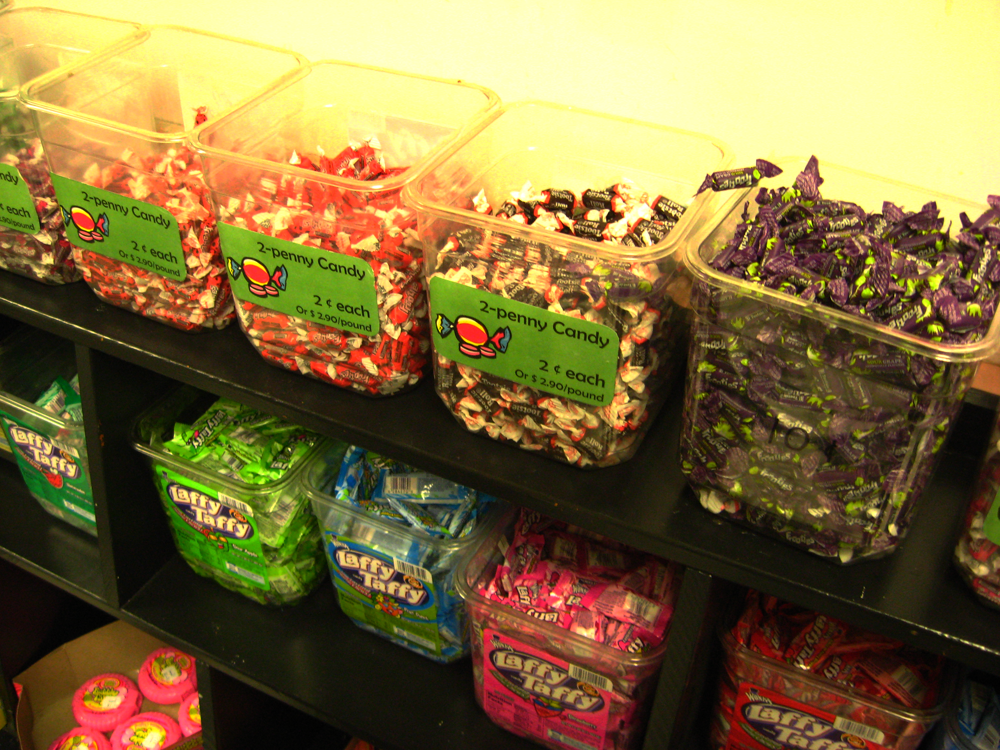
If you want the closest surviving thing, it is the bulk bin wall in a modern sweet shop, and the difference is instructive: covered bins, a dispensing lever or tongs, allergen information on every container, and a fixed price by weight. All of that is an improvement and none of it reproduces the experience.
The item worth keeping from the whole list is the last one, and it is not about candy. A five-year-old walking to a shop alone with a coin was practising something, and the practice has largely stopped.
Like our content? Follow us for more.