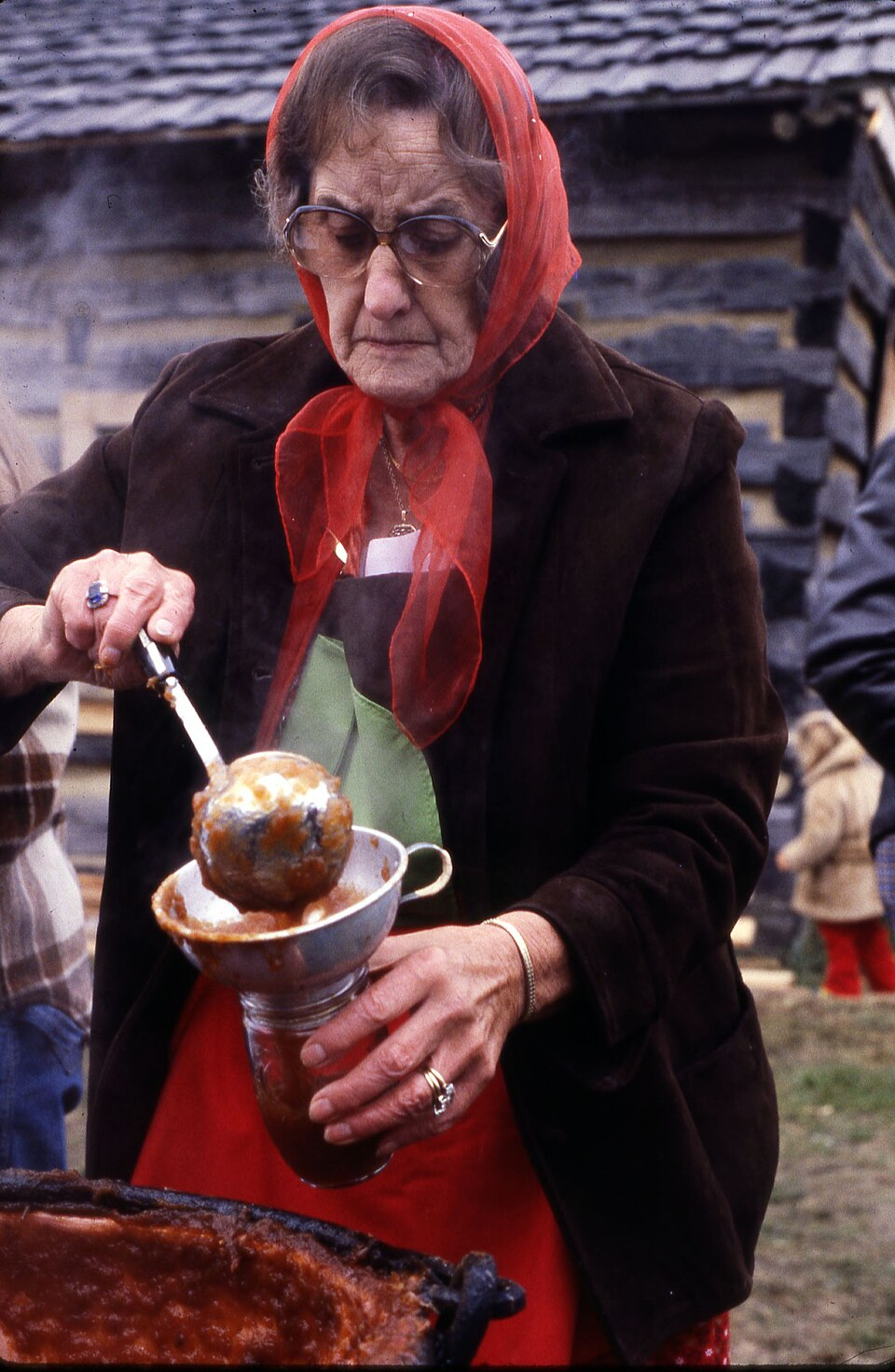
In 1974 an apple butter boiling was an all-day outdoor operation and the reason was mechanical rather than social.
The mixture in a copper kettle over an open fire cannot be left alone for a minute – it will scorch against the metal – which means somebody has to move a paddle across the bottom continuously for eight to twelve hours. One person physically cannot. So twenty people took shifts, in a visible queue, while one person managed the fire to hold an even simmer all day.
The night before there had been an evening of peeling. The day after, the batch was divided among everybody who had helped. Here are sixteen things every family knew.
1. The Peeling Happened the Night Before
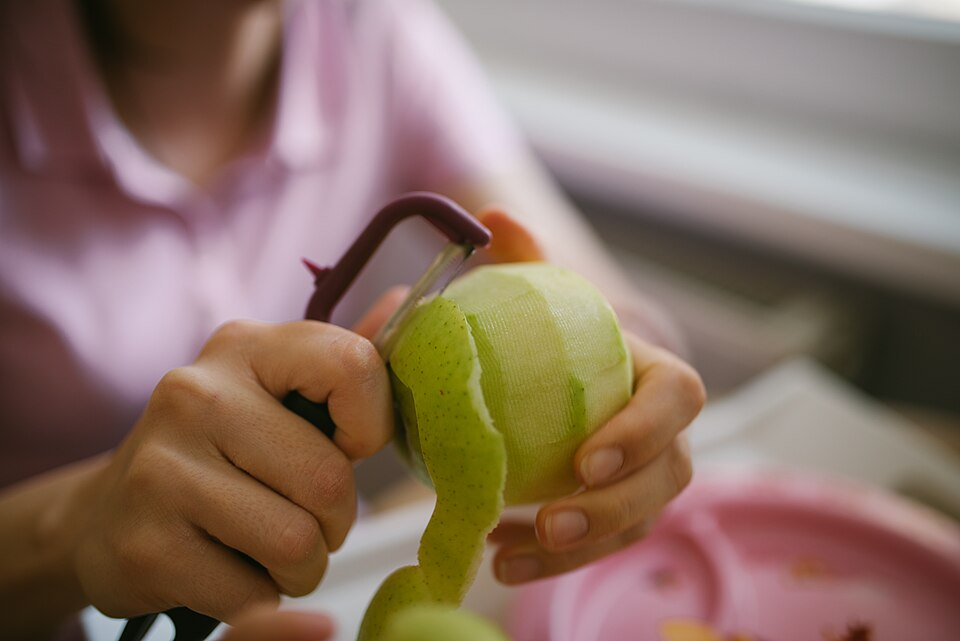
Bushels of apples had to be washed, quartered, cored and peeled before any fire was lit, which meant an evening of people sitting around a kitchen or a porch with knives and pans, working through the whole quantity.
Mechanical peelers and purchased prepared fruit, with the preparation stage reduced from an evening of collective labour to an hour of machine work.
The peeling evening was half the social occasion and it is the half that gets left out of the accounts. Twenty people with paring knives working through several bushels is several hours of sitting and talking with your hands busy, which is a specific and now rare kind of gathering.
Like our content? Follow us for more.
2. The Kettle Was Copper and That Was Not Decorative
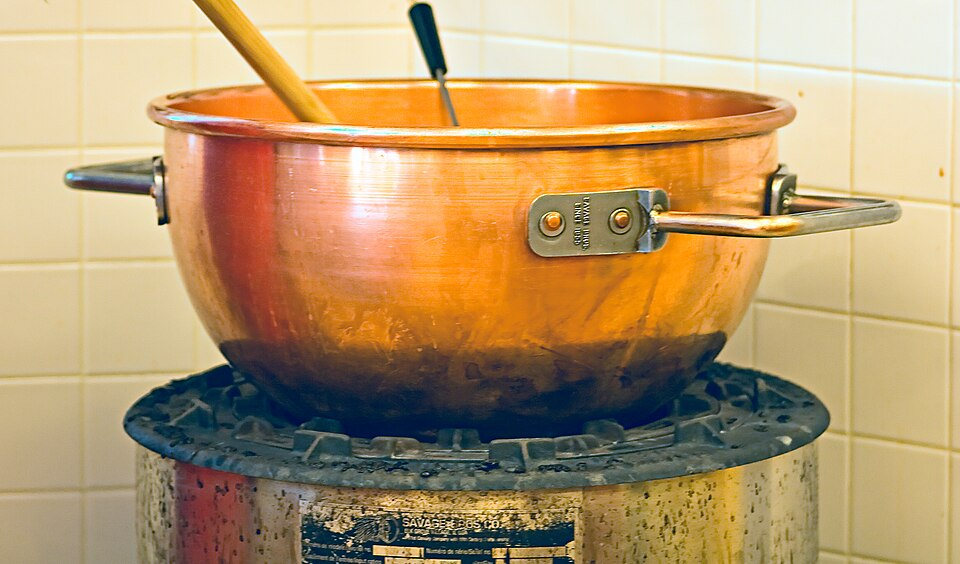
The vessel was a large copper kettle, frequently holding twenty or thirty gallons, set on legs or hung over an outdoor fire – and copper was the material of choice rather than iron for reasons everybody accepted and few could explain.
Stainless steel and heavy-bottomed enamelled pots, with surviving copper kettles now sold as garden planters and porch ornaments.
Copper conducts heat far better than iron, which spreads the fire’s heat evenly across the bottom instead of concentrating it in hot spots – and with a thick fruit mixture over an open flame, an even bottom is the difference between a long slow reduction and a scorched batch.
3. It Had to Be Stirred Continuously for Most of a Day
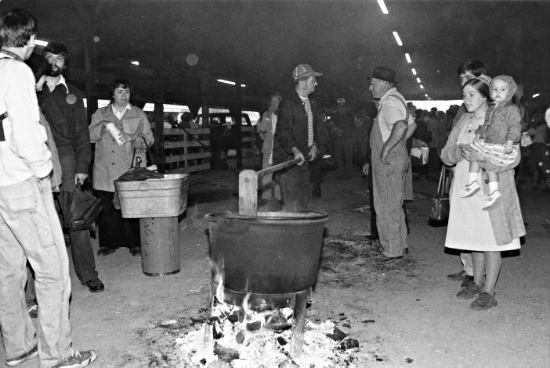
The mixture could not be left alone at any point. From the moment the fruit went in until the moment it came off, somebody had to be moving the paddle across the bottom of the kettle, without pause, for eight to twelve hours.
Not required. A modern thermostatically controlled vessel or a slow cooker removes the scorching risk entirely and needs no attention at all.
That requirement is the single fact from which the entire institution follows. Continuous stirring for most of a day is physically impossible for one person, which means the process could not be done by a household alone – so the process created the gathering rather than the other way round.
4. The Paddle Was Long, Wooden and Specific
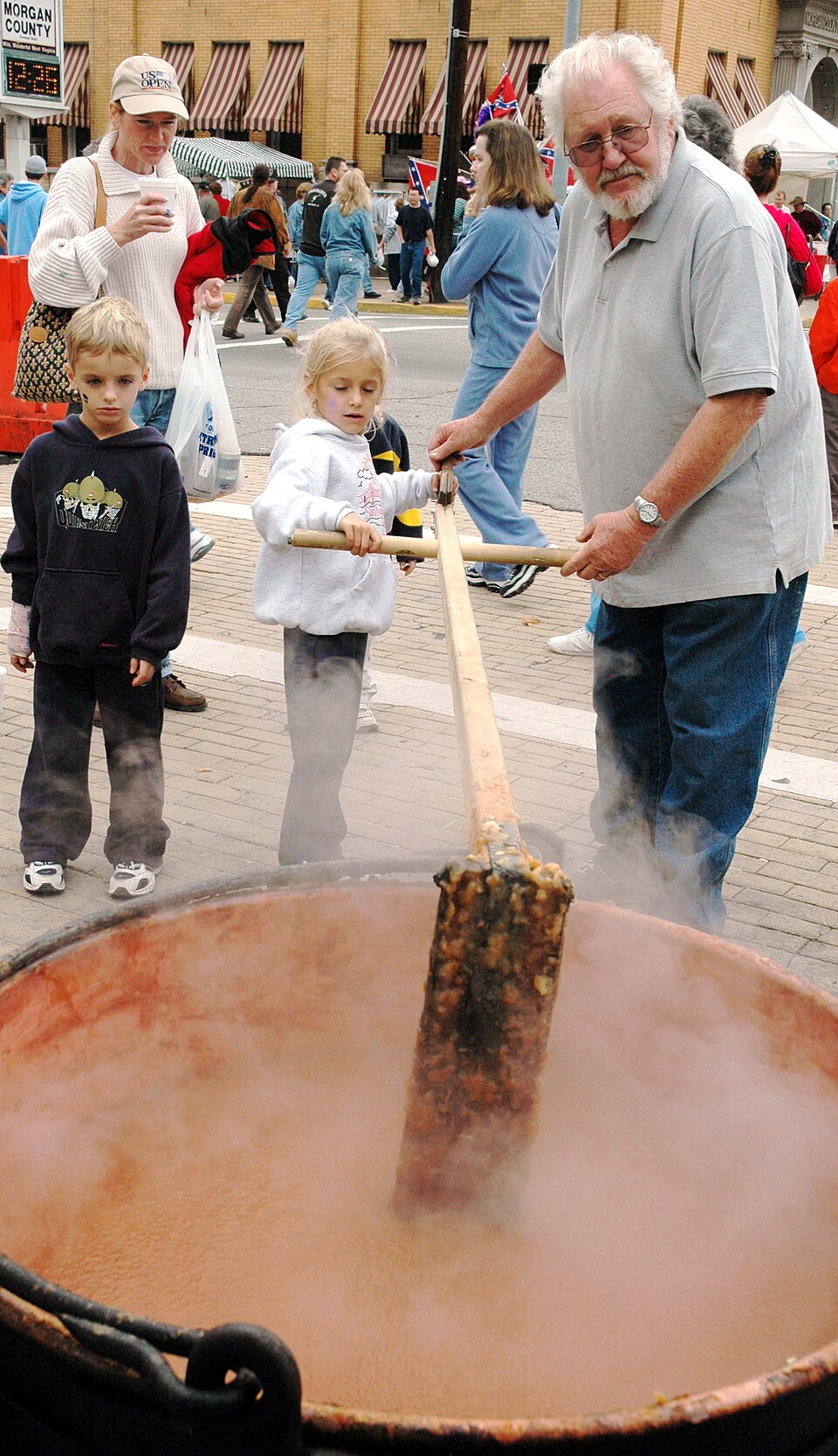
The stirrer was a long-handled wooden implement with a perforated or slotted blade at the end, shaped to scrape the bottom and the sides and to let the mixture pass through rather than pushing it in a wave.
Essentially extinct outside of heritage demonstrations, with surviving paddles treated as folk art objects.
The holes in the blade are the clever part and they are the reason it is not just a big spoon. A solid blade pushes the mixture ahead of it and leaves the bottom untouched behind; a slotted one cuts through the body of the material while keeping contact with the metal, which is exactly what prevents sticking.
5. The Stirring Ran on Shifts and Everybody Took One
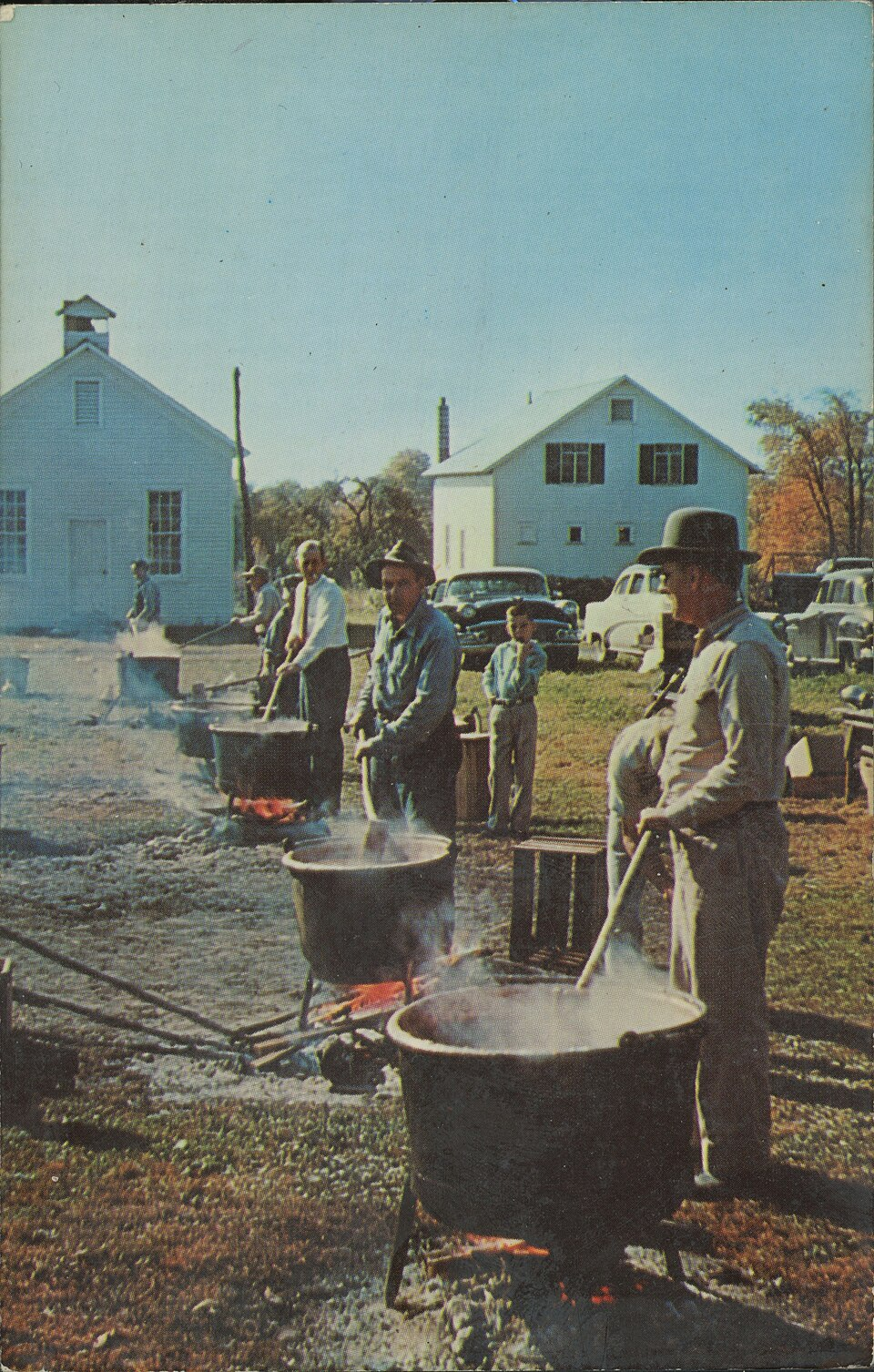
Turns at the paddle were organised and rotated – fifteen minutes, half an hour, an hour – with a visible queue of people waiting, and nobody present was exempt.
Nothing comparable, since nothing in a modern kitchen requires rotating human labour through a single station for a whole day.
The shift rota is what turned the work into an event. A continuous task divided among twenty people produces a day in which everybody is both a worker and a spectator, with a constant handover and a constant reason to be standing near the fire talking to whoever is next.
6. Two People on the Paddle Was a Courting Arrangement
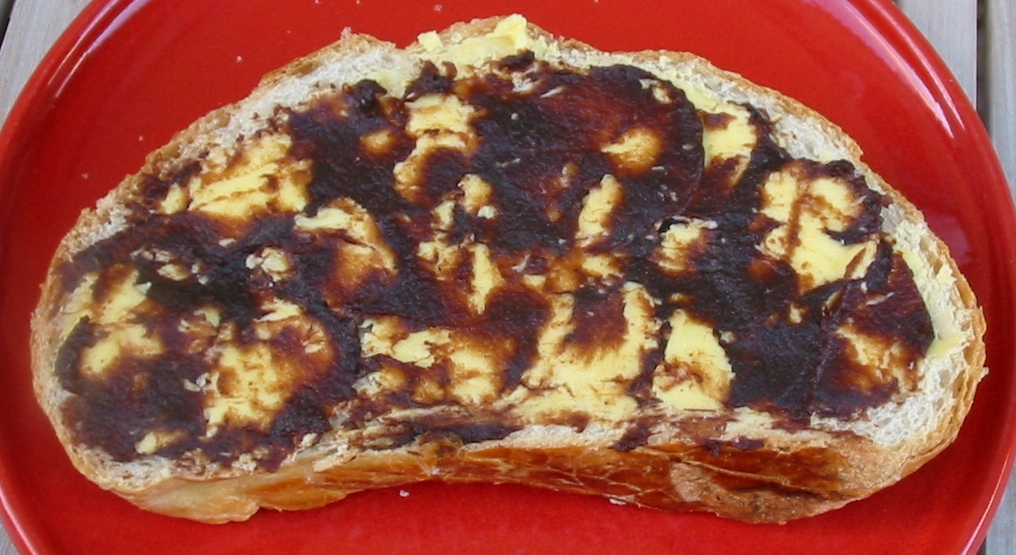
Taking a shift in pairs – one on each side of a long handle, facing each other across the kettle – was common, and it was widely understood as an opportunity for a young couple to spend a legitimate half hour in public together.
No equivalent, since the activity is gone and courtship no longer requires a chaperoned pretext.
This was one of a whole class of arrangements in which a shared task supplied a socially acceptable reason for two young people to be near each other for a sustained period, in full view, doing something useful. The task was real; so was the other purpose.
7. Managing the Fire Was Its Own Job
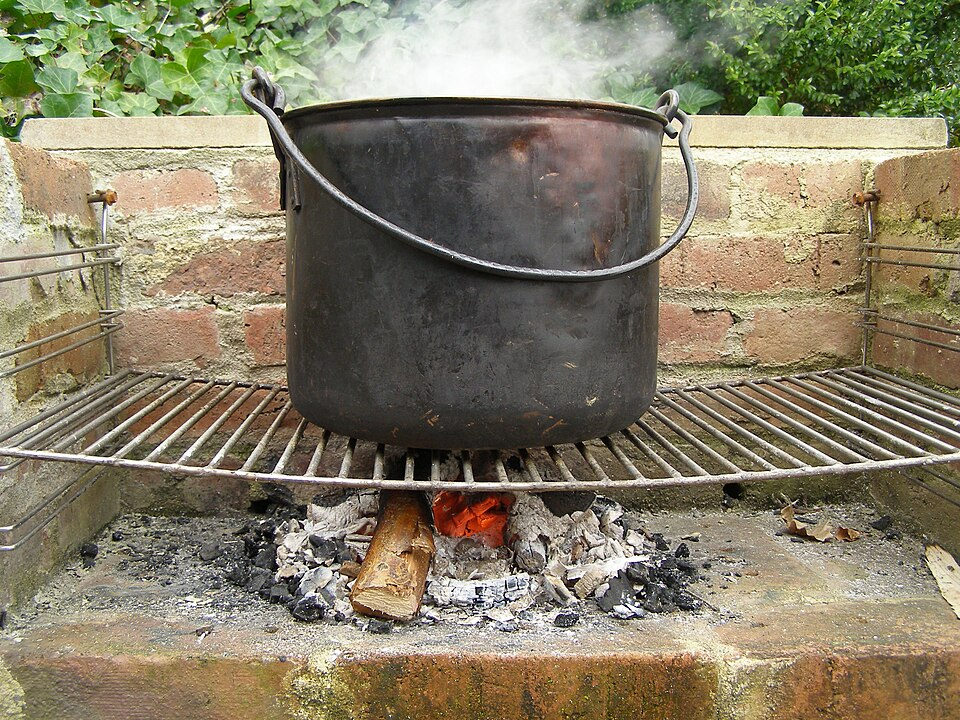
A fire under an open kettle had to be fed, spread, banked and reduced to hold an even simmer for the whole day – too hot and the bottom caught, too cool and the reduction stalled – which was one person’s responsibility throughout.
Thermostatic control, which solves the problem completely and eliminates the role.
The fire tender and the stirrer were working as a pair against the same failure. Everything about the process was a fight to get a lot of heat into a thick mixture without burning the layer touching the metal, and two people managing two variables was how that fight was won.
8. Sweetening and Spice Went In at the End
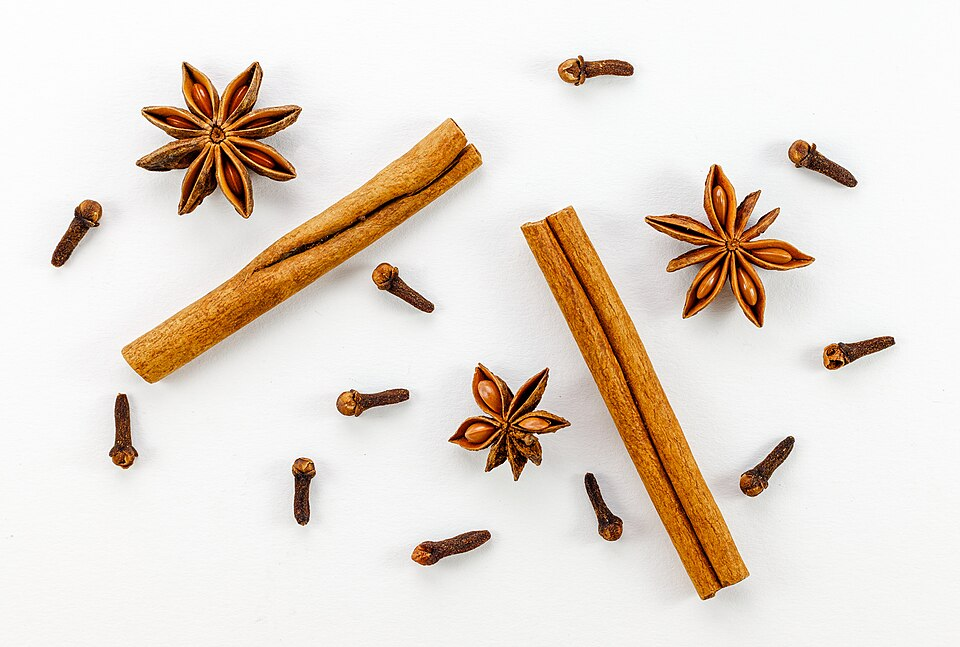
Sugar, and whatever spices the family used, went in late in the process rather than at the start – and every household had its own proportions, defended with the usual vigour.
Commercially produced apple butter with declared ingredients, alongside home production from modern recipes.
Adding sugar late was correct and the reason is practical. Sugar in the kettle from the beginning increases the tendency to scorch during the long reduction, so holding it back until the fruit has already broken down protects the batch – which is a process insight that households held purely as a rule.
9. Testing It Was Done on a Cold Plate
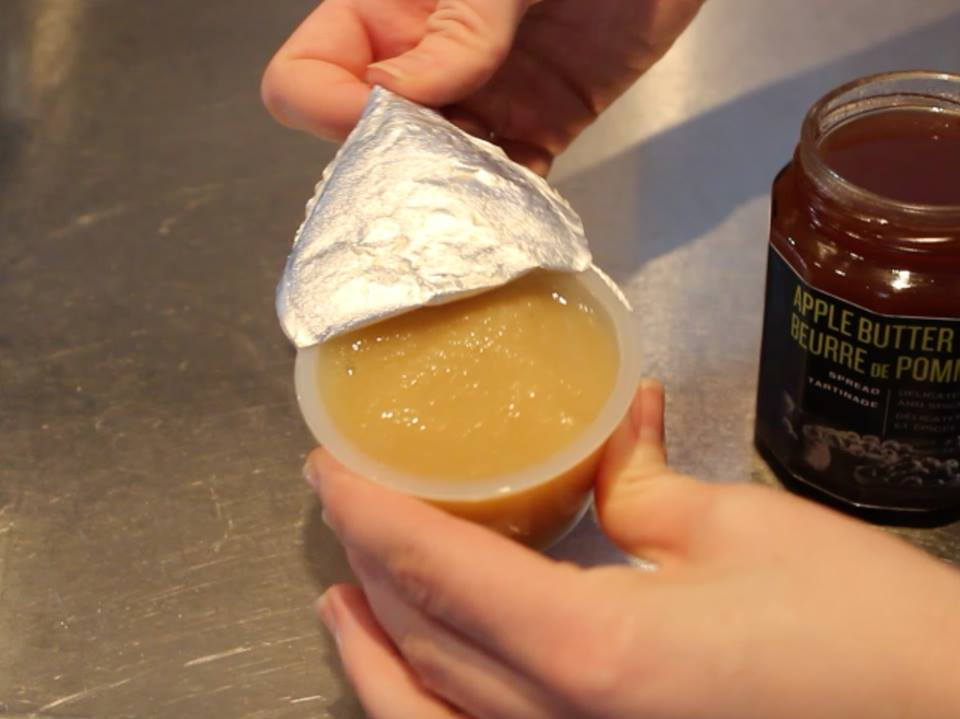
Doneness was judged by dropping a spoonful onto a cold saucer and watching whether liquid separated and ran out around the edge – if it held together with no ring of water, it was finished.
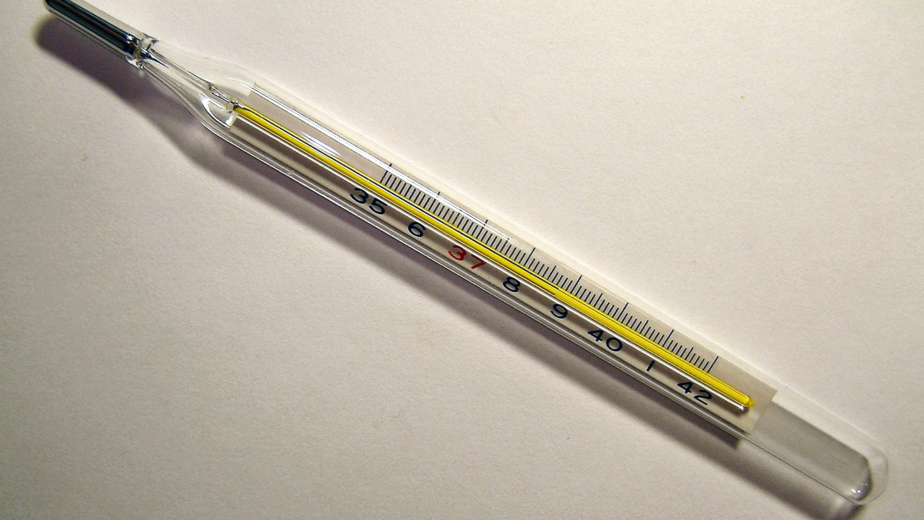
Thermometers, refractometers and measured recipes in commercial production, with the saucer test still used by home preservers and still taught.
The saucer test is a genuinely good field measurement of exactly the right variable. What it detects is whether enough water has gone, which is the entire point of the process, and it does so by a visible and unambiguous indication requiring no equipment at all.
10. The Reason for All of It Was Preservation
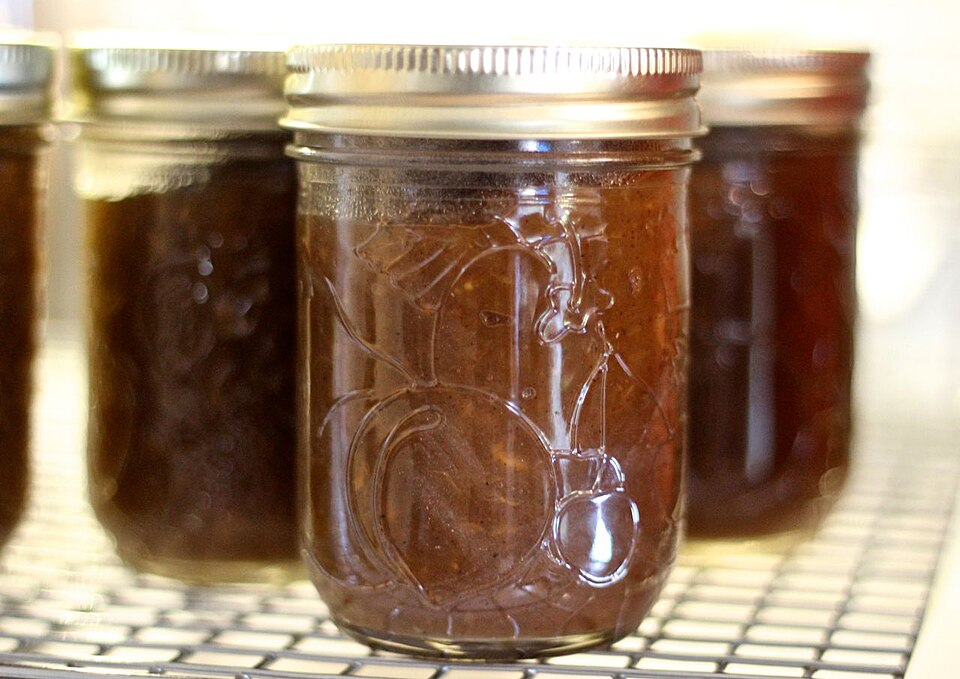
The point of reducing apples for twelve hours was not flavour. It was that removing enough water, with enough sugar and the fruit’s own acidity, produces something that keeps for a long time in a crock or a jar without refrigeration.
Refrigeration, modern canning and commercial production, which make the keeping question irrelevant and the twelve hours unnecessary.
This is the fact that explains the whole exercise and it is almost always missed. Apple butter is a preservation technology, in the same family as drying, salting and sugaring – the long cook is not a culinary flourish, it is the mechanism by which a bushel of autumn apples became food that was still edible in March.
11. Dried Apples Were the Other Half of the Same Harvest
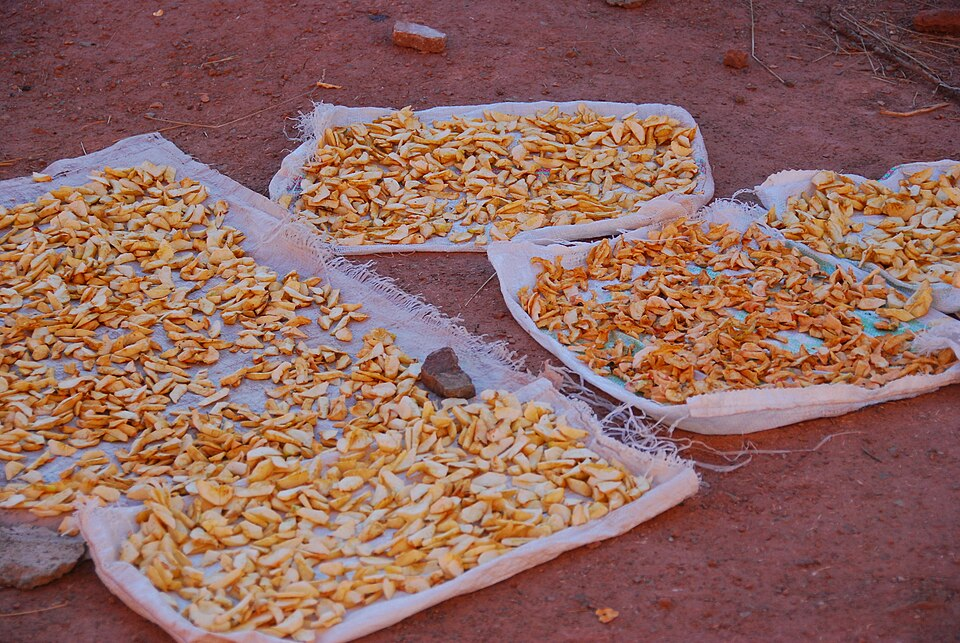
Alongside the butter, apples were sliced and dried – on racks, on roofs, on strings, in lofts – producing a light, stable product that kept indefinitely and was reconstituted through the winter.
Commercially dried fruit and year-round fresh apples in every supermarket.
Drying and boiling are two routes to the same destination and households used both because they produce different things. Dried slices keep longer and weigh nothing; butter is immediately edible and uses up fruit too bruised or small to dry well – so a well-run orchard household did both from the same trees.
12. It Was Scheduled Around the Orchard Rather Than the Calendar
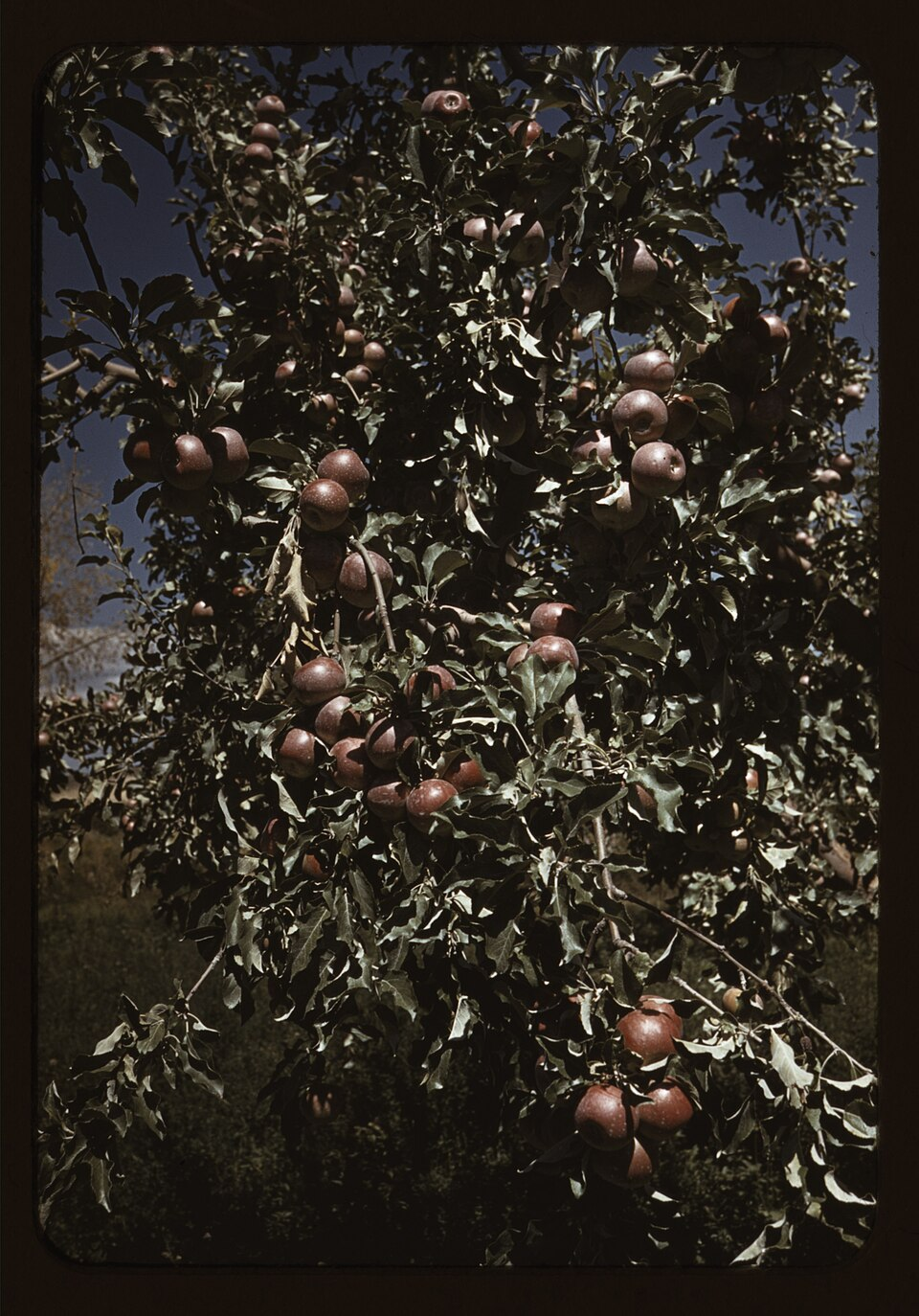
The boiling happened when the apples were ready and when there were enough of them – which meant a date set a week or two in advance by whoever had the fruit, and communicated by word of mouth across the neighbourhood.
Not applicable, and modern heritage boilings are scheduled months ahead as festival events.
Scheduling by the crop rather than by the calendar is a feature of nearly every agricultural social occasion and it had a real consequence. Everybody involved had to be able to drop other things on short notice, which is only possible in a community where people’s time is not committed weeks in advance.
13. The Batch Was Divided Among Everybody Who Helped
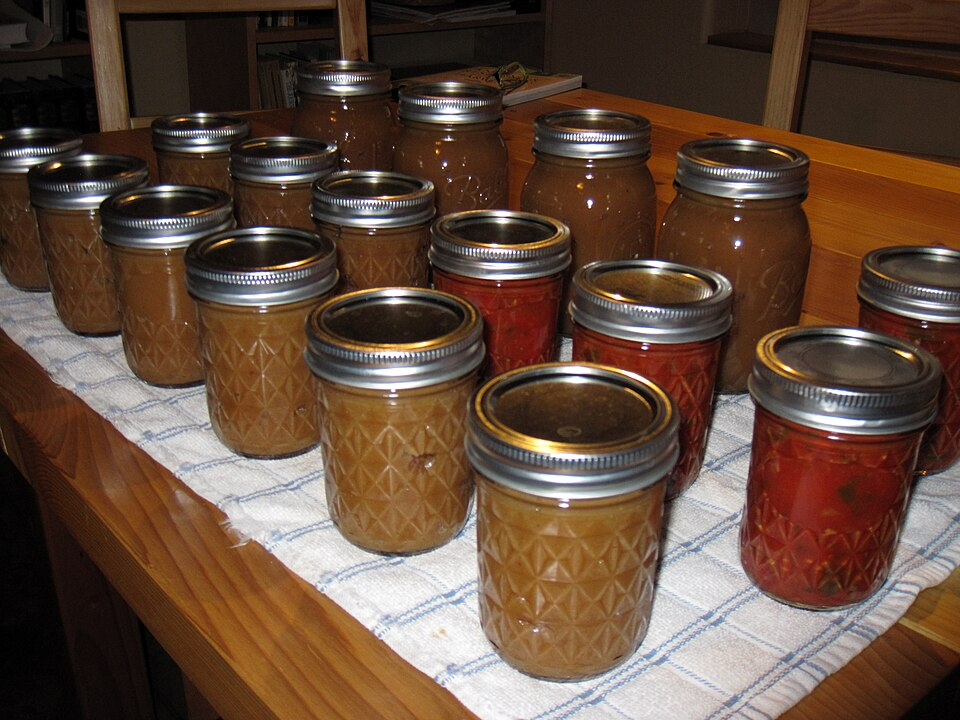
The finished product was shared out – jars, crocks or buckets apportioned among the families who had supplied fruit, labour, sugar, wood or the kettle – according to an understanding nobody wrote down.
Purchased, in a jar, by the individual who wants it.
The division was the settlement of a labour exchange and it followed the same logic as any other such arrangement in a farm neighbourhood. Everybody contributed something, everybody took something home, and the proportions were worked out by custom and memory rather than by any calculation.
14. Children Were Present All Day and Mostly Underfoot
Children attended, took short turns at the paddle under supervision, were kept at a distance from the fire and the kettle, ran around the whole operation for twelve hours and remembered it permanently.
Not applicable, with heritage demonstrations being the only context in which an American child now sees any of this.
An outdoor fire with a large open kettle of boiling fruit is a hazardous environment for children and the adults present managed it by vigilance rather than by any barrier, which is worth stating plainly rather than dressing up as a simpler age.
15. The Copper Had to Be Scoured and That Mattered
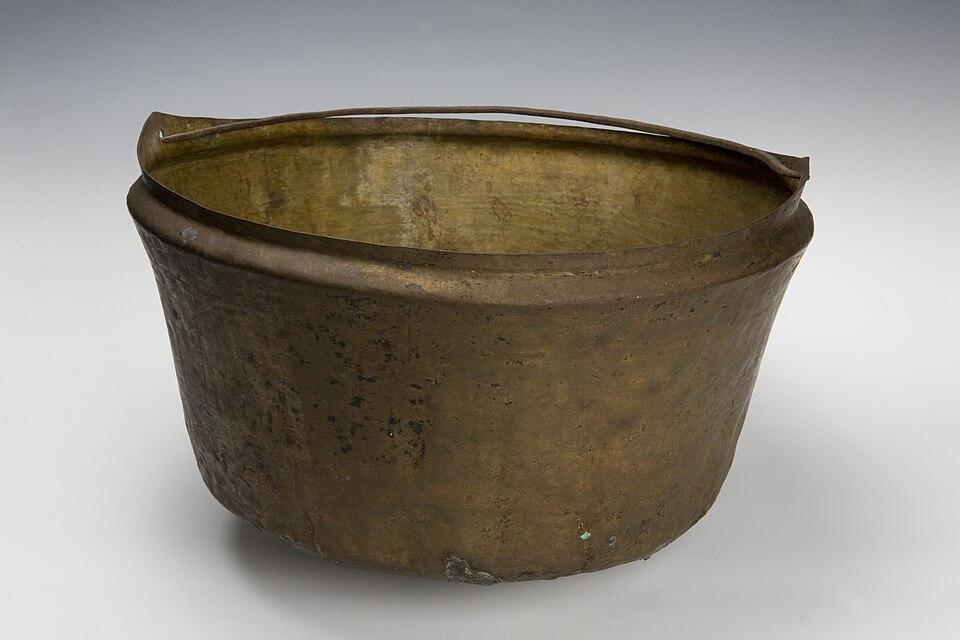
The kettle was cleaned thoroughly before use and the product was moved out of it promptly when finished, because long contact between acidic fruit and copper was understood to be undesirable.
Stainless steel and lined vessels, under food contact standards that resolve the question entirely, and current guidance advises against the use of unlined copper for acidic preserving.
Households had worked out a real chemical interaction without any theory of it, which is a recurring pattern in domestic food practice. This piece gives no procedure of any kind and anybody preserving anything should work from current authoritative guidance, which addresses vessel materials specifically.
16. Then the Stirring Stopped Being Necessary
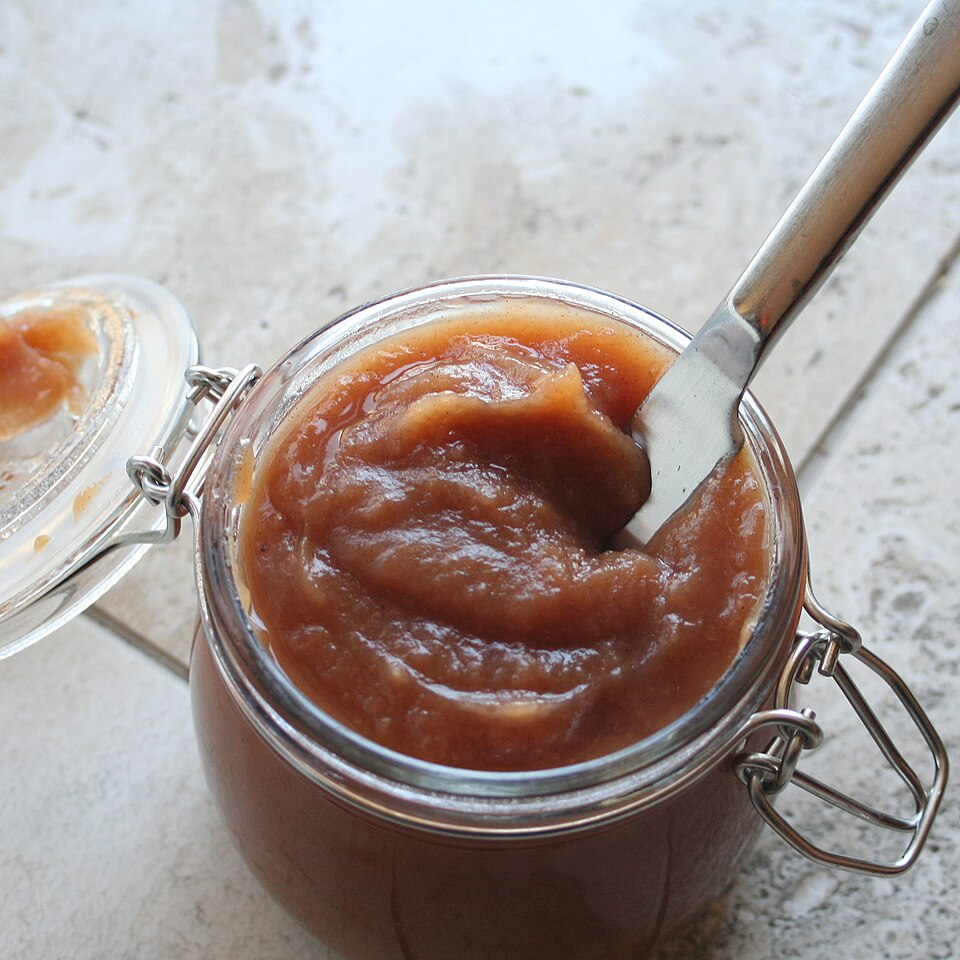
In 1974 the surviving apple butter boilings were already heritage occasions in most of the country – a copper kettle over a fire, a slotted paddle, a rota of twenty people, a fire tender, a saucer test and a day that existed because a mixture could not be left alone.
Apple butter is a healthy commercial product sold everywhere and made at home from modern recipes in thermostatically controlled vessels with no stirring required and no gathering of any kind.
And the thing that ended the event is that the problem it solved was solved twice over, from two different directions, which is why nothing of it survives except the flavour. The first solution was the equipment. Continuous stirring was never the goal; it was a workaround for the fact that an open fire under a copper kettle will scorch a thick mixture unless something is constantly moving the layer in contact with the metal. Put the same mixture in a thermostatically controlled vessel and that problem disappears completely – no stirring, no rota, no fire tender, no paddle, no twenty people. The second solution went deeper and killed the reason for making it at all. The entire purpose of a twelve-hour reduction was preservation: drive off enough water, with enough sugar and the fruit’s own acid, and a bushel of apples that would have rotted by November becomes food that is still good in March. Refrigeration and modern canning made that completely unnecessary, and year-round fresh fruit made the autumn glut itself irrelevant. So apple butter stopped being a technology and became a taste. That is the honest shape of it, and it is a straightforwardly good outcome – nobody should have to spend a day over a fire to have something sweet in March. But it means the thing that was lost was not a recipe, which survives, and not a skill, which can be looked up. It was a day that only existed because a pot could not be left alone, and once it could, there was no longer any reason for twenty people to stand in a yard together from dawn until dark.
The Day Existed Because a Pot Could Not Be Left Alone
The apple butter boiling is the clearest example anywhere of a social institution created by a technical constraint.
Nobody decided it would be nice to spend a day in a yard with twenty neighbours. The process required it, in a completely literal sense.
Here is the mechanism. A thick fruit mixture over an open fire will burn against the metal it touches, because the layer in contact with the hot bottom cannot shed heat fast enough and the material above it is too viscous to circulate on its own. Copper helped – it conducts far better than iron and spreads the fire’s heat instead of concentrating it in hot spots – but copper alone is not enough. Something has to physically move that bottom layer, continuously, for as long as the reduction takes.
The reduction takes most of a day. And continuous paddle work for eight to twelve hours is beyond any individual.
So every feature of the occasion follows from that one requirement. The rota of stirrers in a visible queue. The pairs facing each other across a long handle, which was also, as everybody understood, a legitimate half hour for a young couple to spend in public together. The dedicated fire tender working the other half of the same problem. The evening of peeling beforehand, because the volume of fruit that justified lighting a fire that size could not be prepared by one household in an afternoon. The division of the batch afterwards among everybody who had contributed fruit, labour, sugar, wood or the kettle itself.
A labour requirement produced a gathering, and the gathering produced everything people actually remember.
Then it was solved twice, from two directions.
The first solution was the equipment. Put the identical mixture into a thermostatically controlled vessel and the scorching problem simply ceases to exist, because the heat never exceeds the point at which anything catches. No stirring. No rota. No fire tender. No paddle. No twenty people.
The second solution went deeper and removed the reason for making it at all.
This is the part that almost always gets missed, so it is worth saying plainly: apple butter is not a dessert, it is a preservation technology. The point of a twelve-hour reduction was to drive off enough water that, in combination with the sugar and the fruit’s own acidity, the result would keep for months without refrigeration. It belongs to the same family as drying, salting and sugaring. A bushel of October apples that would have been mush by November became food that was still good in March, and that was the whole purpose of the day.
Refrigeration and modern canning made keeping a solved problem. Year-round fresh fruit made the autumn glut itself irrelevant – there is no longer a moment when a household has more apples than it can eat and no way to hold them.
So apple butter went from being a technology to being a taste. It is sold commercially everywhere, it is made at home by people who like it, and the recipe is in no danger whatsoever.
That is an unambiguously good outcome. Nobody should have to spend a day over a fire in order to have something sweet in March, and nobody should be nostalgic for a food system in which that was the alternative.
But it does mean the thing that disappeared was neither the recipe nor the skill, both of which are perfectly available. What disappeared was a day – a specific, annual, all-day gathering of a whole neighbourhood in one yard, which came into existence only because a pot could not be left alone, and which had no reason to continue the moment it could.
If you were at one of these, you remember the smell carrying across the whole property and the exact weight of the paddle.
And you remember how long fifteen minutes is when twenty people are watching you do it.
Like our content? Follow us for more.