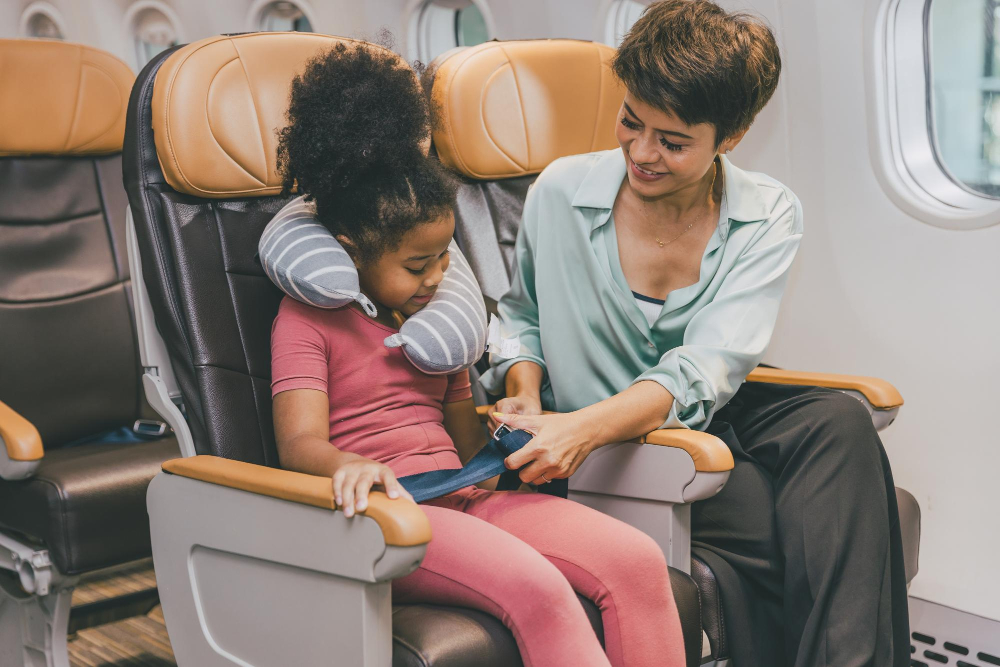
Flying with a small child involves a choice that most families are never presented with. The default is a lap-held infant, because it is the cheap option and the one the booking process offers, and the published position of several aviation safety authorities and paediatric bodies is that a child is safest in their own seat in an approved restraint.
Whether to buy that seat is a family’s decision and this file does not make it. What it does is set out the rules, which are specific, inconsistently publicised and occasionally not known to the crew on the aircraft. Here are fourteen things that decide how it works.
1. Holding a small child on your lap is the default, and it is not the safest option
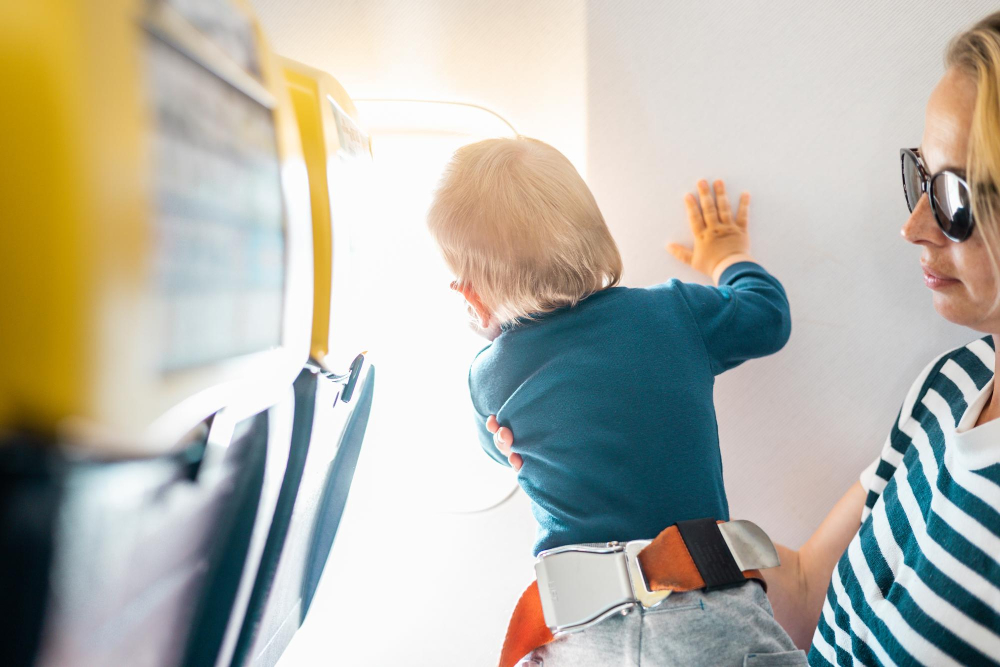
Airlines carry infants below a stated age on an adult’s lap at a reduced fare or for taxes only, and because it is the cheap option and the one presented first, it is what most families do.
Aviation safety authorities and paediatric bodies in several countries have said for years that the safest place for a small child is in their own seat in an approved restraint, because a lap-held child is not restrained in turbulence or in a hard landing and the adult’s arms are not a restraint system.
This is stated here as the published position of those bodies rather than as advice about anybody’s trip. The point is that families are generally not told there is a choice, and there is one.
Like our content? Follow us for more.
2. An approved child restraint can be used on board, and most parents are never told
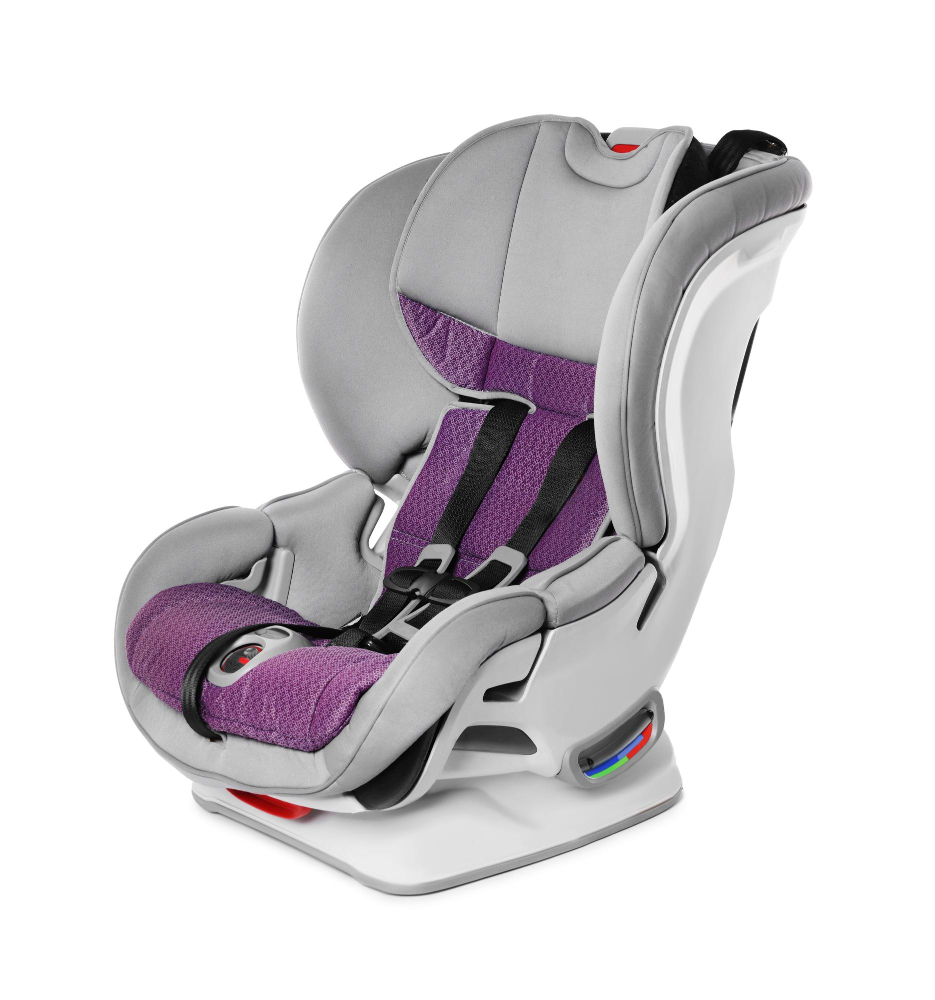
Airlines in most jurisdictions permit a child restraint to be used in a purchased seat, and many publish the policy somewhere in their conditions of carriage without ever mentioning it during booking.
The restraint has to be certified for use in an aircraft rather than only for a car, has to fit the seat, and has to be installed forward or rearward facing according to the airline’s and the manufacturer’s instructions.
Find the airline’s published policy on child restraint systems before booking, print it, and carry it — cabin crew do not always know their own airline’s rule.
3. The certification label is the whole of the question
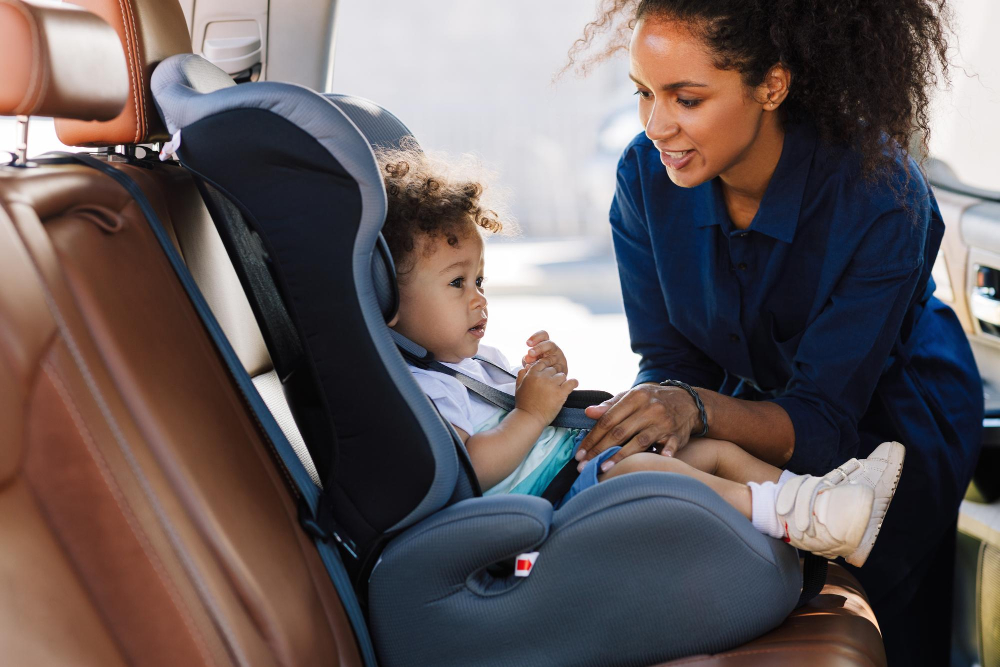
What makes a restraint acceptable is a label stating that it is approved for use in aircraft under the relevant national standard. A seat certified for cars alone is frequently refused, and the refusal is correct.
Labels differ by region and an airline generally accepts the standard of its own country of registration plus, in practice, the major international ones. A seat bought in one region may not carry a label an airline in another recognises.
Photograph the label before you travel and check that the wording matches what your airline’s policy names. That one check prevents almost every refusal in this subject.
4. A restraint needs a seat, and the seat has to be bought

A child restraint cannot be used without a seat of its own, so using one means buying a ticket for the child whatever their age. This is the real reason the lap option dominates: it is a question of cost rather than of safety.
Some airlines offer a reduced child fare for an infant occupying a seat and some charge the full fare. The difference between carriers on this point can be substantial.
Price the child’s own seat with several carriers before deciding, because the fares for an infant in a seat vary far more between airlines than adult fares do.
5. Not every seat position is permitted

Restraints cannot be installed in an exit row, generally cannot go in a seat with an inflatable belt or an airbag-equipped belt, often cannot go in a bulkhead seat, and in some aircraft cannot go next to an emergency exit at all.
Window seats are usually required or preferred, so that the restraint does not obstruct another passenger’s exit. Airlines also limit how many restraints can be in one row or one cabin section.
Tell the airline you are bringing a restraint when you book the seat, so that the allocation is made correctly rather than changed at the gate.
6. Bassinets have conditions and are not a substitute for a restraint
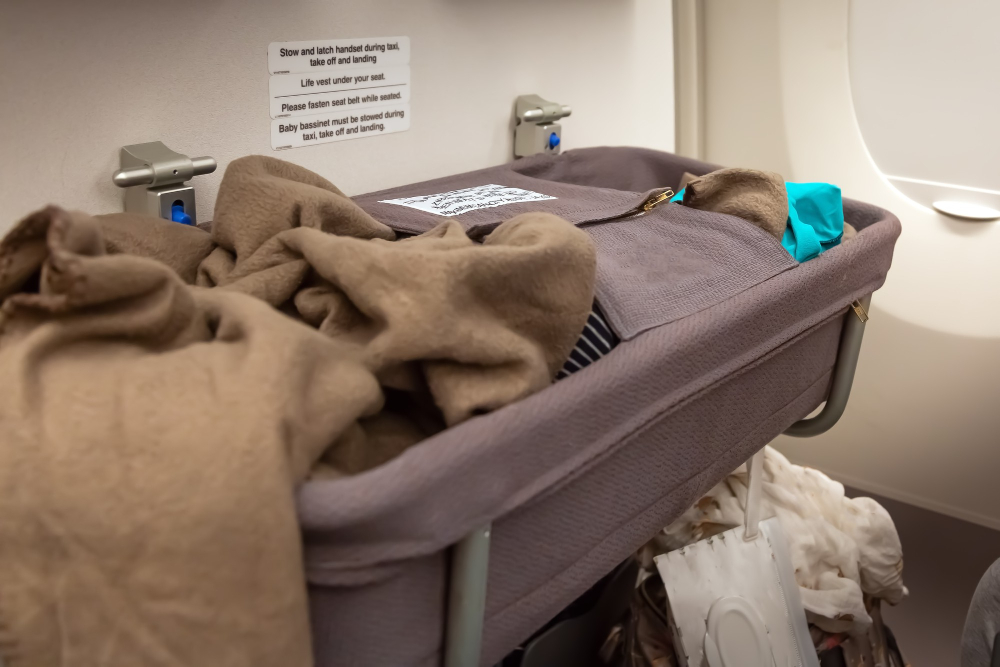
Bulkhead bassinets are offered on many long-haul aircraft subject to a weight and length limit, allocated in advance and in limited numbers, and available only in specific seat rows.
They are for sleeping in level flight. The child has to be removed and held during taxi, take-off, landing and any turbulence, which is precisely when a restraint would be doing something.
Request a bassinet early if you want one, and understand that it solves the comfort problem on a long flight and not the safety one.
7. Loop belt devices are permitted in some places and prohibited in others
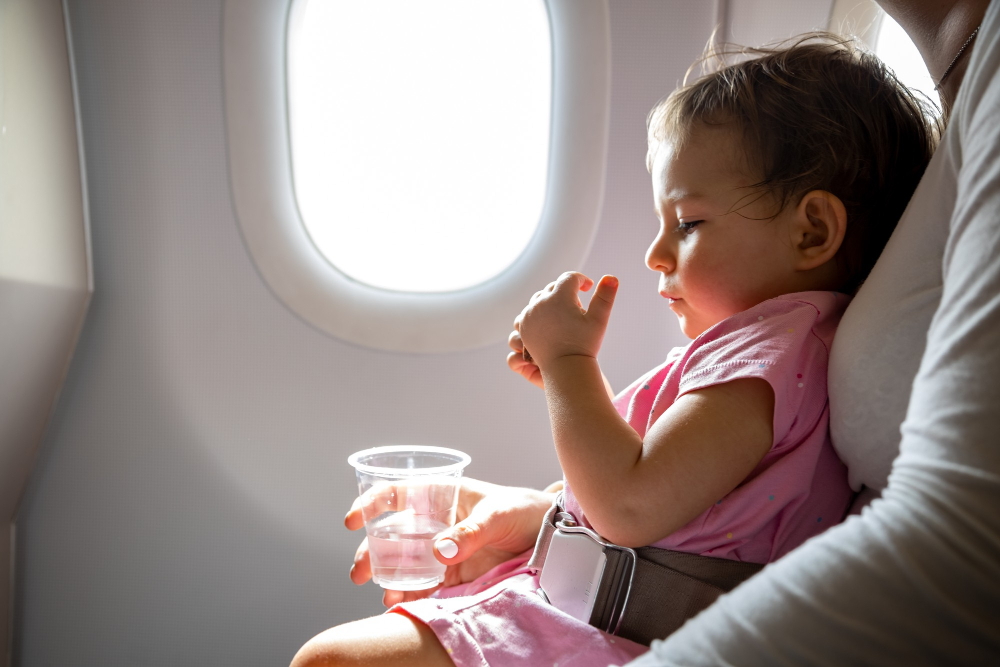
A supplementary loop that attaches a child to an adult’s seatbelt is required by some national authorities, permitted by some, and prohibited by others on the basis of crash testing which suggested it could cause injury.
The result is that the same device is handed out as standard by one airline and refused by another on the same route, which is confusing for parents and is simply a difference between regulators.
Do not buy one on the assumption it will be accepted. Ask the specific airline what they use and what they permit.
8. Harness-type aviation restraints exist and approval varies
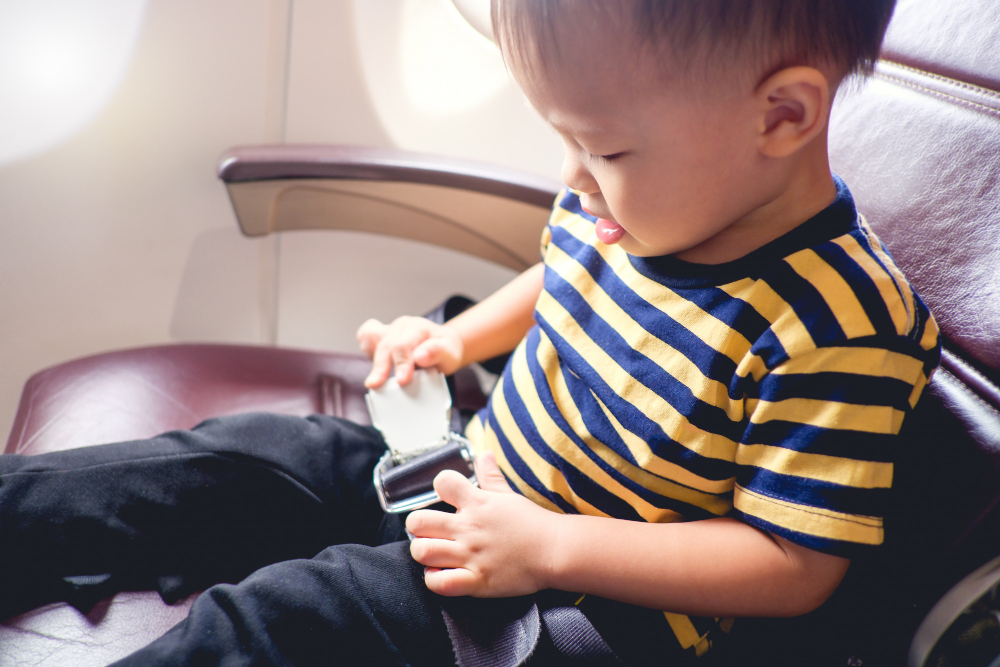
A small number of harness devices are certified for aviation use and are considerably lighter and more portable than a car seat, which makes them attractive for travel.
Approval is not universal, the devices are approved for a stated age or size range and for specific seat types, and some airlines accept them on some aircraft only. Acceptance also depends on the label rather than on the product’s reputation.
If you are considering one, confirm acceptance with every airline on your itinerary in writing before buying it.
9. Booster seats are generally not usable in an aircraft
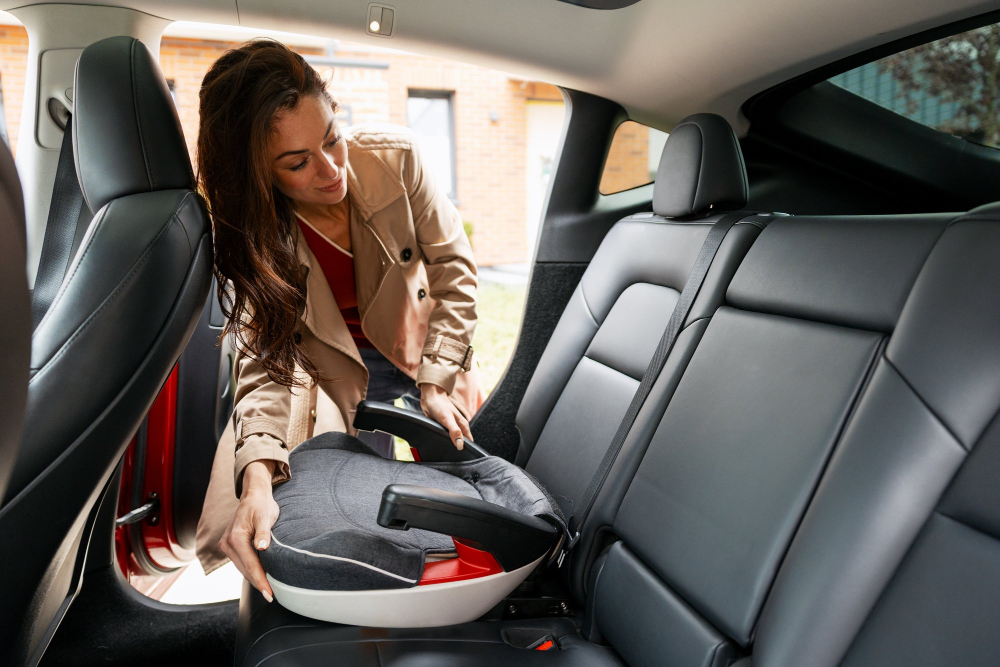
A booster raises a child so that an adult three-point belt fits correctly, and an aircraft seat has a lap belt only with no shoulder strap. The booster therefore has nothing to position and is not accepted.
This surprises parents of older children who have moved out of a harnessed seat, and the answer for that age group is usually the aircraft’s own lap belt, used normally.
Leave the booster for the car at the destination, where it will be needed, and do not plan to use it on board.
10. Checking a car seat is usually free, and the liability is not
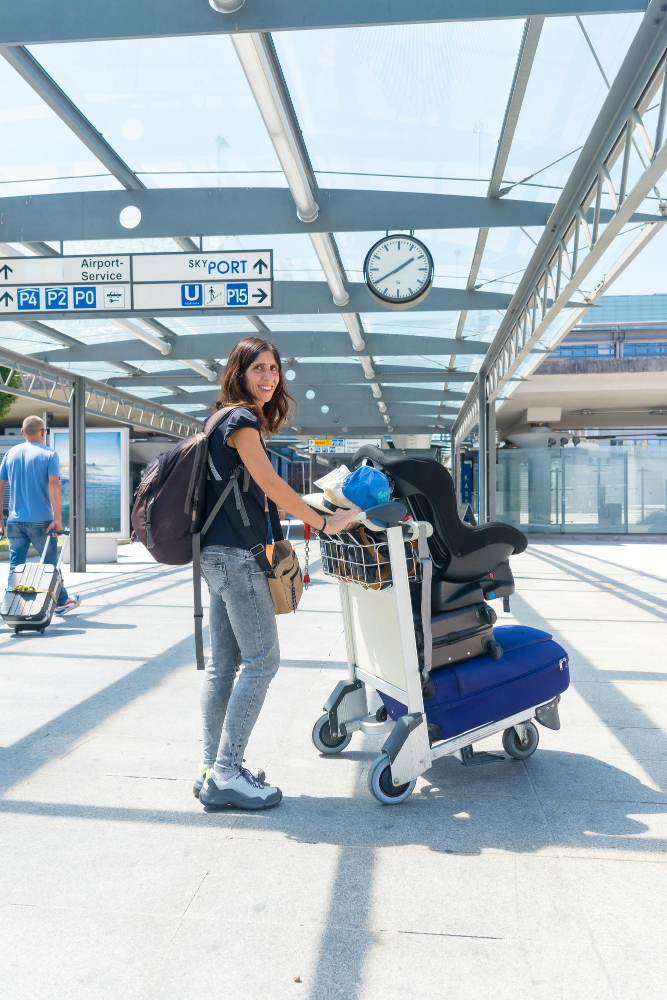
Most airlines carry a child’s car seat and a pushchair free of charge in addition to the baggage allowance, which is the one genuinely generous rule in family travel.
The problem is damage. A car seat that has been dropped or crushed may be structurally compromised in ways that are not visible, manufacturers advise against using a seat after a significant impact, and airline liability for baggage damage is capped well below the value of a good seat.
Use a padded travel bag, photograph the seat before handover, ask for gate delivery where the airline allows it, and report any damage at the airport before leaving.
11. A hire car’s child seat is a gamble unless you confirm it
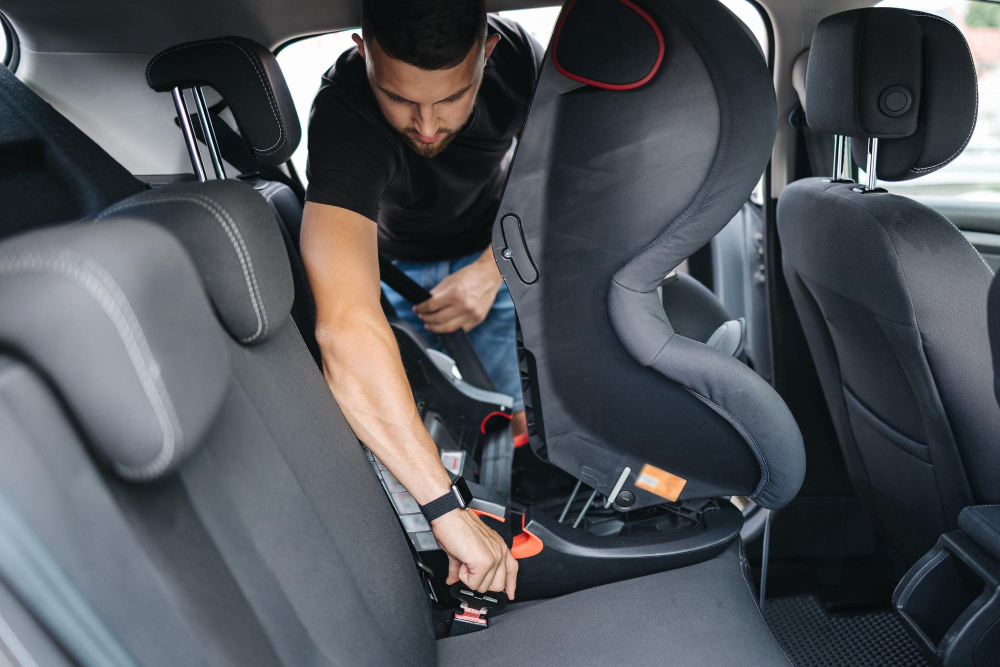
Rental companies offer child seats as an extra, and what arrives varies: the model may not suit the child’s size, the seat may be worn, the fitting may be left entirely to the parent, and availability is sometimes not guaranteed despite a booking.
Fitting is the real issue. A seat fitted incorrectly protects much less than one fitted properly, and a parent fitting an unfamiliar model in an unfamiliar car in an airport car park at midnight is the worst possible circumstance for getting it right.
If you use a hire seat, reserve the specific category, arrive with the manufacturer’s fitting instructions found online in advance, and allow time to fit it in daylight if you can.
12. Child seat law differs by country, and your own seat may not be legal there
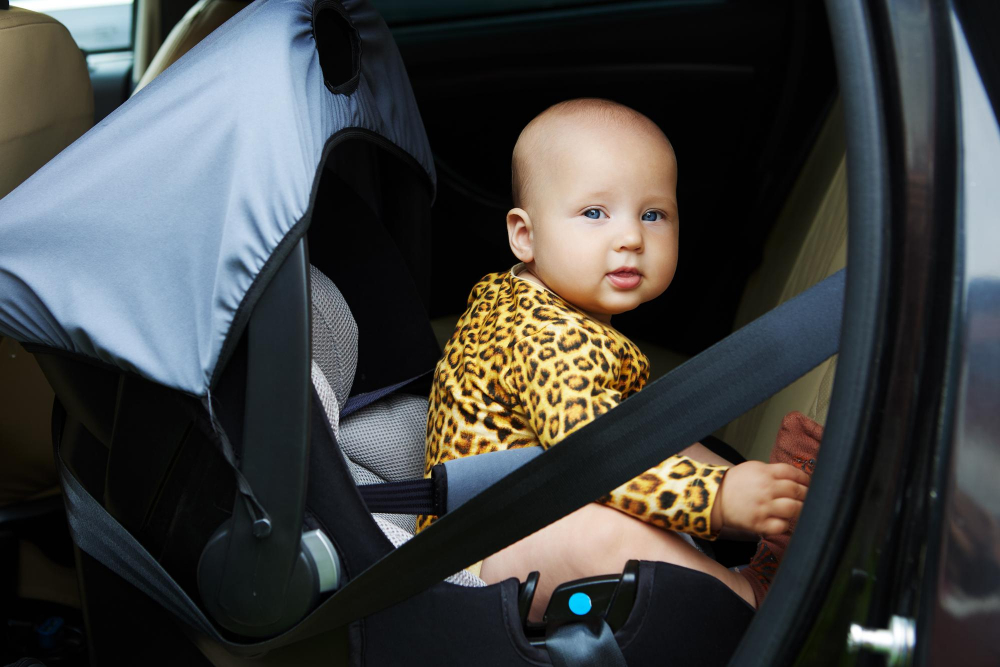
Requirements on age, height, weight, rearward facing, the type of approval and where a child may sit differ between countries, and a seat approved at home may not meet the destination’s standard.
Enforcement also differs, and in several countries a seat that does not meet the local approval is an offence for the driver rather than a technicality. Rules for taxis frequently carry an exemption that does not extend to a hire car.
Check the destination’s requirement before travelling, and if you are hiring a car, confirm what approval standard the local law requires.
13. Taxis and transfers are where the rule usually breaks down
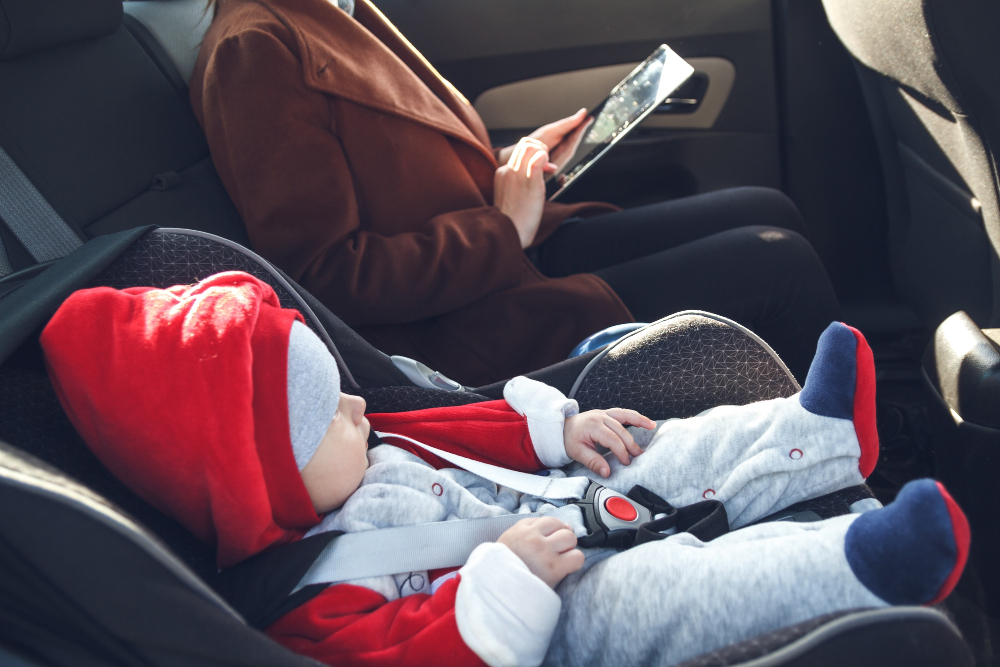
Many countries exempt taxis from child seat requirements, which means a family arriving without a seat will be carried legally and unrestrained, and that is the journey on which a seat would be most useful rather than least.
Pre-booked private transfers can usually supply a seat if asked at the time of booking, and ride-hailing services in some cities offer a child seat category. Both have to be arranged in advance rather than requested on arrival.
Book the transfer with a seat specified, and if you have brought your own seat, take it to the kerb rather than checking it through to the hotel.
14. And the sequence that makes this manageable

Decide first whether the child will have their own seat, because everything else follows from it. Then: find the airline’s published child restraint policy and print it; check your restraint’s certification label against what the policy names; book the seat and tell the airline the restraint is coming; request the window position; and ask about a bassinet separately if the flight is long.
At the destination: know the local law, confirm any hire seat by category, have the fitting instructions already downloaded, and book transfers with a seat specified.
The honest summary: the published position of several aviation authorities and paediatric bodies is that a small child is safest in their own seat in an approved restraint, families are generally never told the option exists, the certification label is what decides acceptance, boosters cannot be used because aircraft have no shoulder belt, and the taxi exemption at the destination is the gap worth closing in advance.
What actually governs this
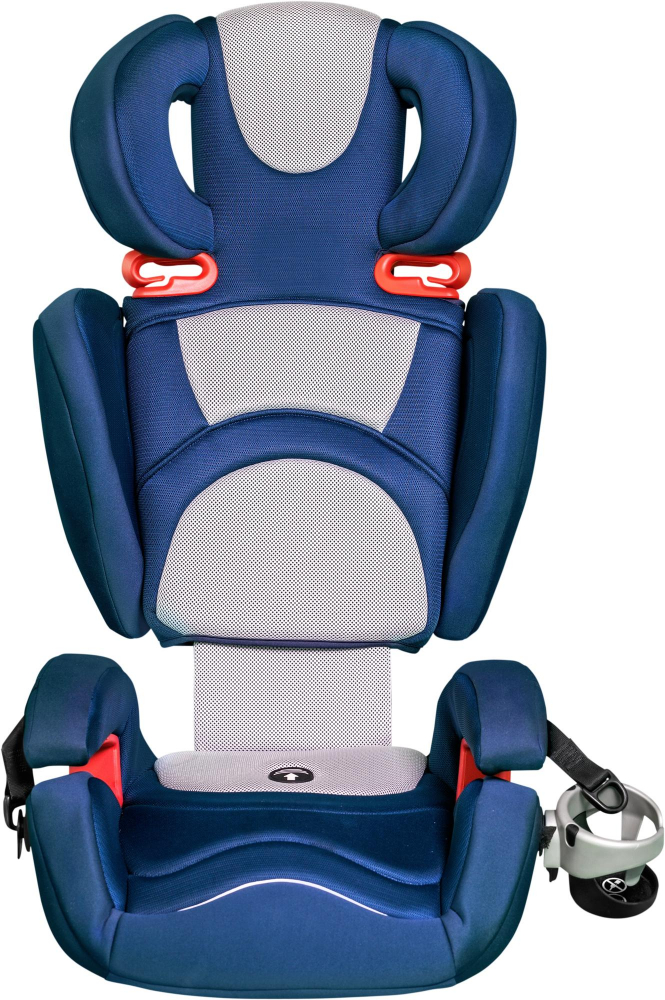
One thing decides acceptance, and it is the label. A restraint is acceptable on board if it carries a certification stating approval for use in aircraft under a standard the airline recognises, and a seat certified for cars alone is refused — correctly. Labels differ by region, so a seat bought in one part of the world may not carry wording an airline in another accepts. Photographing the label and checking it against the airline’s published policy prevents nearly every refusal in this subject.
Then there are the position rules, which are safety rather than paperwork: not in an exit row, not in a seat with an inflatable or airbag-equipped belt, often not at a bulkhead, usually at a window so that nobody else’s exit is obstructed, and limited in number per row or cabin. Those are resolved by telling the airline the restraint is coming at the point of booking the seat.
Two things in this subject are commonly misunderstood. A bassinet is a sleeping arrangement for level flight — the child comes out and is held for taxi, take-off, landing and turbulence, which is exactly when a restraint would be working. And a booster cannot be used at all, because it exists to position an adult shoulder belt and an aircraft seat has only a lap belt.
The loop belt devices are the one genuine regulatory disagreement: required by some national authorities, permitted by some and prohibited by others following crash testing, which is why the same device is standard on one airline and refused on another on the same route.
Decide the seat question first, because everything else follows from it, and price it with several carriers — fares for an infant occupying a seat vary between airlines far more than adult fares do.
Then: print the airline’s child restraint policy and carry it, since crew do not always know their own airline’s rule. Check your label against what that policy names. Book the seat, tell the airline the restraint is coming, and ask for the window position. Ask about a bassinet separately if the flight is long.
For the destination, close the gap that most families leave open. Know the local child seat law, because a seat approved at home may not meet it and in several countries that is an offence for the driver. Confirm any hire seat by category and download the fitting instructions before you leave, so you are not learning an unfamiliar model in a car park at midnight. And book transfers with a seat specified — many countries exempt taxis from child seat rules, which means the journey where a seat is most useful is the one where nobody will provide it.
Like our content? Follow us for more.