River cruising has quietly become one of the fastest-growing styles of travel, especially among travelers who find big ocean cruise ships overwhelming and want something more intimate, more cultural, and more destination-focused. But a river cruise is a genuinely different animal from an ocean cruise, and first-timers frequently book without understanding what they’re actually signing up for — the smaller ships, the all-inclusive pricing, the daily routine, the kind of traveler it attracts, and the things that can make or break the experience. Going in informed is the difference between a trip that feels like a revelation and one that disappoints. Whether you’re eyeing the Danube, the Rhine, the Douro, the Seine, or the Mekong, here’s what no one tells you before you book your first river cruise — the honest, practical picture of what river cruising is really like.
The single most important thing to understand is that river cruising and ocean cruising are almost entirely different experiences that happen to share the word “cruise.” Confusing the two is the source of most first-timer surprises, good and bad. Here’s the honest picture.
The Ships Are Tiny — and That Changes Everything
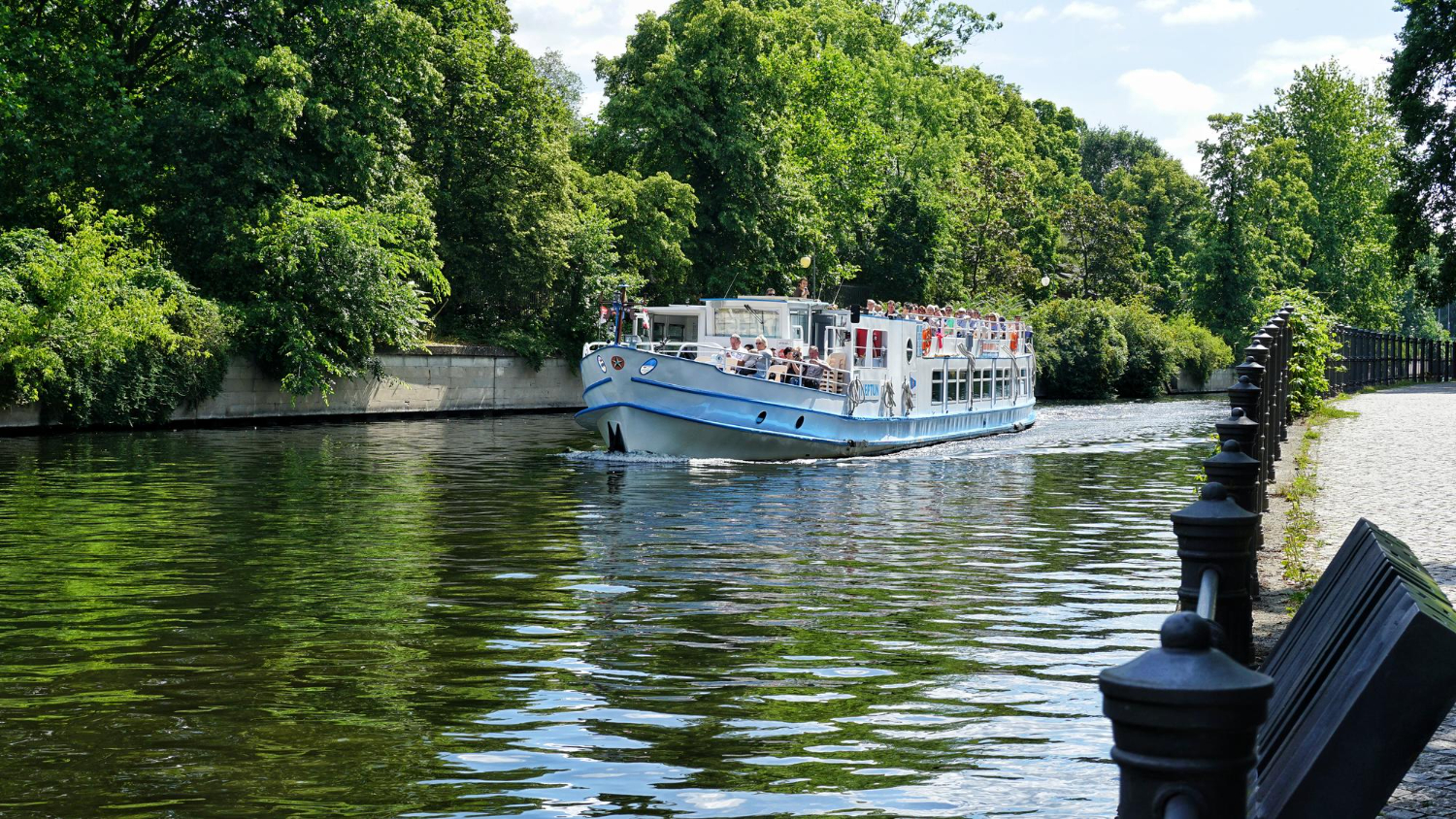
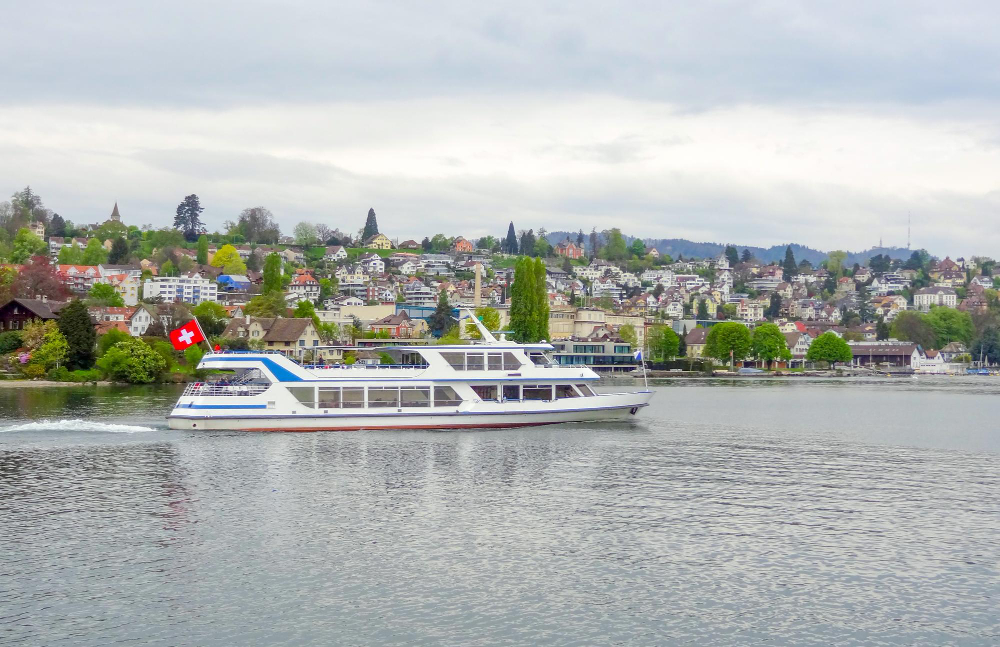
The first surprise is scale. Where an ocean cruise ship might carry several thousand passengers, a typical river cruise vessel carries roughly 150 to 190, because the ships must be small enough to fit through locks and under bridges and dock in the heart of cities. This small scale defines the entire experience: there’s no casino, no water slides, no Broadway-style shows, no crowds, and no anonymity. You’ll recognize faces by day two and know names by day three. For travelers who find big ships overwhelming, the intimacy is the whole appeal; for those wanting nonstop entertainment and activity options, it can feel limited.
You Dock in the Center of Town
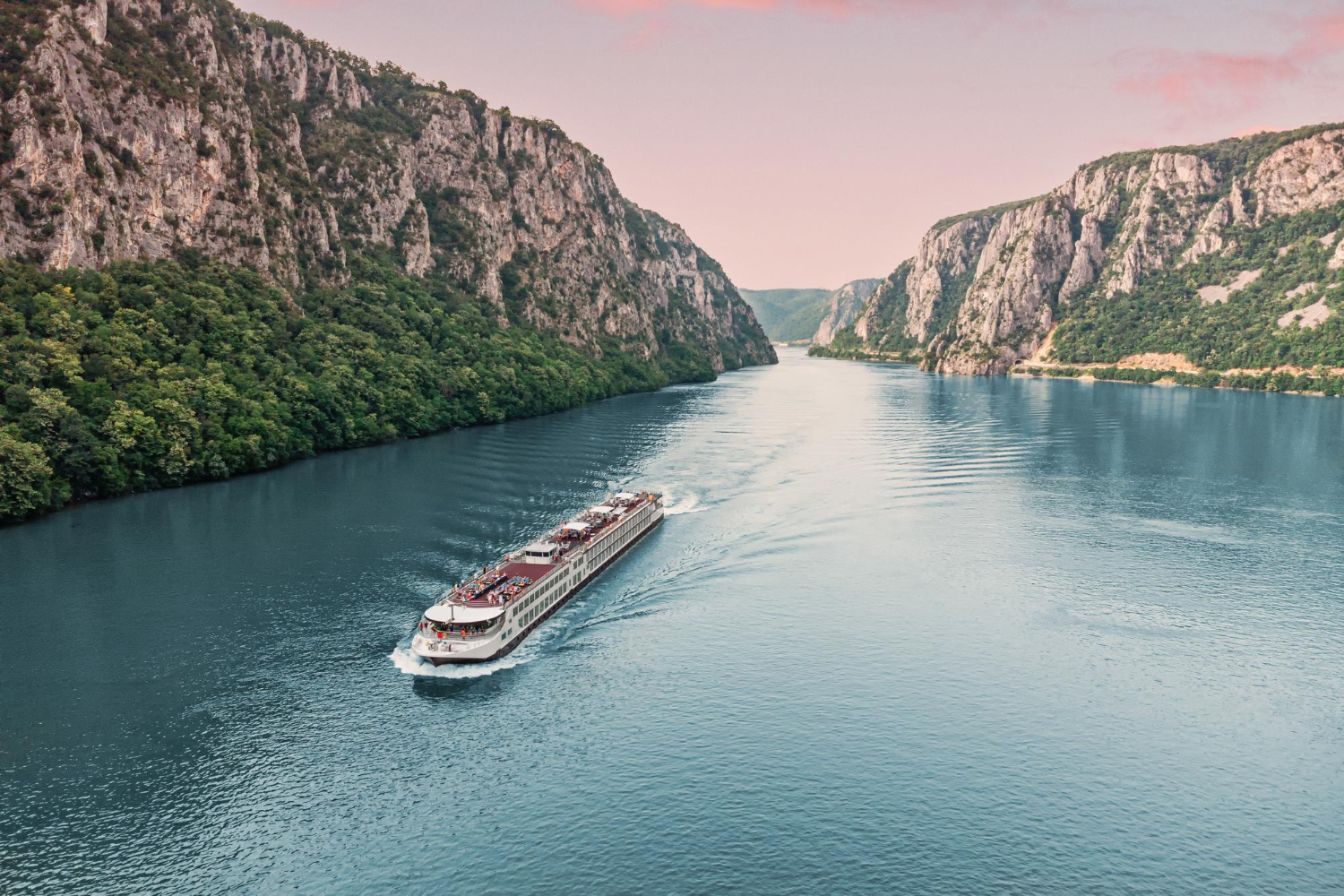
The single greatest practical advantage of river cruising is that the ship docks right in the heart of the cities and towns you visit, frequently within walking distance of the historic center, rather than at an industrial port miles away. You can typically step off the ship and be in a medieval old town in minutes, return for lunch, and head back out. This central docking, combined with the leisurely pace of the river, makes river cruising intensely destination-focused — the towns and the scenery passing by your window are the entire point, not the onboard amenities.
Almost Everything Is Included — Which Makes the Price Make Sense
River cruise prices cause sticker shock until you understand what’s all-inclusive. The fare typically includes not just your cabin and all meals but also daily guided shore excursions in each port, wine and beer with lunch and dinner, and frequently other extras. Once you account for the included excursions, drinks, and meals — which on an ocean cruise would be expensive add-ons — the higher upfront price becomes more comparable than it first appears. First-timers should always compare the all-in cost rather than the headline fare, because the river cruise that looks expensive may actually be competitive once everything bundled into it is counted.
The Daily Rhythm Is Port-Heavy and Active
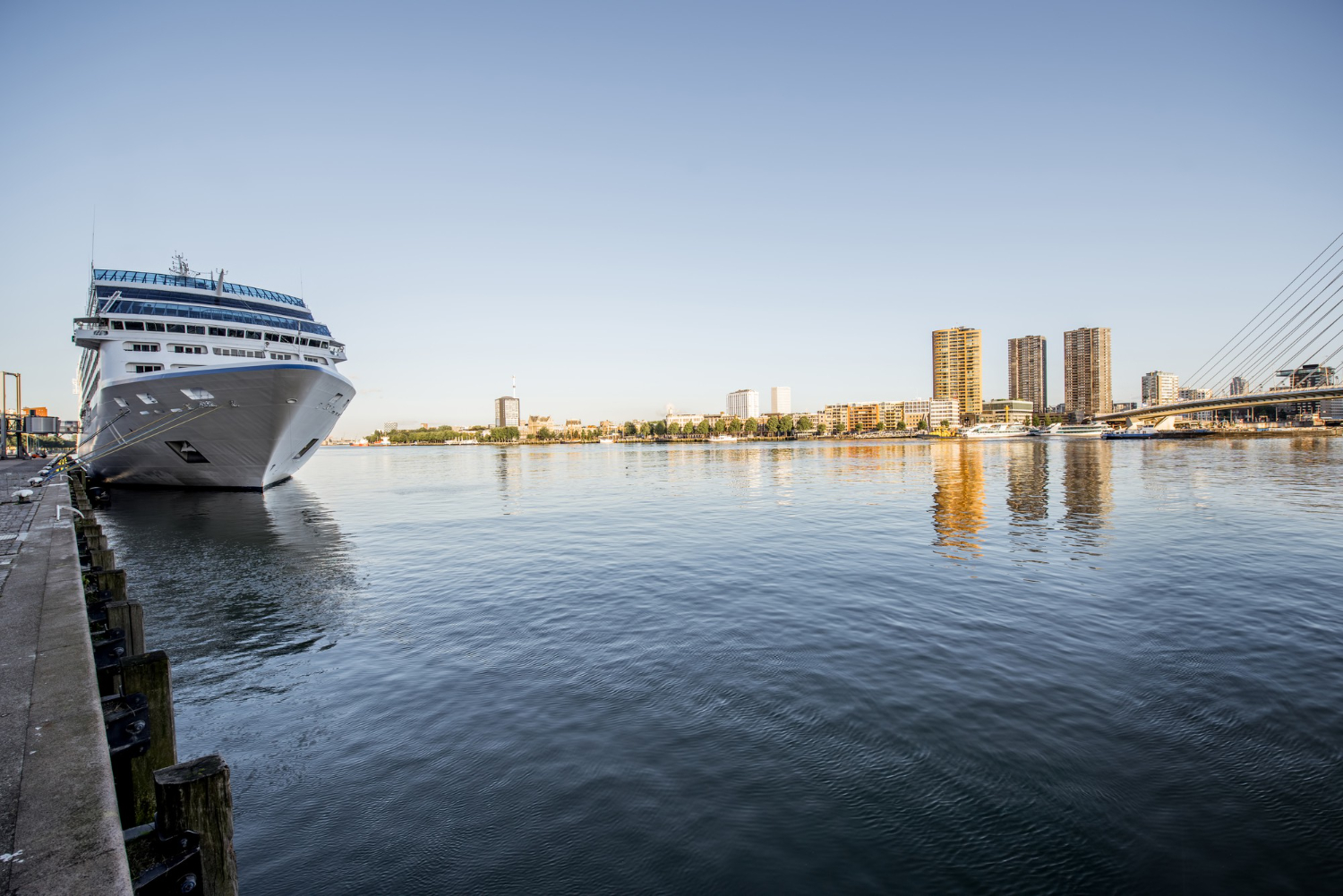
A river cruise follows a fairly consistent daily itinerary: the ship typically docks at or near a town in the morning, you head out on an included guided tour or explore on your own, return to the ship, and frequently sail to the next destination during the late afternoon, evening, or overnight. This means river cruising is port-intensive — you’re off the ship and exploring nearly every day, often with a new town each day. It also means a fair amount of walking, frequently on cobblestones and up to hilltop castles and old towns, which is worth knowing before you book.
Know the Mobility Reality

Because river cruising involves walking tours on uneven historic streets, hills, steps, and cobblestones — and because the small ships frequently lack elevators serving every deck, and may “raft” together (requiring you to walk through another ship to disembark) — it’s worth being honest about mobility. River cruising can be wonderful for active older travelers but genuinely challenging for those with significant mobility limitations. First-timers should research the specific physical demands of their itinerary and the accessibility of the specific ship, since the walking-heavy nature of the experience is one of the most common sources of unwelcome surprise.
The Crowd Skews Older — and That’s Part of the Design
River cruising’s demographic skews notably older than ocean cruising, attracting an experienced, frequently retired, culturally-curious traveler, with relatively few children (most river cruises aren’t oriented toward families, though some now offer family sailings). The atmosphere is calm, social, and conversation-oriented rather than party-focused. For the target traveler, this congenial, mature, low-key social environment is a major draw; travelers seeking a young, lively, high-energy scene will find river cruising a poor fit. Knowing the crowd in advance helps set the right expectations for the social experience.
Choosing the River Shapes the Trip
The river you choose fundamentally determines the experience. Europe’s Danube, Rhine, and Main are the classic first-timer routes, passing through multiple countries, famous cities, and castle-lined valleys. The Douro in Portugal is prized for wine and dramatic terraced landscapes. The Seine focuses on France and Normandy, the Rhône on Provence. Beyond Europe, the Mekong (Vietnam and Cambodia) and the Nile (Egypt) offer dramatically different cultural experiences. First-timers are frequently best served by the classic European routes, which are well-established, scenic, and rich with the walkable towns and history that river cruising does best.
The Extras to Check Before You Book

A few practical details reward attention before booking. Single travelers should check supplements, which can be steep. Travelers should understand that water levels can occasionally disrupt itineraries (unusually high or low water sometimes forces bus transfers or ship swaps), an inherent risk of river travel worth knowing. Cabin choice matters — higher decks with French balconies cost more but offer better views, while lower-deck cabins have small high windows. And it’s worth confirming exactly which excursions and drinks are included versus extra. Attention to these details prevents the most common booking regrets and helps match the specific cruise to your expectations.
What to Pack and Expect Onboard
A few onboard realities surprise first-timers. The dress code on most river cruises is far more relaxed than the formal-night tradition of ocean cruising — smart casual covers nearly everything, and you can leave the tuxedo and ball gown at home. Cabins are comfortable but generally smaller than ocean-ship staterooms, so packing light genuinely helps. Comfortable, broken-in walking shoes are the single most important thing to bring, given the cobblestones and hills of the daily tours. Most ships offer a single open-seating dining time rather than the assigned seatings of big ocean ships, which suits the social, communal atmosphere. And the pace is leisurely — there’s no nonstop activity schedule, which is exactly the point for the travelers river cruising suits, and a letdown for those expecting constant entertainment. Knowing the relaxed dress, the smaller cabins, the walking-shoe priority, and the calm pace in advance helps first-timers pack and mentally prepare for the genuine character of the experience.
Is a River Cruise Right for You?
The honest bottom line: a river cruise is ideal for a specific kind of traveler and a poor fit for others, and knowing which you are is the key to a great experience. It’s wonderful if you want an intimate, comfortable, destination-focused trip through scenic regions and historic towns, with the logistics handled, the unpacking done once, and a calm, social, culturally-curious atmosphere — and if you’re reasonably mobile and don’t need nonstop entertainment. It’s a poor fit if you want a big-ship vacation with endless activities, nightlife, kids’ programs, and a party atmosphere, or if mobility limitations make daily walking tours difficult. For the right traveler — frequently someone who found ocean megaships impersonal and overwhelming — a river cruise can be a genuine revelation, combining the ease of unpacking once with the richness of a deep, walkable, scenic journey through some of the world’s most beautiful regions. Going in with a clear picture of what river cruising actually is, rather than assuming it’s a smaller version of an ocean cruise, is the single best thing a first-timer can do to ensure the trip lives up to the considerable investment.
Like our content? Follow us for more.