
Travel scams have been around as long as travel itself, but they persist because they’re cleverly designed to exploit exactly the moments when we’re most vulnerable — disoriented in an unfamiliar place, distracted by beautiful surroundings, eager to trust a friendly local, or rushing to catch a train. The best scams don’t feel like scams; they feel like good luck, helpful strangers, or minor official procedures, which is precisely why even seasoned travelers fall for them. The good news is that the vast majority of travel scams follow a small number of predictable patterns, and once you recognize the patterns, they become remarkably easy to spot and avoid. A little awareness costs you nothing and saves you money, stress, and worse. Here are the travel scams that catch even experienced travelers, and the simple habits that keep you from falling for them.
The underlying principle behind nearly every travel scam is distraction and manufactured trust or urgency. Once you internalize that scammers work by creating a moment of confusion, pressure, or false friendliness, you can spot the setups before they unfold. Here are the most common patterns.
The Taxi Overcharge and “Broken Meter”

The classic taxi scam takes many forms: the driver claims the meter is broken and quotes an inflated flat rate, takes a deliberately long route, or “doesn’t have change” for your large bill. It’s one of the most common scams worldwide because arriving travelers are tired and disoriented. The fixes are straightforward: insist on the meter or agree on a price before getting in, research the rough cost of common routes in advance, use reputable ride-hailing apps where available, carry small bills, and at airports use official taxi stands. Knowing the approximate fare before you get in removes the driver’s leverage entirely.
The “Friendly” Helper at the ATM or Ticket Machine
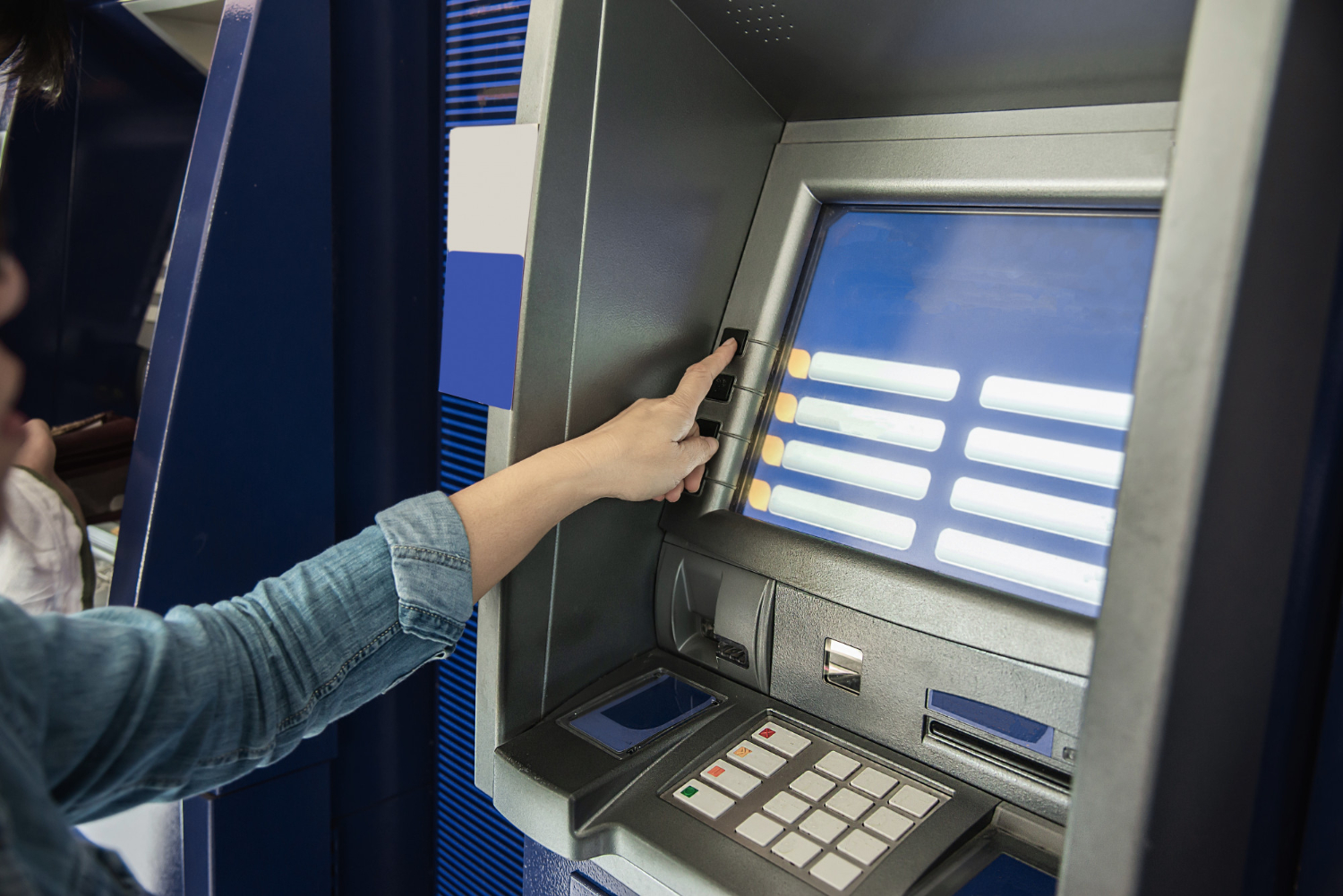
A common scam involves a stranger who offers to help you with an unfamiliar ticket machine or ATM, then either watches your PIN, distracts you while an accomplice grabs cash, or uses a card skimmer. The “helpful local” who appears at exactly the right moment is frequently part of the setup. The fix: never accept unsolicited help at ATMs or ticket machines, cover the keypad when entering your PIN, use machines in secure locations like banks, and be wary of anyone who materializes to assist with a transaction. Genuine help is rarely needed for a ticket machine, and the unsolicited offer should itself raise suspicion.
The Distraction Team and Pickpockets
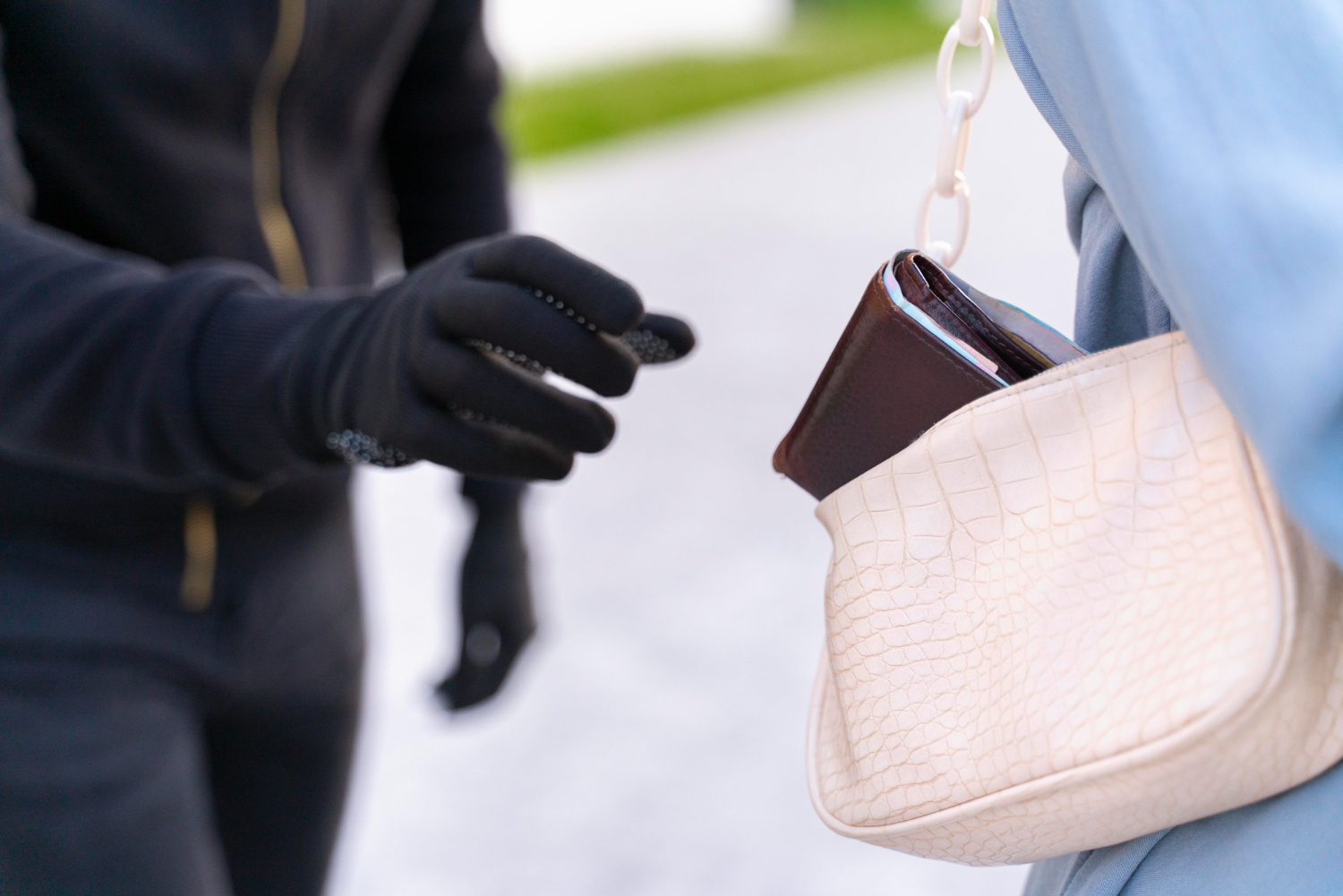
Pickpocketing almost always involves distraction — someone bumps you, spills something on you, drops something, asks for directions, or creates a commotion while an accomplice lifts your wallet or phone. The friendship bracelet tied on your wrist, the “free” sprig of rosemary, the petition you’re asked to sign: all are classic distraction setups. The fixes: keep valuables in a front pocket or money belt, stay alert in crowds and on public transit, be instantly suspicious of any sudden physical contact or commotion, and never let strangers tie things on you or hand you objects. The distraction is the scam; recognizing it is the defense.
The Fake Police Officer

A particularly unnerving scam involves someone posing as a plainclothes police officer who demands to see your wallet, passport, or cash to “check for counterfeit bills” or investigate some pretext, then pockets your money or cards. The fix is to know that real officers don’t typically demand to inspect your cash on the street; you can politely decline, ask for identification, and offer to accompany them to an actual police station, which causes scammers to evaporate. Never hand over your wallet or passport to someone on the street, however official they appear. Genuine authorities will not object to going to a station.
The Overpriced or “Closed” Attraction

This scam involves a friendly stranger or taxi driver telling you that the attraction you’re headed to is closed, overbooked, or dangerous — and conveniently steering you to a “better” alternative (a shop, restaurant, or tour) where they earn a commission, or that overcharges you. The fix: verify opening hours and closures yourself from official sources, be skeptical of unsolicited claims that your destination is unavailable, and politely ignore anyone who appears to redirect you. The stranger who just happens to know your destination is closed and just happens to have a better idea is almost always working an angle.
The Restaurant and Bar Setups

Several scams target diners: the menu without prices (so you’re shocked by the bill), the “special” with an outrageous undisclosed cost, the bar where a friendly local invites you in and you’re hit with an enormous tab, or simple bill-padding with items you didn’t order. The fixes: always confirm prices before ordering, be wary of menus without listed prices, check the bill carefully, and be cautious of overly-friendly strangers who steer you to a specific bar or club. The “let me show you a great local spot” from a stranger you just met is a frequent setup for an inflated-bill scam.
The Currency and Change Tricks
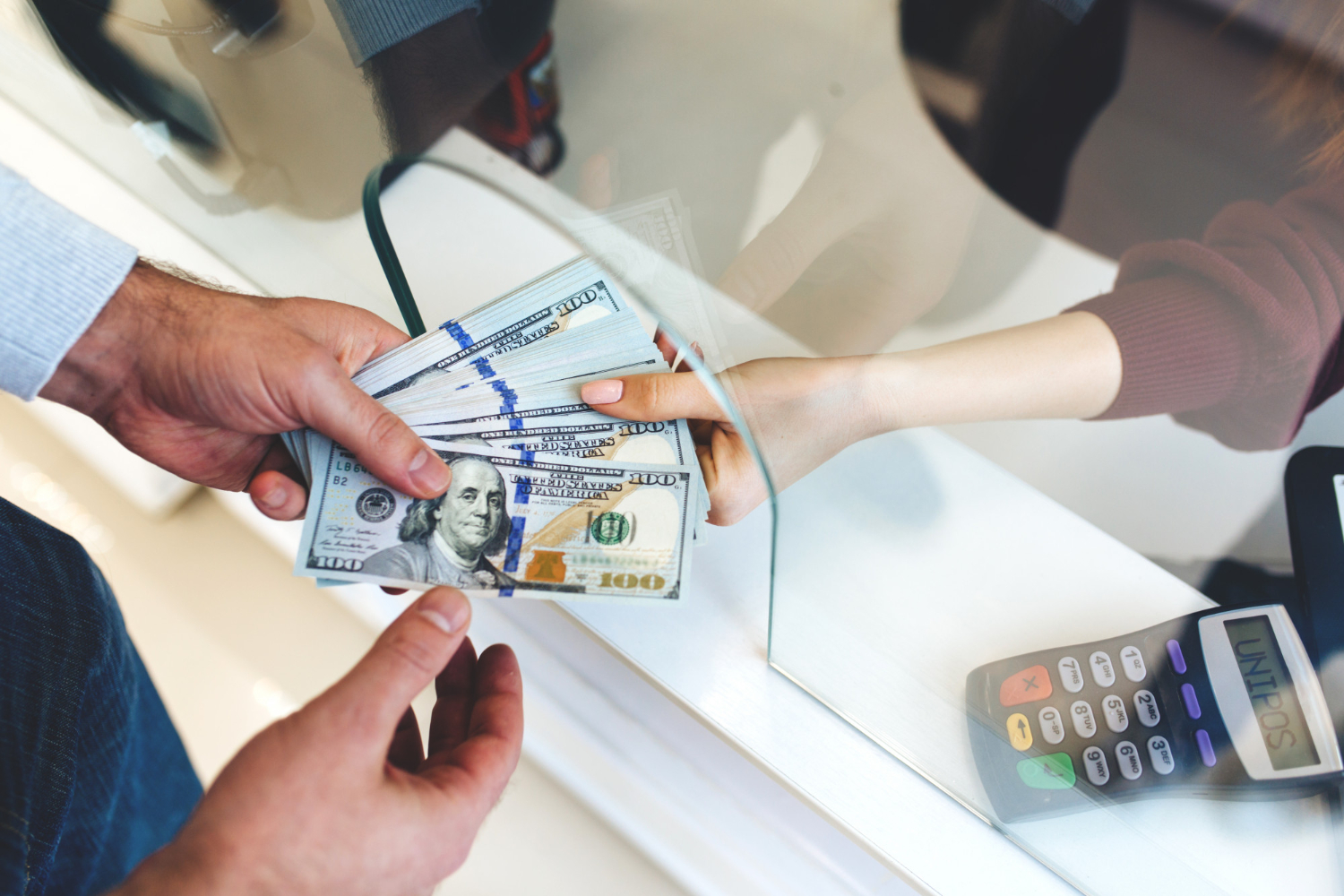
Money scams are common: shortchanging you, exploiting confusion with unfamiliar currency, “accidentally” giving change in a worthless or different currency, or rigged exchange rates at street money-changers. Tired, unfamiliar travelers are easy marks. The fixes: familiarize yourself with the local currency and rough exchange rate before arriving, count your change, use ATMs or banks rather than street exchangers, and be especially careful when handling money in fast-paced situations. Taking an extra moment to verify change, rather than trusting the speed and confidence of the person handling your money, defeats most of these tricks.
The Online and Booking Scams

Increasingly, travel scams happen before you even leave home: fake vacation rental listings, too-good-to-be-true deals, fake booking sites, and (relevant for 2026) scam websites charging inflated fees for travel authorizations like visas or ETIAS that should be cheap or obtained only through official government sites. The fixes: book through reputable, well-known platforms, be deeply skeptical of deals that seem too good, verify that a rental or site is legitimate before paying, never wire money to a private individual for a booking, and obtain travel documents only through official government websites. The online scams are growing fastest, and the same skepticism that protects you abroad protects you at the booking stage.
The Rental Car and “Damage” Scam

A scam that catches even careful travelers targets rental cars: on return, the company claims you caused damage that was actually there before you drove off, or charges for fictitious scratches, fuel, or “cleaning.” Unscrupulous operators (frequently smaller local agencies abroad) count on you being at the airport in a hurry with no proof of the car’s prior condition. The defense is simple but easy to forget: before driving away, photograph and video the entire car in detail — every existing scratch, dent, and the fuel gauge — and make sure any pre-existing damage is documented on the rental agreement. Do the same when you return it. This few-minute habit gives you the evidence to dispute bogus damage claims, which evaporate quickly when a renter produces timestamped photos. Also be wary of pushy upselling of unnecessary insurance and of agreements you’re rushed to sign without reading. The rental-car damage scam is one of the more financially painful traps, but thorough photos at pickup and drop-off neutralize it almost entirely.
The Bottom Line on Avoiding Scams

The reassuring truth about travel scams is that despite their variety, they rely on a tiny number of psychological levers — distraction, false friendliness, manufactured urgency, and your unfamiliarity with a place — and recognizing those levers neutralizes nearly all of them. The seasoned traveler isn’t someone who never encounters scams; it’s someone who’s learned to feel a small alarm when a stranger is unusually helpful, when there’s sudden physical contact, when something feels rushed or too lucky, or when an unsolicited offer appears at a convenient moment. A few simple habits cover the vast majority of risk: research typical costs and the local currency before you arrive, keep valuables secure, decline unsolicited help and overly-friendly redirections, confirm prices before committing, use official taxis and reputable apps and booking sites, and never hand over your wallet, passport, or cash to anyone on the street. None of this requires paranoia or suspicion of everyone you meet — most people you encounter while traveling are genuinely kind and helpful, and travel should be approached with openness. It simply requires a calm, baseline awareness of the common patterns, so that the rare bad actor finds you a poor target. Travel smart, stay aware, and the scams that catch even experienced travelers will pass you right by.
Like our content? Follow us for more.