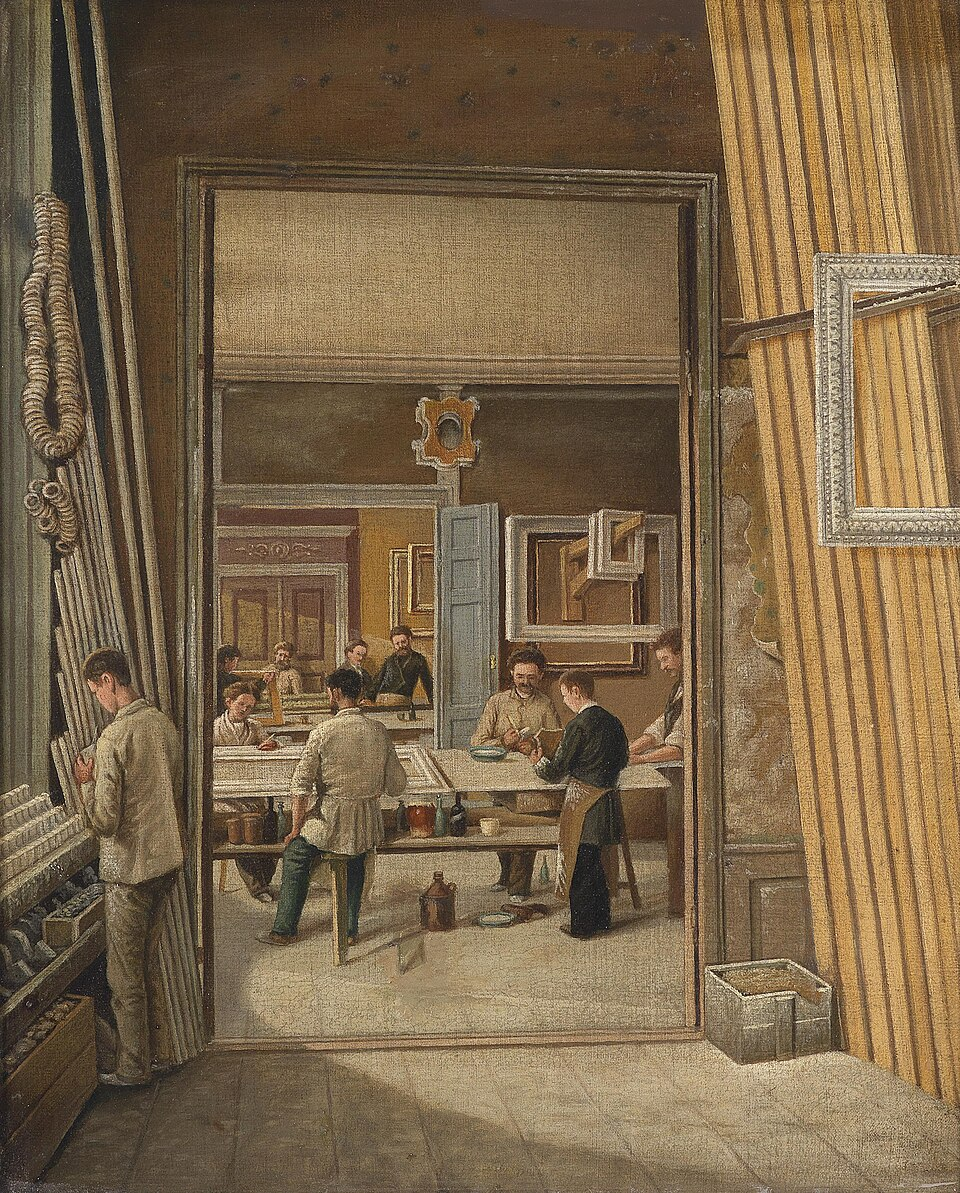
Picture framing in 1960 was a genuinely skilled trade producing objects better than almost anything available now, using materials that were quietly destroying the things inside them.
The craft — the cut mouldings, the cast ornament, the gilding, the hand-cut bevel — was excellent. The board was acidic, the artwork was taped and sometimes trimmed to fit, the glass sat on the surface and the backing was a folded newspaper. Here are sixteen things about that workshop.
1. The mountboard was acidic and it burned the picture
Standard mountboard in 1960 was wood pulp card, cheap and available in a range of colours, and it is acidic. Over years in contact with a work on paper it migrates acid into the sheet, producing the brown line along the edge of the window opening that conservators call a mat burn.
The modern standard is conservation or museum board, buffered or cotton rag, tested to be free of the compounds that cause the problem, and it is the single most important specification in framing. A frame is a sealed environment and whatever is in it with the artwork stays in contact with it for decades.
Almost every picture framed between the 1930s and the 1980s has this, and it is the commonest damage a framer sees. It is also irreversible: the discolouration is in the paper fibres and cannot be lifted out.
Like our content? Follow us for more.
2. The backing board was worse than the mount
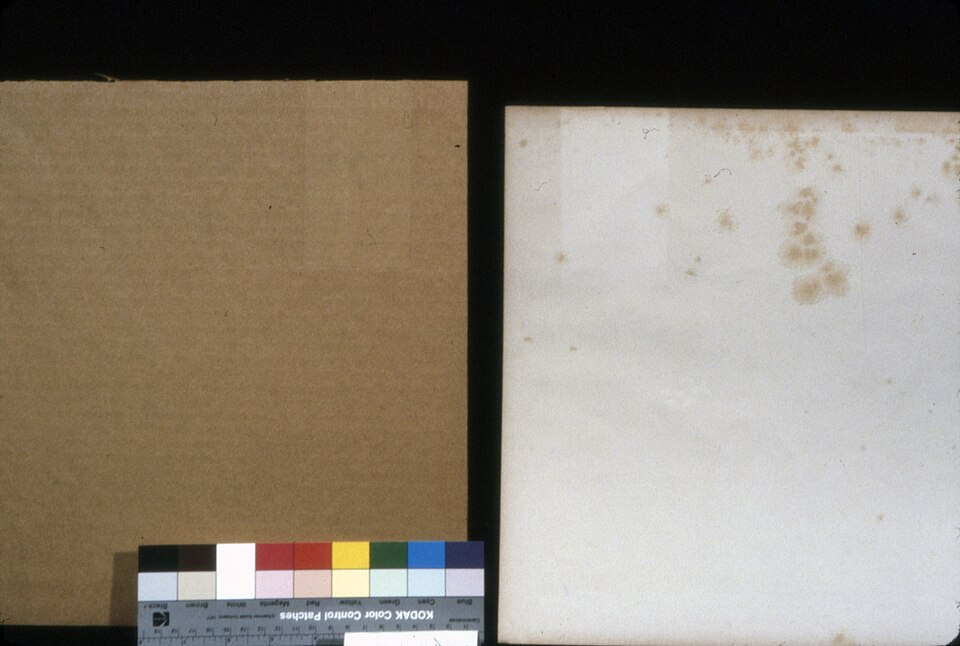
Behind the artwork went whatever was stiff and cheap: hardboard, corrugated card, chipboard offcuts and in a great many shops a folded sheet of newspaper as packing. Newsprint is among the most acidic and lignin-rich paper made.
Current practice is an inert backing — conservation board or an inert plastic sheet — with the artwork separated from the frame’s rear and from any wood. Timber frames themselves release acidic vapours, which is why a sealed barrier between frame and contents is now specified.
The newspaper is the detail that makes framers wince, because it is dated. Opening an old frame and finding a page from a particular week in 1962 is charming and it is also the thing that has been staining the back of the picture ever since.
3. The artwork was taped down, which is the real damage
Works were attached to the mount with whatever tape was on the bench: masking tape, brown gummed paper, cellulose tape and later pressure-sensitive tapes, applied directly to the back and sometimes to the front of the sheet.
This is the practice conservation is most emphatic about. Pressure-sensitive tape discolours, its adhesive migrates into the paper and its carrier becomes brittle, and removing it later is a specialist operation that frequently cannot be done cleanly. The modern method is Japanese tissue hinges applied with wheat starch paste, which is reversible with moisture and leaves nothing behind.
The governing principle is reversibility: everything done to a work in a frame should be undoable without damaging it. Tape fails that test completely and it is still the most common thing owners do.
4. Pictures were trimmed to fit the frame
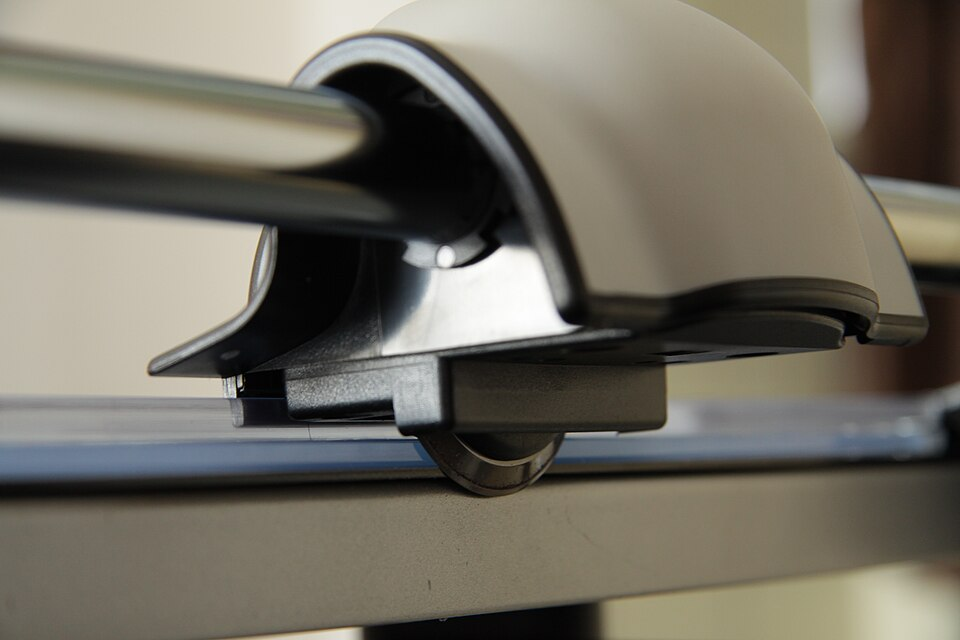
If a print was slightly larger than the frame, the print was cut. Margins were trimmed, plate marks and signatures were cropped, and in some cases a sheet was reduced substantially so that it would sit in a mount the shop already had.
Nothing in modern practice permits this. Margins carry information — plate marks, watermarks, printed titles, signatures, edition numbers, deckle edges — and they are part of the object; a trimmed print has lost value and evidence permanently, and the frame is the thing that should be made to fit.
It is the most destructive item in this file and it was done conscientiously, by skilled people, because a frame was expensive and a print was not. The economics have inverted completely.
5. The glass sat directly on the surface of the work
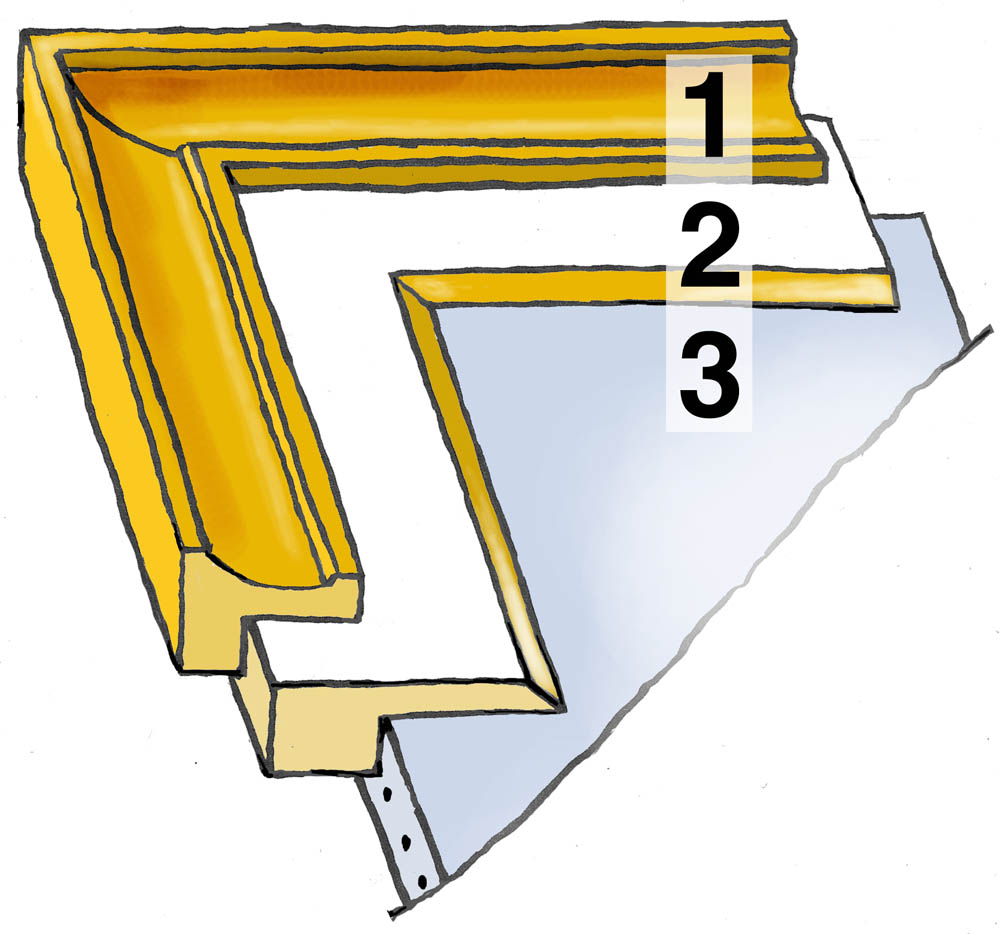
Standard practice placed glass straight onto the artwork or onto a mount so thin that the two were in contact, with the glass pressed against the surface by the backing.
The modern requirement is an air gap, provided by the thickness of a window mount or by spacers where a work is framed without one. The reason is that condensation forms on the inside of glass, that moisture against paper or paint causes cockling, mould and adhesion of the image to the glass, and that a work stuck to glass is frequently unrecoverable.
Pastels, photographs and anything with a soluble or powdery surface are the ones this ruins, and the damage is only discovered when somebody opens the frame decades later.
6. Dry mounting was irreversible and was sold as a service
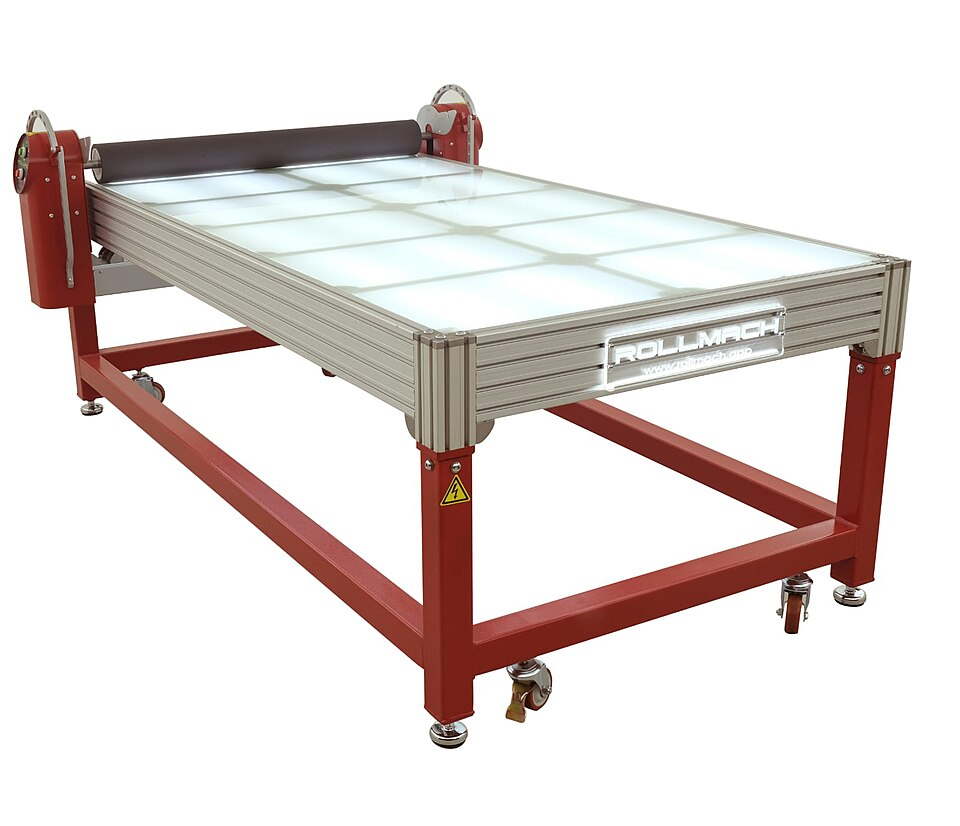
Dry mounting bonds a work to a rigid board with a heat-activated adhesive tissue in a press, and in 1960 it was offered as the smart modern finish: perfectly flat, no cockling, no hinges.
It is permanent. The work cannot be removed from the board without damage, which makes it unacceptable for anything of value, and the heat involved is itself a hazard for photographs and for anything with a sensitive surface. It remains legitimate for posters and for decorative reproduction work, which is where it belongs.
The distinction a framer now makes at the counter is whether the thing in front of them matters, and dry mounting a work that turns out to have been an original is the mistake that produces the most expensive conversations.
7. Nobody thought about light
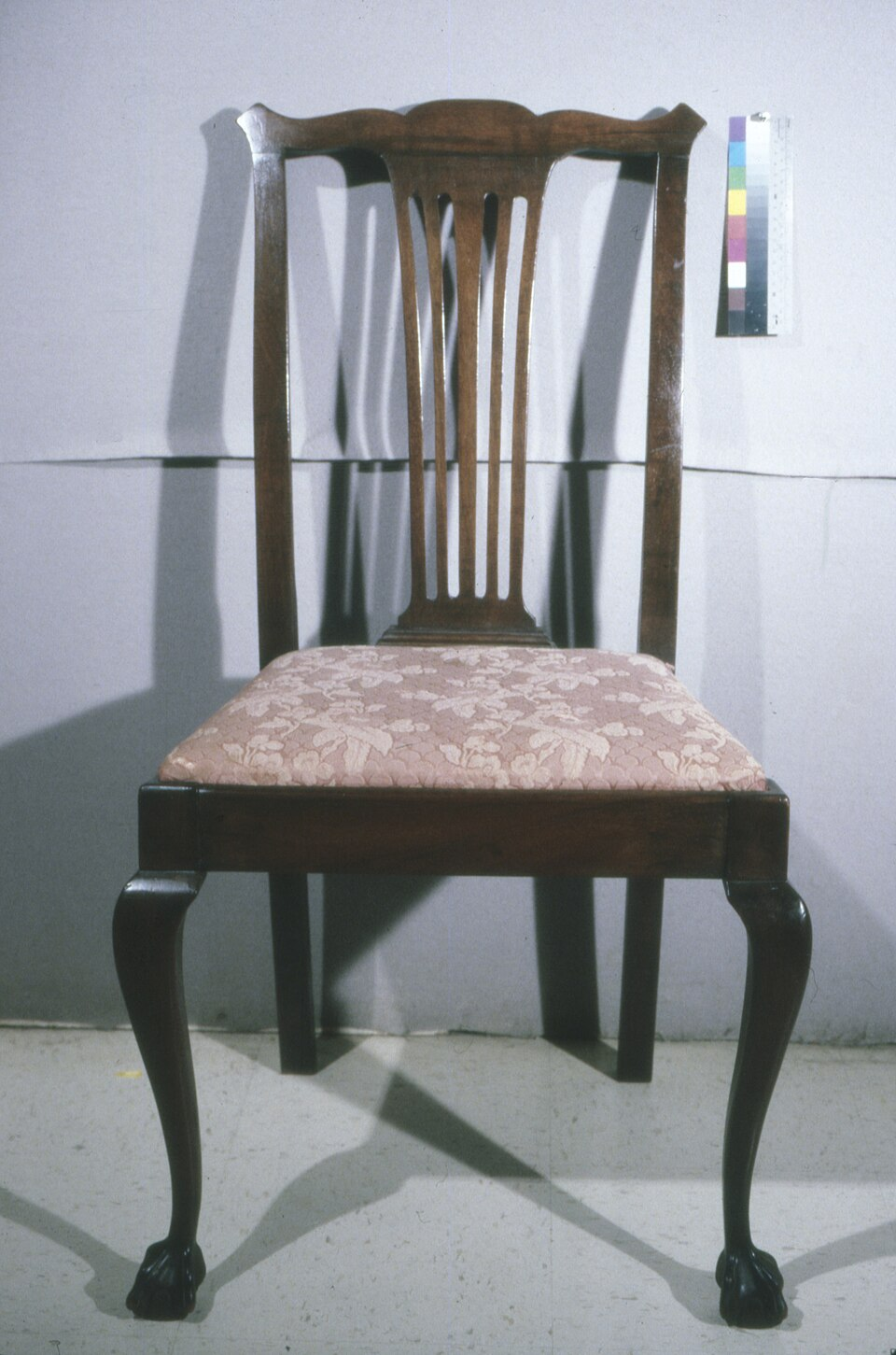
Pictures were hung wherever they looked well, including on sunlit walls and above fireplaces, and the glass in the frame was ordinary float glass offering no protection from ultraviolet.
Light damage is cumulative and irreversible: it fades pigments and dyes, yellows paper and embrittles it, and the effect is a function of intensity multiplied by time. Modern options are UV-filtering glass or acrylic, and the more effective measure is placement — away from direct sun and away from the heat and soot above a working fire.
Watercolours, photographs and anything with an organic dye are the most vulnerable. The practical advice is unchanged by any glazing choice: a valued work does not hang in sunlight.
8. The mitre guillotine had no guard on it
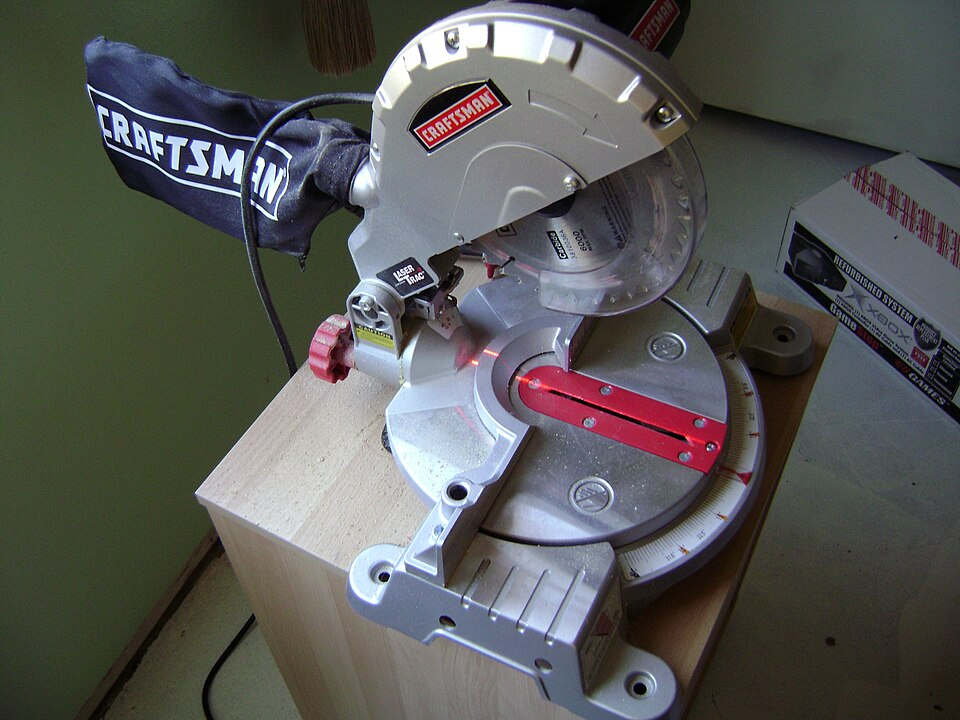
Frame mouldings were cut on a mitre guillotine — a foot or hand operated machine driving two heavy blades through timber at forty-five degrees — and on the machines of this period the blade path was open.
Modern equivalents carry guards, two-hand or interlocked operation and blade-change procedures, for the same reason as any blade machine: the consequence of a hand in the path is immediate. The machines themselves are otherwise little changed and many 1960 guillotines are still in use with guards retrofitted.
No injury is described here. The guarding is the point, and this is the machine every framer is careful around.
9. Glass was cut by hand, by the sheet, with bare hands
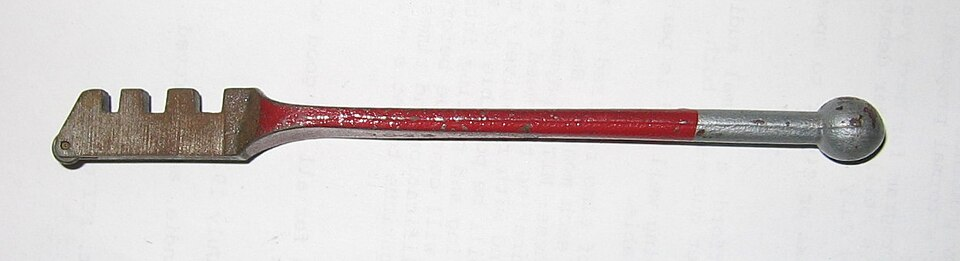
A framer cut glass to size from large sheets on a bench, scoring with a wheel cutter and snapping it, handling edges that are sharp enough to cut without pressure, with no gloves and frequently with no sleeves.
Current practice uses cut-resistant gloves and sleeves for handling sheet glass, proper storage racks rather than leaning sheets against a wall, and in many shops a move to acrylic for larger sizes, which is lighter and does not break the same way. Sharps disposal is specified rather than improvised.
The shop floor is the overlooked part of this. Glass cutting produces slivers and dust that end up in the floor, the bench and anything soft in the room, and the modern answer is a dedicated area and wet or vacuum cleaning rather than a brush.
10. The gilding materials were traditional and the paints were not
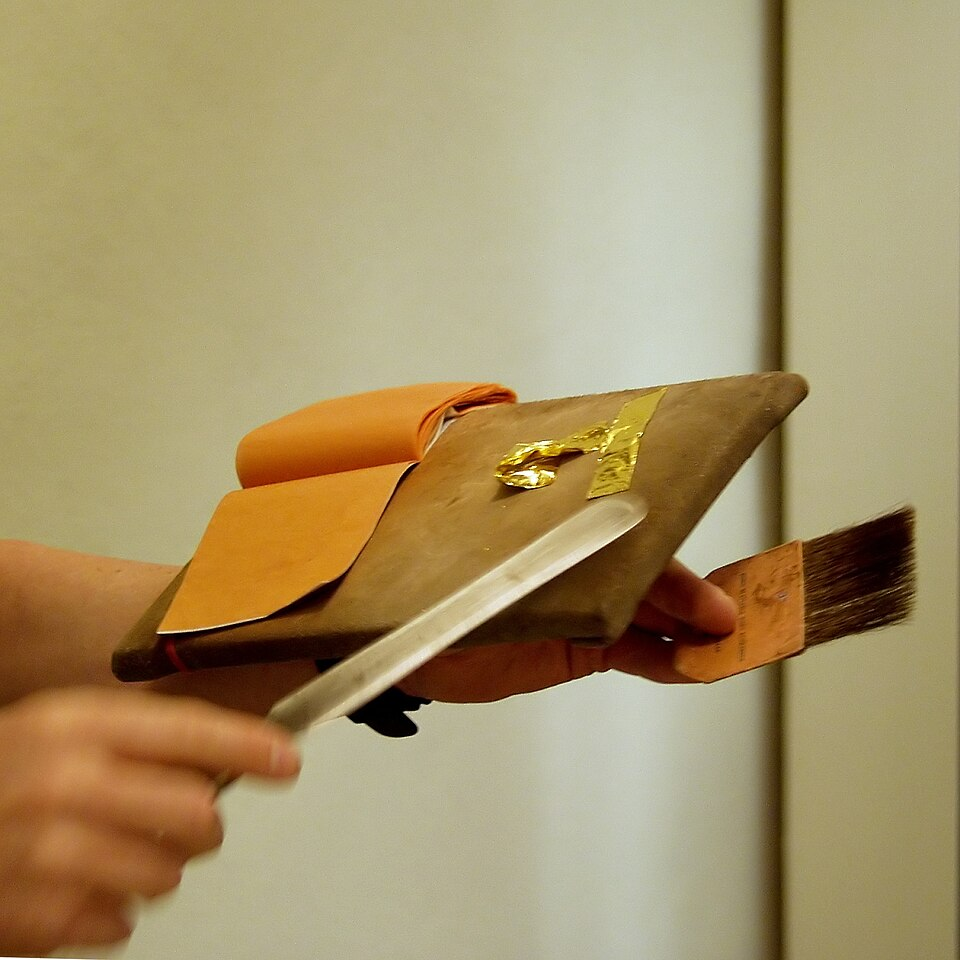
Hand-finished mouldings were gessoed, coated with bole and gilded with gold leaf laid on size — all of which is benign — and then the ranges that were not hand-gilded were finished with metallic paints, lacquers and bronze powders whose pigments included lead and other metal compounds.
Lead in decorative paint was progressively restricted, with the American residential prohibition in 1978 the decisive step, and bronzing powders and solvent-based lacquers carry their own handling requirements. The gilding trade itself continues unchanged because nothing in it needed changing.
The practical legacy is in the frames. An ornate gilded or painted frame from this period or earlier may have lead in its finish, which matters when somebody sands or strips it rather than when it hangs on a wall.
11. The compo ornament was cast in the shop
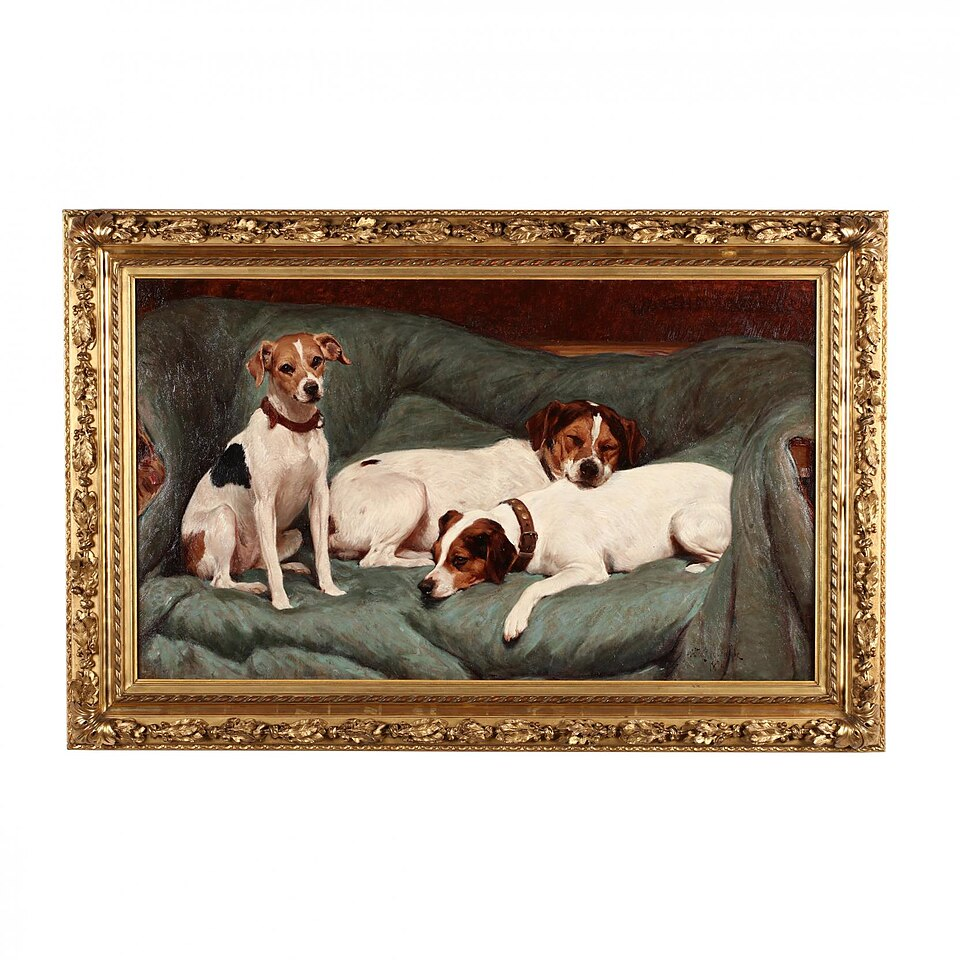
Decorative ornament on frames was composition — a mixture of chalk, resin, glue and oil, pressed into carved boxwood moulds while warm and applied to the moulding — and shops made their own from a recipe.
It is a benign material and the craft survives in restoration work, where matching a missing section of compo ornament is a standard job. What has changed is that almost all production ornament is now moulded polymer, which is cheaper, dimensionally stable and completely unlike compo to work with.
This is the item in the file with nothing wrong with it. It is included because compo is the reason old frames look the way they do and because almost nobody knows the ornament is cast rather than carved.
12. Finishing used solvents and lacquers at the bench
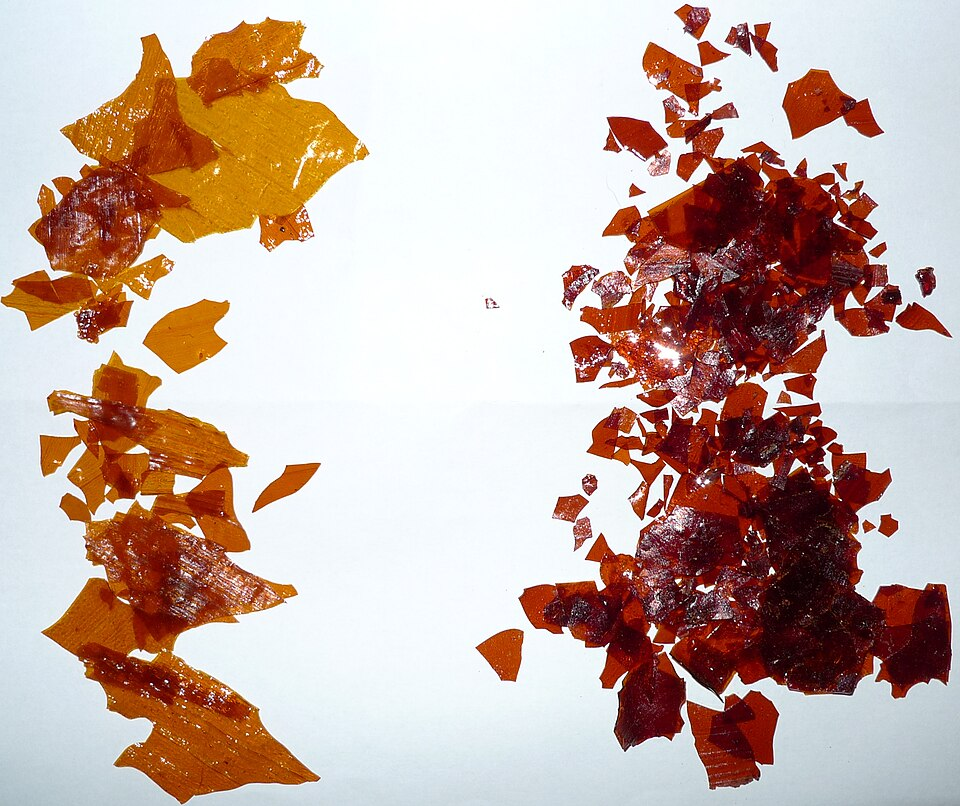
Toning, antiquing, waxing and lacquering frames used shellac in denatured alcohol, solvent-based lacquers, waxes thinned with turpentine substitute and a variety of spirit stains, applied with brushes and rags in the workshop.
Denatured alcohol contains methanol specifically so it cannot be drunk, methanol is absorbed through skin and inhaled, and current products carry explicit warnings with glove and ventilation guidance. Solvent-based finishing is now done with extraction where it is done at all, and water-based alternatives cover much of the range.
The rag is the hazard that survives. Cloths soaked in oil-based waxes and finishes can ignite as the oil oxidises and generates heat in a crumpled heap, and they are laid flat to dry or kept in water in a sealed metal container.
13. The frame was sealed with gummed paper and that was the whole barrier
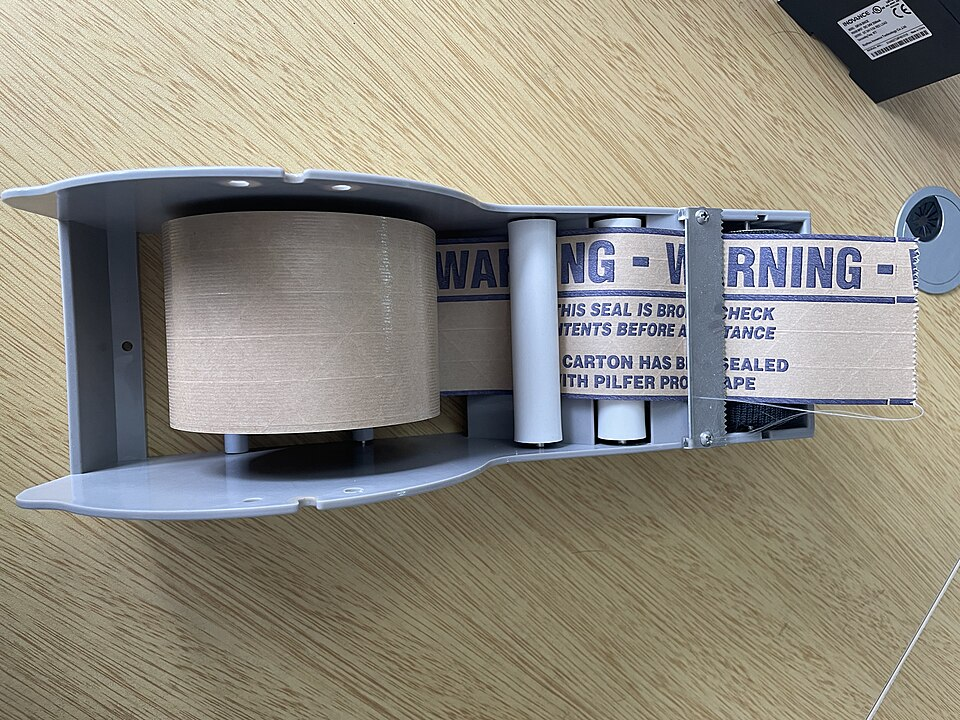
A finished frame was closed with brown gummed paper tape around the rear edge, which seals it against dust and insects reasonably well and against nothing else.
Modern sealing uses an inert barrier sheet and a tape appropriate to the job, and the purpose is understood differently: the frame is a microclimate, and what matters is excluding pollutants and buffering humidity change rather than simply keeping dust out. For valuable works, sealed packages with controlled materials throughout are specified.
The practical point for an owner is that a frame is not a neutral container. Everything inside it is in a closed environment with the artwork for however long it hangs there, which is usually decades.
14. The shop stored everything flat, on the floor, against a wall
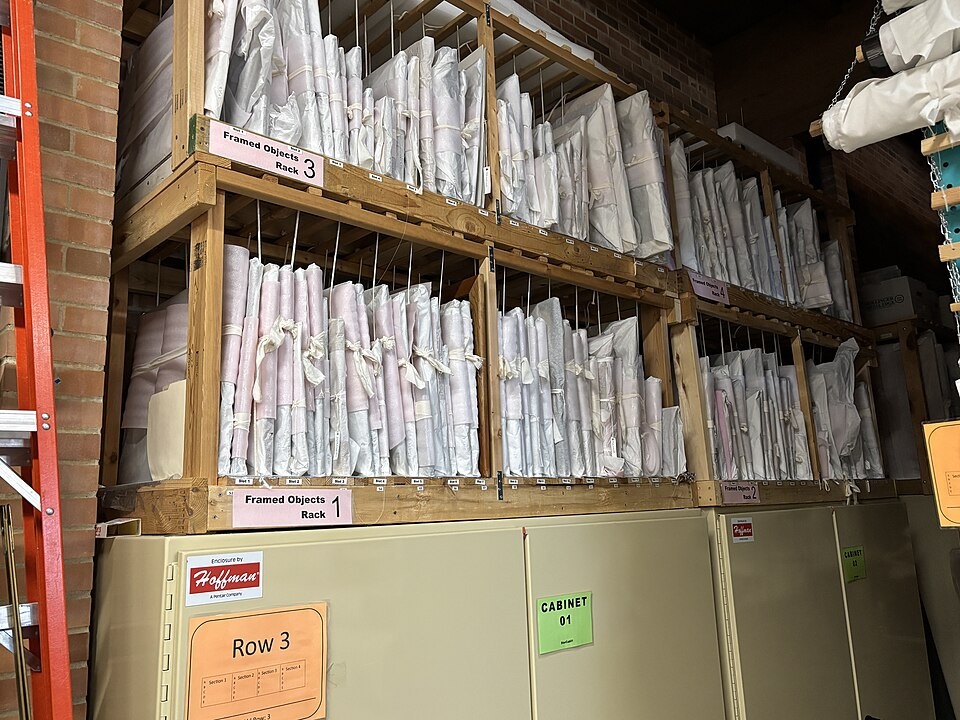
Mouldings, board, glass and customers’ work were stacked and leaned, and the customers’ work in particular sat behind a counter in brown paper for weeks.
Handling and interim storage are now part of the specification for anybody working with original material: flat storage, interleaving, separation from unframed glass, and a logged location for each item. Insurance arrangements for customers’ property make this a commercial requirement rather than a courtesy.
A great deal of damage to framed work happens in transit and in storage rather than on the wall, which is the least glamorous finding in the whole subject and probably the most useful.
15. Nothing was recorded about what had been done
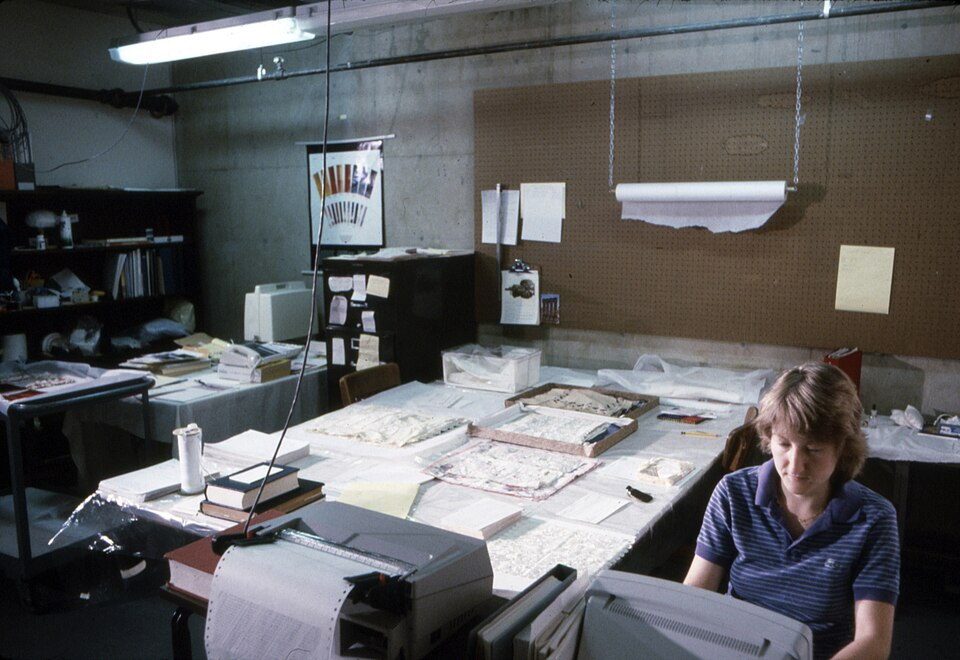
A frame was assembled and went out, and no record was kept of the materials used, the method of attachment or the date. Opening an old frame is an act of archaeology.
Current conservation framing practice includes documenting what is in the package — the board, the hinges, the adhesive, the glazing, the date — usually on a label inside the frame, so that the next person to open it knows what they are dealing with and whether anything needs attention.
It costs nothing and it is the difference between a framer in 2080 knowing what they have and guessing. The 1960 shop’s silence is why every old frame has to be treated as a question.
16. And the thing the trade did better
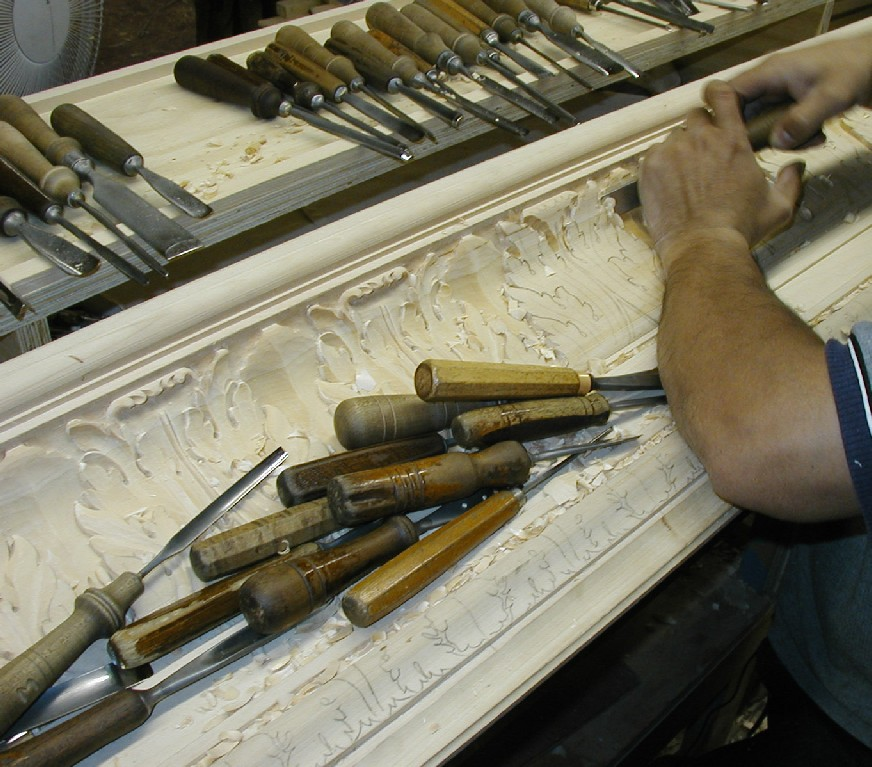
A 1960 framer made the frame. Mouldings were cut, joined, gessoed, gilded, toned and finished in the shop, ornament was cast from the shop’s own moulds, mounts were cut by hand with a knife and a bevel that a machine still struggles to match, and the result was an object made for a particular picture by somebody looking at it.
What replaced most of that is pre-finished imported moulding, computerised mount cutting and a chain model, which is faster, cheaper and extremely consistent. The hand trade survives at the top of the market and in conservation framing, where the work is as skilled as it ever was and the materials are better.
The honest summary is that the craft was excellent and the materials were quietly destroying the contents. Acidic board, tape, trimming, glass against the surface and dry mounting have between them damaged a very large proportion of everything framed in the twentieth century, and all five were done by people trying to do a good job.
Five practices that did the damage
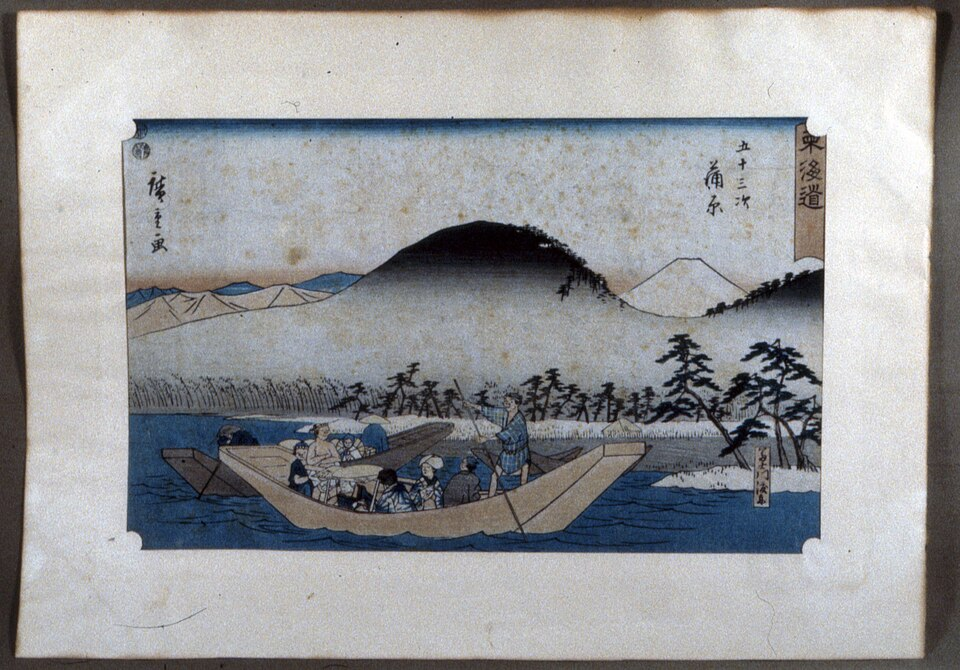
Reading the list back, five items account for almost all of the harm, and all five were standard rather than careless. Acidic mountboard and acidic backing put the artwork in permanent contact with the compounds that stain it. Tape attached it with an adhesive that migrates into the paper and cannot be cleanly removed. Trimming cut away margins, plate marks and signatures that are part of the object. Glass in contact with the surface allowed condensation, cockling and adhesion of the image to the glass. And dry mounting bonded the work to a board permanently.
Every one of those has a modern replacement that costs very little more: conservation board, an inert backing, Japanese tissue hinges with wheat starch paste, a window mount or spacers to hold an air gap, and hinging rather than bonding. The governing principle behind all of them is reversibility — everything done to a work should be undoable without damaging it — and it is the single idea that separates 1960 framing from the modern kind.
The workshop hazards are a separate and smaller group: the unguarded guillotine, hand-cut sheet glass, lead in decorative finishes and solvent finishing. All four have been addressed by guarding, cut-resistant handling, the 1978 residential lead paint prohibition and extraction, and none of them is what a framer today worries about when an old frame comes in.
If you own anything framed before about 1990 and it matters to you, two things are worth doing. Do not hang it in sunlight or above a working fire, which costs nothing and prevents the one kind of damage that is still accumulating. And if the frame is opened for any reason, have the board, the backing and the method of attachment looked at, because the acidic package is still in contact with the work.
The other rule is for anybody tempted to fix something themselves: never use tape on a work on paper. It is the most common and most damaging thing owners do, and the alternative is a framer with a pot of starch paste.
Like our content? Follow us for more.