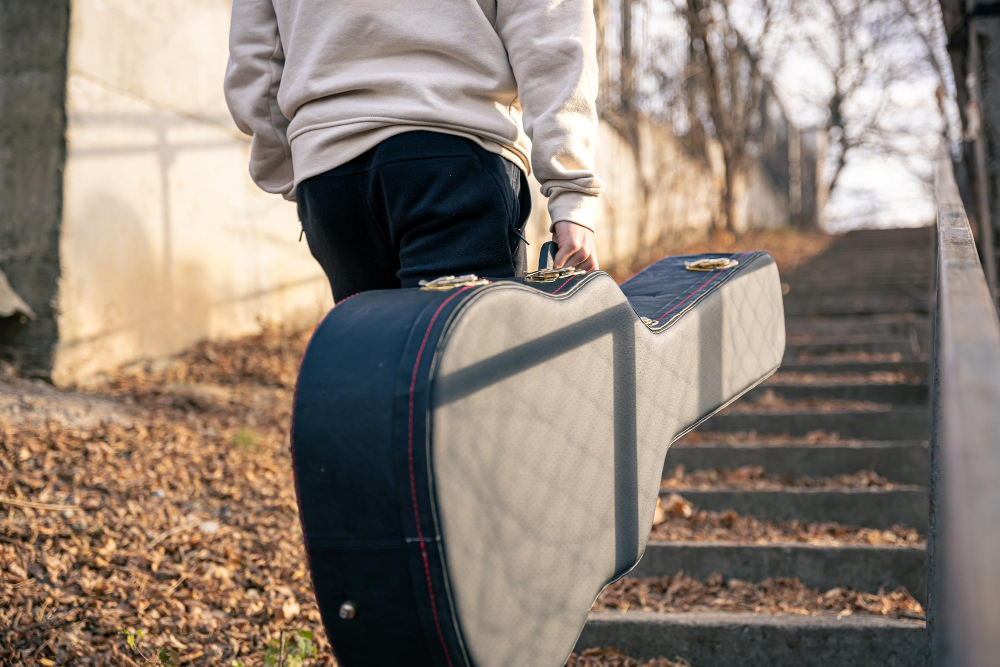
Two completely separate questions decide how an instrument travels. Whether it arrives undamaged is about carriage, cases, temperature and humidity. Whether it crosses a border lawfully is about what it is made of, and for a professional, about whether it counts as a commercial import.
Most players research one and are caught by the other. Here are fourteen things that decide both.
1. The published policy and the gate agent are two different things

Most airlines publish a policy on musical instruments in the cabin, and in several jurisdictions carriers are required to accept instruments that fit the cabin baggage dimensions. What happens at the gate depends on the aircraft, the load and the person.
The gap is not bad faith. A full flight on a small aircraft genuinely has nowhere to put a cello, and a policy written for a fleet does not describe every aircraft in it.
Print the airline’s own policy and carry it, board as early as your fare allows, and ask about the aircraft type when you book rather than when you arrive.
Like our content? Follow us for more.
2. For a large instrument, the answer is usually an extra seat
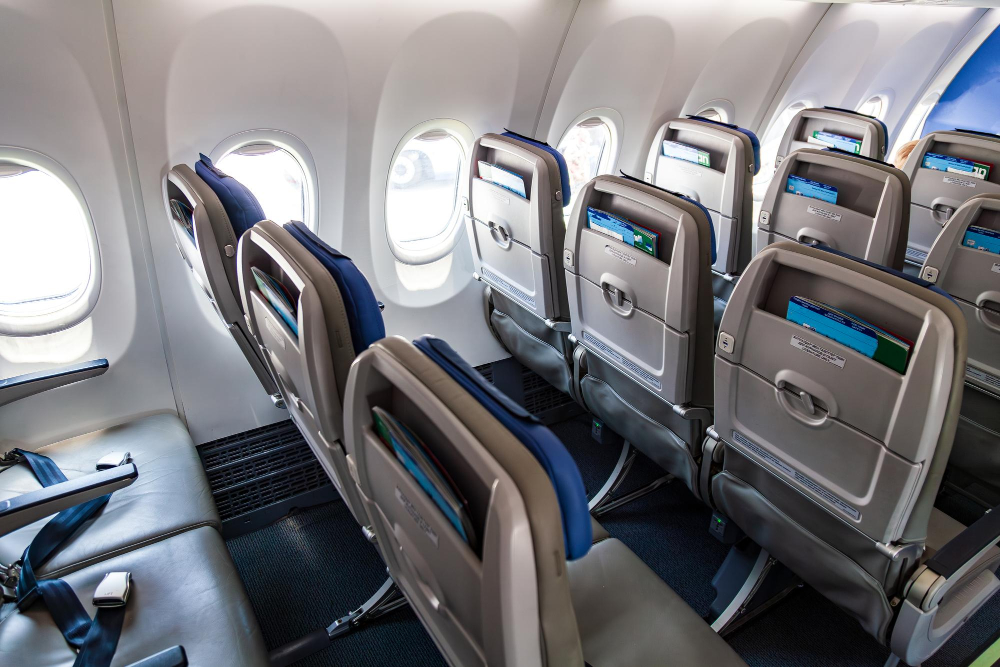
Airlines sell a seat for an instrument, under a defined product with its own rules: a maximum weight, a requirement that the instrument be secured, a window or specified seat, and a prohibition on exit rows.
It is not a cheap solution and it is the only reliable one for a valuable instrument that will not fit in an overhead locker. Professional players treat it as a cost of touring rather than an indulgence.
Book the instrument seat with the airline directly, confirm the weight limit and the securing arrangement in writing, and expect to show the confirmation at the gate.
3. Whether an instrument fits is a matter of three dimensions, not one
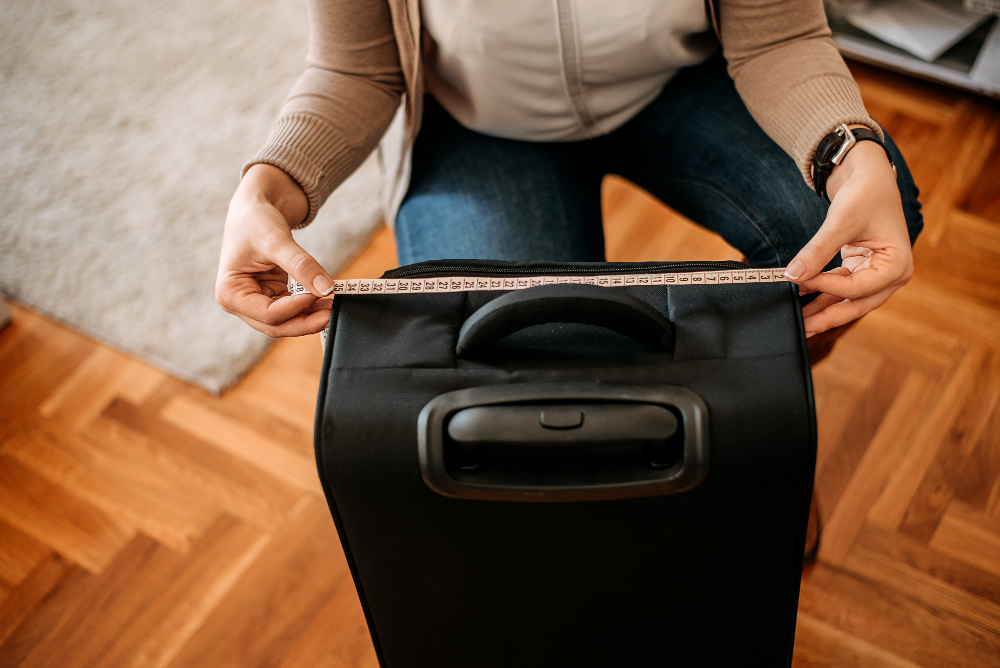
Cabin acceptance is governed by length, width and depth against the locker and the gauge, and instruments fail on depth more often than on length. A case that measures within the limits on paper can be refused for its shape.
Smaller instruments in slim cases travel in the cabin routinely. Guitars are borderline and depend on aircraft and locker type. Anything larger is an extra seat or the hold.
Measure the case rather than the instrument, in all three dimensions, against the specific airline’s published figures.
4. The hold is a different environment, not just a rougher one
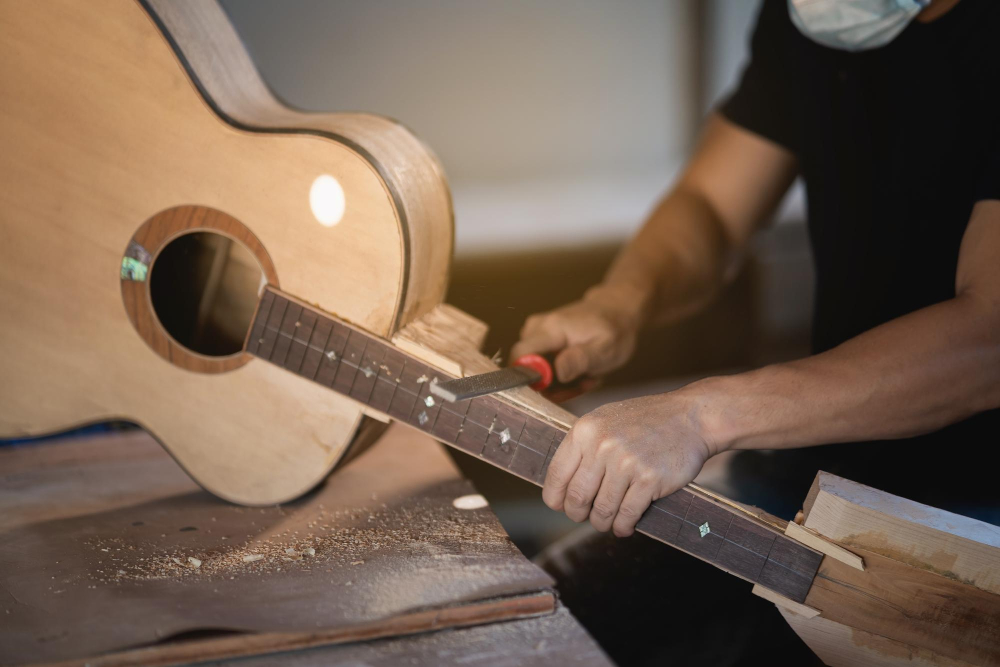
A cargo hold is pressurised on most passenger aircraft but is cooler than the cabin and can be considerably colder on a long sector, and the air is dry. Wood, glue, finish and strings all respond to temperature and humidity.
The damage characteristic of hold carriage is not usually a crack from impact but a seam opening, a neck shifting, a finish checking or a bridge moving, appearing days later as the instrument re-acclimatises.
If an instrument must go in the hold, let it come back to room temperature slowly in its closed case before opening it, which is the single most useful thing a player can do.
5. A flight case and a gig bag are not the same product
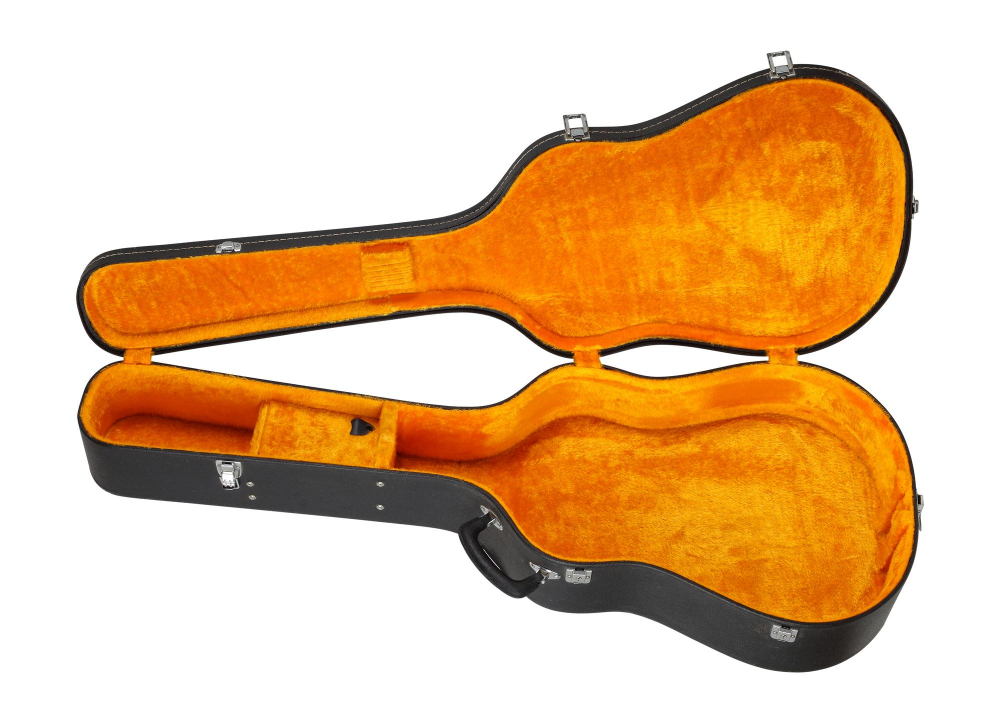
A flight case is rigid, designed for handling systems, and generally what an insurer means by adequate packing. A soft or hybrid case is suitable for carrying and is not protection against a baggage system.
Insurers and airlines both treat suitability of packing as central to a claim, and a valuable instrument in a soft case placed in the hold is where cover most often fails.
Use a flight case for anything that goes in the hold, and photograph the instrument and the case before handover.
6. Loosen the strings a little, and not completely
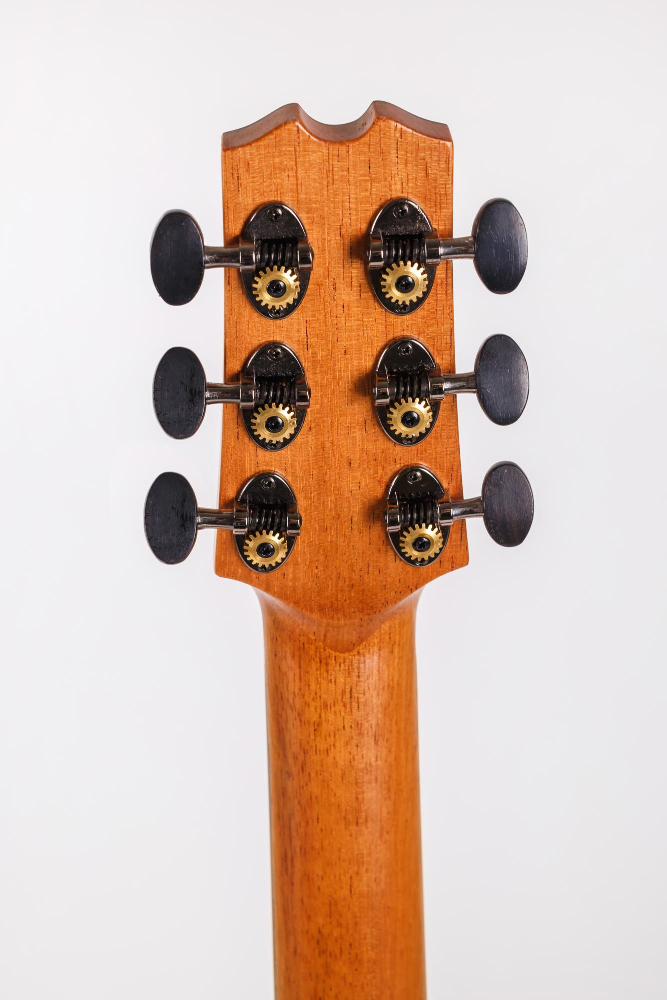
The common advice is to detune before flying, and the reason is that temperature change alters tension while the instrument is unattended. Taking the strings off entirely removes the tension the instrument is built to balance against.
Opinions among luthiers differ on how much, and the consistent advice is a partial release of tension rather than slackening to nothing, particularly on instruments with a floating bridge or an arched top where the bridge is held by string pressure.
Ask your own repairer what they advise for your specific instrument, because the answer differs by construction rather than by generic rule.
7. Humidity control in the case is worth more than people think
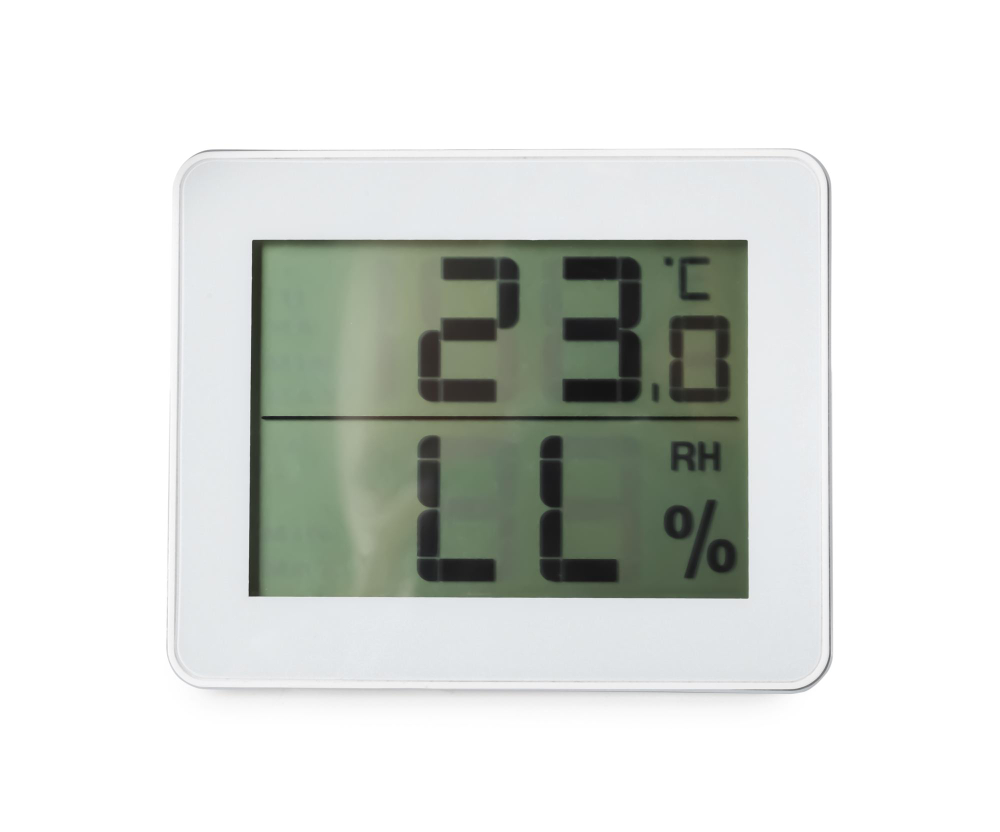
Dry air is the main cause of wood damage in transit and in hotel rooms, and case humidifiers and two-way humidity packs exist to buffer it. Several professional players regard them as standard equipment.
The failure mode is over-humidification, which causes its own problems, which is why two-way products that both absorb and release are preferred to simple water-based devices in a closed case.
Use a two-way humidity product in the case, replace it on schedule, and keep a small hygrometer in the case so you know what is actually happening.
8. Some instruments contain materials that are internationally controlled
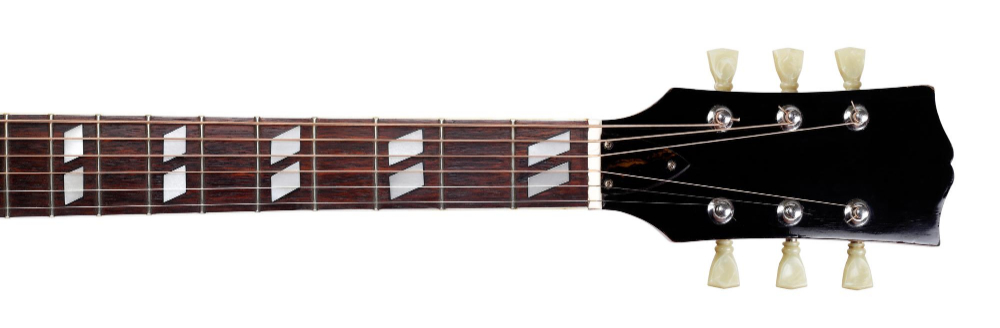
Rosewood, ebony, ivory, tortoiseshell, certain abalone and some bone and horn appear in instruments, bows, inlays, tuning pegs, nuts and fittings, and several are listed under international species protection.
The rules were amended to accommodate musicians, and non-commercial movement of a personal instrument containing certain listed timbers is generally permitted without a permit under current arrangements. The animal-derived materials are treated far more strictly, and ivory in particular is restricted severely in many countries regardless of age.
Find out exactly what your instrument and your bow are made of, in writing from the maker or a qualified appraiser, before taking them across any border.
9. A musical instrument certificate exists for exactly this
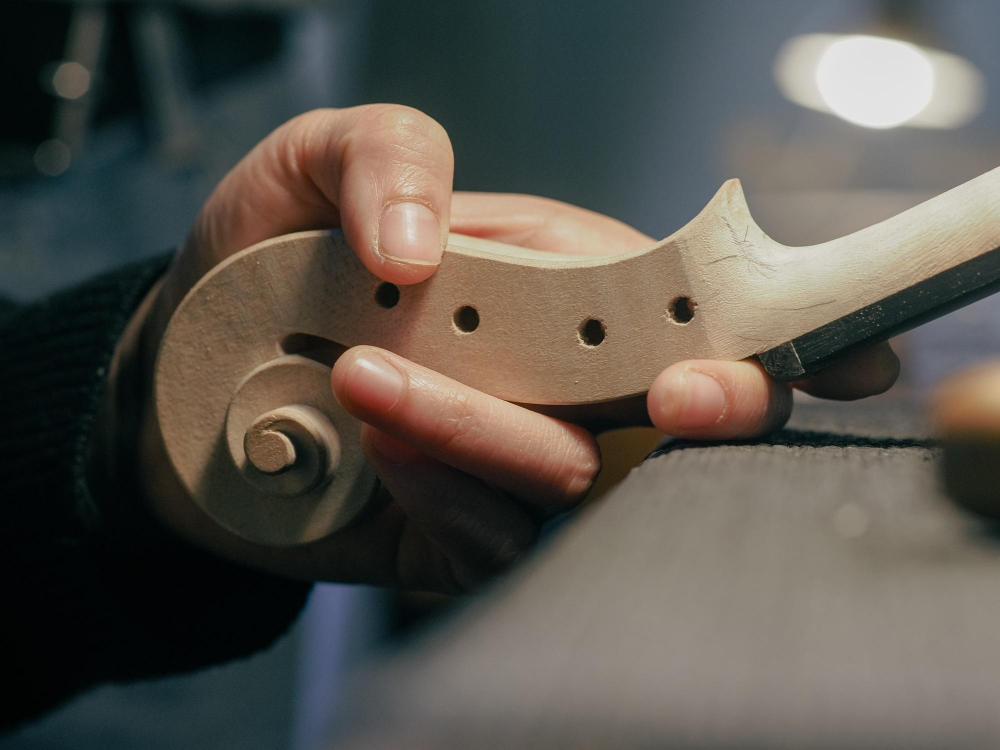
Several countries issue a document, informally called an instrument passport, for a specific instrument containing listed material, valid for multiple journeys over a period, which evidences lawful acquisition and permits non-commercial cross-border movement.
It is applied for in advance, names the instrument and the materials, and has to be carried and presented. It does not cover sale, and it does not cover an instrument whose materials were not lawfully acquired.
If your instrument contains any listed material, apply for the certificate well ahead of travel and travel with the original rather than a copy.
10. Professionals need a separate document for the equipment itself
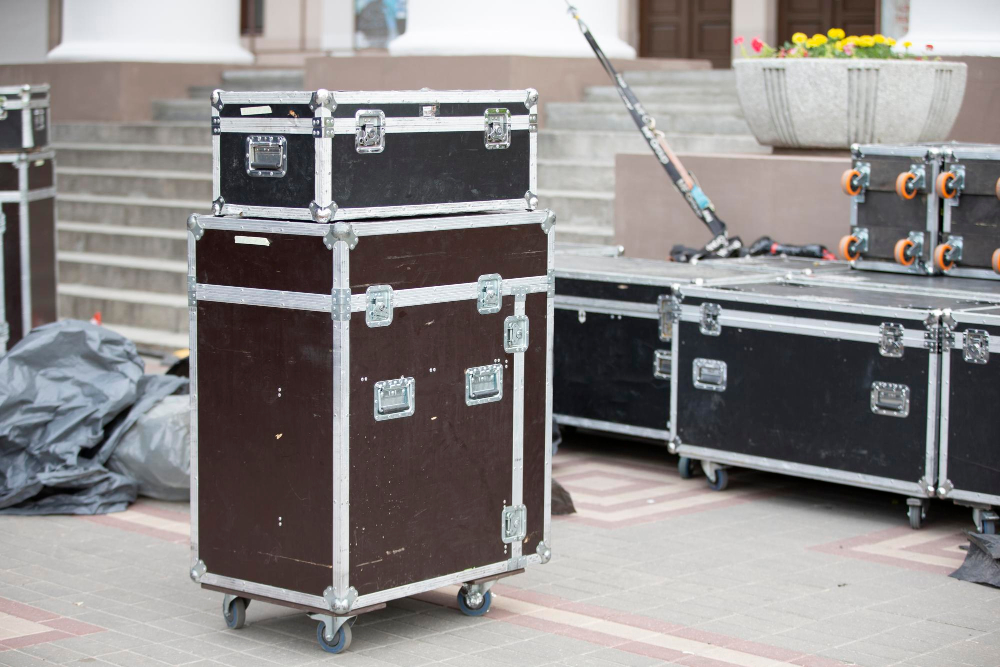
An instrument carried for paid work can be treated as a commercial import rather than personal effects, attracting duty and tax unless it travels under a temporary admission document listing each item with serial numbers and stamped in and out at each border.
That is a different document from the species certificate and addresses a different question: not what the instrument is made of, but whether it is being imported. A touring musician generally needs both.
A freight agent or a musicians’ union can advise on temporary admission, and the paperwork is worth getting right before a tour rather than at the first frontier.
11. On return, you may be asked to prove you did not buy it abroad
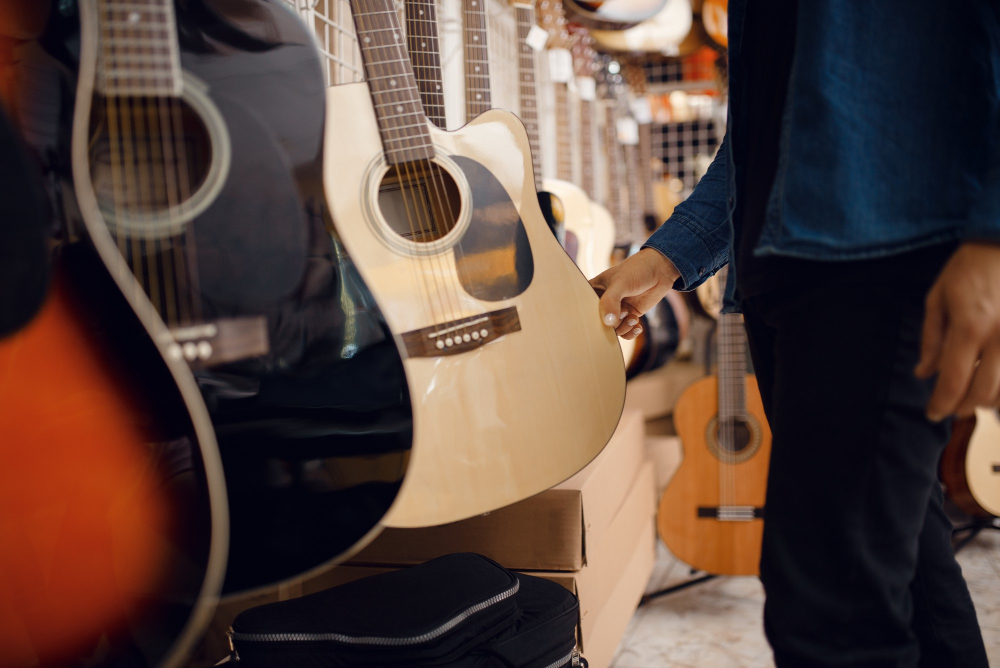
Customs in your own country may treat a valuable instrument as a purchase made overseas and liable to duty and tax, with the burden of showing otherwise falling on the traveller.
The documents that settle it are proof of prior ownership: a receipt, an insurance schedule, a serial number record, an appraisal, or in some countries a form stamped before departure listing what was taken out.
Photograph the serial number and keep the purchase documentation accessible, and for a very valuable instrument ask your customs service about pre-departure registration.
12. Instrument insurance is a specialist product

Household contents policies typically cap a single item well below the value of a professional instrument, exclude use for paid work, and exclude or limit cover away from the home. Travel insurance has similar single-item limits.
Specialist instrument policies cover worldwide transit, professional use, and in some cases loss of earnings, and the relevant clauses are the territorial limits, the packing requirements and whether the hold is covered at all.
Read the policy for the territorial limit, the packing condition and the hold position, and have the instrument appraised so the sum insured is realistic.
13. Bows, mouthpieces and accessories have their own problems
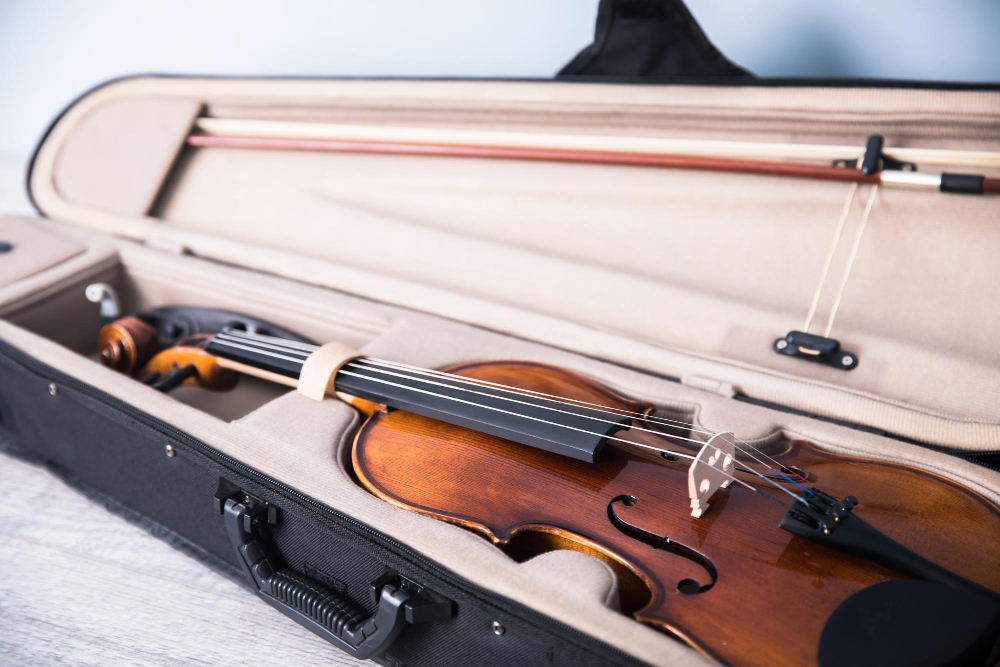
A bow may contain listed materials of its own, independently of the instrument, and is frequently the item that creates the species question. Reeds, rosin, strings and small tools are ordinary baggage but liquids and sharp items follow the usual cabin rules.
Valve oil, slide grease, cleaning fluids and some adhesives are liquids for screening purposes, and a small knife or reed tool in a case is a prohibited item in the cabin.
Check the bow’s materials separately from the instrument’s, and go through the case for liquids and blades before travelling.
14. And the sequence for a player with a trip coming up
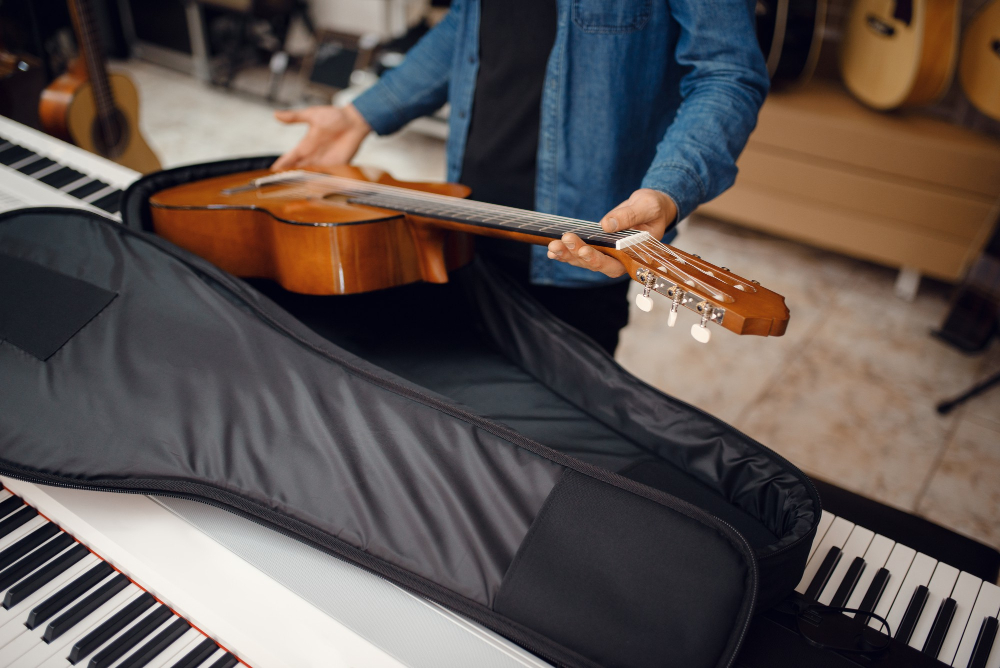
Establish what the instrument and bow are made of, and apply for an instrument certificate if anything is listed. If you are travelling for paid work, arrange temporary admission documentation as well. Then settle the carriage: the airline’s published policy, the aircraft type, and an instrument seat if the case will not go in a locker.
Then the physical preparation: a flight case if it is going in the hold, a partial release of string tension on your repairer’s advice, a two-way humidity product and a hygrometer, photographs of the instrument and case, and the serial number recorded.
The honest summary: the published policy and the gate are different, and for a large instrument the only reliable answer is a purchased seat; the hold damages instruments through temperature and dry air rather than impact, and letting a case return to room temperature before opening it is the most useful habit there is; the species rules were amended for musicians but animal-derived materials remain strict and ivory severely restricted; a touring professional needs a species certificate and a temporary admission document, which answer different questions; and a valuable instrument in a soft case in the hold is where insurance claims fail.
Two problems, two sets of paperwork
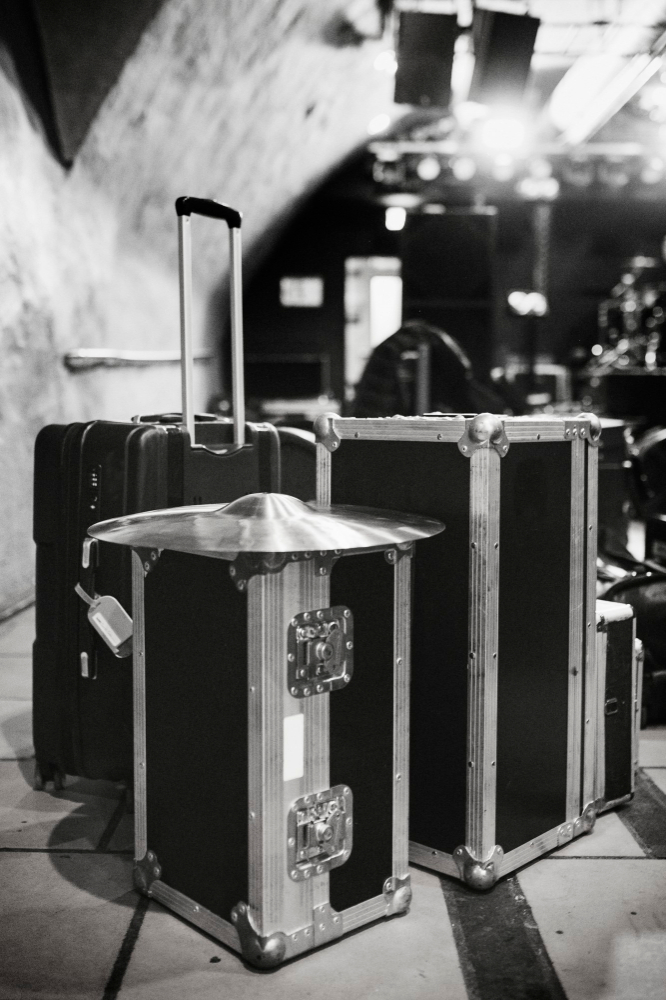
The physical problem is misunderstood. A hold is pressurised on most passenger aircraft, so the thing that damages instruments is not pressure but temperature and dry air: a cold sector followed by a warm arrival produces a seam opening, a neck shifting, a finish checking or a bridge moving, and it appears days afterwards rather than at the carousel. That makes the single most useful habit the least dramatic one — letting a closed case come back to room temperature slowly before opening it. Around that sit a rigid flight case, which is what an insurer means by adequate packing, a partial rather than total release of string tension, and a two-way humidity product with a hygrometer so the player knows what is actually happening inside the case.
The carriage problem is commercial. Airlines publish policies and in several jurisdictions must accept instruments meeting cabin dimensions, but a full flight on a small aircraft has nowhere to put a cello, and acceptance fails on the case’s depth more often than its length. For anything that will not fit a locker, the reliable answer is a purchased seat under the airline’s own product, with its weight limit and securing requirement confirmed in writing.
The border problem is two documents answering two questions. A species certificate — the instrument passport — addresses what the instrument is made of, for a specific instrument over multiple journeys. A temporary admission document addresses whether it is being imported for work, listing each item with serial numbers and stamped in and out. A touring professional generally needs both, and neither substitutes for the other.
Start with what it is made of. Get the materials of the instrument and separately of the bow confirmed in writing by the maker or a qualified appraiser — the bow is frequently the item that creates the species question. Current arrangements generally permit non-commercial movement of a personal instrument containing certain listed timbers, while animal-derived materials are treated far more strictly and ivory is severely restricted in many countries regardless of age. If anything is listed, apply for the instrument certificate well ahead and travel with the original.
If you are travelling for paid work, arrange temporary admission documentation too, through a freight agent or a musicians’ union, before the first frontier rather than at it.
Then the practical layer: the airline’s printed policy in your hand, the aircraft type checked at booking, an instrument seat if required, a flight case for the hold, photographs of instrument and case before handover, the serial number recorded, and a specialist policy read for its territorial limit, packing condition and whether the hold is covered at all.
And ask your own repairer how much to detune, because the right answer depends on how your instrument is built rather than on a generic rule.
Like our content? Follow us for more.