Taking a relative’s ashes to another country is something a great many families do, and almost nobody is told how it works until they are standing at a security point.
The rules are not onerous and they are not designed to obstruct anybody. They are documentary, they come from three separate parties who do not coordinate with each other, and two of the steps take weeks rather than days. Here are fifteen things worth knowing before the journey is booked.
1. Three different parties each have a position, and they are not coordinated

The airline has a policy on carriage, the country you are leaving has rules on export, and the country you are arriving in has rules on import. All three apply and none of them references the others.
This is the single reason families run into difficulty. Confirmation from an airline is not permission from a country, and a country that permits import may still require documents the airline never mentioned.
Ask all three, separately, in writing, before booking. The airline’s customer service line, the destination’s consulate or embassy, and where relevant your own country’s guidance.
Like our content? Follow us for more.
2. Carry them with you rather than in checked baggage
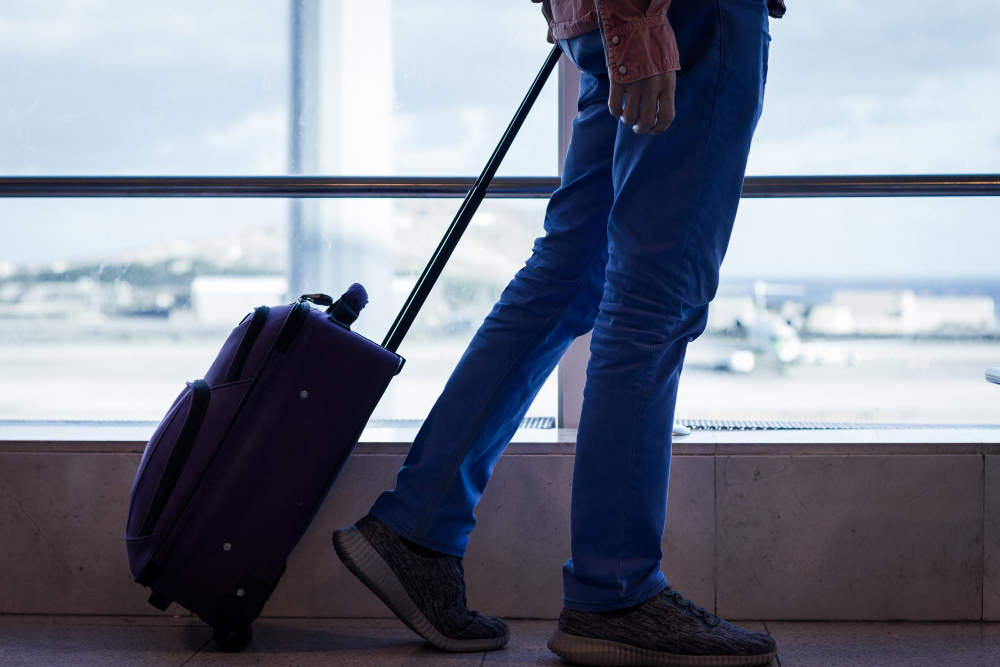
Every airline that permits carriage prefers hand baggage, many require it, and the reasons are practical: checked baggage is handled, can be delayed, and can be opened for inspection without the owner present.
Carrying them in the cabin also means a traveller is there to explain, to produce documents and to answer a question, which is what resolves almost every difficulty that arises at a screening point.
Keep them with you throughout, in a bag you do not put in an overhead locker if you can avoid it.
3. The container has to be able to be screened
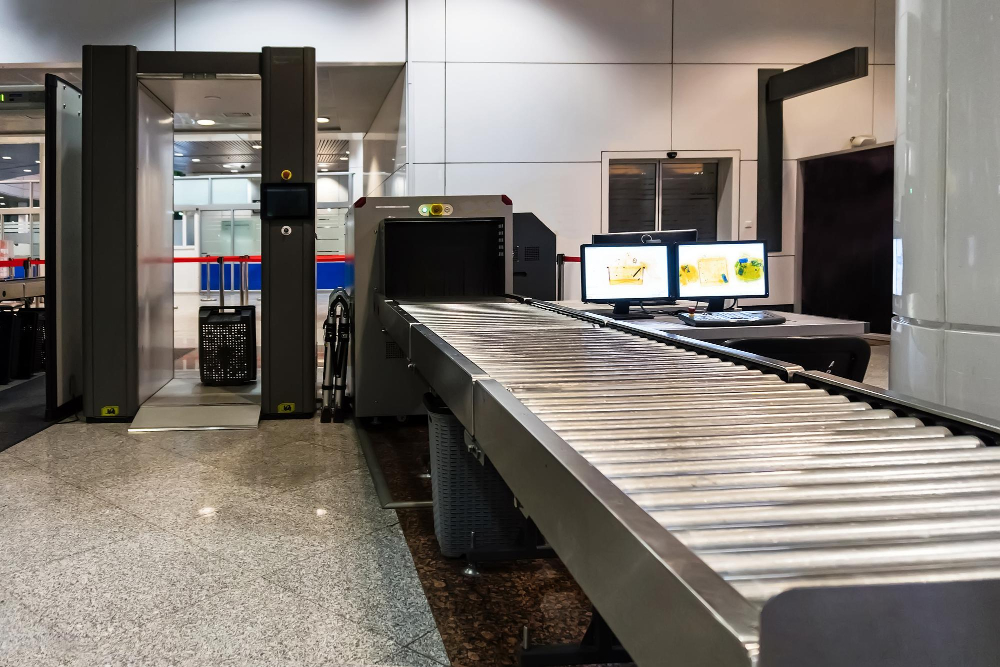
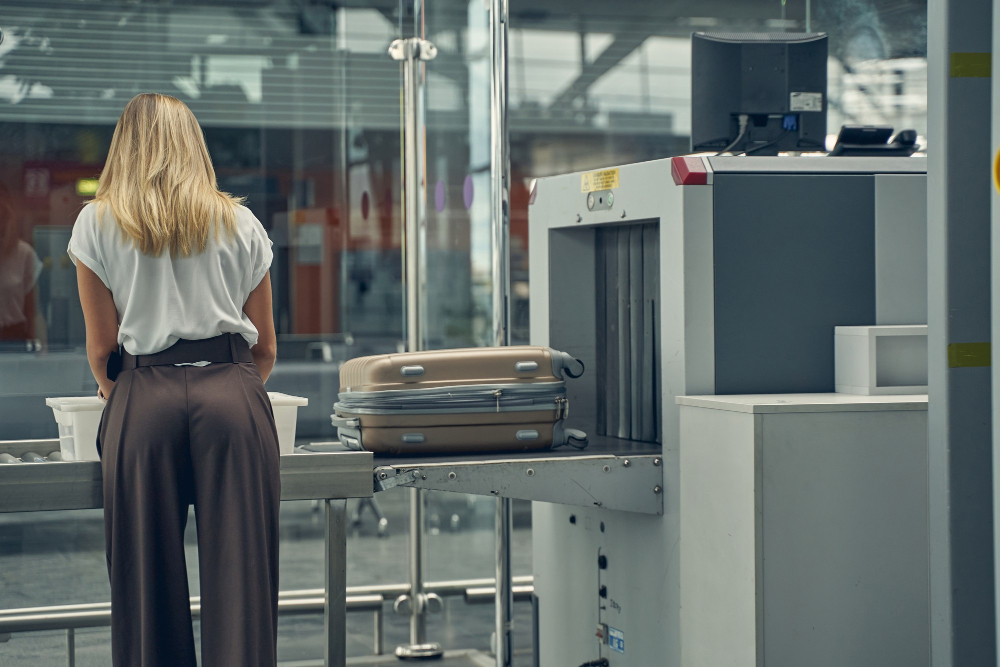
Security screening requires that the contents of any container can be resolved by the X-ray equipment. A container of lead, thick stone, dense ceramic or heavy metal cannot be screened, and screening staff cannot authorise something they cannot see inside.
Where a container cannot be screened, the options are limited: it may not pass, and in most jurisdictions security staff will not open it. The traveller is not being obstructed; the equipment cannot do its job.
Travel with a temporary container of a screenable material — plastic, wood, thin non-metallic composites — and transport the permanent one separately, empty, in checked baggage. Funeral directors supply screenable temporary containers for exactly this purpose and will usually provide one on request.
4. Keep the container sealed and documented as sealed

Most airlines and most border authorities expect the container to be sealed by the crematorium or the funeral director, with the seal intact and documented, and some specifically require it.
An unsealed container invites questions that nobody involved wants to ask. A sealed one accompanied by a certificate stating what it is and who sealed it ends the conversation at every checkpoint.
Ask the funeral director to seal it and to provide written confirmation that they have done so, with the date.
5. Two documents travel with it, always

The certificate of cremation issued by the crematorium, and the civil certificate registering the death. Together they establish what the container holds and that the matter has been formally recorded.
Different authorities ask for different ones and some ask for both. Carrying both costs nothing and removes any possibility of being short of the one that is wanted.
Obtain certified copies rather than relying on originals, keep them with the container rather than in a case, and keep a photograph of each on a phone as well.
6. Some destinations require the documents legalised and translated

Where the destination does not accept documents in your language, translation is required, and some countries additionally require legalisation — an apostille or a consular legalisation — of the certificates themselves.
This takes days to weeks and cannot be done at an airport or on arrival, which makes it the item most likely to cause a journey to be postponed if it is discovered late.
Ask the destination’s consulate specifically whether translation and legalisation are required, and start it first if they are.
7. A number of countries require an import permit or prior notification

Some states require advance authorisation for the import of ashes, issued by a health authority, a civil registry or a consulate, and arriving without it means the container is held pending the paperwork.
The requirement is more common where the ashes are to be interred or scattered locally rather than simply carried through, and it is more common in countries with specific civil or religious frameworks governing burial.
Ask the destination’s consulate the direct question — is an import permit required, and if so who issues it — and allow time for the answer.
8. Scattering is regulated at the destination, separately from carriage
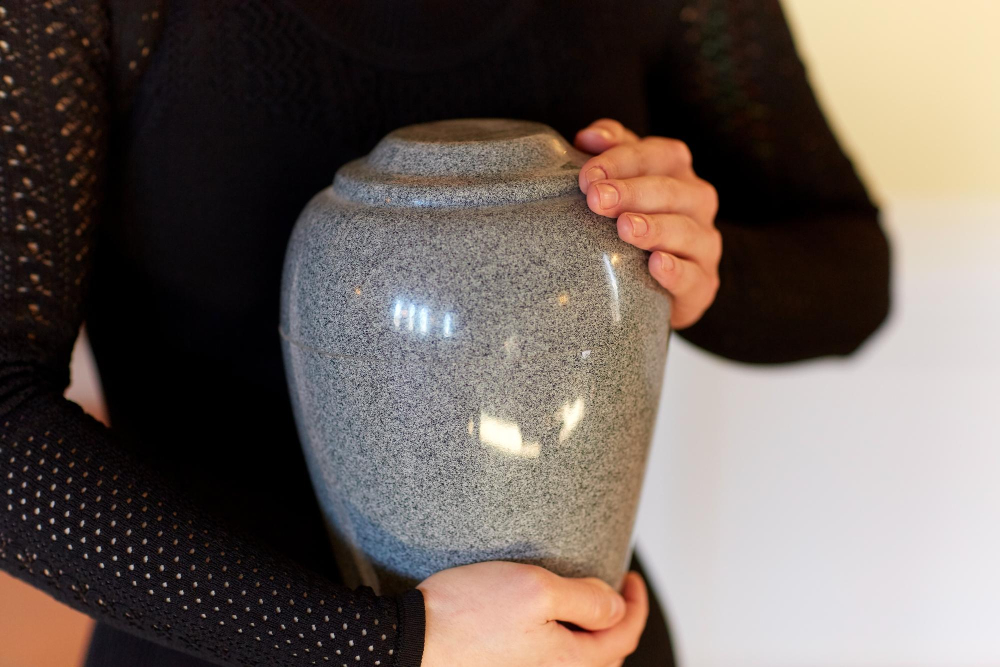
Permission to bring ashes into a country is not permission to scatter them there. Scattering is governed by local law, by land ownership and in many places by environmental rules, and it is restricted in a great many popular locations.
Some countries require no permission on private land with the owner’s consent. Some require a permit anywhere. Some prohibit it in specified places — water catchments, certain coastal zones, archaeological and heritage sites.
Establish the local position before travelling, because a family that has carried ashes a long way and cannot lawfully do what they came for is in an avoidable and painful position.
9. At sea there are usually distance and container rules

Scattering at sea is permitted in many jurisdictions subject to conditions: a minimum distance from shore, avoidance of fishing grounds, bathing areas and water intakes, and the use of a container that is biodegradable if one is used at all.
Operators who provide this service for families generally know the local requirements and hold any permit needed, which is the most straightforward route in most places.
If you are arranging it yourself, find the published conditions for that coast rather than assuming, and use a container made for the purpose.
10. National parks and protected sites have their own permissions
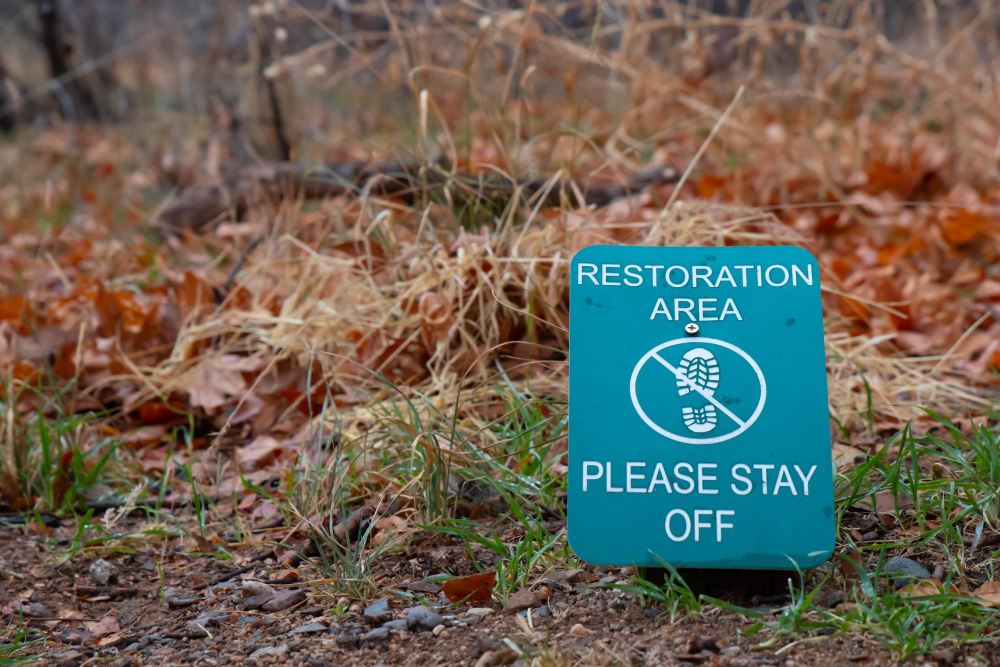
A great many of the places families most want to use — mountains, parks, reserves, coastal paths, historic sites — sit under a managing authority with its own policy, which is frequently more restrictive than the national law.
Several well-known sites have introduced restrictions because of the cumulative effect of large numbers of scatterings on soil chemistry and on vegetation at the few accessible viewpoints where everybody goes.
Contact the managing authority of the specific place. Most have a published position and many will help a family find somewhere appropriate within the site.
11. Private land needs the owner’s permission, in writing if possible

Scattering on land you do not own requires the landowner’s consent, and a verbal agreement with a tenant, a farm manager or a neighbour is not the same as the owner’s permission.
This matters for a reason that is easy to overlook: land changes hands, and a family that wishes to return to the place in future has a better position if the arrangement was recorded at the time.
Ask the owner, get it in writing if the place matters to you, and ask whether they have any preference about where and when.
12. Dividing ashes between family members multiplies the paperwork
Where ashes are divided — between countries, between relatives, between a burial and a scattering — each container travelling separately generally needs its own documentation, and some authorities require a statement that the division has occurred.
Funeral directors arrange this routinely and will provide a sealed, documented container for each portion with certificates referencing the division, which is considerably easier than explaining it at a border.
Arrange the division through the funeral director rather than afterwards, and ask for documentation for each container.
13. A specialist service can do the whole thing

Funeral directors and specialist repatriation firms transport ashes internationally as a documented consignment, handling the permits, translations, legalisation and the carrier’s requirements, and delivering to a funeral director or family at the other end.
It costs more than carrying them yourself and it removes every item in this file. For a complicated destination, for a family that cannot travel, or where a journey has several legs, it is frequently the right answer.
Ask a funeral director for a quotation alongside doing it yourself, because the difference is often smaller than people expect and the certainty is worth a good deal.
14. If a question arises at a checkpoint, the documents answer it
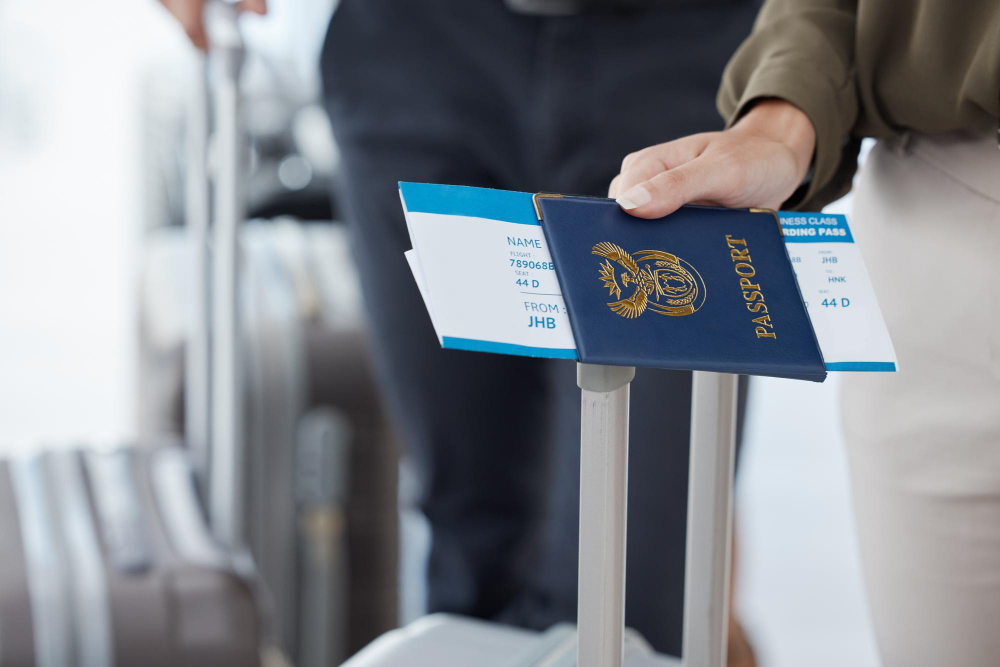
Difficulties at screening or at a border are almost always about identification of the contents rather than about permission, and they are resolved by a sealed container, a certificate of cremation and a civil certificate.
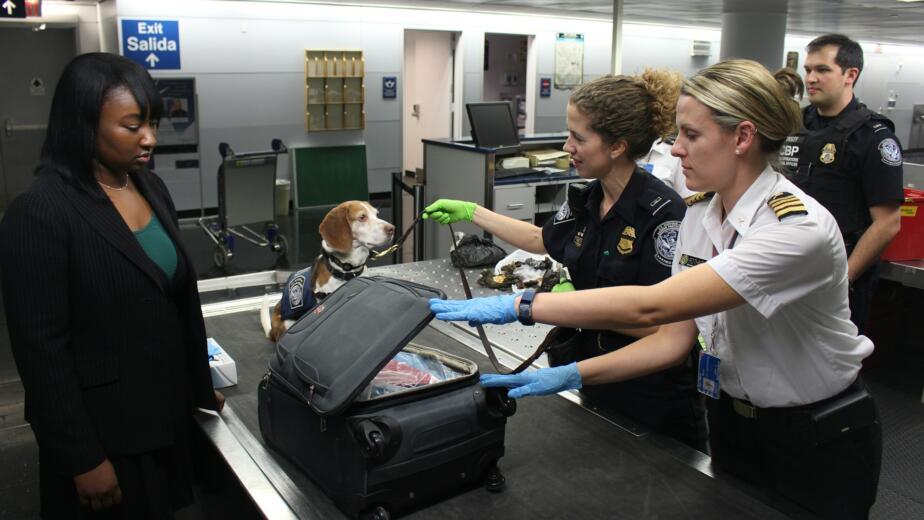
Staff at security points and borders encounter this regularly and are generally careful and kind about it. Asking for a supervisor and for a private area is a reasonable request and is usually granted immediately.
Travel with the documents in your hand rather than in a bag, say what you are carrying before the bag goes through the scanner, and ask for a private screening if you would prefer one.
15. And the order to arrange it in

Ask the destination’s consulate first: import permit, translation, legalisation, and the position on scattering. Then the airline’s policy in writing against your booking. Then the funeral director: a sealed screenable container, certified copies of both certificates, and documentation for each container if the ashes are divided.
Then, if scattering is the purpose, contact the managing authority of the actual place, or the owner if it is private land, and settle that before travelling rather than on arrival.
The honest summary: three separate parties each have a position and none references the others; the container must be screenable, so travel with a temporary one and send the permanent one separately; carry the certificate of cremation and the civil certificate and keep both in your hand; translation and legalisation are the steps that take weeks; and permission to bring ashes into a country is not permission to scatter them there, which is the one that causes real distress when it is discovered on arrival. A funeral director will do all of it for a fee that is often smaller than people expect.
What the rules are actually for

Almost everything here resolves into two requirements, and neither is about permission.
The first is identification. Security screening has to be able to resolve what is inside a container, which is why a container of lead, thick stone, dense ceramic or heavy metal is a problem: the equipment cannot see into it and staff will not open it. That is not obstruction, and it is solved before leaving home by travelling with a screenable temporary container — plastic, wood or a thin non-metallic composite, which funeral directors supply for exactly this purpose — and sending the permanent urn separately and empty. A seal applied by the crematorium or funeral director, with written confirmation of the date, completes it.
The second is documentation. The certificate of cremation and the civil certificate registering the death, carried together as certified copies, establish what the container holds and that the matter has been formally recorded. Different authorities ask for different ones, so carrying both removes the question. Where the destination requires translation or legalisation of those certificates, that is the step that takes weeks and the one that postpones journeys when it is found out late.
And the distinction that matters most is between carriage and purpose. Bringing ashes into a country and scattering them there are two separate permissions, with the second resting on local law, the managing authority of the actual place, and in the case of private land the owner’s consent.
Ask in this order, and start before anything is booked. The destination’s consulate: whether an import permit is required and who issues it, whether the certificates need translation or legalisation, and what the local position on scattering is. Then the airline, in writing against your booking reference. Then the funeral director: a sealed screenable travelling container, certified copies of both certificates, and separate documentation for each container if the ashes are to be divided between family members.
If scattering is the purpose, contact the managing authority of the specific place, or the landowner if it is private. Many well-known sites now have a published position, several have introduced restrictions because of the cumulative effect at the few accessible viewpoints where everybody goes, and most will help a family find somewhere appropriate.
At the airport, keep the documents in your hand rather than in a bag, say what you are carrying before it goes through the scanner, and ask for a private screening if you would prefer one. Staff encounter this regularly and are generally careful about it.
And ask a funeral director what it would cost for them to arrange the whole thing. They do it routinely, it removes every item in this file, and the difference in price is often smaller than people expect.
Like our content? Follow us for more.