The difference between a holiday and a stay is administrative rather than emotional, and it arrives on a specific day defined by somebody else’s rules. Past it, a set of obligations begins that nobody announces: registering an address within a deadline measured in days, obtaining an identification number, converting a visa into a residence permit, and in several countries becoming tax resident without being told.
Almost all of it is sequential, and the first step blocks the rest. Here are fifteen things that start on arrival.
1. You may have to register your address, and the clock starts on arrival
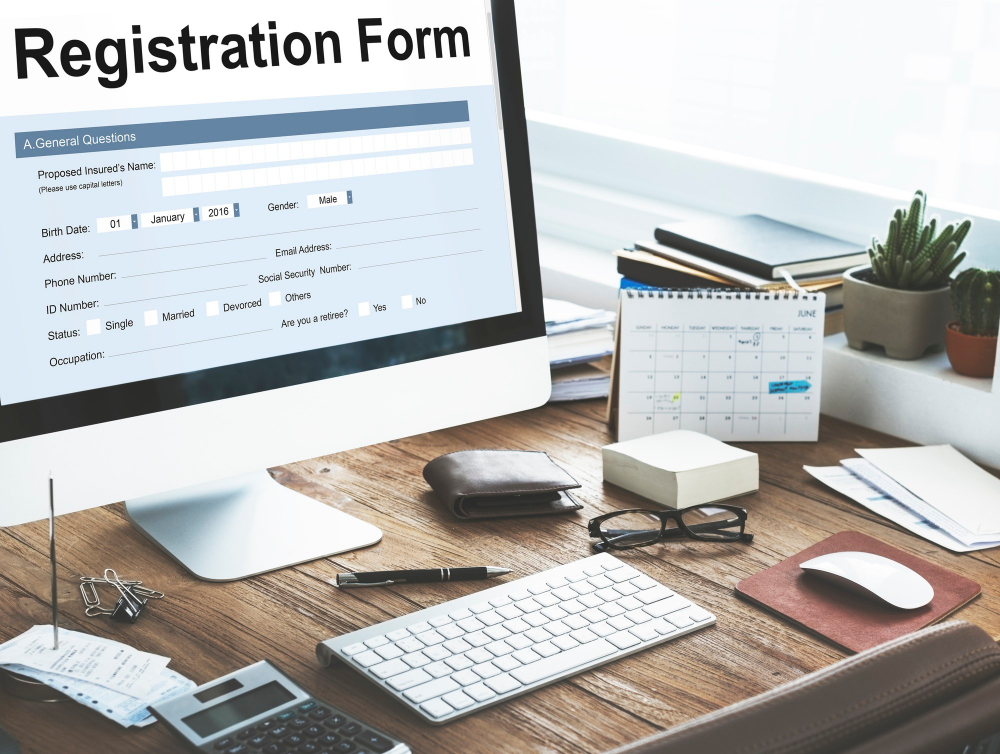
A great many countries require anybody staying beyond a short period to register where they are living, with a local authority, a town hall or the police, within a deadline measured in days rather than weeks.
The requirement attaches to presence rather than to purpose, so it can apply to somebody on a tourist permission who has taken a flat for two months as readily as to a new resident. Failure to register is an administrative offence in most places and a bar to everything else in this file.
Find out on the first day whether your destination requires registration and what the deadline is, because almost nothing else can be done until it is complete.
Like our content? Follow us for more.
2. A visa and a residence permit are two different documents

In many systems the visa is permission to enter and the residence permit is permission to stay, issued after arrival, on application, within a deadline, and often requiring an appointment, biometrics and a medical or insurance certificate.
Travellers who have obtained a long-stay visa frequently believe the process is finished. The visa may be valid for a matter of weeks and exist only to allow entry and the collection of the permit that actually governs the stay.
Read what your visa actually says about what must be done after arrival and when, and book the follow-on appointment before you travel if the system allows it.
3. Rolling-window rules are arithmetic, not an impression

Several regions permit a number of days within a longer moving period rather than a fixed allowance per visit, which means each day’s eligibility depends on where you were on every day of the preceding window.
The calculation is not intuitive and cannot be done from memory. Official calculators exist for the major schemes and are the only reliable way to answer the question for a traveller with a complicated history.
Use the official calculator for every trip if you travel frequently in such a region, and keep a record of entry and exit dates, because the authority now has an accurate one.
4. Both the day you arrive and the day you leave usually count
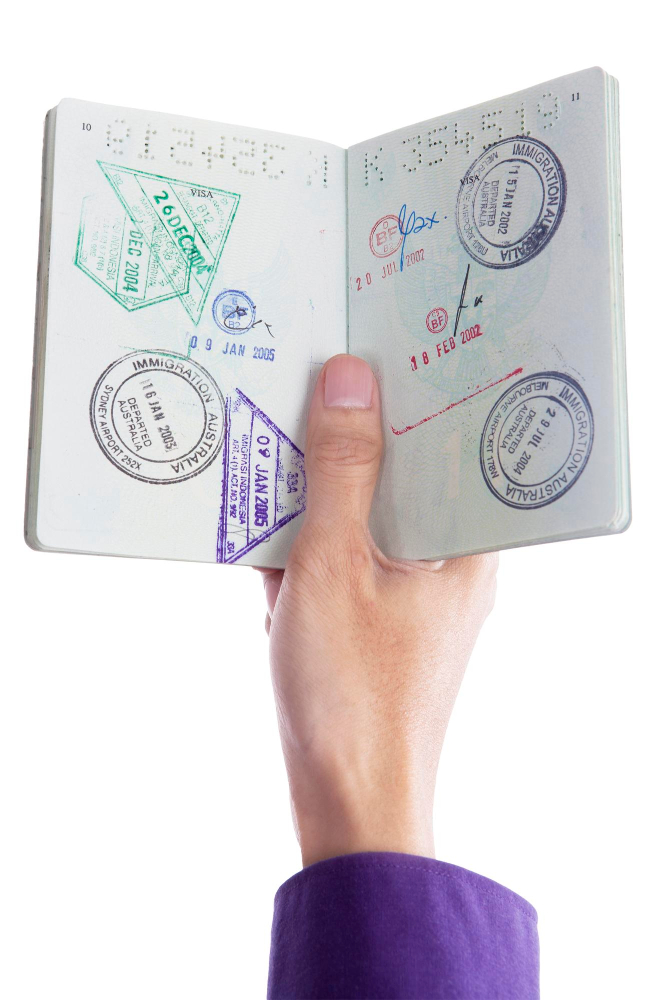
Partial days at each end are generally counted as whole days, which means a trip that feels like a weekend can cost four days against an allowance, and frequent short trips consume an allowance far faster than travellers expect.
This is a published rule rather than a harsh interpretation, and it applies equally to a few hours in transit through a country in some schemes, which is the detail that catches business travellers.
Count arrival and departure days as full days whenever you are estimating, and check whether airside transit counts in the scheme that applies to you.
5. Overstaying by a single day is still overstaying

There is no grace period in most systems. An overstay is recorded, can produce a fine on departure, an entry ban of a defined length, and a note on the record that affects future applications to that country and sometimes to others.
Where an overstay is genuinely unavoidable — illness, a cancelled flight, a closed border — the response is to approach the immigration authority before the permission expires and obtain an extension or at least a record of the circumstances.
Act before the expiry date rather than after it. The difference between an extension request and an overstay explanation is the date on which you made contact.
6. Tax residence arrives without being announced
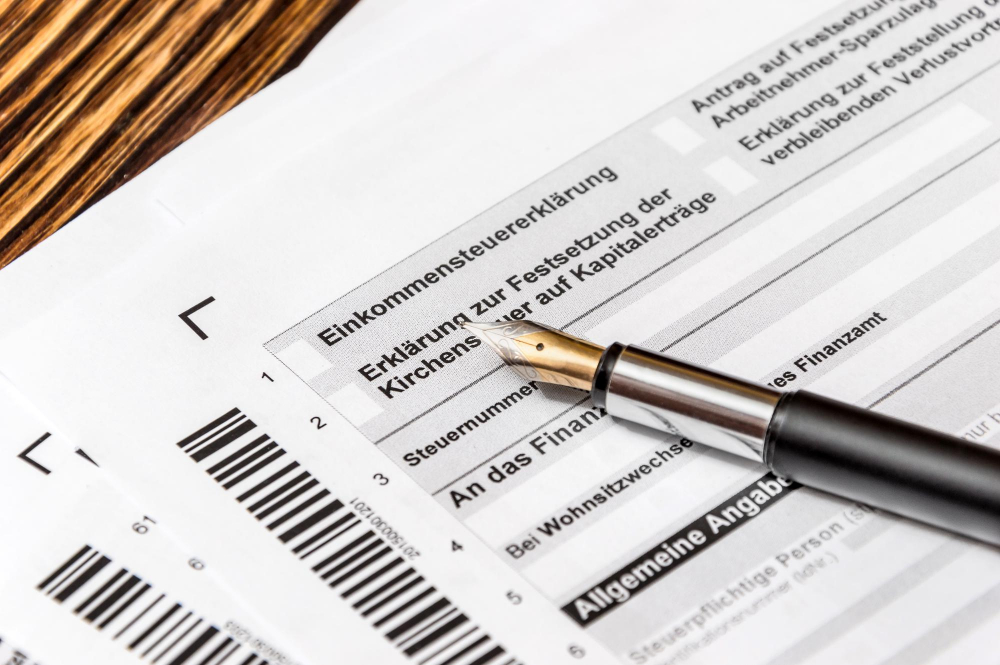
Nobody writes to tell a traveller that they have become tax resident. It happens by operation of law when a test is met, and the first indication is frequently a filing obligation that has already been missed.
The tests differ by country and are not all day counts, and a person can meet them while holding only a tourist permission, because tax law and immigration law are independent of one another.
If a stay is going to run into months, establish the tax position in advance with somebody qualified, because the remedy for a missed filing is more expensive than the advice would have been.
7. Healthcare entitlement follows registration, not the visa

Access to a public health system generally depends on registration, residence status and in many countries on contributions, and a newly arrived long-stay visitor is frequently entitled to nothing until a process is completed.
Reciprocal arrangements between countries cover emergency treatment for visitors in some regions and generally do not cover somebody who has moved, which is precisely the gap people fall into during their first months.
Hold private cover until your entitlement under the local system is confirmed in writing, and do not assume a reciprocal arrangement covers a stay that has become a residence.
8. You will need a local identification number for everything
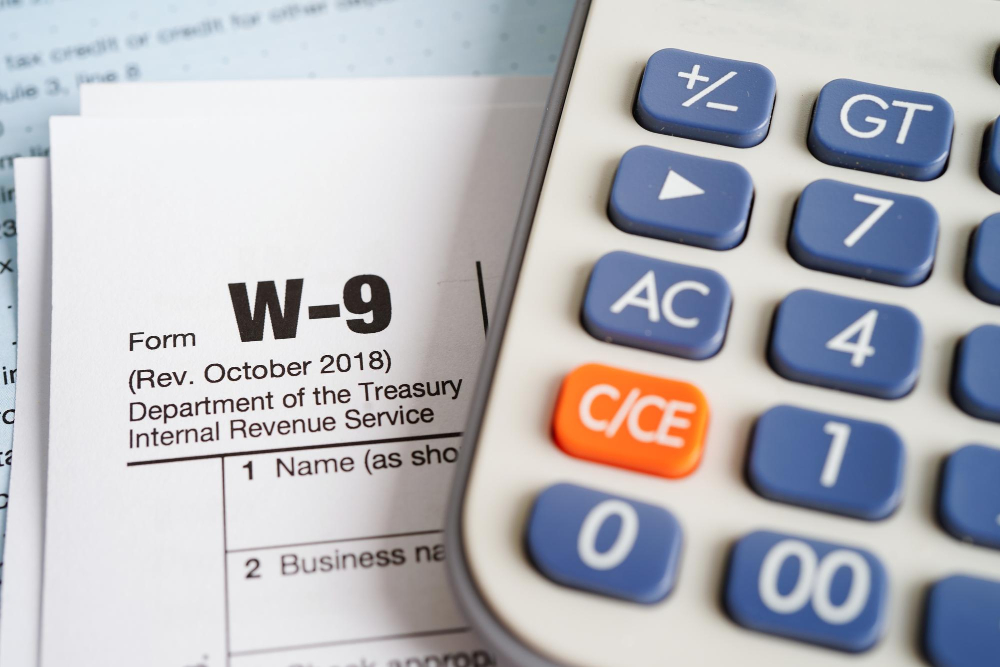
Most countries issue a tax or identification number to residents, and it is the key to a bank account, a phone contract, a tenancy, a utility connection, healthcare registration and employment.
Obtaining it usually requires the address registration, which requires an address, which frequently requires a bank account, which requires the number. The circularity is real and every country has an established way through it that is not obvious from outside.
Ask locally what the order of operations is — a relocation adviser, an employer’s human resources department, or an expatriate community will know — because the official guidance rarely explains the sequence.
9. Banking has become the hardest part

Compliance requirements mean banks need proof of address, proof of identity, a tax number and often proof of income before opening an account, and a newly arrived person may have none of them.
Some countries have a legal right to a basic account for residents, and some banks have processes for new arrivals. Electronic money institutions are frequently the practical bridge, though they may not be accepted for a tenancy or a salary.
Research this before arriving rather than afterwards, and keep a working account at home until the new one is operating properly.
10. Driving licences have exchange deadlines
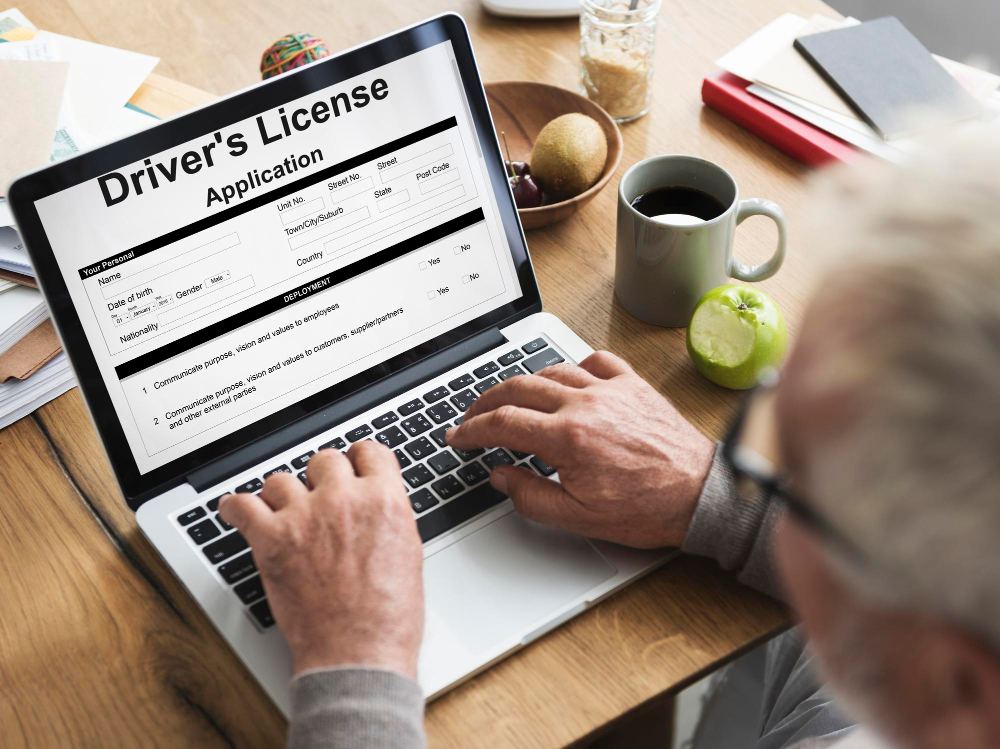
A foreign licence is usually valid for a limited period after a person becomes resident, after which it must be exchanged for a local one — and the exchange is straightforward where an agreement exists and requires a test where it does not.
Travellers who pass the deadline can find themselves unlicensed, which affects insurance validity as well as legality, and the deadline is counted from the date residence began rather than from arrival in some systems.
Check the exchange deadline and whether an agreement covers your licence within the first weeks, because taking a local test takes time to arrange.
11. Bringing a vehicle starts another clock

A vehicle brought into a country by a new resident is generally subject to a deadline for registration, taxation and local roadworthiness testing, and in some places to import duty unless an exemption for personal effects applies.
The exemptions usually have conditions — ownership for a minimum period beforehand, residence changing genuinely, a time limit for the claim — and they are commonly missed because people deal with the car last.
Deal with the vehicle early, because the exemption is usually time-limited from the date of arrival and cannot be reinstated.
12. Your tenancy and your registration are linked

In many countries the address registration requires evidence of accommodation, which means a landlord’s cooperation, and some landlords decline to provide it because registration has consequences for them.
Short-term and holiday lets frequently cannot be used for registration at all, which is a genuine problem for somebody arriving on a short let while they look for somewhere permanent.
Ask whether an address can be used for registration before signing anything, and treat a refusal as a reason to look elsewhere rather than a detail to resolve later.
13. Leaving requires its own paperwork
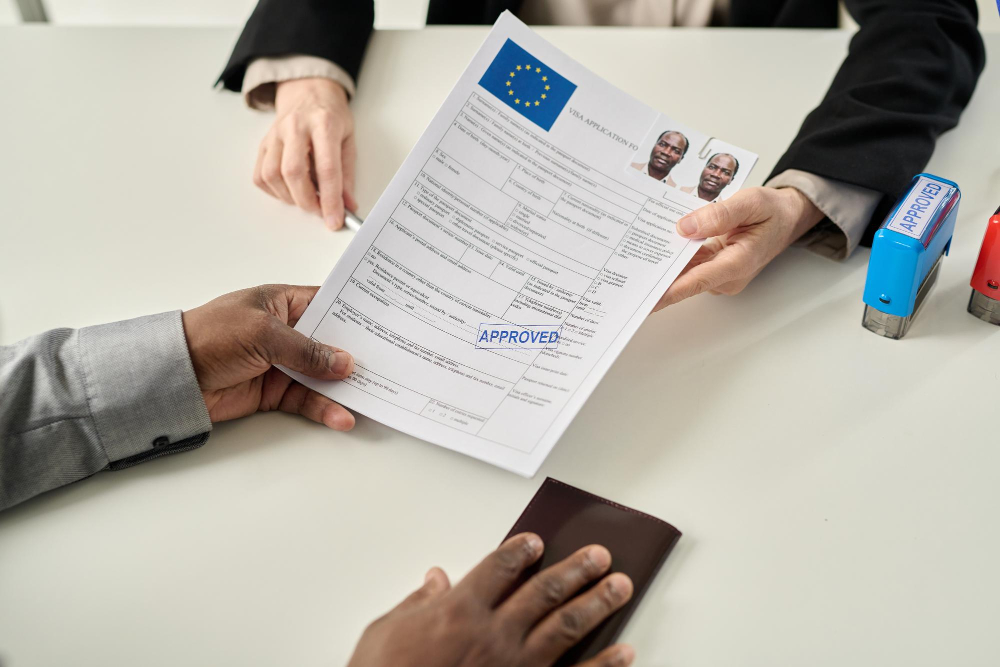
Deregistration is a formal step in many countries, and omitting it can leave somebody on a tax register, liable for local charges, or recorded as resident years after they left.
The deregistration is also what proves the departure date for tax purposes in the country being left and for residence purposes in the country being entered, which makes it worth doing properly even when nobody is chasing it.
Deregister before leaving, obtain written confirmation, and keep it indefinitely, because it is the document that answers a question somebody will ask years later.
14. Records are the thing you will wish you kept

Entry and exit dates, registration certificates, deregistration confirmations, tenancy agreements, tax filings and healthcare registrations are the evidence of a period of residence, and they are needed for future visa applications, settlement, citizenship, pensions and tax disputes.
Nobody keeps them at the time because nothing seems to be at stake. The requests come years later, from an authority that will not accept a recollection.
Keep a single folder, physical or digital, for every document generated by a period abroad, and keep it after you leave.
15. And the order to do it all in

On arrival: establish the registration requirement and its deadline, and complete it. Then the identification number, then the bank account, then healthcare registration, then the residence permit appointment if one is outstanding, then the driving licence and the vehicle if they apply.
Before arrival: get the tax position looked at if the stay will run into months, arrange private health cover for the gap, confirm that your intended address can be used for registration, and find out the local order of operations from somebody who has done it.
The honest summary: registration deadlines are measured in days and block everything else, a long-stay visa is often only permission to enter and collect the document that actually governs the stay, rolling-window allowances count arrival and departure days as whole days and cannot be calculated from memory, there is no grace period for an overstay and the date you make contact is what distinguishes an extension from a breach, tax residence happens without notice, and deregistration on the way out is the document somebody will ask for years later. Anything turning on your own circumstances belongs with a qualified adviser rather than with an article.
Why the order matters more than the rules

Every item in this file depends on an earlier one, and the dependency is not obvious from outside. Address registration generally requires accommodation evidence, and a landlord who will provide it — which short-term and holiday lets frequently cannot. The identification number usually requires the registration. The bank account usually requires the number and proof of address. Healthcare registration usually requires the registration and sometimes contributions. And a residence permit appointment may require several of them.
That produces the circularity people hit in their first month: the address needs a bank account, the bank account needs the number, the number needs the address. Every country has an established route through it and none of them publish it, which is why the single most useful thing a new arrival can do is ask somebody local what the order of operations is.
Two clocks run independently of all that and catch people who are otherwise organised. Driving licence exchange deadlines are counted from the date residence began in some systems, and passing one leaves a person unlicensed, which affects insurance as well as legality. And a vehicle brought in by a new resident faces deadlines for registration, taxation and testing, with any personal-effects duty exemption usually time-limited from arrival and impossible to reinstate.
Meanwhile tax residence arrives by operation of law, with no letter and no announcement, and the first sign is often a filing obligation already missed.
Before you go: have the tax position looked at if the stay will run into months, arrange private health cover for the gap before local entitlement starts, confirm that your intended address can actually be used for registration, and find out the local order of operations from somebody who has done it.
On arrival, in this order: the address registration and its deadline, the identification number, the bank account, healthcare registration, any outstanding residence permit appointment, then the driving licence and the vehicle.
Two things about leaving. Deregister formally and get written confirmation, because omitting it can leave you on a tax register or recorded as resident years later — and that confirmation is what proves your departure date to both countries. And keep one folder of everything a period abroad generates: entry and exit dates, registration and deregistration certificates, tenancy agreements, tax filings and healthcare records. Nobody keeps them at the time, and the requests come years later from authorities that will not accept a recollection.
Like our content? Follow us for more.