


This topic taps into the growing “geographic reassessment” of 2026, where travelers are increasingly distinguishing between a “perfect vacation” and a “sustainable lifestyle.” While many states offer breathtaking scenery and world-class entertainment, the reality of high taxes, extreme weather, or infrastructure costs can make full-time residency a challenge. Here is the breakdown of the 10 states that are top-tier for a visit but often difficult for a permanent move.
1. Hawaii: The Paradise Tax

Hawaii is the ultimate bucket-list destination, offering a tropical escape that is unrivaled within the U.S. However, settling down in the Aloha State reveals the “Paradise Tax.” In 2026, Hawaii remains the most expensive state for groceries and utilities, as nearly everything must be imported. Beyond the cost, the limited job market and the phenomenon of “island fever”—the feeling of being trapped by the Pacific—lead many who move there to return to the mainland within five years.
2. Florida: The Insurance Hurdle
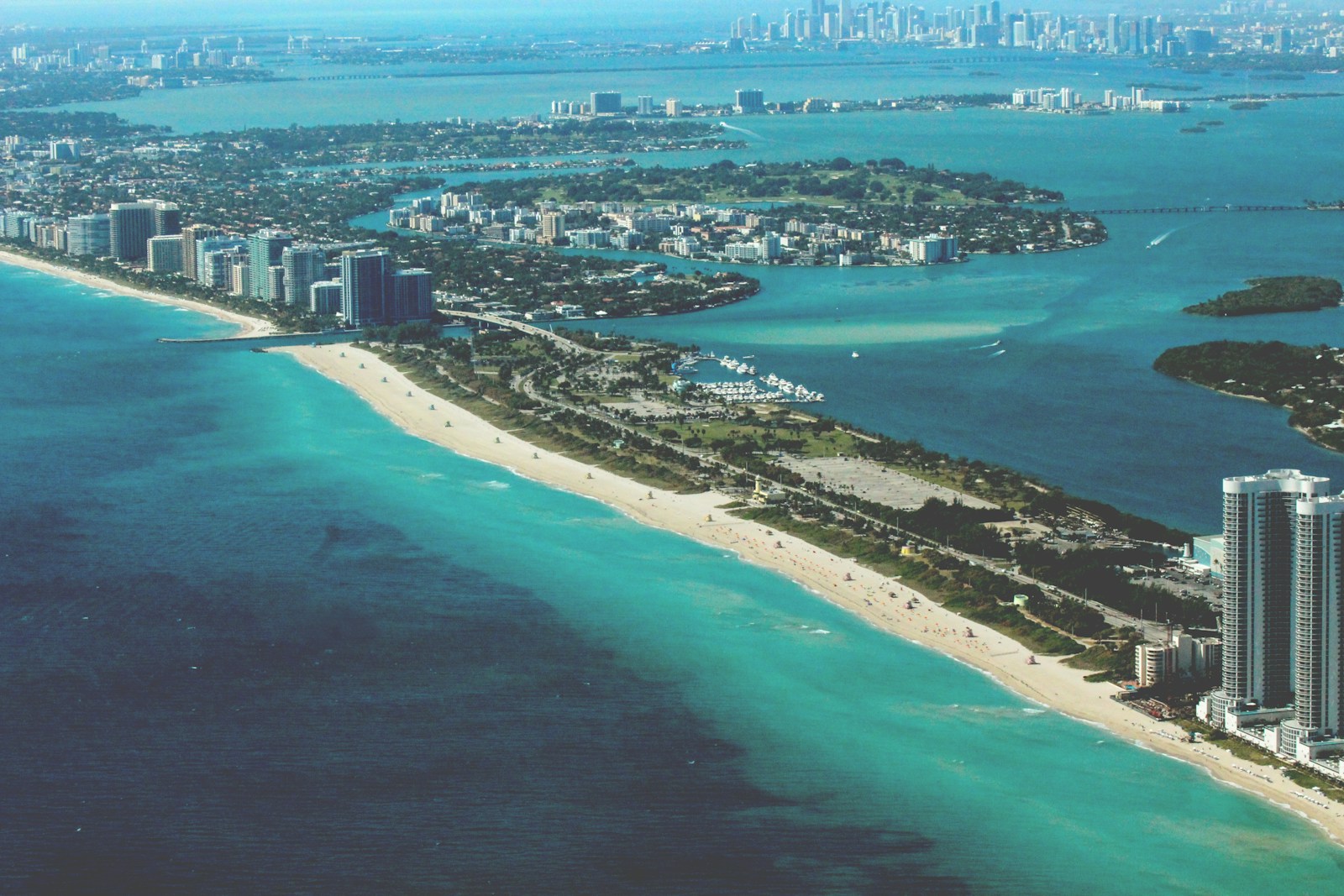
Florida continues to draw tens of millions of tourists with its theme parks and sun-soaked beaches. Yet, in 2026, the state faces a crisis in residential property insurance that has made homeownership a financial gamble for locals. While visitors enjoy the “no income tax” lifestyle during their stay, residents must contend with skyrocketing premiums, intense humidity, and the logistical stress of increasingly frequent hurricane seasons. It’s a state that is perfect for a two-week winter break, but demanding for year-round living.
3. California: The Coastal Cost of Living
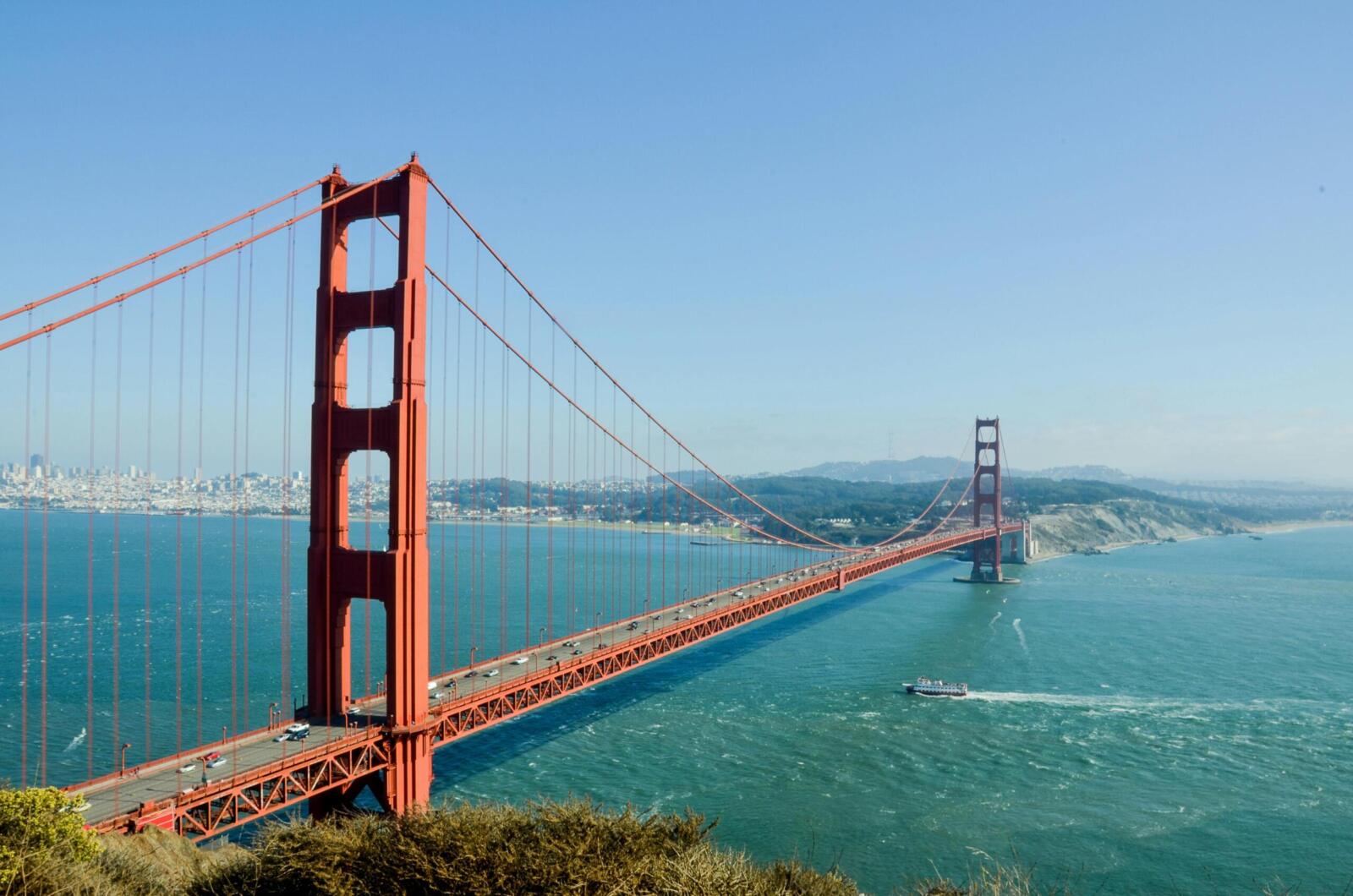
From the Redwoods to the Pacific Coast Highway, California offers a lifetime of tourism in a single state. However, the “Golden State” comes with some of the highest state income taxes and regulatory costs in the country. In 2026, the housing shortage in major hubs like San Francisco and Los Angeles has pushed the dream of ownership out of reach for many middle-class families. Travelers love the culture and the climate, but many find the high cost of “simply existing” too steep for a permanent relocation.
4. Alaska: The Beauty of Isolation
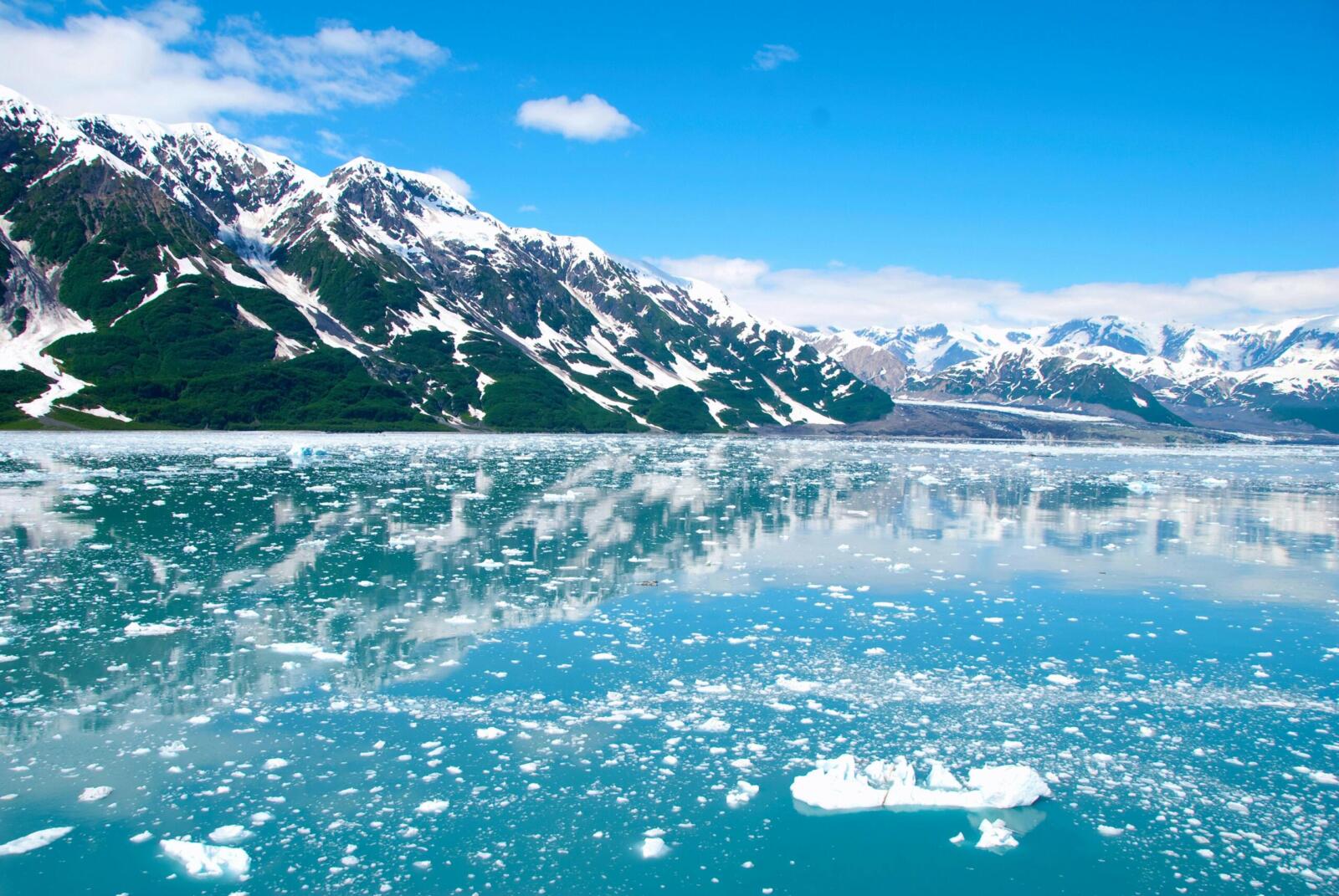
Alaska is the “Final Frontier” for adventurers, offering glaciers and wildlife that are truly awe-inspiring. While a cruise or a summer road trip is life-changing, the reality of an Alaskan winter is a different story. The extreme darkness—sometimes lasting 20 hours a day—and the sheer isolation of rural towns can be mentally taxing for new residents. Unless you are fully prepared for the “off-grid” logistics and the high cost of living in the Arctic, Alaska remains a place that is better to visit than to inhabit.
5. New York: The Empire State of Stress
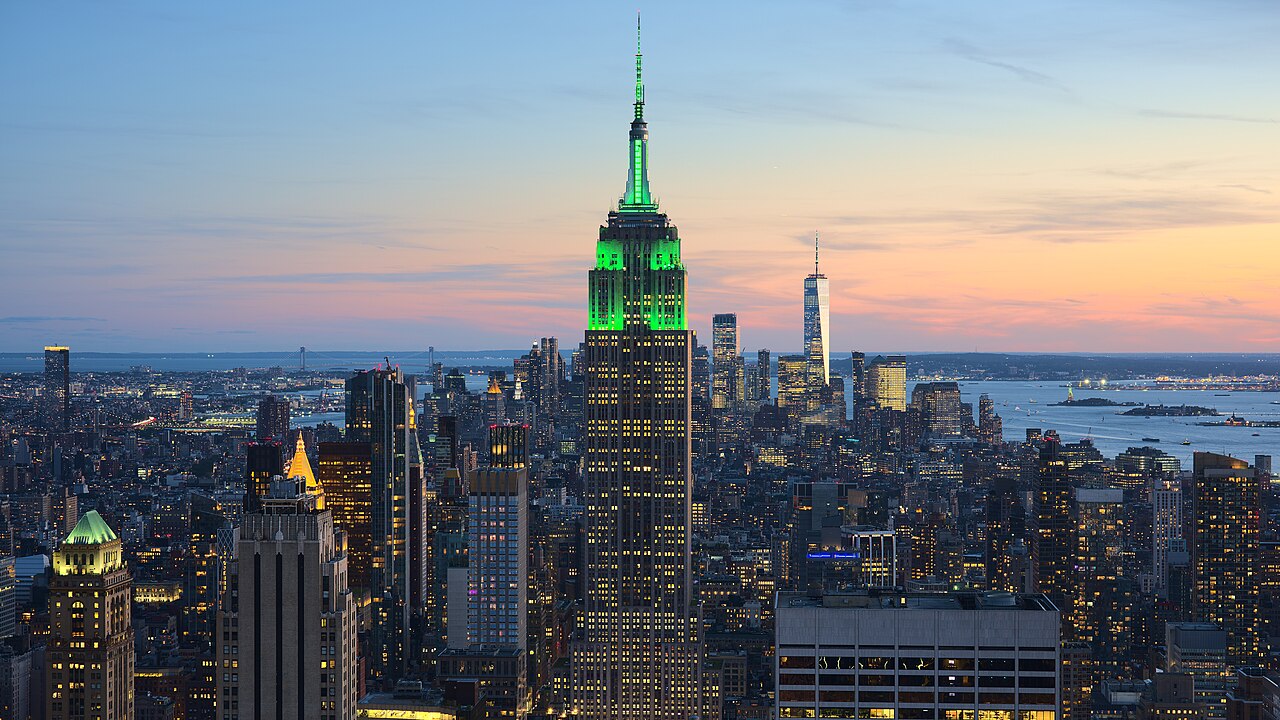
New York City and the scenic Finger Lakes region are world-class travel destinations. However, New York consistently ranks as one of the most taxed states in the nation. For those settling down, the combination of high property taxes, a competitive job market, and the sheer pace of life can lead to burnout. While tourists enjoy the “city that never sleeps,” many residents find that the hustle is difficult to maintain once the novelty of the skyline wears off.
6. Nevada: More Than Just the Strip
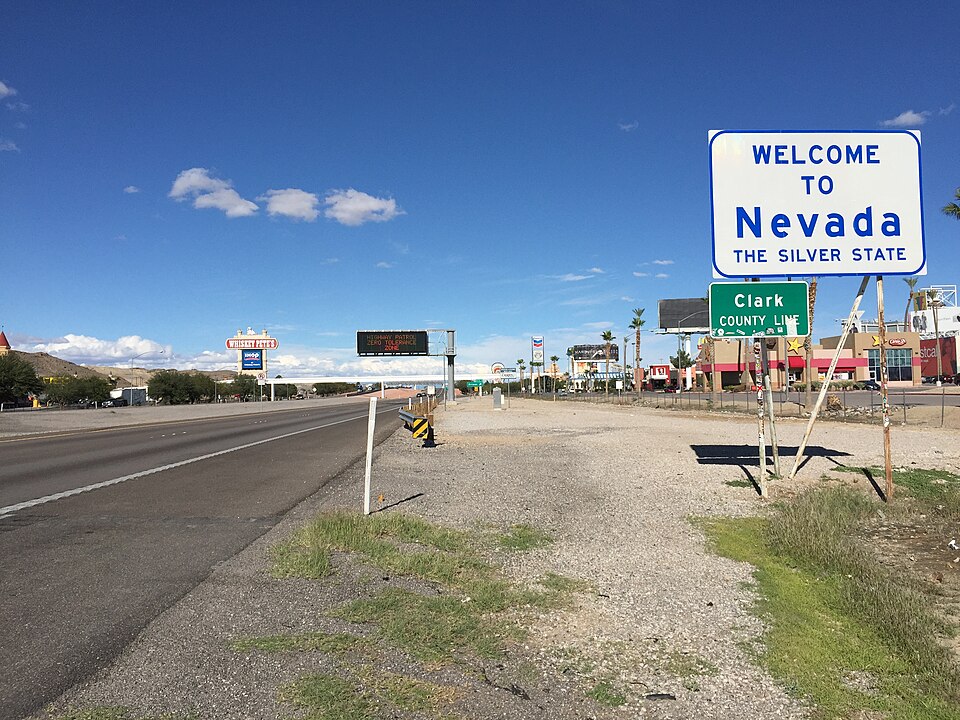
Nevada is famous for the neon lights of Las Vegas and the alpine beauty of Lake Tahoe. As a visitor, the entertainment options are endless. As a resident, however, the desert climate and the reliance on a tourism-based economy can be limiting. In 2026, water scarcity remains a significant long-term concern for homeowners, and many find that the transient nature of the population makes it difficult to build a deep, lasting community outside of small, rural pockets.
7. Louisiana: The Cultural Complexity
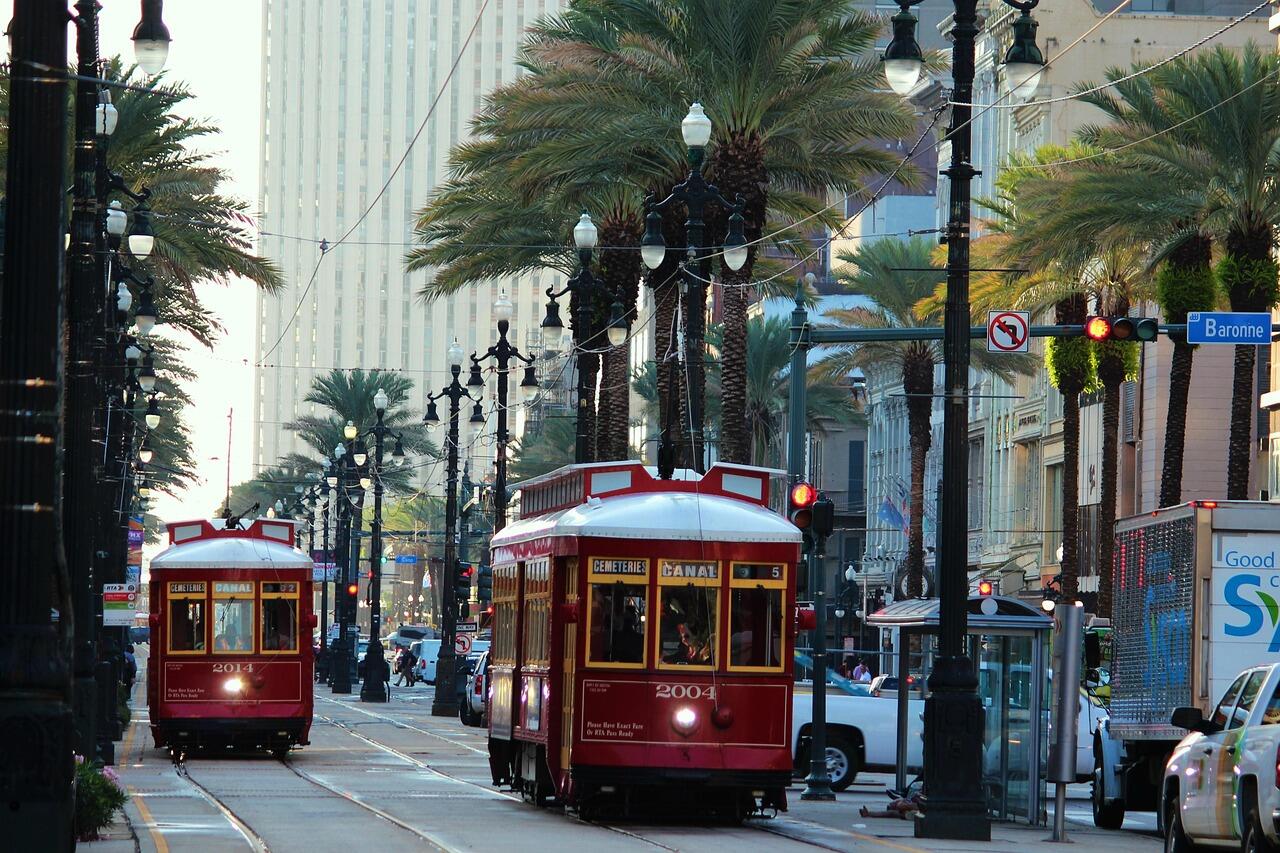
New Orleans offers a cultural experience—food, music, and history—that is unlike anywhere else in the world. But for those looking to settle down, Louisiana faces significant challenges with its aging infrastructure and healthcare rankings. The state’s low-lying geography also makes it highly susceptible to flooding. While the “Joie de Vivre” is infectious for a week-long vacation, the systemic issues can make daily life frustrating for those coming from states with more robust public services.
8. Vermont: The Rural Price Tag
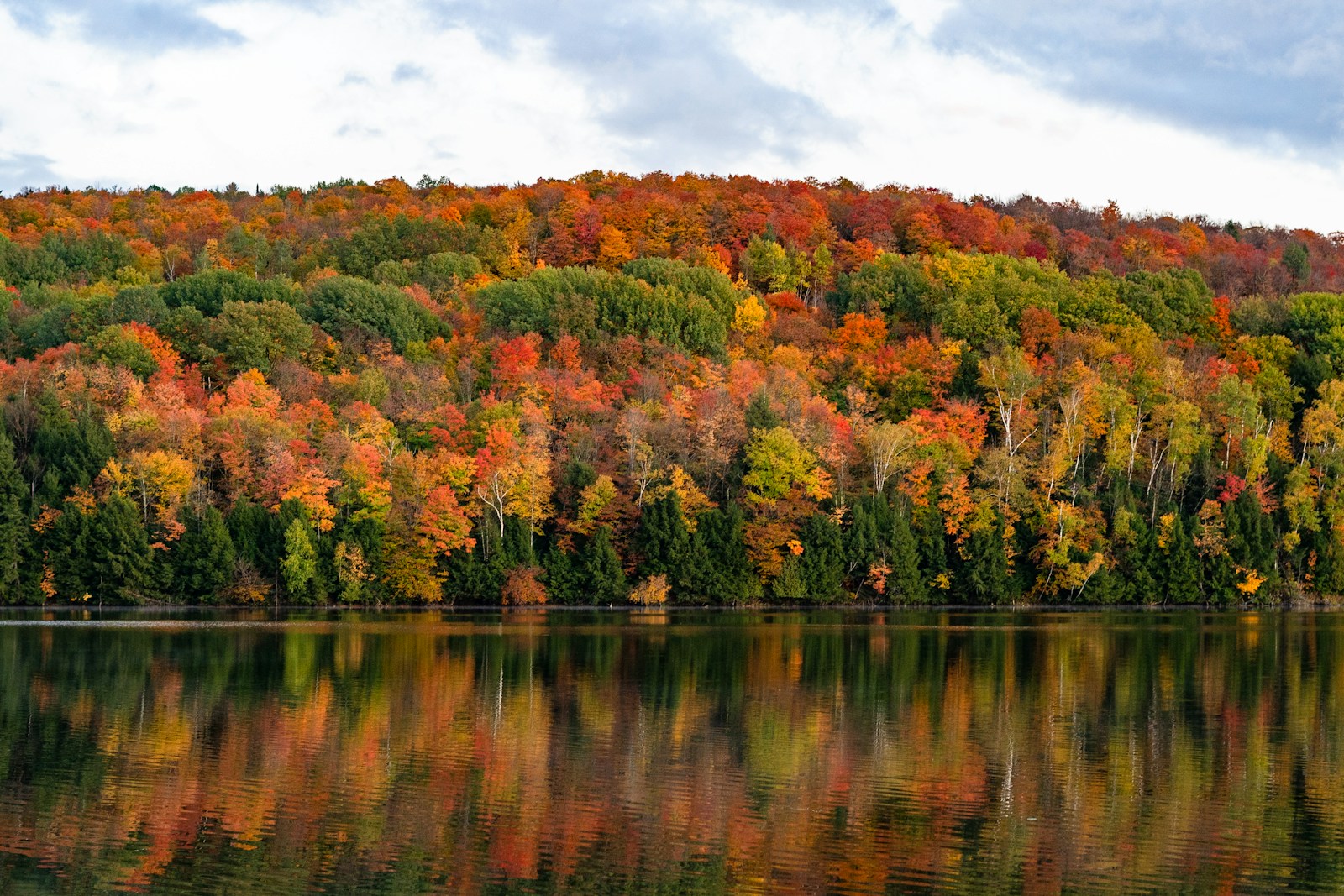
Vermont is the “Gold Standard” for autumn foliage and winter skiing. It is a picturesque sanctuary for those looking to unplug. However, the state’s small population means that professional opportunities can be limited outside of specific trades. Vermont also has a high cost of living relative to local wages, and the “Mud Season” that follows winter can be a shock to those used to paved, urban environments. It is a dream for a weekend in a cabin, but a challenge for building a high-growth career.
9. Colorado: The High-Altitude Hustle
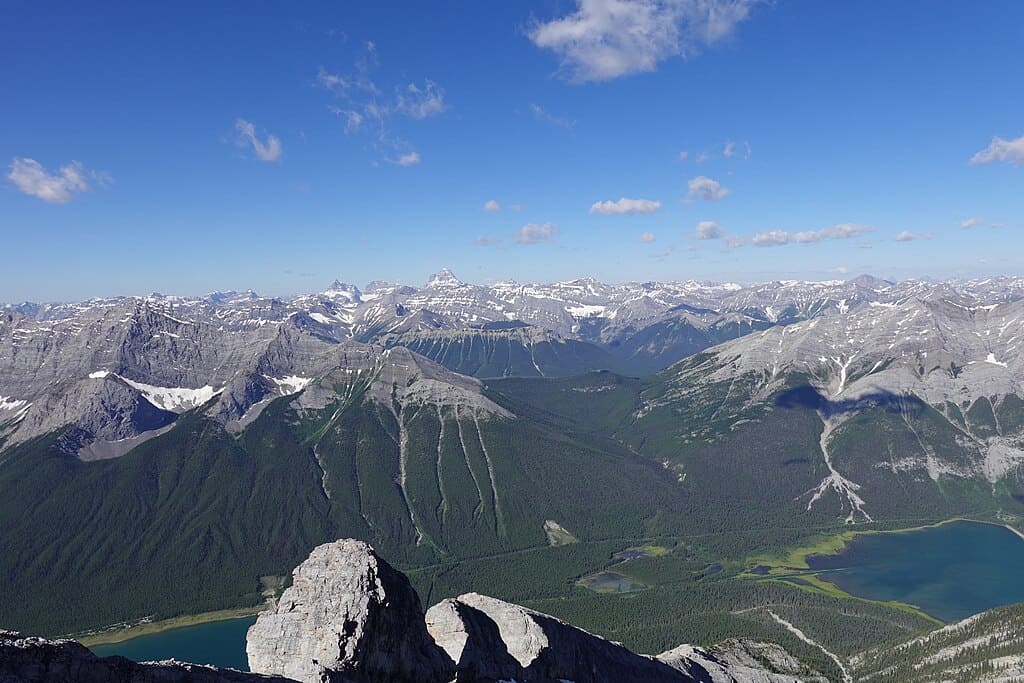
Colorado is a mecca for outdoor enthusiasts, but in 2026, the state is grappling with “popularity fatigue.” The cost of housing in the Front Range has surged, and the traffic heading into the mountains on weekends can turn a 90-minute trip into a four-hour ordeal. While visitors see the pristine peaks, residents often deal with the reality of overcrowded trails and the rising cost of a “mountain lifestyle” that was once much more accessible.
10. Arizona: The Heat Extremes
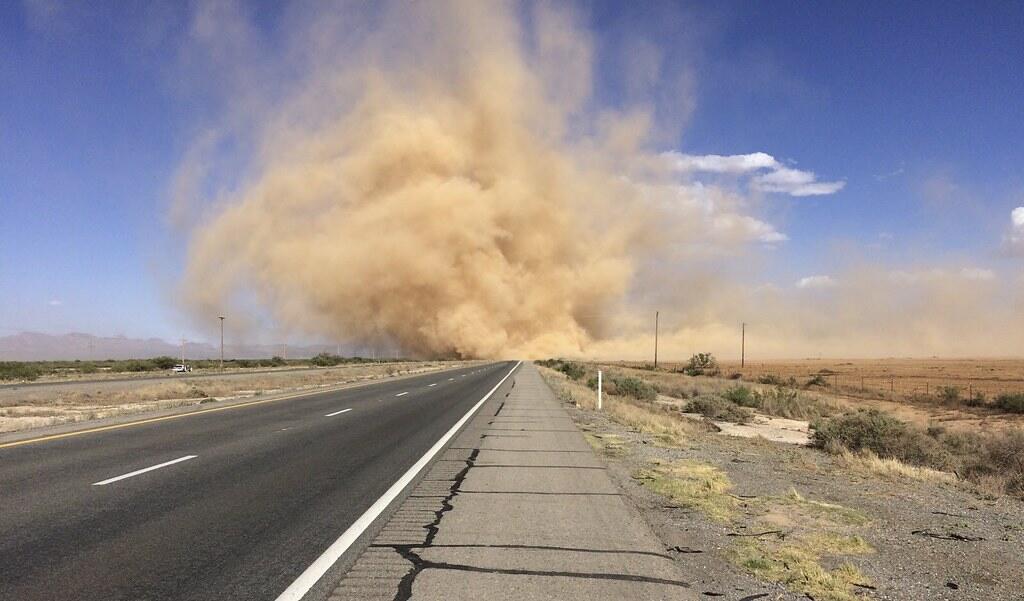
Arizona’s Grand Canyon and red rock vistas in Sedona are stunning. However, as global temperatures continue to fluctuate in 2026, the summer heat in Phoenix and Tucson has become an endurance test. Residents spend three to four months of the year essentially “hibernating” indoors to avoid 115°F+ days. While it’s a perfect winter getaway for “snowbirds,” the reality of a desert summer makes it a difficult place for many to commit to as a forever home.
