As we move through 2026, the American real estate market is grappling with a significant “geographic correction.” While national home prices have remained stubbornly high in certain sectors, a combination of oversupply, rising property insurance premiums, and the cooling of the “Zoom Town” era is putting intense downward pressure on specific markets. Investors and homeowners are increasingly wary of areas where valuations moved too far ahead of local wage growth. According to current 2026 housing inventory data and regional economic forecasts, these six suburbs are showing the most significant red flags for a price collapse by year-end.
1. Cape Coral, Florida (Fort Myers Metro)
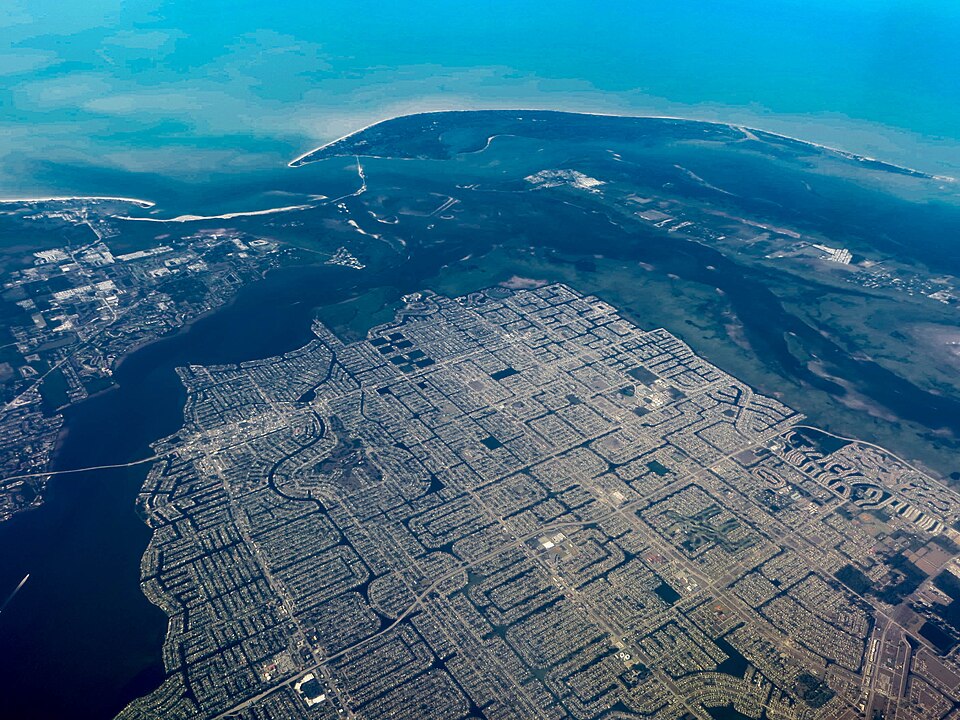
Cape Coral is currently facing a “perfect storm” of inventory surges and insurance volatility. In late 2025 and early 2026, property insurance premiums in this region hit an all-time high, with some homeowners seeing 40% year-over-year increases. This has led to a massive influx of “panic listings,” as fixed-income retirees find they can no longer afford the monthly carry costs of their homes. Current market data shows that inventory in Cape Coral has risen 60% faster than the state average, creating a buyer’s market that is forcing sellers to slash prices. With a high concentration of homes located in flood zones, the lack of affordable coverage is expected to drive a significant price correction by the fourth quarter of 2026.
2. Round Rock, Texas (Austin Metro)
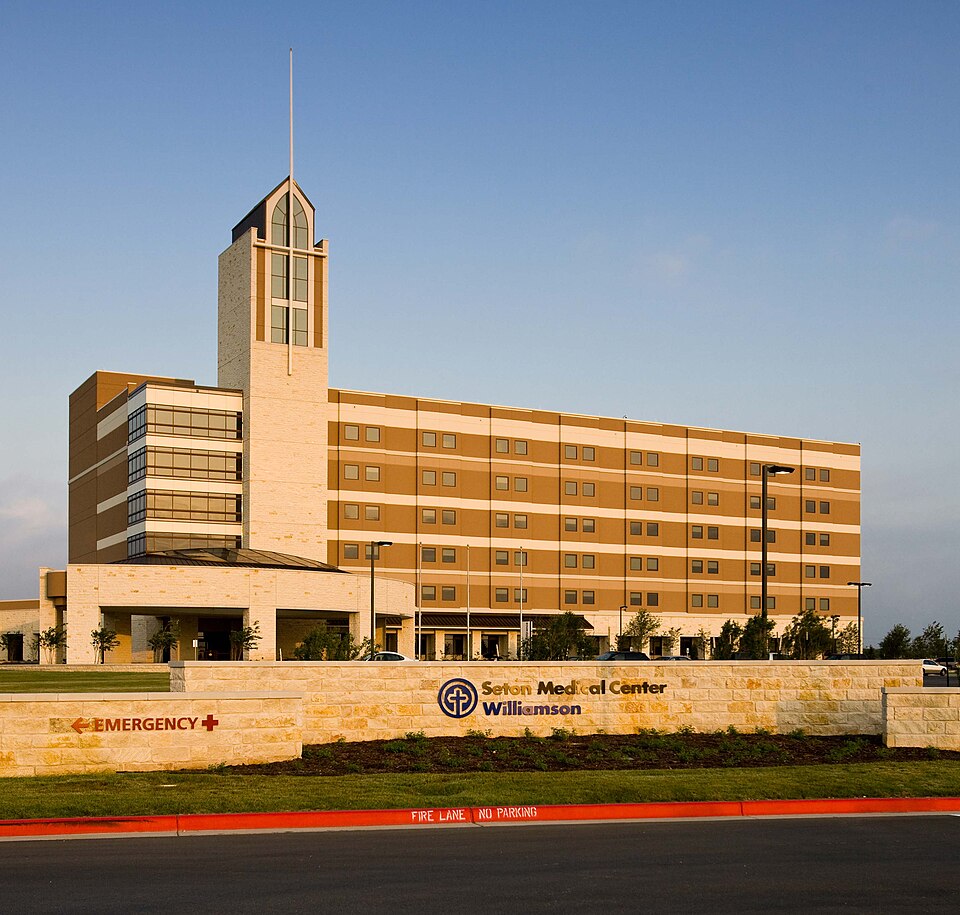
During the tech boom of the early 2020s, Round Rock became the poster child for suburban appreciation, but the market has since become dangerously overextended. As major tech employers in nearby Austin have shifted back to strict in-office mandates or moved operations to lower-cost states, the “premium” for living in Round Rock has started to evaporate. Data from the 2026 Texas Real Estate Research Center indicates that the median home price in Round Rock is still roughly 25% higher than what local median incomes can support. As new construction continues to flood the Williamson County area, the oversupply of “cookie-cutter” suburban homes is expected to trigger a price slide as sellers compete for a shrinking pool of qualified buyers.
3. Summerlin, Nevada (Las Vegas Metro)
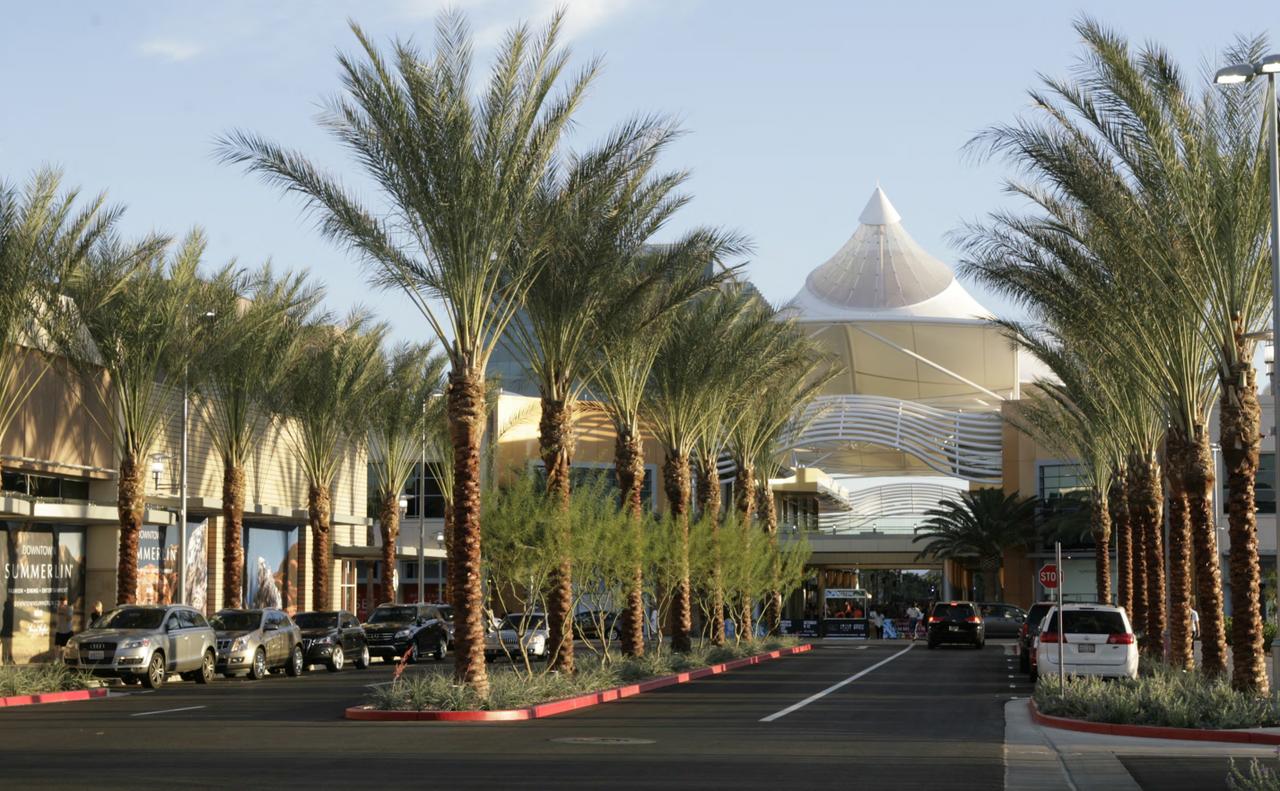
The master-planned community of Summerlin is hitting a wall as water scarcity concerns and rising utility costs begin to weigh on long-term valuations. While Summerlin has traditionally been the “prestige” suburb of Las Vegas, 2026 has seen a shift in buyer sentiment. The cost of cooling large, luxury suburban homes during record-breaking Nevada heatwaves has become a significant deterrent. Real estate analytics show that “days on market” for Summerlin properties have nearly doubled since this time last year. As investors who bought short-term rentals in the area begin to unload their portfolios due to new municipal restrictions, the sudden supply of high-end homes is likely to cause a localized price collapse.
4. Hendersonville, Tennessee (Nashville Metro)
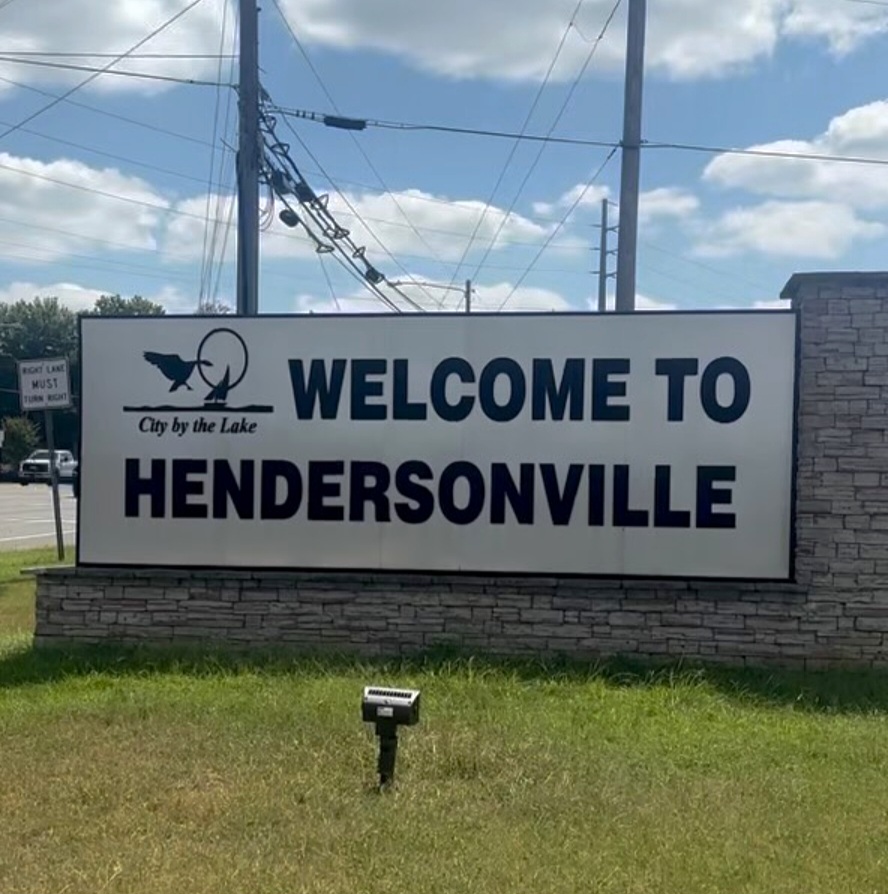
Hendersonville experienced a meteoric rise as “Nashville flight” sent prices soaring, but the suburb is now suffering from a classic case of price exhaustion. By early 2026, the gap between home prices and local wages in Sumner County reached its widest point in two decades. Recent data suggests that the local market has seen a 15% drop in mortgage applications compared to the previous year. Because many homeowners in this area bought at the peak of the market with low-interest rates, they are “locked in,” but the small percentage who must sell are being forced to accept much lower offers. This “downward comp” cycle is expected to accelerate as more new-build inventory hits the market later this year.
5. Meridian, Idaho (Boise Metro)
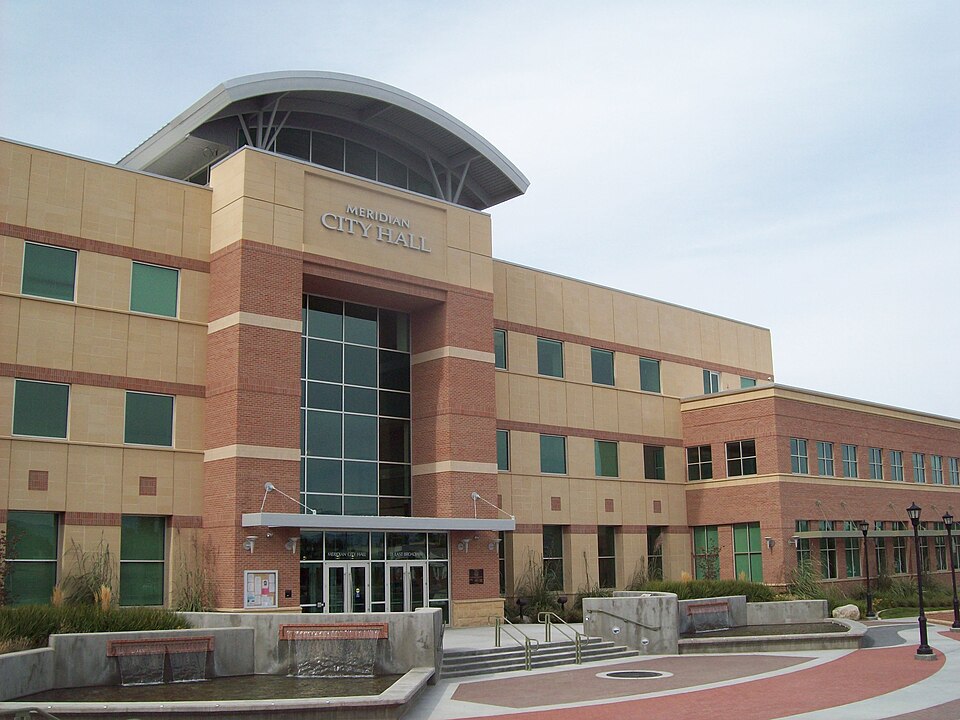
Meridian was the epicenter of the pandemic-era migration, but that momentum has officially reversed. In 2026, Boise and its surrounding suburbs are dealing with the fallout of being the most “overvalued” market in the country for several years running. As the “remote work” trend stabilizes, the flow of wealthy California buyers has slowed to a trickle, leaving local residents unable to afford the current asking prices. Inventory levels in Meridian are now at their highest point since 2011, and price-cut frequency has reached nearly 45% of all active listings. Experts predict that Meridian will see one of the sharpest “reversions to the mean” in the country as the market realigns with Idaho’s actual economic output.
6. Queen Creek, Arizona (Phoenix Metro)
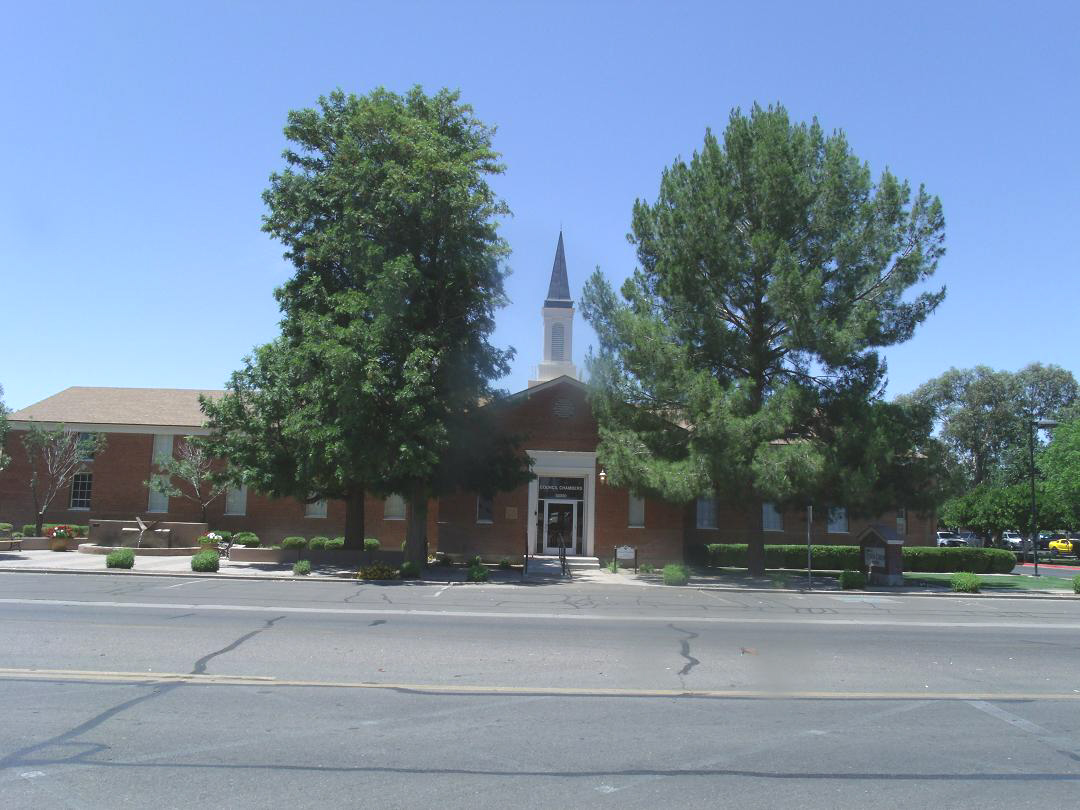
Queen Creek represents the furthest reaches of the Phoenix suburban sprawl, and it is currently the most vulnerable to a market downturn. The suburb saw explosive growth, but the infrastructure and local employment hubs haven’t kept pace with the residential density. In 2026, the increased cost of commuting, both in time and fuel, has made these “exurb” locations much less attractive to the modern workforce. Furthermore, Arizona’s ongoing groundwater management challenges have led to stricter building limits in outlying areas, creating a sense of uncertainty for future development. With a massive backlog of unbuilt permits finally being completed, the sudden surge in supply is meeting a cooling demand, setting the stage for a sharp price decline by late 2026.