In the mid-20th century, the American roadside was more than just a corridor of asphalt; it was a theater of customer service. Gas stations weren’t just “filling stations”, they were community hubs, repair clinics, and even mini-theme parks. Before the era of pay-at-the-pump and automated car washes, these eight vanished (or significantly transformed) chains offered unique experiences that made them destinations in their own right.
1. Sinclair Oil: The Roadside Jurassic Park
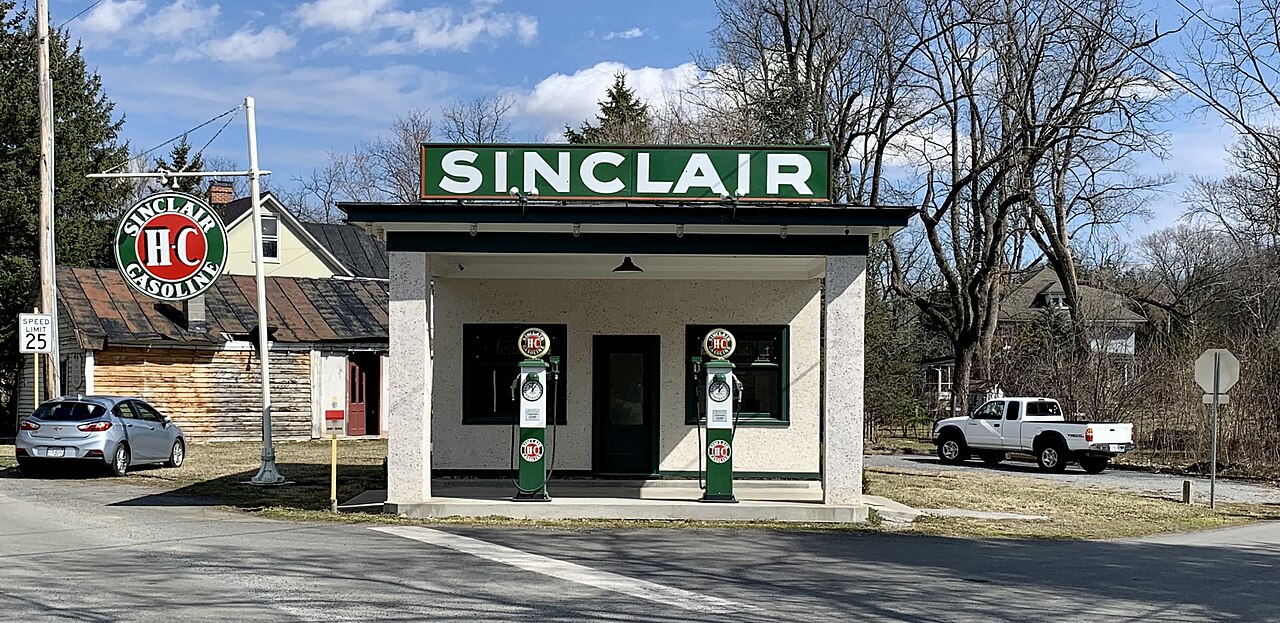
While Sinclair technically still exists as a brand under new ownership, its “Golden Age” featured full-scale programmatic architecture that turned every fill-up into a history lesson. To capitalize on the popular (though scientifically incorrect) theory that oil came from dinosaurs, Sinclair turned its stations into educational exhibits. During the 1933 Chicago World’s Fair, they featured a two-ton animated Brontosaurus, a move so popular it led to life-sized fiberglass dinosaurs at station entrances across the country and a line of incredibly popular rubber “Dino” toys for kids. For a 1960s child, a stop at Sinclair wasn’t just about fuel; it was a trip to a prehistoric playground.
2. Esso (Standard Oil): The “Full-Service” Standard
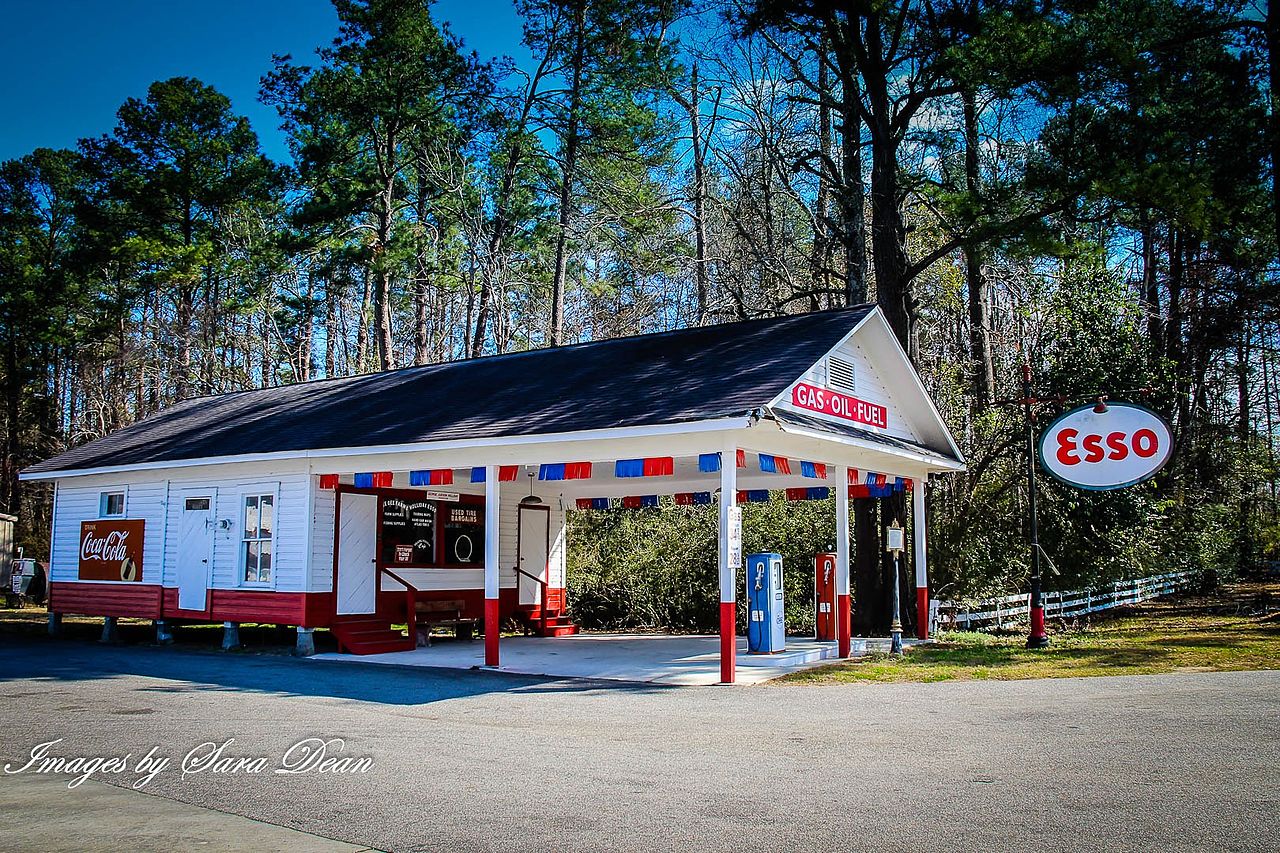
Before it rebranded as Exxon, Esso was the undisputed king of the “service” in service station. Their marketing slogan, “Put a tiger in your tank,” was backed by an army of attendants who performed a ritual of hospitality that has completely vanished from the modern world. Esso stations were training grounds for professionalism, where attendants in crisp, military-style uniforms would clean your windshield, check your oil, and test your battery without the driver ever having to ask or step out of the car. They were also famous for giving away high-quality physical road maps, now prized collector’s items, that were considered essential survival gear for the pre-GPS traveler.
3. Pure Oil: The English Cottage Experience
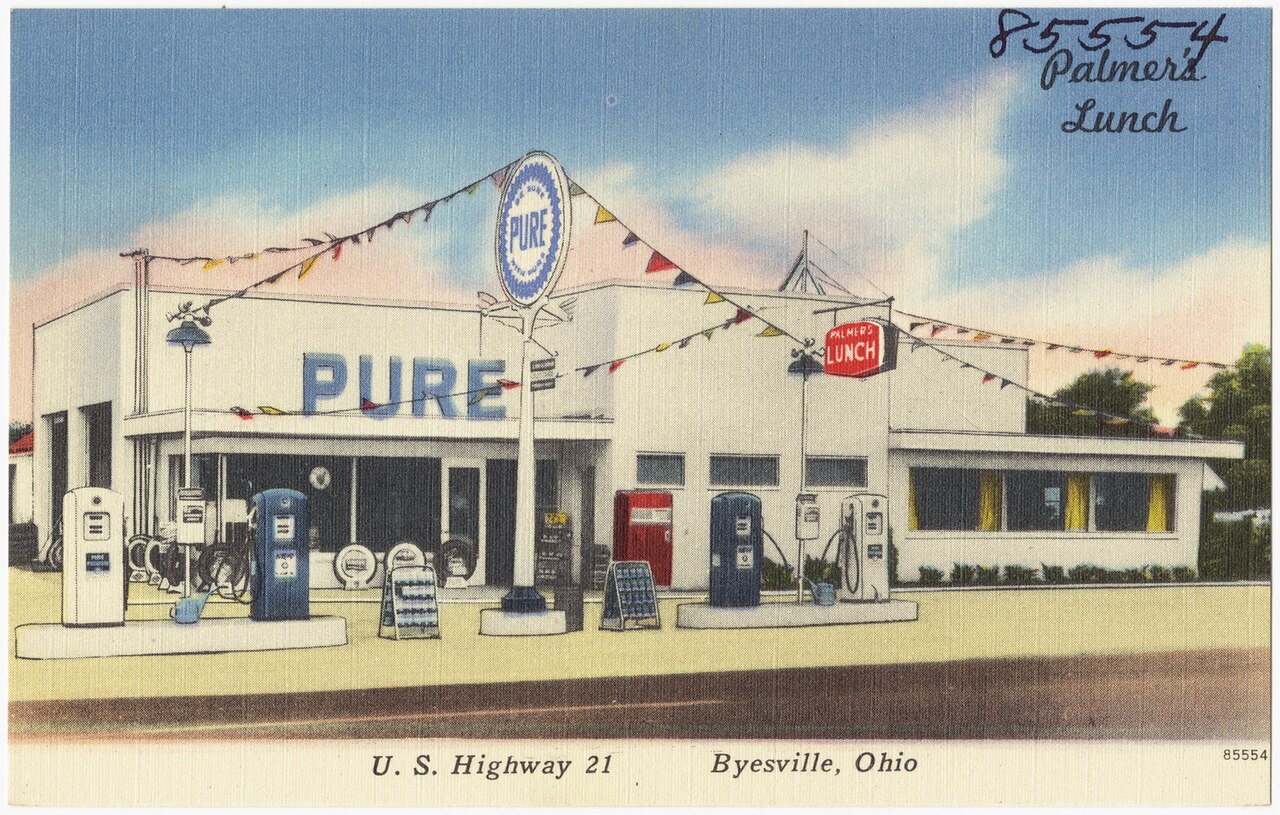
Pure Oil took a radical and aesthetic approach to station design to appease homeowners who didn’t want “shack-like” industrial buildings in their neighborhoods. They built stations that looked like quaint English Tudor cottages, complete with steeply pitched blue-tiled roofs, brick chimneys, and flower boxes. These stations were designed to feel like a home away from home, featuring clean, high-end restrooms that were a rare luxury at the time. Many even included cozy waiting areas that felt more like a domestic living room than a garage, ensuring that a car repair felt like a pleasant social visit rather than a chore.
4. Stuckey’s: The Pecan Log Cabin
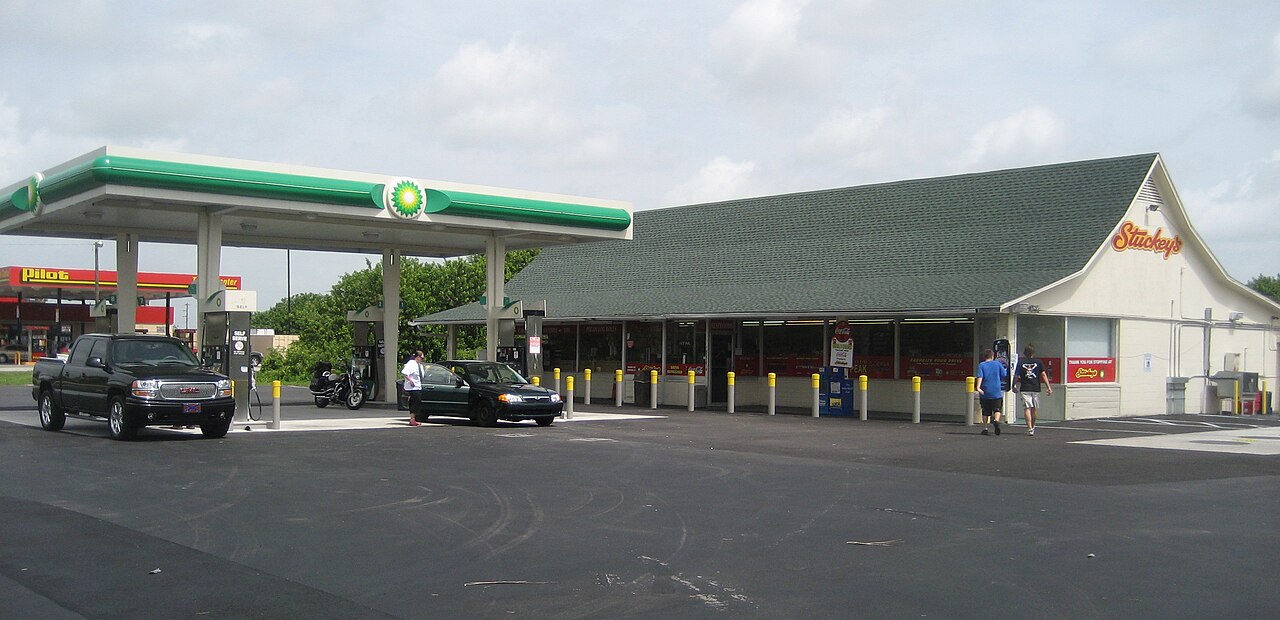
While a few “Stuckey’s 80” locations remain today, the original chain was a powerhouse of the 1950s and 60s that served as the original “one-stop shop” for the American family road trip. Stuckey’s was a brilliant combination of a gas station, a full-service restaurant, and a massive, kitschy gift shop filled with regional trinkets. They became globally famous for their Pecan Log Rolls and their ubiquitous “Eat and Get Gas” billboards that lined the highways for miles. For many children of the era, a vacation hadn’t truly begun until they were standing in a blue-roofed Stuckey’s picking out a souvenir or a box of divinity candy.
5. Union 76: The “Orange Sphere” Landmarks
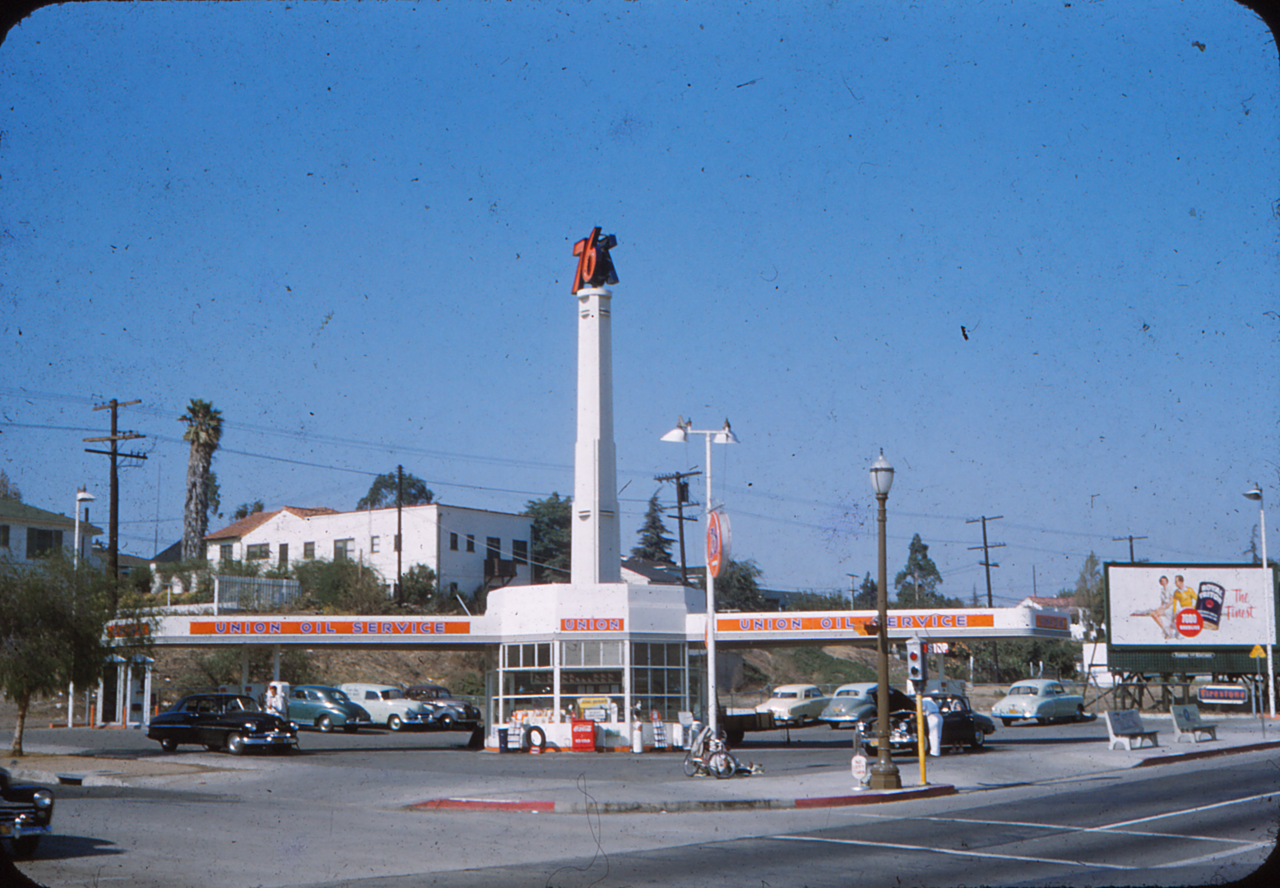
The iconic orange “76” ball wasn’t just a sign; it served as a glowing beacon for weary travelers navigating the dark highways of the West. Union 76 stations were pioneers in creating a high-tech “truck stop” culture that catered to both long-haul drivers and suburban families with equal care. They were famous for their massive “76” basketball-themed antennas and provided sprawling “Auto-Truck Stops” that included full-service diners, hot showers, and even sleeping quarters for truckers. This transformed the humble gas station into a literal hotel of the highway, proving that fuel was just one small part of the travel experience.
6. Sohio (Standard Oil of Ohio): The Midwest Social Hub
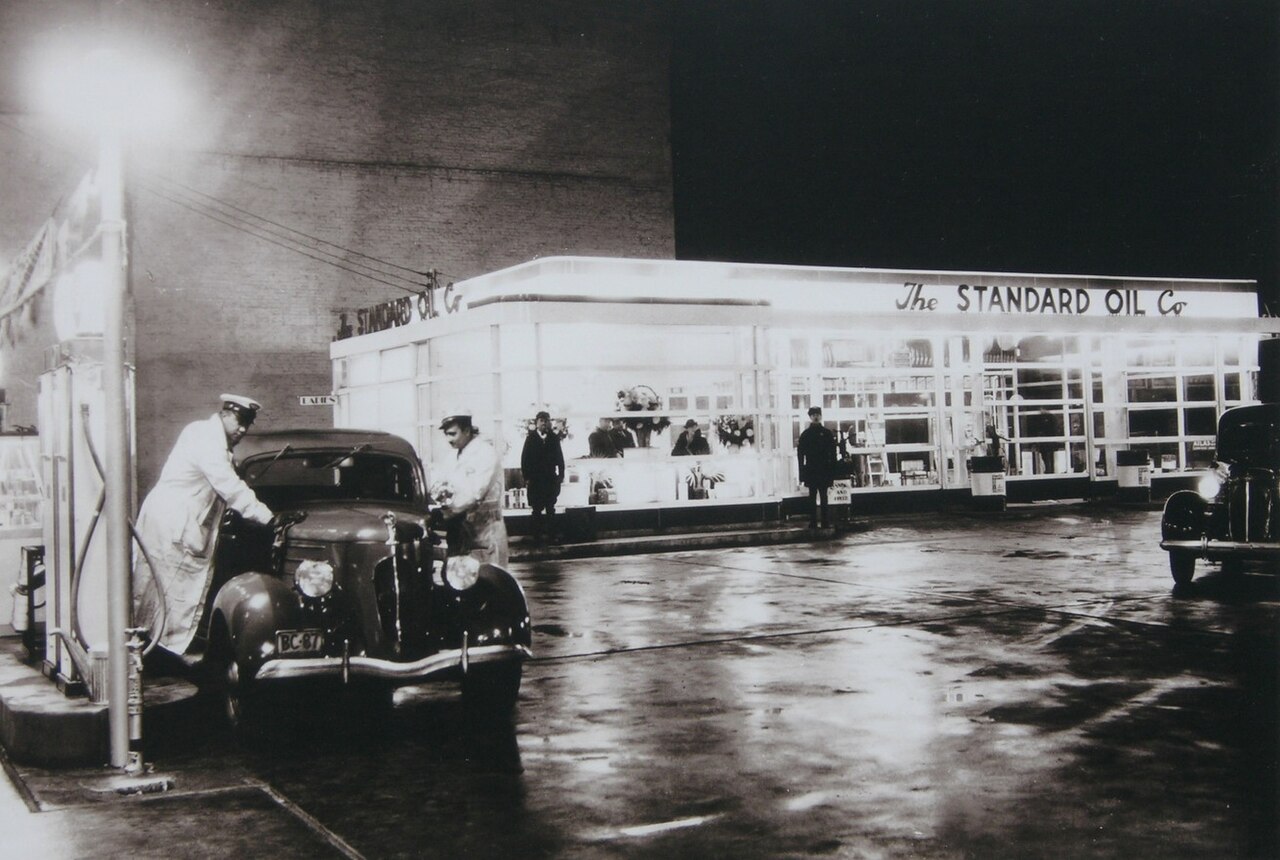
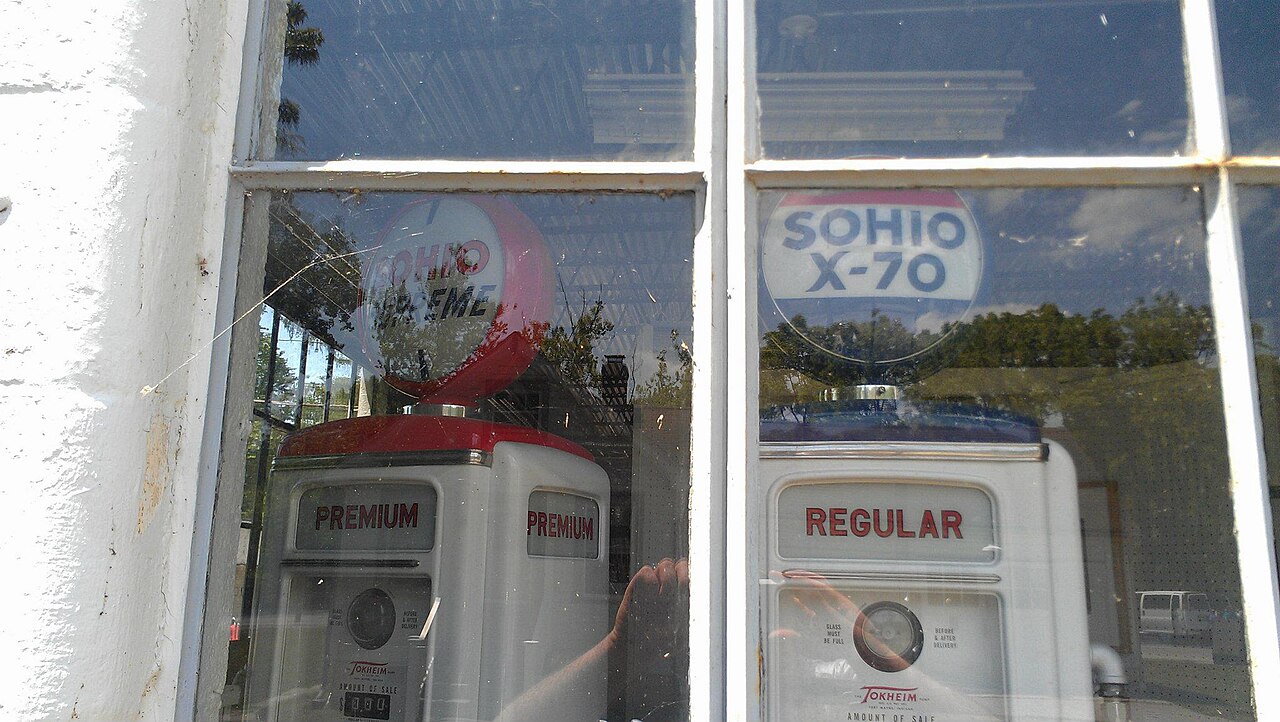
Sohio was the dominant force in the Midwest until it was absorbed by BP in the 1980s, acting as a vital lifeline for rural communities. In many small towns, the Sohio station was the primary source for local news, weather updates, and expert mechanical help that kept the local economy moving. In a forward-thinking move, Sohio even partnered with the Stouffer Corporation to test automated restaurants at their stations in the early 60s. This allowed travelers to get a hot, chef-prepared meal from a vending machine while their car was being serviced in a professional bay, effectively creating the precursor to the modern fast-food gas station.
7. Gulf Oil: The “Grand Prix” of Stations
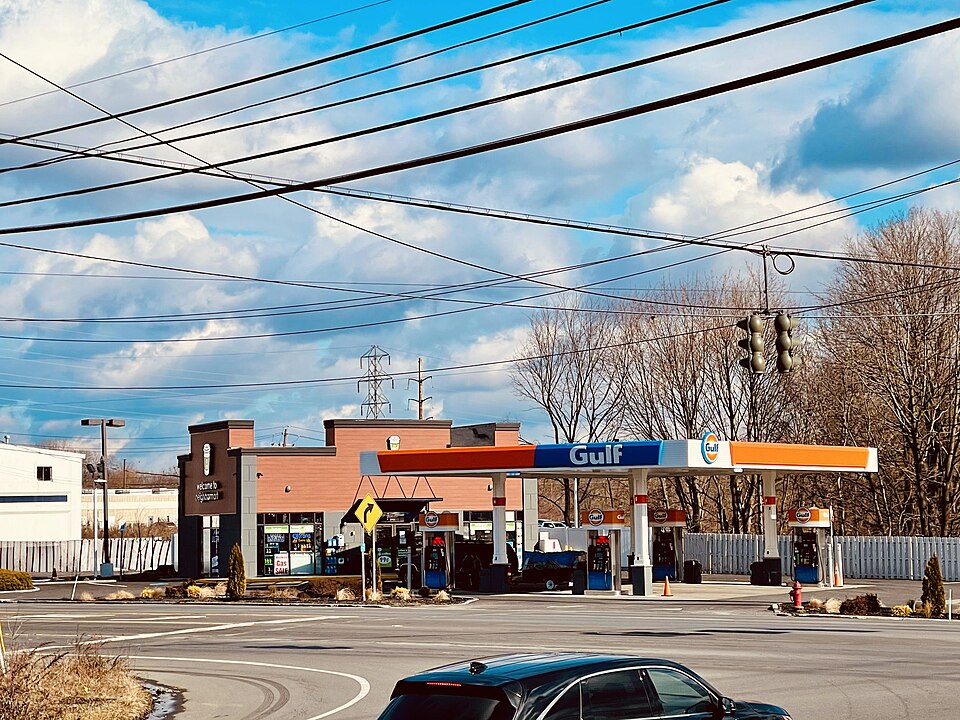
Gulf didn’t just sell gasoline; they sold the prestige and excitement of the burgeoning American car culture. Deeply tied to the world of auto racing and high-performance engineering, Gulf stations were seen as the gold standard for neighborhood mechanics. Unlike today’s convenience-focused kiosks, a Gulf station usually featured multiple service bays where a master mechanic would perform actual engine repairs, tire rotations, and professional “wash jobs.” It was a place where car owners would linger to chat with neighbors about the latest engine specs, turning a routine maintenance stop into a community social hour.
8. Enco: The High-Octane Promoter
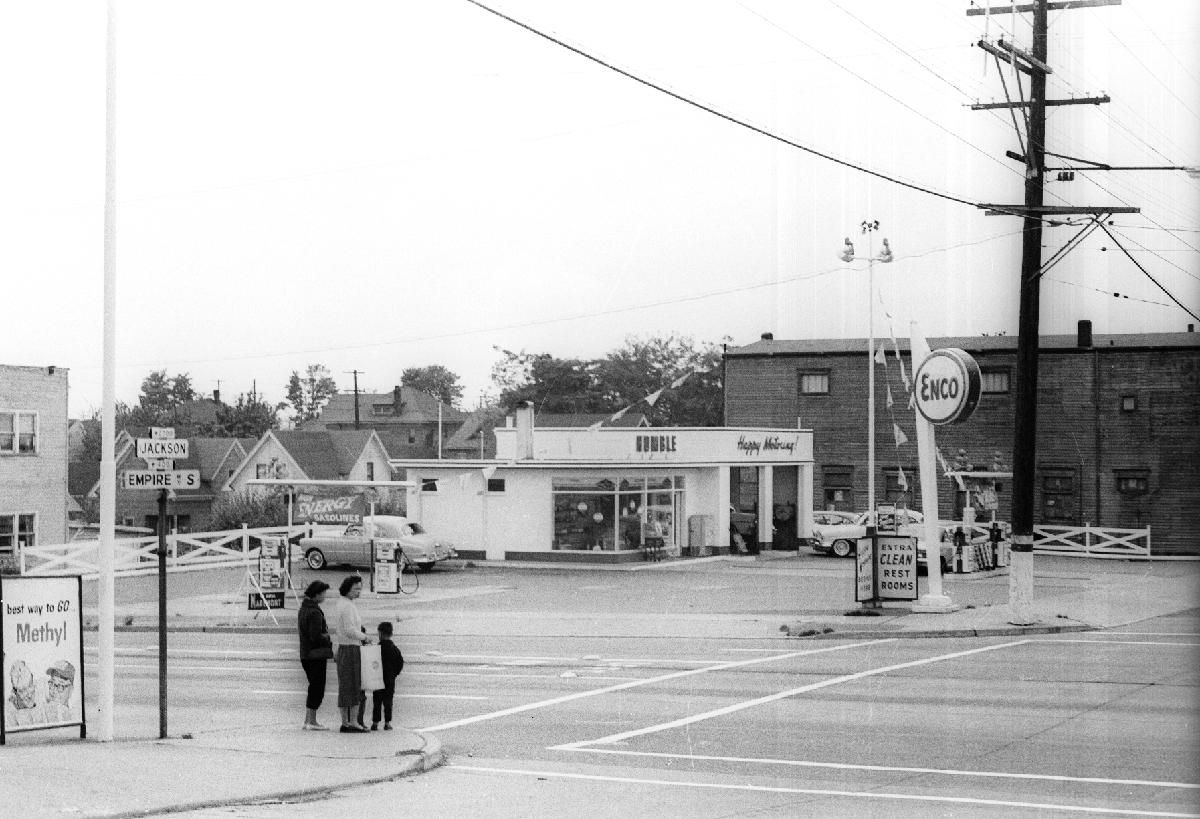
Enco, a brand name used by the Humble Oil company, was known for aggressive and creative promotional campaigns that made gas stations feel like a local carnival. They were the masters of “self-liquidating” premiums, high-quality household items like glassware, steak knives, and even holiday records that customers could purchase for just a few cents with a full tank of gas. By offering these rewards, Enco turned the mundane, recurring task of buying fuel into a strategic way for families to furnish their homes. This created a level of brand loyalty that modern rewards programs can only dream of.
The End of an Era
By the late 1970s, the “Service Station” model began to collapse under the weight of high labor costs and the advent of more reliable vehicles. As cars required less frequent maintenance and the push for speed increased, the full-service attendant was replaced by the self-service pump. Most of these legendary brands either merged into giant corporations or converted their nostalgic repair bays into the sterile “mini-markets” we see today.