


For many, the “Golden Years” are synonymous with a one-way ticket to a sun-drenched state where taxes are low and the lifestyle is easy. It is a dream fueled by decades of tourism branding and carefully curated retirement brochures. However, as the cost of living shifts and climate risks intensify in 2026, many retirees are finding that their “tax oasis” is actually a financial mirage.
When you trade a state income tax for skyrocketing insurance premiums or a low property tax for an inaccessible healthcare system, the math of a fixed income can quickly fall apart. Here are five states where the reality often fails to live up to the retirement hype.
1. Florida: The Insurance Trap

Florida has long been the gold standard for retirees, lured by 365 days of warmth and the absence of a state income tax. But in 2026, the “Sunshine State” is facing a dark financial reality: an insurance crisis. While there is no income tax, the state makes up for it through sales taxes and property insurance premiums that have become the highest in the nation.
The average homeowner in Florida now pays roughly $14,000 annually for insurance, nearly quadruple the national average. With major insurers pulling out of the state due to hurricane and flood risks, competition has vanished, leaving retirees to foot the bill. Furthermore, Florida’s healthcare system is under immense strain; the state currently has the worst ratio of home health aides to seniors in the country, meaning that even if you can afford to live there, finding care during “snowbird” season can be nearly impossible.
2. Texas: The Property Tax Pivot

Texas attracts retirees with a simple pitch: keep every cent of your 401(k) and Social Security because there is zero state income tax. While this sounds like a win for those on a fixed income, Texas essentially pivots its tax burden onto homeowners. The state has the seventh-highest property tax rate in the U.S., averaging 1.6%.
For a retiree in a $400,000 home, this means an annual tax bill ranging from $6,000 to $9,000, a cost that never goes away, even after the mortgage is paid off. Additionally, the Texas climate presents a hidden “utility tax.” With summers becoming increasingly brutal, monthly electric bills for air conditioning often hit $300, more than double the national average. When you combine high property taxes, an 8% sales tax, and a strained power grid, the “cheap” Texas lifestyle starts to feel very expensive.
3. Nevada: The High Cost of “Dry Heat”
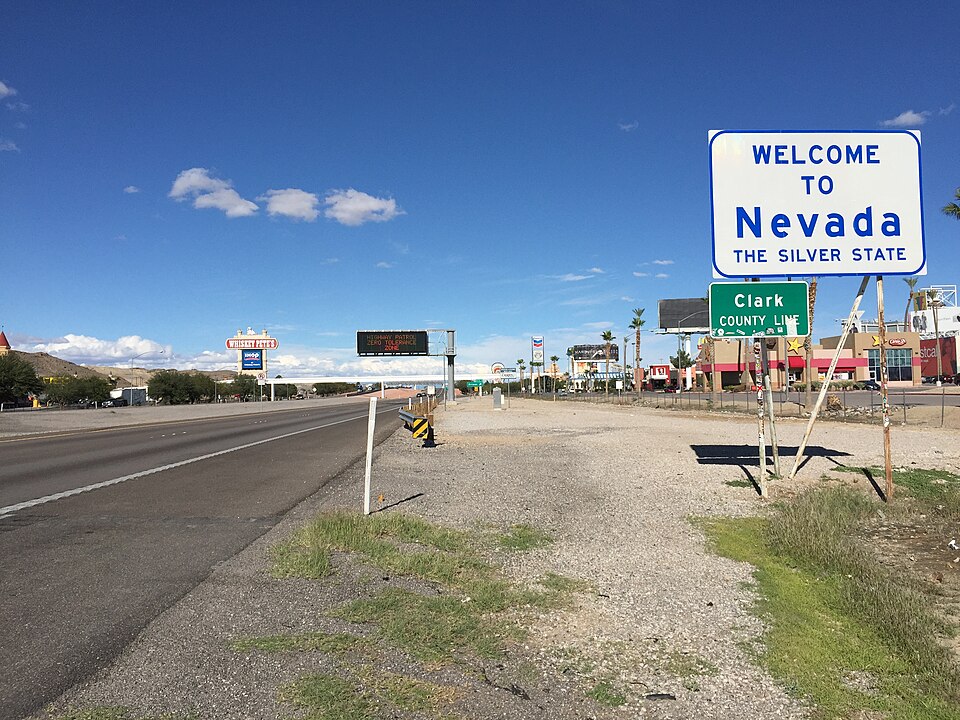
Nevada appeals to those seeking low property taxes and a vibrant entertainment scene. On paper, it is one of the most affordable states in the West, but for retirees, the hidden costs are found in the grocery aisles and at the DMV. Nevada currently has the fourth-highest average weekly grocery bill in the country, a 22.5% premium over Midwest alternatives.
Vehicle ownership is another shock; Nevada’s Governmental Services Tax is based on the car’s original MSRP, meaning a modest two-year-old car can cost up to $700 just to register, compared to under $100 in states like Tennessee. Perhaps most concerning for seniors is the physician shortage. Nevada ranks 48th in primary care doctors per capita, forcing many retirees to spend thousands of dollars annually traveling to California or Arizona just to see a specialist.
4. Arizona: The Hidden Premium on Housing

Arizona is often positioned as the more affordable, senior-friendly version of California. It boasts a low flat income tax of 2.5% and world-class geriatric care. However, “cheaper than California” does not mean affordable. In 2026, Arizona’s cost of living sits 8% above the national average, with housing costs specifically hovering 22% above the norm.
The real “budget killer” in Arizona, however, is the environment. Between June and September, continuous air conditioning is a survival necessity, not a luxury. For a standard 2,000-square-foot home in Phoenix, peak summer electricity bills can reach $450 a month. For a retiree who moved to escape high costs, spending $1,800 a year just to keep the house at a livable temperature can quickly erode their savings.
5. Delaware: The Crowded Tax Haven

Delaware is a financial darling for retirees: no sales tax, no Social Security tax, and very low property taxes. This “tax-friendly” reputation has worked almost too well. The state has seen a 92% increase in residents aged 65 and older since 2002, and the infrastructure simply hasn’t kept up with the influx.
With 25% of the population now over the age of 60, Delaware’s healthcare system is at a breaking point. Retirees report long wait times for basic procedures and a shortage of specialized doctors. Beyond healthcare, the housing market has become increasingly competitive, with average home values now exceeding $399,000, well above the national average. While you might save money on your tax return, you may find yourself spending that surplus on a higher mortgage and waiting months for a doctor’s appointment.
